 Attractions
  Hotel
Hotel  Restaurant
  Shopping
  Abroad
  Nearby Places





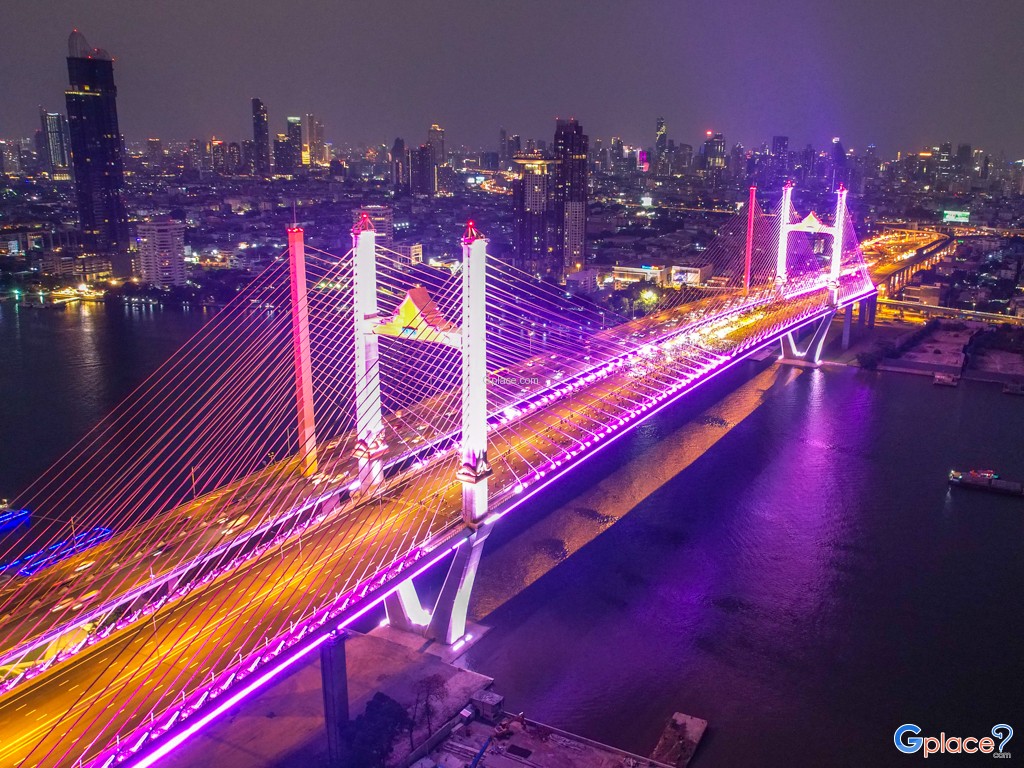


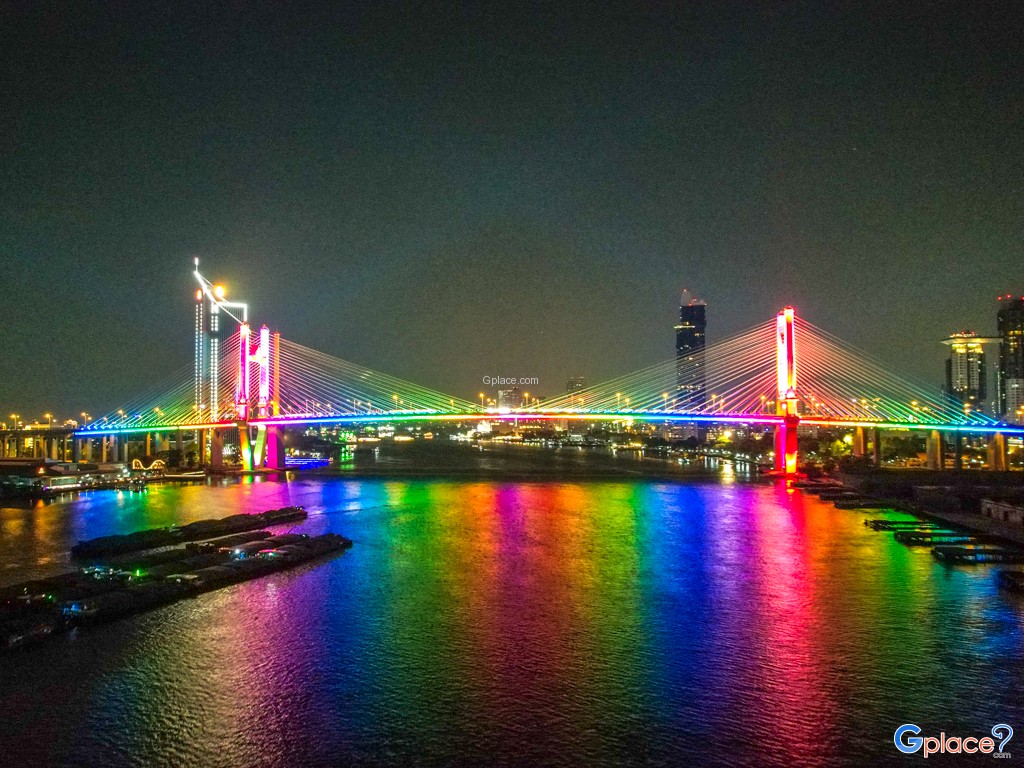
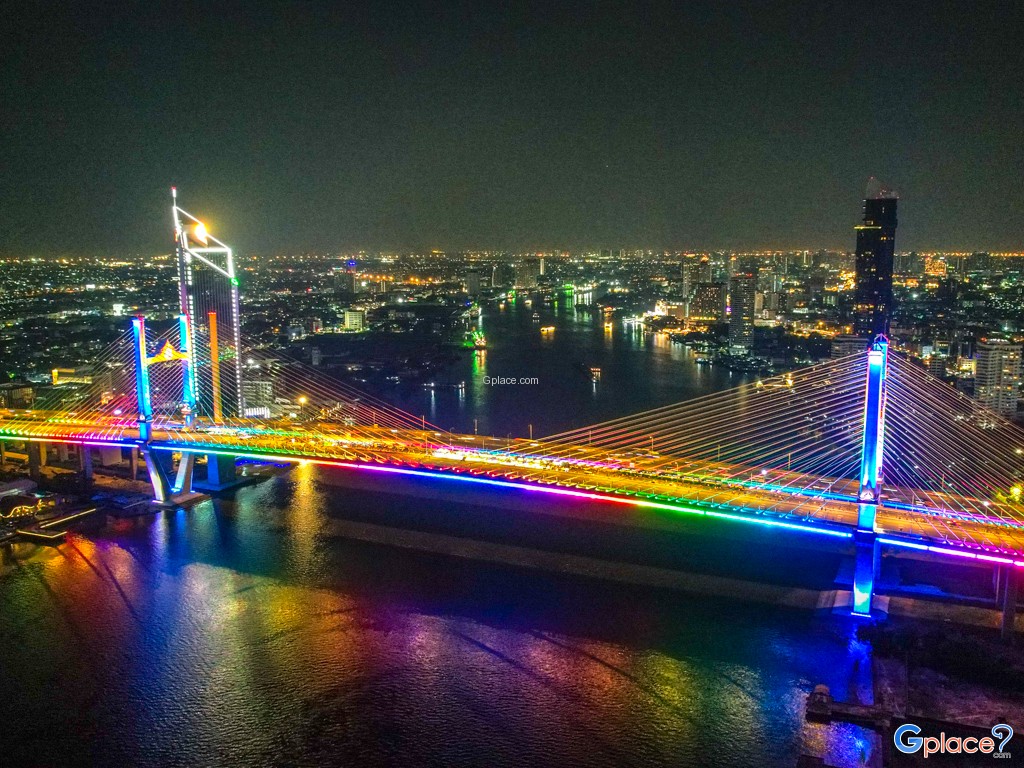

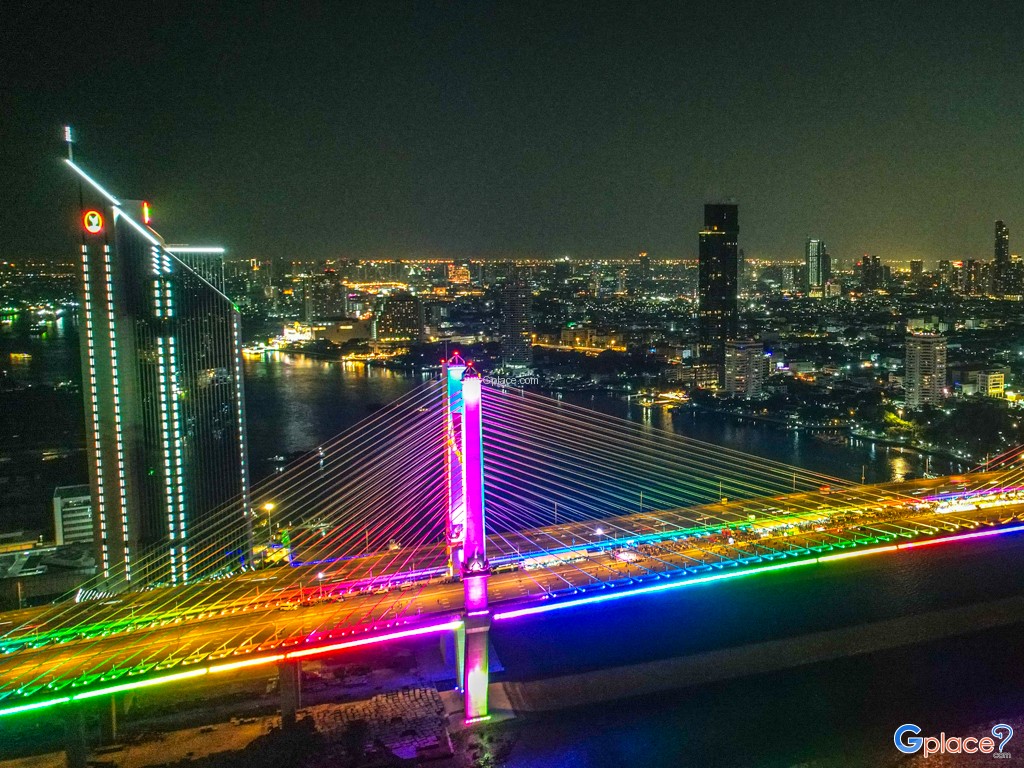
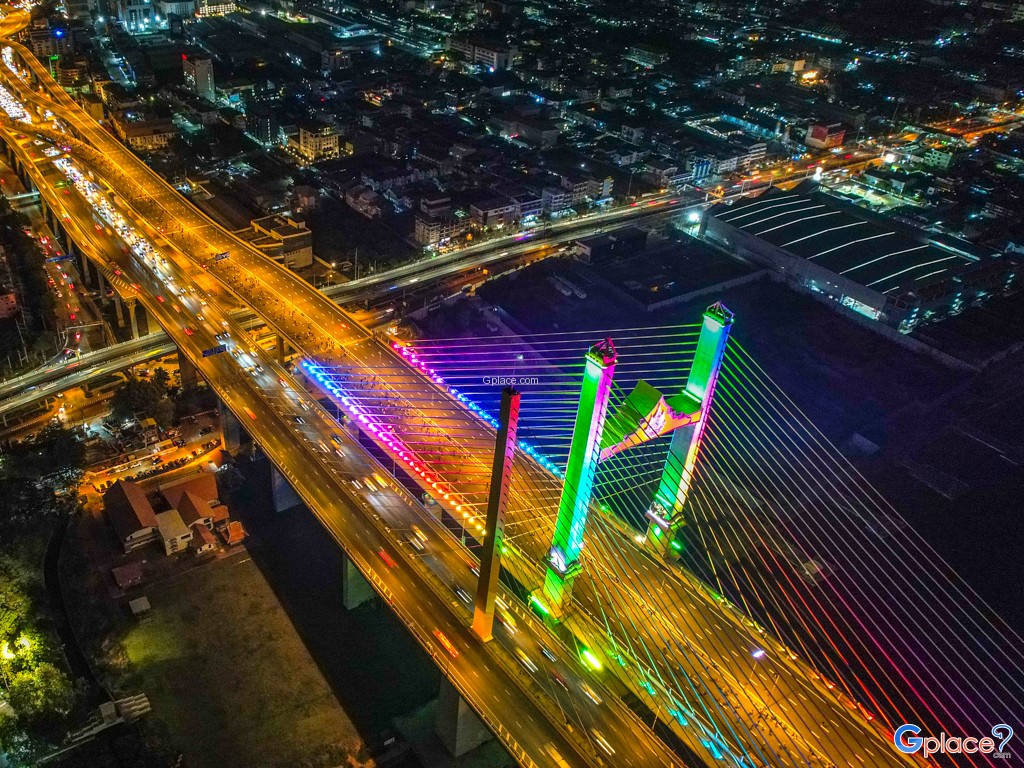
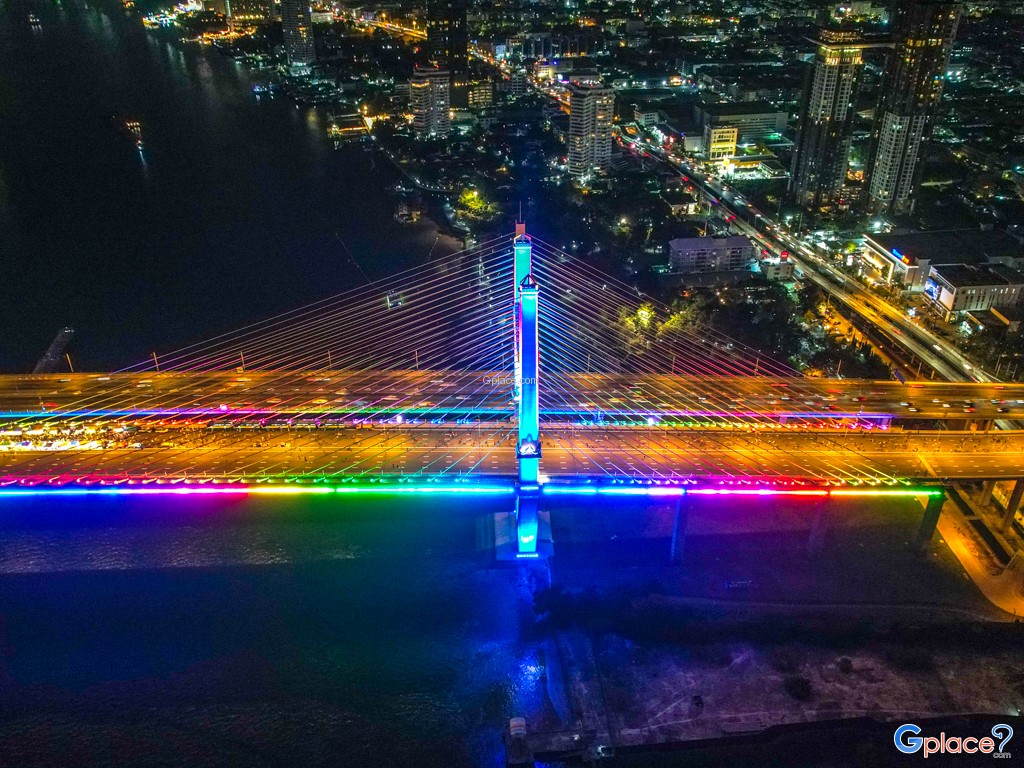
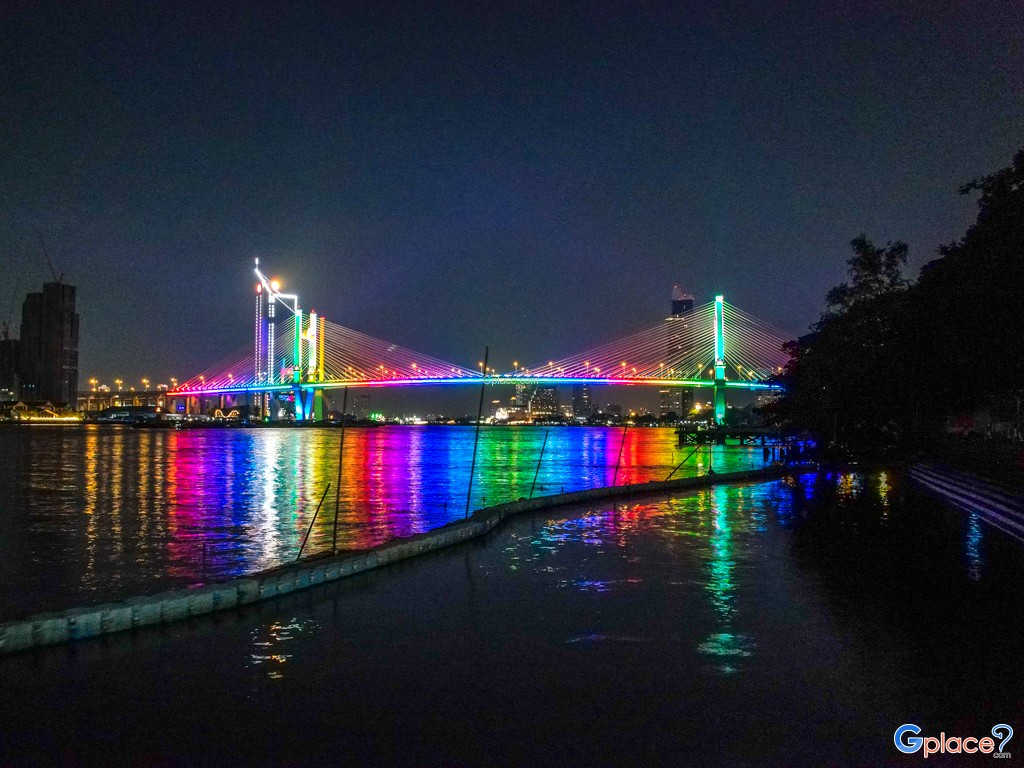

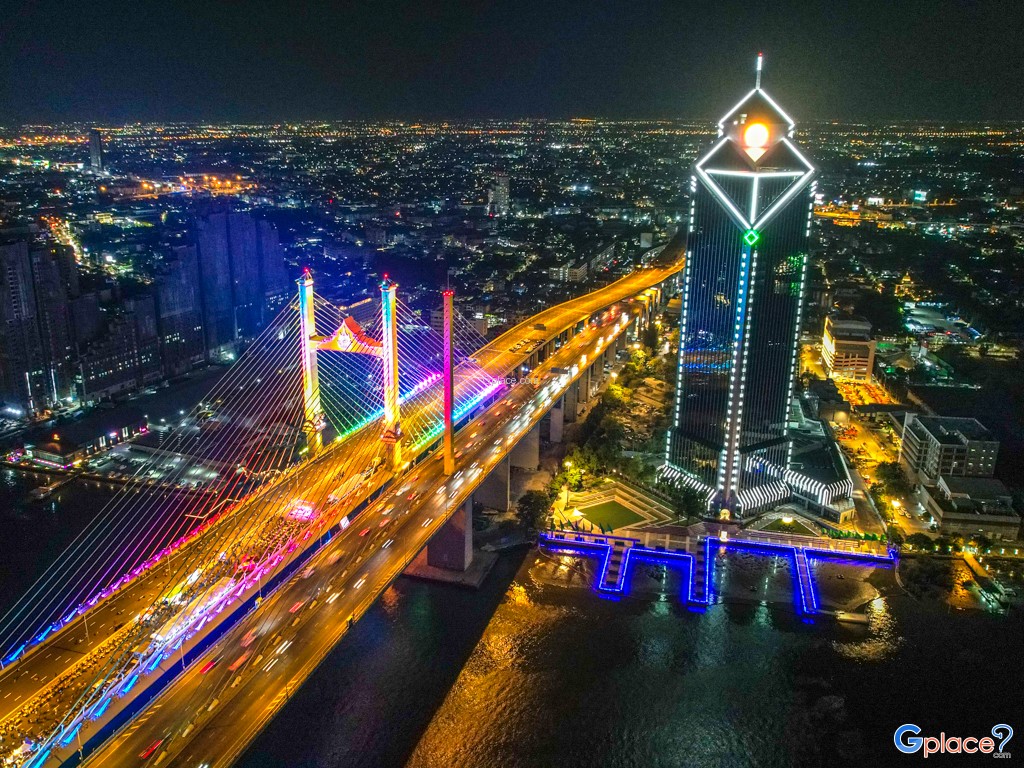

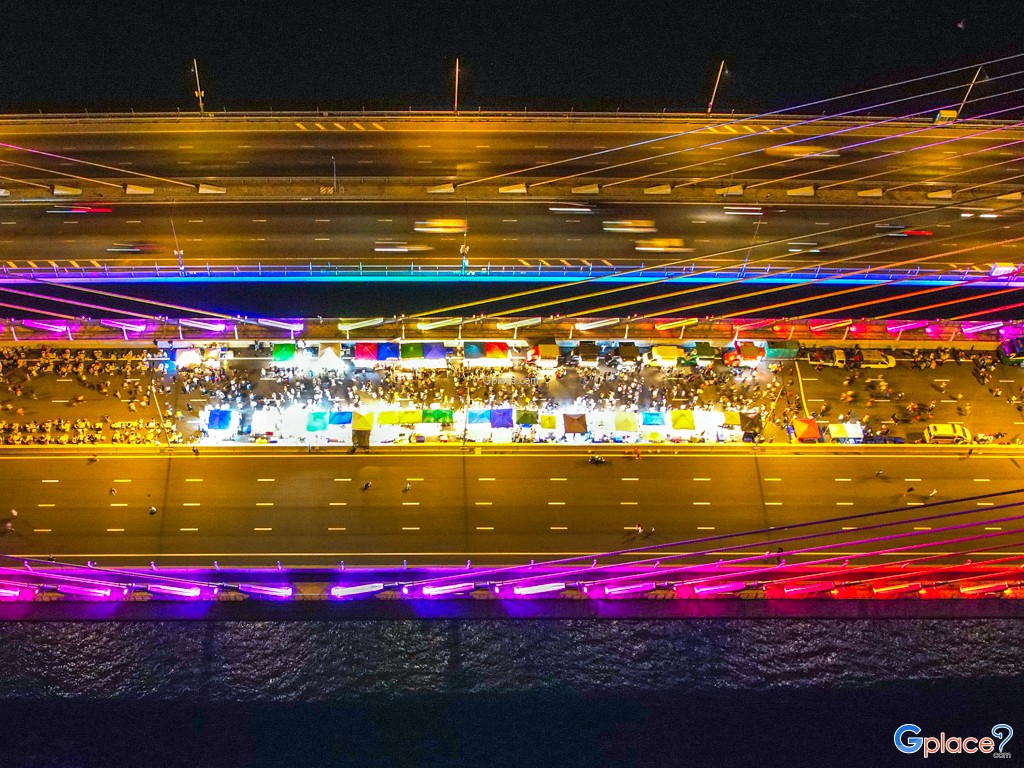
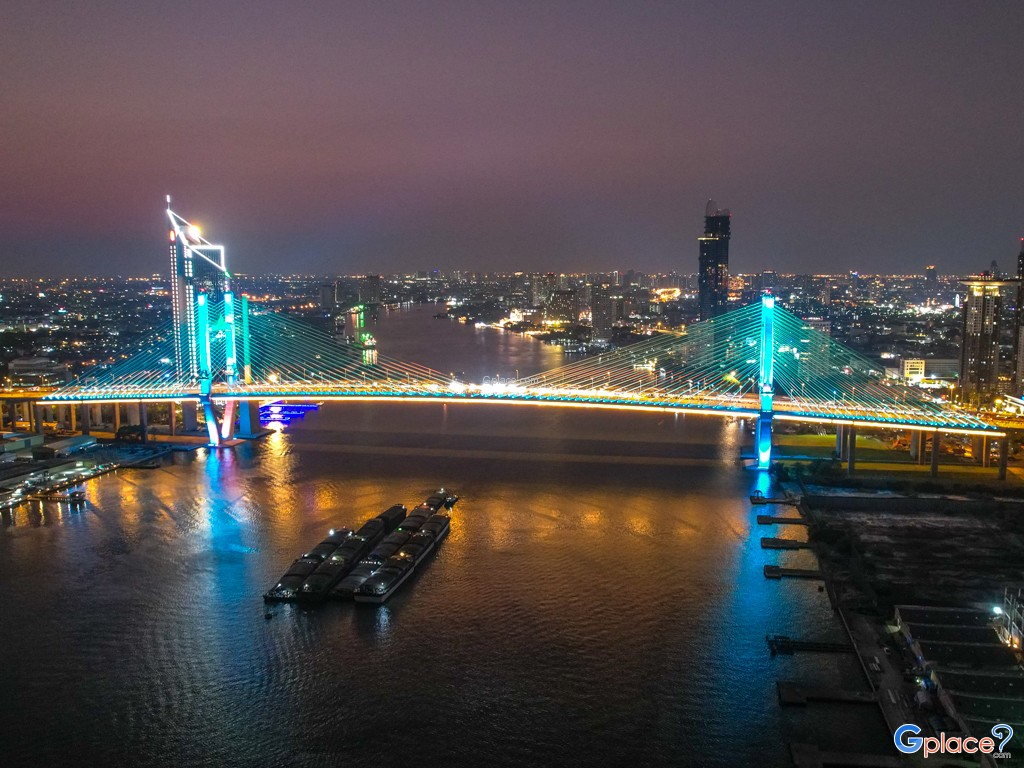
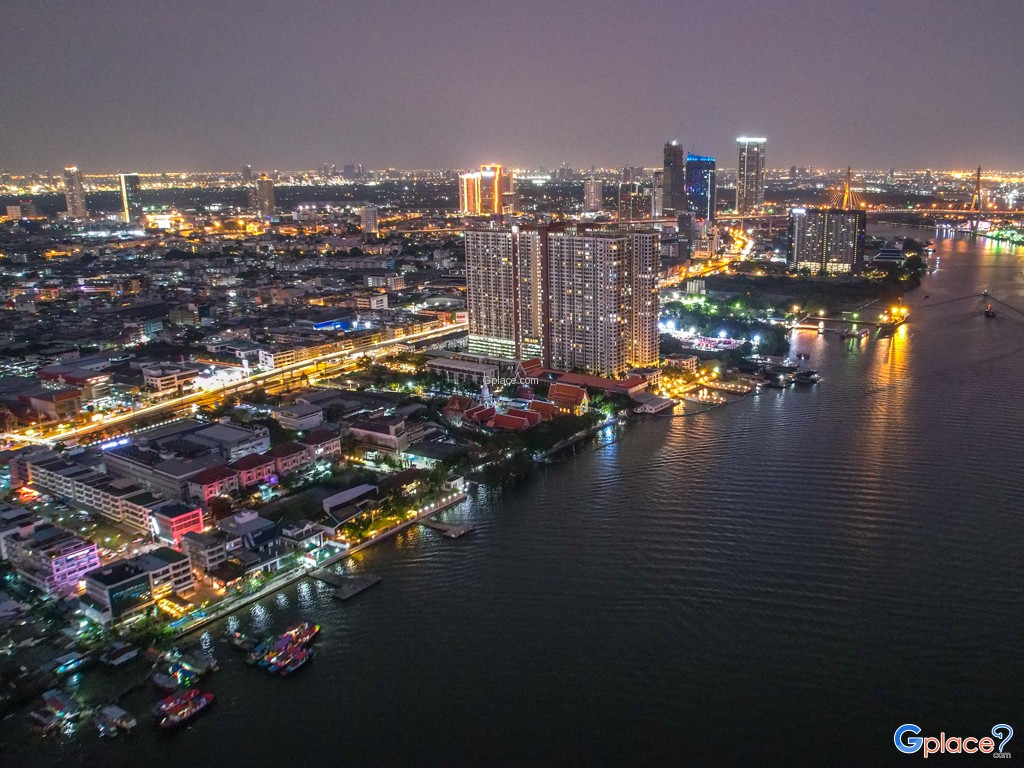


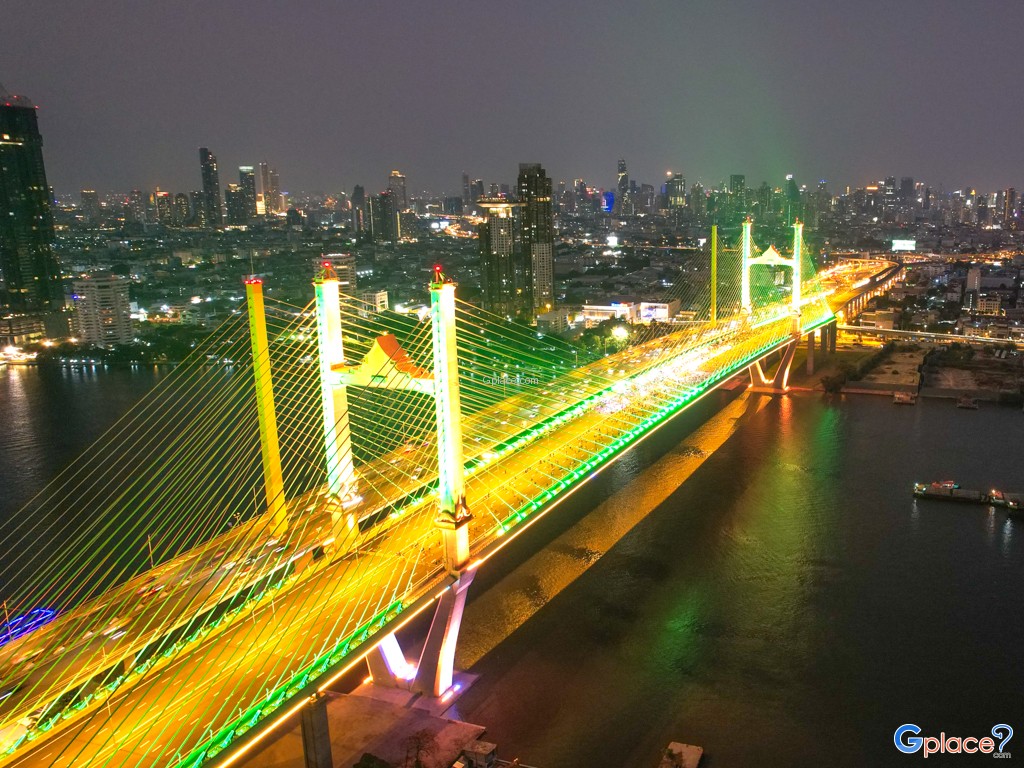
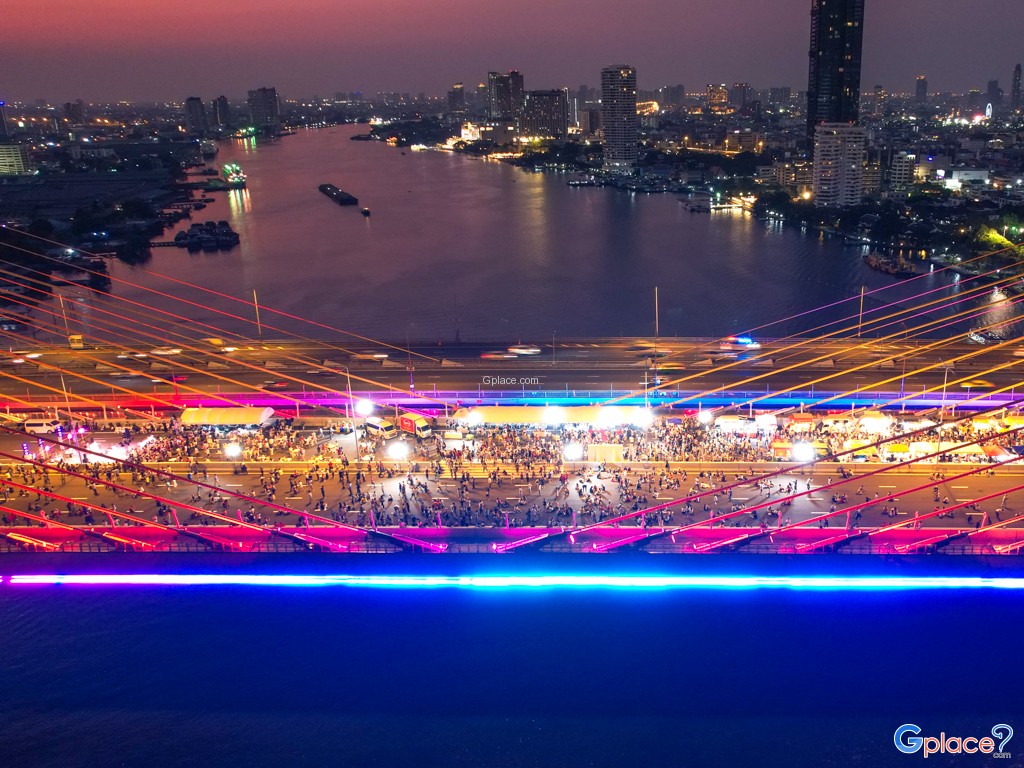


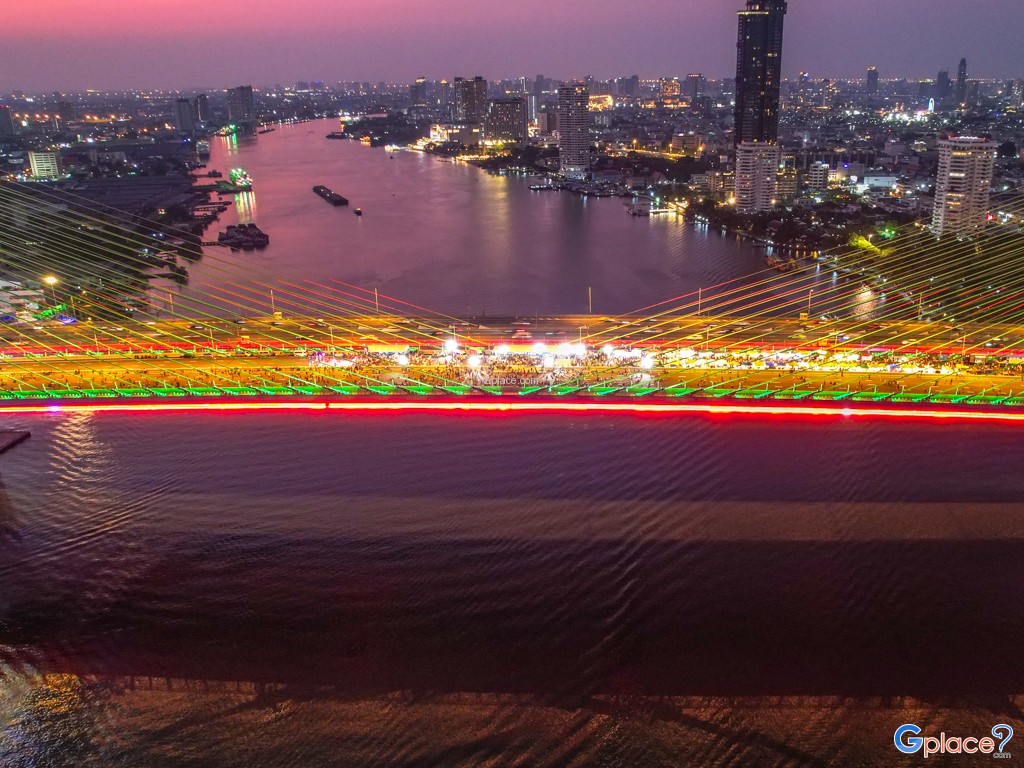
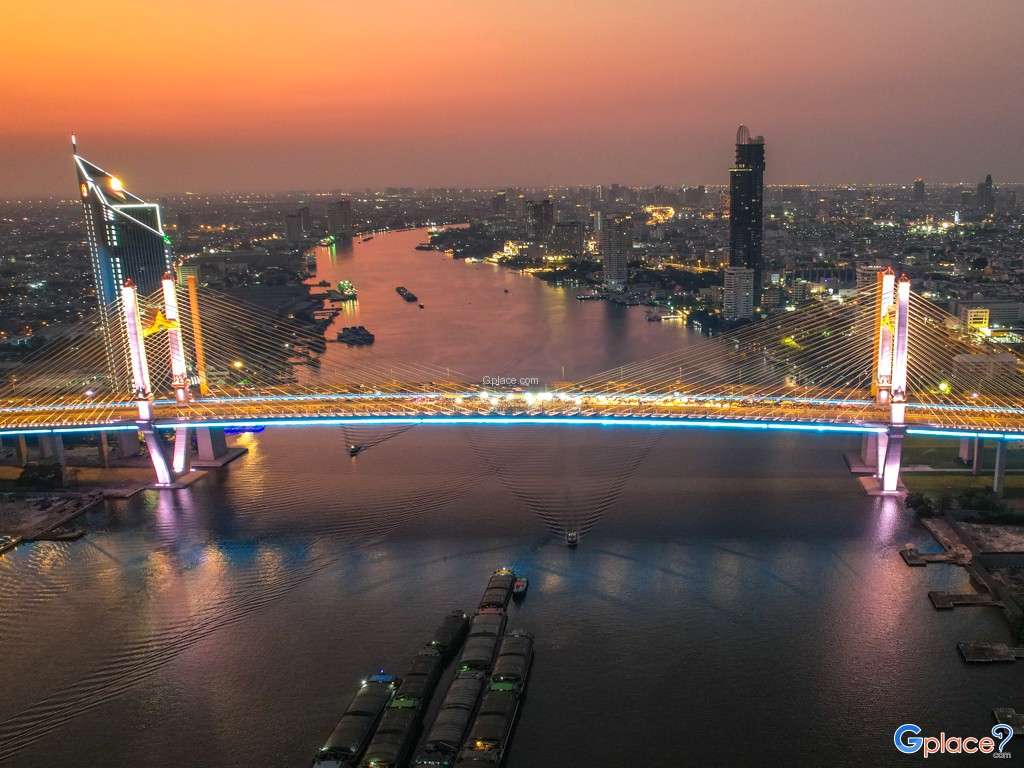


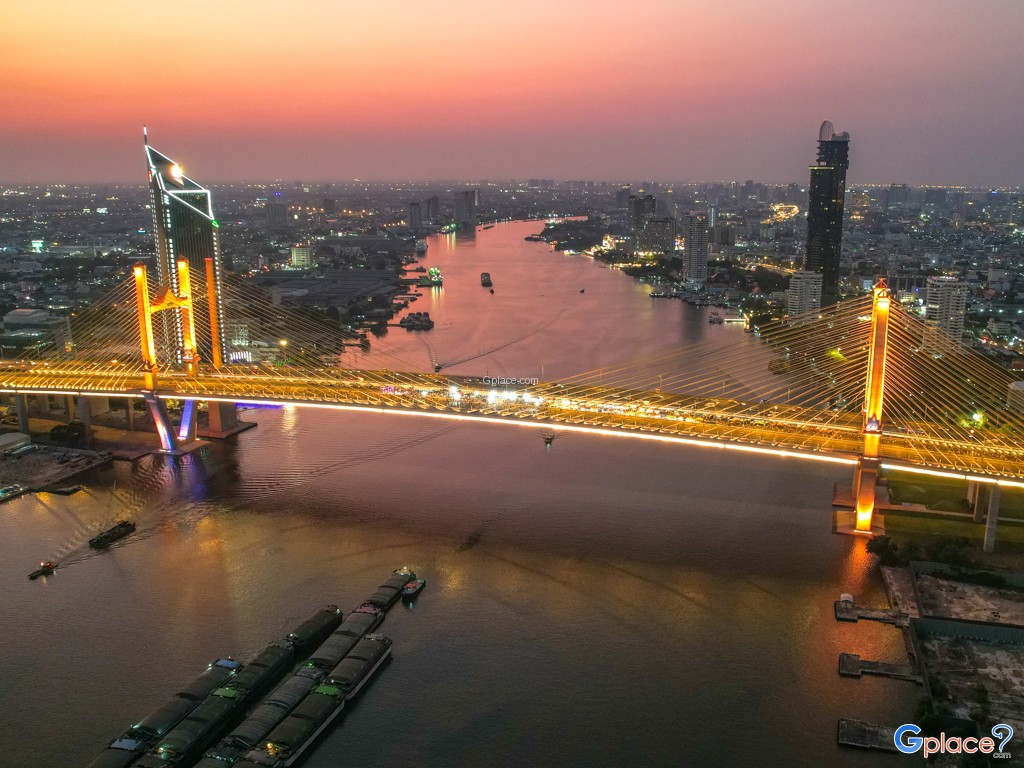

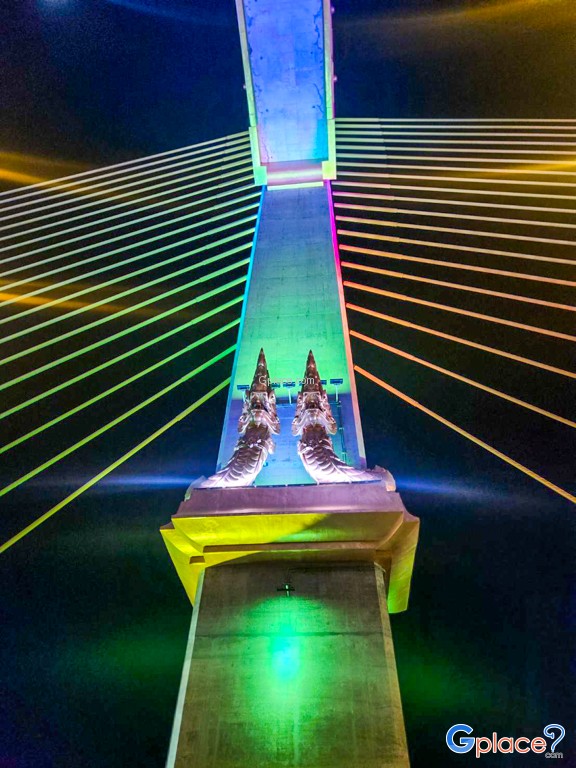
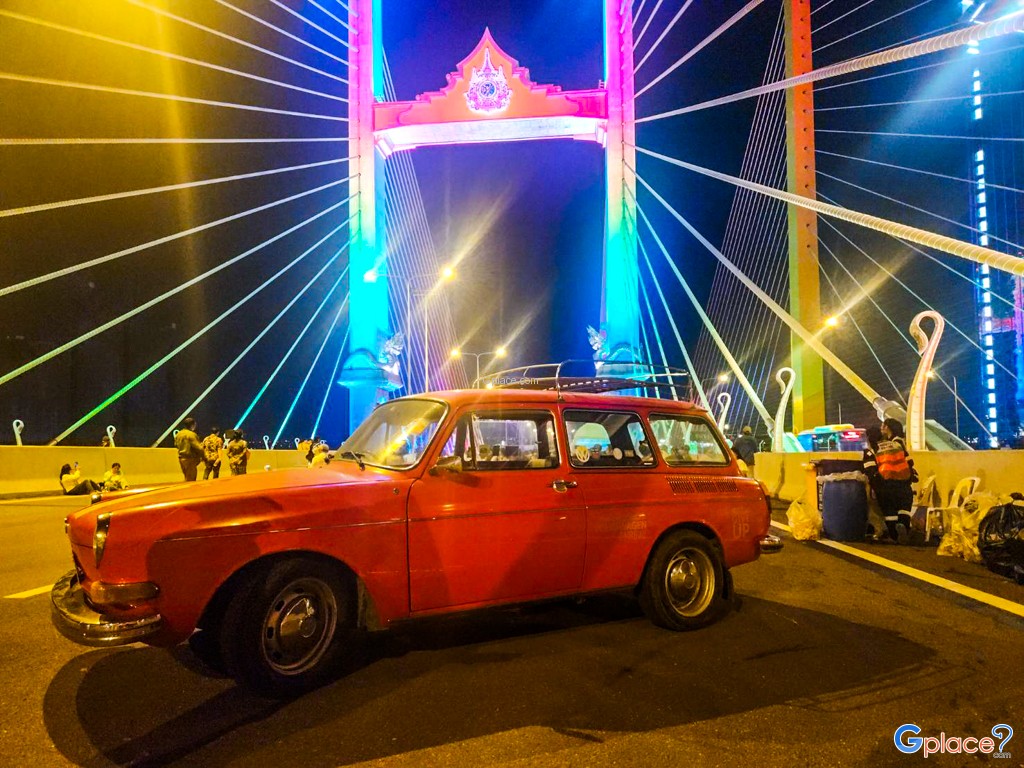
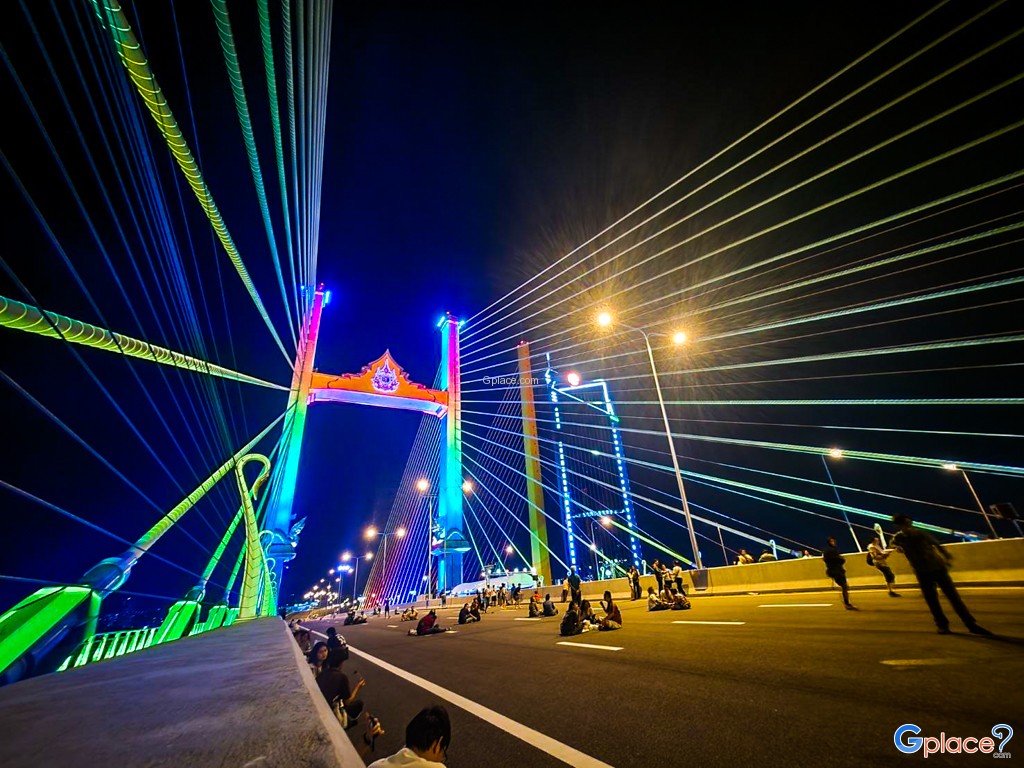


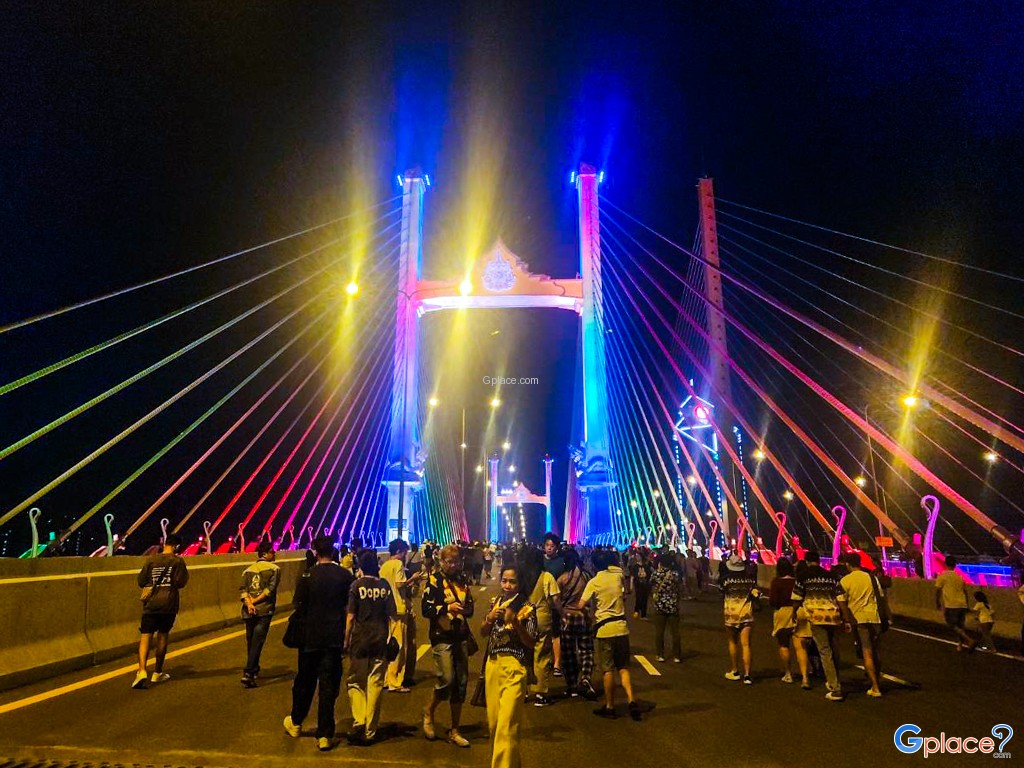
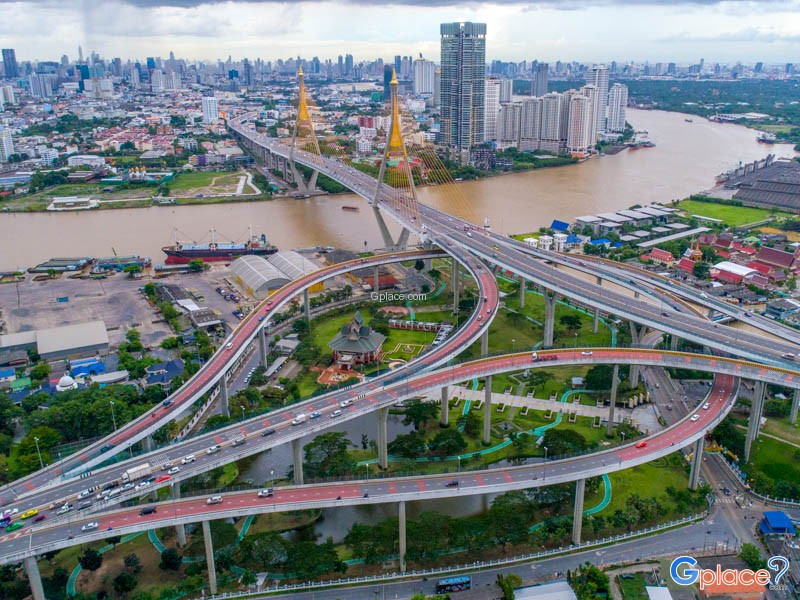
Thotsamarachan Bridge, formerly known as the parallel bridge to Rama IX Bridge, is a major cable-stayed bridge constructed as part of the Rama III–Dao Khanong–Outer Ring Road (Western Bangkok) Expressway project. The bridge was granted its royal name as an auspicious tribute in honor of a significant royal occasion, symbolizing both engineering achievement and national pride.
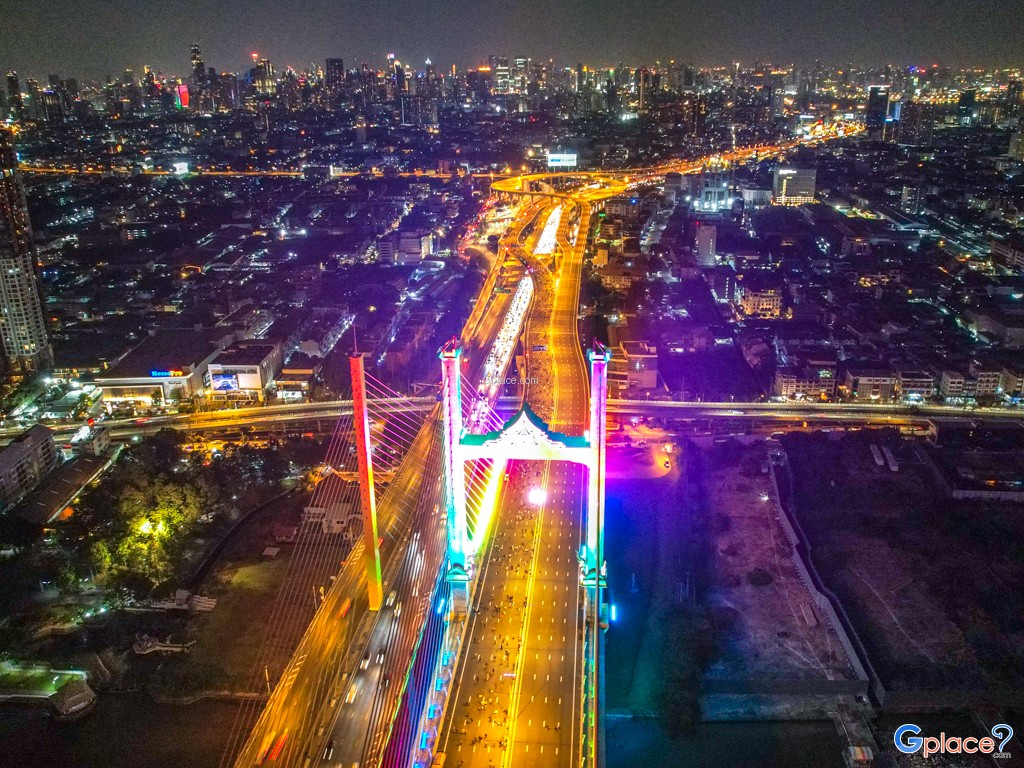
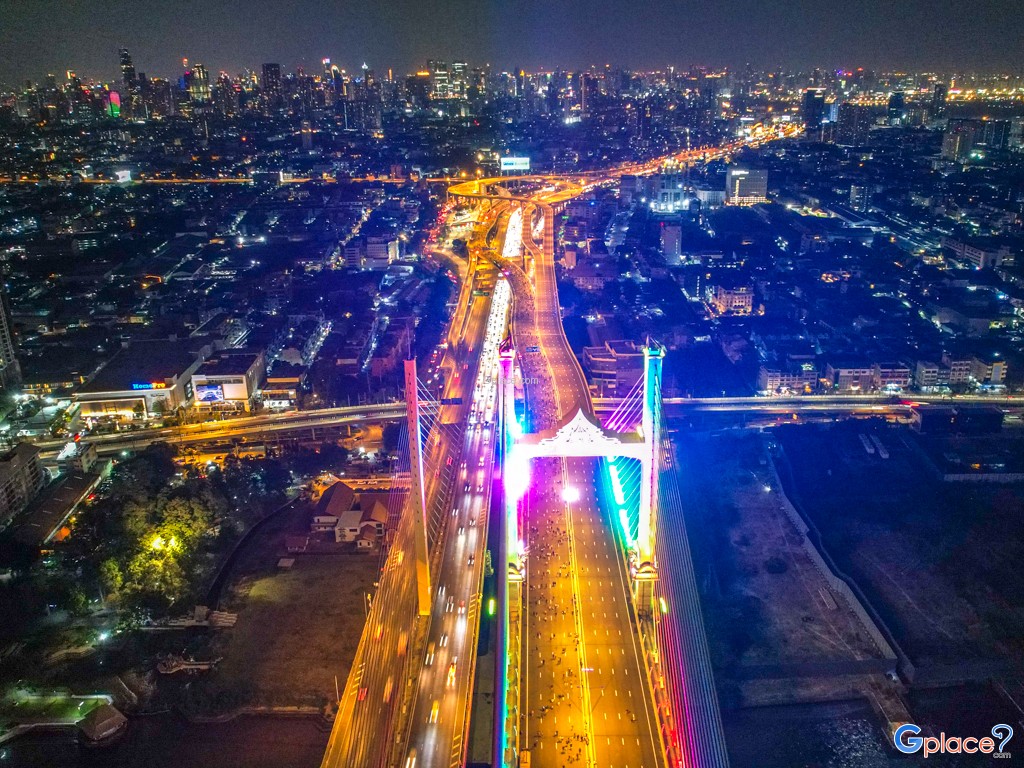
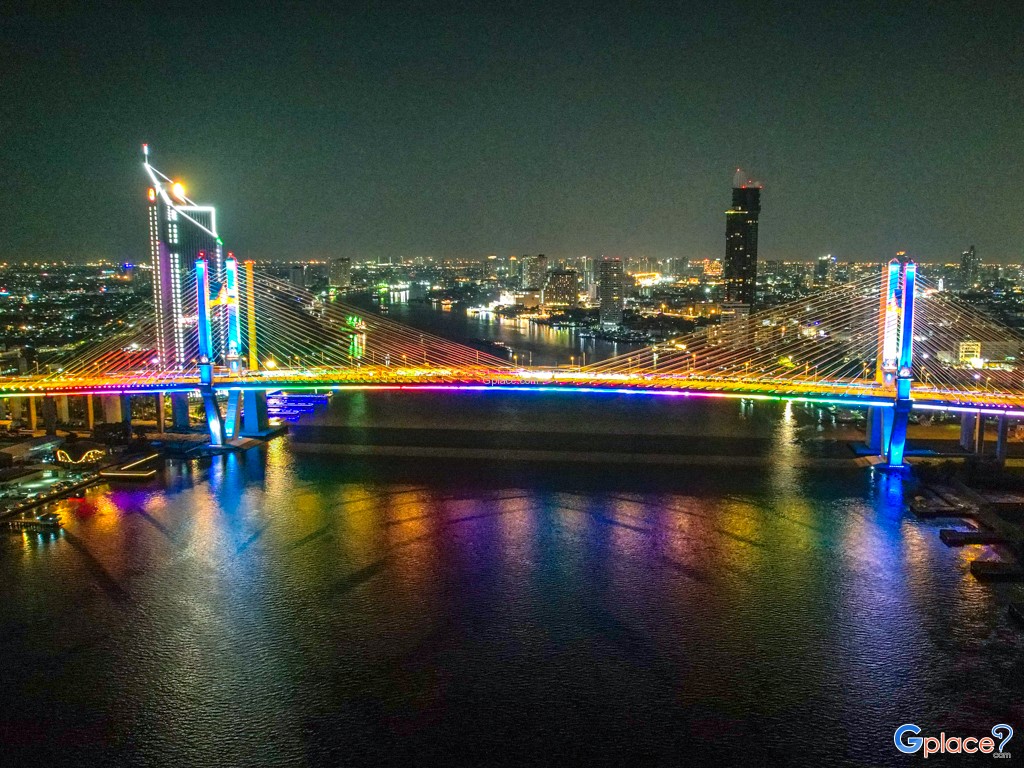
Spanning the Chao Phraya River, the bridge is approximately 42 meters wide, making it the widest river-crossing bridge in Thailand. Its main span stretches about 450 meters across the river. The pylons are designed in an H-shaped form, symbolically referencing the royal monogram, while the symmetrically arranged golden cables create a striking contrast against the bridge’s steel structure.
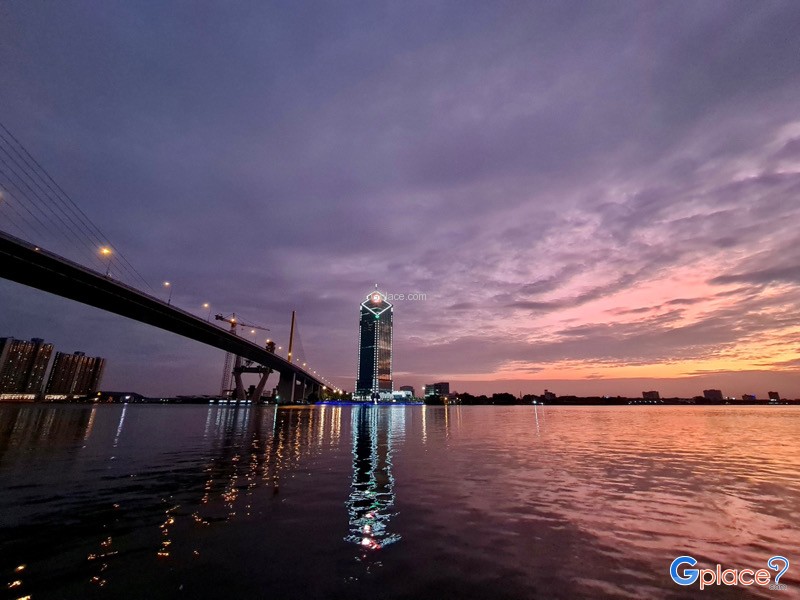
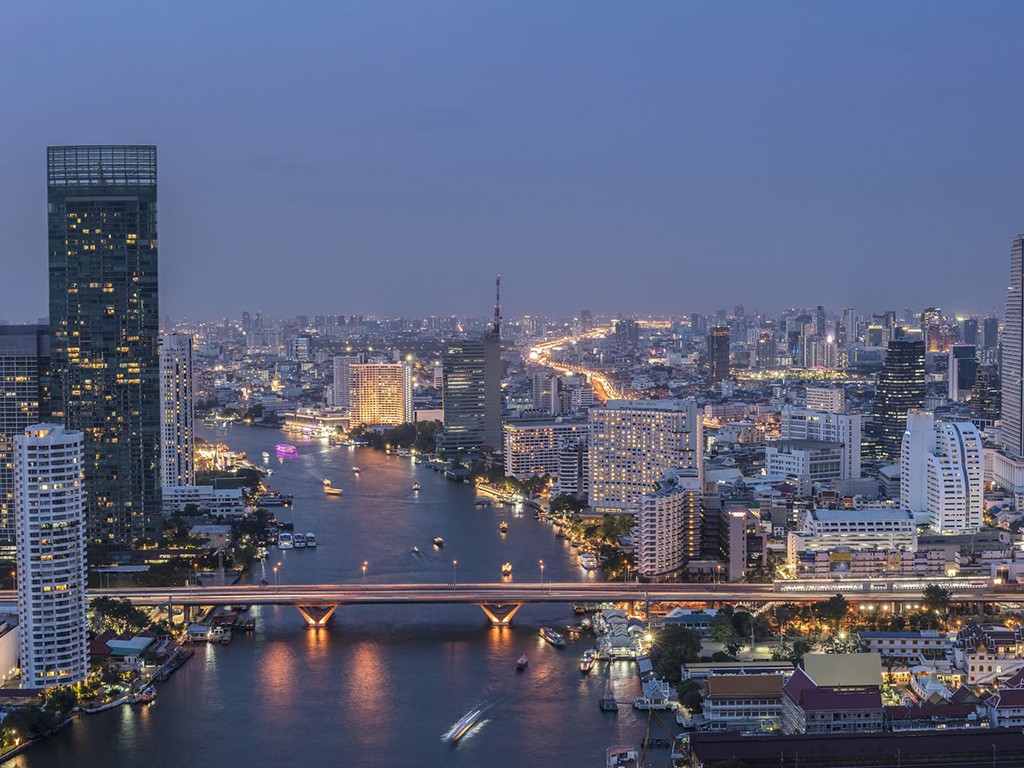
At night, a carefully designed illumination system lights up the bridge, casting brilliant reflections onto the river below. The glowing structure has quickly become a new architectural landmark along the Chao Phraya River and a favorite photography spot showcasing Bangkok’s modern skyline.
Functionally, Thotsamarachan Bridge plays a crucial role in easing traffic congestion by sharing the load with the nearby Rama IX Bridge, which has been in service for over three decades. The new bridge significantly improves traffic flow between Thonburi and Phra Nakhon sides of the city and enhances connectivity toward southern Thailand and the outer ring road network.
Beyond its transportation function, the bridge stands as a symbol of Thailand’s modern engineering capability, harmoniously blending aesthetic elegance with practical infrastructure, and represents a new icon of pride along the Chao Phraya River.