 Attractions
  Hotel
Hotel  Restaurant
  Shopping
  Abroad






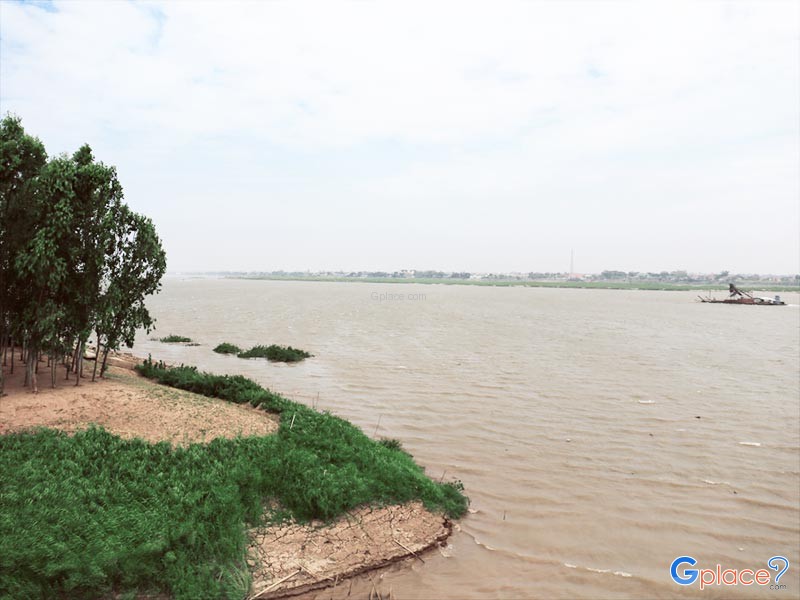
“ Famous for its white-and-gold Chedi Chantharawisut, traditional Isan-style ordination hall, and peaceful Mekong riverside views, perfect for worship and sunset watching. ”
Wat Sri Mongkon Nuea is a historic riverside temple along the Mekong River that holds great importance in the history, art, and traditional way of life of Mukdahan Province. Originally known simply as “Wat Sri Mongkon,” the temple served as a major Buddhist center for local riverside communities for generations. Later, as the town expanded and another temple was established nearby, the names “Wat Sri Mongkon Nuea” (North) and Wat Sri Mongkon (South) were adopted according to their geographical locations. The temple belongs to the Dhammayut Buddhist sect, known for strict discipline and meditation practice. This gives the temple a peaceful and orderly atmosphere, making it ideal for meditation and spiritual retreats. The grounds are carefully organized into monastic zones, worship areas, and open riverside spaces that receive cool breezes from the Mekong throughout the day.
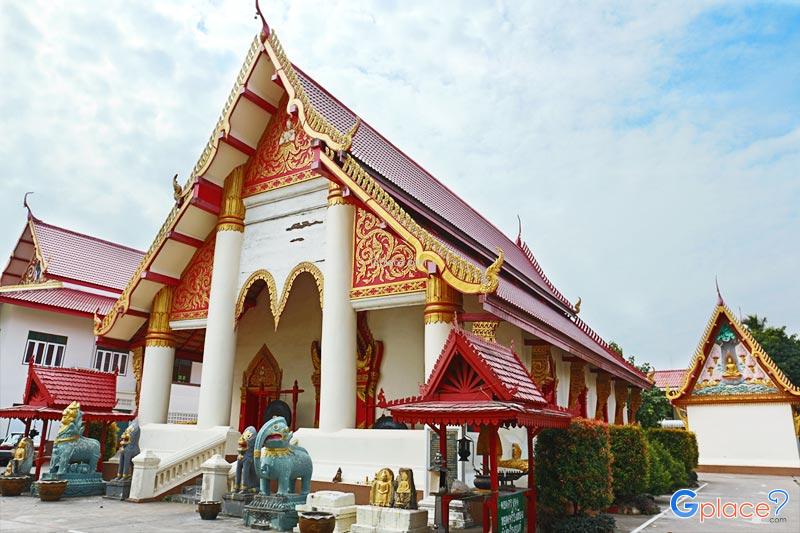
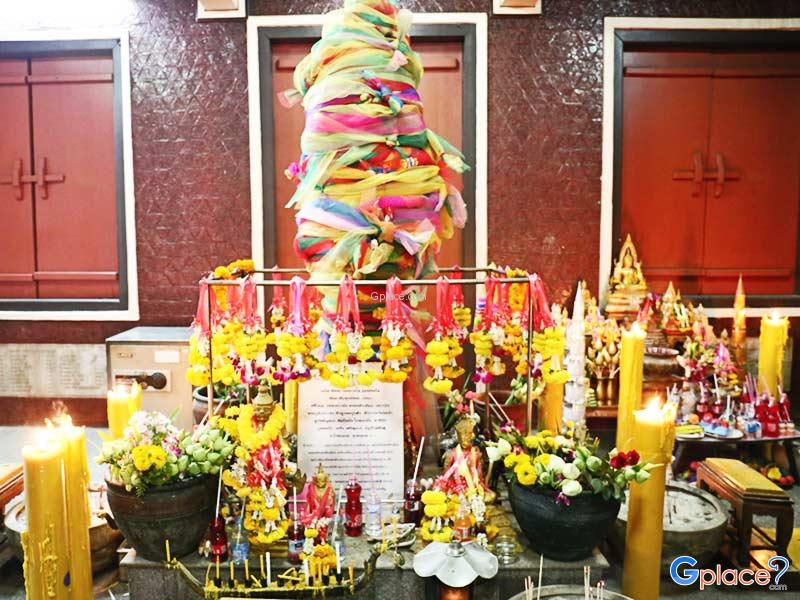
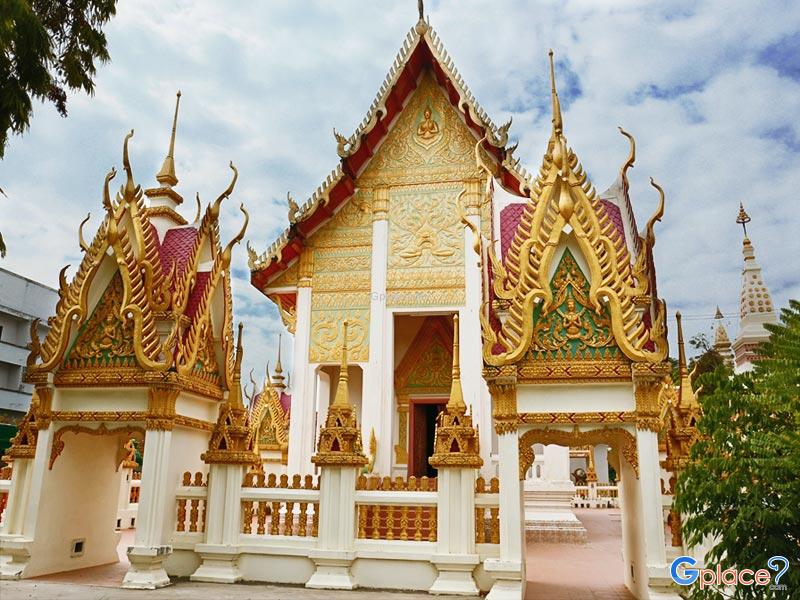
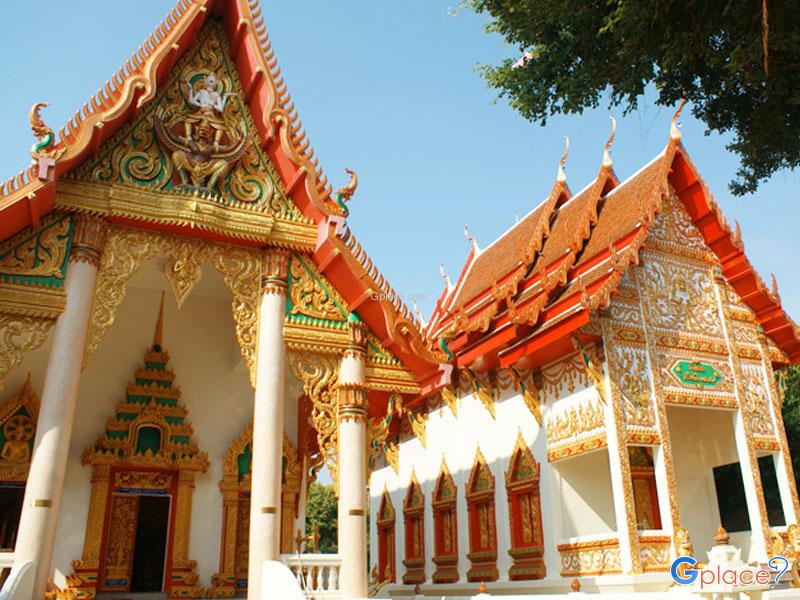
The temple’s most iconic landmark is the “Chedi Chantharawisut,” a striking white pagoda decorated with golden patterns rising above the riverside landscape. The chedi combines Thai and Lao artistic influences, reflecting the cultural identity of the Mekong region. Inside are the relics of Luang Pu Luan Chantasaro, a highly respected former abbot believed to have played a major role in restoring and developing the temple after the Indochina War period.In front of the chedi stand guardian giant statues and a large meditation Buddha image where local worshippers come to pray for blessings and good fortune, especially during Buddhist holy days, Buddhist Lent, and major religious festivals.Another valuable feature is the temple’s ancient “Sim” or ordination hall, which beautifully preserves traditional northeastern Thai (Isan) architecture. Its layered roof, intricate stucco vine motifs, and classic pillars reflect local craftsmanship from earlier generations. Historically, the Sim was used for important community ceremonies such as ordinations, water blessing rituals, and monastic chanting ceremonies, making it a long-standing spiritual center for riverside residents.
Beyond its religious significance, the temple remains closely connected to the Mekong riverside way of life. One of the most meaningful traditions is the early morning alms-giving ceremony, where monks walk along the riverside road receiving offerings from local residents while the peaceful Mekong scenery and views of Laos create a unique cultural atmosphere. This tradition reflects the enduring relationship between Buddhism, the river, and the local community.The surrounding area also connects to Mukdahan Old Town, known for its traditional wooden buildings, local cafés, and Muk Street Art, a creative mural project inspired by Mekong culture and local lifestyles. Visitors can easily continue exploring the old town on foot to experience the simple charm and cultural identity of Mukdahan.
How to Get There
- By Car: From Ho Kaeo Mukdahan, drive along Samran Chai Khong Nuea Road beside the Mekong River toward Indochina Market for about 5 minutes. The temple is located along the riverside road near Mukdahan Old Town, with roadside parking available nearby.
Travel Tips
- Visit early in the morning to experience traditional Mekong riverside alms giving and the peaceful atmosphere.
- Late afternoon is ideal for photography and watching the sunset over the Mekong River.
- Dress respectfully; avoid sleeveless shirts, short pants, and loud behavior inside the temple grounds.
- Visitors can continue exploring Mukdahan Old Town and Muk Street Art nearby.
- Bring drinking water or an umbrella, especially during midday when the riverside weather can be quite hot.
Admission Fee:
- Free admission (donations are welcome)
Opening Hours:
- Open daily from 06:00 AM – 06:00 PM
Wat Si Mongkol Nua

 Share
Share
 Muang Mukdahan District, Mukdahan, 49000
Map
Muang Mukdahan District, Mukdahan, 49000
Map
 Closed today
Mon6.00 - 18.00
Tue6.00 - 18.00
Wed6.00 - 18.00
Thu6.00 - 18.00
Fri6.00 - 18.00
Sat6.00 - 18.00
Sun6.00 - 18.00



 2769
2769