 Attractions
  Hotel
Hotel  Restaurant
  Shopping
  Abroad





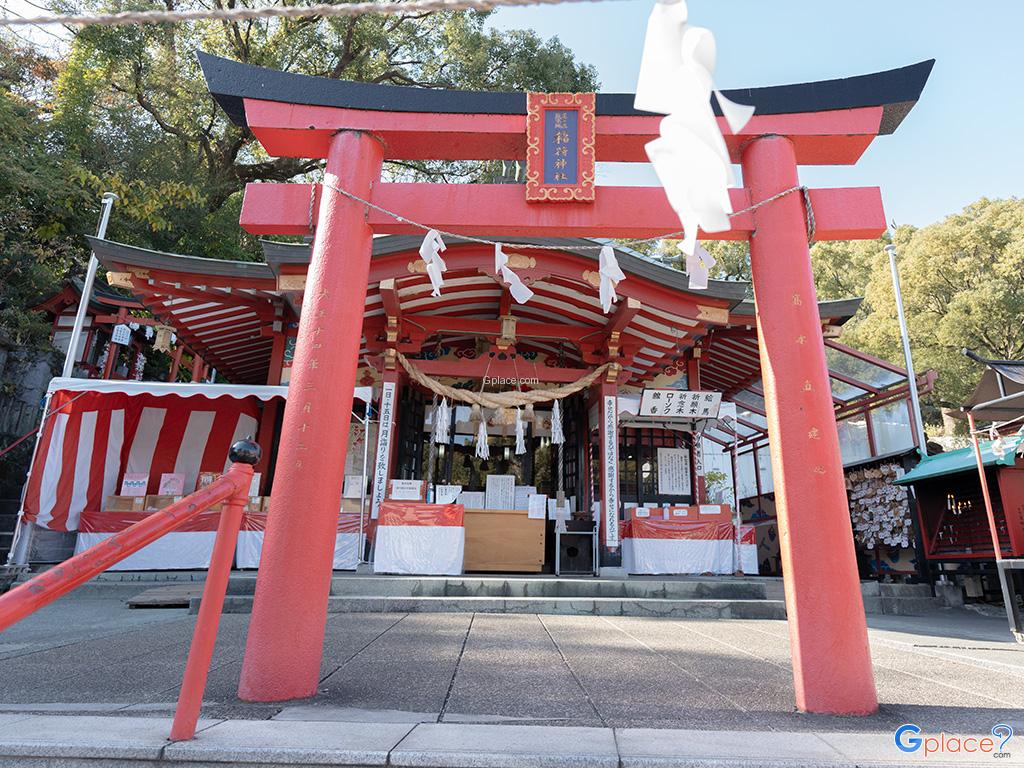

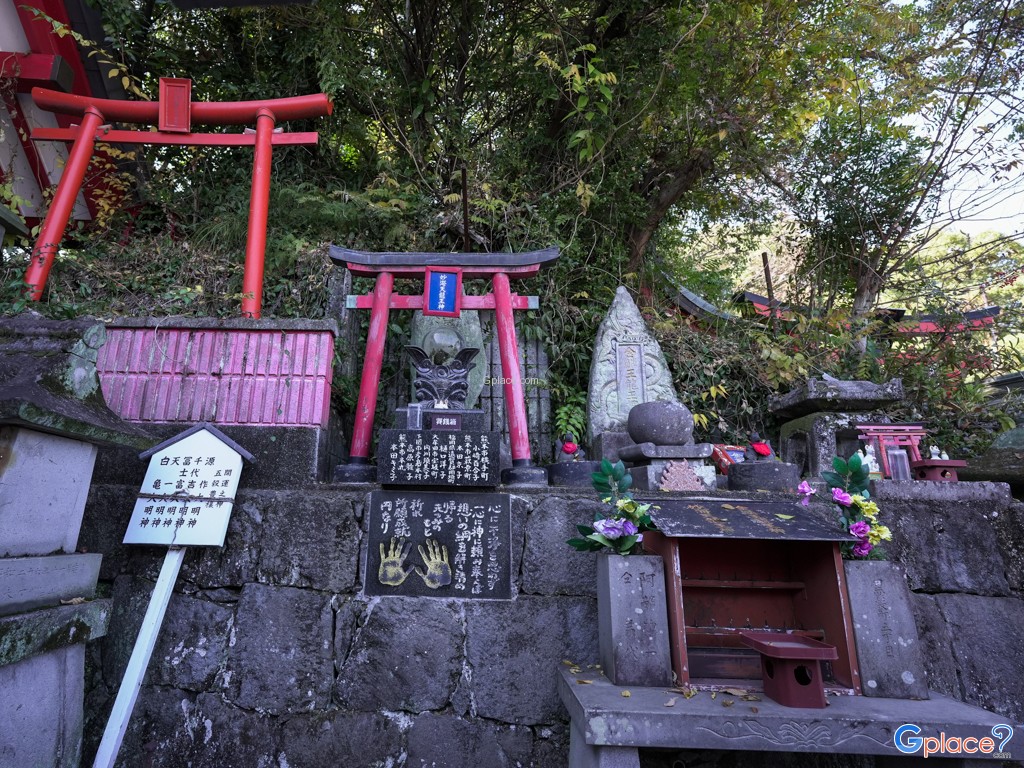
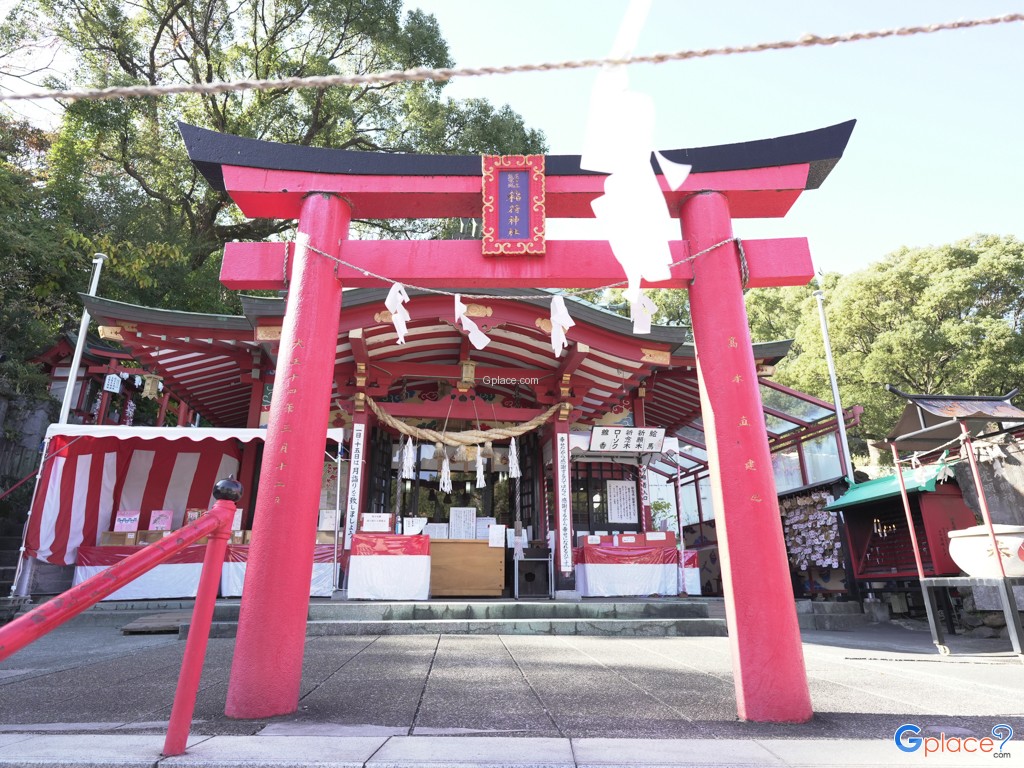

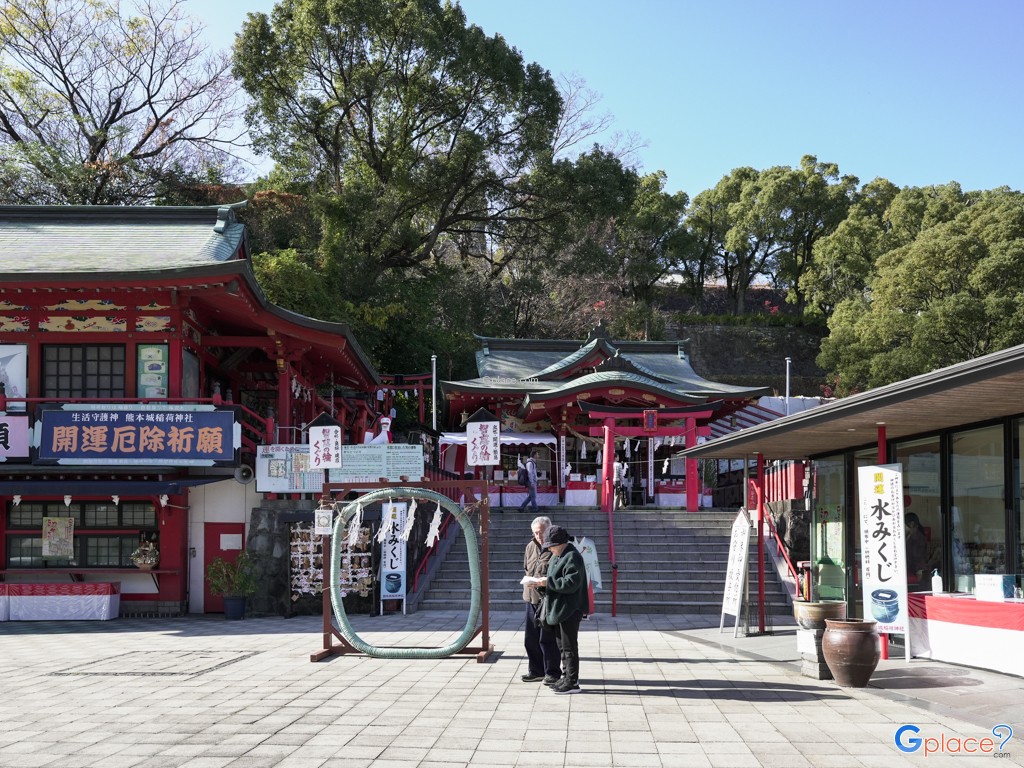
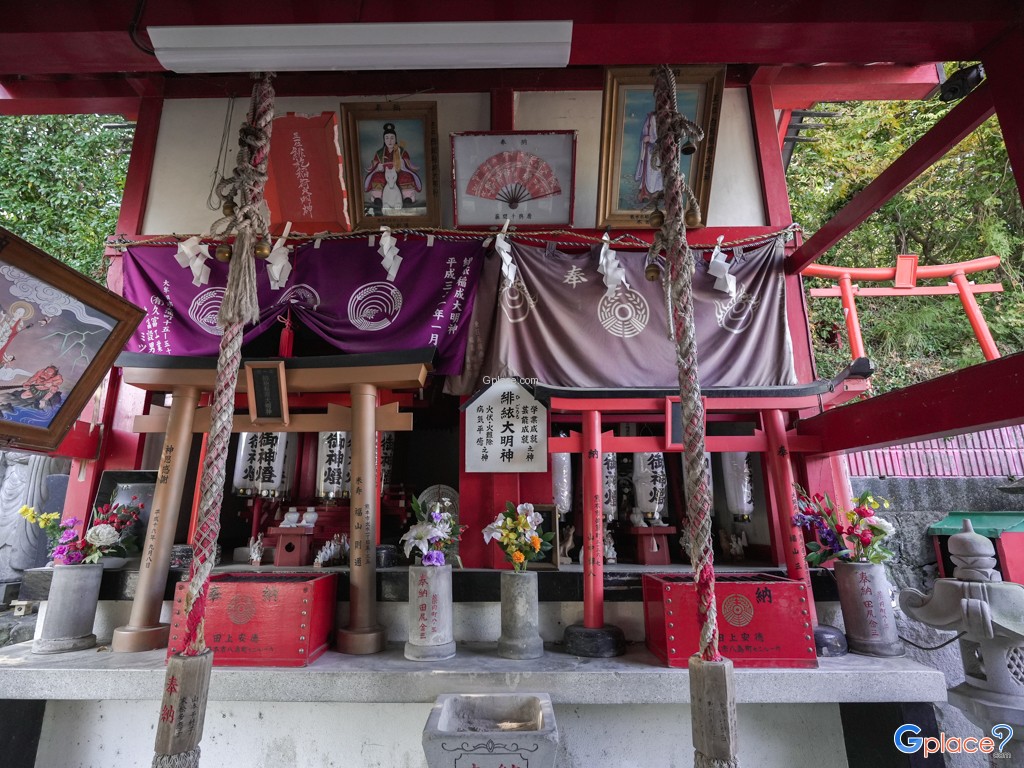
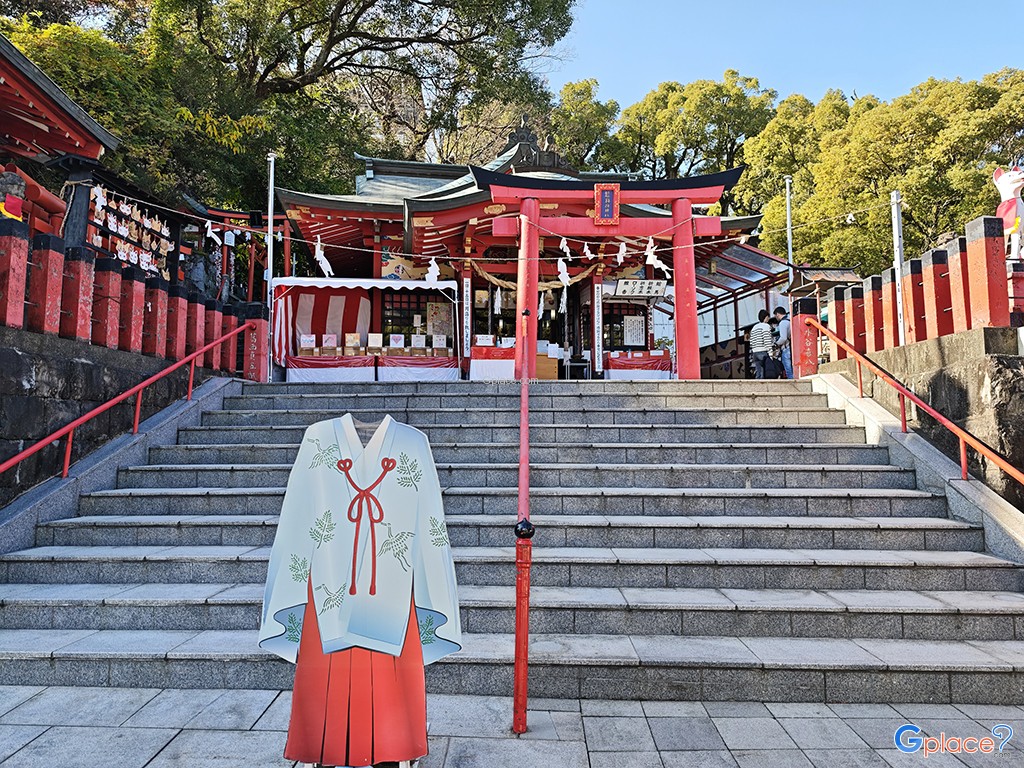
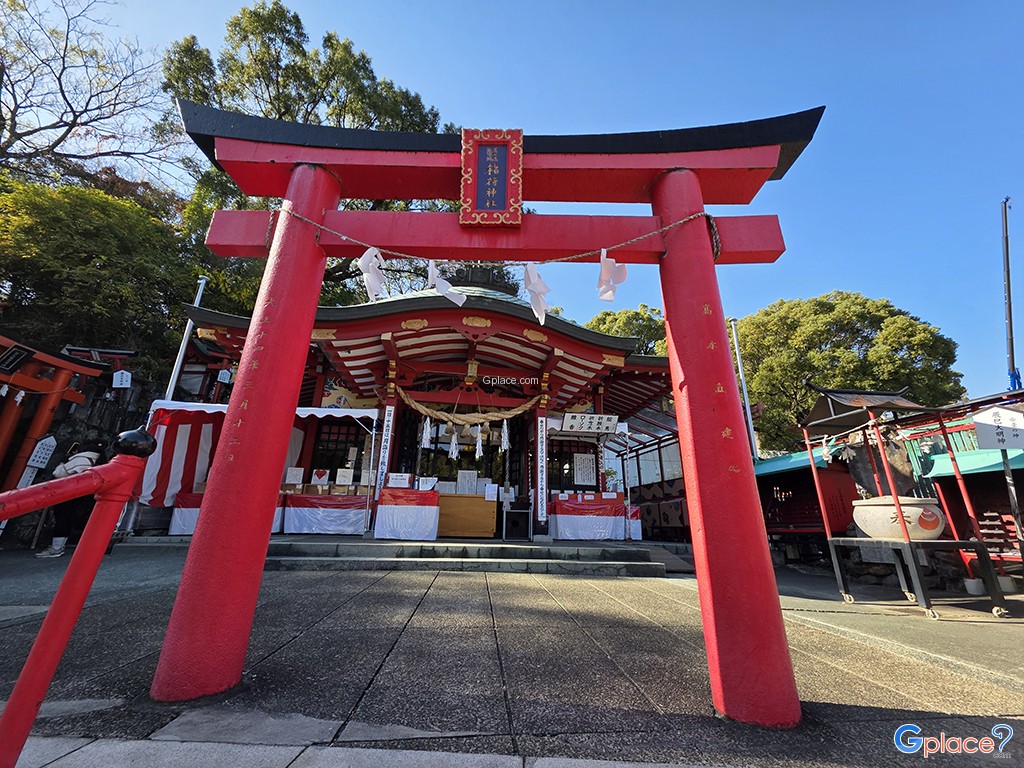
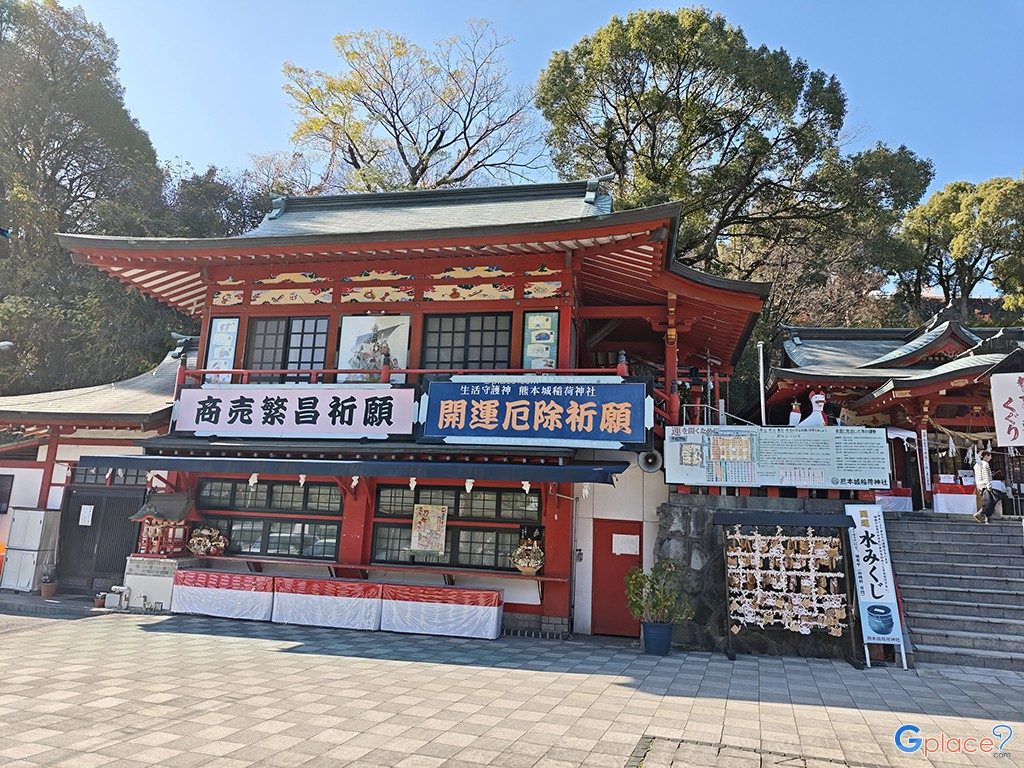

“A rare Inari shrine inside Kumamoto Castle, featuring iconic red torii gates, water fortunes, and year-round purification rituals.”
Kumamoto Castle Inari Shrine, commonly called Shirahige-san (“White Beard”), was founded in 1588 by Katō Kiyomasa, the first lord of the Higo Domain and the renowned builder of Kumamoto Castle. Established as the guardian shrine of the castle and castle town, it has protected the area for more than 400 years.
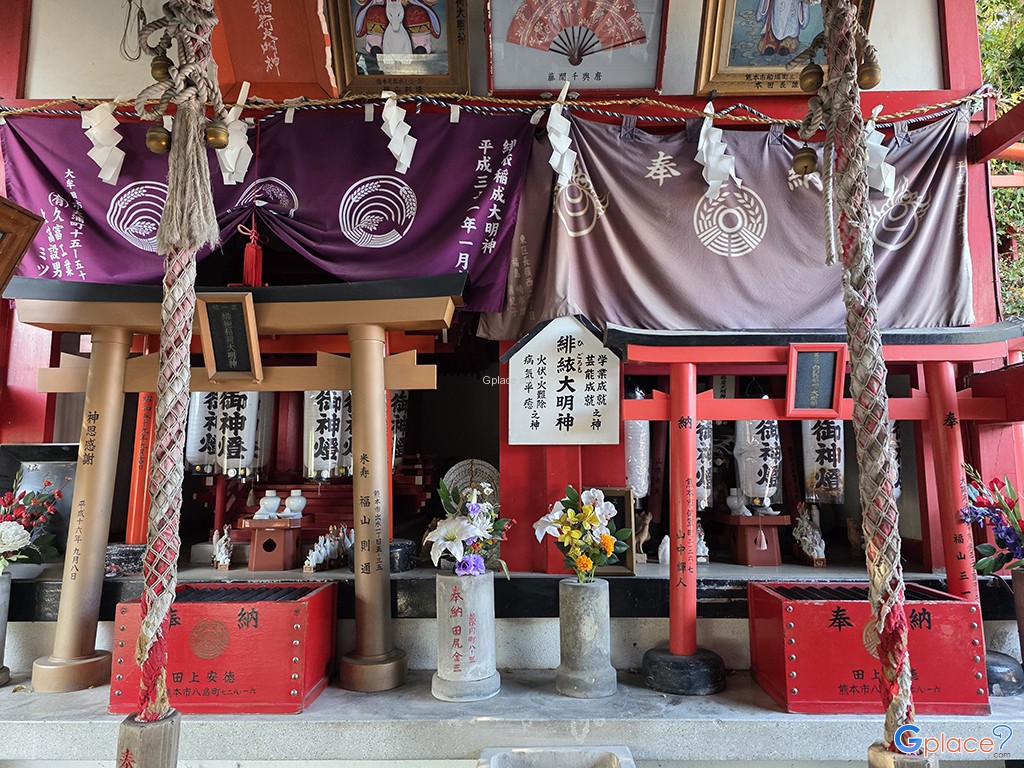
The shrine enshrines Shirahige Daimyojin, a deity believed to watch over daily life and human relationships. Katō Kiyomasa is said to have brought two sacred fox spirits—messengers of the Inari deity—from Fushimi Inari Taisha in Kyoto, symbolizing a direct spiritual connection to Japan’s most important Inari shrine.
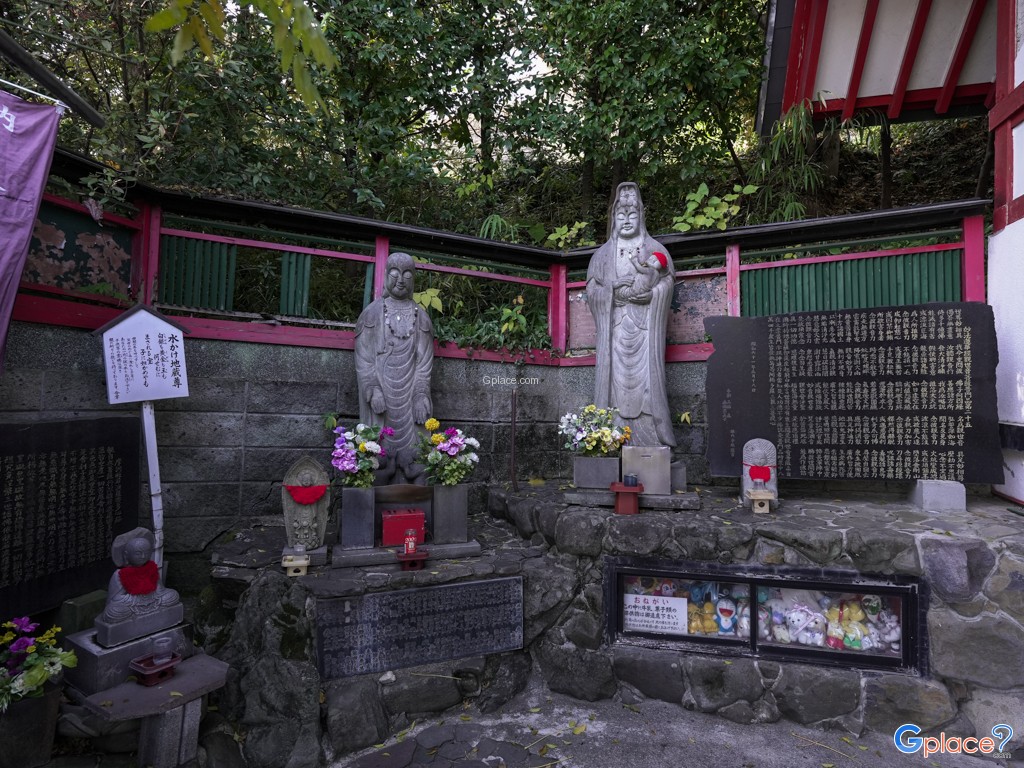
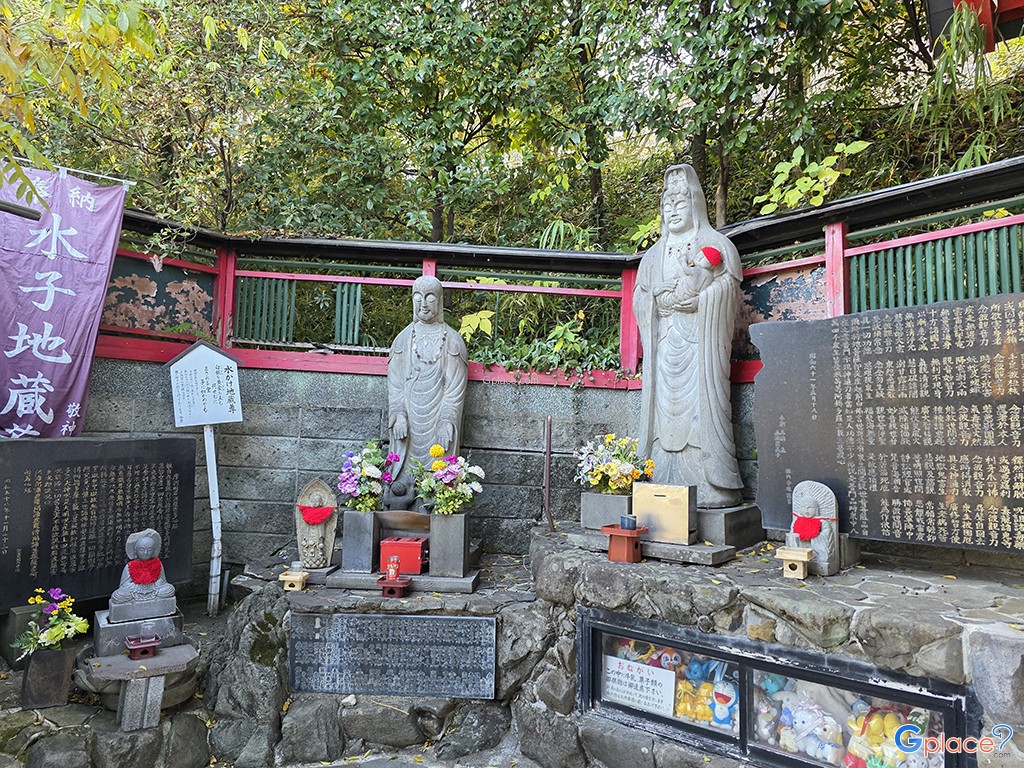
Shirahige Shrine is widely regarded as a power spot in Kumamoto City. Visitors walk through rows of vermilion torii gates, offering prayers for business prosperity, family safety, safe childbirth, academic success, good relationships, abundant harvests, and good health. Uniquely, the shrine complex also includes Jizo Buddhist statues, reflecting Japan’s historical blending of Shinto and Buddhism.
How to Get There
By Tram:
-
Get off at Kumamoto Castle / Shiyakusho-mae tram stop, then walk approximately 10 minutes into the castle grounds
By Bus:
-
Local buses bound for Kumamoto Castle area
On Foot:
-
Easily reachable while exploring Kumamoto Castle
Travel Tips
-
Visit early in the morning for a quieter, more spiritual atmosphere
-
Combine your visit with Kumamoto Castle sightseeing
-
Try the Mizu Mikuji (Water Fortune) for a unique experience
-
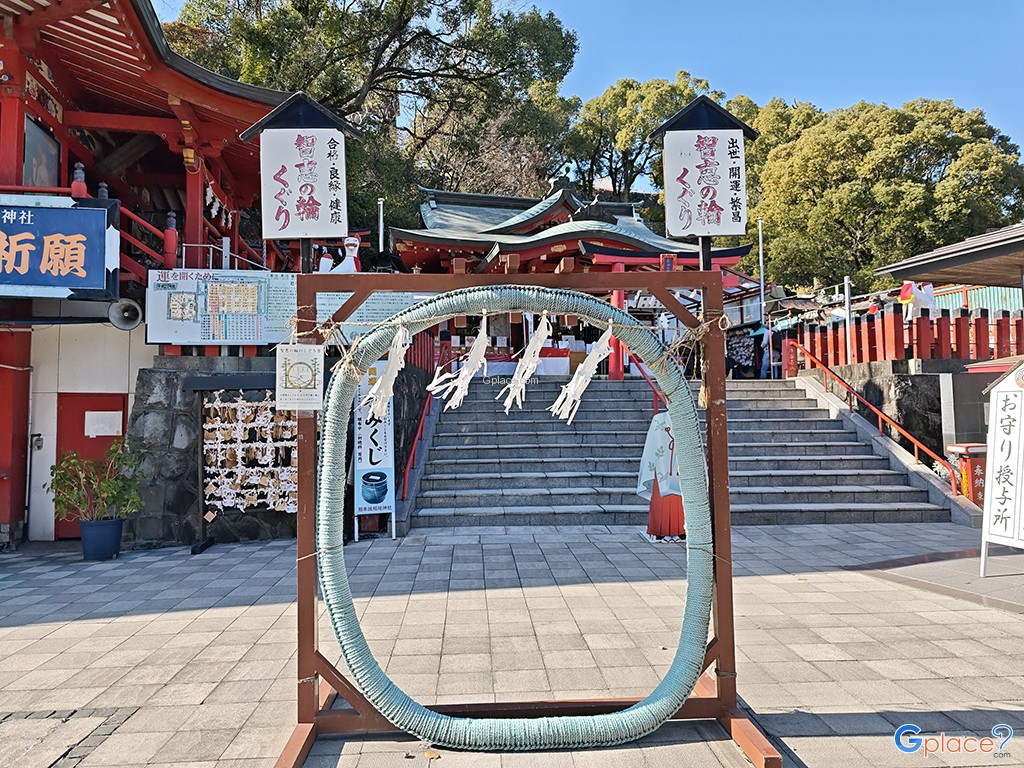
Walk through the Chie-no-wa (Wheel of Wisdom) for purification and good luck
Admission Fee:
- Free
Opening Time:
- Open daily (hours may vary during festivals and special events)
Main Annual Festival: Hatsuuma Grand Festival (初午大祭)
-
Period: February (First Day of the Horse in the lunar calendar)
-
Significance: The most important festival of the shrine, marking the arrival of spring
-
Highlights: Taiko drum performances, traditional dances, and Mochimaki (rice cake throwing) for good fortune
-
Prayers Focus: Family safety, business prosperity, and abundant harvests
Kumamoto Castle Inari Shrine

 Share
Share
 3-13 Honmaru, Chuo Ward, Kumamoto, 860-0002, Japan
Map
3-13 Honmaru, Chuo Ward, Kumamoto, 860-0002, Japan
Map
 Open now : 9.00 - 17.00
Mon9.00 - 17.00
Tue9.00 - 17.00
Wed9.00 - 17.00
Thu9.00 - 17.00
Fri9.00 - 17.00
Sat9.00 - 17.00
Sun9.00 - 17.00



 151
151