 Attractions
  Hotel
Hotel  Restaurant
  Shopping
  Abroad






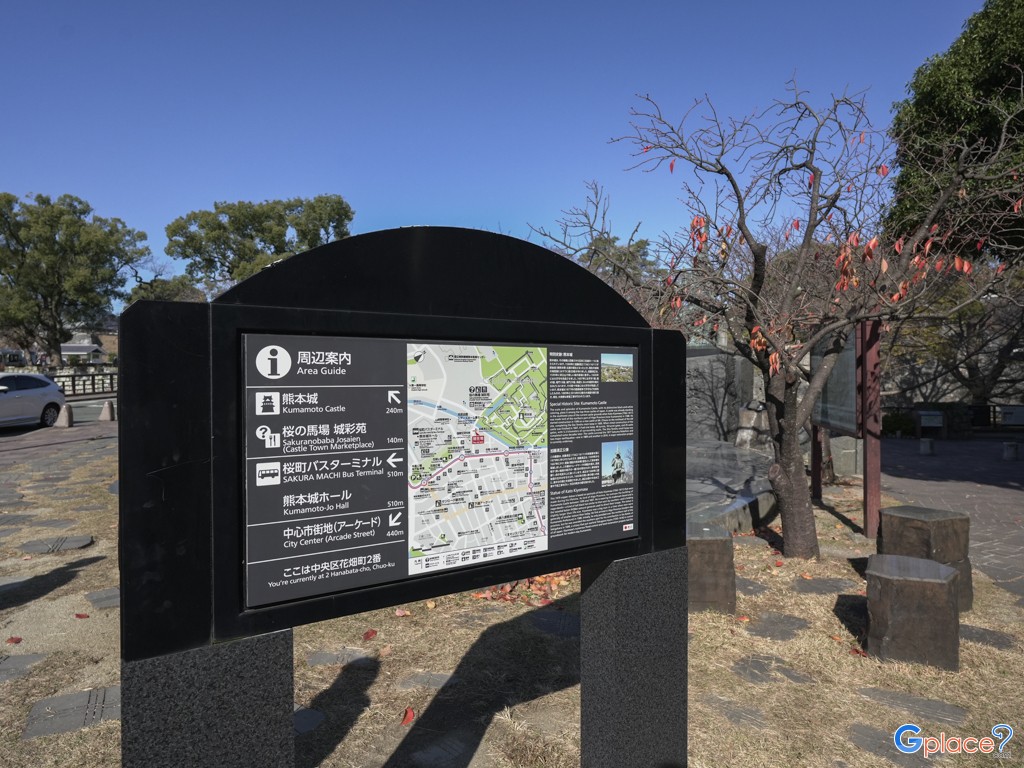
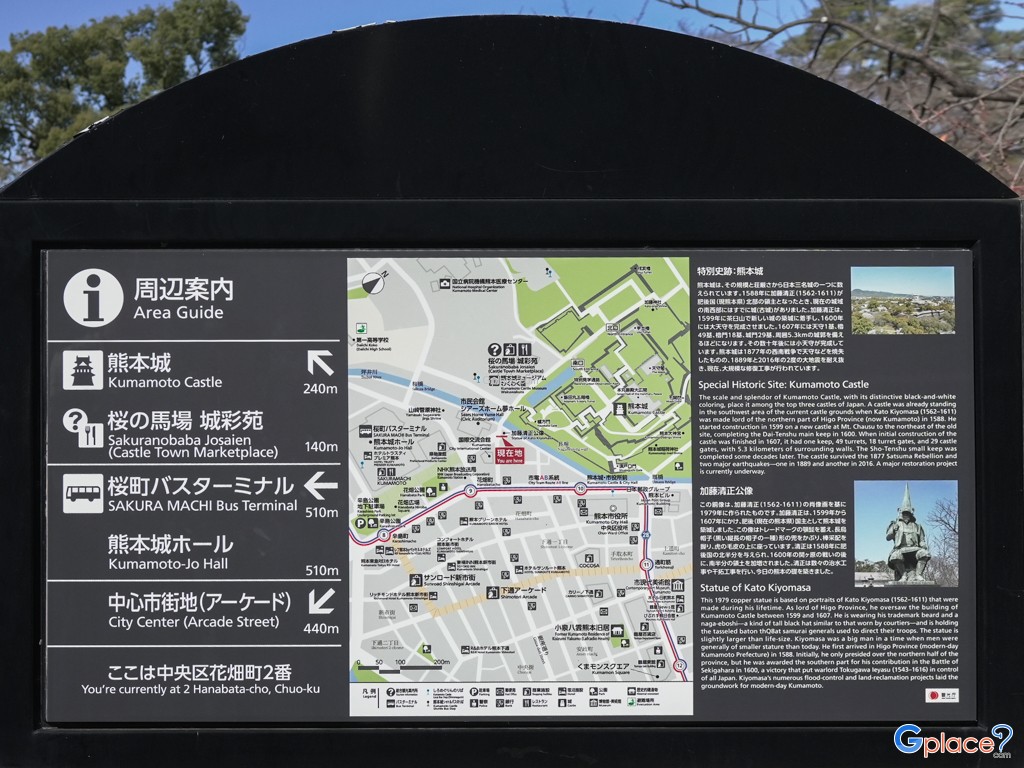
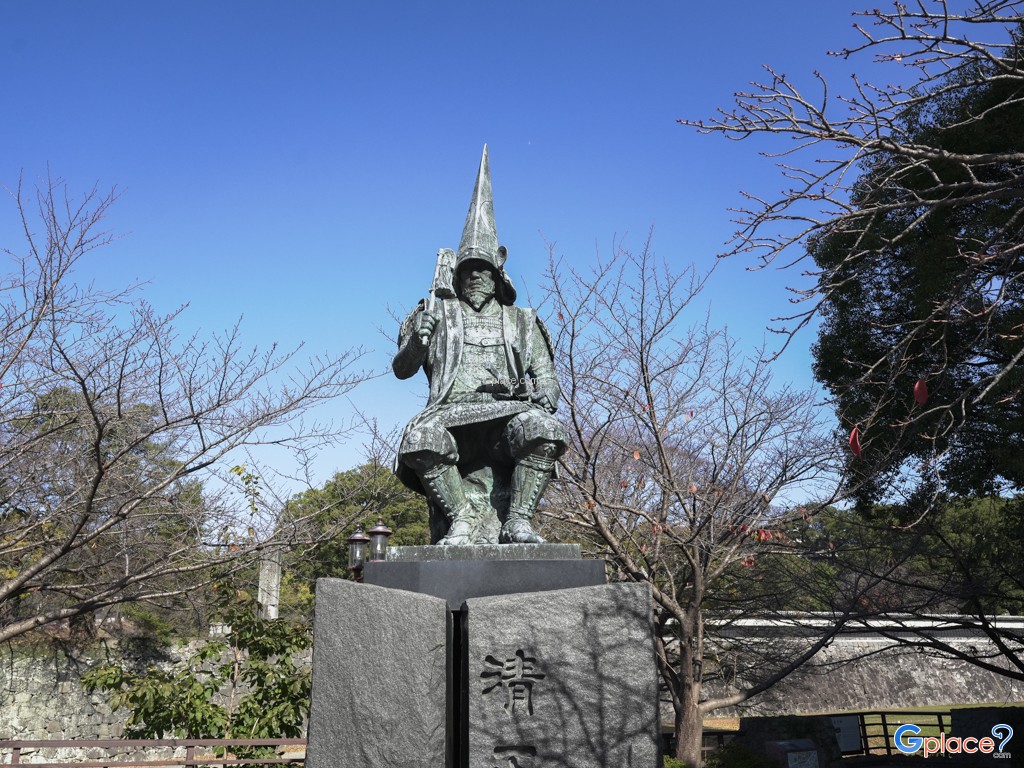
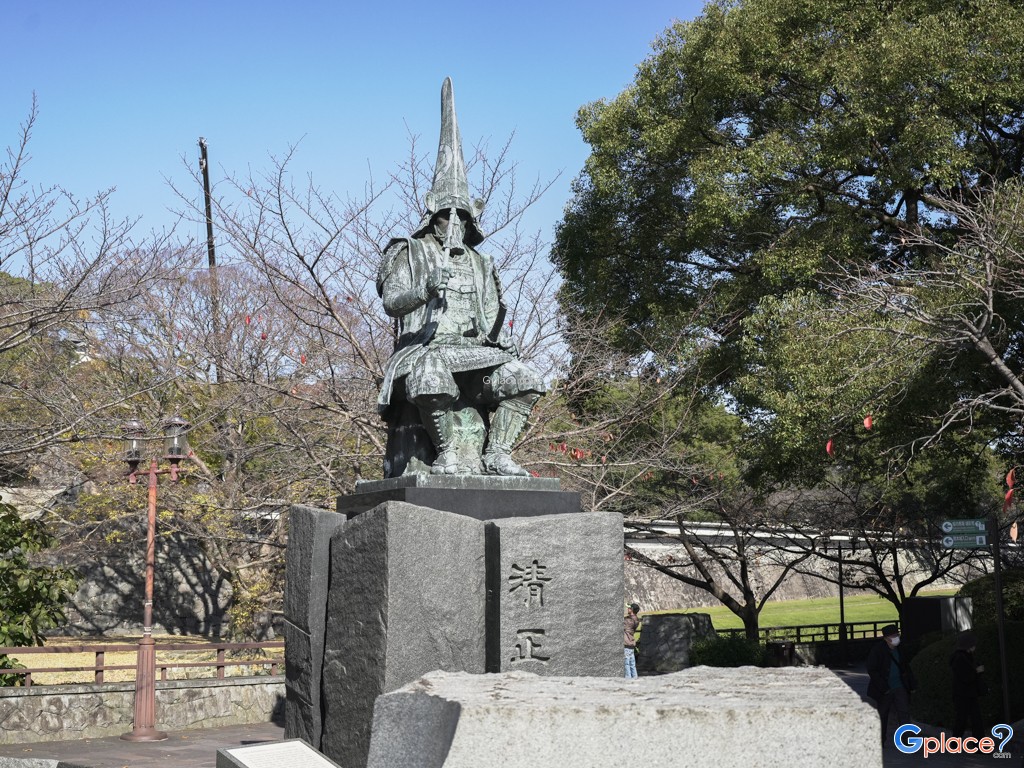
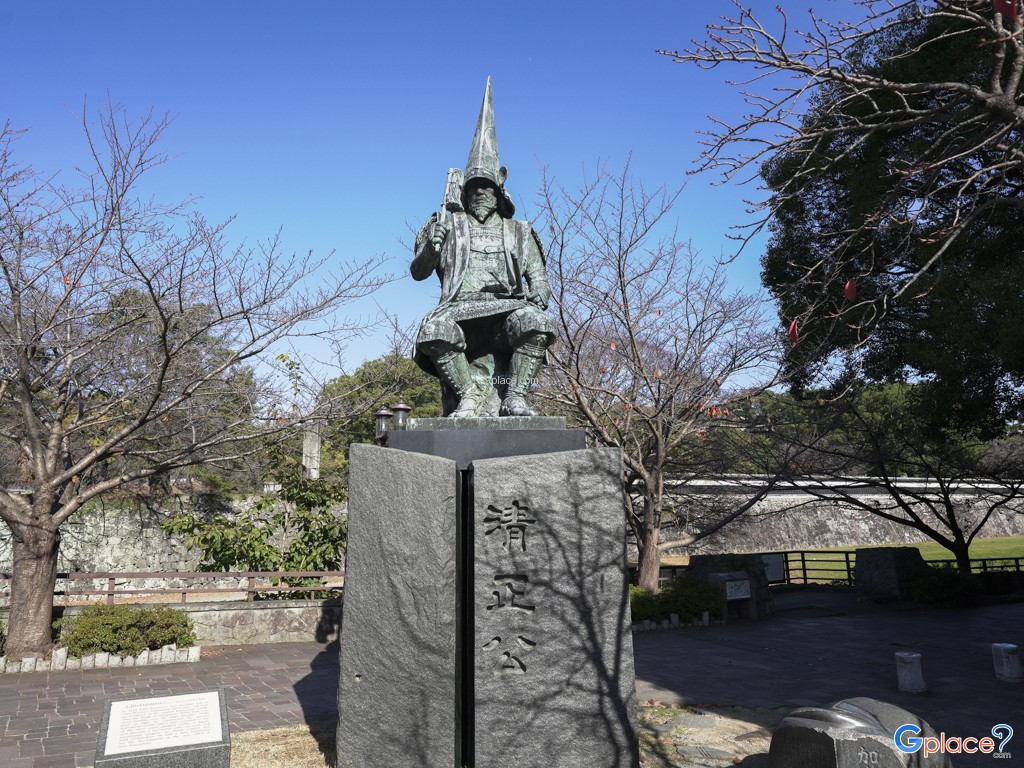
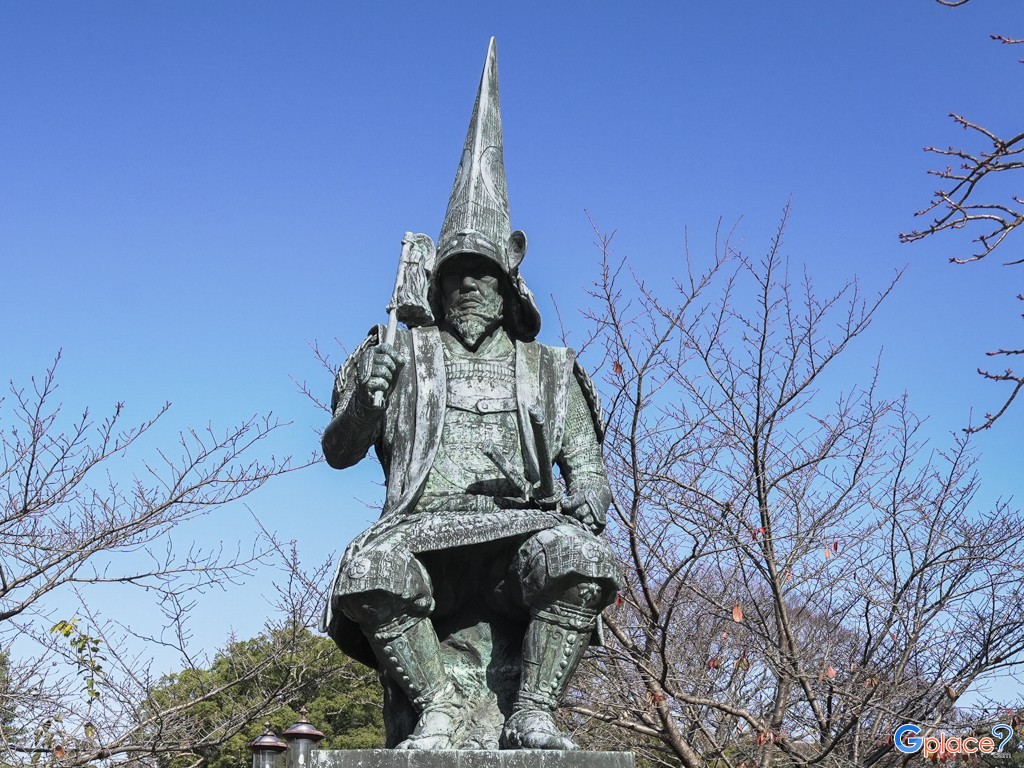
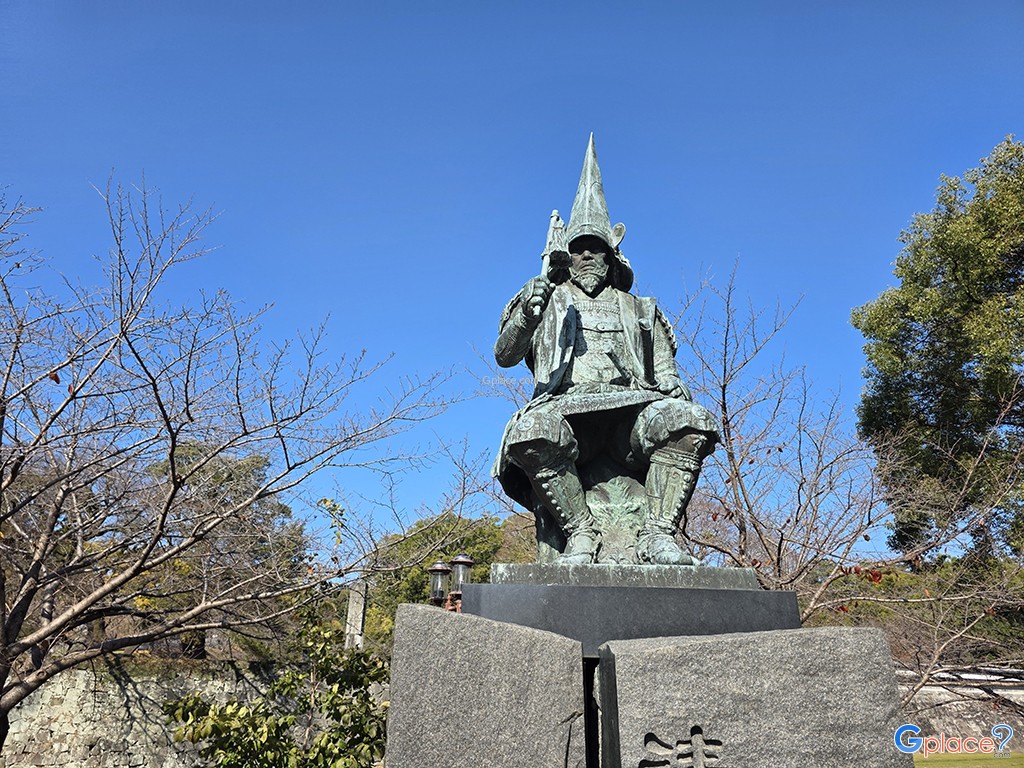
“A seated samurai statue representing Kumamoto’s warrior-founder, master strategist, and spiritual guardian.”
Kato Kiyomasa: The Man Who Shaped Kumamoto
Kato Kiyomasa (1562–1611) was one of the most influential samurai warlords of the late Sengoku and early Edo periods. A trusted general of Toyotomi Hideyoshi, he was renowned not only for his ferocity on the battlefield but also for his administrative skill and engineering expertise. More than any other figure, Kiyomasa laid the military, economic, and infrastructural foundations of modern Kumamoto.
Historically, he was famed as a master spearman, earning the legendary nickname “One-Legged Spear” (Yari)—a double-edged spear with one side of the cross-blade broken off, symbolizing both his combat prowess and relentless fighting style. Beyond warfare, Kiyomasa transformed the region through large-scale flood control and irrigation projects, turning Kumamoto into a fertile agricultural heartland that continues to sustain the area today.
Kumamoto Castle and Engineering Genius
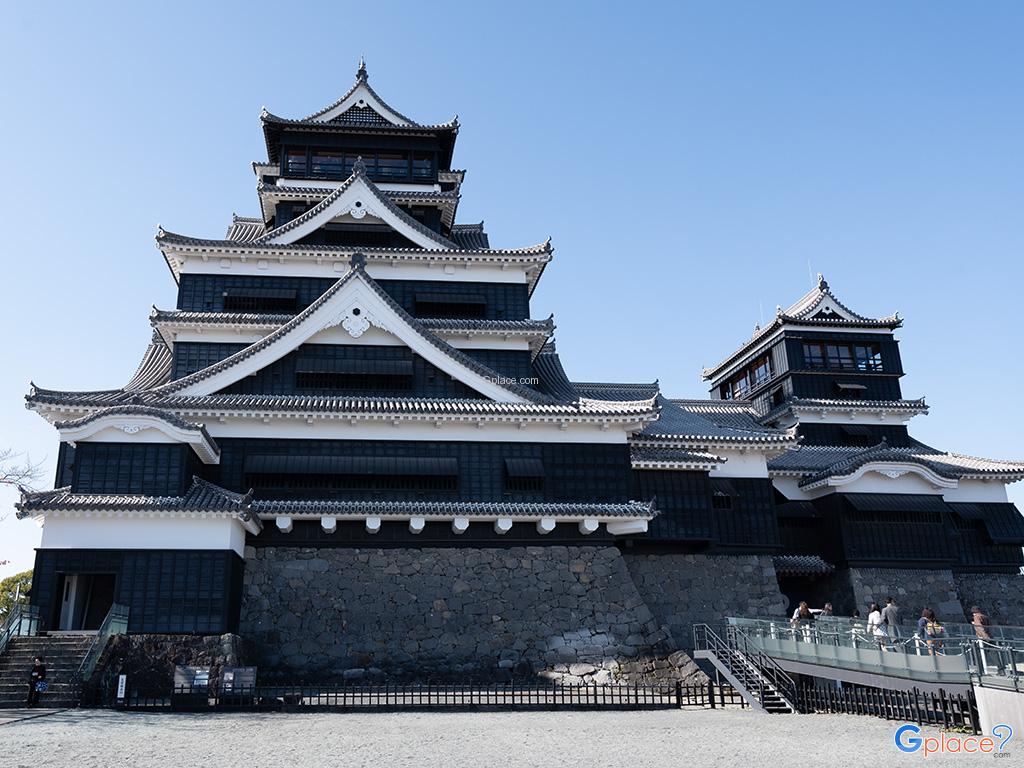
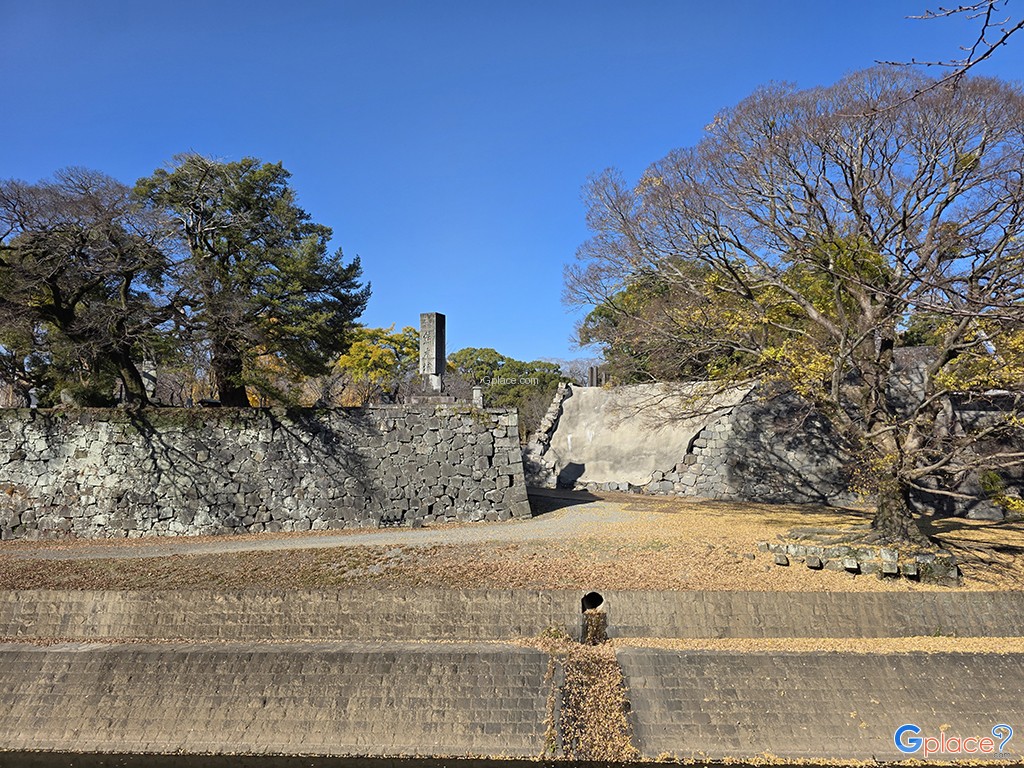
Kiyomasa’s greatest legacy is Kumamoto Castle, widely regarded as one of Japan’s strongest and most sophisticated castles. He combined natural topography with advanced military engineering, diverting the Tsuboi River to function as part of the castle’s moat system and constructing the iconic Musha-gaeshi stone walls. These walls begin with a gentle incline before curving sharply upward into a near-vertical face, making them virtually impossible to climb. Through these innovations, Kiyomasa earned lasting recognition as both a warlord and a master castle architect.
The Statue: Power, Strategy, and Vigilance
The bronze seated statue was cast in 1979 and meticulously modeled after portraits of Kato Kiyomasa painted during his lifetime, ensuring historical accuracy in its details. Its most striking feature is the Naga-eboshi, a tall, silver-lacquered helmet uniquely associated with Kiyomasa. He wore this unusually high helmet to enhance his physical presence and intimidate opponents through psychological warfare.
In his hand, the statue holds a Saihai, a command baton used to issue orders and signal troop movements. This detail emphasizes Kiyomasa’s role as a commanding general and strategist rather than merely a frontline fighter. Although the statue does not depict a weapon, the historical reference to his famed One-Legged Spear completes his image as a formidable warrior.
A close look at the armor reveals the Janome-mon (Snake-eye crest), the clan emblem of the Kato family. This circular motif symbolizes sharp perception, precision, and warrior destiny, serving as an essential identifier of lineage in Japanese sculpture and armor.
Kiyomasa is seated on a Karasuki, a portable camp stool, while wearing full Kacchu battle armor. This is not a posture of rest, but one of constant readiness—he appears prepared to stand and command at any moment. His forward-facing gaze is directed toward Kumamoto Castle, reinforcing his eternal role as the city’s watchful guardian.
Location and the Spirit of “Seishoko-san”
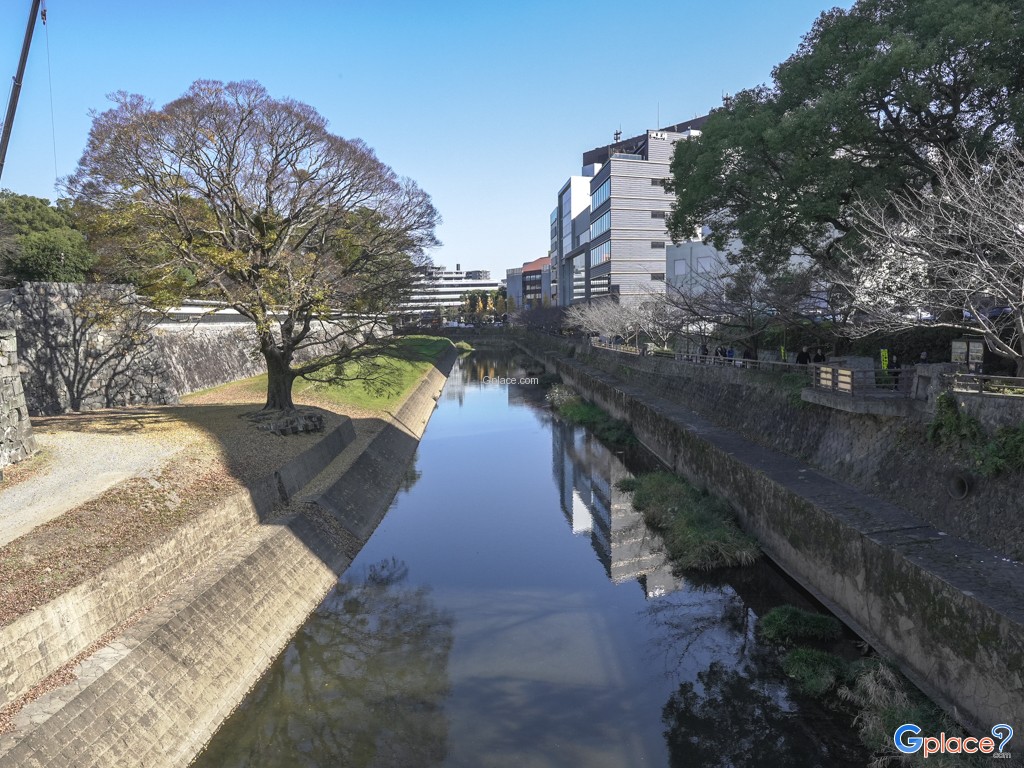
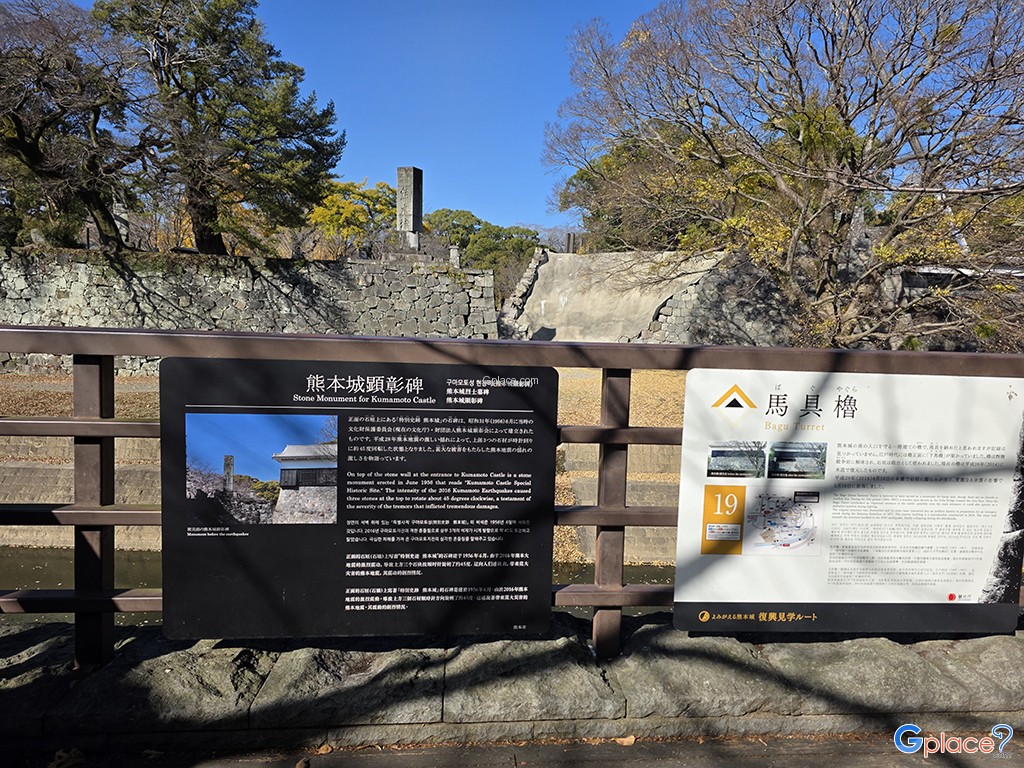
The statue’s placement at the foot of Miyukizaka Slope is deeply symbolic. In front lies Kumamoto Castle, which he designed and built; behind him flows the Tsuboi River and rise the Musha-gaeshi stone walls—both products of his engineering vision. The location physically connects the man to his greatest achievements.
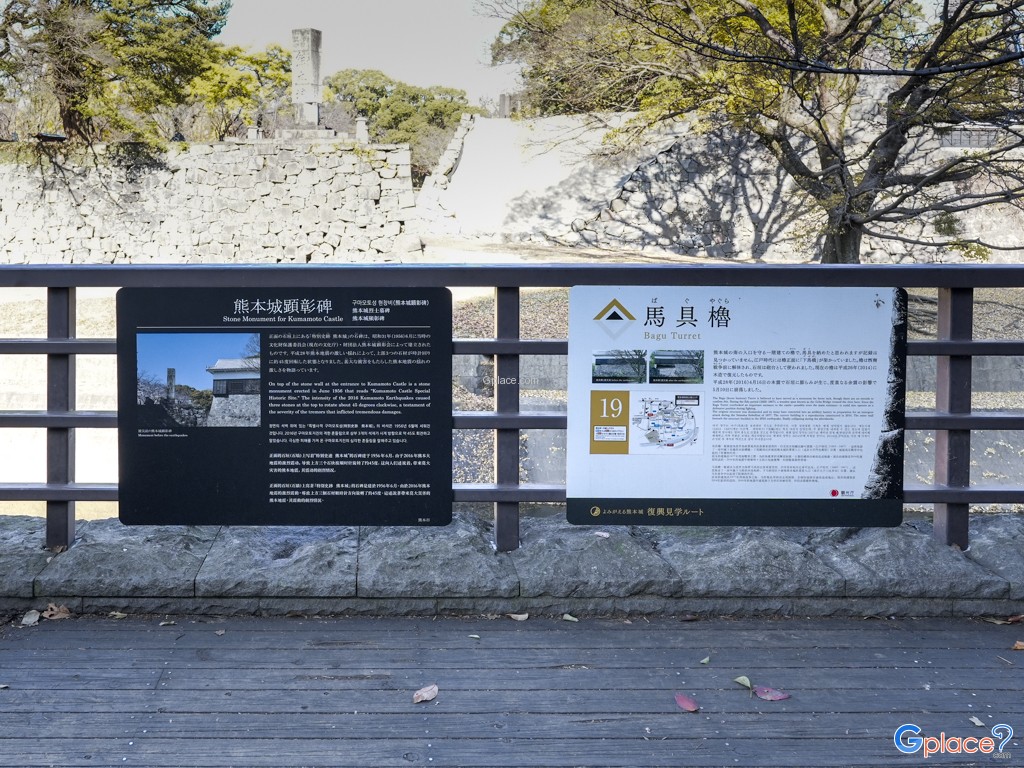
To the people of Kumamoto, Kato Kiyomasa is more than a historical figure. He is affectionately revered as “Seishoko-san,” a god-like protector of the city. This belief was powerfully reinforced after the devastating 2016 Kumamoto Earthquake, when large sections of the castle walls collapsed, yet the statue of Kiyomasa remained standing. For many locals, this survival transformed the statue into a symbol of protection, resilience, hope, and the city’s recovery.
How to Get There
-
Take the Kumamoto City Tram and get off at Hanabatacho or Kumamoto Castle / City Hall
-
Walk approximately 5–10 minutes toward Miyukizaka Slope
-
About a 10-minute walk from Kumamoto Castle grounds
Travel Tips
-
The Power Angle: Photograph from a low angle with the castle stone walls behind to emphasize the height_ of the Naga-eboshi against the sky
-
Best Time: Late afternoon to sunset, when golden light enhances the bronze texture and adds depth
-
Look closely for the Janome-mon crest on the armor for deeper historical insight
-
Ideal for visitors interested in samurai history, castle engineering, and documentary-style photography
Admission Fee:
- Free admission
Opening Time:
- Open 24 hours (outdoor public space)
Statue of Kato Kiyomasa

 Share
Share
 Miyukizaka Slope, Chuo Ward, Kumamoto City, Japan
Map
Miyukizaka Slope, Chuo Ward, Kumamoto City, Japan
Map
 Open now



 161
161