 Attractions
  Hotel
Hotel  Restaurant
  Shopping
  Abroad







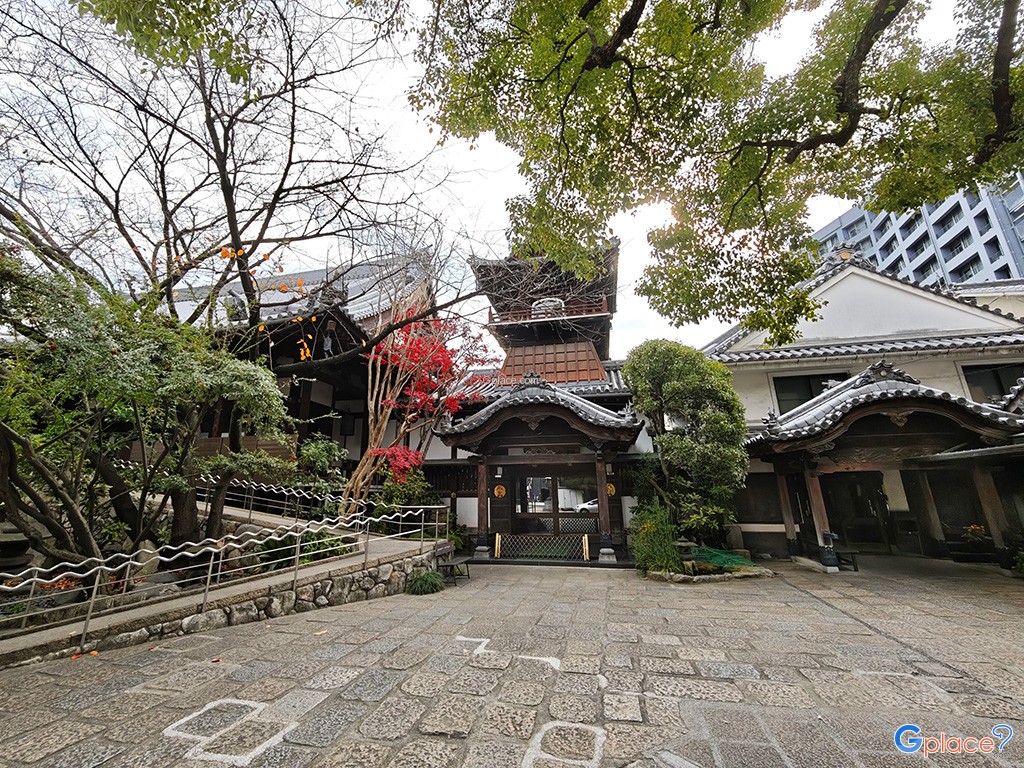
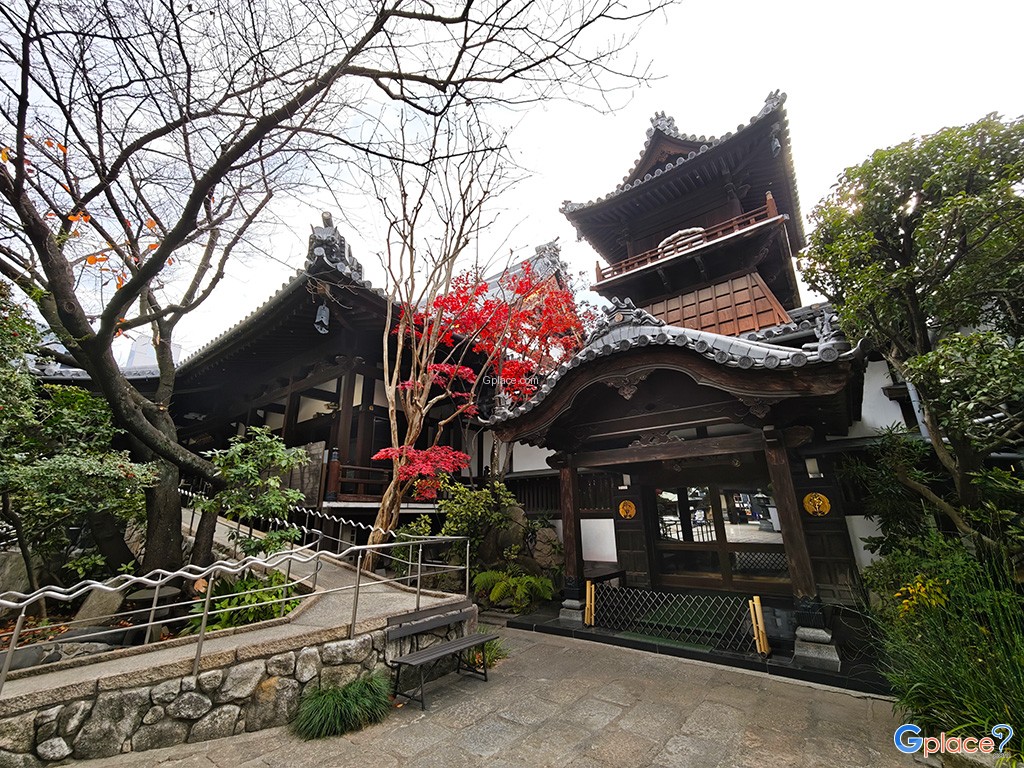
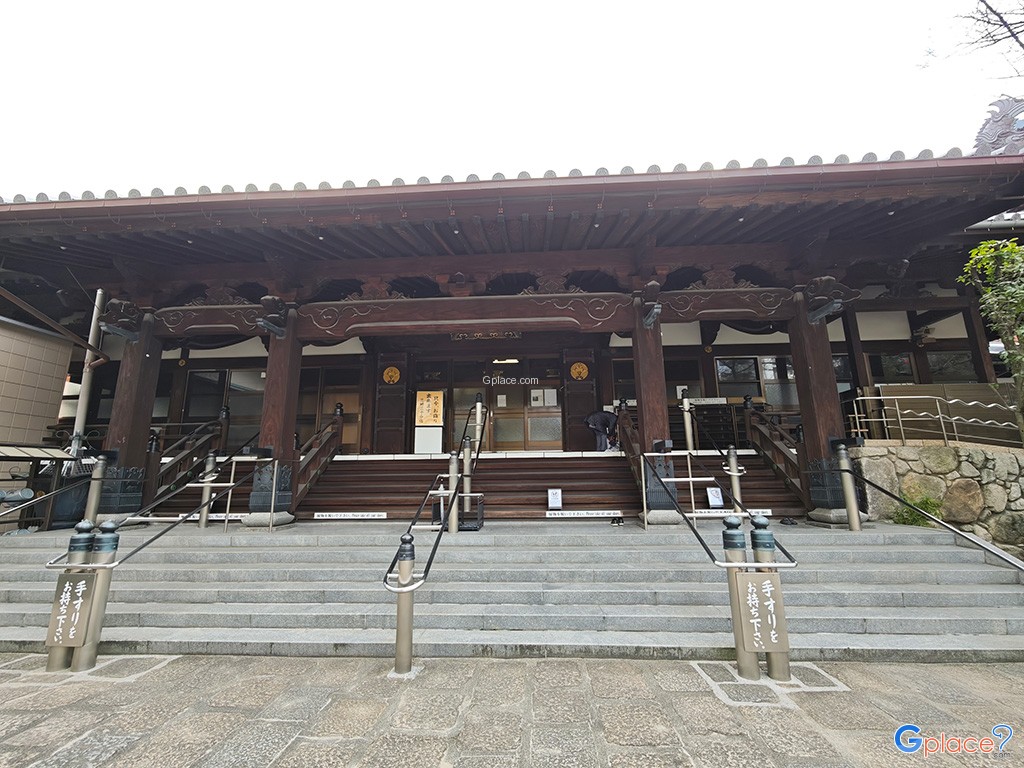
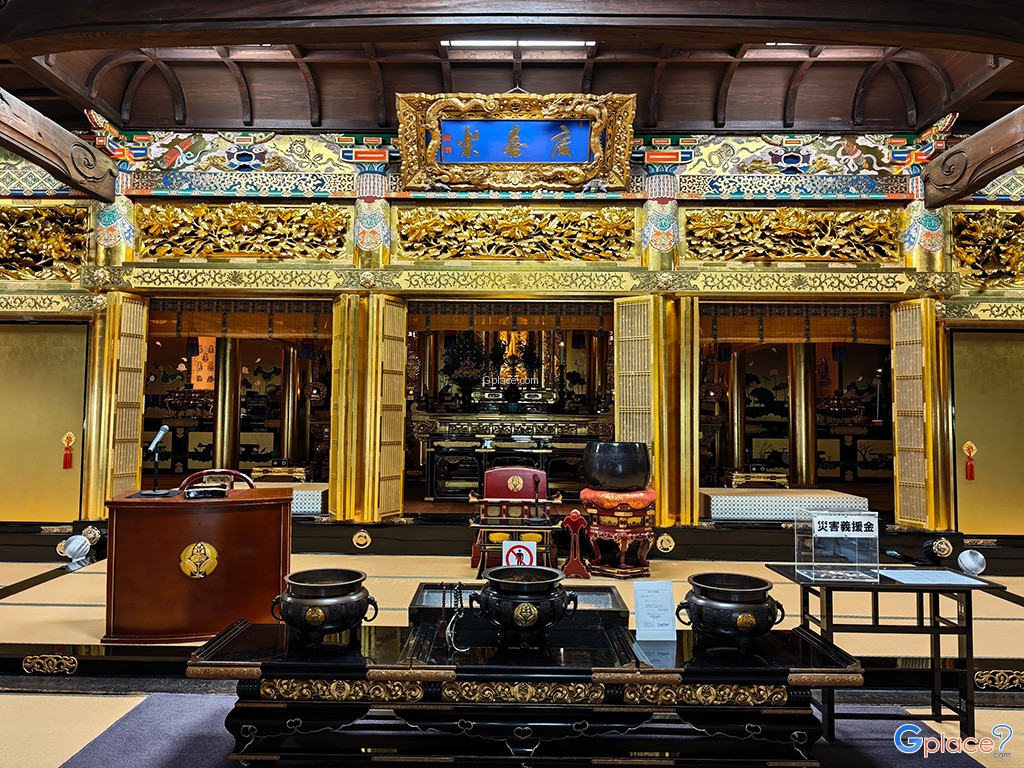

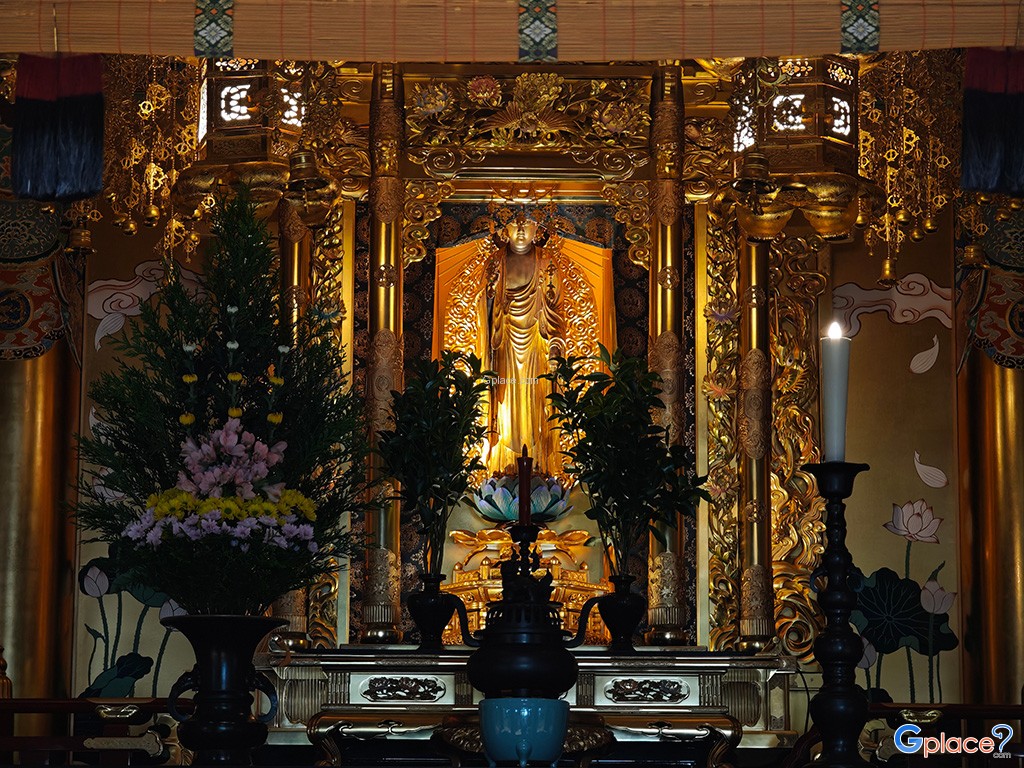
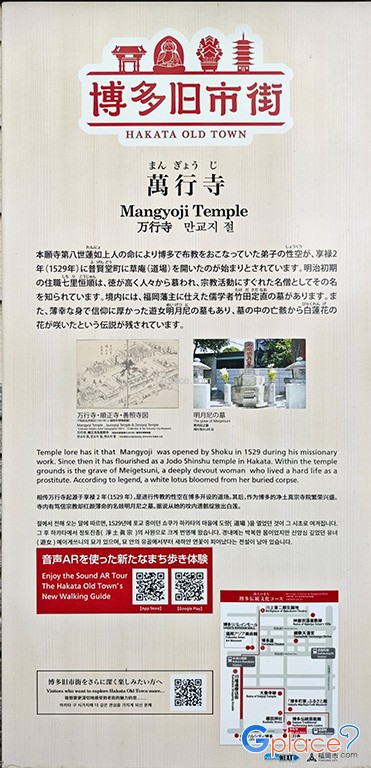
“A serene Hakata temple where warrior faith, everyday redemption, symbolic architecture, and friendly temple cats quietly coexist.”
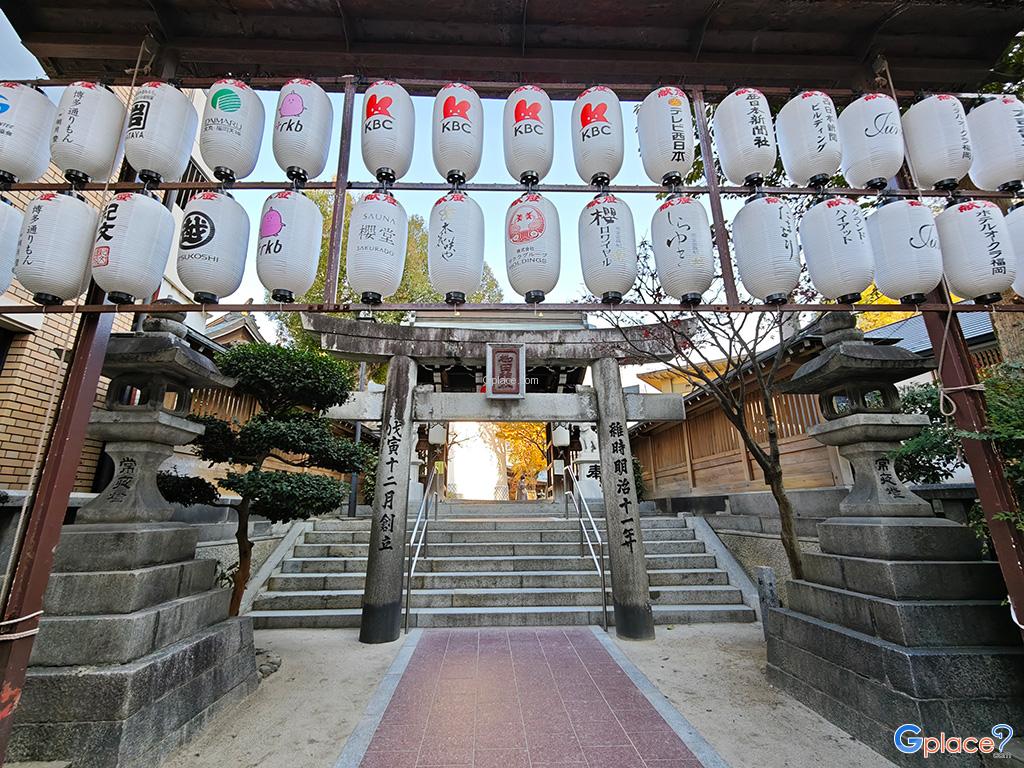
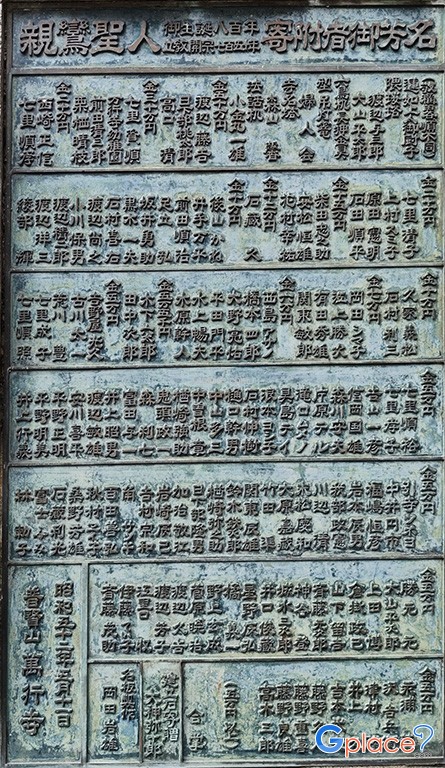
Mangyoji Temple (萬行寺) is an important temple of the Jodo Shinshu Hongwanji-ha sect (Nishi Hongwanji) located in the historic Hakata Old Town district of Fukuoka. Although often overlooked in favor of nearby landmarks such as Kushida Shrine or Tochoji Temple, Mangyoji holds a unique position in both religious history and local culture.
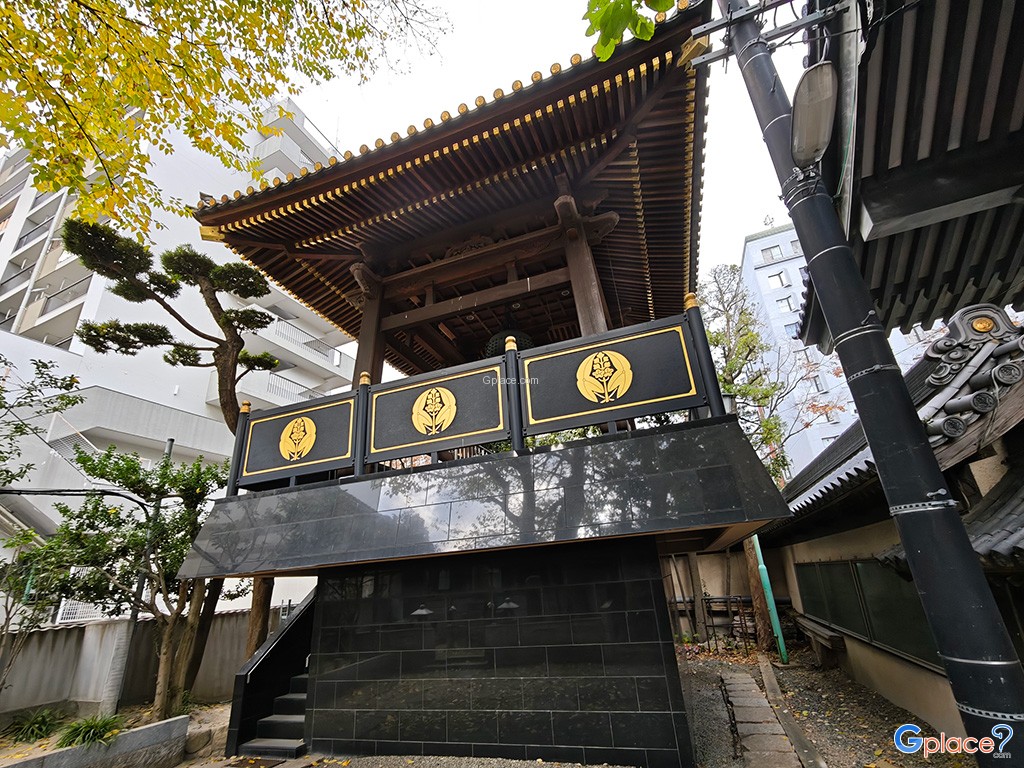
During the 16th century, Mangyoji and its followers gained a fierce reputation during the conflicts surrounding Oda Nobunaga. As part of the Hongwanji network, the temple’s monks and lay believers actively participated in the resistance during the Siege of Ishiyama Hongwanji. They became so effective at defending their positions using stones as weapons that they earned the nickname “Tsubute Mangyoji” (Stone-Throwing Mangyoji). This martial devotion helps explain why the powerful Mōri clan later granted the rare privilege of allowing Mangyoji to use their family crest, the Omodaka (water plantain flower)—an exceptional honor for a temple.
Despite its warrior past, Mangyoji today is best known for its warmth and humanity. The temple is famous for its resident black cats, Kurosuke and Yoda, affectionately known as the temple’s “official staff.” They are often seen resting near the gate or reception area and even have their own business cards, delighting visitors and locals alike.
Near the Sanmon Gate lies the grave of Meigetsu, a well-known 19th-century courtesan from the Nakasu district. After losing her family and fiancé, she sought spiritual refuge at Mangyoji and became a devoted follower of its teachings. She is often remembered as the “Hakata Buddha,” symbolizing the Jodo Shinshu belief that enlightenment is open to all, regardless of one’s past.
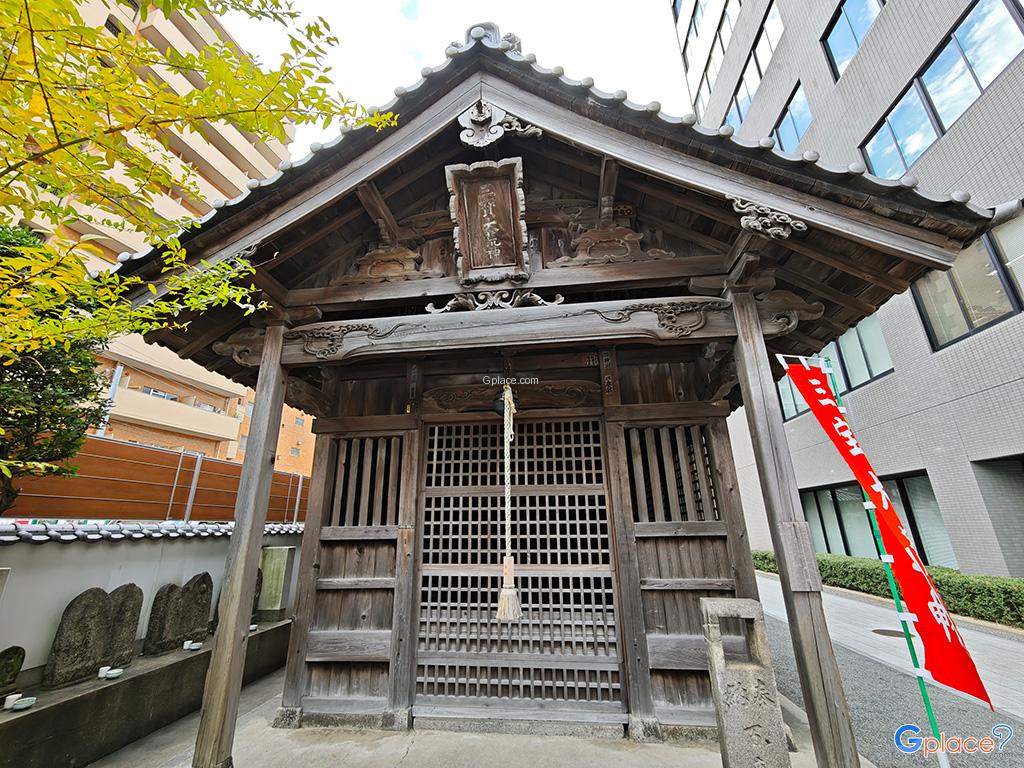
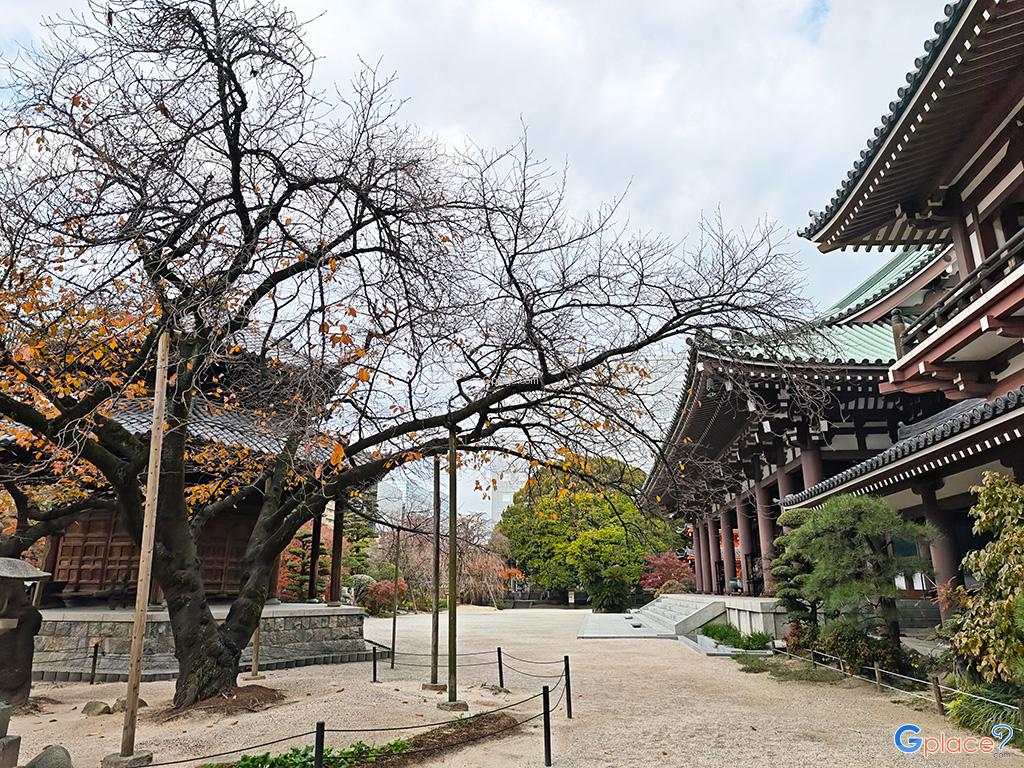
Architecturally, Mangyoji features a dignified Hondo (Main Hall) and a historic Taiko Drum Tower, once used to signal Buddhist services and local emergencies. Observant visitors may also notice a subtle but meaningful detail: the tradition of the “upside-down pillar” (Aoke-bashira) in certain structures. This intentional imperfection reflects the belief that complete perfection invites divine jealousy and decay. Look closely as well for the intricate wooden dragon carvings beneath the eaves of the Hondo, a hidden artistic highlight often missed by casual visitors.
Mangyoji also plays a quiet supporting role in the famous Hakata Gion Yamakasa Festival each July. While Kushida Shrine is the festival’s focal point, neighborhood groups (Nagare) often stop to pay respects at historic temples like Mangyoji. During this time, visitors can glimpse traditional Happi coats and festival preparations in a calmer setting away from the main crowds.
How to Get There
-
Subway: About 3 minutes on foot from Gion Station (Fukuoka City Subway, Kūkō Line)
-
JR: Approximately 10 minutes’ walk from JR Hakata Station (Hakata Exit)
-
Bus: Get off at Canal City Hakata-mae bus stop, then walk about 5 minutes
Travel Tips
-
Visit in the morning for a peaceful atmosphere
-
Look carefully for the upside-down pillar and dragon carvings under the eaves
-
During July, stop by to observe Yamakasa-related activity without heavy crowds
-
Be gentle and respectful when interacting with the temple cats
Admission Fee:
- Free
Opening Time:
- The temple grounds are generally open during daytime hours; exact times may vary.
Mangyoji Fukuoka

 Share
Share
 4-50 Gionmachi, Hakata Ward, Fukuoka, 812-0038 Japan
Map
4-50 Gionmachi, Hakata Ward, Fukuoka, 812-0038 Japan
Map
 Closed today
Mon8.00 - 16.30
Tue8.00 - 16.30
Wed8.00 - 16.30
Thu8.00 - 16.30
Fri8.00 - 16.30
Sat8.00 - 16.30
Sun8.00 - 16.30



 159
159