 Attractions
  Hotel
Hotel  Restaurant
  Shopping
  Abroad





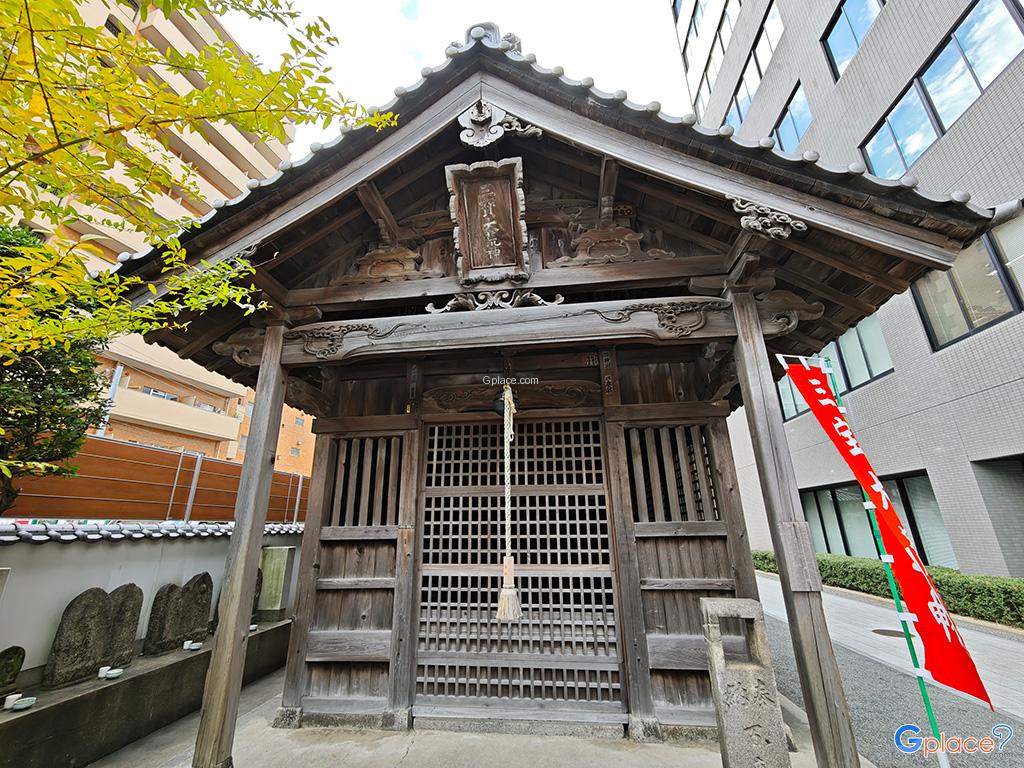

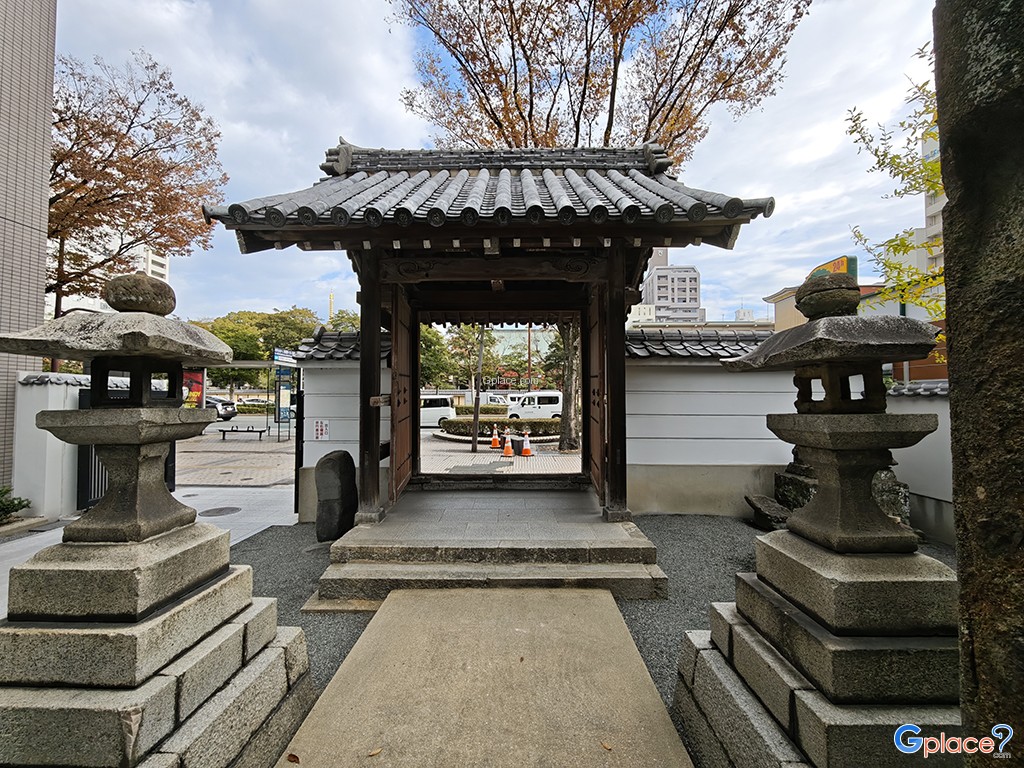
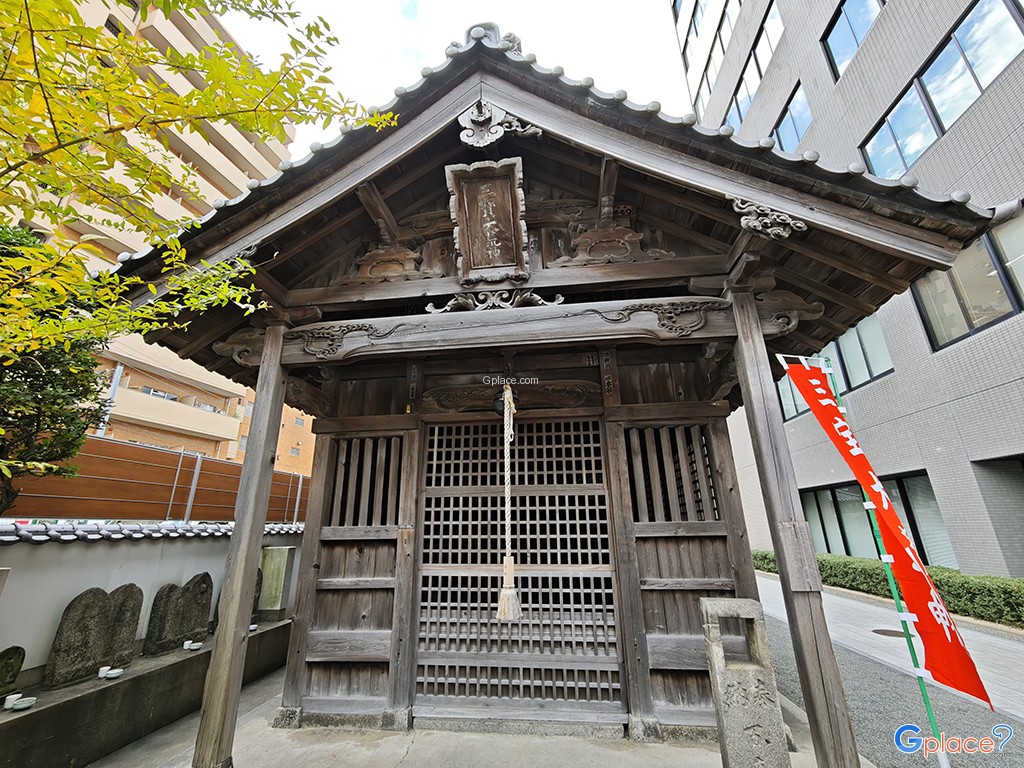
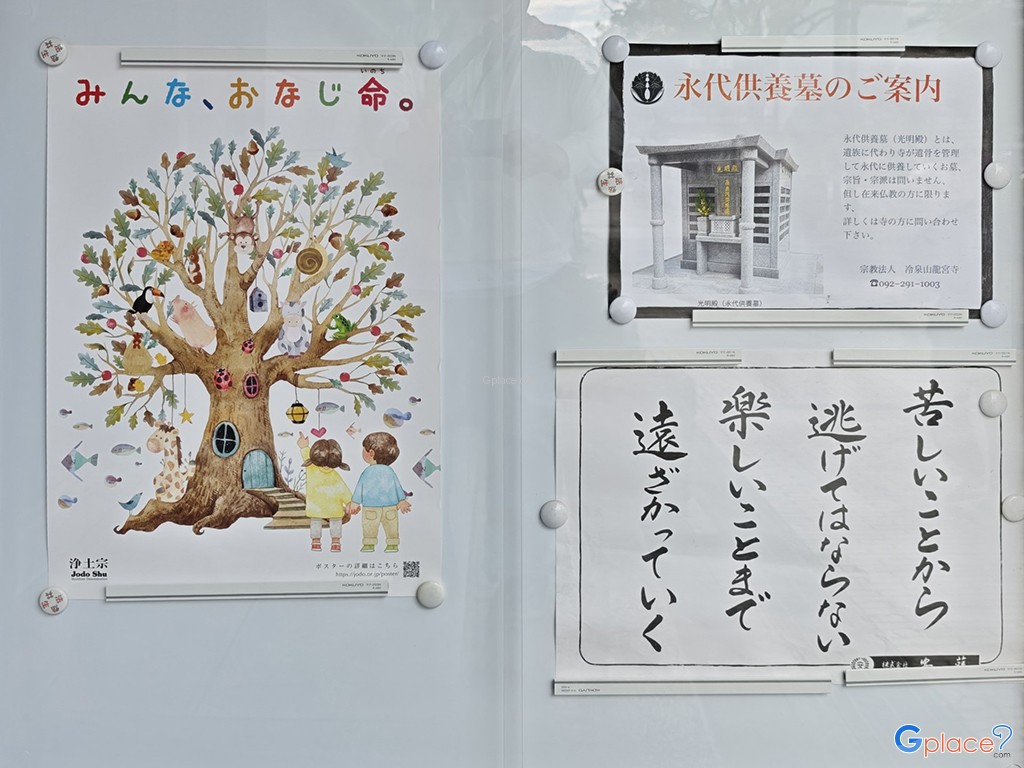
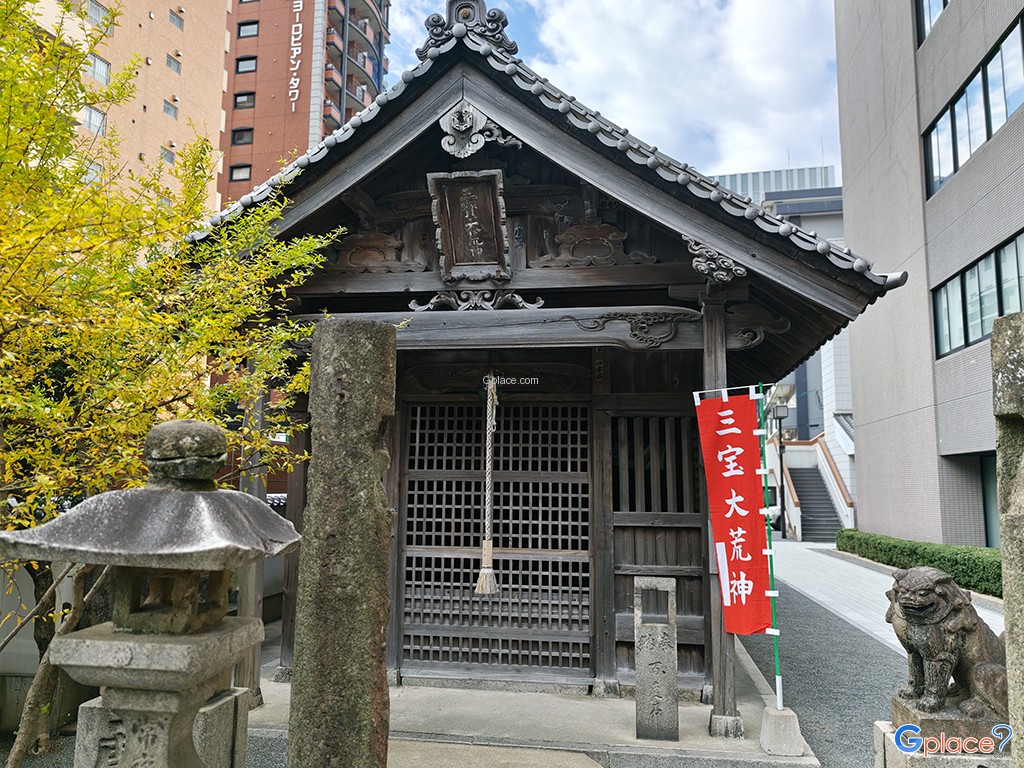
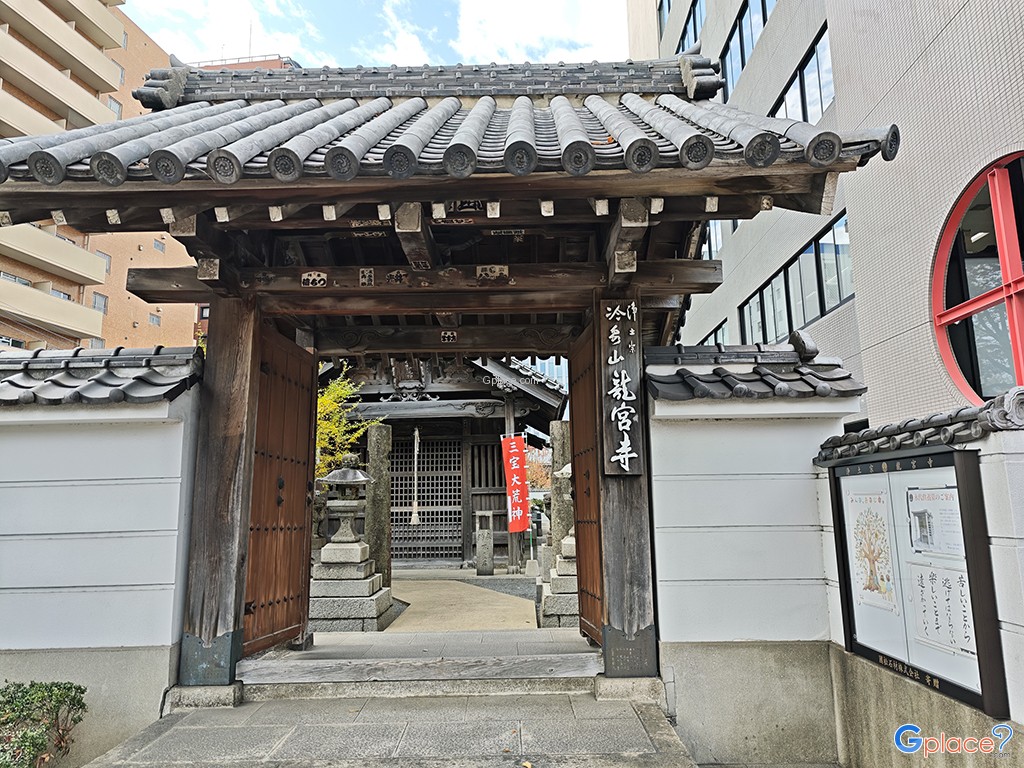
“A rare temple tied to a colossal mermaid legend, the origin of Reisenmachi, and one of Japan’s rarest mermaid-themed goshuin stamps.”
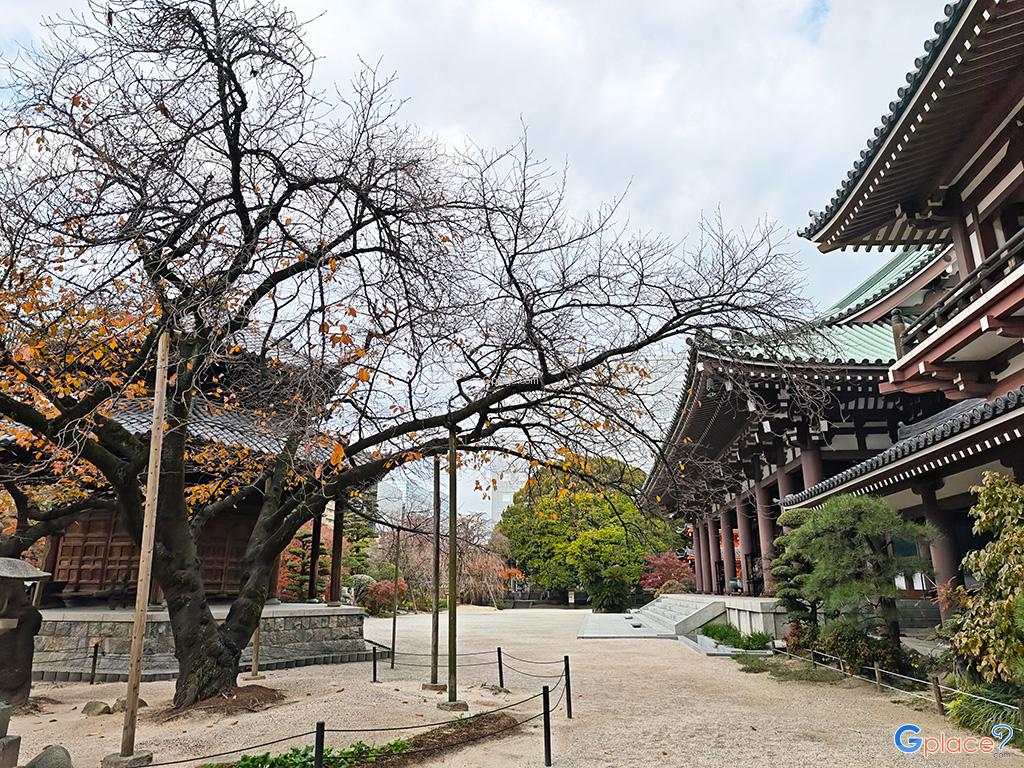
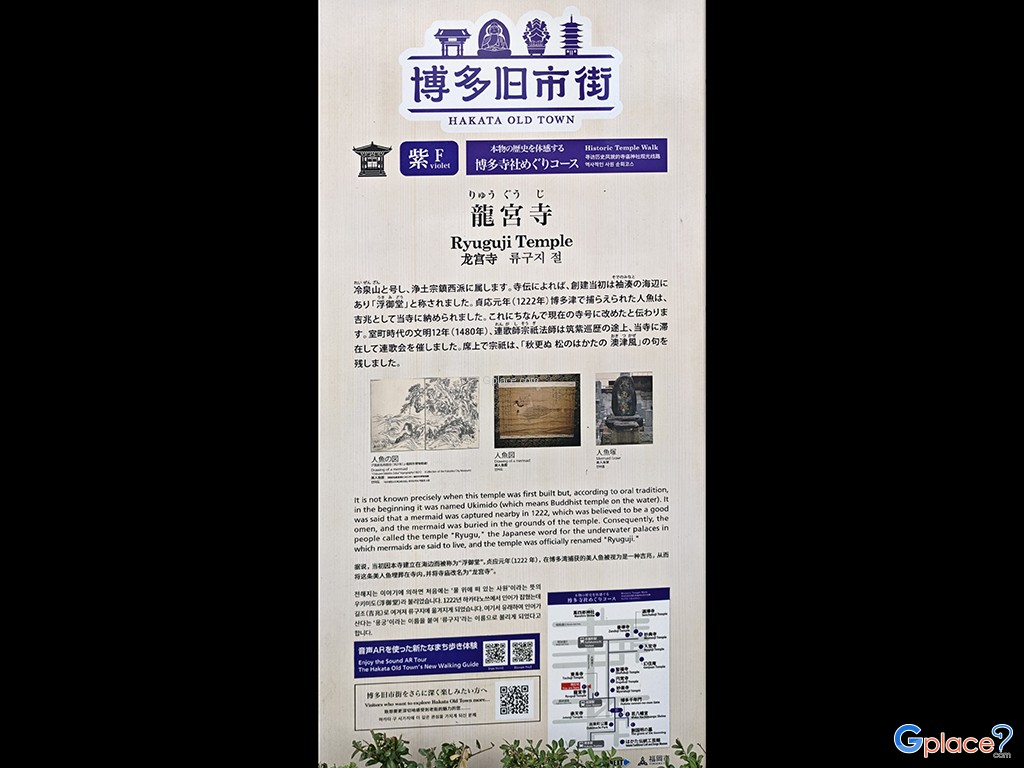
Ryuguji Temple derives its name from Ryūgū-jō, the mythical underwater Dragon Palace of Japanese folklore. Though modest in scale, the temple preserves one of Japan’s most extraordinary and well-documented supernatural legends.
According to historical records, in 1222, a fisherman in Hakata Bay caught a mysterious mermaid-like creature. Unlike Western depictions, the Japanese ningyo was described as a massive, fish-like humanoid—recorded in temple scrolls as being 147 meters long, emphasizing its mythical and symbolic nature rather than physical realism. A shaman named Abe-no-Otomi declared the creature a divine omen of national prosperity.
Due to the event’s significance, an Imperial envoy, Reizei Chunagon, was dispatched from the capital to inspect the creature. The temple later adopted the honorific mountain name Reizei-san, and over time, this name evolved into Reisenmachi, the district name still used today. When the creature died, it was buried on the grounds of the temple—then known as Ukimido—which was subsequently renamed Ryuguji (Dragon Palace Temple).
During the Edo period, Ryuguji became renowned as a healing site. Visitors believed that drinking water infused with fragments of the mermaid’s bones could protect against epidemics and grant longevity. Today, six preserved bones and a 19th-century hanging scroll depicting the fearsome ningyo are carefully kept within the temple.
How to Get There
-
Subway: 1-minute walk from Gion Station (Exit 2), Fukuoka City Subway
-
On Foot: Approximately 15 minutes from Hakata Station
-
Nearby Sites: Tochoji Temple (2 minutes), Kushida Shrine (5 minutes)
Travel Tips
-
The temple grounds are quiet and often unattended, but there is a temple office
-
If staff are present, visitors may obtain a rare mermaid-themed goshuin or purchase a mermaid omamori (amulet)
-
Mermaid bones are sometimes displayed during the Hakata Old Town Light-Up Walk (autumn)
-
For special viewings, advance phone inquiries in Japanese may be required
-
Best visited as part of a Hakata Old Town walking route
Admission Fee:
-
Temple grounds: Free
-
Special viewings / festival access: Approximately ¥1,000 – ¥1,500 (when applicable)
Opening Time:
-
Generally open daily from 9:00 AM – 5:00 PM
-
Hours may vary during festivals or special exhibitions
Ryuguji Temple

 Share
Share
 4-21 Reisenmachi, Hakata Ward, Fukuoka, 812-0039, Japan
Map
4-21 Reisenmachi, Hakata Ward, Fukuoka, 812-0039, Japan
Map
 Closed today
Mon9.00 - 17.00
Tue9.00 - 17.00
Wed9.00 - 17.00
Thu9.00 - 17.00
Fri9.00 - 17.00
Sat9.00 - 17.00
Sun9.00 - 17.00
 https://bunkazai.city.fukuoka.lg.jp/sp/cultural_properties/detail/91


 149
149