 Attractions
  Hotel
Hotel  Restaurant
  Shopping
  Abroad






“A 120-meter-long wooden hall built around the sacred number 33, enshrining 1,001 uniquely carved statues of the Bodhisattva Kannon, none with the same facial expression.”
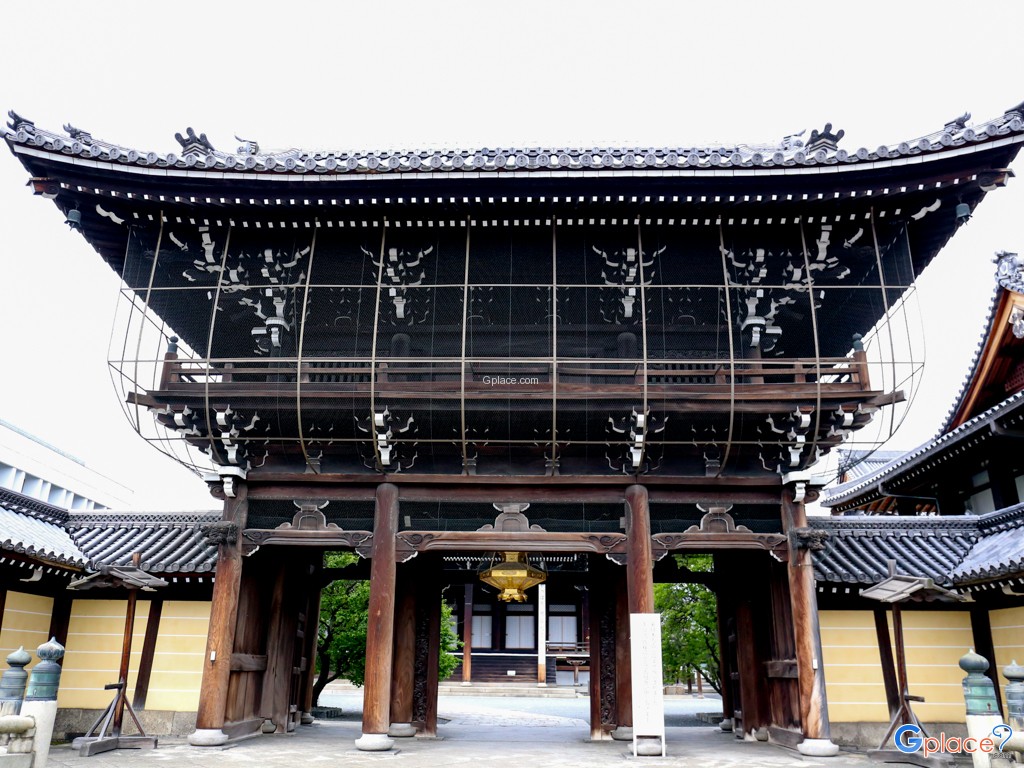
Sanjusangendo, officially known as Rengeo-in, is one of Japan’s most important National Treasures, revered for its religious significance, architectural symbolism, and remarkable history. The temple was originally founded in 1164 by Taira no Kiyomori, one of the most powerful military leaders of the Heian period, and dedicated to Emperor Go-Shirakawa.
The name “Sanjusangendo” literally means “Hall of Thirty-Three Bays.” This refers not only to its architectural structure but also to a deeply rooted Buddhist belief: the Bodhisattva Kannon is said to manifest in 33 different forms in order to save all sentient beings. The hall was intentionally designed with 33 spaces between its pillars, transforming religious doctrine into physical architecture.
Inside the hall stands the principal image of Senju Kannon (Thousand-Armed Kannon), surrounded by 1,000 standing statues of the same deity. Although called “thousand-armed,” each statue actually has 42 arms. According to Buddhist symbolism, 40 of these arms (excluding the two primary hands) are believed to save beings in 25 realms of existence, resulting in the symbolic number 1,000 worlds protected by Kannon’s compassion.
One of the temple’s most captivating legends is that no two Kannon statues share the same facial expression. Visitors are often told that if they look closely, they may find a face resembling someone they love—or even themselves—hidden among the 1,001 statues, adding a deeply personal and emotional dimension to the visit.
Standing before the Kannon statues are 28 guardian deities, protectors of Buddhism influenced by ancient Indian (Hindu) mythology, including figures such as Indra and Vaishravana (Bishamonten). These statues are powerfully carved and exude a commanding presence, symbolizing protection and balance within the sacred space.
The original hall was destroyed by fire in 1249, but 124 Kannon statues were rescued and remain enshrined today alongside later reconstructions. The current structure, rebuilt in 1266, has survived for more than 750 years, making it a rare and enduring example of classical Japanese wooden architecture.
During the Edo period, the extraordinary length of the hall led to the famous “Toshiya” long-distance archery competitions, where samurai tested their endurance and precision by shooting arrows from one end of the hall to the other. This tradition continues today in the form of the Omato Taikai, held every January, featuring young archers—often women in colorful kimono—creating one of Kyoto’s most iconic cultural scenes.
How to Get There
-
Train: About a 20-minute walk from Kyoto Station
-
Kyoto City Bus:
-
Routes 100 or 206, get off at Sanjusangendo-mae
-
-
Taxi: Approximately 5–10 minutes from Kyoto Station
Travel Tips
-
Shoes must be removed before entering the main hall, as visitors walk directly on wooden floors
-
In winter, wearing thick socks is highly recommended, as the floors can be very cold
-
Photography is strictly prohibited inside the hall
-
Photography is allowed in the garden and exterior areas, especially from outside angles that highlight the hall’s impressive length
-
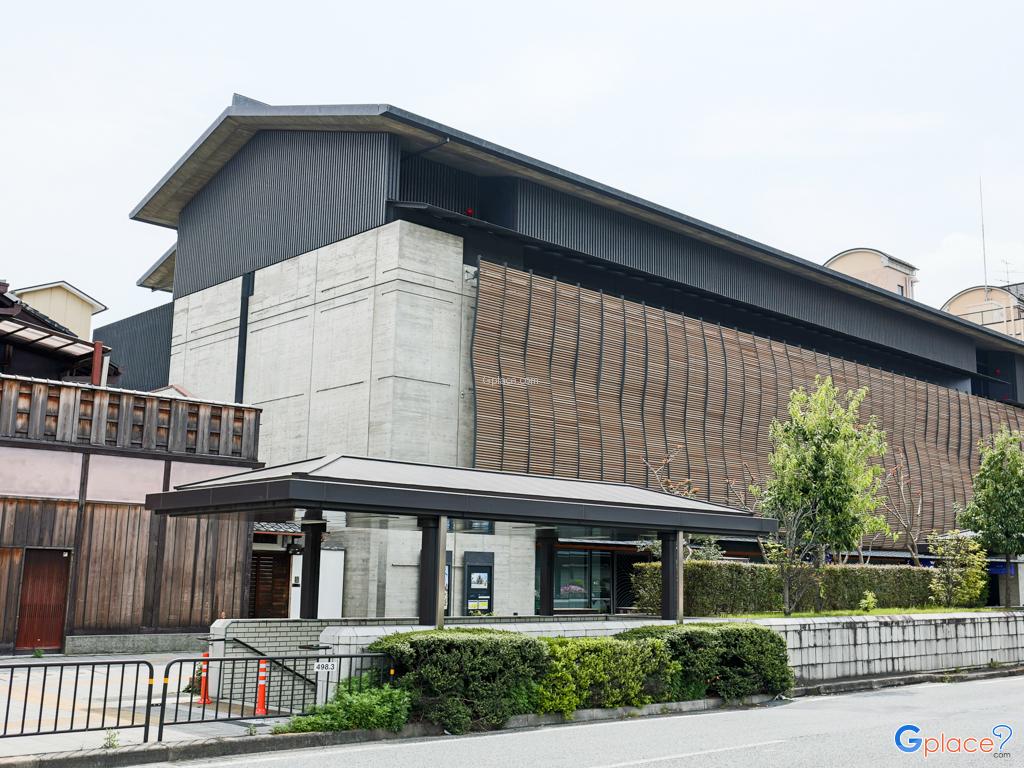
The temple is located directly opposite the Kyoto National Museum, making it ideal for a combined visit
-
Allow at least 45–60 minutes for a calm and meaningful visit
Admission Fee:
-
Adults: 600 yen
-
Children: Discounted rates depending on age
Opening Time:
-
April 1 – November 15: 08:30 – 17:00
-
November 16 – March 31: 09:00 – 16:00
(Closes earlier during the winter season)
Sanjusangendo Temple

 Share
Share
 657 Sanjusangendo-mawari, Higashiyama Ward, Kyoto City, Japan
Map
657 Sanjusangendo-mawari, Higashiyama Ward, Kyoto City, Japan
Map
 Closed today
Mon8.30 - 16.00
Tue8.30 - 16.00
Wed8.30 - 16.00
Thu8.30 - 16.00
Fri8.30 - 16.00
Sat8.30 - 16.00
Sun8.30 - 16.00



 153
153