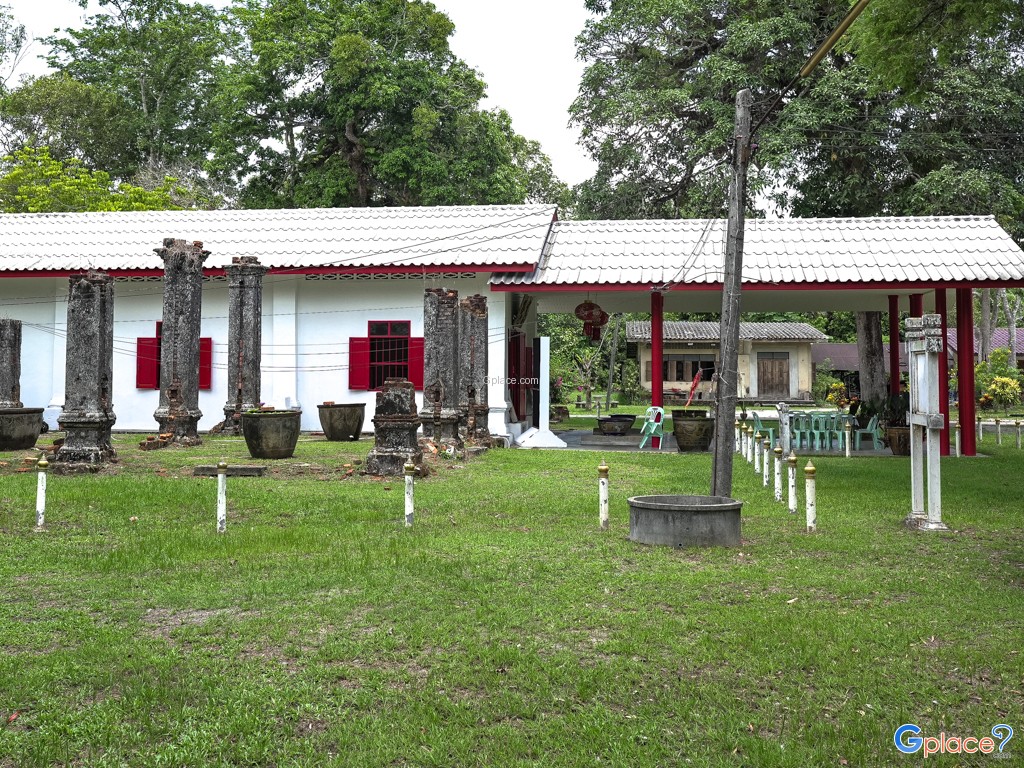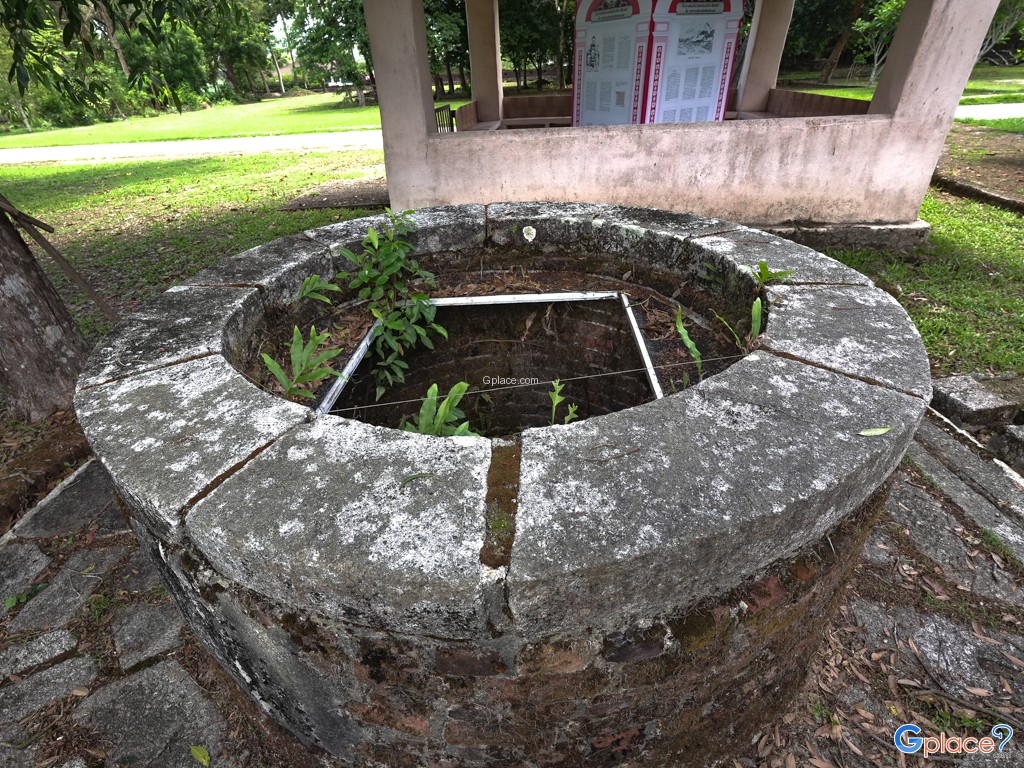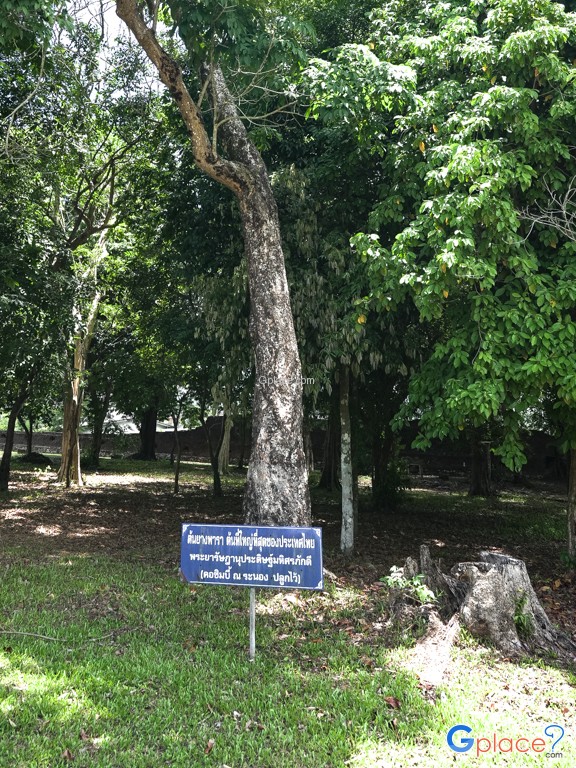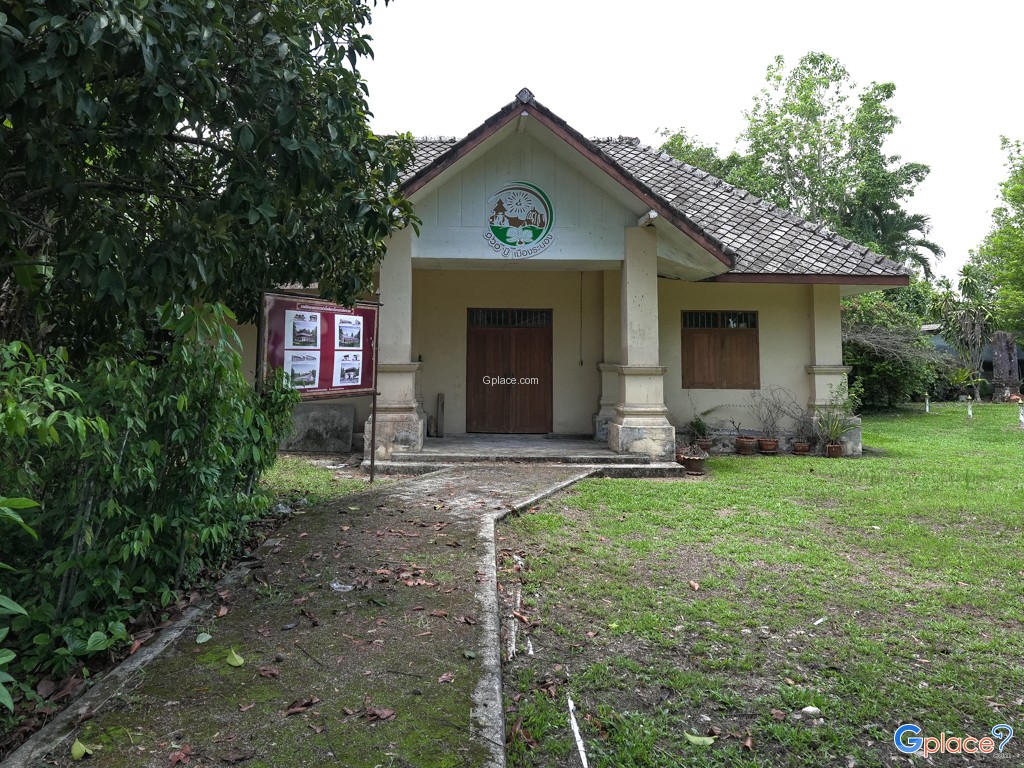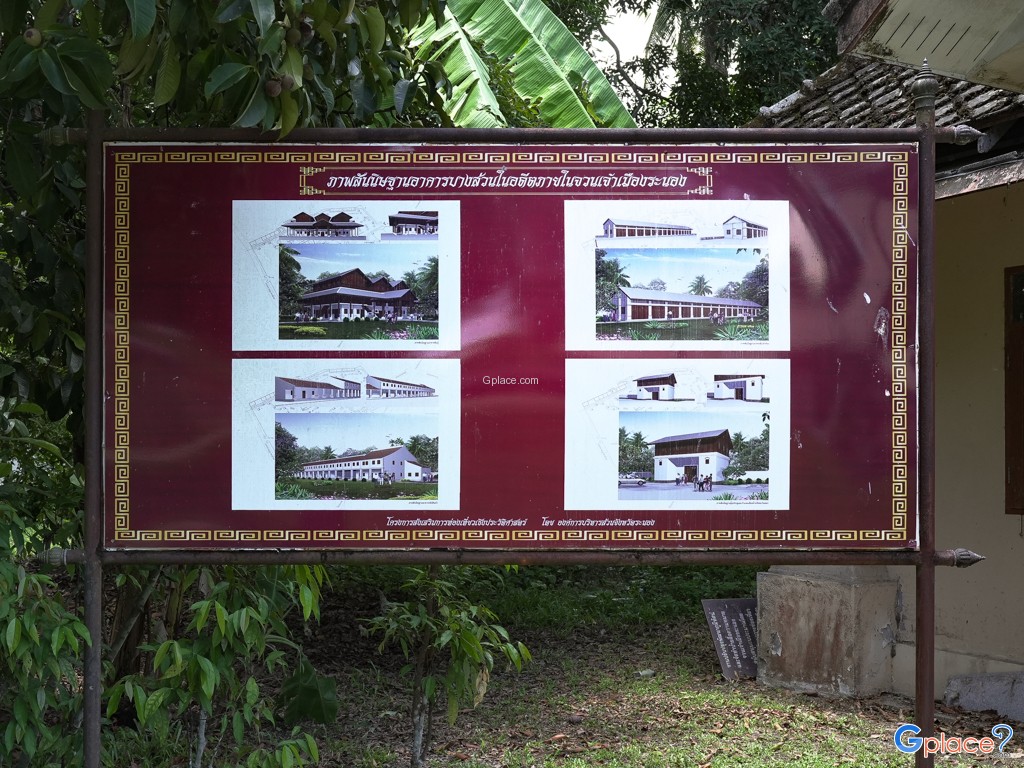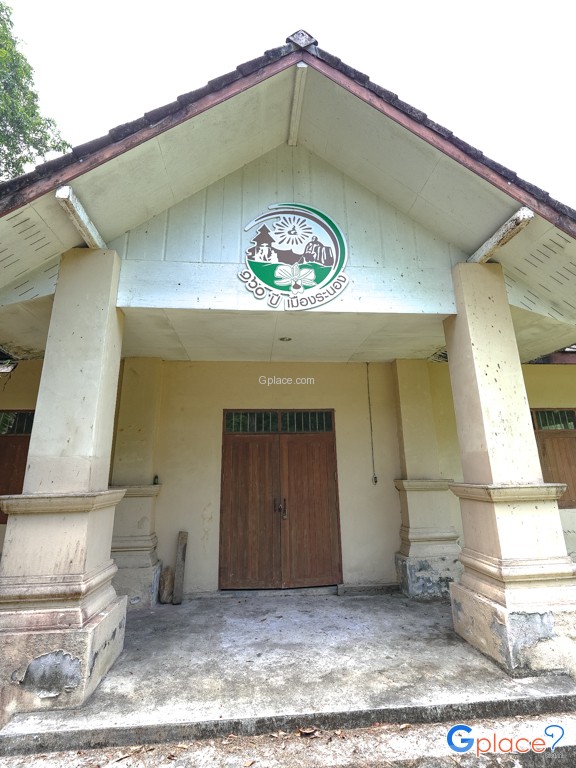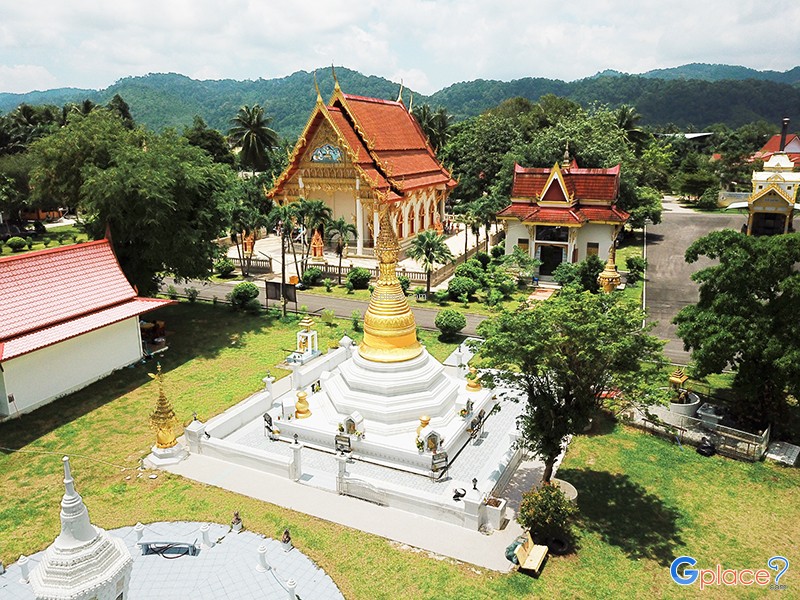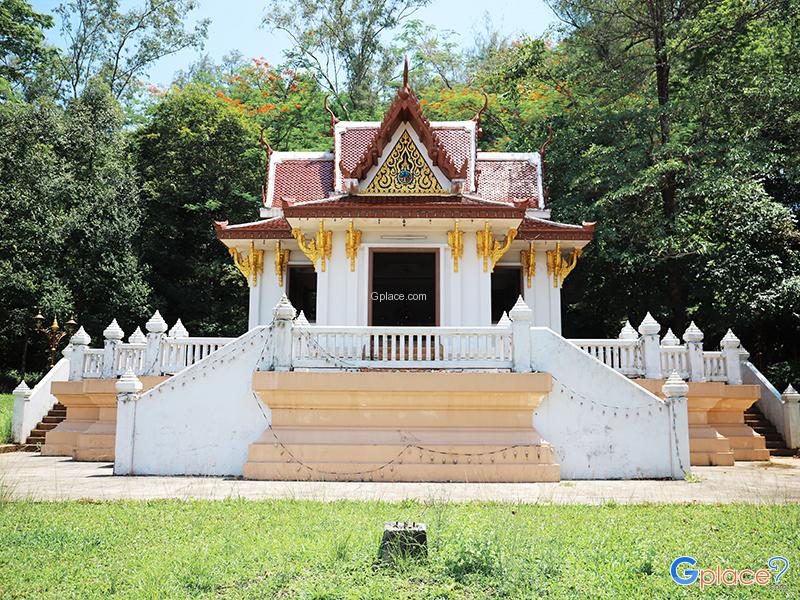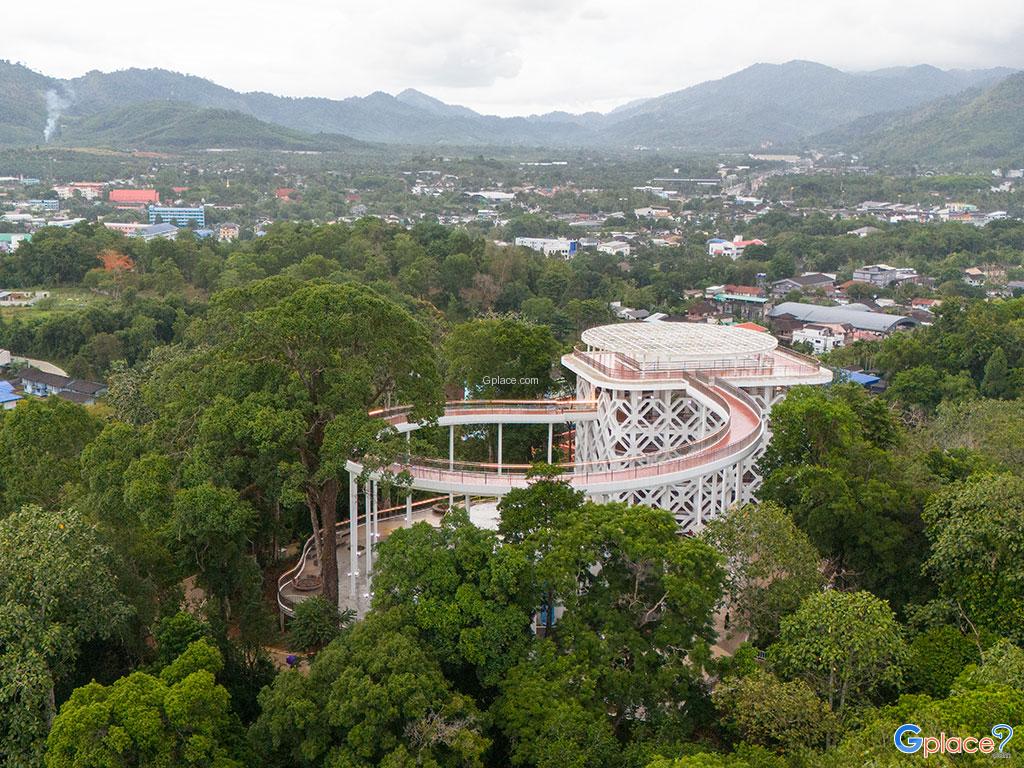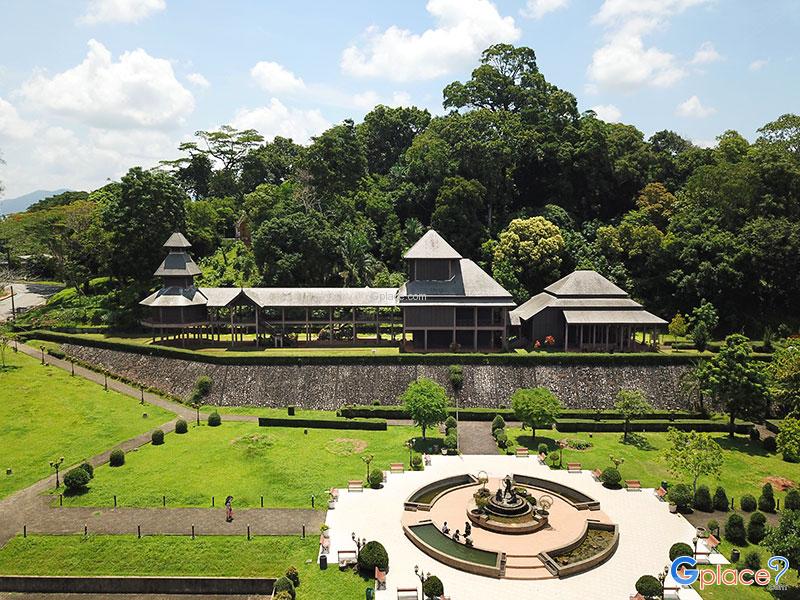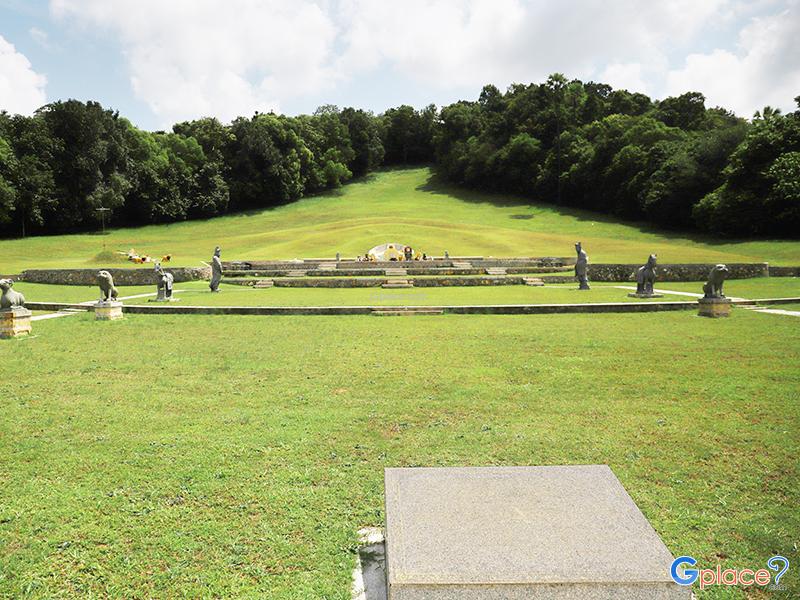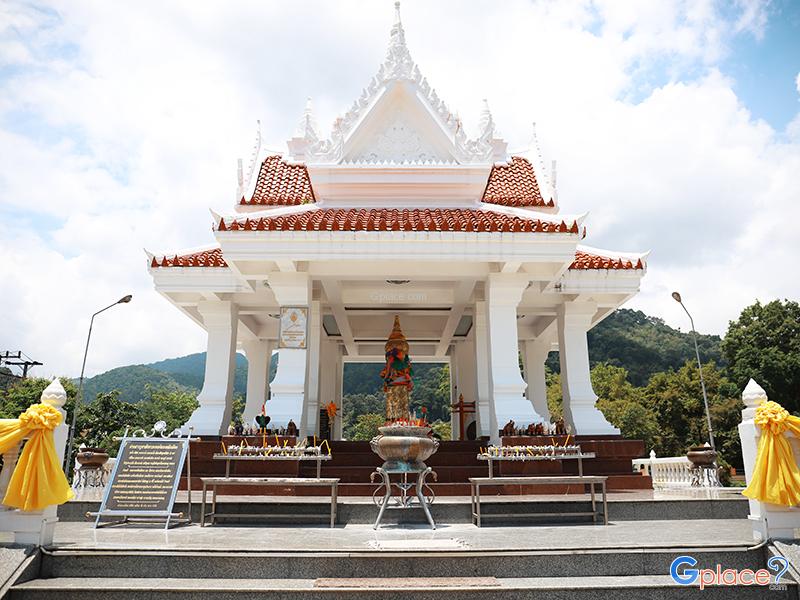
“The old Ranong Governor’s Residence is located on a hillside surrounded by a peaceful and shady atmosphere. It features traditional wooden architecture and offers a scenic view of Ranong city.”

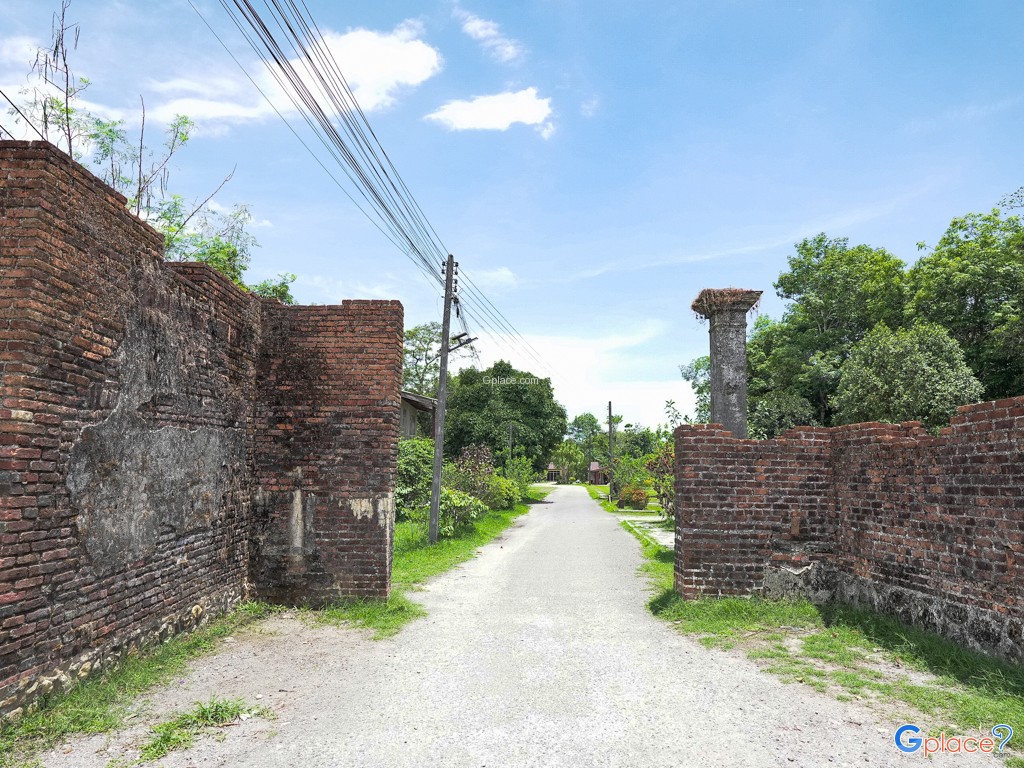
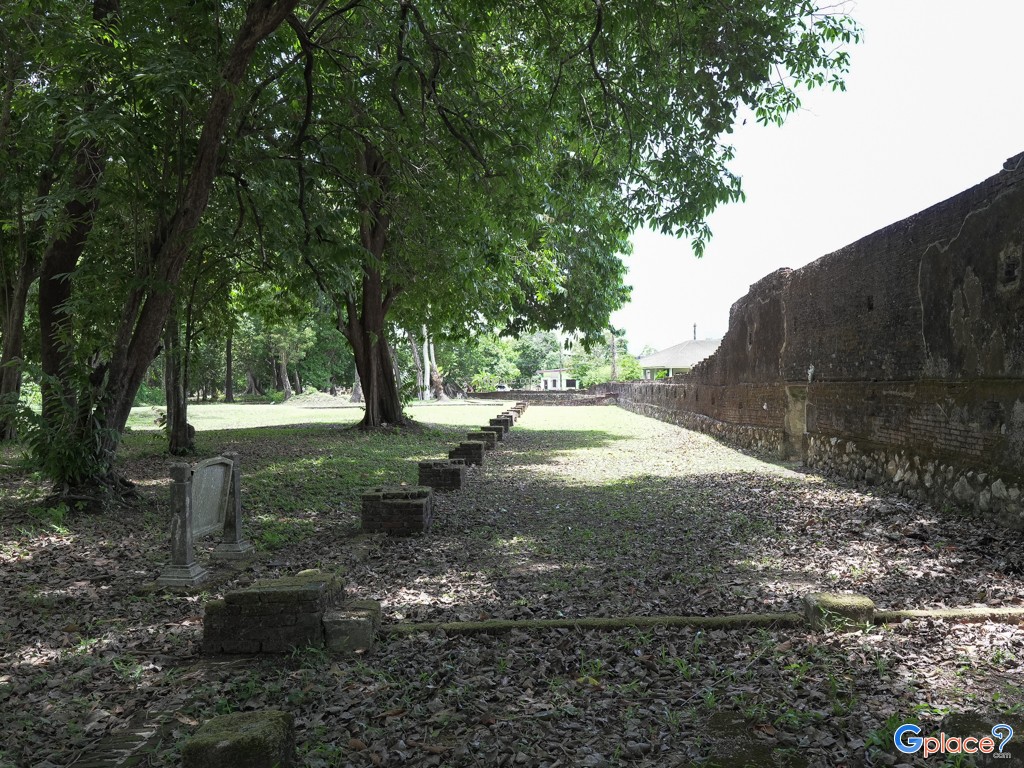
The Ranong Governor’s Residence, locally known as “Nai Khai,” is an important historical site that reflects the development of Ranong during the late early Rattanakosin period. It represents the transformation of Ranong from a small border town into a major center of tin trade and coastal administration along the Andaman Sea.The residence was built around 1877 (B.E. 2420) by Phraya Damrong Sutharitr Mahisorn Phakdi (Khosim Gong) as a residence for his father, Khosu Jiang, the first governor of Ranong. It also served as the early foundation of the Na Ranong family, one of the most influential ruling families in the province.The original estate covered more than 33 rai and functioned as a large noble compound rather than an ordinary residence. It also served as an administrative center during a period when the modern provincial governance system had not yet been fully established. The residence was used for meetings of officials, local leaders, and tin mining administrators, which was the main economic activity of the region at the time. It also played a role in settling disputes and overseeing Chinese migrant labor working in the mines. Thus, Nai Khai can be considered the early political and administrative center of Ranong.

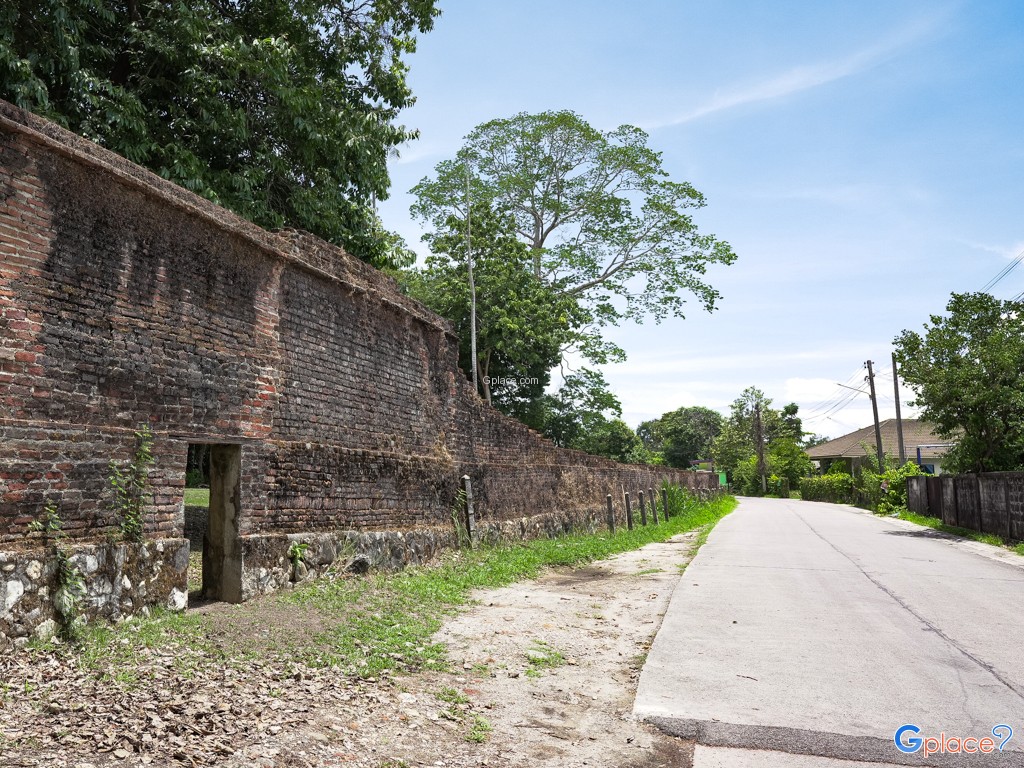
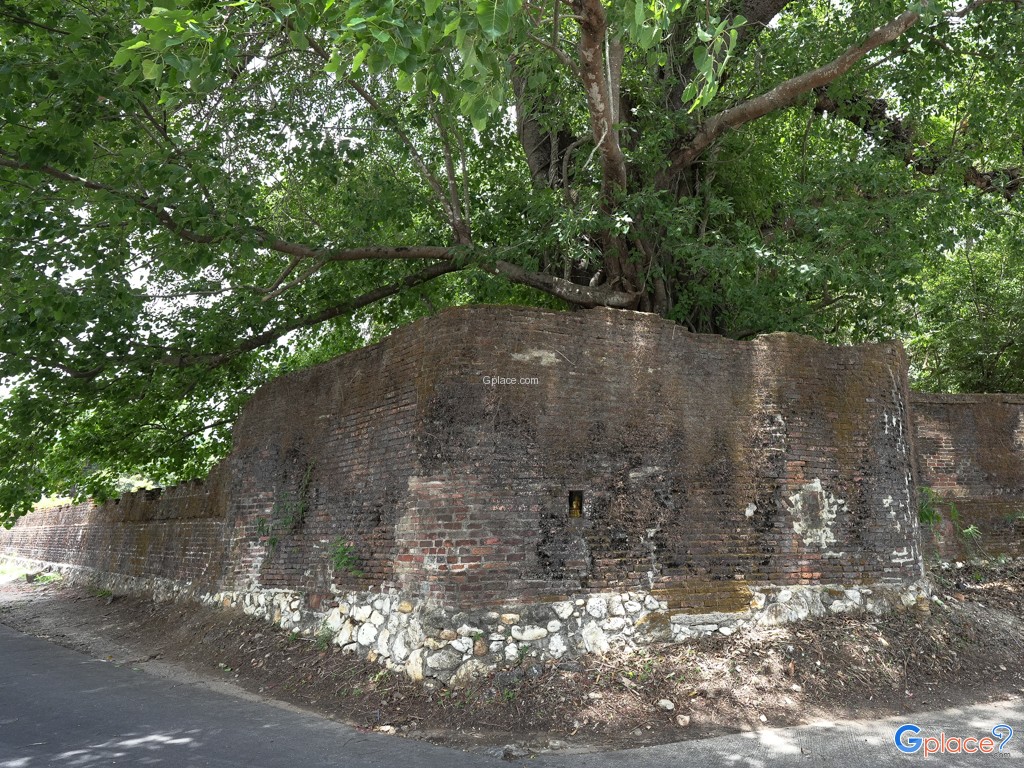
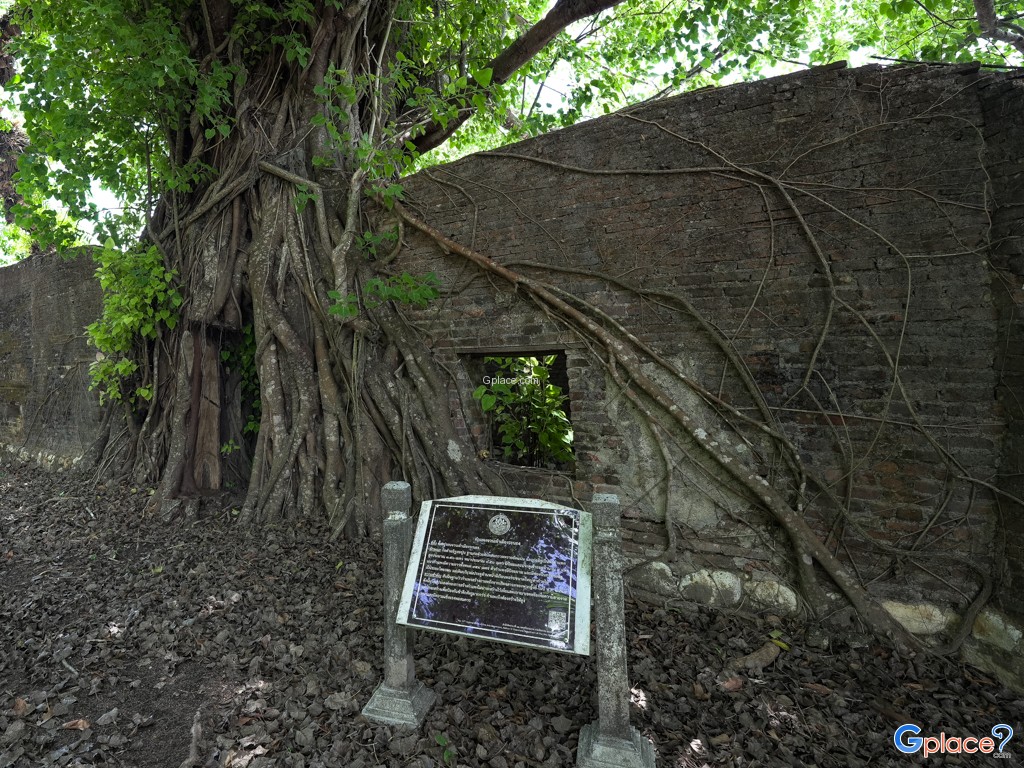
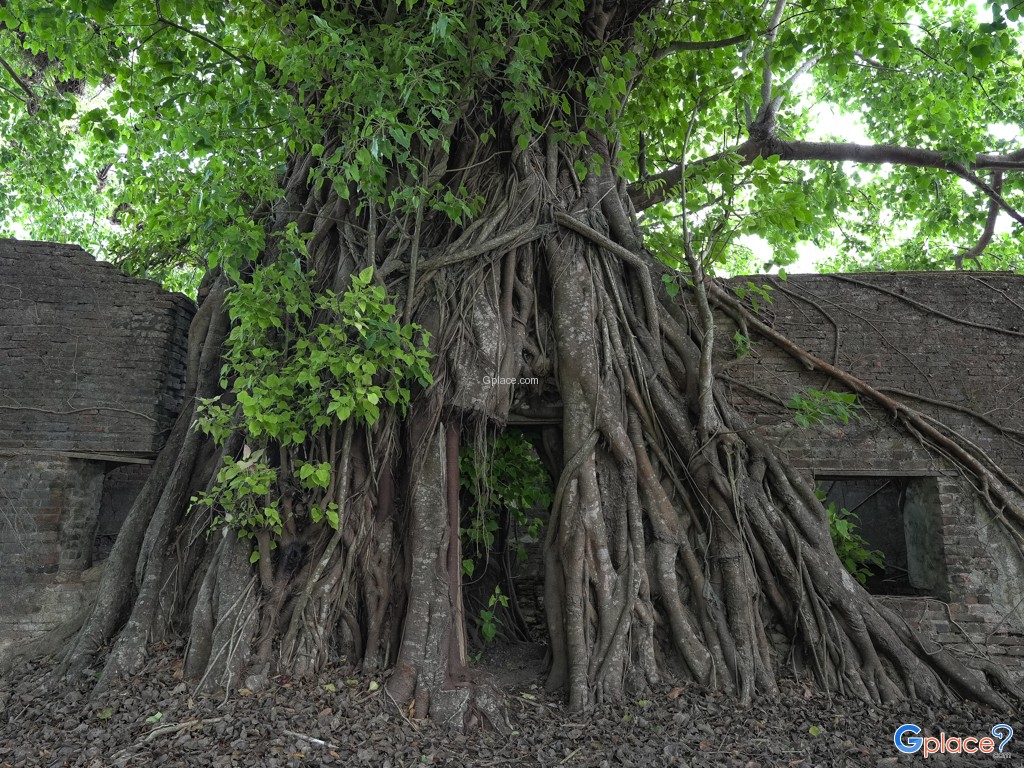
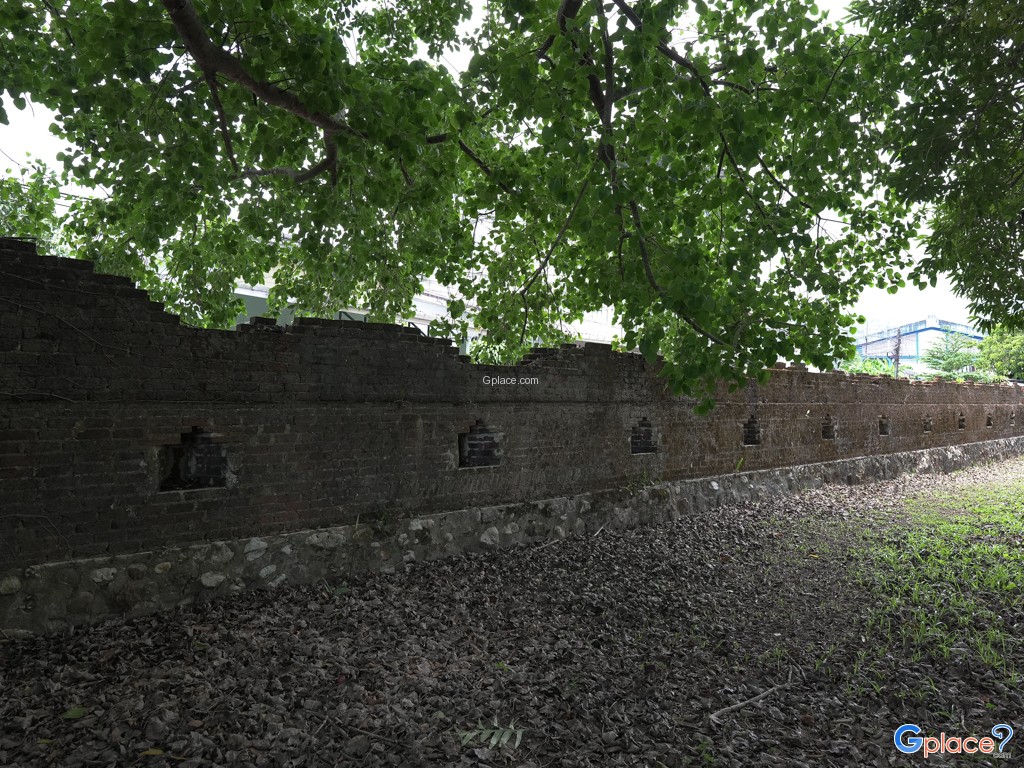
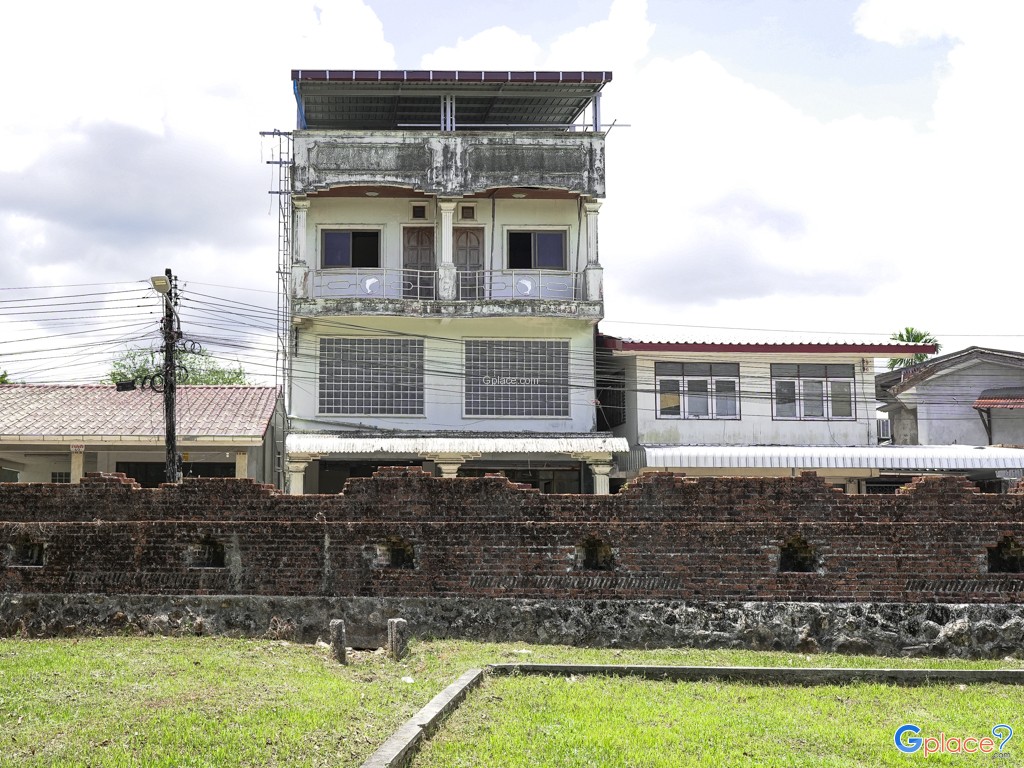
In addition, the Ranong Governor’s Residence holds royal significance, as it was once a place where members of the Thai royal family stayed. King Chulalongkorn (Rama V) visited and stayed here in 1890 during his southern royal tour. This highlights the importance of Ranong at the time, both economically in terms of tin mining and strategically as part of the Andaman coastal region.Architecturally, the complex reflects a blend of Hokkien Chinese and local styles. The main structures are brick-and-plaster buildings with wooden frameworks and traditional Chinese clay tile roofs. The layout follows a closed compound design surrounded by thick brick walls with defensive gun ports. These walls served both protective and administrative control purposes, which is why the site is known as Nai Khai, meaning inside the fort.

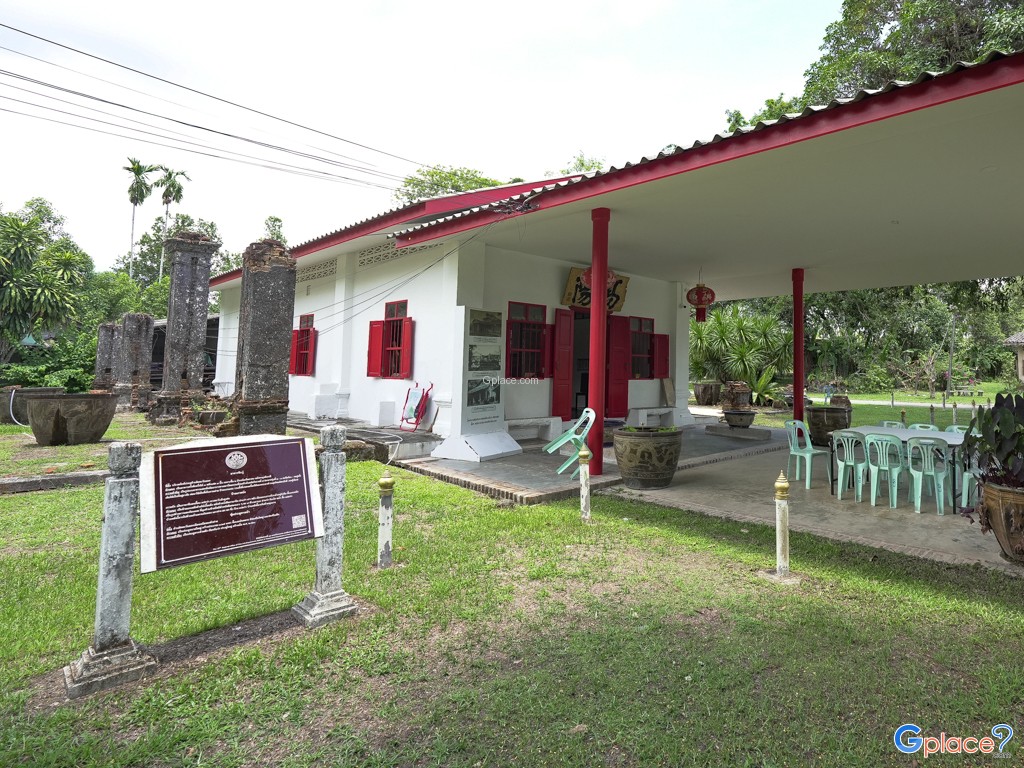
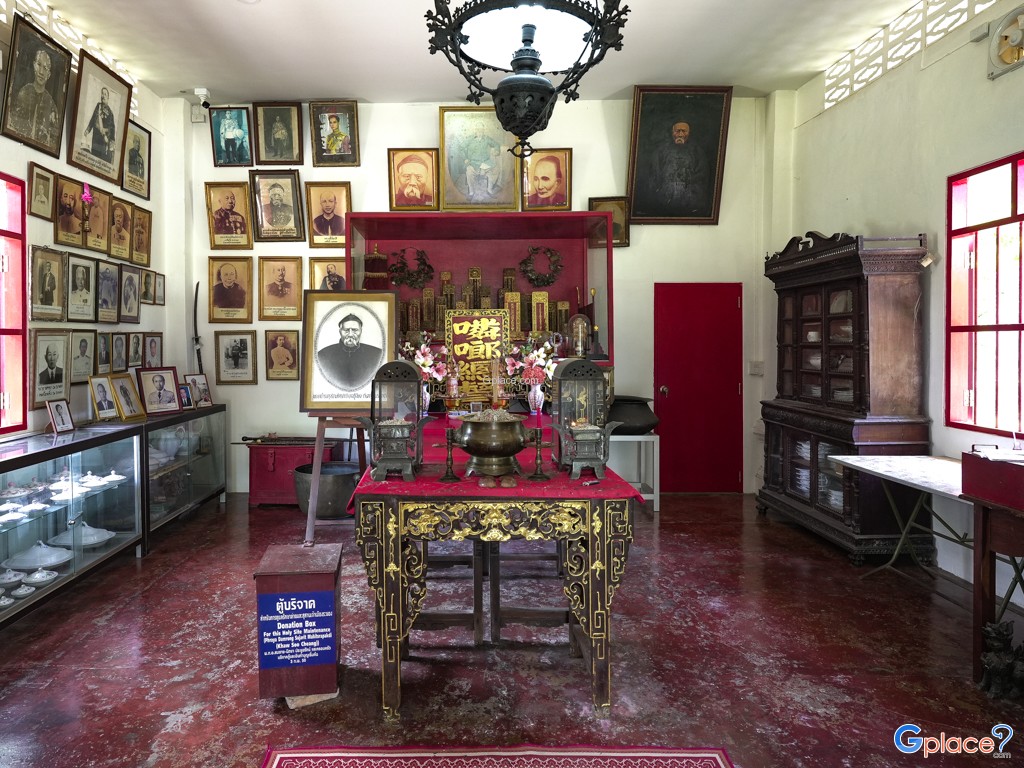
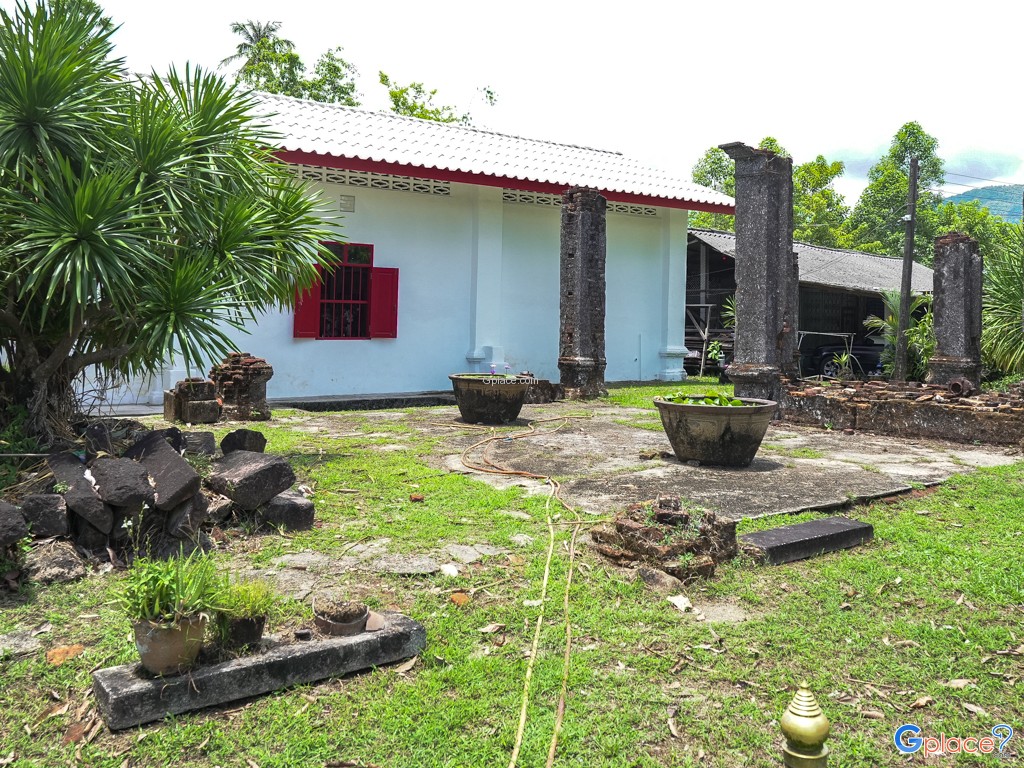
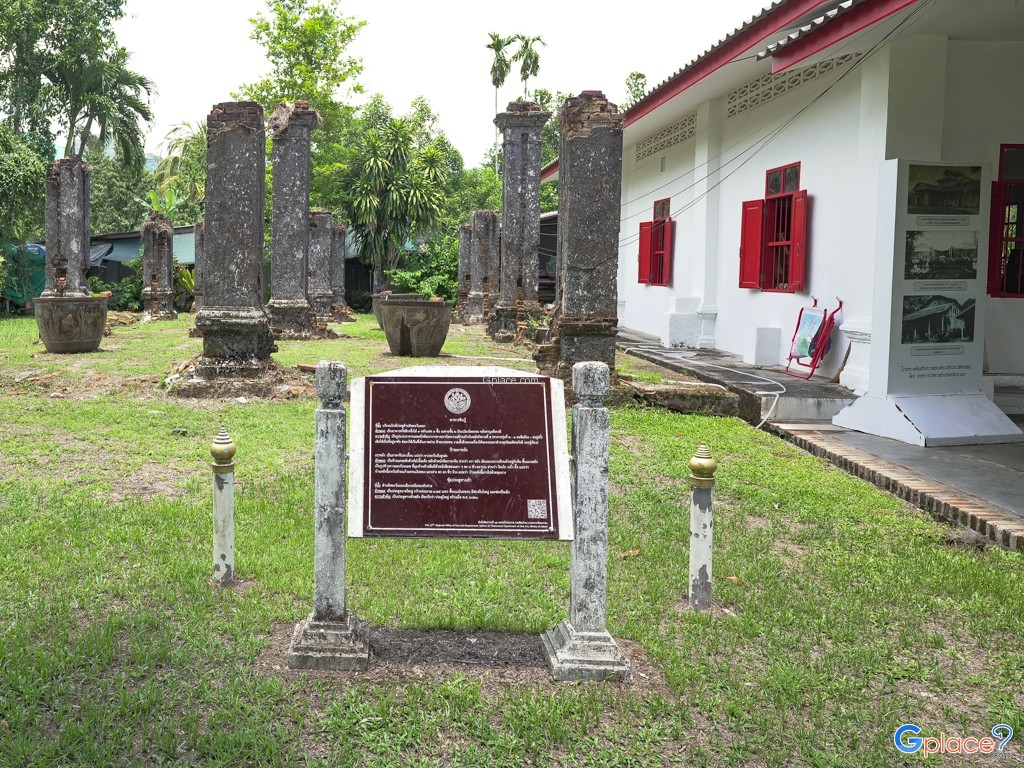
Inside the compound is the ancestral shrine of the Na Ranong family, also known as the Gao-Yang Shrine, which serves as the spiritual center of the family lineage. It houses ancestral spirit tablets from multiple generations, along with royal gifts and historical documents related to the founding of the city and the family’s history. This gives the site both historical and cultural significance, especially in the context of Chinese-Thai heritage.Over time, the political role of the Governor’s Residence declined as Thailand’s administrative system changed. Parts of the buildings gradually deteriorated but have been preserved and maintained by the Na Ranong descendants together with local authorities. Some areas have been converted into a small community museum preserving old photographs, historical artifacts, and stories of Ranong’s development for future generations.Overall, the Ranong Governor’s Residence is not only a historical site but also an important testament to the formation of coastal Andaman cities, the legacy of early provincial governance, and the cultural heritage of the Na Ranong family, which continues to play an important role in the history of southern Thailand to this day.


How to Get There
  • By car: Drive into Ranong city and use Rueang Rat Road. Parking is available in nearby areas.
  • By public transport: Take a local wooden songthaew (shared minibus) around the city, get off at Rueang Rat Road, then walk a short distance to the site.

Travel Tips
  • Dress modestly and appropriately, as this is a historical site and still under local care
  • Please keep quiet and avoid loud noise, especially in the ancestral shrine area
  • For group visits, it is recommended to contact the caretaker in advance for guidance or a tour arrangement
  • This site is best suited for educational visits; take time to read the historical information on-site to better understand its context
  • Ideal for history enthusiasts and those interested in Chinese-Thai heritage; bring a camera to capture the traditional architecture

Admission Fee:

  • Free of charge

Opening Hours:

  • Open daily from 08:00 AM – 05:00 PM

Ranong Governor’s Residence

Share

No. 24 Dab Khadi, Khao Niwet, Mueang Ranong, Ranong 85000 Map

List 0 review | art & culture,attractions,archaeological site

Closed today

Mon8.30 - 16.30
Tue8.30 - 16.30
Wed8.30 - 16.30
Thu8.30 - 16.30
Fri8.30 - 16.30
Sat8.30 - 16.30
Sun8.30 - 16.30


0653936839

11

Recommend trips

Manage your trips

Delete

All reviews

(List 0 review)

Nearby Places

Baan Tian Sue Baan Tian Sue

(List 0 review)

Distance 0.39 Kilometer

Wat Suwan Khiri Wat Suwan Khiri

(List 5 review)

Distance 0.71 Kilometer

Ho Phra Kao Kechi Ho Phra Kao Kechi

(List 0 review)

Distance 0.89 Kilometer

Ranong Skywalk Ranong Skywalk

(List 0 review)

Distance 0.96 Kilometer

Rattanarangsarn Palace Rattanarangsarn Palace

(List 4 review)

Distance 0.96 Kilometer

Ranong Governor s Grave Ranong Governor s Grave

(List 3 review)

Distance 1.39 Kilometer

Ranong City Pillar Shrine Ranong City Pillar Shrine

(List 0 review)

Distance 1.45 Kilometer

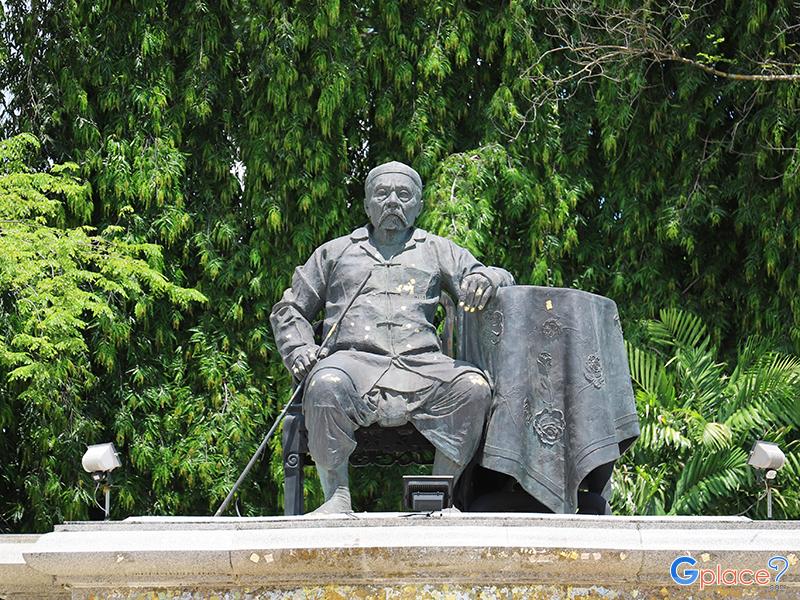
Phraya Damrong Sucharit Mahitsaraphakdi Phraya Damrong Sucharit Mahitsaraphakdi

(List 0 review)

Distance 1.51 Kilometer

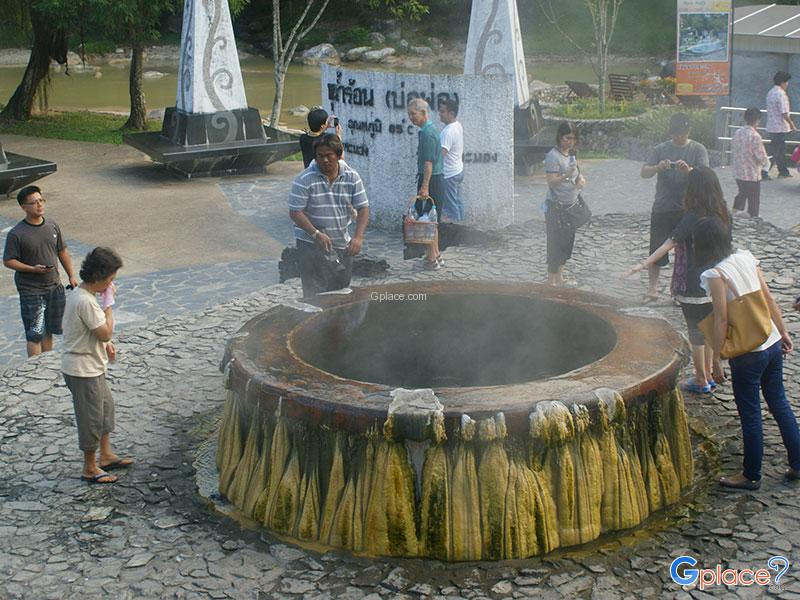
Rakswarin Hot Springs Rakswarin Hot Springs

(List 1 review)

Distance 2.34 Kilometer

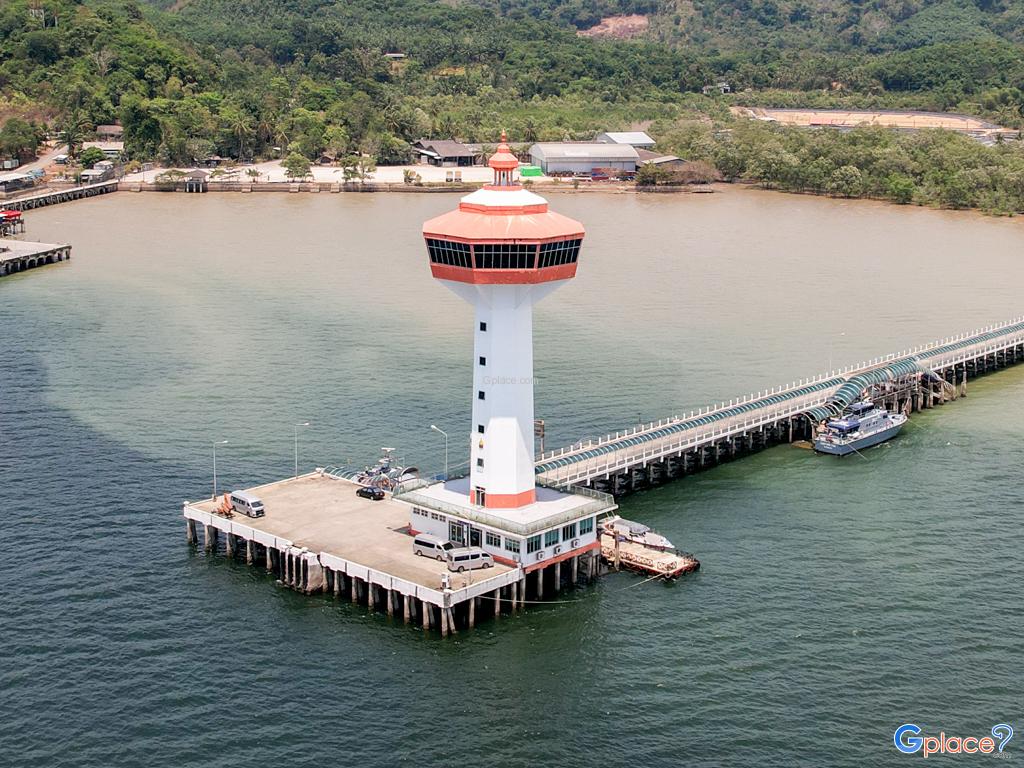
Ranong Lighthouse Ranong Lighthouse

(List 0 review)

Distance 4.19 Kilometer

Hotels nearby