 Attractions
  Hotel
Hotel  Restaurant
  Shopping
  Abroad






“A rocky seaside viewpoint with clear water and a peaceful atmosphere, ideal for watching the sunset and taking natural landscape photography.”
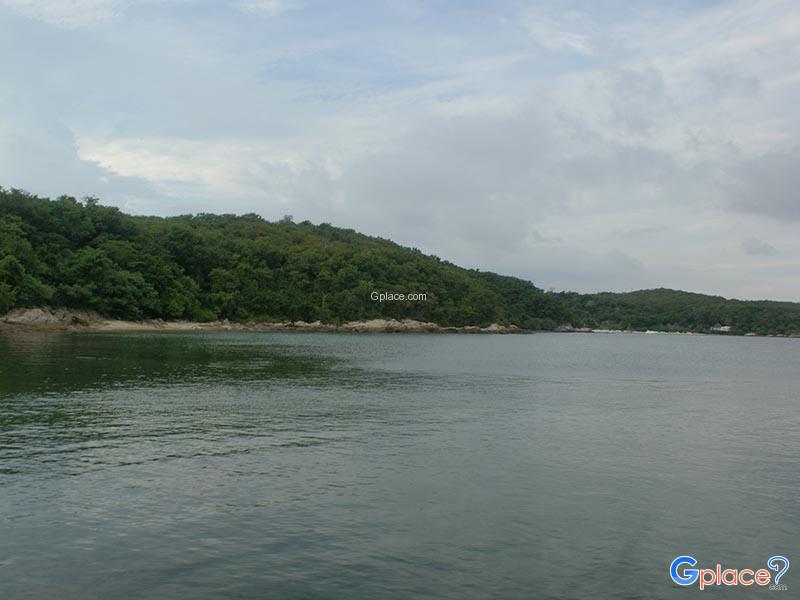
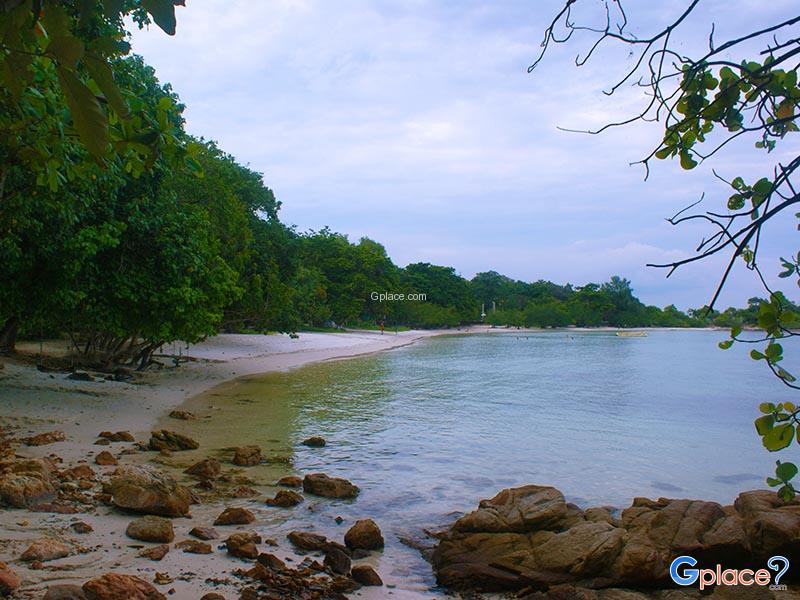
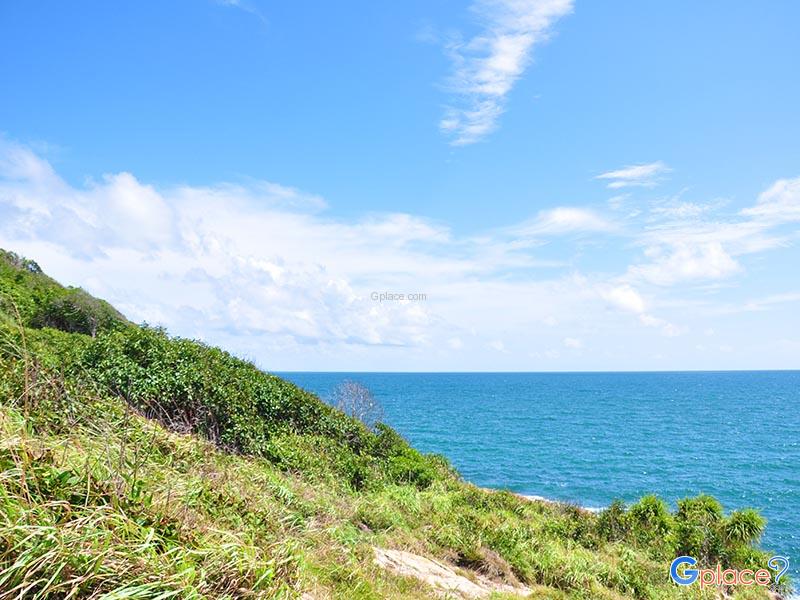
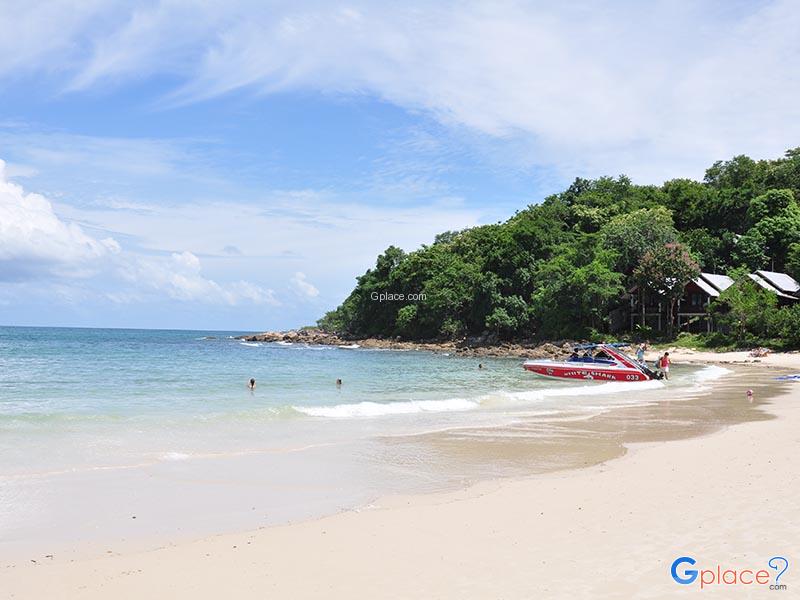
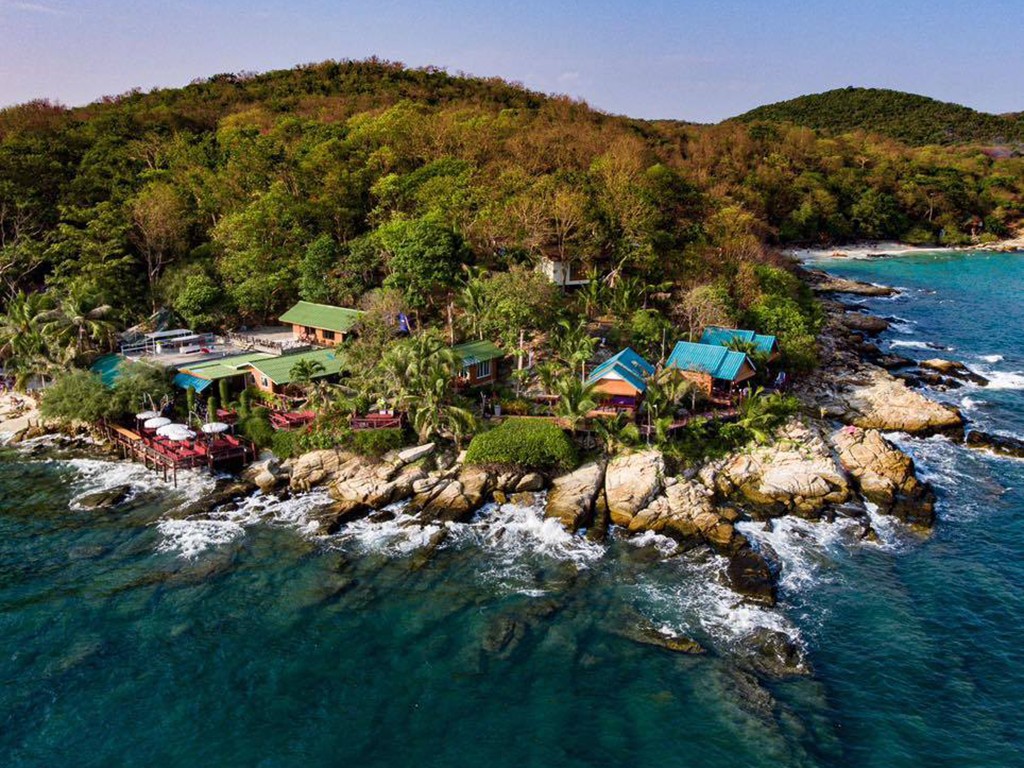
Laem Kut (Laem Kut Cape) is one of the most peaceful and scenic natural viewpoints on Koh Samet, located within Khao Laem Ya–Mu Ko Samet National Park, between Ao Lung Dam and Ao Wai. The area features a rocky cape stretching into the sea, surrounded by natural rock formations and clear blue water, creating a landscape very different from the more popular beaches on the eastern side of the island.
The terrain consists of weathered coastal rocks shaped over time by waves and marine erosion, forming unique layers and natural textures. Visitors can enjoy continuous views of waves crashing against the rocks, especially during high tide when sea spray creates a dramatic and photogenic atmosphere, ideal for nature photography.
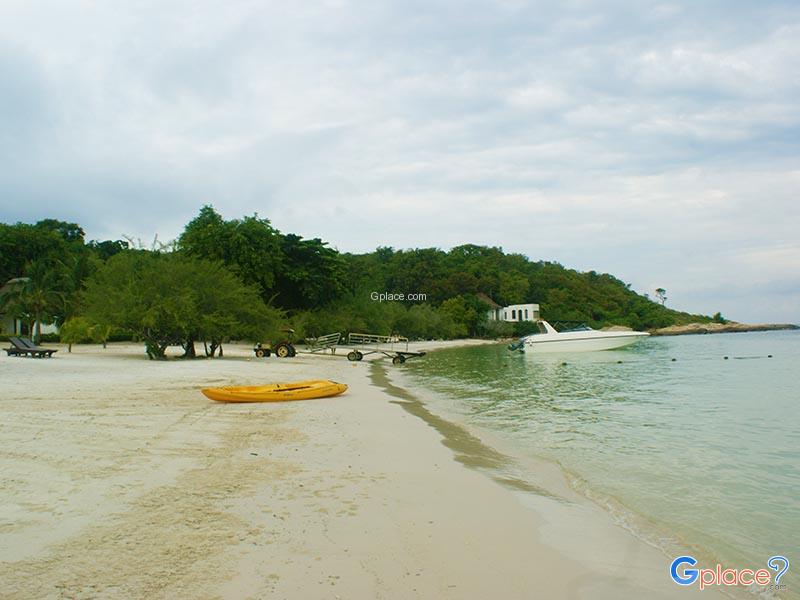
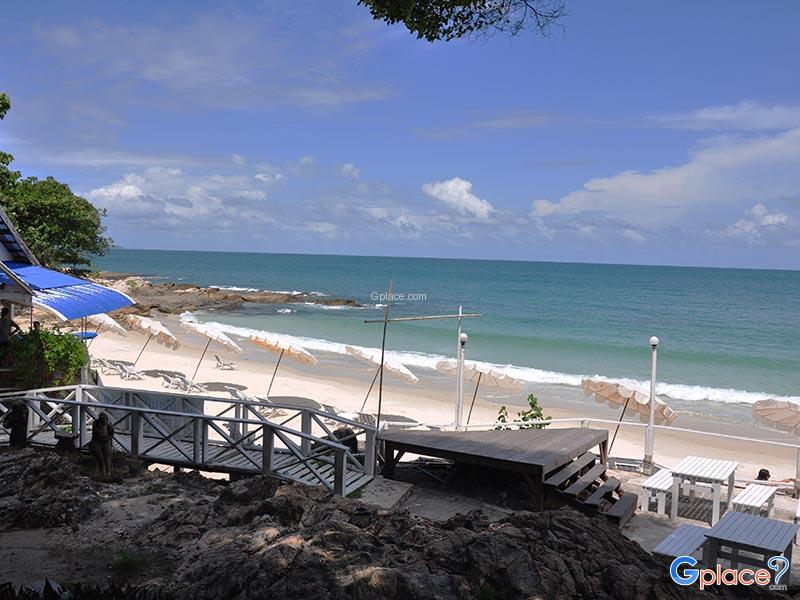
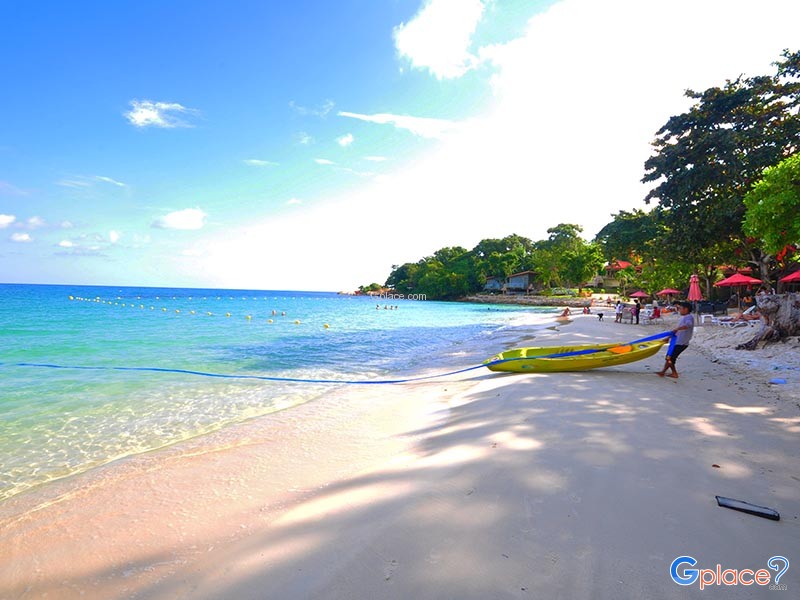
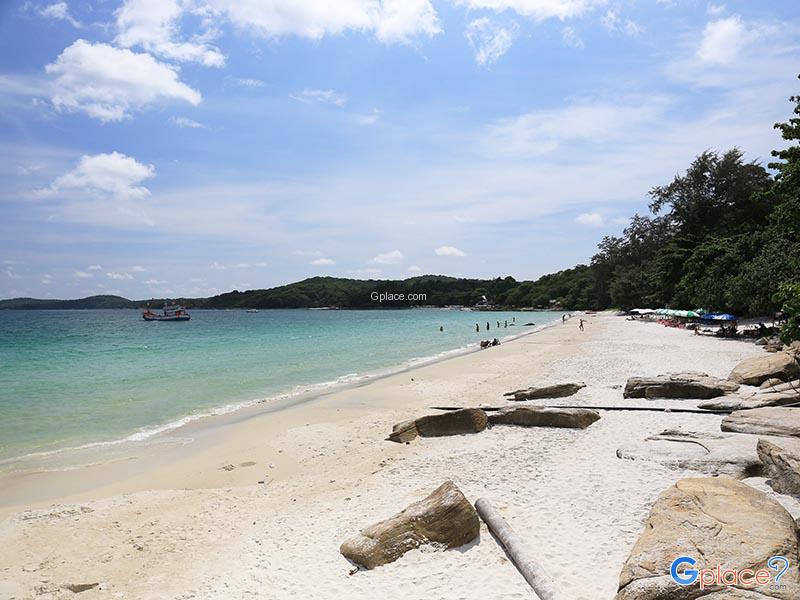
Although there is no wide sandy beach for swimming like Sai Kaew Beach or Ao Wong Duean, Laem Kut stands out for its calm and untouched natural beauty. It is often used as a resting point along the coastal walking trail connecting Ao Wai and Ao Lung Dam, allowing visitors to experience both coastal forest and sea scenery up close.
One of the main highlights of Laem Kut is its reputation as a sunset viewpoint on Koh Samet. Even though it is located on the eastern-central side of the island, its extended cape shape provides an open horizon in the evening. Between 5:30 PM and 6:30 PM, the sky often transforms into shades of gold, orange, and soft pink-purple, reflecting beautifully on the sea surface and rocky shoreline. It is a perfect spot for landscape and silhouette photography.
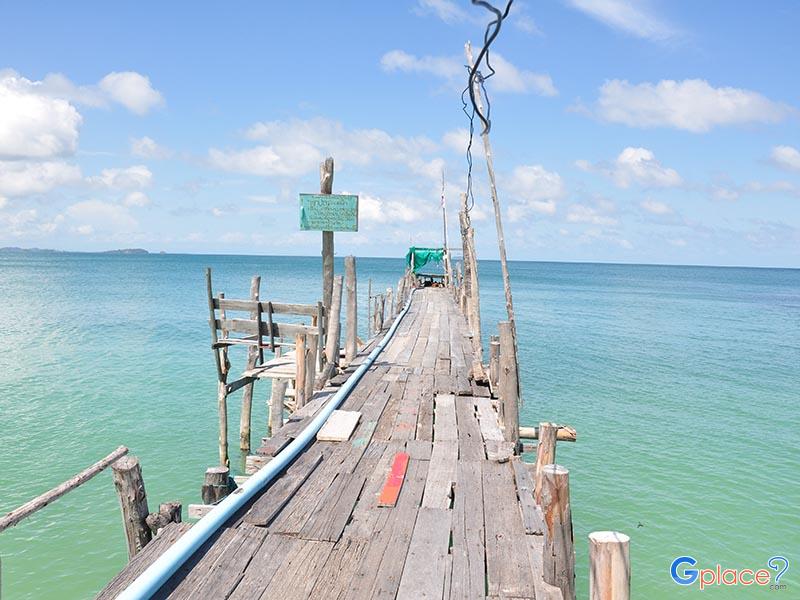
Nearby is the famous Wooden Bridge of Lung Dam (Saphan Mai Lung Dam), a well-known landmark on Koh Samet. The wooden pier stretches over the sea and is a popular location for sunset viewing, photography, and relaxing by the ocean breeze. Many visitors walk between the bridge and Laem Kut to enjoy multiple scenic viewpoints within a short distance.
The surrounding marine ecosystem remains relatively rich, with clear water in many seasons. Small fish, crabs, and coastal marine life can often be seen around the rocky shore. Some visitors also come here for fishing, kayaking, or snorkeling near Ao Wai, where shallow coral areas can be found in certain spots.
Overall, Laem Kut is ideal for travelers seeking a quieter alternative to the busier beaches such as Sai Kaew or Ao Wong Duean. It is especially suitable for couples, photographers, and nature lovers who prefer a peaceful seaside atmosphere. On weekdays, the area is particularly quiet, offering a more private and immersive natural experience.
The best time to visit is from November to April, when the sea is calm, skies are clear, and water visibility is high. During the rainy season (May to October), waves are stronger, but the surrounding landscape becomes lush and green, offering a different kind of coastal beauty.
With its panoramic sea views, rugged natural rock formations, and peaceful “hidden spot” atmosphere, Laem Kut remains one of Koh Samet’s most authentic and tranquil seaside viewpoints.
How to Get There
- From Nadan Pier, rent a motorbike and ride south of the island through Ao Wong Duean and Ao Thian until reaching the entrance to Ao Lung Dam. Then continue on foot along the coastal path for a few minutes to reach Laem Kut. Alternatively, you can take a green songthaew taxi to Ao Lung Dam.
Travel Tips
- Best visited between 4:30 PM – 6:00 PM for the sunset view
- Wear shoes with good grip as the area is rocky and may be slippery
- Bring water and sun protection due to limited shade
- Ideal for landscape and portrait photography
- Avoid long weekends if you prefer a quiet atmosphere
Admission Fee:
No direct entrance fee for Laem Kut. However, visitors must pay the Khao Laem Ya–Mu Ko Samet National Park entrance fee once upon entering the island:
- Thai visitors: Adults 40 THB / Children 20 THB
- Foreign visitors: Adults 200 THB / Children 100 THB
Opening Hours:
- Open daily. Recommended visiting hours are 06:00 – 18:30 for safety, especially when walking on rocky coastal areas.
Laem Kut

 Share
Share
 Koh Samet, Phe, Mueang Rayong, Rayong 21160
Map
Koh Samet, Phe, Mueang Rayong, Rayong 21160
Map
 Closed today
Mon6.00 - 18.30
Tue6.00 - 18.30
Wed6.00 - 18.30
Thu6.00 - 18.30
Fri6.00 - 18.30
Sat6.00 - 18.30
Sun6.00 - 18.30



 33
33