 Attractions
  Hotel
Hotel  Restaurant
  Shopping
  Abroad





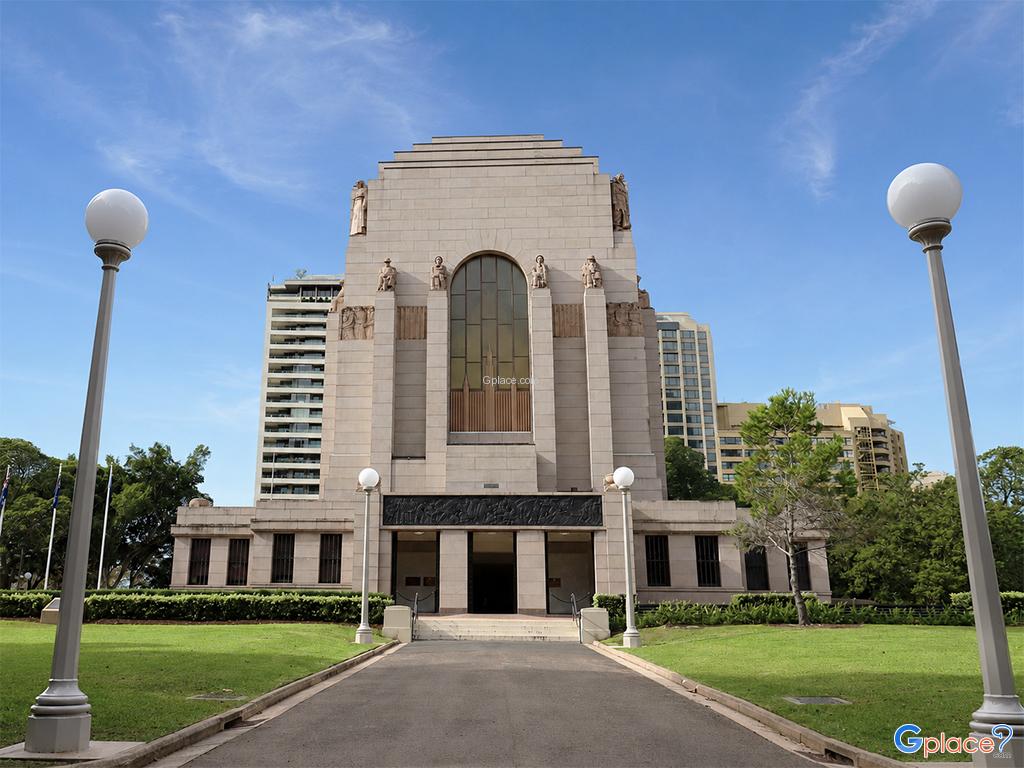



“A pink granite Art Deco building, complete with the Pool of Reflection, the 'Sacrifice' bronze sculpture, and soil samples from over 1,700 battlefields.”
The Anzac Memorial is one of New South Wales' most significant war memorials, located in Hyde Park South in the heart of Sydney. It was built to honour the Australian and New Zealand servicemen and women who served in World War I under the name ANZAC (Australian and New Zealand Army Corps), as well as those who participated in subsequent wars and military missions.
The term ANZAC is deeply linked to the national history of Australia and New Zealand, particularly the Gallipoli landing in Turkey on April 25, 1915. Although the event did not achieve its military objectives, it became the origin of the Anzac Spirit, signifying courage, sacrifice, mateship, and endurance. This event is commemorated annually on Anzac Day, April 25.
The memorial building officially opened in 1934, designed by Bruce Dellit, an Australian architect who played a significant role in early 20th-century architecture. The building features distinctive Art Deco architecture, primarily using pink granite. It conveys strength, elegance, and serenity through its geometric shapes, symmetrical lines, and sculptural elements that tell stories of war through art.
Numerous stone sculptures adorn the exterior of the building, notably the works of Rayner Hoff, a renowned sculptor of that era. These sculptures depict soldiers, servicemen and women, and symbols of courage, duty, loss, and remembrance, allowing visitors to experience the atmosphere of the war era and the role of Australian forces.
Inside the building, a significant space is the Hall of Memory, a solemn and reverent hall. It houses a large bronze sculpture titled Sacrifice, also by Rayner Hoff. The sculpture portrays a fallen soldier lying on a shield, cradled by three women, symbolising the mothers, wives, and daughters of those who lost their lives in war.
Above the Sacrifice sculpture is an intricately decorated dome, enhancing the hall's sense of serenity and sanctity. It also reflects how the losses from war affect not only those on the battlefield but also the families and society left behind. This sculpture is considered one of Australia's most powerful memorial artworks.
In front of the building is the Pool of Reflection, situated along the building's central axis, enhancing its prominent and symmetrical architecture. On clear, still days, the water's surface beautifully mirrors the granite building. It serves as both a popular photo spot and a tranquil area inviting visitors to pause and remember the fallen.
In the contemporary exhibition area, visitors can learn about the stories of soldiers and servicemen and women through artifacts, uniforms, equipment, photographs, personal letters, diaries, military documents, and multimedia displays. The exhibition helps in understanding people's experiences during wartime, both in terms of national history and personal lives.
Another highlight is the Hall of Service, which displays soil samples from over 1,700 towns, bases, and battlefields where soldiers from New South Wales served. Each soil sample serves as a tangible link connecting visitors to real locations worldwide, from battlefronts in Europe, the Middle East, and Asia to modern operational areas.
The internal exhibitions also explain the role of Australians in World War I, World War II, the Korean War, the Vietnam War, as well as peacekeeping missions and military operations in later periods. Visitors can therefore gain a comprehensive overview of Australia's history of national service through the narratives of real individuals, families, and communities affected by war.
The Anzac Memorial is also a significant venue for annual commemorative ceremonies, especially Anzac Day (April 25) and Remembrance Day (November 11). During these days, Hyde Park and the memorial grounds host wreath-laying ceremonies, memorial music performances, and silent vigils to honour those who died in wars.
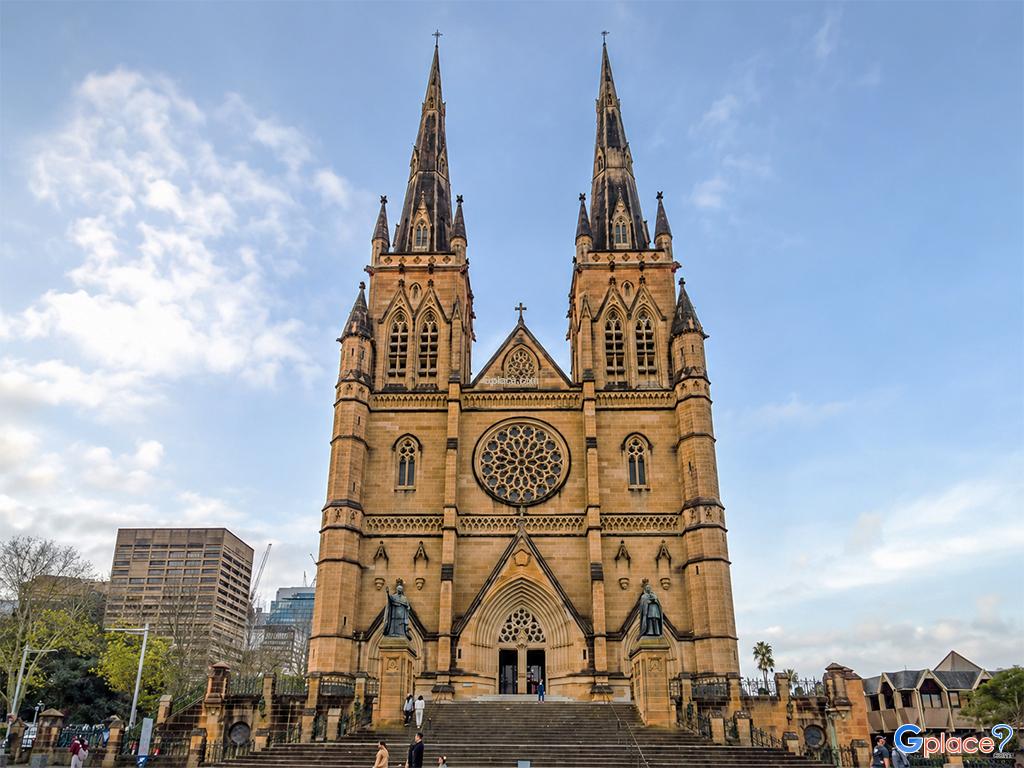
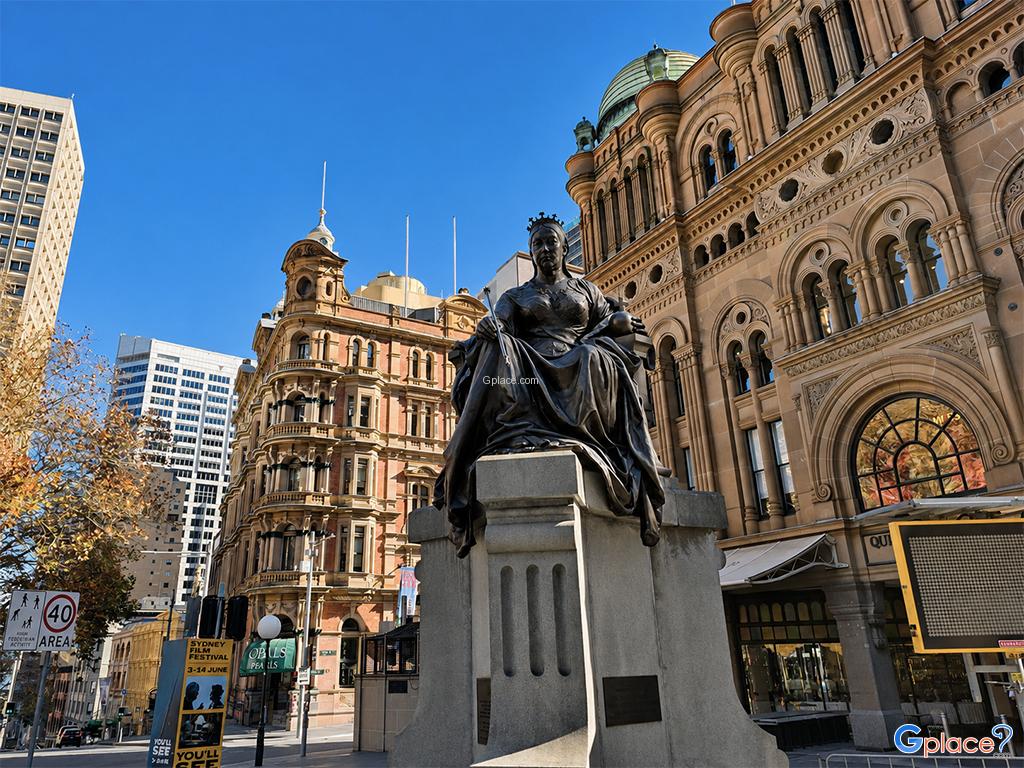
For tourists, this place is suitable for those interested in Australian history, world wars, Art Deco architecture, museums, and free attractions in Sydney. Its central location, near Museum Station, Queen Victoria Building, Town Hall, Australian Museum, and St Mary’s Cathedral, makes it convenient to plan a visit alongside other significant sites in central Sydney.
How to Get There
Train:
- Take the train to Museum Station, which is on the City Circle line and has an exit close to the southern side of Hyde Park. From there, it's a short walk to the memorial.
Bus:
- Many bus routes run along Elizabeth Street and Liverpool Street with stops near Hyde Park. You can walk to the memorial within a few minutes.
Walking
- From the QVB building or the Town Hall area, you can walk east into Hyde Park, which takes approximately 5–10 minutes.
Travel Tips
- Consider attending The Last Post Ceremony, held daily at 11:00 AM, in a quiet and respectful manner.
- If visiting during Anzac Day (April 25) or Remembrance Day (November 11), allow extra time and check ceremony schedules in advance, as Hyde Park may be very crowded.
- A popular photo spot is around the Pool of Reflection in front of the building, especially on clear, still days.
- As it is a memorial space, please remove hats, speak softly, and avoid loud noises during your visit.
- Allocate at least 45–60 minutes for your visit to fully explore the Hall of Memory, exhibitions, and Hall of Service.
- You can conveniently continue your visit to Hyde Park, Australian Museum, St Mary’s Cathedral, QVB, and other central Sydney attractions nearby.
Admission Fee:
- Free admission for all visitors to the memorial, museum, and permanent exhibitions inside the building.
Opening Hours:
- Open daily Monday–Sunday, 09:00 AM – 05:00 PM.
- Closed on Christmas Day (December 25) and Good Friday.
Anzac Memorial

 Share
Share
 Hyde Park South, Liverpool Street, Sydney, New South Wales 2000, Australia
Map
Hyde Park South, Liverpool Street, Sydney, New South Wales 2000, Australia
Map
 Closed today
Mon9.00 - 17.00
Tue9.00 - 17.00
Wed9.00 - 17.00
Thu9.00 - 17.00
Fri9.00 - 17.00
Sat9.00 - 17.00
Sun9.00 - 17.00

 https://www.anzacmemorial.nsw.gov.au/?utm_source=Google&utm_medium=GMB&utm_campaign=homepage_visits

 15
15