 Attractions
  Hotel
Hotel  Restaurant
  Shopping
  Abroad





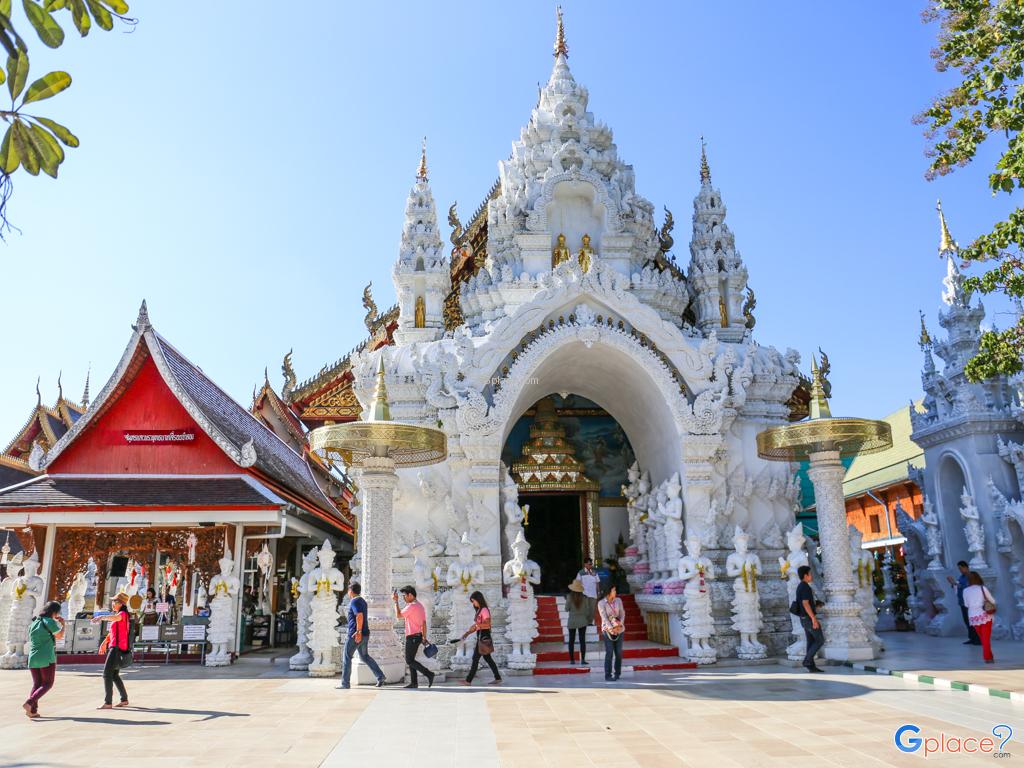

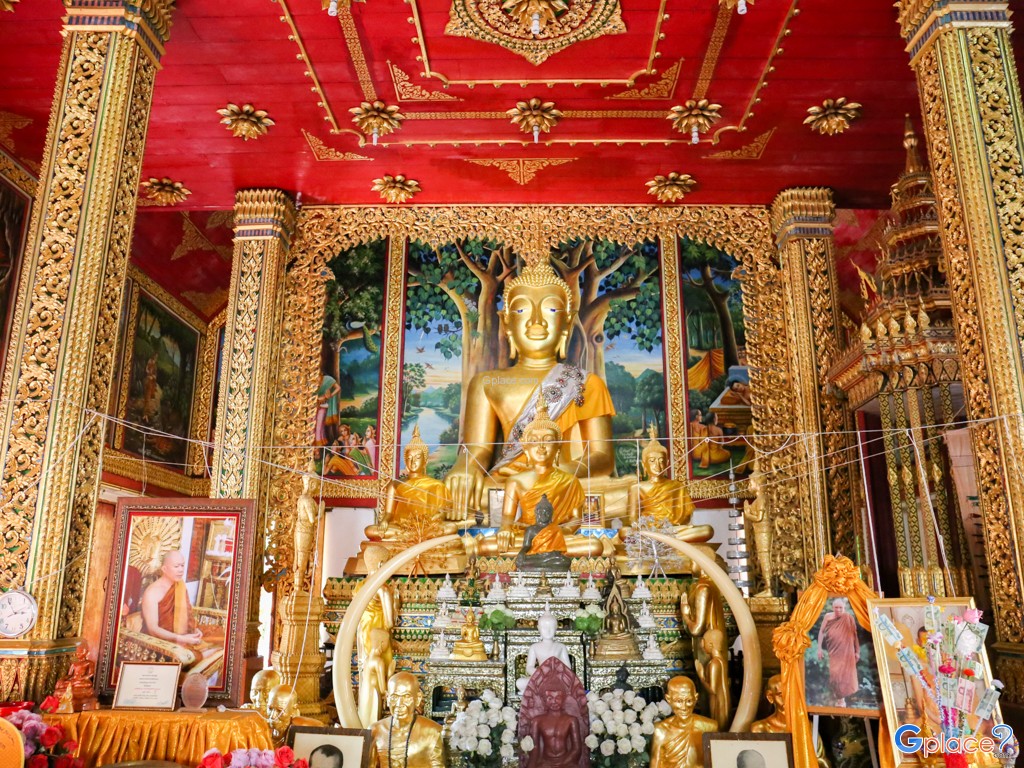
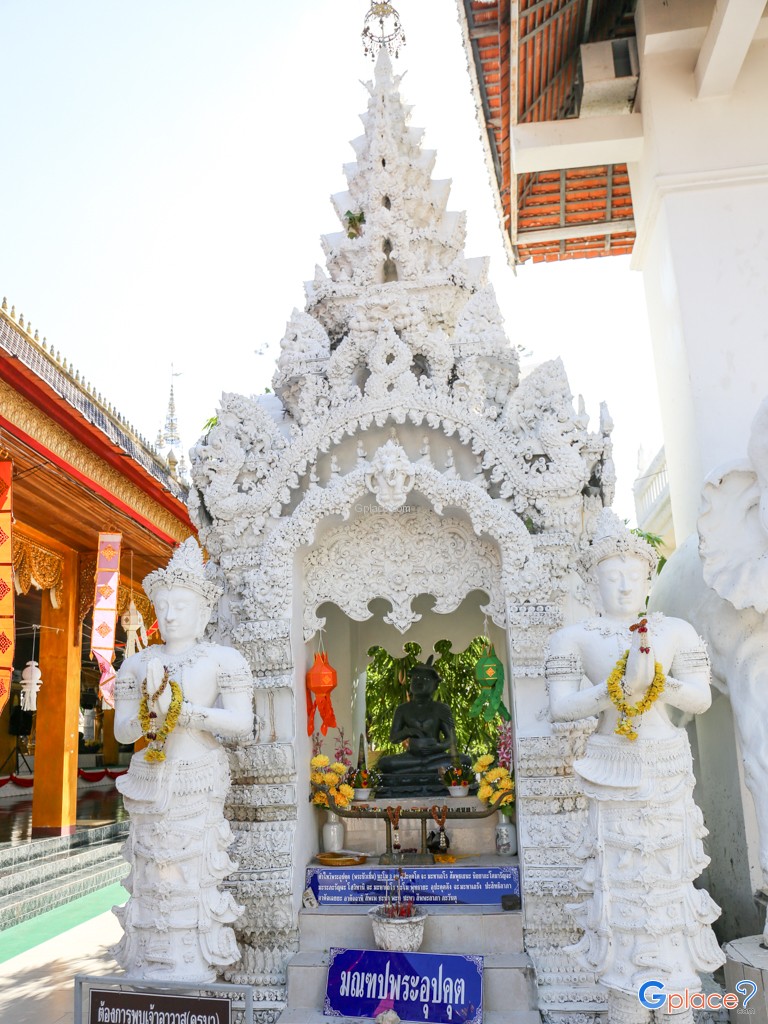
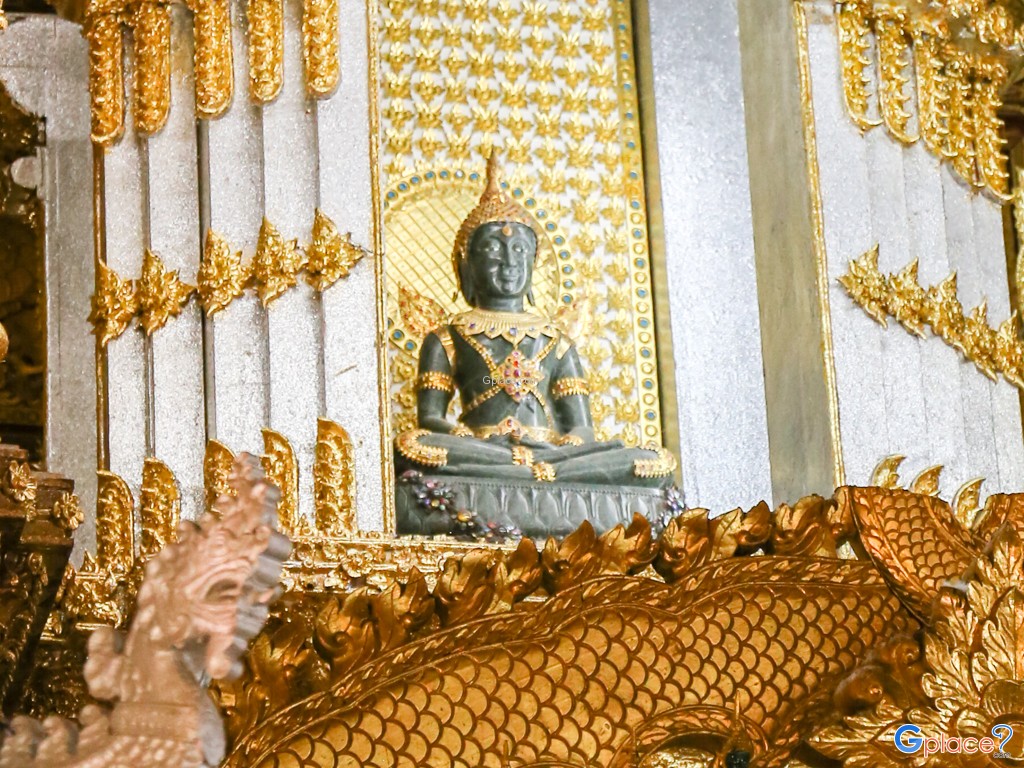
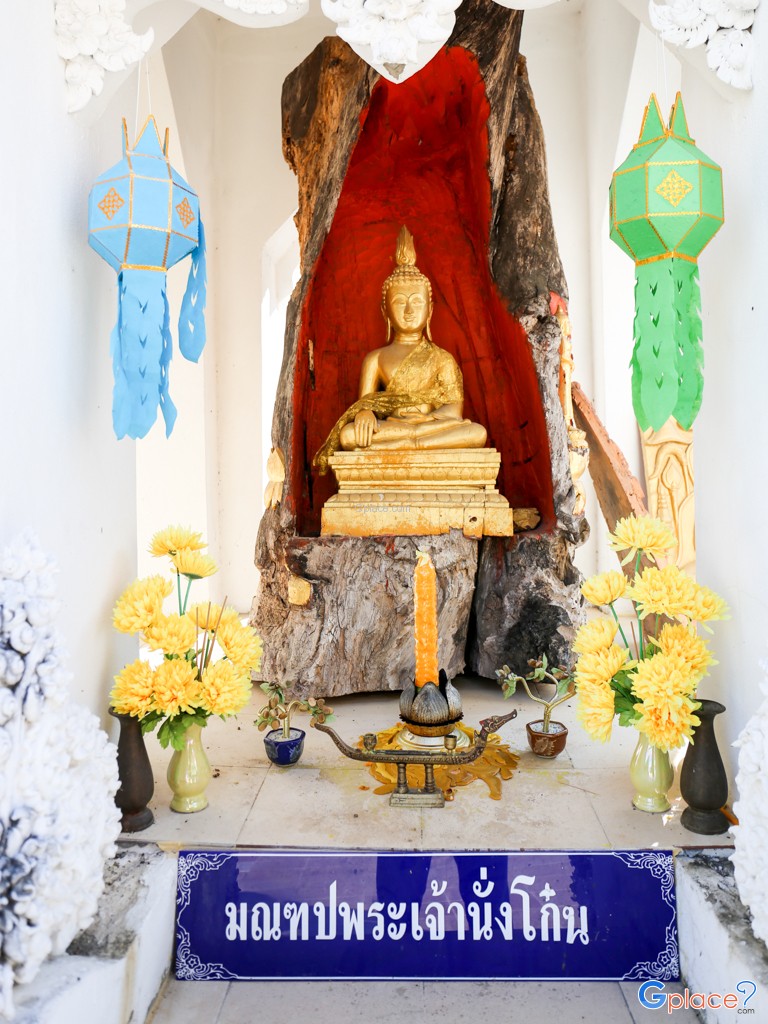
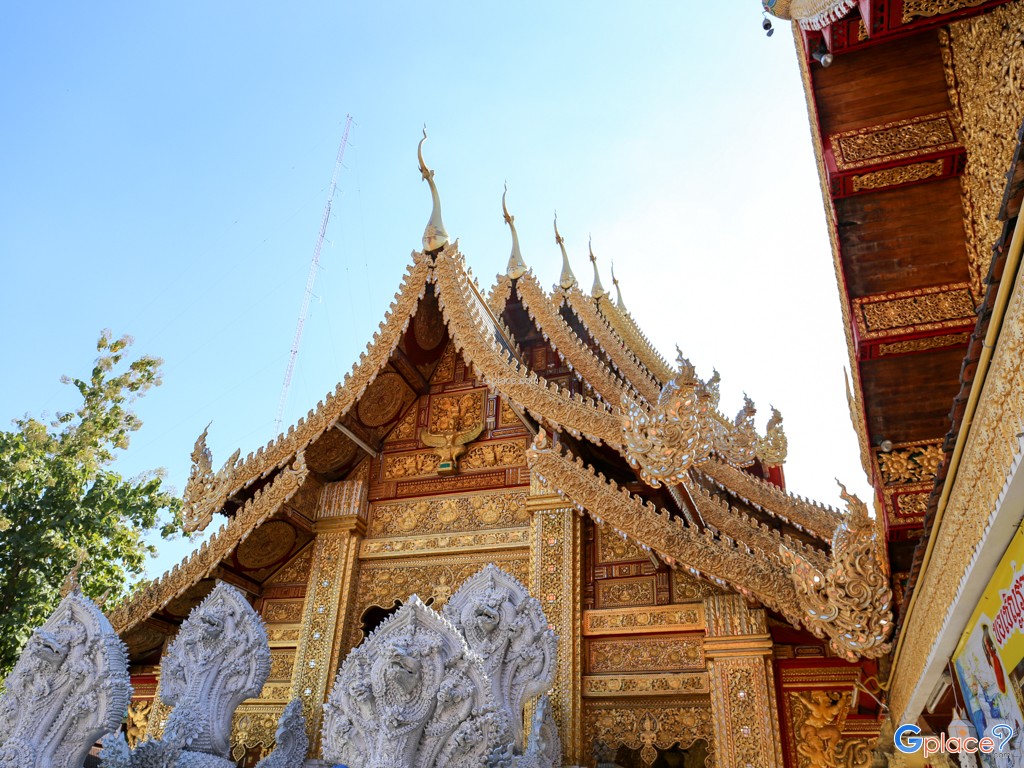
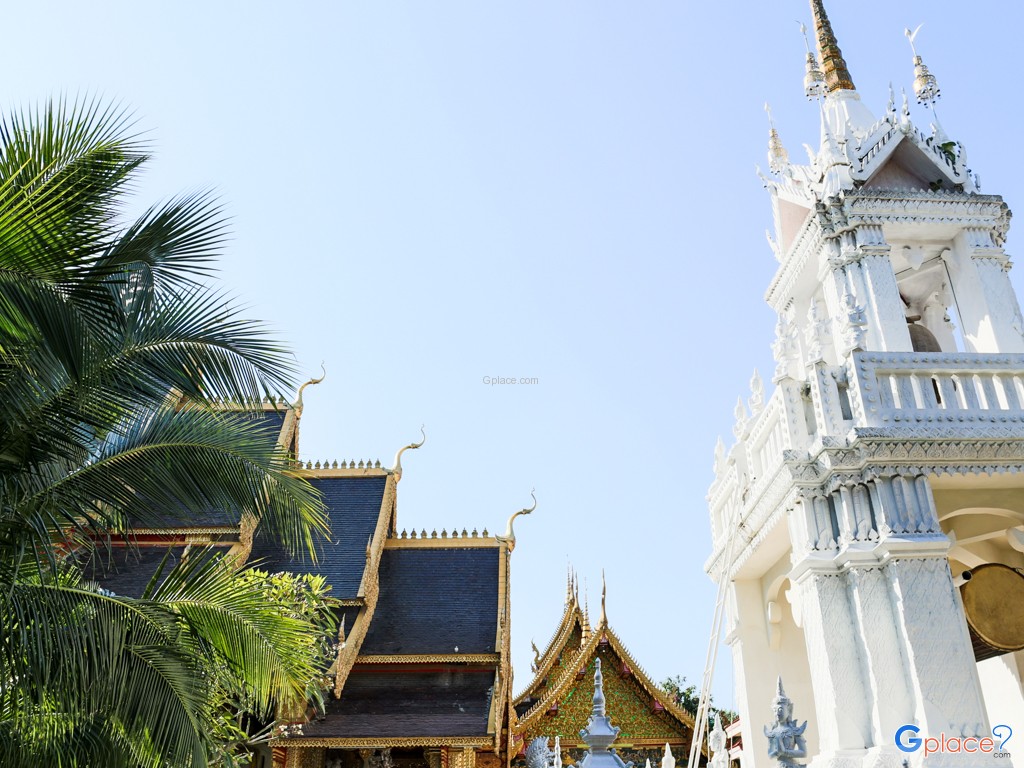
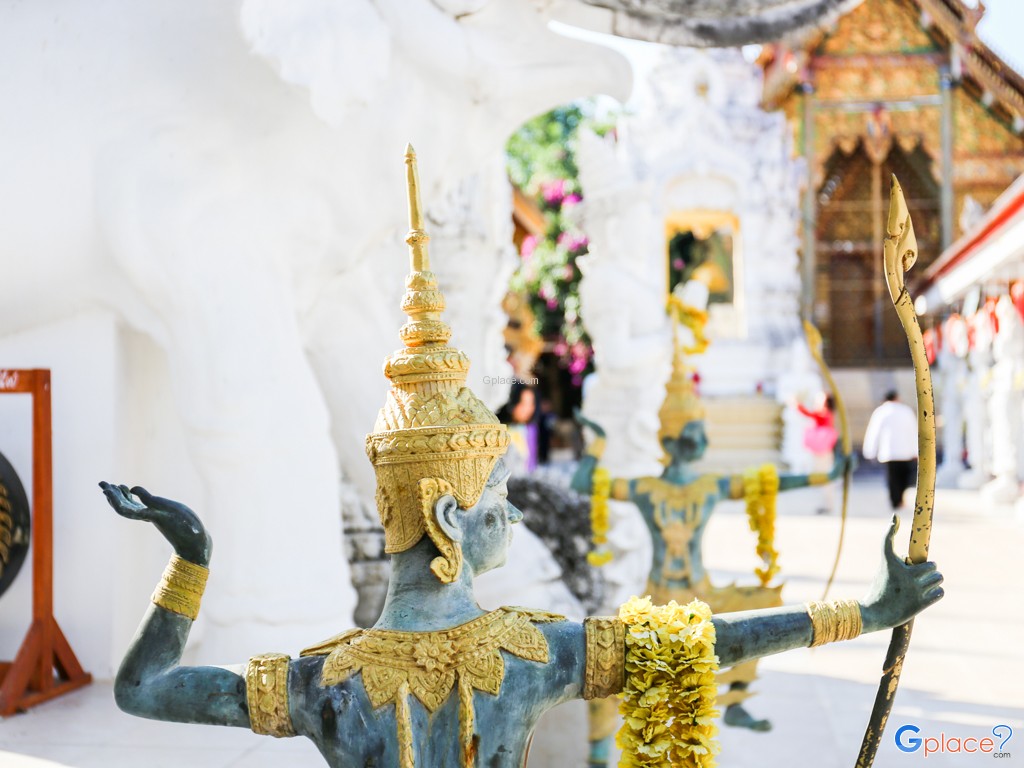
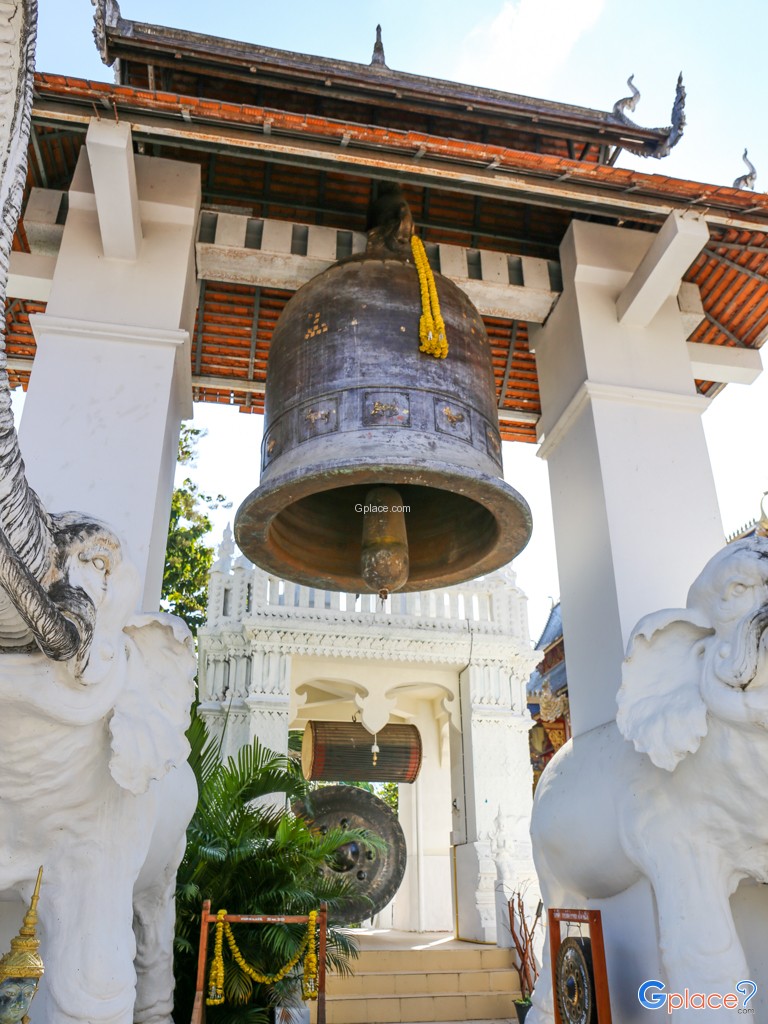
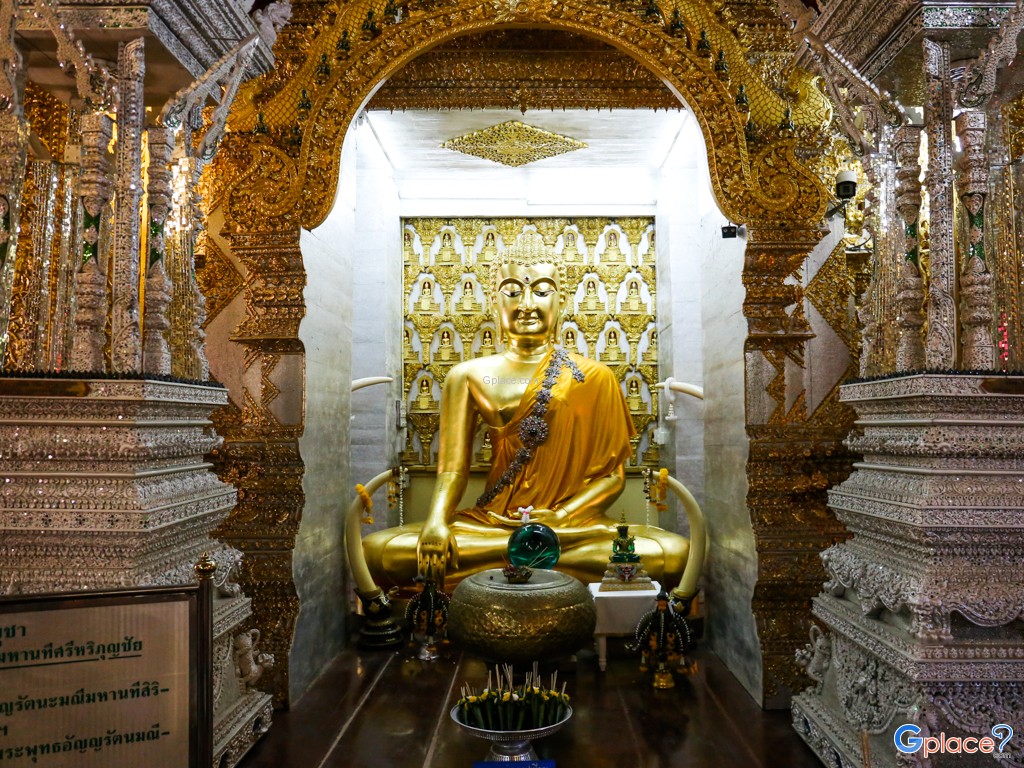
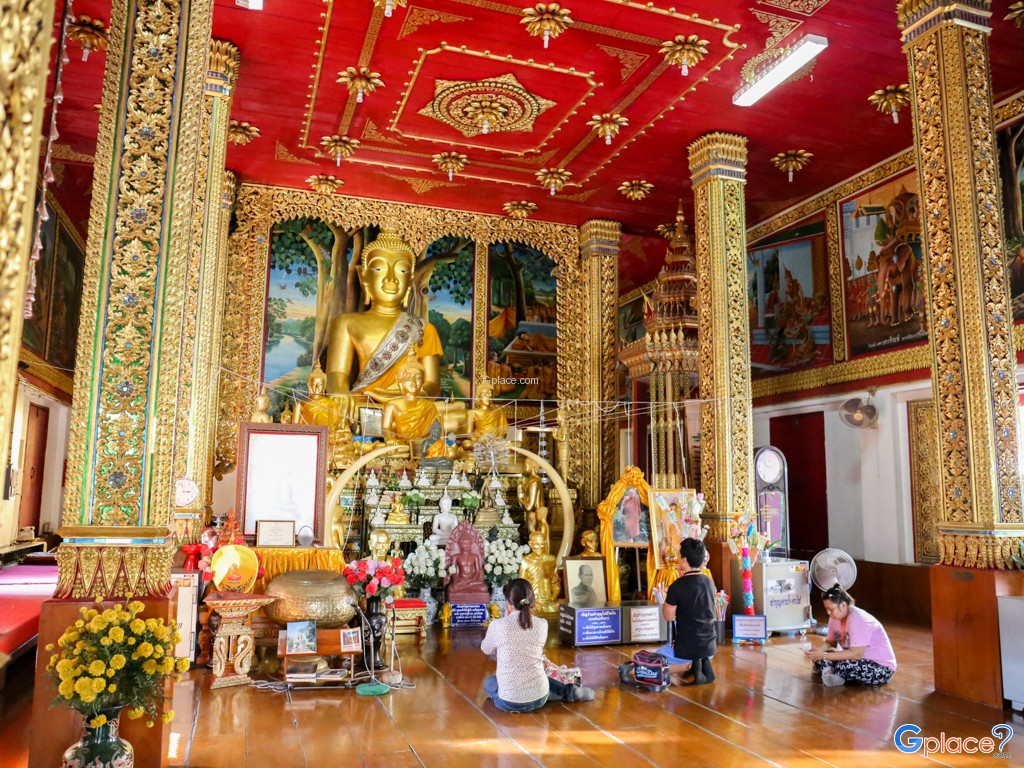

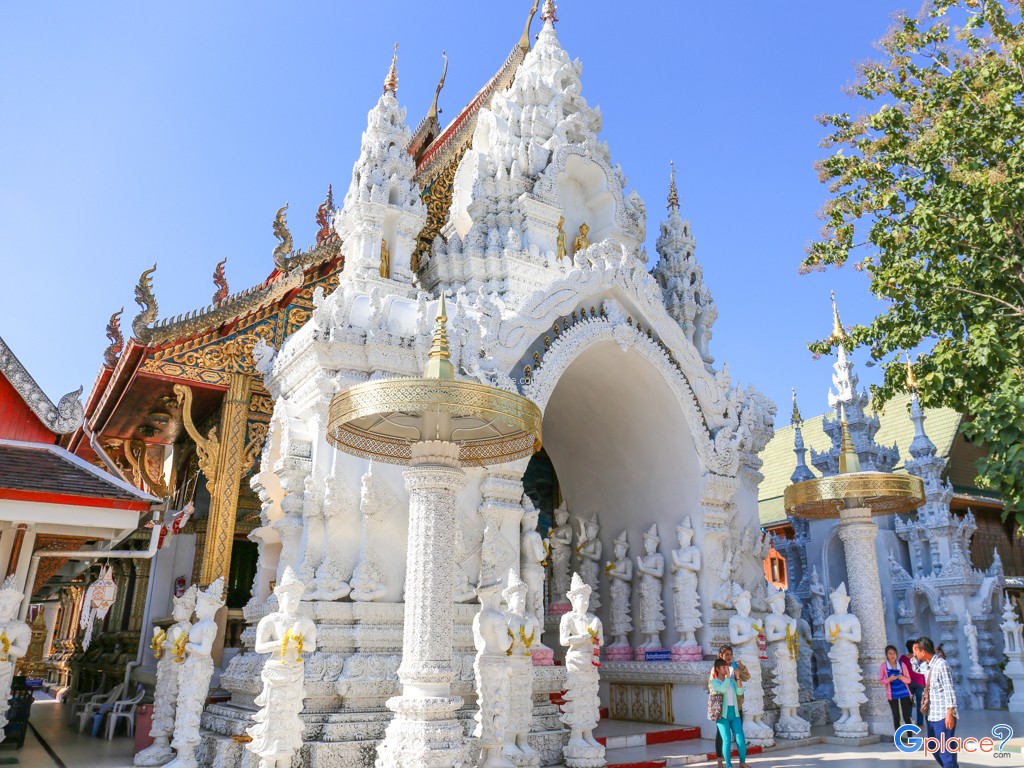
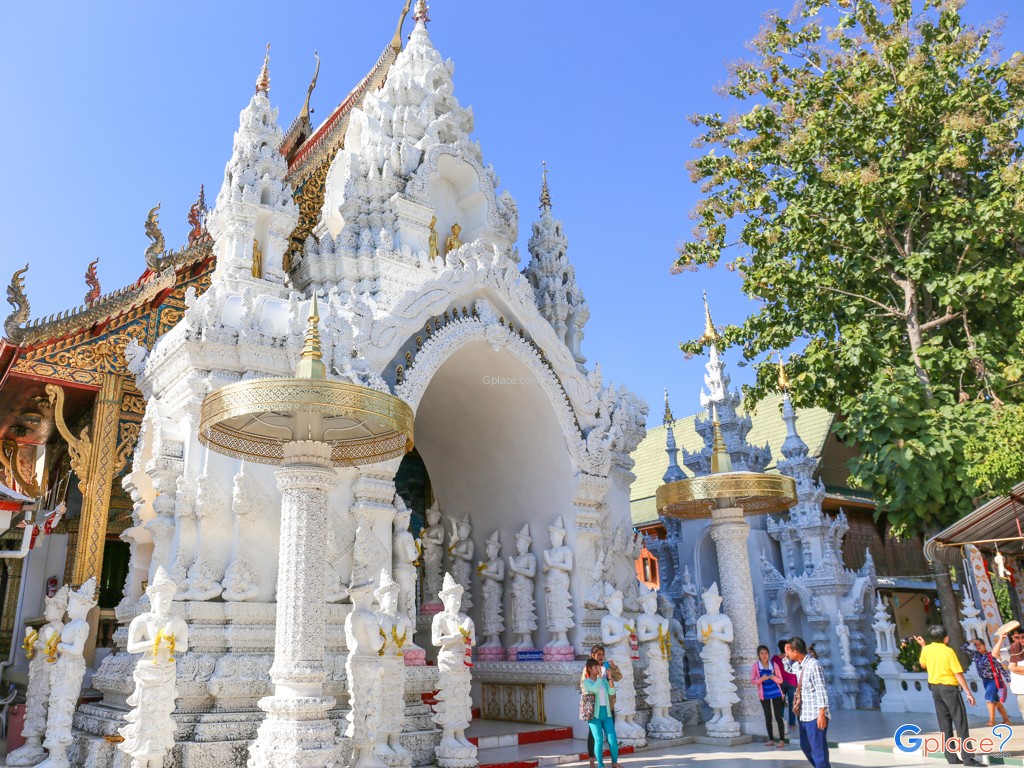
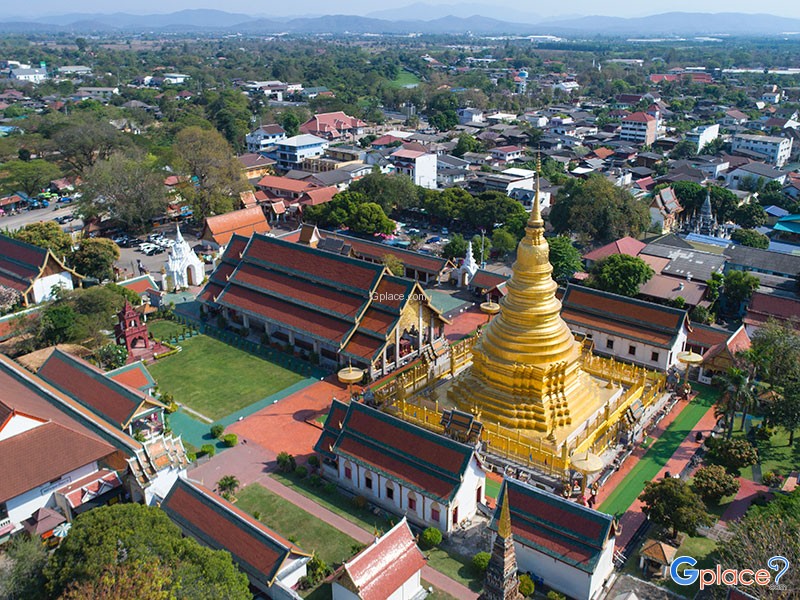
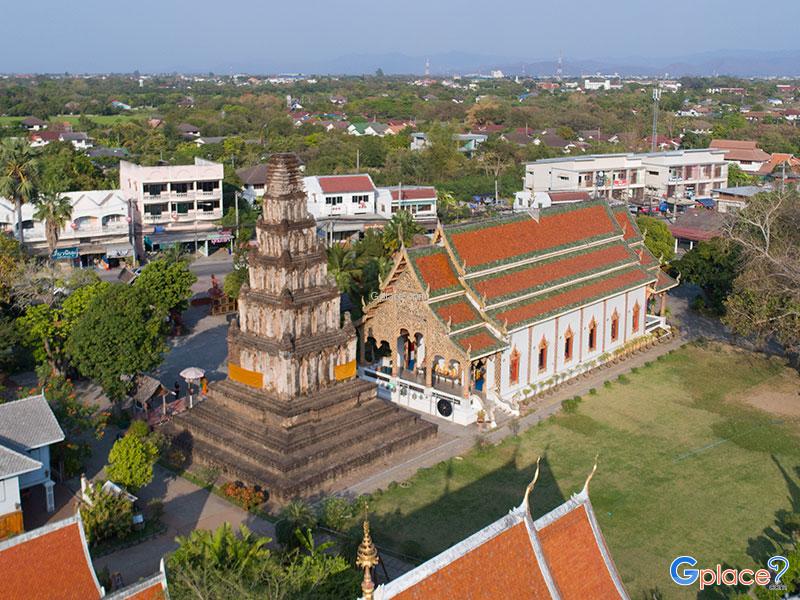
“Admire the stunning Brahma-Lavo Viharn with intricate white stucco, pay respect to the rare Phra Khong Khiao jade-stone Buddha image, and visit the beautiful Phra Upakut pavilion set in the middle of water.”
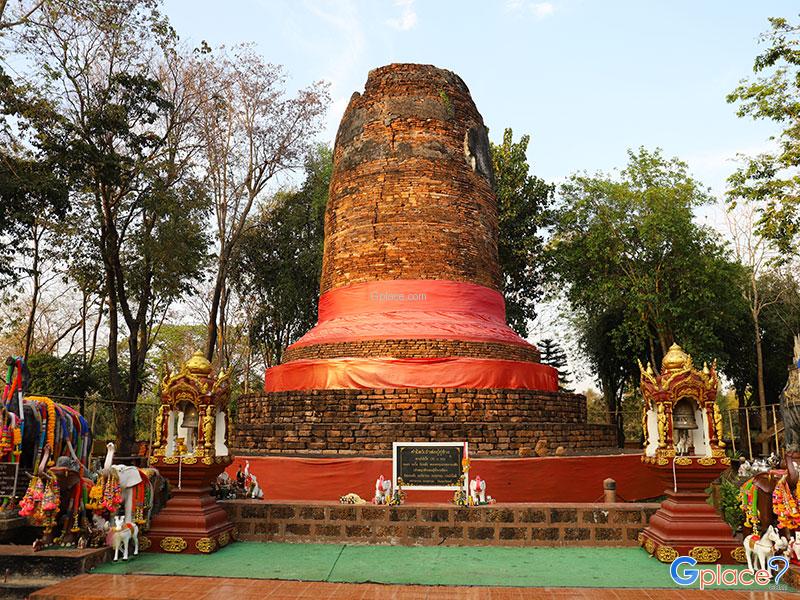
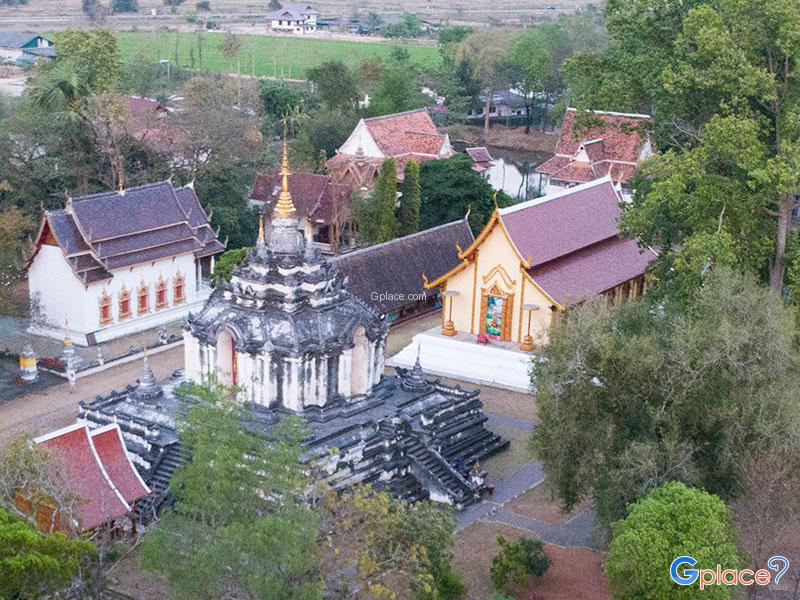
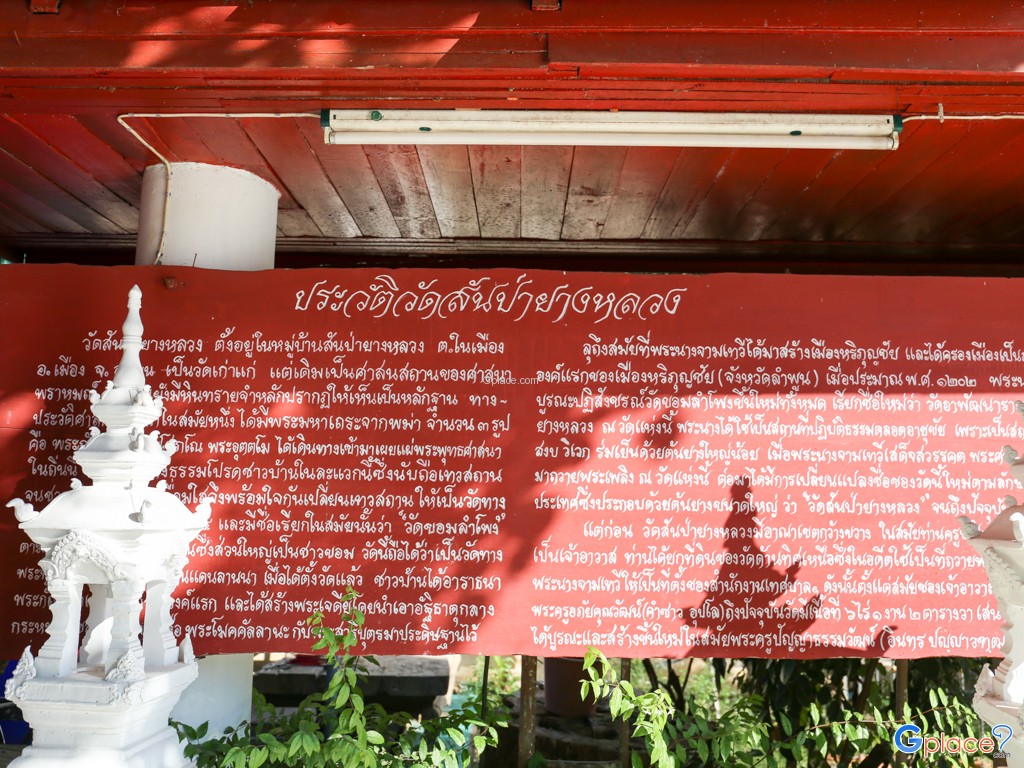
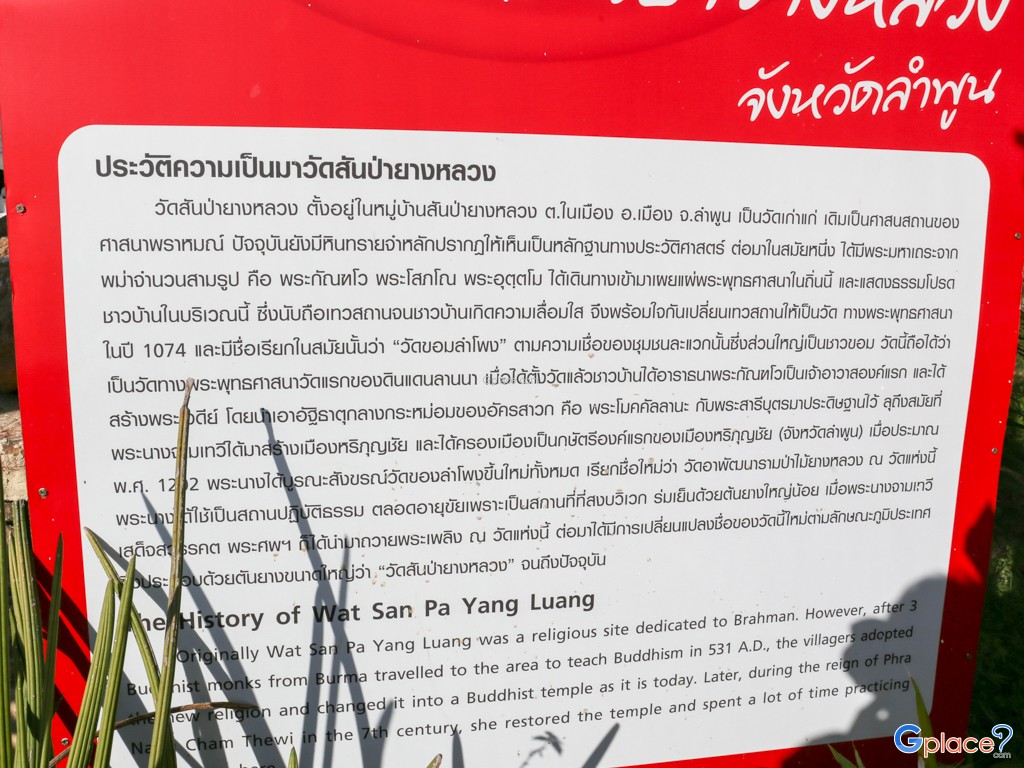
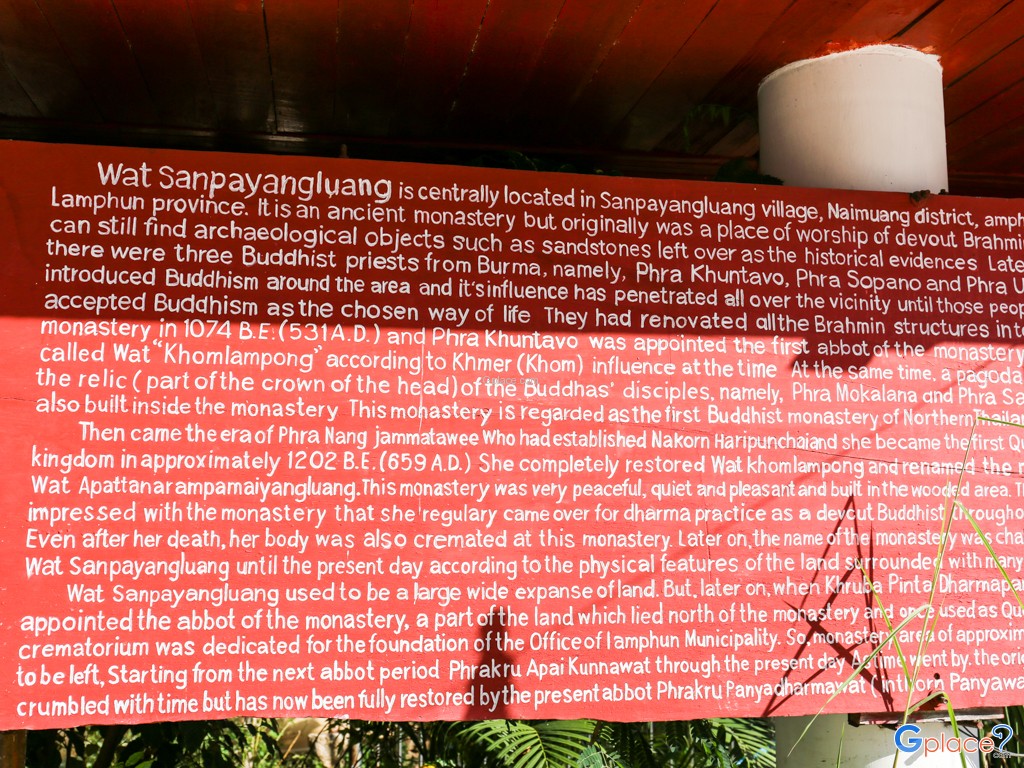
Wat San Pa Yang Luang is an ancient temple with a history spanning over 1,000 years. The site was originally a Brahmanical sanctuary, and carved sandstone relics can still be seen today as historical evidence. Later, three Burmese monks — Phra Phanthavo, Phra Sophono, and Phra Ututamo — arrived to spread Buddhism. Local residents embraced their teachings and converted the sanctuary into a Buddhist temple in 1074 BE, naming it Wat Khom Lamphong after the Khmer community living nearby.
The First Buddhist Temple of Lanna
The temple is regarded as the first Buddhist temple in the Lanna region. Villagers invited Phra Phanthavo to become the first abbot and constructed a chedi enshrining relics believed to be from the skulls of the chief disciples of the Buddha, Phra Sariputta and Phra Moggallana, making the temple highly significant religiously.
Connection to Queen Chamadevi
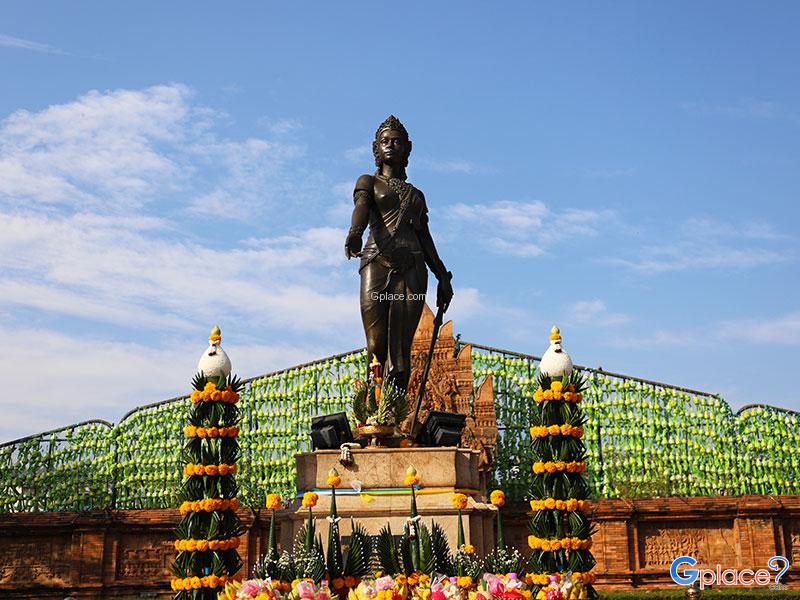
Around 1202 BE, when Queen Chamadevi established Hariphunchai, she restored the temple and renamed it Wat Apatthanaram Pa Mai Yang Luang. The queen also used the temple as a meditation retreat due to its peaceful atmosphere surrounded by large Yang trees. After her passing, her royal cremation ceremony was held at this site.
Origin of the Current Name
Over time, the temple’s name evolved according to its landscape, characterized by large Yang trees growing densely on elevated ground, leading to the present name Wat San Pa Yang Luang.
Exquisite Applied Lanna Buddhist Art
In modern times, the temple underwent major artistic restoration under Kruba Intra, who created elaborate pearl-white stucco designs throughout the grounds. The highlight is the Brahma-Lavo Viharn, decorated with glass inlays and intricate motifs of vines, flames, and mythical creatures. Inside sits Phra Phuttha Sikkhi Patimakorn (Phra Khong Khiao), a revered green-stone Buddha image carved from Mekong River stone.
How to Get There
- By Car: From Lamphun Provincial Hall, drive north past the municipal fresh market, turn left onto San Pa Yang Road, then enter Soi 10. The temple entrance is clearly visible.
Travel Tips
-
Visit the Reclining Buddha Viharn for a quiet and historic atmosphere.
-
Use a zoom lens to capture fine stucco details.
-
Morning and late afternoon offer the best lighting for photography.
-
Dress modestly as it is an active meditation temple.
-
Keep noise levels low inside temple grounds
Admission Fee:
- Free admission
Opening Hours:
- Open daily: 6:00 AM – 6:00 PM
Wat San Pa Yang Luang

 Share
Share
 113 San Pa Yang Road, Soi 10, Nai Mueang, Mueang Lamphun, Lamphun 51000
Map
113 San Pa Yang Road, Soi 10, Nai Mueang, Mueang Lamphun, Lamphun 51000
Map
 Closed today
Mon6.00 - 18.00
Tue6.00 - 18.00
Wed6.00 - 18.00
Thu6.00 - 18.00
Fri6.00 - 18.00
Sat6.00 - 18.00
Sun6.00 - 18.00

 https://www.facebook.com/people/%E0%B8%A7%E0%B8%B1%E0%B8%94%E0%B8%AA%E0%B8%B1%E0%B8%99%E0%B8%9B%E0%B

 1402
1402