 Attractions
  Hotel
Hotel  Restaurant
  Shopping
  Abroad





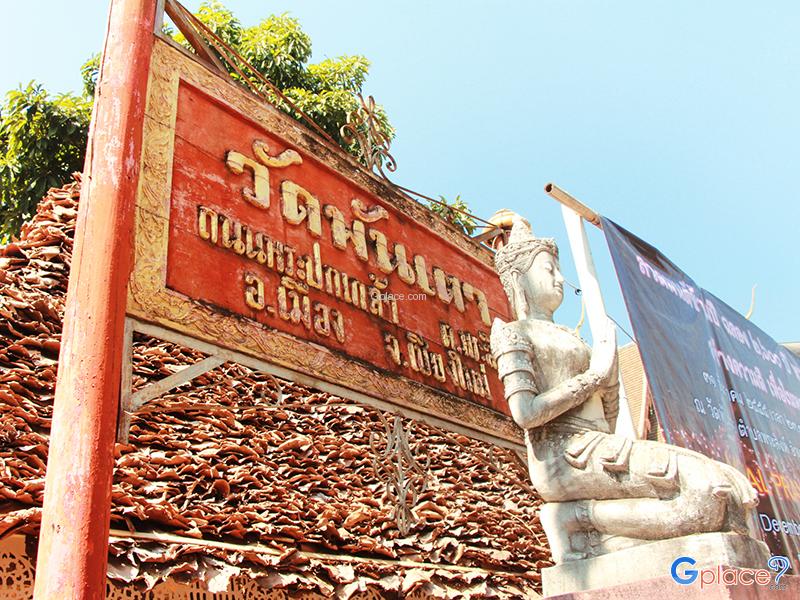

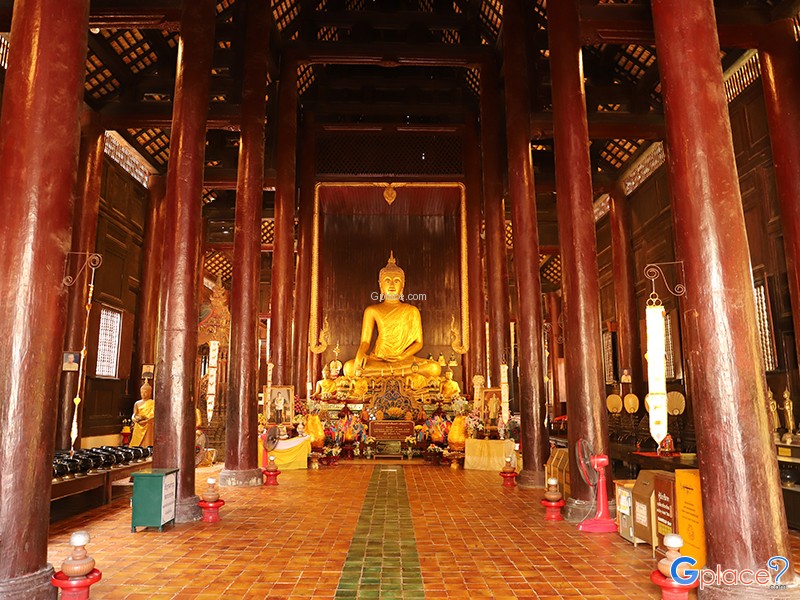
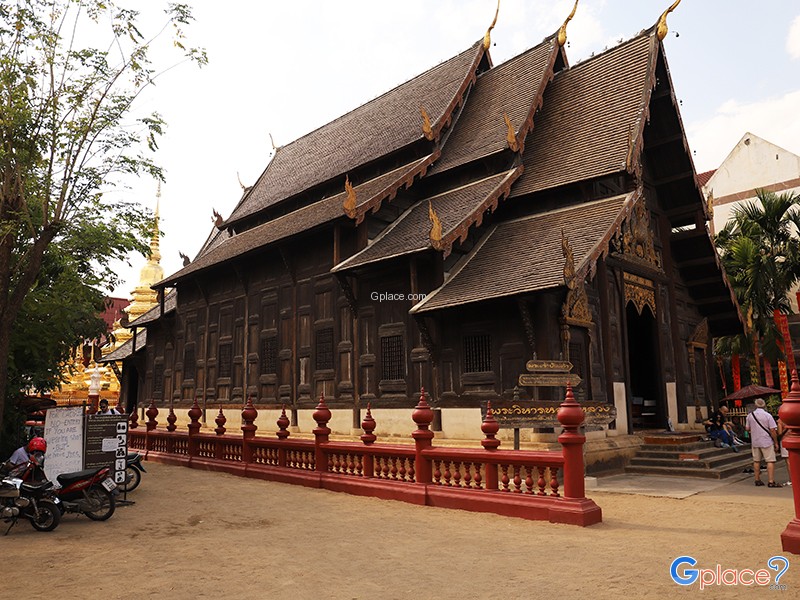
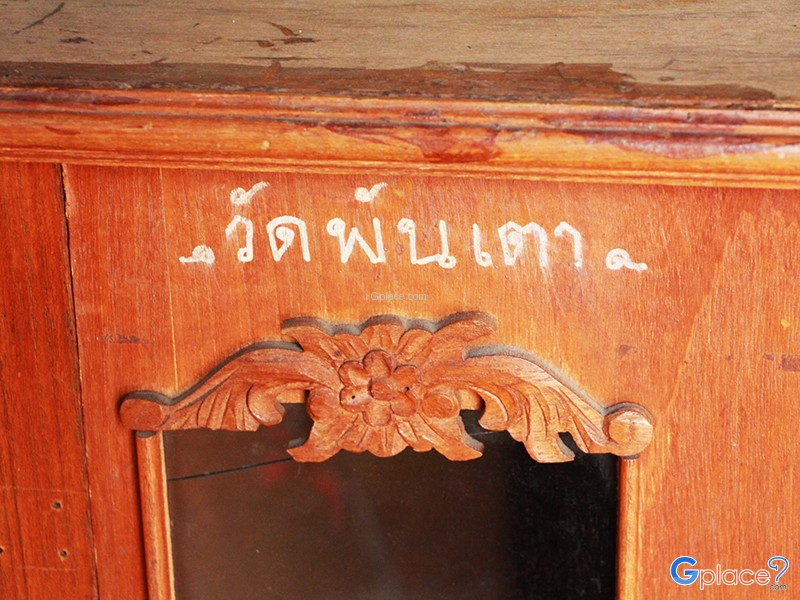
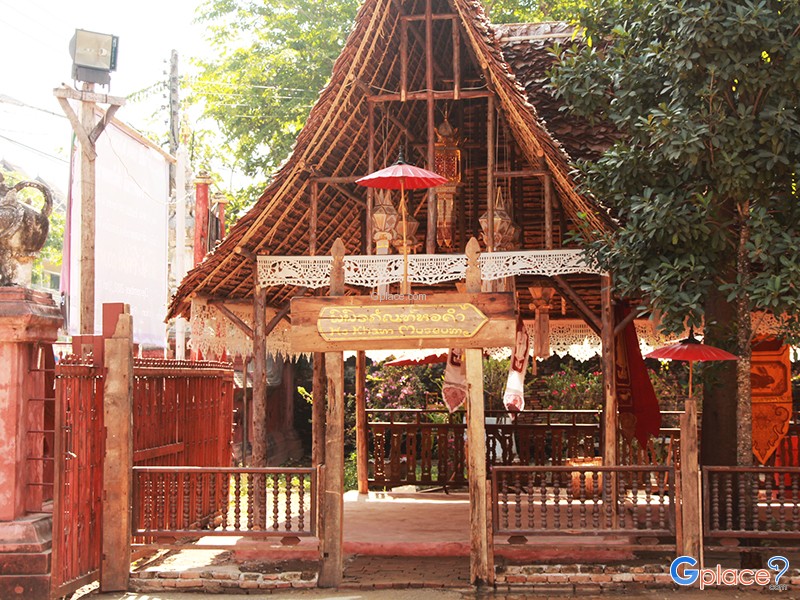
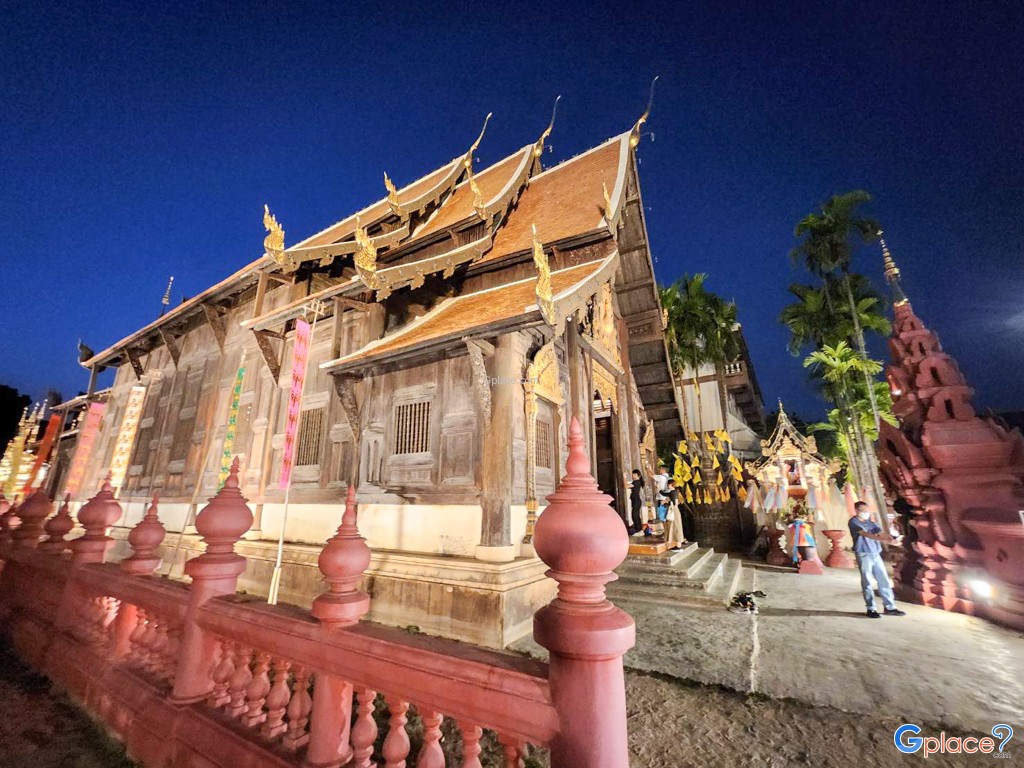
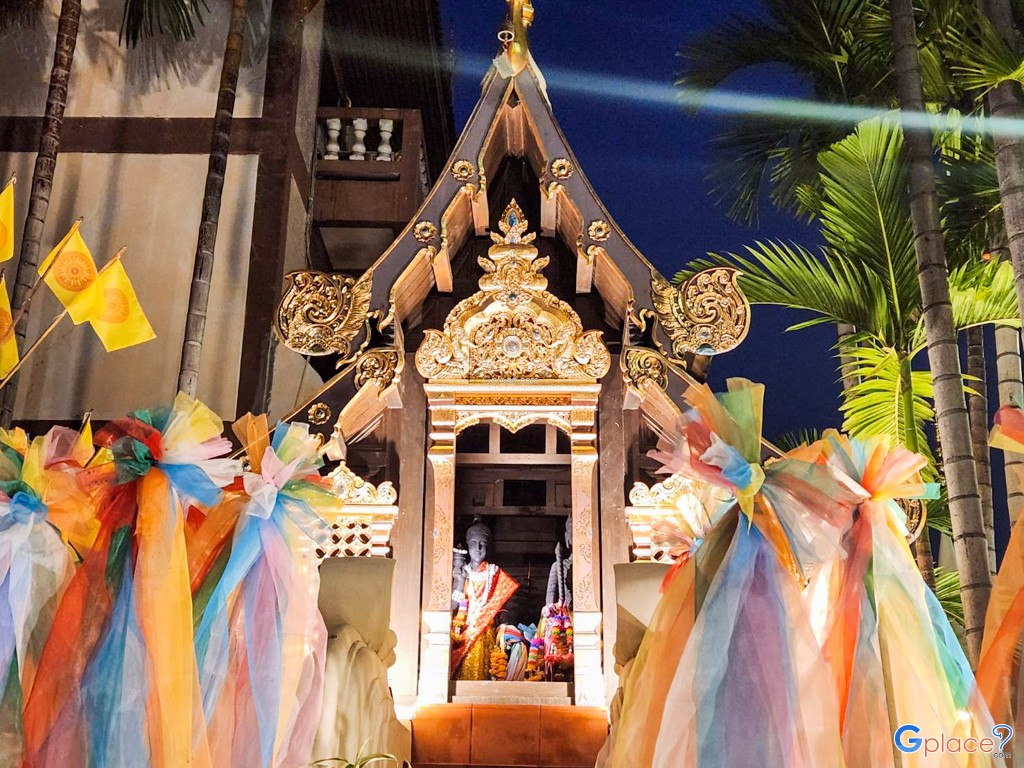
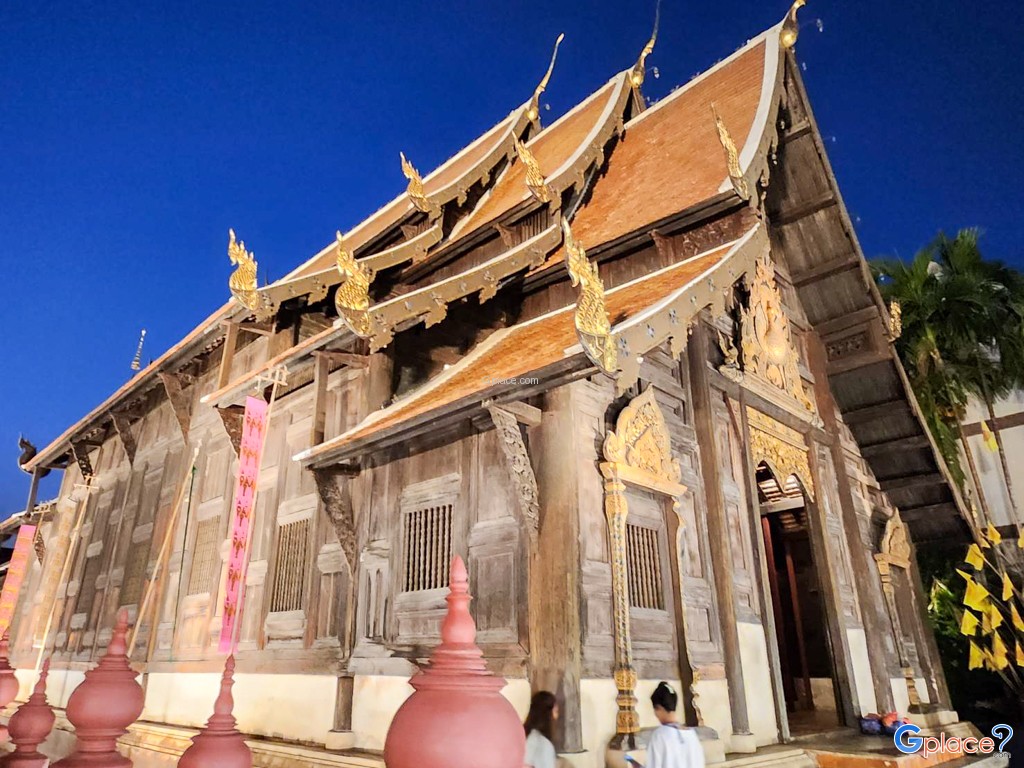
“Wat Phan Tao is distinguished by its golden teak Hor Kham Luang Viharn, Lanna architecture, golden chedi, and the Yi Peng Pang Prathip Lighting Ceremony.”
Wat Phan Tao (Wat Phan Tao) is one of the important ancient temples in Chiang Mai Province. It is located within the old city area near Wat Chedi Luang Worawihan. The temple was established around the 21st Buddhist Century. According to local history, this area was once used as a site for casting Buddha images to be offered to the great chedi of Wat Chedi Luang, which is the origin of the name “Wat Phan Tao,” meaning a place with numerous casting furnaces.
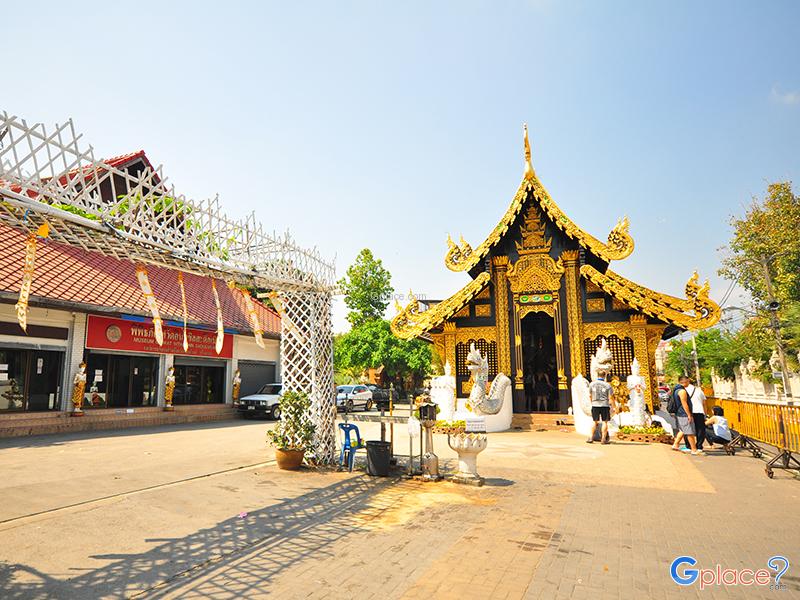
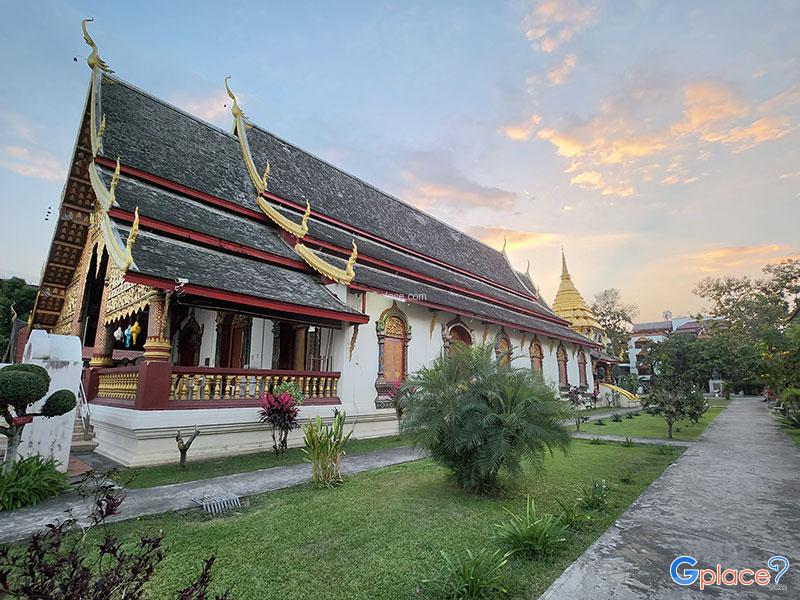
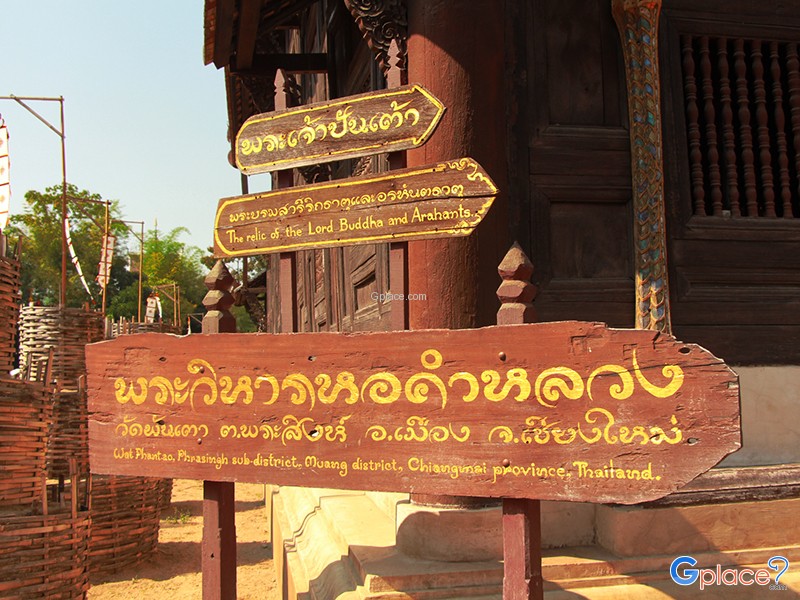
The temple’s most significant highlight is the Hor Kham Luang Viharn, a structure built entirely from golden teak wood and recognized as one of the finest and most complete examples of traditional Lanna architecture in Thailand. Originally, the building served as a “Hor Kham” or royal residence of King Mahotaraprathet, the fifth ruler of Chiang Mai. Later, during the reign of King Inthawichayanon, the seventh ruler of Chiang Mai, the original Hor Kham was relocated and converted into the temple’s viharn. As a result, this valuable architectural heritage has been preserved and passed down to the present day.
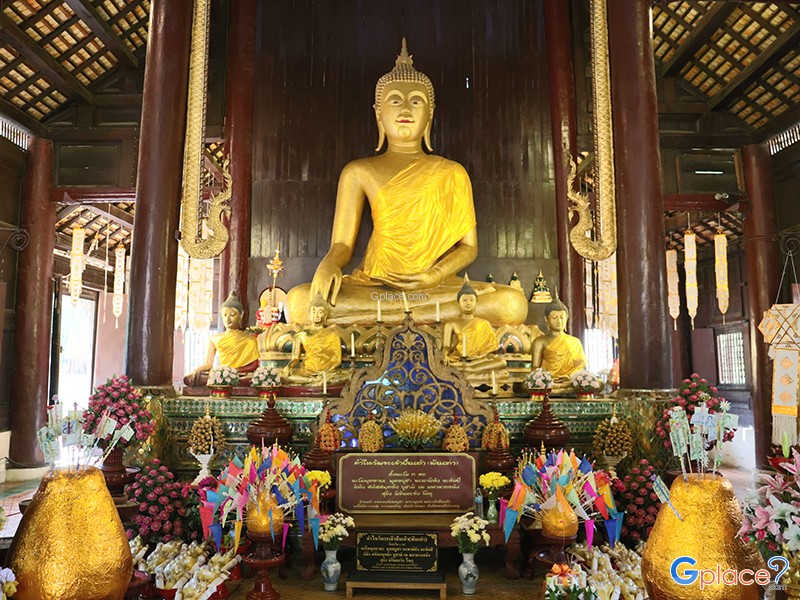
Inside the viharn is enshrined Phra Chao Pan Tao, a brass Buddha image in the Mara-Vijaya posture created in ancient Lanna artistic style. The interior atmosphere is peaceful, tranquil, and filled with the charm of historic wooden craftsmanship. The front gable features intricate vine-pattern carvings together with an image of a peacock standing upon a naga, a symbol associated with the northern royal family and a distinctive representation of Lanna art.
Behind the viharn stands the golden bell-shaped chedi, built on a twelve-cornered square base in classic Lanna style. It serves as a spiritual center for devotees and is also one of the temple’s most attractive photography spots. In addition, the temple grounds include gardens and a pond that enhance the peaceful and relaxing atmosphere for visitors.
Another highlight that has made Wat Phan Tao internationally renowned is the Pang Prathip Lighting Ceremony during the Yi Peng Festival of Chiang Mai. Monks, novices, and devotees collectively light thousands of traditional oil lamps around the pond and ceremonial grounds. The golden lights reflected on the water, combined with Lanna lanterns decorating the temple, create a magnificent and sacred atmosphere that has become one of the most memorable sights eagerly awaited by visitors from around the world each year.
With its historical significance, valuable Lanna teakwood architecture, and enduring atmosphere of faith and devotion, Wat Phan Tao is a cultural attraction that should not be missed when visiting Chiang Mai Province.
How to Get There
- By Private Car / Motorcycle: Drive along Phra Pok Klao Road into the old city area. The temple is located beside Wat Chedi Luang. Parking is available in areas provided by the temple or nearby facilities for visitors.
- By Public Transportation: Take a red songthaew (red shared taxi) and inform the driver that you wish to get off at Wat Phan Tao or Wat Chedi Luang. Vehicles pass by throughout the day. Taxis, local transport services, and ride-hailing applications are also readily available.
- On Foot: If you are exploring Tha Phae Walking Street, Ratchadamnoen Road, or Wat Chedi Luang, the temple can be reached within a few minutes on foot.
Travel Tips
- Photography: Visit in the early morning or late afternoon when sunlight enhances the warm tones of the historic golden teak wood, creating especially beautiful photographs.
- Architecture Appreciation: Take time to admire the intricate wood carvings on the gable and the structural details of the viharn, considered masterpieces of Lanna craftsmanship.
- Yi Peng Festival: If visiting in November, plan ahead to witness the famous Pang Prathip Lighting Ceremony, which is regarded as the most beautiful time of the year at the temple.
- Dress Code: Visitors should dress respectfully. Sleeveless tops, spaghetti straps, and shorts or skirts above the knee should be avoided when entering the temple.
- Preservation of Historic Structures: The viharn is constructed from centuries-old teak wood. Please walk carefully and avoid touching, scratching, or damaging the historic structure.
Admission Fee:
- Free of charge (No admission fee for both Thai and international visitors).
Opening Hours:
- Open daily from 06:00 AM to 06:00 PM.
Wat Phan Tao

 Share
Share
 127 Phra Pok Klao Road, Si Phum, Mueang Chiang Mai, Chiang Mai 50200
Map
127 Phra Pok Klao Road, Si Phum, Mueang Chiang Mai, Chiang Mai 50200
Map
 Closed today
Mon6.00 - 18.00
Tue6.00 - 18.00
Wed6.00 - 18.00
Thu6.00 - 18.00
Fri6.00 - 18.00
Sat6.00 - 18.00
Sun6.00 - 18.00

 https://thai-tour.com/thai-tour/north/chiangmai/data/pic_watpantao.html

 3898
3898