 Attractions
  Hotel
Hotel  Restaurant
  Shopping
  Abroad





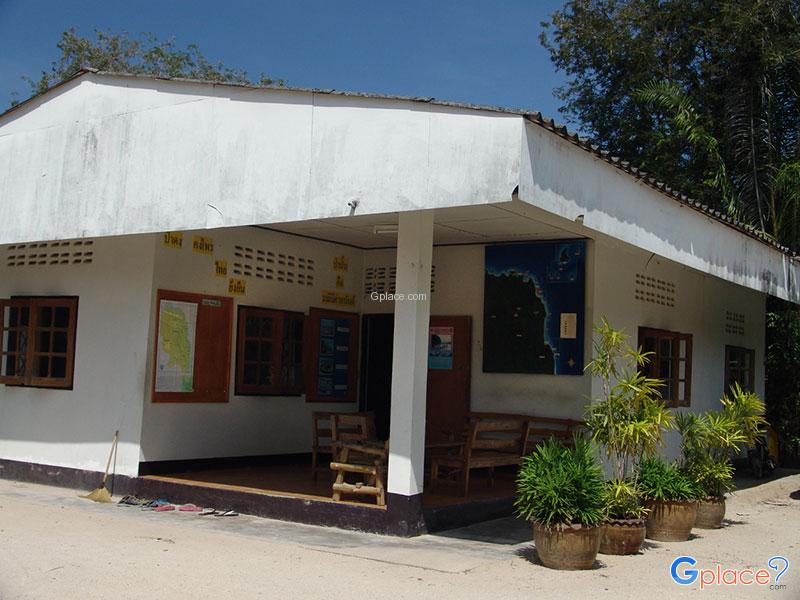

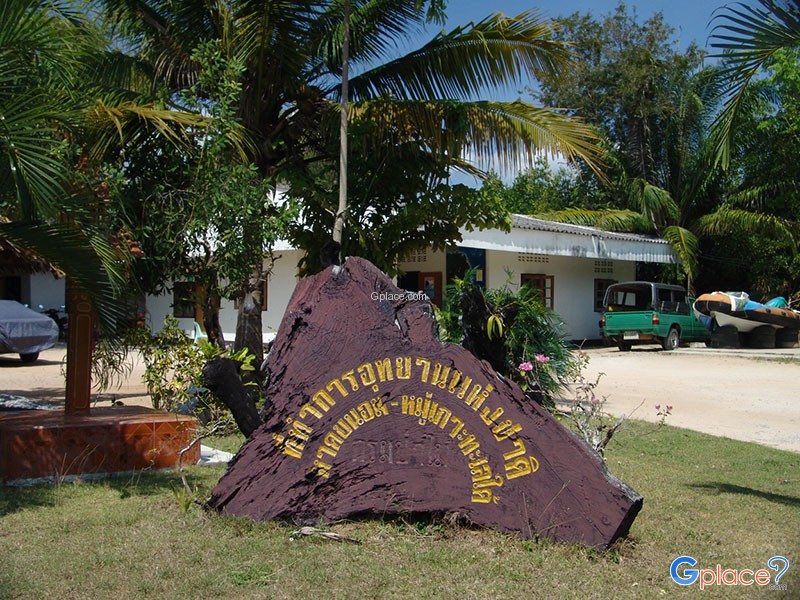
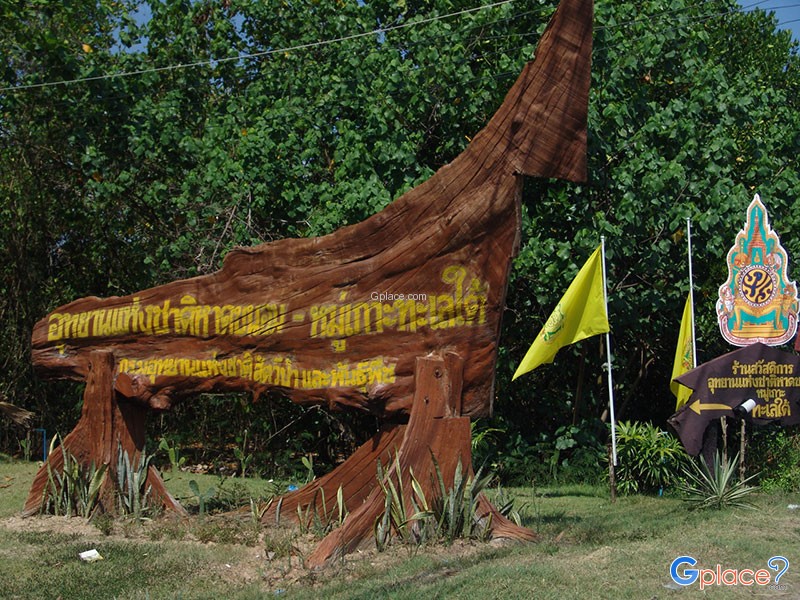
“Boat trips to see playful pink dolphins and the unique geological wonder “Pancake Rock,” the only one of its kind in Southern Thailand.”
Hat Khanom–Mu Ko Thale Tai National Park is a marine national park currently under the process of legal establishment. Initial surveys and data collection were first conducted in 1990 to assess natural resources and environmental conditions in the area.
The proposed national park area includes parts of Khlong Thong Forest, Khlong Reng Forest, Khao Ok Forest, Khao Thong Node Forest, Khao Chai Son Forest, Khanom Mangrove Forest, Khao Phi Hai, Khao Wang Forest, Khao Krot Forest, Chai Kram Forest, Wat Pradu Forest, and Khao Hua Chang Forest, as well as eight islands: Ko Mat Taeng, Ko Mat Kong, Ko Rap, Ko Hua Takhe, Ko Wang Nok, Ko Wang Nai, Ko Noi, and Ko Tha Rai.
The park area spans Sichon and Khanom districts in Nakhon Si Thammarat Province, and also extends to parts of Ko Samui District in Surat Thani Province.
Topography
The general landscape consists of mountainous terrain and highly fertile natural forests, dominated by tropical evergreen forests that serve as important watersheds supplying water for household use, consumption, and agriculture in nearby communities.
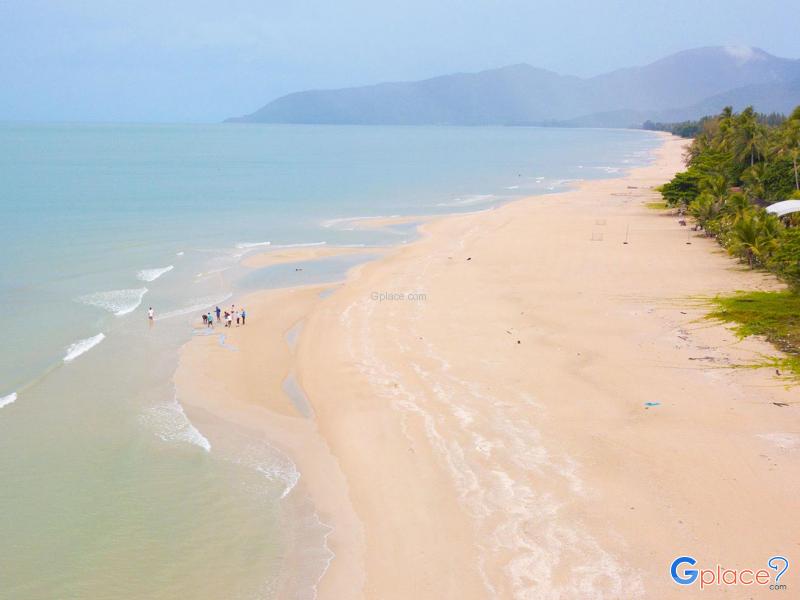
Certain areas feature limestone mountains and mangrove forests along the coastline, which remain in pristine condition, as well as natural beaches and island clusters offering spectacular scenery.
Climate
As a coastal area, the park is influenced by both the southwest monsoon and the northeast monsoon, resulting in rainfall throughout most of the year.
The climate is divided into two main seasons:
-
Summer, from February to April
-
Rainy season, from May to January
Flora and Fauna
Terrestrial forest areas are primarily tropical evergreen forests, home to valuable plant species such as Hopea odorata, teak, dipterocarps, santol trees, Barringtonia, and various rattan species.
Mangrove forest areas contain important species including Rhizophora, Avicennia, Sonneratia, and sea hibiscus.
Island areas are mostly limestone hills with vegetation such as Dracaena, Pandanus, and Cycas, while some islands are covered with tropical evergreen forests.
Field surveys and interviews with local residents reveal a rich diversity of wildlife, including:
-
Mammals such as wild boar, monkeys, langurs, squirrels, tree shrews, serows, barking deer, sun bears, tigers, and gibbons (which are frequently seen and heard near the rooftop viewpoint)
-
Bird species including crested serpent eagles, pigeons, cuckoos, magpies, doves, seagulls, cormorants, and egrets
-
Reptiles such as green snakes, turtles, and lizards
-
Amphibians such as frogs, toads, and caecilians
-
Aquatic animals, including freshwater fish, marine fish, shrimp, and crabs
Notably, spiny lobsters are found in the Roulette Channel, the boundary area between Don Sak District and Khanom District, indicating the high ecological richness of the marine environment.
How to Get There
- By private car: Travel via Highway No. 401 toward Khanom District and proceed to the park headquarters near Nai Phlao Beach.
- By public transport: Take a van or bus to Khanom Market, then continue by local songthaew or motorcycle taxi.
Travel Tips
-
Morning hours are ideal for pink dolphin watching tours
-
Life jackets must be worn at all times while on boats
-
Avoid visiting during the monsoon season
-
Bring your own drinking water and take all trash out of the park
-
Inform park officials in advance if planning a nature trail hike
Entrance Fees:
- Thai nationals: Adults 20 THB / Children 10 THB
- Foreign visitors: Adults 200 THB / Children 100 THB
Opening Hours:
- Open daily Visitor Center: 08:30 – 16:30
Hat Khanom–Mu Ko Thale Tai National Park

 Share
Share
 Khanom Subdistrict, Khanom District, Nakhon Si Thammarat 80210
Map
Khanom Subdistrict, Khanom District, Nakhon Si Thammarat 80210
Map
 Closed today
Mon8.30 - 16.30
Tue8.30 - 16.30
Wed8.30 - 16.30
Thu8.30 - 16.30
Fri8.30 - 16.30
Sat8.30 - 16.30
Sun8.30 - 16.30

 https://www.thai-tour.com/thai-tour/south/nakornsrithammarach/data/place/pic-kanombeach-npk.htm

 4501
4501