 Attractions
  Hotel
Hotel  Restaurant
  Shopping
  Abroad





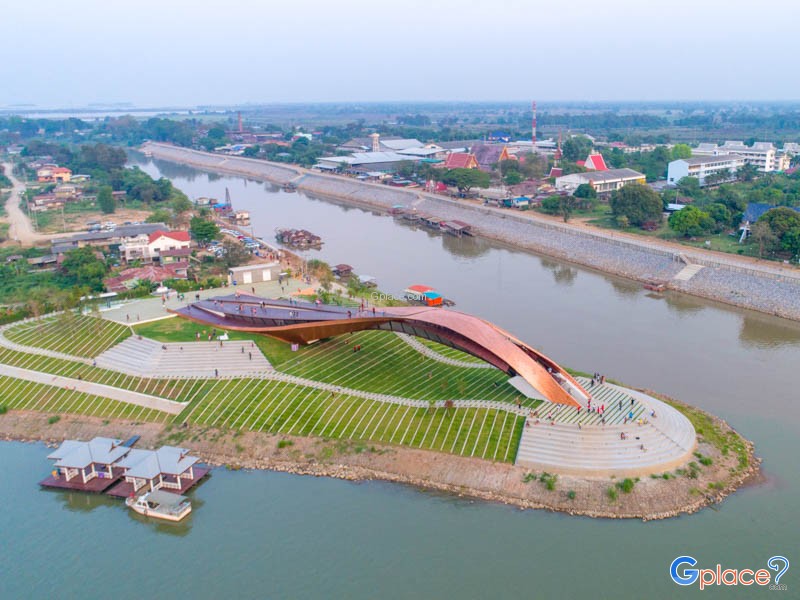

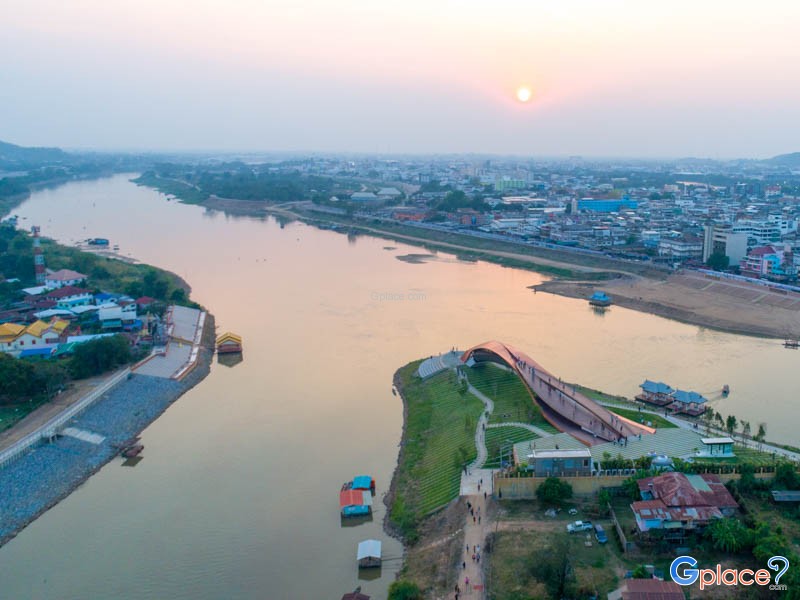
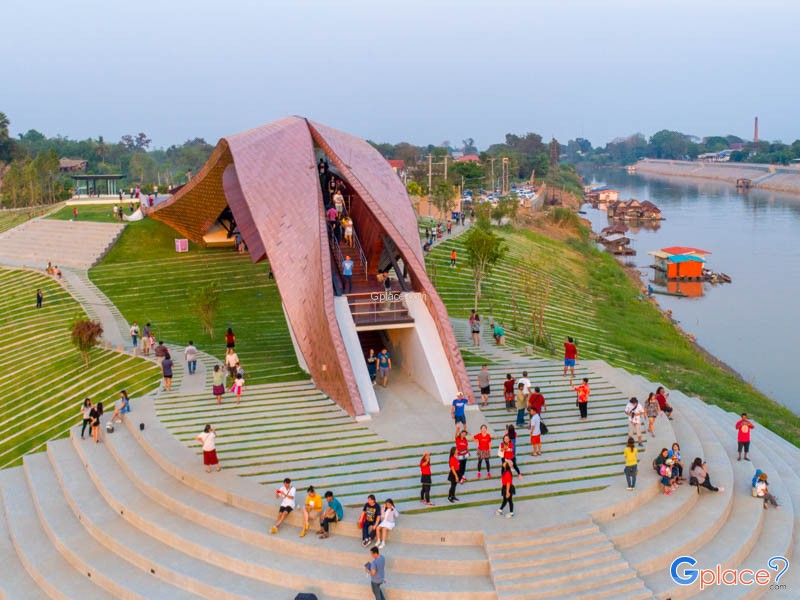
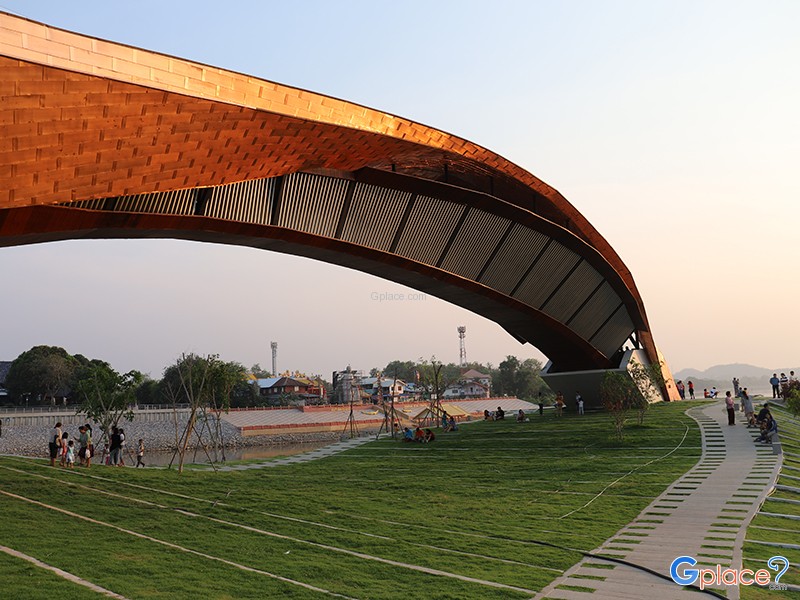
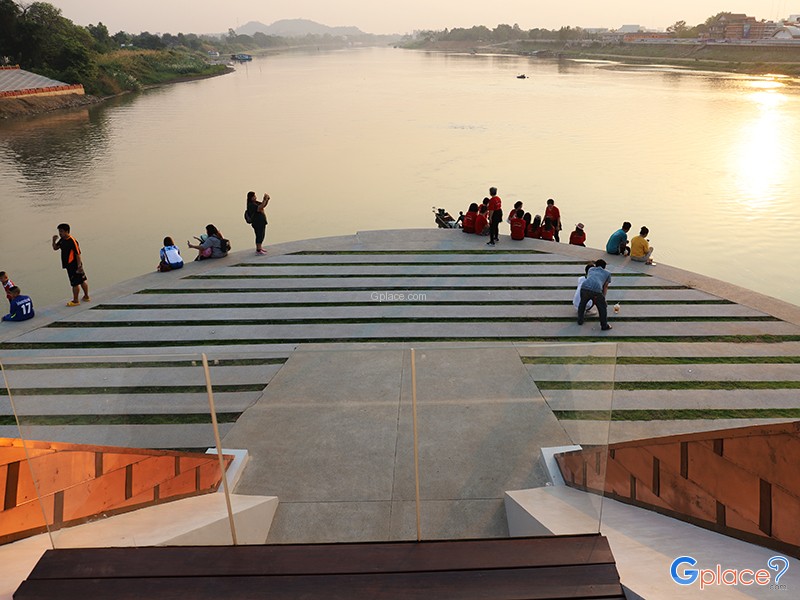
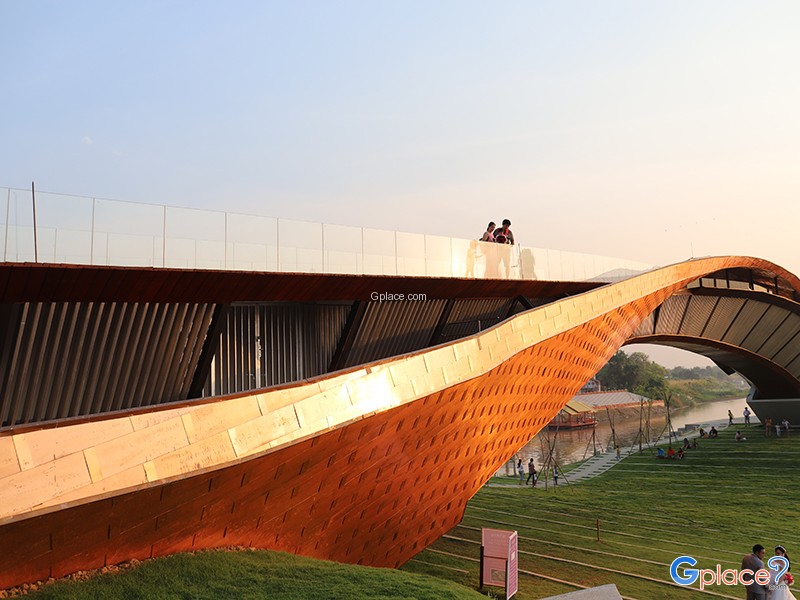
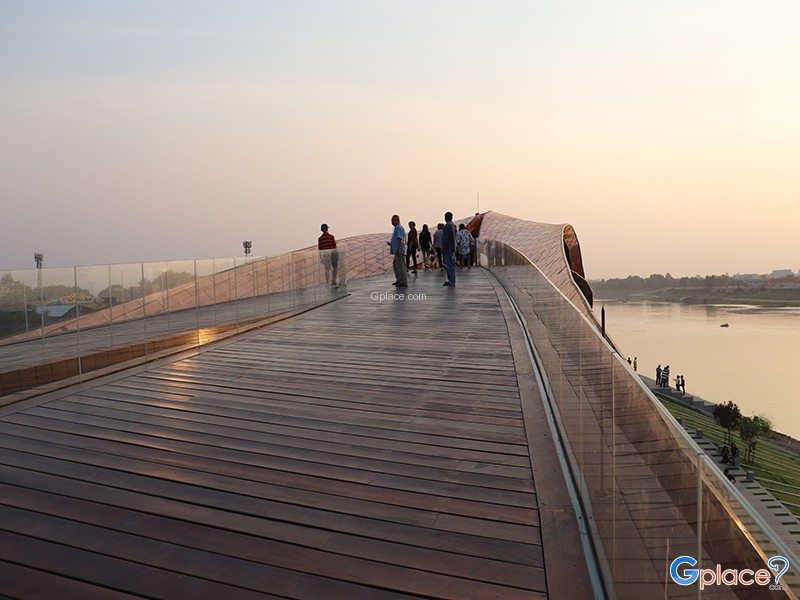
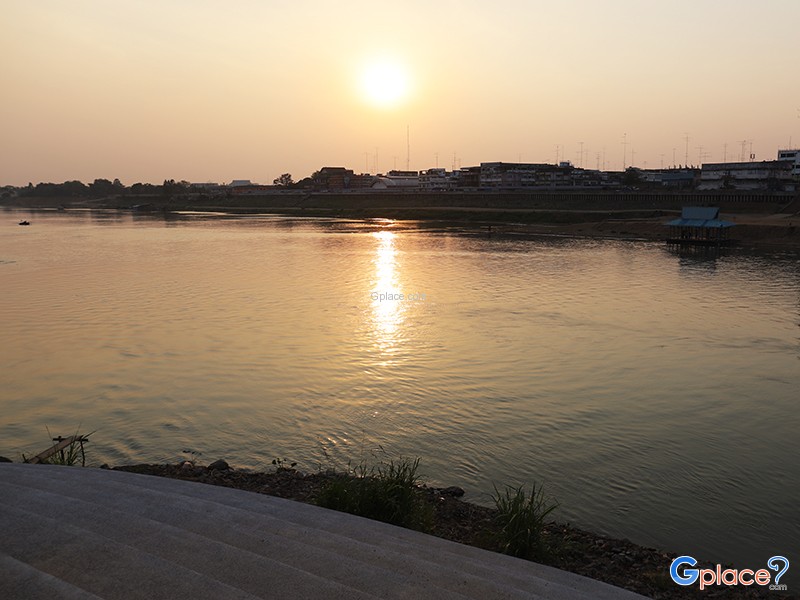
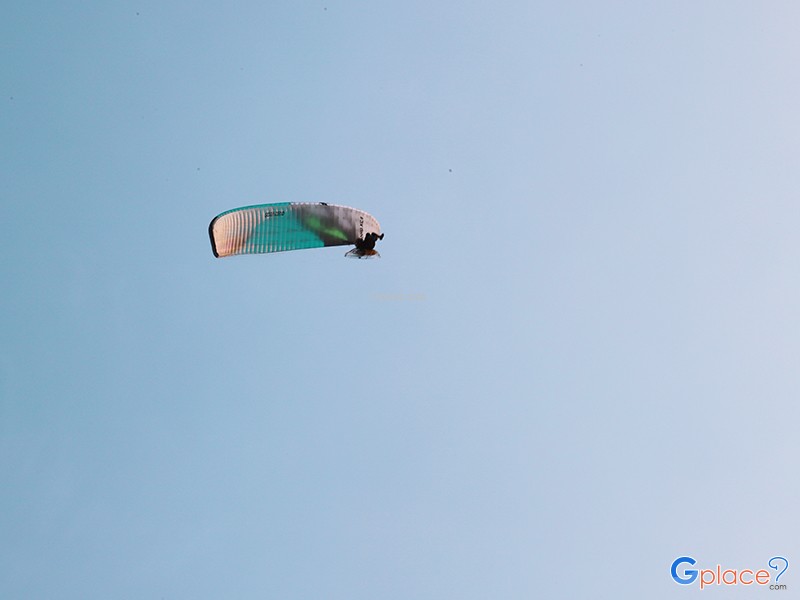
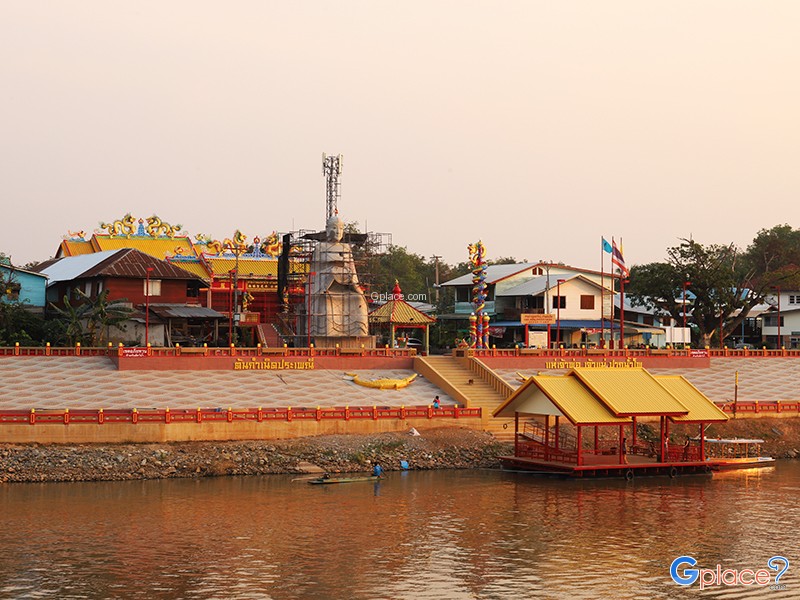
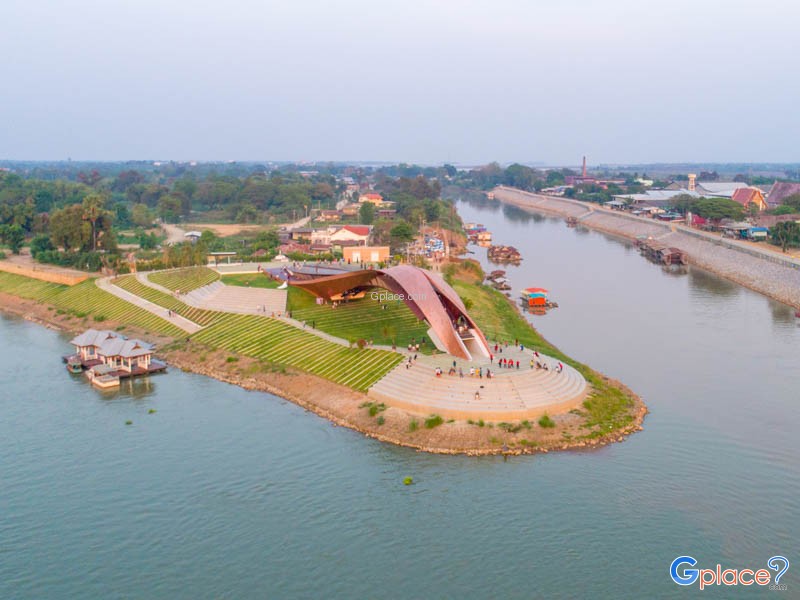
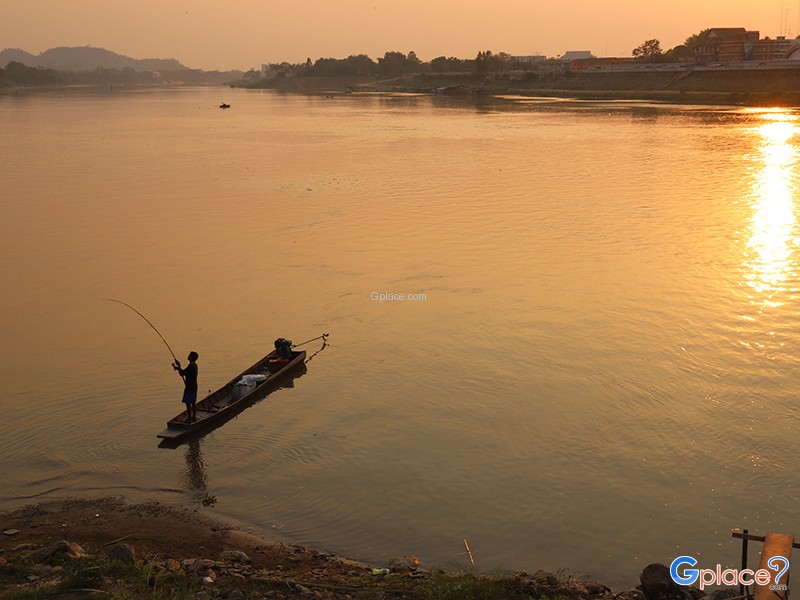

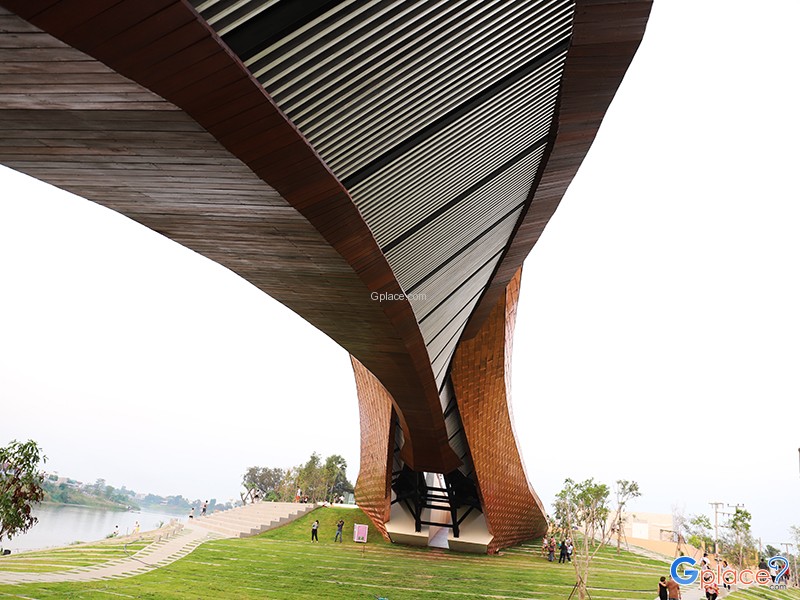

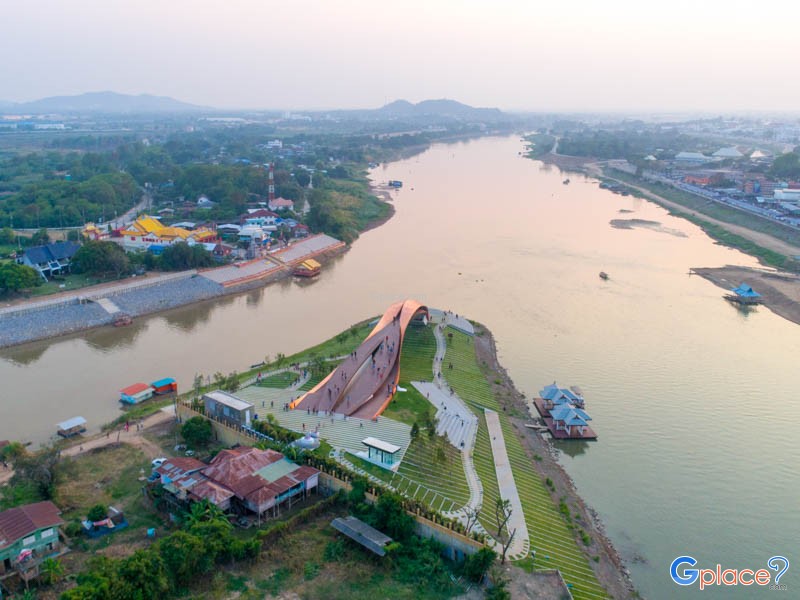
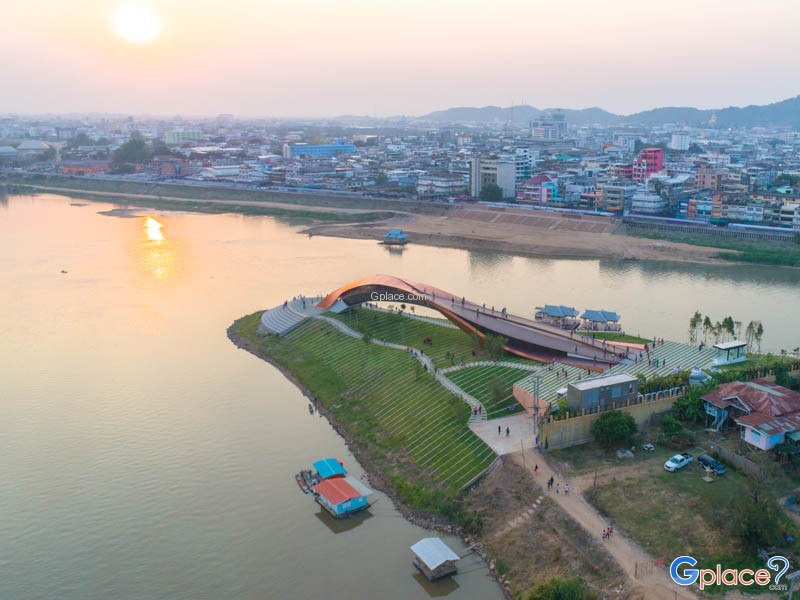
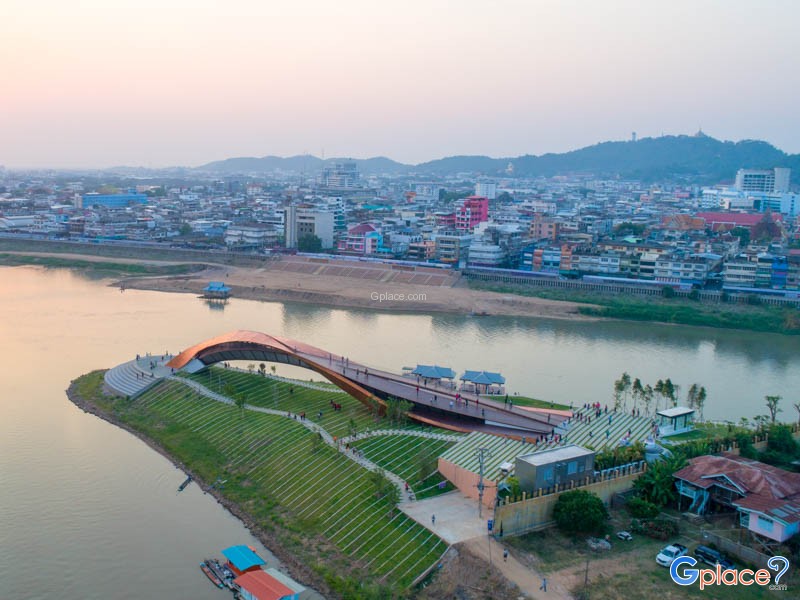
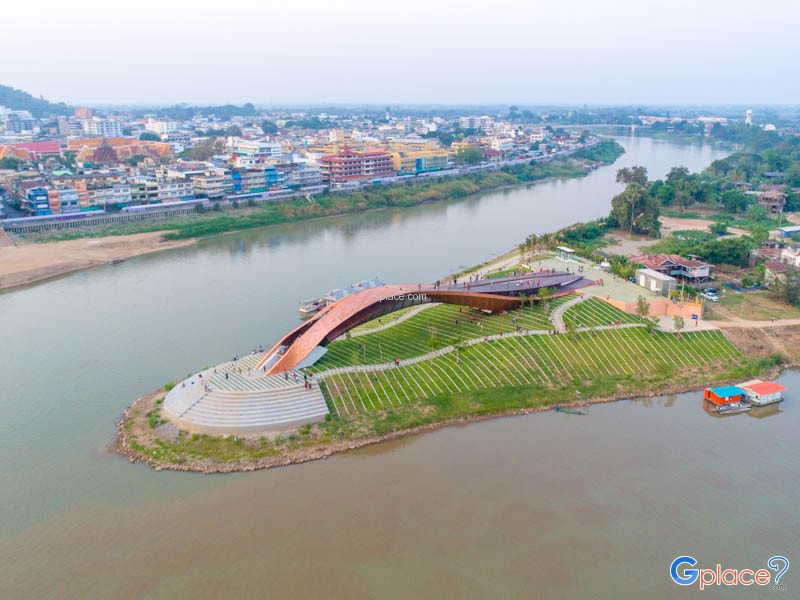
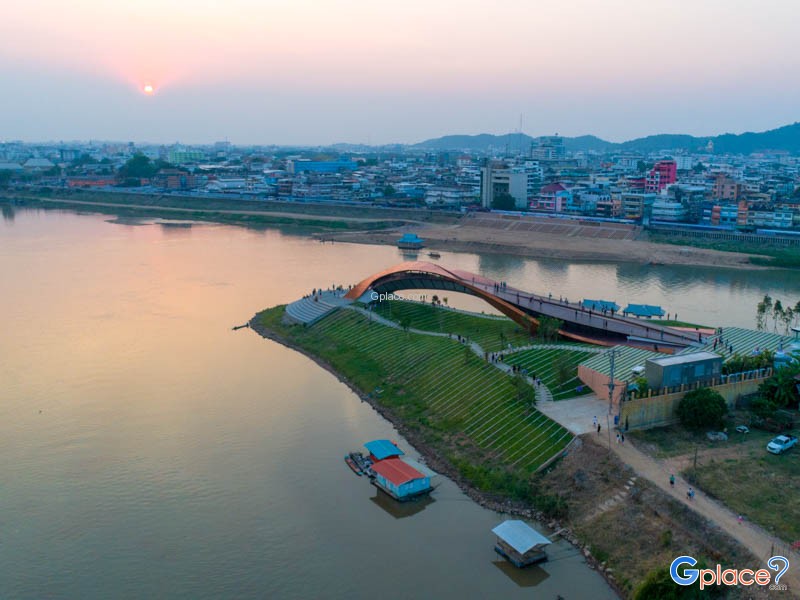
“A gracefully curved architectural structure symbolizing the unity of rivers, offering a viewpoint of the “two-colored river” phenomenon between the Ping and Nan Rivers, and one of the most beautiful sunset viewpoints in Nakhon Sawan.”
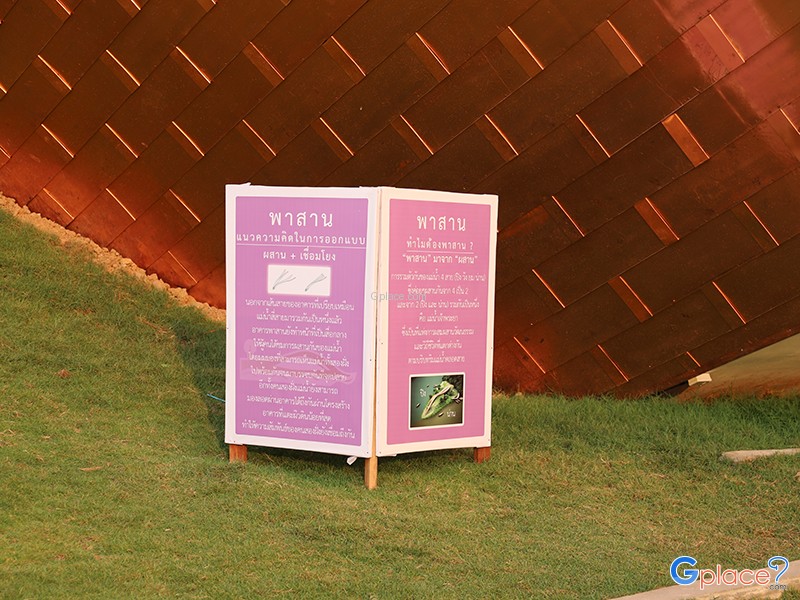
Pasaan, The Origin of the Chao Phraya River the symbolic building of the Chao Phraya River’s origin, derives its name from the Thai word Phasan, meaning merging or integration. It represents the convergence of four major rivers the Ping, Wang, Yom, and Nan before they unite to become the Chao Phraya River, the lifeblood that has sustained Thai livelihoods, economy, and civilization for centuries. The Pasan project was born from the collaboration between the Nakhon Sawan Municipality, the Association of Siamese Architects under Royal Patronage, the Rak Chao Phraya Club, and the citizens of Nakhon Sawan. Its purpose is to foster a sense of love and stewardship for the Chao Phraya River, while developing this significant water source into a historical and local cultural learning center, as well as a major tourist attraction for both the province and the nation.
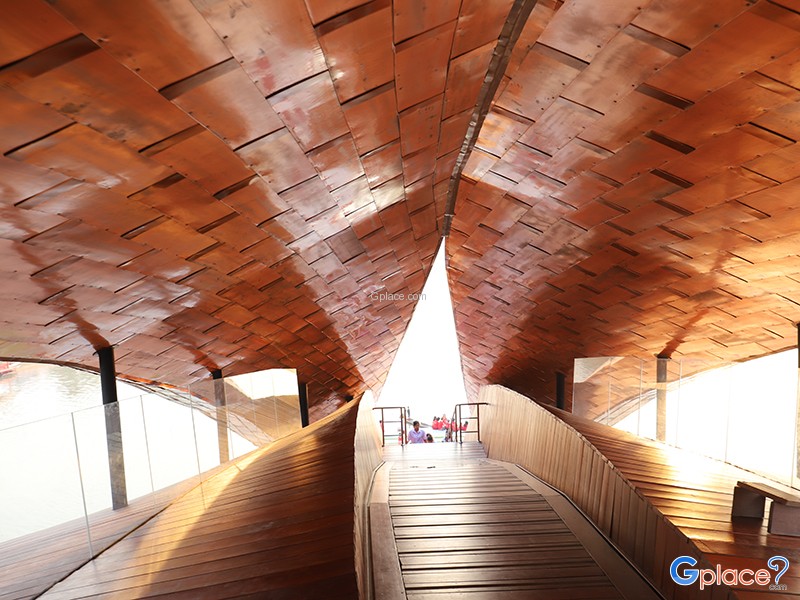
The building is constructed on the tip of Koh Yom, at the front of the island where the Ping, Wang, Yom, and Nan rivers meet, popularly known as the Two-Color River Junction.” Occupying an area of over 3 rai, the architecture stands out with its fluid, curving lines that mimic the movement of water. The structure is open-air to welcome natural breezes and is designed to harmoniously coexist with the environment, even during the monsoon season when water levels rise to submerge the building’s base. This creates a stunning visual of the structure appearing to float gracefully on the water. Within the site, there is a plaza enshrining the sacred Guan Yin Bodhisattva, a historical information center, and multimedia exhibitions that systematically relay the origins of the Chao Phraya River. Meanwhile, the surrounding grounds have been developed into activity plazas and riverside walkways, allowing residents and tourists to relax, exercise, and experience the close relationship between people and the river.
Beyond its striking exterior, the structure of Pasan functions as a multi-dimensional viewpoint. The intertwined design allows visitors to walk up to the highest point to witness the historic bay scenery, where the distinct contrast between the greenish and reddish waters meeting each other can be clearly seen. The materials used in the construction were carefully selected to endure being submerged during floods, reflecting a design wisdom that truly aligns with the nature of the Chao Phraya River basin.
Regarding the interior exhibitions, Pasan provides more than just academic data; it presents information through audiovisual technology that makes visitors feel as if they are traveling back along the paths of the Ping, Wang, Yom, and Nan rivers to this very origin. Every square meter of space is meaningfully designed from the ramps symbolizing the flow of water to the wide plazas representing the embrace of civilization. Pasan is therefore like a “Living Museum” that shifts visitors' perspectives to see the immense value of water resources and the vibrant, living history of the people of Nakhon Sawan.
How to Get There
By Private Car:
- Drive across the bridge from PakNam Pho Market toward Yom Island. Clear directional signs are provided, with spacious parking areas near the site.
By Ferry Boat:
- Take a local ferry from Pak Nam Pho Market directly to Pasan Pier. The fare is approximately 20–30 THB, offering an authentic experience of riverside life.
Travel Tips
- Best Time to Visit (Golden Hour): 4:30–6:30 PM, when golden sunlight reflects beautifully on the building and river surface.
- 360-Degree Viewpoint: Walk up to the rooftop pathway, designed as a gentle slope, to enjoy a panoramic view of the river confluence.
- Preparation: Daytime temperatures can be hot, so hats or umbrellas are recommended, although the building remains cool and breezy throughout the day.
Admission Fee:
- Free admission (No entrance fee)
Opening Hours:
- Open daily from 6:00 AM to 8:00 PM
- Staying until evening is recommended to enjoy the illuminated lighting display, which transforms the atmosphere with changing colors after sunset.
Pasaan The Origin of the Chao Phraya River

 Share
Share
 Pak Nam Pho Subdistrict, Mueang Nakhon Sawan District, Nakhon Sawan
Map
Pak Nam Pho Subdistrict, Mueang Nakhon Sawan District, Nakhon Sawan
Map
 Open now : 6.00 - 20.00
Mon6.00 - 20.00
Tue6.00 - 20.00
Wed6.00 - 20.00
Thu6.00 - 20.00
Fri6.00 - 20.00
Sat6.00 - 20.00
Sun6.00 - 20.00

 https://www.thai-tour.com/thai-tour/north/nakornsawan/data/place/pic-mouth_of_chaophraya_river.html

 8087
8087