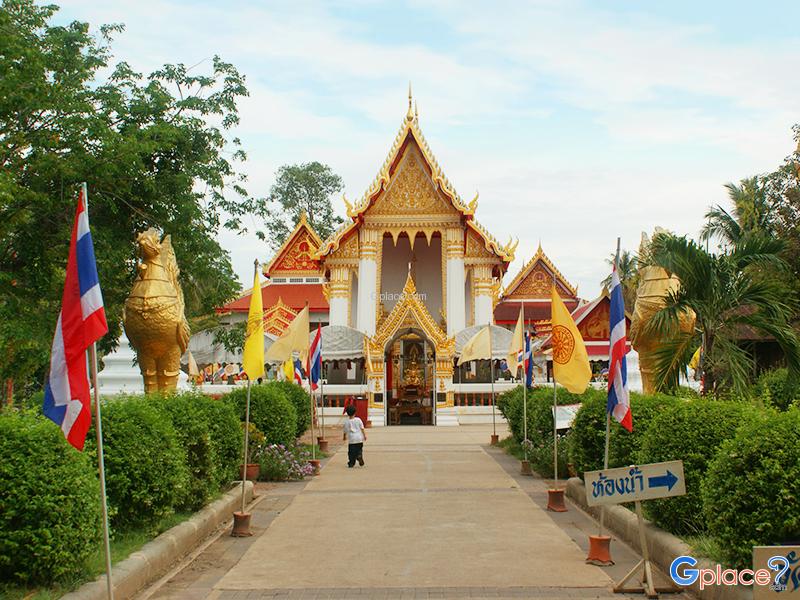
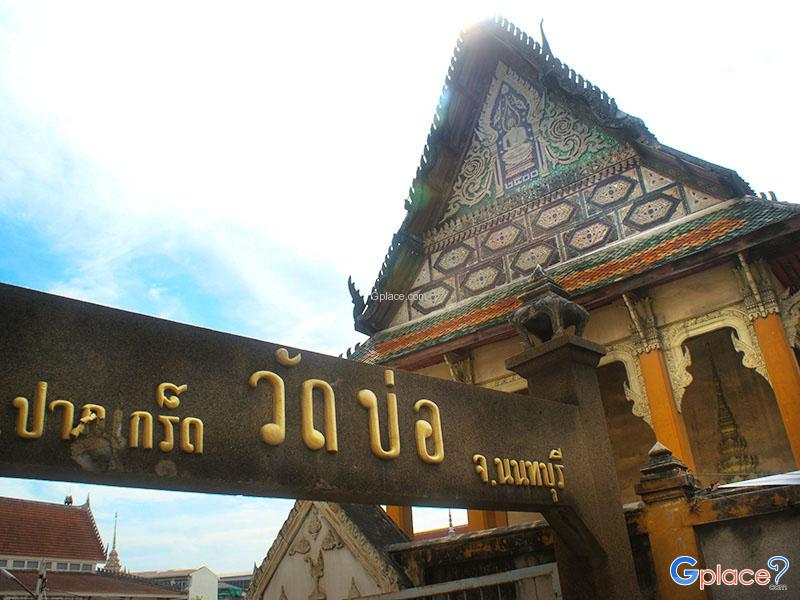
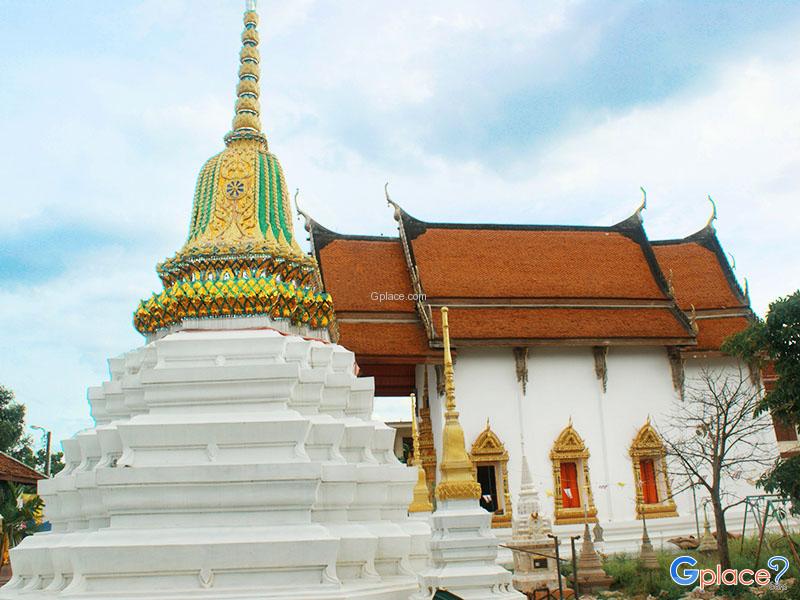
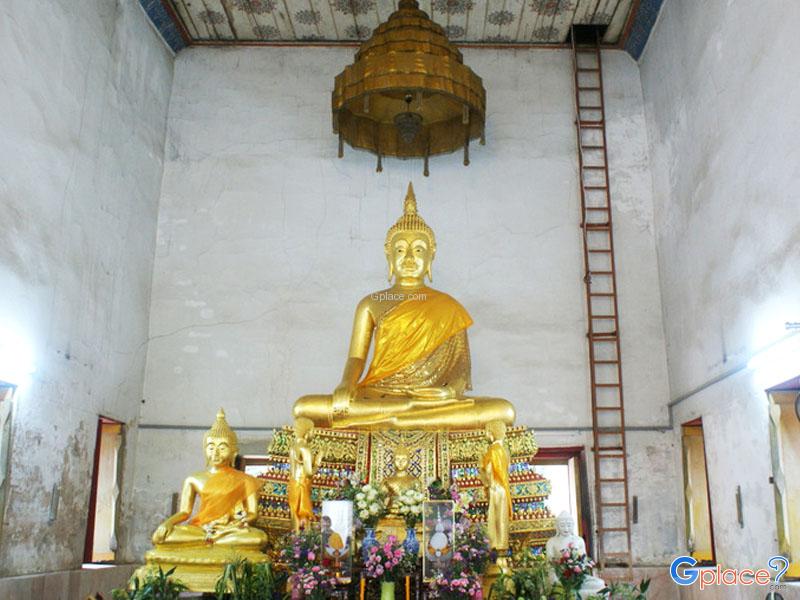
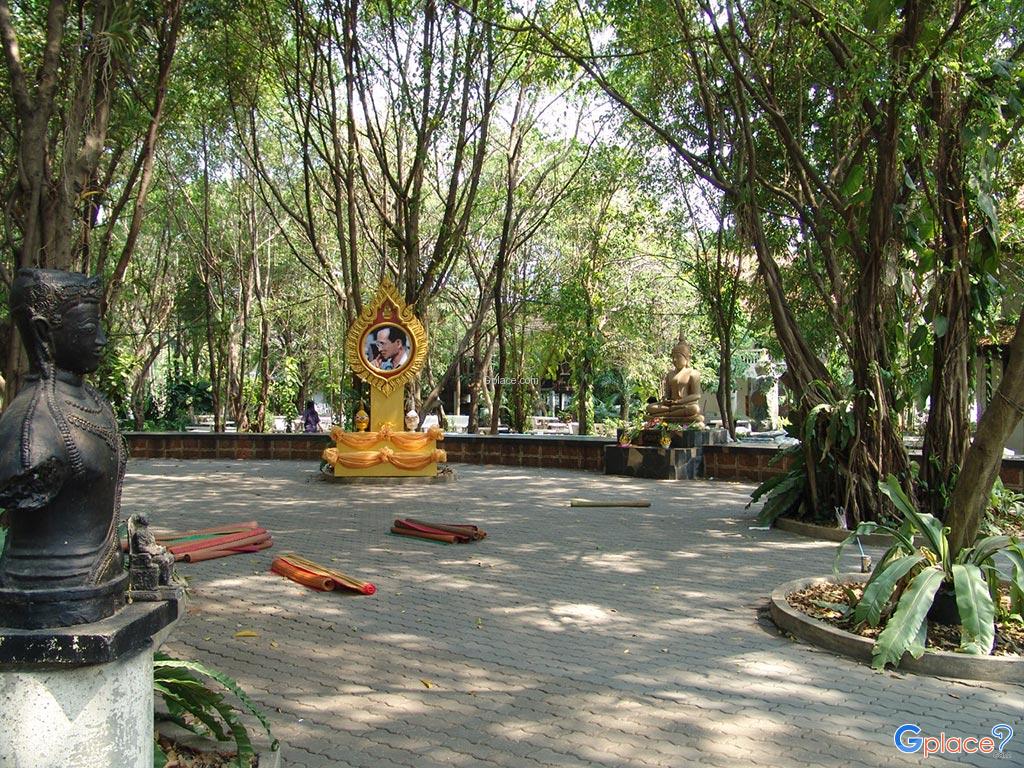
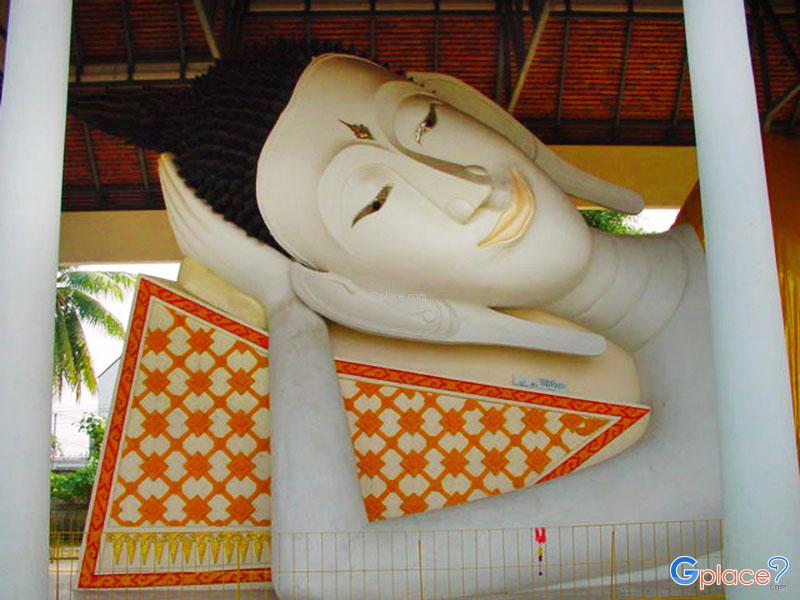
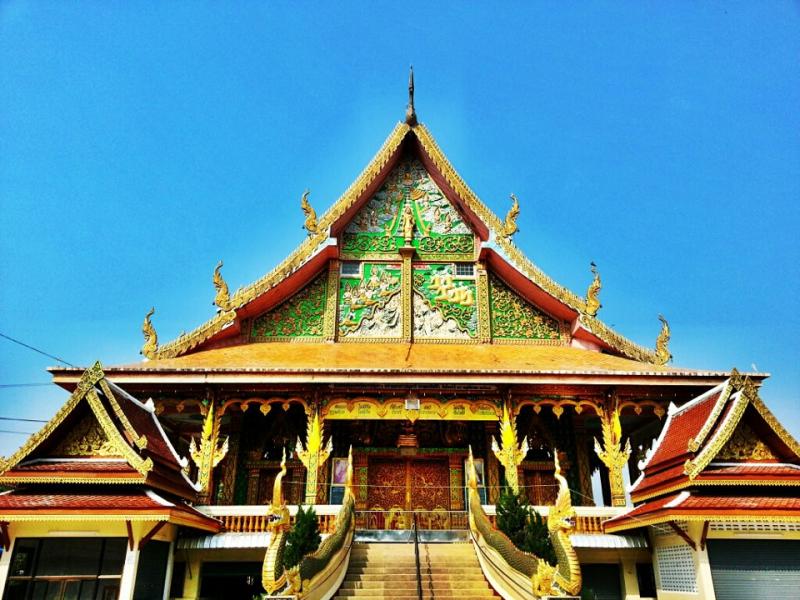
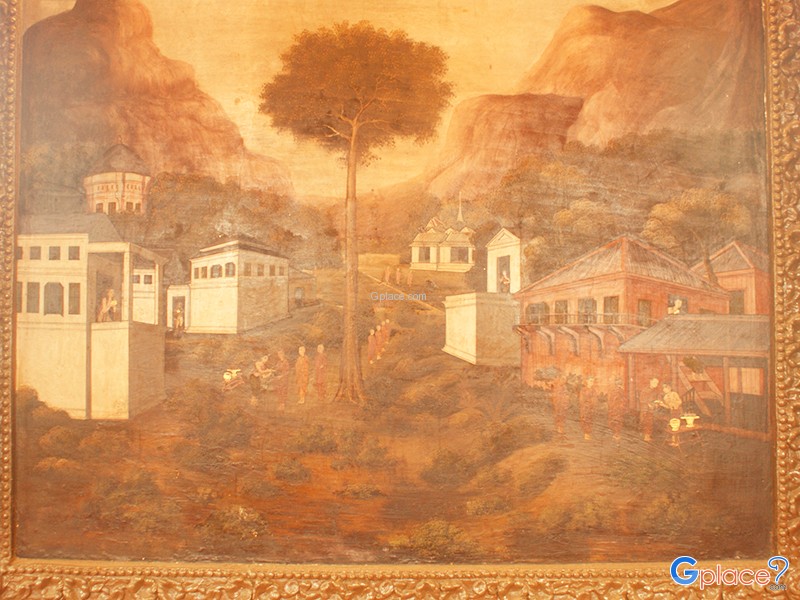
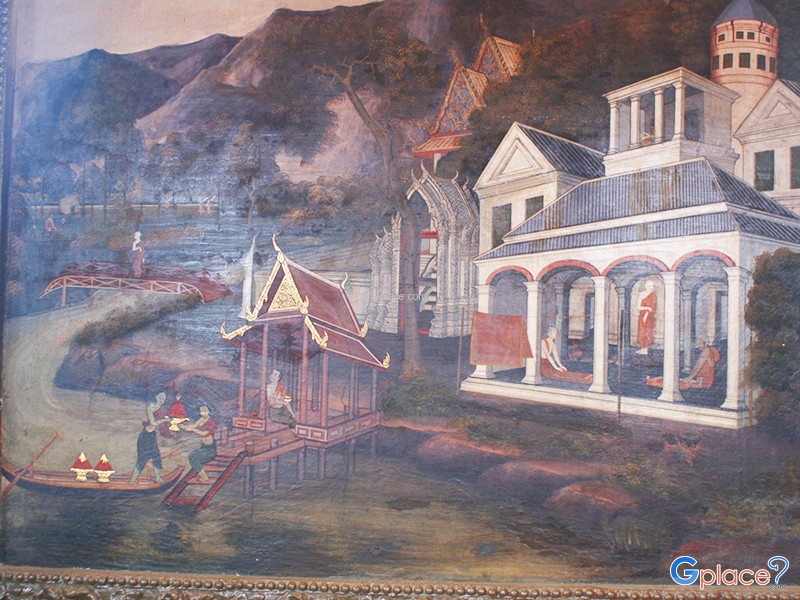
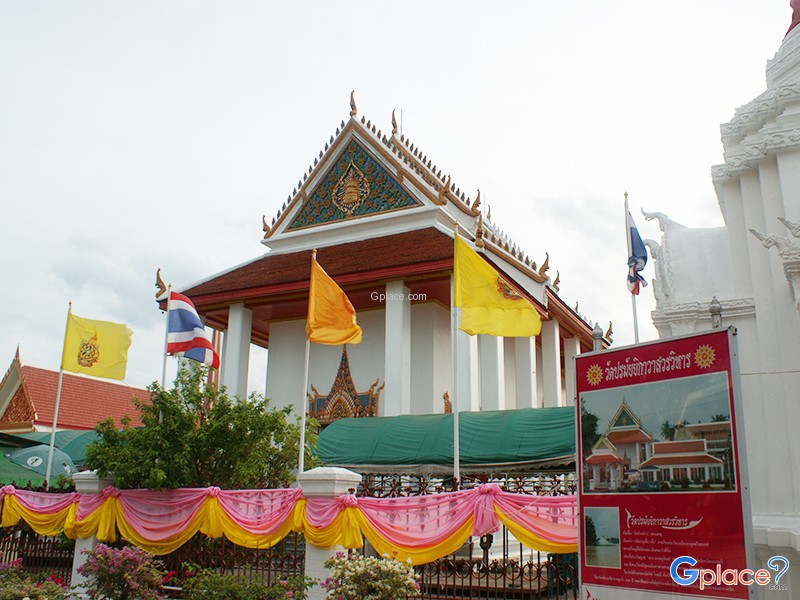
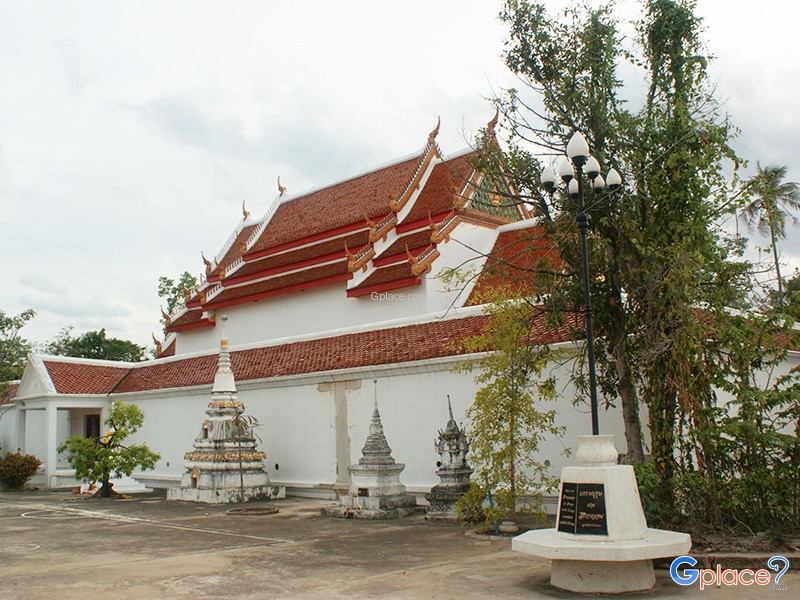
Wat PoramaiYikawat, formerly known as “Wat Pak Ao,” is an ancient temple located on Koh Kret in Pak Kret District, Nonthaburi Province. Its history dates back to the late Ayutthaya period, when the area was inhabited by Mon communities who migrated into the region and brought with them their cultural beliefs, traditions, and artistic heritage, which gradually blended with the Thai way of life along the Chao Phraya River basin. As a result, the temple became an important spiritual and religious center for the local community for many generations. Later, during the reign of King Rama V, the temple underwent major restoration works to strengthen and beautify the site, and it was granted the new name “Wat Poramai Yikawat Worawihan” in honor of royal patronage and to elevate its status as a second-class royal monastery.Inside the temple, the architecture clearly reflects a harmonious blend of Thai and Mon artistic styles. The ordination hall follows traditional Thai architectural forms, yet incorporates Mon craftsmanship in its decorative details, including carved patterns, gable ornaments, and mural paintings that depict Buddhist stories in soft, graceful tones. The overall atmosphere reflects both artistic refinement and deep religious devotion. The temple also houses a large reclining Buddha hall, which is highly respected by local people and serves as an important site for community religious ceremonies and merit-making activities.
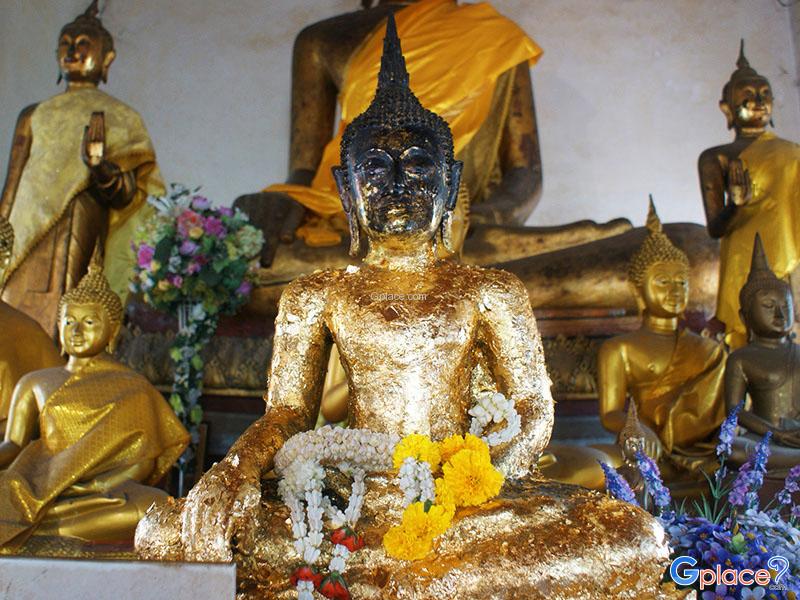
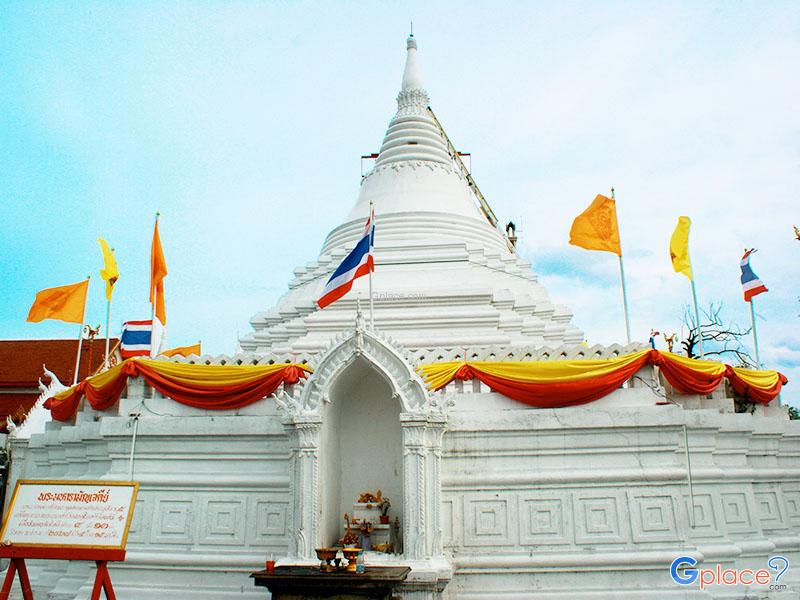
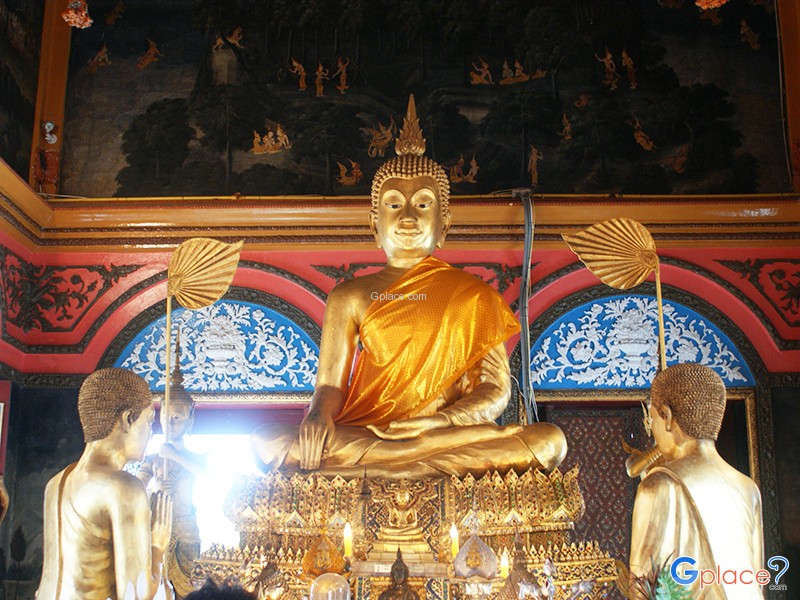
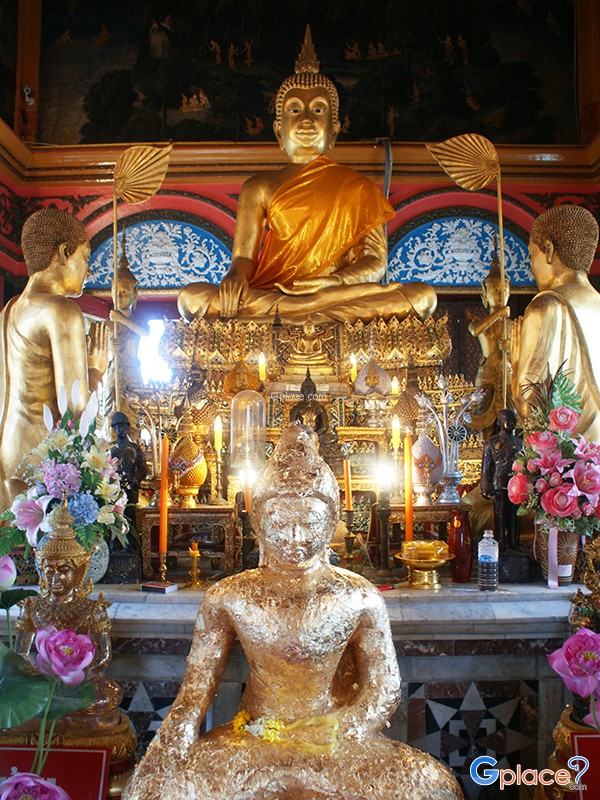
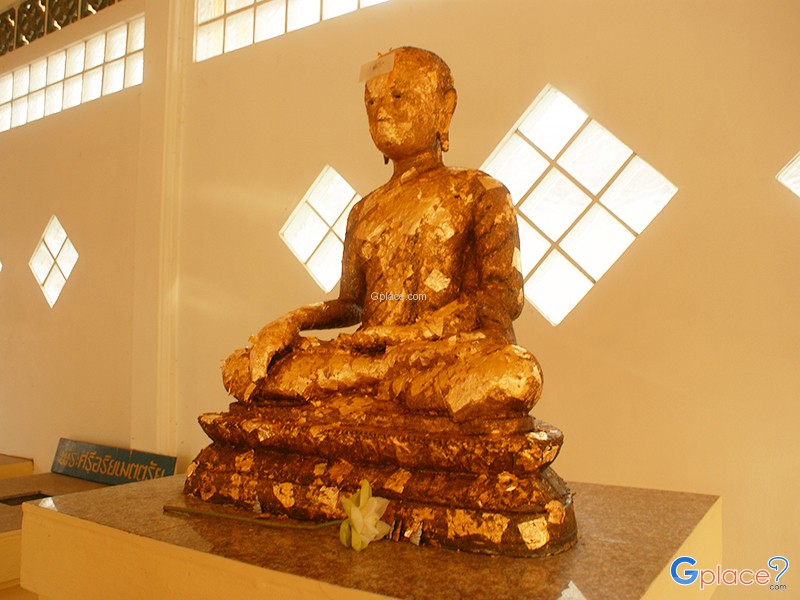
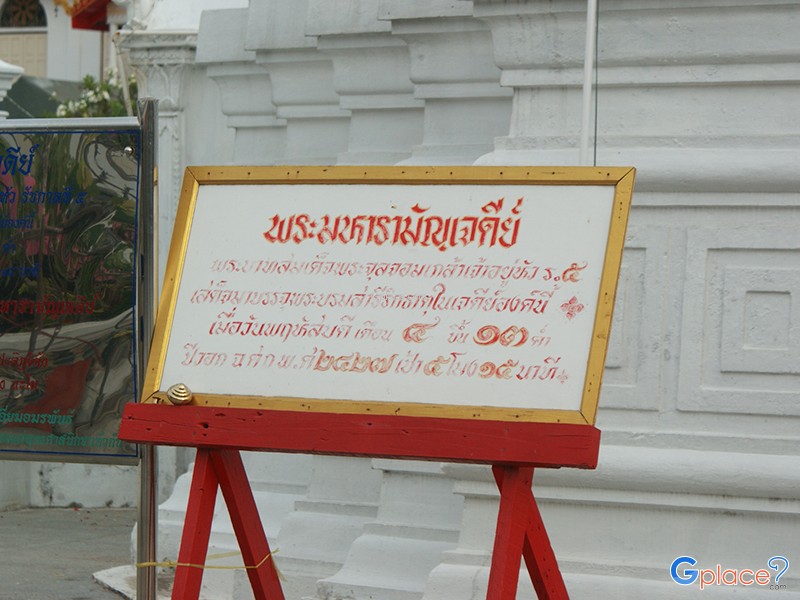
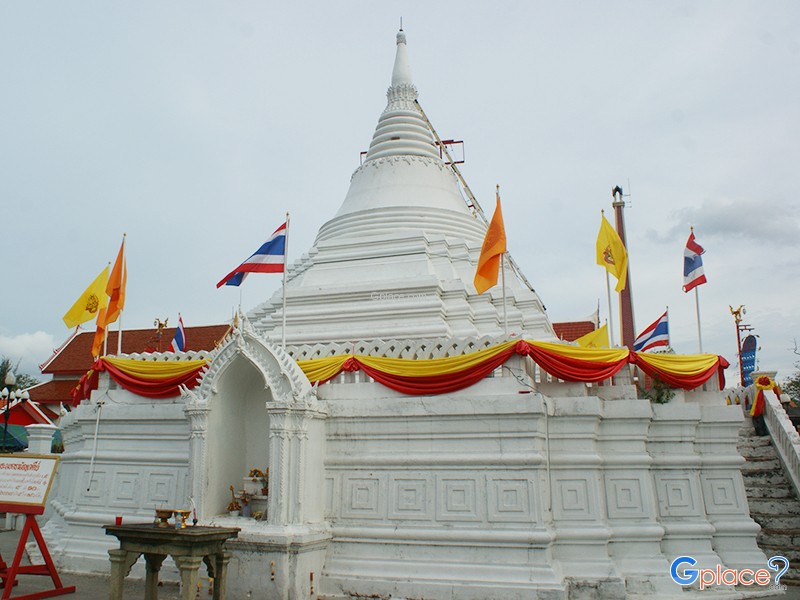
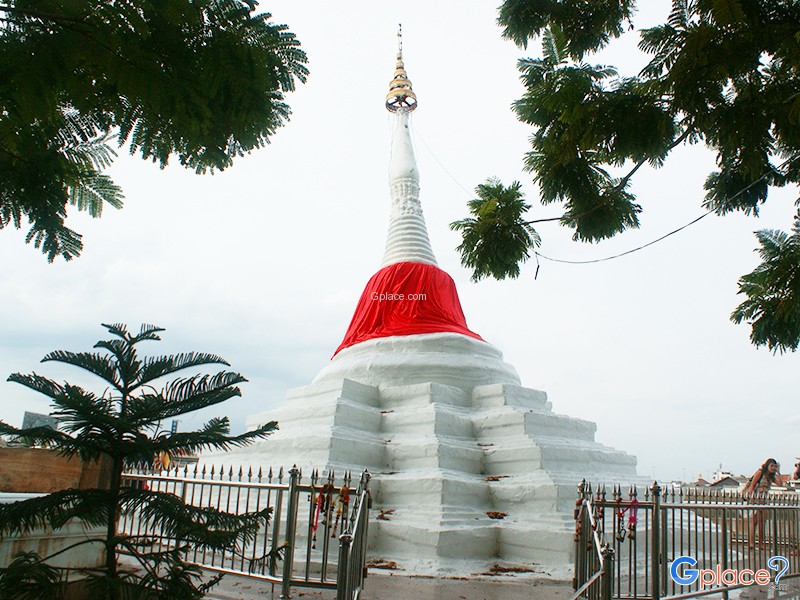
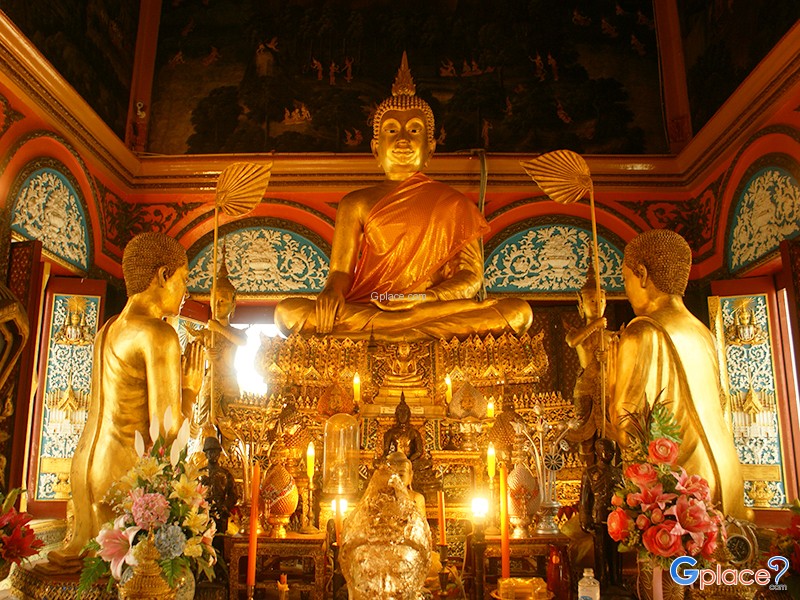
The most prominent landmark of the temple is the “Mue Tao Pagoda,” a white Mon-style stupa located along the bank of the Chao Phraya River. Its noticeable leaning structure is caused by natural ground subsidence over time, but it has become a unique and iconic feature of Koh Kret. This pagoda symbolizes the strong faith of the Mon community and the close relationship between the temple and the river that has long supported local livelihoods and settlement. Inside the temple is also enshrined “Phra Nonthamunin,” an important Buddha image regarded as the sacred Buddha of Nonthaburi Province, widely revered and worshipped for blessings and good fortune.
Another significant feature is the “Three Kings Tree,” a sacred natural formation where a bodhi tree, banyan tree, and another large tree grow together in the same area. It is believed to bring auspicious blessings, and visitors often tie three-colored cloths around it to enhance luck in love, strengthen relationships, and fulfill personal wishes. Therefore, Wat Poramai Yikawat is not only a religious site but also a cultural and spiritual space deeply connected to local beliefs, traditions, and the way of life of the Koh Kret community

 Attractions
  Hotel
Hotel  Restaurant
  Shopping
  Abroad








 Share
Share
 Koh Kret, Pak Kret , Nonthaburi 11120
Map
Koh Kret, Pak Kret , Nonthaburi 11120
Map
 Closed today

 https://www.thai-tour.com/thai-tour/central/nonthaburi/data/place/pic_watporamaiyikawas.htm

 4119
4119