Wat Boromracha Kanchanaphisek Anusorn (Wat Leng Nei Yi 2) is a Mahayana Buddhist temple under the Chinese Sangha of Thailand. It was built to commemorate His Majesty King Bhumibol Adulyadej the Great on the occasion of the 50th anniversary of his accession to the throne. Construction began in the late 1980s under the supervision of the monks from Wat Mangkon Kamalawat (Wat Leng Nei Yi 1) in Yaowarat, one of Thailand’s most important Chinese temples.The name “Boromracha Kanchanaphisek Anusorn” means a memorial temple for the Golden Jubilee celebration, while the commonly used name “Leng Nei Yi 2” refers to its role as the second major branch of Wat Leng Nei Yi in Yaowarat. Beyond being a religious site, the temple reflects the long-standing cultural connection between Thai and Chinese communities.
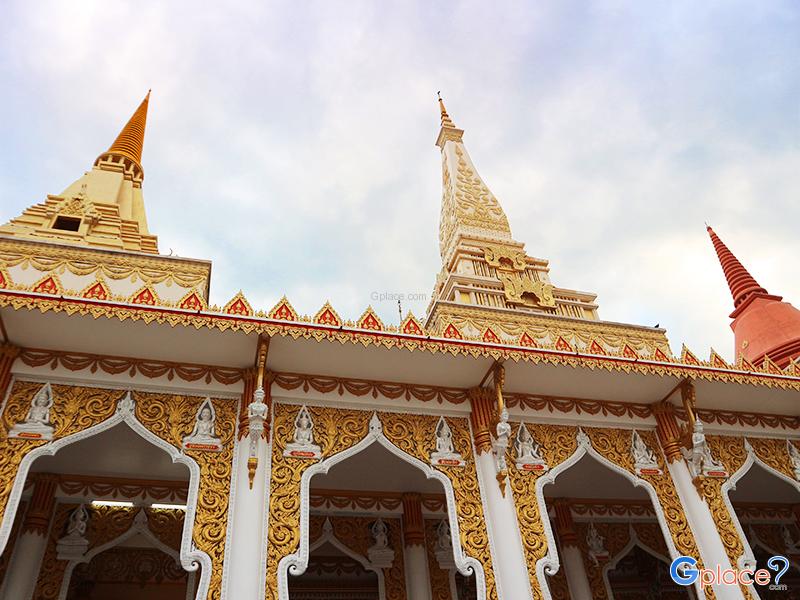
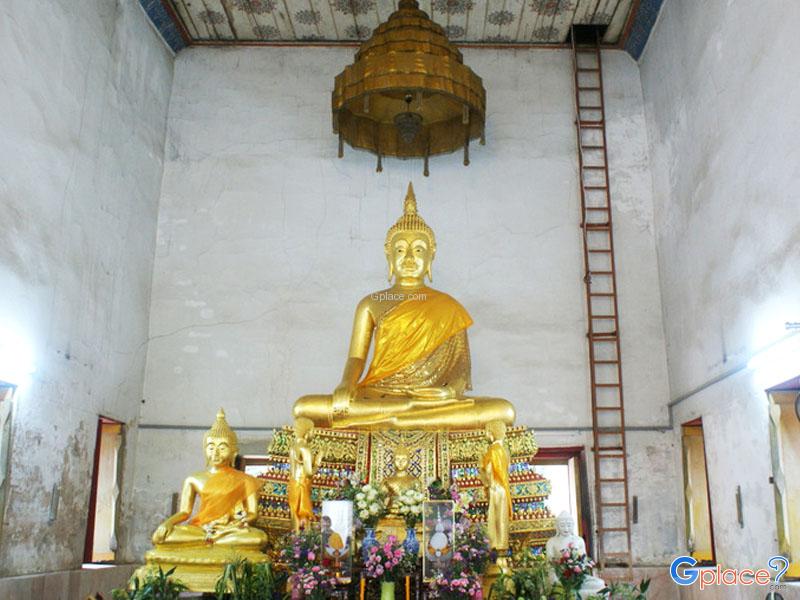
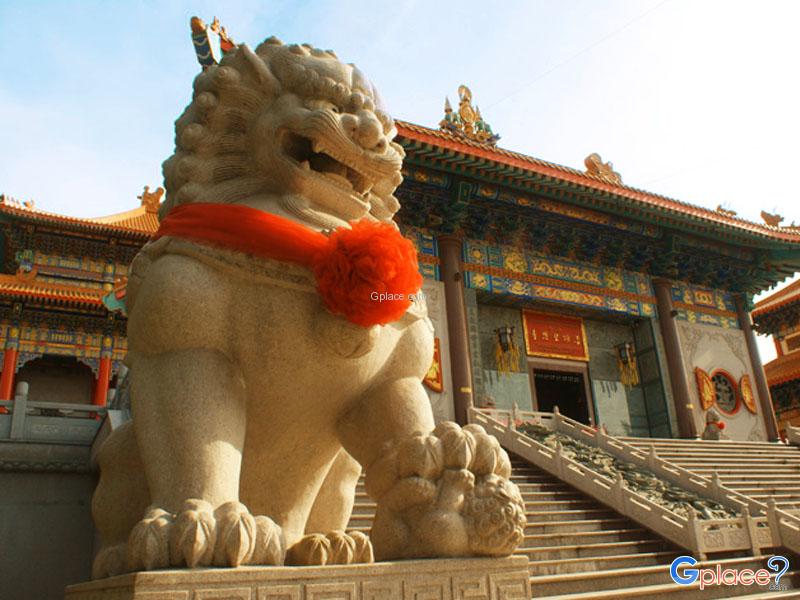
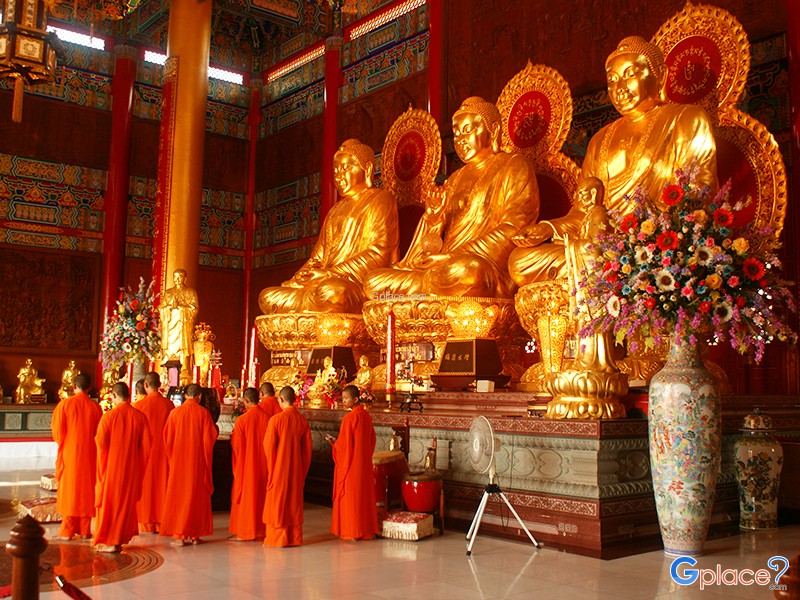
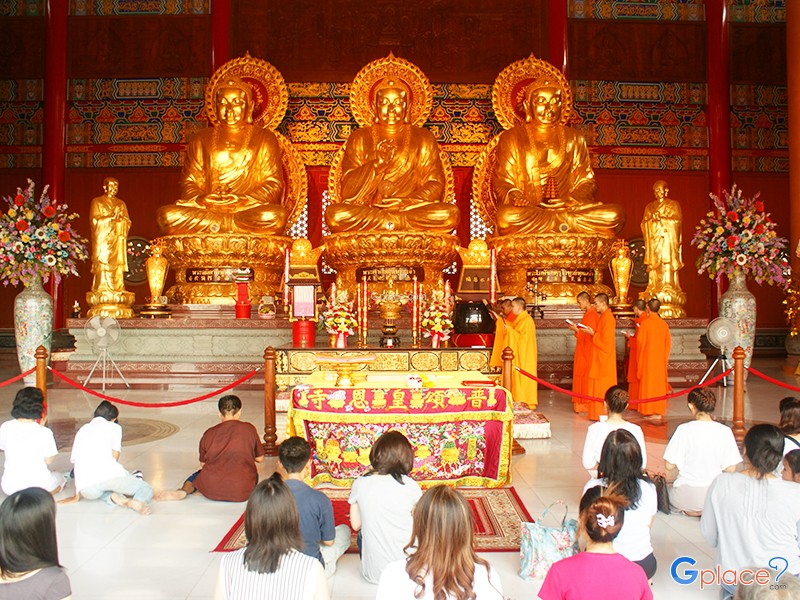
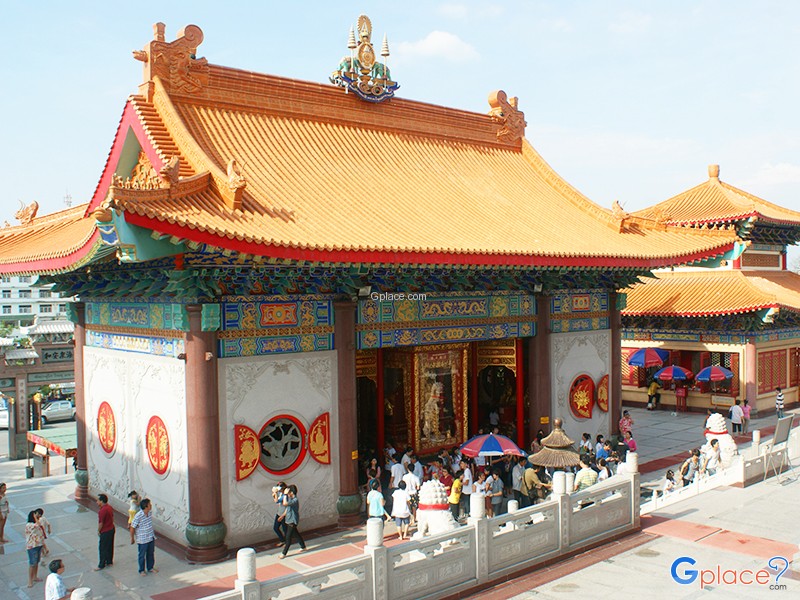
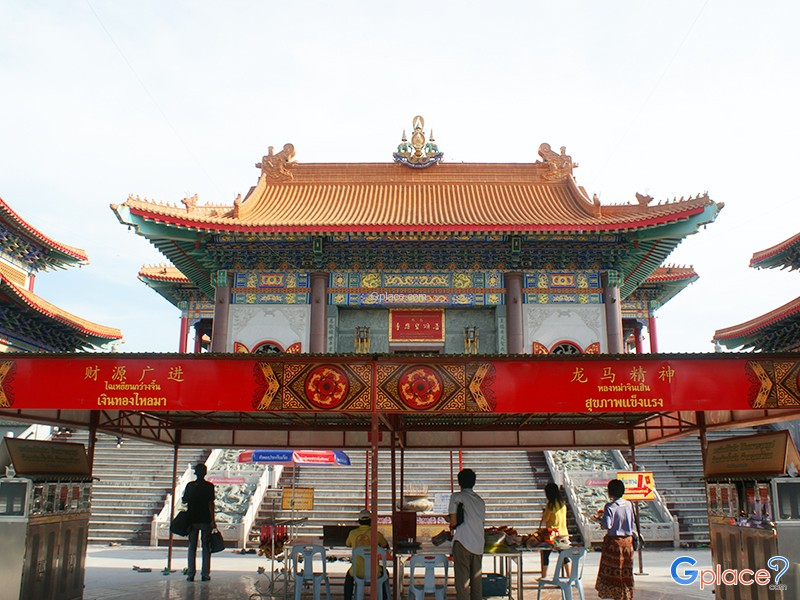
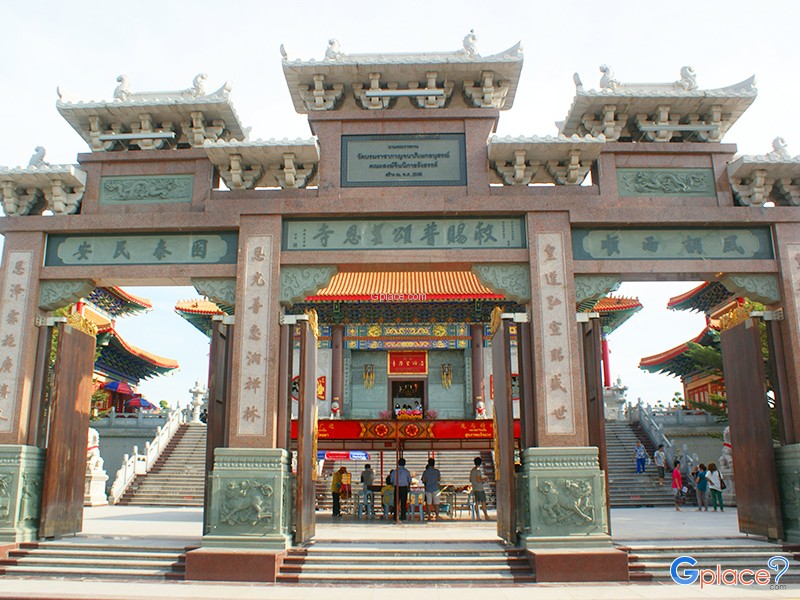
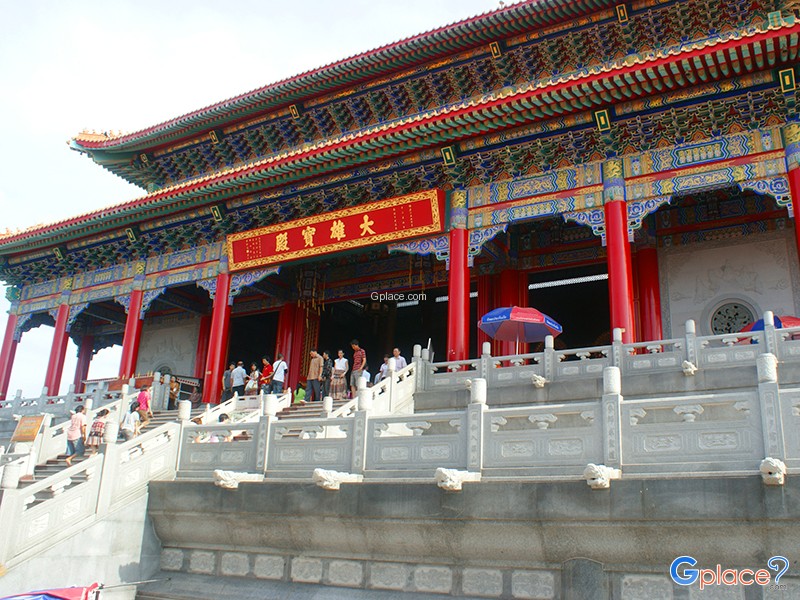
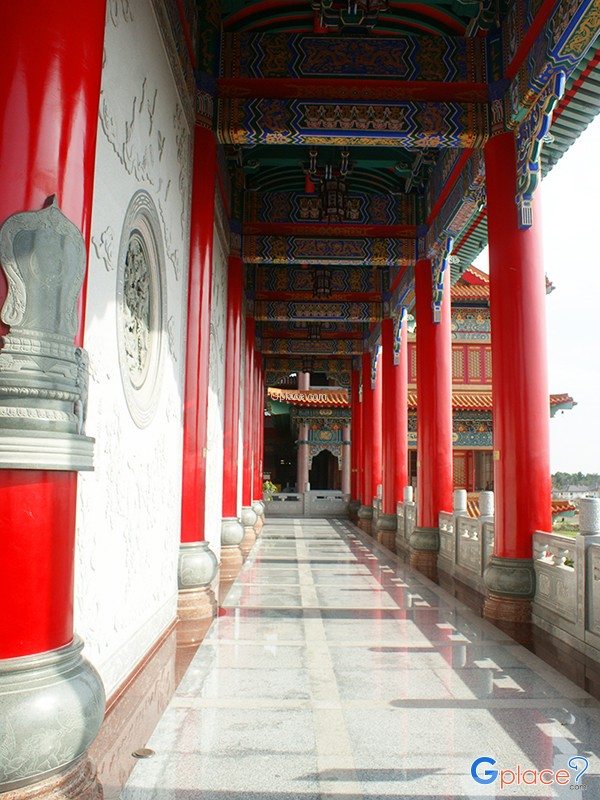
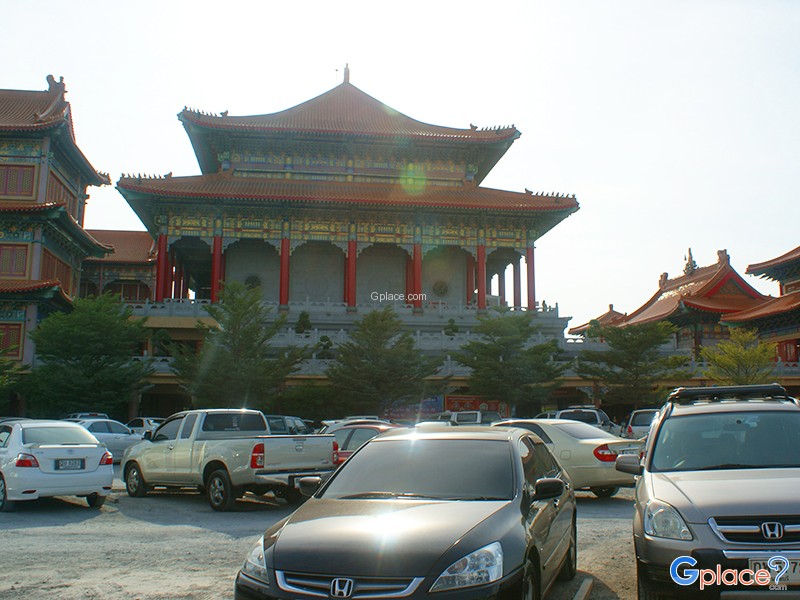
The temple’s architecture is strongly influenced by the Forbidden City in Beijing, especially in its spatial layout, central axis design, and artistic details. The buildings follow classical Ming and Qing dynasty Chinese architecture, using red, gold, and green tones, which are considered auspicious in Chinese culture. Roof structures are decorated with mythical creatures, glazed ornaments, and dragon–phoenix motifs symbolizing power, prosperity, and harmony according to Feng Shui principles.The temple complex is divided into several key areas, starting from a large Chinese-style gate that serves as the symbolic entrance from the secular world into a sacred space. Inside, visitors will find a spacious courtyard and the Hall of the Four Heavenly Kings, who are believed to protect the four cardinal directions in Mahayana Buddhism. Beyond this is the main ordination hall, which enshrines three Buddha statues: Shakyamuni Buddha, Amitabha Buddha, and Bhaisajyaguru Buddha, representing the past, present, and future.
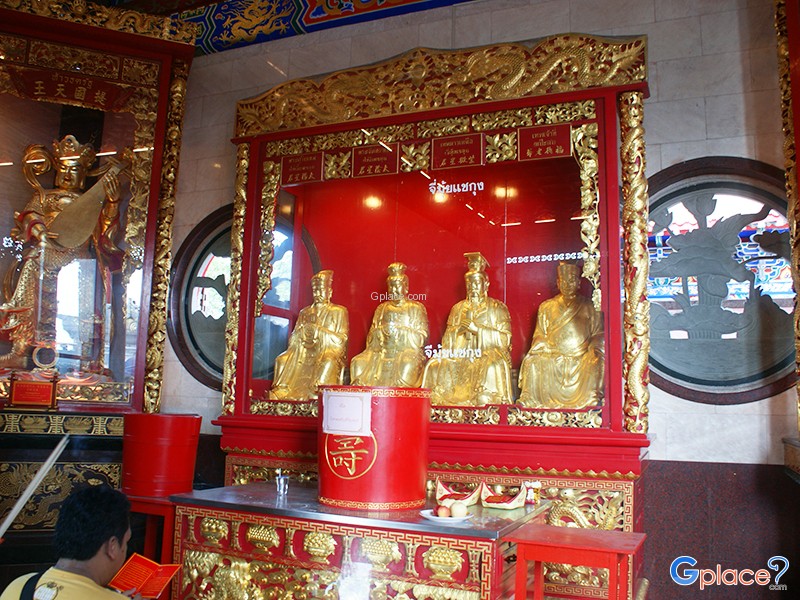
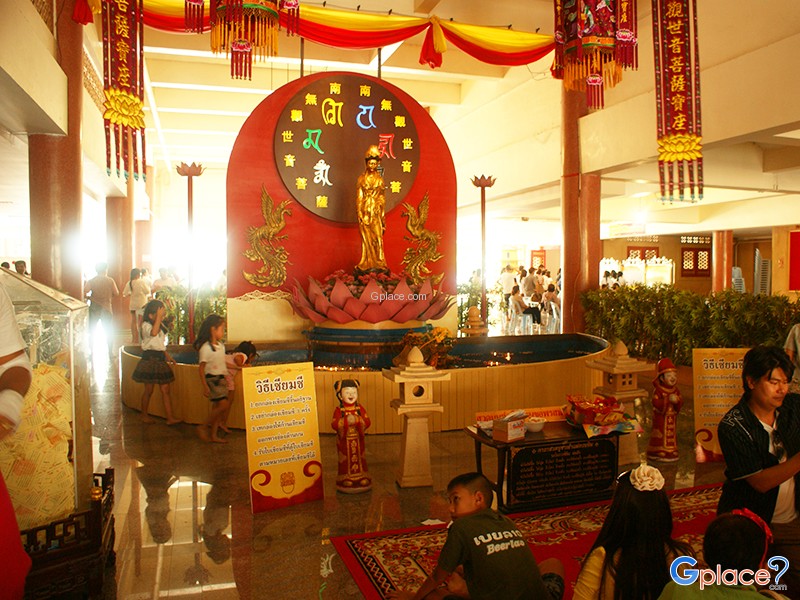
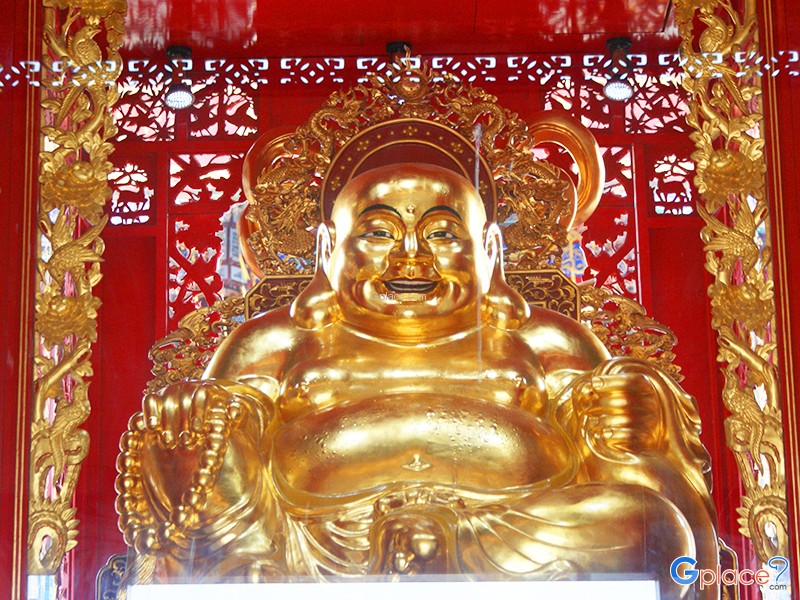
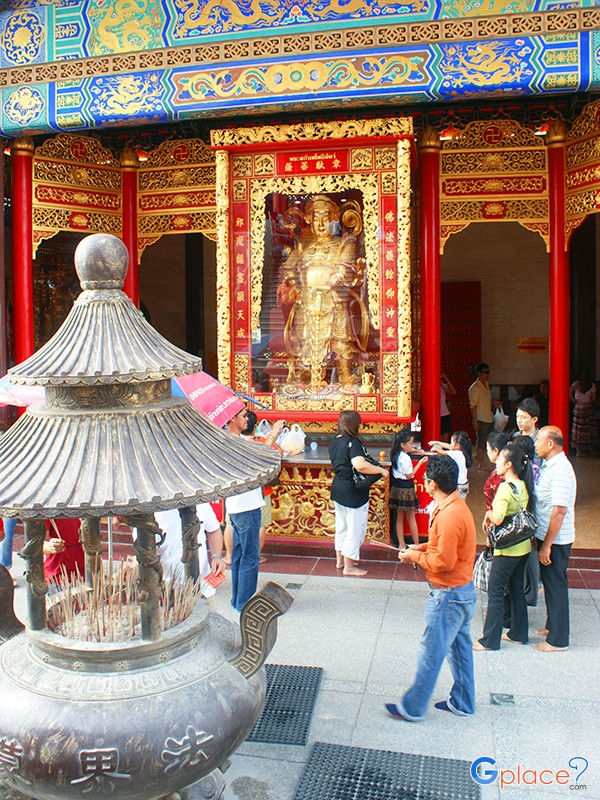
Another important area is the Guanyin Bodhisattva Hall, which is highly revered by Thai-Chinese devotees. Visitors often come here to pray for compassion, health, peace of mind, and business success. The temple also houses shrines dedicated to various Chinese deities such as Cai Shen (God of Wealth), Tai Sui (Grand Duke Jupiter), and other fortune deities associated with luck restoration and misfortune relief rituals.Wat Leng Nei Yi 2 is widely recognized as one of Thailand’s most important temples for zodiac-year misfortune cleansing (“kae chong”), especially during Chinese New Year. Large numbers of visitors participate in traditional rituals where they write their names and zodiac signs on paper and submit them in ceremonial offerings before the Tai Sui deity to seek protection and good fortune. These practices blend traditional Chinese beliefs with Mahayana Buddhist traditions.
In addition to its religious importance, the temple serves as a major cultural learning center for Chinese art and architecture in Nonthaburi. It features intricate stone carvings, wooden craftsmanship, and murals created using traditional techniques that are rare in Thailand today. This makes the temple popular not only among devotees but also among tourists and architecture enthusiasts.The atmosphere of the temple is calm, clean, and well-organized. Even during busy days, it maintains a sense of serenity, making it suitable for prayer, meditation, architectural sightseeing, and photography. In the early morning and late afternoon, sunlight reflecting off the golden roofs creates a particularly striking and beautiful view of the entire complex.

 Attractions
  Hotel
Hotel  Restaurant
  Shopping
  Abroad







 Share
Share
 75 Moo 4, Sano Loi , Bang Bua Thong, Nonthaburi 11110
Map
75 Moo 4, Sano Loi , Bang Bua Thong, Nonthaburi 11110
Map
 Closed today



 4889
4889