 Attractions
  Hotel
Hotel  Restaurant
  Shopping
  Abroad





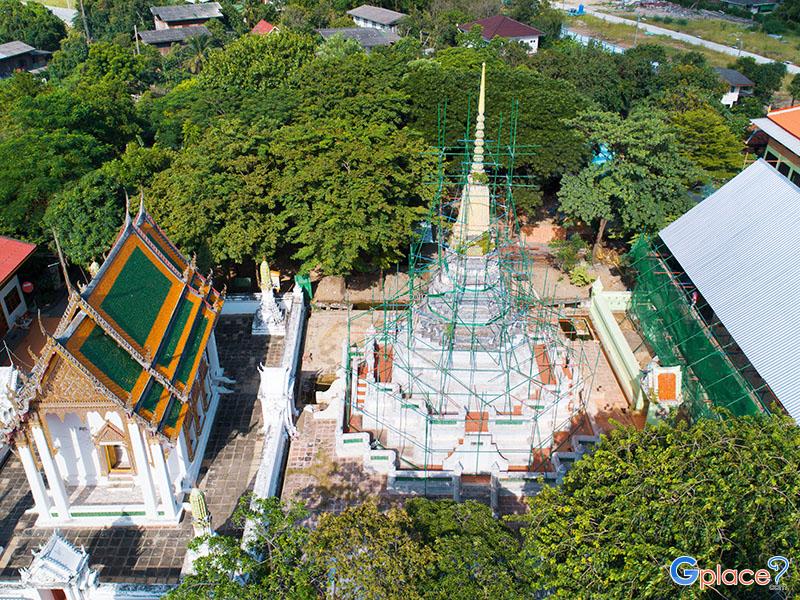


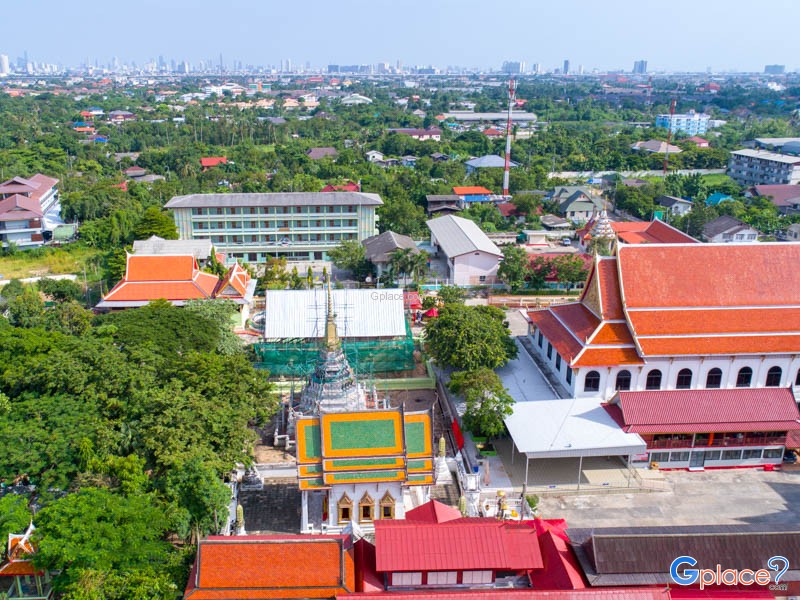
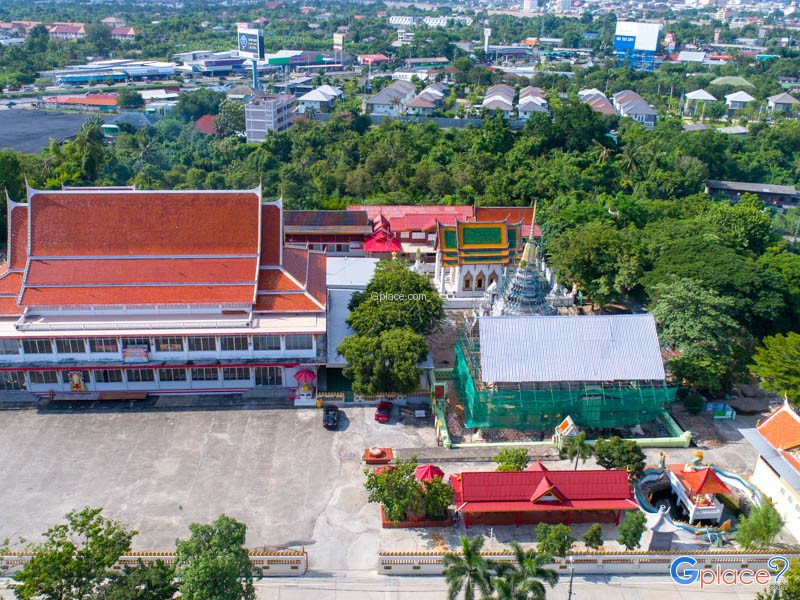
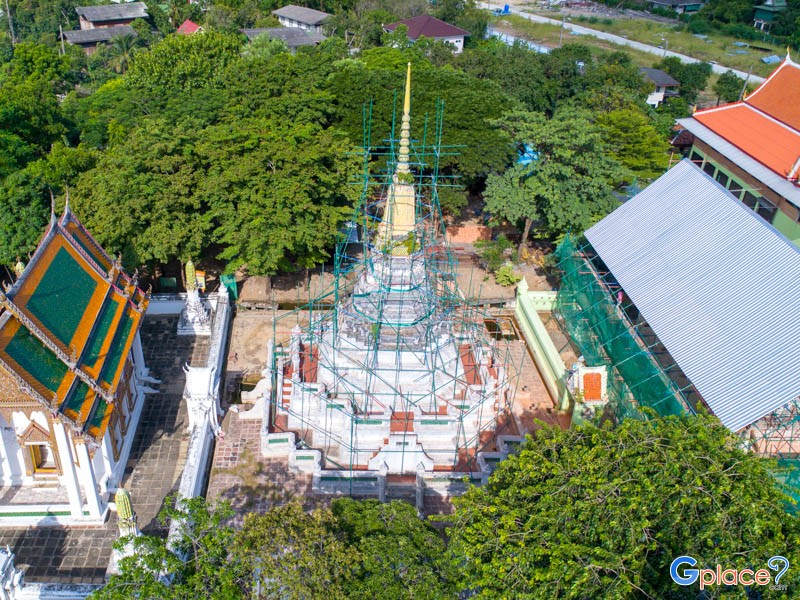
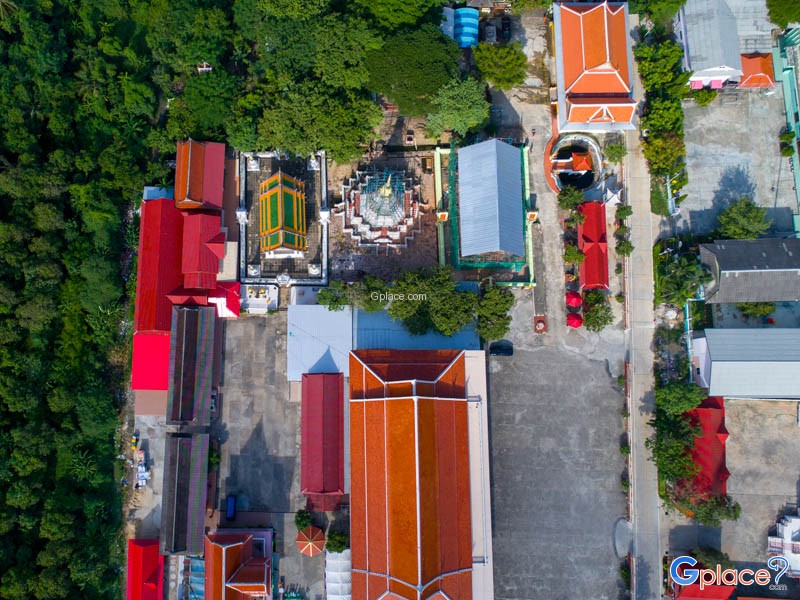
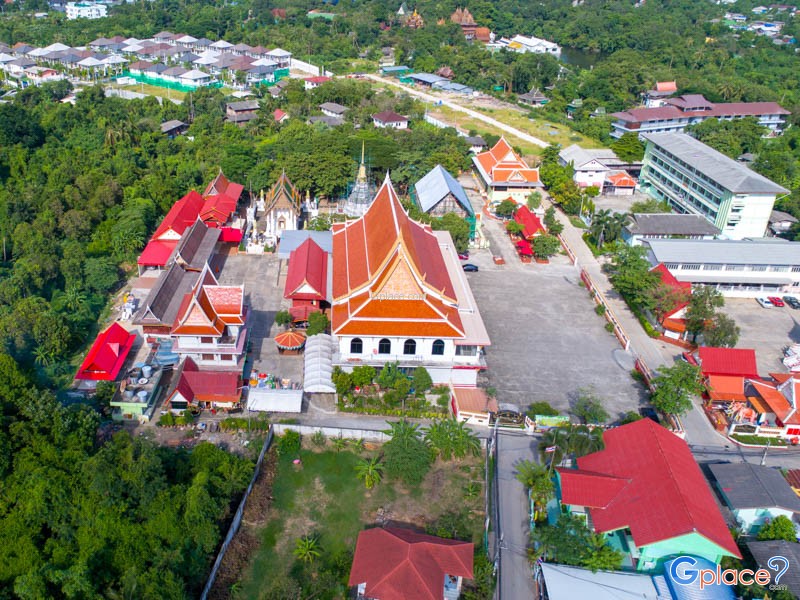
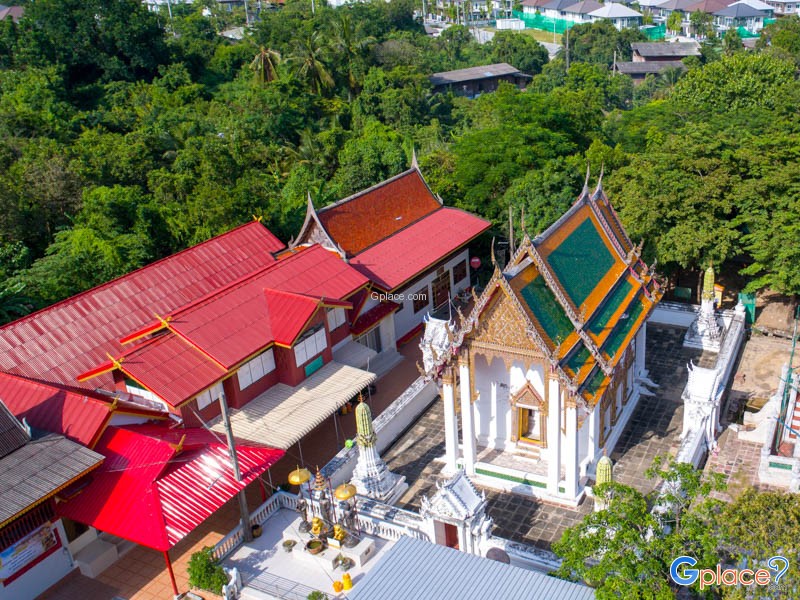
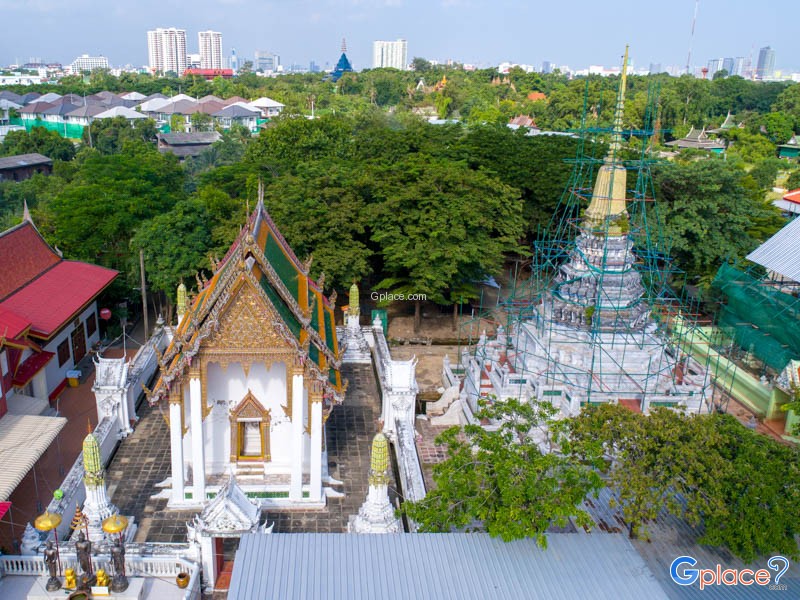


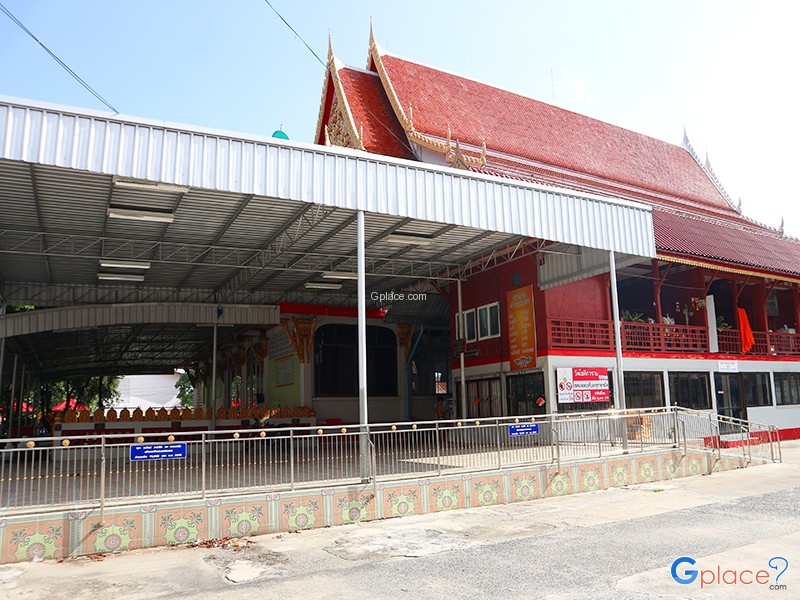

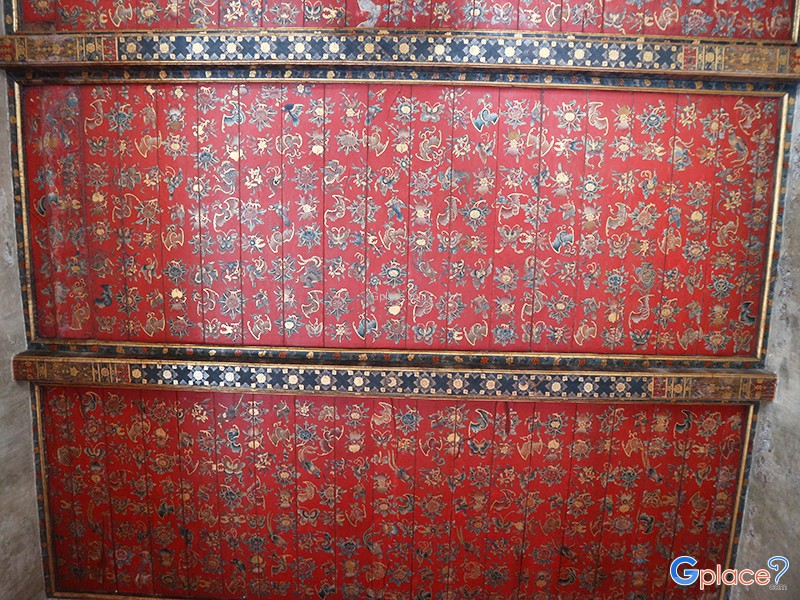
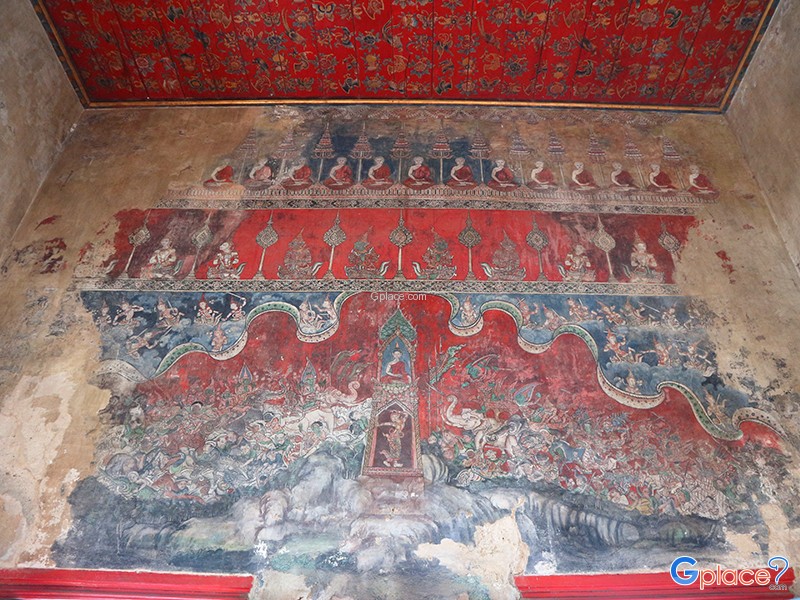

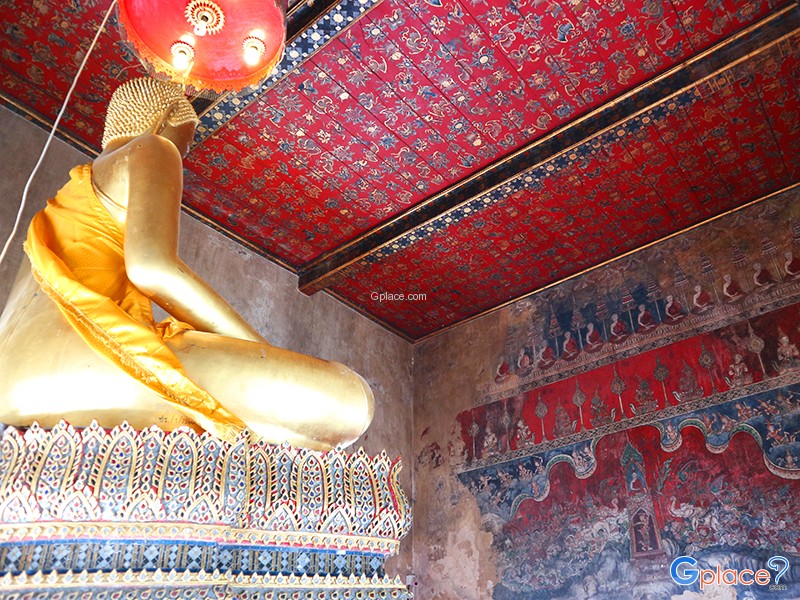
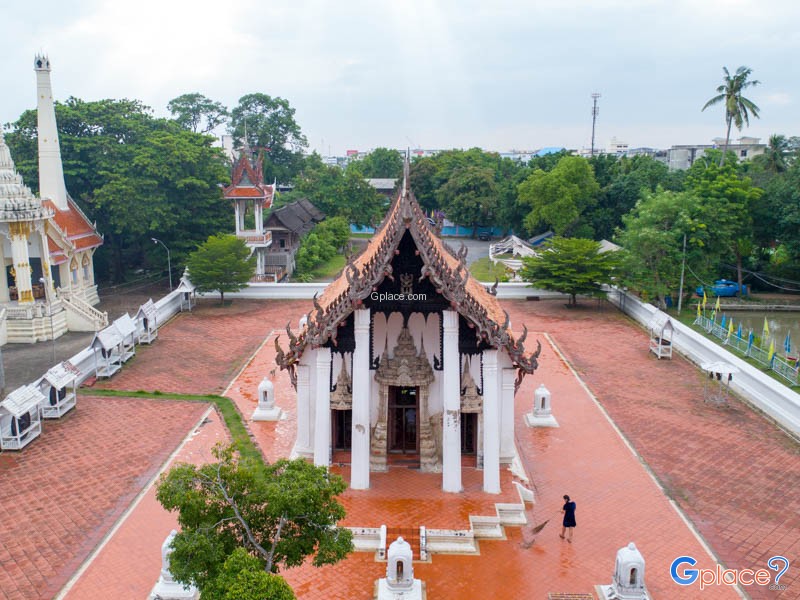
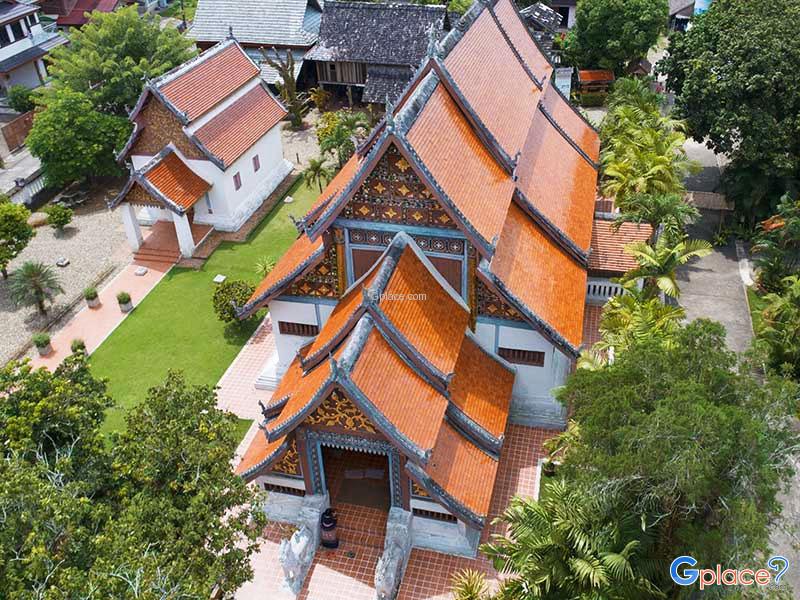
“A viharn in the “song-rong” style with a curved base like a Chinese junk, beautiful Ten Jataka mural paintings, and Luang Pho Sukhothai, the revered principal Buddha image of the community.”
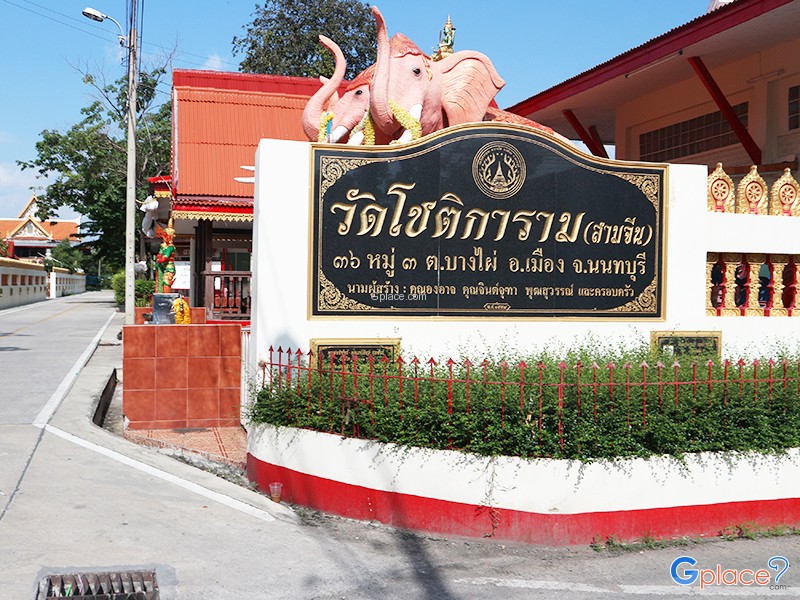
Wat Chotikaram, formerly known as “Wat Sam Chin,” is an ancient temple believed to have been founded in the late Ayutthaya period. It is thought to be historically connected to Chinese communities who settled along the western bank of the Chao Phraya River. This area once served as a vital trade and transportation route, linking inland settlements with maritime commerce at the Gulf of Siam. As a result, the temple reflects a rich blend of Thai, Chinese, and local artisan traditions that developed through long-standing cultural exchange.During the early Rattanakosin period, the temple underwent restoration and was renamed Wat Chotikaram. While several structures were repaired or rebuilt, important elements from the original period were carefully preserved. Among these, the “viharn song-rong” stands out as the architectural heart of the temple and one of the rare surviving examples of late Ayutthaya religious architecture still visible today.The viharn is a brick-and-plaster structure with a rectangular floor plan and a simple gabled roof. It does not feature the multi-layered roofs, cloistered corridors, or extended eaves commonly seen in later Rattanakosin temples. Its most distinctive feature is the slightly outward-curving base, resembling the hull of a Chinese junk or the belly of an elephant. This form reflects late Ayutthaya architectural principles that prioritize structural balance, durability, and symbolic simplicity over elaborate ornamentation.
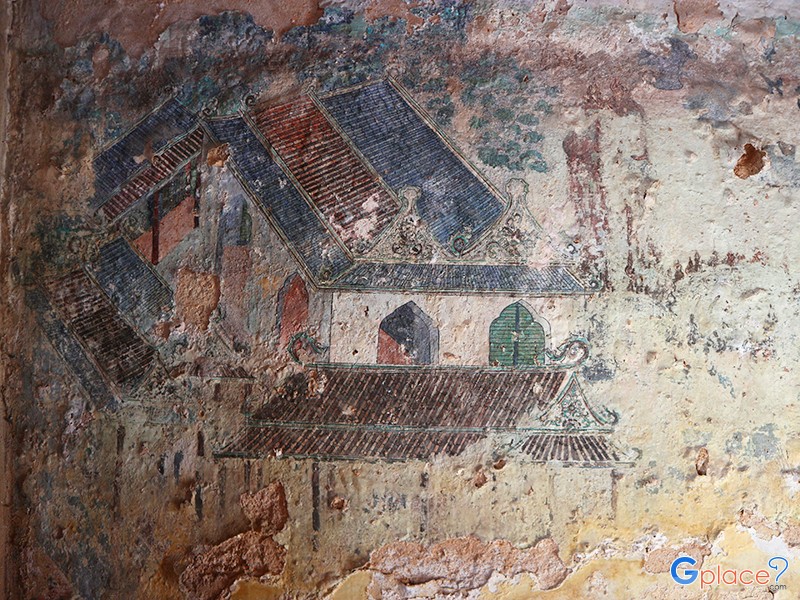
The gable area is decorated with finely crafted stucco floral motifs, enhanced with fragments of Chinese porcelain embedded into the design. This decorative approach highlights the strong influence of Chinese art during the late Ayutthaya period, particularly in temple construction and royal craftsmanship. It also serves as physical evidence of active maritime trade networks and cultural exchange between Siam and China during that era.Inside the viharn is enshrined “Luang Pho Sukhothai,” a stucco Buddha image in the Mara-Vijaya posture. The statue exhibits refined Sukhothai artistic influence, with an oval face, continuous arched eyebrows, a calm gaze, and a subtle, gentle smile. These characteristics demonstrate how Sukhothai aesthetic ideals continued to influence Buddhist sculpture well into the Ayutthaya period, creating a layered artistic identity that evolved rather than replaced earlier traditions.The mural paintings inside the viharn are regarded as the temple’s most valuable cultural asset. Executed in traditional pigment techniques, they depict scenes from the Ten Jataka tales and the life of the Buddha. The composition follows a continuous narrative style, allowing multiple episodes to unfold within a single visual field. The brushwork is simple yet dynamic, creating a sense of movement and storytelling across the walls.These murals also provide important historical insight into everyday life during the transitional period between late Ayutthaya and early Rattanakosin. Clothing styles, architectural forms, social activities, and cultural practices are all carefully illustrated, making the paintings an important visual record for historical and anthropological study. The balanced composition of space further allows viewers to “read” the stories in a flowing, uninterrupted sequence.
Another significant feature of the viharn is its traditional system of natural ventilation and lighting. Strategically placed openings allow air to circulate freely while controlling heat buildup inside the structure. Soft natural light enters the building, illuminating the murals without causing glare or damage. This sophisticated environmental design reflects the deep understanding of Thai traditional architecture in harmonizing sacred space with tropical climate conditions.Overall, Wat Chotikaram stands not only as a place of worship but also as a valuable cultural and historical archive. It preserves rare architectural forms, layered artistic influences, and visual narratives that document the evolution of Thai society from the late Ayutthaya period into the early Rattanakosin era.
How to Get There
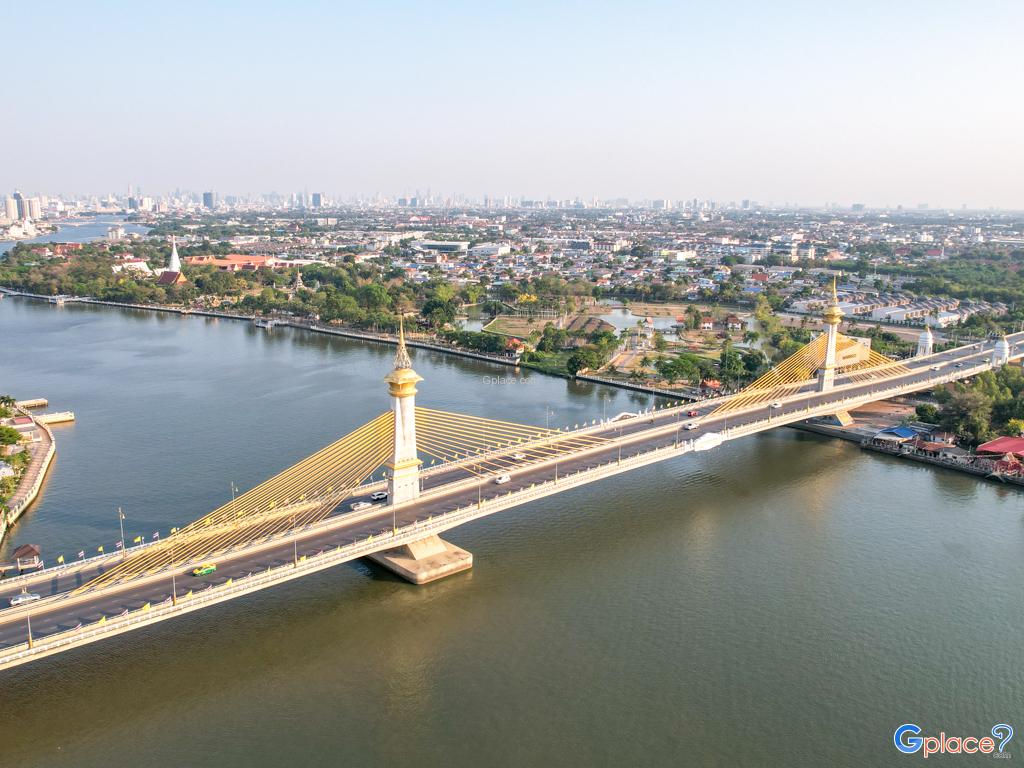
- By Car: From Nakhon In Road, head toward Rama V Bridge, turn into Wat Bang Phai Road, and follow the signs to the temple
- By Boat: Take a Chao Phraya express boat to Nonthaburi Pier, then continue by local transport for about 10–15 minutes
Travel Tips
Admission Fee:
- Free
Opening Hours:
- Open daily from 08:00 AM – 05:00 PM
Wat Chotikaram

 Share
Share
 Bang Phai, Mueang Nonthaburi, Nonthaburi 11000
Map
Bang Phai, Mueang Nonthaburi, Nonthaburi 11000
Map
 Closed today
Mon8.00 - 17.00
Tue8.00 - 17.00
Wed8.00 - 17.00
Thu8.00 - 17.00
Fri8.00 - 17.00
Sat8.00 - 17.00
Sun8.00 - 17.00



 48
48