 Attractions
  Hotel
Hotel  Restaurant
  Shopping
  Abroad





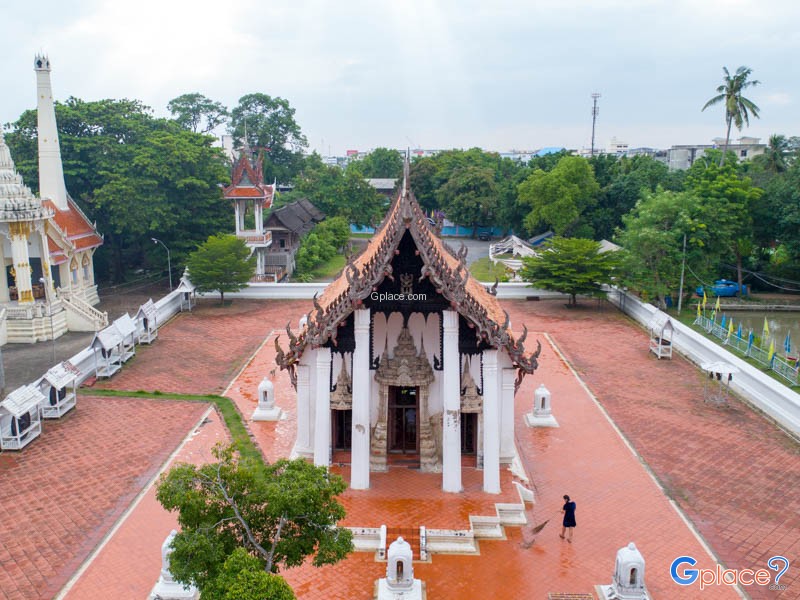

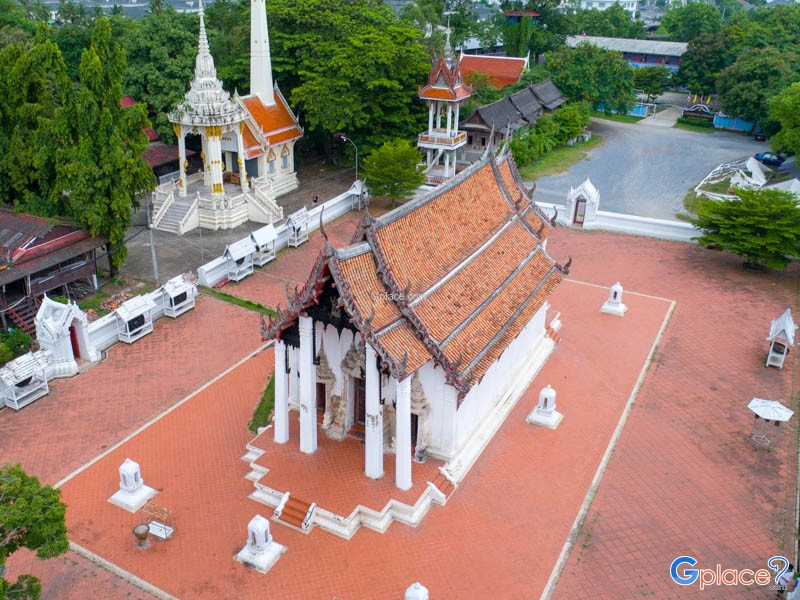
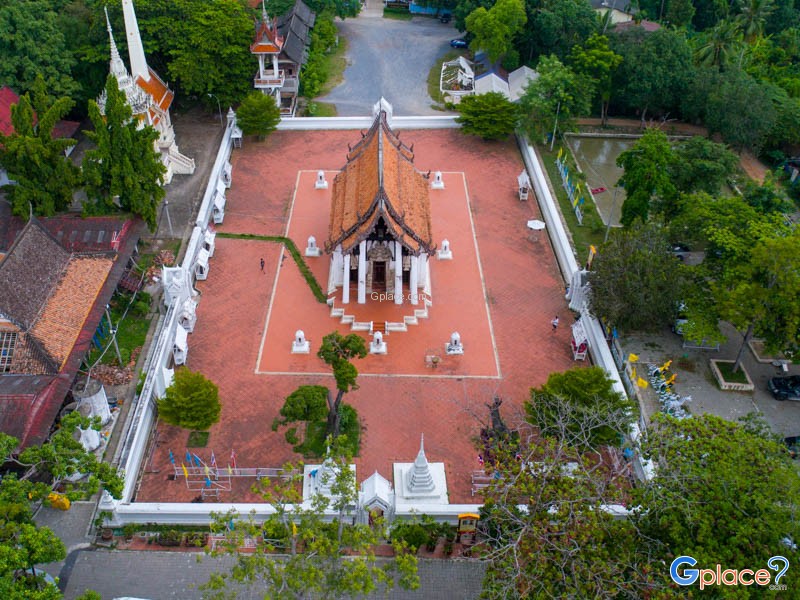
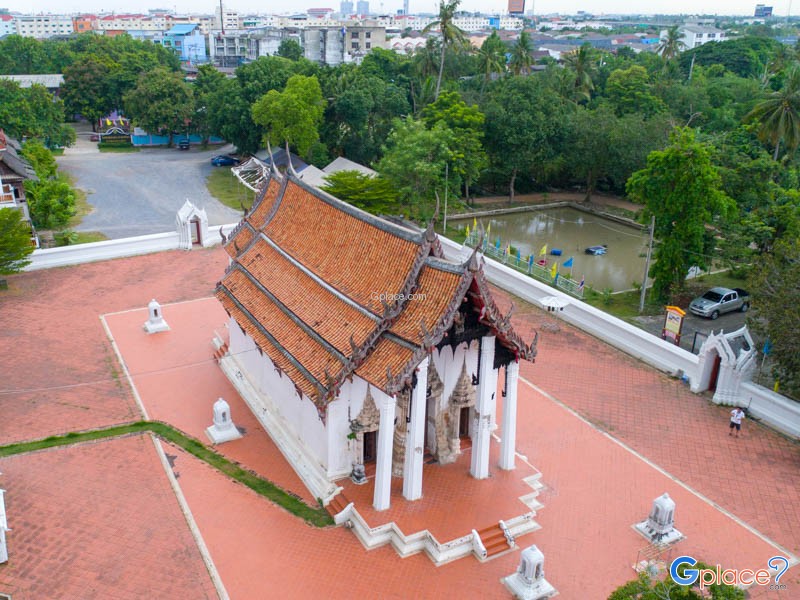
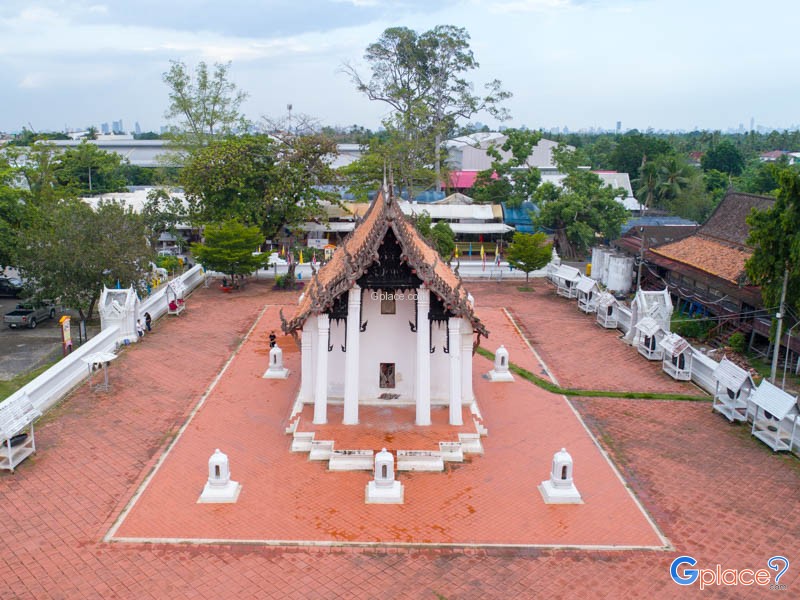
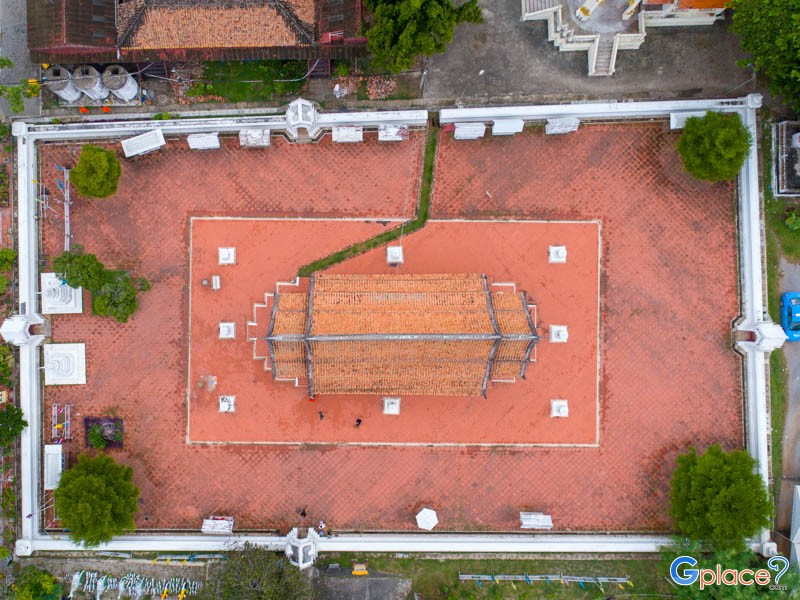
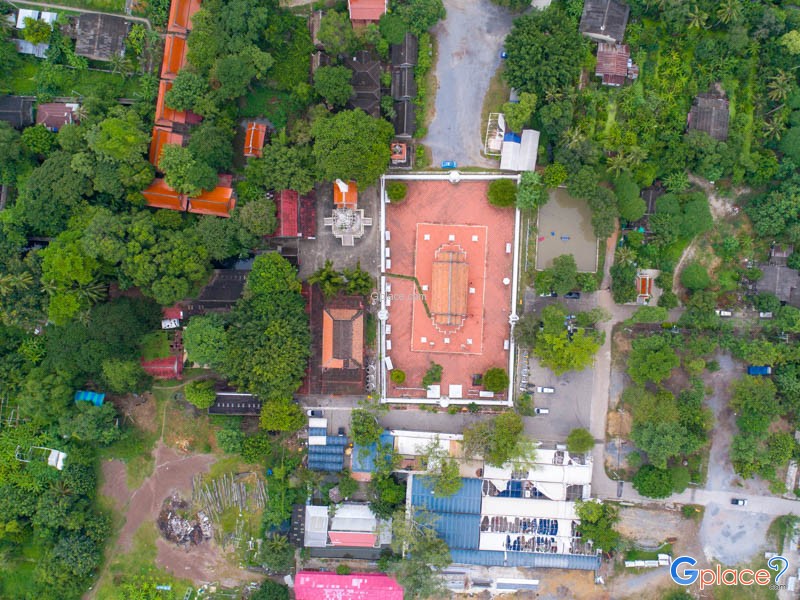
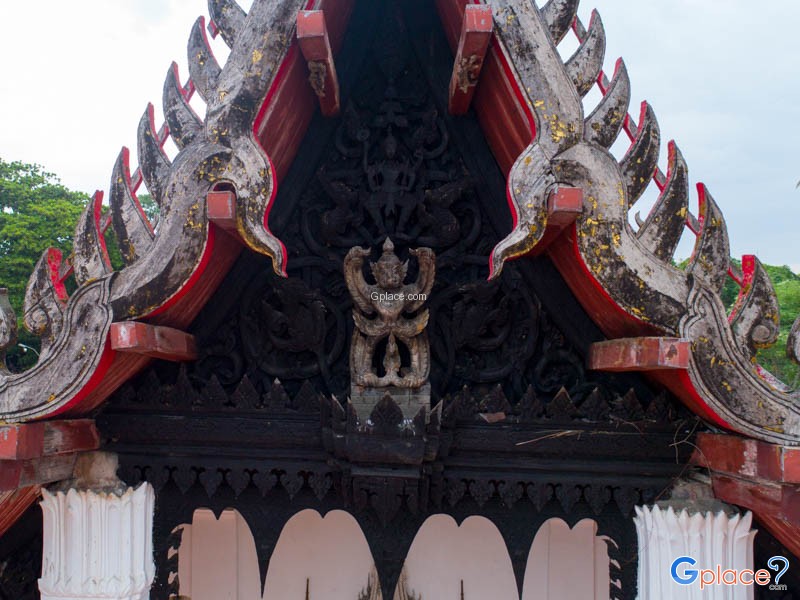
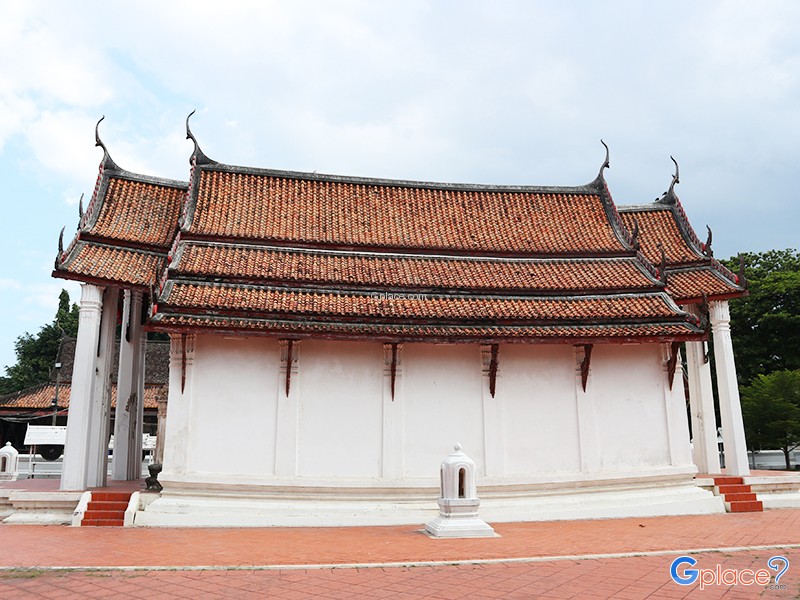
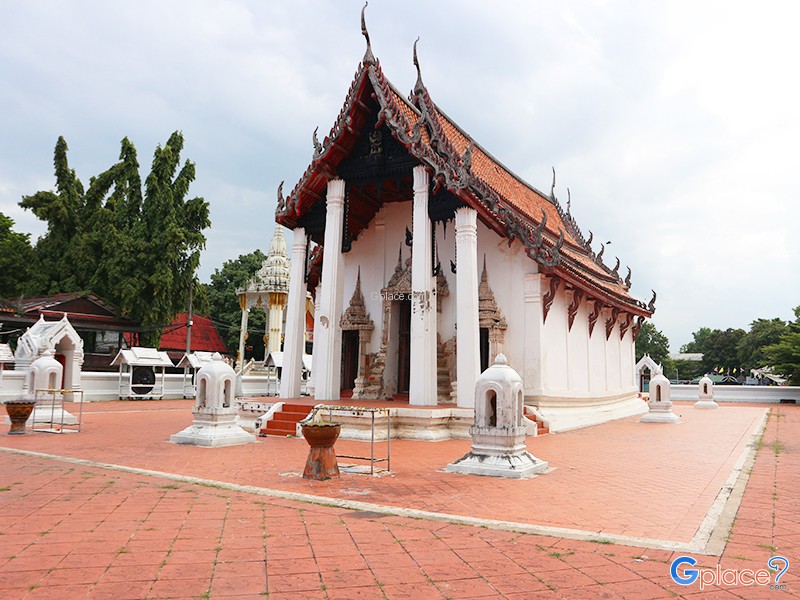
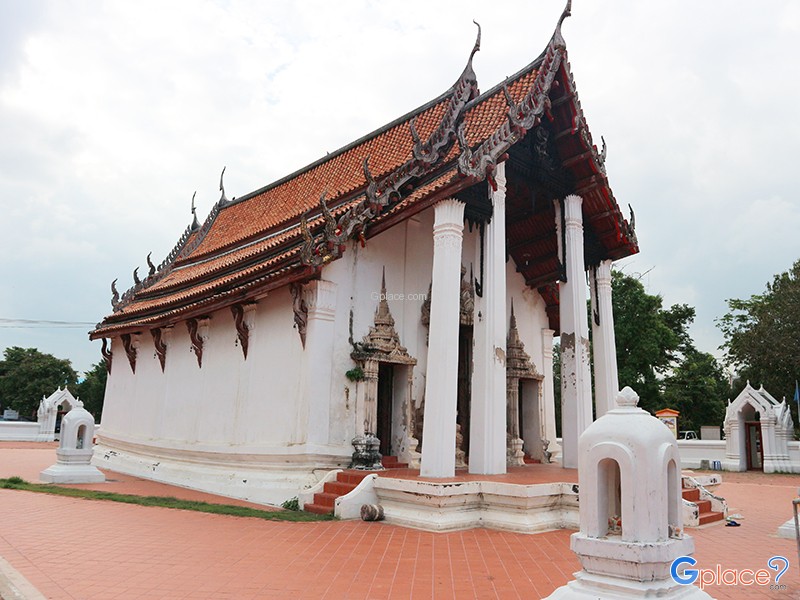
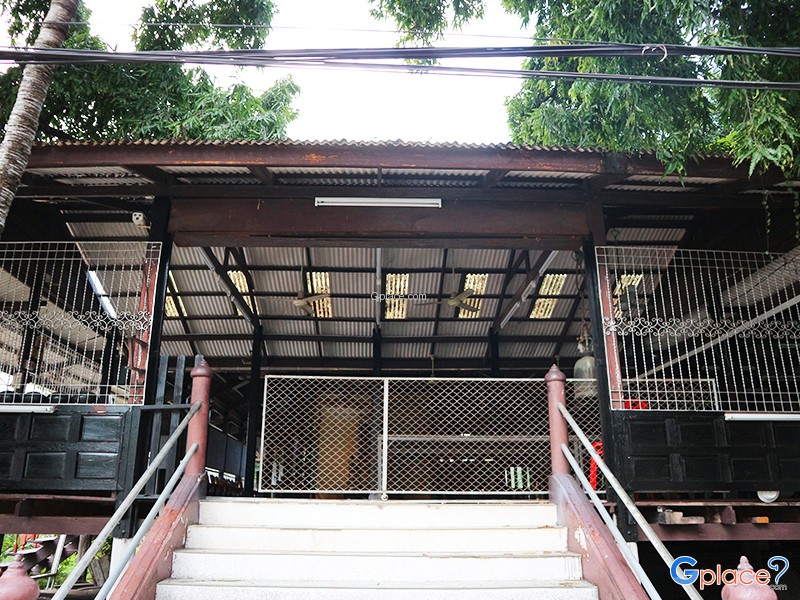
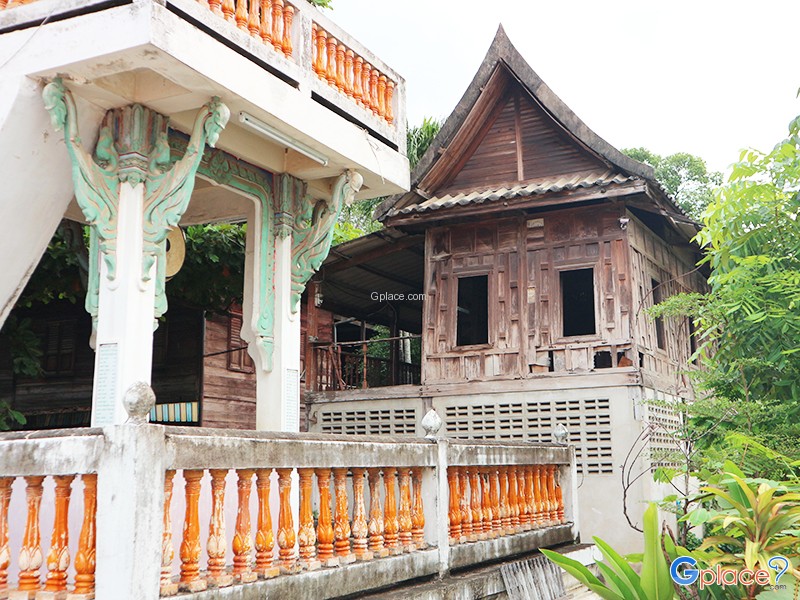
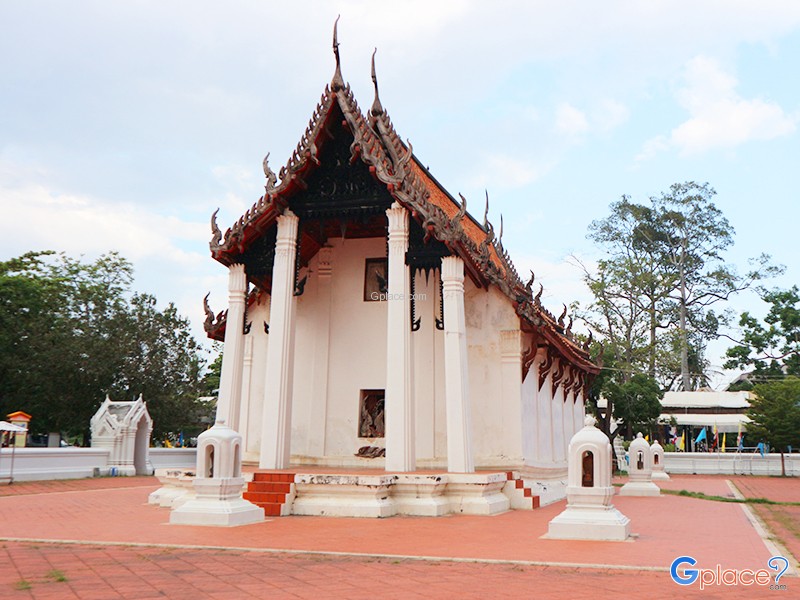
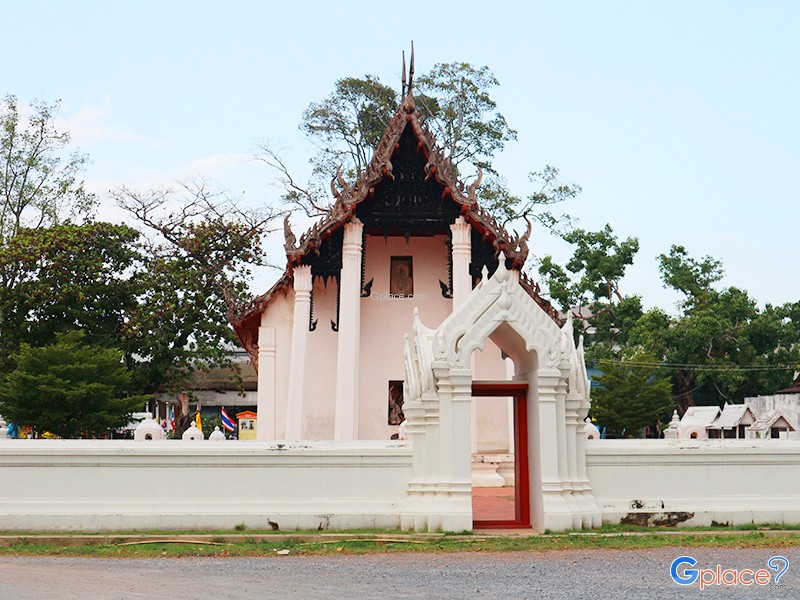
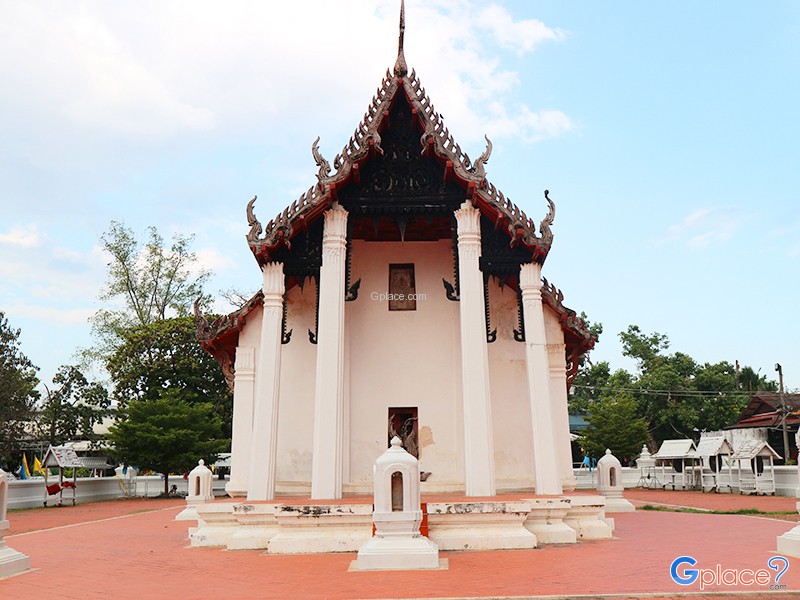
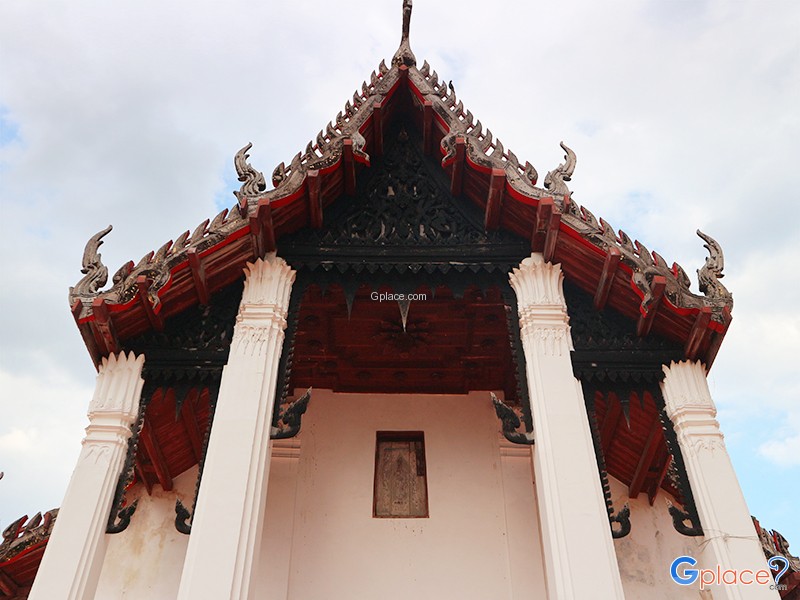
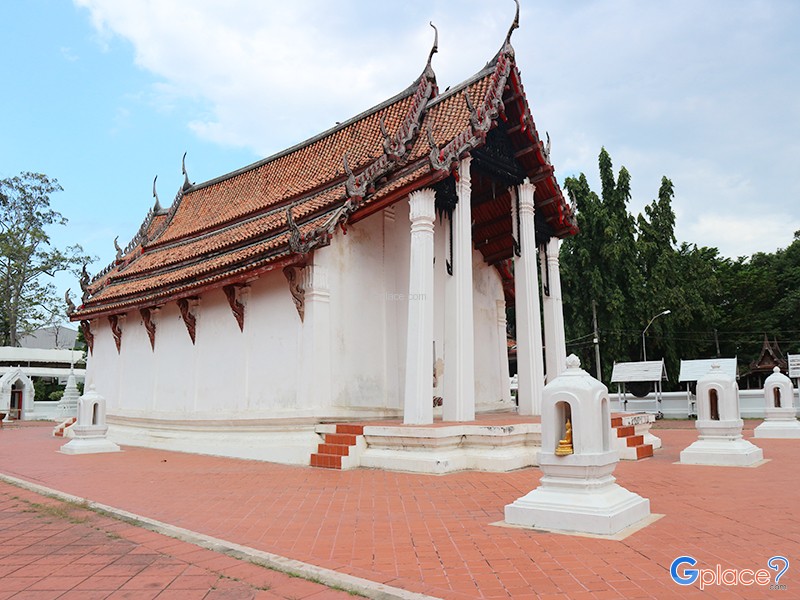
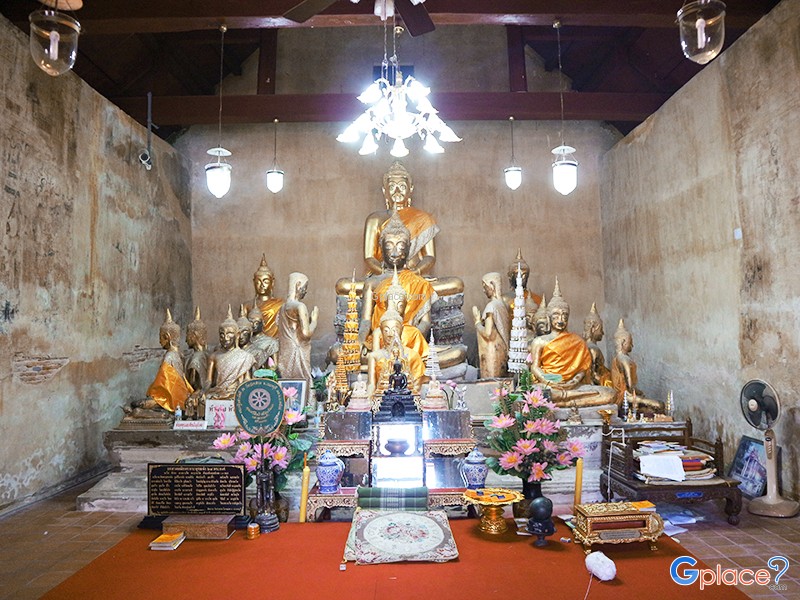
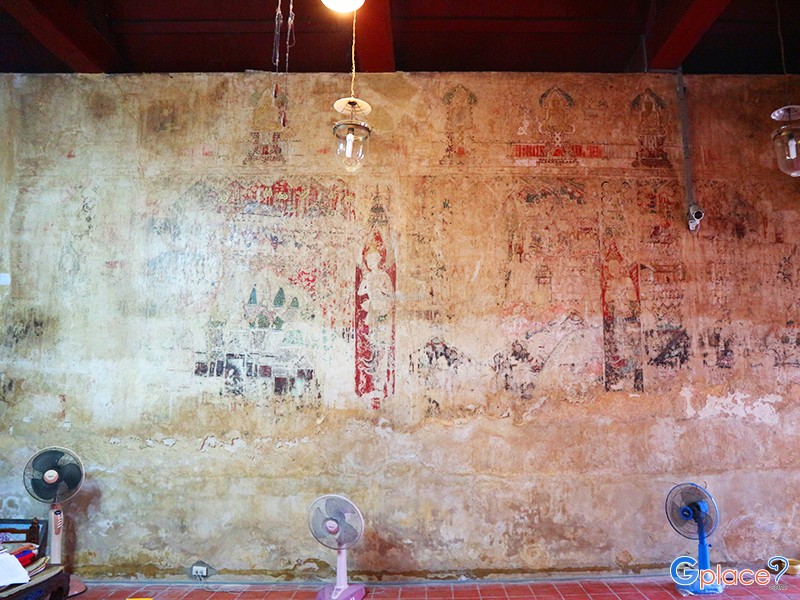
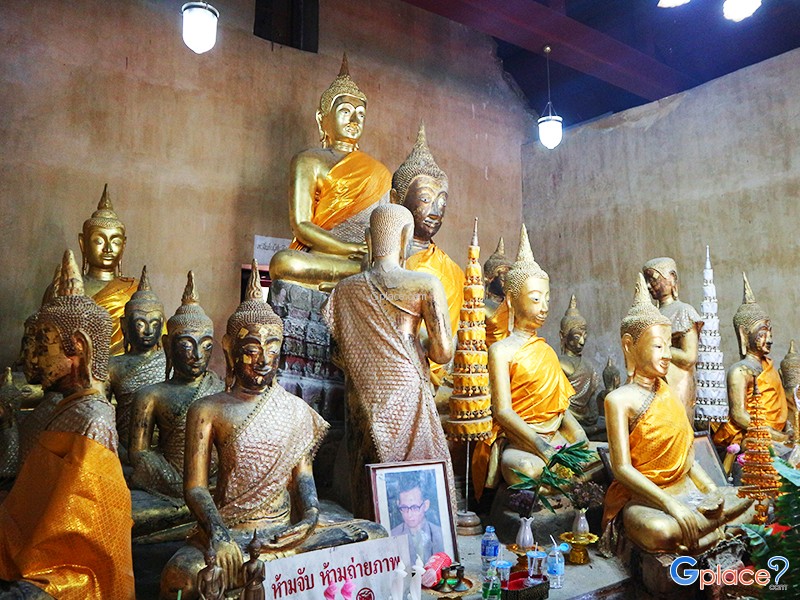
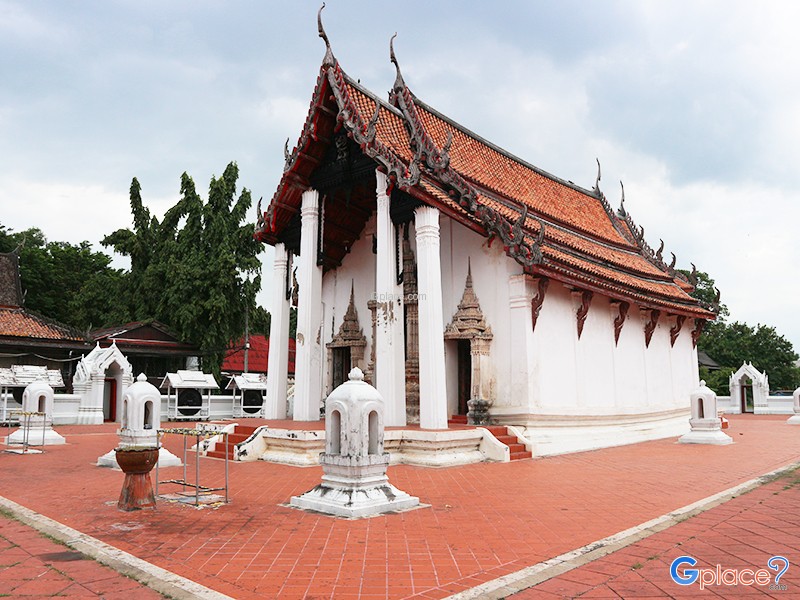
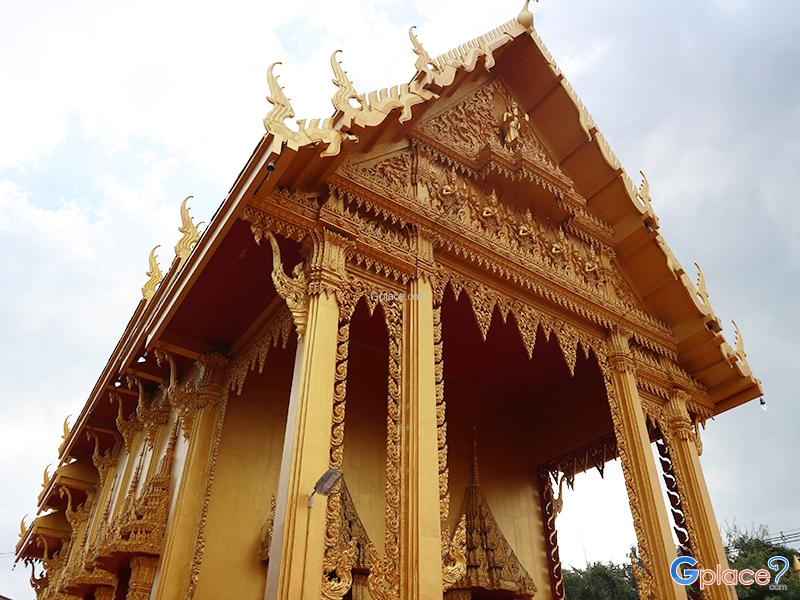
“A “maha-ut” ordination hall shaped like a Chinese junk, with no windows, housing Luang Pho Yai and Ayutthaya-period Ten Jataka mural paintings.”
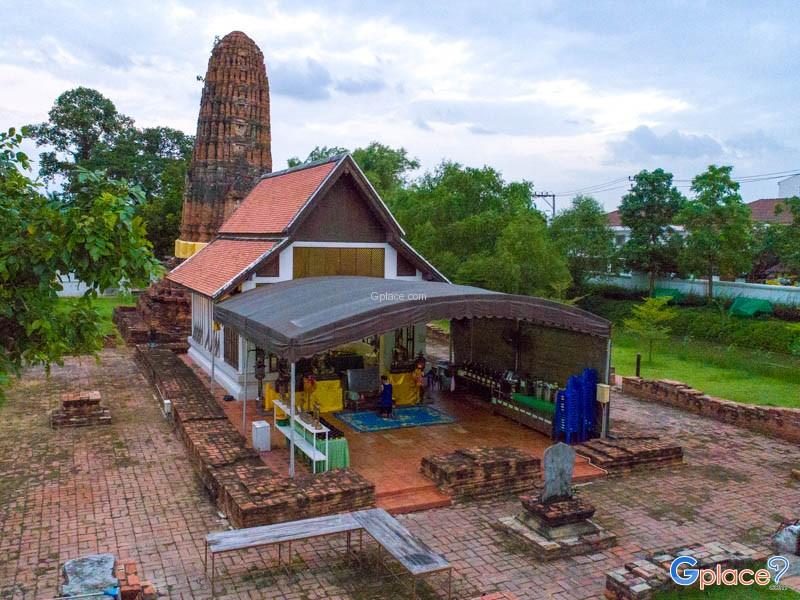
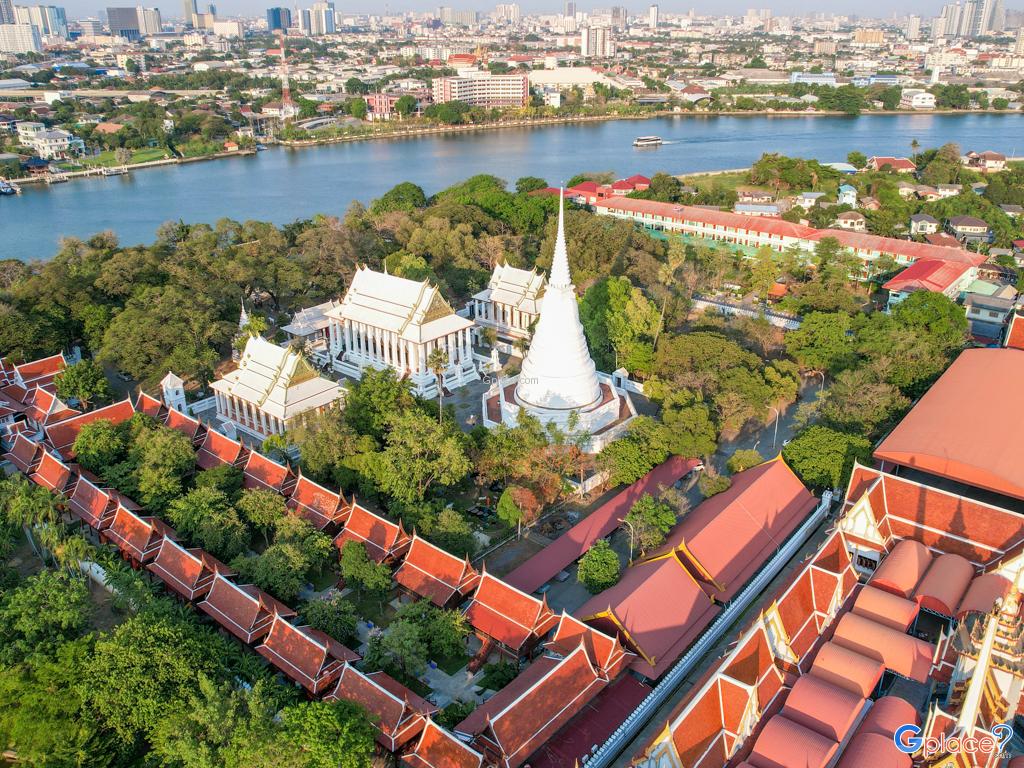
Wat Prasat is an ancient local temple located in the western floodplain of the Chao Phraya River, an area historically significant as one of the earliest settlement zones in Nonthaburi Province. The temple is believed to have been established during the late Ayutthaya period (approximately the 17th–18th Buddhist centuries), a time when riverside communities were rapidly expanding along the main waterways of central Thailand, forming important trade and cultural networks.Due to its architectural and artistic significance, Wat Prasat has been registered as a historical monument by the Fine Arts Department, which seeks to preserve its remaining cultural heritage, including traditional building structures, construction techniques, and surviving mural paintings that reflect ancient Thai belief systems and artistic expression.The central highlight of the temple is its “maha-ut” ordination hall, a rare architectural form that is seldom found in contemporary temples. This style is characterized by completely solid exterior walls with no surrounding windows, except for a main entrance and a small light opening located behind the principal Buddha image. This architectural design is not merely aesthetic but deeply symbolic, reflecting Buddhist cosmology and the belief in creating a purified sacred space that blocks out impurity and negative influences from the outside world. As a result, it is often used for highly sacred rituals, particularly ordination ceremonies.Structurally, the ordination hall features a distinctive curved form resembling the hull of a Chinese junk ship. In traditional Thai architectural terminology, this curvature is referred to as “tok thong chang” (elephant-belly curve). This form is a hallmark of late Ayutthaya craftsmanship and carries symbolic meaning, representing a spiritual vessel that guides practitioners across the ocean of suffering toward liberation, protection, and inner stability.
Inside the hall is enshrined “Luang Pho Yai,” a large stucco Buddha image in the Mara-vijaya posture. The sculpture follows classical Ayutthaya artistic conventions, featuring a serene and gently rounded facial expression, balanced proportions, and a calm meditative presence. The Buddha is seated on a simple pedestal base, reflecting the Thai aesthetic philosophy that values spiritual tranquility over ornamental complexity.The interior walls are adorned with mural paintings depicting scenes from the “Ten Jataka Tales,” which narrate the former lives of the Buddha before attaining enlightenment. These murals were created using traditional dry pigment techniques, primarily in earthy tones such as red, brown, black, and white. The compositions remain faithful to Ayutthaya artistic traditions, featuring layered spatial arrangements without Western linear perspective, elongated facial features with narrow eyes, and continuous narrative storytelling across wall surfaces, allowing viewers to read the murals like illustrated literature.Although parts of the murals have deteriorated over time due to age and environmental exposure, they remain an invaluable historical record of late Ayutthaya mural painting and provide important insight into the development of Thai religious art.
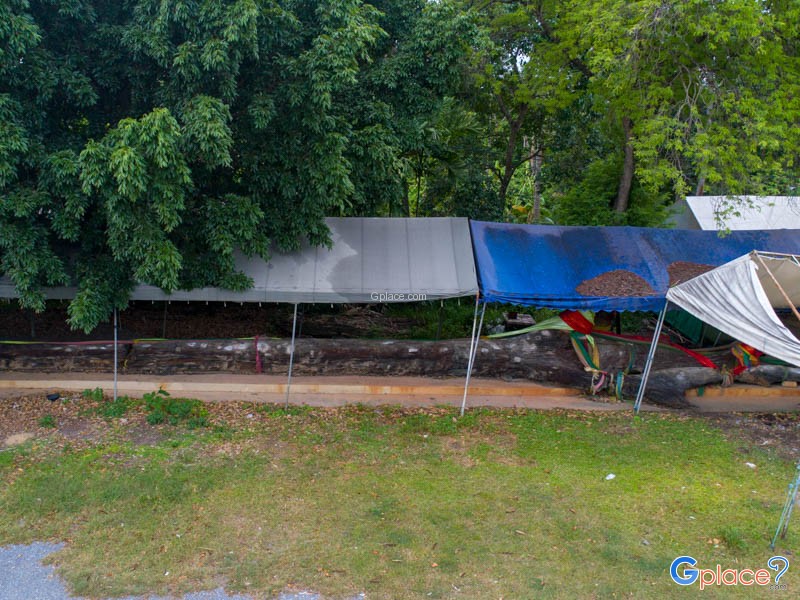
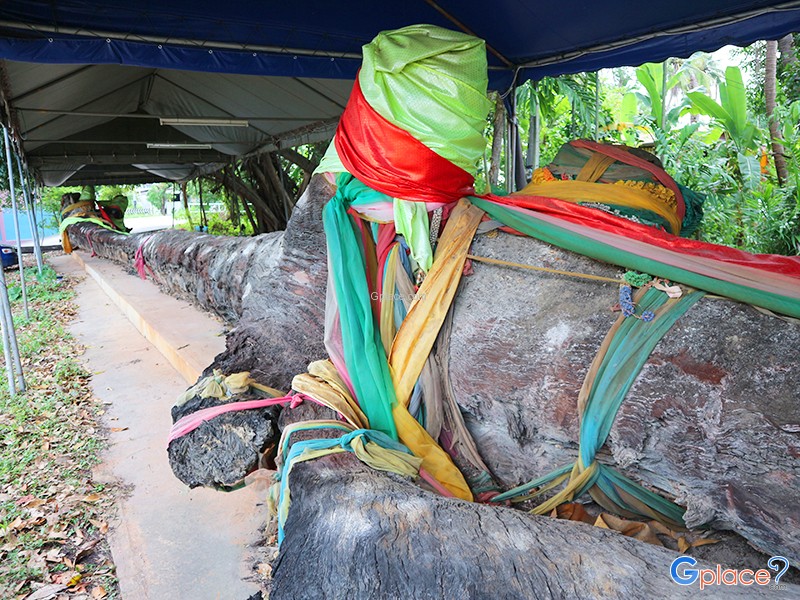
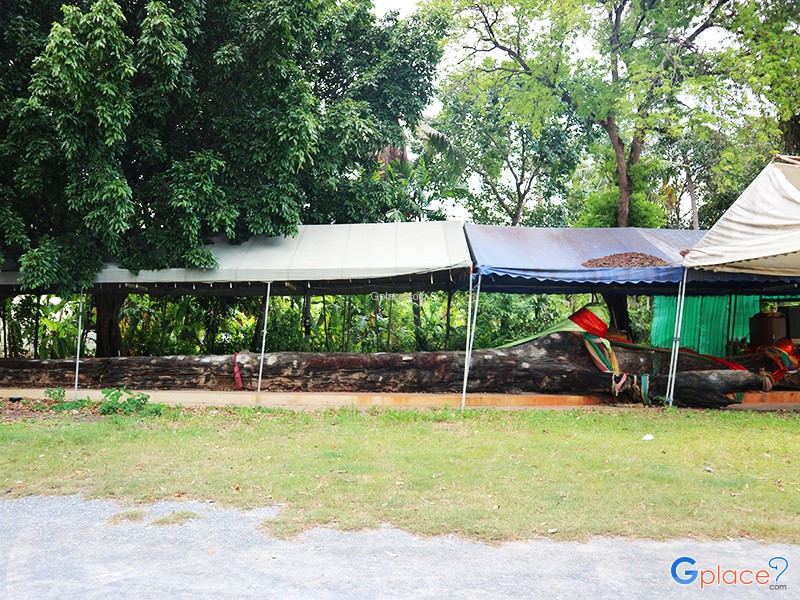
Beyond its architectural and artistic value, the temple grounds also feature a large ancient takian tree, believed to be several hundred years old. This tree is deeply revered by local communities, who often tie colorful cloths around its trunk as offerings and expressions of faith. This practice reflects the cultural integration of Buddhism with indigenous animistic beliefs, which continue to play an important role in the spiritual identity of riverside communities in central Thailand.
How to Get There
- By Car: Take Ratchaphruek Road turn onto Bang Kruai–Sai Noi Road enter Soi Wat Prasat
- By Public Transport: From Nonthaburi Pier, take a ferry to Bang Si Mueang side, then continue by local songthaew passing the temple
Travel Tips
- Dress modestly
- Visit in the morning for the best natural light inside the hall
- A wide-angle lens is recommended for photography
- The interior is quite dim, so a camera suitable for low light is helpful
Admission Fee:
- Free admission (donations are welcome)
Opening Hours:
- Open daily: 07:00 AM – 06:00 PM
Wat Prasat

 Share
Share
 Bang Krang, Mueang Nonthaburi, Nonthaburi 11000
Map
Bang Krang, Mueang Nonthaburi, Nonthaburi 11000
Map
 Open now : 7.00 - 18.00
Mon7.00 - 18.00
Tue7.00 - 18.00
Wed7.00 - 18.00
Thu7.00 - 18.00
Fri7.00 - 18.00
Sat7.00 - 18.00
Sun7.00 - 18.00



 63
63