 Attractions
  Hotel
Hotel  Restaurant
  Shopping
  Abroad





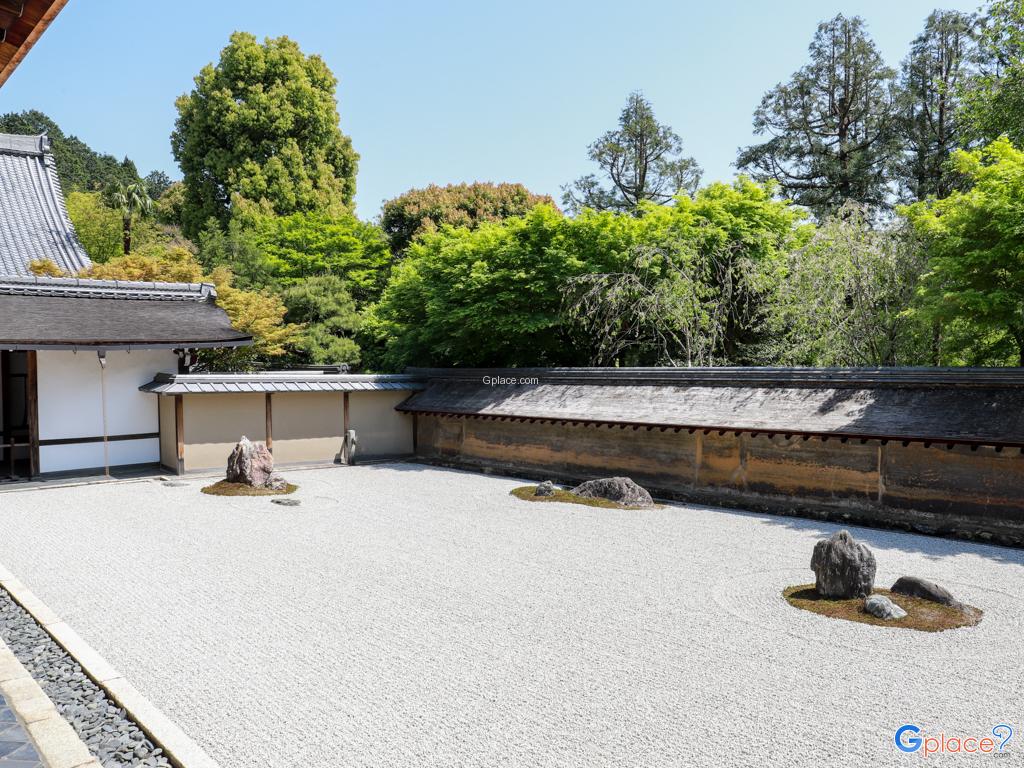

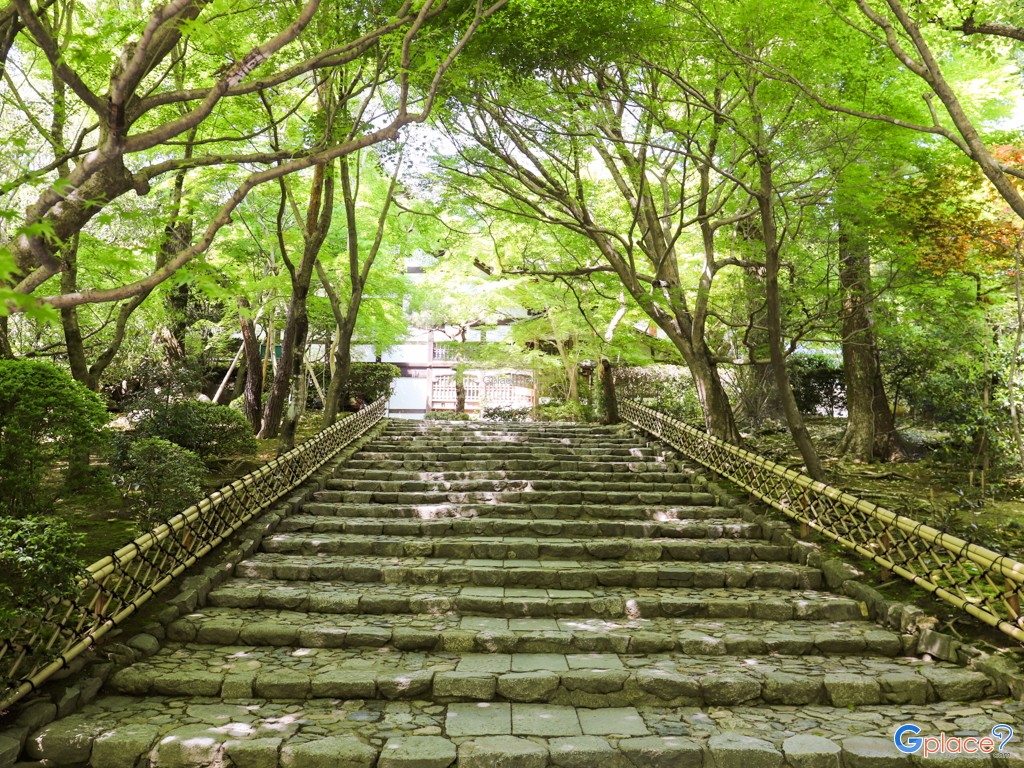
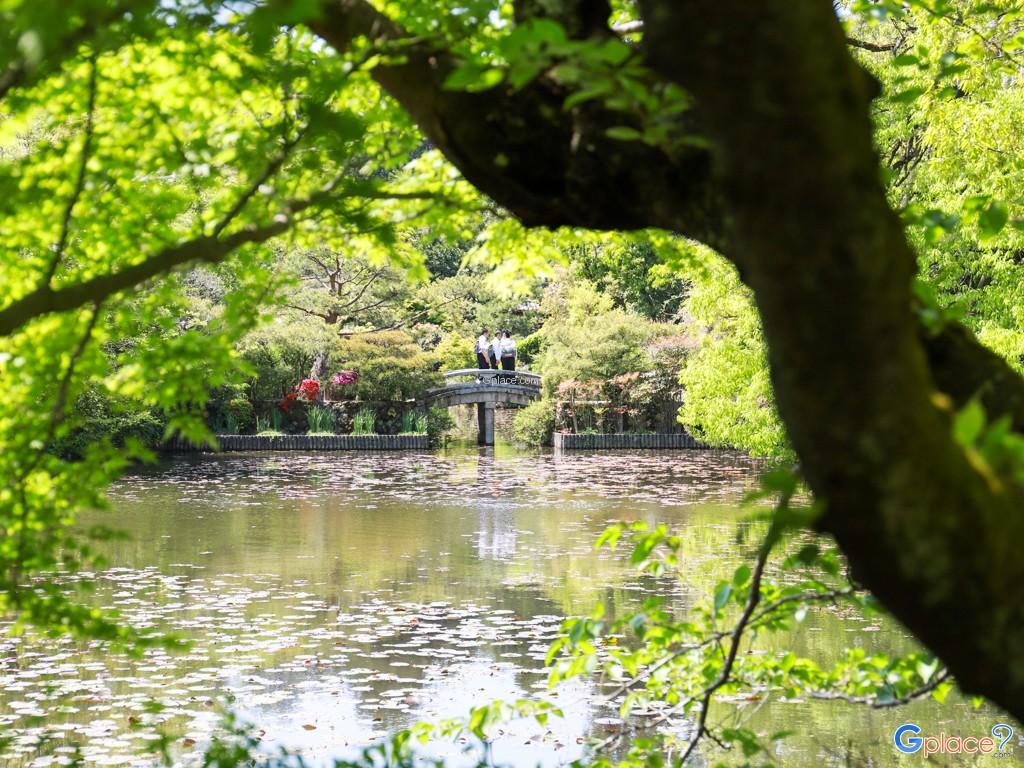
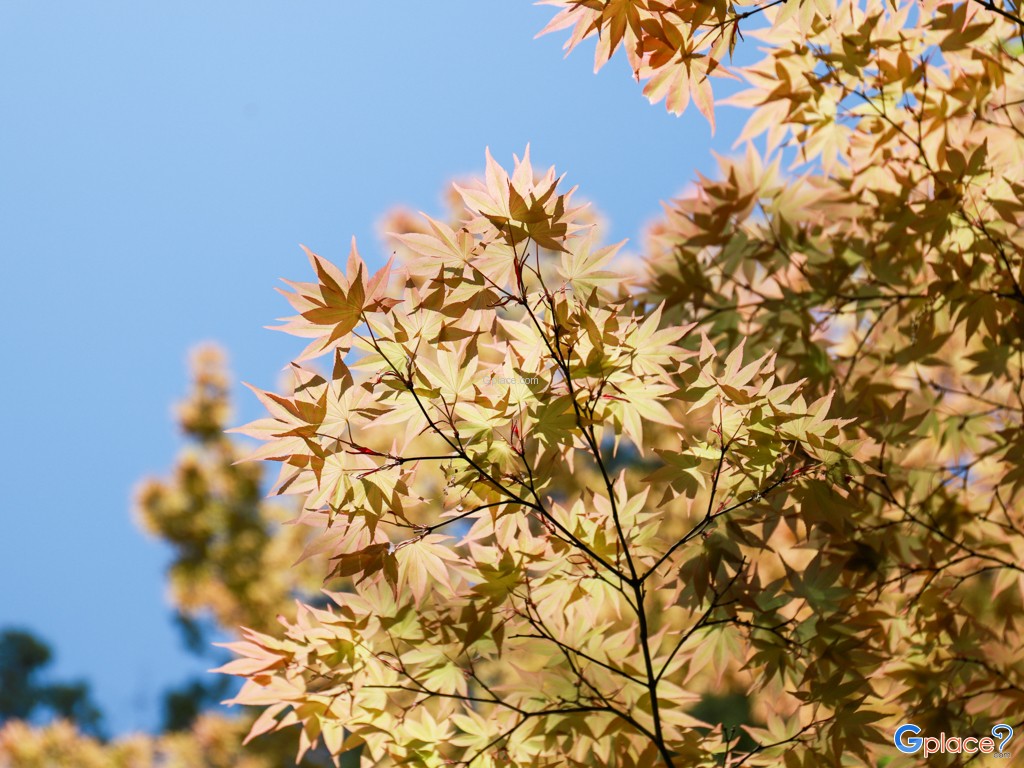
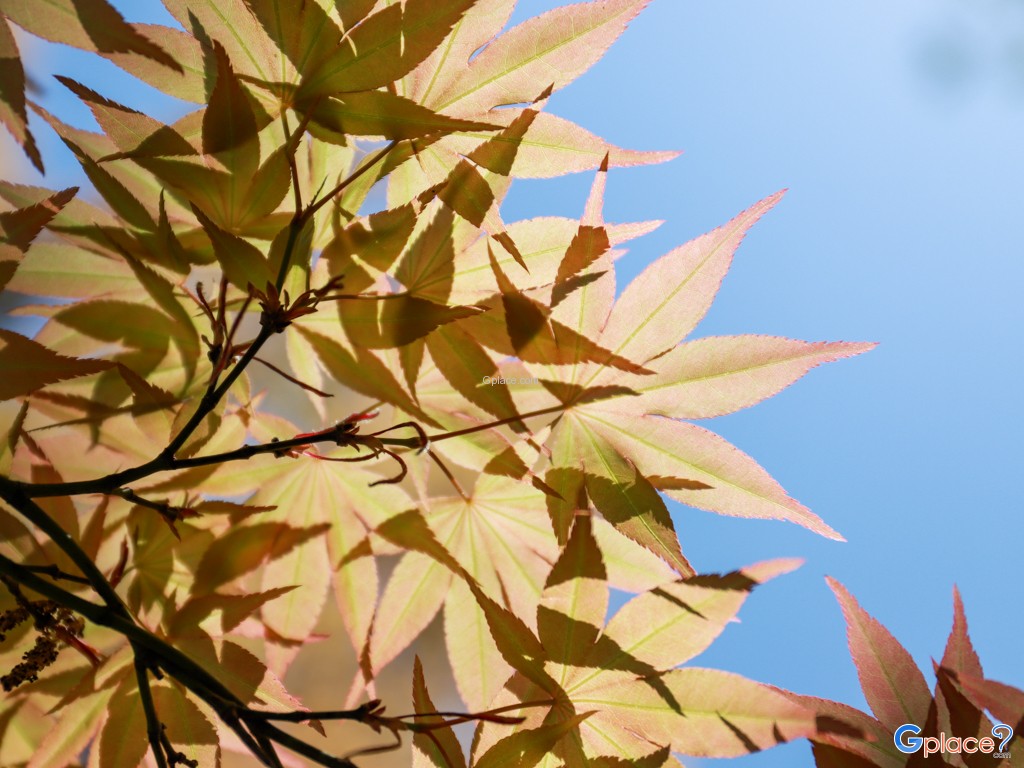
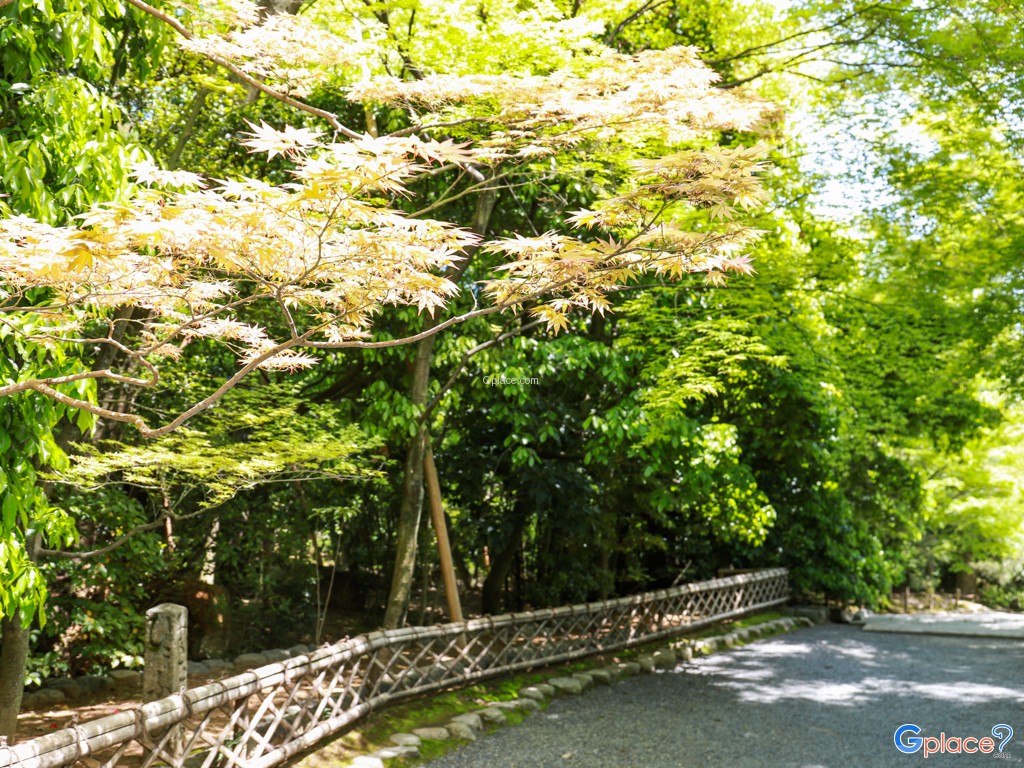
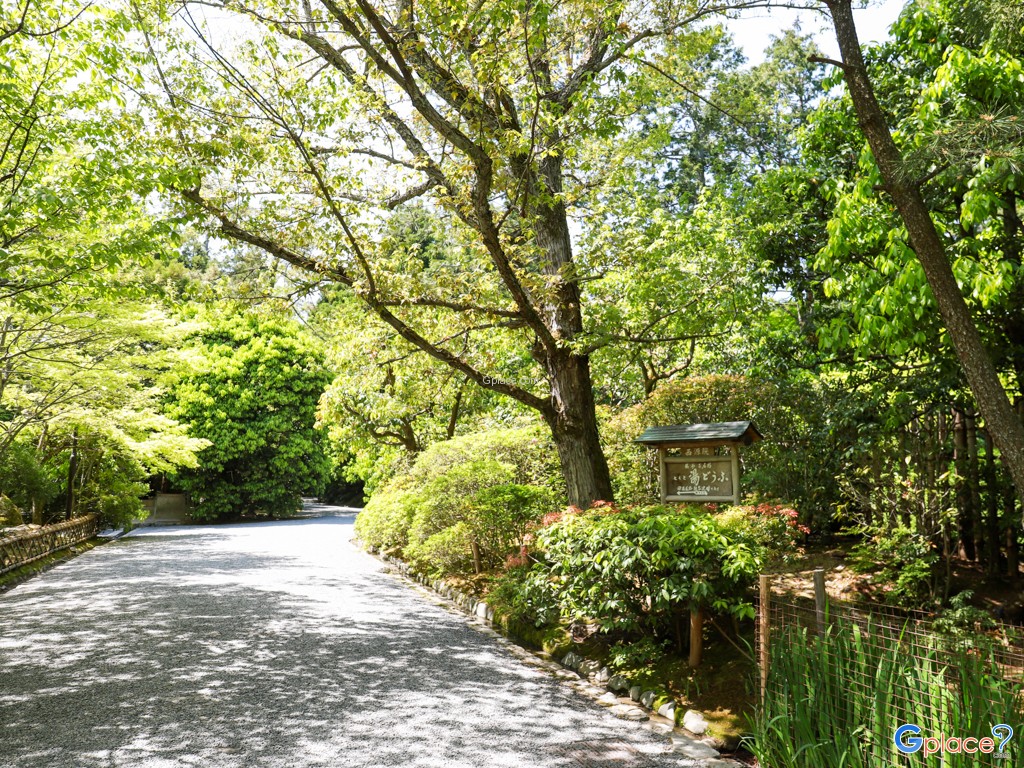
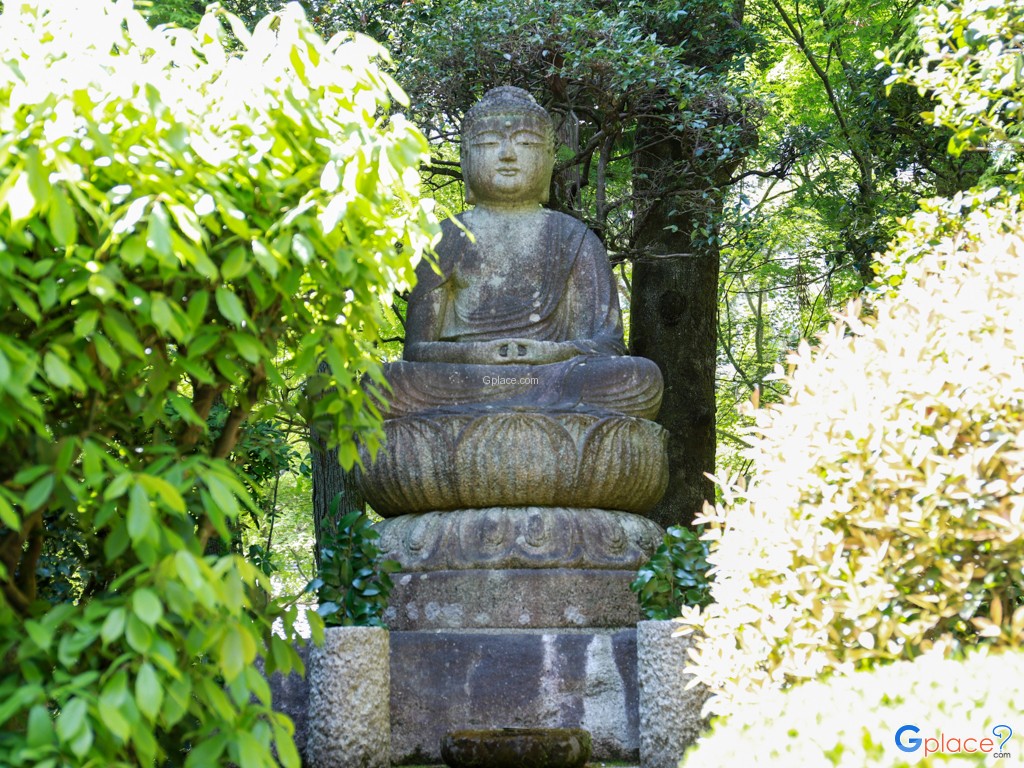
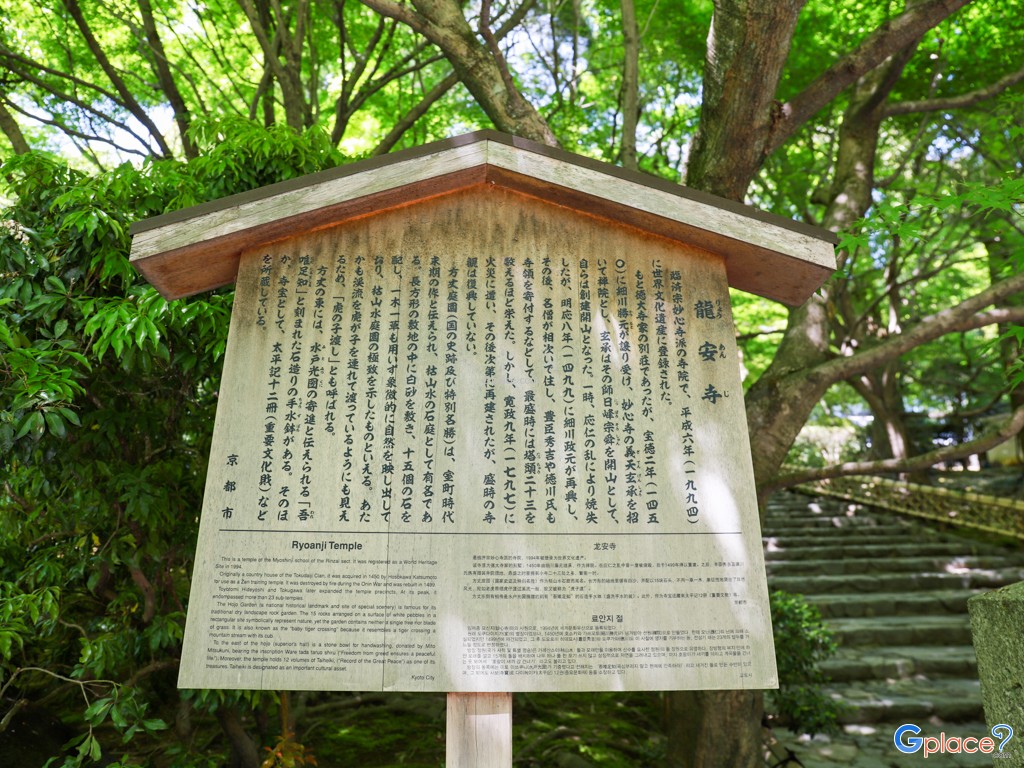
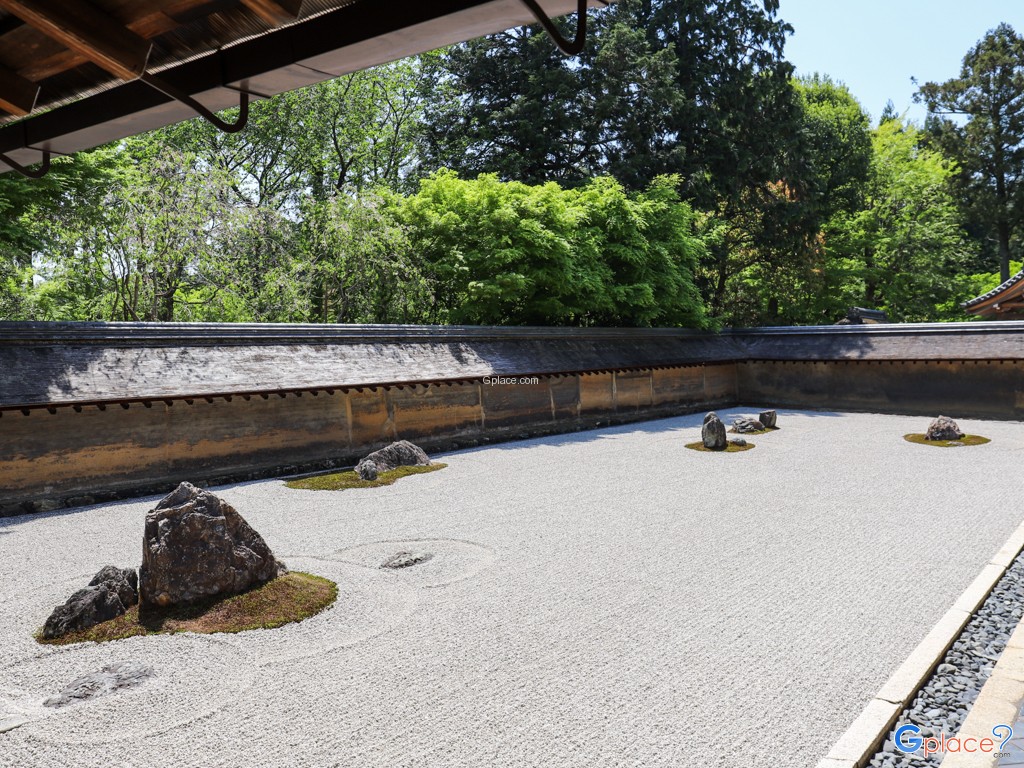
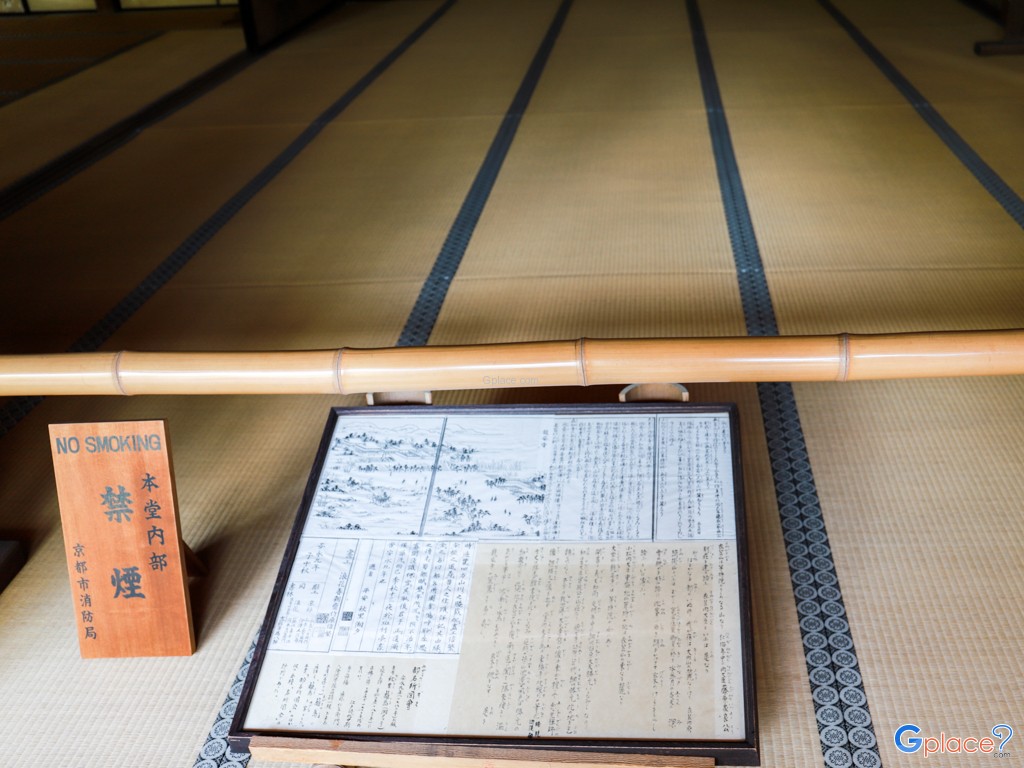
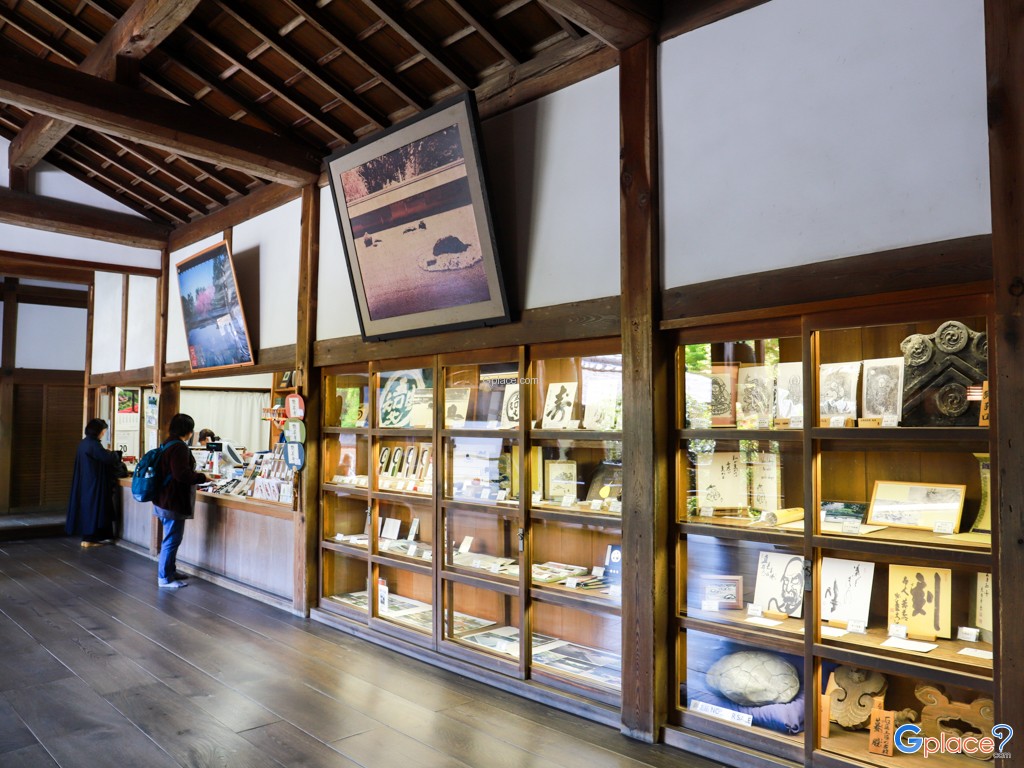
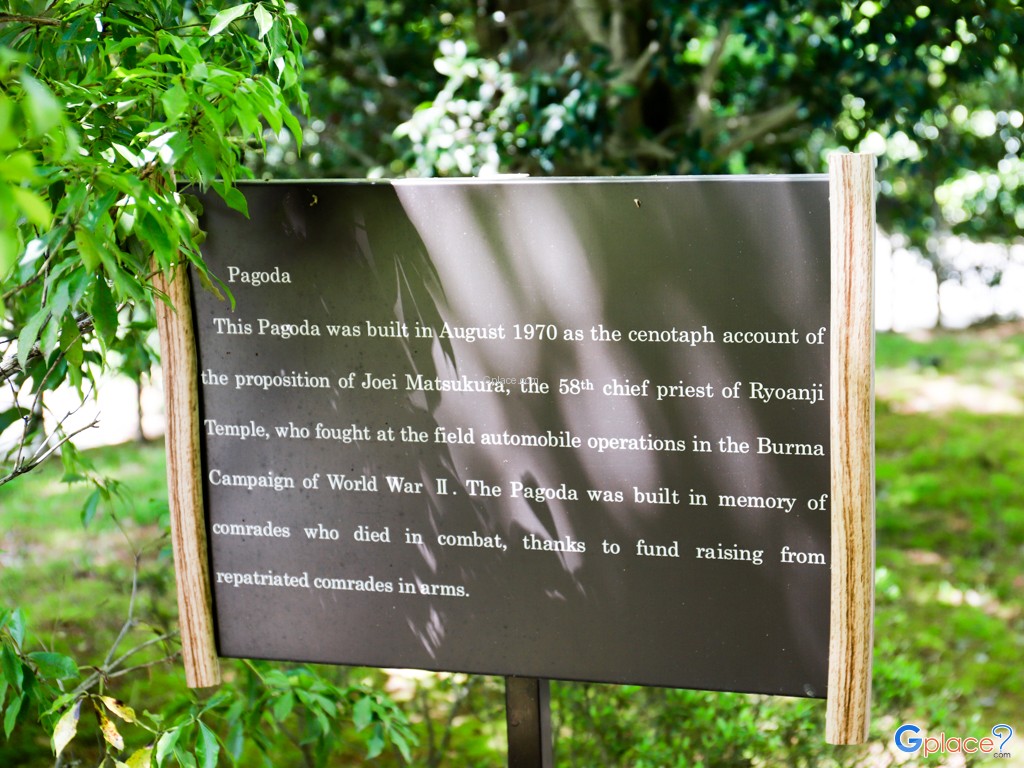

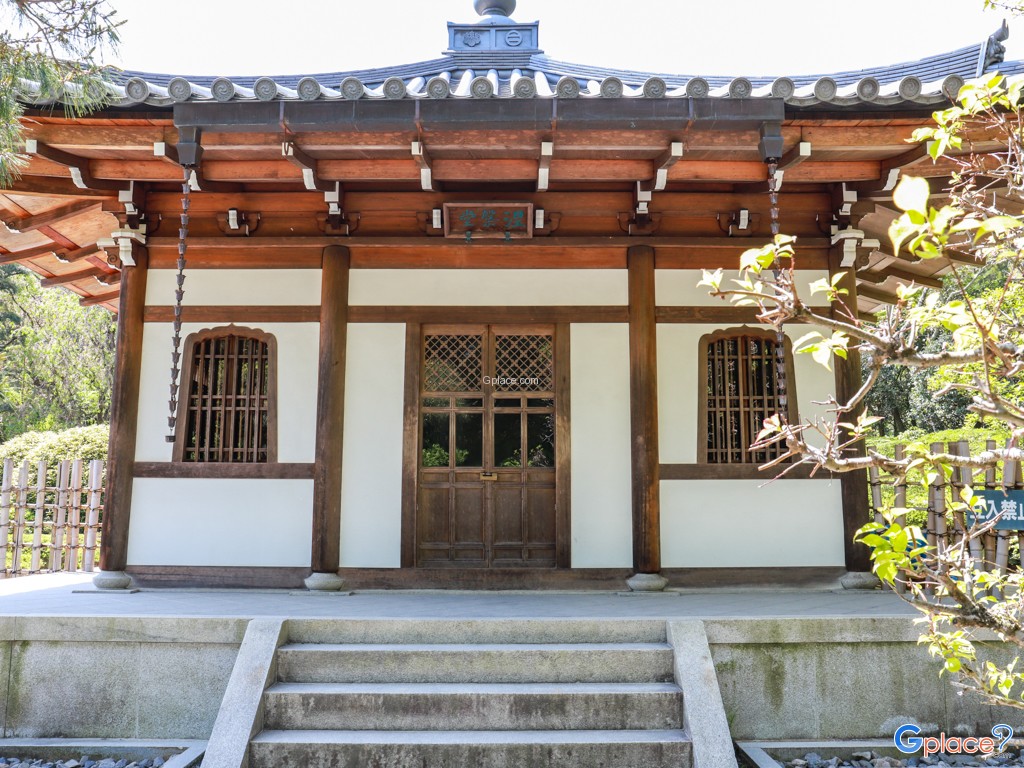
“A UNESCO World Heritage Zen temple renowned for its enigmatic 15-stone rock garden framed by a historic wabi-sabi clay wall.”
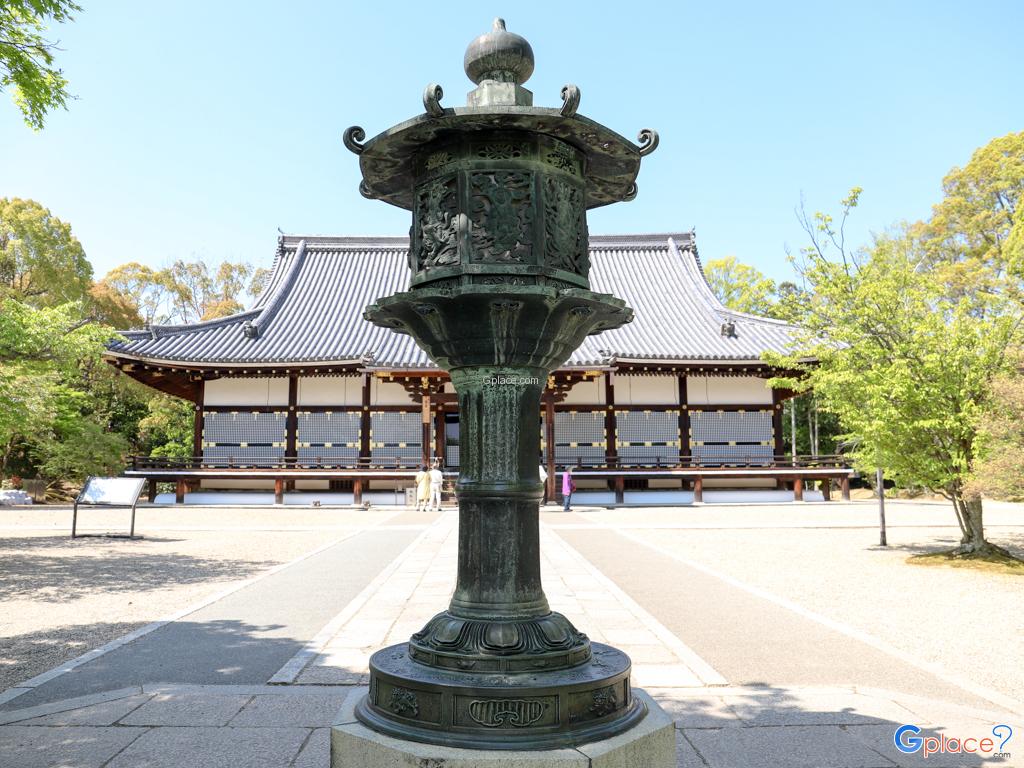
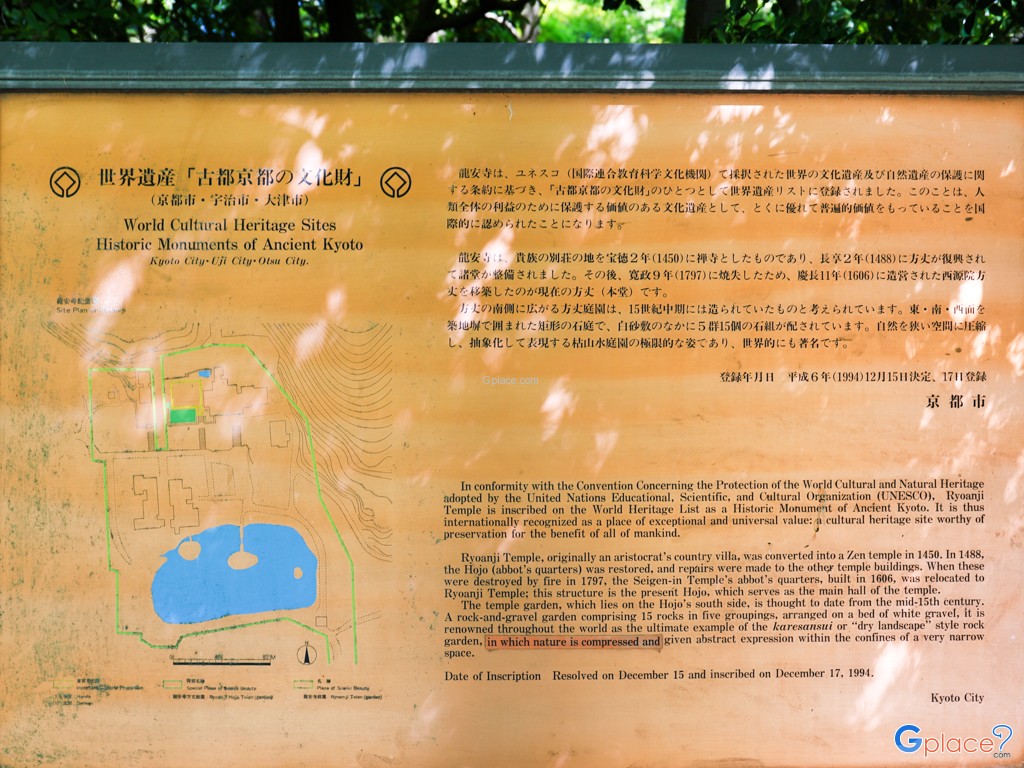
Ryoanji Temple is internationally regarded as the purest and most influential example of karesansui (dry landscape) Zen gardening. Founded in 1450 during the Muromachi period by Hosokawa Katsumoto, a powerful deputy to the Ashikaga Shogunate, the temple reflects Zen ideals of simplicity, silence, and abstraction. It was later destroyed during the Ōnin War (1467–1477) and rebuilt in 1499, which is why the garden’s original designer and exact creation process remain unknown—an enduring mystery that deepens its spiritual significance.
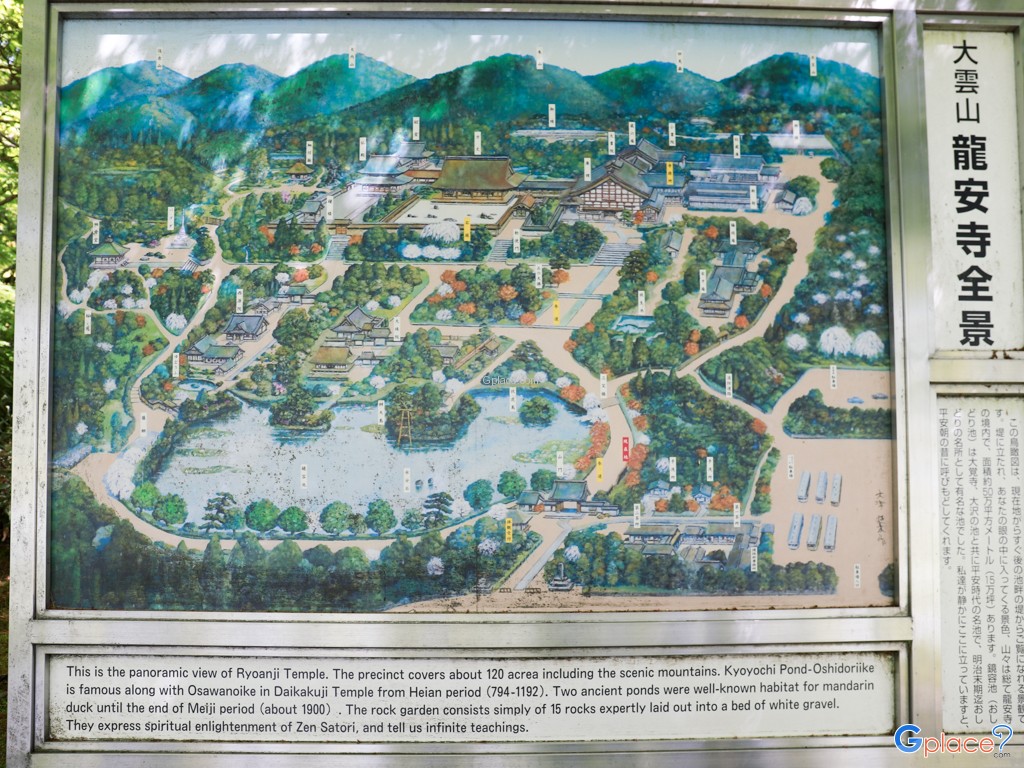
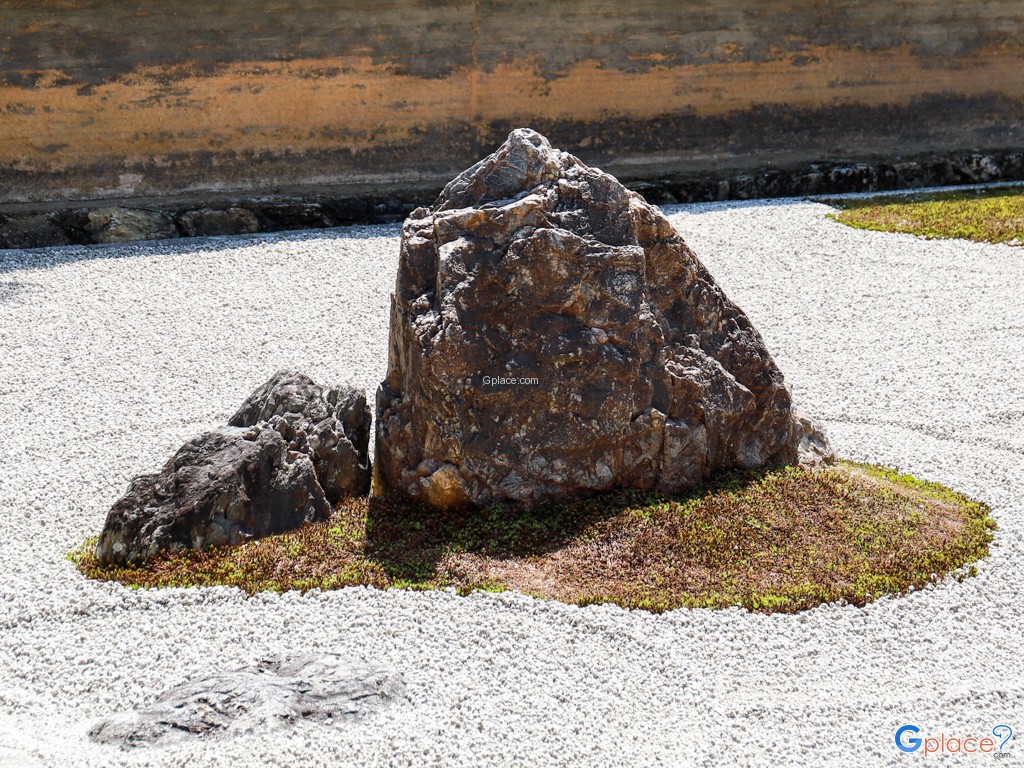
The centerpiece of the temple is the Hojo Teien (Rock Garden), a rectangular field of meticulously raked white gravel containing 15 stones arranged in five groups. From any viewing position on the veranda, at least one stone is always hidden, a deliberate optical design reinforced by subtle perspective control, including a slightly angled veranda floor. Zen tradition teaches that only through enlightenment can all fifteen stones be perceived at once. The garden contains no water, trees, or flowers; meaning is found in the Zen concept of mu (emptiness) and the relationship between form and void.
Framing the garden is the remarkable Abura-bei, a low clay wall made using oil-boiled clay. Over centuries, oil has naturally seeped out, creating a dark, weathered patina that embodies wabi-sabi—the beauty of impermanence, age, and imperfection. This wall is considered an architectural masterpiece and an essential visual counterbalance to the white gravel.
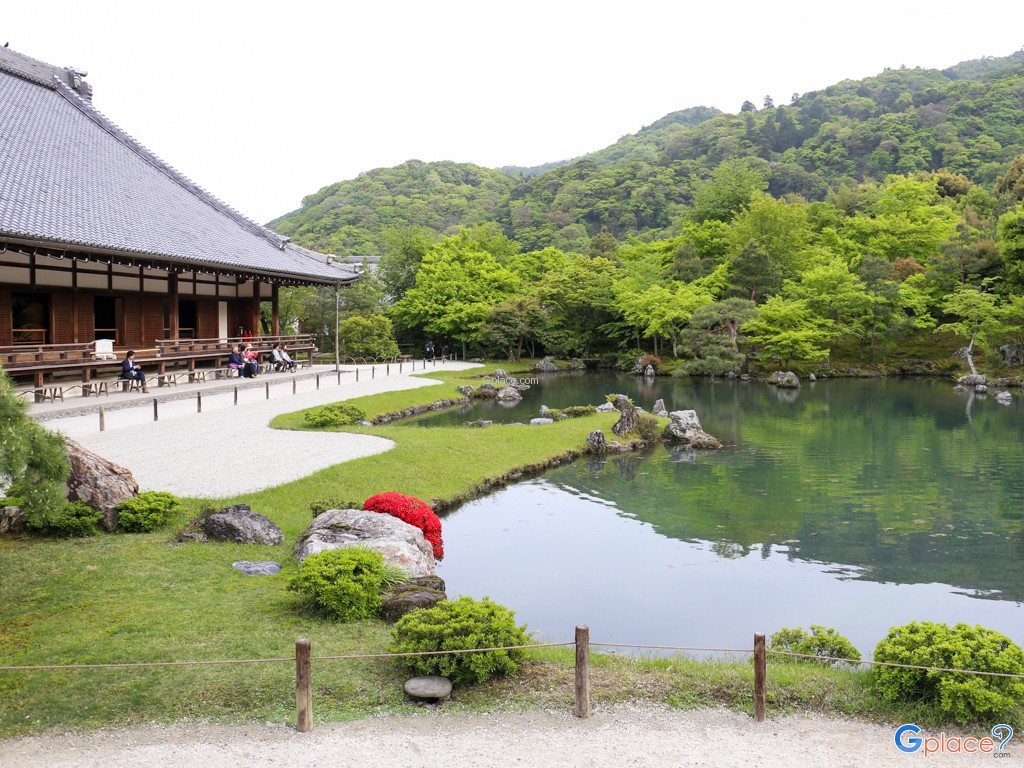
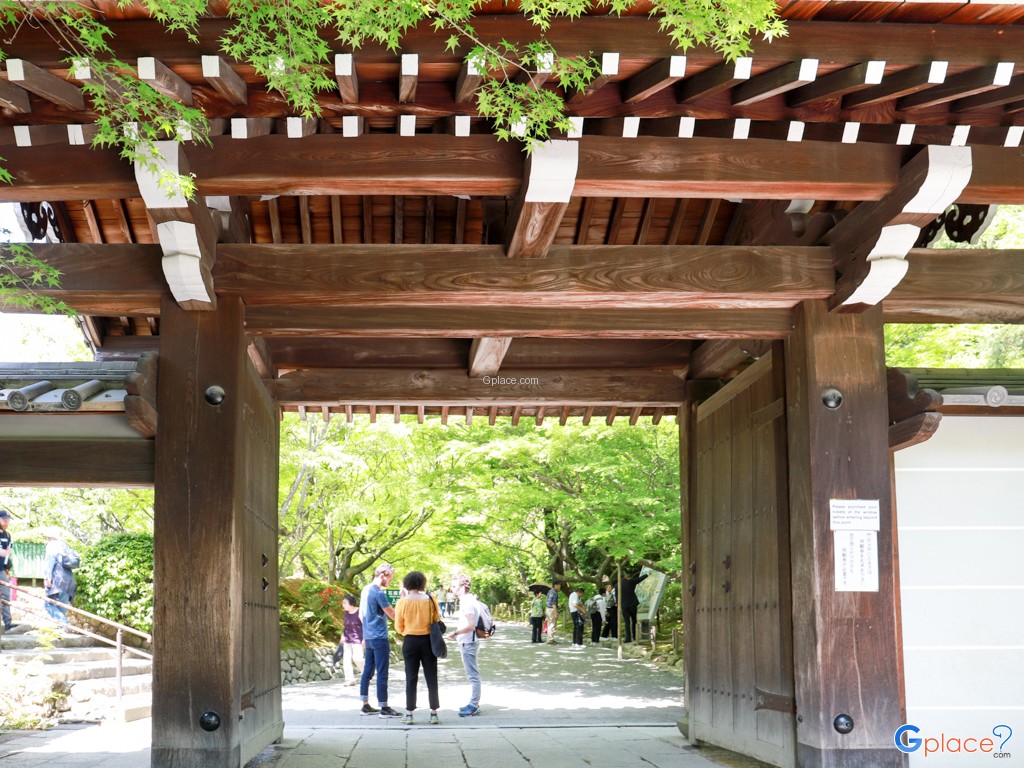
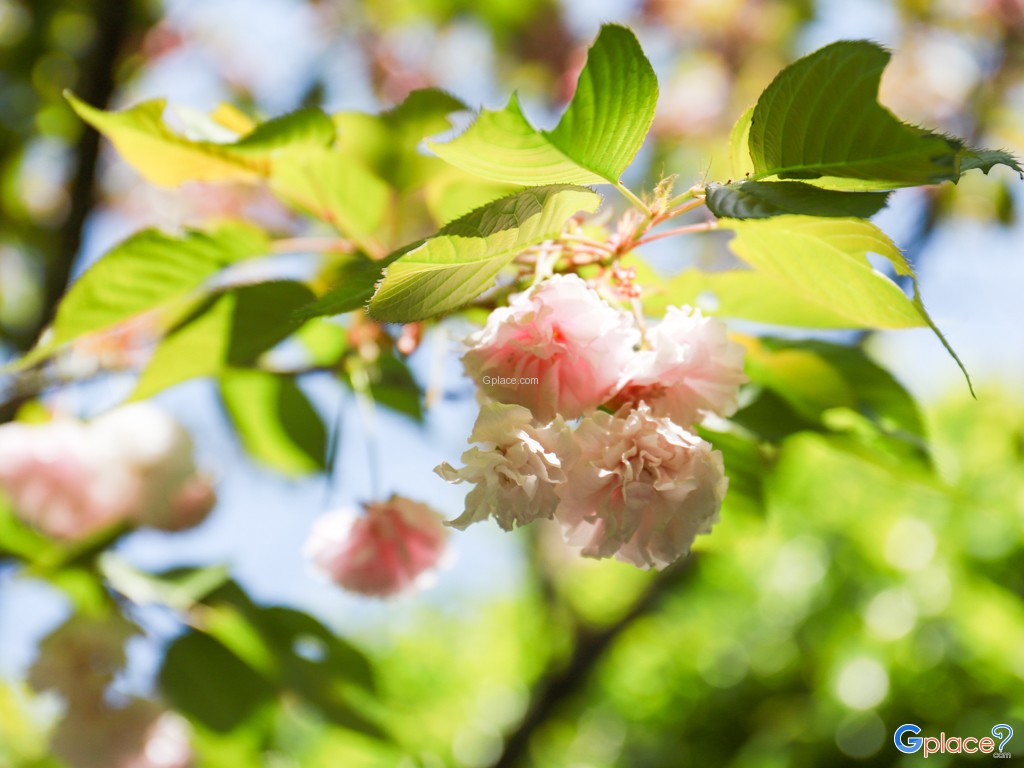
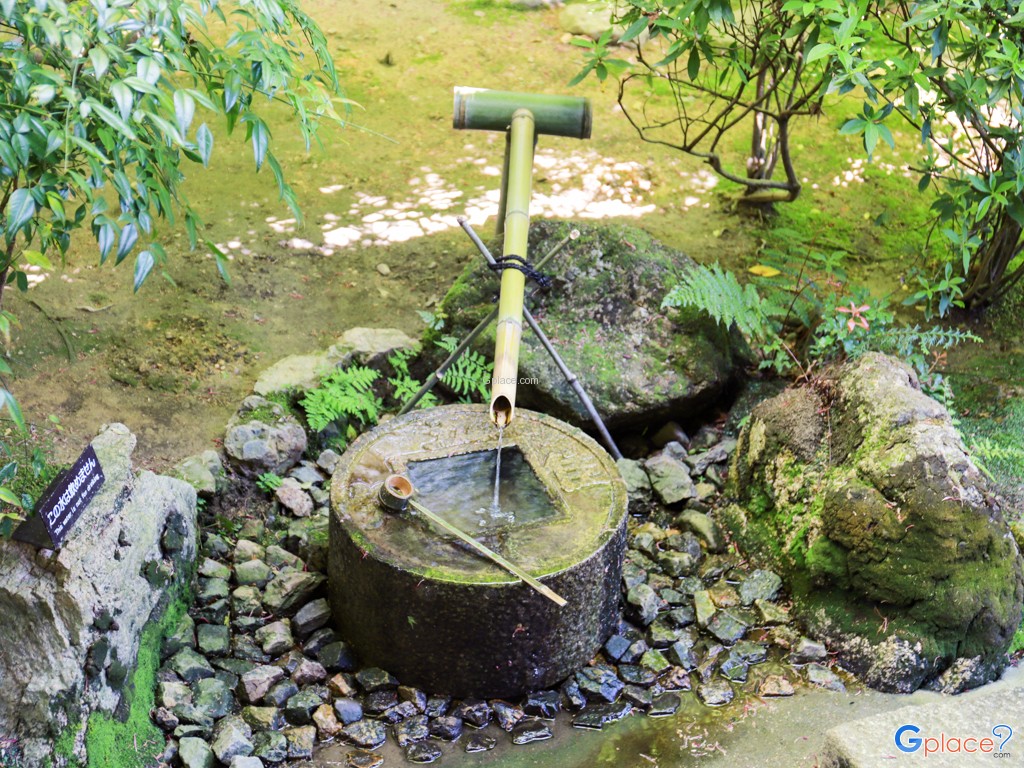
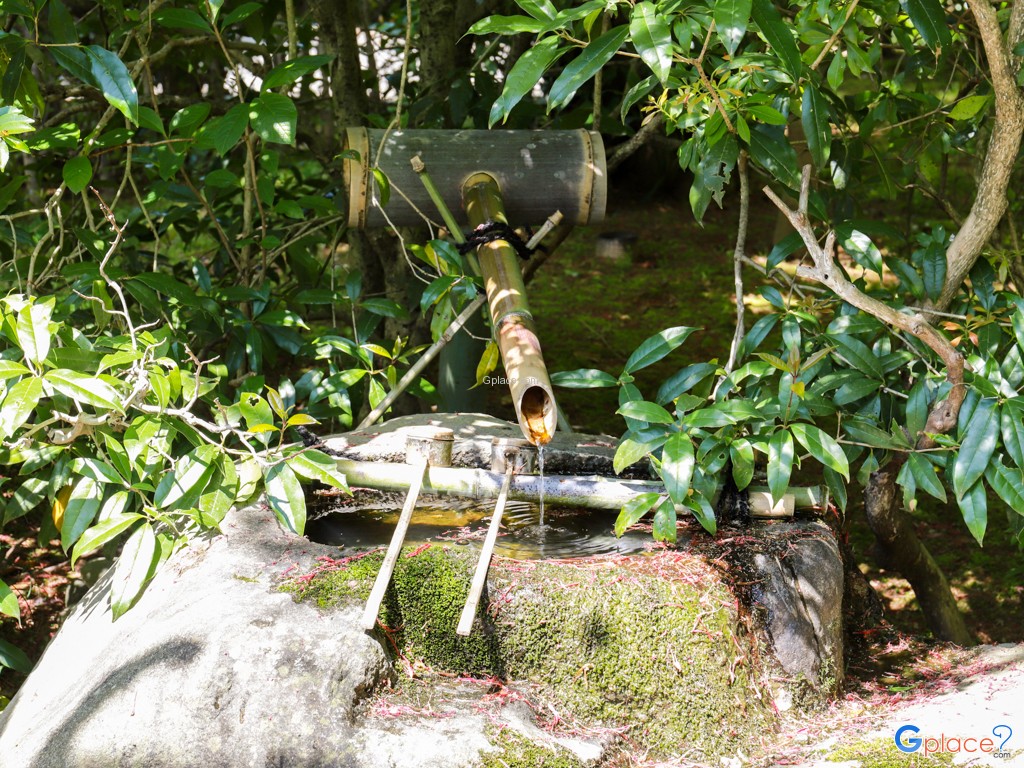
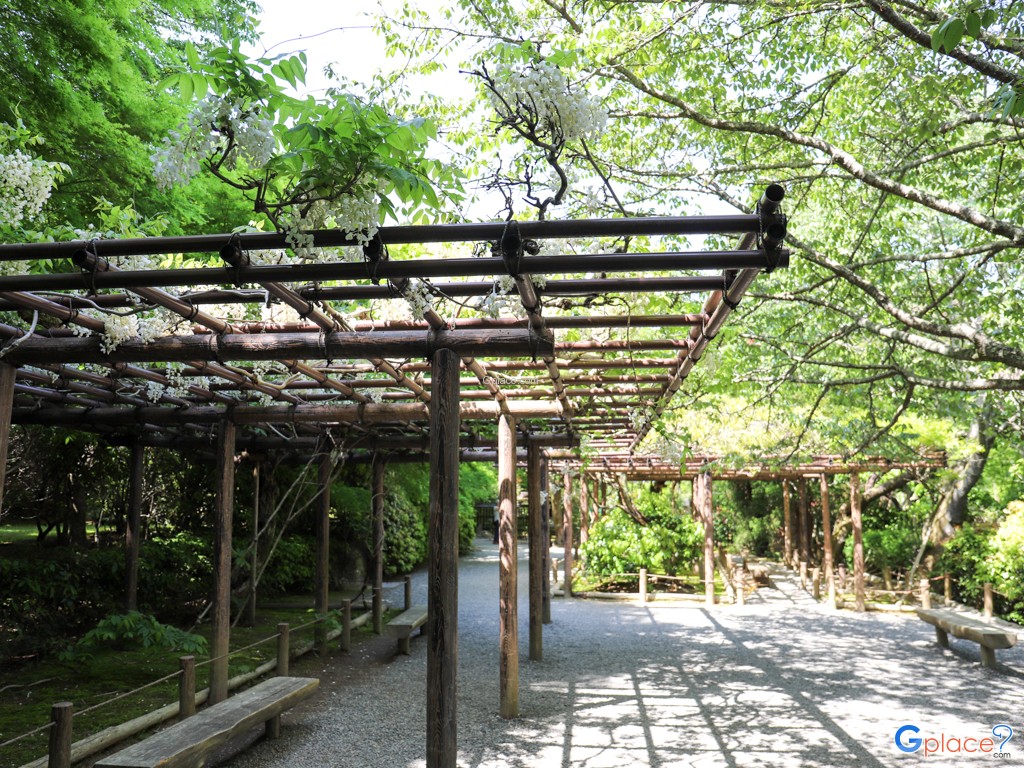
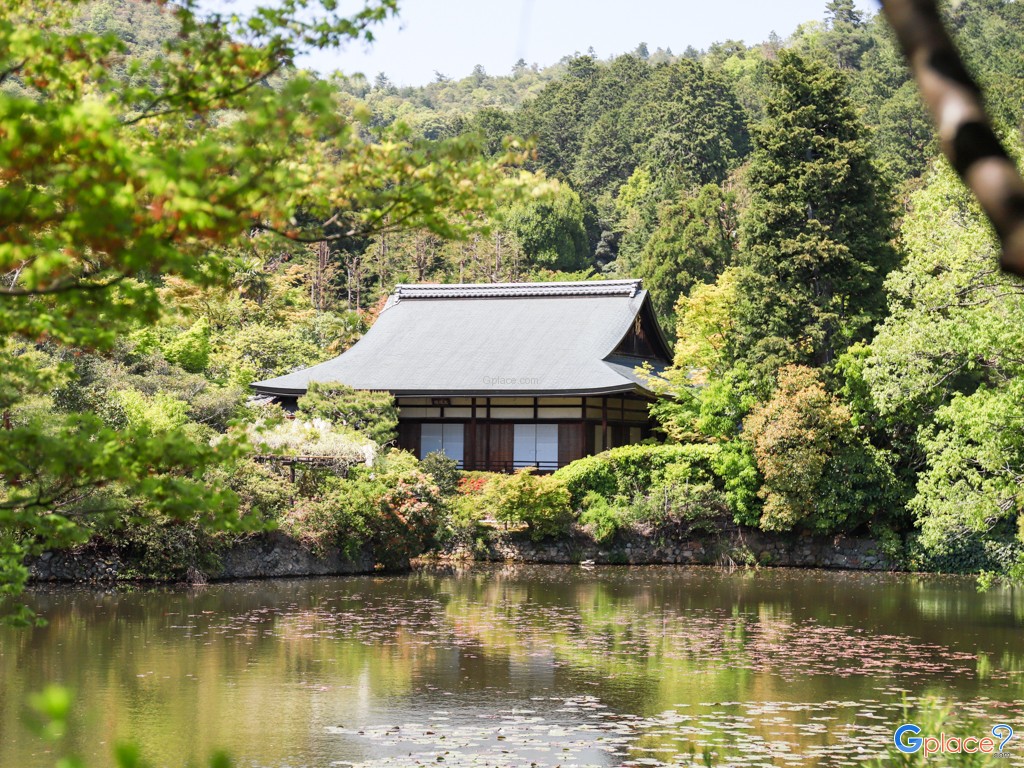
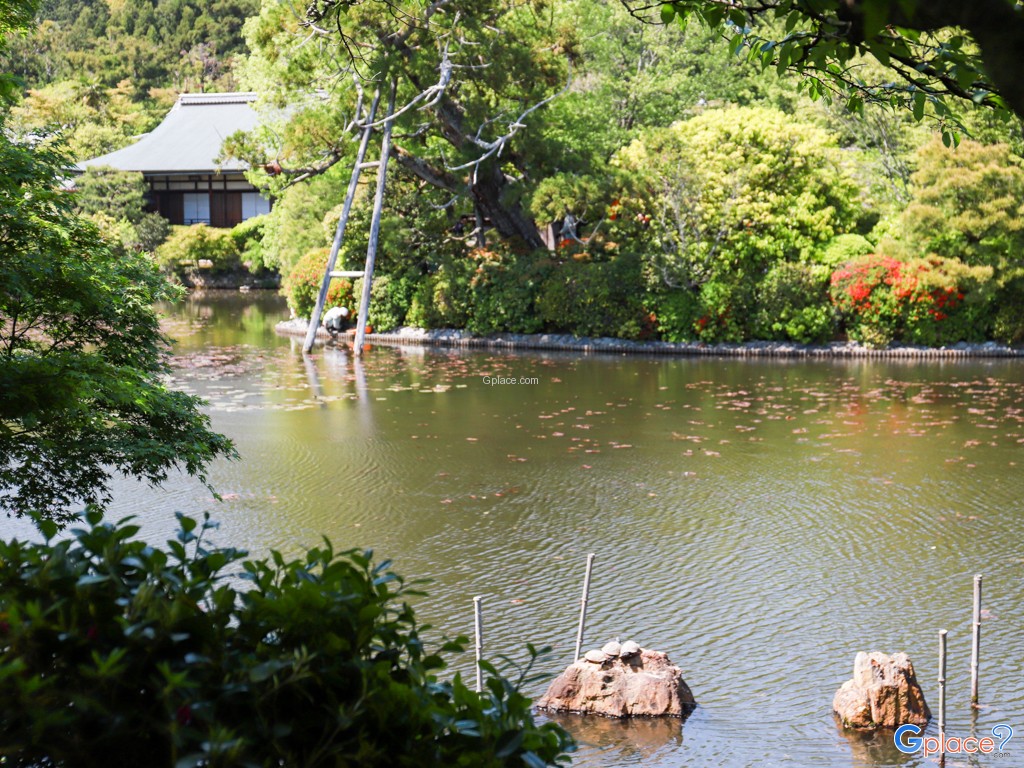
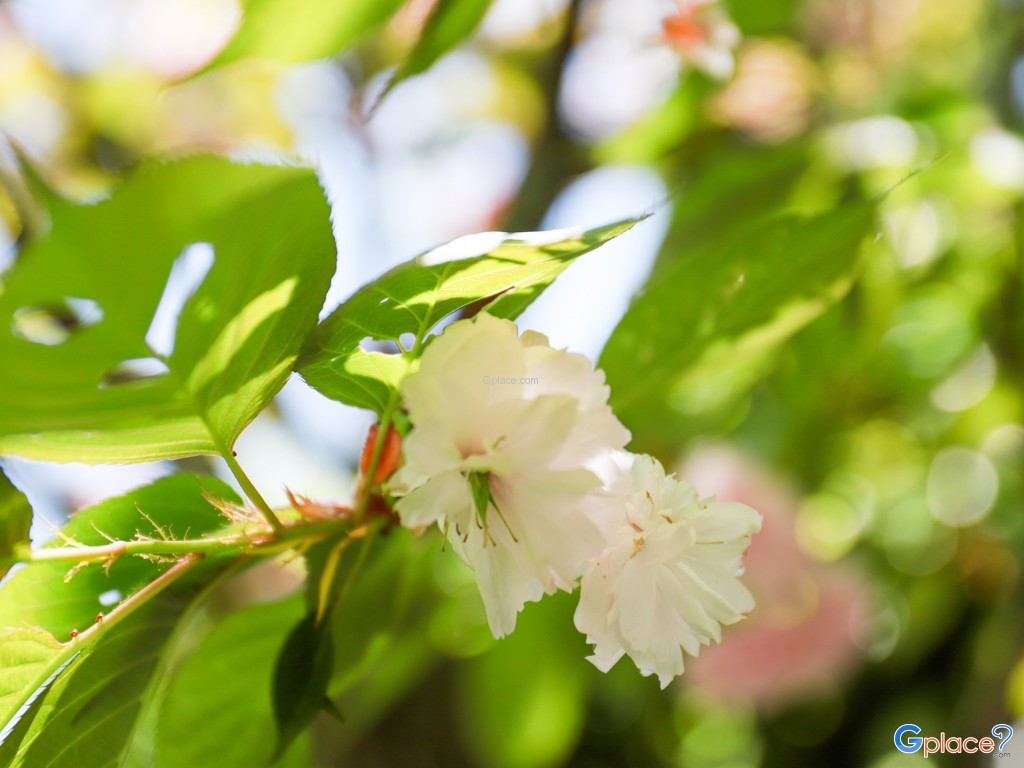
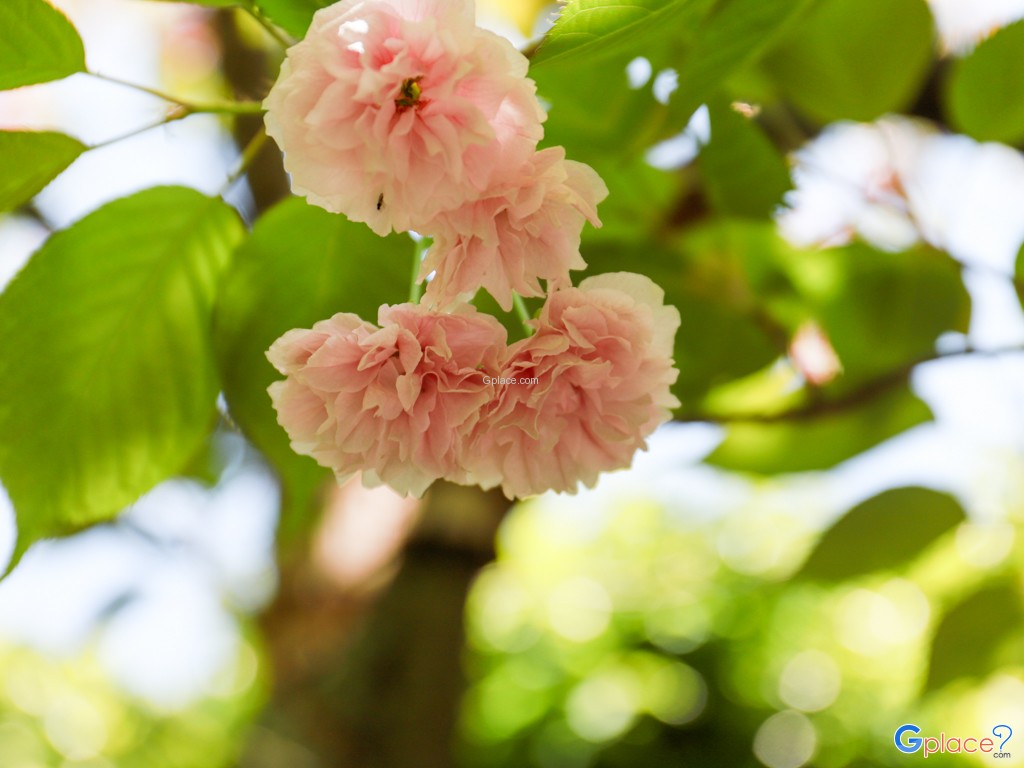
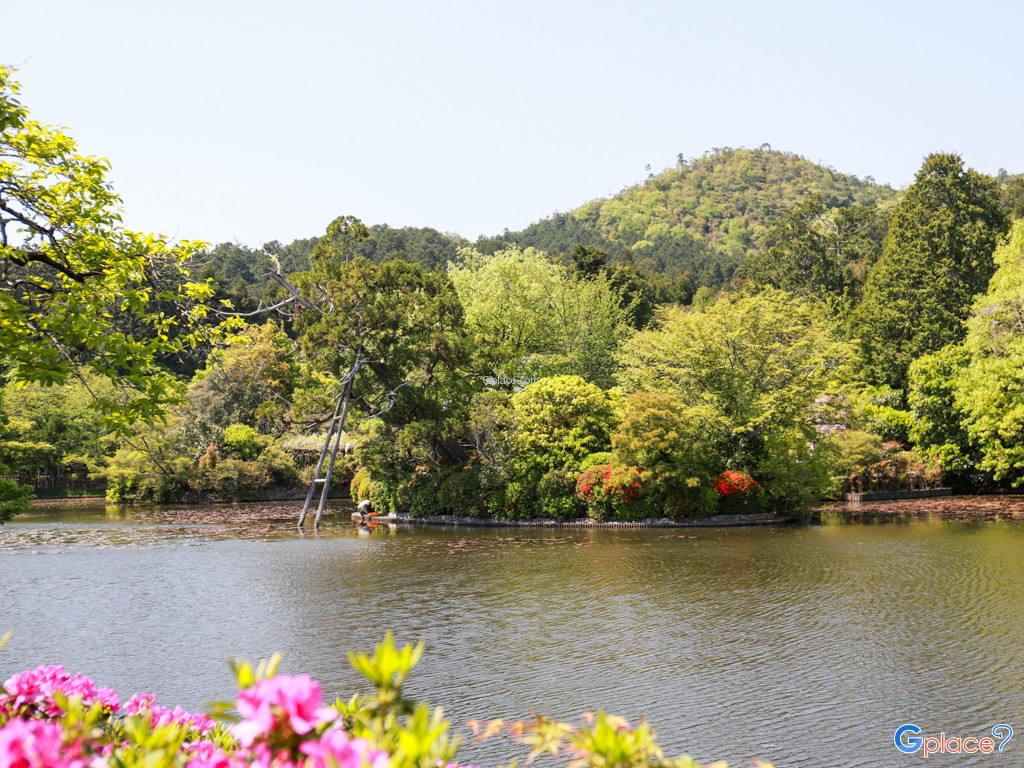
Beyond the rock garden, the temple grounds reveal a softer landscape. Kyoyochi Pond, dating back to the 12th century when the site was an aristocratic estate, offers a scenic walking path especially beautiful during cherry blossom and autumn foliage seasons. Hidden behind the main hall is a famous Tsukubai stone water basin, whose carved kanji form the phrase “Ware tada taru wo shiru” (“I learn only to be content”), a core Zen teaching emphasizing humility and sufficiency. Visitors may also enjoy Kyoto-style yudofu (boiled tofu) at the on-site restaurant Seigenin, overlooking tranquil moss gardens.
How to Get There
-
Bus: Kyoto City Bus #59 to Ryoanji-mae
-
Train: Randen (Keifuku) Line to Ryoanji Station, then a short walk
-
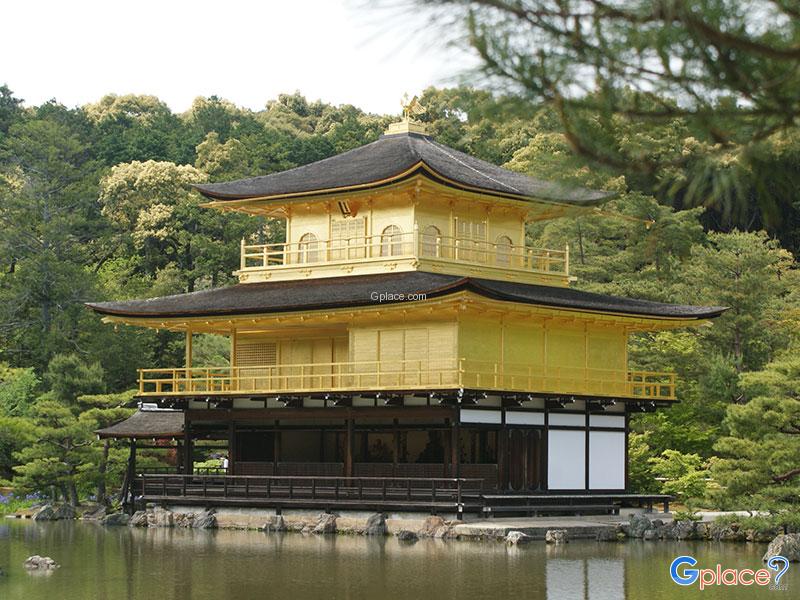
On Foot: Approximately 15 minutes from Kinkaku-ji (Golden Pavilion)
Travel Tips
- Arrive exactly at opening time to experience the rock garden in near silence. Visit Ryoanji before Kinkaku-ji to avoid peak tour-bus crowds, then walk to the Golden Pavilion afterward.
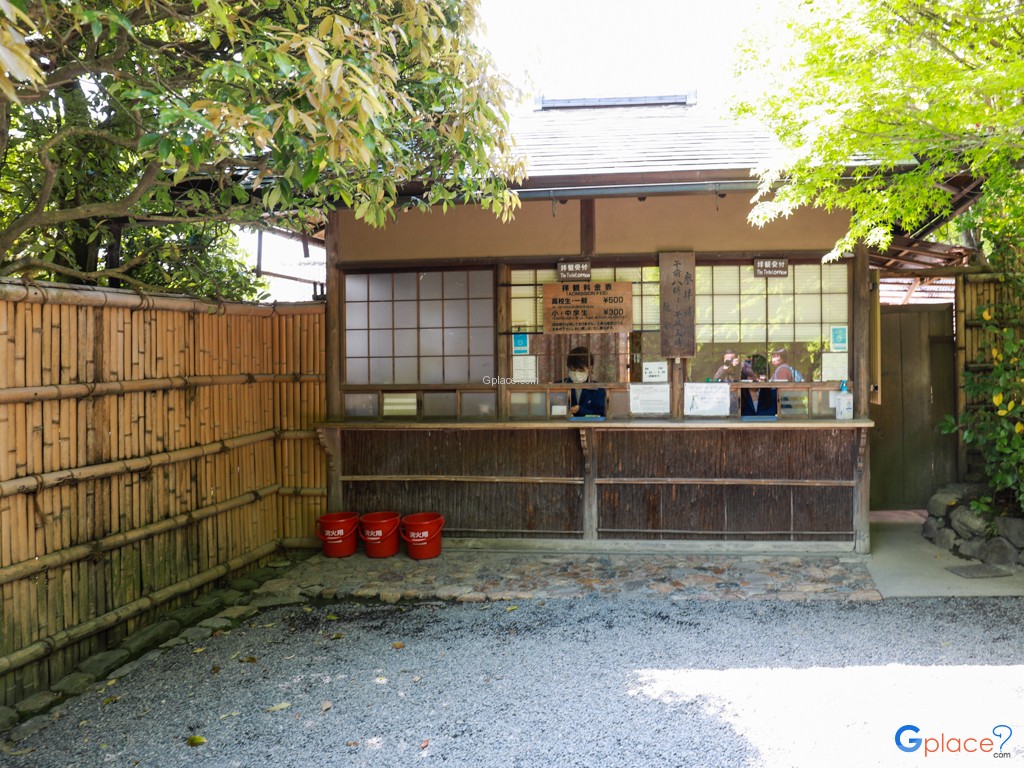
Admission Fee:
-
Adults: 600 yen
-
Students: 300–500 yen (depending on age)
Opening Time:
-
March–November: 8:00 – 17:00
-
December–February: 8:30 – 16:30
Ryoanji Temple

 Share
Share
 13 Ryoanji Goryonoshitacho, Ukyo Ward, Kyoto City, Kyoto, Japan
Map
13 Ryoanji Goryonoshitacho, Ukyo Ward, Kyoto City, Kyoto, Japan
Map
 Closed today
Mon8.30 - 16.30
Tue8.30 - 16.30
Wed8.30 - 16.30
Thu8.30 - 16.30
Fri8.30 - 16.30
Sat8.30 - 16.30
Sun8.30 - 16.30



 556
556