
 Attractions
  Hotel
Hotel  Restaurant
  Shopping
  Abroad
  Nearby Places





เกียวโต น่าเที่ยว

 1277
1277
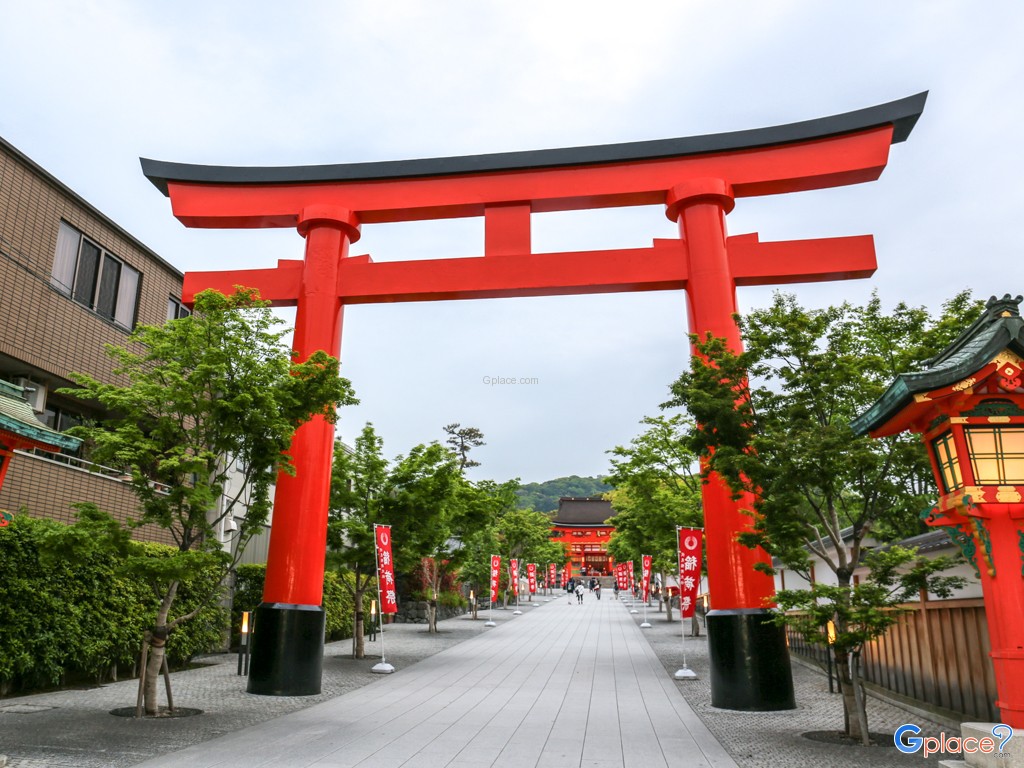
Founded in 711 AD, Fushimi Inari Taisha predates Kyoto becoming Japan’s capital and stands as one of the city’s most spiritually significant landmarks. It serves as the head shrine of approximately 32,000 Inari shrines across Japan, giving it exceptional status within Shinto belief. The shrine received imperial patronage during the Heian Period, firmly establishing its importance in th...
read more
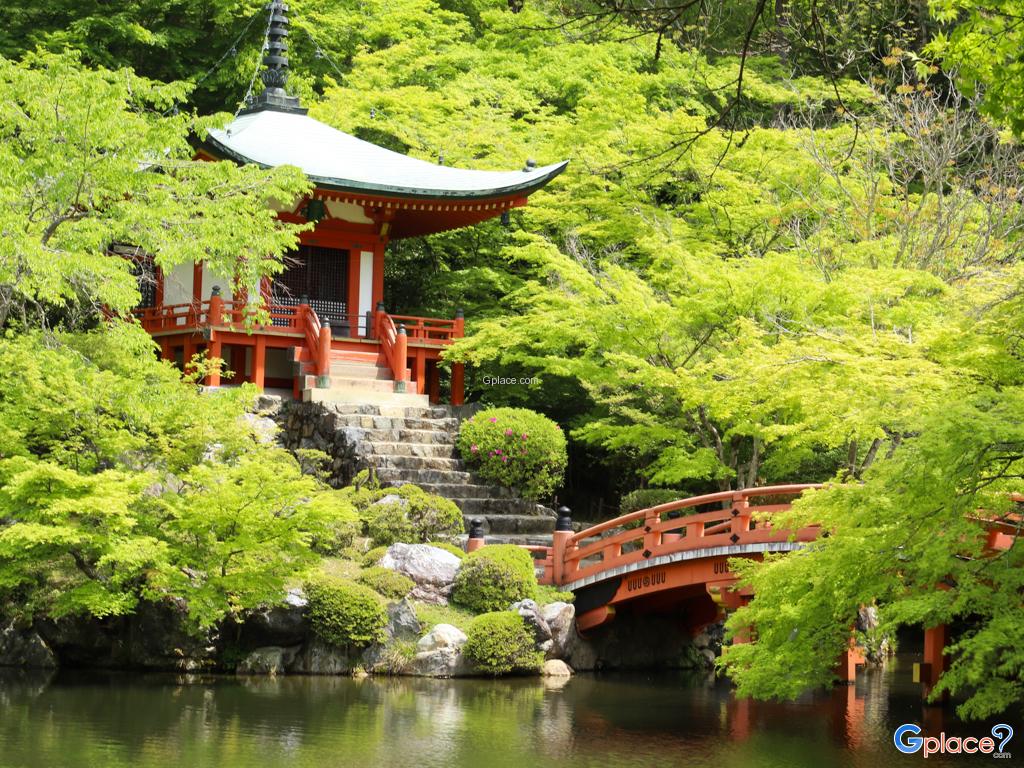
Daigo-ji Temple is one of the most important temples of the Shingon sect of Buddhism. Founded in 874 CE, the temple later became inseparable from Japan’s political and cultural history when Toyotomi Hideyoshi, one of the country’s most powerful warlords, elevated Daigo-ji into a grand symbol of elite authority, aesthetic taste, and seasonal celebration. Today, it is registered as a UNE...
read more
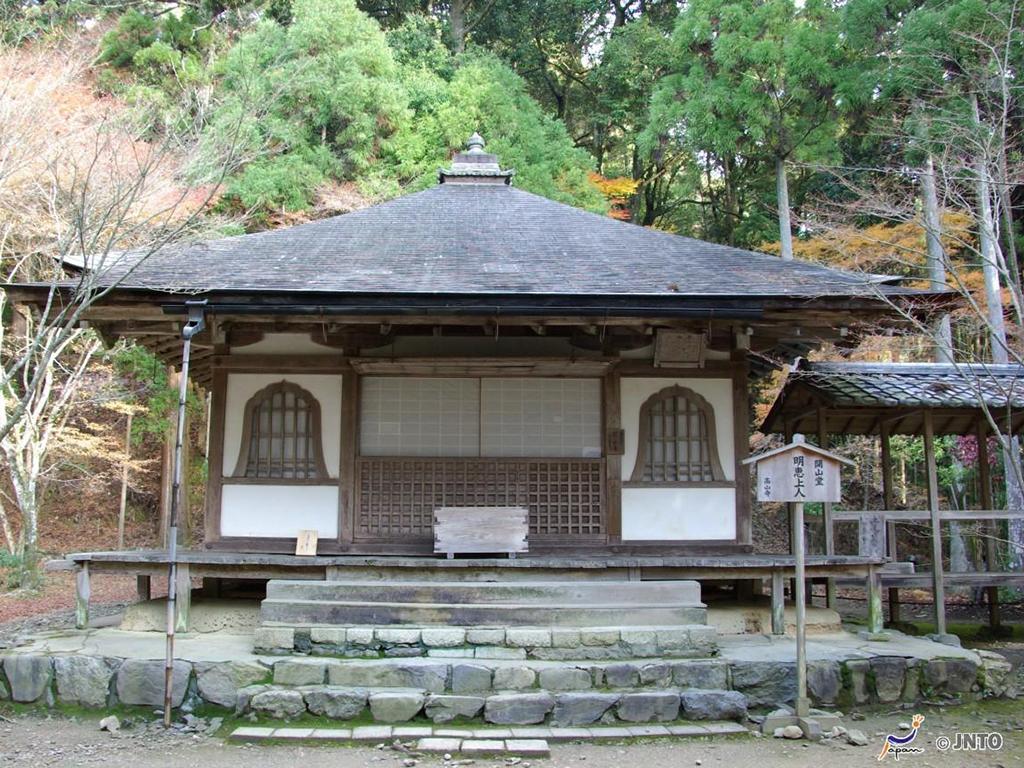
Kōzan-ji Temple, located in Takao, northwest Kyoto, was founded in the 8th century and restored in the 12th century by the renowned monk Myōe. The temple is a center for Kegon Buddhism studies and is one of the 17 Historic Monuments of Ancient Kyoto, designated a UNESCO World Heritage Site in 1994.
Highlights include:
Sekisui-in: Kamakura-era wooden building, National Treasure, with panoramic vi...
read more
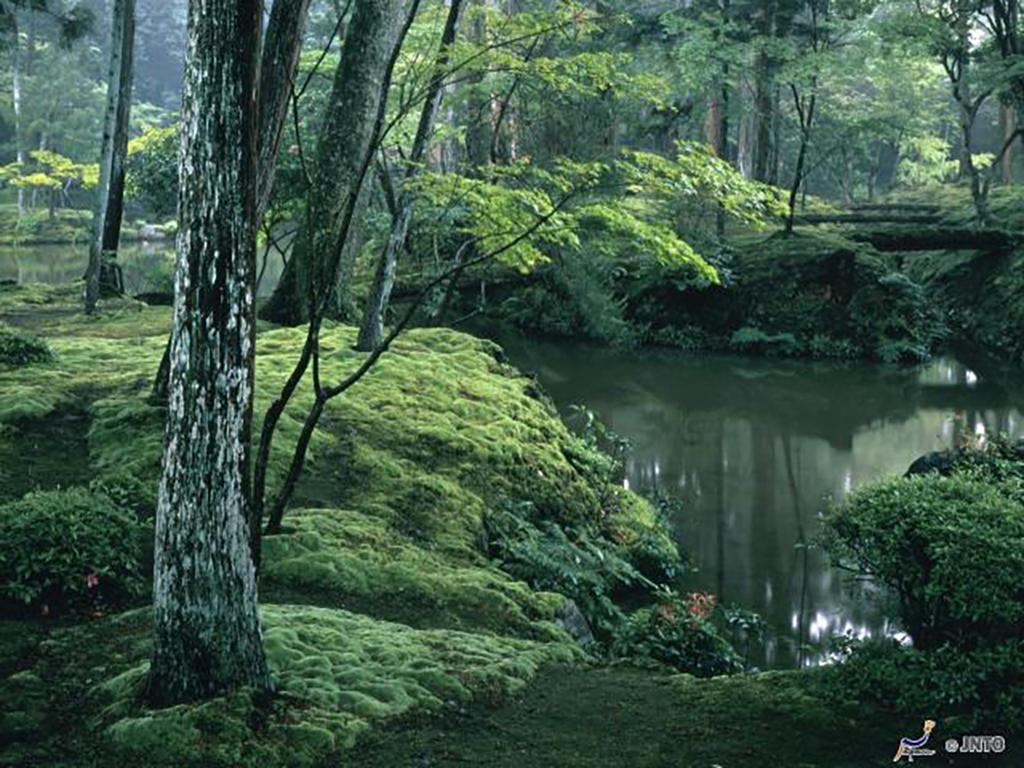
Saiho-ji is one of the 17 Historic Monuments of Ancient Kyoto inscribed by UNESCO as a World Heritage Site. Its moss garden is among the most famous in the world, designed by Muso Soseki, the most influential Zen master and garden designer in Japanese history. The garden was carefully created rather than forming naturally, turning the historic temple into a jewel for spiritual practice.
The g...
read more
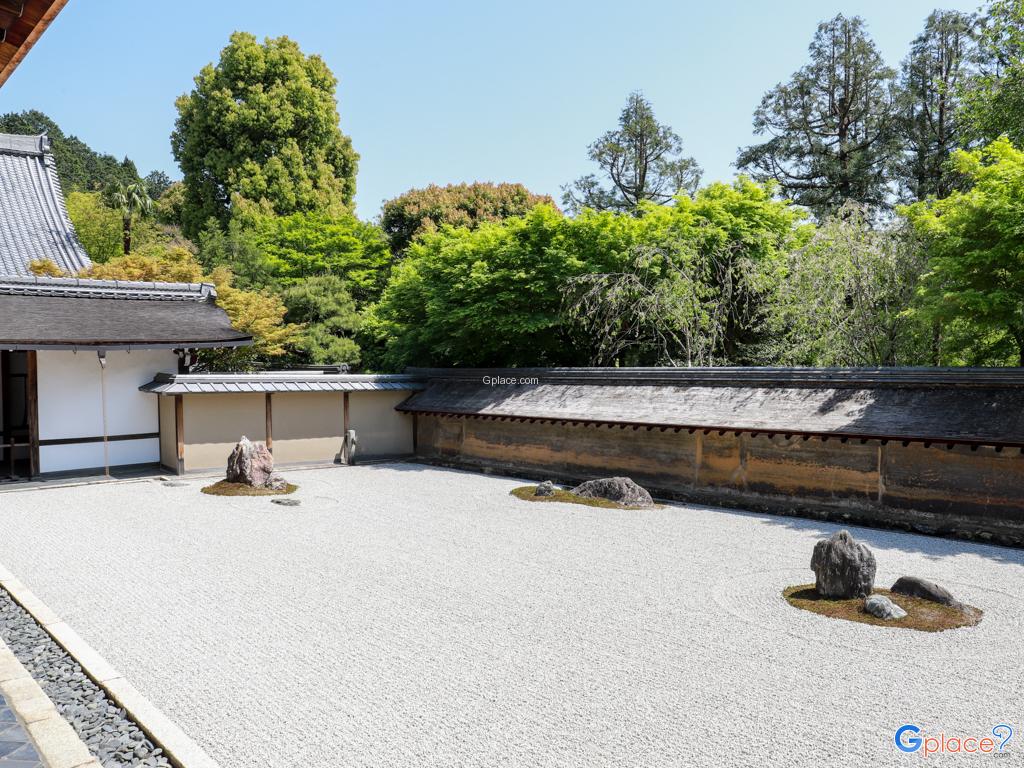
Ryoanji Temple is internationally regarded as the purest and most influential example of karesansui (dry landscape) Zen gardening. Founded in 1450 during the Muromachi period by Hosokawa Katsumoto, a powerful deputy to the Ashikaga Shogunate, the temple reflects Zen ideals of simplicity, silence, and abstraction. It was later destroyed during the Ōnin War (1467–1477) and rebuilt in 1499, whi...
read more
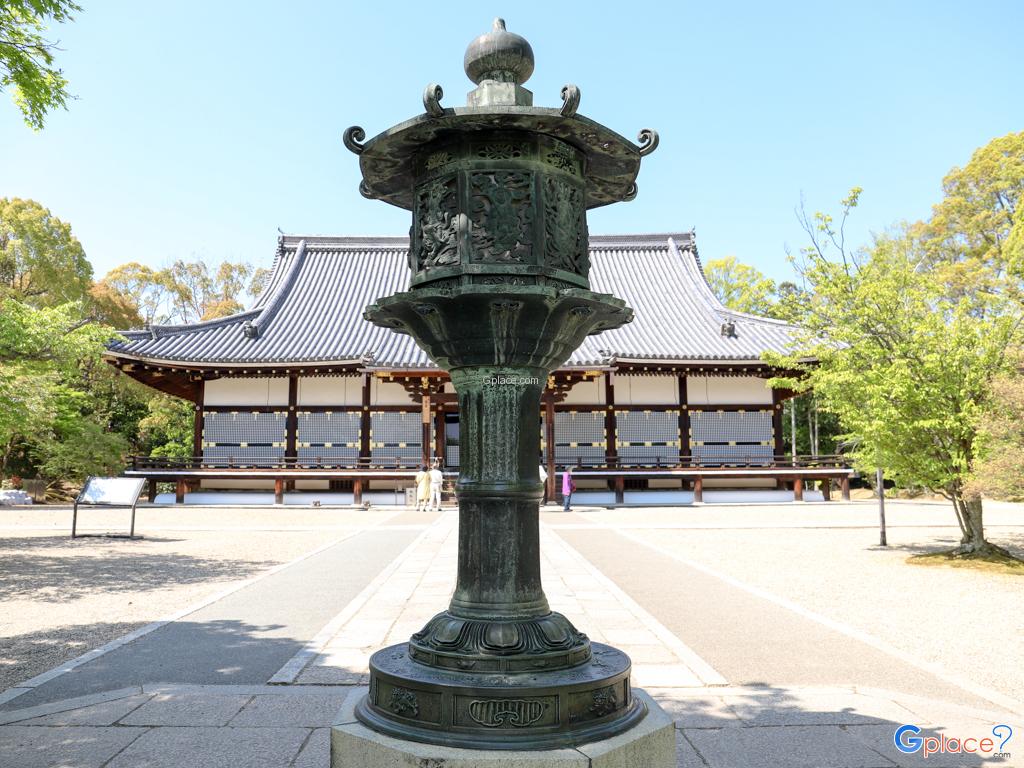
Ninna-ji Temple was founded in 888 CE by Emperor Uda and holds a special place in Japanese history as a Monzeki Temple—a temple traditionally headed by retired emperors or members of the imperial family. This status elevated Ninna-ji beyond a religious institution into a space where imperial governance, Buddhist practice, and court culture intersected.
The temple serves as the head temp...
read more
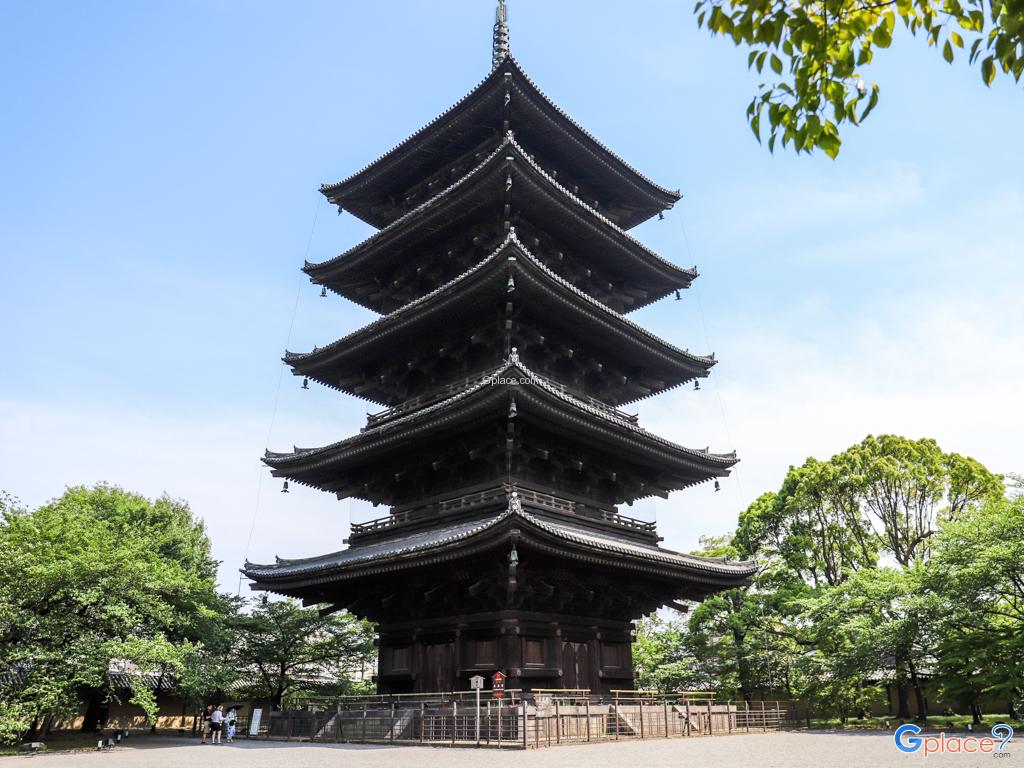
To-ji Temple, founded in 796 AD alongside the establishment of Heian-kyo (present-day Kyoto), was originally built as part of a symmetrical city plan. It stood opposite Sai-ji (West Temple) on either side of the grand Rashomon Gate, marking the southern entrance to the capital. While Sai-ji eventually disappeared, To-ji remains today as the sole surviving symbol of Kyoto’s original imperial ...
read more
กำลังเป็นที่นิยม

8 World Heritage Sites of Thailand
Tracing Ancient Civilizations and Invaluable Forests Recognized by UNESCO Thaila..
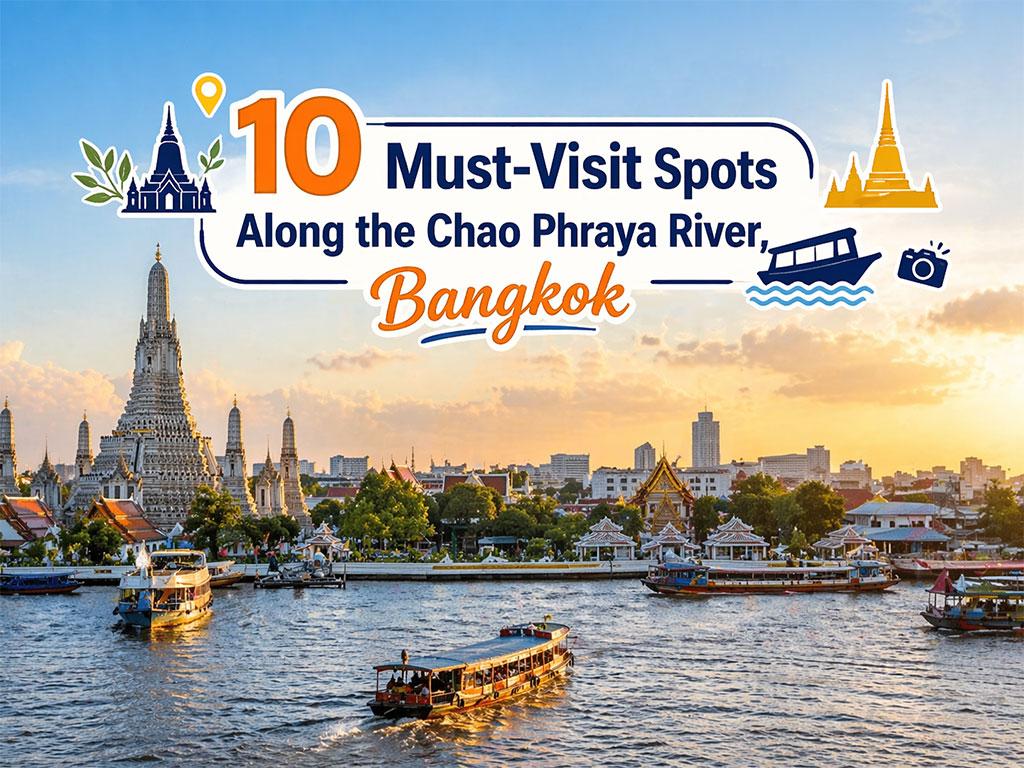
10 Must-Visit Spots Along the Chao Phraya River, B
Exploring the Chao Phraya River offers one of the most complete experiences of B..
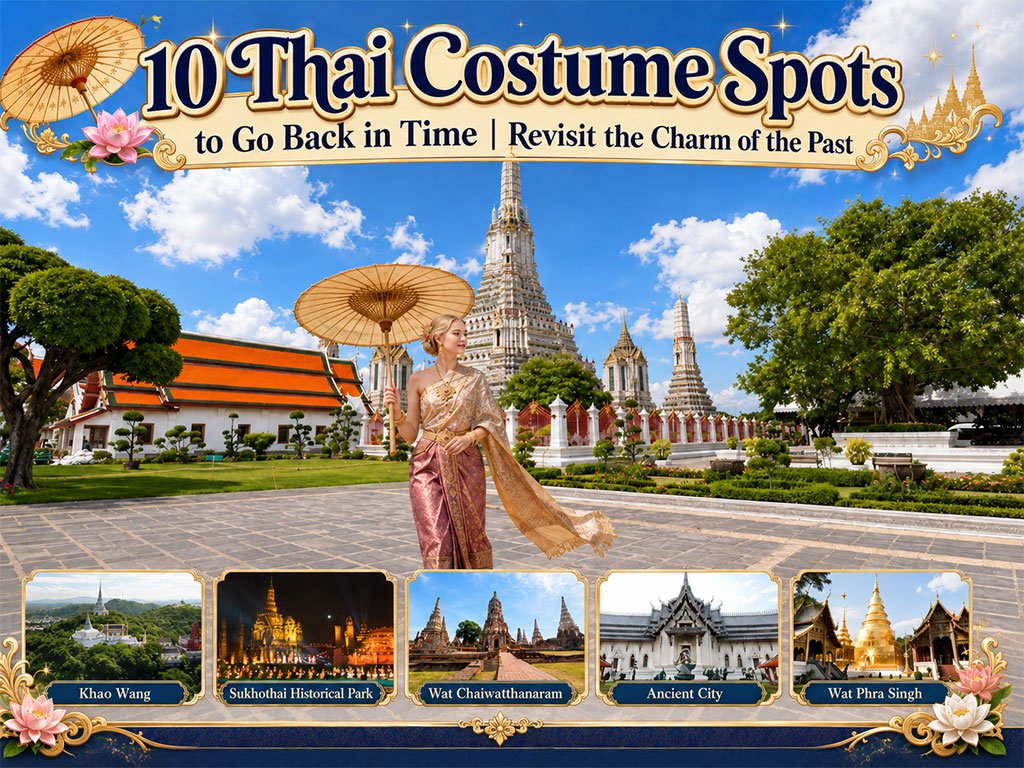
10 Thai Costume Spots to Go Back in Time
Wearing traditional Thai costume and taking photos at beautiful places is more t..
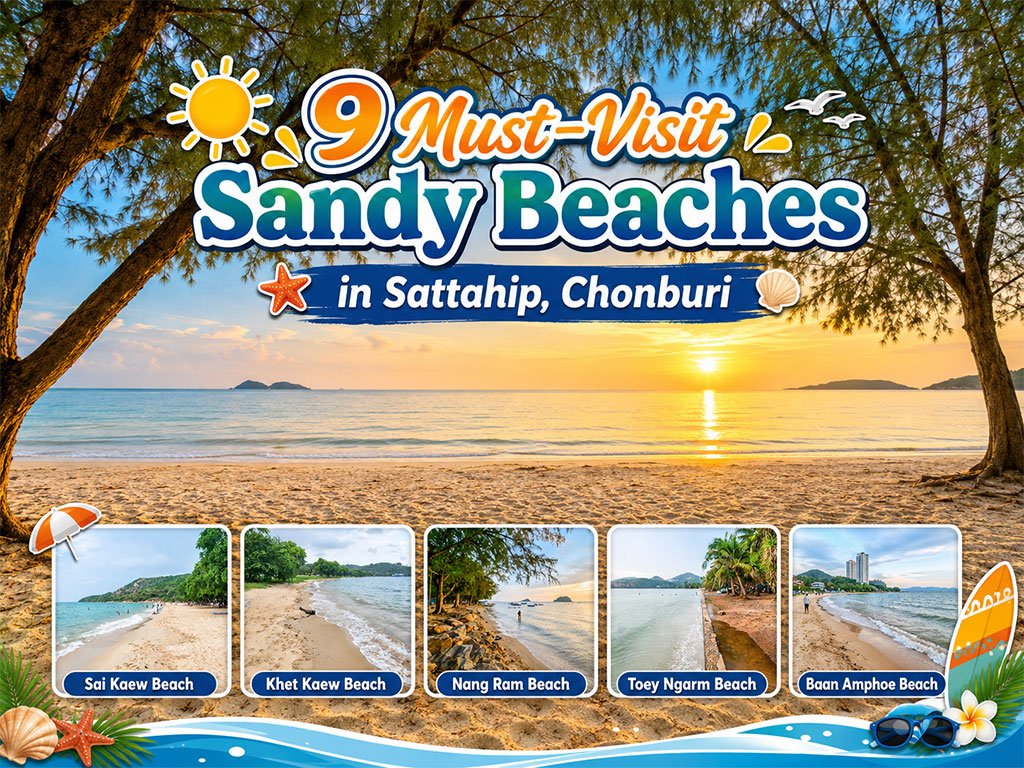
Attractive Beaches in Sattahip, Chonburi
For those looking to escape the hustle and bustle of Pattaya and experience calm..
Recommend trips
- The Four Holy Pilgrimage Sites
- Dream Destinations in Switzerland
- Pilgrimage to the Sacred Sites
- Trip to Bhutan
- 10 Sacred Buddhist Sites Thai Temples in India–Nep
- Top Paris Check-in Spots
- 10 Thai Costume Spots to Go Back in Time
- Must-Visit Check-in Spots in London
- Attractive Beaches in Sattahip, Chonburi
- 8 World Heritage Sites of Thailand
- The Ultimate Ancient Villages in Japan
- 10 Must-Visit Spots Along the Chao Phraya River, B
- 10 Best Shopping Destinations in Bangkok
- 10 Must-Visit Places in Waterford
- 10 Must-Check-In Spots in Ireland
- Top 10 Must-Visit Spots in Pattaya
- Japan Bucket List: 20 Places You Must Visit Once i
- 10 Must-Visit Spots in Koh Yao
- EBC - World-Class Trekking Route
- Thailand Nature Trails