 Attractions
  Hotel
Hotel  Restaurant
  Shopping
  Abroad
  Nearby Places





The World’s Most Beautiful Lakes

 3301
3301

Many lakes around the world are key destinations that clearly reflect the beauty of nature, landscapes, and the culture of each region. Some lakes are located among high mountain ranges, some are intertwined with history and the lifestyles of the people, and many have become symbols of their respective cities or countries.
The collection “Famous Lakes of the World” gathers renowned lakes from various regions, including Europe, East Asia, and the Himalayas, all of which are popular destinations for tourists worldwide for their scenery, culture, and exceptional natural features.
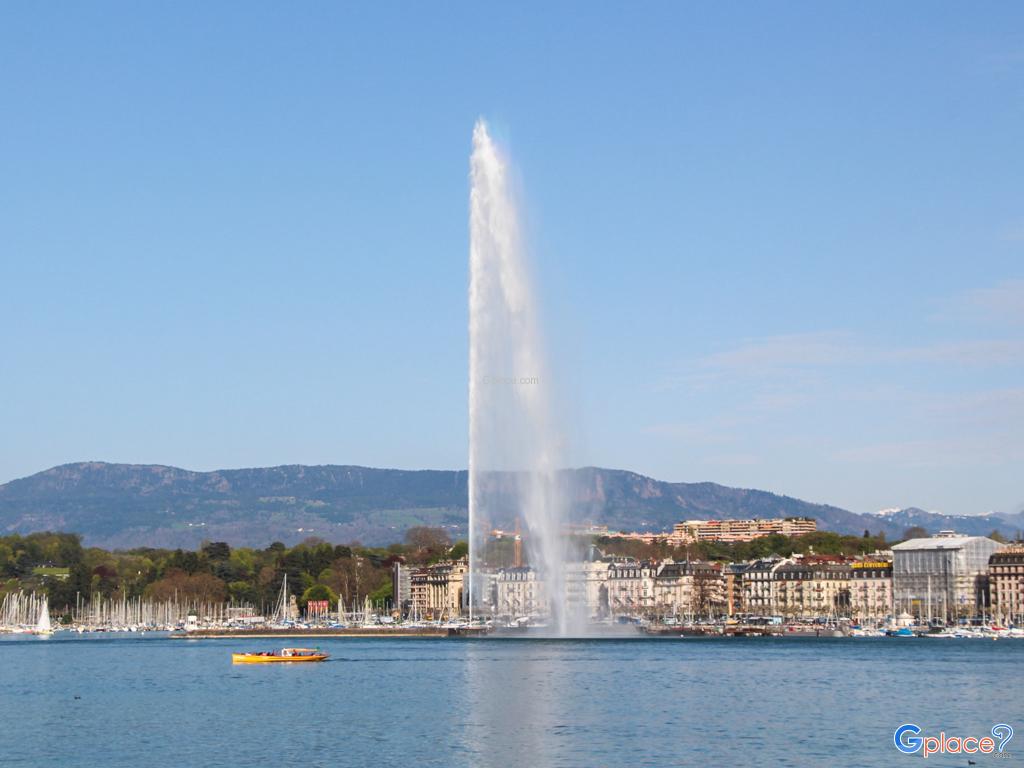
In Europe, Lake Como is famous for the beauty of its villages nestled in the hills and its lakeside villas, while Lake Geneva in the Montreux area is distinguished by its views of the Alps and its world-class lakeside resort atmosphere.
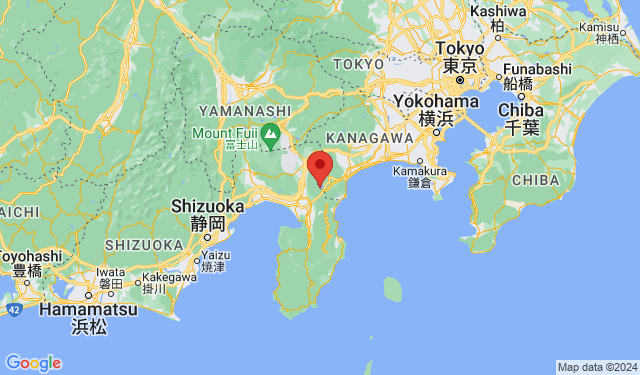
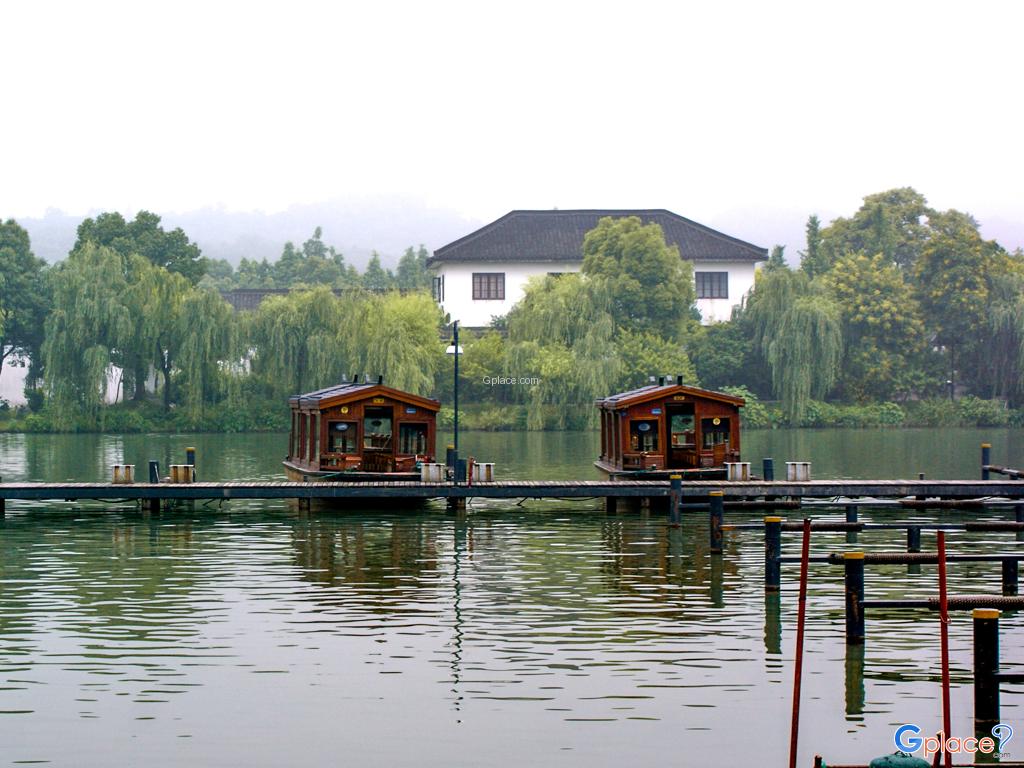
In Asia, Sun Moon Lake is Taiwan's most famous lake, while West Lake, a UNESCO World Heritage lake, is culturally significant in China. Additionally, Lake Ashi is a major tourist lake in Hakone, noted for its iconic view of Mount Fuji.
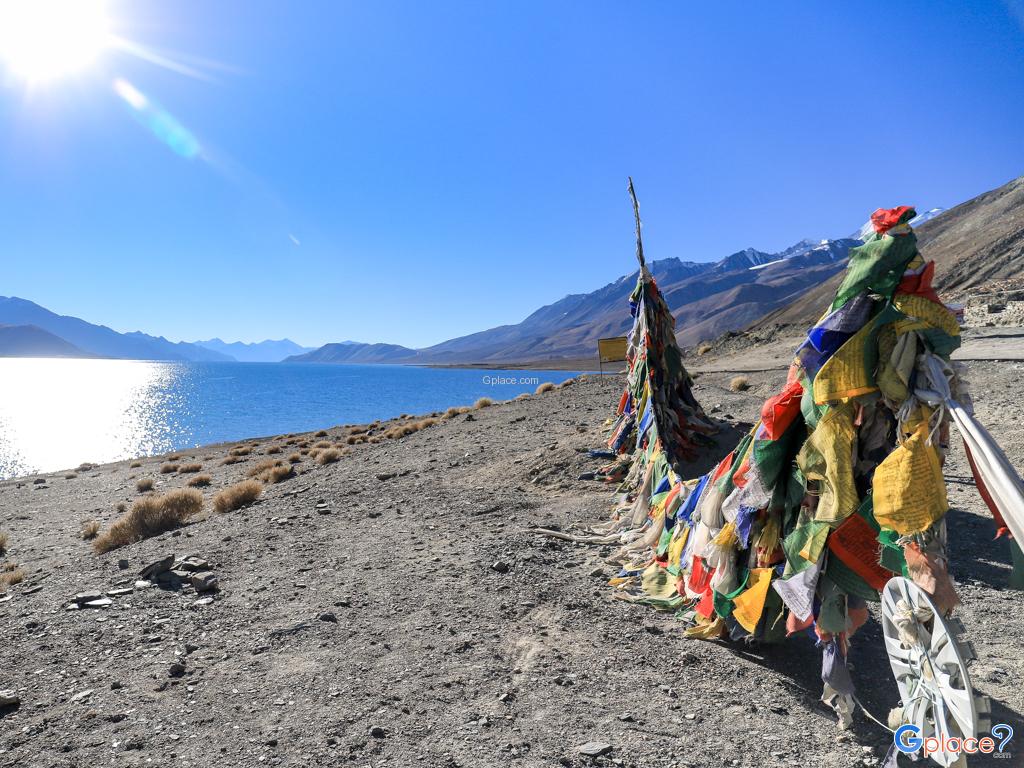
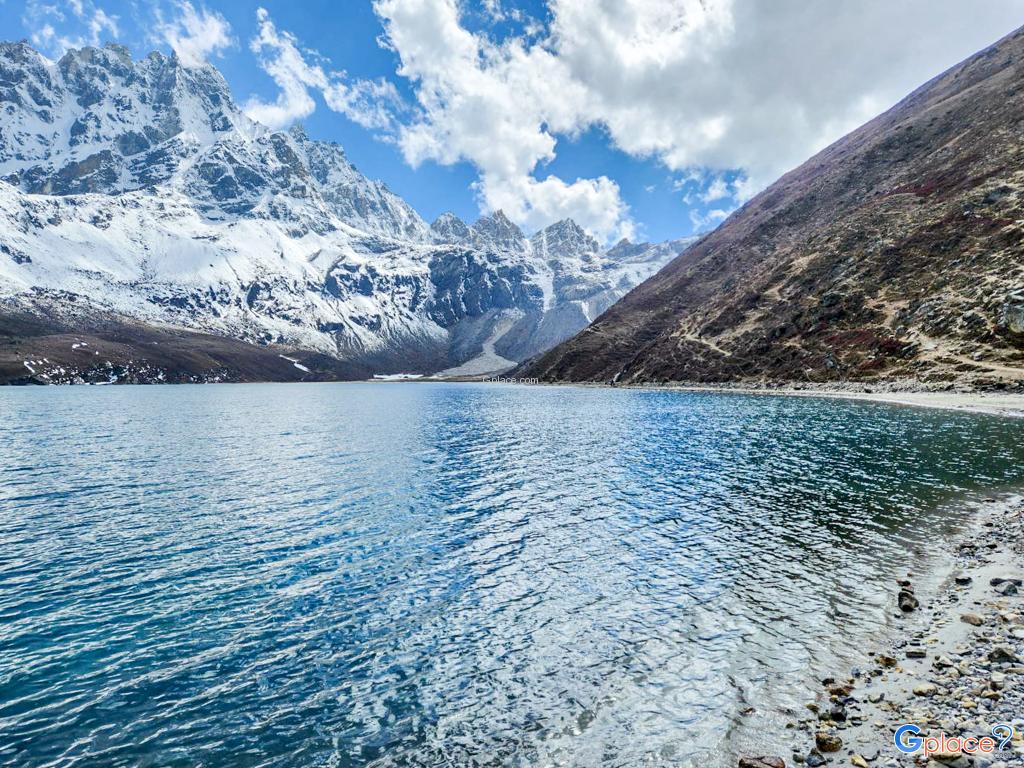
For high mountain areas, Pangong Lake in Ladakh and Gokyo Lakes in the Everest region stand out for their high-altitude landscapes and spectacular natural scenery.
These lakes reflect the diversity of the world's landscapes, from lakes amidst the Alps to culturally significant lakes in East Asia and lakes in the heart of the Himalayas, all of which are world-class natural destinations popular among travelers and landscape photographers globally.
If you have beautiful pictures of these lakes or have visited any of these places, feel free to share your photos and experiences with us.


กำลังเป็นที่นิยม

Exploring the Chao Phraya River offers one of the most complete experiences of B..

Tracing Ancient Civilizations and Invaluable Forests Recognized by UNESCO Thaila..

For those looking to escape the hustle and bustle of Pattaya and experience calm..
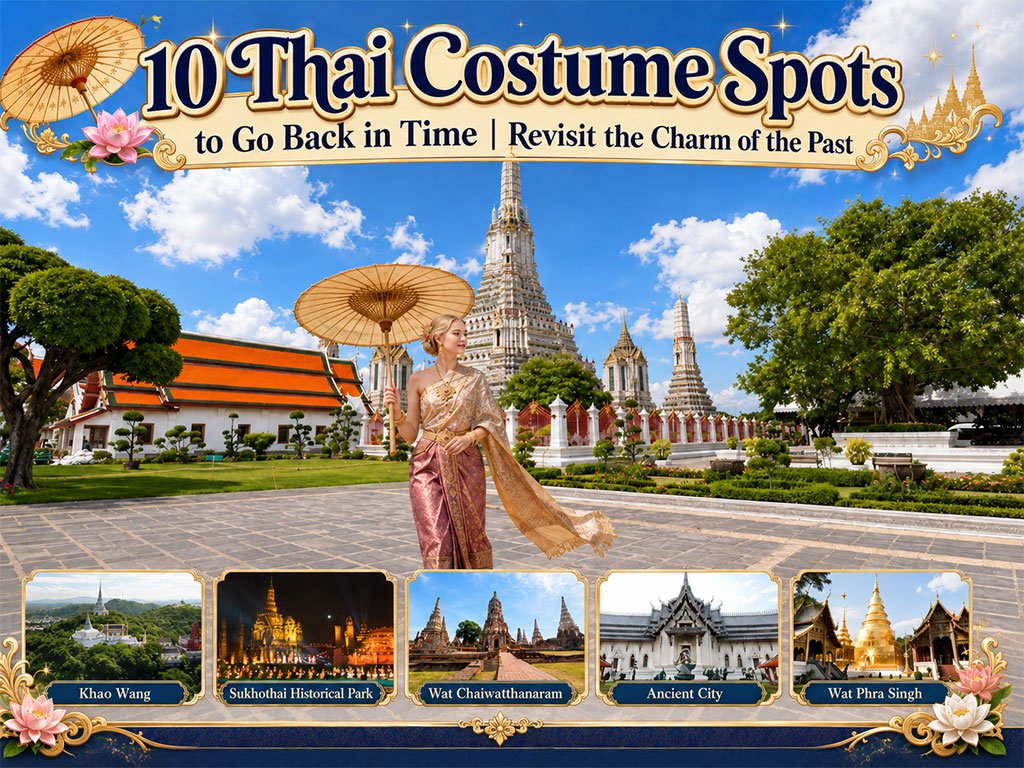
Wearing traditional Thai costume and taking photos at beautiful places is more t..
Recommend trips
- 10 Thai Costume Spots to Go Back in Time
- The Four Holy Pilgrimage Sites
- Dream Destinations in Switzerland
- Pilgrimage to the Sacred Sites
- Trip to Bhutan
- 10 Sacred Buddhist Sites Thai Temples in India–Nep
- Top Paris Check-in Spots
- Attractive Beaches in Sattahip, Chonburi
- Must-Visit Check-in Spots in London
- 10 Must-Visit Spots Along the Chao Phraya River, B
- 8 World Heritage Sites of Thailand
- The Ultimate Ancient Villages in Japan
- 10 Must-Visit Places in Waterford
- Watsons Bay Half-Day Trip
- 10 Best Shopping Destinations in Bangkok
- EBC - World-Class Trekking Route
- 10 Must-Visit Check-ins in Uthai Thani
- Giant Buddha Landmarks in Thailand
- Top 10 Must-Visit Spots in Pattaya
- 10 Must-Check-In Spots in Ireland