
 Attractions
  Hotel
Hotel  Restaurant
  Shopping
  Abroad
  Nearby Places





6 Brothers’ Towers in Japan

 541
541
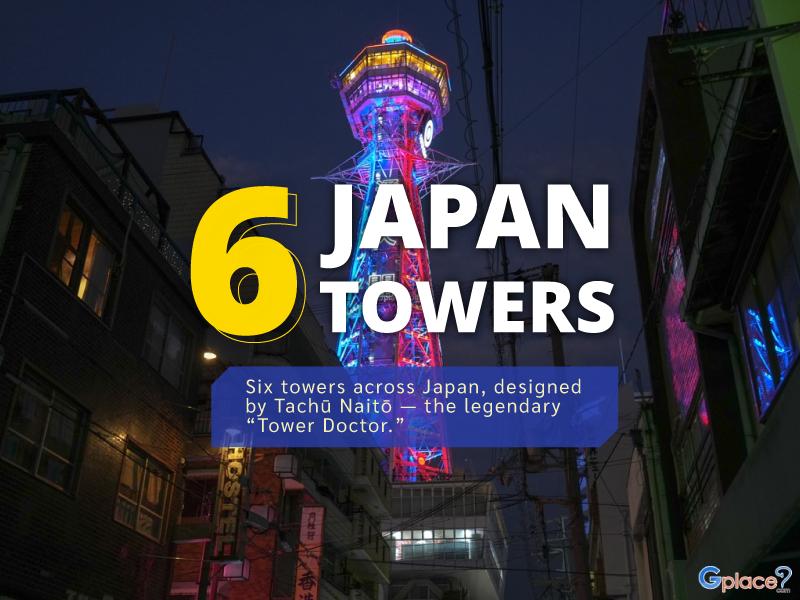 The “Six Tower Brothers” refers to six well-known towers created by Tachū Naitō during Japan’s period of rapid modernization in the mid-20th century. Designed primarily as broadcasting towers, they were also intended to become distinctive urban landmarks. Their steel structures were engineered to withstand Japan’s frequent earthquakes while maintaining graceful architectural form.
The six towers include Nagoya TV Tower, Tsutenkaku Tower, Beppu Tower, Sapporo TV Tower, Tokyo Tower, and Hakata Port Tower.
Engineering and Cultural Legacy:
Over time, these towers became important symbols of their cities. Each offers observation decks with panoramic views of urban landscapes, harbors, or mountains. More importantly, they showcase Naitō’s engineering vision—structures built for durability, safety, and beauty.
Why Travelers Visit:
Today, the Six Brothers’ Towers attract travelers, photographers, and architecture enthusiasts. Visiting them offers not only scenic viewpoints but also insight into Japan’s engineering heritage and the unique character of each city.
The “Six Tower Brothers” refers to six well-known towers created by Tachū Naitō during Japan’s period of rapid modernization in the mid-20th century. Designed primarily as broadcasting towers, they were also intended to become distinctive urban landmarks. Their steel structures were engineered to withstand Japan’s frequent earthquakes while maintaining graceful architectural form.
The six towers include Nagoya TV Tower, Tsutenkaku Tower, Beppu Tower, Sapporo TV Tower, Tokyo Tower, and Hakata Port Tower.
Engineering and Cultural Legacy:
Over time, these towers became important symbols of their cities. Each offers observation decks with panoramic views of urban landscapes, harbors, or mountains. More importantly, they showcase Naitō’s engineering vision—structures built for durability, safety, and beauty.
Why Travelers Visit:
Today, the Six Brothers’ Towers attract travelers, photographers, and architecture enthusiasts. Visiting them offers not only scenic viewpoints but also insight into Japan’s engineering heritage and the unique character of each city.
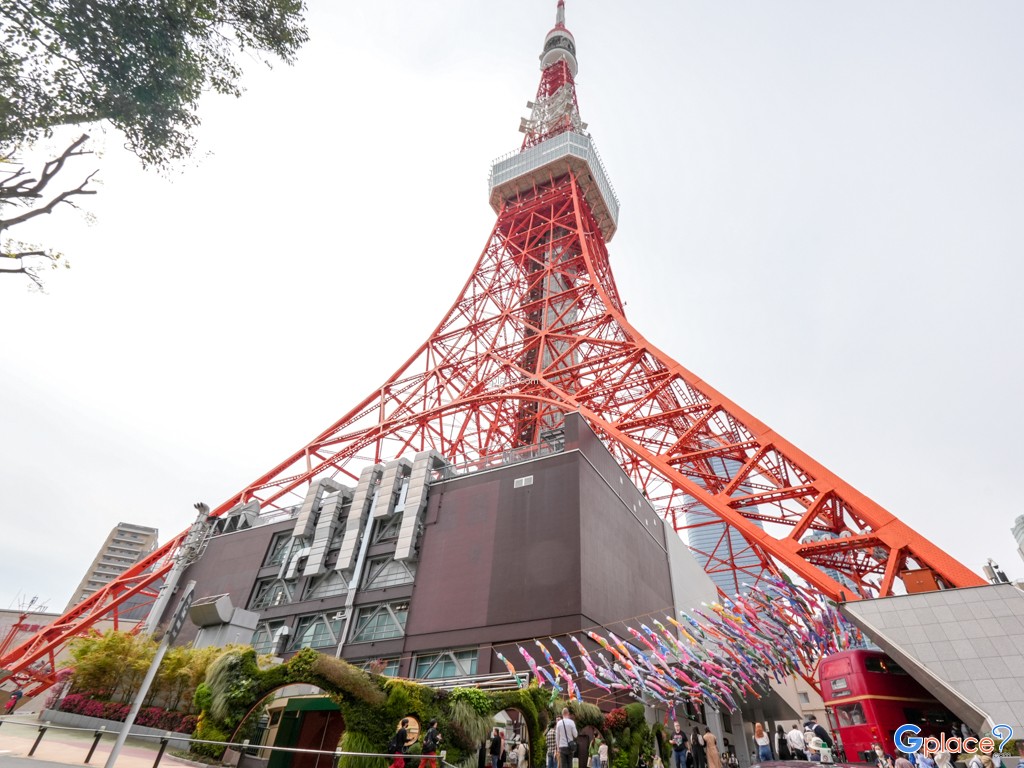
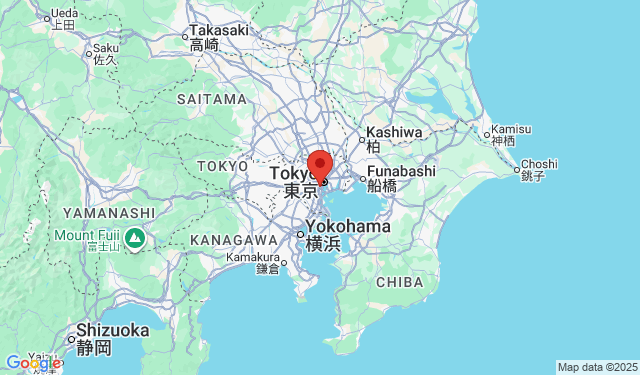
Tokyo Tower is a communications and observation tower located in the Shiba-koen district of Minato, Tokyo. Completed in 1958 and standing at 332.9 meters (1,092 feet), it is Japan’s second-tallest structure. Designed in the likeness of the Eiffel Tower but painted white and international orange to comply with air safety regulations, it has become one of the most enduring symbols of Tokyo&rsq...
read more

Chubu Electric Power MIRAI TOWER (Nagoya TV Tower) stands 180 meters tall as a defining landmark of Nagoya and a symbol of the city’s post-war recovery. Construction began in September 1953 and was completed in June 1954, taking nearly one year to finish. Designed by renowned architect Tachū Naitō, the tower predates Tokyo Tower and is recognized for its historical and structural significanc...
read more
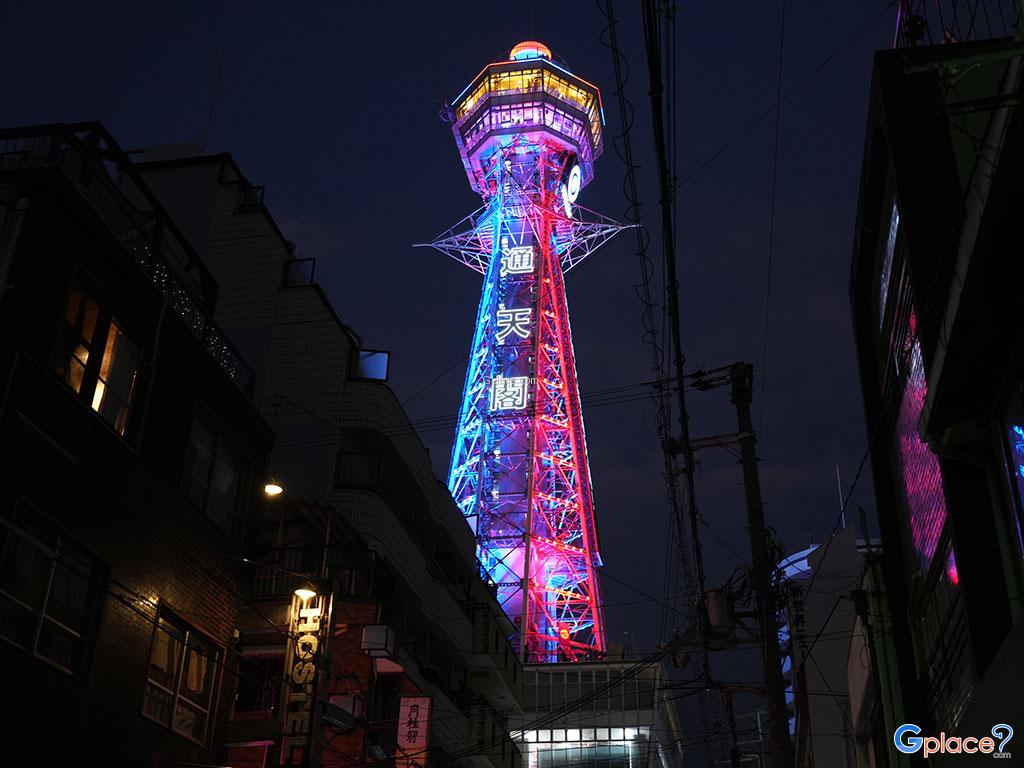
Tsutenkaku Tower is one of the most famous landmarks in Osaka, with a long history dating back to 1912. It serves as the centerpiece of the Shinsekai district, a retro neighborhood known for its nostalgic charm and local culture.
The current tower, standing 103 meters tall (including its antenna), was rebuilt in 1956 to replace the original structure that was dismantled during World War II. Its de...
read more
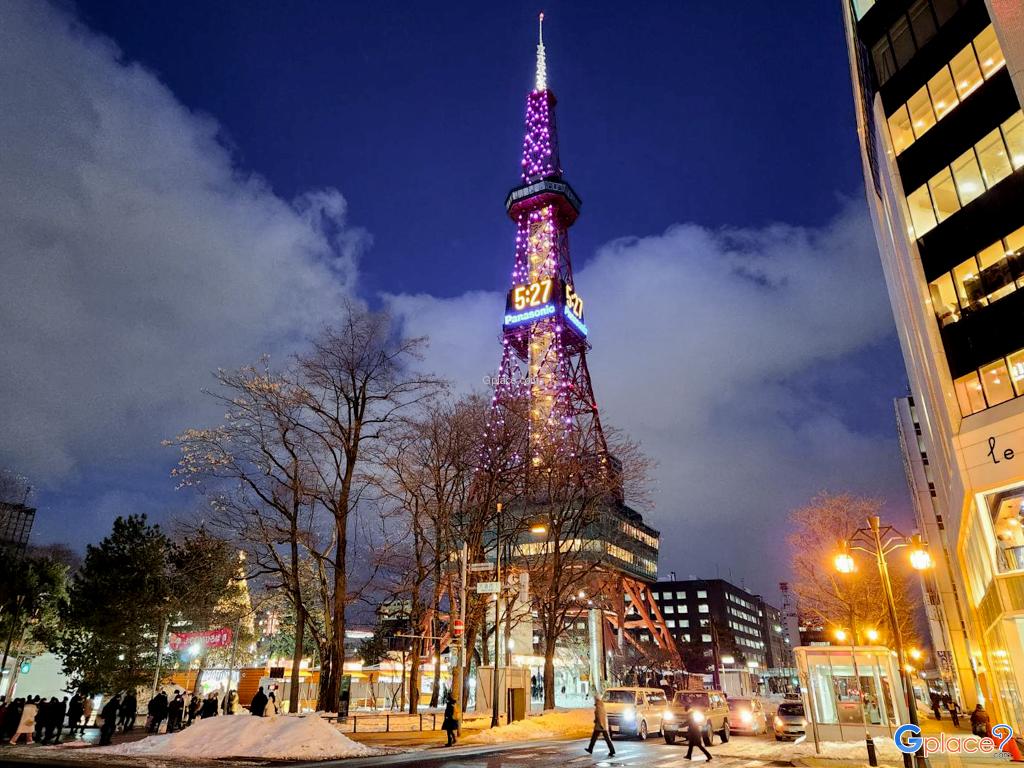
Sapporo TV Tower (さっぽろテレビ塔, Sapporo Terebi-tō) stands 147.2 meters tall and was completed in 1957 by architect Tachū Naitō, the same designer behind Tokyo Tower. Originally serving as a TV and radio broadcasting tower, it now functions as both a communication relay and a major tourist attraction.
Observation Deck and Views:
The main observation deck is located 90.38 meters above ground, offering p...
read more
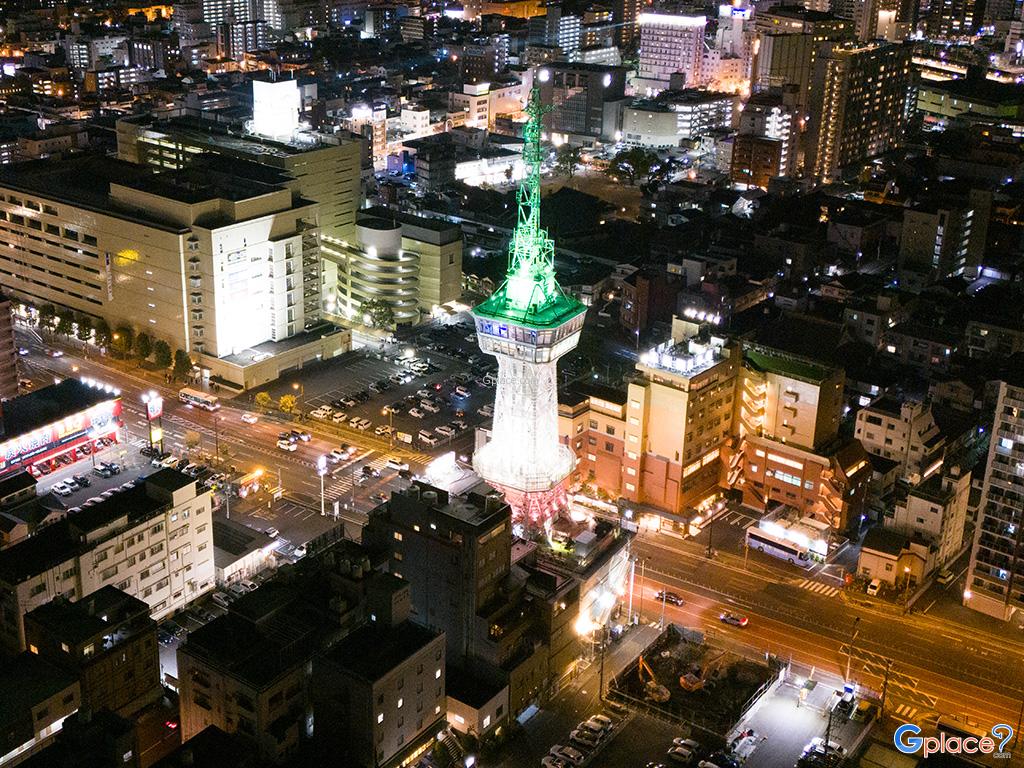
Beppu Tower, completed in 1957, is one of Japan’s “Six Tower Brothers,” designed by the same architect as Tokyo Tower, Tachū Naitō. Standing 100 meters tall, it combines sightseeing, art, and cultural heritage in a multi-floor layout.
Floor Highlights:
17th Floor – 360° Observation Deck The highest accessible floor, 55 meters above ground, provides panoramic views of ...
read more
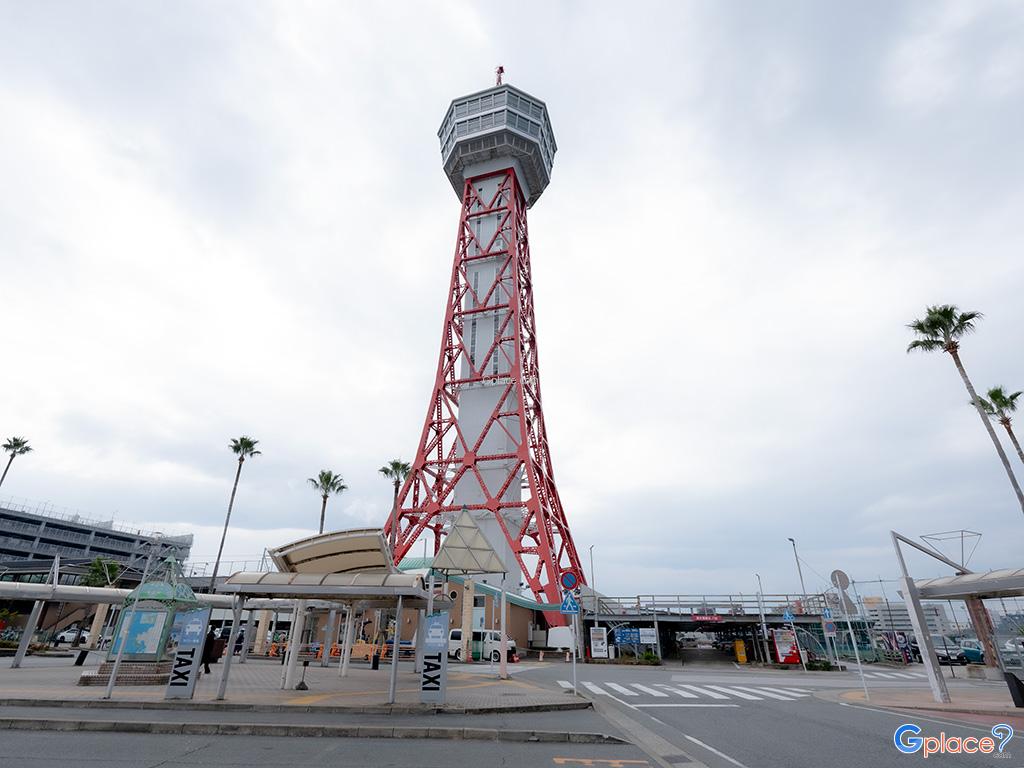
Hakata Port Tower, completed in 1964, is the youngest of the famed “Six Tower Brothers” designed by architect Dr. Tachū Naitō, the visionary behind Tokyo Tower. Standing 103 meters tall, the tower combines architectural elegance with functional engineering, offering a safe and earthquake-resistant lattice steel structure characteristic of Naitō’s post-war designs.
Primarily built...
read more
กำลังเป็นที่นิยม

10 Kanchanaburi Spots When the Rain Softly Falls
Kanchanaburi when the rain softly falls is a beautiful moment between the end of..

10 Thai Costume Spots to Go Back in Time
Wearing traditional Thai costume and taking photos at beautiful places is more t..
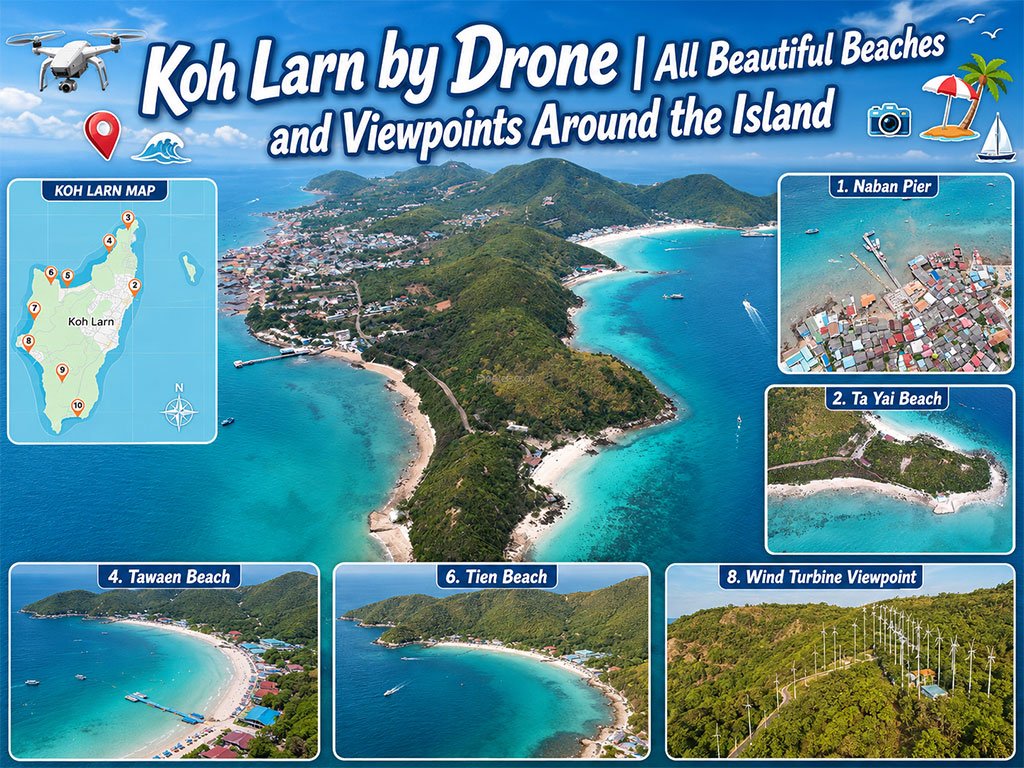
Koh Larn Aerial Views by Drone
Starting from Naban Pier, then looping north to Ta Yai Beach → Th..

Attractive Beaches in Sattahip, Chonburi
For those looking to escape the hustle and bustle of Pattaya and experience calm..
Recommend trips
- Pilgrimage to the Sacred Sites
- Trip to Bhutan
- 10 Sacred Buddhist Sites Thai Temples in India–Nep
- Koh Larn Aerial Views by Drone
- 10 Kanchanaburi Spots When the Rain Softly Falls
- The Four Holy Pilgrimage Sites
- Dream Destinations in Switzerland
- Top Paris Check-in Spots
- 10 Thai Costume Spots to Go Back in Time
- Must-Visit Check-in Spots in London
- Attractive Beaches in Sattahip, Chonburi
- 10 Must-Visit Spots Along the Chao Phraya River, B
- 8 World Heritage Sites of Thailand
- The Ultimate Ancient Villages in Japan
- Thailand’s Sandbar Wonders
- 10 Must-Visit Places in Waterford
- 10 Best Shopping Destinations in Bangkok
- 10 Must-Visit Spots in Koh Yao
- EBC - World-Class Trekking Route
- 10 Must-Visit Check-ins in Uthai Thani