
 Attractions
  Hotel
Hotel  Restaurant
  Shopping
  Abroad
  Nearby Places






EBC - World-Class Trekking Route

 1519
1519
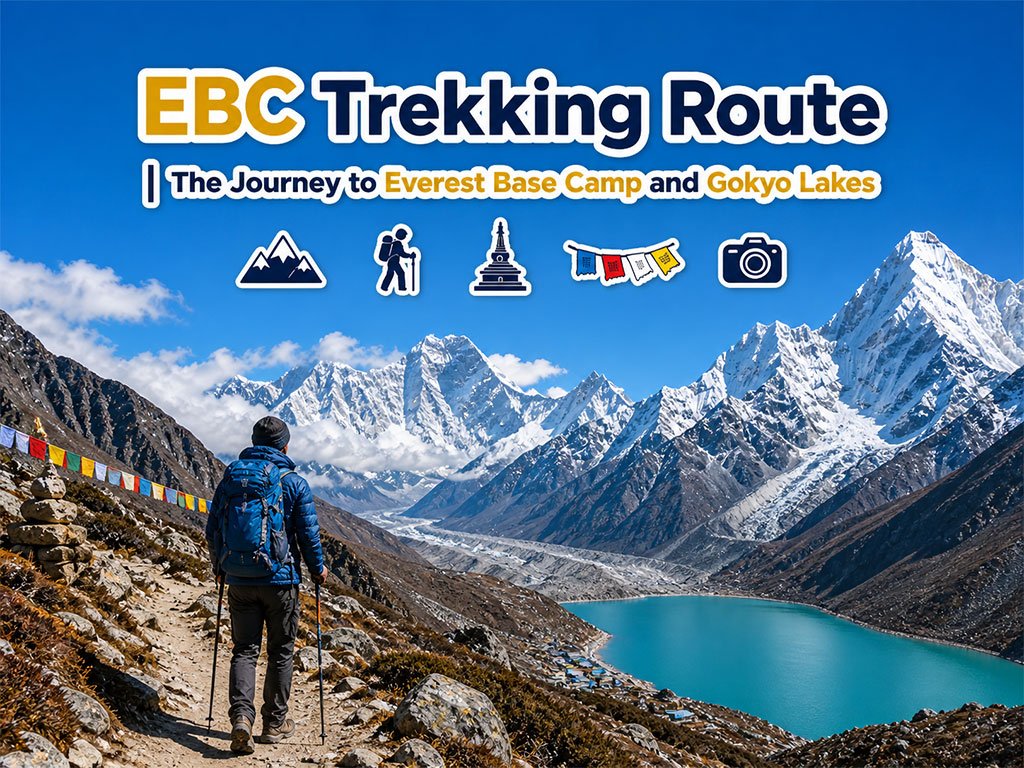
I traveled this EBC Trekking Route from April 28 - May 10, 2023.
Lukla → Phakding → Monjo → Namche Bazaar → Tengboche → Dingboche → Pheriche → Cho La Pass → Lobuche → Gorak Shep → Everest Base Camp → Everest Summit → Gokyo Lakes
The EBC Trekking Route (Everest Base Camp Trek Route) begins at Lukla , the main gateway to the Khumbu region and home to the Tenzing–Hillary Airport, one of the world's most famous mountain airports. From here, trekkers embark on a legendary journey, crossing suspension bridges over the Dudh Koshi River, through alpine forests, and Sherpa villages to Phakding , a popular first-night stop amidst the tranquil Himalayan nature.
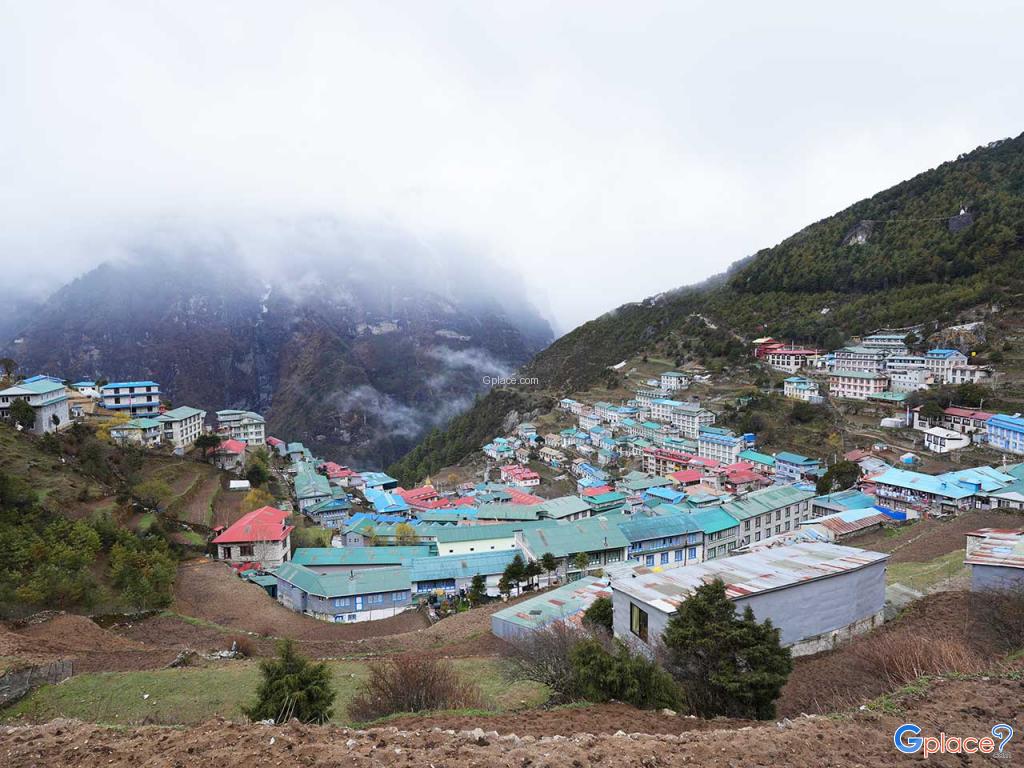
The trail then leads to Monjo , the entry checkpoint to the World Heritage site of Sagarmatha National Park , before ascending to Namche Bazaar , the bustling Sherpa capital and the most crucial acclimatization point on the route. It is surrounded by magnificent Himalayan peaks, particularly Ama Dablam , widely considered one of the world's most beautiful mountains.
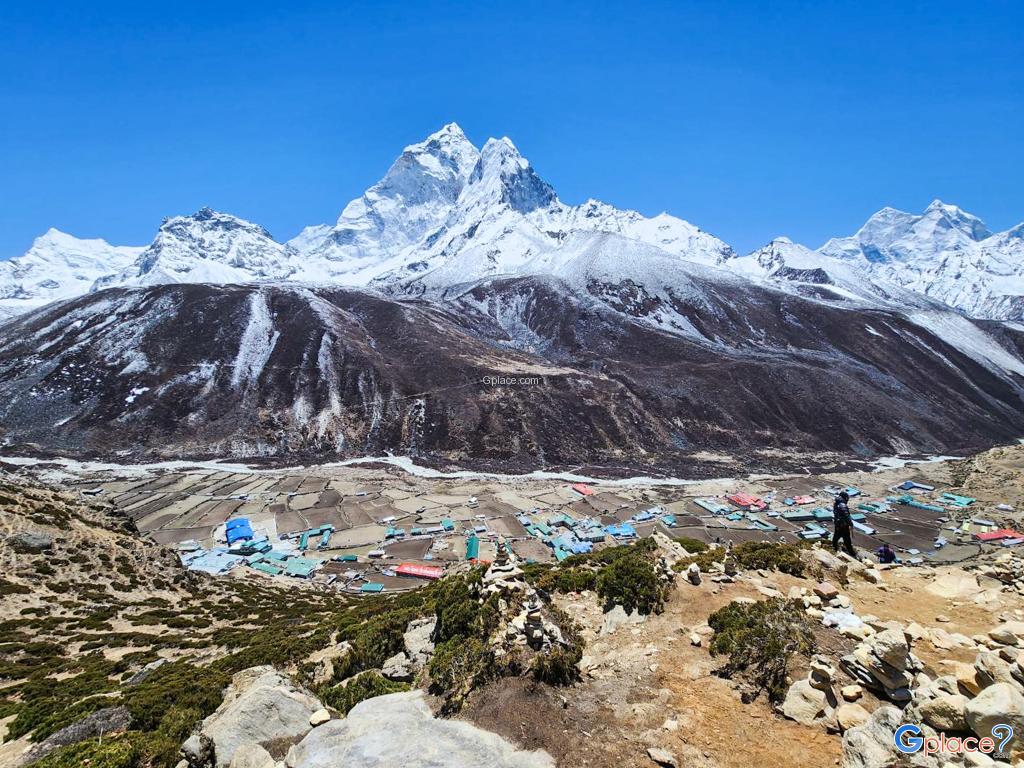
As the altitude increases, the trail passes through the village of Tengboche , home to the Tengboche Monastery , the most significant Buddhist monastery in the Khumbu region, set against a backdrop of majestic Himalayan peaks. The journey then continues to Dingboche , a popular acclimatization spot known for receiving more sunlight and offering a ridge viewpoint to see Island Peak. Meanwhile, Pheriche is another option for acclimatization and hosts the Himalayan Rescue Association (HRA), playing a crucial role in managing altitude sickness.
The route then enters one of the most challenging sections of the Everest region: crossing the Cho La Pass , a high-altitude icy pass connecting the Everest Base Camp trail with the Gokyo Valley. Most trekkers prefer to cross from the Dzongla side (towards Everest Base Camp) to the Gokyo side due to a more manageable gradient, before entering the glacial terrain around Lobuche , a crucial resting point before the glacier zone.
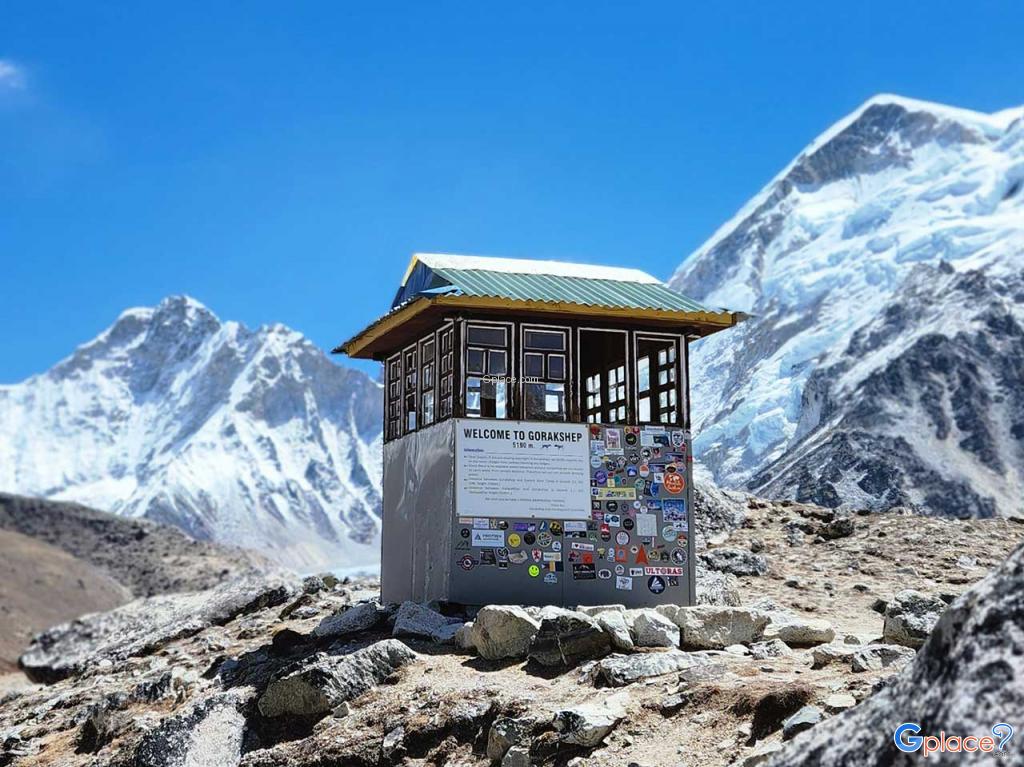
The trail then leads to Gorak Shep , the last village before Everest Base Camp and one of the highest overnight stops on this trekking route. From this area, trekkers can hike up to Kala Patthar, which is considered the best viewpoint for Mount Everest on the route, as Everest Base Camp itself does not offer clear views of the summit due to the Nuptse ridge obstructing the view.
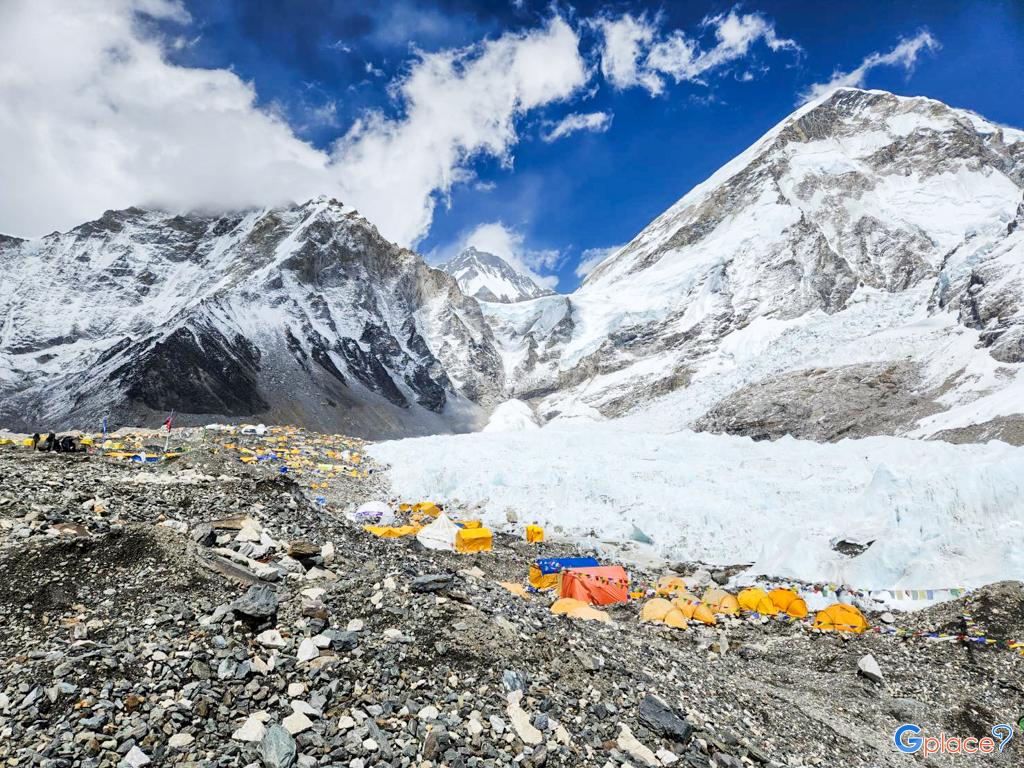
Everest Base Camp is situated at an altitude of approximately 5,364 meters amidst the landscape of the Khumbu Glacier. From here, one can see the Khumbu Icefall, one of the most beautiful and challenging icy terrains in the world, and the main route for climbers heading towards the summit of Mount Everest , the highest mountain in the world.
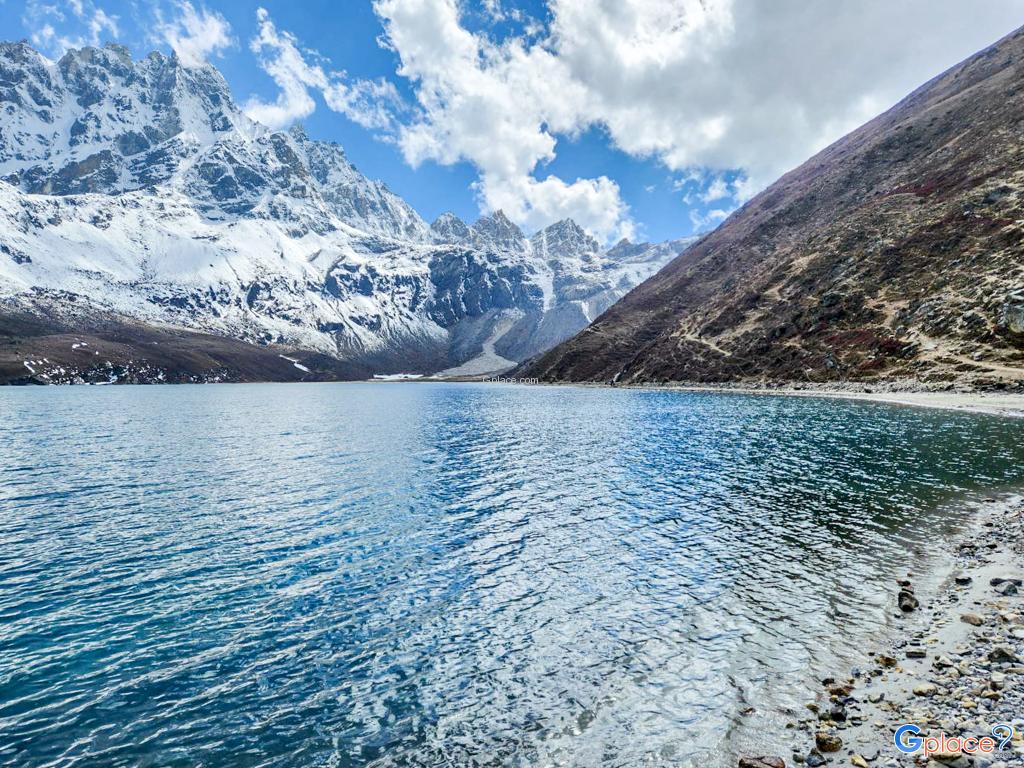
After visiting Everest Base Camp, the journey continues to one of the most beautiful highlights of the Everest region: Gokyo Lakes , a cluster of turquoise glacial lakes at an altitude of over 4,700 meters. Beyond the main lake near Gokyo village, trekkers can also proceed to the 4th and 5th lakes, Suntala Tsho and Ngozumpa Tsho, to witness Scoundrel’s Viewpoint, which offers one of the most magnificent views of Mount Everest in the region, along with vistas of Ngozumpa Glacier, the longest glacier in the Everest Region.
The EBC trekking route is therefore not merely a journey to Everest Base Camp, but an expedition through Sherpa villages, local culture, sacred monasteries, icy high passes, world-class glaciers, the Kala Patthar viewpoint, and the stunning Gokyo Lakes. It stands as one of the world's most coveted hiking trails, dreamt of by adventurers worldwide to experience at least once in their lifetime.
If you have already trekked this route or are planning your journey in the future, please share your experiences, favorite photo spots, or advice for future trekkers in the comments below. Let this 'Roof of the World' trail continue to inspire those preparing to embark on this legendary journey.

กำลังเป็นที่นิยม
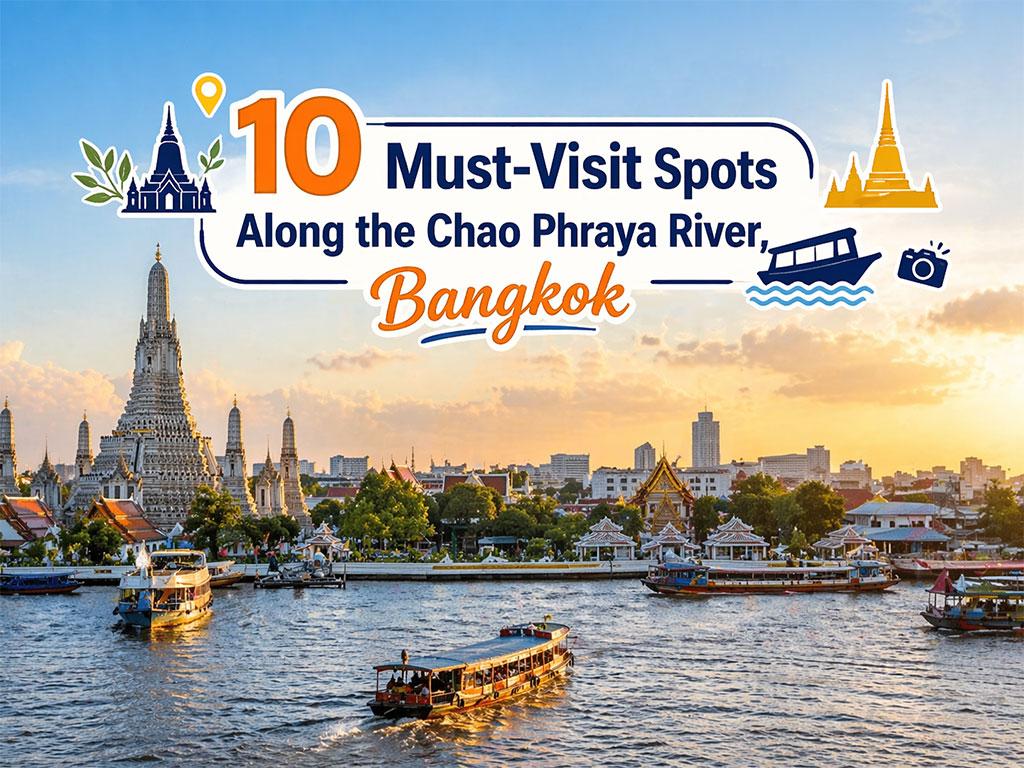
Exploring the Chao Phraya River offers one of the most complete experiences of B..
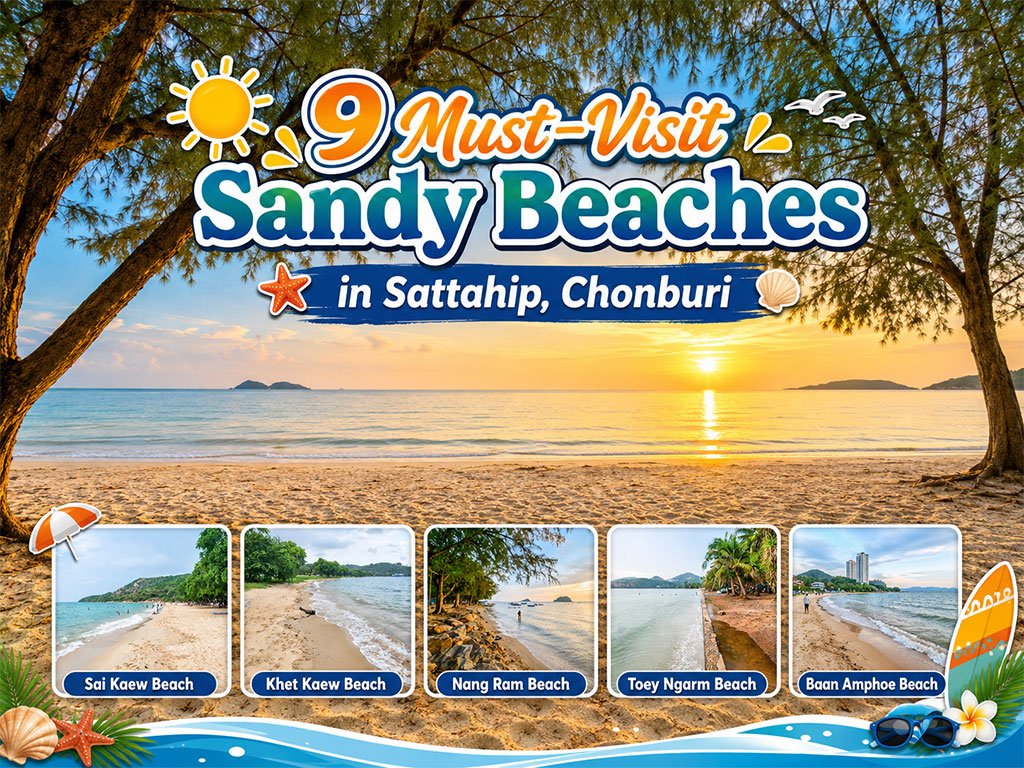
For those looking to escape the hustle and bustle of Pattaya and experience calm..

Tracing Ancient Civilizations and Invaluable Forests Recognized by UNESCO Thaila..
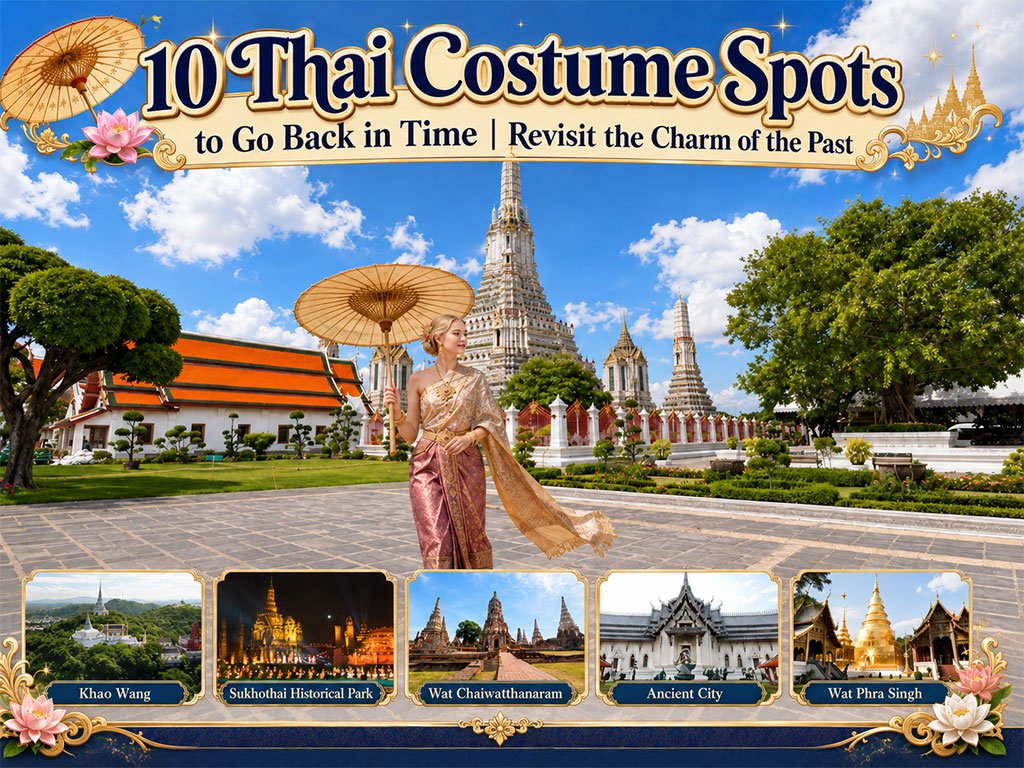
Wearing traditional Thai costume and taking photos at beautiful places is more t..
Recommend trips
- The Four Holy Pilgrimage Sites
- Dream Destinations in Switzerland
- Pilgrimage to the Sacred Sites
- Trip to Bhutan
- 10 Sacred Buddhist Sites Thai Temples in India–Nep
- 10 Thai Costume Spots to Go Back in Time
- Must-Visit Check-in Spots in London
- Top Paris Check-in Spots
- Attractive Beaches in Sattahip, Chonburi
- 10 Must-Visit Spots Along the Chao Phraya River, B
- 8 World Heritage Sites of Thailand
- The Ultimate Ancient Villages in Japan
- 10 Best Shopping Destinations in Bangkok
- 10 Must-Visit Places in Waterford
- Watsons Bay Half-Day Trip
- Japan Bucket List: 20 Places You Must Visit Once i
- 10 Must-Visit Spots in Koh Yao
- EBC - World-Class Trekking Route
- 10 Must-Visit Check-ins in Uthai Thani
- Giant Buddha Landmarks in Thailand