
 Attractions
  Hotel
Hotel  Restaurant
  Shopping
  Abroad
  Nearby Places






10 Must-Visit Check-ins in Uthai Thani

 892
892

Uthai Thani is a uniquely charming secondary city. This small city by the Sakae Krang River is filled with tranquility, simple ways of life, ancient temples, pristine nature, and uniquely beautiful limestone mountains. It's perfect for travelers looking to escape the hustle and bustle and spend unhurried time at attractions that offer faith, natural beauty, and memorable photo opportunities.
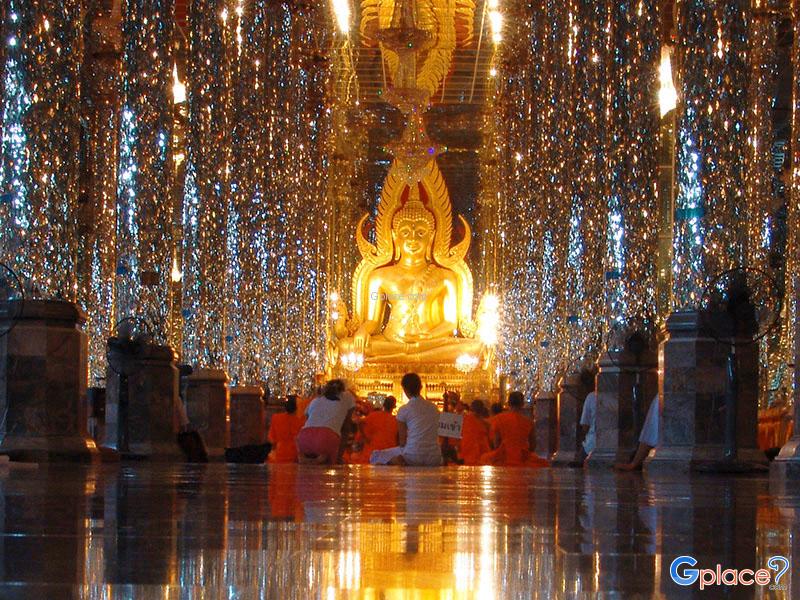
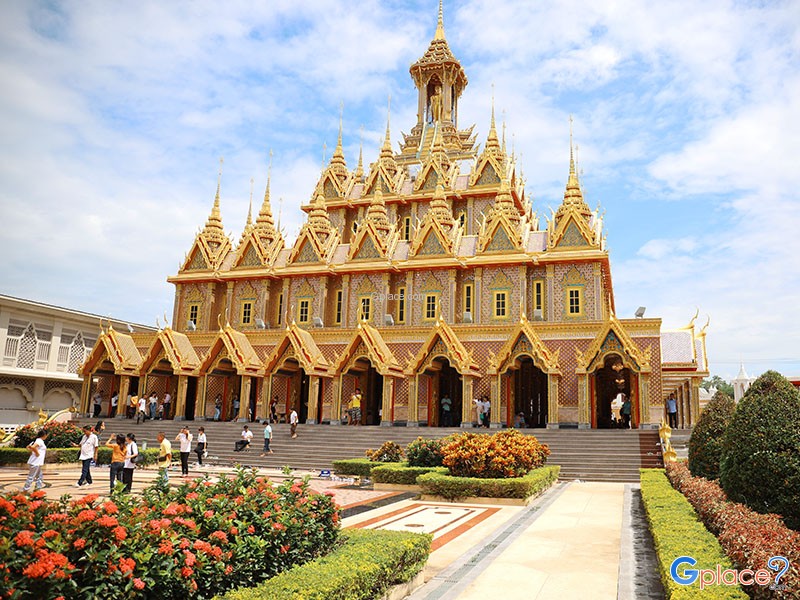
Start your trip with Wat Chantharam (Wat Tha Sung), an important landmark of Uthai Thani famous for its 100-meter Glass Temple (Wihan Kaeo), adorned with shimmering glass mosaics, resembling a heavenly abode on earth. Inside, it houses a replica of Phra Phuttha Chinnarat and the preserved body of Luang Por Ruesi Ling Dam. Another must-visit is the Golden Castle, a dazzling golden contemporary Thai architectural marvel. It's recommended to visit between 09:00–11:45 AM or 2:00–4:00 PM, as the Grand Glass Temple and Golden Castle are closed during lunch.
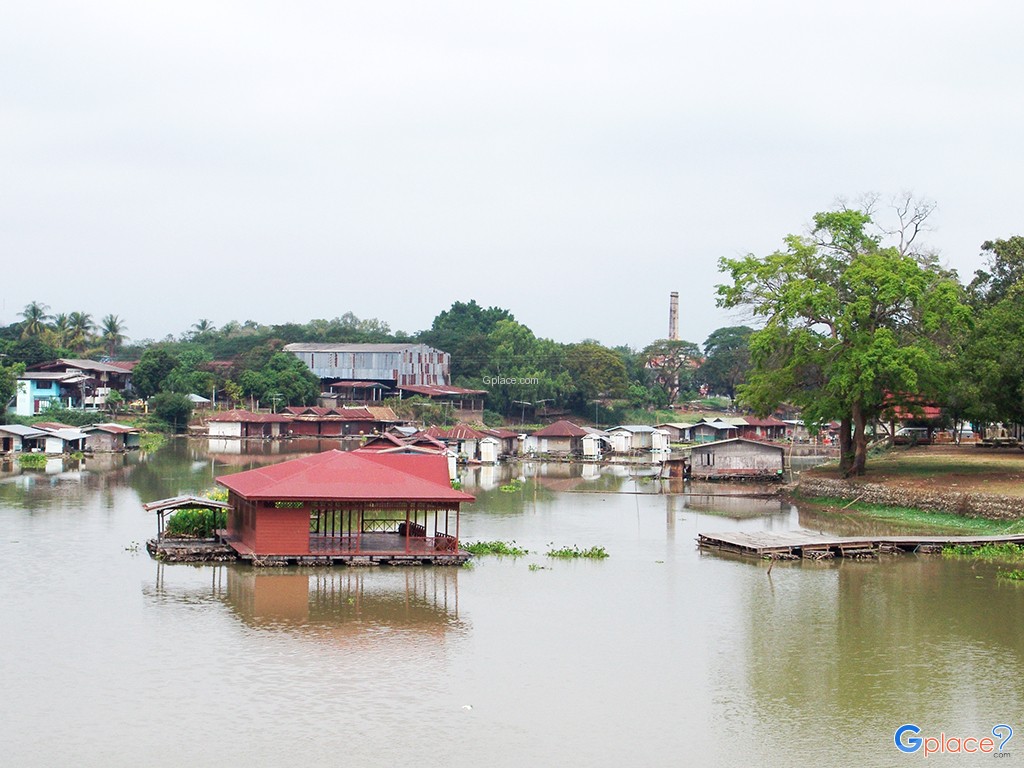
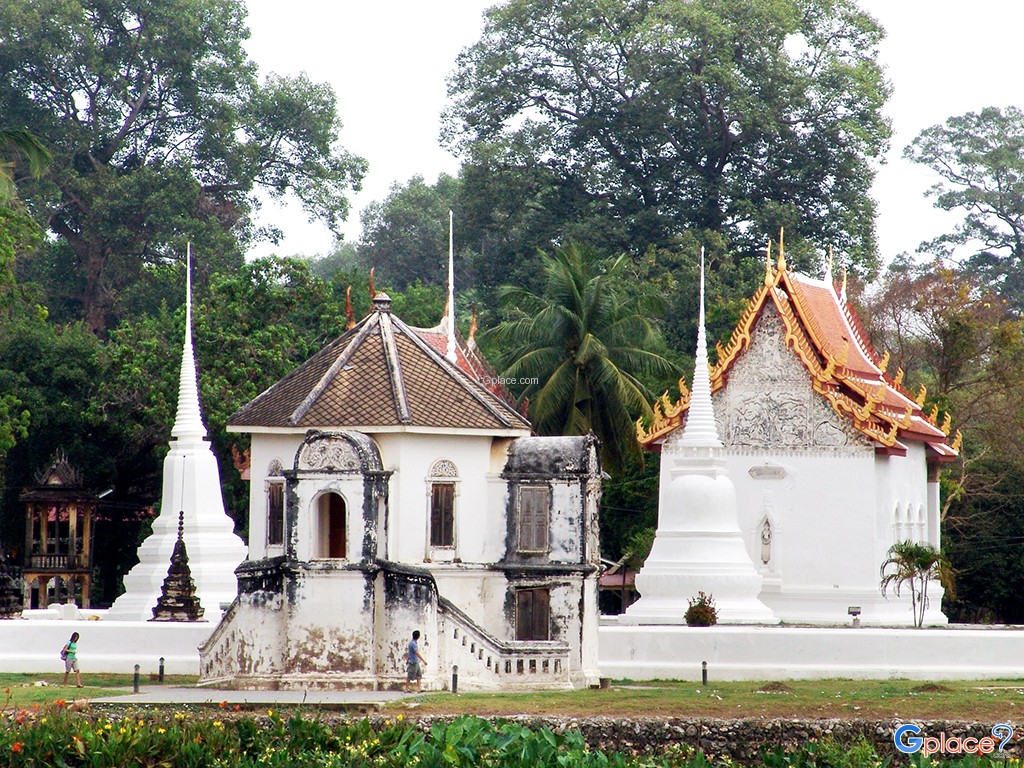
Next, visit Wat Uposatharam, or Wat Bot, an ancient temple by the Sakae Krang River that reflects the charm of riverside temples and Uthai Thani's way of life. Highlights include the Octagonal Mondop, a blend of European and Chinese art, and exquisite tempera murals inside the Ubosot and Vihara. For a wide-angle shot, it's recommended to cross to the market side to capture the temple, the Octagonal Mondop, and the riverside rafts all in one frame.
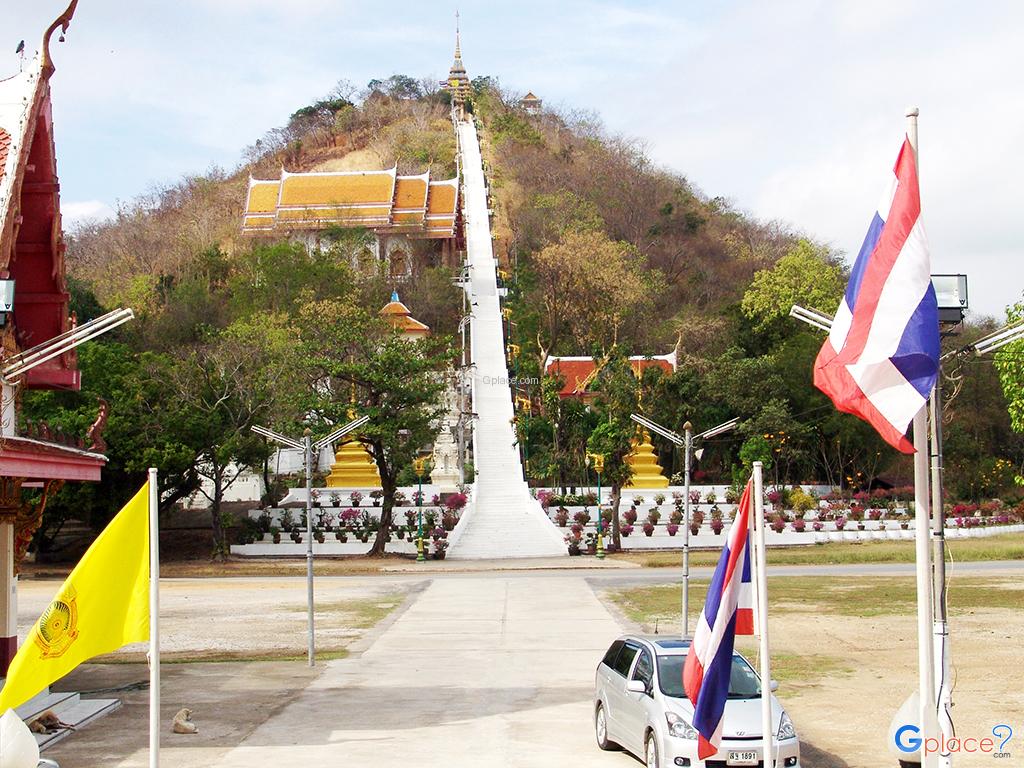
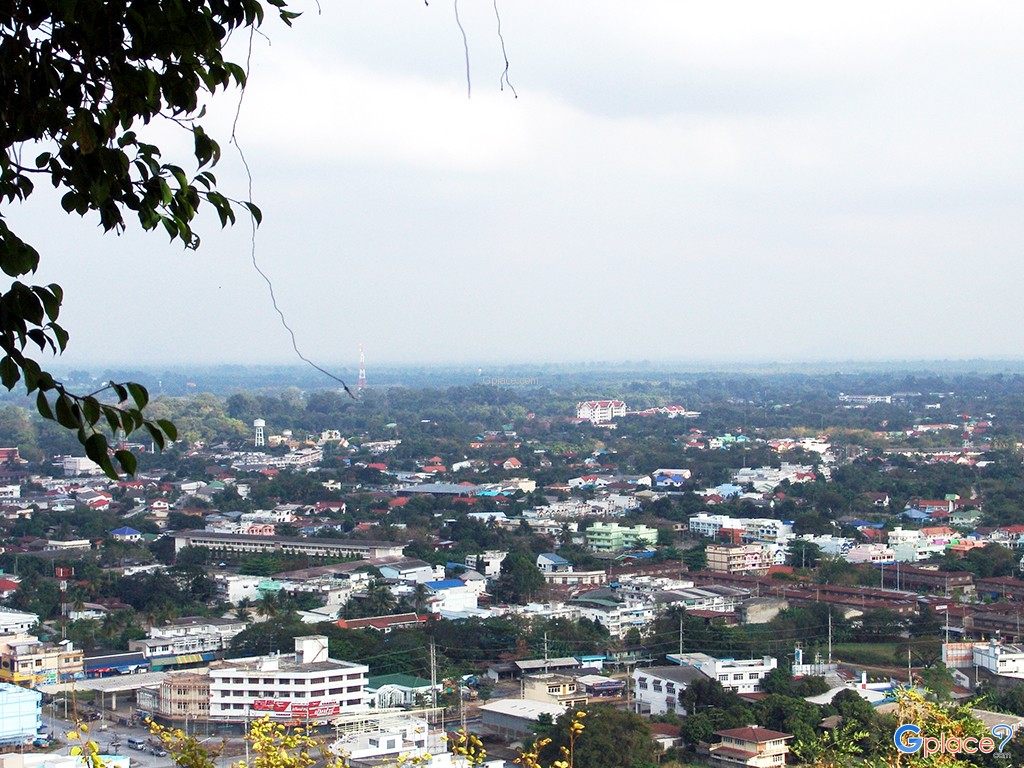
Continue with Khao Sakae Krang, a viewpoint and sacred site integral to Uthai Thani, offering panoramic views of the city and the Sakae Krang River. At the foot of the hill is Wat Sangkat Rattana Khiri, where the Phra Phuttha Mongkol Sakisthit, a revered Buddha image of Uthai Thani, is enshrined. On the hilltop, there is a mondop housing a replica of the Buddha's footprint and it serves as a beautiful viewpoint, especially peaceful during the first light of dawn. It is also an important site for the Tak Bat Thewo tradition, where monks descend gracefully down 449 steps from Khao Sakae Krang to the temple grounds during important festivals.
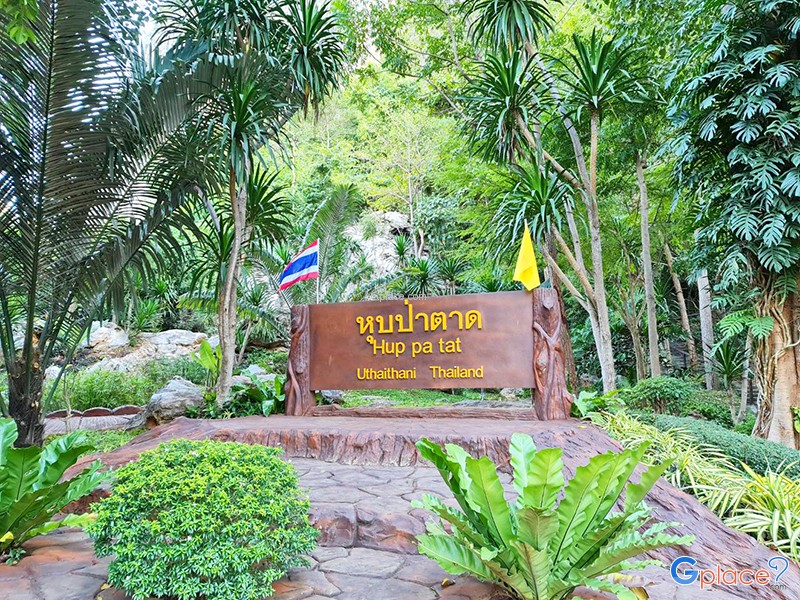
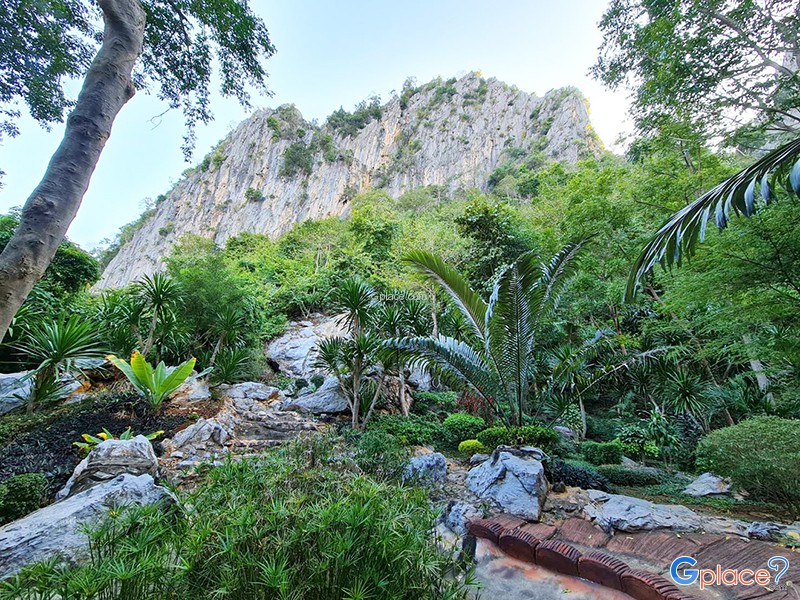
Nature lovers should not miss Hub Pa Tard, an ancient forest amidst a limestone mountain valley. Visitors must walk through a dark cave before emerging into the inner forest valley, which is full of Tard trees (a palm-like ancient plant), giving a feeling of stepping back in time to an ancient world. It's advisable to bring a flashlight or utilize the local flashlight and junior guide services. If you visit during the rainy season, you might have a chance to spot the pink dragon millipede, a rare local wildlife.
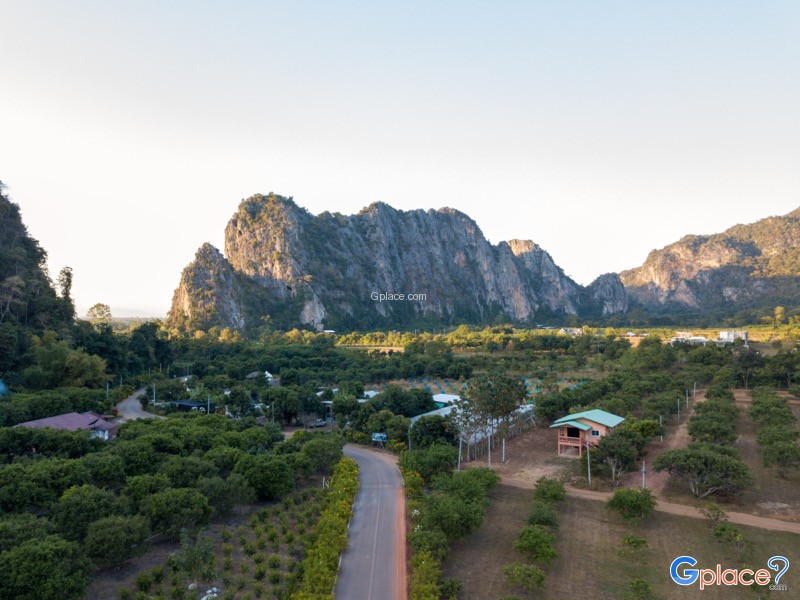
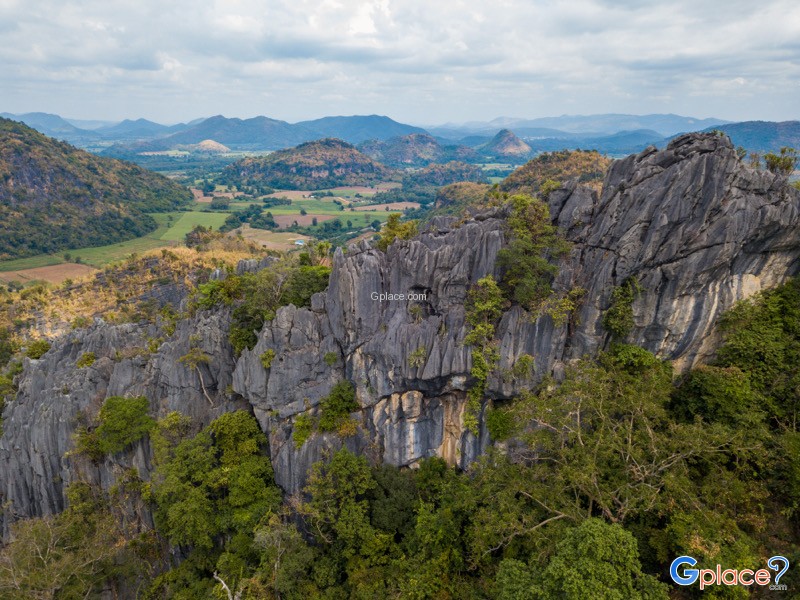
Not far from Hub Pa Tard is Ban Chai Khao, a photo spot with limestone mountain views that many call “Switzerland of Thailand.” It features uniquely shaped mountain ranges amidst grasslands, fruit orchards, and cornfields. There are wooden bridges and viewing platforms to stroll and enjoy the breeze. It's perfect for a stop and photos during the evening light, especially angles with the mountains as a backdrop.
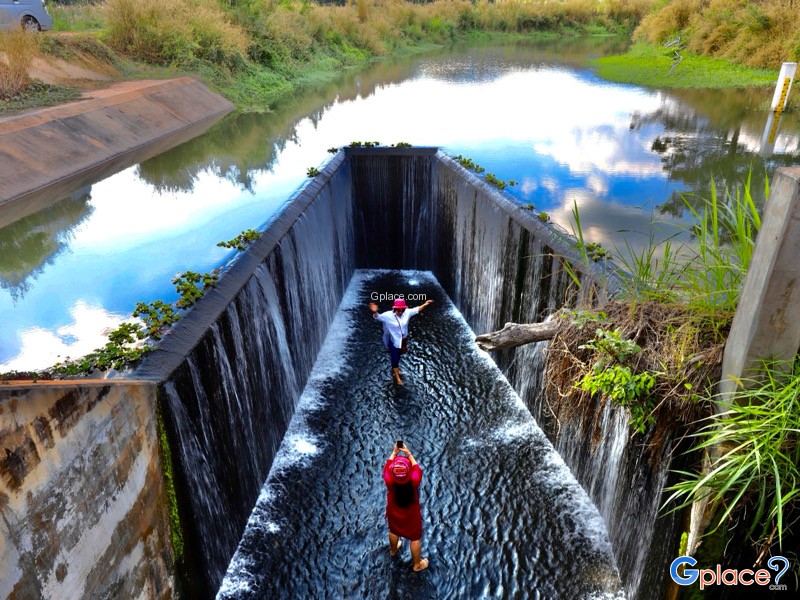
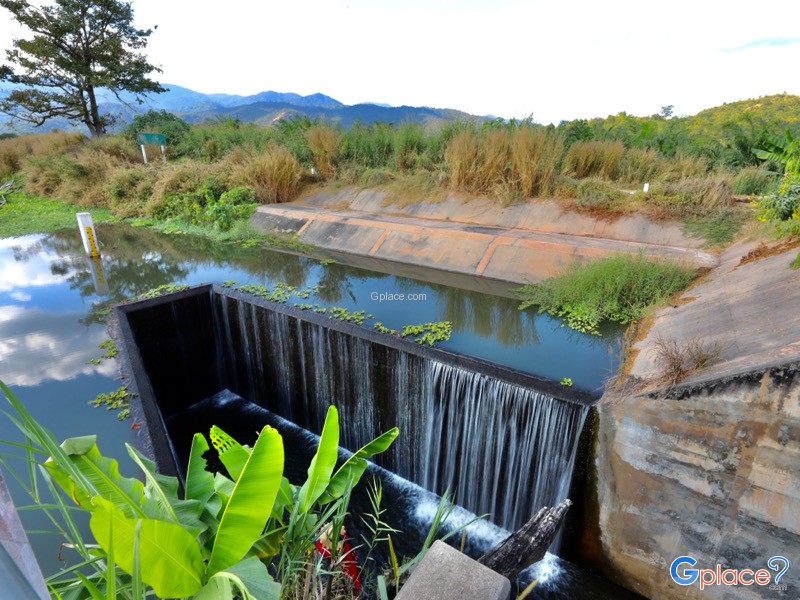
For those who love natural waterways, don't miss Pang Sawan Weir, a beautiful cascading water curtain attraction where water flows down concrete weirs, creating a small natural waterfall scene. The atmosphere is lush and tranquil, perfect for photography and relaxation. It's recommended to visit from late rainy season to early winter, approximately September–November, and it's advisable to check water levels before traveling, as during the dry season, the water might be too low to see the water curtain.
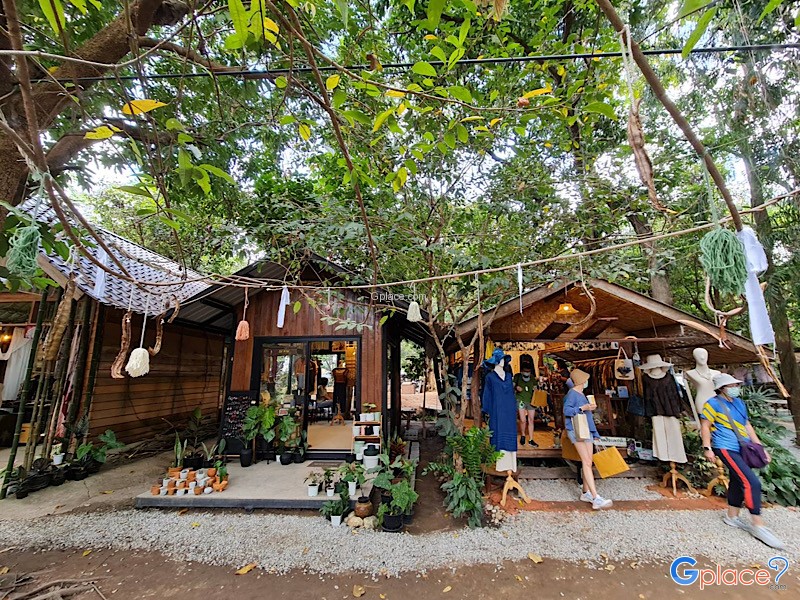
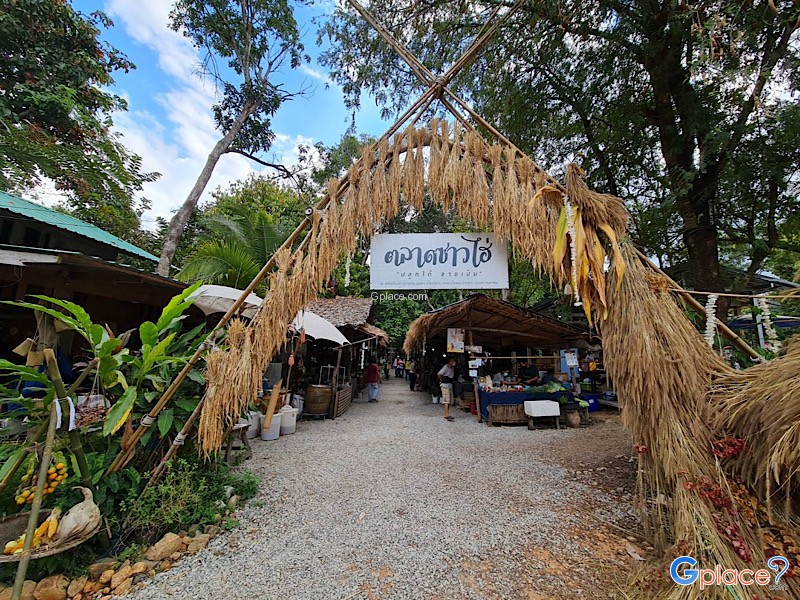
Uthai Thani also boasts the charm of local communities at Talat Sao Hai, a garden-like community market in Ban Rai district. It's a hub for safe produce, organic agriculture, local crafts, traditional hand-woven fabrics, traditional food, Thai desserts, and drip coffee, reflecting the warm culture of the Lao Krang and Lawa people. It's ideal for strolling, tasting food, and capturing simple community life.
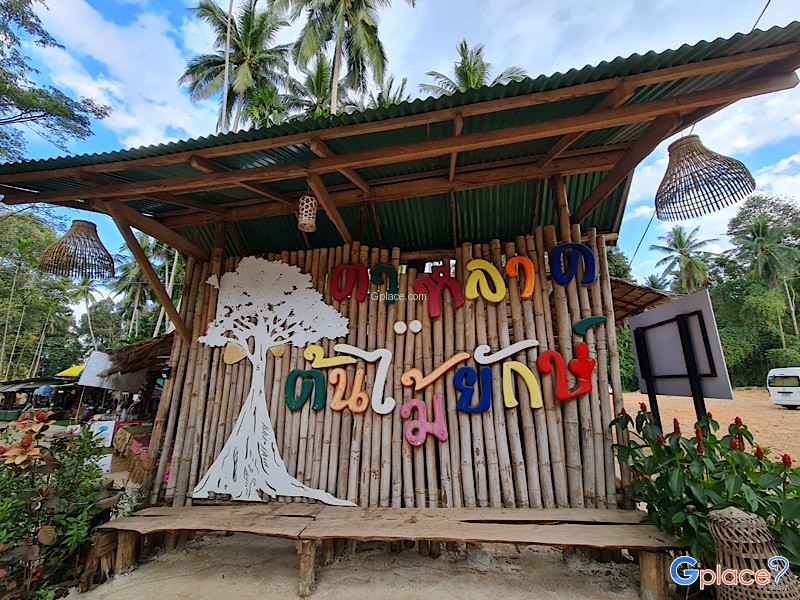
Next, witness the grandeur of nature at the Giant Tree, Ban Sanaam Community. This giant Sian tree (or bee tree), over 400 years old, stands out with its massive buttress roots spreading widely around the base. The surroundings are lush with betel nut and bamboo forests. It's an excellent photo spot to clearly see the power of nature. It's recommended to take photos with a person standing next to the roots and trunk to fully appreciate its immense size.
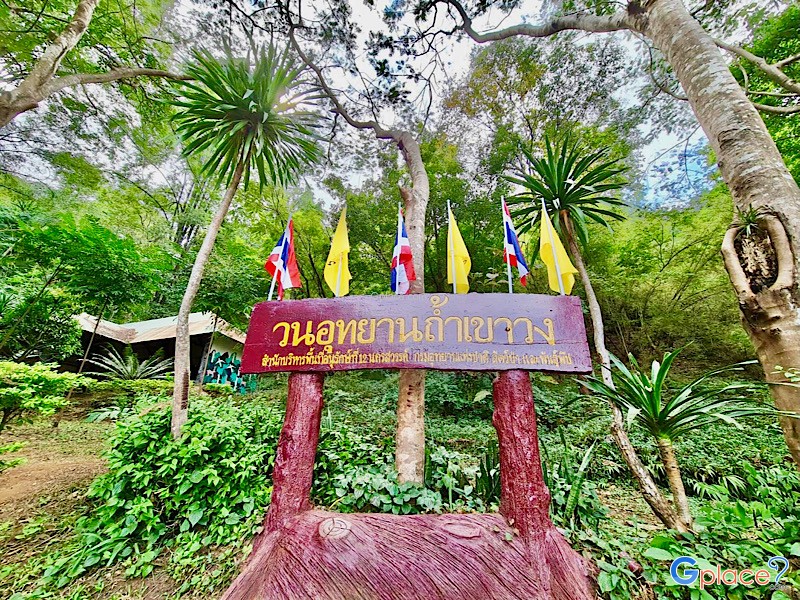
Towards the end of the trip, it's recommended to combine visits to Khao Phu Wai and Wat Tham Khao Wong as they are close to each other. However, you should visit Khao Phu Wai first as it is a large natural cave that requires time to explore, and daylight is essential to clearly see the stalactites and stalagmites. If visited too late in the day, the light might be dim, and it might close earlier at certain times. Inside, there are spacious cave halls with good ventilation, and from the back, you can walk through to an ancient Chan Pha forest nature trail. It's advisable to bring a flashlight or inquire about a local guide.
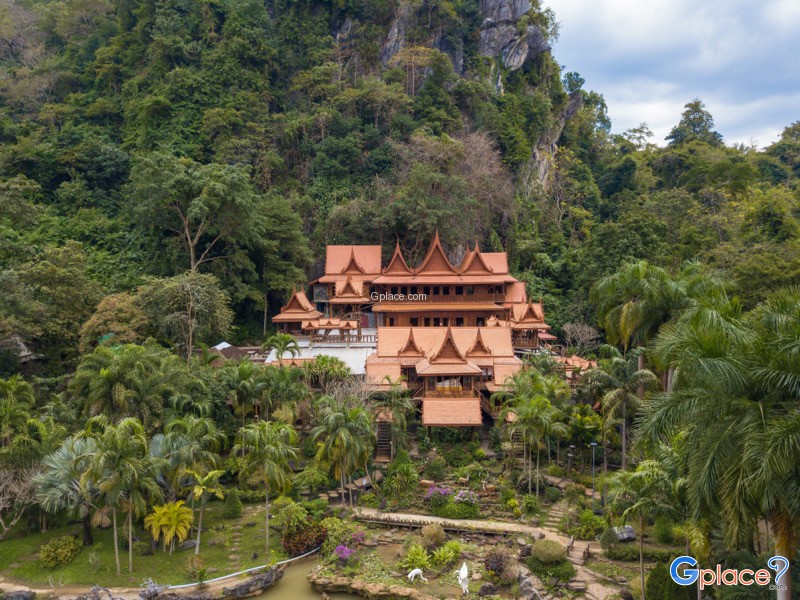
Conclude your day peacefully at Wat Tham Khao Wong, a beautiful landmark in Ban Rai district. It stands out with its large 4-story teak wood Thai-style building nestled beneath a steep limestone cliff. The wooden building harmonizes with nature, and in front, there's a pond, a manicured garden, and a shady atmosphere. It's ideal for photography from late afternoon to evening, especially from the pond's edge opposite the building, where you can capture beautiful reflections of the Thai house and the limestone cliff.
If you're looking for a secondary city trip near Bangkok that offers beautiful temples, mountain views, nature, caves, local communities, and unique photo spots, Uthai Thani is a destination you should experience for yourself. You'll discover that this tranquil city holds a deeper charm than you might expect. If you've visited any of these spots and were impressed, don't forget to share your experiences and favorite angles so others can follow in Uthai Thani's charming footsteps!



กำลังเป็นที่นิยม

For those looking to escape the hustle and bustle of Pattaya and experience calm..

Exploring the Chao Phraya River offers one of the most complete experiences of B..

Tracing Ancient Civilizations and Invaluable Forests Recognized by UNESCO Thaila..
Wearing traditional Thai costume and taking photos at beautiful places is more t..
Recommend trips
- The Four Holy Pilgrimage Sites
- Dream Destinations in Switzerland
- 10 Thai Costume Spots to Go Back in Time
- Pilgrimage to the Sacred Sites
- Trip to Bhutan
- 10 Sacred Buddhist Sites Thai Temples in India–Nep
- Attractive Beaches in Sattahip, Chonburi
- Top Paris Check-in Spots
- Must-Visit Check-in Spots in London
- 10 Must-Visit Spots Along the Chao Phraya River, B
- 8 World Heritage Sites of Thailand
- The Ultimate Ancient Villages in Japan
- 10 Best Shopping Destinations in Bangkok
- Watsons Bay Half-Day Trip
- 10 Must-Visit Places in Waterford
- Giant Buddha Landmarks in Thailand
- Top 10 Must-Visit Spots in Pattaya
- 10 Must-Check-In Spots in Ireland
- Japan Bucket List: 20 Places You Must Visit Once i
- 10 Must-Visit Spots in Koh Yao