 Attractions
  Hotel
Hotel  Restaurant
  Shopping
  Abroad
  Nearby Places






10 Sacred Buddhist Sites Thai Temples in India–Nep

 3731
3731

A journey to the Buddhist heartlands of India and Nepal is more than a historical pilgrimage—it is also a journey inward. These sacred places mark the most significant moments in the life of the Buddha, from enlightenment and teachings to the final passing into Nirvana, and they continue to carry profound spiritual energy to this day.
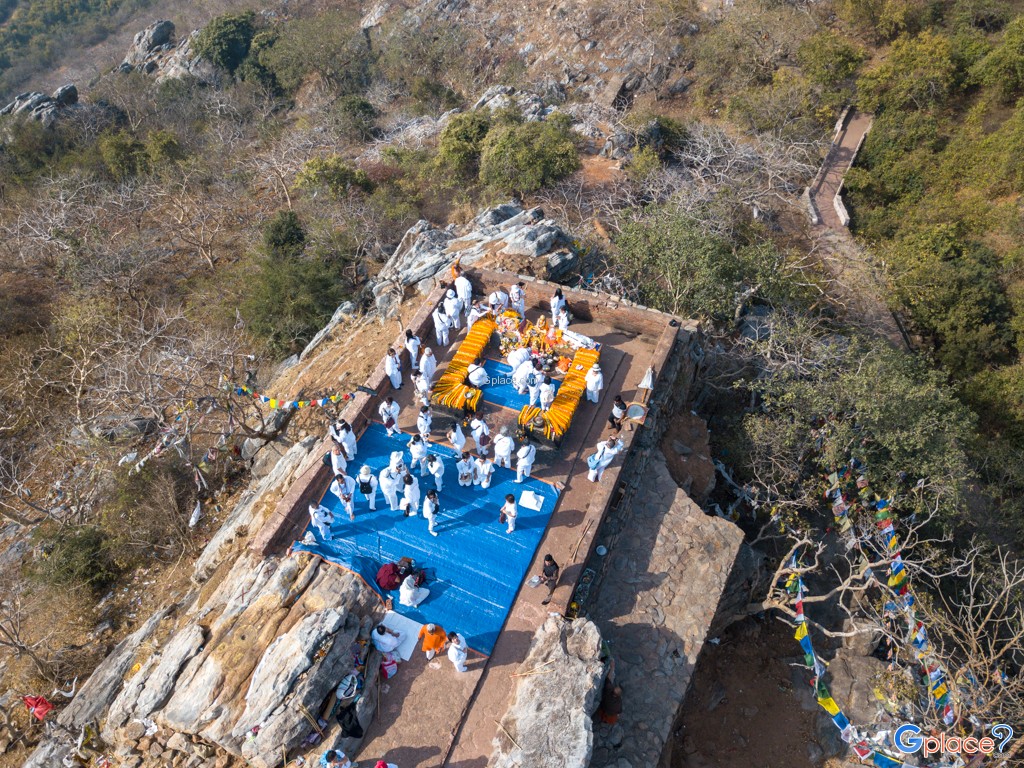
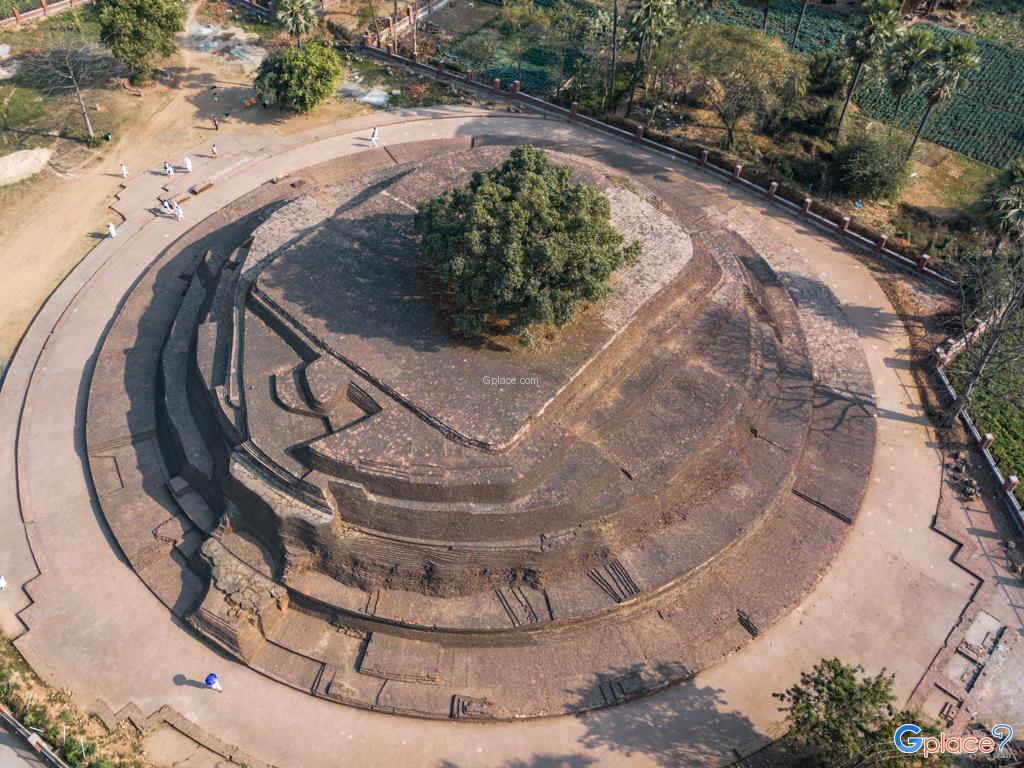
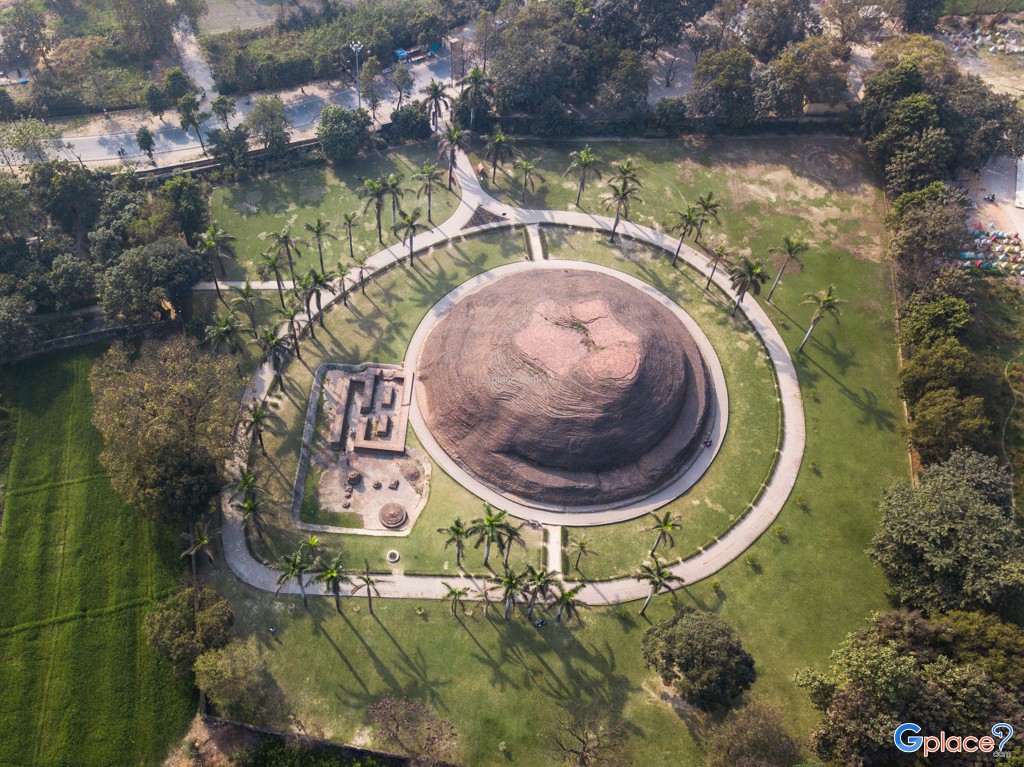
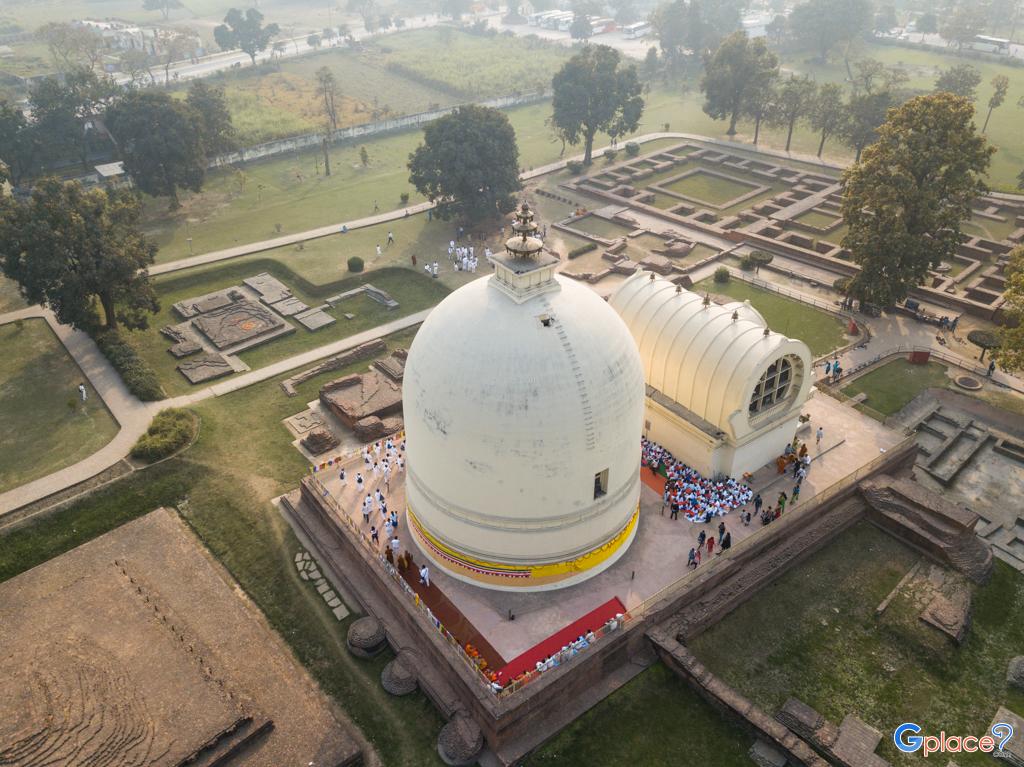
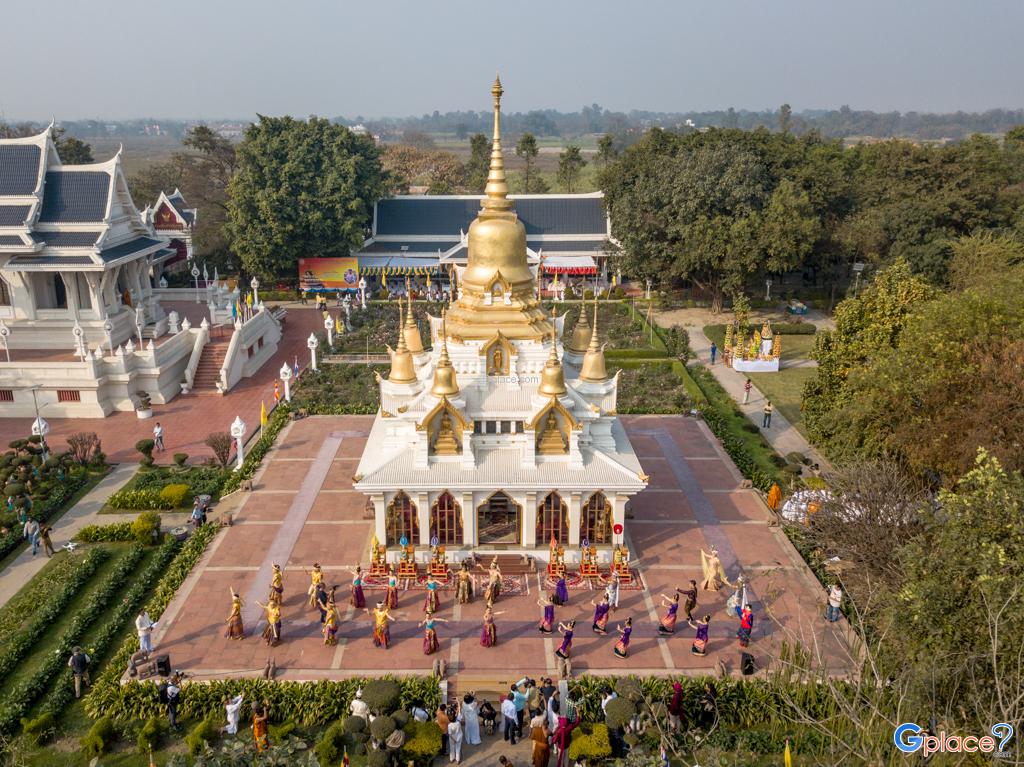
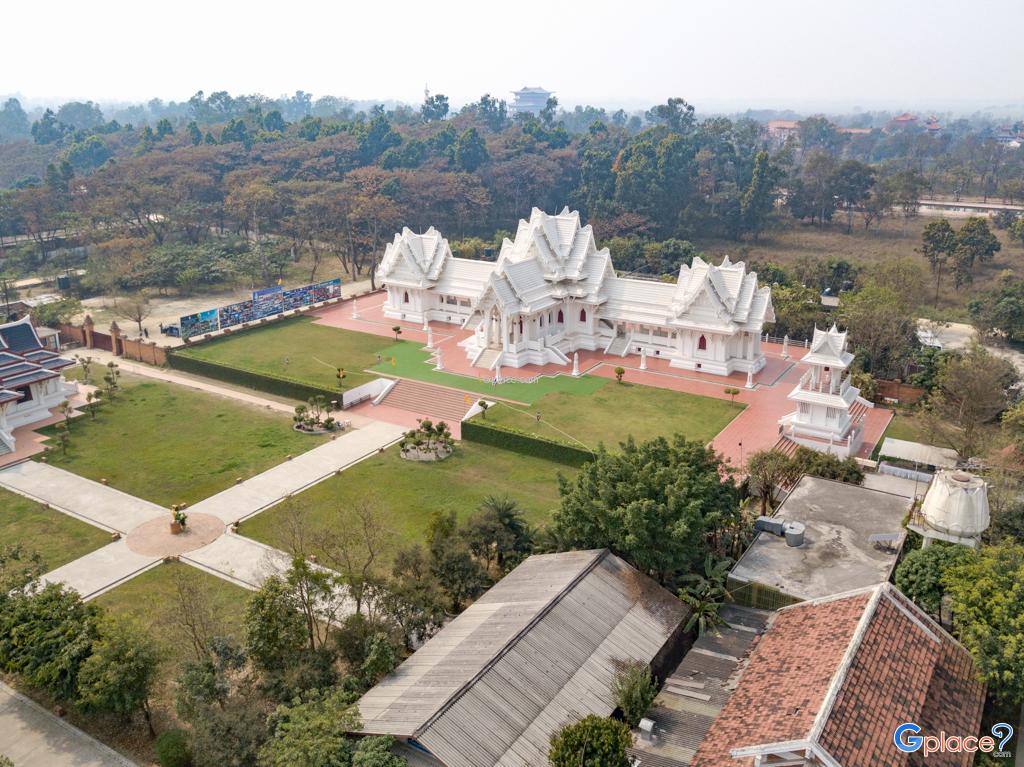
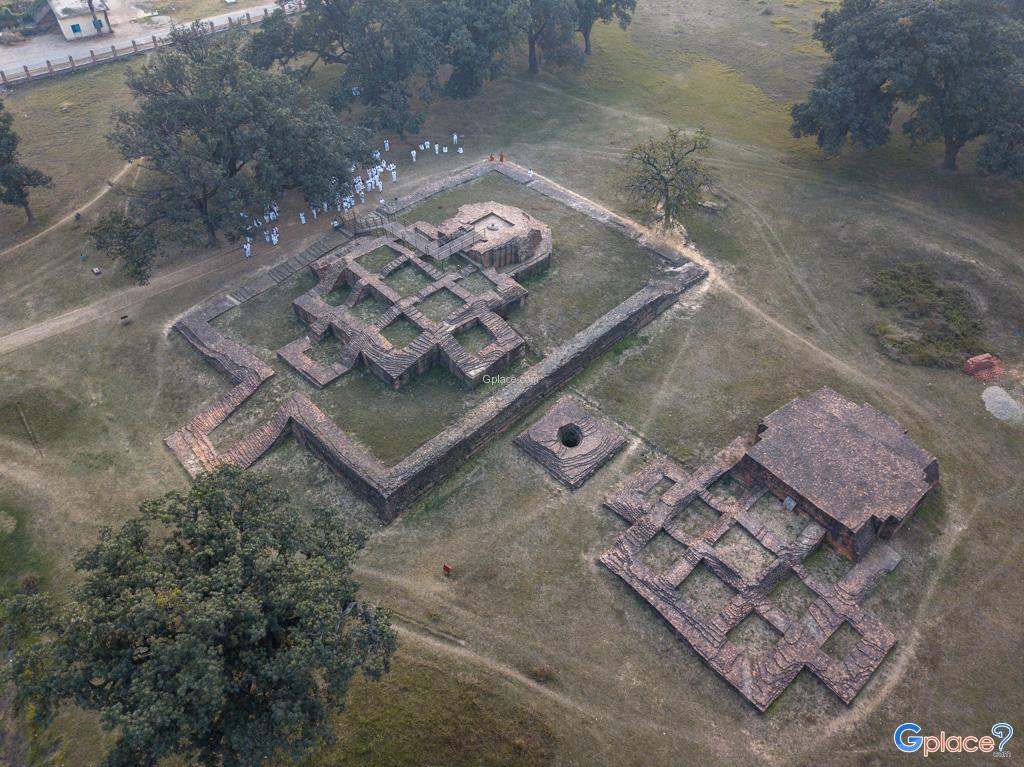
From the perspective we are most familiar with, standing within a temple or archaeological site often allows us to see only fragments of the whole. But when viewed from above, a completely different understanding emerges. Through an aerial perspective, the layout of the sacred grounds, the relationships between structures, and the surrounding natural landscape are revealed in a way that feels both expansive and deeply connected.
As reflected in the philosophy behind this collection:
“When we remain within, we may not truly see.
Only when we step back do we begin to see the whole.”
And on a deeper level:
“When we still cling, still attach, still lack, we cannot see.
Only when we let go, release, and step back, can we truly see.”
These drone perspectives are not only visually striking—they represent a shift in perception. By stepping back, we begin to see the full picture of the Buddhist world, from Griddhakuta Hill in Rajgir and the ancient monastic grounds of Jetavana in Sravasti, to Kushinagar and Lumbini, each reflecting both grandeur and serenity in their own way.
Thai temples in India and Nepal also play an important role along this journey. They provide a sense of familiarity and comfort for Thai pilgrims, while their distinctive architecture stands gracefully within the sacred Buddhist landscape. These temples help connect the past with the present, completing the narrative of Buddhist heritage and strengthening the spiritual experience for visitors.
This collection is not simply a list of destinations—it is an invitation to see differently. To understand not only the physical world but also the inner perspective. And sometimes, by simply stepping back, we may begin to see what we have never truly seen before—not only with our eyes, but with deeper awareness.



กำลังเป็นที่นิยม

Tracing Ancient Civilizations and Invaluable Forests Recognized by UNESCO Thaila..

For those looking to escape the hustle and bustle of Pattaya and experience calm..

Exploring the Chao Phraya River offers one of the most complete experiences of B..
Wearing traditional Thai costume and taking photos at beautiful places is more t..
Recommend trips
- The Four Holy Pilgrimage Sites
- Dream Destinations in Switzerland
- Pilgrimage to the Sacred Sites
- Trip to Bhutan
- 10 Thai Costume Spots to Go Back in Time
- 10 Sacred Buddhist Sites Thai Temples in India–Nep
- Top Paris Check-in Spots
- Must-Visit Check-in Spots in London
- Attractive Beaches in Sattahip, Chonburi
- 10 Must-Visit Spots Along the Chao Phraya River, B
- 8 World Heritage Sites of Thailand
- The Ultimate Ancient Villages in Japan
- 10 Best Shopping Destinations in Bangkok
- 10 Must-Visit Places in Waterford
- Watsons Bay Half-Day Trip
- Japan Bucket List: 20 Places You Must Visit Once i
- 10 Must-Visit Spots in Koh Yao
- EBC - World-Class Trekking Route
- 10 Must-Visit Check-ins in Uthai Thani
- Giant Buddha Landmarks in Thailand