
 Attractions
  Hotel
Hotel  Restaurant
  Shopping
  Abroad
  Nearby Places






Pilgrimage to the Sacred Sites

 1505
1505
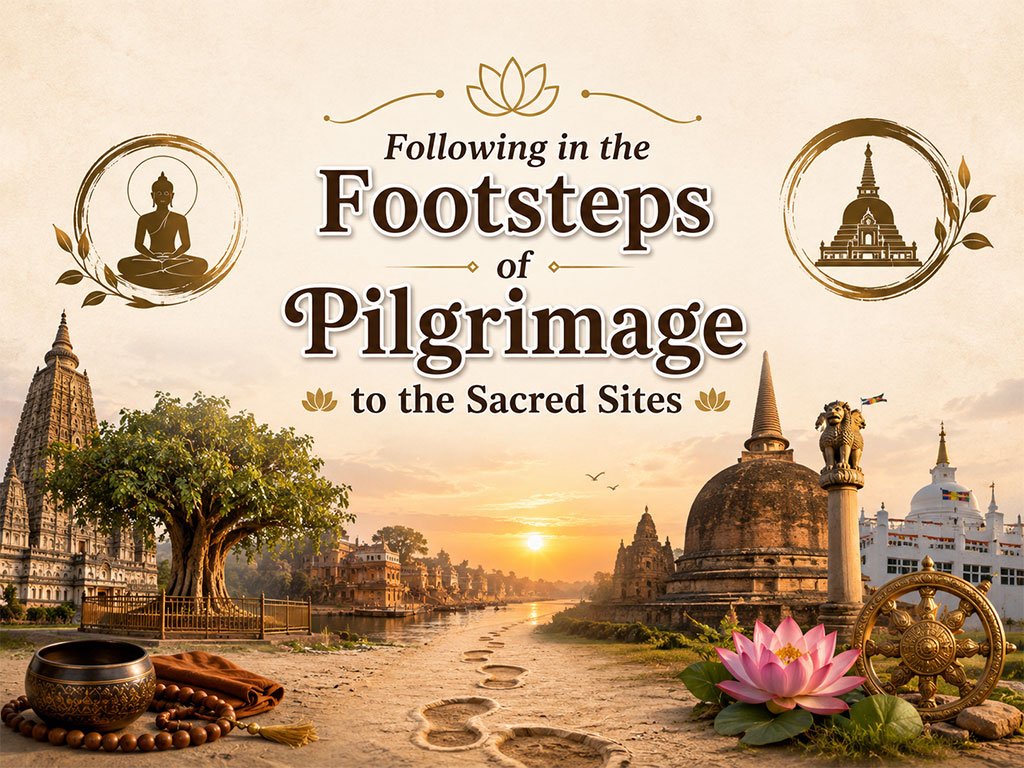
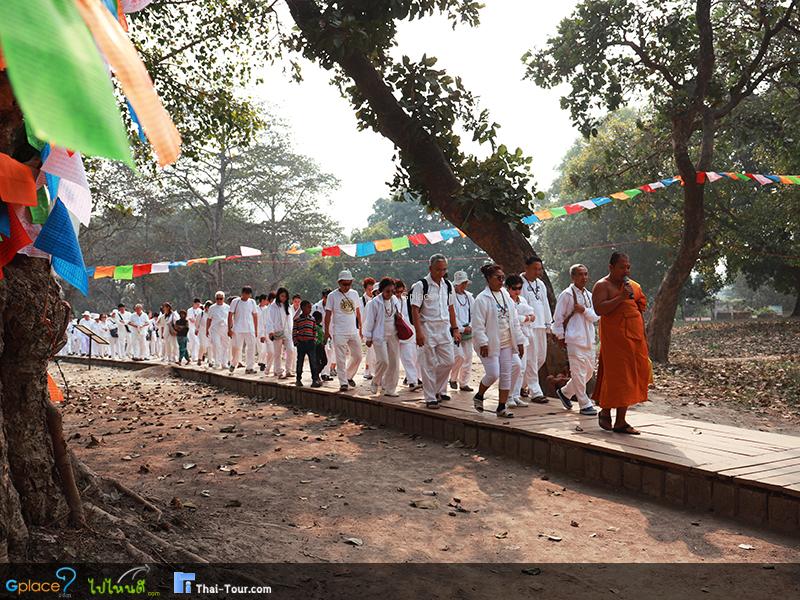
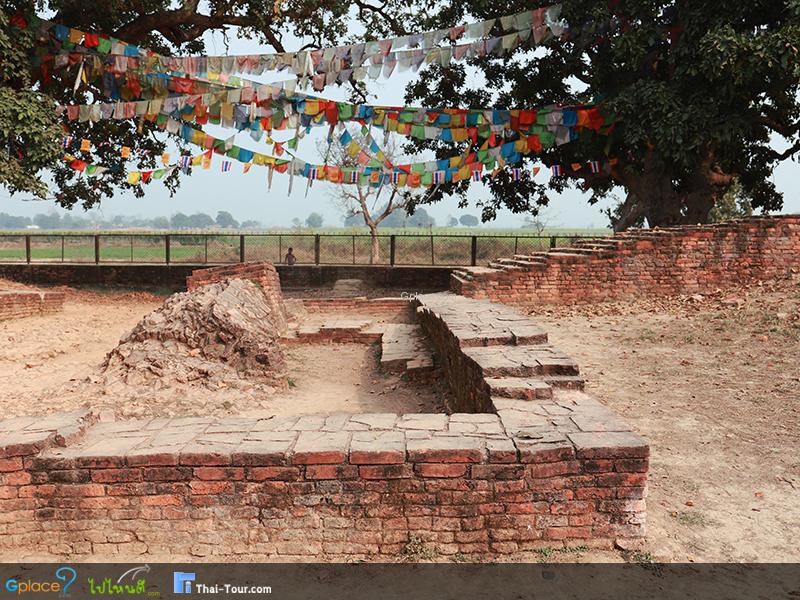
The path of "Following the Footsteps of Pilgrimage to the Sacred Sites" is a journey of faith that Buddhists around the world dream of undertaking at least once in their lifetime. It is a journey retracing the life of the Buddha through the important Buddhist lands in India and Nepal that still bear deep marks of the Buddhist era, including ancient sites, stupas, monasteries, and ancient cities related to the Buddha's history.
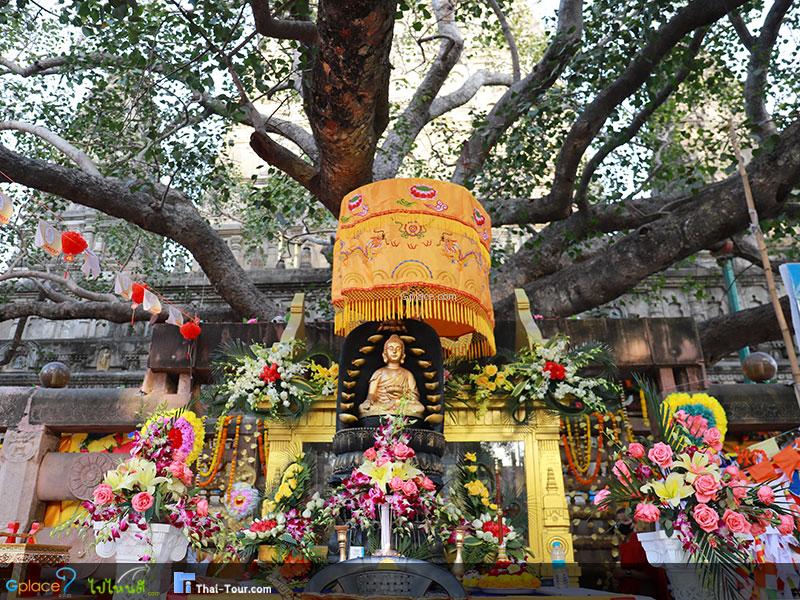
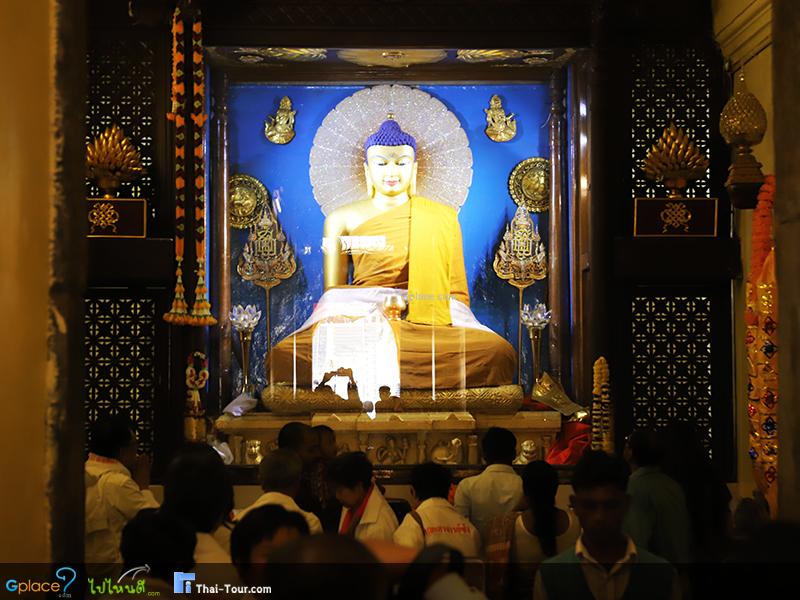
It starts at Bodh Gaya, the place of the Buddha's enlightenment under the Bodhi Tree, which is considered the heart of global Buddhism, before moving to Rajgir, the old capital of the Magadha kingdom, home to Griddhakuta Hill and Venuvana Monastery, the first Buddhist monastery, amidst picturesque hills and tranquil ancient sites.
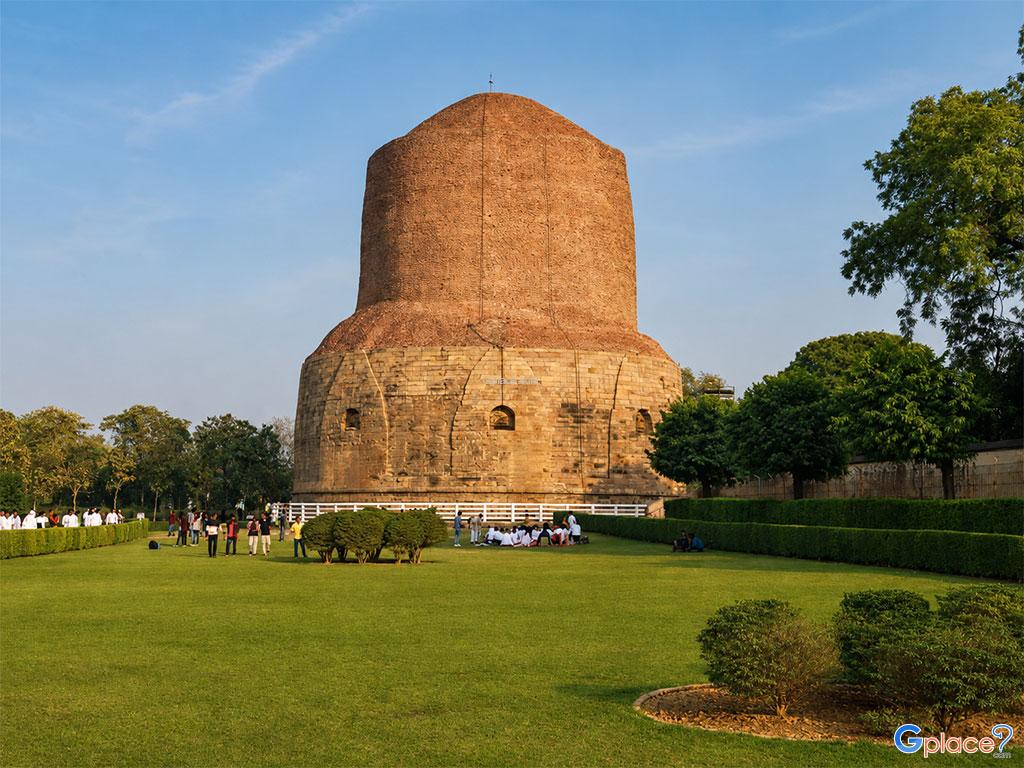
Next, travel to Sarnath, the land of the First Sermon at Dhamek Stupa, then stop to experience life by the sacred river in Varanasi, an ancient city by the Ganges filled with rituals, beliefs, and vibrant ancient Indian civilization.
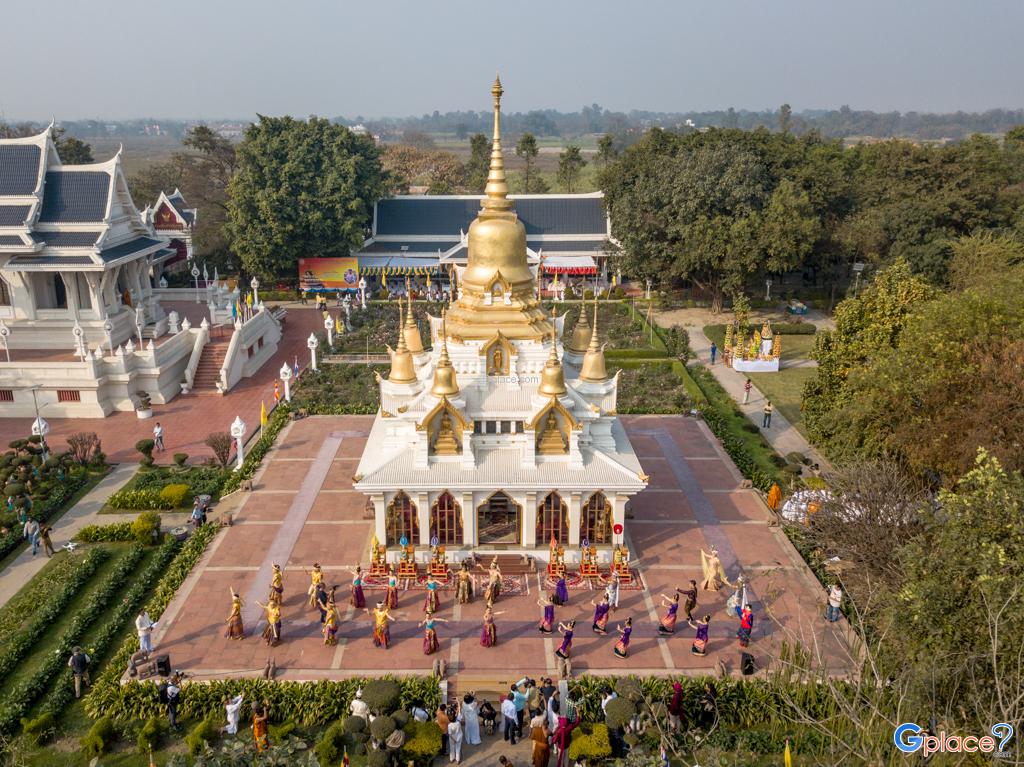
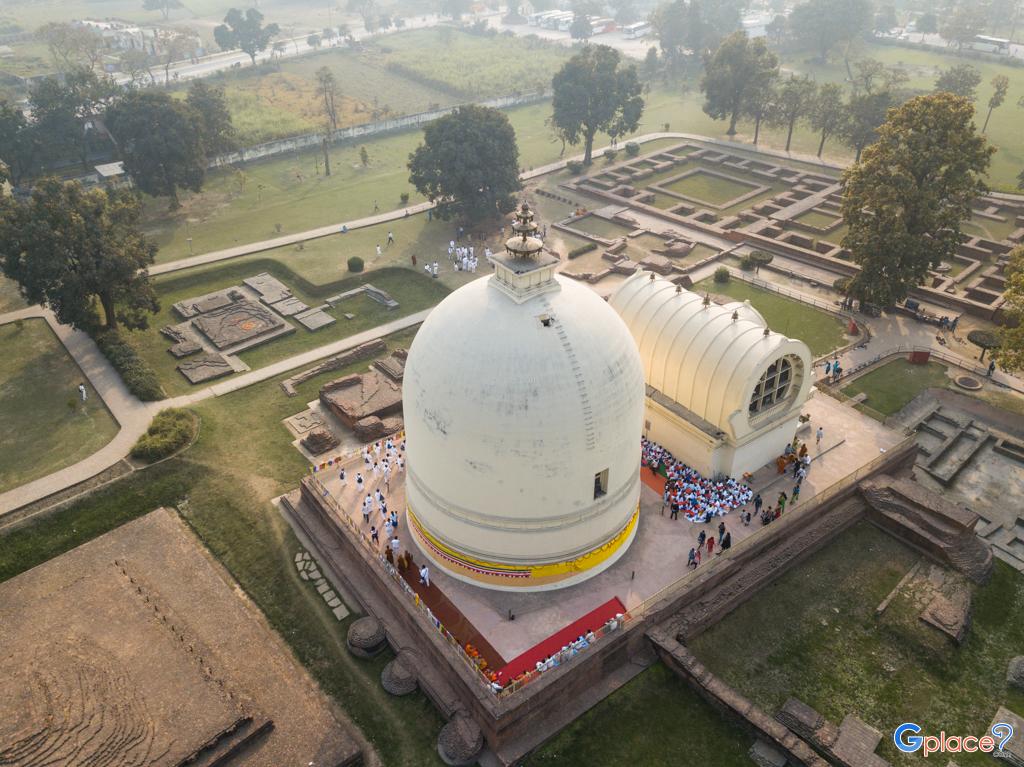
Another significant stop is Kushinagar, the place of the Buddha's Parinirvana. It houses the Mahaparinirvana Stupa and Makutabandhana Stupa, where the Buddha's cremation took place, and Wat Thai Buddha Gaya, a center of faith for Thais abroad.
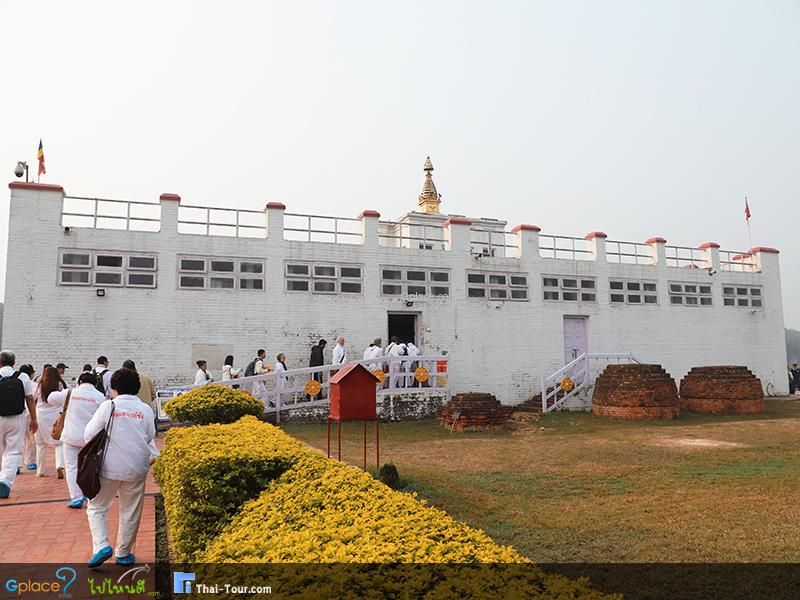
The journey also covers Savatthi, home to Jetavana Monastery, where the Buddha spent many rainy seasons, and the Anathapindika's Stupa, reflecting the golden age of Buddhism, before concluding at Lumbini in Nepal, the birthplace of Prince Siddhartha, and Capilavastu Palace, land of his youth before renunciation.
This is not merely a touristic route, but a spiritual journey offering travelers a chance to touch the essence of Buddhism amid historical locations that continue to embody faith and tranquility beyond time.




กำลังเป็นที่นิยม

Kanchanaburi when the rain softly falls is a beautiful moment between the end of..
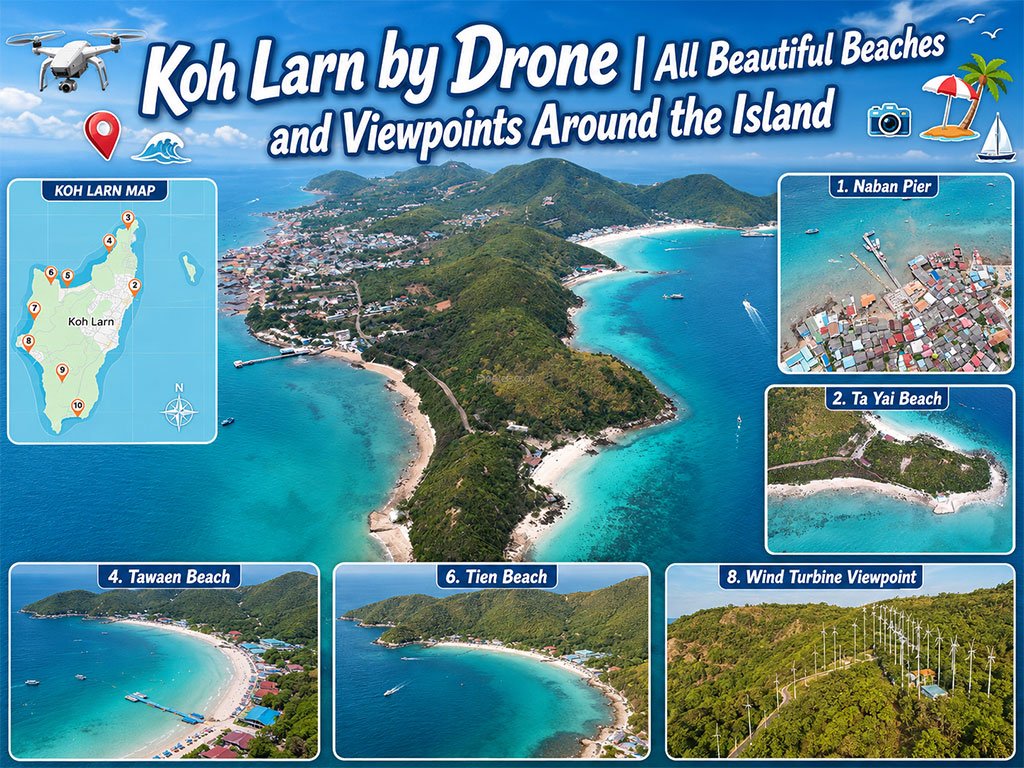
Starting from Naban Pier, then looping north to Ta Yai Beach → Th..
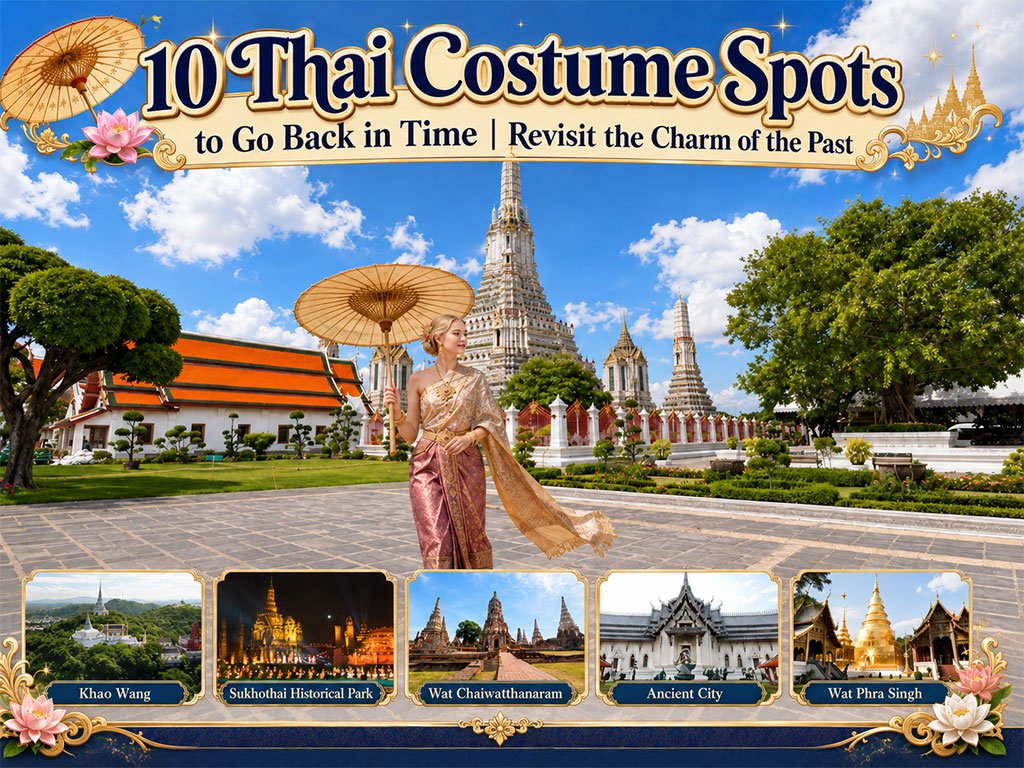
Wearing traditional Thai costume and taking photos at beautiful places is more t..
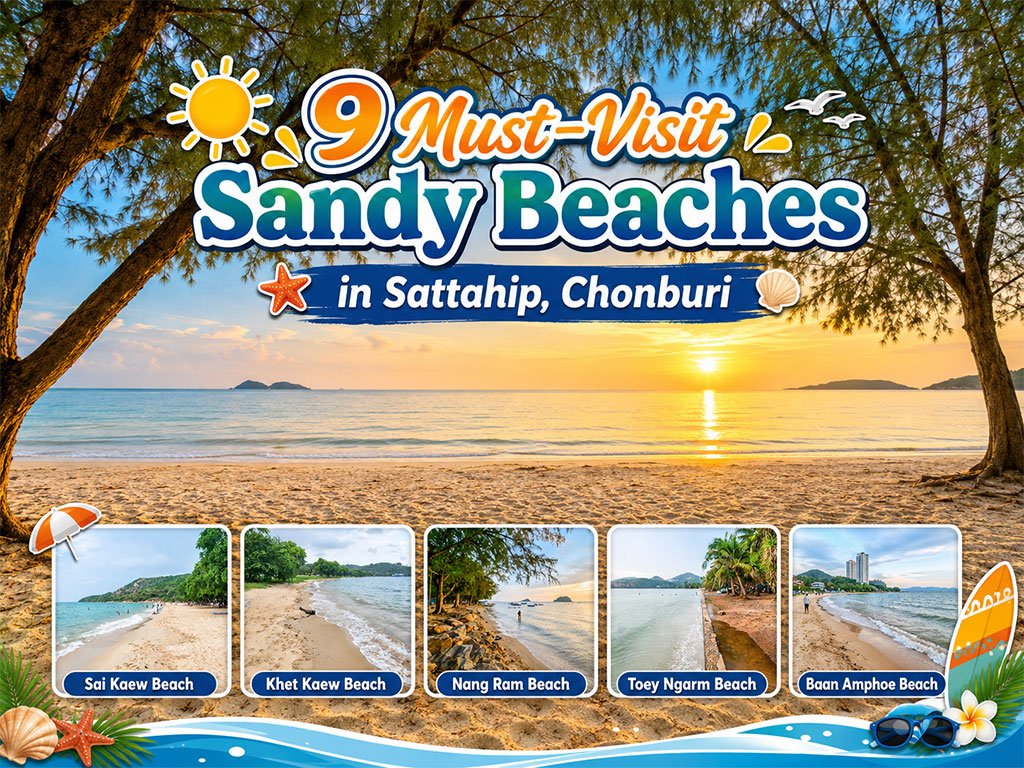
For those looking to escape the hustle and bustle of Pattaya and experience calm..
Recommend trips
- 10 Sacred Buddhist Sites Thai Temples in India–Nep
- Koh Larn Aerial Views by Drone
- 10 Kanchanaburi Spots When the Rain Softly Falls
- The Four Holy Pilgrimage Sites
- Dream Destinations in Switzerland
- Pilgrimage to the Sacred Sites
- Trip to Bhutan
- Top Paris Check-in Spots
- Must-Visit Check-in Spots in London
- 10 Thai Costume Spots to Go Back in Time
- Attractive Beaches in Sattahip, Chonburi
- 10 Must-Visit Spots Along the Chao Phraya River, B
- 8 World Heritage Sites of Thailand
- The Ultimate Ancient Villages in Japan
- Thailand’s Sandbar Wonders
- 10 Must-Visit Places in Waterford
- 10 Best Shopping Destinations in Bangkok
- EBC - World-Class Trekking Route
- 10 Must-Visit Check-ins in Uthai Thani
- Giant Buddha Landmarks in Thailand