
 Attractions
  Hotel
Hotel  Restaurant
  Shopping
  Abroad
  Nearby Places





7 มรดกโลก เมืองไทย

 1491
1491
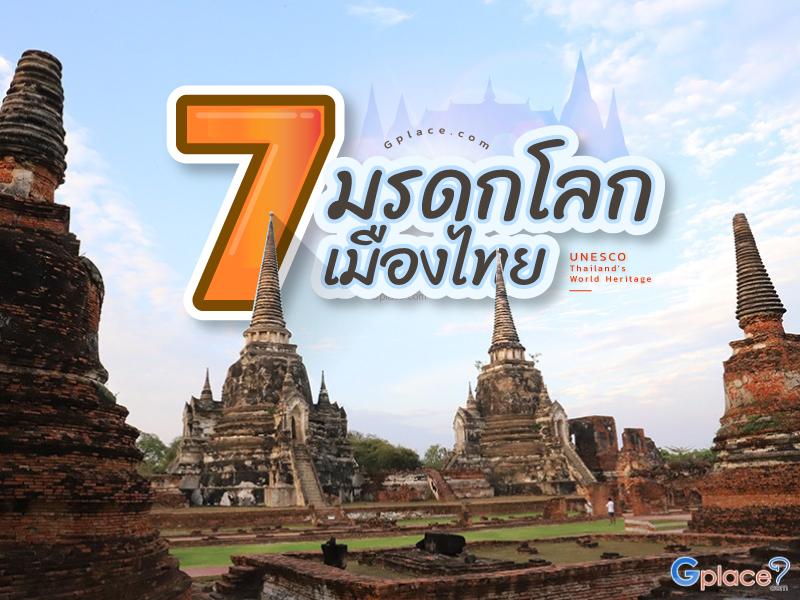
7 แหล่งมรดกโลกเมืองไทย (อุทยานประวัติศาสตร์ อุทยานแห่งชาติ ฯลฯ)
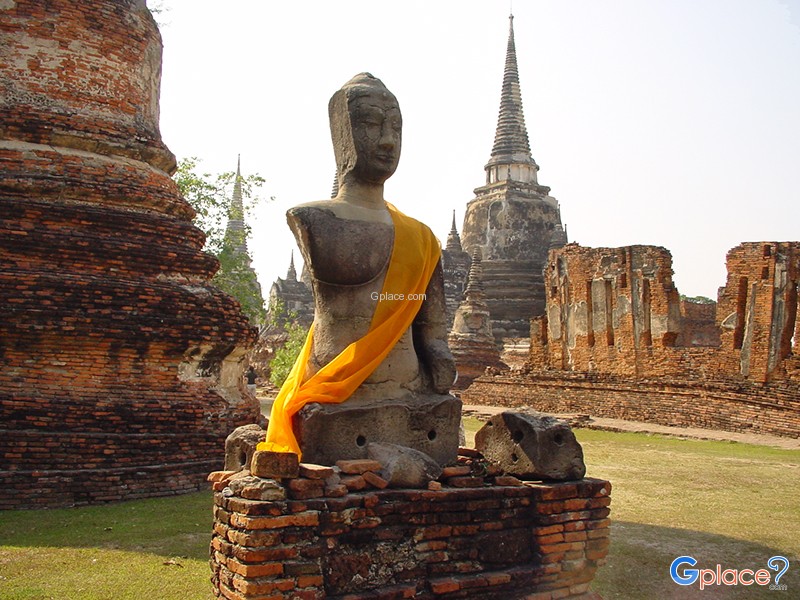
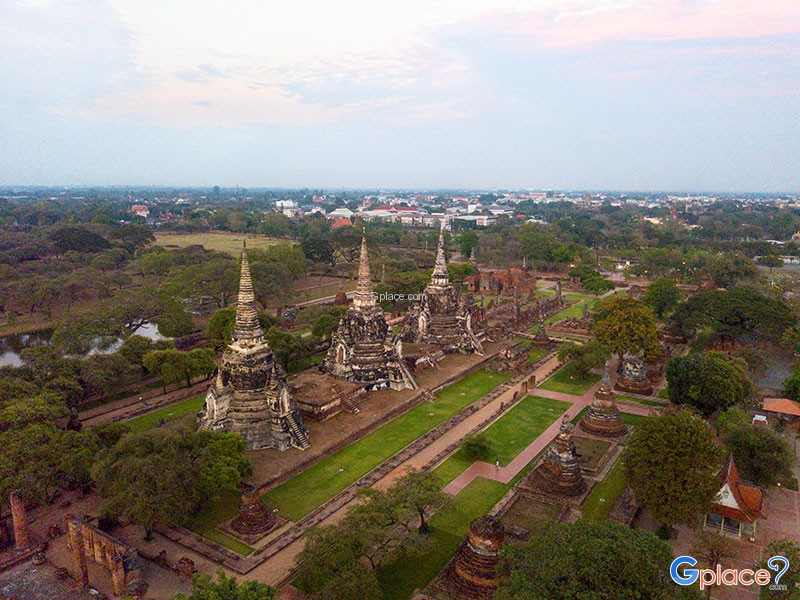
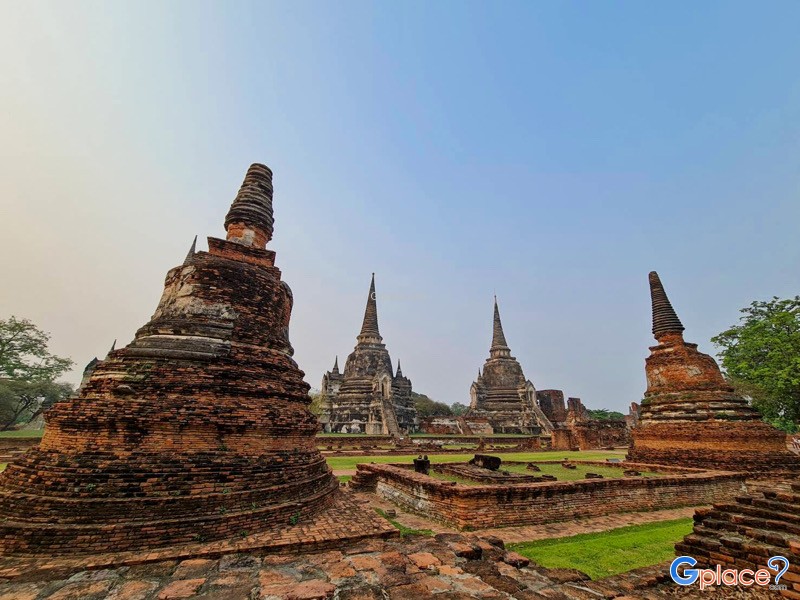
Phra Si Sanphet Temple is one of the most important royal temples of the Ayutthaya period and is regarded as the prototype of a “royal palace temple” in Thai history. Originally, during the reign of King Ramathibodi I (King Uthong), this area served as part of the royal residence within the Grand Palace. Later, in the reign of King Borommatrailokanat, a new royal palace was constr...
read more
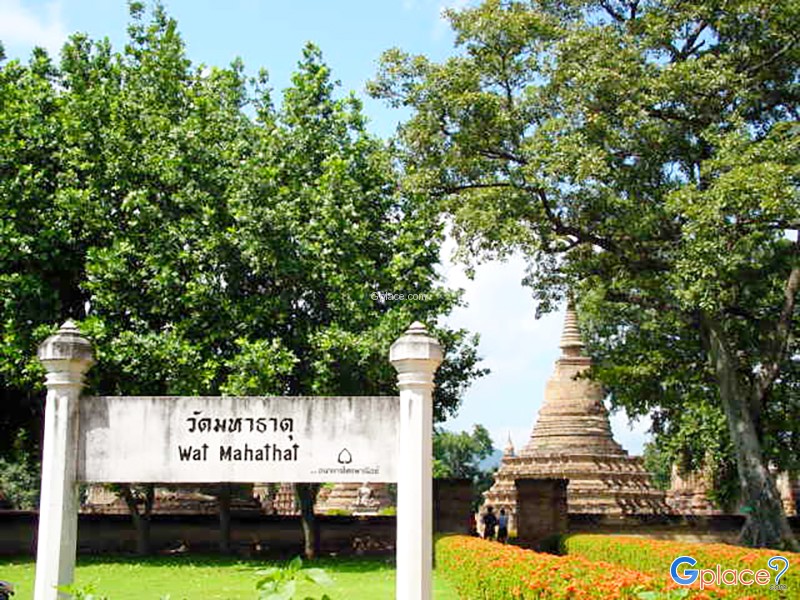
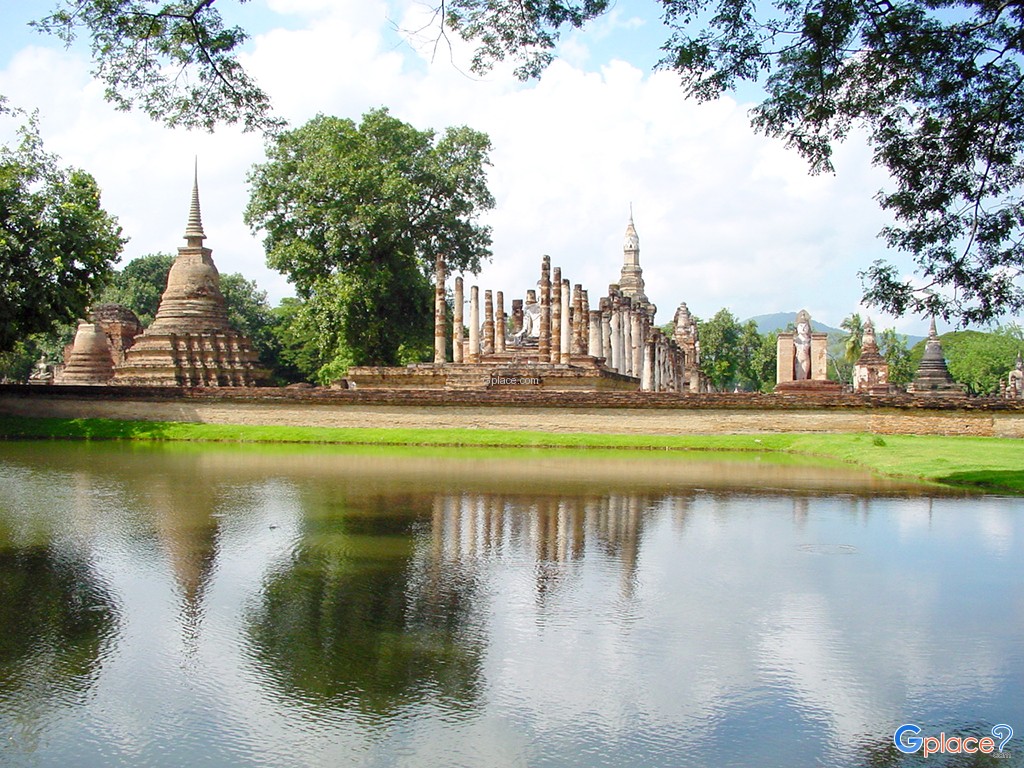
Mahathat Temple is the most significant historical site within the Sukhothai Historical Park. It served as the primary royal temple of the kingdom since the establishment of the capital in the 13th century (18th Buddhist Century). This temple is located exactly at the center of Sukhothai city, following the belief of the Navel of the City or the center of the universe. History records that several...
read more
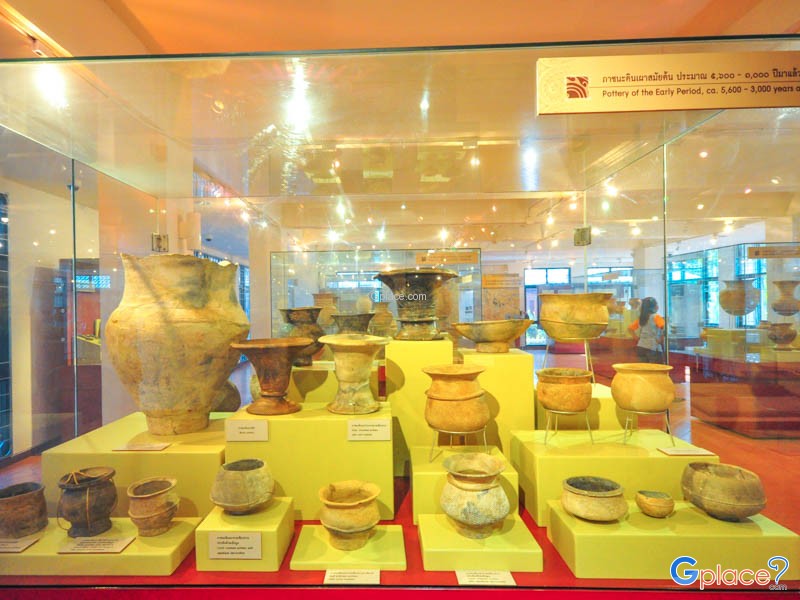
The Ban Chiang National Museum serves as a comprehensive learning center dedicated to the Ban Chiang Culture, one of the most flourishing prehistoric civilizations discovered in Southeast Asia. Spanning over 5,000 years, this archaeological site, located in Udon Thani province, has provided profound evidence of the technological, social, and artistic sophistication of the ancient communities in th...
read more
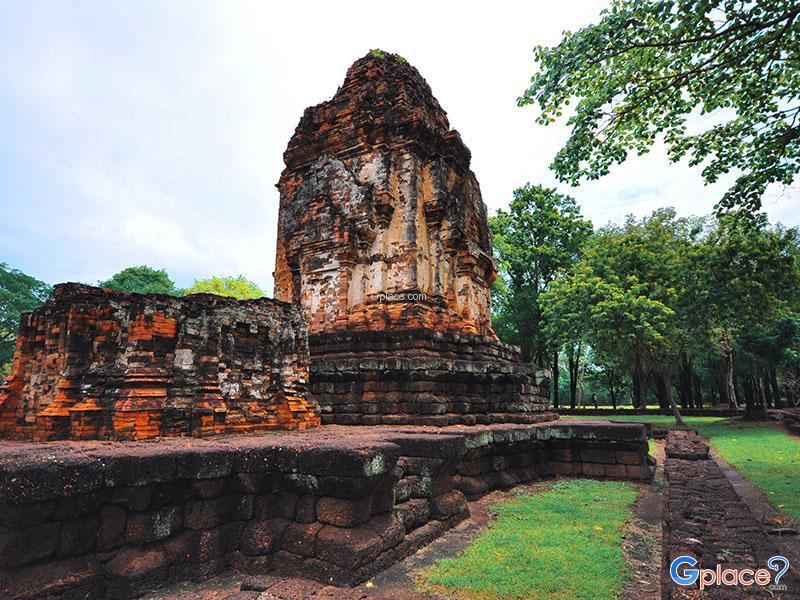
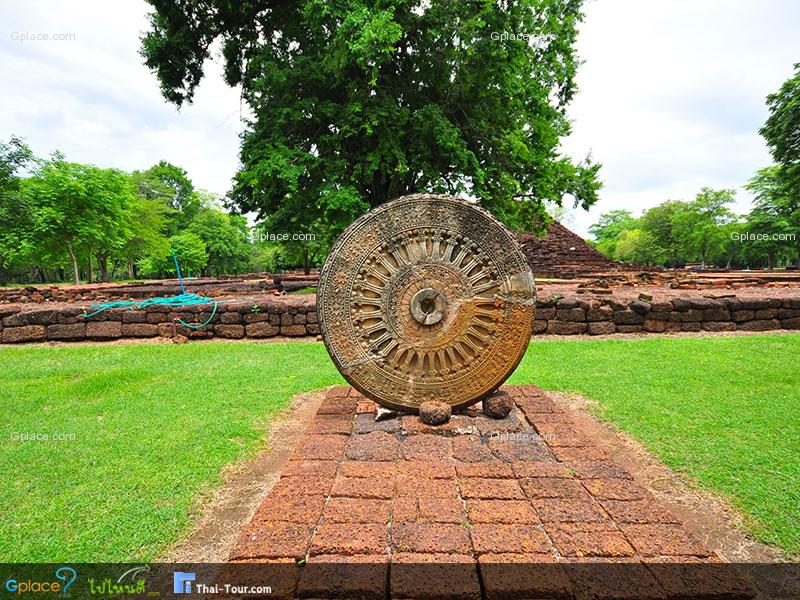
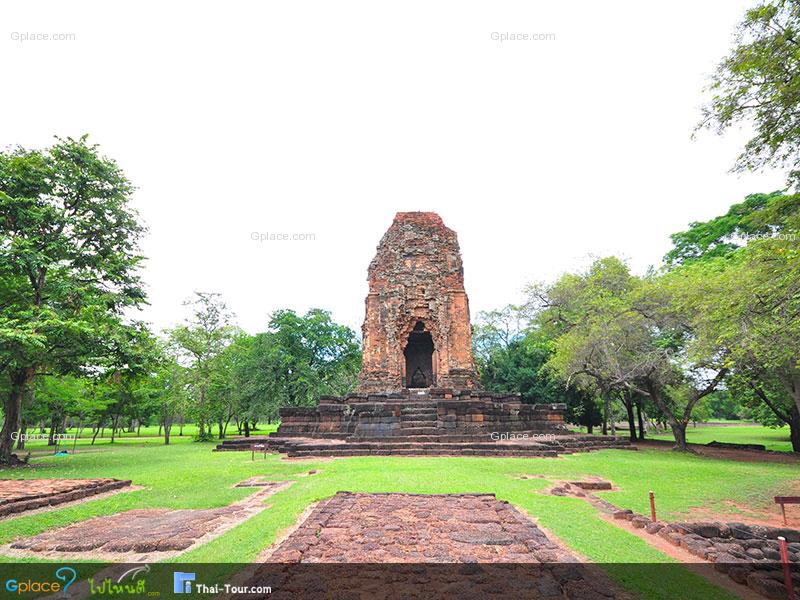
Si Thep Historical Park is Thailand’s latest pride as a new UNESCO World Cultural Heritage site, officially listed in 2023. This ancient city is like a time capsule that perfectly preserves the prosperity of the Dvaravati civilization and ancient Khmer culture. The history of Si Thep began more than 1,500 years ago, serving as a commercial and religious hub connecting Central and Northeaster...
read more
Thungyai Huai Kha Khaeng Wildlife Sanctuaries is a vast protected area that spans multiple provinces, with the Huai Kha Khaeng section located within Uthai Thani Province. This sanctuary has been recognized by UNESCO as Thailand’s first natural World Heritage site due to its exceptional biodiversity. It is a transitional zone of diverse plant species and serves as a vital source of fres...
read more
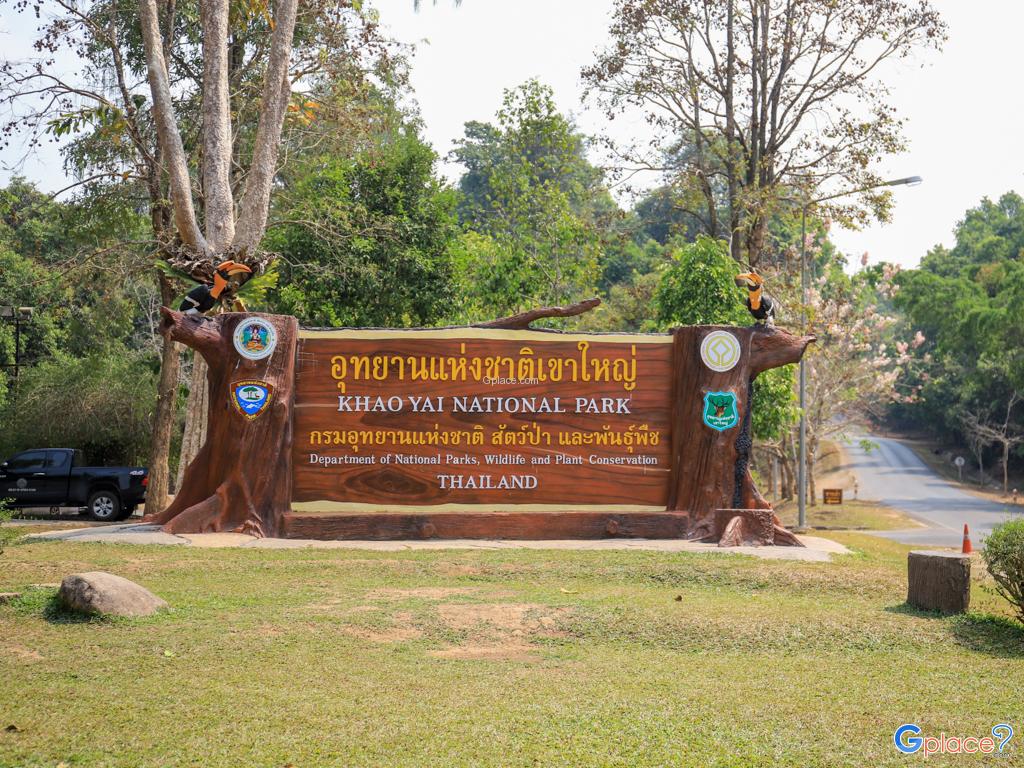
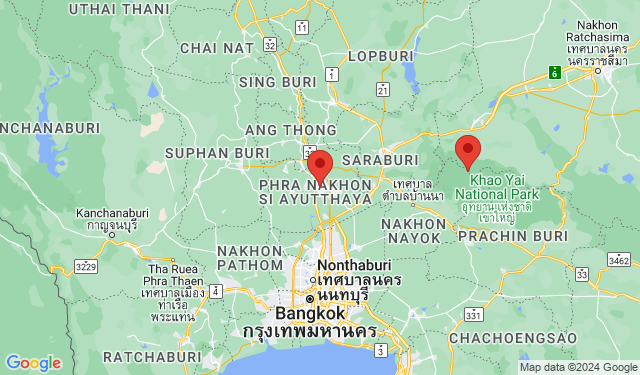
Khao Yai National Park is Thailand’s first national park, established on September 18, 1962, covering an area of over 2,168 square kilometers across four provinces: Nakhon Ratchasima, Prachinburi, Nakhon Nayok, and Saraburi. In 2005, it was declared a UNESCO World Heritage Site as part of the Dong Phayayen–Khao Yai Forest Complex.
The park features a mix of evergreen forests, grassland...
read more

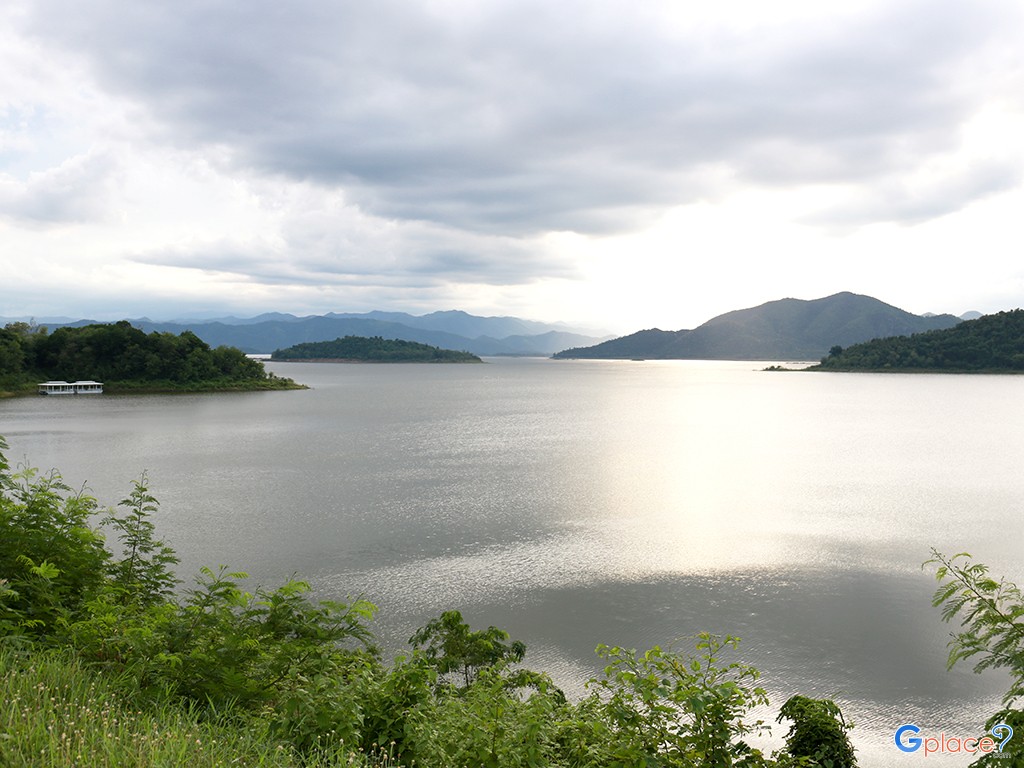
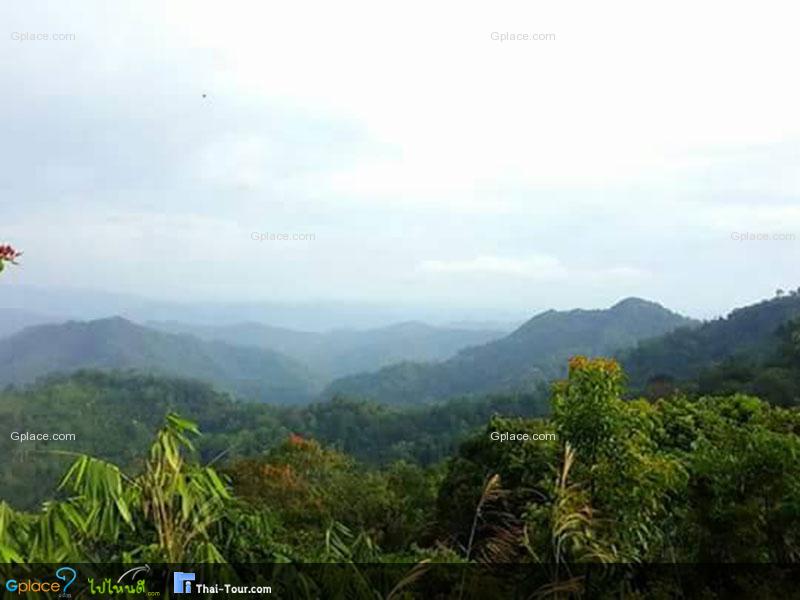
Kaeng Krachan National Park is one of Thailand’s most significant natural World Heritage sites, recognized for its outstanding ecological value in Southeast Asia. Covering more than 2,900 square kilometers across Phetchaburi and Prachuap Khiri Khan provinces, the park serves as a major watershed that feeds the Phetchaburi and Pranburi rivers, playing a crucial role in sustaining agriculture,...
read more
กำลังเป็นที่นิยม
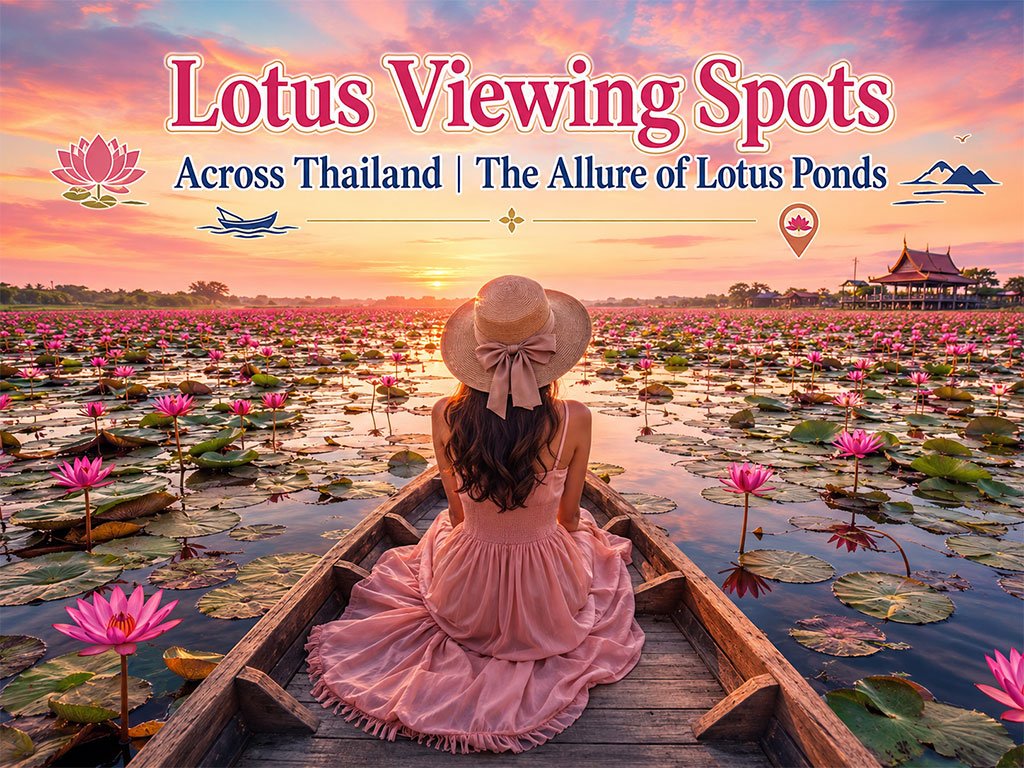
Lotus Viewing Spots Across Thailand
Thailand boasts beautiful lotus viewing spots scattered across several regions, ..
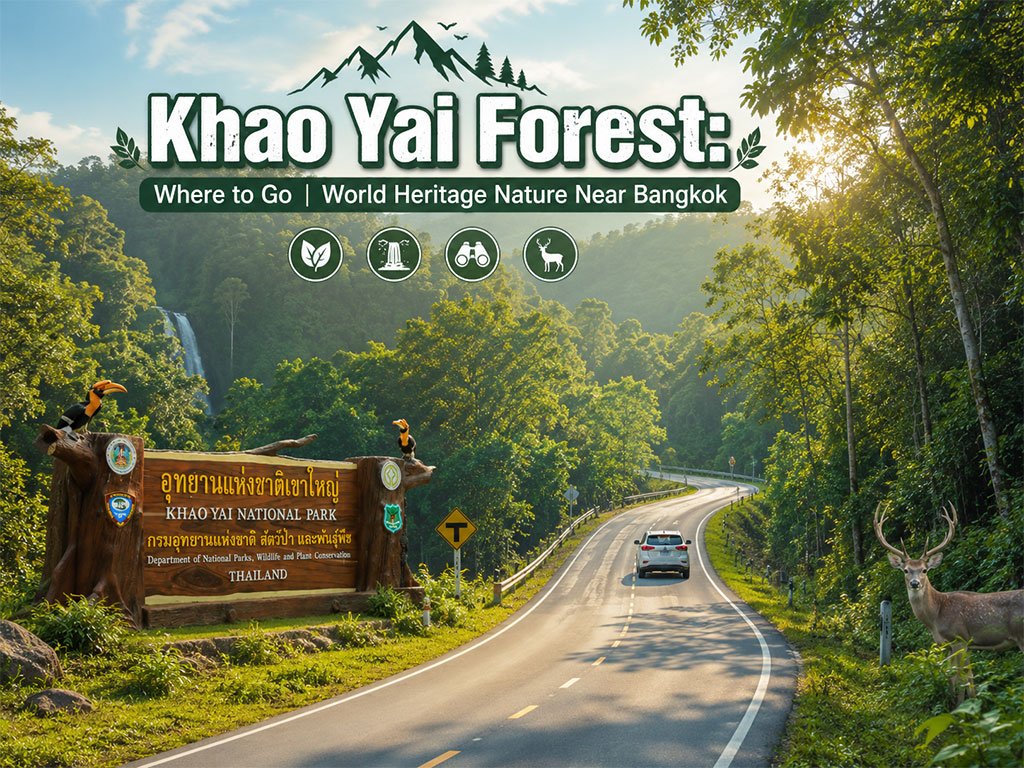
Khao Yai National Park: Where to Go
Khao Yai is one of Thailand's most popular natural attractions and a gateway to ..

30 Sunset Spots along the Thai Sea
Explore the sunset spots along Thailand’s coast, revealing the beauty of the day..

10 Kanchanaburi Spots When the Rain Softly Falls
Kanchanaburi when the rain softly falls is a beautiful moment between the end of..
Recommend trips
- 10 Sacred Buddhist Sites Thai Temples in India–Nep
- 30 Sunset Spots along the Thai Sea
- 10 Kanchanaburi Spots When the Rain Softly Falls
- The Four Holy Pilgrimage Sites
- Dream Destinations in Switzerland
- Lotus Viewing Spots Across Thailand
- Pilgrimage to the Sacred Sites
- Trip to Bhutan
- 10 Thai Costume Spots to Go Back in Time
- Must-Visit Check-in Spots in London
- Khao Yai National Park: Where to Go
- 30 Stunning Viewpoints in Thailand
- Top Paris Check-in Spots
- 5 Selfie-Worthy Hua Hin Check-in Spots for Teens
- 10 Must-Visit Spots Along the Chao Phraya River, B
- The Ultimate Ancient Villages in Japan
- 10 Mountains to Discover on a Rainy Day
- Thailand’s Sandbar Wonders
- Natural Community Markets A Unique Vibe
- 10 Paradise Islands for Bikers to Explore