 Attractions
  Hotel
Hotel  Restaurant
  Shopping
  Abroad





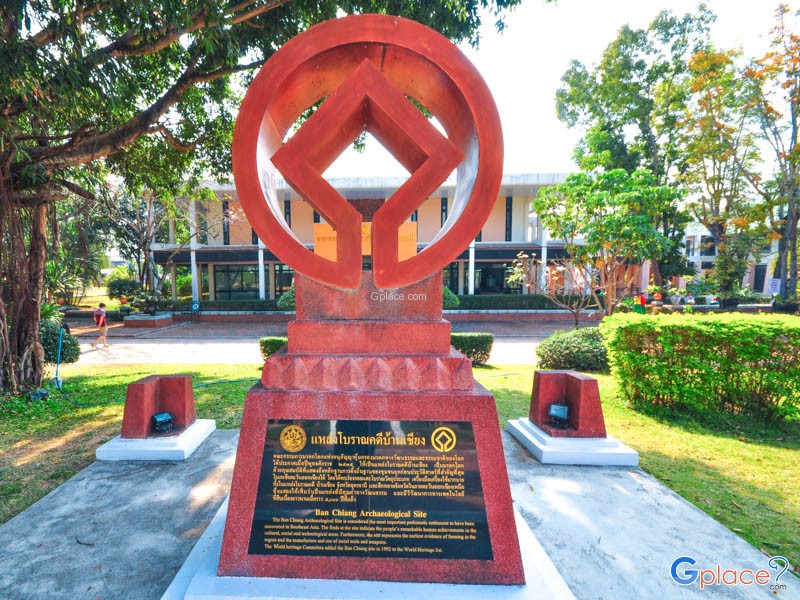

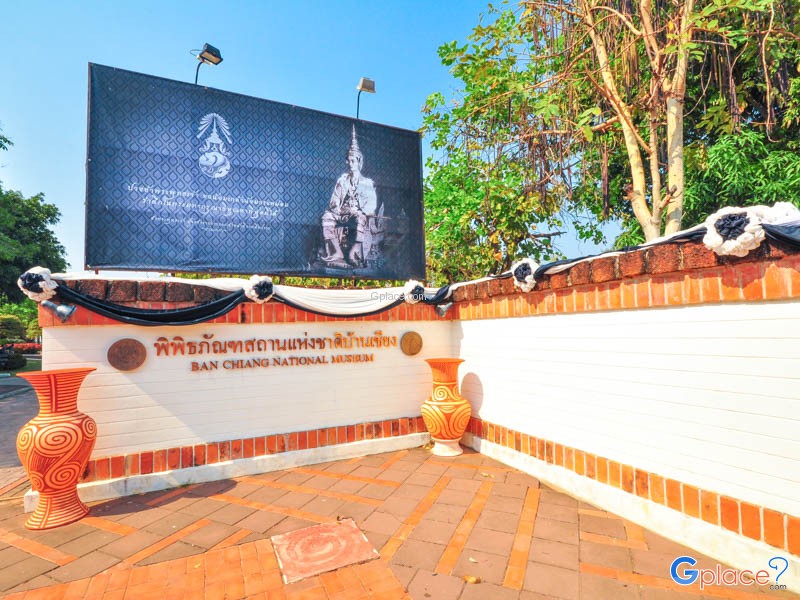
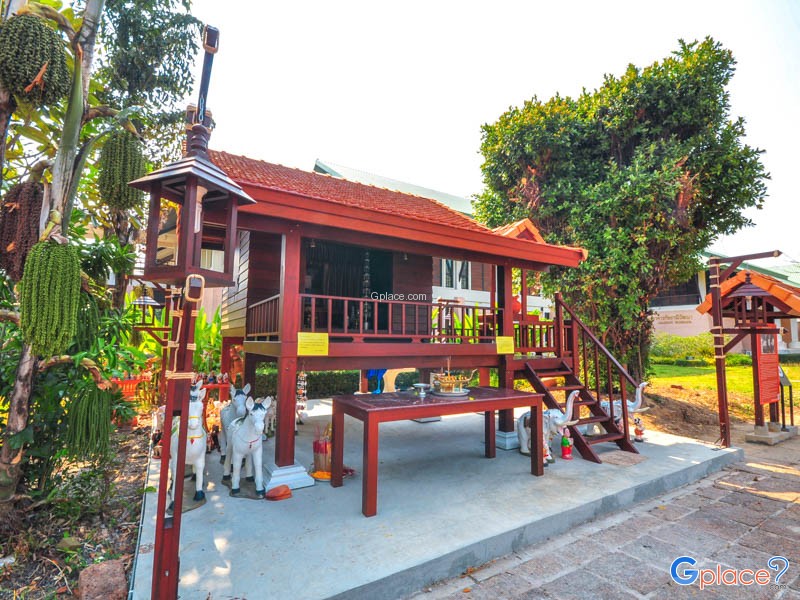
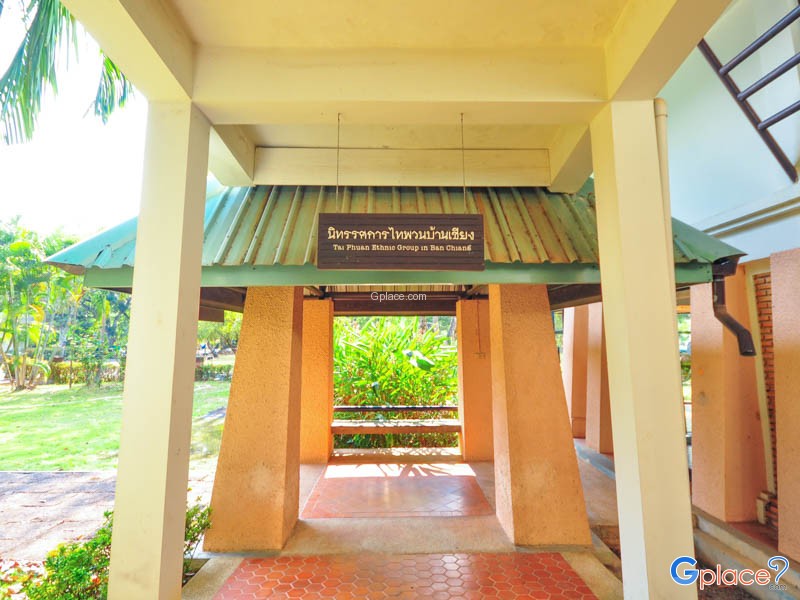
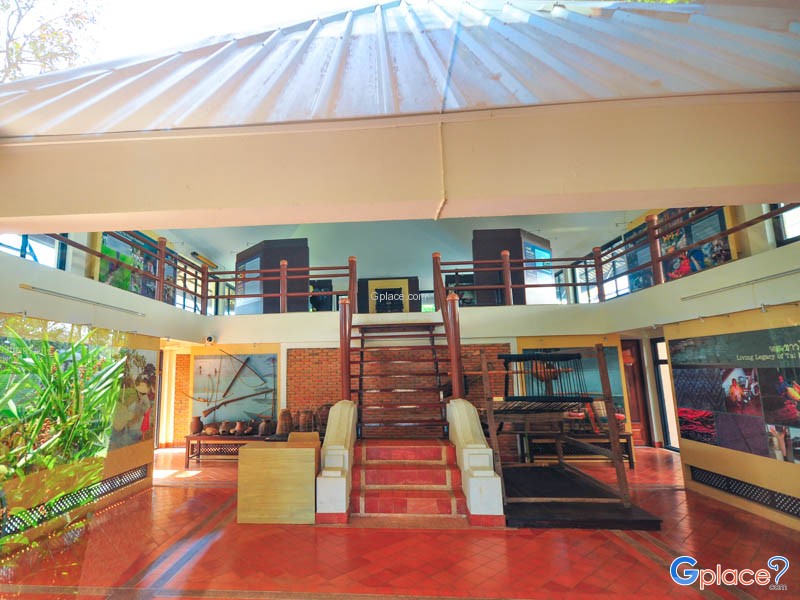
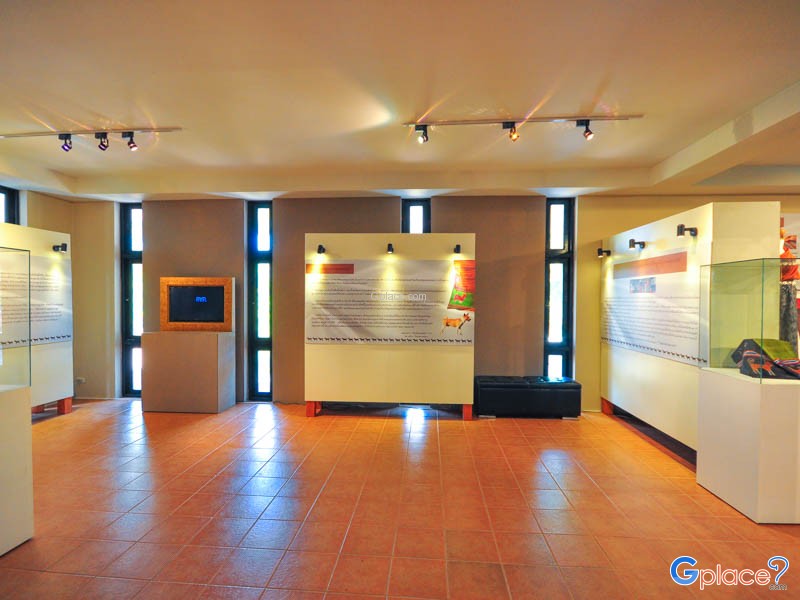
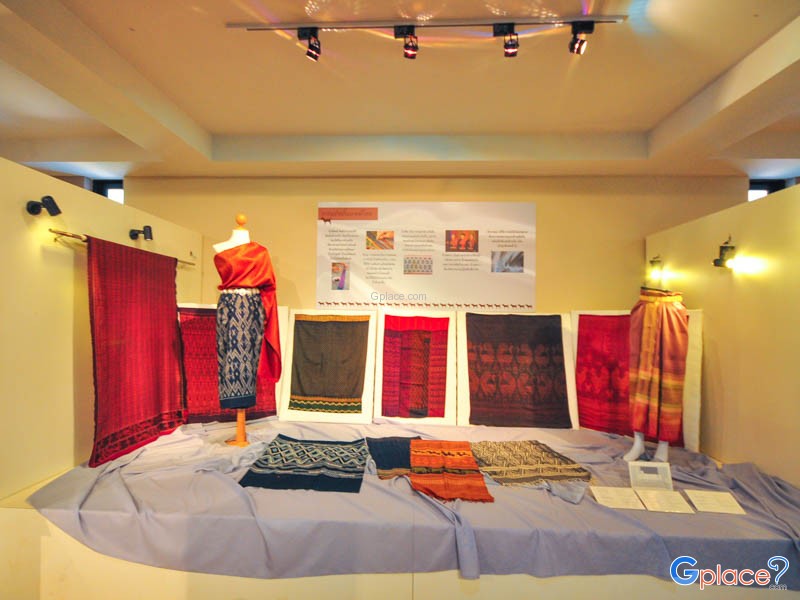
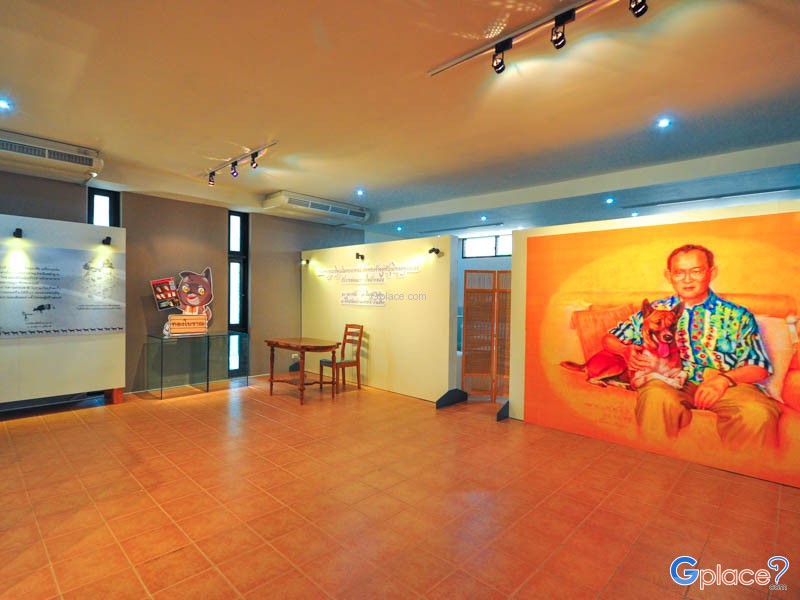
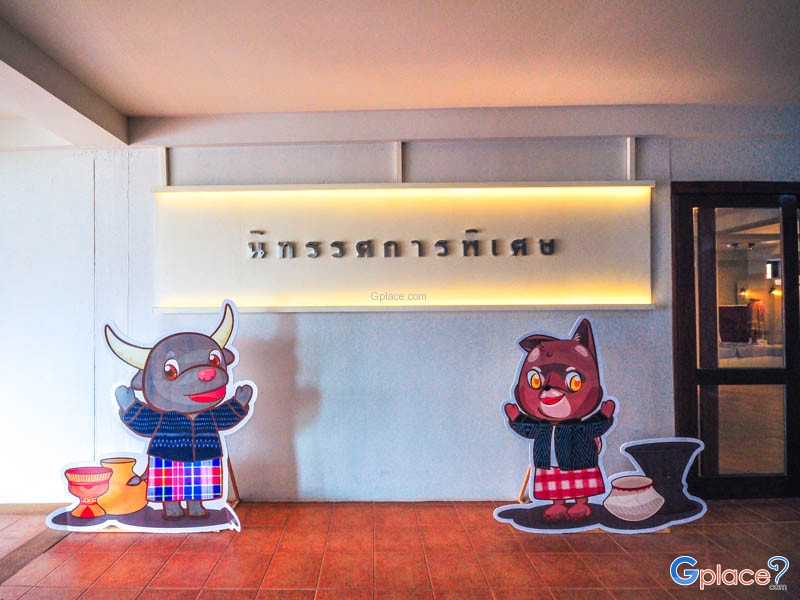
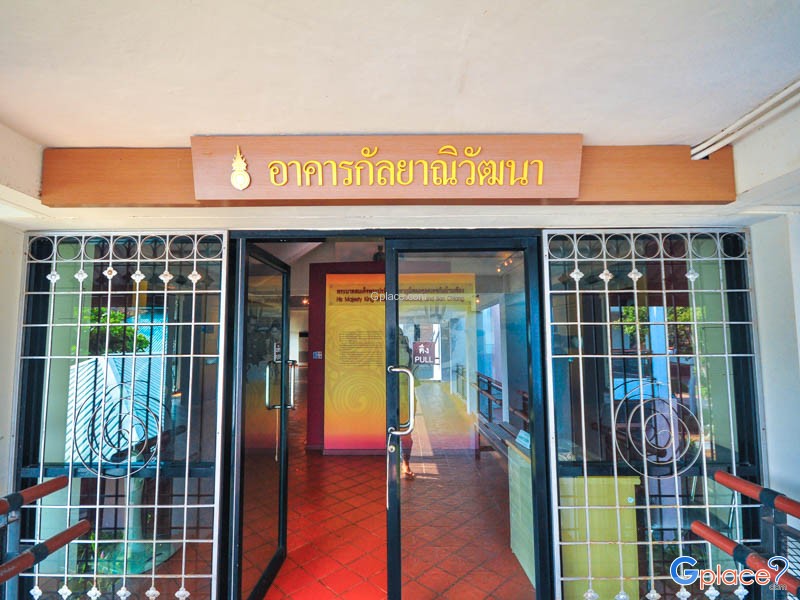
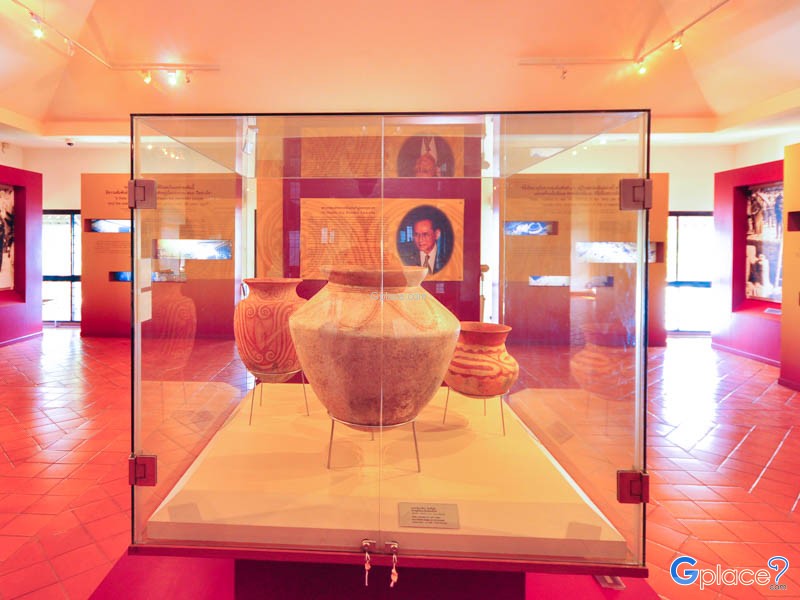
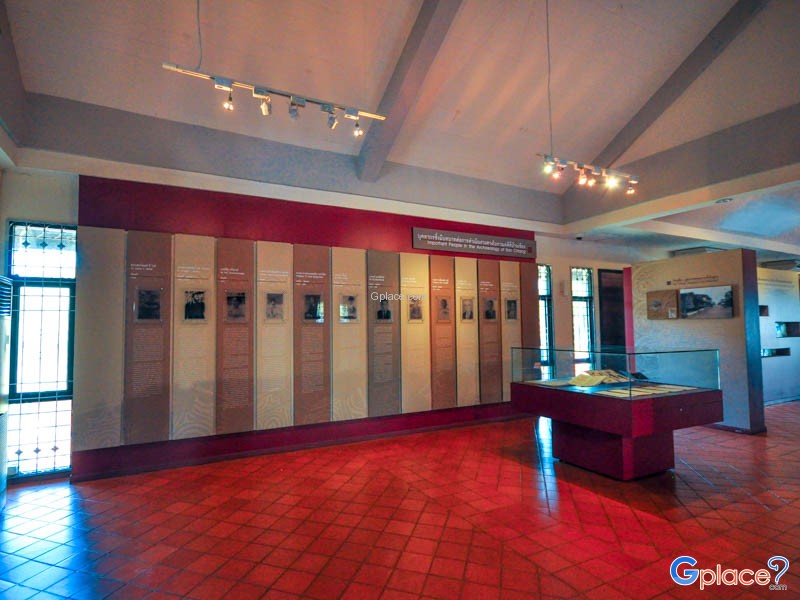
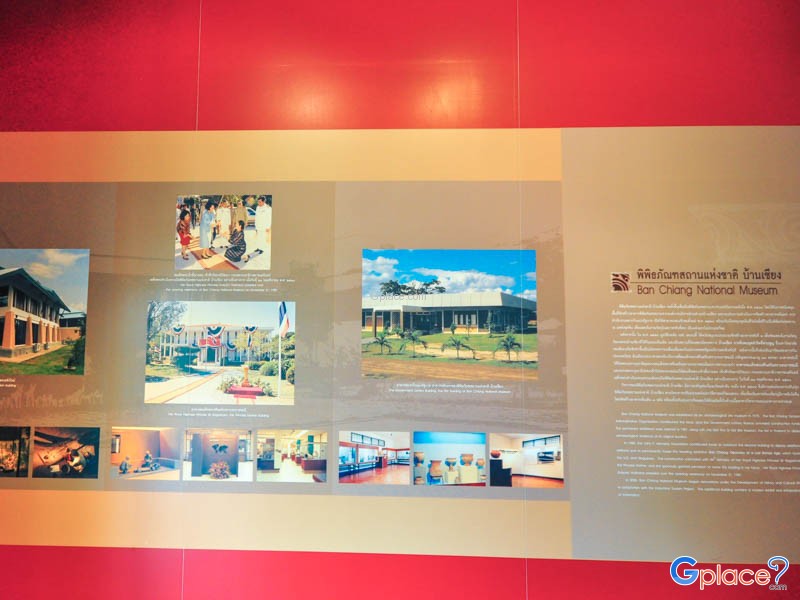


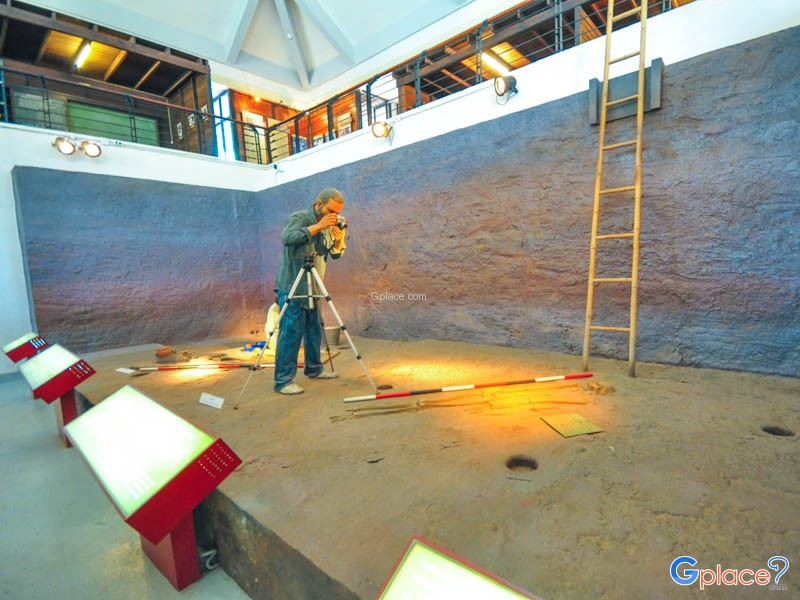
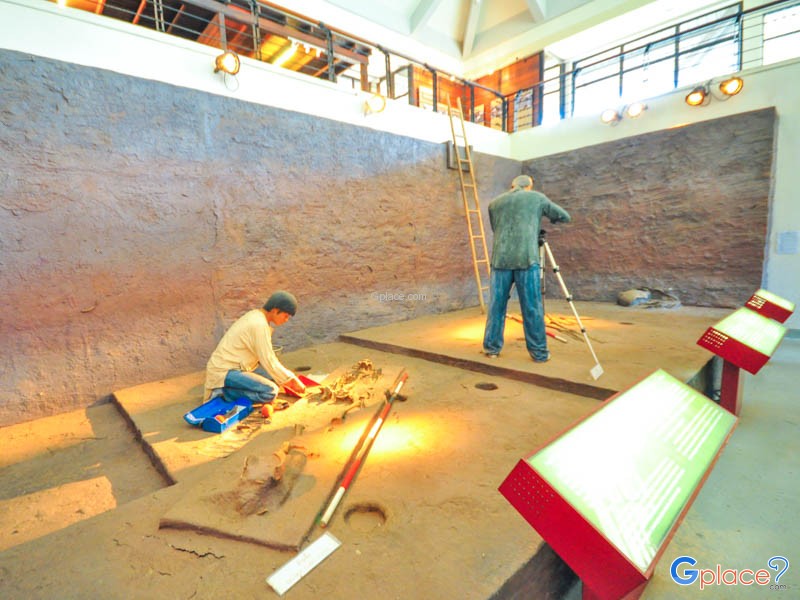
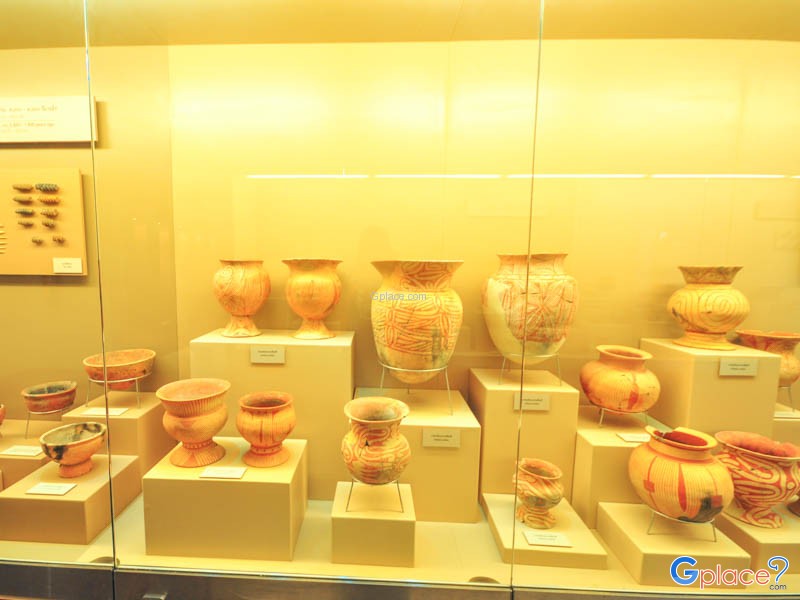
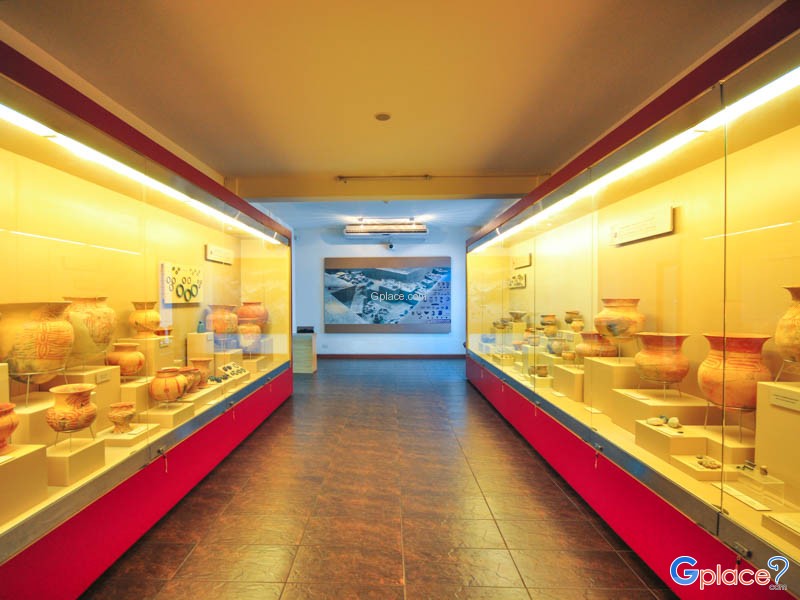
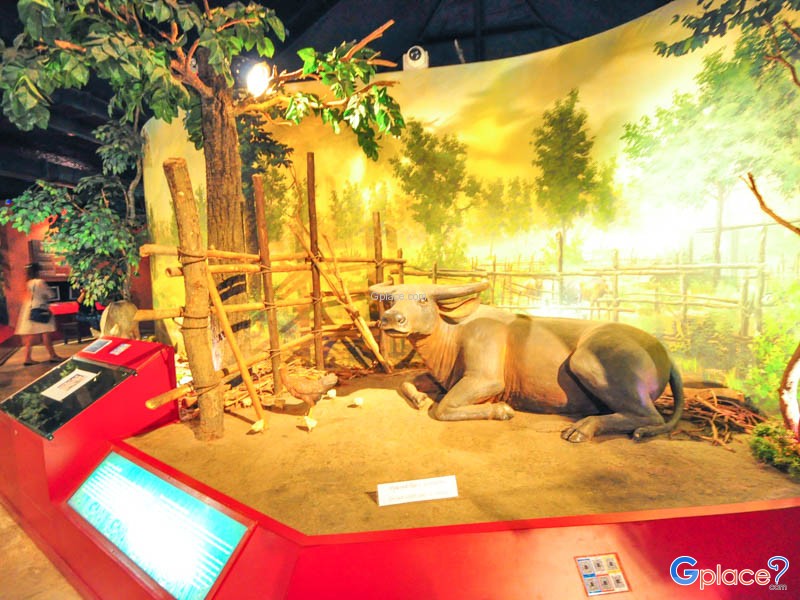
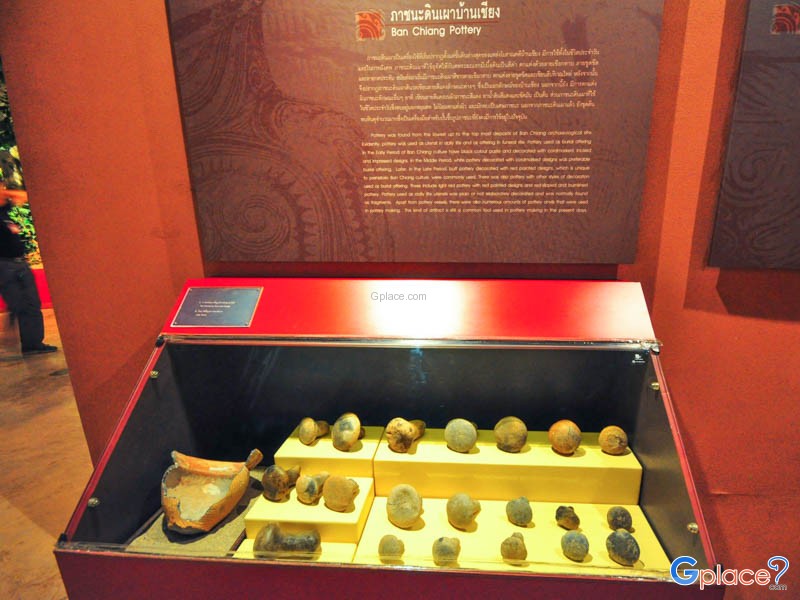
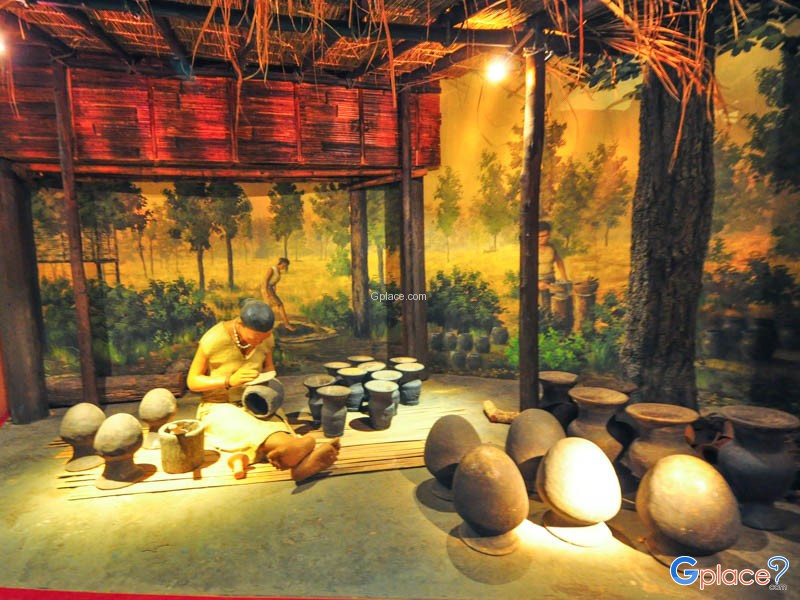
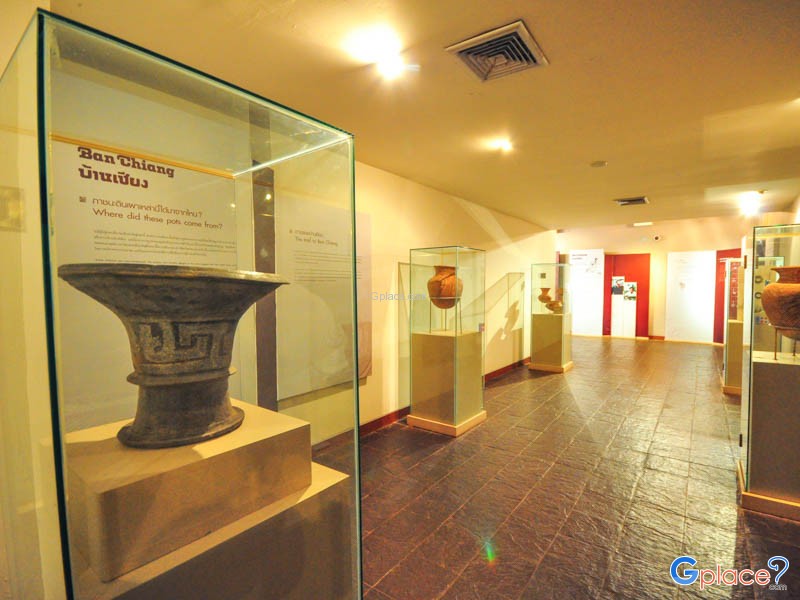
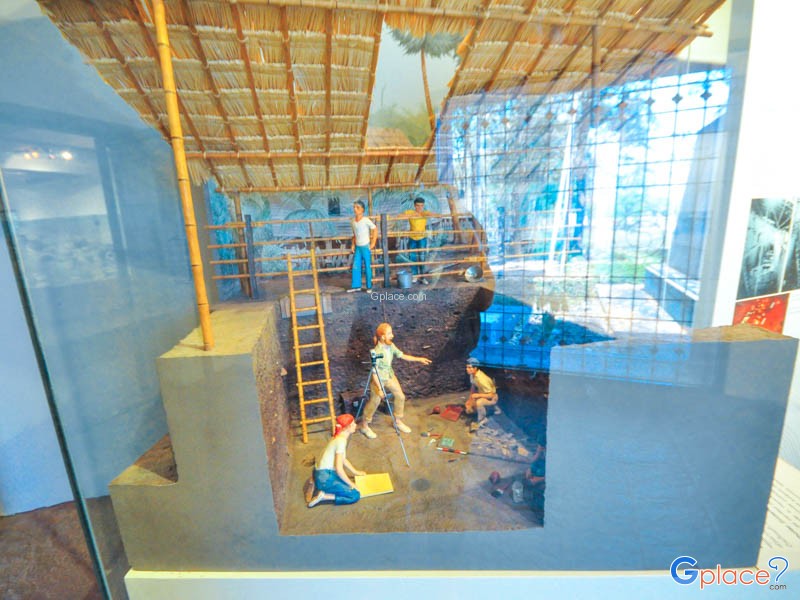

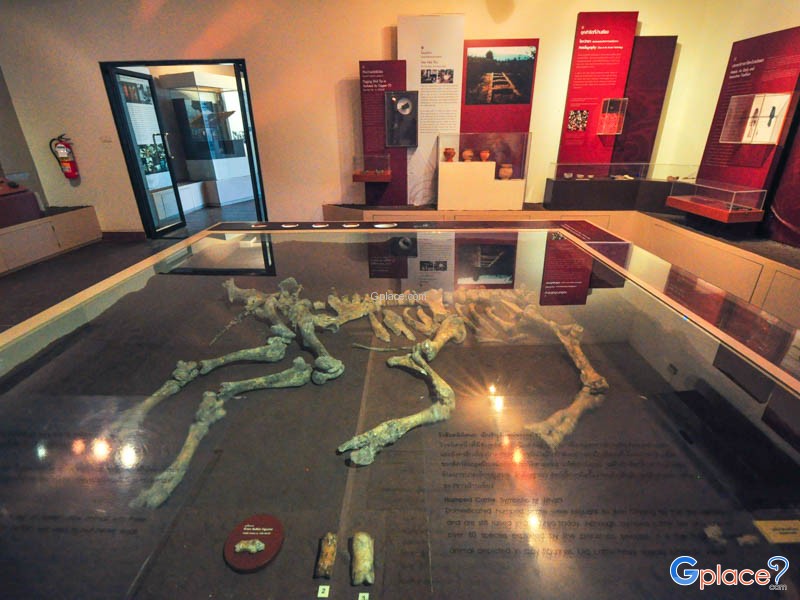
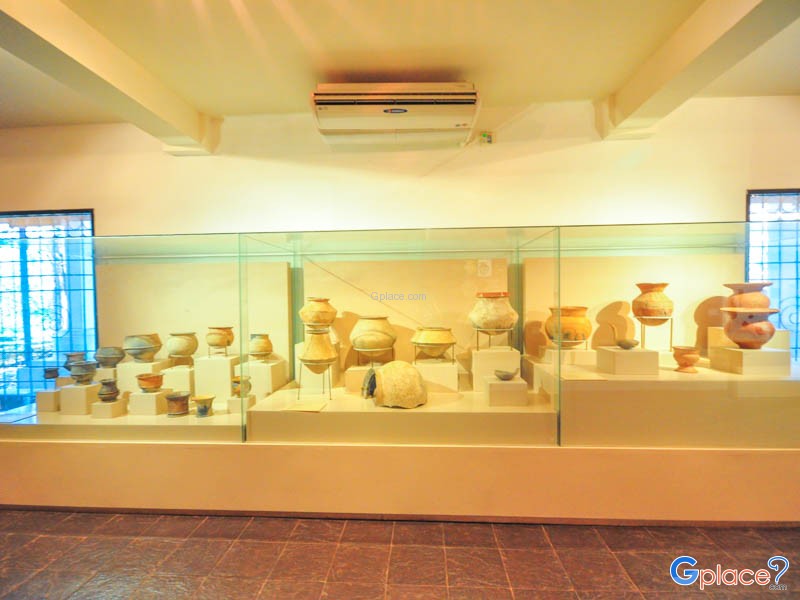
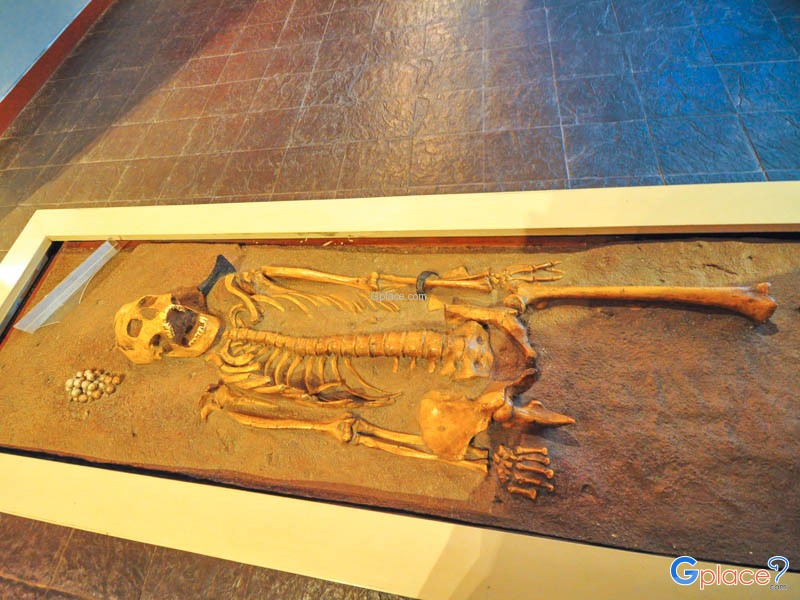
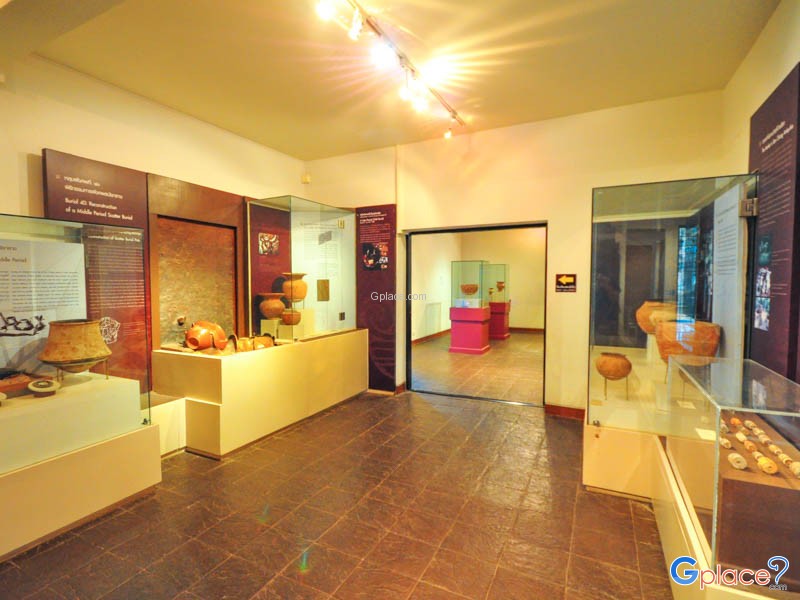
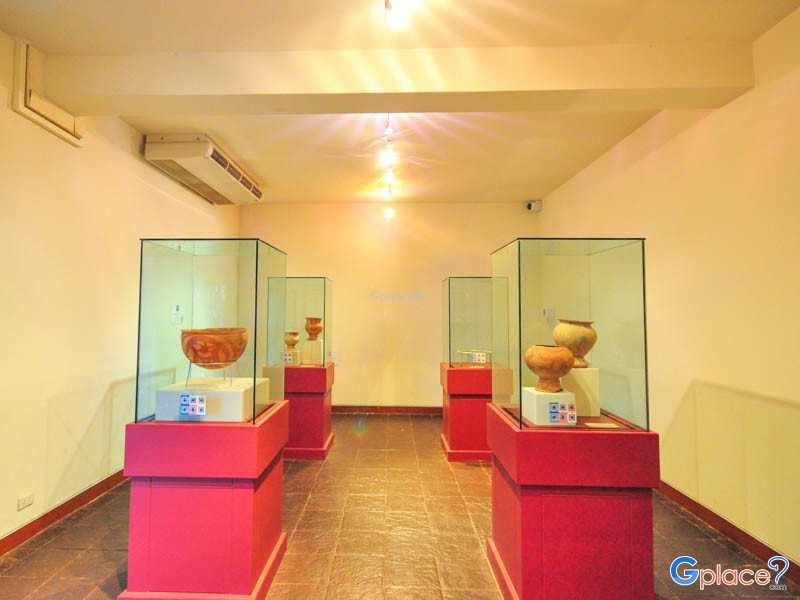
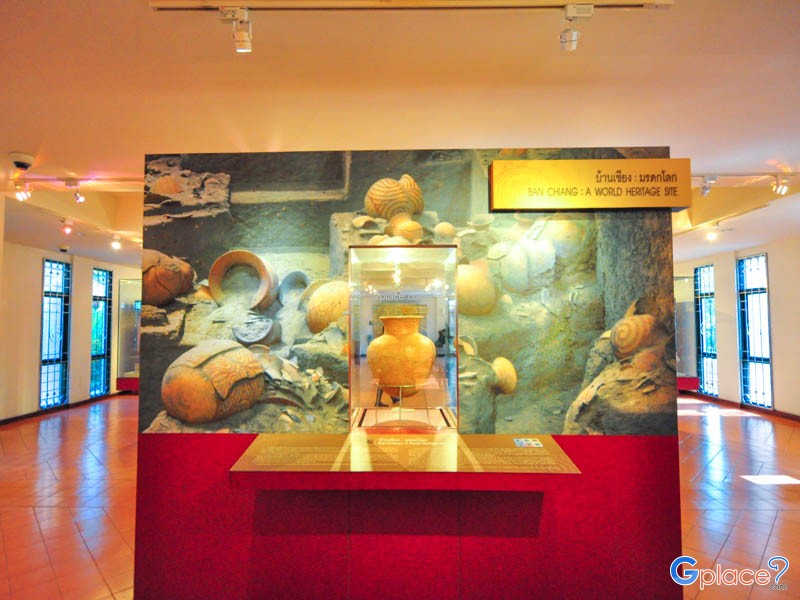
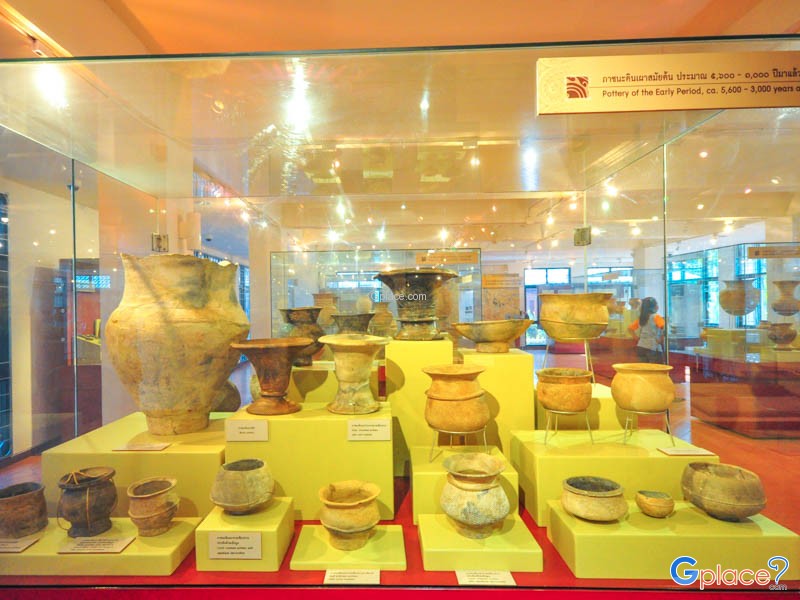
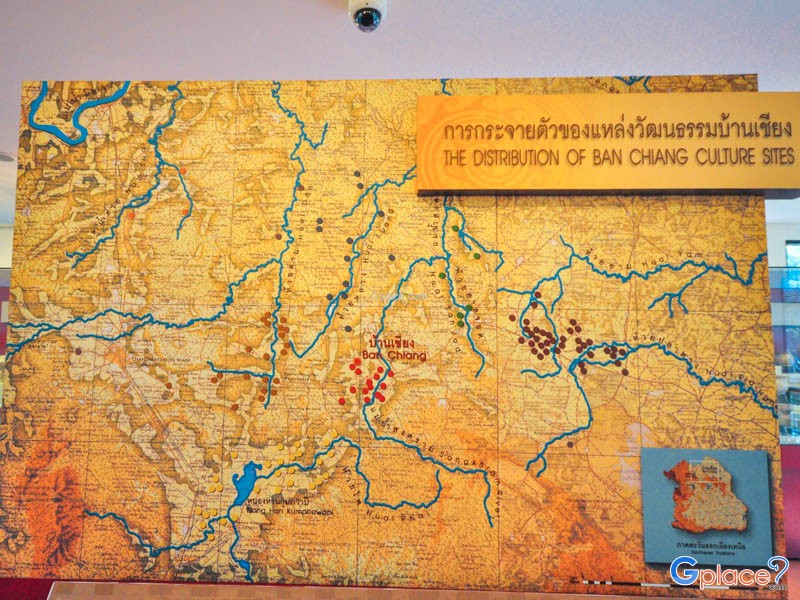
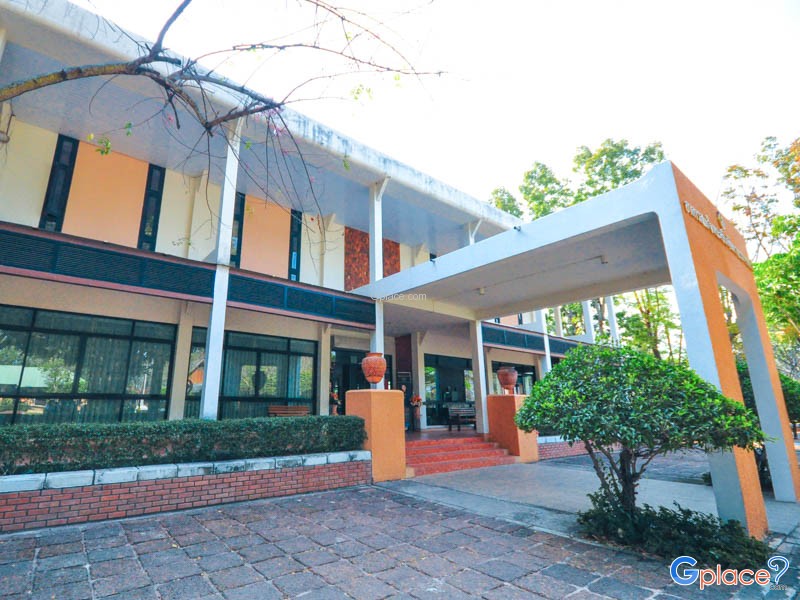
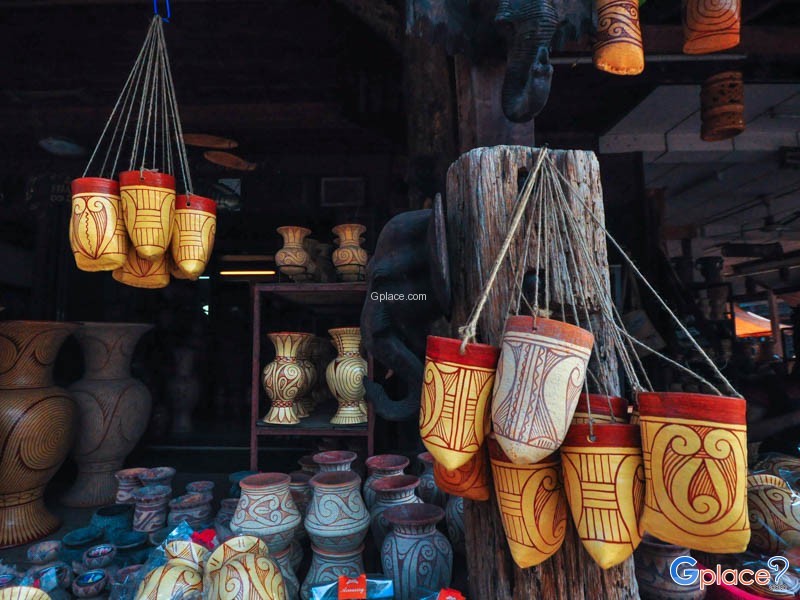
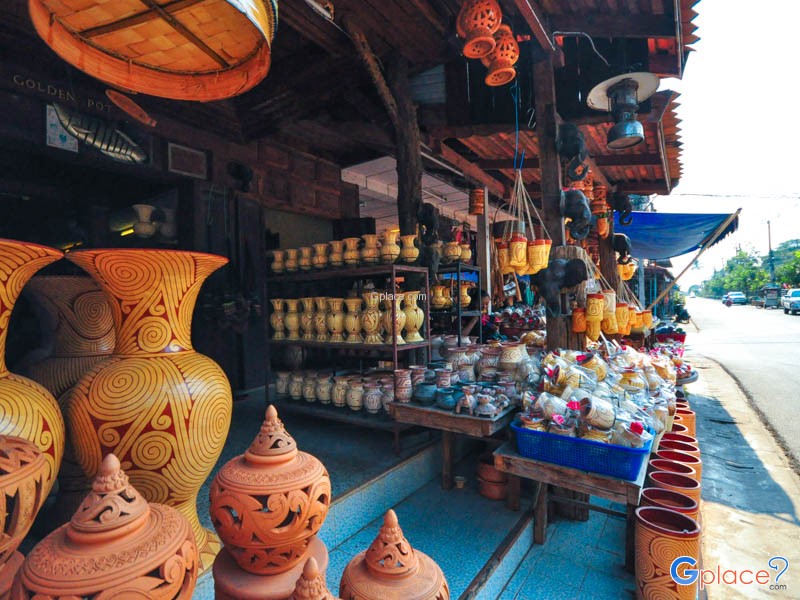
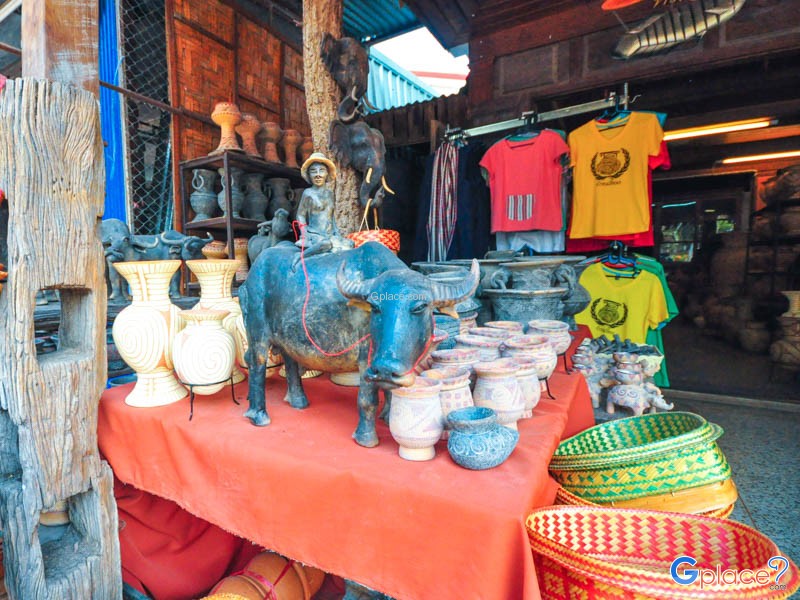
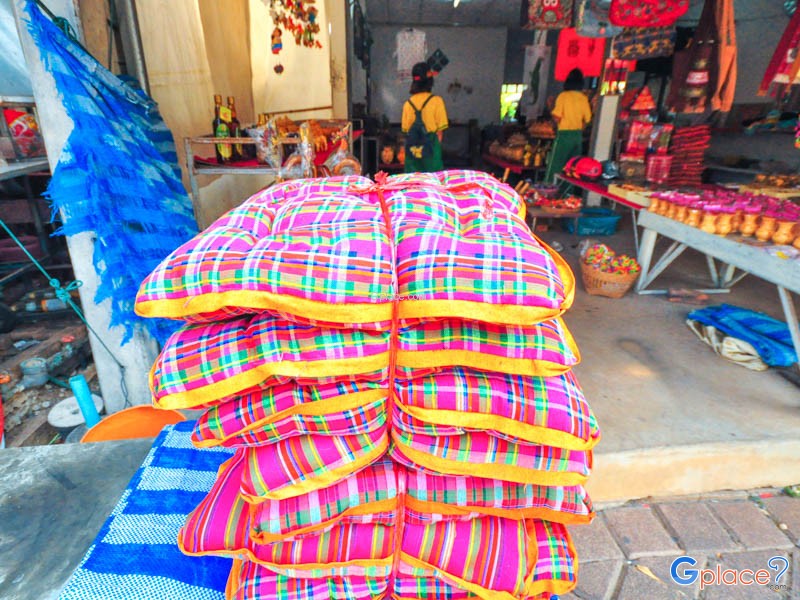
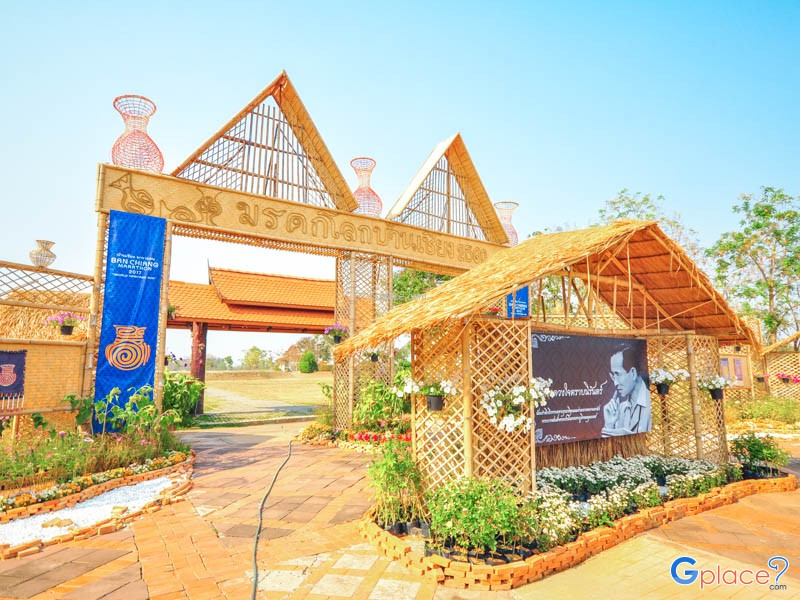
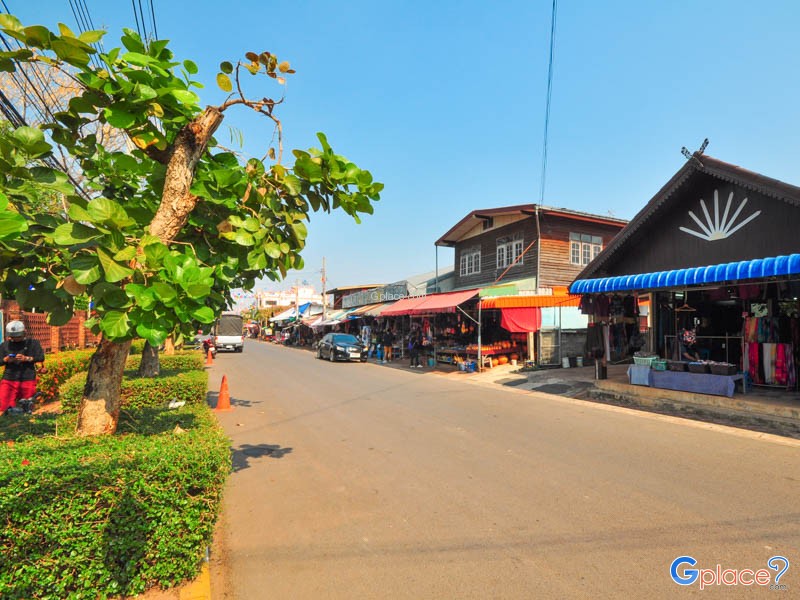
“Ban Chiang National Museum is a world-class archaeological site registered as a UNESCO World Heritage Site. It exhibits traces of prehistoric settlements and civilizations dating back more than 5,000 years.”
The Ban Chiang National Museum serves as a comprehensive learning center dedicated to the Ban Chiang Culture, one of the most flourishing prehistoric civilizations discovered in Southeast Asia. Spanning over 5,000 years, this archaeological site, located in Udon Thani province, has provided profound evidence of the technological, social, and artistic sophistication of the ancient communities in the region.
Main Components of the Museum
The museum structures its exhibition into two main parts, allowing visitors to experience history from both an academic and an on-site archaeological perspective:
The Main Museum Building (Indoor Exhibition)
This building is responsible for preserving and systematically presenting the entire history of the Ban Chiang archaeological site. The content is divided into exhibition halls arranged chronologically based on archaeological discoveries and historical periods:
-
Discovery History: Displays the story of the site’s monumental discovery by Stephen Young in 1960 and the subsequent significance of excavations that led to its designation as a World Heritage Site.
-
Environment and Livelihood: Provides an overview of the geography, climate, and natural resources of the area, which facilitated the establishment and development of the Ban Chiang community.
-
Cultural Evolution: This crucial section illustrates the development of the Ban Chiang culture across three primary periods, categorized by the age of the artifacts:
-
Early Period: Characterized by polished stone tools and rough, plain black pottery, indicating the initial stages of an agricultural society.
-
Middle Period: Marked by the widespread use of bronze metalwork and the emergence of cord-marked and uniquely shaped pottery, signifying technological expansion.
-
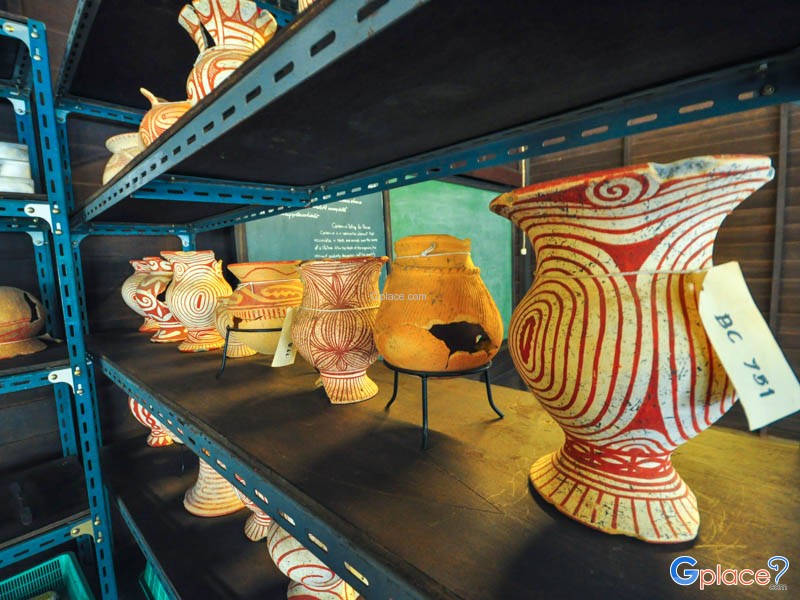
Late Period: Represents the peak of the culture, featuring the use of iron and, most distinctively, the red-on-buff painted pottery with intricate and refined designs, which is now the internationally recognized symbol of Ban Chiang.
-
-
Artifact Exhibition: Key artifacts, such as bronze axes, iron spearheads, shell bracelets, glass beads, and various ornaments, are displayed, reflecting the beliefs, social status, and craftsmanship of the people from that era.
The Open-Air Museum (Wat Pho Sri Nai)
The open-air section, situated within the grounds of Wat Pho Sri Nai (a short distance from the main building), is what makes Ban Chiang globally unique. It is the first archaeological site in Thailand to be established as a permanent open-air museum.
-
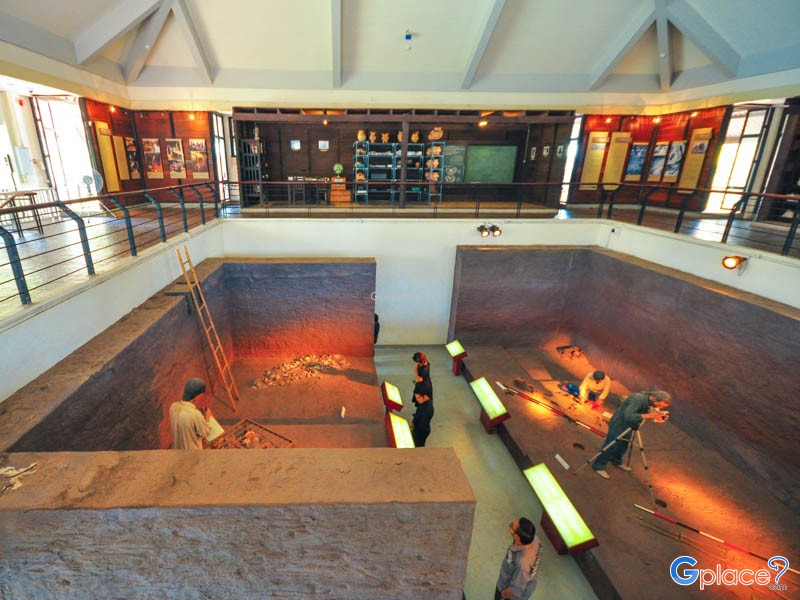
Original Excavation Pits: Visitors can view the actual archaeological pits in their original state, preserved under a protective structure.
-
Burial Evidence: Within the pits, the distinct soil layers are visible, along with human skeletons buried according to ancient tradition. Pottery and other implements (grave goods) were carefully placed alongside the remains.
-
Artifact Arrangement: The precise positioning of the remains and artifacts within the soil layers has allowed archaeologists to accurately date the culture and gain a deep understanding of the evolution of their belief systems and rituals.
How to Get There
-
Private car: From Udon Thani city, take Highway 22 (Udon Thani - Sakon Nakhon) for approximately 50 kilometers. When you reach Ban Pulu, turn left onto Highway 2225 and continue for approximately 6 kilometers.
-
Bus: Buses depart from Udon Thani Bus Terminal to Nong Han District, or take the Udon Thani-Sakon Nakhon bus. Get off at the entrance to Ban Chiang and then take a taxi to the museum.
Travel Tips
-
It is recommended to visit the outdoor museum (Wat Pho Si Nai) first to understand the actual excavation conditions. Then, visit the museum building to learn more about the exhibits and their history.
-
A visit takes approximately 2-3 hours.
-
Most areas are covered, except for the outdoor excavation pits. Bring an umbrella or hat during the daytime.
Admission Fees:
-
Thai citizens: 30 baht
-
Foreigners: 200 baht
Opening Hours:
- Open Wednesday to Sunday from 9:00 AM to 4:00 PM. Closed on Mondays and Tuesdays.
Ban Chiang National Museum

 Share
Share
 Ban Chiang, Ban Chiang Subdistrict, Nong Han District, Udon Thani Province 41130
Map
Ban Chiang, Ban Chiang Subdistrict, Nong Han District, Udon Thani Province 41130
Map
 Closed today
Mon -
Tue -
Wed9.00 - 16.00
Thu9.00 - 16.00
Fri9.00 - 16.00
Sat9.00 - 16.00
Sun9.00 - 16.00



 104
104