 Attractions
  Hotel
Hotel  Restaurant
  Shopping
  Abroad





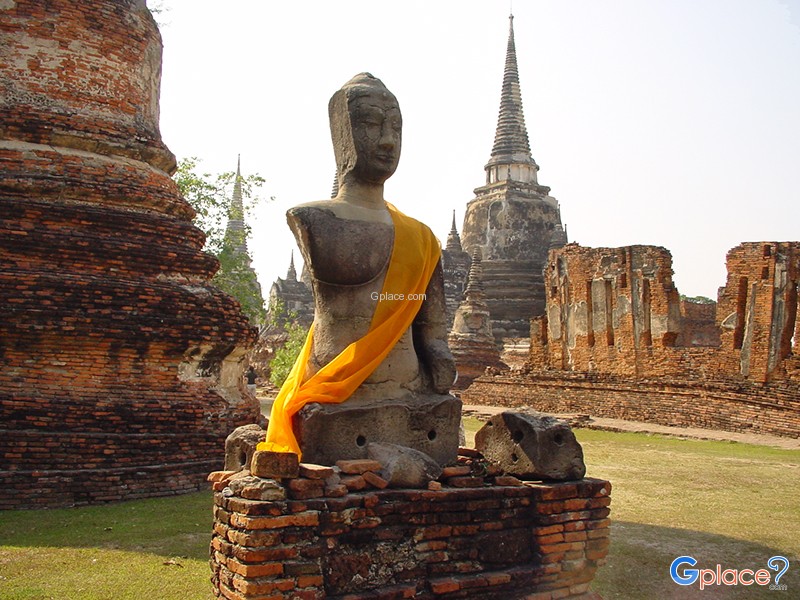

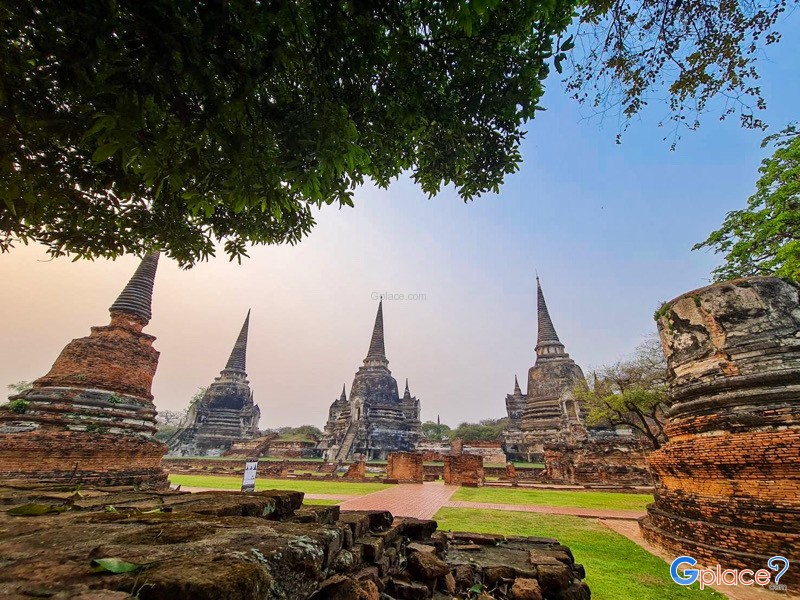

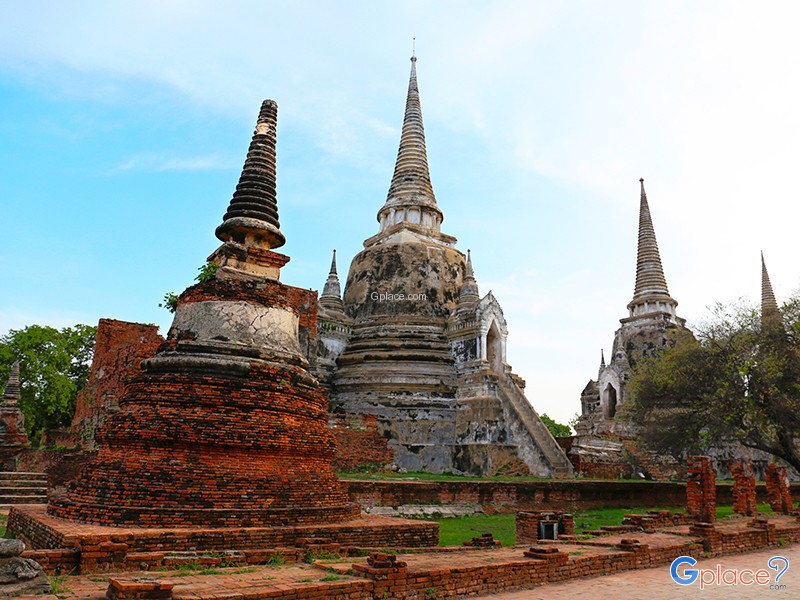
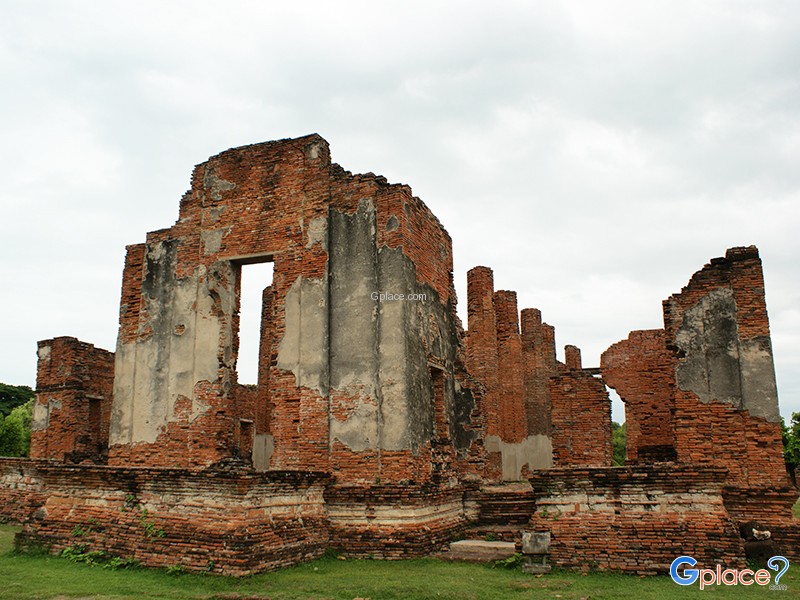
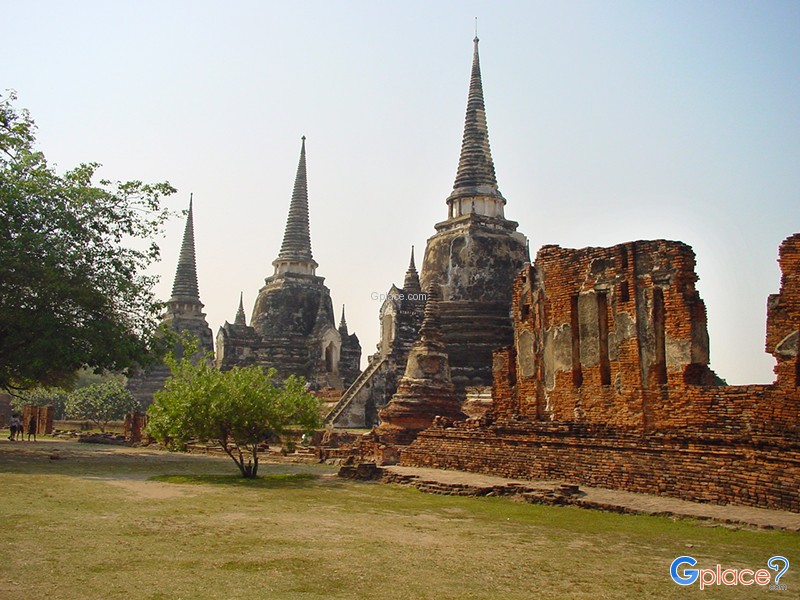
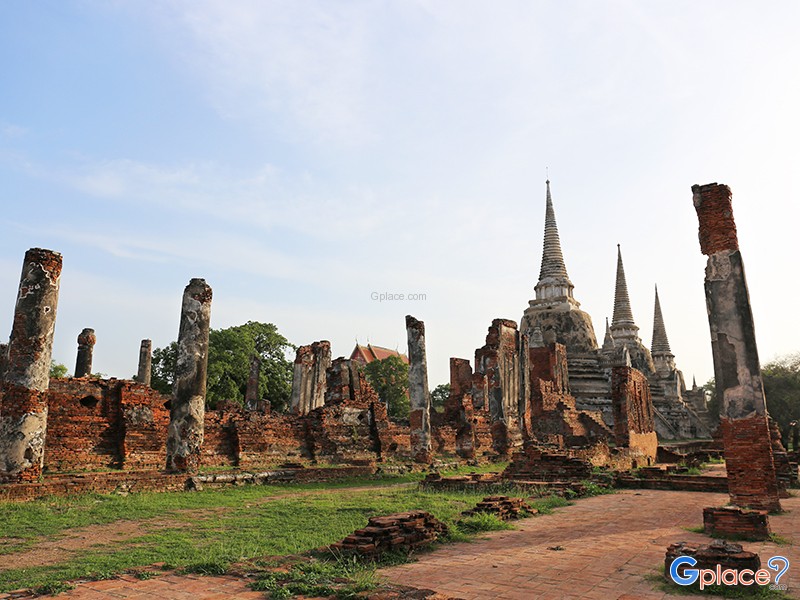
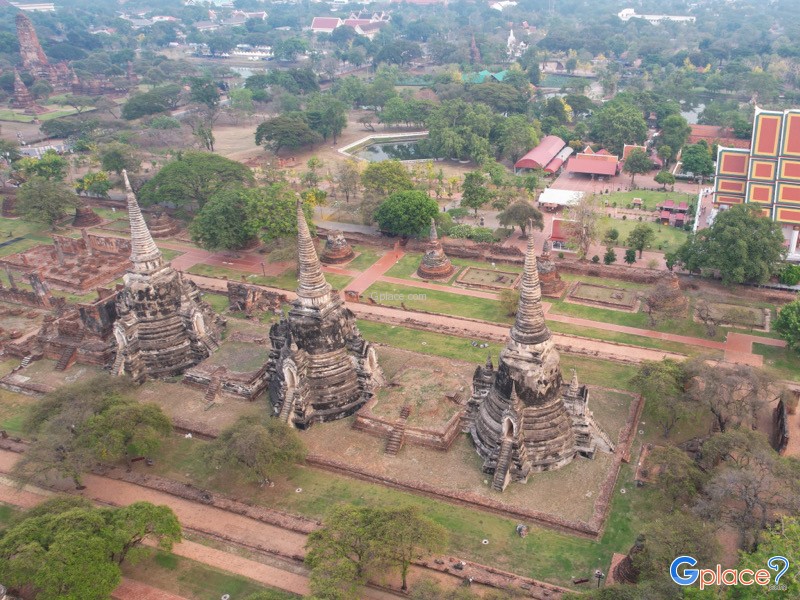
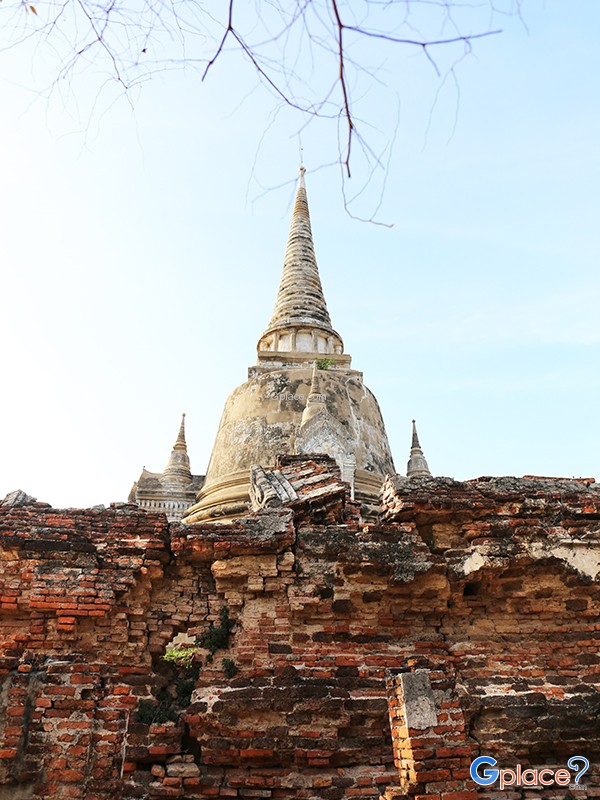
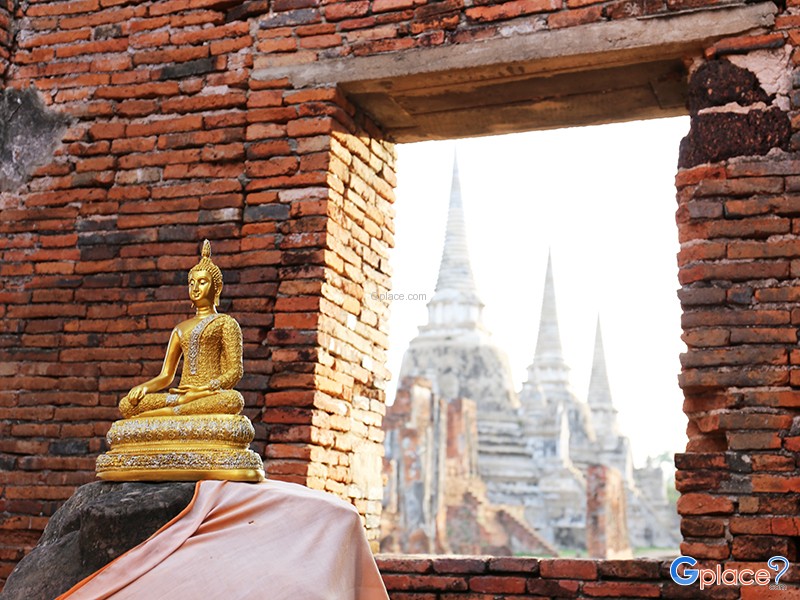
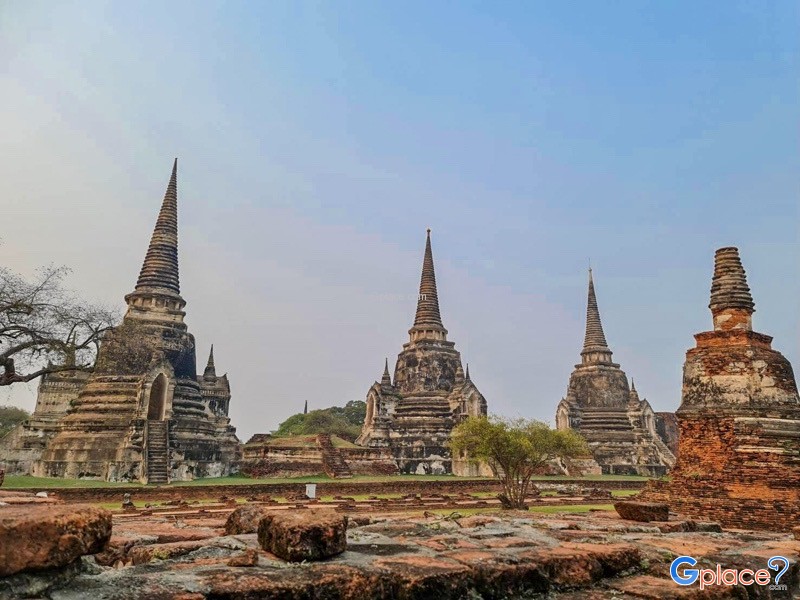
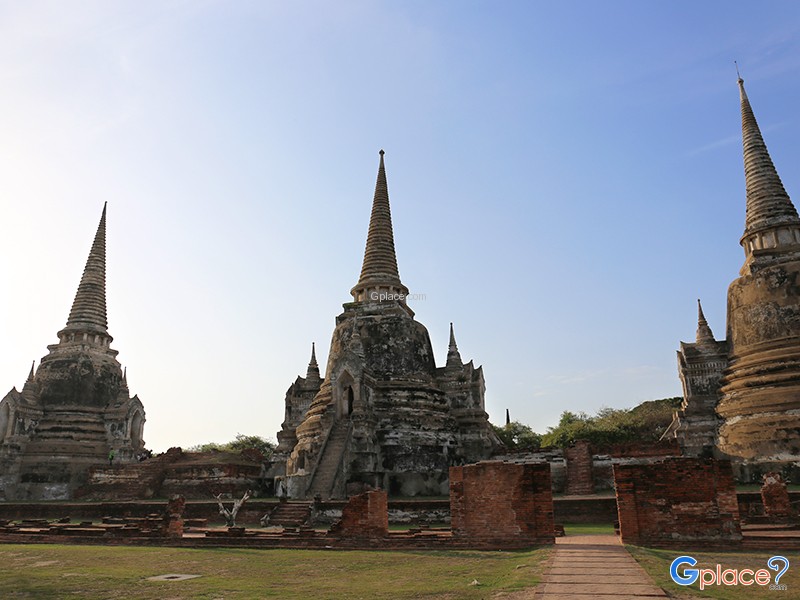
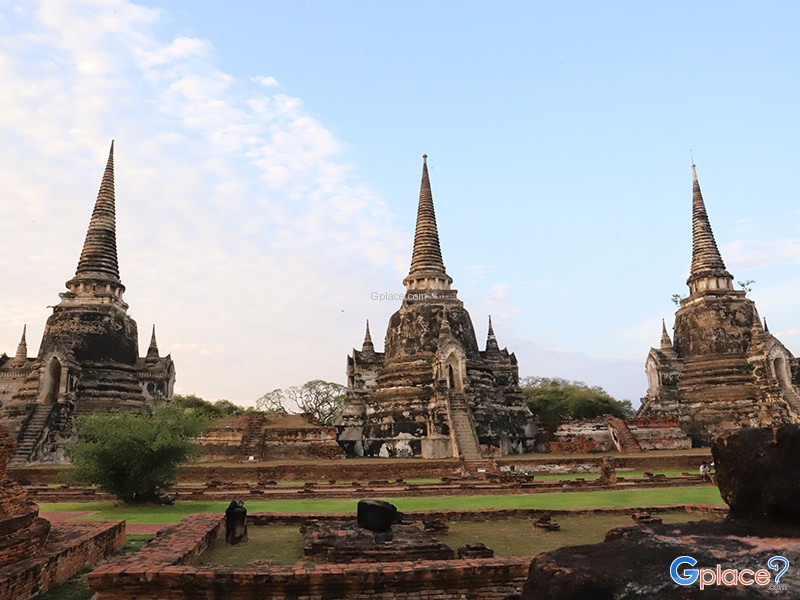
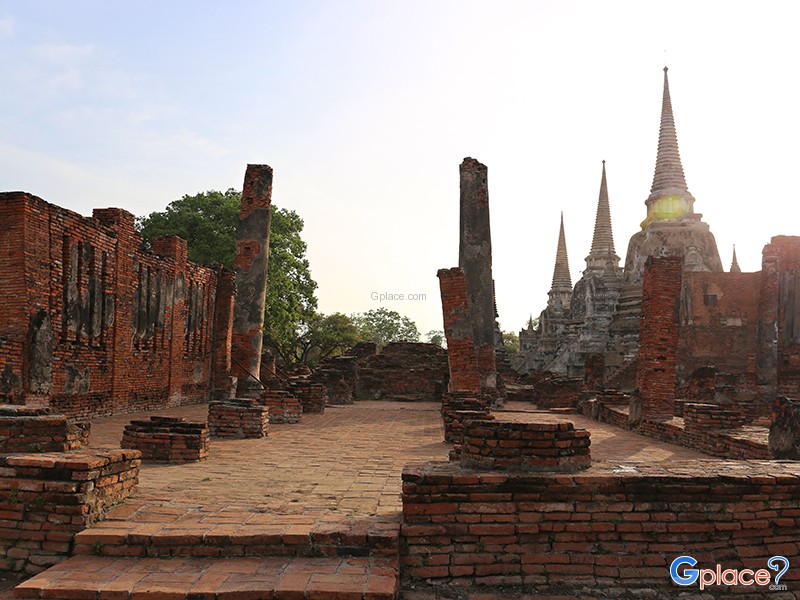
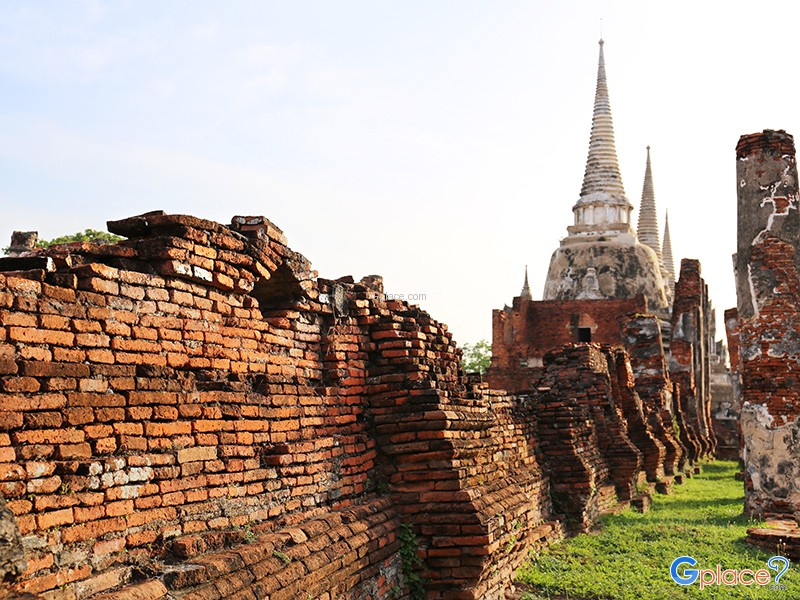
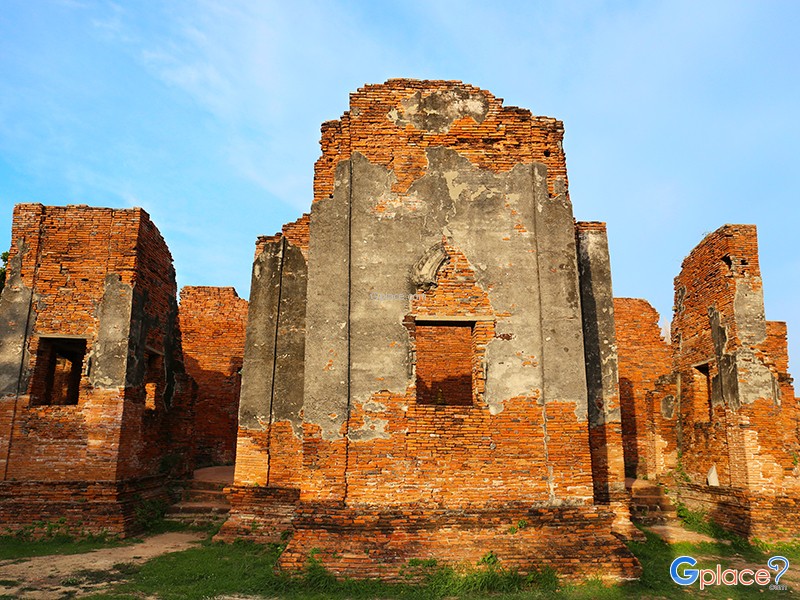
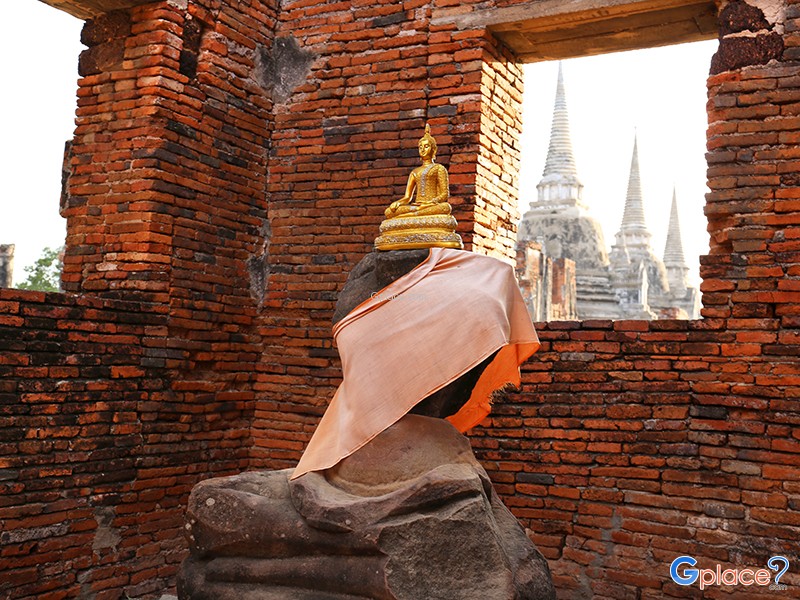
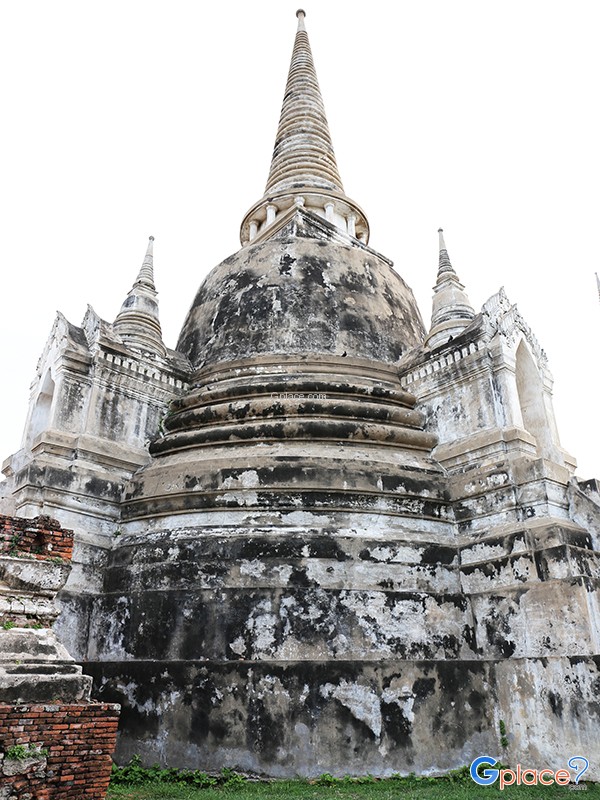
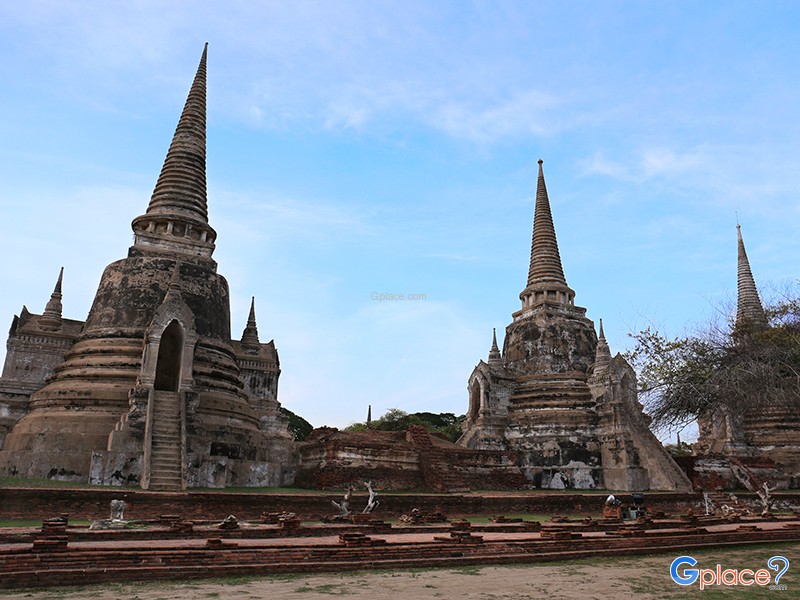

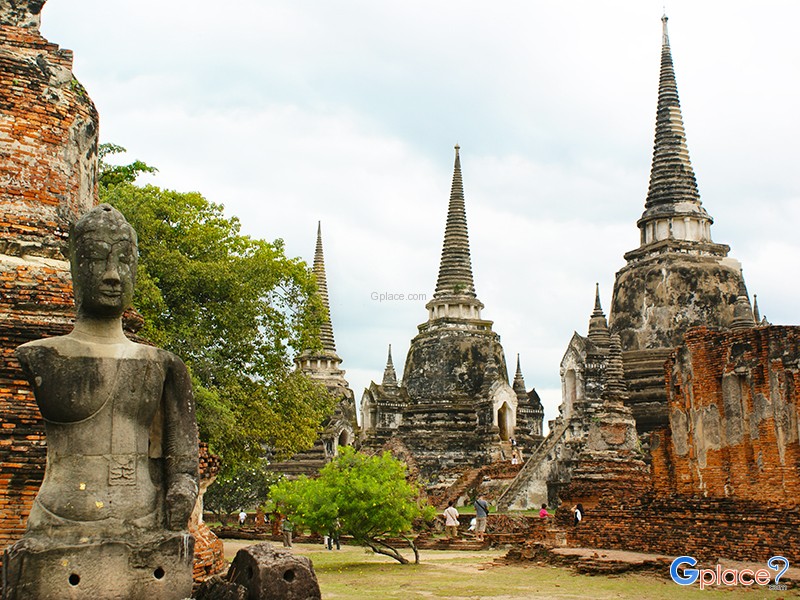
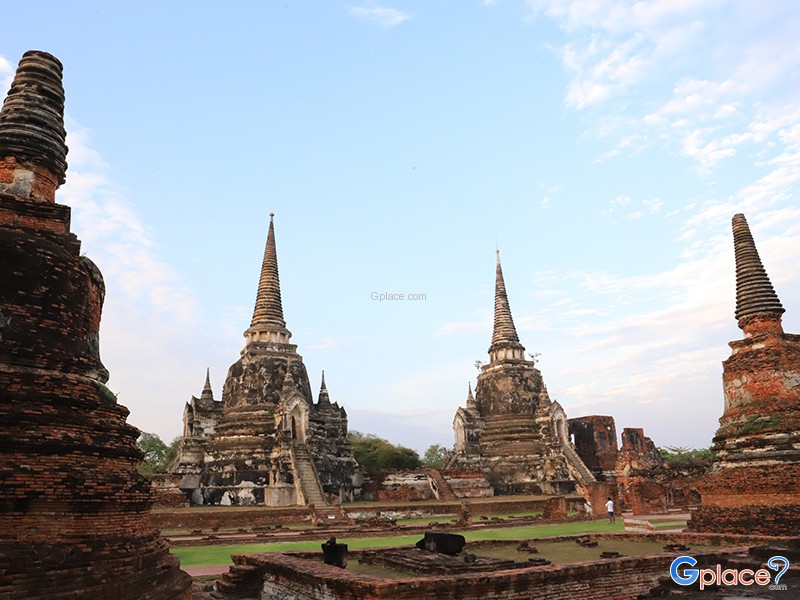
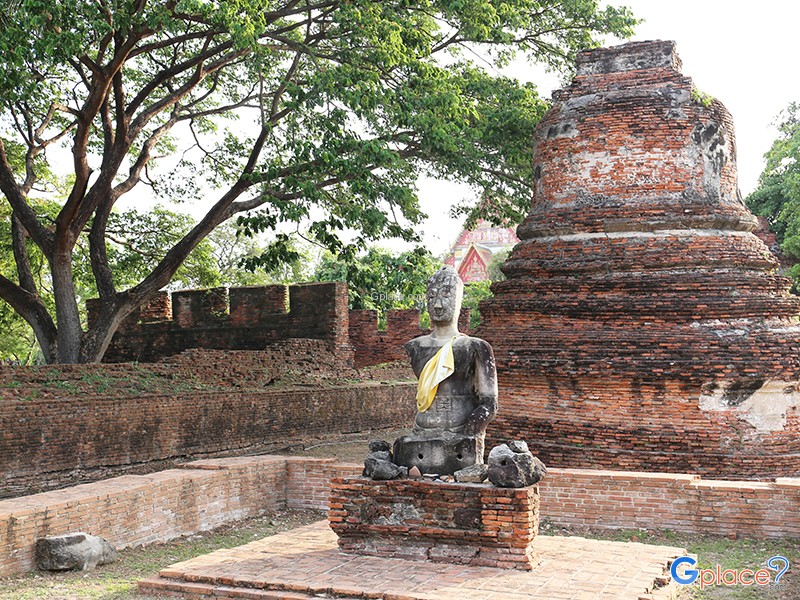
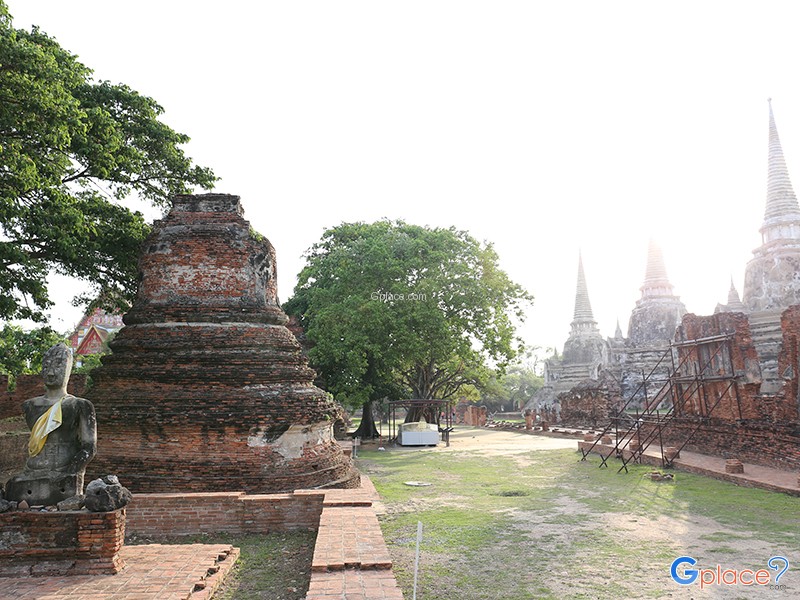
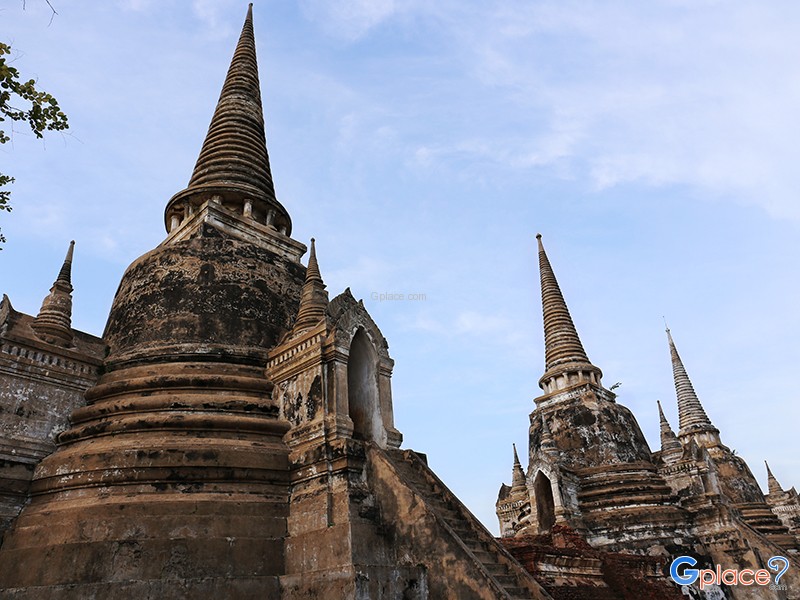
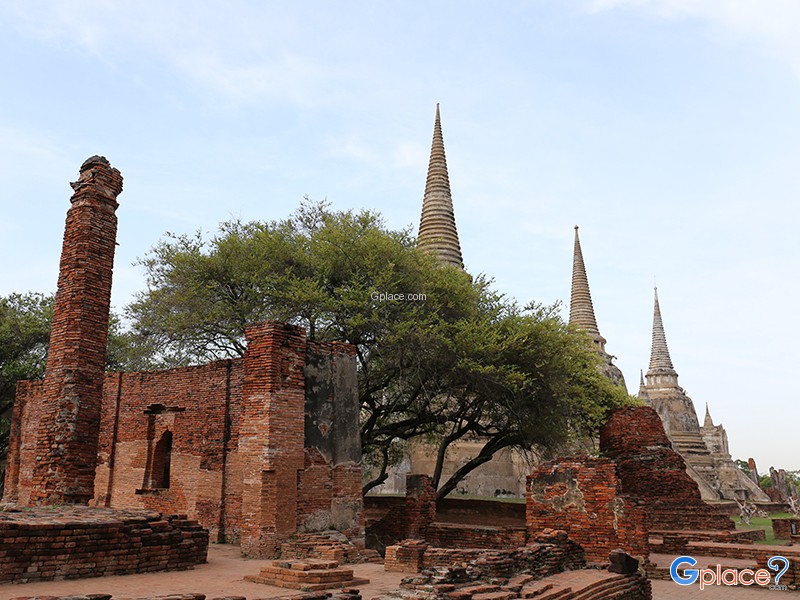
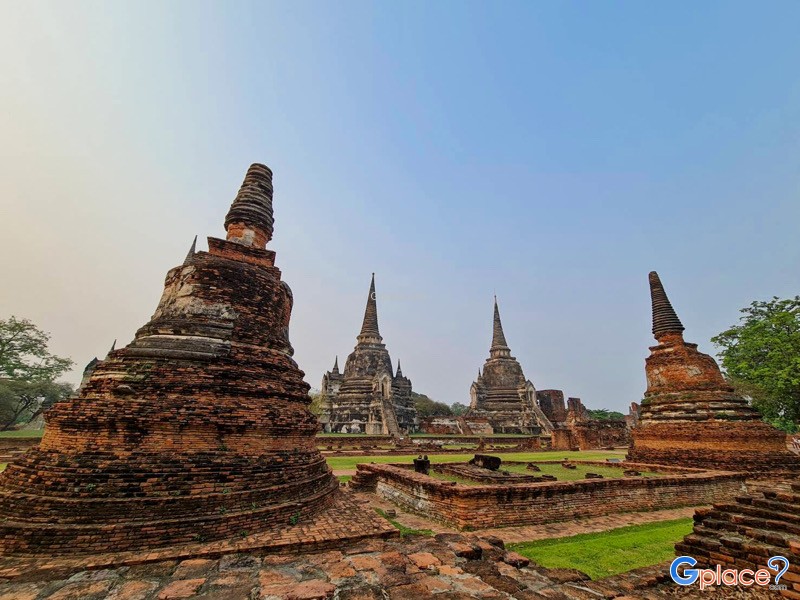

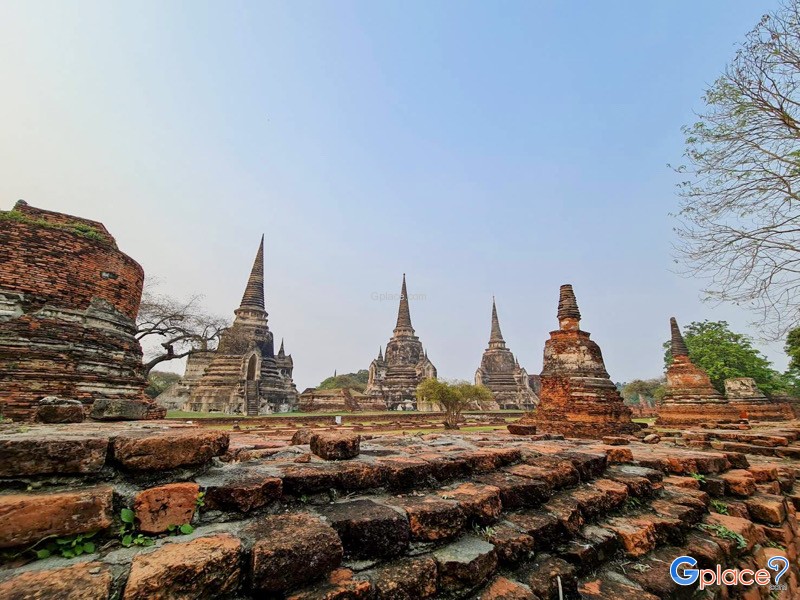
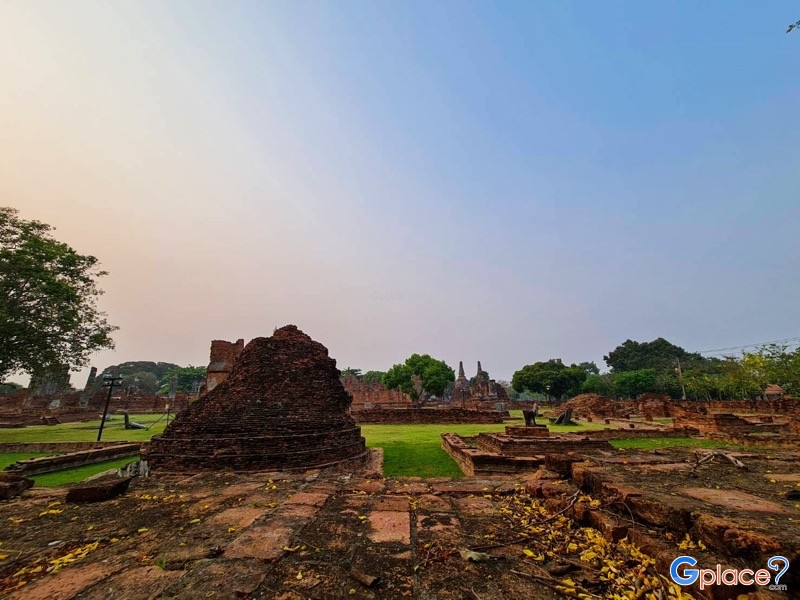
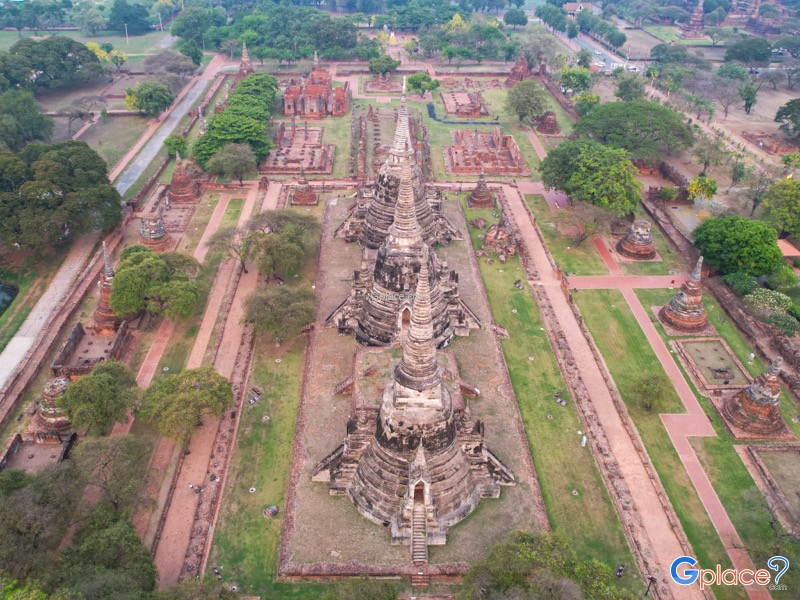
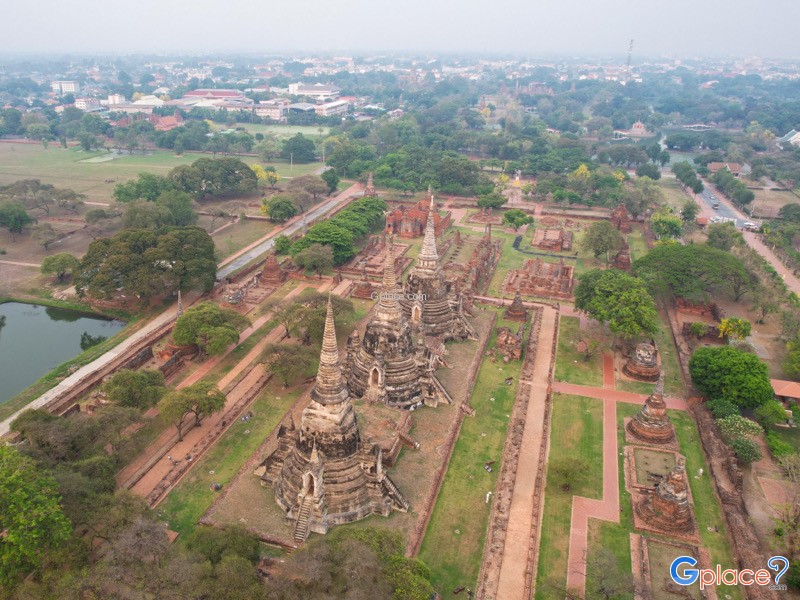
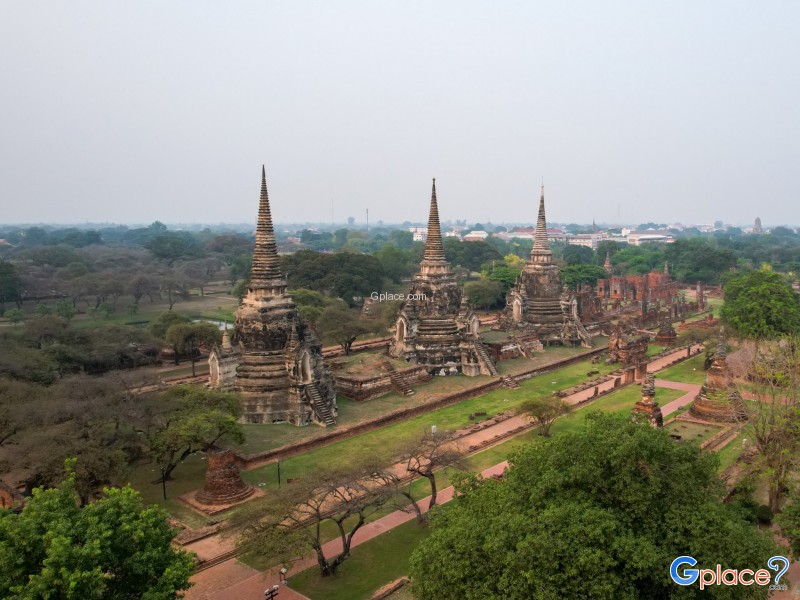
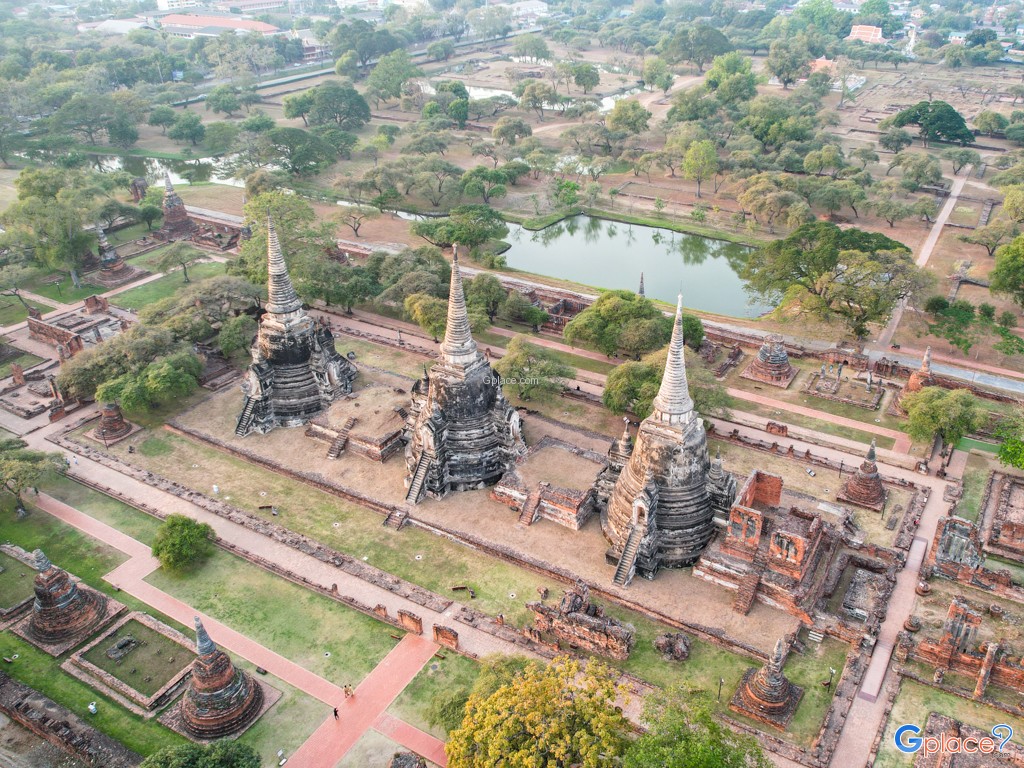
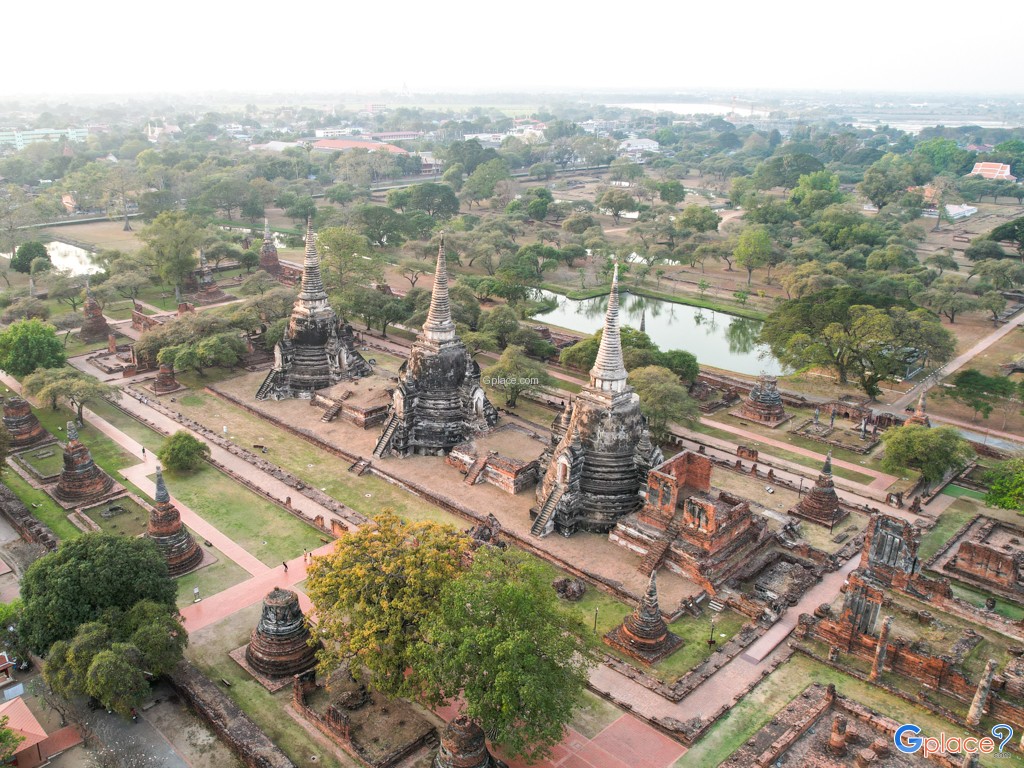
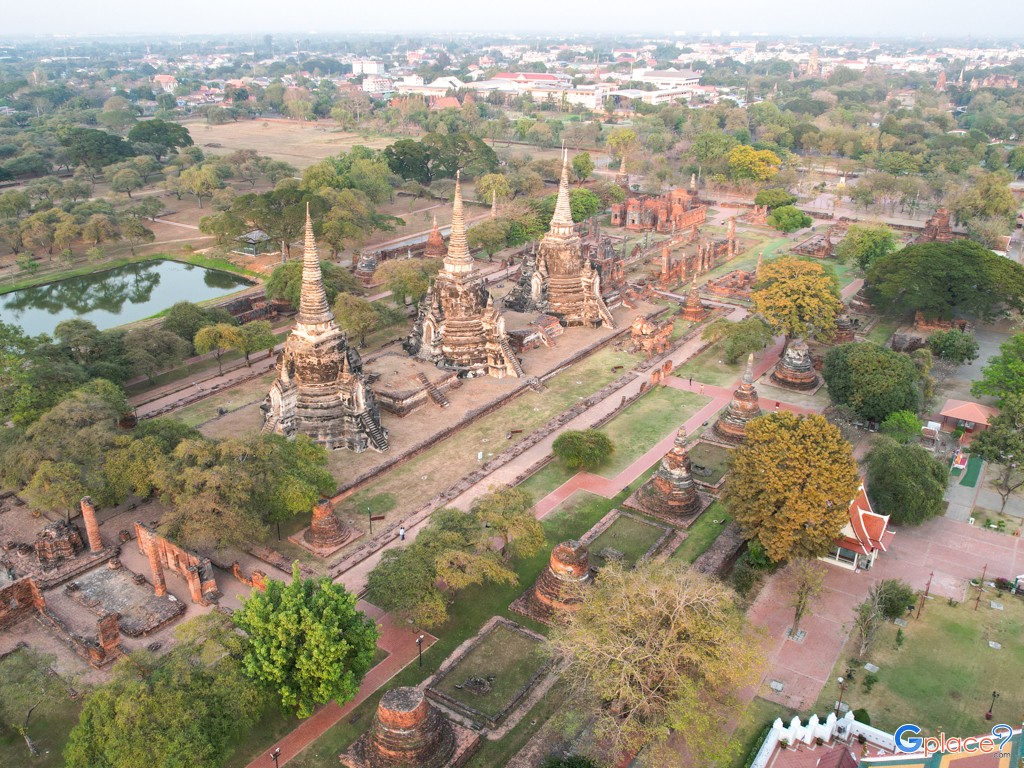
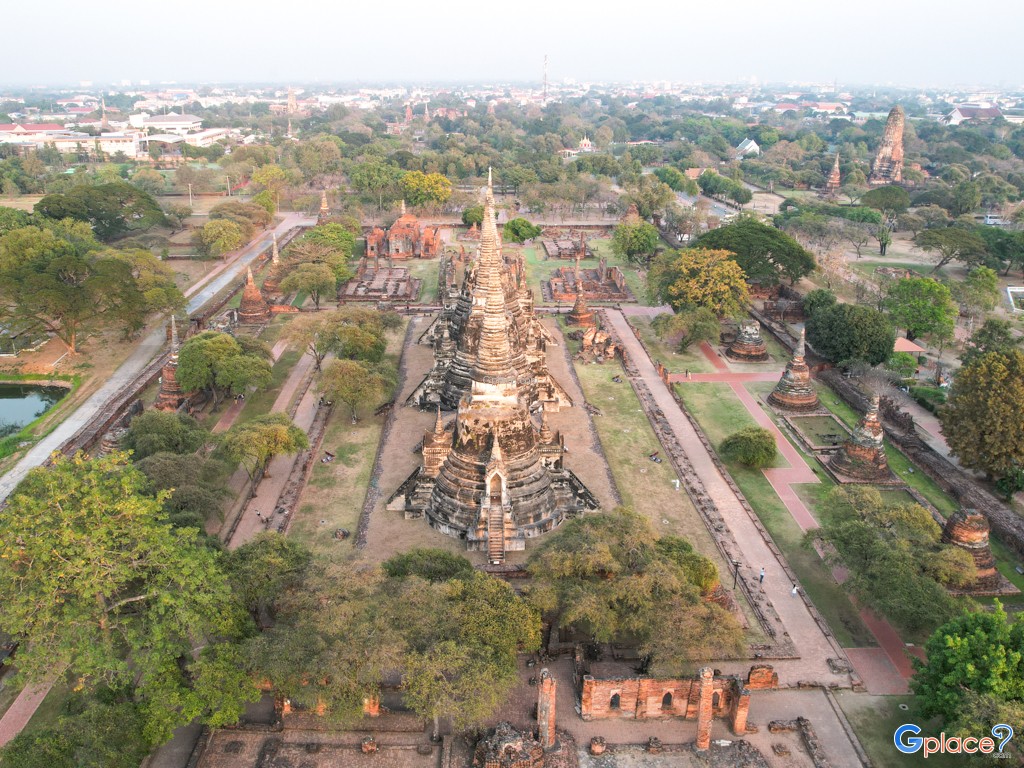
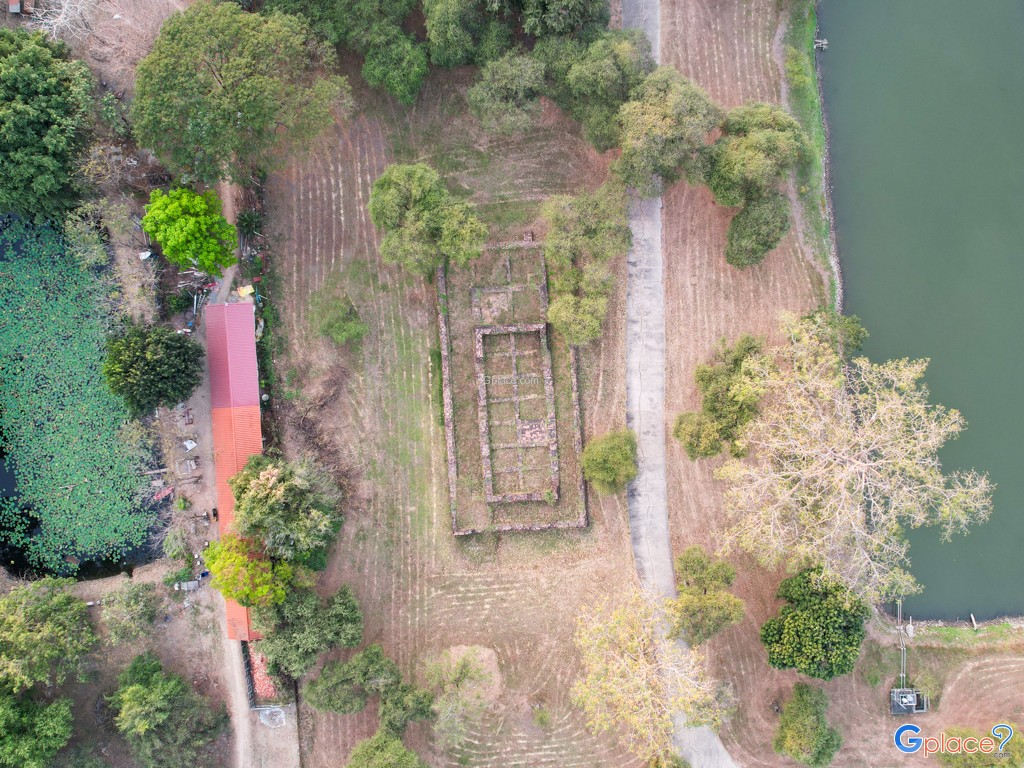
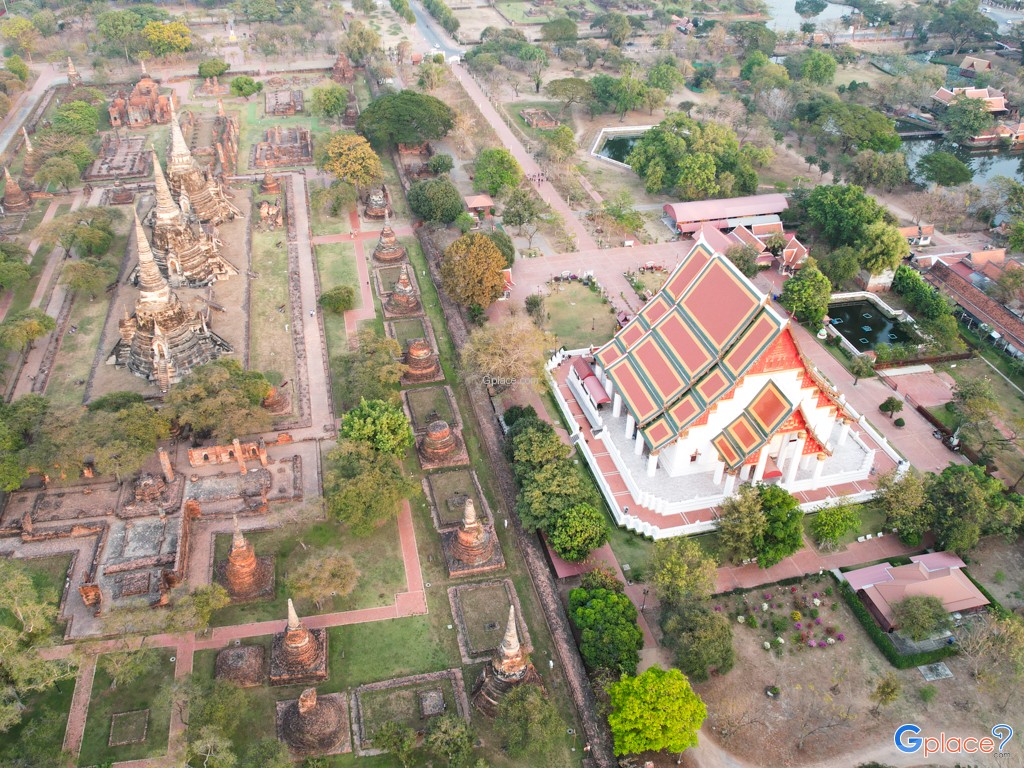
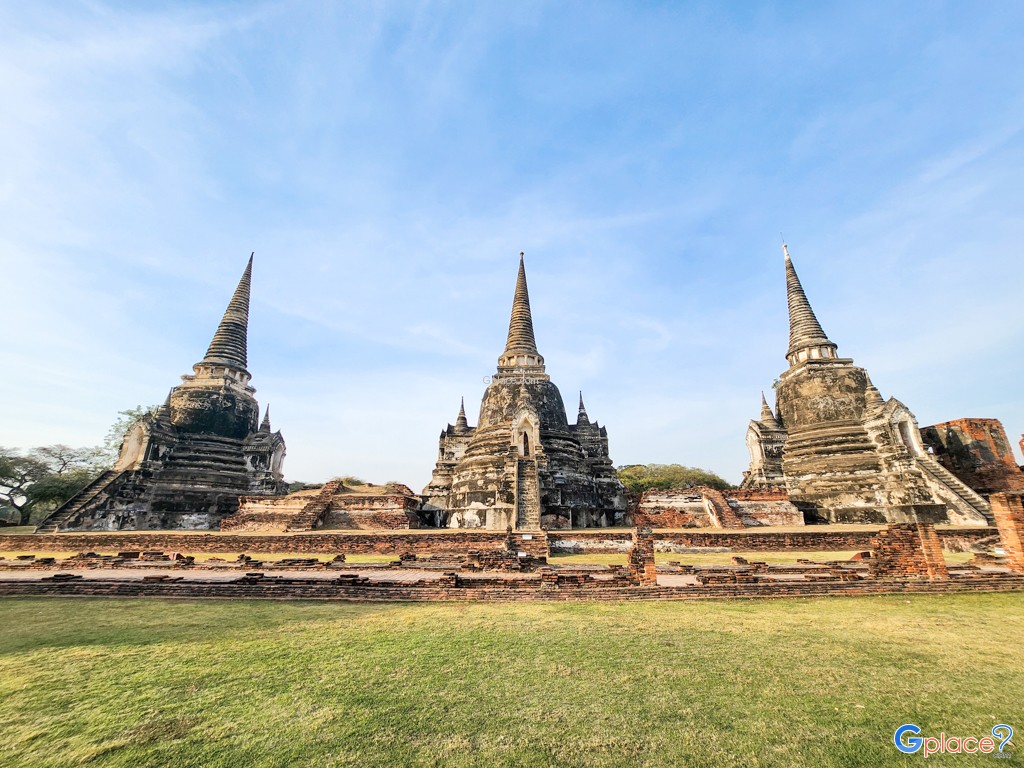
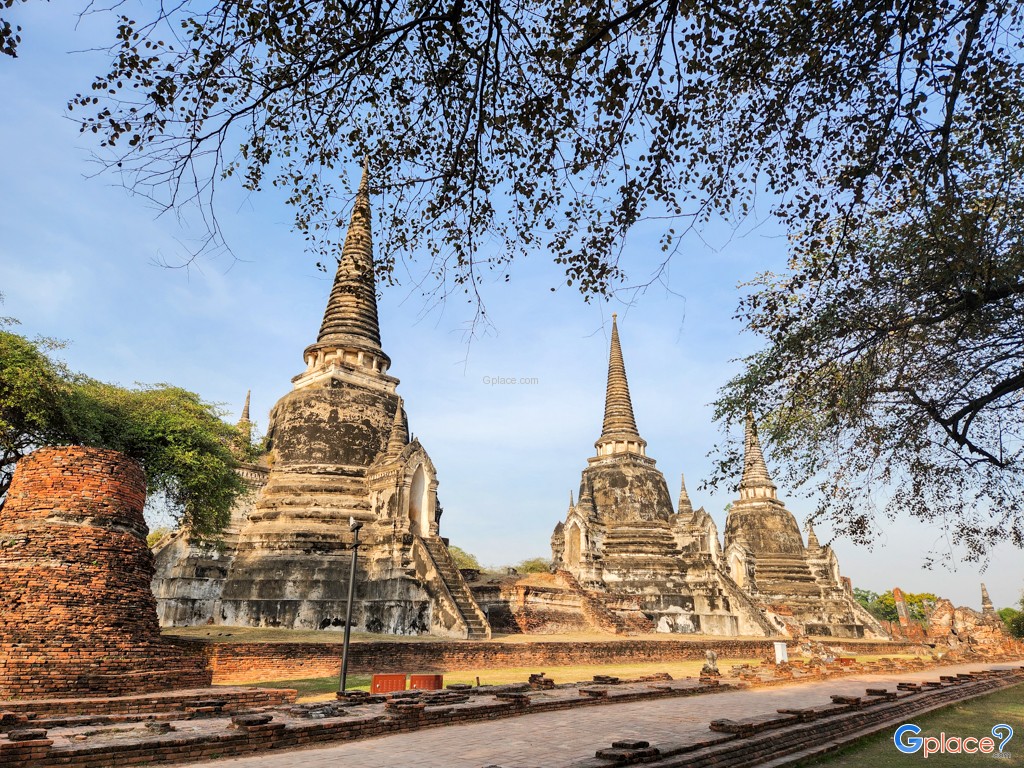
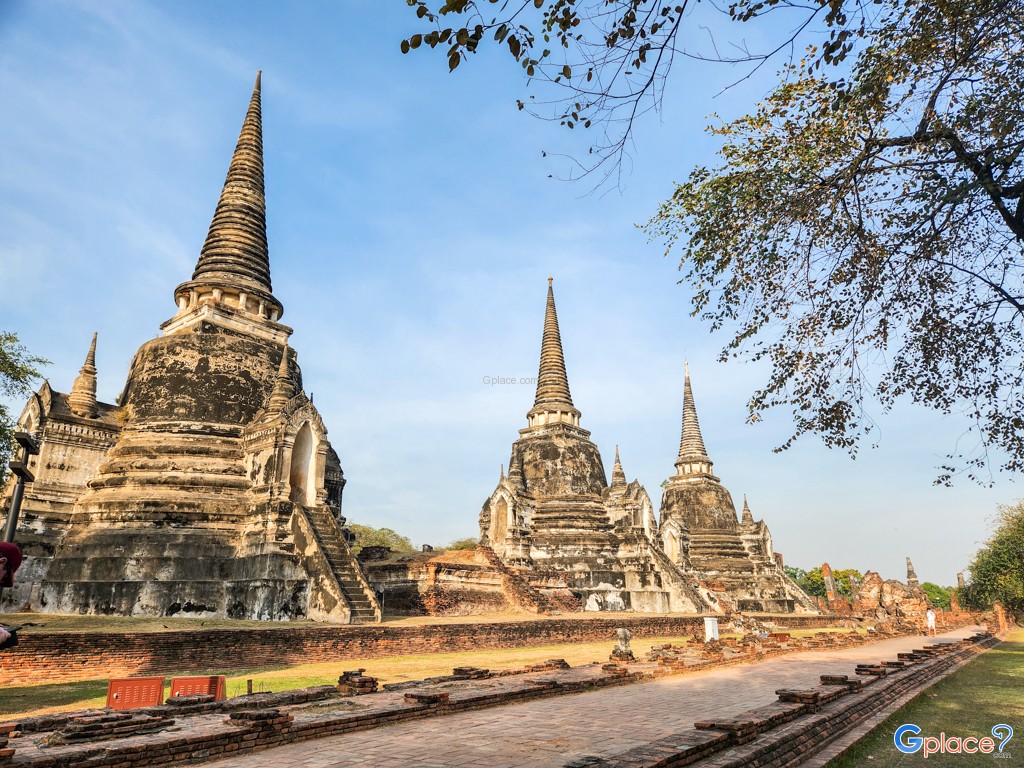
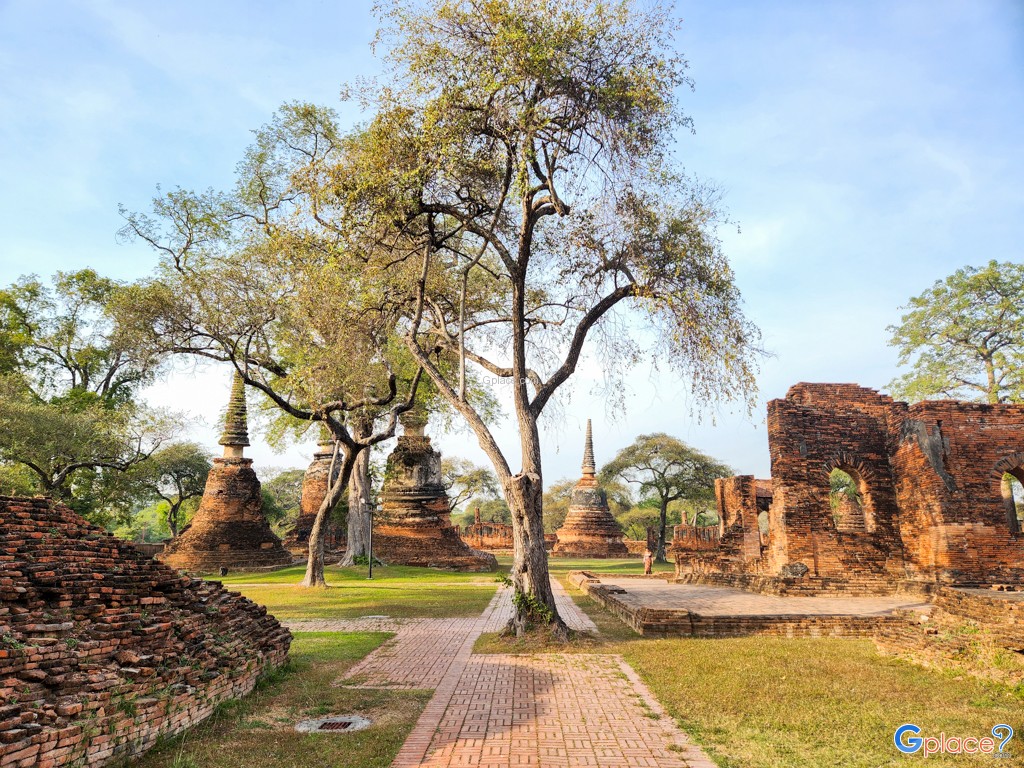
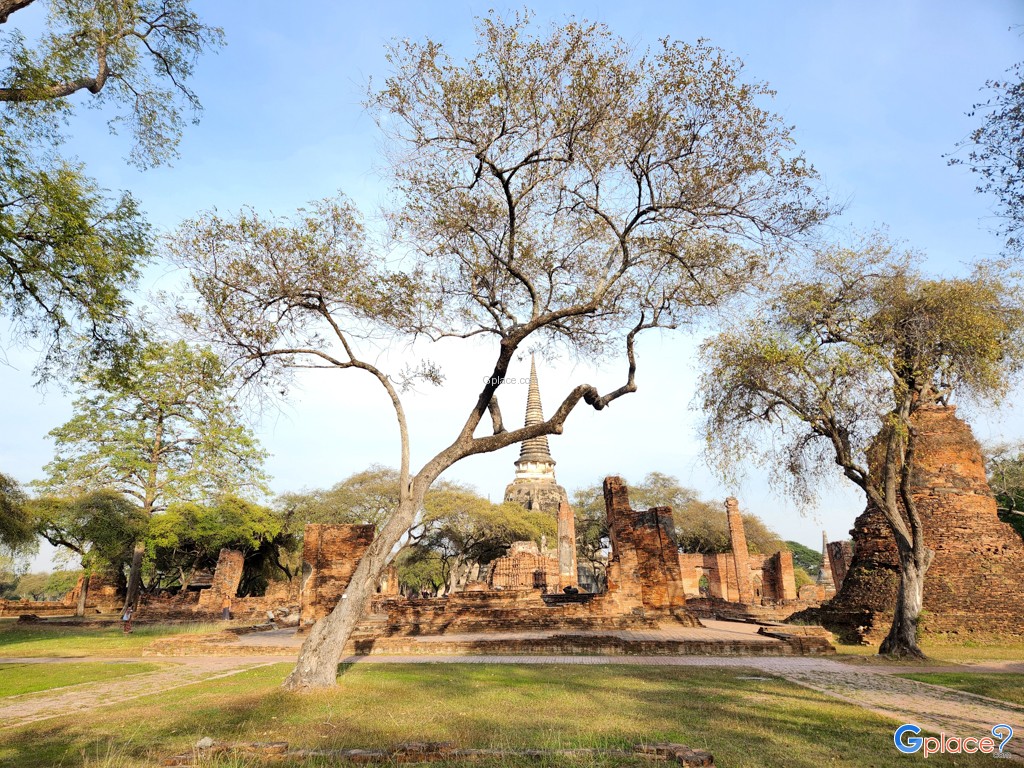
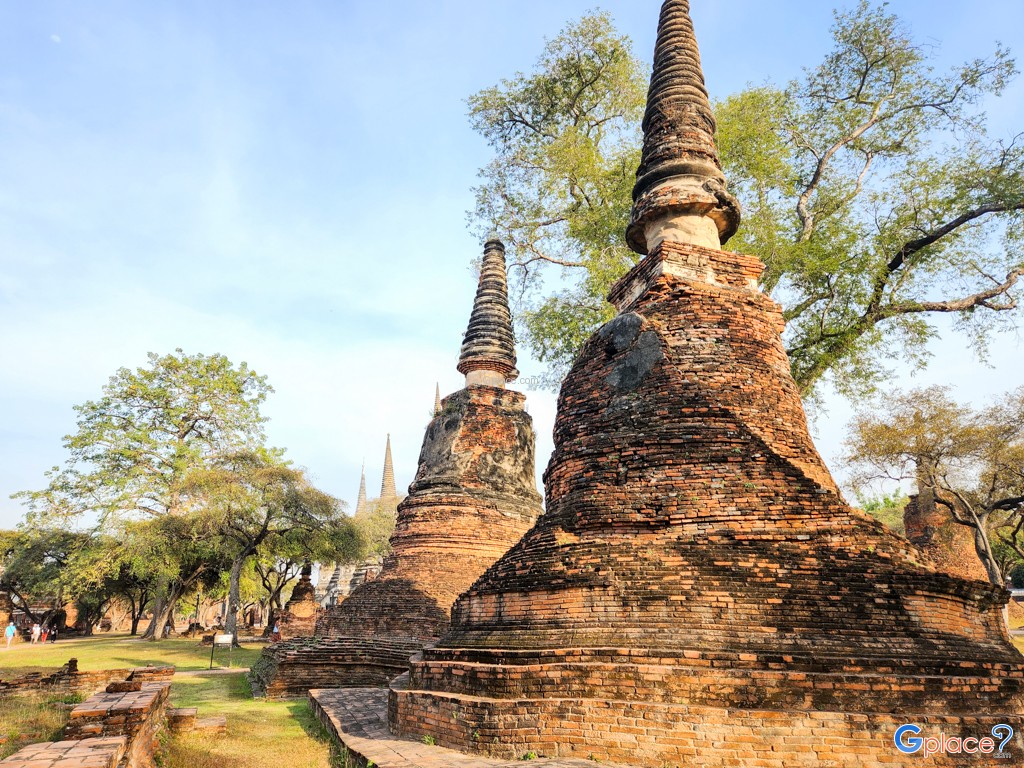
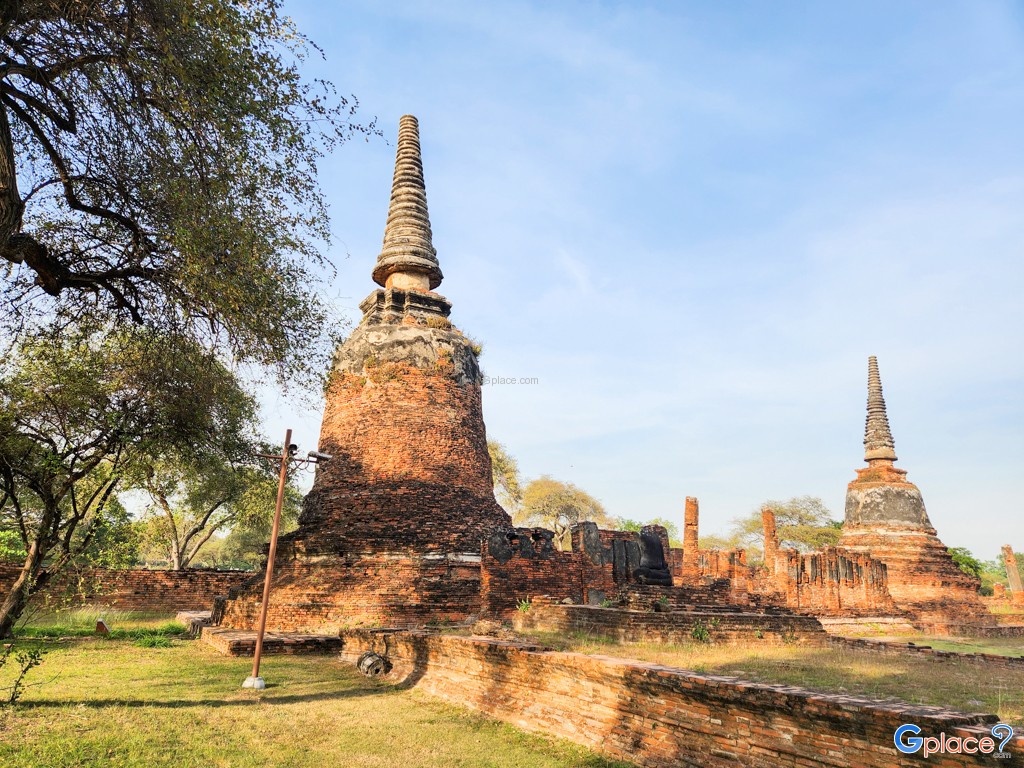
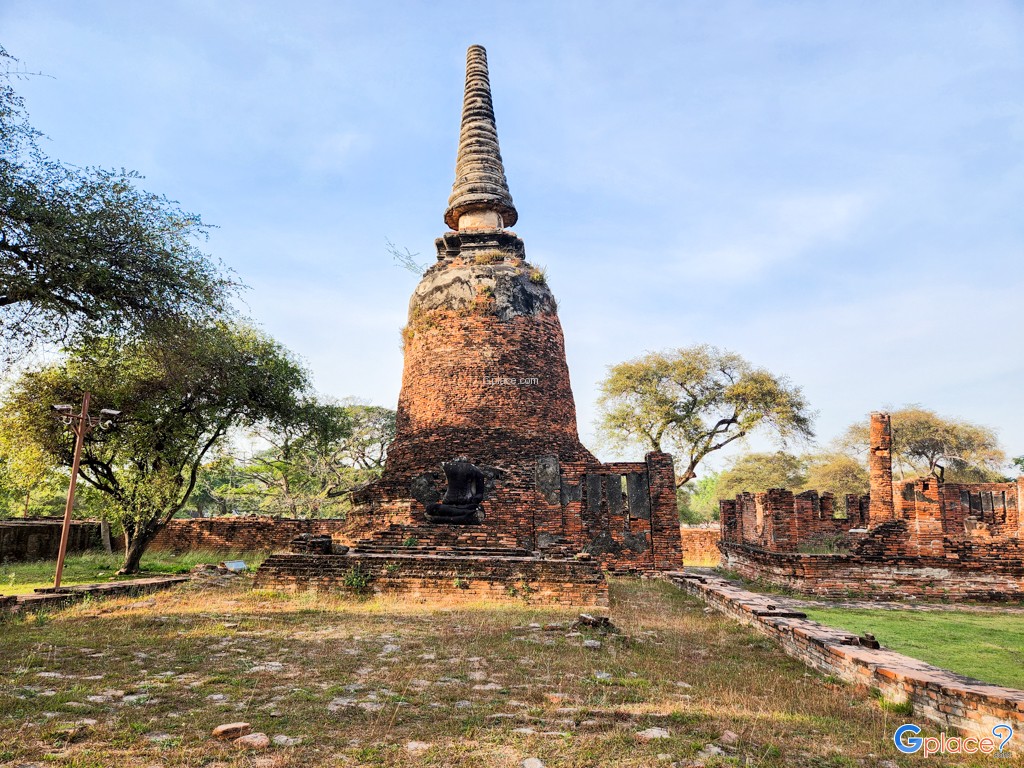
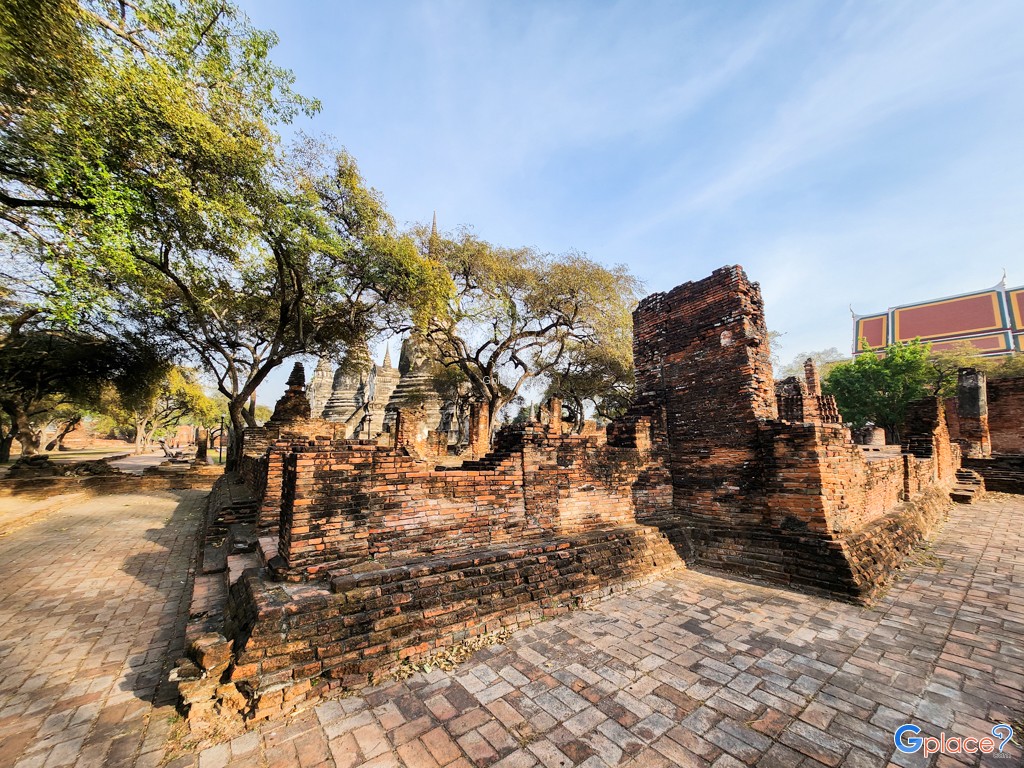
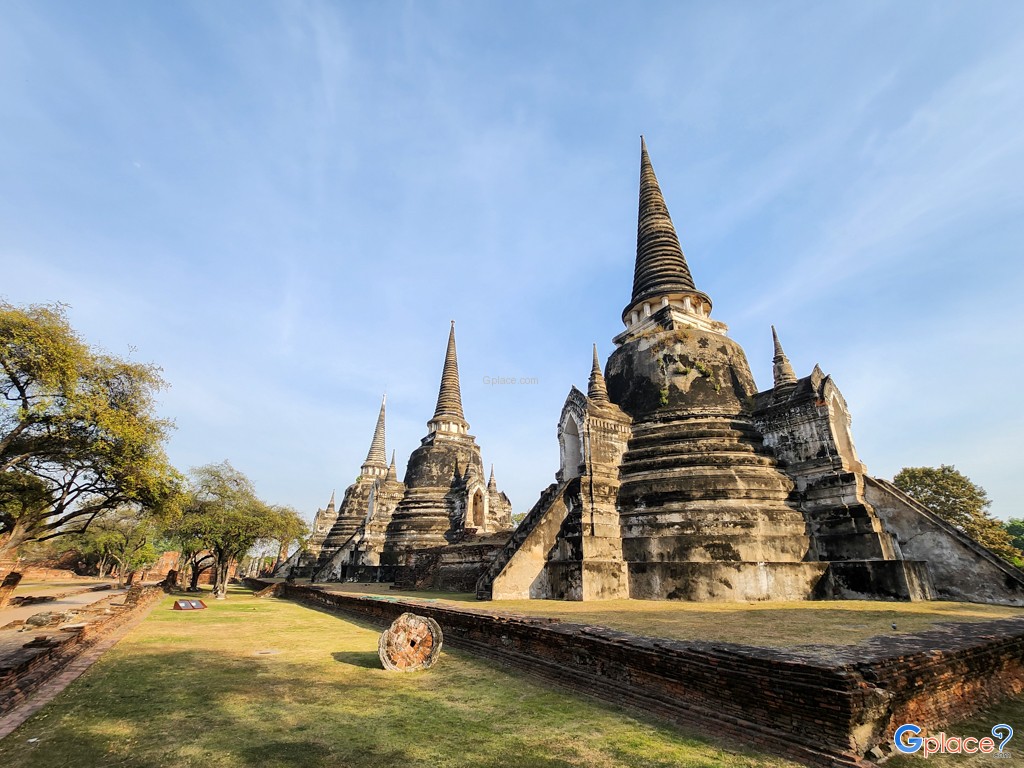
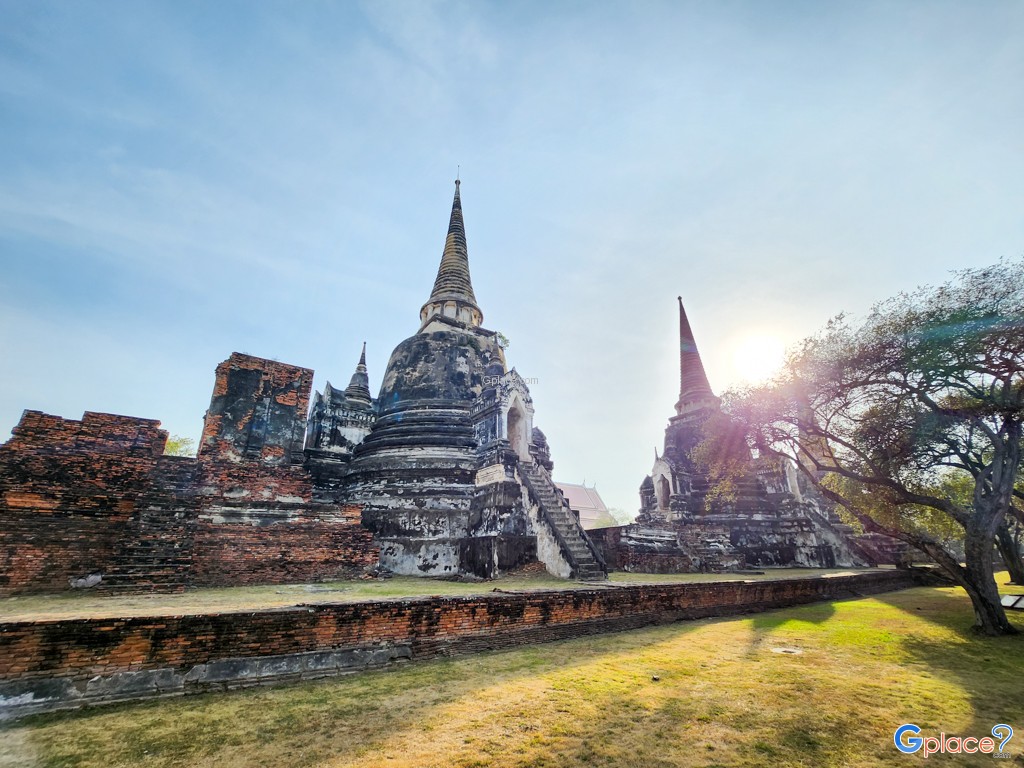
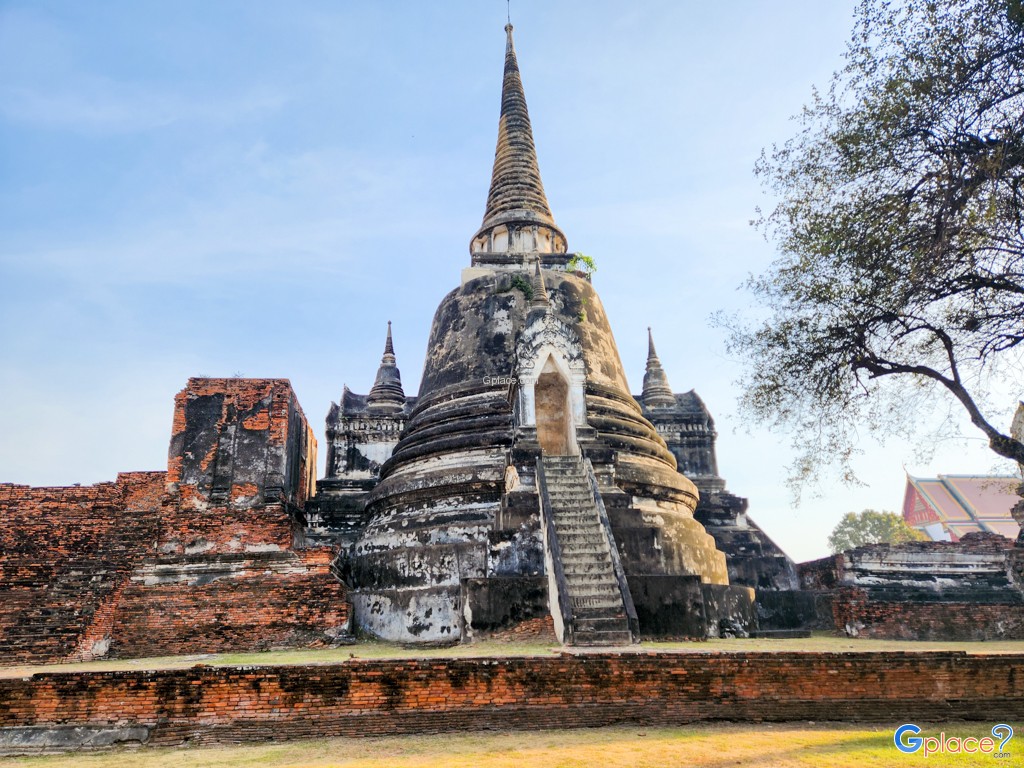
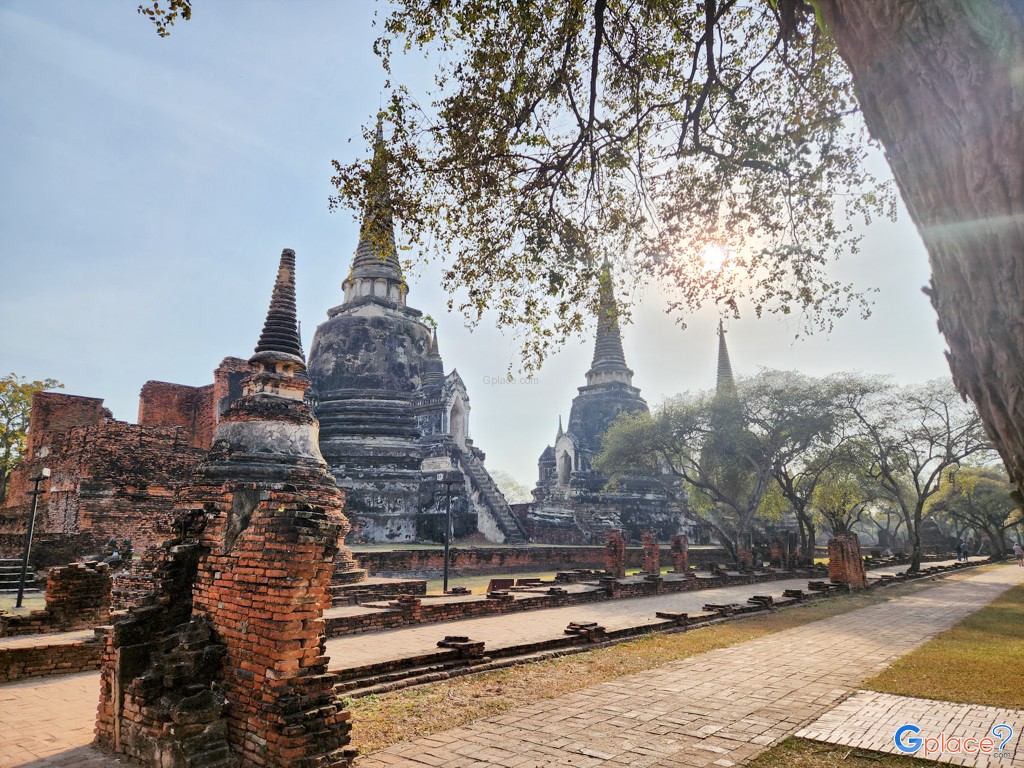
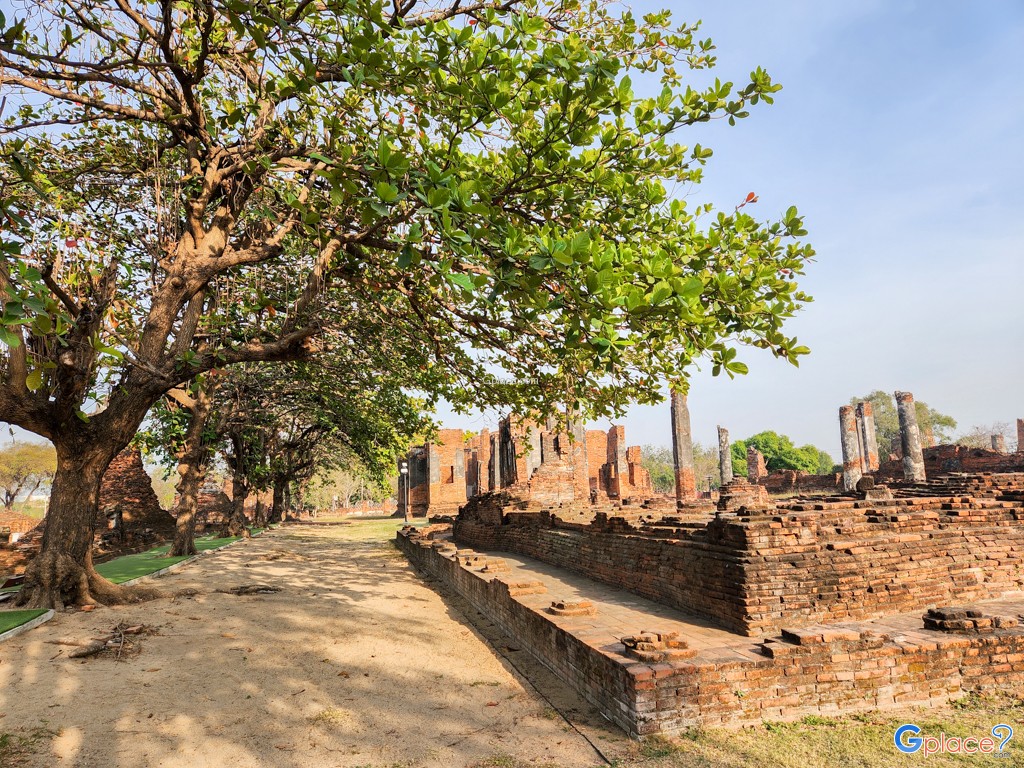
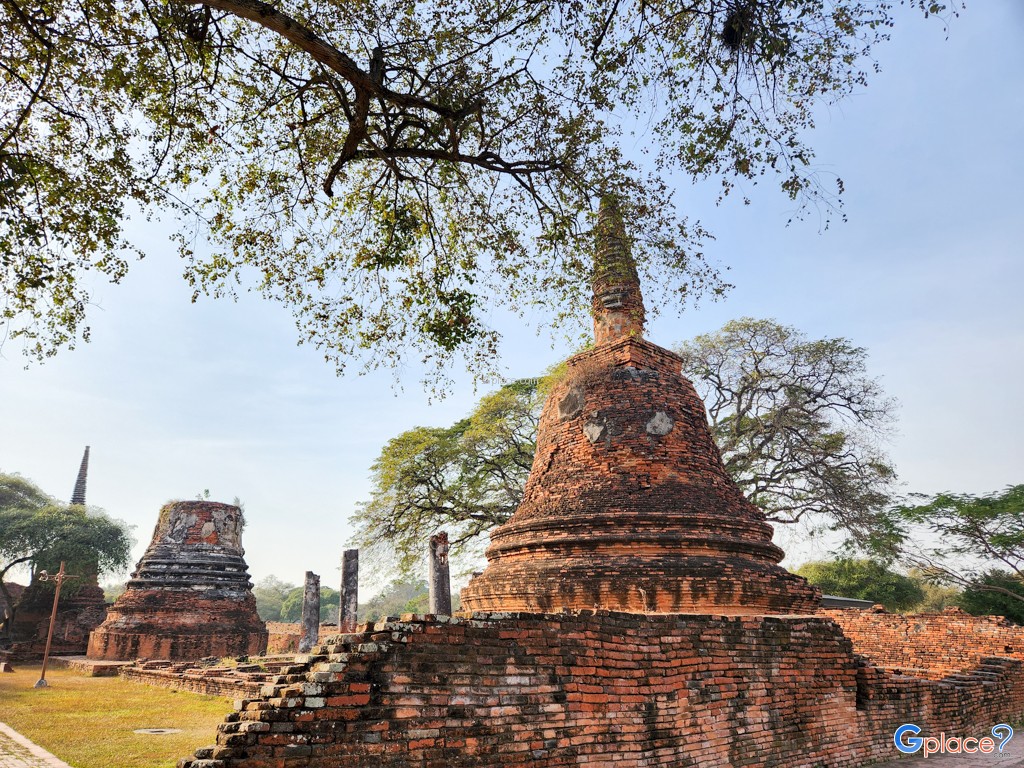
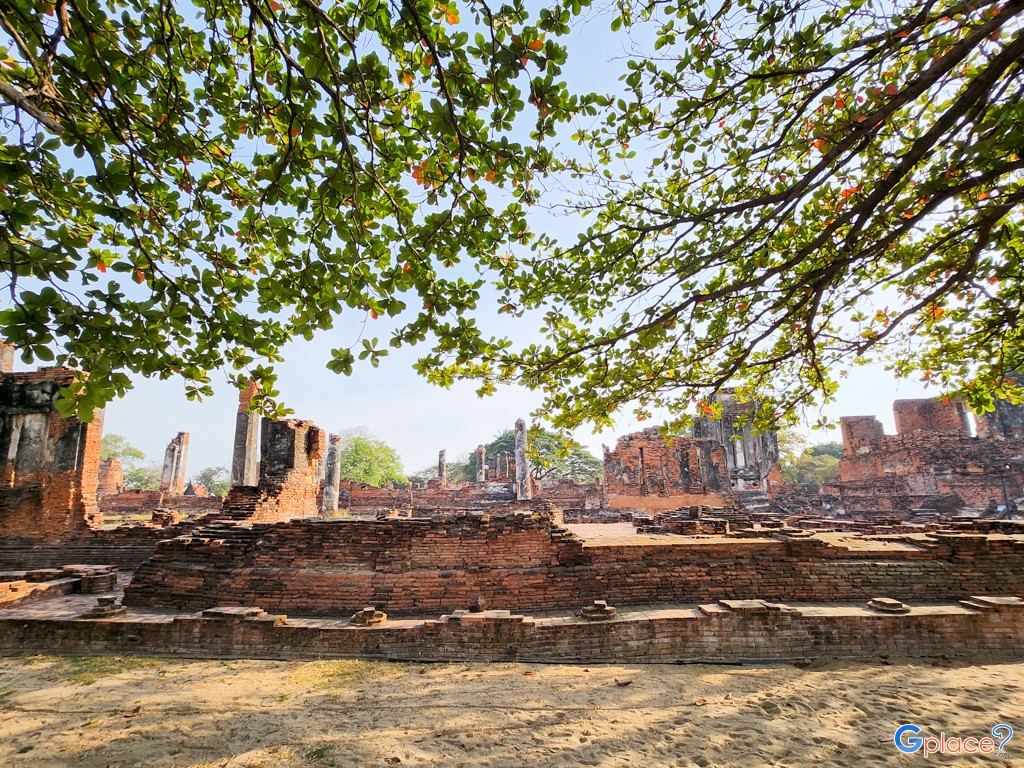
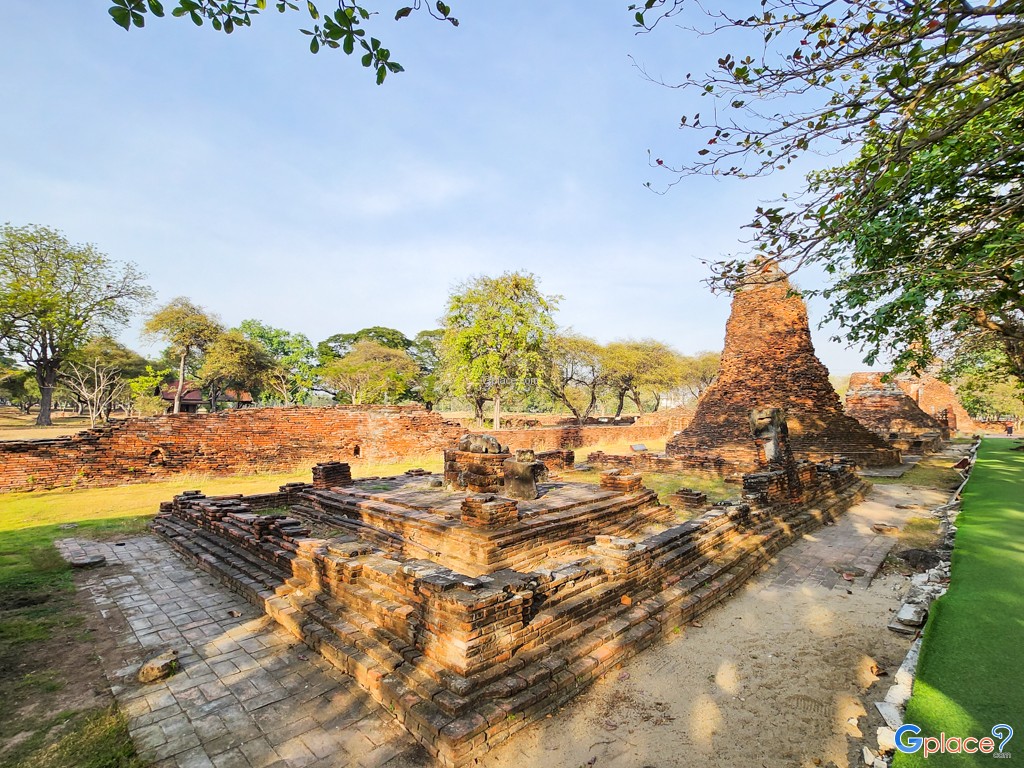
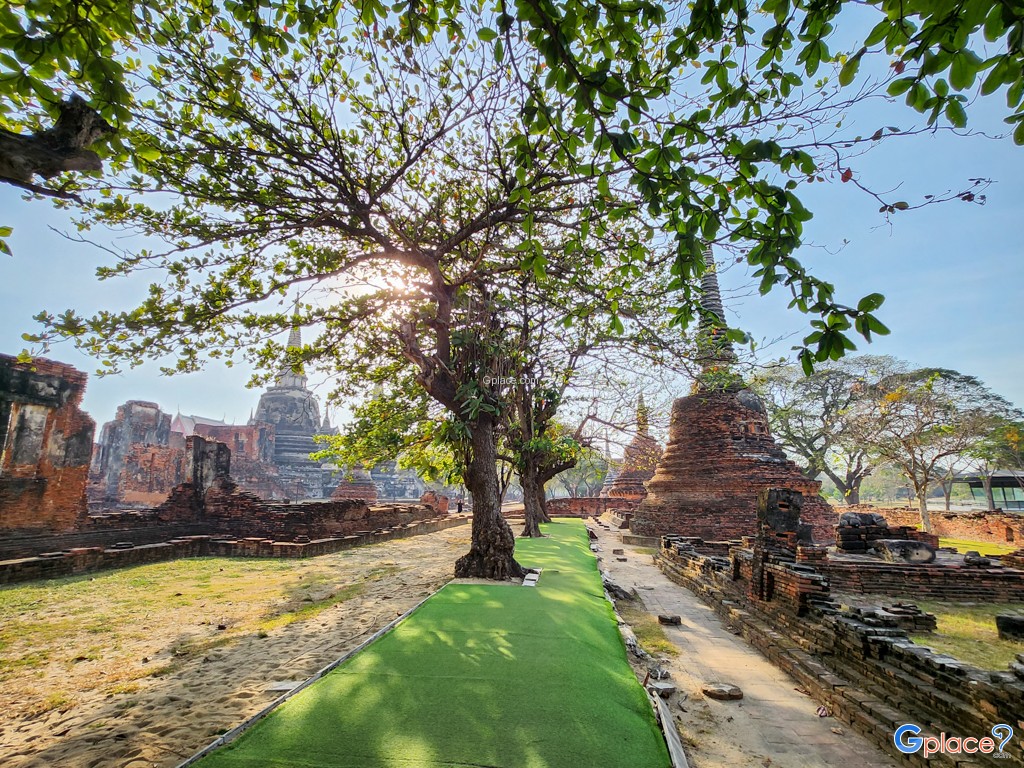
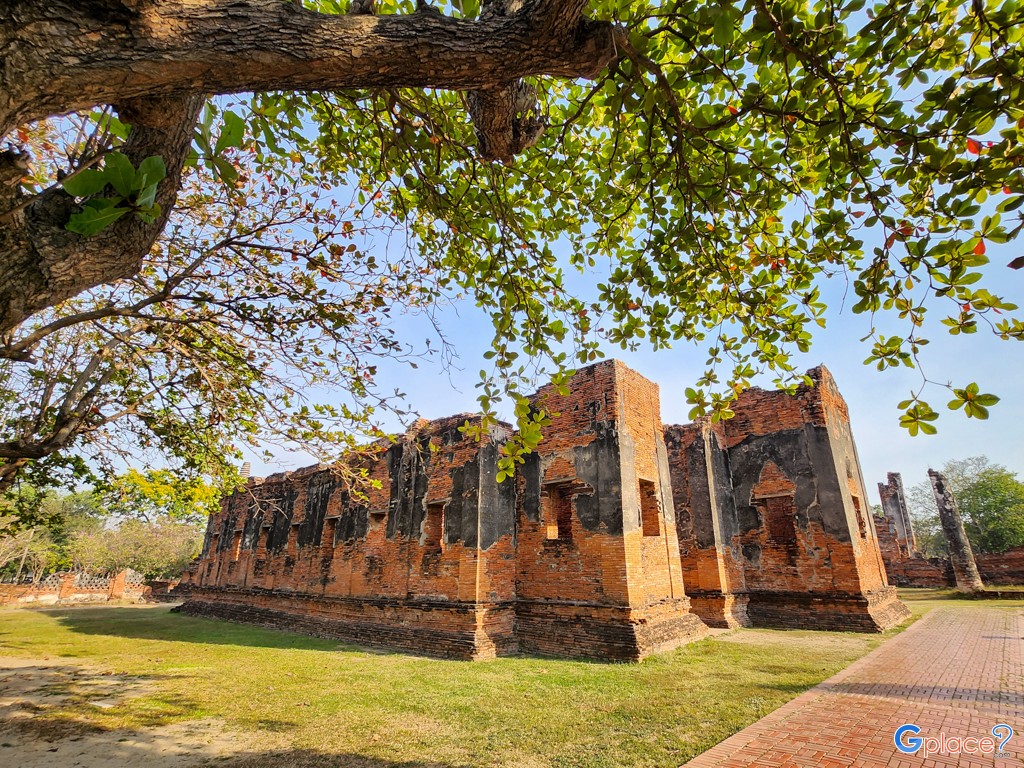
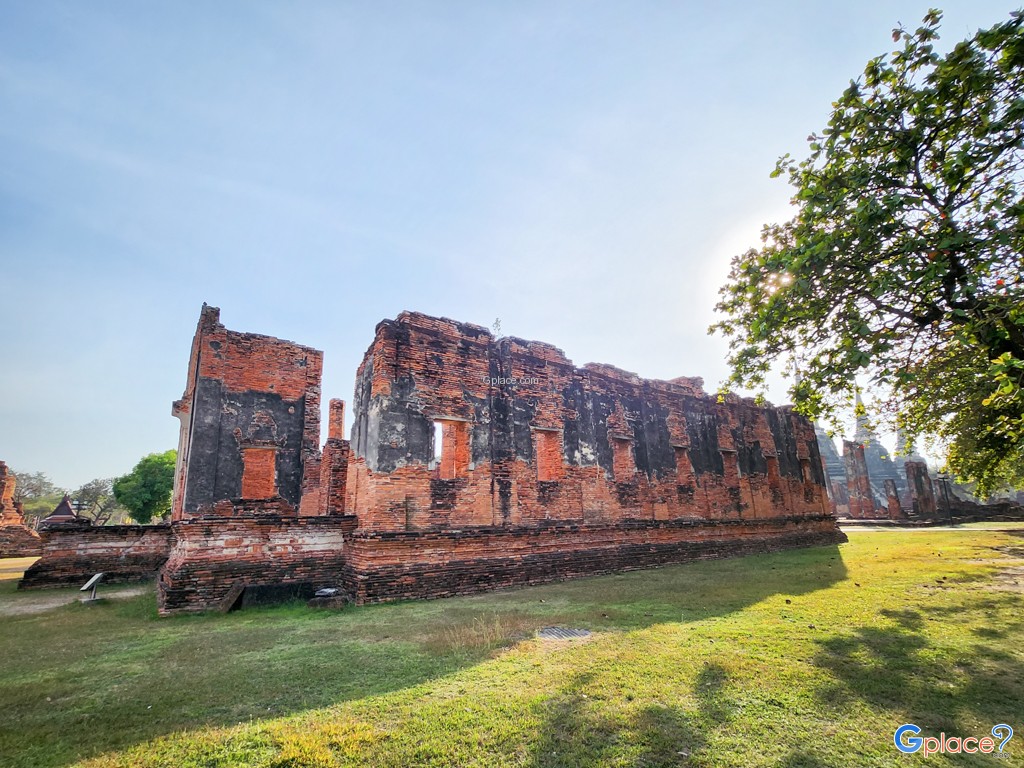
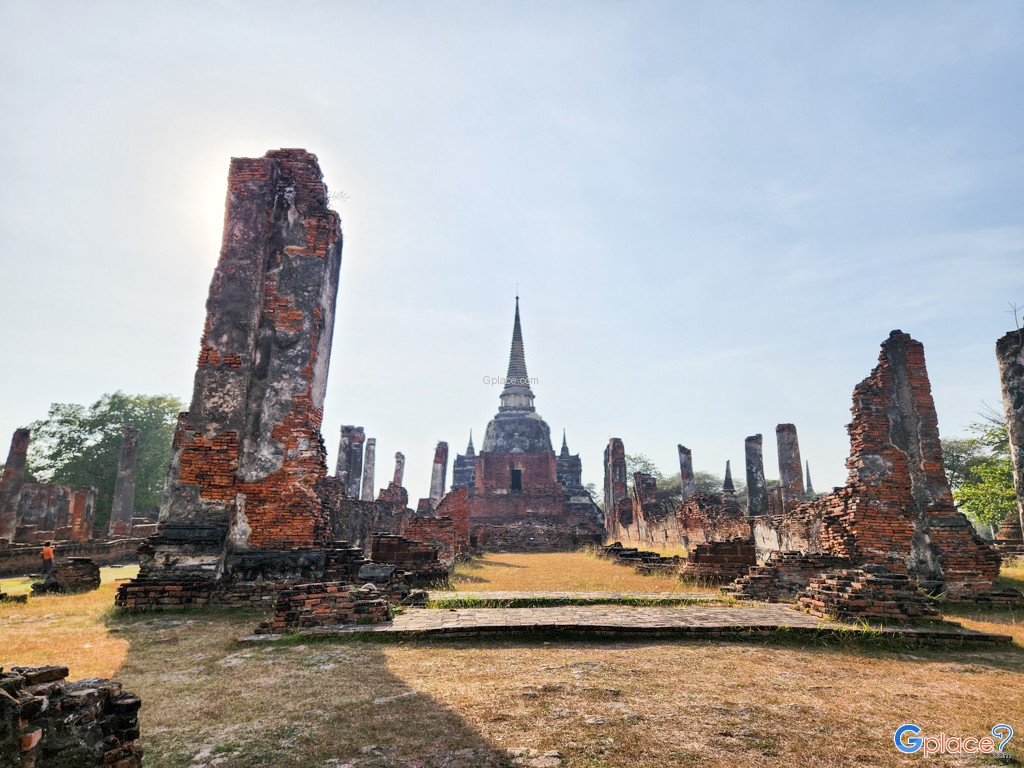
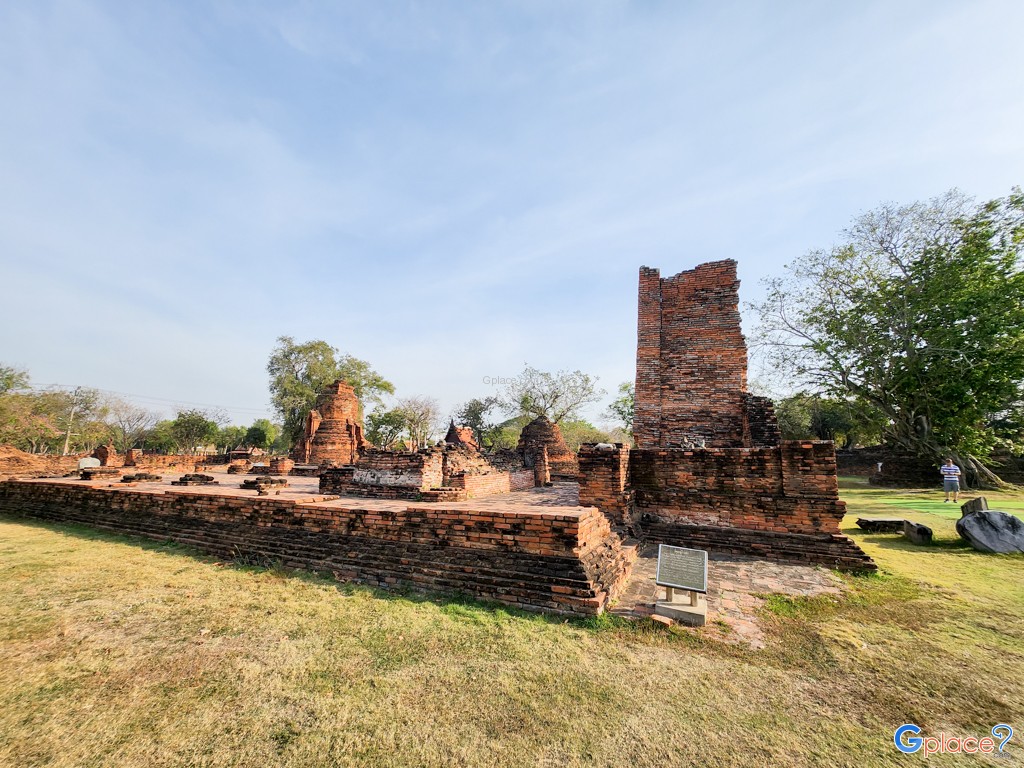
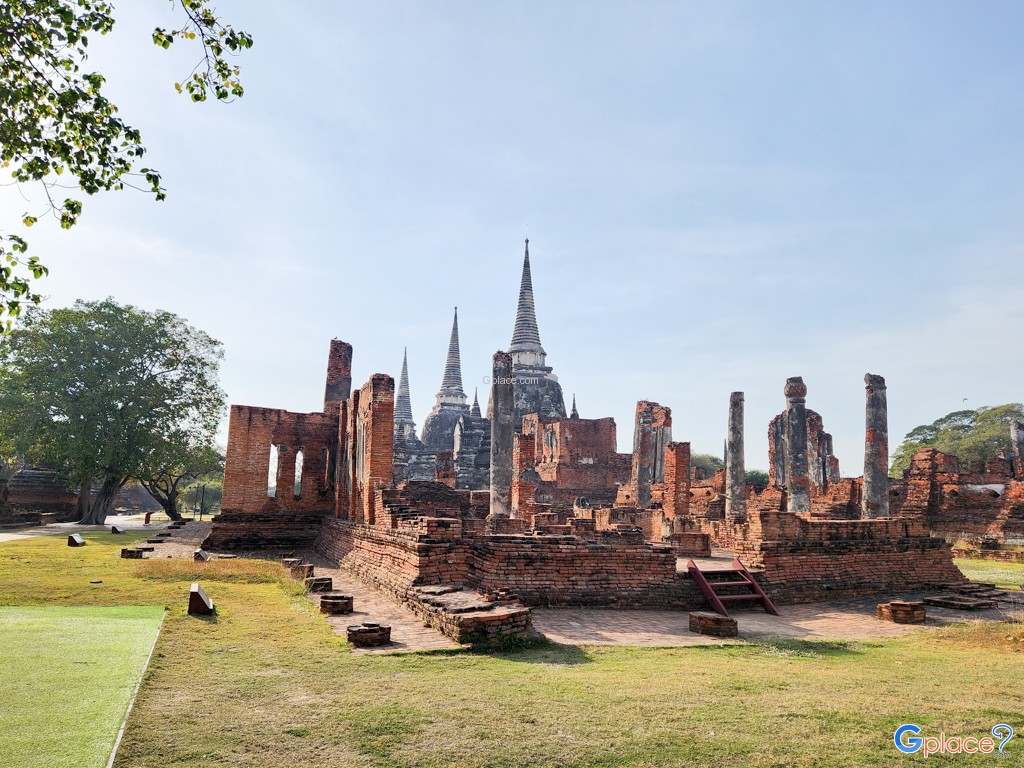
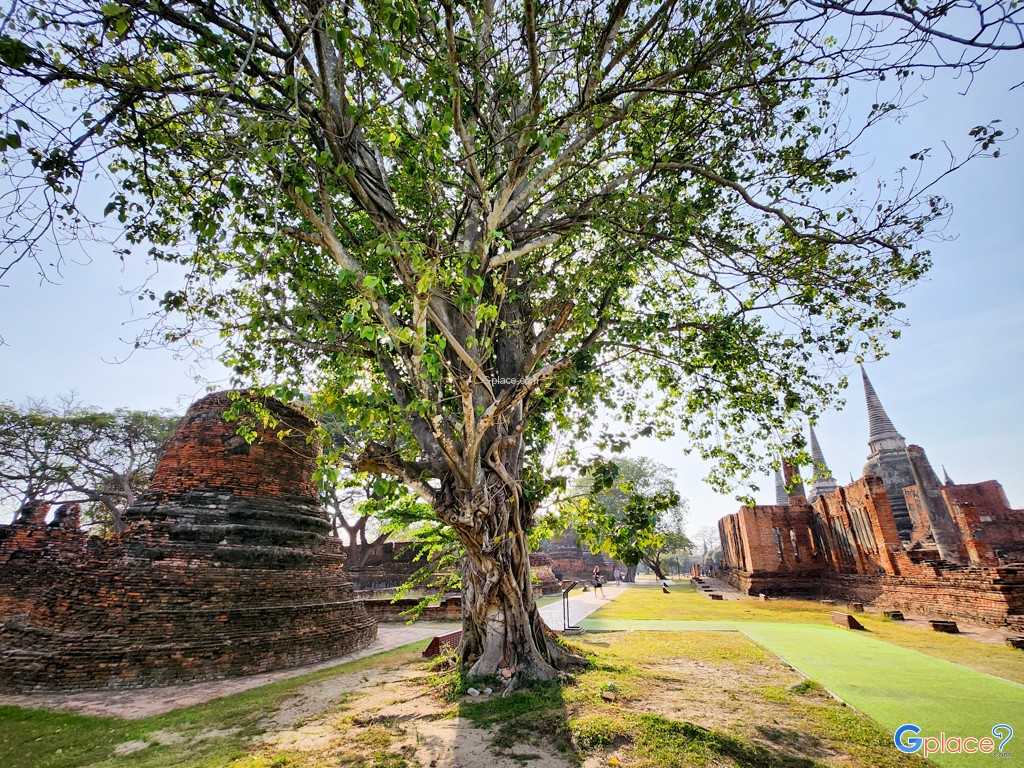
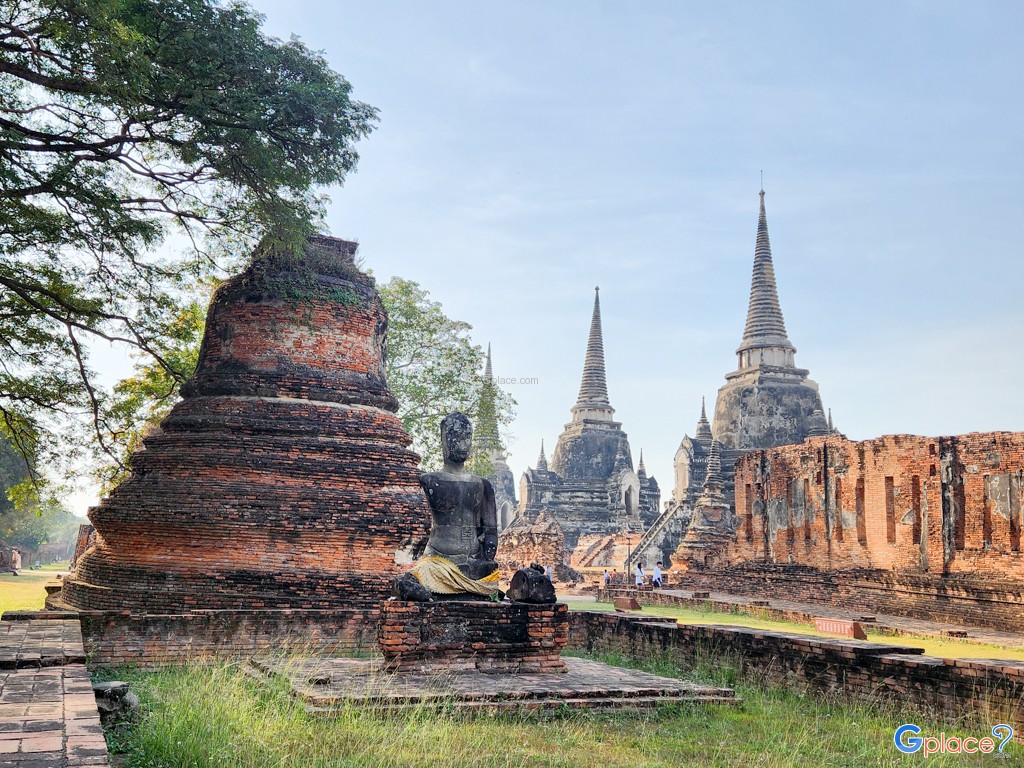
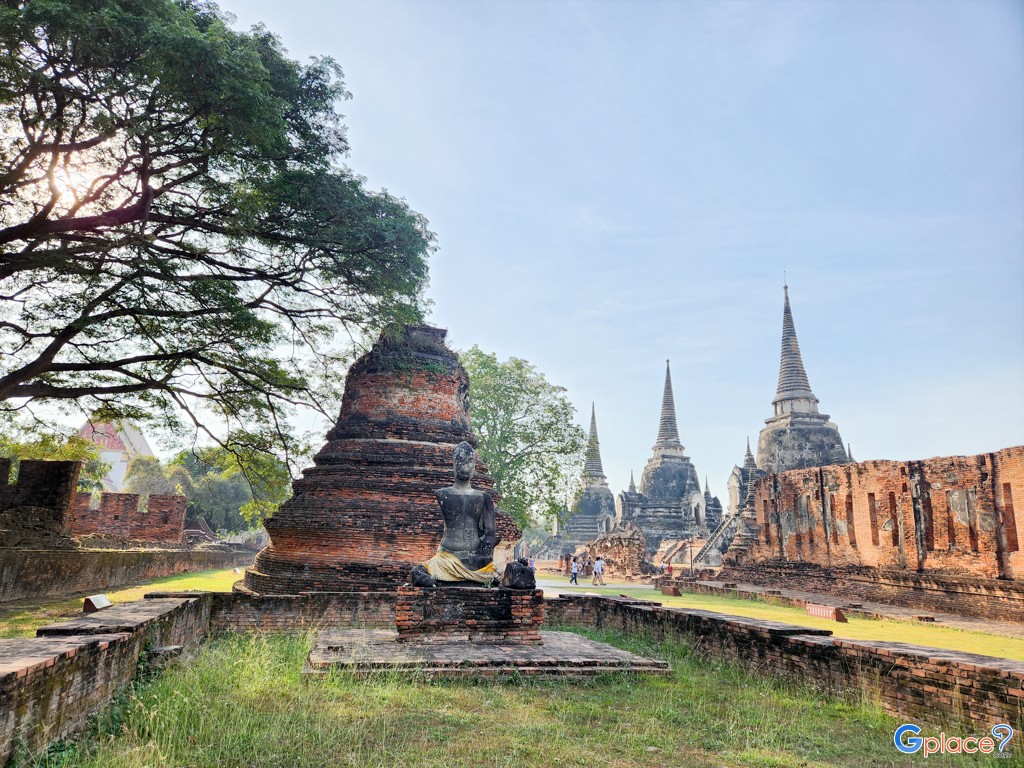
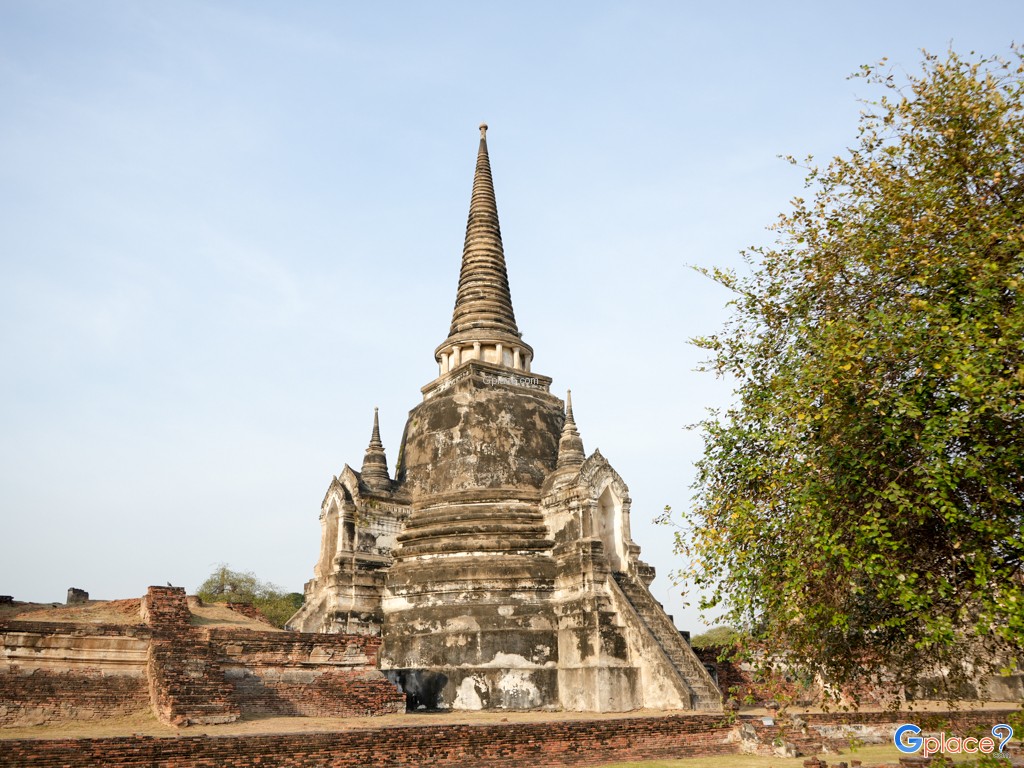
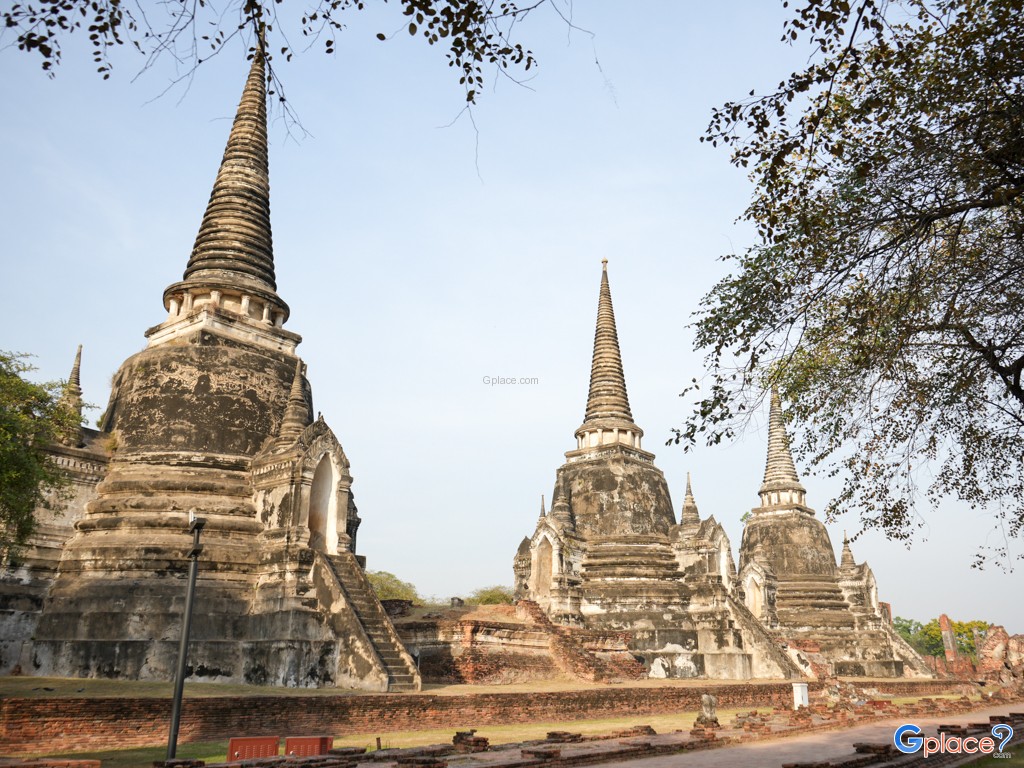
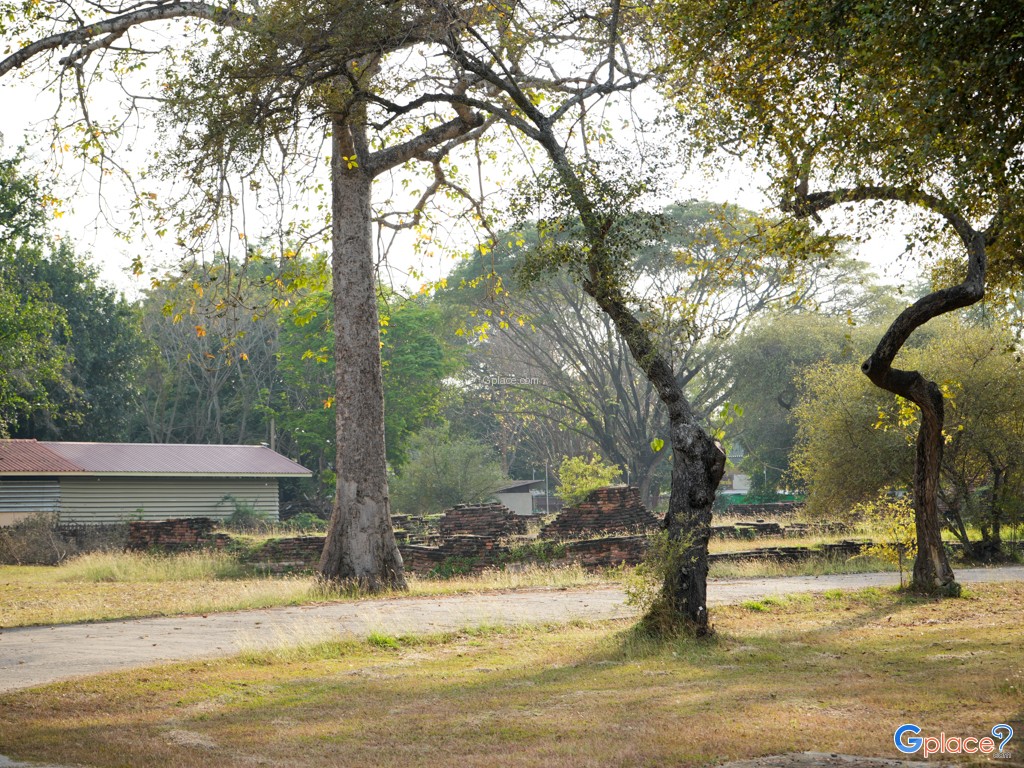
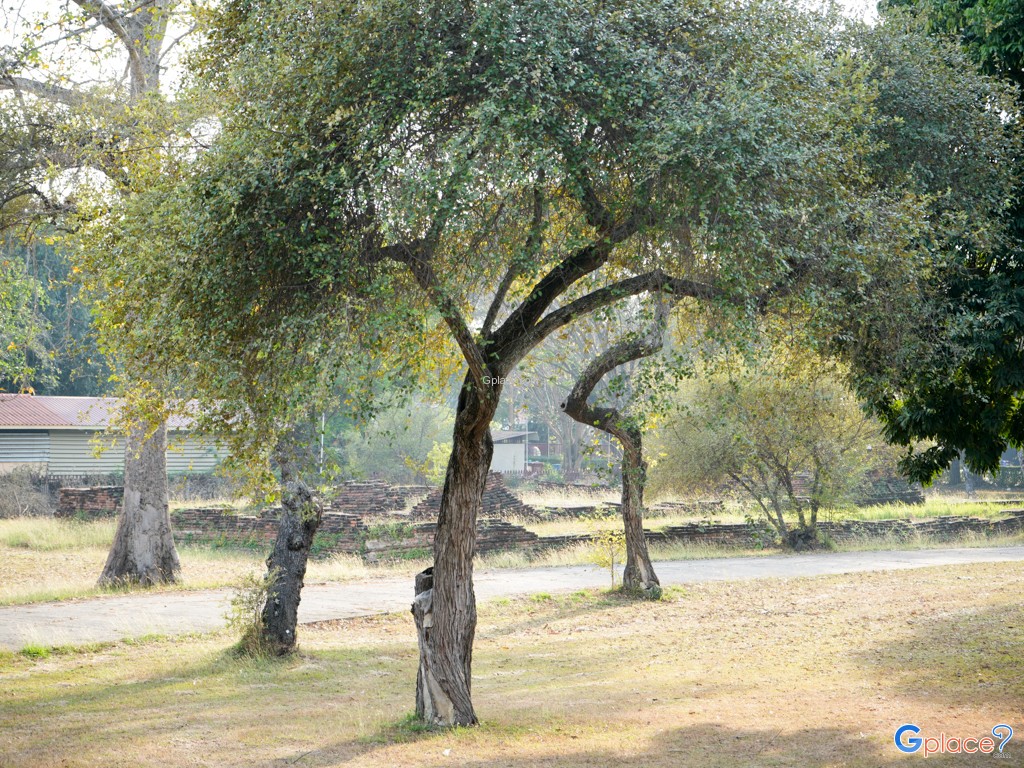
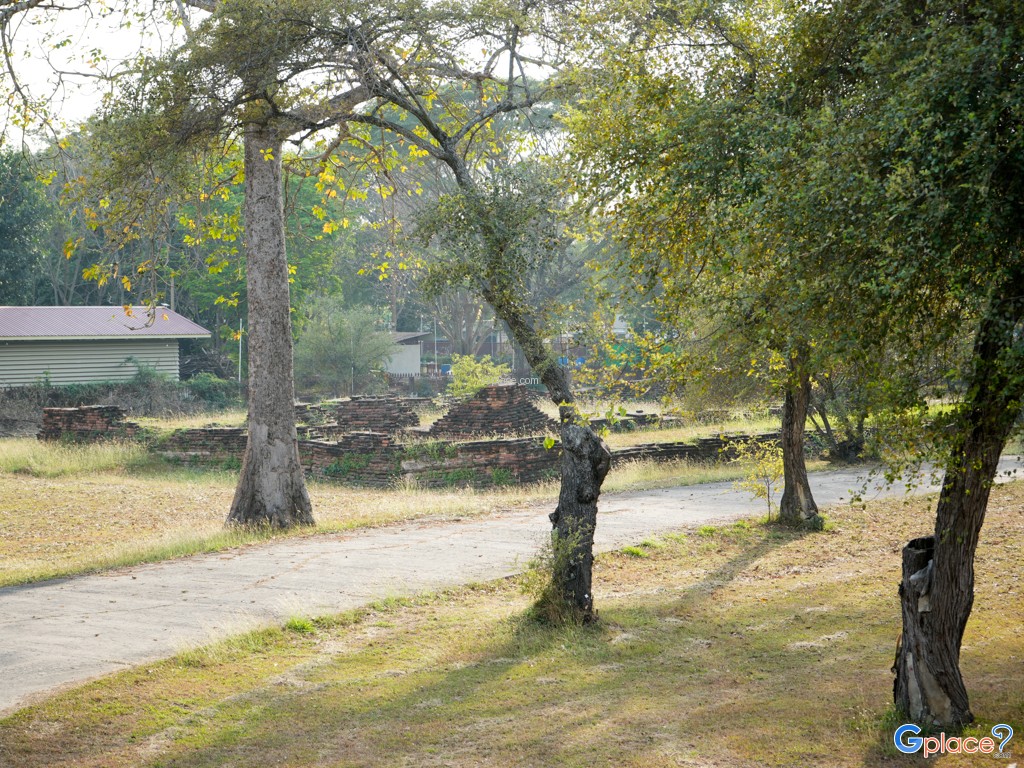
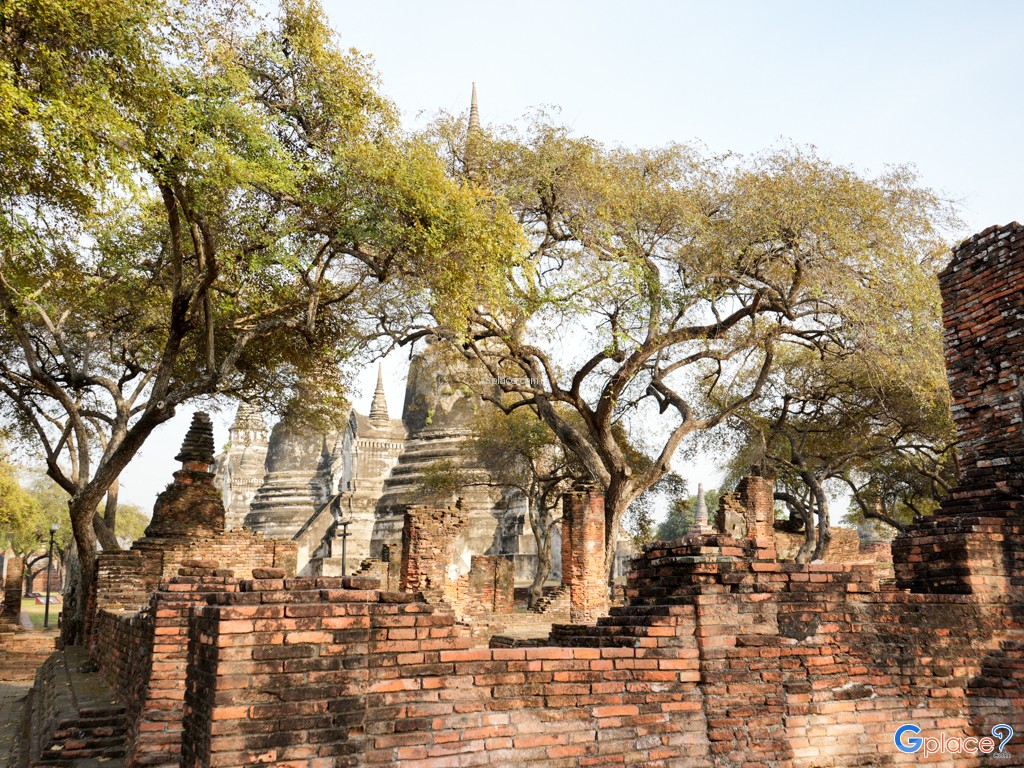

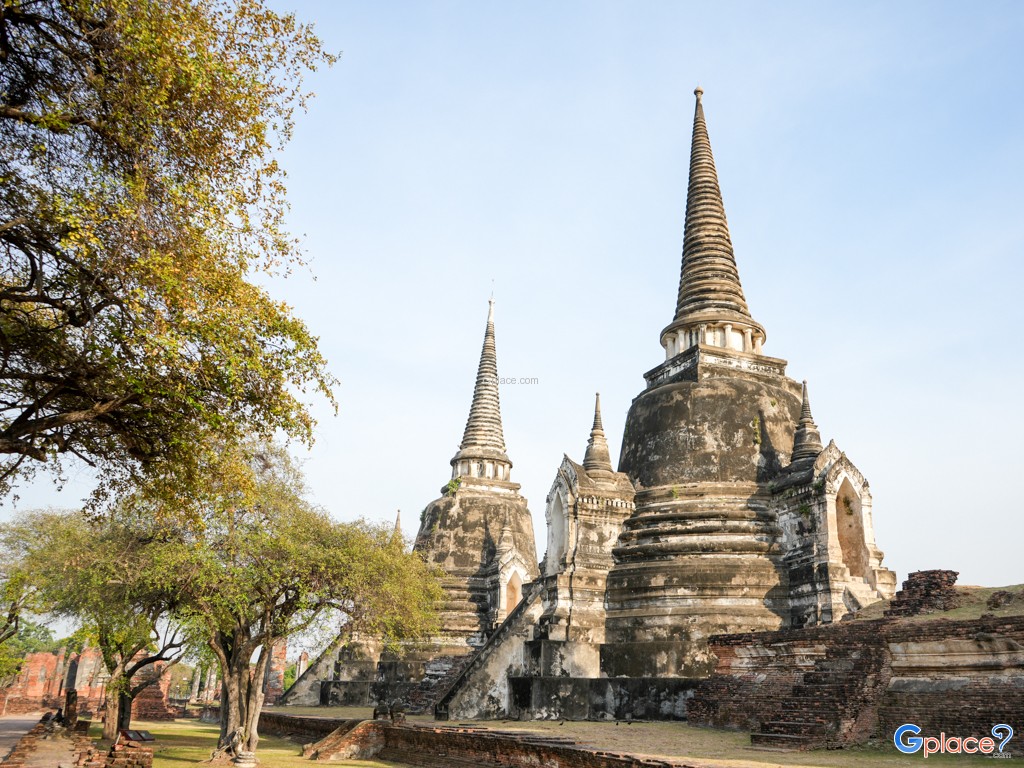
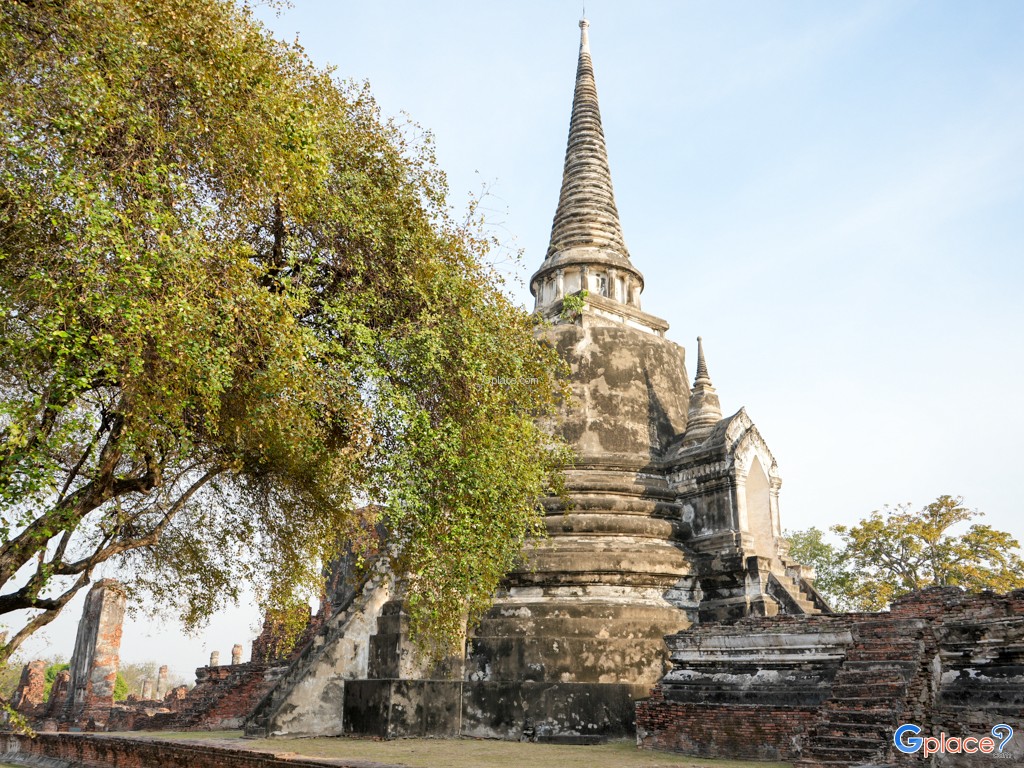
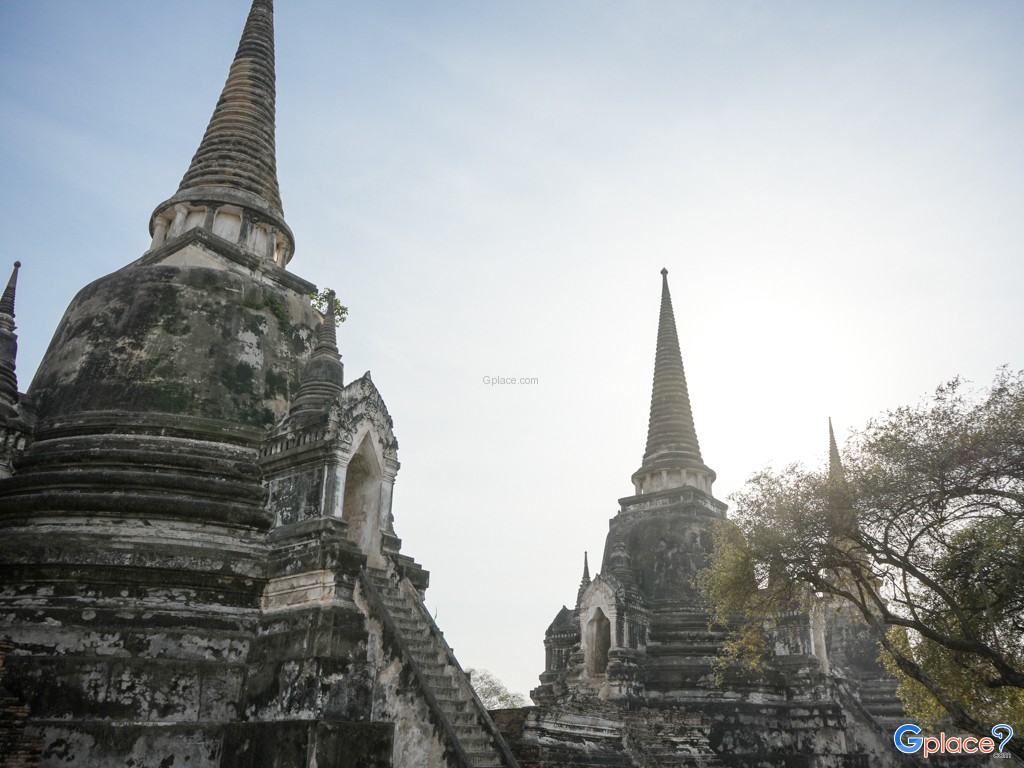
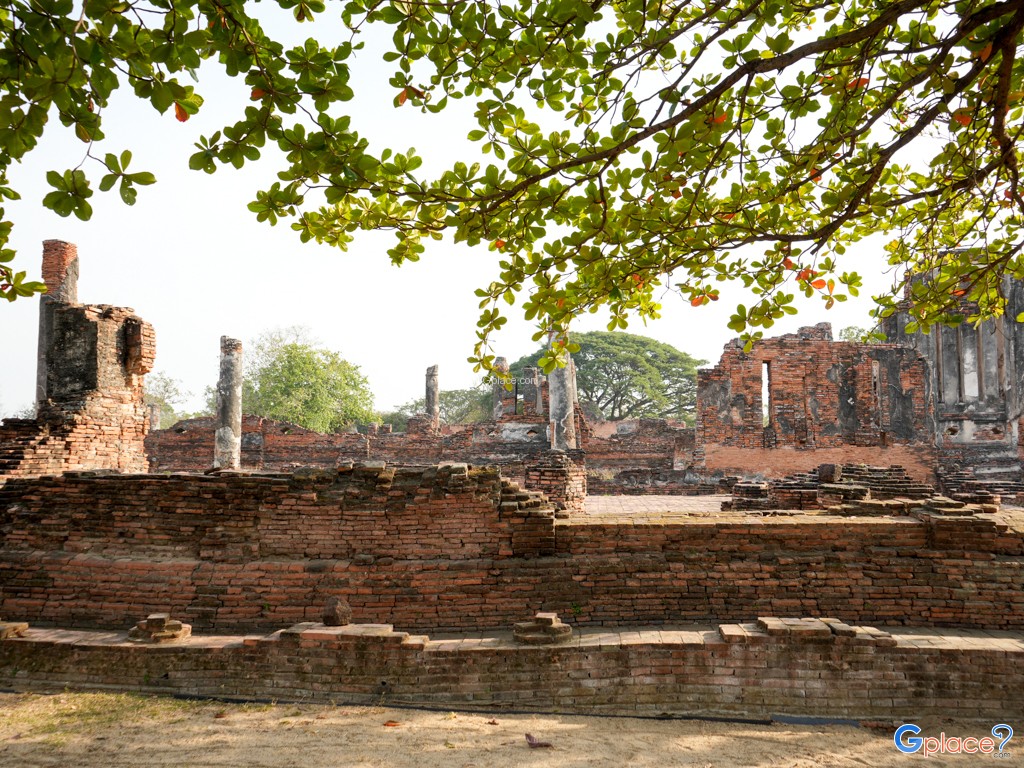
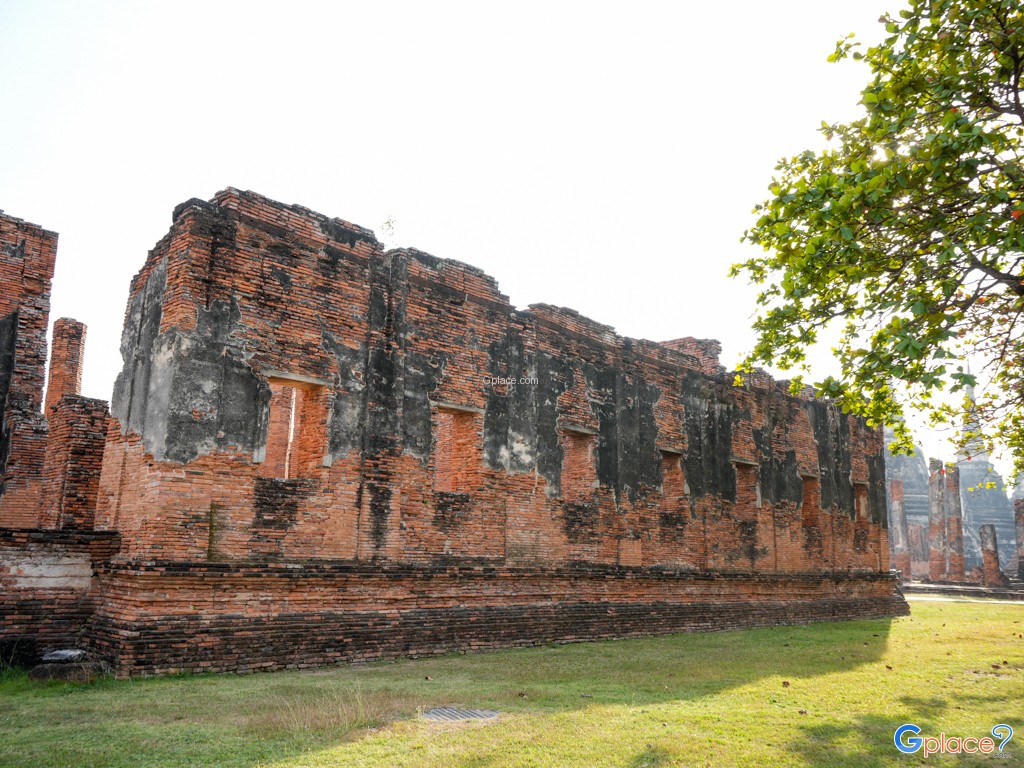
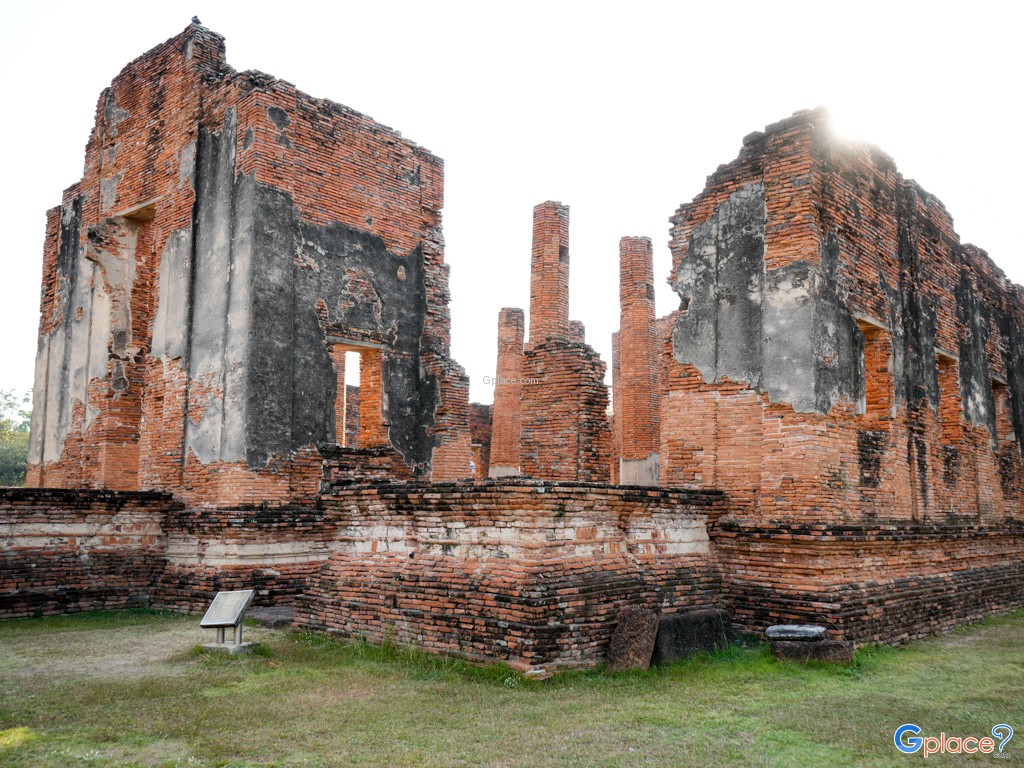
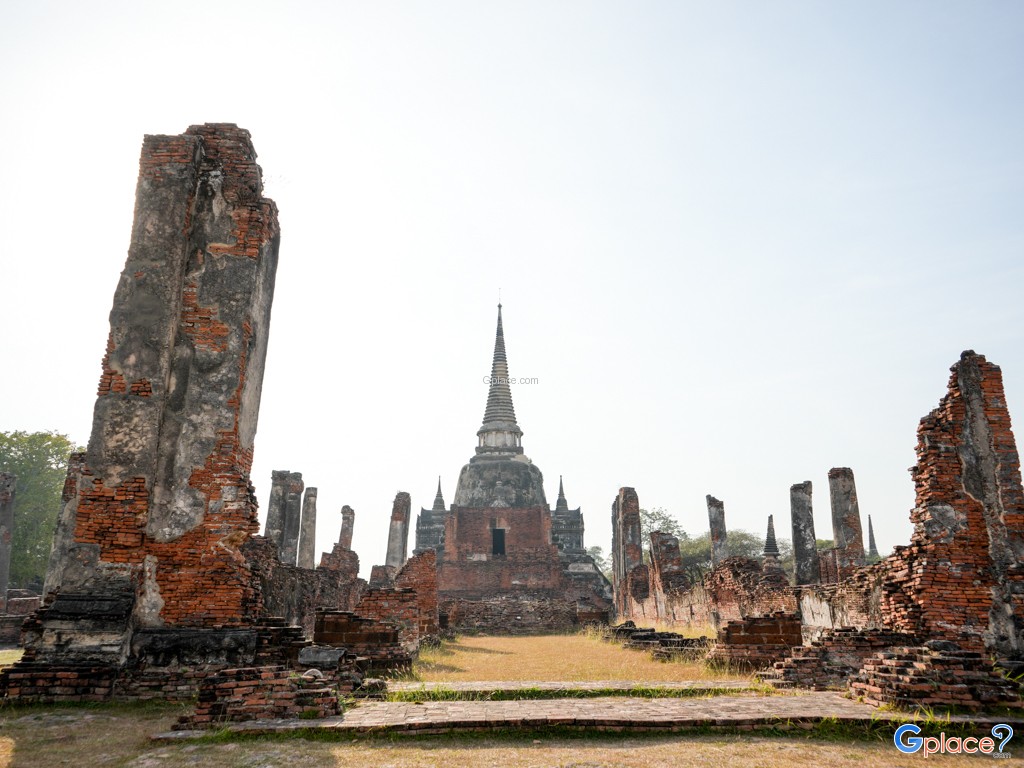
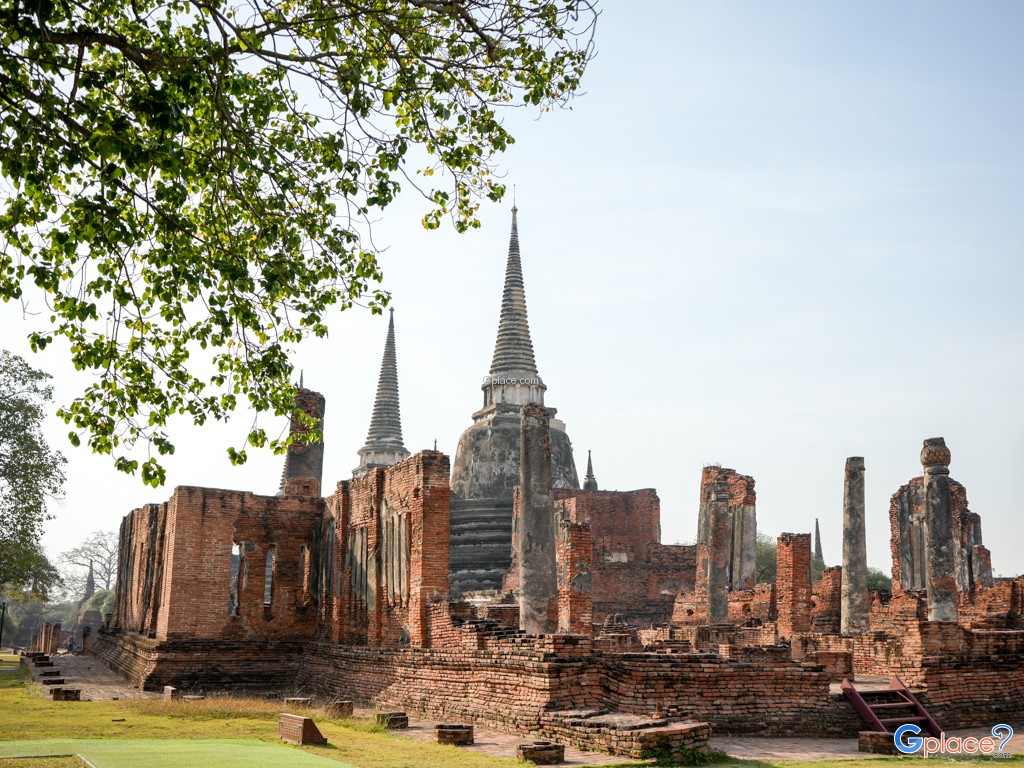
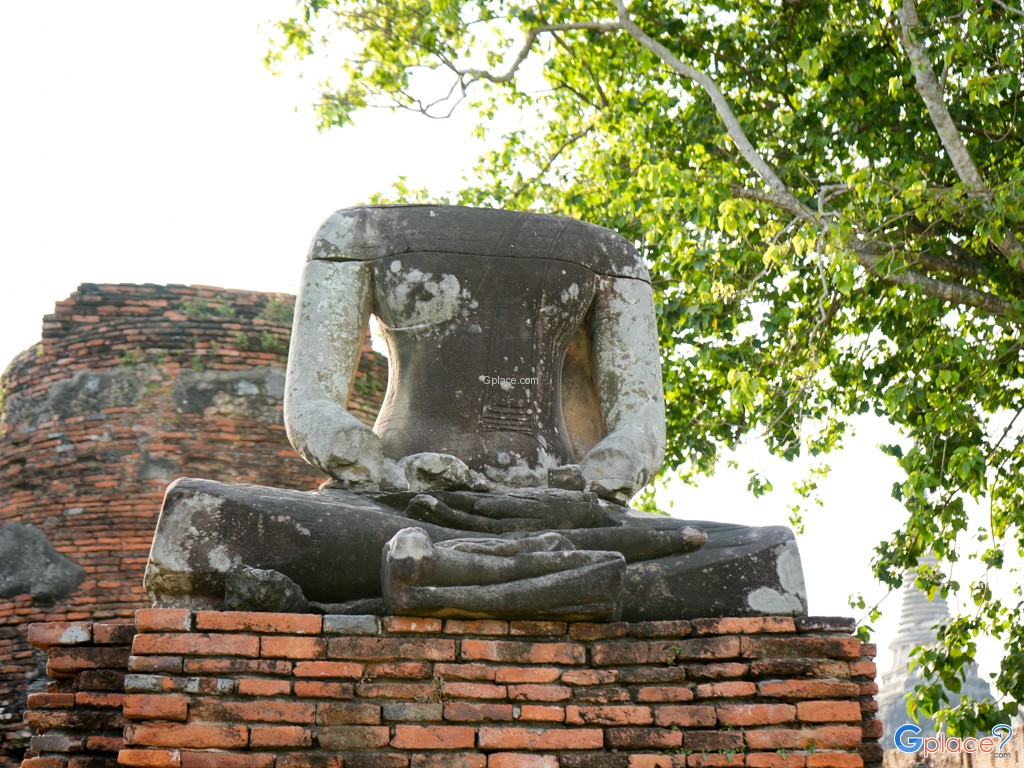
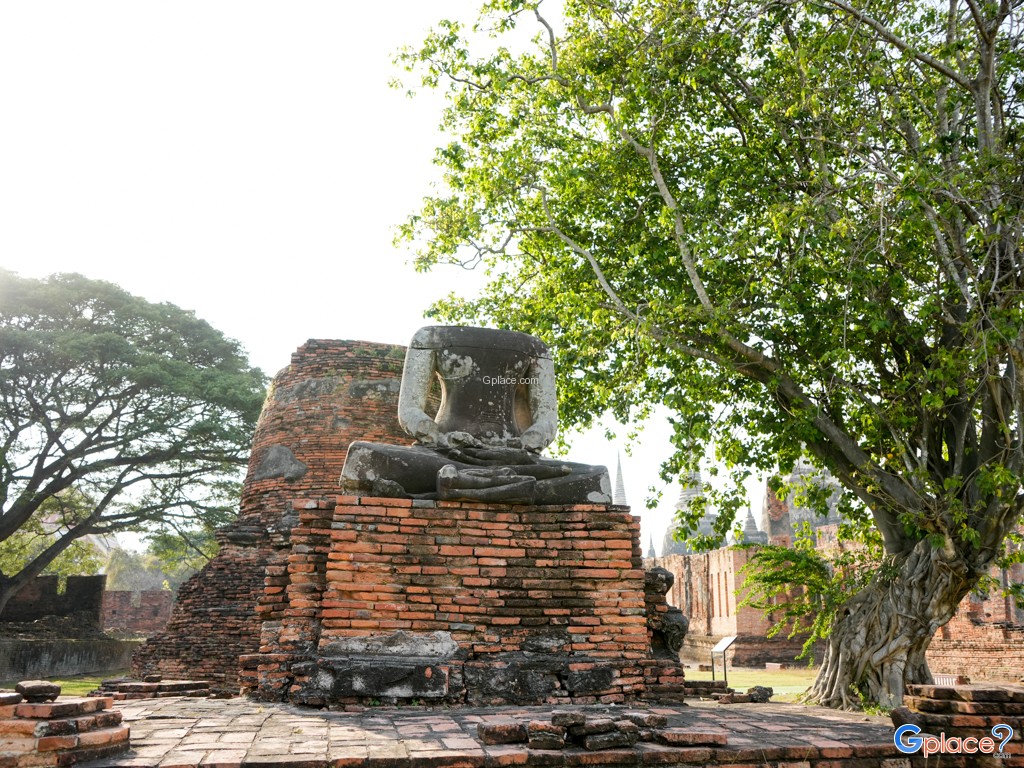
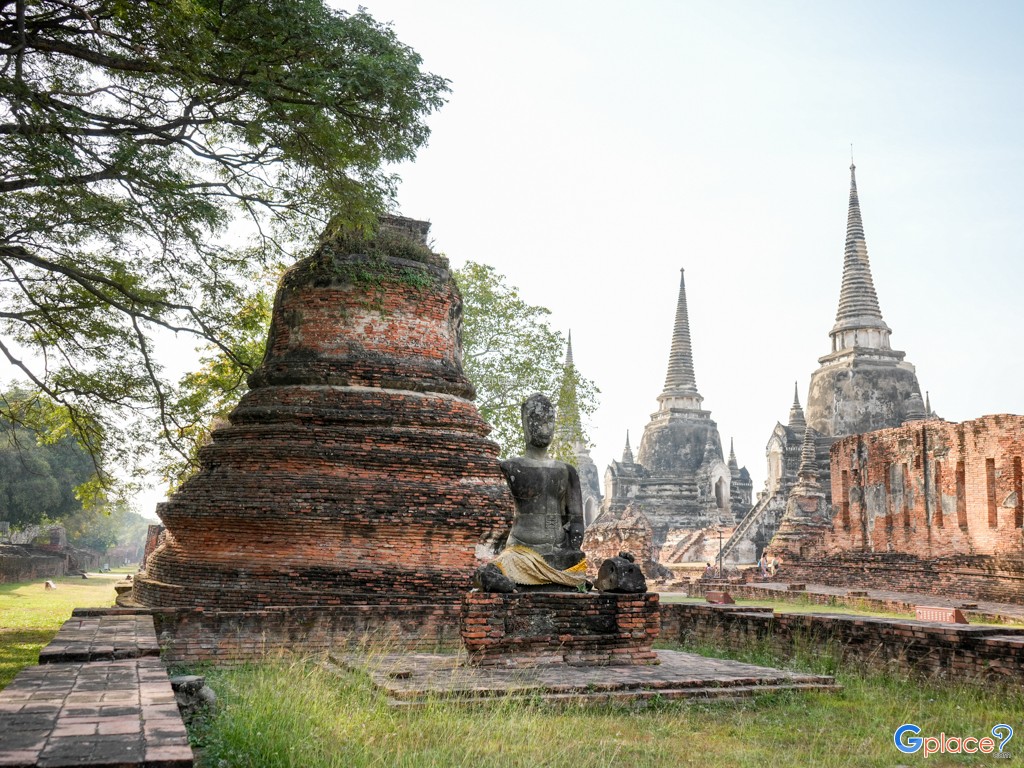
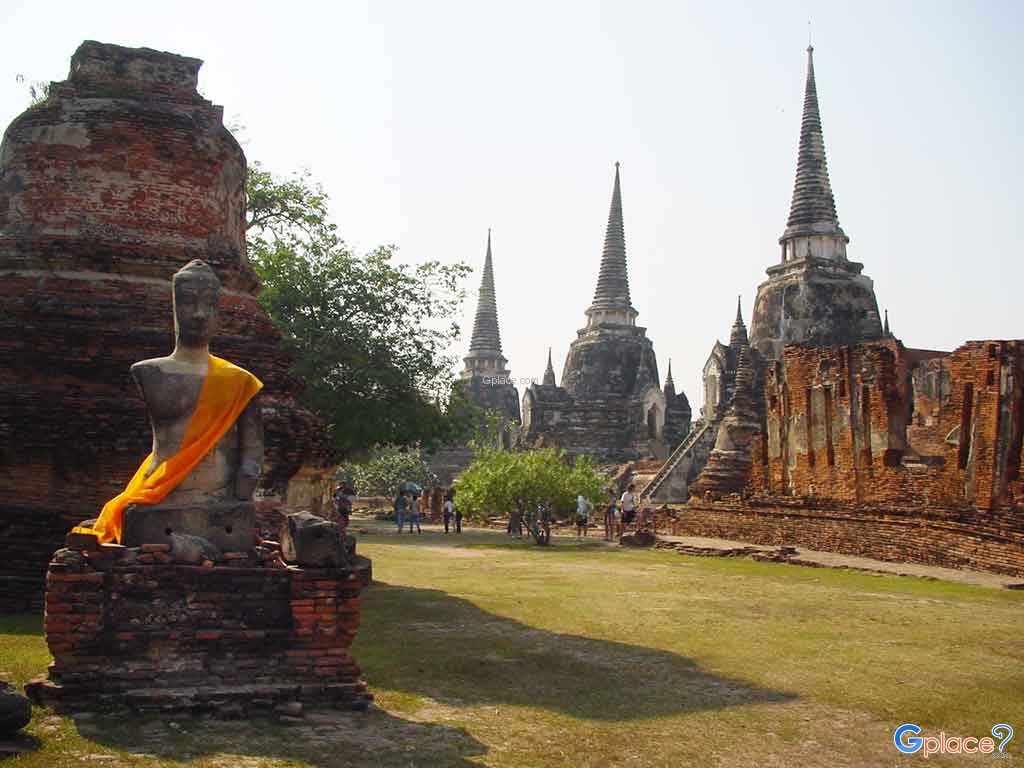
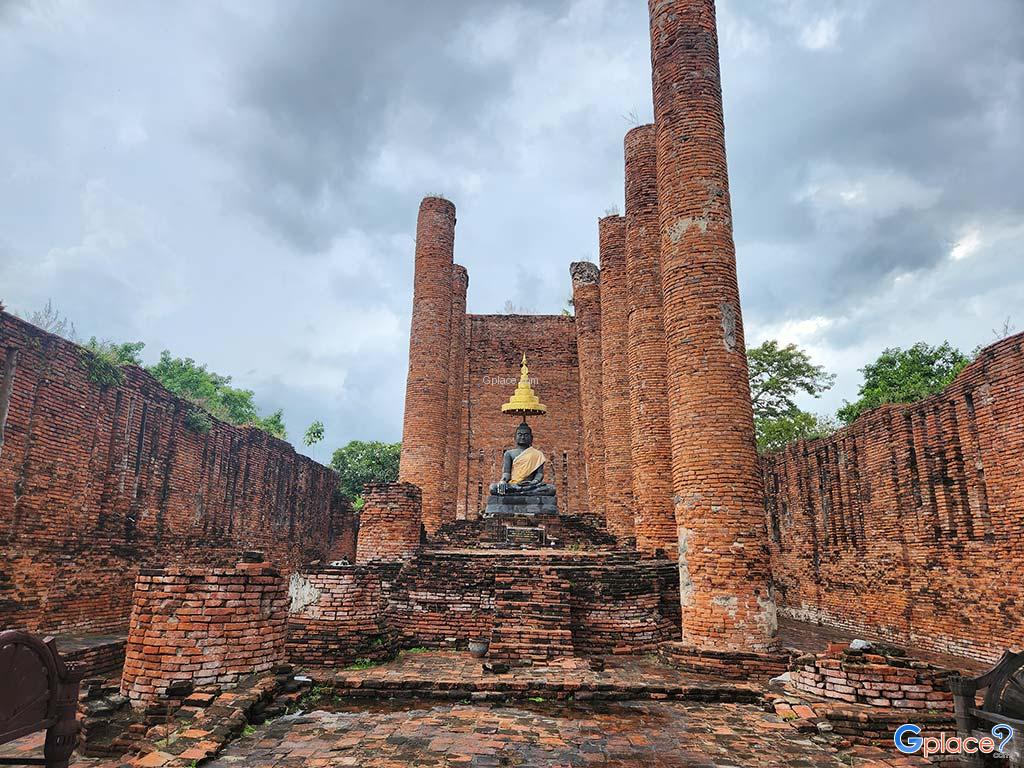
“Marvel at the iconic three central stupas housing the ashes of three Ayutthaya kings and explore the remains of the Grand Vihara that once enshrined the golden "Phra Si Sanphet" image.”
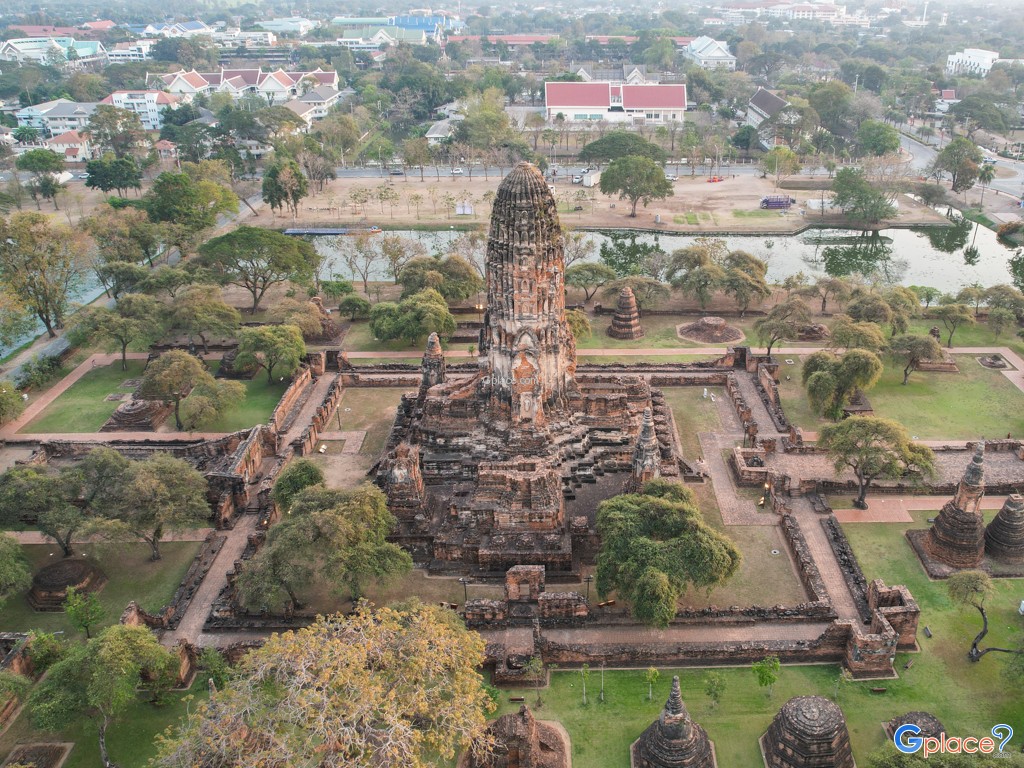
Phra Si Sanphet Temple is one of the most important royal temples of the Ayutthaya period and is regarded as the prototype of a “royal palace temple” in Thai history. Originally, during the reign of King Ramathibodi I (King Uthong), this area served as part of the royal residence within the Grand Palace. Later, in the reign of King Borommatrailokanat, a new royal palace was constructed to the north, and the former palace grounds were officially designated as a sacred Buddhist precinct for conducting major state and royal ceremonies.
As a result, Phra Si Sanphet Temple became a temple located within the royal palace compound without resident monks, unlike ordinary temples. Its role was similar to that of Wat Mahathat in Sukhothai and Wat Phra Si Rattana Satsadaram (the Temple of the Emerald Buddha) in Bangkok. All three temples were established for the same fundamental purpose: to serve as royal temples of the palace.
In 1492 CE (B.E. 2035), during the reign of King Ramathibodi II, the eastern chedi was constructed to enshrine the royal ashes of his father, King Borommatrailokanat. Later, in 1499 CE (B.E. 2042), the central chedi was built to contain the ashes of King Borommaracha III, his elder brother. In the following year, 1500 CE (B.E. 2043), King Ramathibodi II commissioned the construction of a vihara and ordered the casting of a large standing Buddha image, measuring 8 wa in height_ (approximately 16 meters). The statue was covered with 286 chang of gold (approximately 171 kilograms) and was enshrined in the vihara under the name Phra Si Sanphetthayat (Phra Si Sanphetthayan).
The third chedi, located to the west, contains the royal ashes of King Borommarachathirat II. It was built by King Borommarachathirat IV (Phra Noh Phutthangkun), his son. All three chedis were constructed in the Sri Lankan (Lankan) style and aligned in a single row, forming the most distinctive architectural feature of Phra Si Sanphet Temple and a lasting symbol of the Ayutthaya Kingdom.
During the reign of King Songtham, Phra Thinang Chom Thong was built near the wall adjacent to Viharn Phra Mongkhon Bophit. This structure served as a place where monks delivered teachings and recited scriptures to the king, reflecting the temple’s role as both a religious and intellectual center of the royal court.
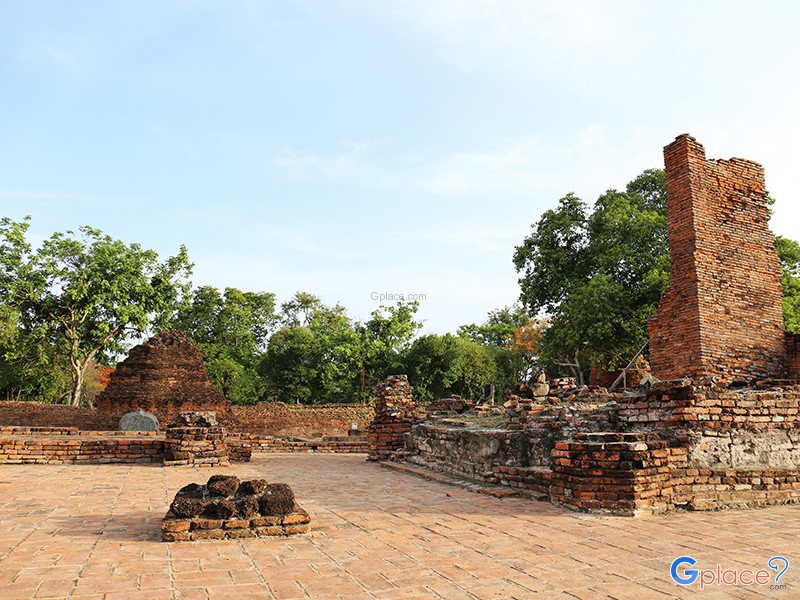
In the reign of King Borommakot, Phra Si Sanphet Temple underwent its first major restoration. However, after the fall of Ayutthaya in 1767 CE (B.E. 2310), the temple suffered severe destruction. The Burmese forces stripped all the gold from Phra Si Sanphetthayat, and many structures were left in ruins.
During the early Rattanakosin period, King Rama I ordered the relocation of the remaining restorable parts of the Buddha image to Wat Phra Chetuphon (Wat Pho). The irreparable fragments were enshrined in a newly constructed large chedi, which was given the name Chedi Sanphetthayan.
Later, in the reign of King Chulalongkorn (Rama V), Phraya Boran Ratchathanin, the High Commissioner of the Ayutthaya region, conducted archaeological excavations within the chedis and discovered numerous Buddha images and gold artifacts. Subsequently, during the era of Field Marshal Plaek Phibunsongkhram, systematic restoration work was carried out, resulting in the condition of Phra Si Sanphet Temple as seen today.
How to Get There
Private Car:
- Drive into Ayutthaya city toward the central historical island; the temple is located next to Wihan Phra Mongkhon Bophit.
Frog-nosed Tuk-Tuk:
- Simply ask for "Wat Phra Si Sanphet" or the "Three Pagodas Temple."
Bicycle:
- Highly recommended as it allows you to easily cycle around the ruins and access various viewpoints at your own pace.
Travel Tips
-
The most beautiful lighting is in the early morning (08:00 - 10:00) or late afternoon (16:30 onwards) to avoid the midday sun.
-
Dress politely out of respect for the historical and sacred site (shoulders and knees covered).
-
In the evening (18:30 - 21:00), the park illuminates the three stupas, offering a breathtaking and different perspective that is perfect for night photography.
-
Bring an umbrella, hat, and water, as most of the site is an open area with strong sun.
-
Consider buying a "Combined Ticket" for a discounted rate if you plan to visit multiple major temples in Ayutthaya.
Admission Fee
-
Local visitors: 10 THB
-
Foreign visitors: 50 THB
Opening Hours
-
Open daily, 08:00 – 18:30
-
(Evening illumination is available until approximately 21:00 for external viewing)
Phra Si Sanphet Temple

 Share
Share
 Phra Si Sanphet Temple, Pratu Chai, Phra Nakhon Si Ayutthaya, Phra Nakhon Si Ayutthaya, Thailand
Map
Phra Si Sanphet Temple, Pratu Chai, Phra Nakhon Si Ayutthaya, Phra Nakhon Si Ayutthaya, Thailand
Map
 Closed today
Mon8.00 - 18.30
Tue8.00 - 18.30
Wed8.00 - 18.30
Thu8.00 - 18.30
Fri8.00 - 18.30
Sat8.00 - 18.30
Sun8.00 - 18.30



 8563
8563