
 Attractions
  Hotel
Hotel  Restaurant
  Shopping
  Abroad
  Nearby Places





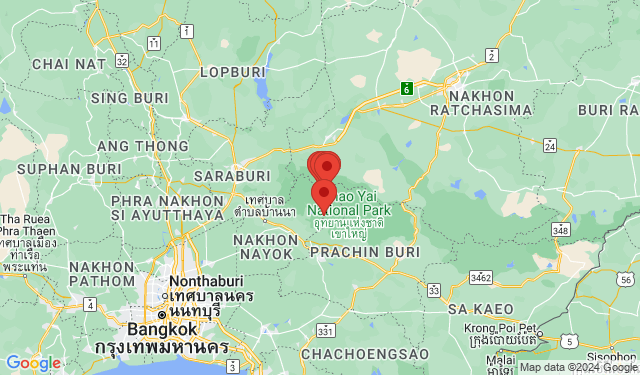
Khao Yai National Park: Where to Go

 984
984

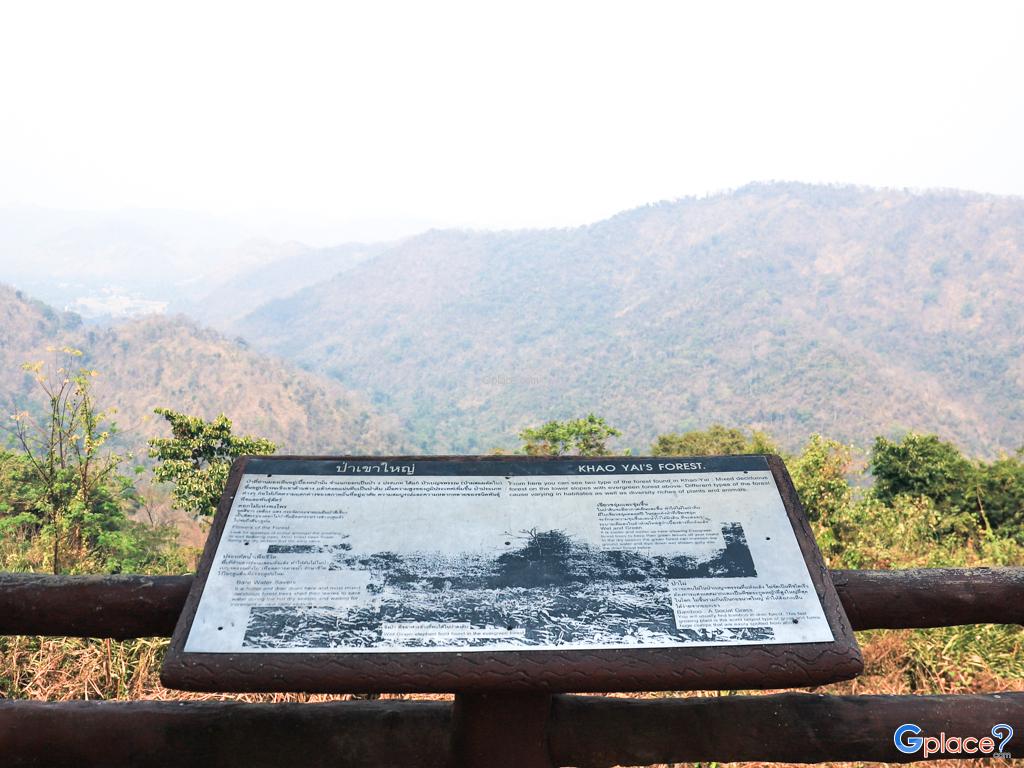
Khao Yai is one of Thailand's most popular natural attractions and a gateway to the lush expanse of the Dong Phayayen-Khao Yai World Heritage Forest. It features abundant forests, waterfalls, wildlife, and nature trails. For tourists starting from Pak Chong district, the first stop should be the Khao Yai National Park office to gather information on trails, check weather conditions, review safety guidelines, and plan activities accordingly.
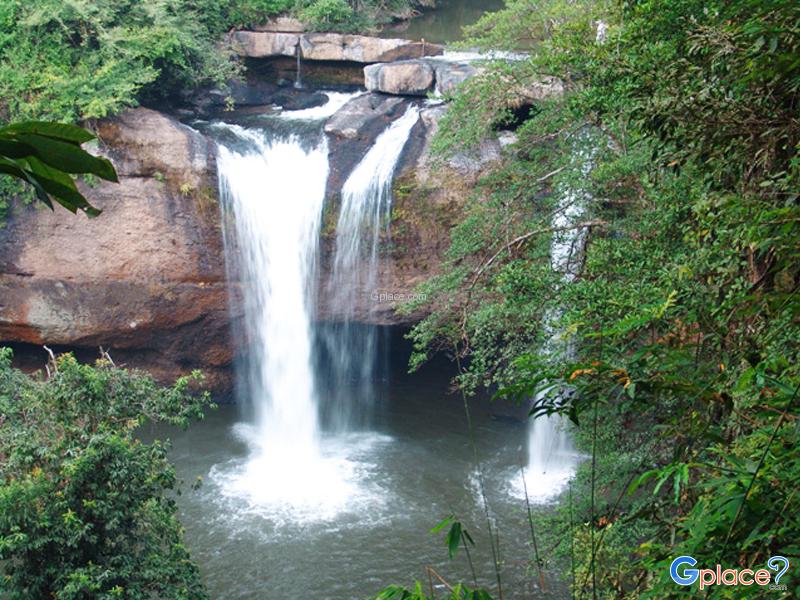
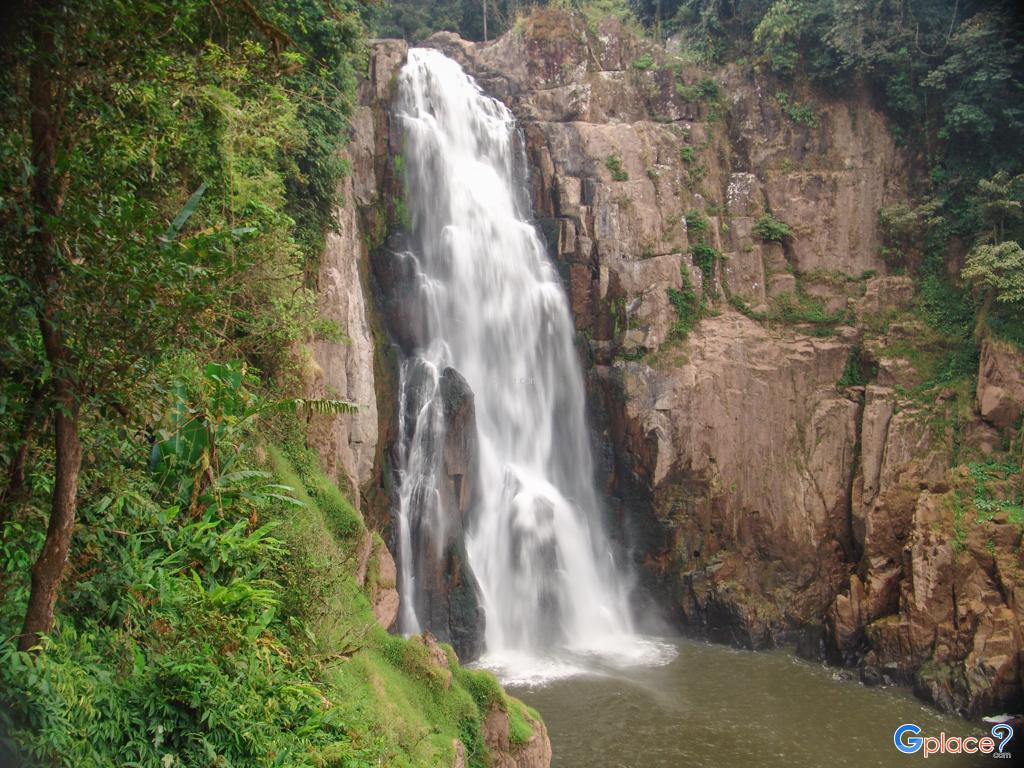
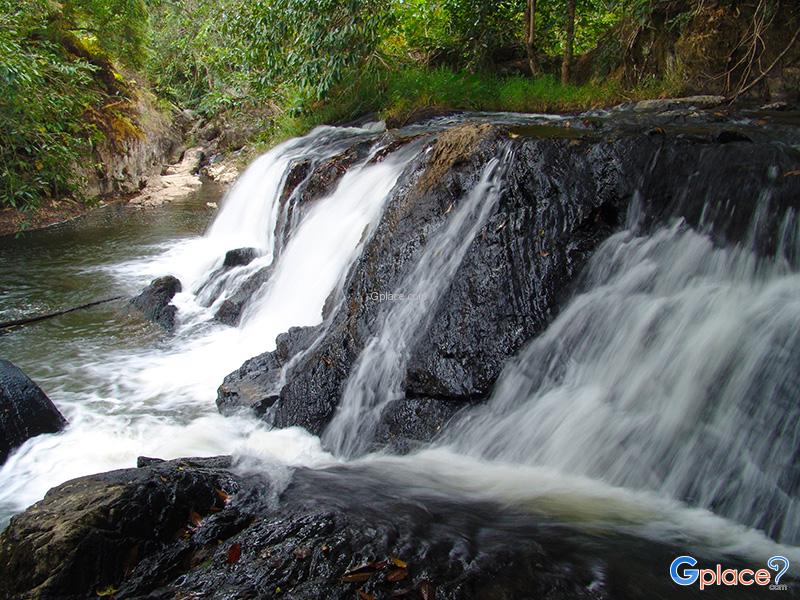
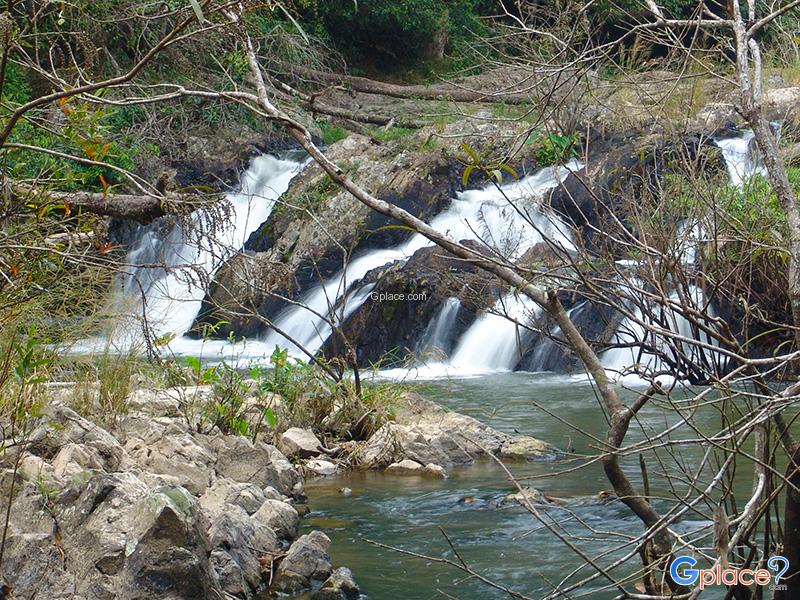
Waterfall enthusiasts should not miss Khao Yai's significant waterfalls such as Haew Suwat Waterfall, Haew Narok Waterfall, Pha Kluay Mai Waterfall, and Kong Kaew Waterfall. Haew Narok is one of the largest and highest waterfalls in the park, while Haew Suwat is a popular waterfall for its convenient access, shaded atmosphere, perfect for nature viewing, photography, and relaxing close to the forest.
For those who enjoy natural activities, Khao Yai offers hiking trails, nature study paths, and wildlife watching spots of interest such as the Km. 33 area, Nong Phak Chi Wildlife Watching Tower, and night wildlife watching with the park's vehicle. It is advisable to contact the park staff in advance, especially during holidays or peak seasons, to arrange suitable timing and routes.
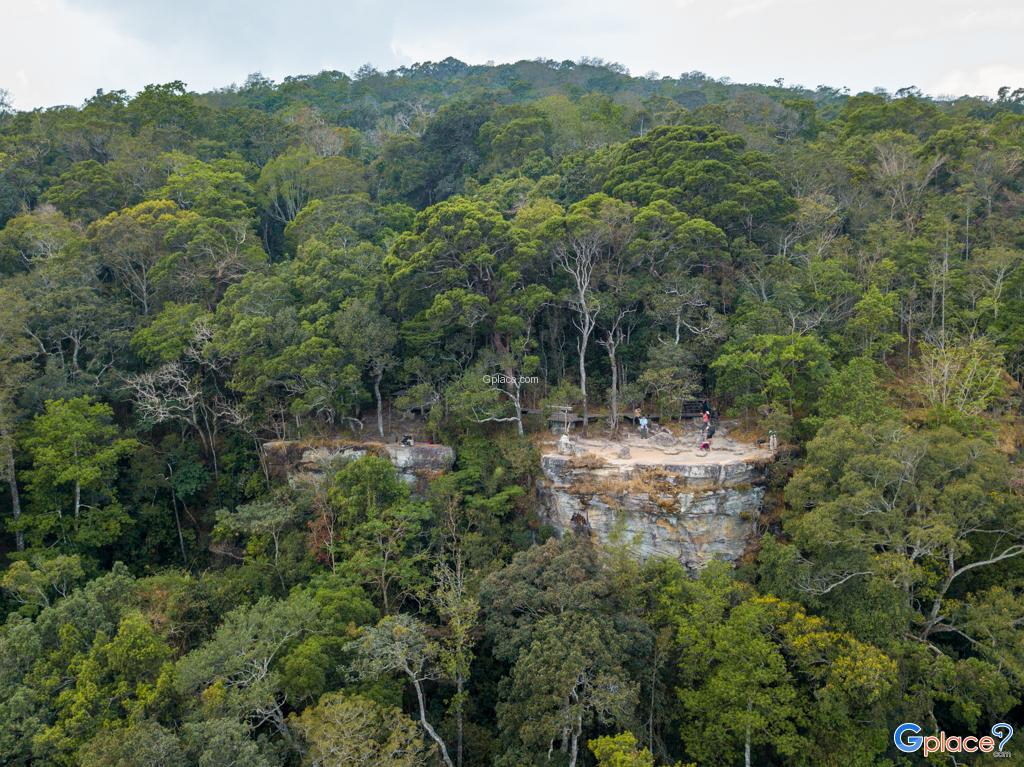
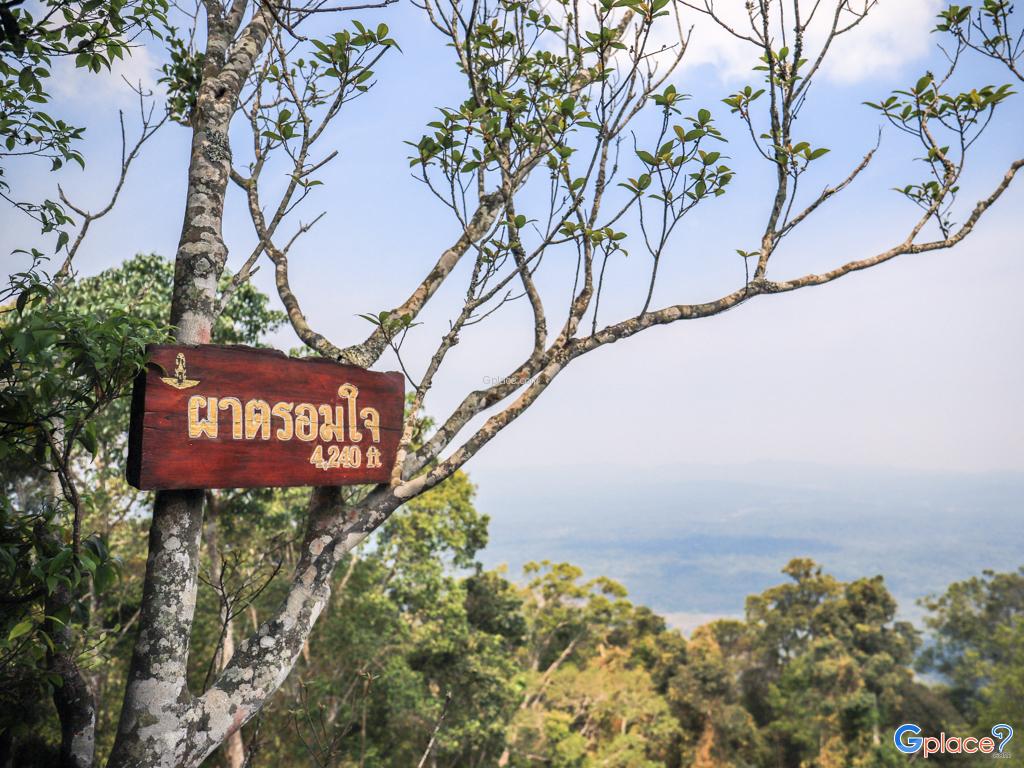
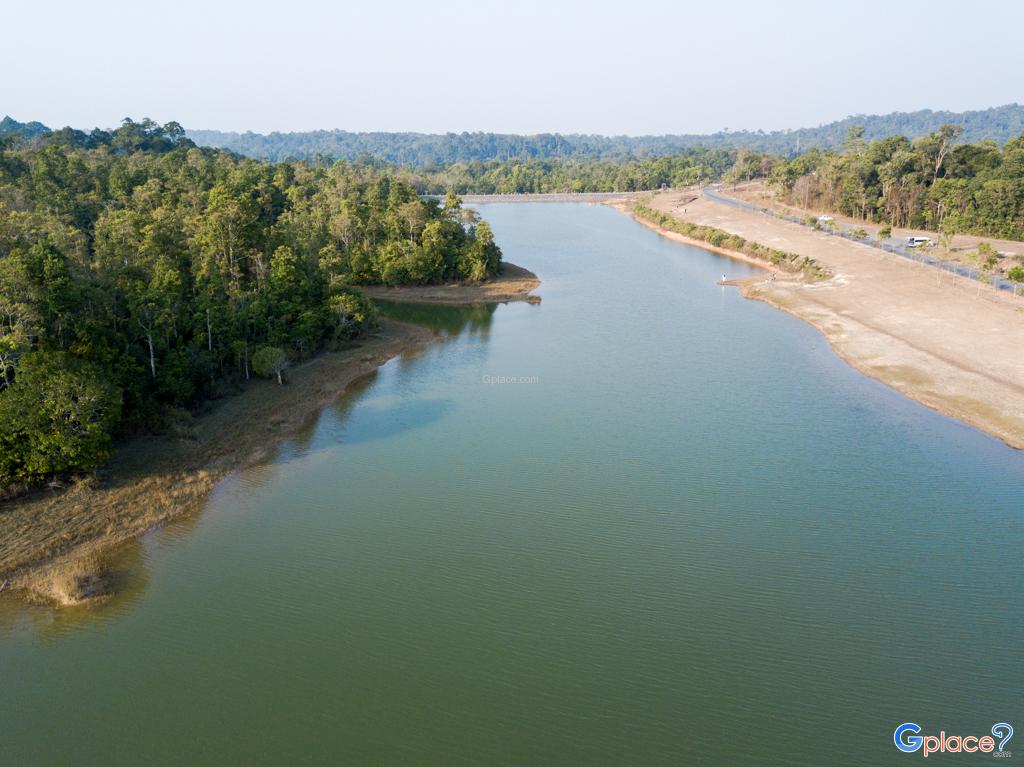
For wide views of the Khao Yai forest, you can visit the Km. 30 viewpoint near the Pak Chong entrance, as well as Pha Diao Dai and Pha Trom Jai, which are scenic viewpoints on the Khao Kiew route offering views of mountains, forests, and mist at times. For a more relaxed time, the Sai Sorn Reservoir offers a peaceful lakeside setting suitable for viewing, photography, and waiting for the evening light, finishing with the natural spring outside the park, which is another popular spot in the Khao Yai-Pak Chong area.
To ensure a fun and safe trip to Khao Yai, drive carefully, do not feed the wildlife, avoid swimming in risky areas, and keep updated with park announcements as heavy rain, strong currents, or wildlife may appear near tourist routes at times. With good planning, Khao Yai can be a complete nature trip, offering waterfalls, forests, viewpoints, wildlife, and the fresh atmosphere of a World Heritage forest that can be enjoyed repeatedly without getting bored.
If you've been to Khao Yai and have a favorite spot, feel free to share your experiences or photo tips to provide ideas for those planning their next trip to Khao Yai.
Suggestions
- Start your trip at the park office or visitor center to check weather conditions, open attractions, and daily safety notices, especially during the rainy season or long holidays.
- If time permits, plan at least a full day trip. Mornings are ideal for waterfalls and viewpoints, afternoons for nature trails or Nong Phak Chi wildlife watching tower, and evenings for Sai Sorn Reservoir or night wildlife watching, which should be booked in advance with park staff.
- Drive slowly in Khao Yai, do not feed wildlife, avoid honking to move animals, and maintain a safe distance if encountering elephants or large animals on the road. For hiking and waterfall trips, wear suitable shoes, bring water, a raincoat, and avoid swimming during heavy rains or strong water flows.
- The rainy season to early winter is ideal for seeing lush forests, waterfalls, and morning mist, while winter provides comfortable travel and pleasant photography. Khao Yai is a place to leisurely absorb nature, no need to rush to cover every spot in one day.






กำลังเป็นที่นิยม

Exploring the Chao Phraya River offers one of the most complete experiences of B..

Tracing Ancient Civilizations and Invaluable Forests Recognized by UNESCO Thaila..

Wearing traditional Thai costume and taking photos at beautiful places is more t..

For those looking to escape the hustle and bustle of Pattaya and experience calm..
Recommend trips
- The Four Holy Pilgrimage Sites
- 10 Thai Costume Spots to Go Back in Time
- Dream Destinations in Switzerland
- Pilgrimage to the Sacred Sites
- Trip to Bhutan
- 10 Sacred Buddhist Sites Thai Temples in India–Nep
- Top Paris Check-in Spots
- Must-Visit Check-in Spots in London
- Attractive Beaches in Sattahip, Chonburi
- 8 World Heritage Sites of Thailand
- The Ultimate Ancient Villages in Japan
- 10 Must-Visit Spots Along the Chao Phraya River, B
- Watsons Bay Half-Day Trip
- 10 Must-Visit Places in Waterford
- 10 Best Shopping Destinations in Bangkok
- Top 10 Must-Visit Spots in Pattaya
- 10 Must-Check-In Spots in Ireland
- Japan Bucket List: 20 Places You Must Visit Once i
- Thailand Nature Trails
- 1-Day Kirribilli & Sydney Harbour Walking Tour