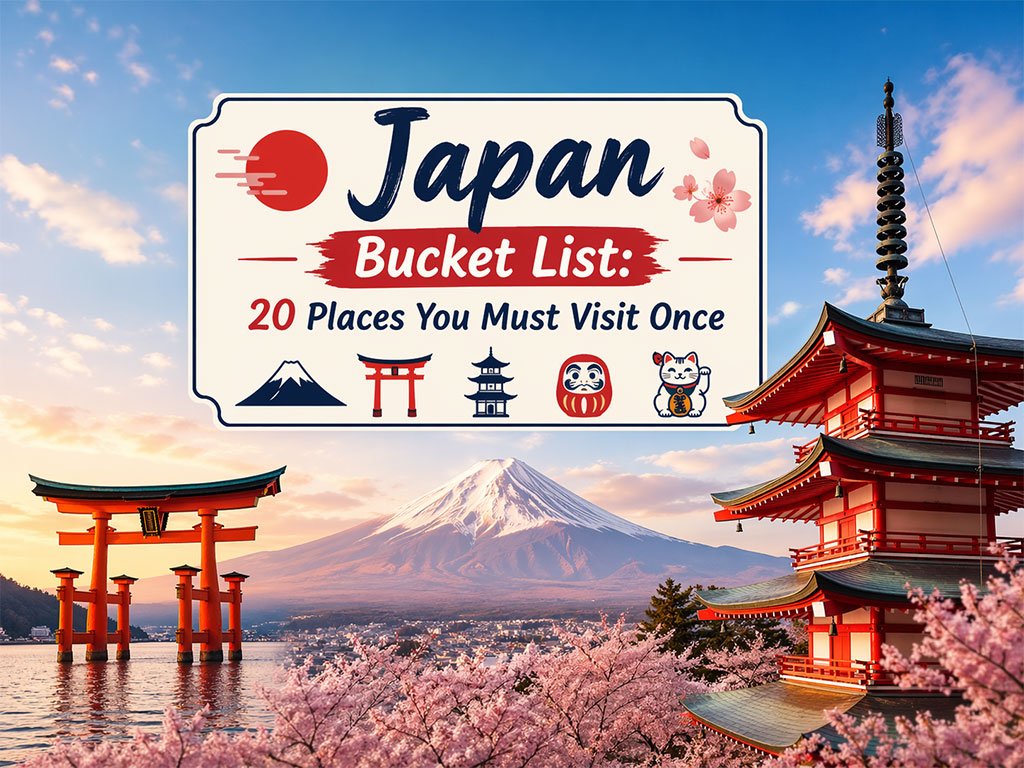
If you’re looking for a trip that feels complete and unforgettable, Japan is a destination that truly delivers. From breathtaking natural landscapes to rich cultural heritage and vibrant modern cities, every part of the journey offers something unique.
This “Japan Bucket List: 20 Places You Must Visit Once in a Lifetime” is designed to help you plan with ease. It brings together the best experiences across the country, making your trip more balanced, exciting, and worthwhile—whether it’s your first visit or not.
Start with iconic landmarks that define Japan’s global image—places that impress with their beauty, scale, and photogenic appeal. Then, explore the cultural side through historic sites, traditional architecture, and peaceful atmospheres that reveal the country’s deeper identity.
As you move into the cities, you’ll experience a completely different energy. Bright lights, busy streets, and modern lifestyles create a dynamic contrast, offering endless opportunities for exploration, shopping, and dining.
No matter when you visit, Japan offers something special in every season. From colorful scenery to calm and atmospheric views, each trip feels different and gives you more reasons to return.
For a slower pace, there are also quiet corners where you can relax and take in the surroundings. These moments bring balance and make the journey even more meaningful.
In the end, this is more than just a list—it’s a guide to experiencing Japan at its best, helping you turn your trip into a truly memorable journey.
So, how many have you checked off?
Take a look through the list and see which ones you’ve already visited—and which ones are still waiting. If you have any favorites to add, feel free to share them in the comments!
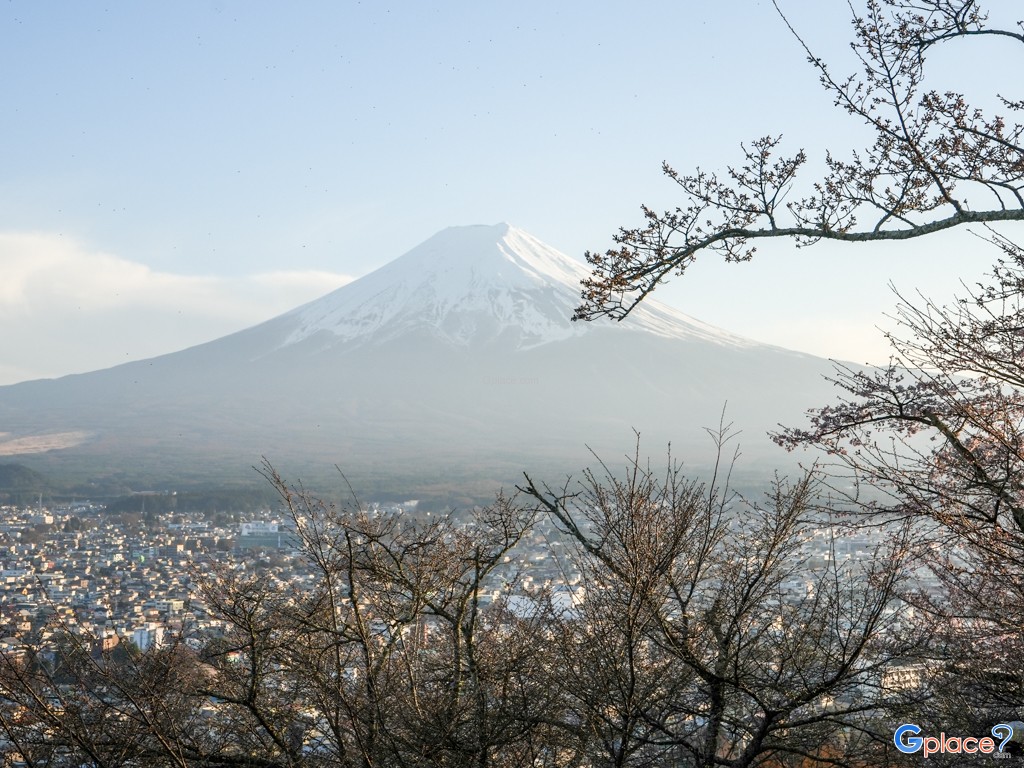
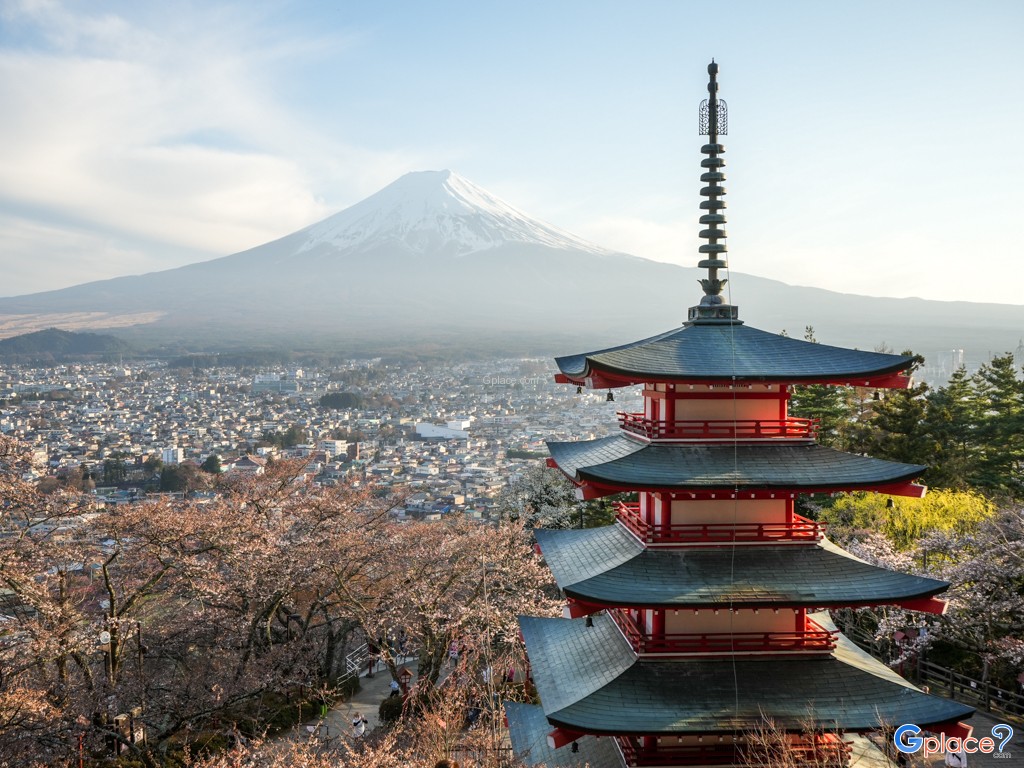
Arakurayama Sengen Park is located on the slopes of Mount Arakura in Fujinomiya City, Shizuoka Prefecture, covering about 4.3 hectares. Its centerpiece is the vibrant red five-story Chureito Pagoda, built as a peace memorial honoring those who died in wars.
Surrounding the pagoda are approximately 650 cherry blossom trees that burst into spectacular bloom from early to mid-April, making the park o...
read more
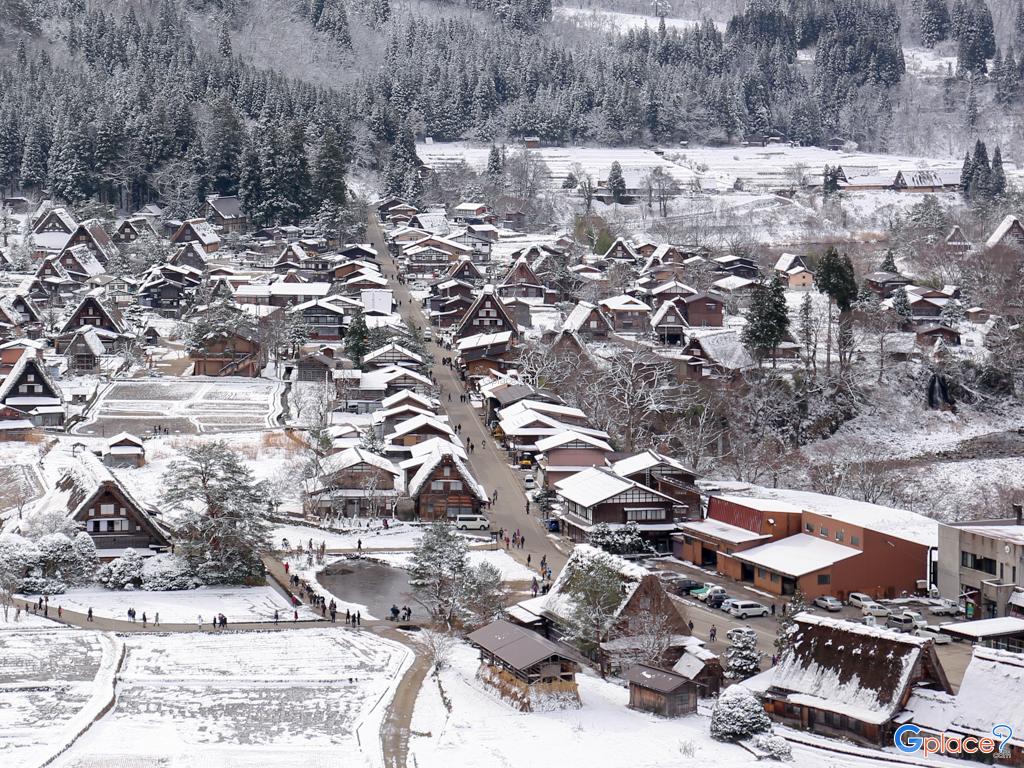
Shirakawa-go is a precious cultural treasure nestled in the mountainous heart of Gifu Prefecture. Set along the narrow Shogawa River basin and surrounded by forested peaks, this historical village features over 200–300-year-old farmhouses arranged in neat rows from north to south, as if time itself stood still.
The village is most renowned for its Gassho-zukuri architecture—named after...
read more
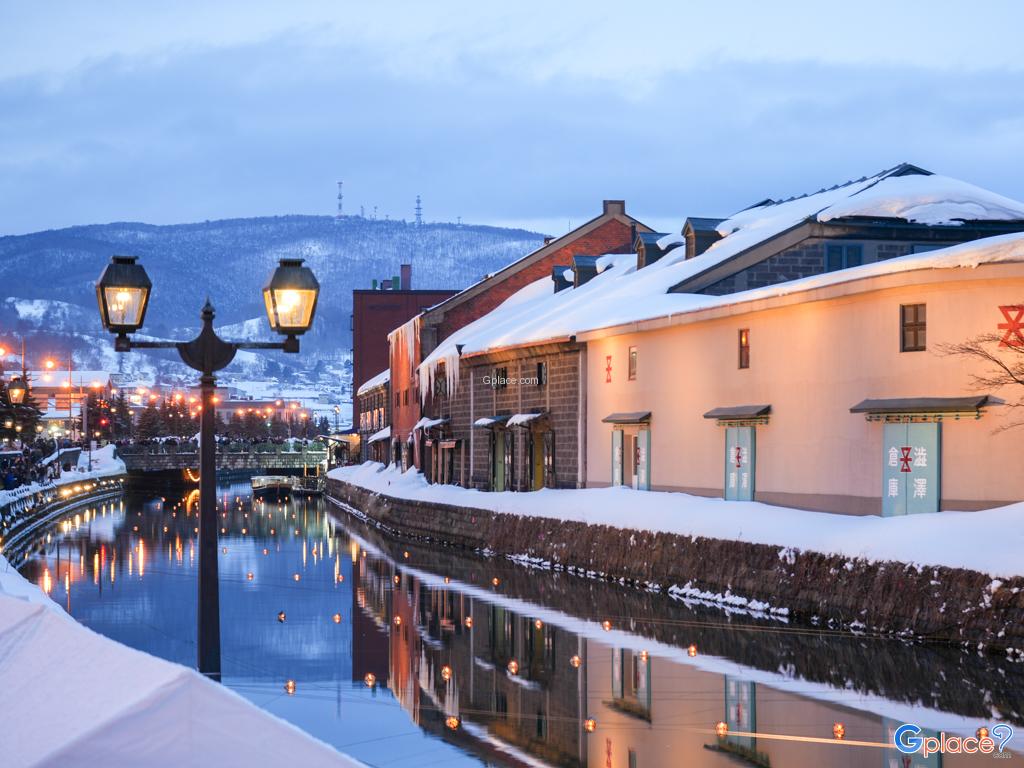
The 1.5-kilometer Otaru Canal was constructed in 1923 on reclaimed land to serve as a transportation route for goods to warehouses along its banks. Originally a bustling port route in the early 20th century, large ships docked at Otaru’s port while smaller boats navigated the canal to unload cargo.
With the rise of modern transportation facilities, the canal’s industrial role diminishe...
read more
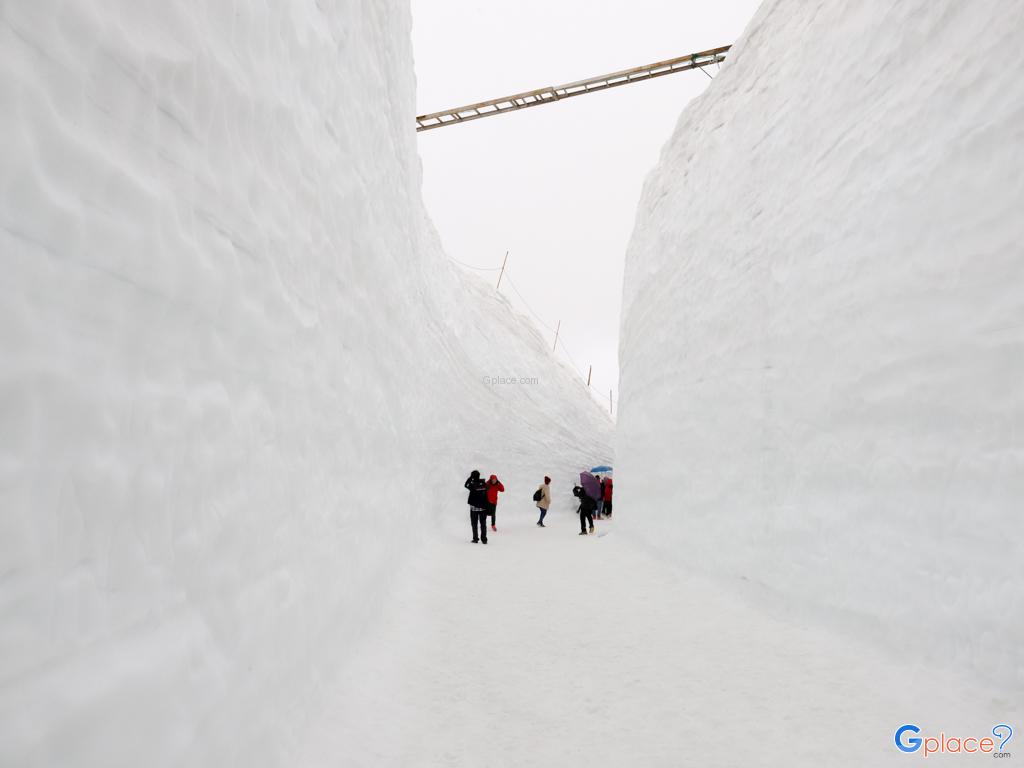
เชิญมาสัมผัสกับความเป็นธรรมชาติที่แตกต่างกันของสี่ฤดูกาล เส้นทางท่องเที่ยวข้ามเทือกเขาแอลป์ญี่ปุ่น เชื่อมต่อจังหวัดโทยามะและจังหวัดนากาโนะ ทางตอนเหนือครอบคลุมระยะทางกว่า 3,000 เมตร โดยสามารถเดินทางข้ามเขาผ่านวิวทิวทัศน์อันสวยงามตระกานตาได้ด้วยการใช้ยานพาหนะที่หลากหลาย เคเบิ้ลคาร์ กระเช้าไฟฟ้า รถบัสไฟฟ้า นอกจากนี้ยังมีคอร์สปีนเขาอีกหลากหลายประเภท ไม่ว่าจะเป็นคอร์สเดินเขาอย่างง่ายไปจนถึงคอร์สปีนเขาอ...
read more
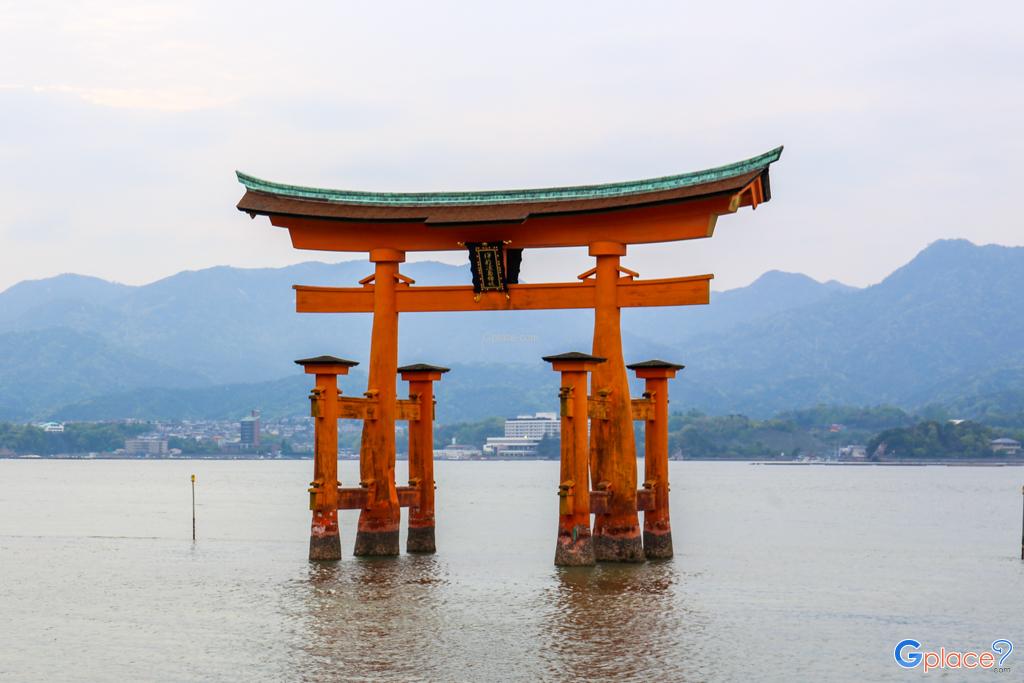
Itsukushima Shrine stands on Miyajima Island (officially Itsukushima), a place considered sacred since ancient times. Traditionally, the island itself was worshipped as divine, and ordinary people were forbidden from stepping directly onto its soil. To preserve this sanctity, the shrine was ingeniously built on stilts over the intertidal zone, allowing worship without defiling the land.
The ...
read more
Kotoku-in Temple is home to the Great Buddha of Kamakura (Kamakura Daibutsu), the second largest Buddha statue in Japan. The bronze statue stands at 11.4 meters tall, with a circumference of 29.4 meters and a face length of 2.3 meters. Weighing approximately 121 tons, it exudes a serene atmosphere through the positioning of its hands and eyes. Inside the statue, visitors can climb a staircase that...
read more
Todai-ji was founded during the Tempyo era, a time when Japan suffered from repeated natural disasters and widespread epidemics that caused immense human suffering. In 743 CE, Emperor Shomu proclaimed that the people should unite to construct a great Buddha statue, believing that Buddhist devotion could protect the nation and relieve the population from calamities.
According to records preserved a...
read more
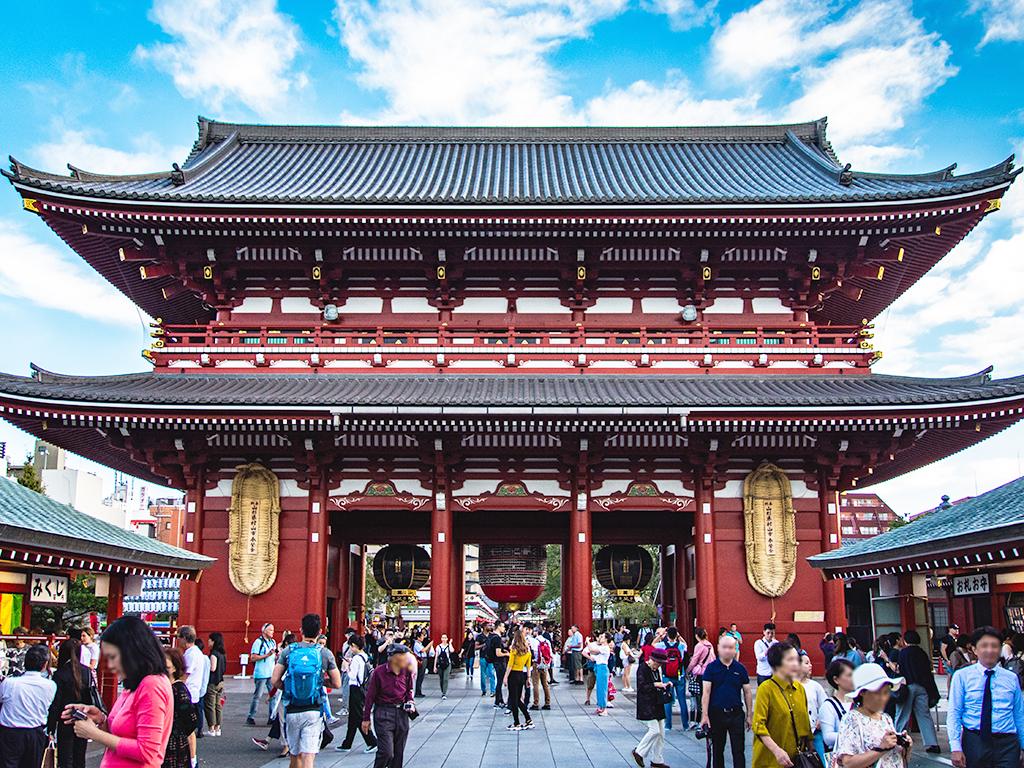
Senso-ji Temple also known as Asakusa Temple stands as Tokyo’s oldest Buddhist temple, founded in 645 AD and dedicated to Kannon Bodhisattva, the Goddess of Mercy. The temple’s name, Senso-ji (浅草寺), is its official title, while “Asakusa Temple” is the more familiar name derived from its district—making it one of Japan’s best-known religious landmarks.
...
read more
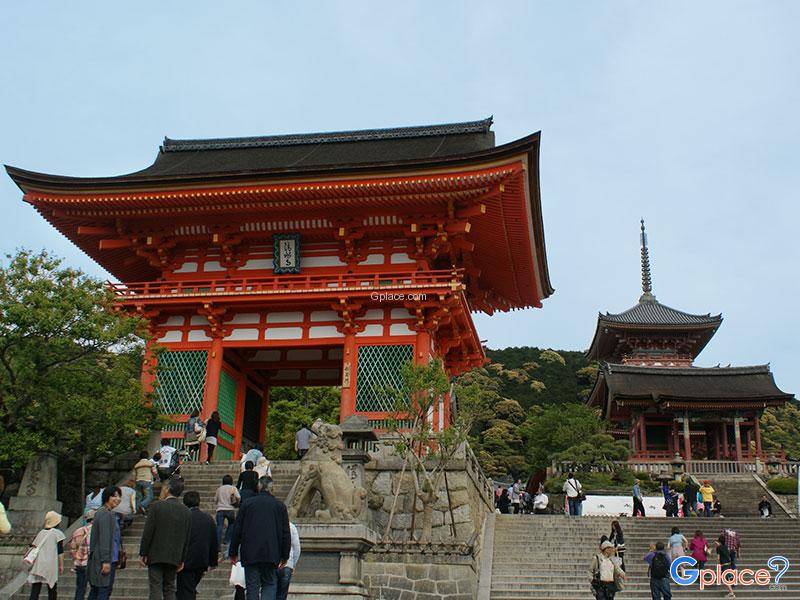
Kiyomizu-dera, meaning “Pure Water Temple,” was founded in 778 CE during the late Nara Period and was designated a UNESCO World Heritage Site in 1994 as part of the Historic Monuments of Ancient Kyoto. The temple is a quintessential symbol of Japanese devotional Buddhism, harmoniously integrated with the natural landscape of Mount Otowa.
Most of the structures seen today—especial...
read more
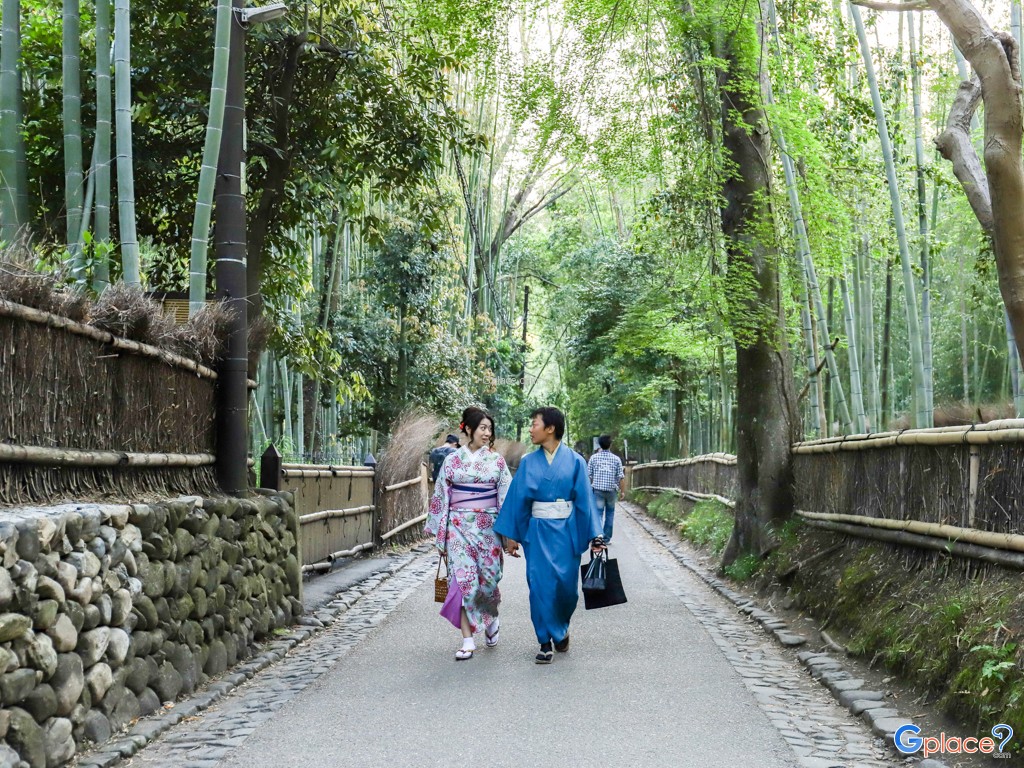
Arashiyama Bamboo Grove is located in western Kyoto, within the historic Arashiyama district, and is regarded as one of Japan’s most famous natural attractions. The grove features a picturesque walking path stretching over 400 meters, flanked by dense, towering bamboo that forms a natural corridor of light and shadow. The gentle sound of wind passing through the bamboo has been certified by ...
read more
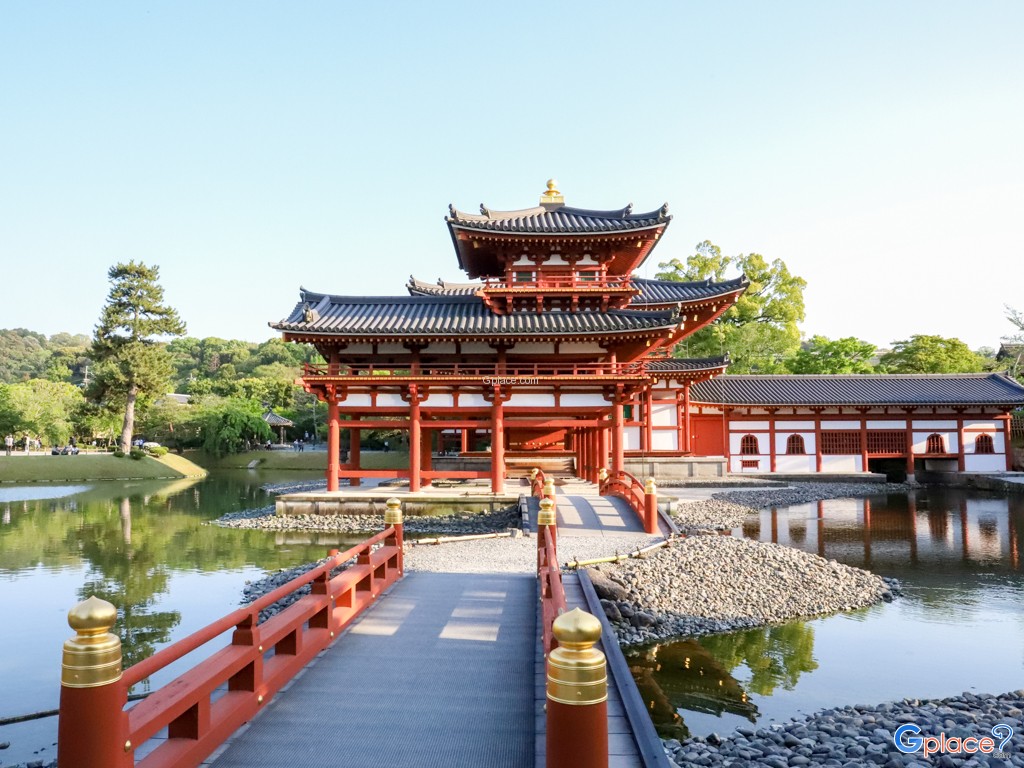
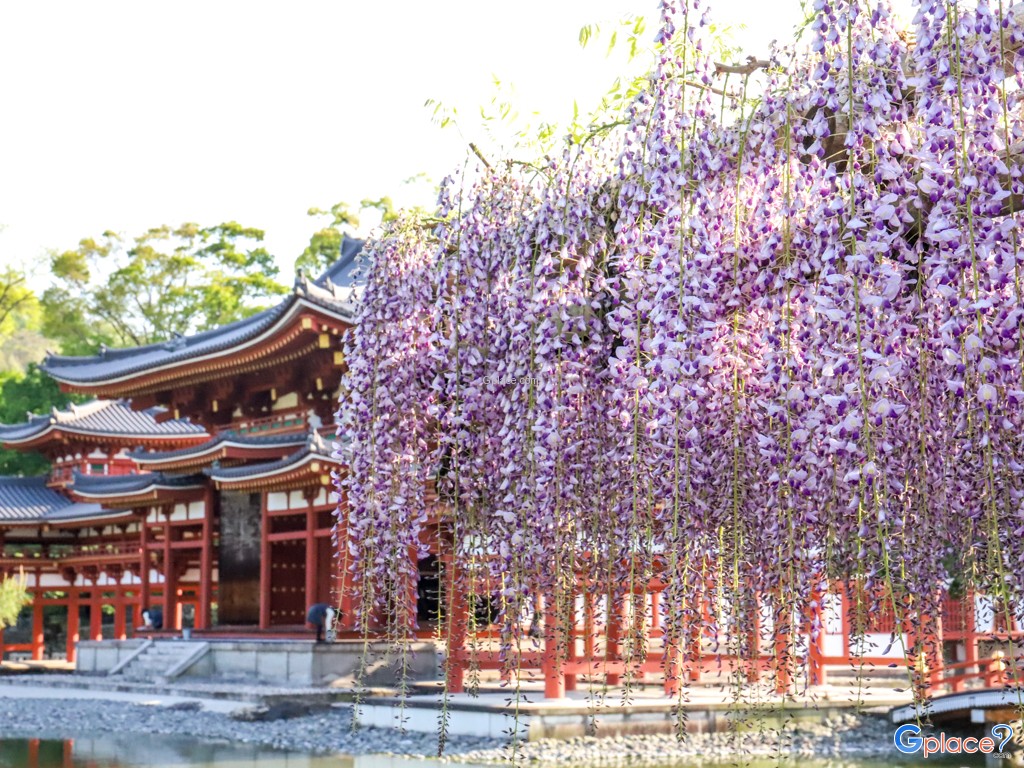
Byodoin was originally constructed in 998 as a rural villa for the aristocrat Minamoto no Shigenobu before being acquired by Fujiwara no Michinaga, the most powerful court noble of the Heian period. In 1052, amid the belief that society had entered Mappō—the age of decline of Buddhist law—his son Fujiwara no Yorimichi converted the estate into a Buddhist temple. The temple was conceive...
read more
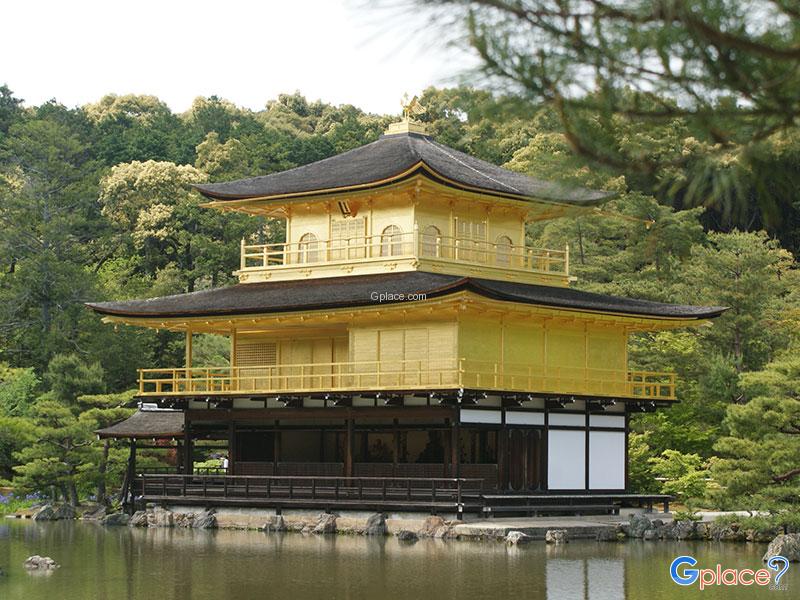
Kinkaku-ji (金閣寺) is the popular name of Rokuon-ji (鹿苑寺), its official temple name, derived from the Buddhist title of Shogun Ashikaga Yoshimitsu. Built in 1397 during the Muromachi period, the site originally served as Yoshimitsu’s retirement villa before being converted into a Rinzai Zen Buddhist temple after his death.
The centerpiece of the temple is the Golden Pavilion (Kinkaku), a ...
read more
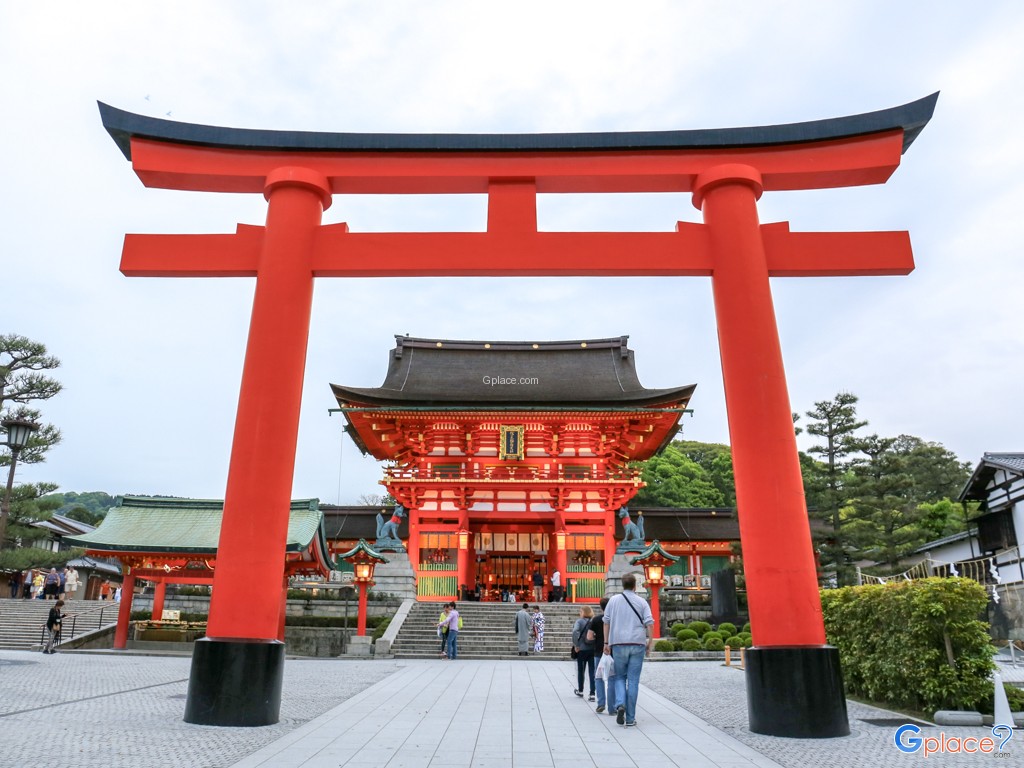
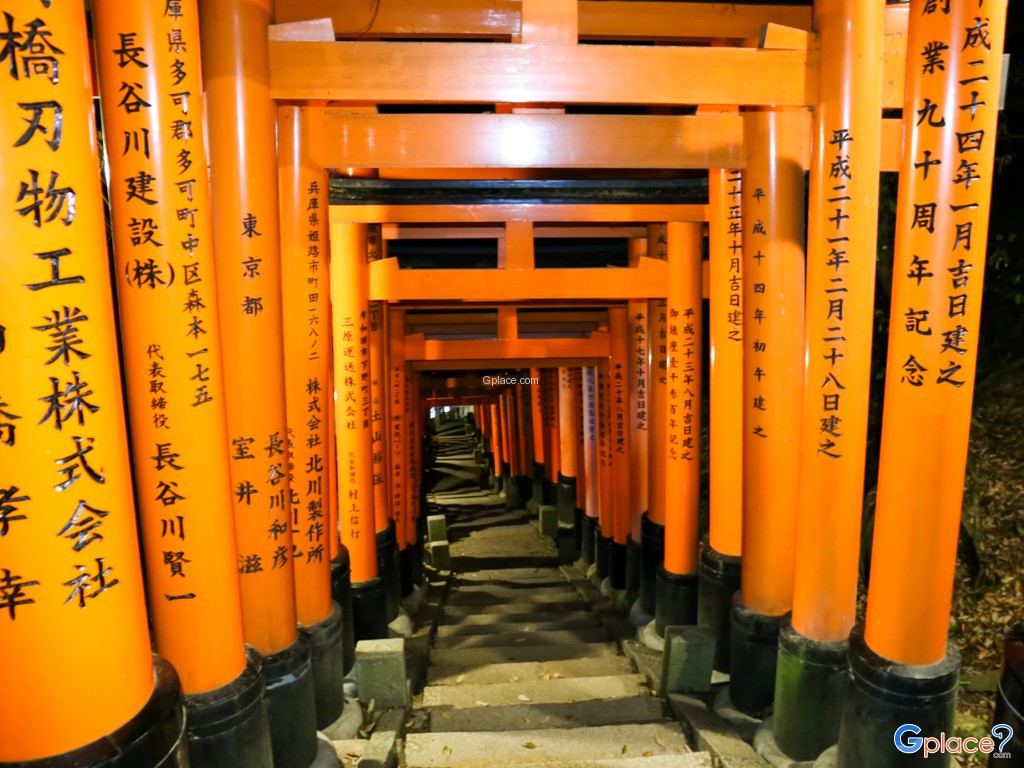
Founded in 711 AD, Fushimi Inari Taisha predates Kyoto becoming Japan’s capital and stands as one of the city’s most spiritually significant landmarks. It serves as the head shrine of approximately 32,000 Inari shrines across Japan, giving it exceptional status within Shinto belief. The shrine received imperial patronage during the Heian Period, firmly establishing its importance in th...
read more
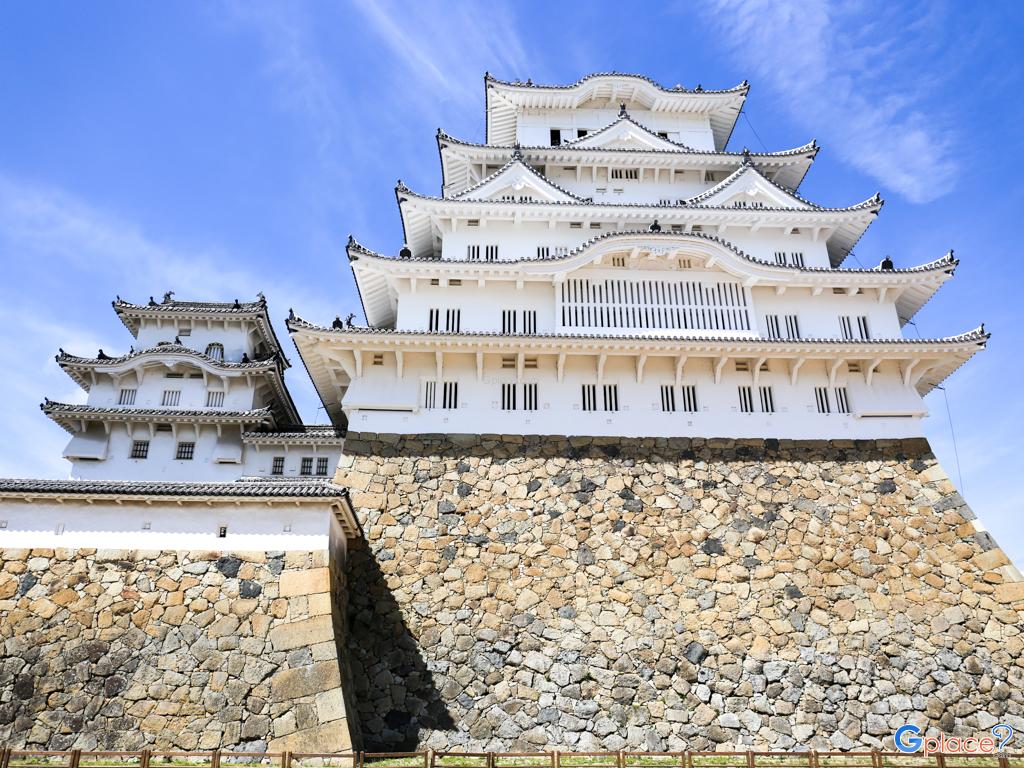
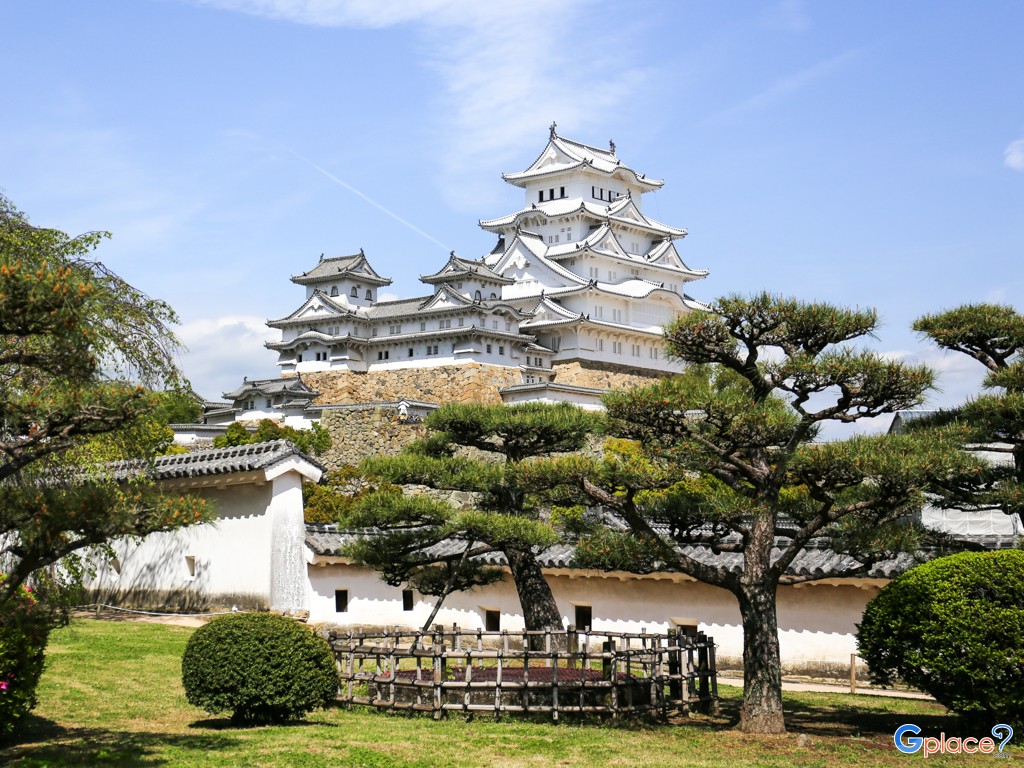
Himeji Castle, also known as White Heron Castle, is widely regarded as Japan’s most magnificent feudal-era fortress. With its brilliant white walls and elegant, soaring silhouette, it resembles a graceful heron taking flight. As a designated National Treasure and UNESCO World Heritage Site, it holds immense cultural and architectural value—and unlike many other castles, it has never be...
read more
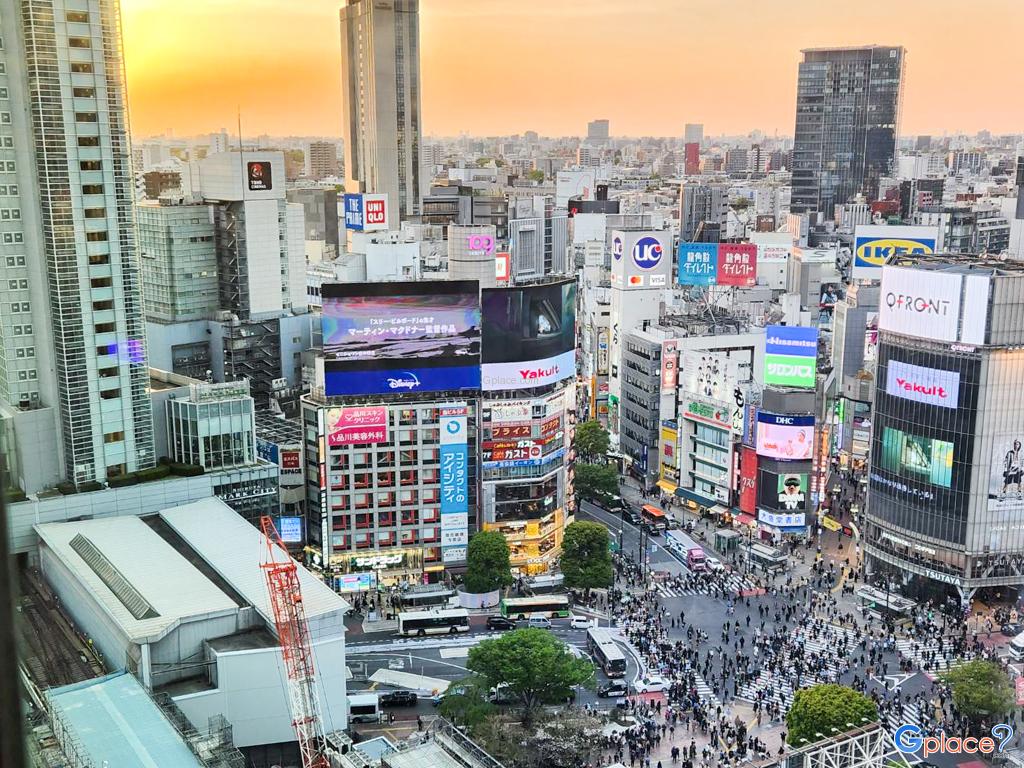
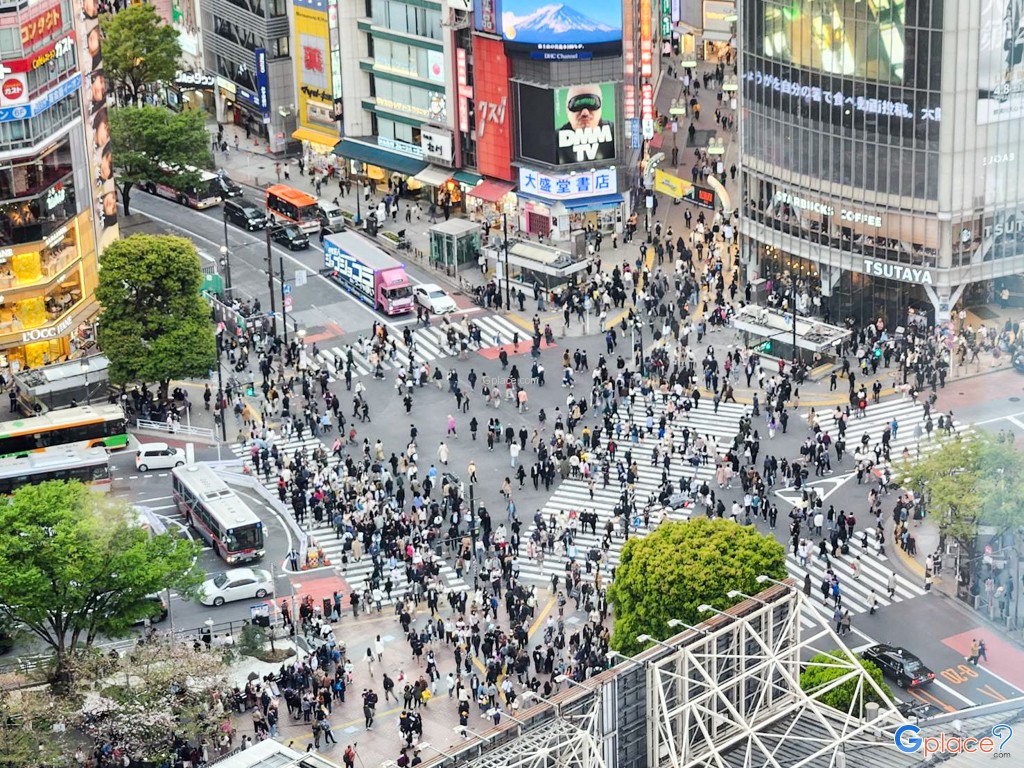
Opened in November 2019, Shibuya Crossing replaced the former Shibuya Station Eastern Building and is the tallest building in Shibuya at 230 meters (47 stories). It is directly connected to Shibuya Station, providing easy access via JR lines, Tokyo Metro, and private railways.
The main attraction, SHIBUYA SKY, spans floors 45–47 and offers both indoor and outdoor observation experiences...
read more
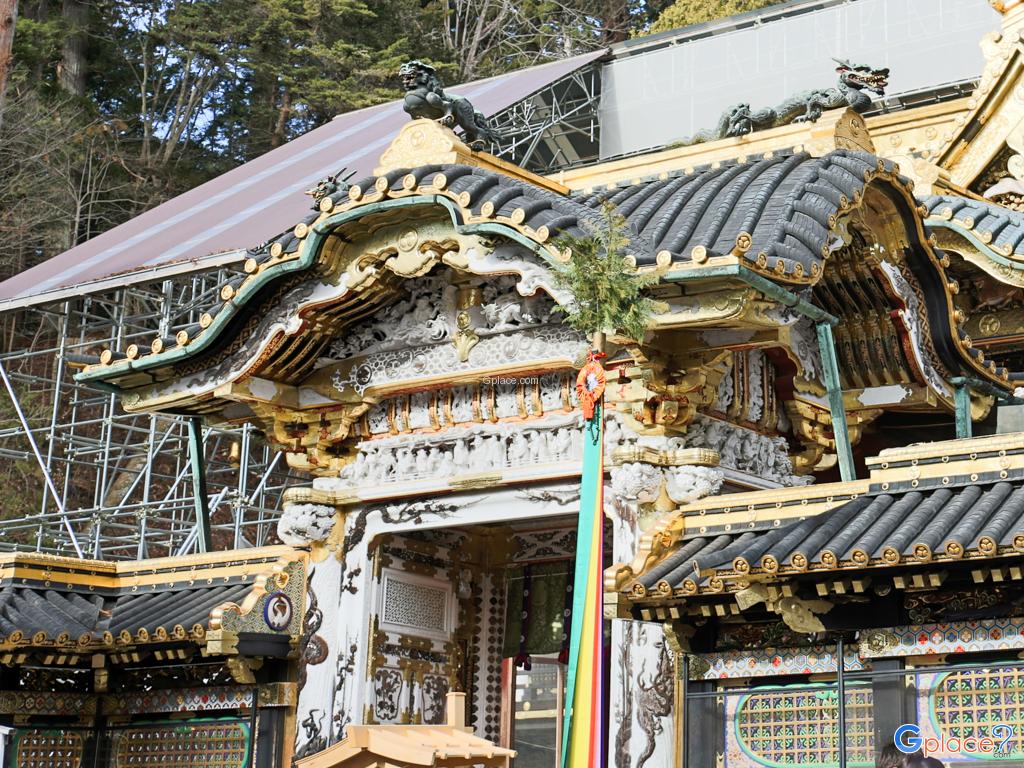
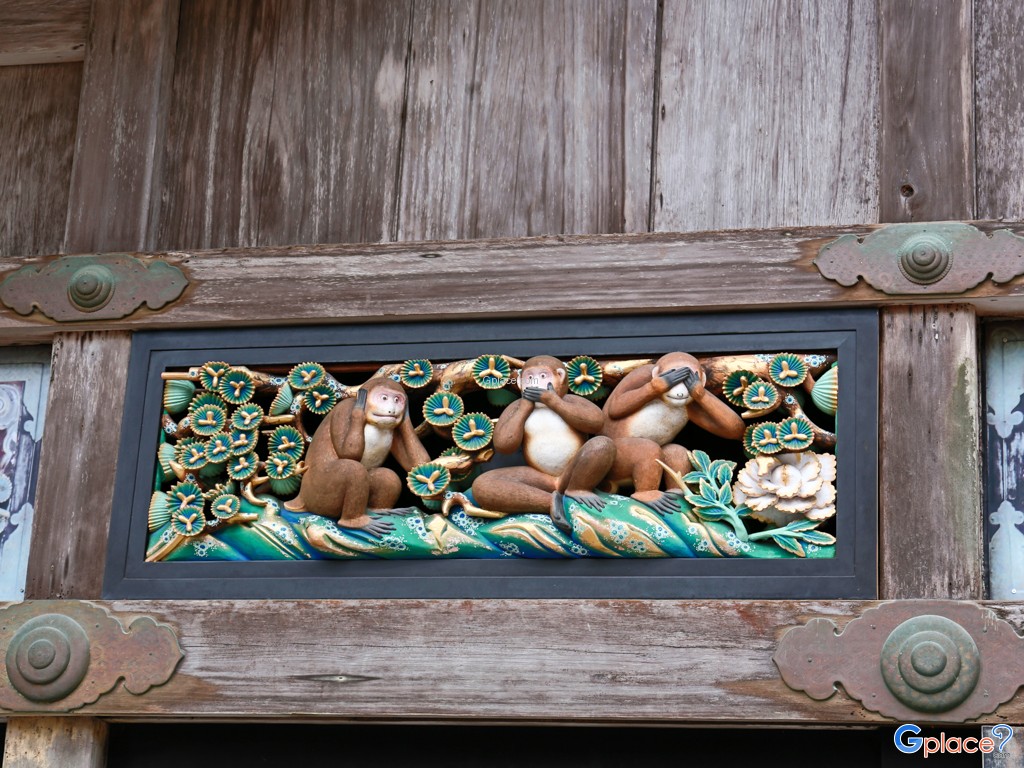
Nikko Toshogu Shrine serves as the magnificent mausoleum of Tokugawa Ieyasu, the founder of the Edo Shogunate. Most of the structures seen today were rebuilt with utmost precision in the 17th century by the third Shogun, Iemitsu. The shrine is renowned for its seamless blend of Shinto and Buddhist elements, reflecting a unique era of religious harmony. The buildings are adorned with gold leaf and ...
read more
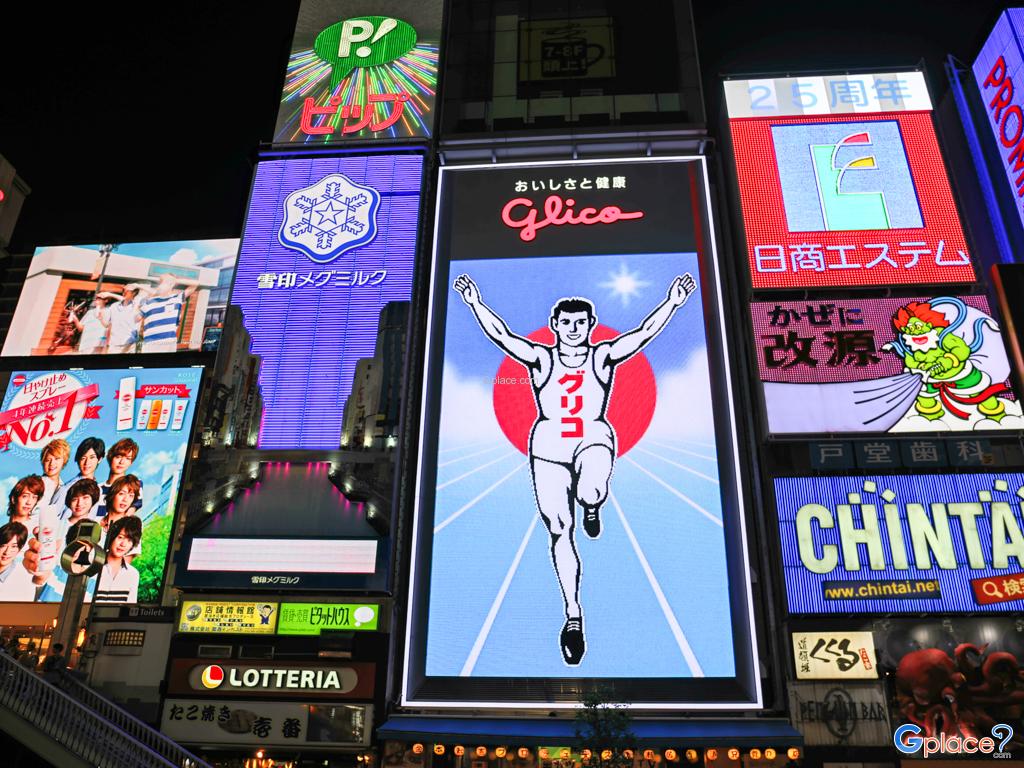
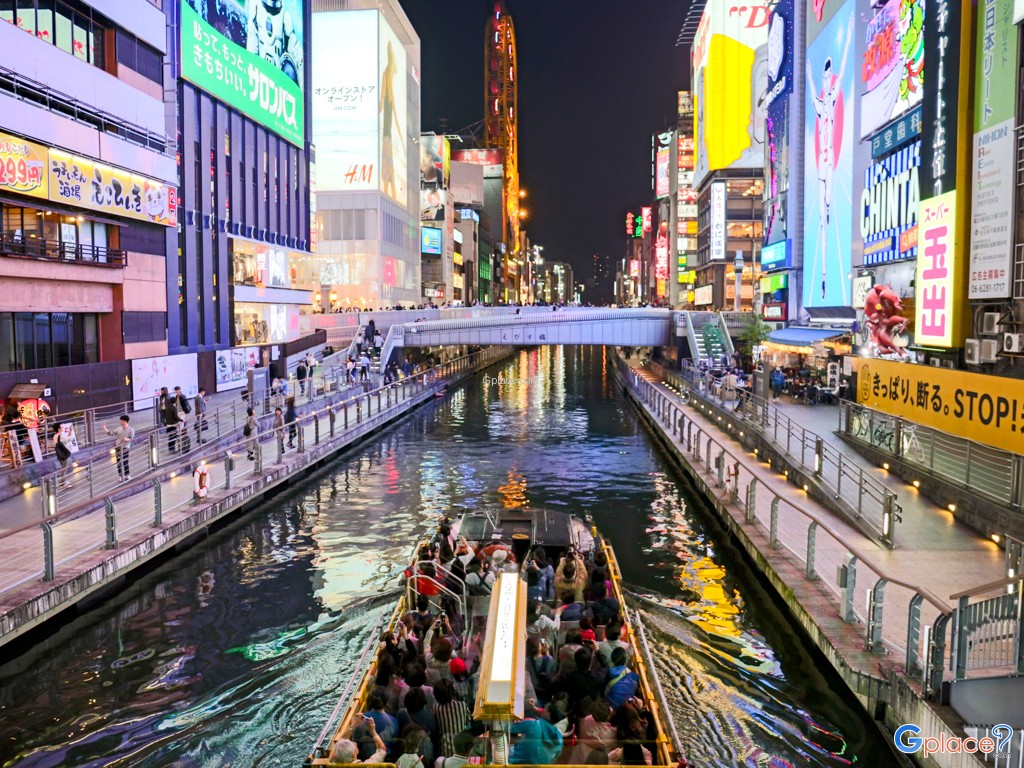
As one of Osaka’s major tourist attractions, Dotonbori is a vibrant and bustling district in Japan known for its lively atmosphere, dazzling neon lights, and diverse culinary scene. This iconic area consists of a single street running parallel to the Dotonbori Canal, stretching from Dotonboribashi Bridge to Nipponbashi Bridge in Osaka’s Namba district. Here are some highlighted photo s...
read more
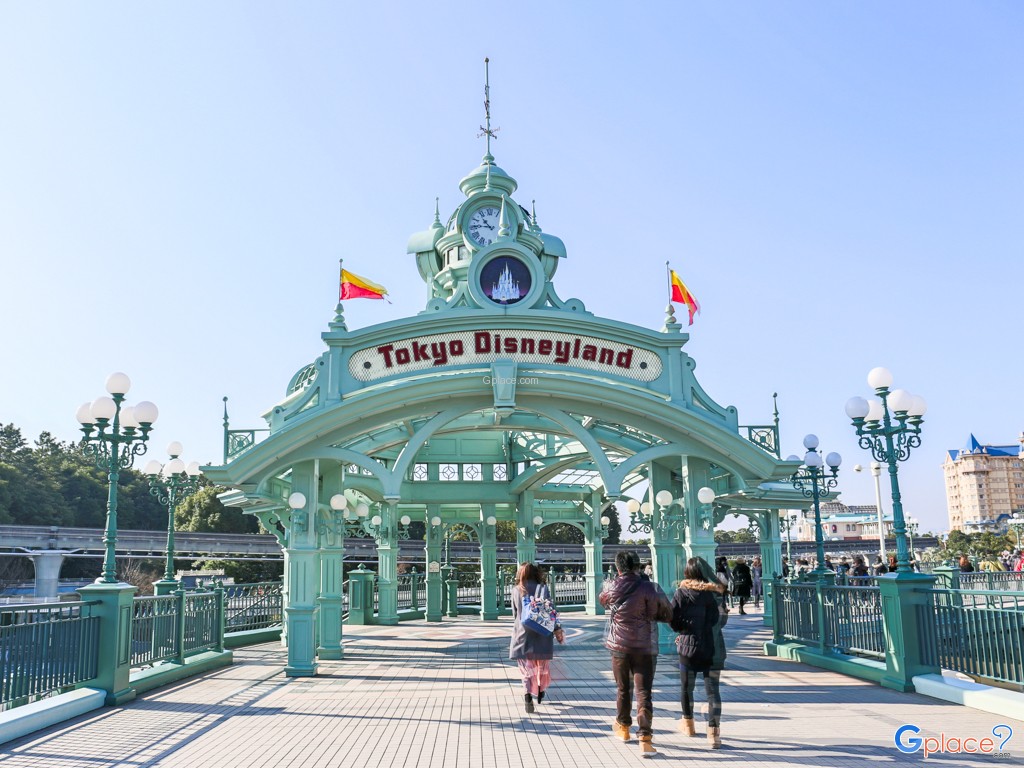
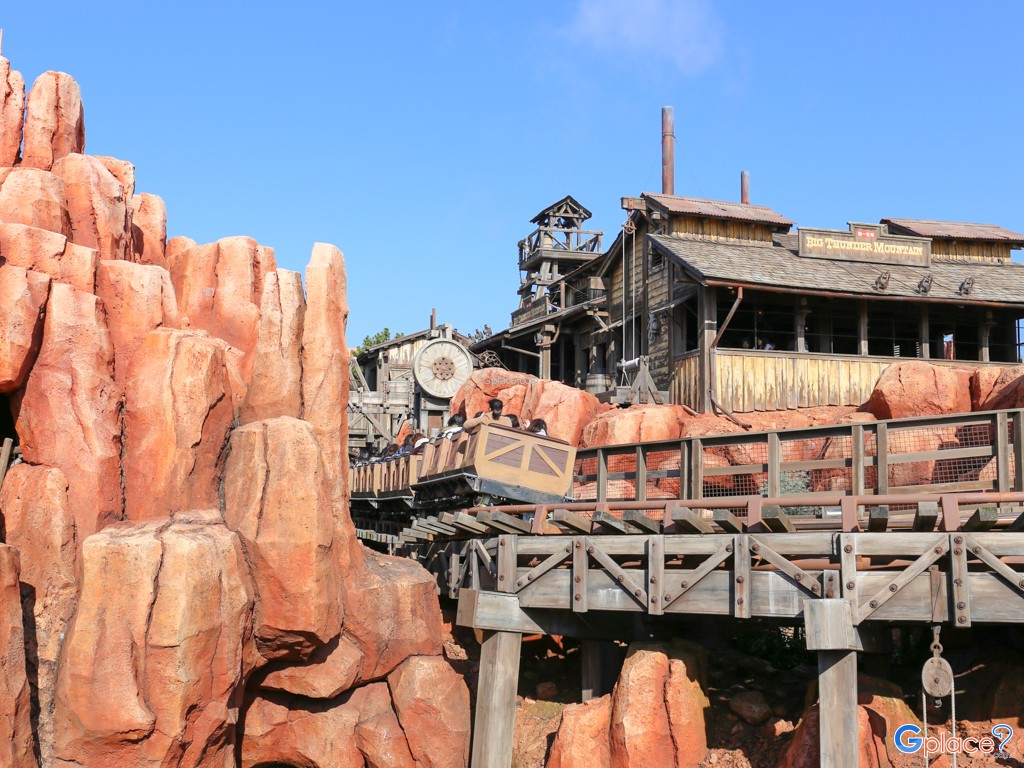
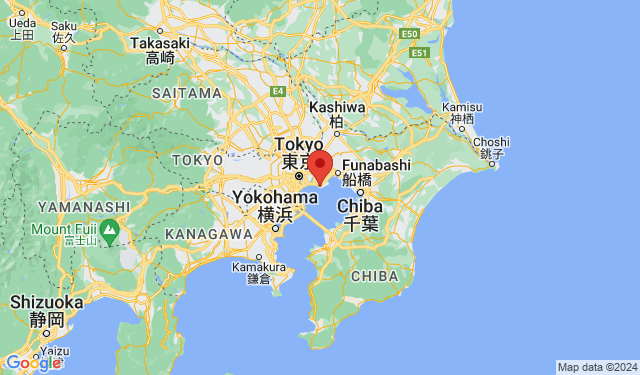
Tokyo Disneyland is the first Disney theme park built outside the United States. It was designed by Walt Disney’s original team, modeled closely after Disneyland in California and the Magic Kingdom in Florida. However, the park is owned by The Oriental Land Company, which holds the licensing rights directly from Walt Disney, making Tokyo Disneyland and Tokyo DisneySea the only Disney parks n...
read more
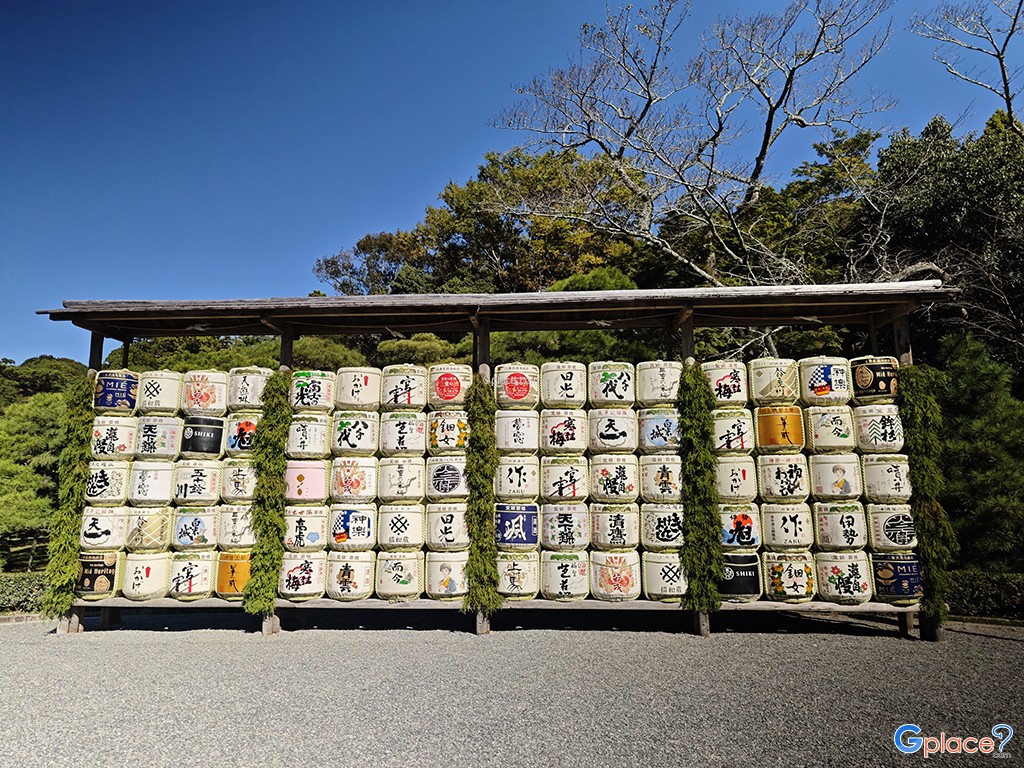
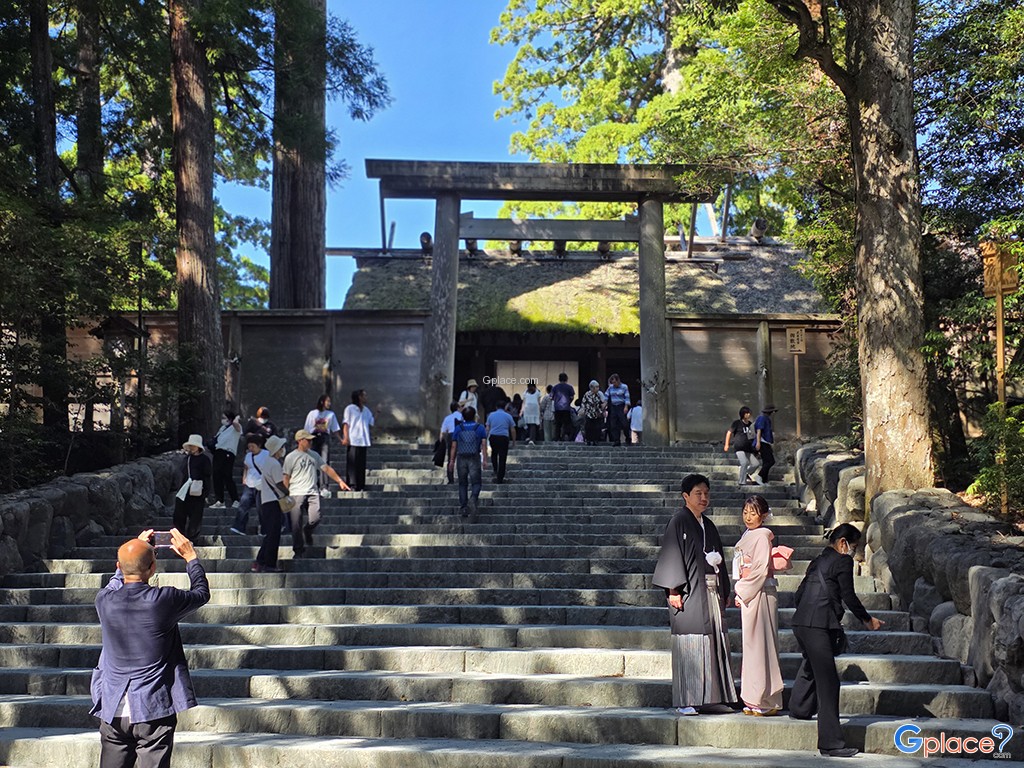
Ise Grand Shrine (Ise Jingū) is considered the pinnacle of Shinto spirituality and Japan’s most important religious site. Located in the tranquil city of Ise in Mie Prefecture, the shrine complex encompasses over 125 subsidiary shrines surrounded by ancient forests and clear rivers.
The heart of Ise Jingū lies in its two main sanctuaries:
Naikū (Inner Shrine), dedicated to Amaterasu Ōmikami...
read more
Nachi Falls is the tallest waterfall in Japan with a single, uninterrupted drop, cascading 133 meters (436 feet) from a steep rock face into a deep basin below. It has long been revered as a sacred site of Shinto belief, worshipped as the dwelling place of a deity enshrined at Hiro Shrine, which serves as an auxiliary shrine of the Kumano Nachi Taisha Grand Shrine.
The waterfall is part of the &ld...
read more

 Attractions
  Hotel
Hotel  Restaurant
  Shopping
  Abroad
  Nearby Places






 1888
1888