 Attractions
  Hotel
Hotel  Restaurant
  Shopping
  Abroad






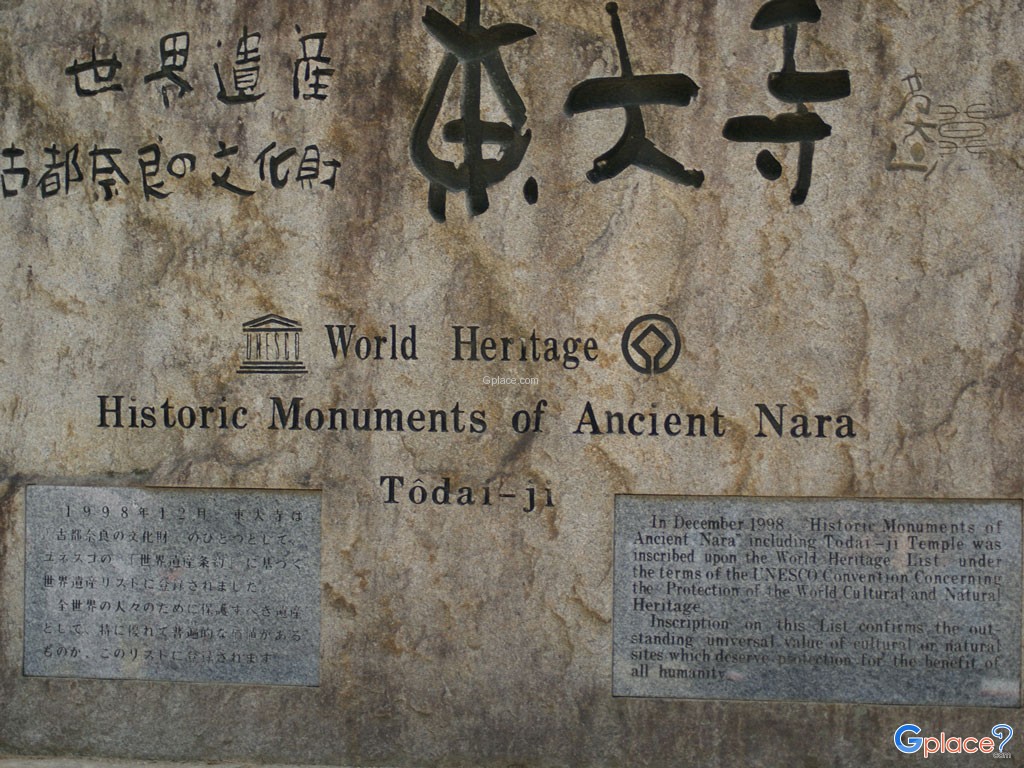
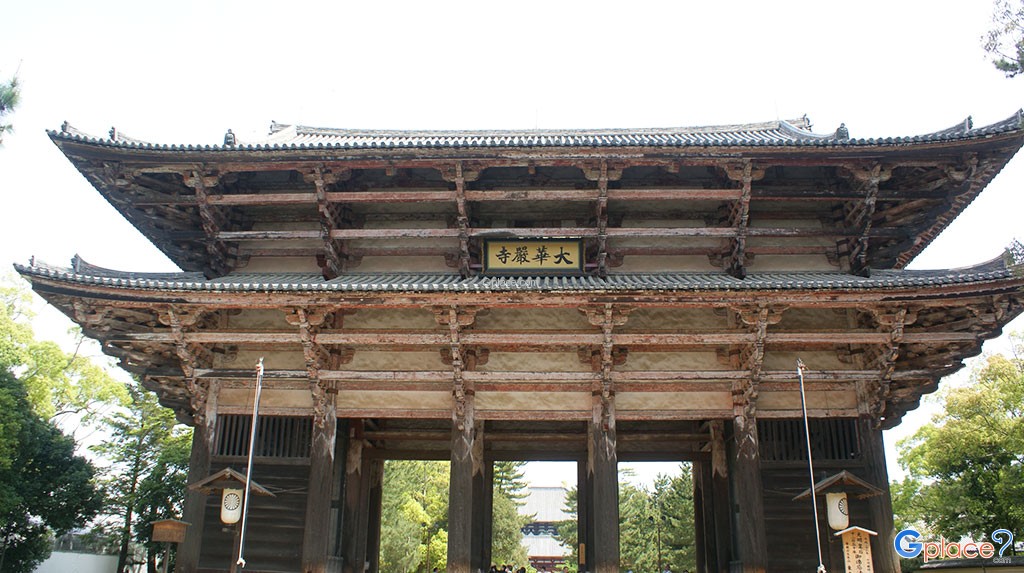


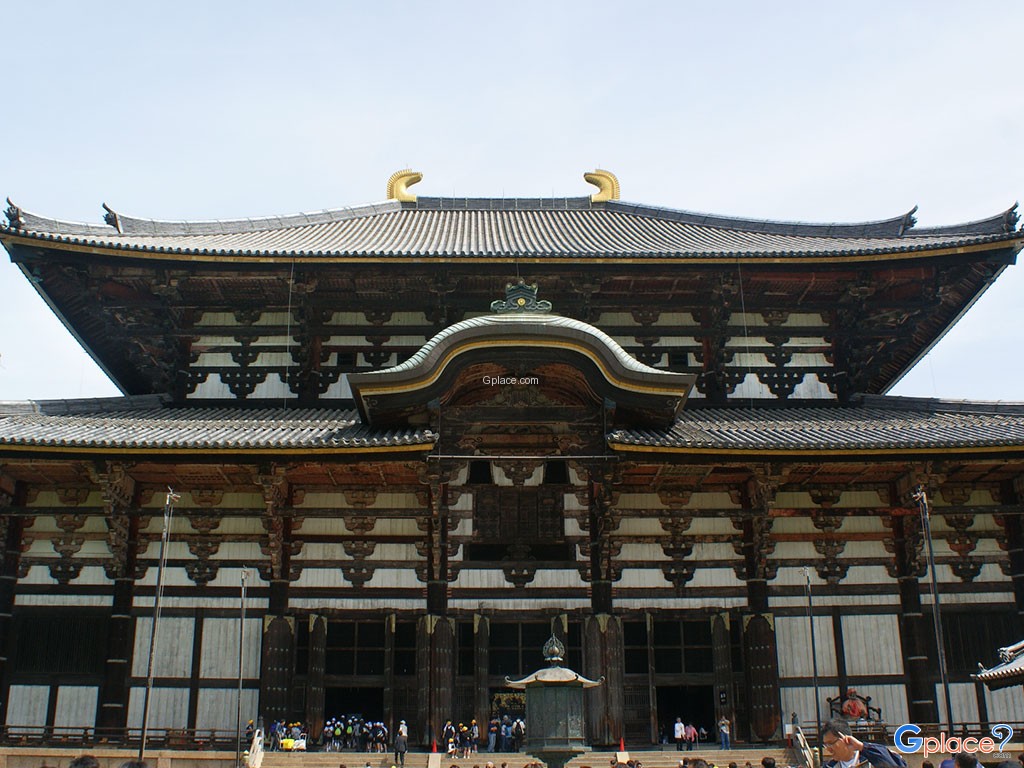
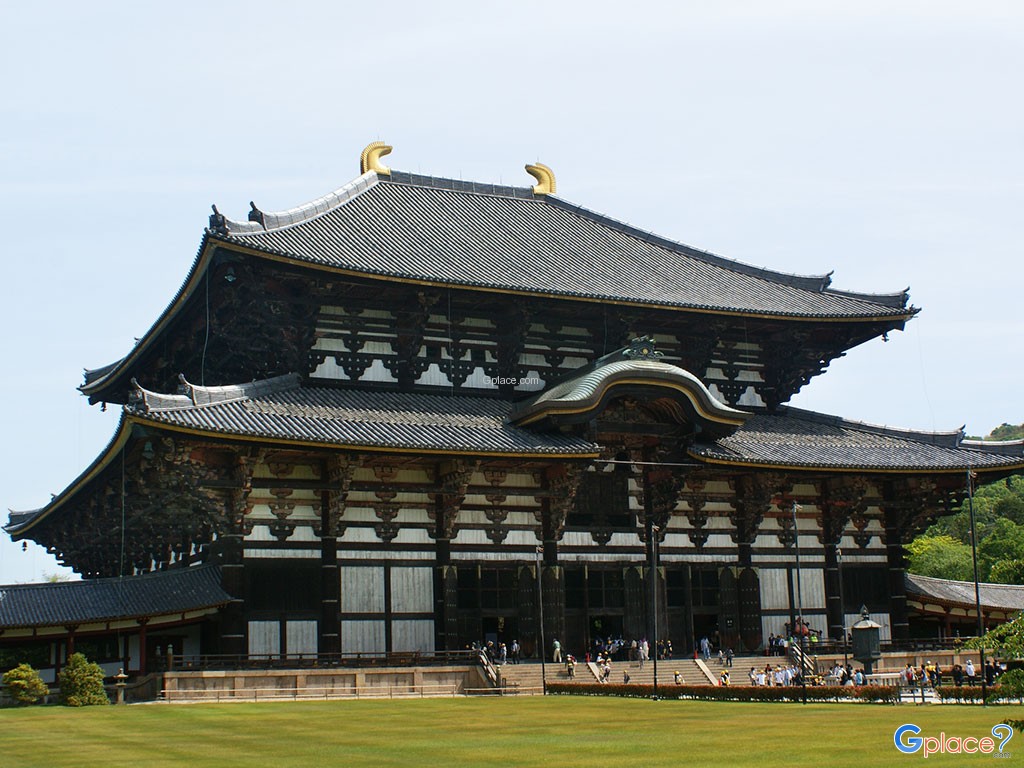
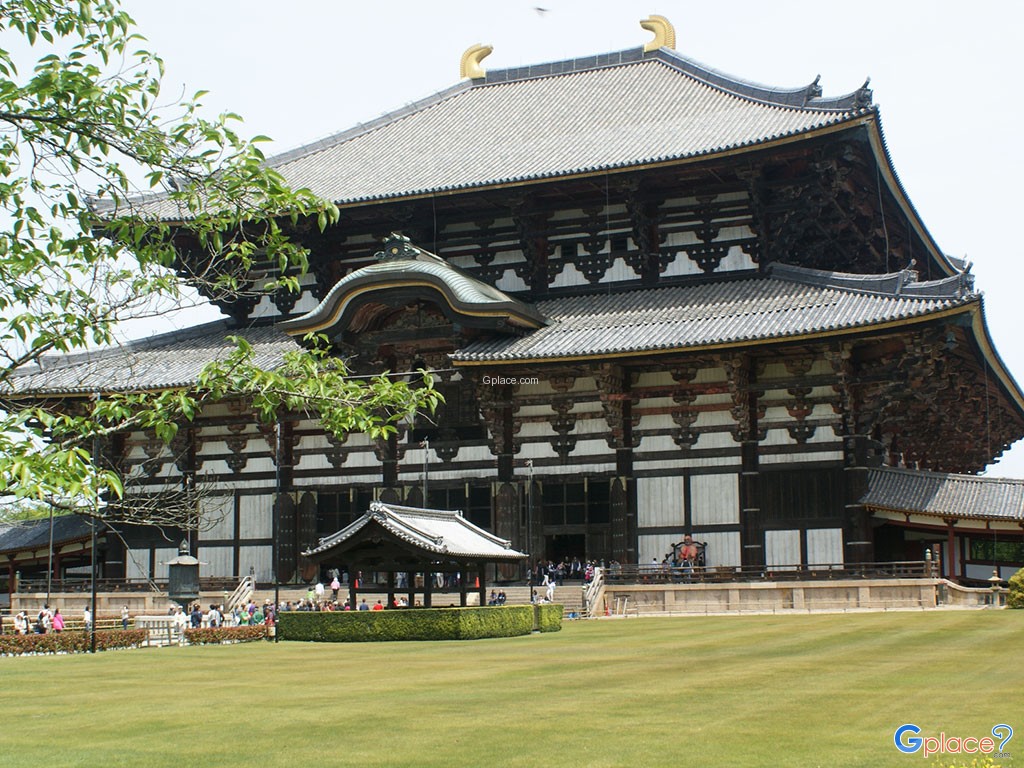
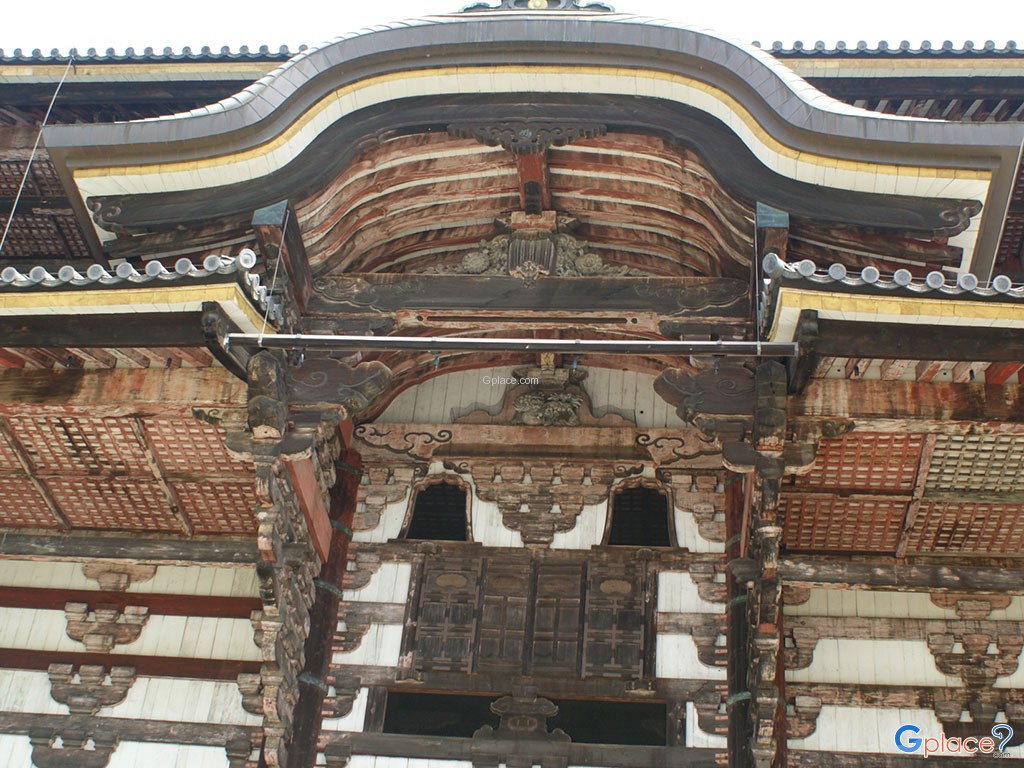
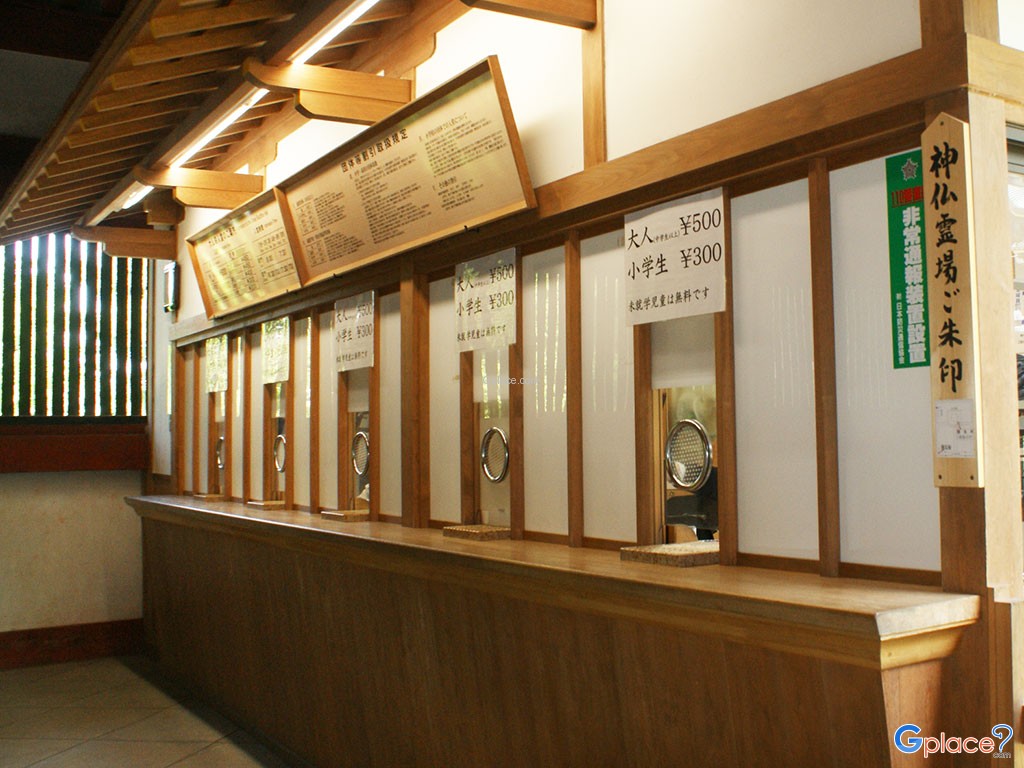

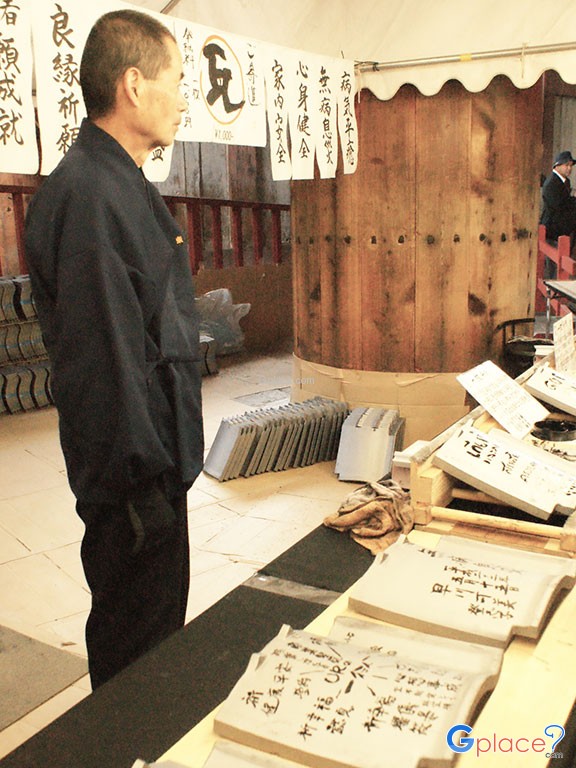

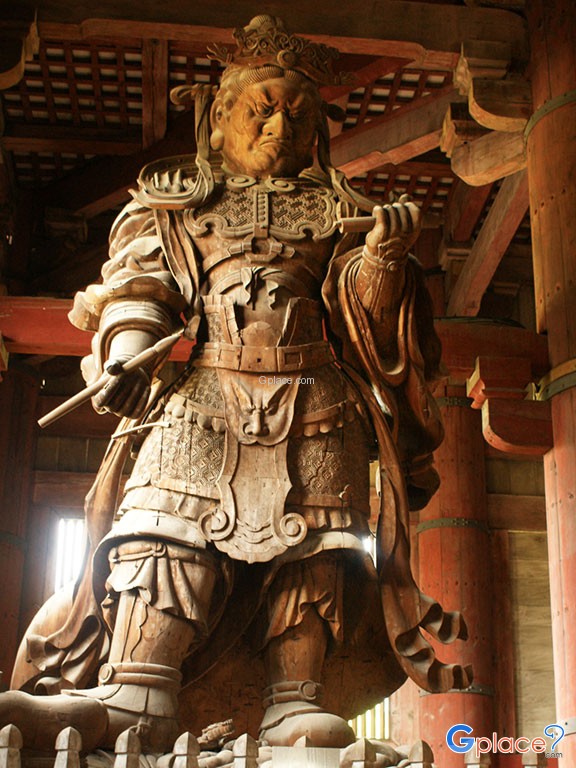
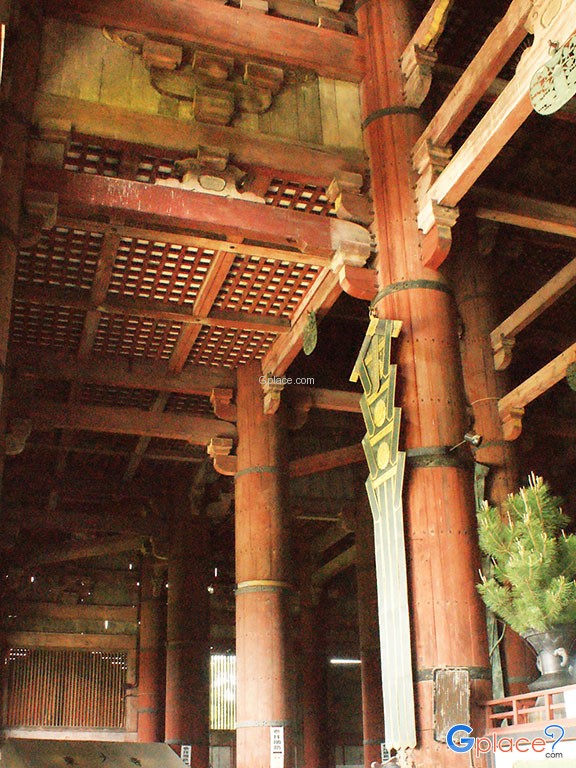
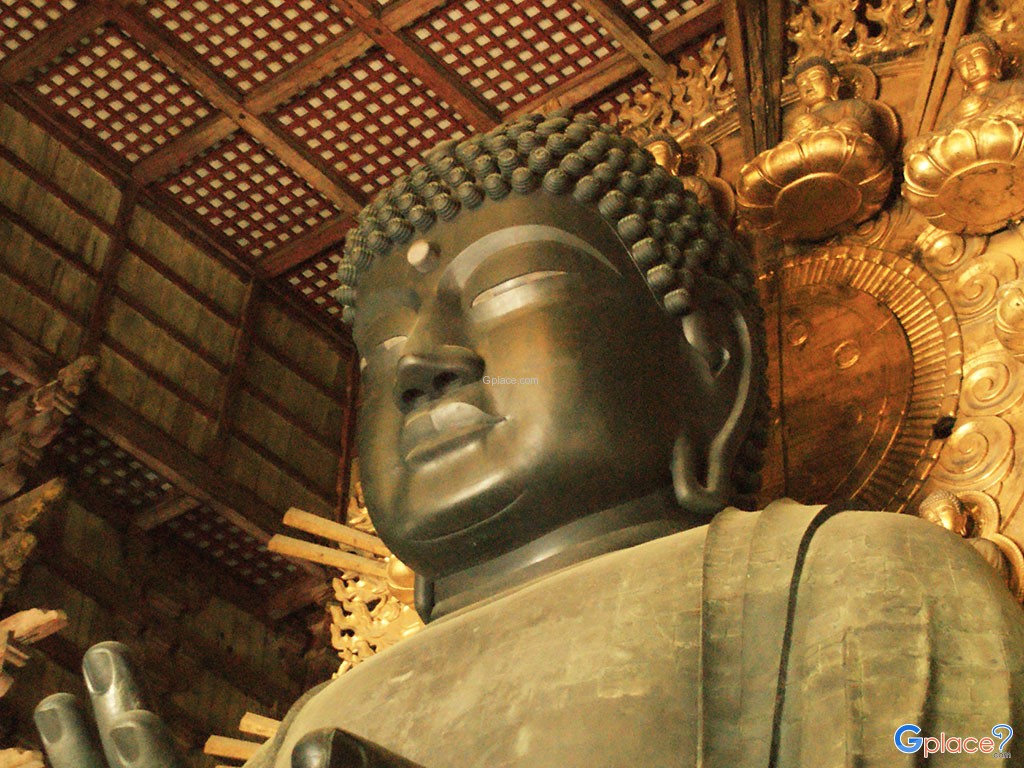
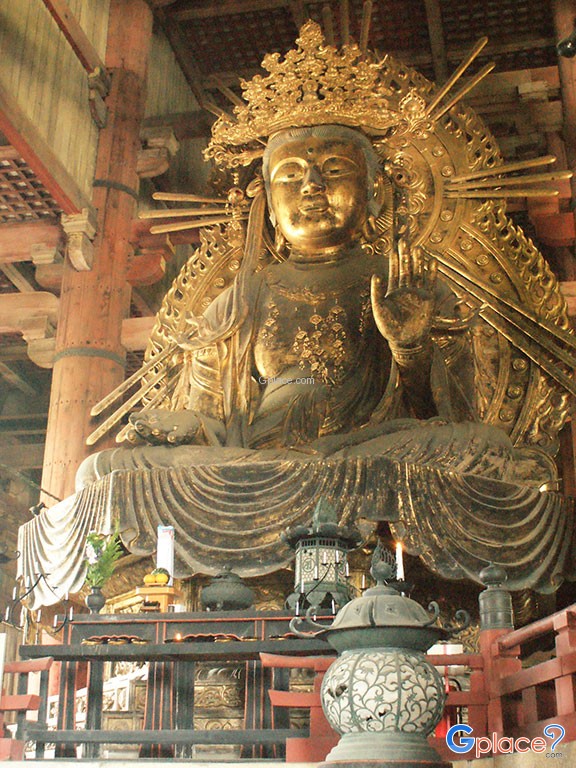
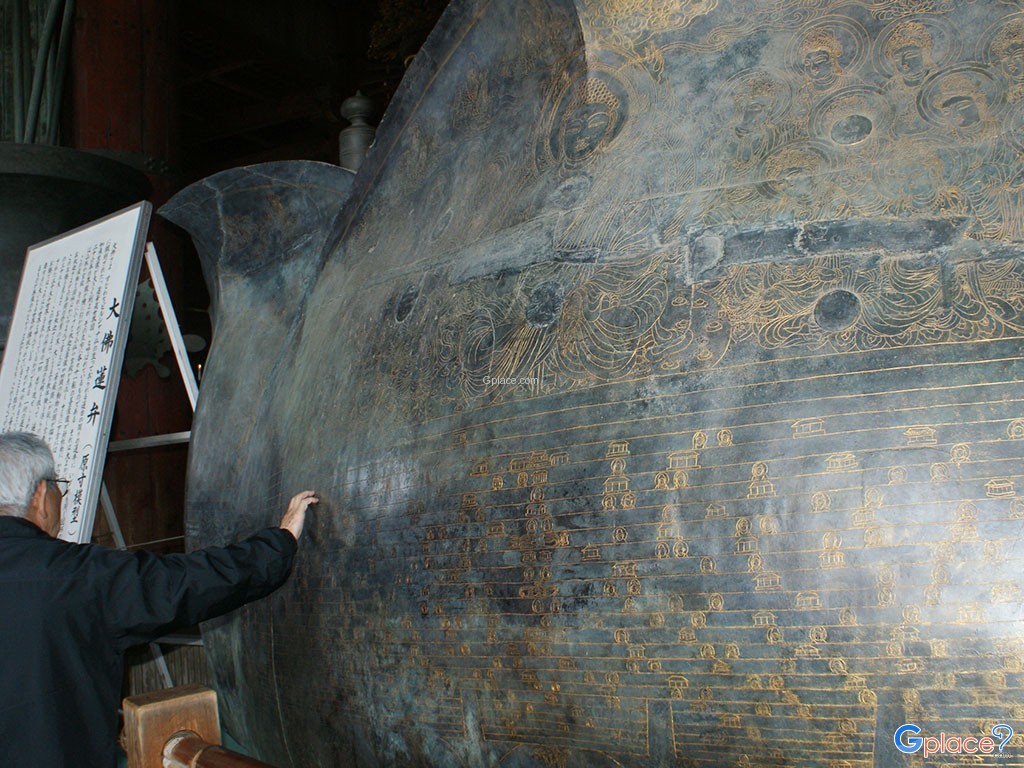
“Home to the iconic Great Buddha, Todai-ji represents the height of Buddhist devotion, imperial ambition, and monumental wooden architecture in Japan. ”
Todai-ji was founded during the Tempyo era, a time when Japan suffered from repeated natural disasters and widespread epidemics that caused immense human suffering. In 743 CE, Emperor Shomu proclaimed that the people should unite to construct a great Buddha statue, believing that Buddhist devotion could protect the nation and relieve the population from calamities.
According to records preserved at Todai-ji, more than 2.6 million people participated in the construction process. The casting of the Great Buddha initially began in Shigaraki, but after severe fires and earthquakes resulted in many deaths, the project was relocated to Nara in 745 CE. The statue and its hall were finally completed in 752 CE.
In the following year, a grand Eye-Opening Ceremony was held to celebrate the completion of the Great Buddha. The ritual was conducted by an Indian monk named Bodai-senna, and historical accounts state that approximately 10,000 people attended the ceremony. Afterward, Emperor Shomu declared Todai-ji the provincial temple of Yamato and the central temple overseeing all Buddhist temples throughout the Japanese empire.
With a history spanning more than 1,200 years, Todai-ji is deeply intertwined with the political, religious, and cultural development of Japan. Although the temple was known by various names in its early years, the name “Todai-ji” officially appeared in historical chronicles in 747 CE. The temple was conceived not only as a place of worship but as a national institution symbolizing the unity of Buddhism and state authority.
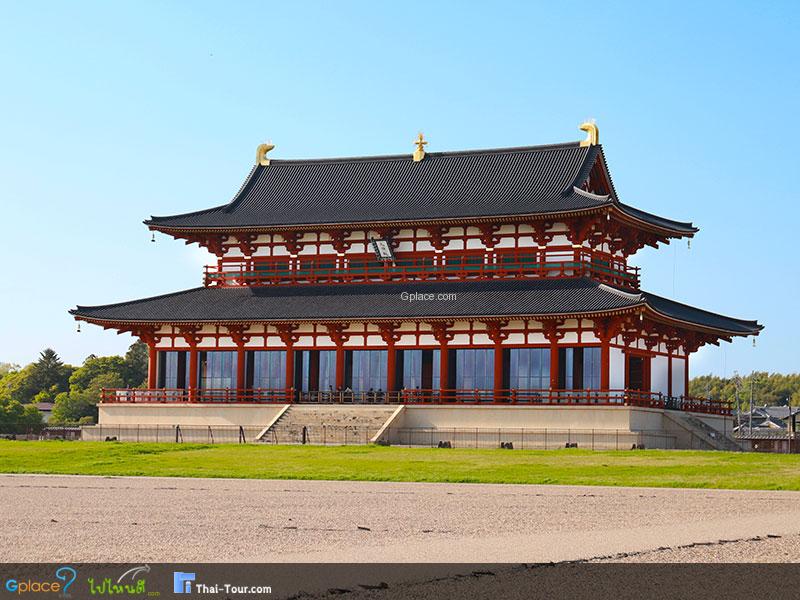
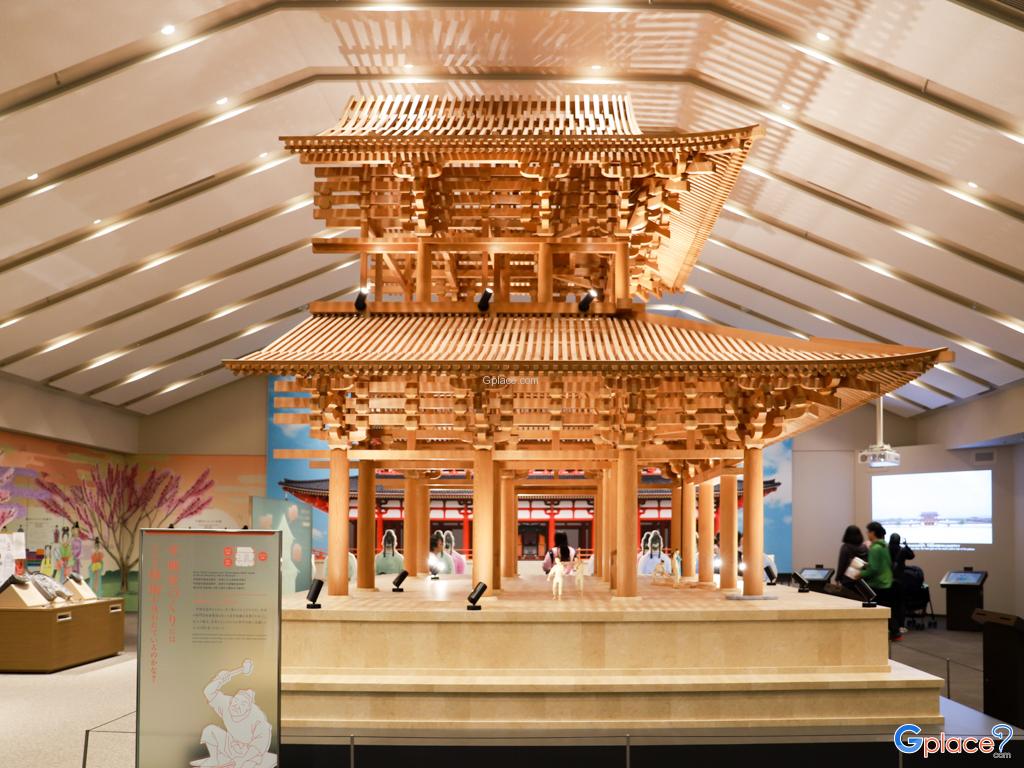
The heart of the complex is the Daibutsuden (Great Buddha Hall), which remains one of the largest wooden structures ever built. Although the current hall, reconstructed in 1709, is about 30 percent smaller than the original 8th-century structure, its massive scale still leaves visitors in awe.
Inside the hall sits the Great Buddha (Daibutsu), the largest bronze Buddha statue in Japan, standing approximately 15 meters tall. Behind the statue is a famous wooden pillar with a hole at its base, said to be the same size as the Buddha’s nostril. According to legend, anyone who can pass through the hole will attain enlightenment in their next life.
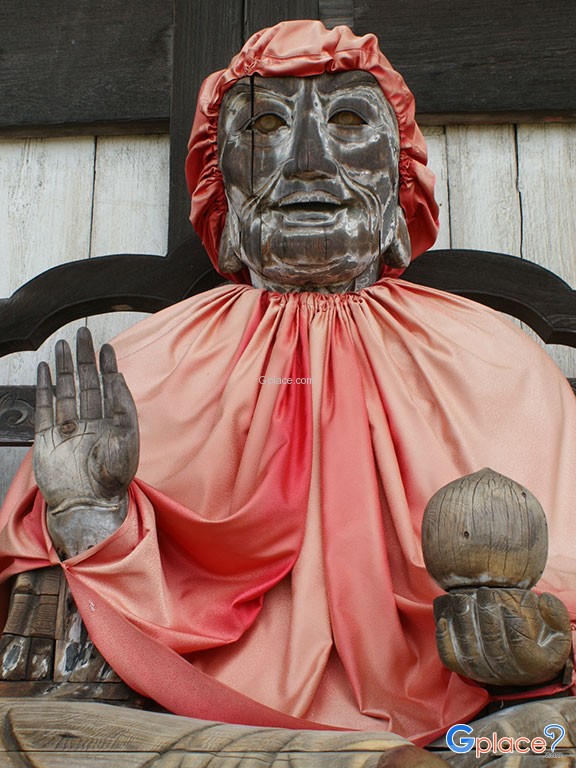
In front of the hall stands an ancient wooden statue dressed in red (Binzuru), believed by locals to possess healing powers. Visitors traditionally touch the part of the statue corresponding to an ailment and then touch the same part of their own body, hoping for recovery—a folk belief passed down through generations.
How to Get There
-
From JR Nara Station: Take a city bus bound for Todai-ji Daibutsuden and get off at Todai-ji Daibutsuden stop (about 10–15 minutes).
-
From Kintetsu Nara Station: Walk approximately 20 minutes through Nara Park.
-
On Foot: Easily accessible from other major Nara attractions within Nara Park.
Travel Tips
-
Visit early in the morning to avoid large tour crowds.
-
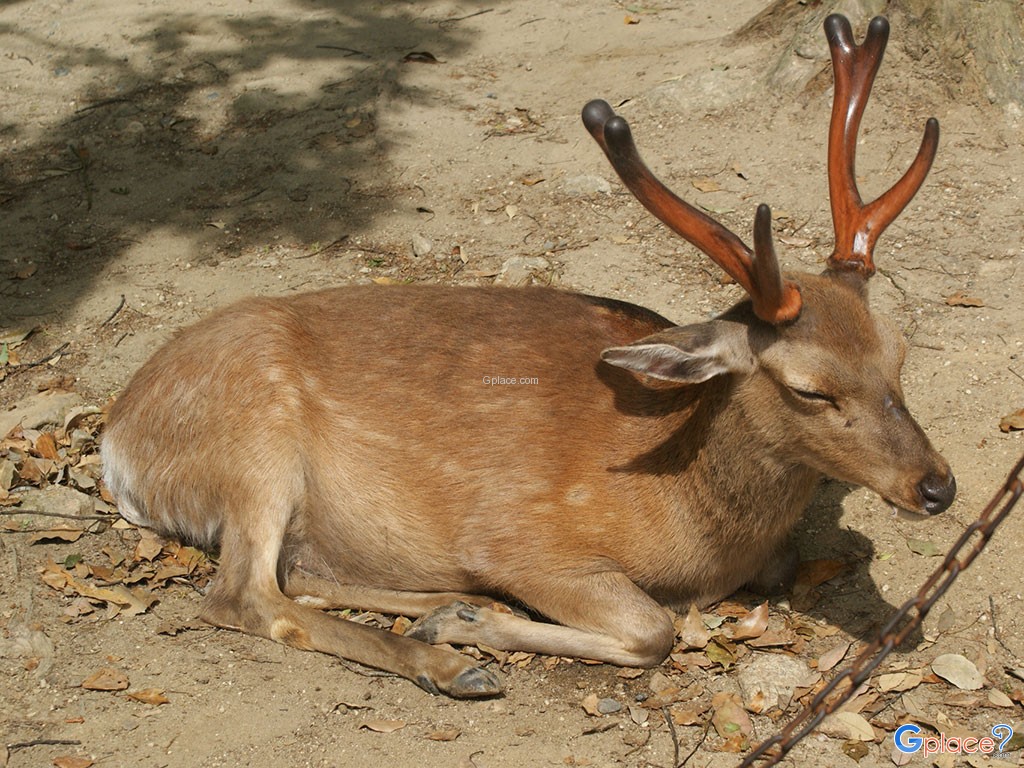
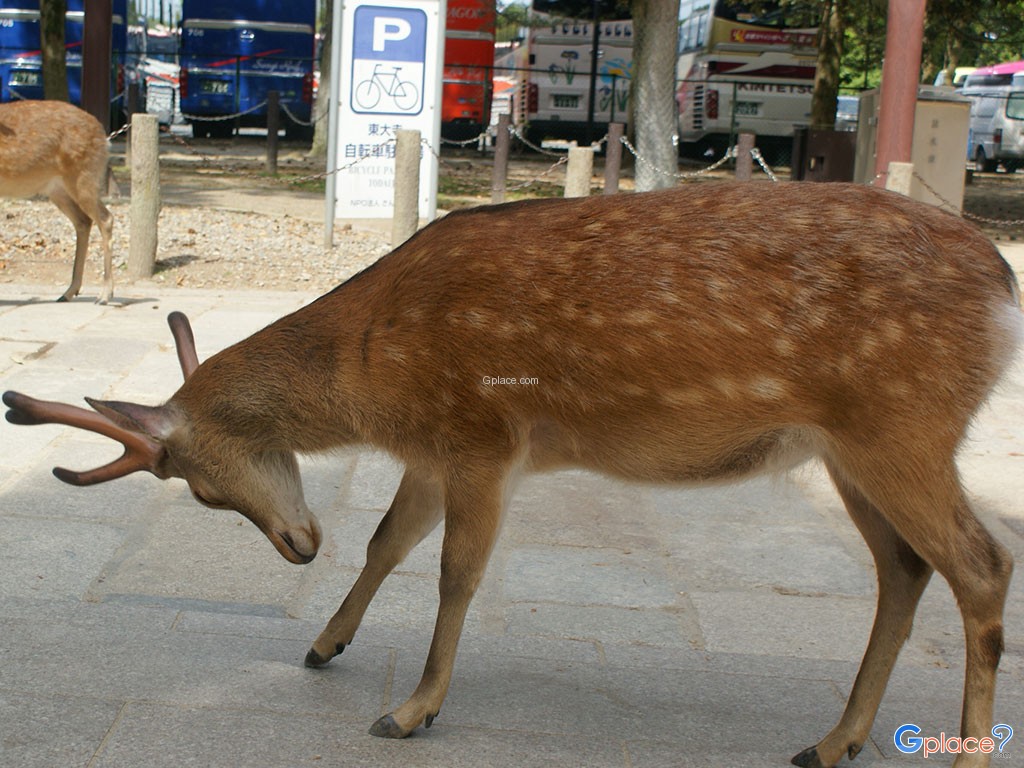
Allow extra time to explore Nara Park and interact with the sacred deer.
-
Be cautious with belongings around deer, as they may nibble bags or paper items.
-
Photography is allowed inside the Daibutsuden, but flash is prohibited.
Admission Fee:
-
Daibutsuden Hall: Approximately JPY 600 for adults
-
Discounts may apply for children and groups
Opening Time:
-
April – October: 8:00 AM – 5:00 PM
-
November – March: 8:00 AM – 4:30 PM
(Last admission is usually 30 minutes before closing)
Todai ji Temple

 Share
Share
 406-1 Zoshicho, Nara, 630-8211 Japan
Map
406-1 Zoshicho, Nara, 630-8211 Japan
Map
 Open now : 8.00 - 16.30
Mon8.00 - 16.30
Tue8.00 - 16.30
Wed8.00 - 16.30
Thu8.00 - 16.30
Fri8.00 - 16.30
Sat8.00 - 16.30
Sun8.00 - 16.30



 2297
2297