 Attractions
  Hotel
Hotel  Restaurant
  Shopping
  Abroad





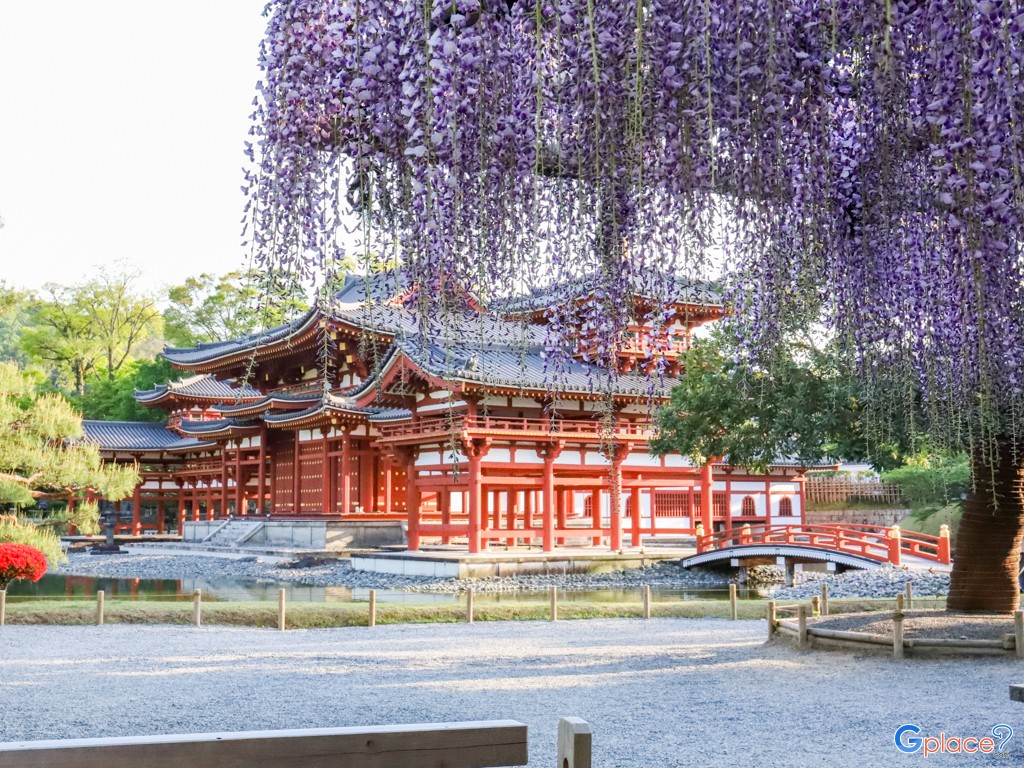


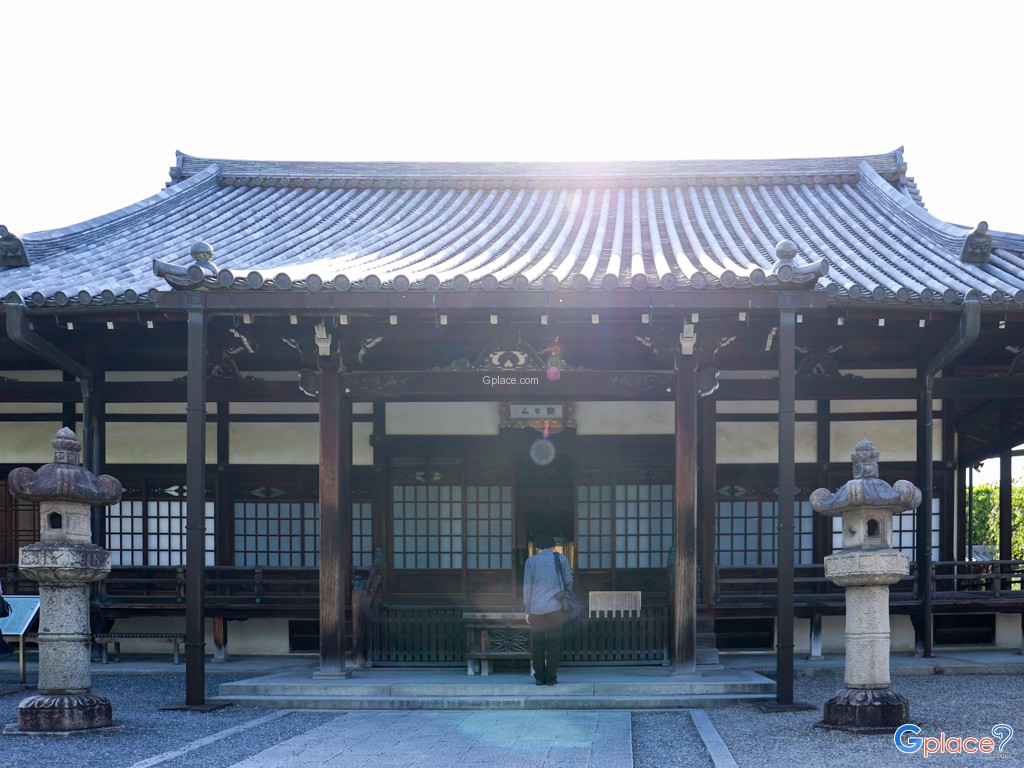

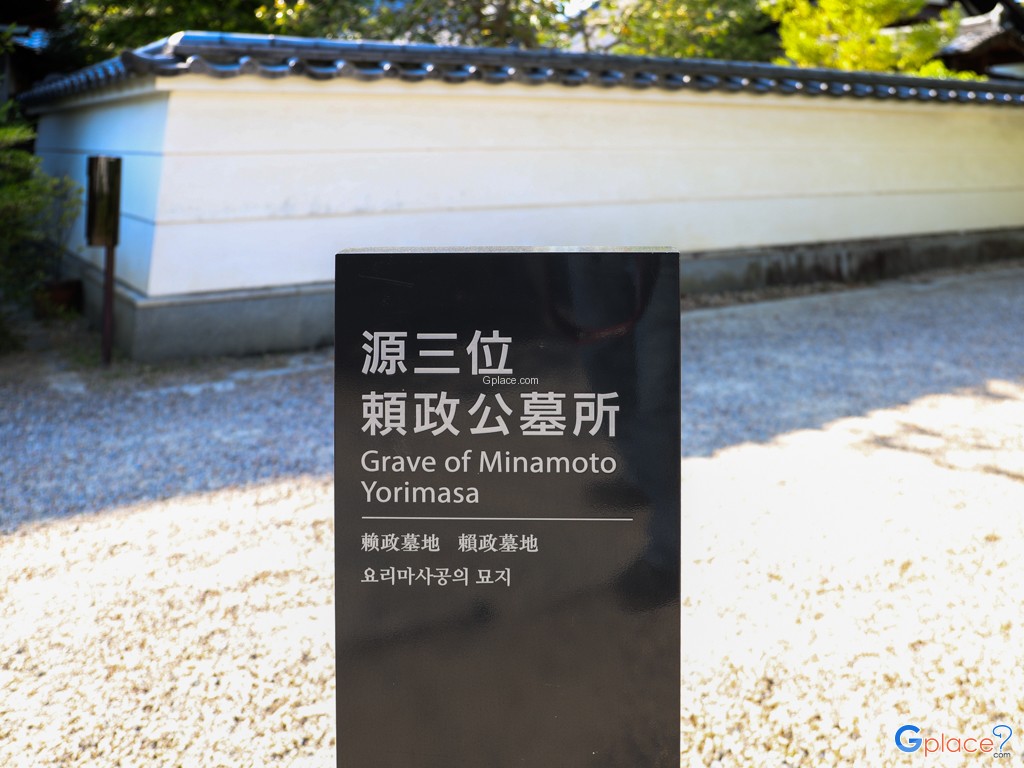
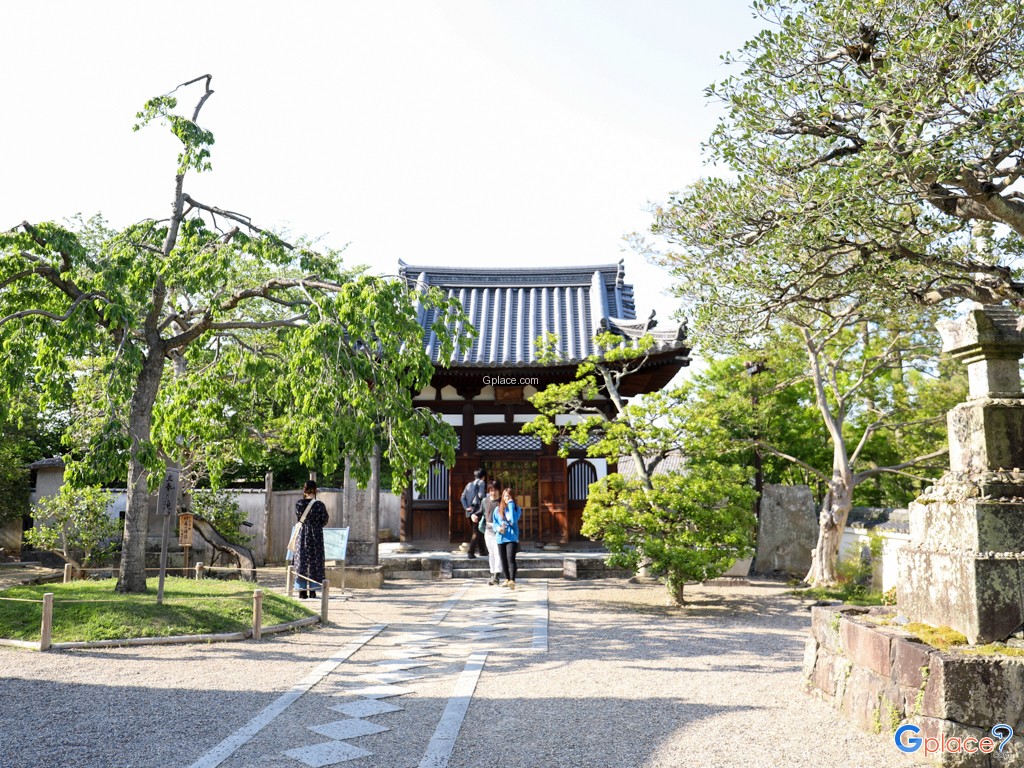
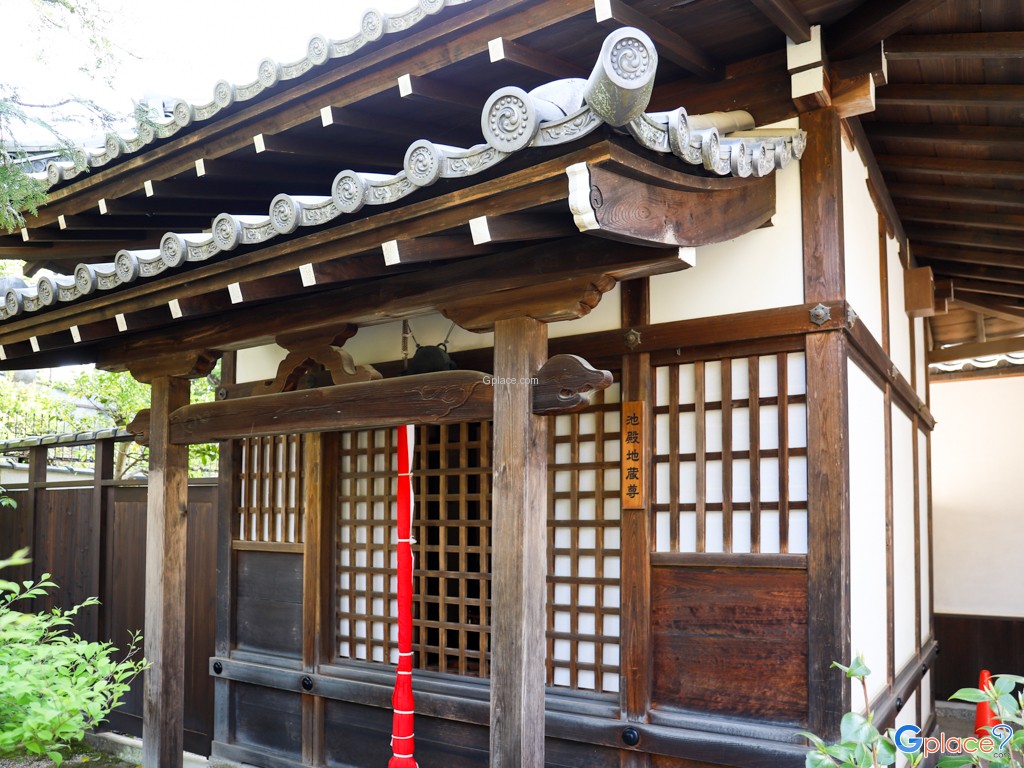
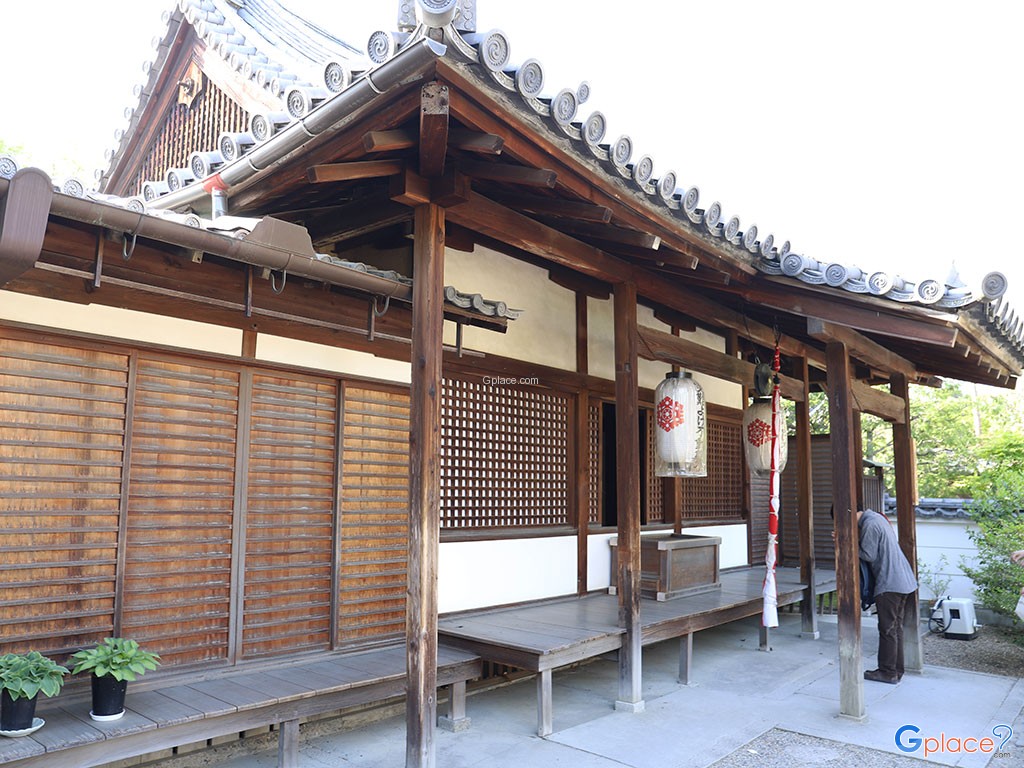
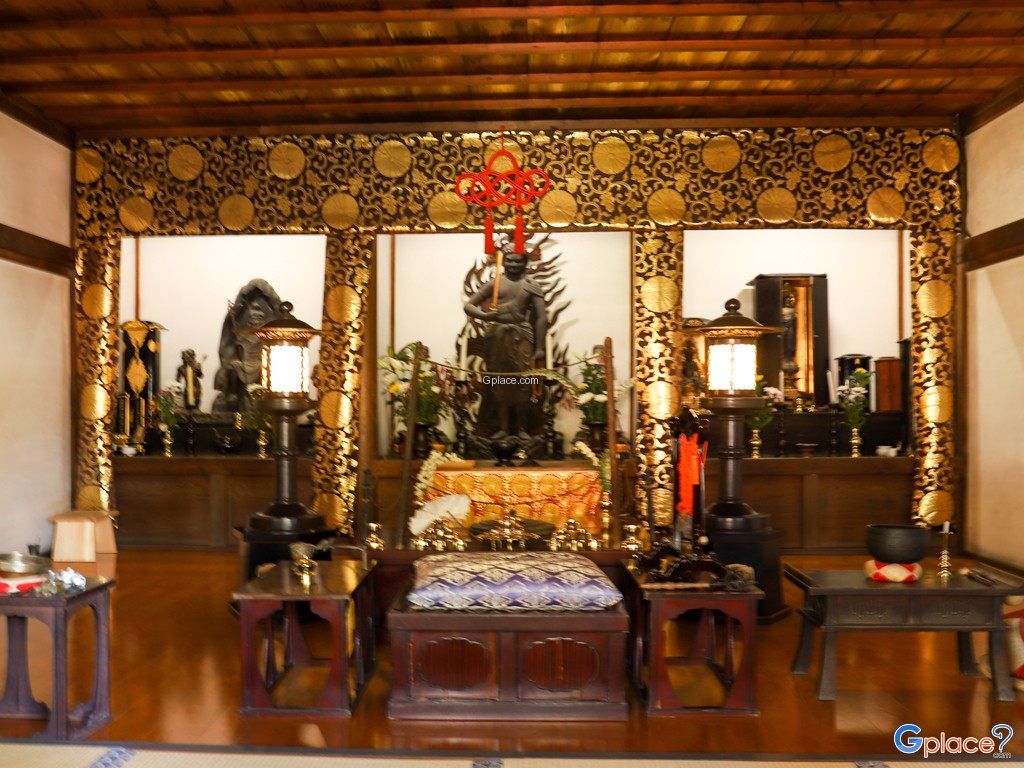
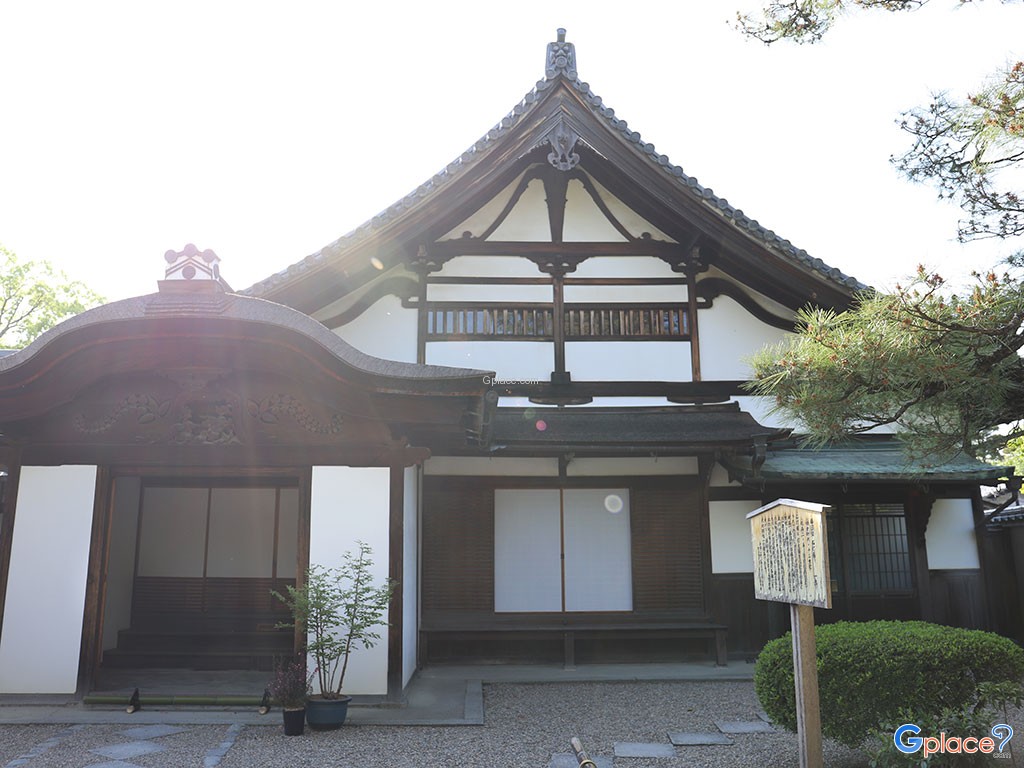
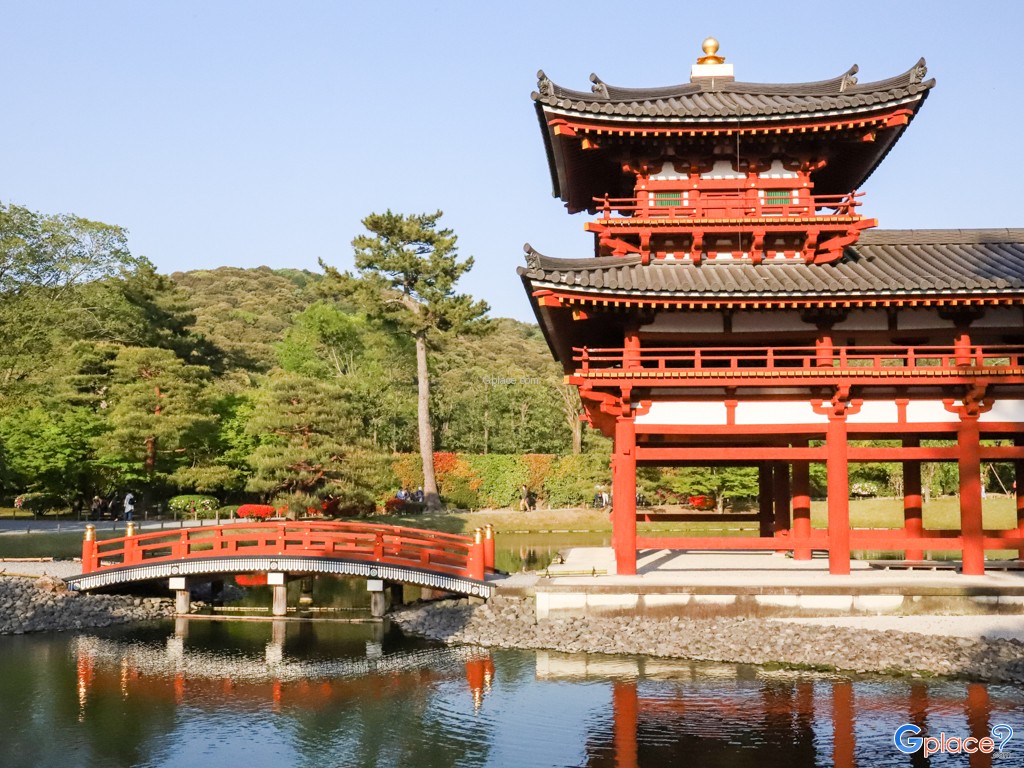
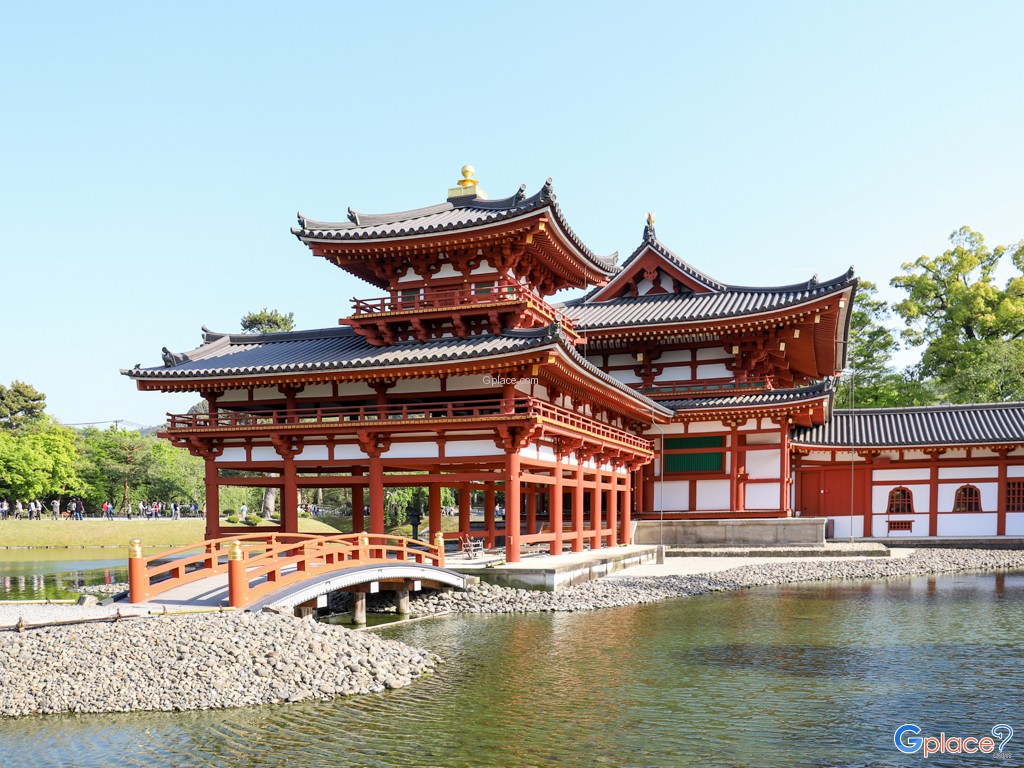
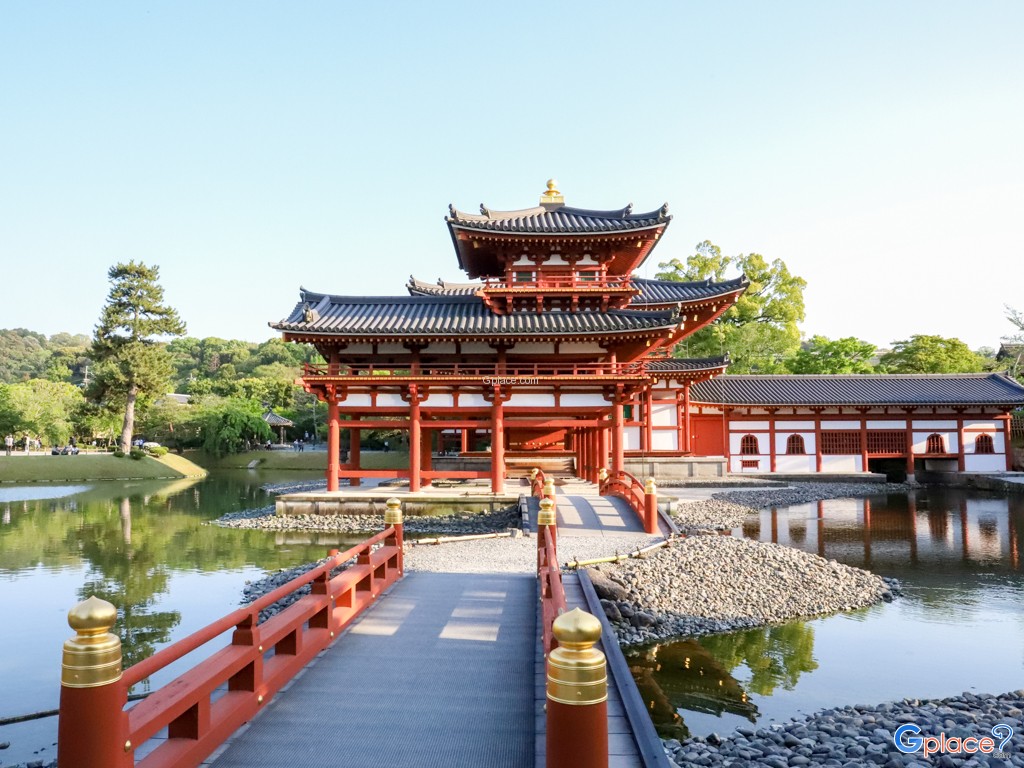
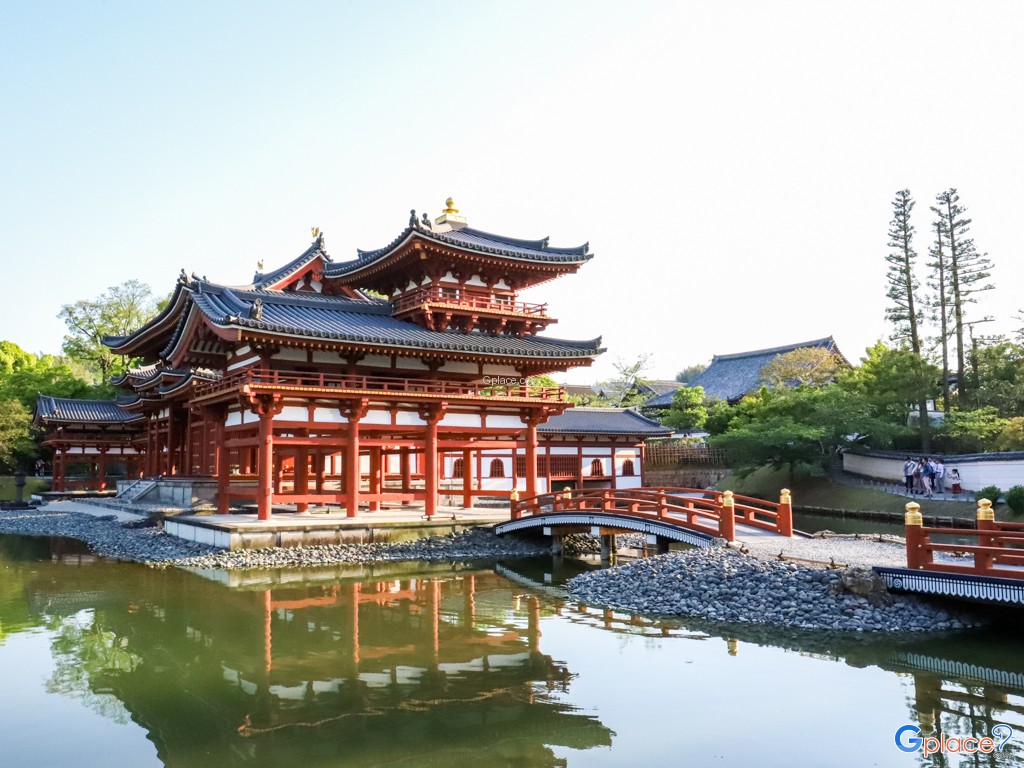
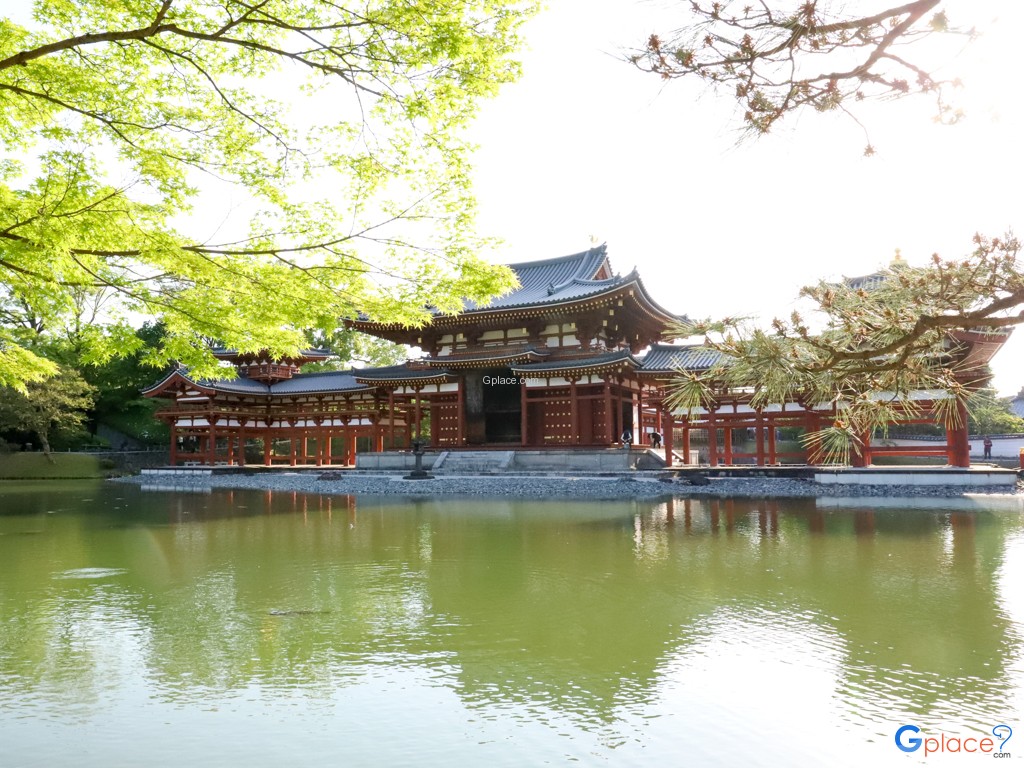
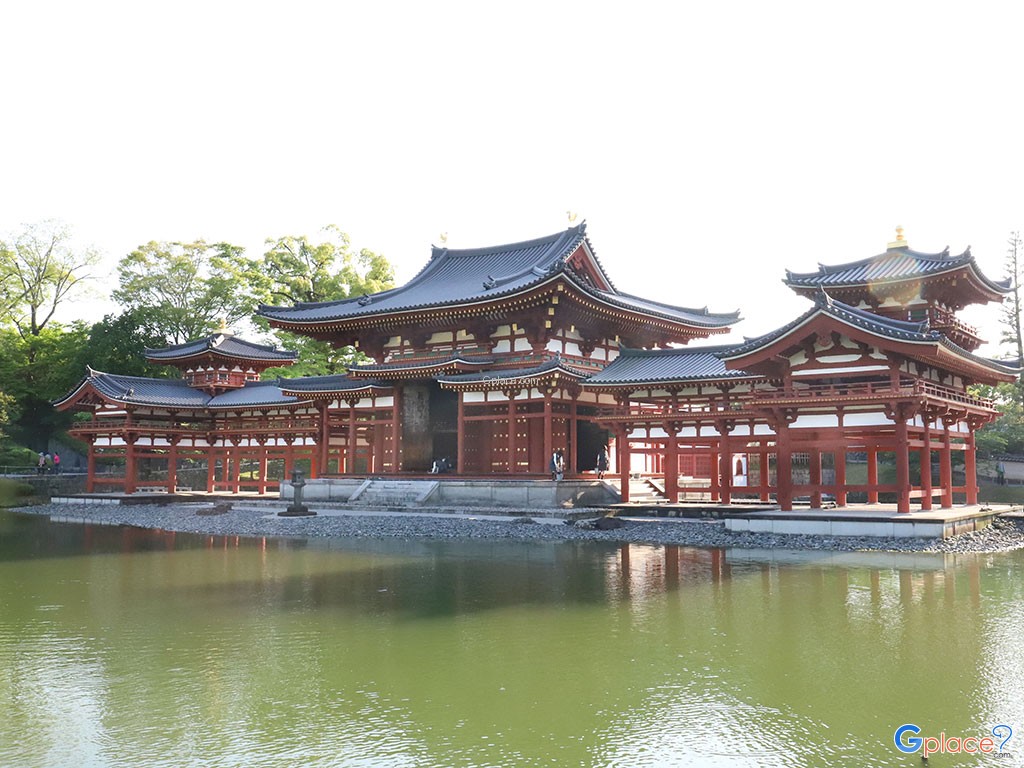
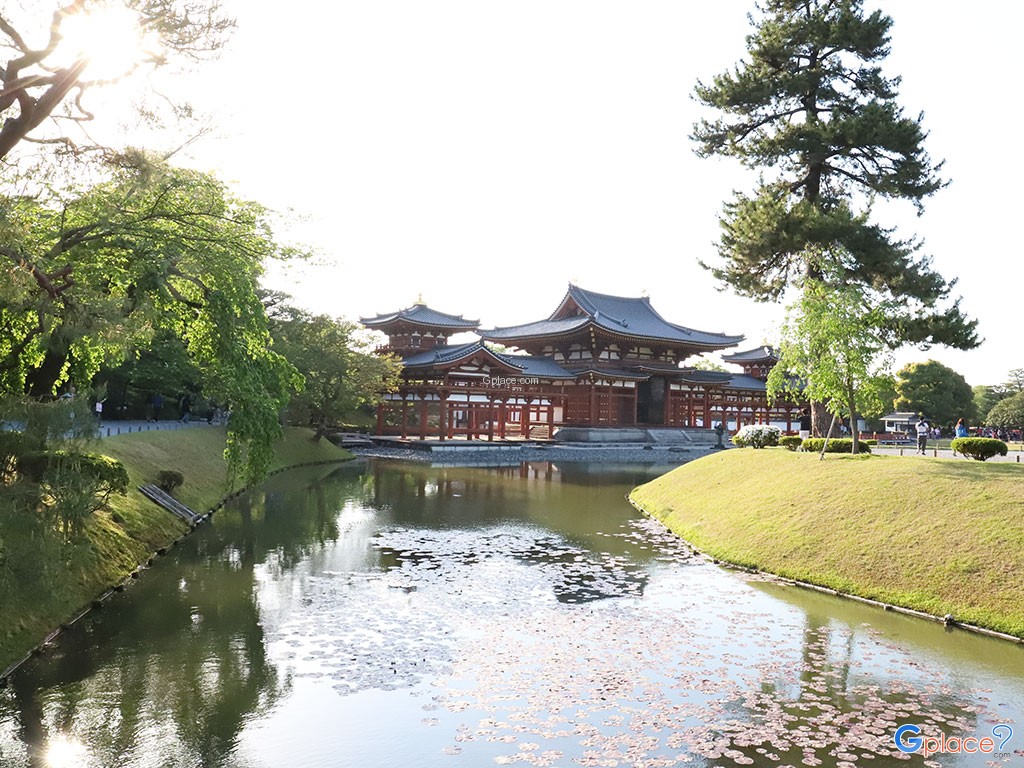
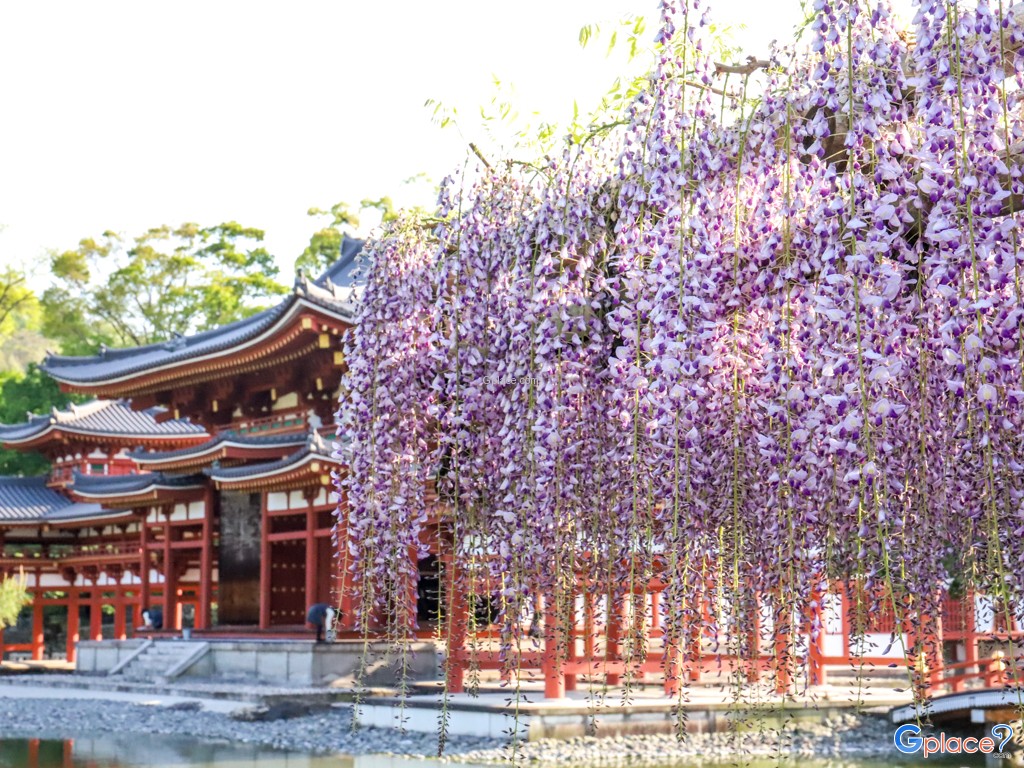

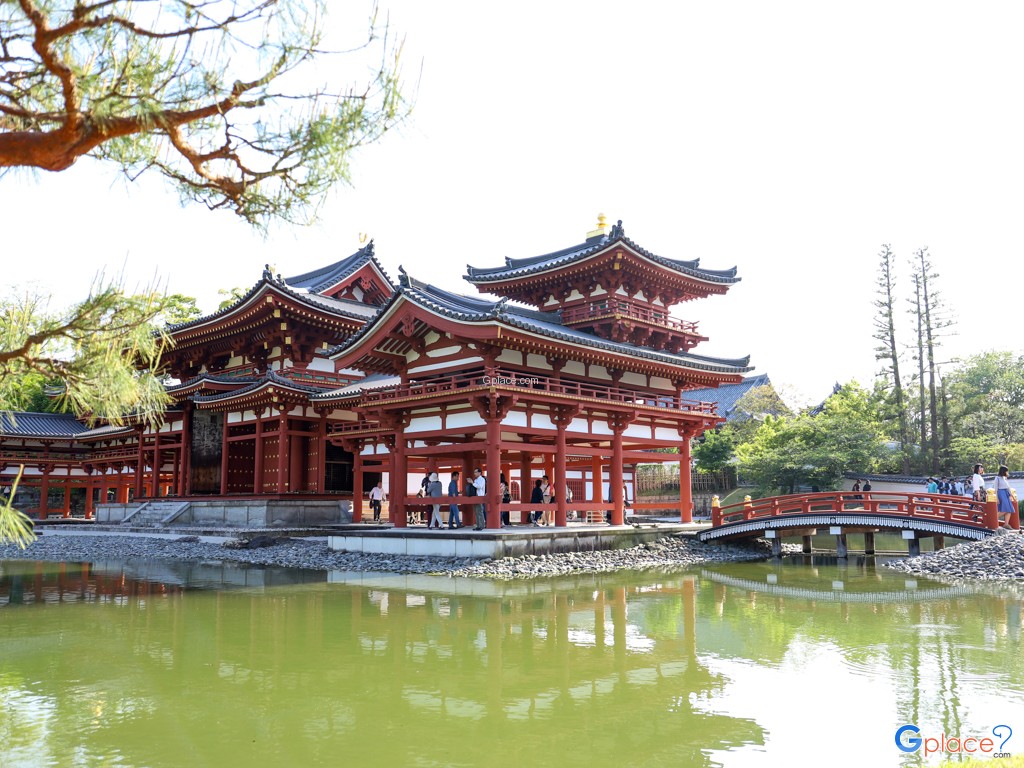
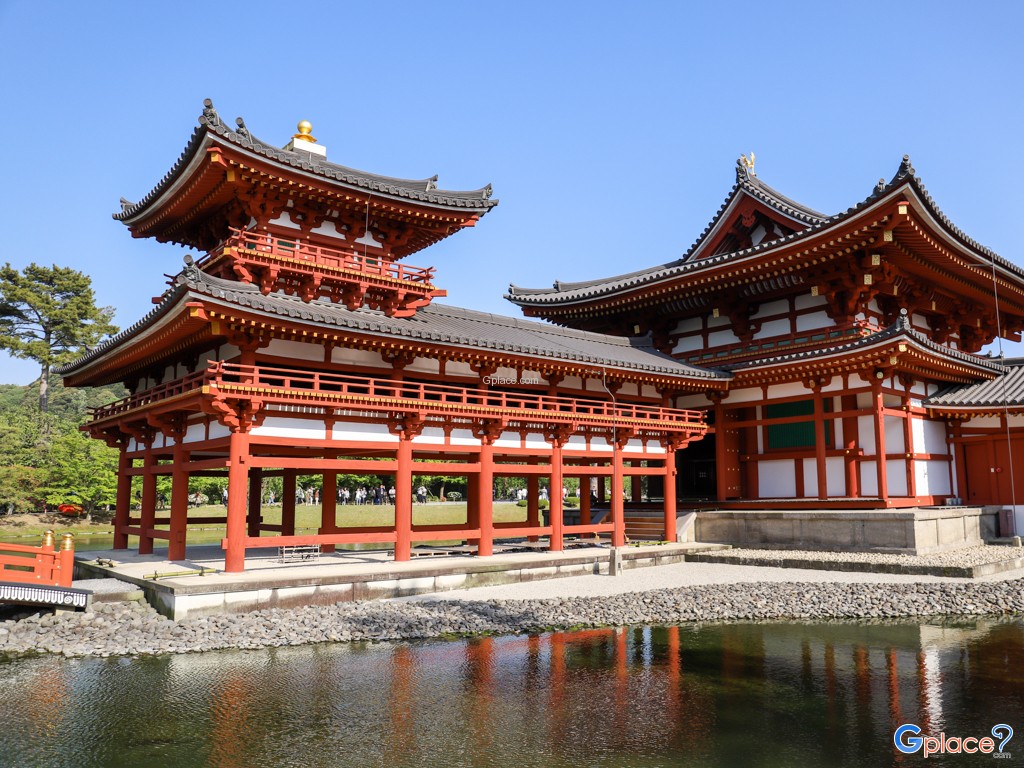
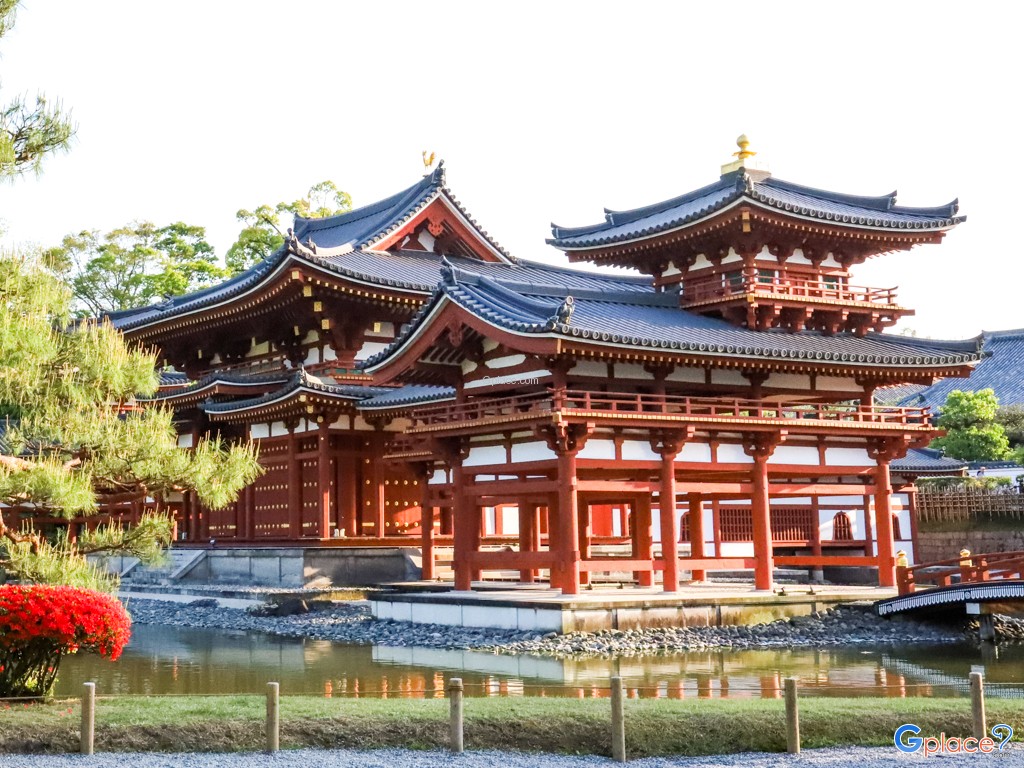
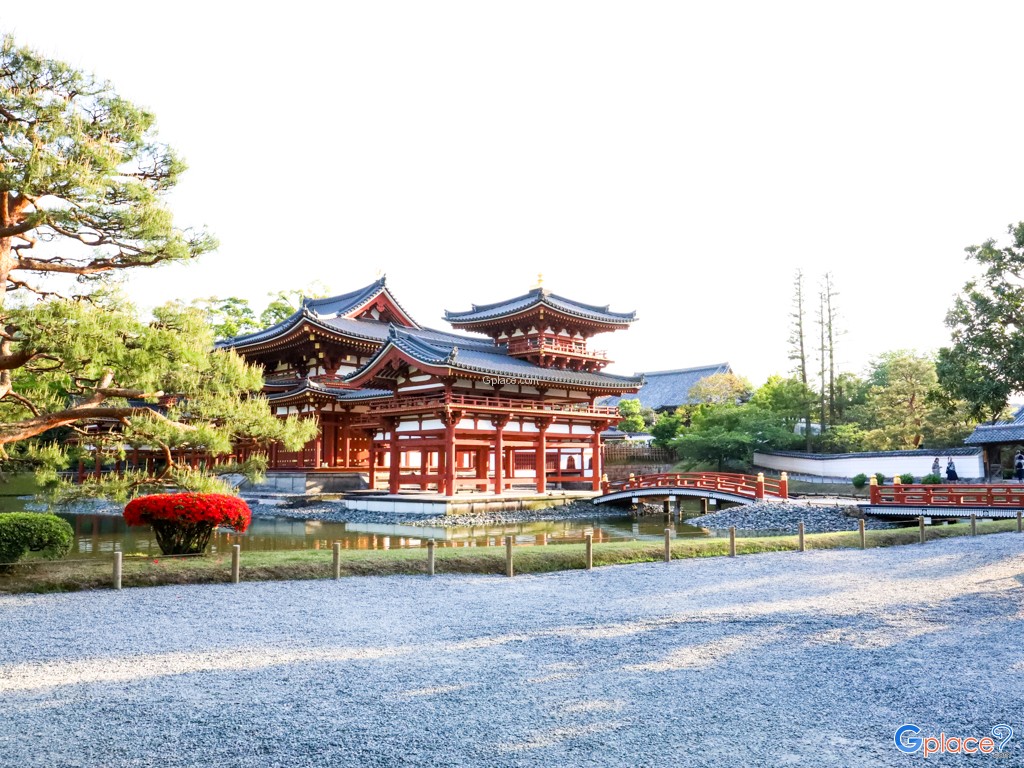
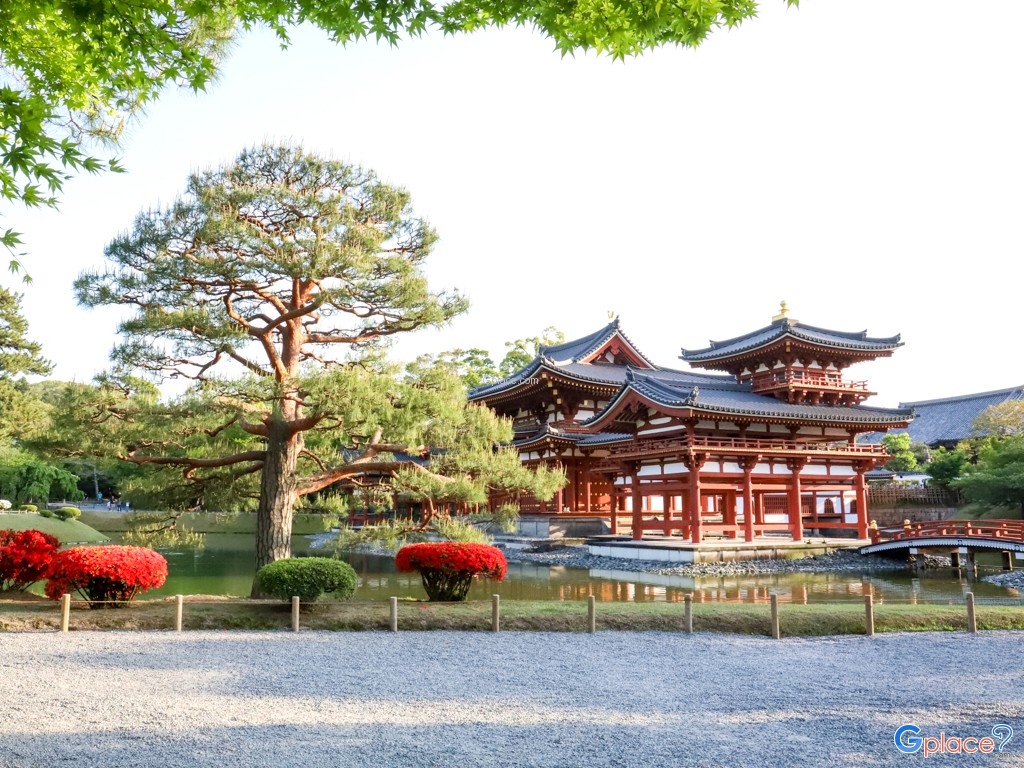
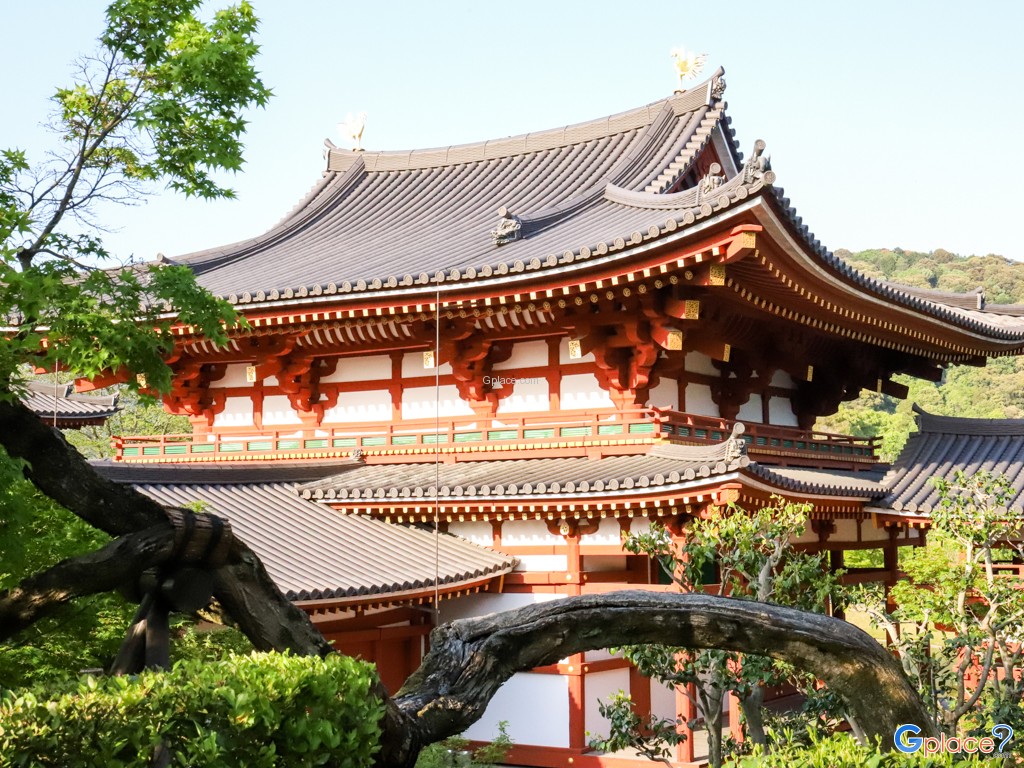
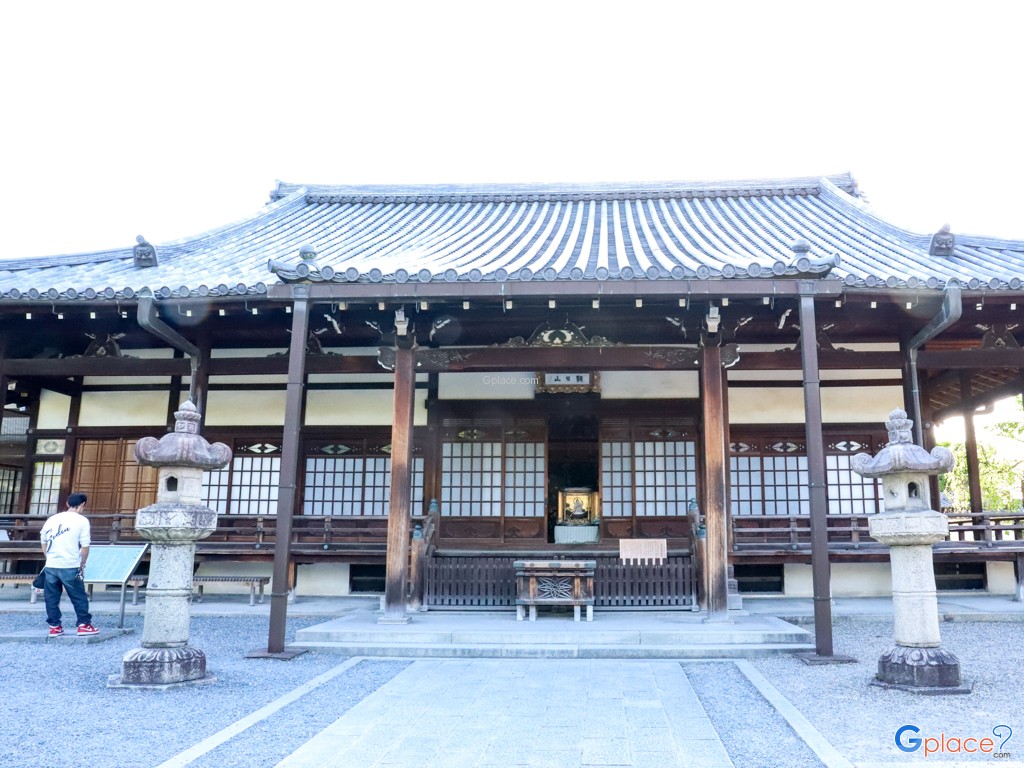
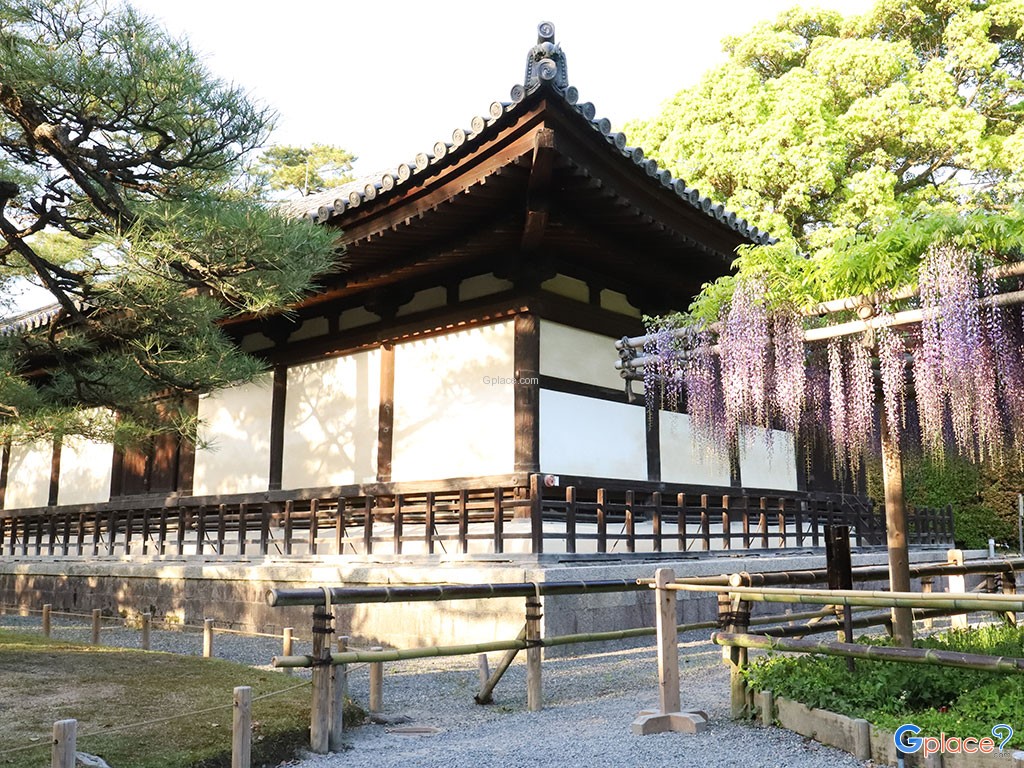
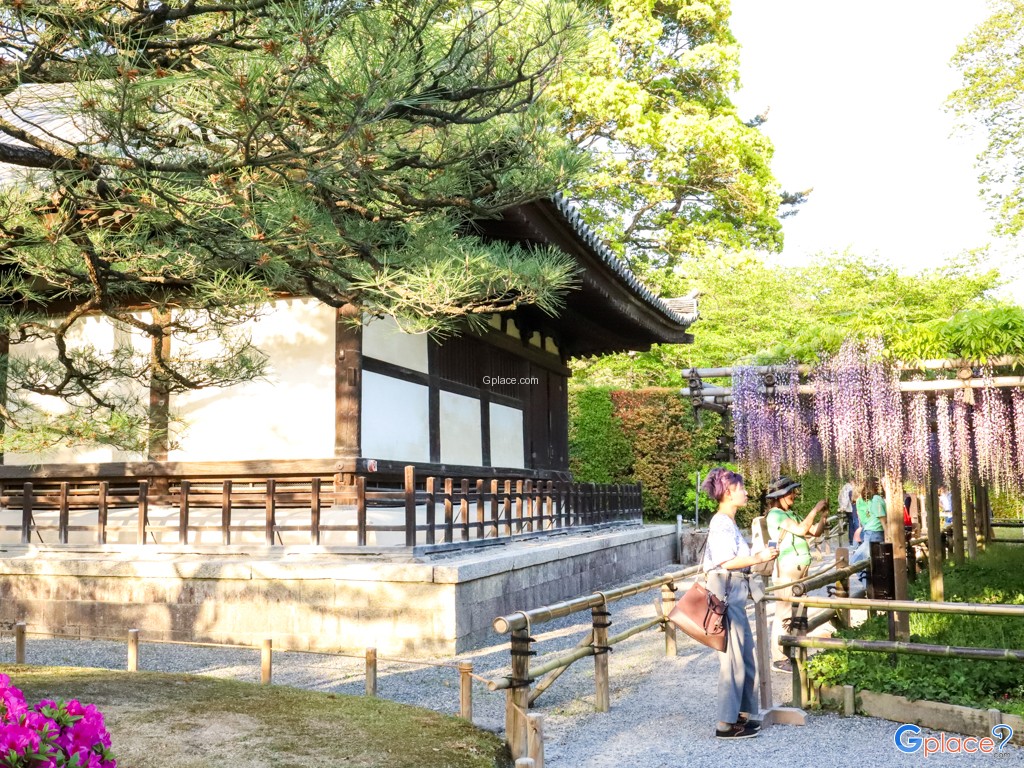
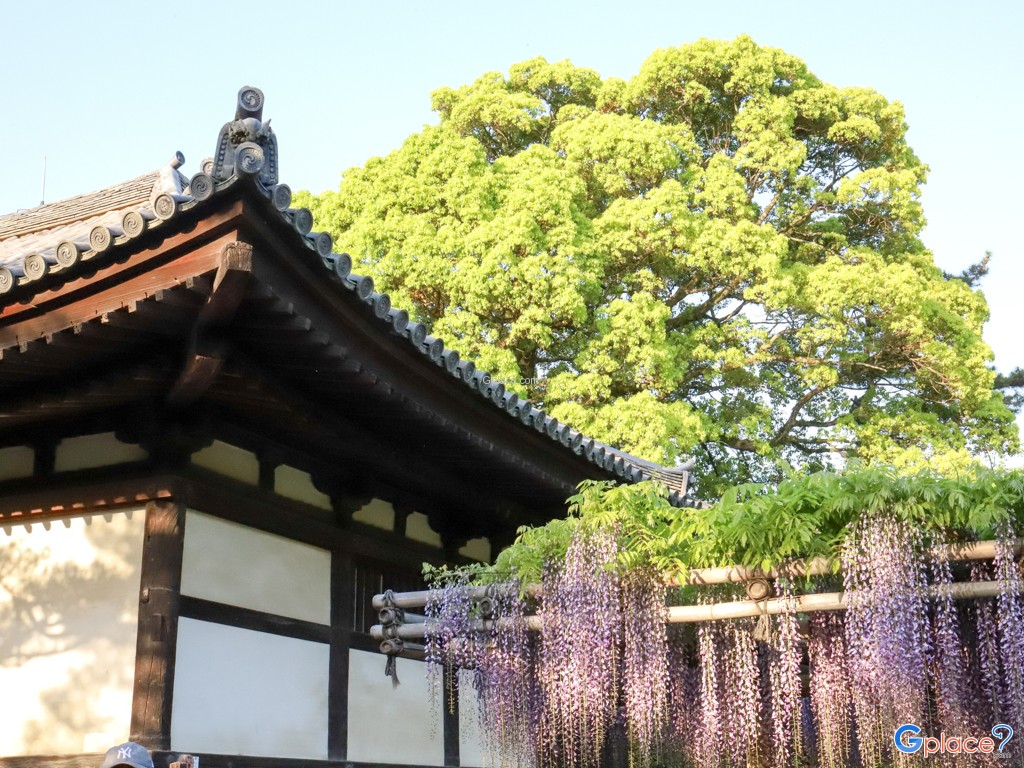
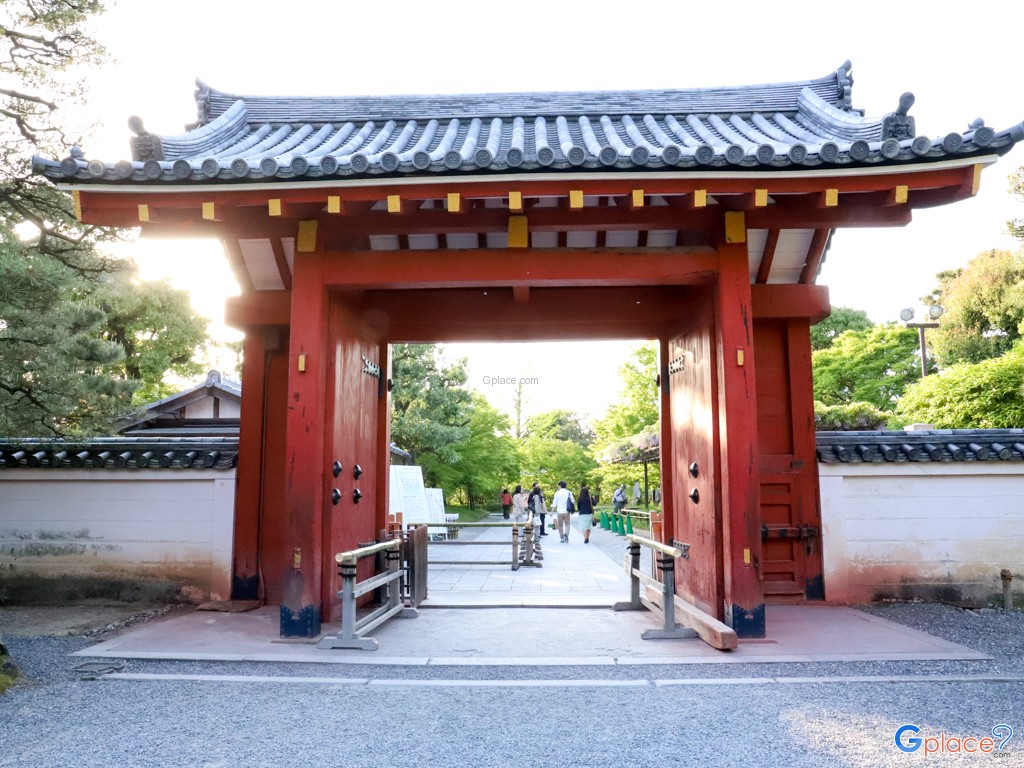
“A supreme masterpiece of Heian-period Pure Land Buddhism, Byodoin Temple visually manifests the Buddhist Western Paradise through its island-built Phoenix Hall, sacred pond, and transcendent sculptural art.”
Byodoin was originally constructed in 998 as a rural villa for the aristocrat Minamoto no Shigenobu before being acquired by Fujiwara no Michinaga, the most powerful court noble of the Heian period. In 1052, amid the belief that society had entered Mappō—the age of decline of Buddhist law—his son Fujiwara no Yorimichi converted the estate into a Buddhist temple. The temple was conceived as a physical visualization of the Western Pure Land (Sukhavati), offering salvation through faith in Amida Buddha during an era of social and political anxiety.
The Phoenix Hall (Hōō-dō)
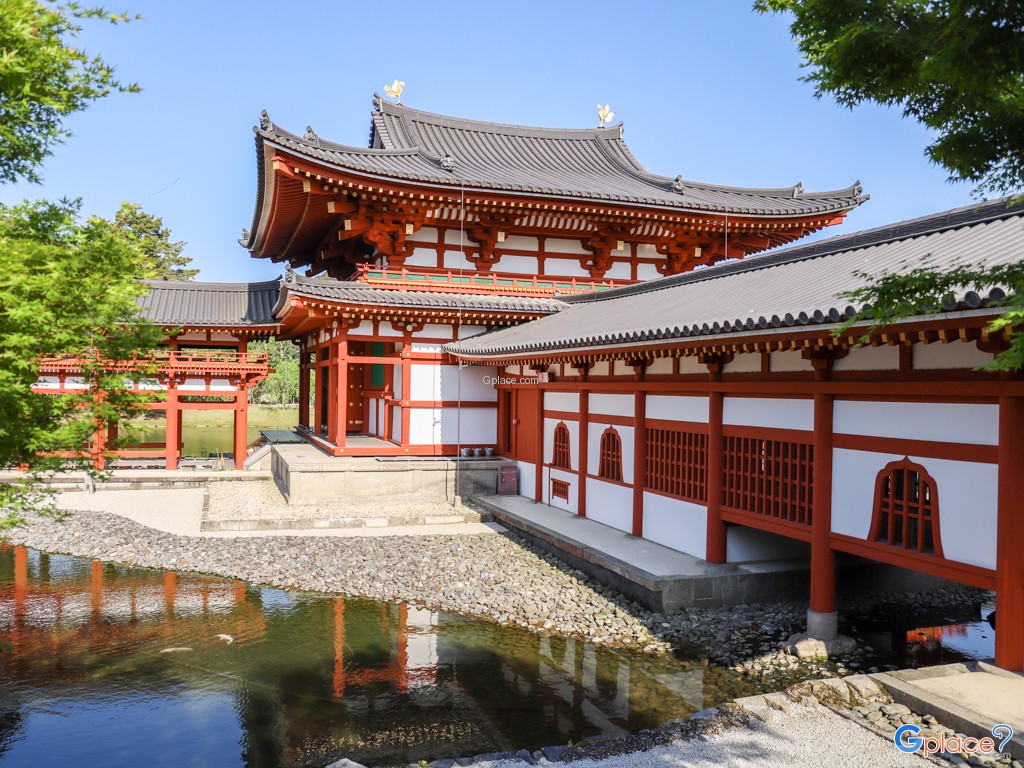
Completed in 1053, the Phoenix Hall is the temple’s architectural and spiritual centerpiece and the only original structure to survive centuries of fires and warfare.
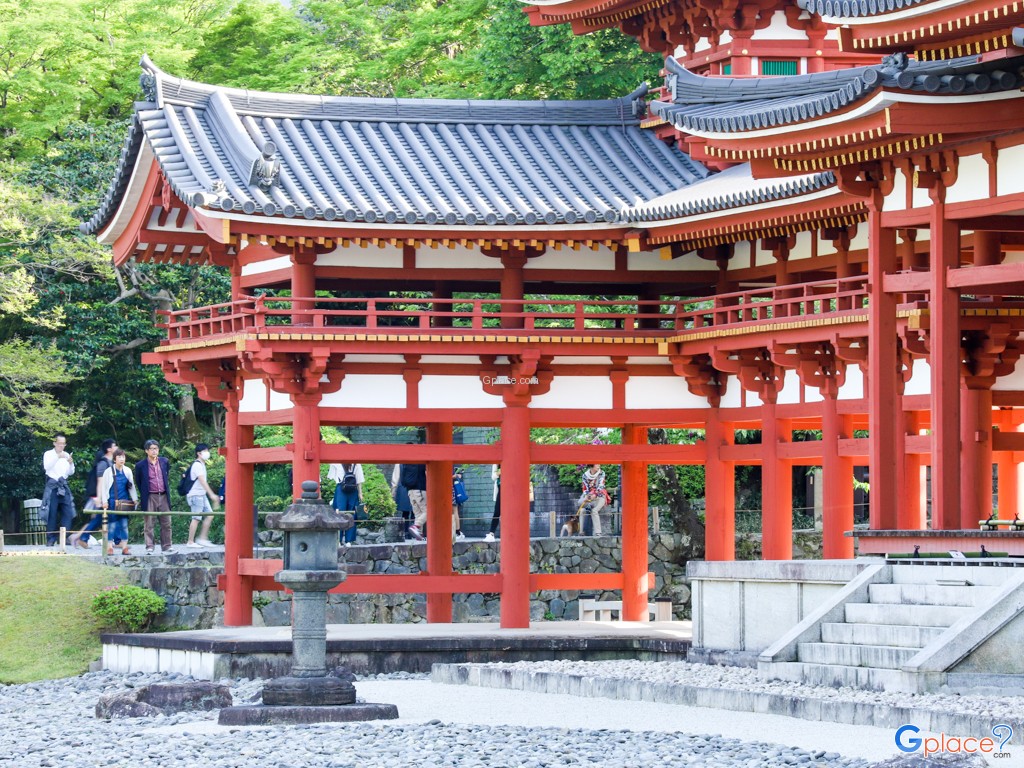
Architecturally, the hall consists of a central sanctuary, two L-shaped wing corridors, and a rear tail corridor. When viewed from above, the structure resembles a phoenix with outstretched wings. The hall is deliberately built on a small artificial island in the center of the Aji-ike Pond, a symbolic and engineering choice representing the separation between the impure human world (the shore) and the Pure Land (the hall itself). This design creates the celebrated illusion that the building is floating upon water.
The Phoenix Hall’s cultural importance is immortalized on Japan’s 10-yen coin, while the phoenix statues adorning its roof appear on the 10,000-yen banknote. The phoenix (Hō-ō) symbolizes peace and prosperity and was believed to appear only in times of righteous rule—its placement serving as a powerful prayer for the stability of the Fujiwara regency.
Artistic Masterpieces
At the heart of the Phoenix Hall sits a 2.8-meter-tall gilded wooden statue of Amida Nyorai, the only confirmed surviving work by the legendary sculptor Jōchō. This sculpture is the definitive masterpiece of the yosegi-zukuri (joined-wood) technique, which allowed for larger, more stable, and refined statues compared to earlier single-block carvings. Jōchō’s proportions and serene expression became the standard for Buddhist sculpture for centuries.
Surrounding the interior upper walls are 52 Unchū Kuyō Bosatsu (Bodhisattvas on Clouds), each uniquely carved and depicted playing musical instruments, dancing, or praying as they accompany Amida Buddha’s descent. 26 figures remain inside the Phoenix Hall, while the other 26 are preserved in the museum for protection and close-up viewing.
The Hoshokan Museum
The Hoshokan Museum is a modern, mostly underground facility designed to preserve the temple’s treasures in a climate-controlled environment. Highlights include the original 11th-century bronze phoenixes, 26 Bodhisattvas on Clouds, and the Byodoin Temple Bell. This bell is considered one of the three most famous bells in Japan, renowned for its exquisite relief carvings of lions and phoenixes. Notably, it lacks a defined striking point, as the entire surface is treated as a sacred work of art.
Pure Land Garden
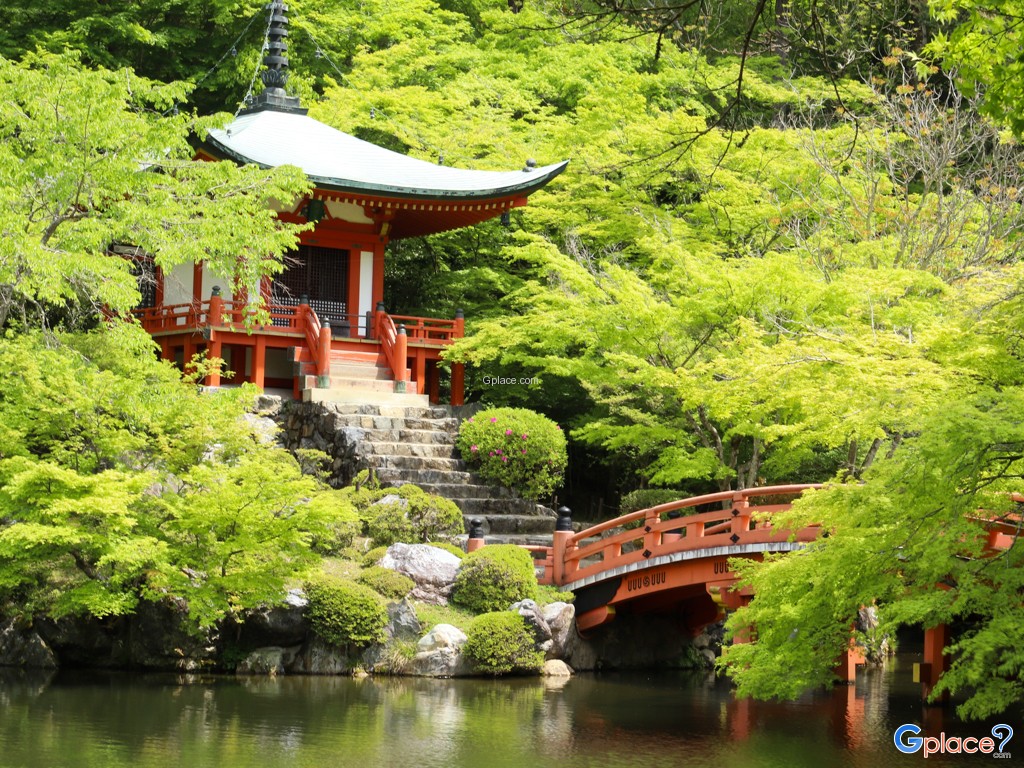
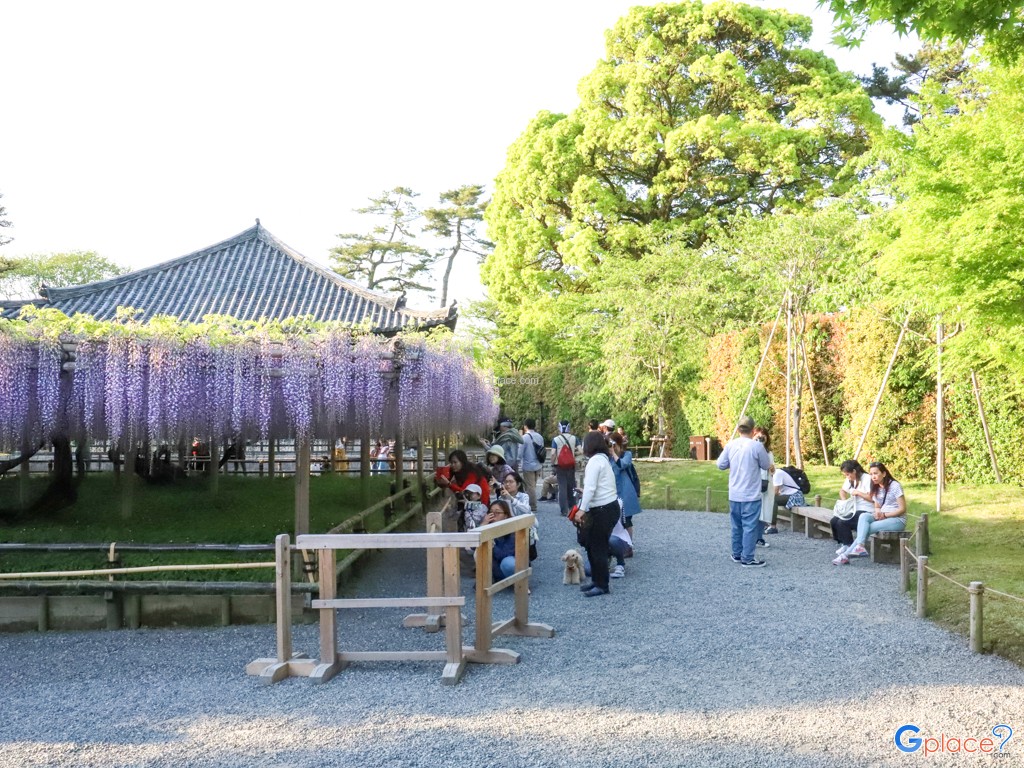
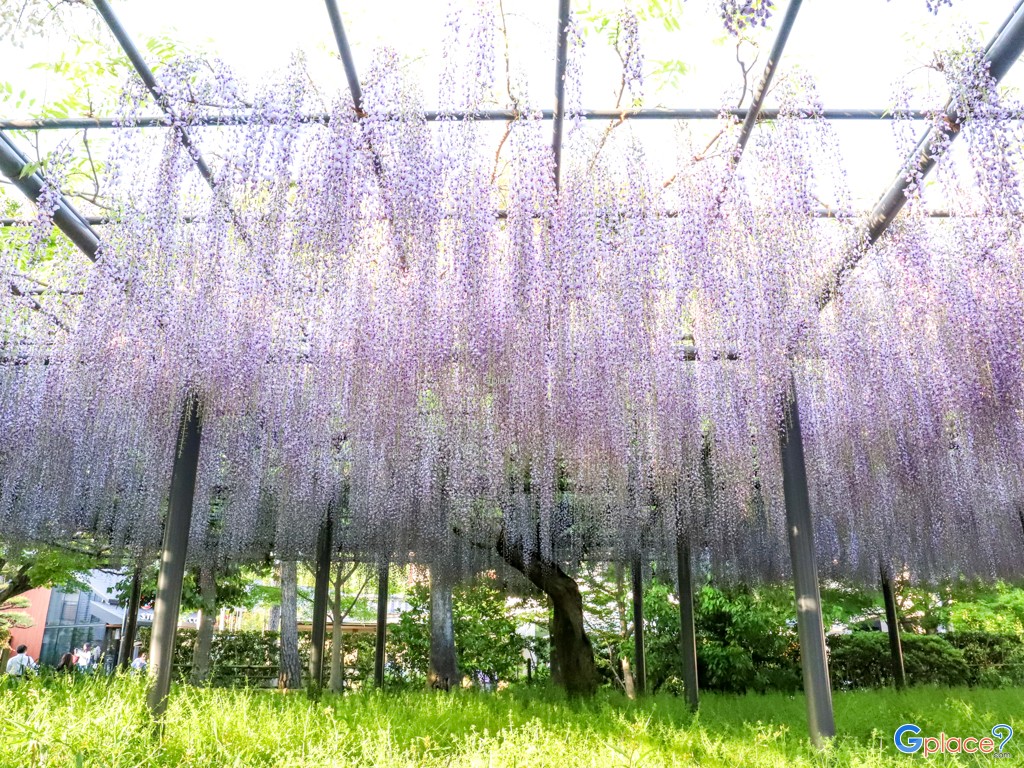
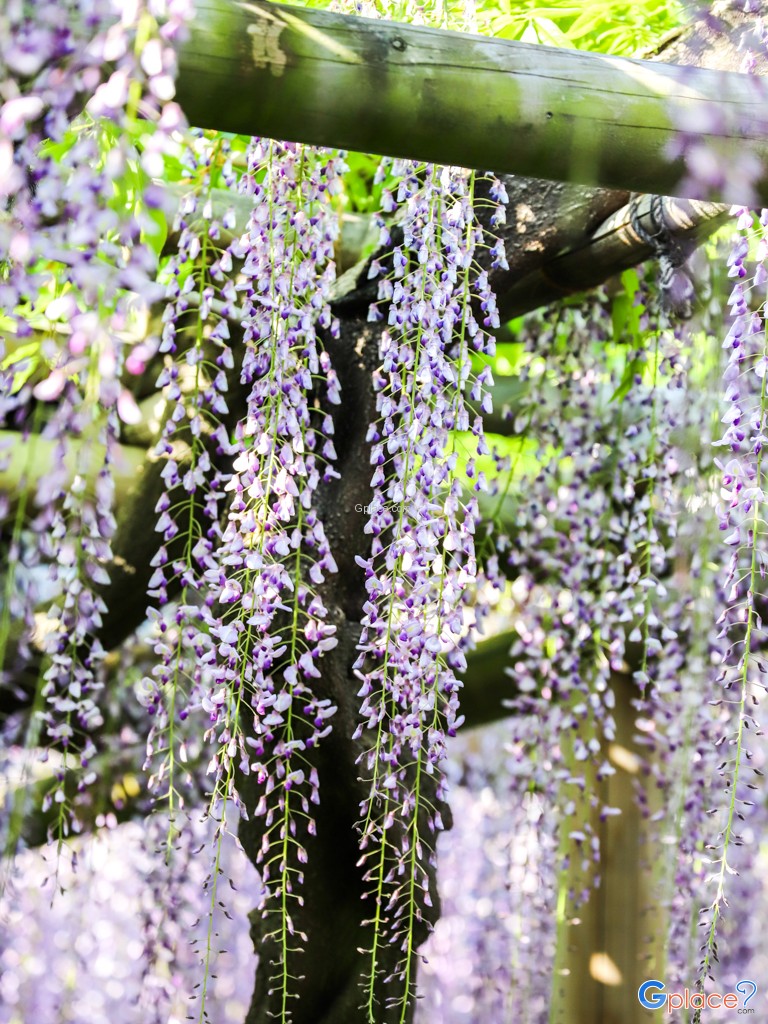
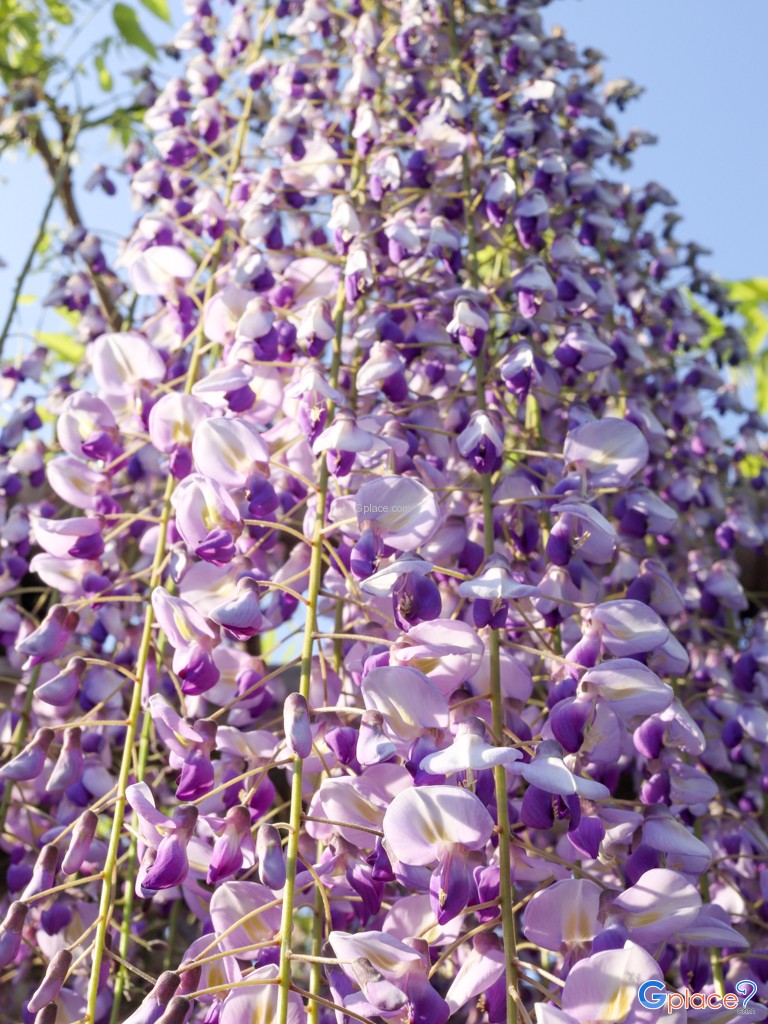
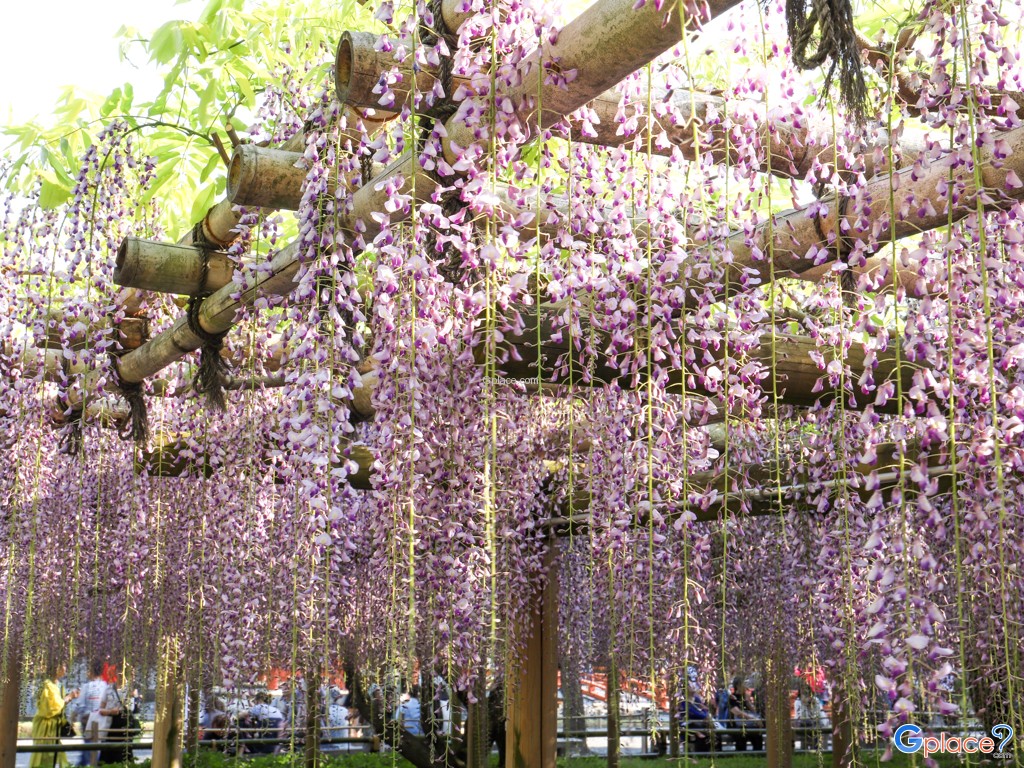
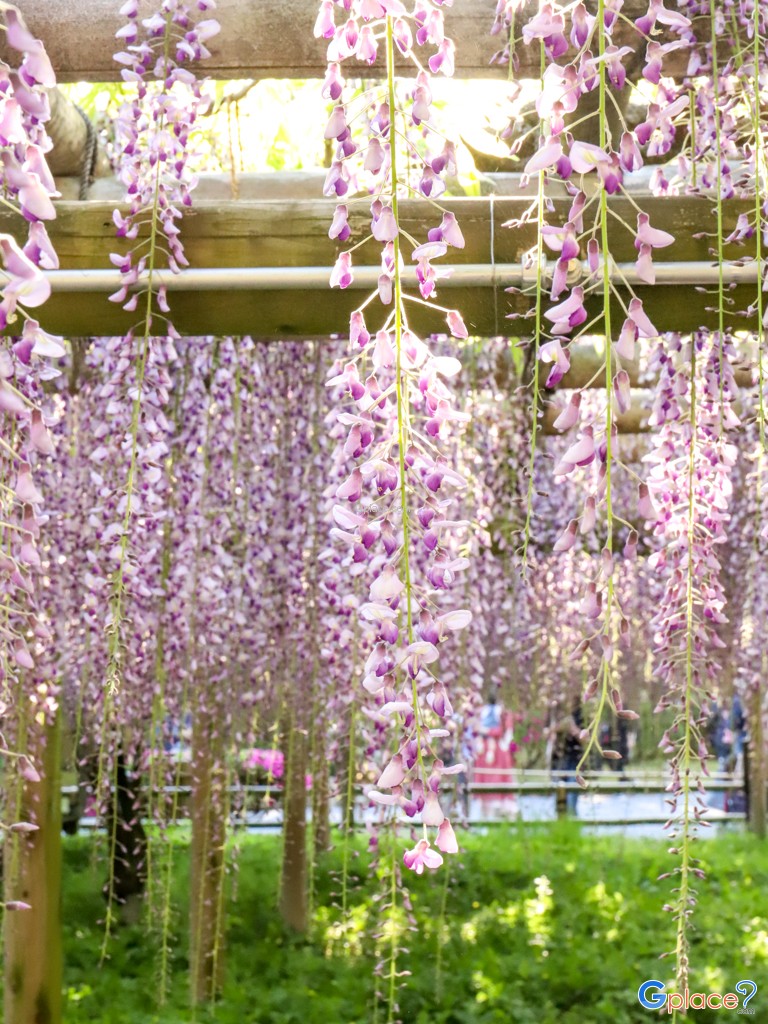
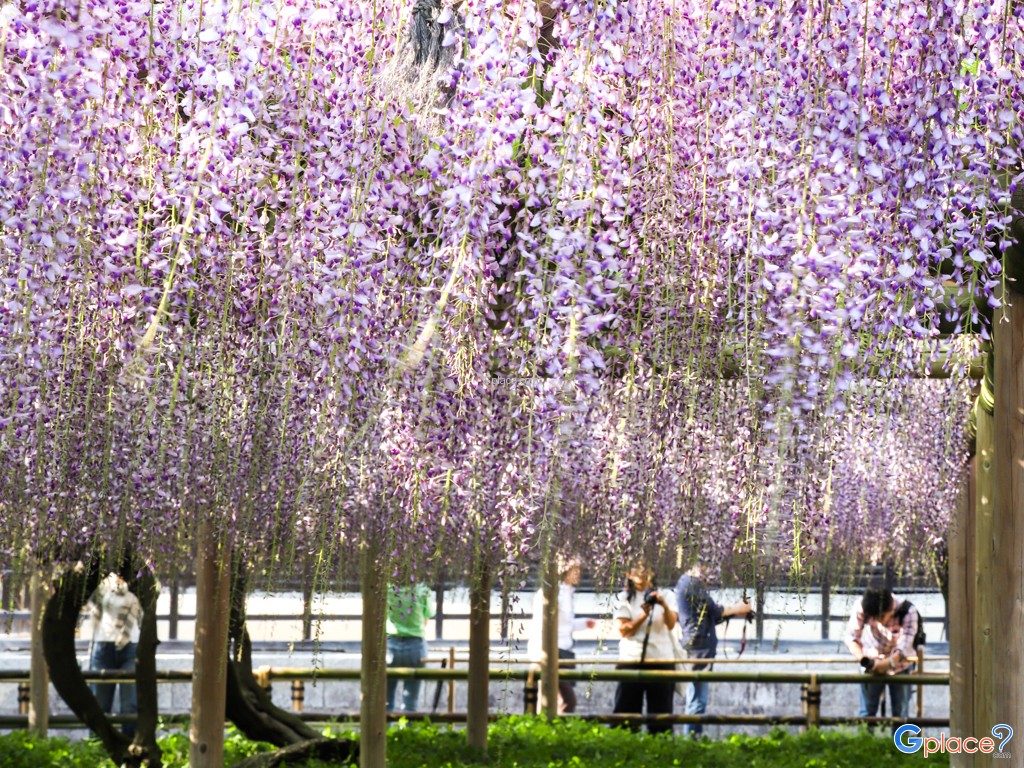
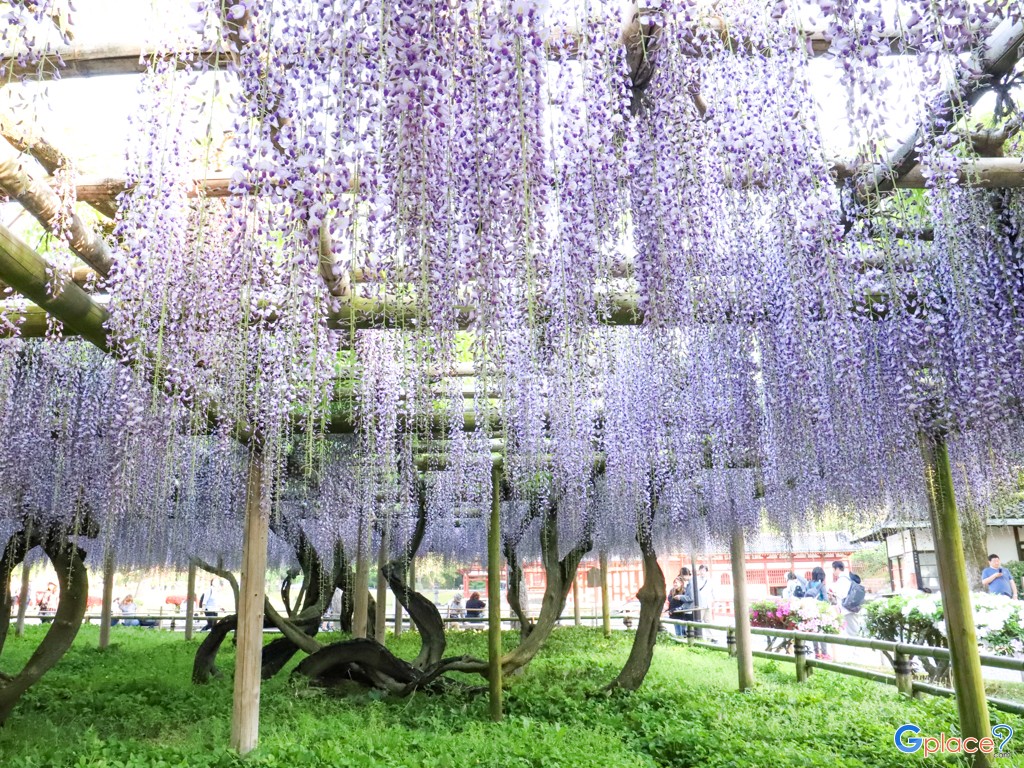
Designated a Place of Scenic Beauty, the garden is an essential element of the temple’s Pure Land vision. The reflective pond, stone arrangements, and carefully planned viewpoints were intended to be appreciated from the Phoenix Hall itself. Seasonal highlights include ancient wisteria trellises in late April to early May and blooming lotus flowers in summer, reinforcing the imagery of paradise on earth.
Byodoin Temple is officially registered as part of the UNESCO World Heritage Site “Historic Monuments of Ancient Kyoto (Kyoto, Uji and Otsu Cities)”, standing as one of Japan’s most profound expressions of Buddhist philosophy, aristocratic culture, and sacred aesthetics.
How to Get There
-
By Train (JR):
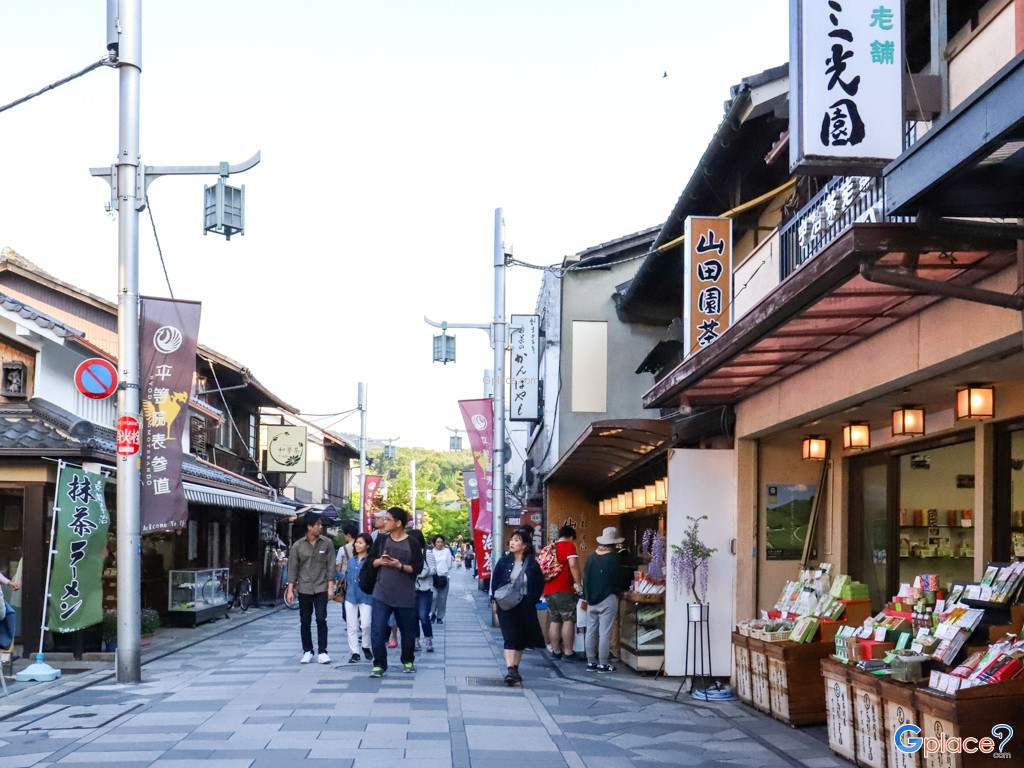
From Kyoto Station, take the JR Nara Line (Rapid) to JR Uji Station (approx. 20 minutes). Walk about 10 minutes through the historic Uji tea district. -
By Keihan Railway:
Take the Keihan Uji Line to Keihan Uji Station, then walk approximately 10 minutes across Uji Bridge.
Travel Tips
-
The Phoenix Hall faces east; early morning offers the best light and reflections for photography.
-
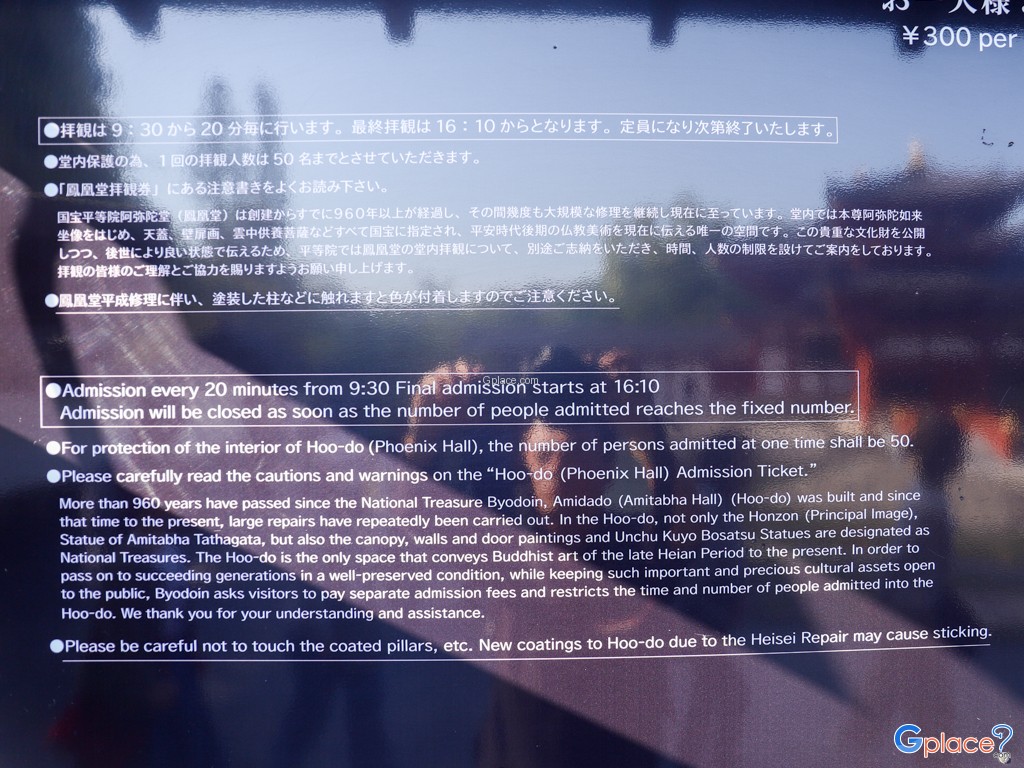
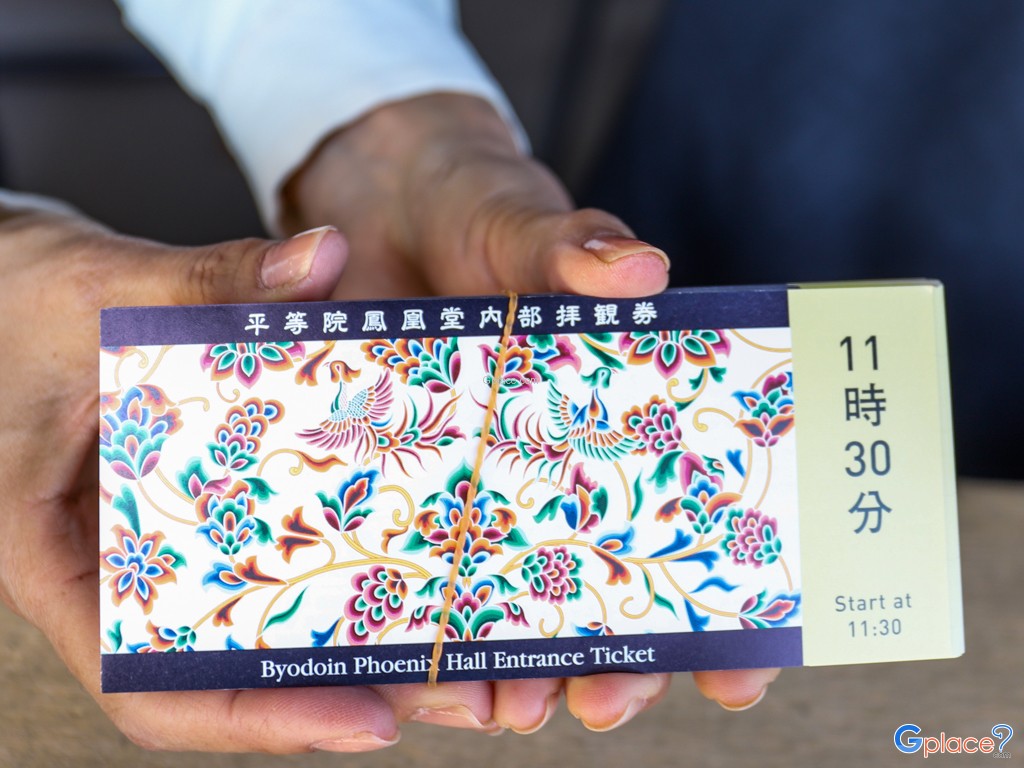
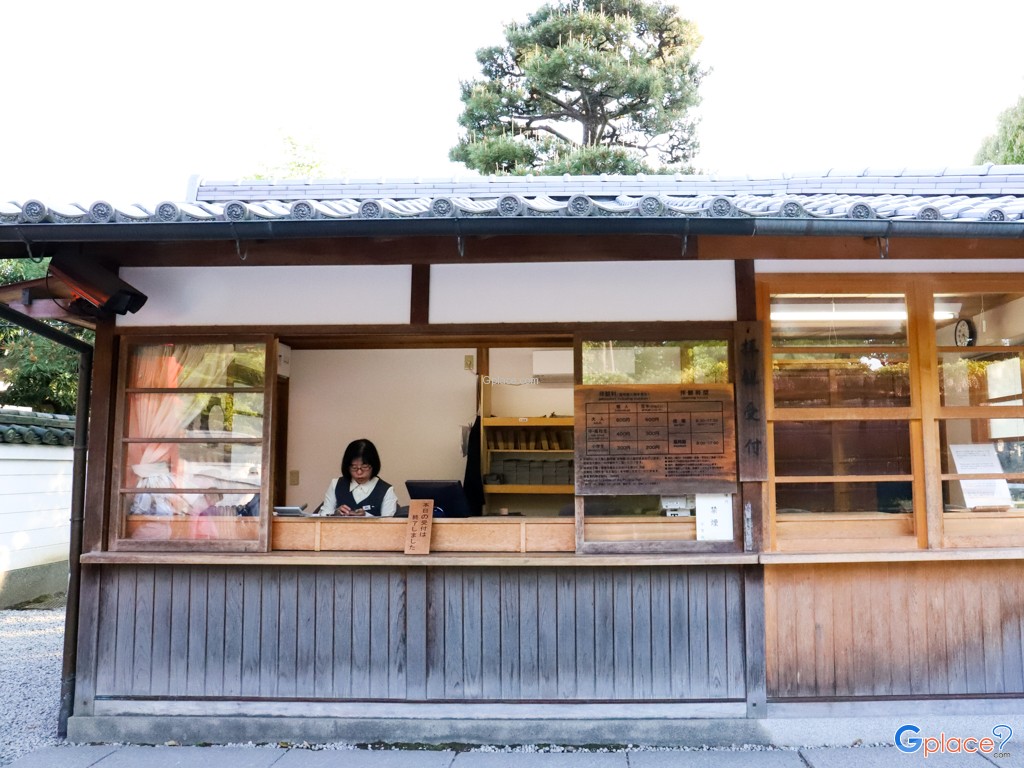
Tickets for the Phoenix Hall interior viewing are limited—purchase them immediately after entering the temple grounds.
-
Interior photography is prohibited, but exterior and garden photography is permitted.
-
Don’t miss Tea Salon Toka on the grounds for authentic Uji matcha, as the temple sits in Japan’s most famous green tea region.
Admission Fee:
-
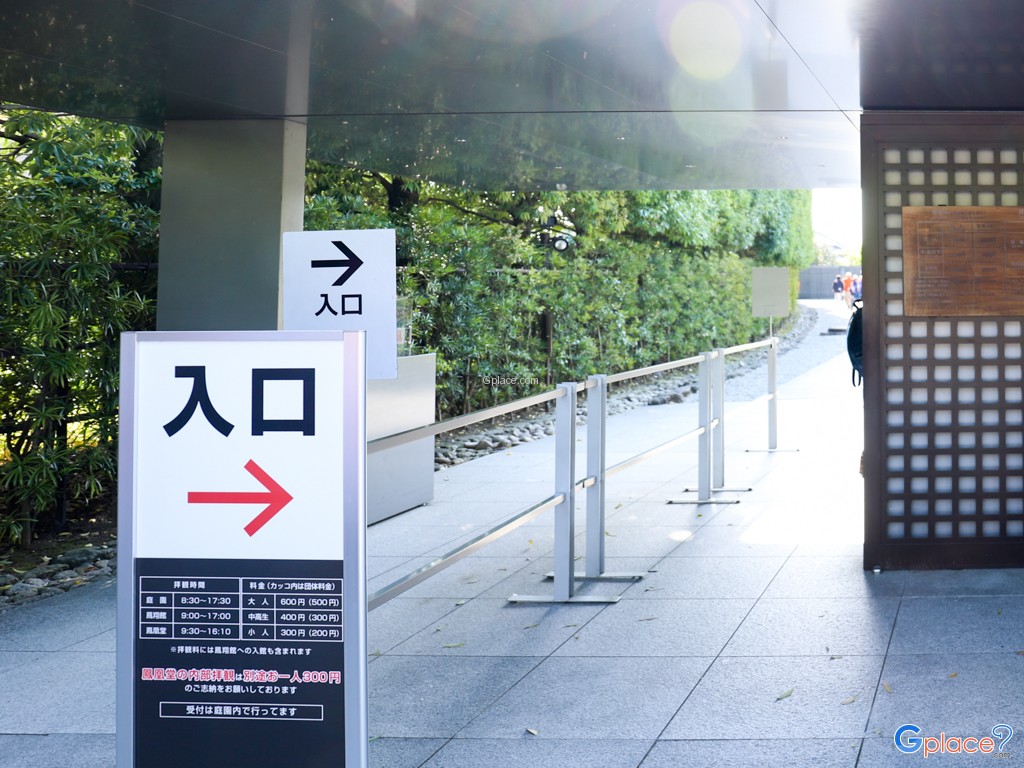
General Entry: 700 yen (includes garden and Hoshokan Museum)
-
Phoenix Hall Interior Viewing: Additional 300 yen (limited guided entry)
Opening Time:
-
Temple Grounds: 08:45 – 17:30 (Last entry 17:15)
-
Hoshokan Museum: 09:00 – 17:00
-
Phoenix Hall Interior Viewing: Every 20 minutes from 09:30 – 16:10
Byodoin Temple

 Share
Share
 Renge-116 Uji, Kyoto Prefecture 611-0021 Japan
Map
Renge-116 Uji, Kyoto Prefecture 611-0021 Japan
Map
 Open now : 8.30 - 17.00
Mon8.30 - 17.00
Tue8.30 - 17.00
Wed8.30 - 17.00
Thu8.30 - 17.00
Fri8.30 - 17.00
Sat8.30 - 17.00
Sun8.30 - 17.00



 686
686