 Attractions
  Hotel
Hotel  Restaurant
  Shopping
  Abroad





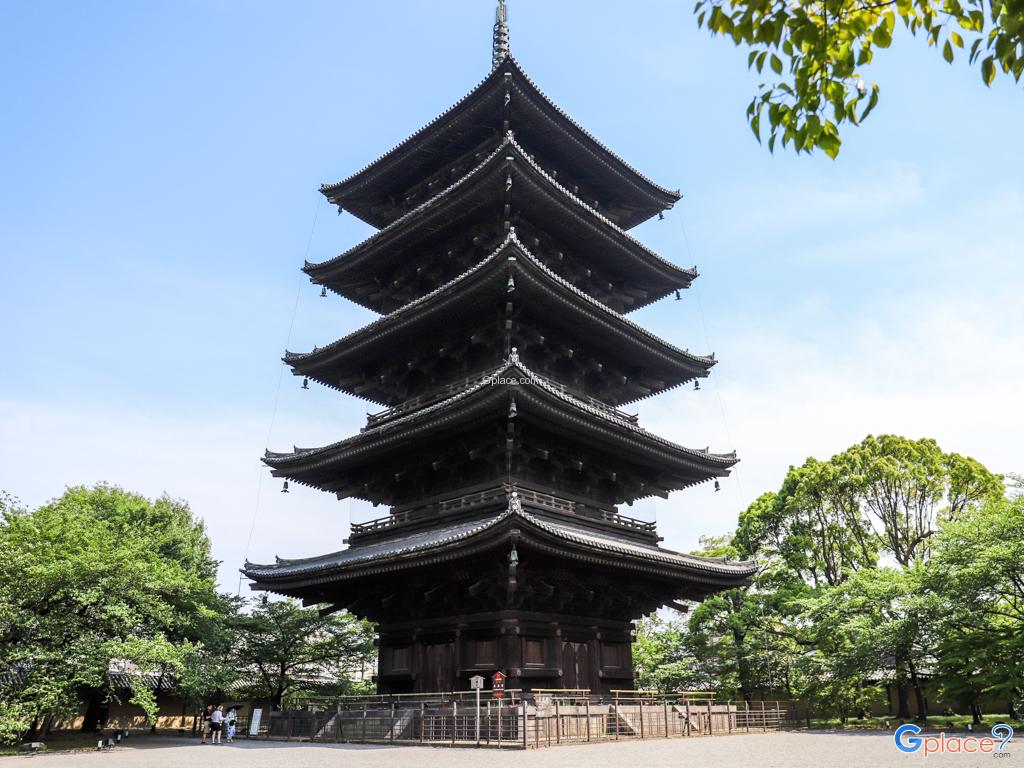

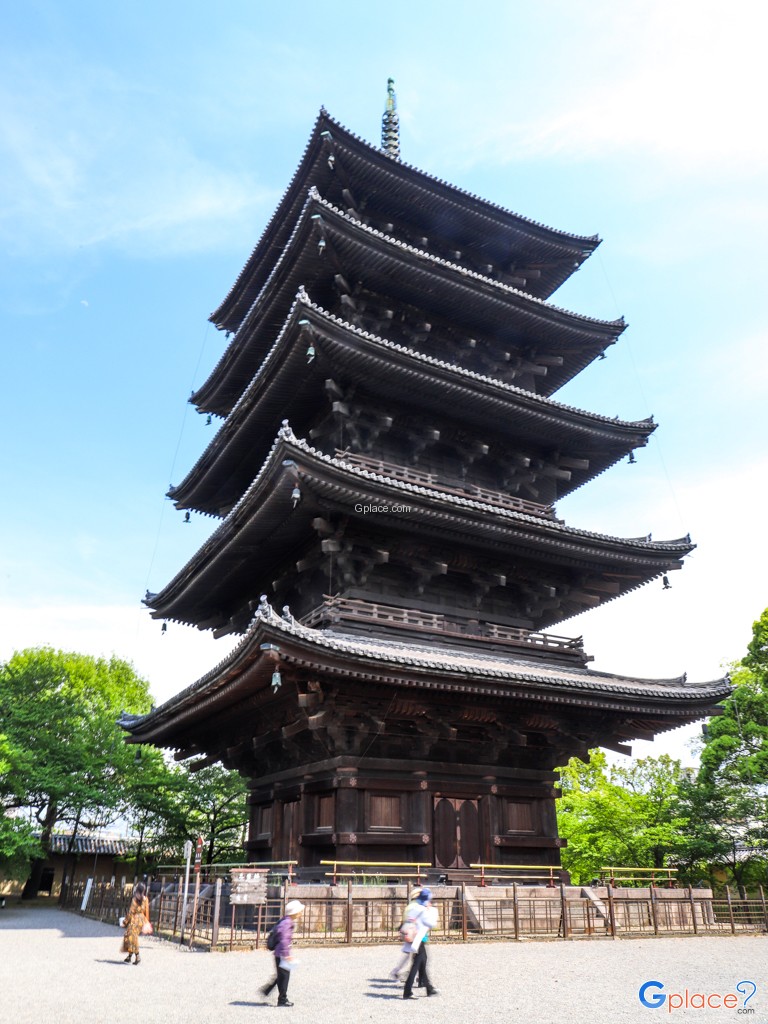
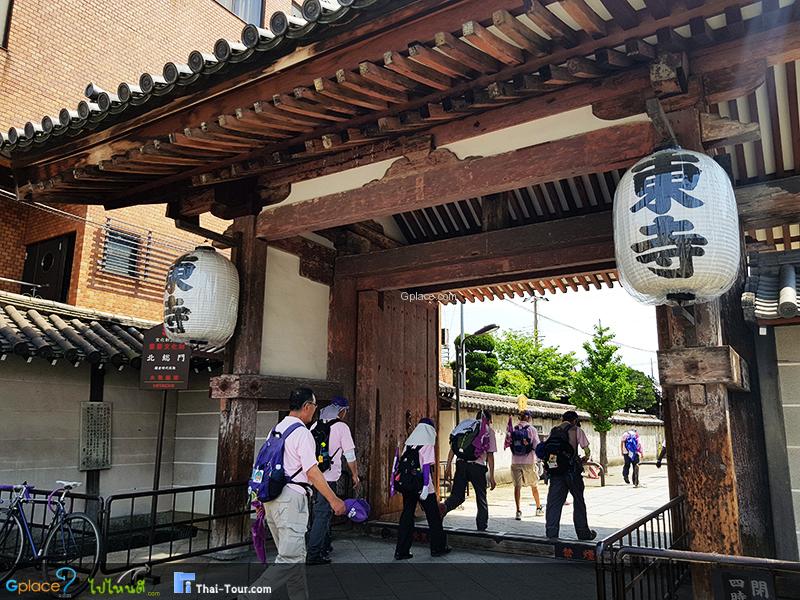
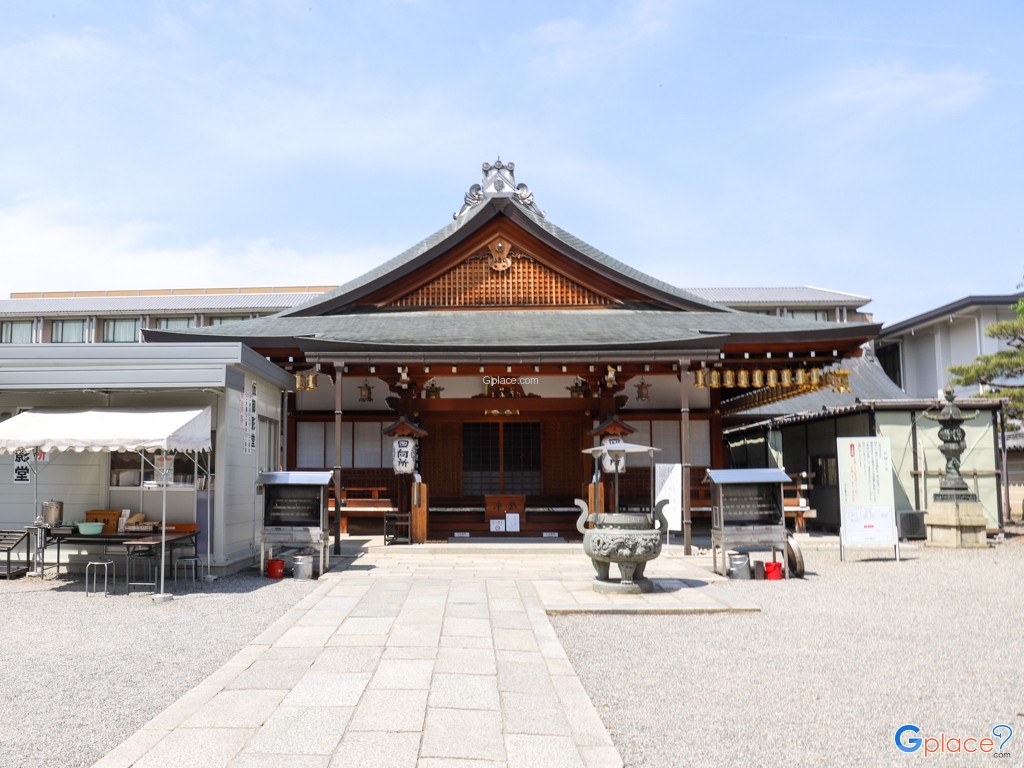
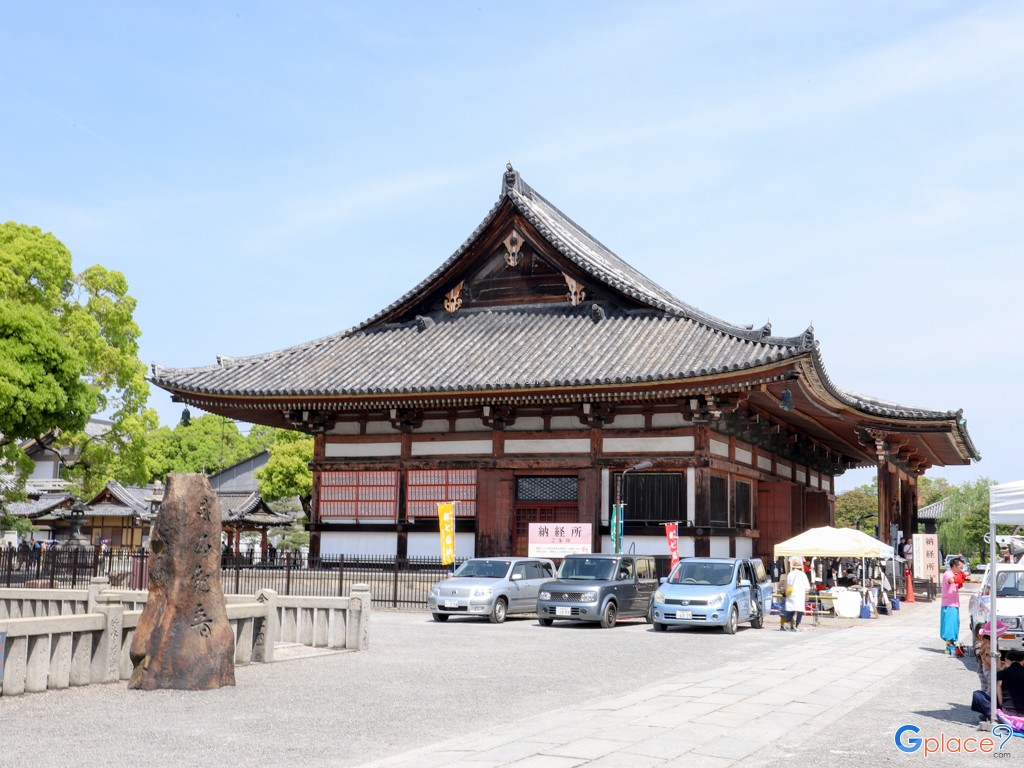
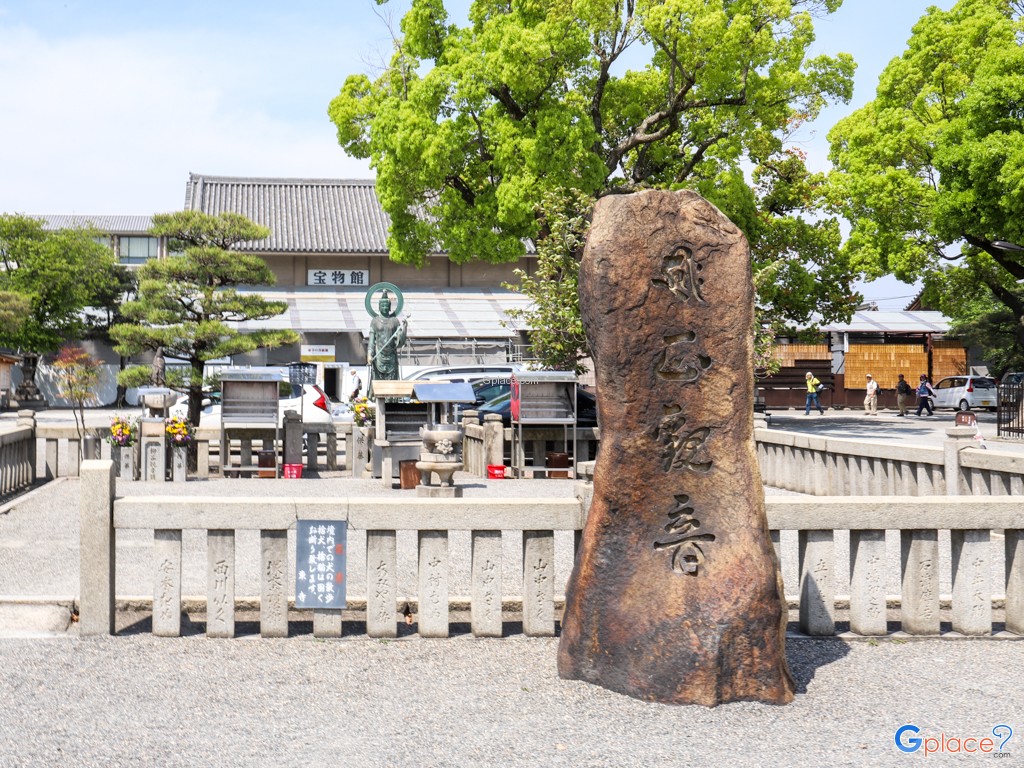

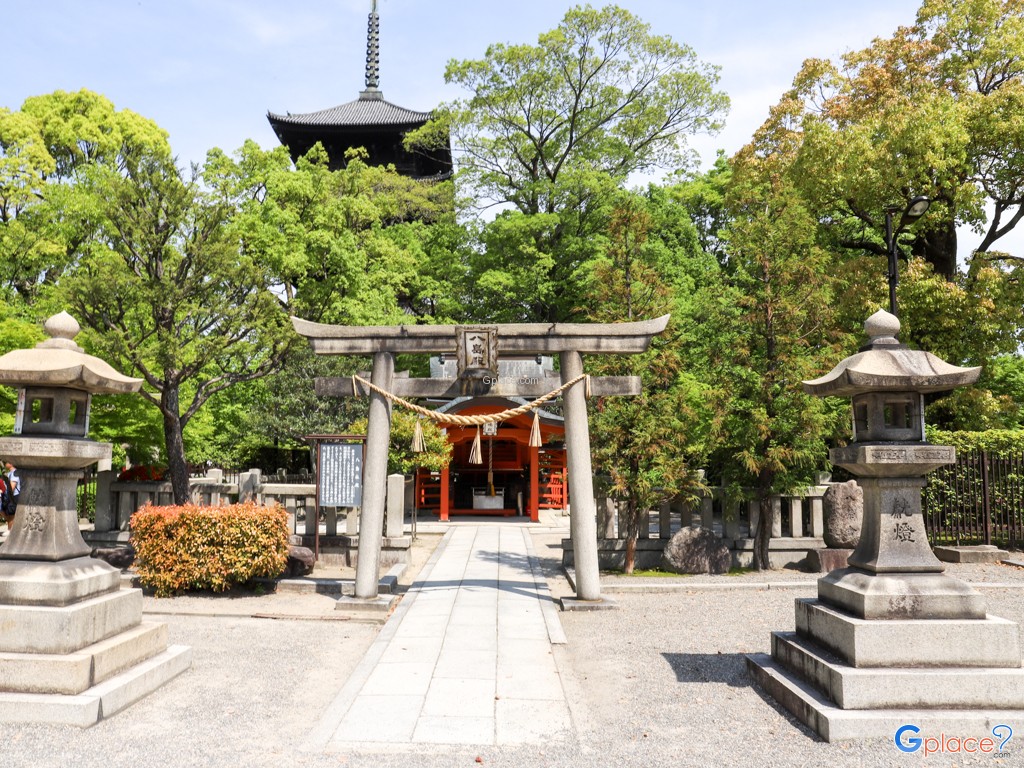
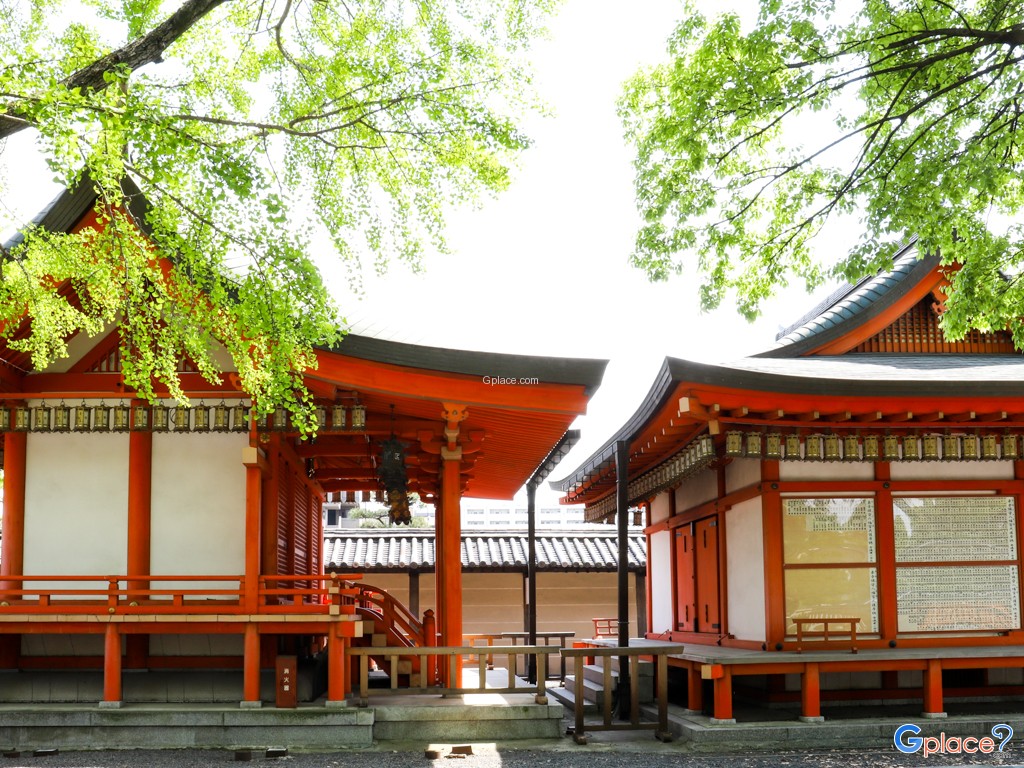
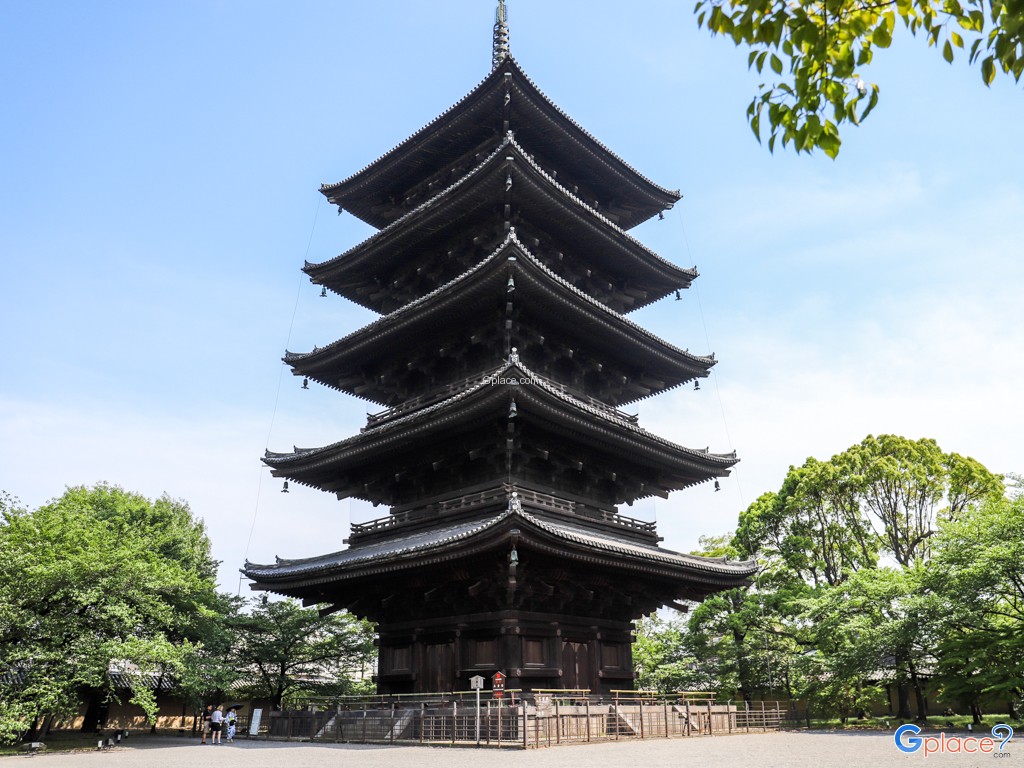
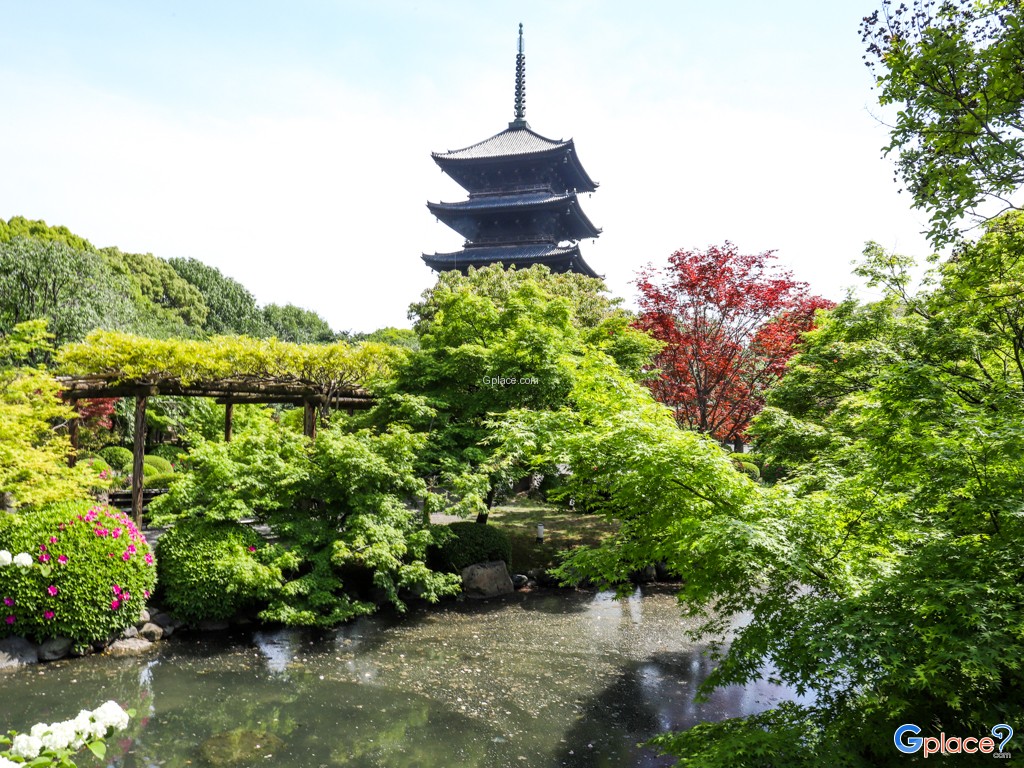
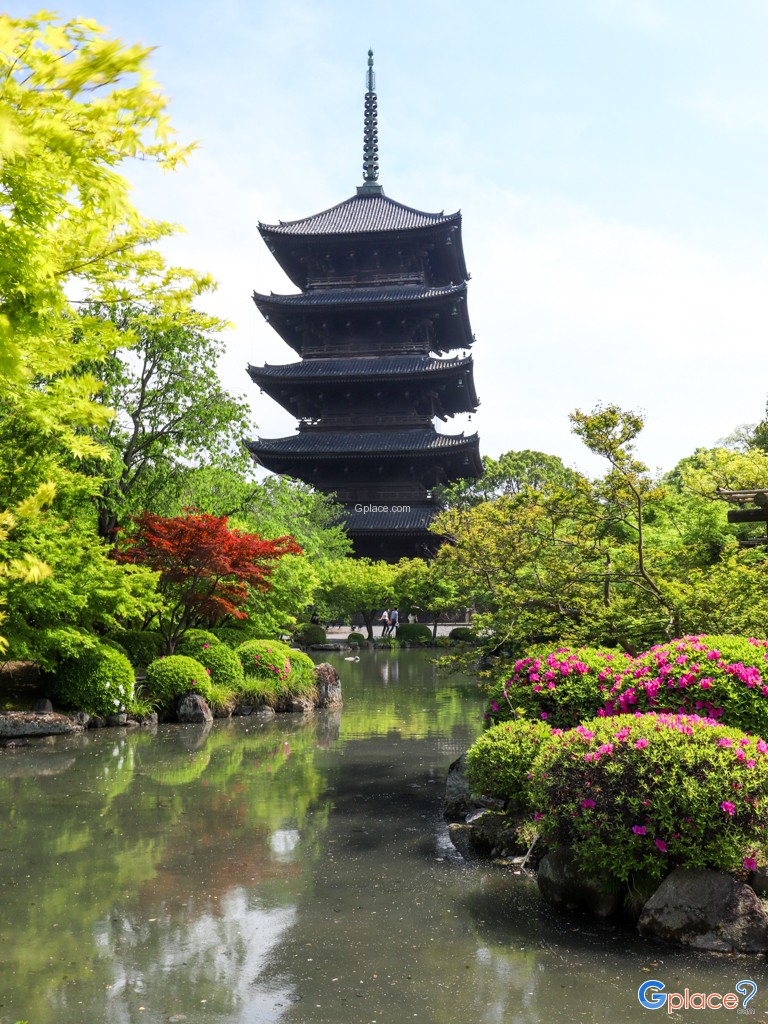
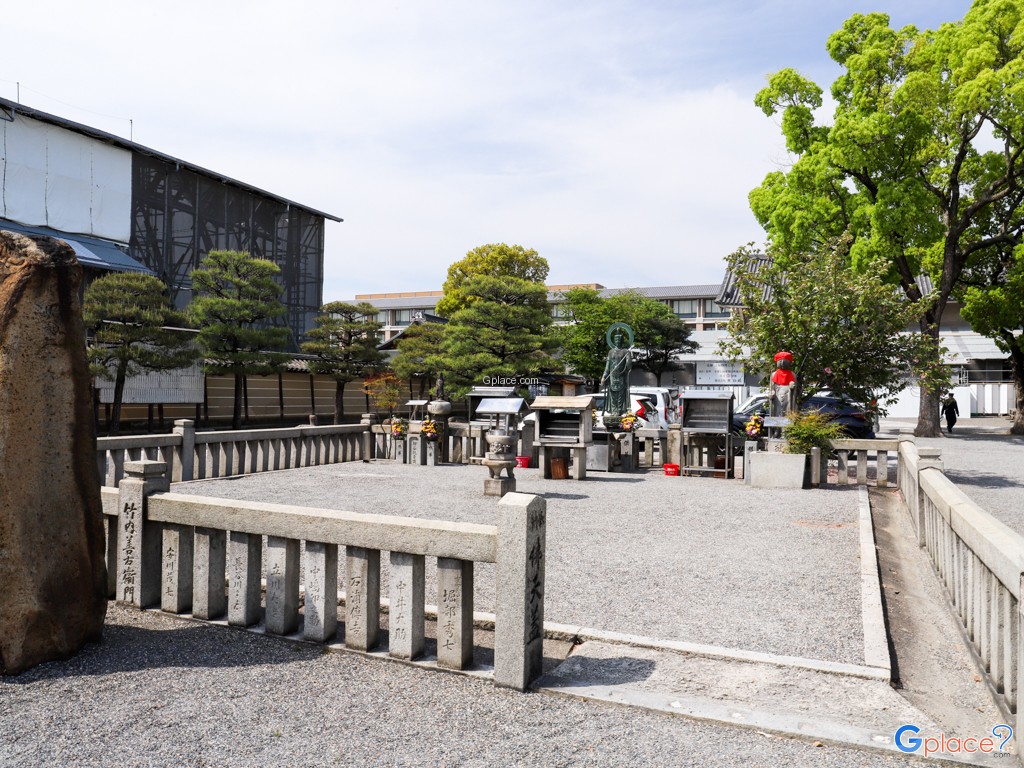
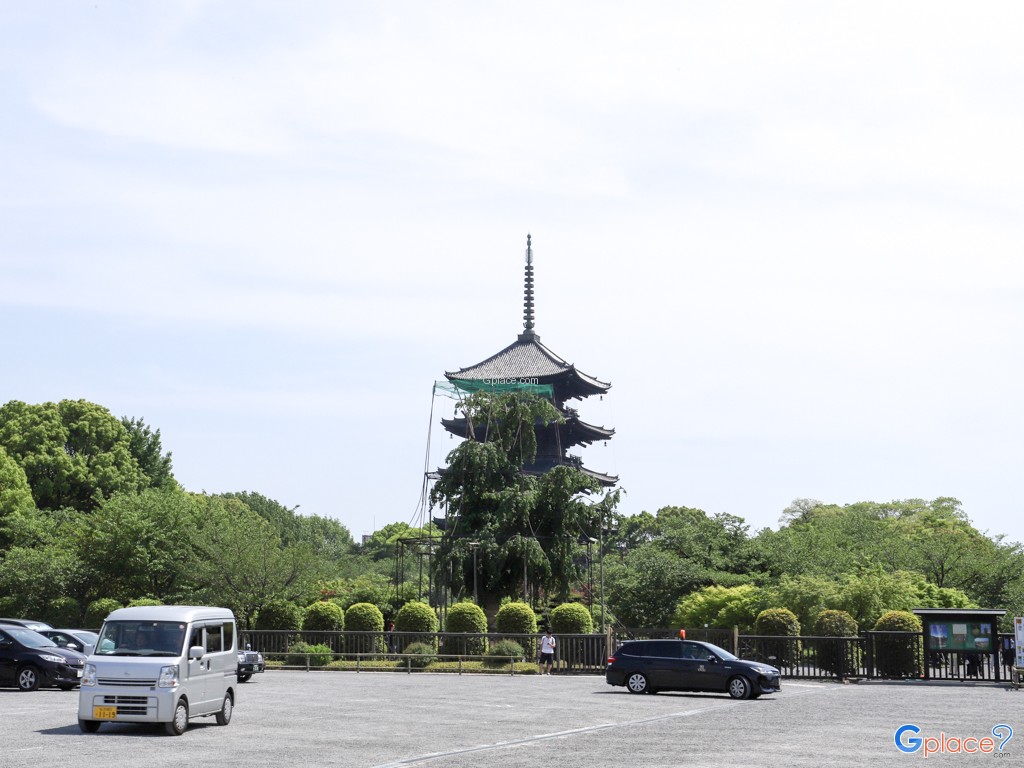
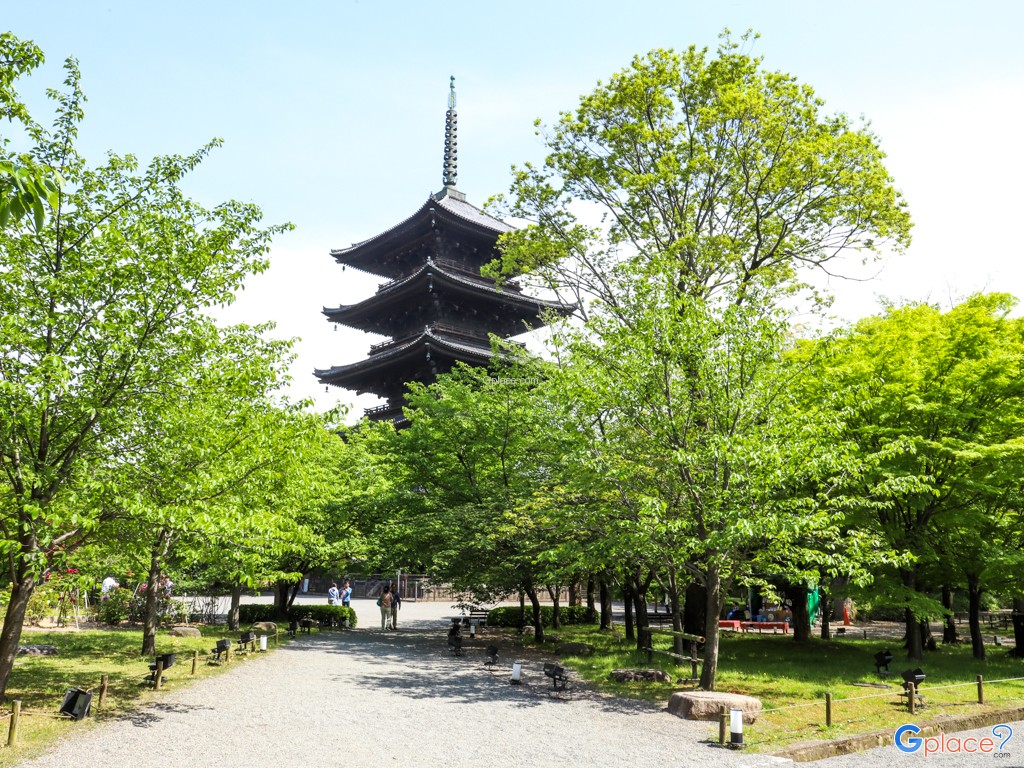
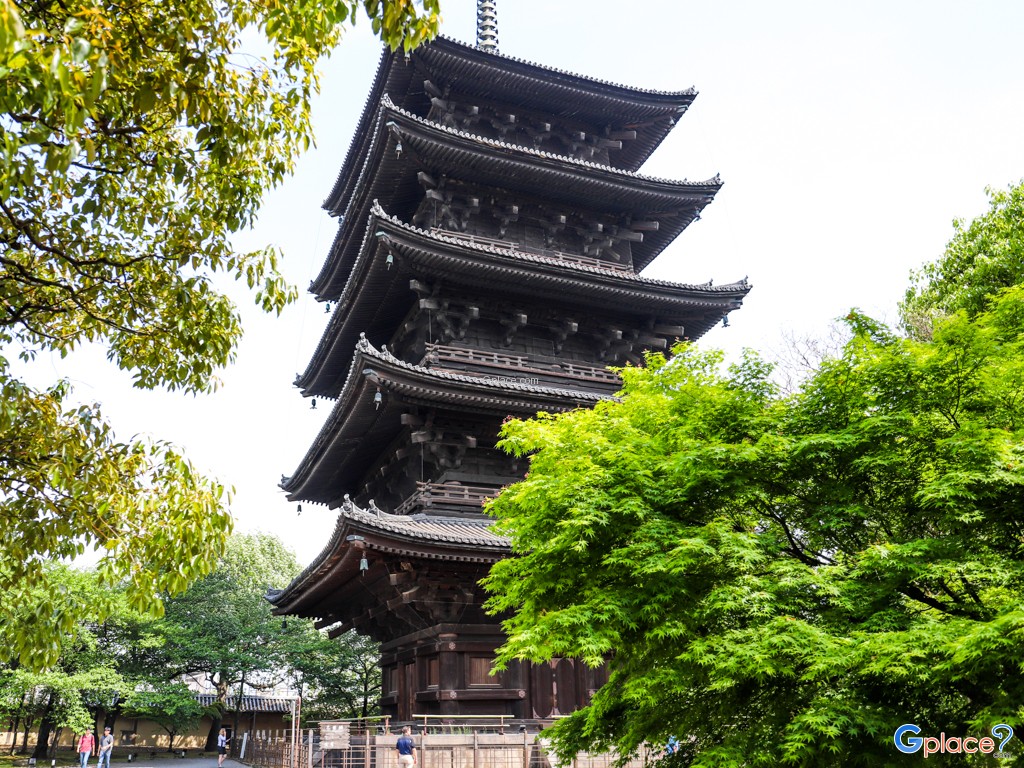
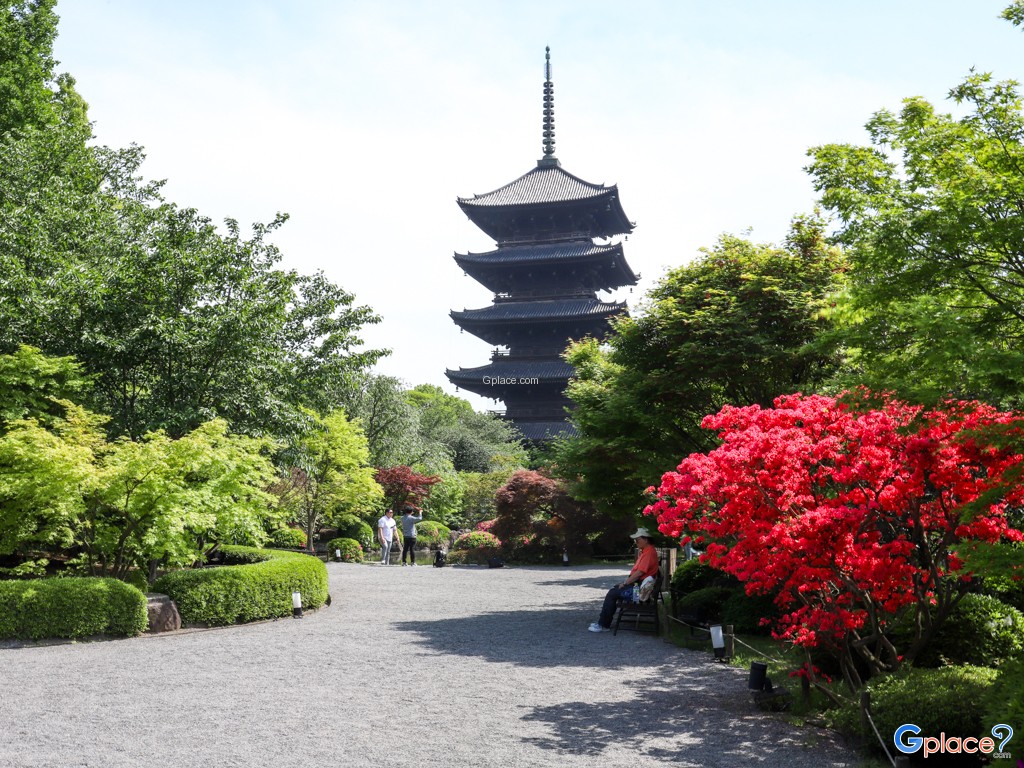
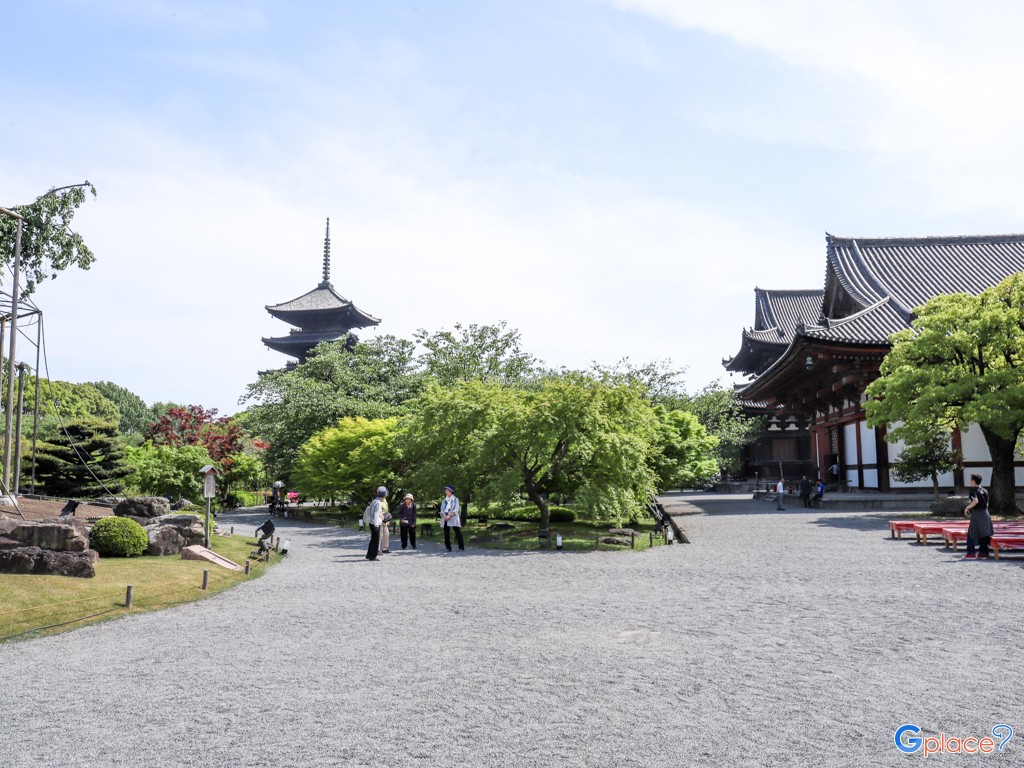
“The only surviving state temple of ancient Heian-kyo, featuring a 55-meter five-story pagoda engineered to withstand earthquakes using traditional wisdom.”
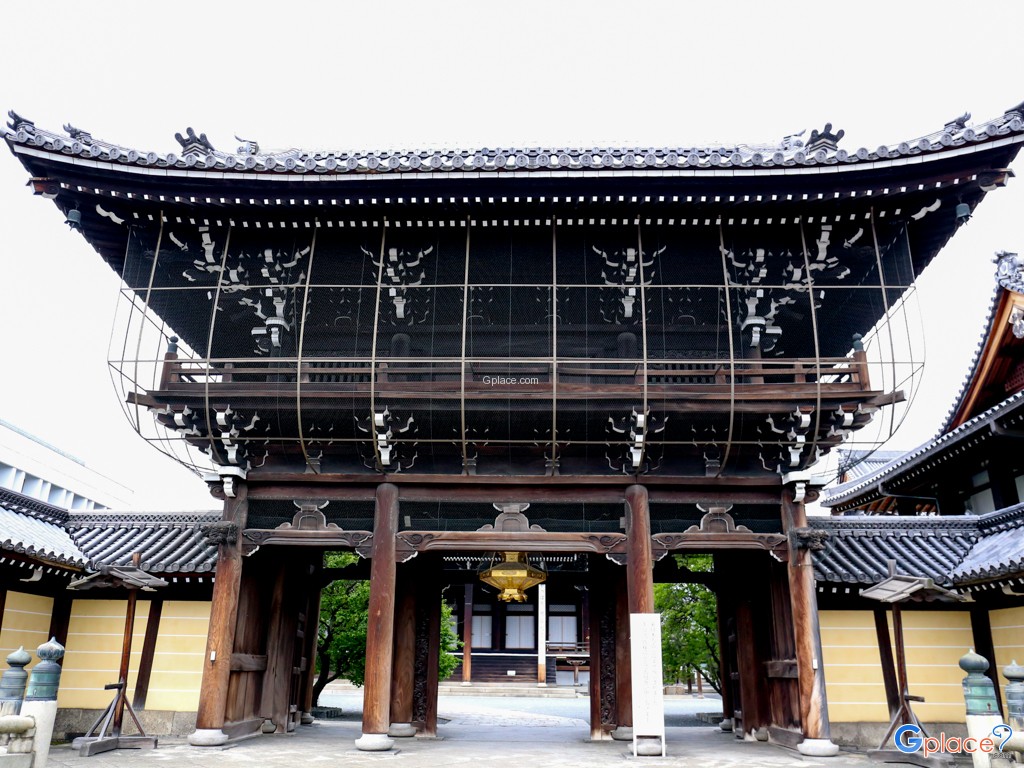
To-ji Temple, founded in 796 AD alongside the establishment of Heian-kyo (present-day Kyoto), was originally built as part of a symmetrical city plan. It stood opposite Sai-ji (West Temple) on either side of the grand Rashomon Gate, marking the southern entrance to the capital. While Sai-ji eventually disappeared, To-ji remains today as the sole surviving symbol of Kyoto’s original imperial city layout, earning its UNESCO World Heritage designation.
In 823 AD, Emperor Saga entrusted the temple to Kobo Daishi (Kukai), founder of Shingon Buddhism, transforming To-ji into the sect’s principal center and a vital place of esoteric Buddhist learning and practice.
Key Highlights within the Temple
-
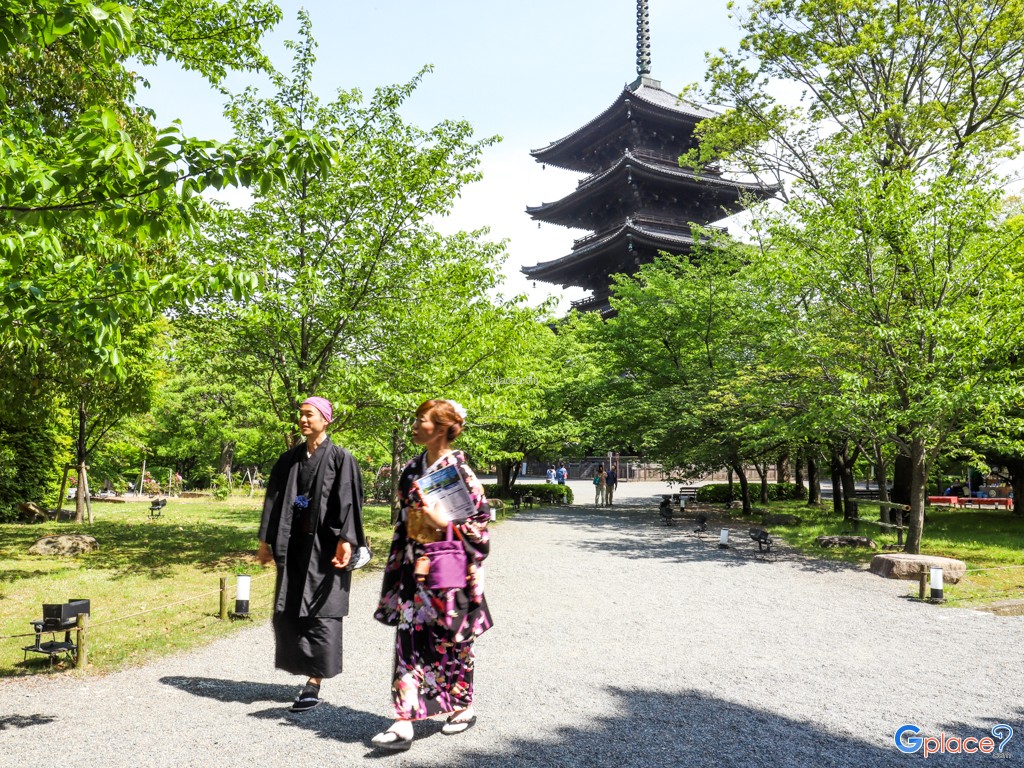
Five-Story Pagoda (Gojunoto): Standing at 55 meters, it is the tallest wooden pagoda in Japan. Its structure incorporates the ingenious Shinbashira (floating central pillar) system, a traditional anti-earthquake design that has allowed it to survive centuries of seismic activity. The current pagoda was rebuilt in 1644 by Shogun Tokugawa Iemitsu.
-
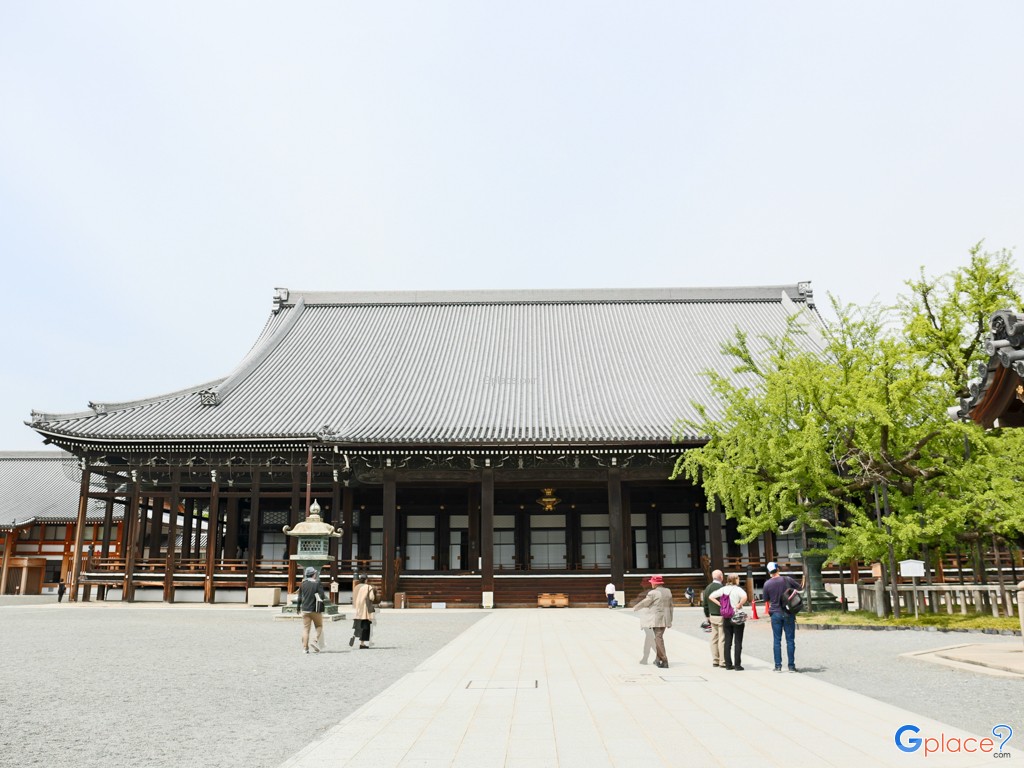
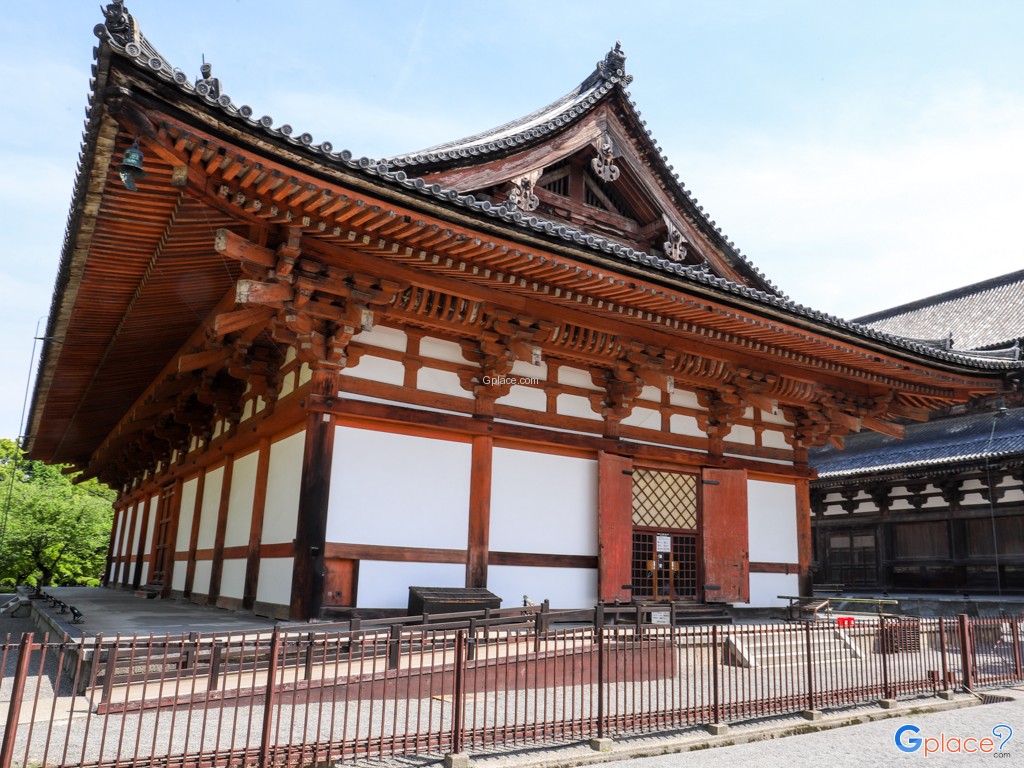
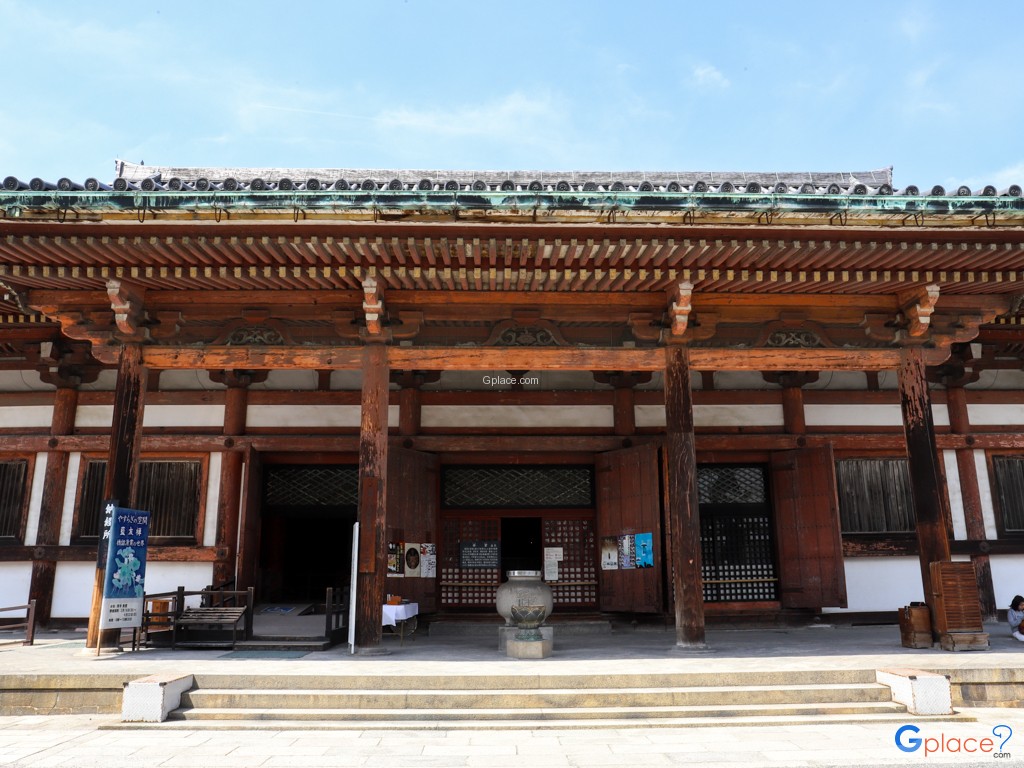
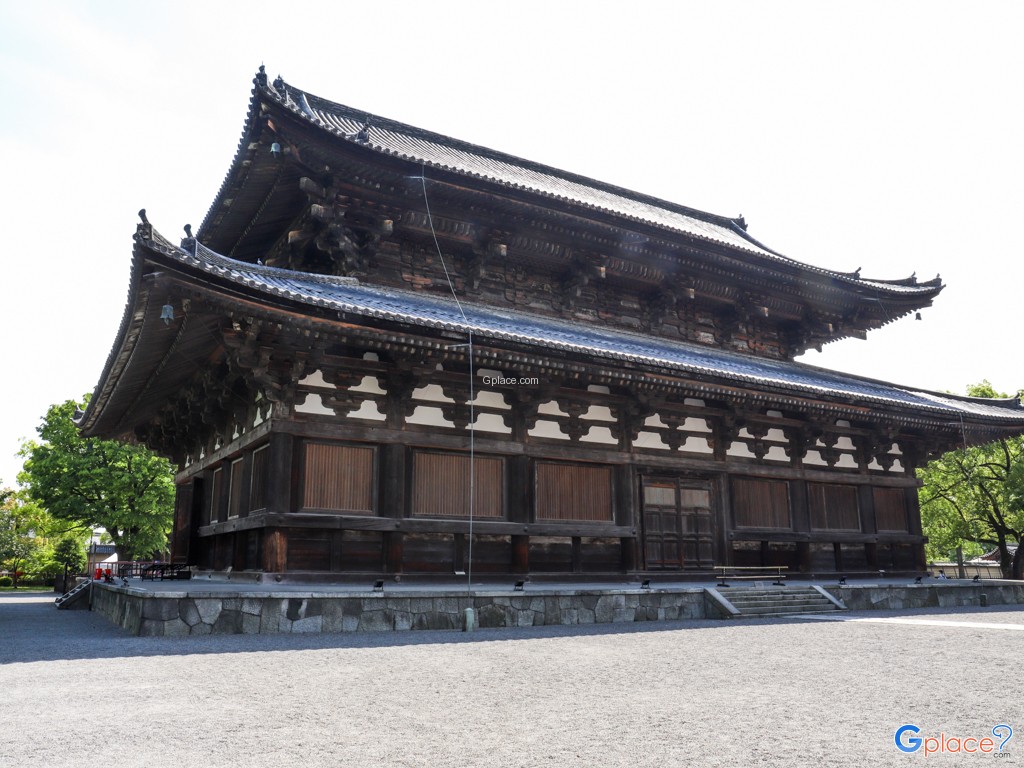
Kondo (Main Hall): Featuring architecture from the Momoyama–Edo transition period, the hall enshrines Yakushi Nyorai, the Buddha of Healing.
-
Kodo (Lecture Hall): Home to the famous Three-Dimensional Mandala, composed of 21 Buddhist statues arranged to visually express Shingon cosmology. Remarkably, 15 of these statues are designated National Treasures, while the remainder are Important Cultural Properties—an exceptionally rare collection to encounter in one place.
-
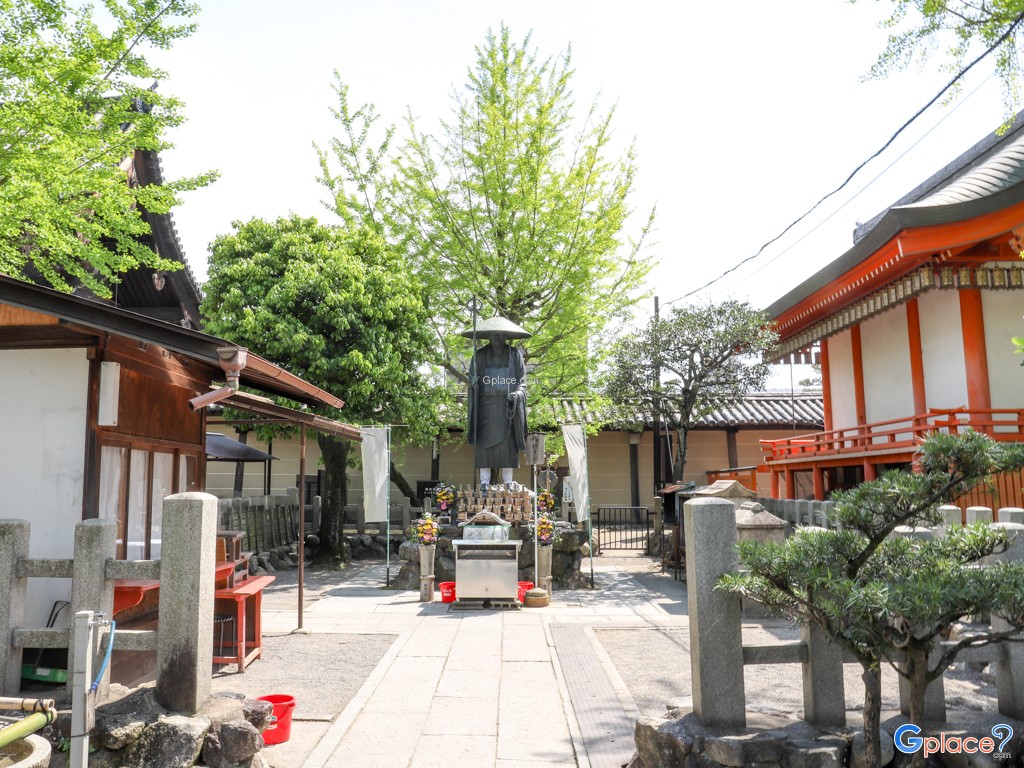
Miedo (Founder’s Hall): The former residence of Kobo Daishi. A traditional morning offering ceremony is held daily at 6:00 AM, and visitors may attend free of charge.
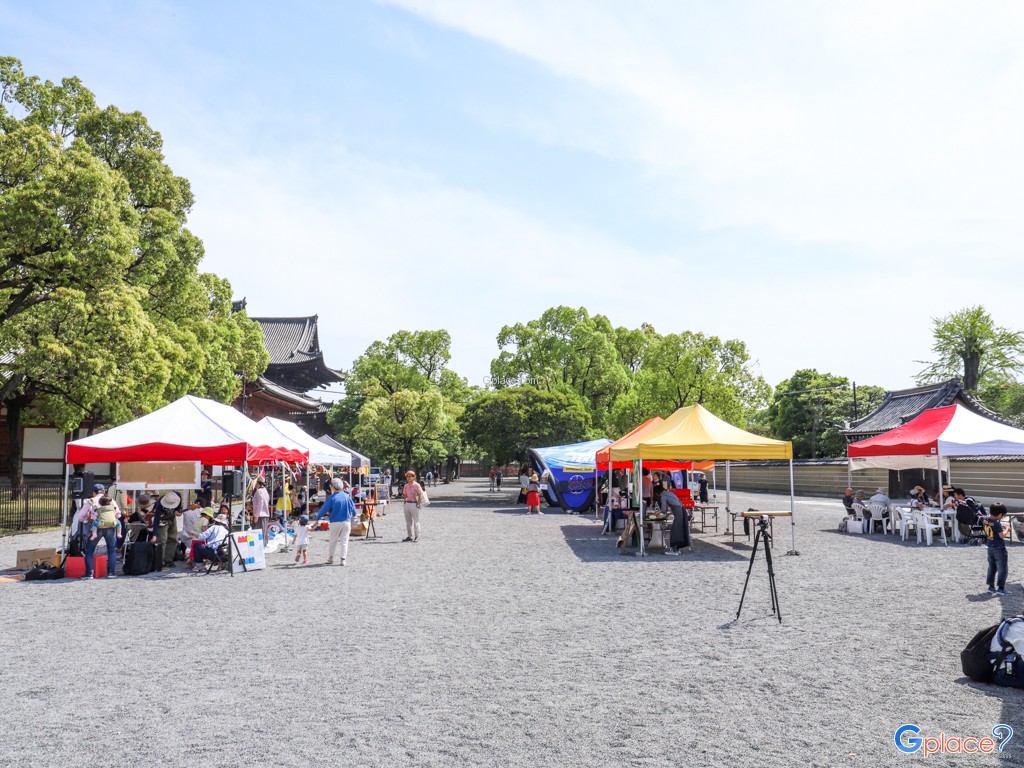
Every 21st of the month, the temple hosts the lively Kobo-san Market, one of Kyoto’s largest flea markets, featuring antiques, kimonos, handicrafts, and local street food. A smaller Garakuta-ichi (secondhand market) is also held on the first Sunday of each month.
How to Get There
-
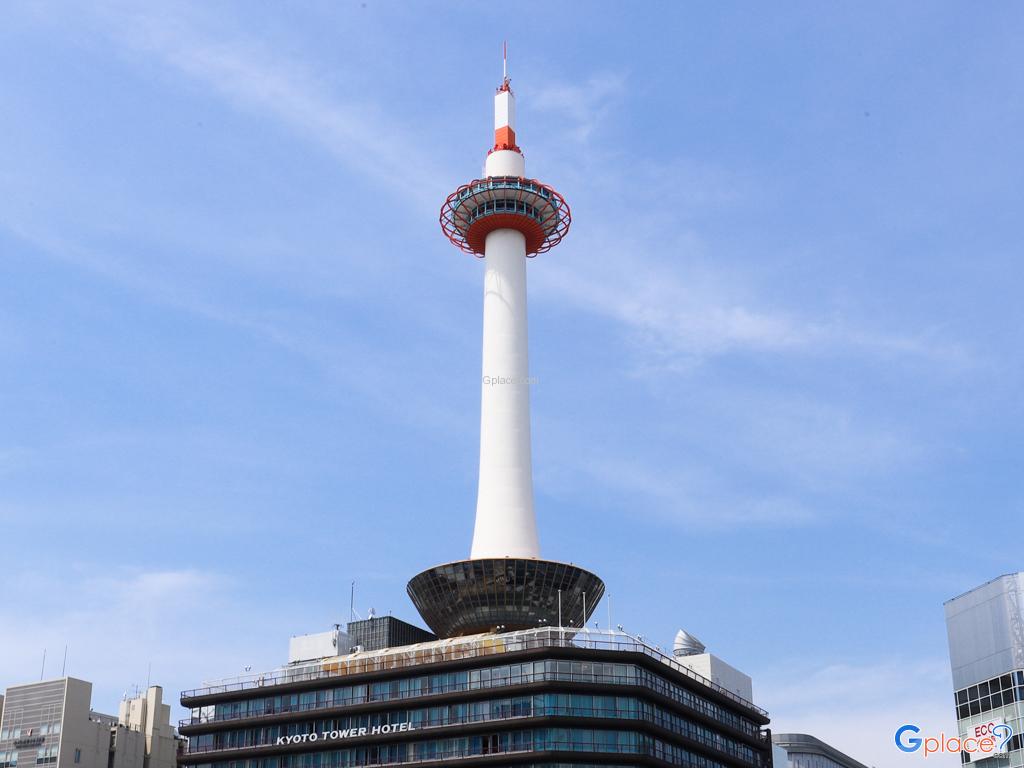
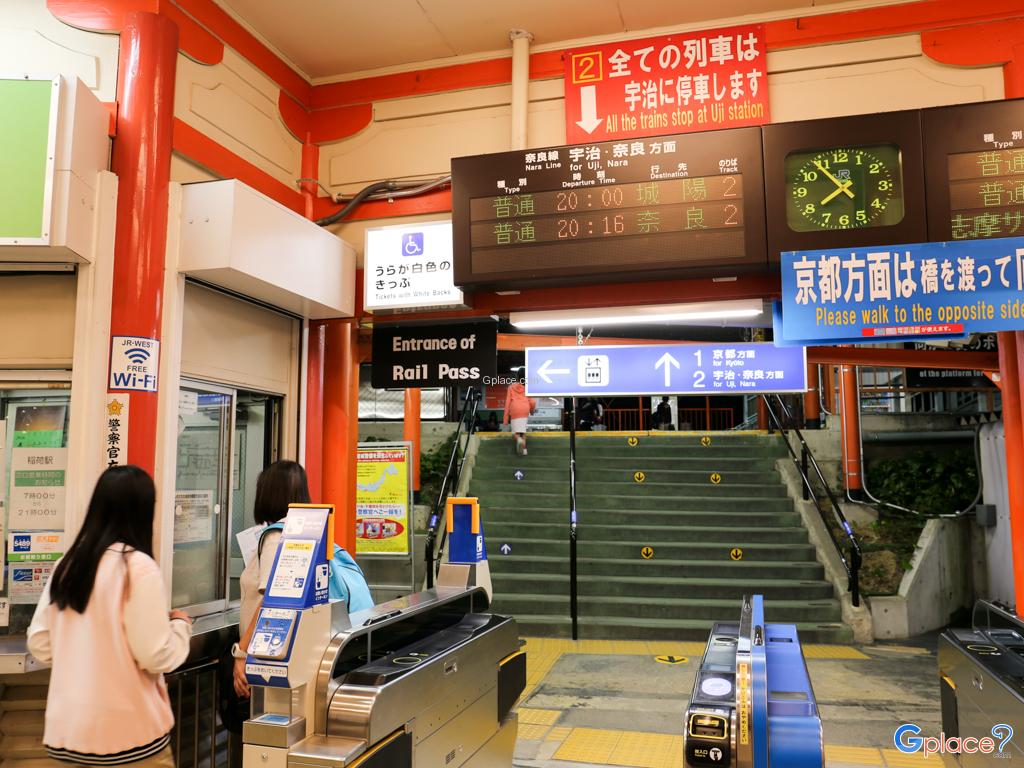
About 15 minutes on foot from Kyoto Station (Hachijo Exit)
-
Kintetsu Line to Toji Station, then a 5-minute walk
-
Kyoto City Bus routes stopping at To-ji
Travel Tips
-
Visit on weekday mornings for a quieter, more contemplative experience
-
The 21st of each month is ideal for market lovers and cultural exploration
-
In spring, the massive weeping cherry tree (Shidare-zakura) creates stunning photo opportunities with the pagoda
-
Seasonal night illuminations in spring and autumn offer magical views
Toji Temple

 Share
Share
 1 Kujocho,Minami Ward, Kyoto, 601-8473
Map
1 Kujocho,Minami Ward, Kyoto, 601-8473
Map
 Open now : 8.30 - 17.00
Mon8.30 - 17.00
Tue8.30 - 17.00
Wed8.30 - 17.00
Thu8.30 - 17.00
Fri8.30 - 17.00
Sat8.30 - 17.00
Sun8.30 - 17.00



 472
472