
 Attractions
  Hotel
Hotel  Restaurant
  Shopping
  Abroad
  Nearby Places





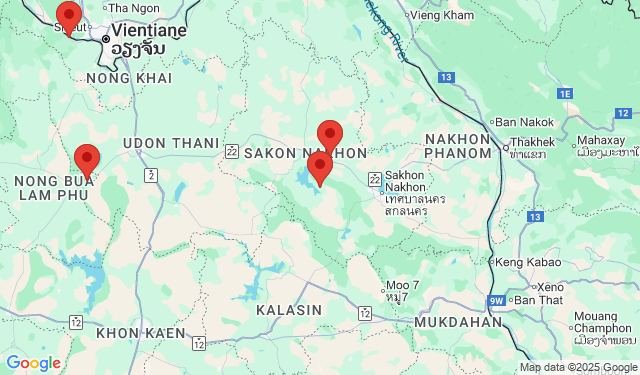
Tracing the Footsteps of Thai Forest Masters Acros

 1175
1175
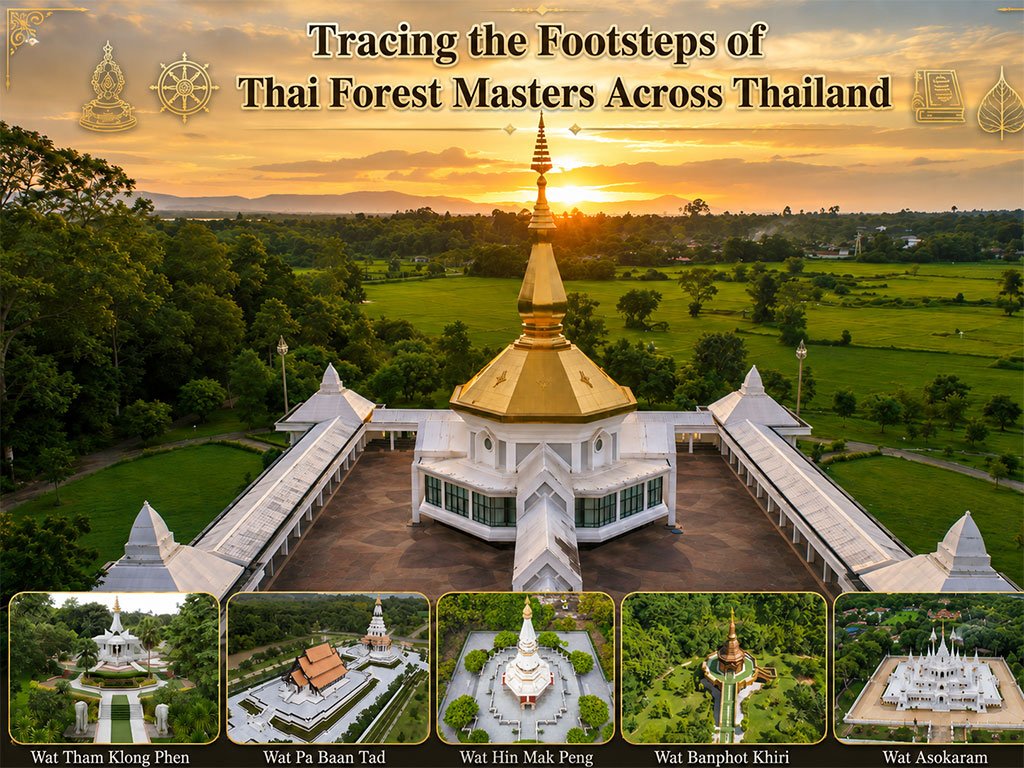
Tracing the Footsteps of Thai Forest Masters Across Thailand
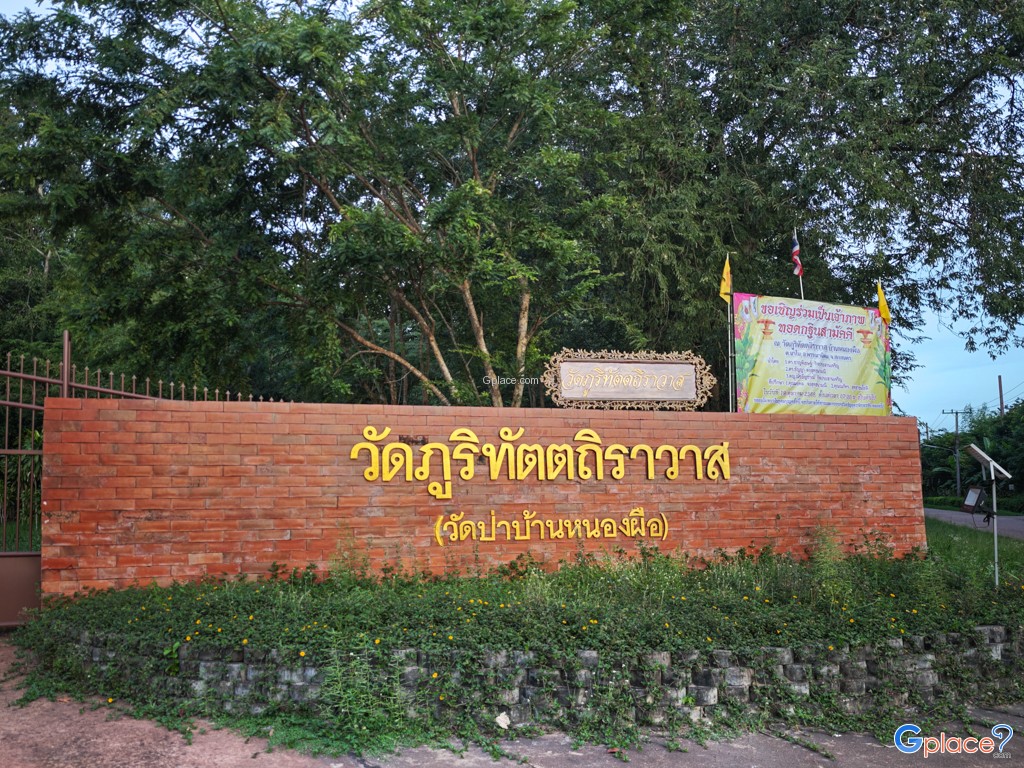
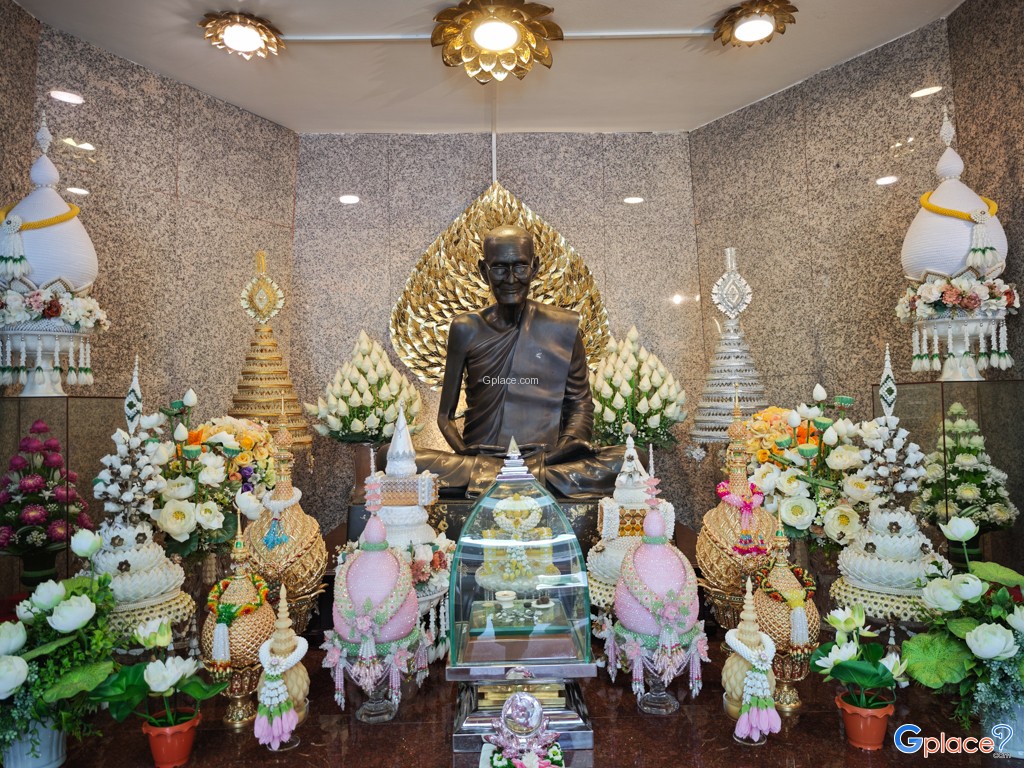
1. Wat Pa Bhuritatta Thirawat
Teacher/Master: Luang Pu Mun Bhuridatta
Key Teaching: “Resolve it within yourself. Address your own mind; don't try to fix others.”
Details:
Wat Pa Bhuritatta Thirawat is one of the important monasteries of the Thai Forest Meditation Tradition, and is deeply associated with Luang Pu Mun Bhuridatta, the great master of the Forest Tradition. This place offers a peaceful, simple, and shady atmosphere with lush trees, suitable for those who wish to pay homage, learn about the history of the revered master, and experience the true atmosphere of meditation.
Within the temple, there is a serene and peaceful atmosphere, not focused on grandeur but distinguished by its simplicity, in line with the forest temple tradition. Visitors can respectfully explore the grounds, reflect on Luang Pu Mun's virtuous conduct, and use this opportunity to contemplate their own minds.
Important Dharma Concept:
Luang Pu Mun's teachings emphasize introspection, not blaming others, and not allowing the mind to wander outwards. True problem-solving, therefore, always begins by addressing one's own mind first.
2. Wat Tham Klong Phen
Teacher/Master: Luang Pu Khao Analayo
Key Teaching: “People love happiness and hate suffering, but they don't realize that happiness itself is a form of suffering.”
Details:
Wat Tham Klong Phen is a unique forest temple featuring tranquil natural caves. The temple grounds offer a serene and conducive atmosphere, ideal for those wishing to pay homage to Luang Pu Khao Analayo and experience the beauty of nature harmonizing with a religious site.
The highlight of the temple is its caves and oddly shaped rock formations, which have been used as simple spaces for faith and meditation. Inside, there are also exhibits detailing the life and personal belongings of Luang Pu Khao, making this temple both a place for Dharma practice and a source for learning about the history of Thai meditation masters.
Important Dharma Concept:
Luang Pu Khao's teachings remind us of the impermanence of worldly happiness. What we pursue and hold onto as happiness can always transform into suffering. By seeing this truth, the mind gradually releases its attachments.
3. Wat Pa Baan Tad
Teacher/Master: Luangta Maha Bua Ñāṇasampanno
Key Teaching: “Defilements are in the mind, not elsewhere. To fight defilements, you must fight them in the mind.”
Details:
Wat Pa Baan Tad is one of Thailand's most significant Dharma centers, known as the monastery of Luangta Maha Bua Ñāṇasampanno. The temple maintains a strict atmosphere of a forest meditation monastery, surrounded by peaceful, shady, and simple nature.
Visitors will feel the restraint and earnestness of Dharma practice. This temple is suitable for those who have faith in the forest tradition, wish to pay homage, listen to Dharma talks, reflect on Luangta Maha Bua teachings, and learn about the unwavering determination of mind training.
Important Dharma Concept:
Luangta Maha Bua emphasized directly confronting defilements, with the mind as the primary battlefield. Greed, anger, and delusion are not found in others but within our own minds.
4. Wat Hin Mak Peng
Teacher/Master: Luang Pu Thate Desaransi
Key Teaching: “Mindfulness that controls the mind to stay on one thing is called concentration.”
Details:
Wat Hin Mak Peng is a forest temple located on the banks of the Mekong River, offering an exceptionally peaceful, beautiful, and conducive atmosphere. It is associated with Luang Pu Thate Desaransi, one of the revered Forest Tradition masters who played a significant role in spreading the Dharma and meditation practices.
Within the temple, there is a stupa-museum that houses the relics and personal effects of Luang Pu Thate. The riverside ambiance allows visitors to find serene solace, making it ideal for paying homage, exploring the temple, and contemplating the Dharma amidst nature.
Important Dharma Concept:
Luang Pu Thate's teachings emphasize the importance of mindfulness. When mindfulness keeps the mind focused on one thing, the mind does not wander and gradually settles into concentration, which is a crucial foundation for wisdom.
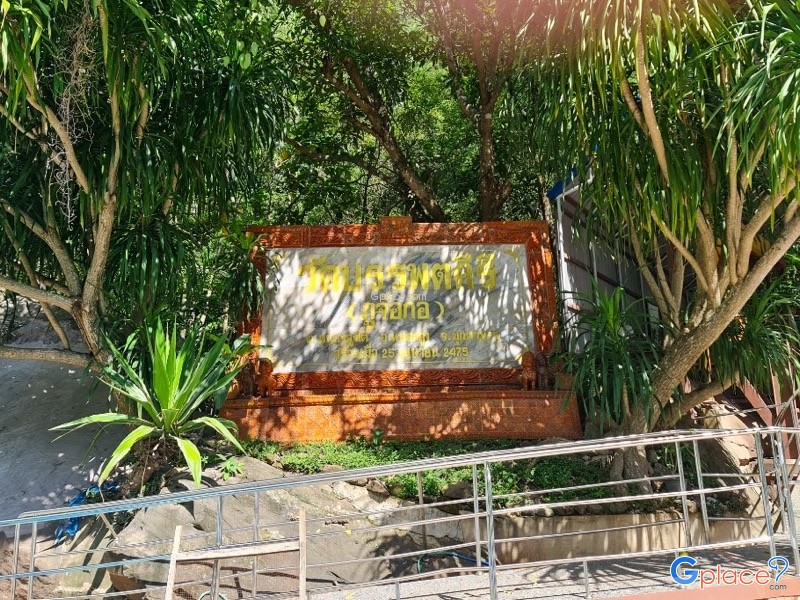
5. Wat Banphot Khiri (Phu Jor Kor)
Teacher/Master: Luang Pu Lha Khemmapatto
Key Teaching: “Whatever arises, ceases. Whatever does not arise, does not cease.”
Details:
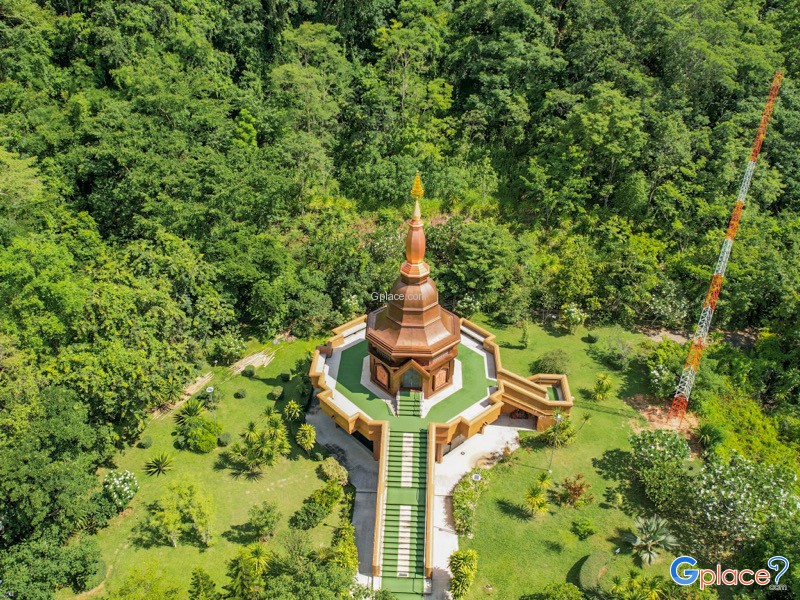
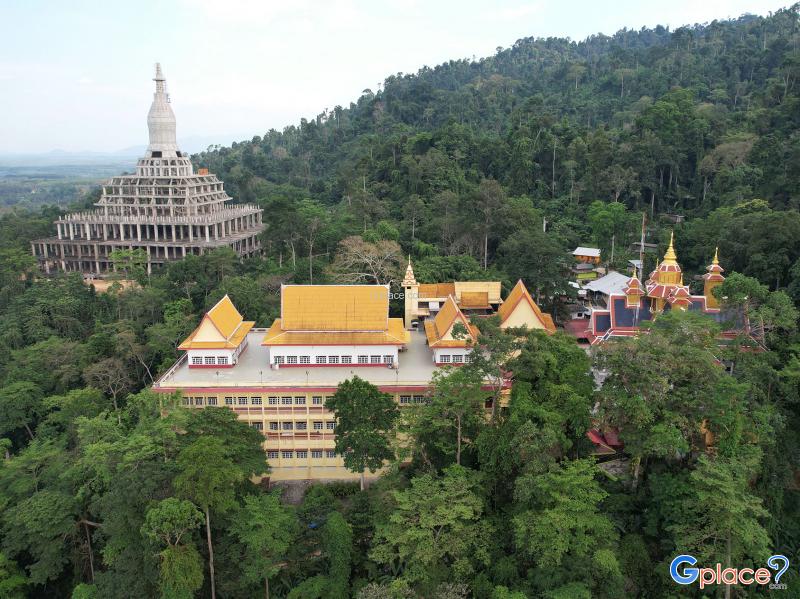
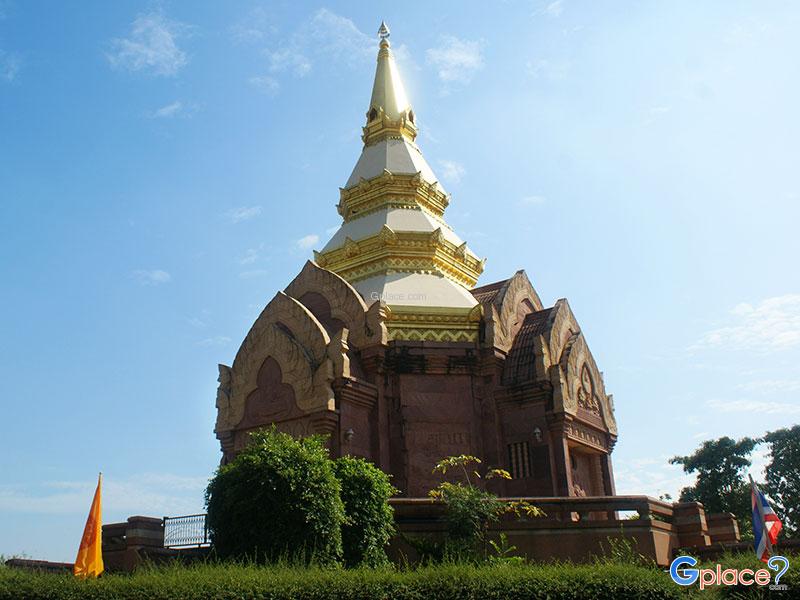
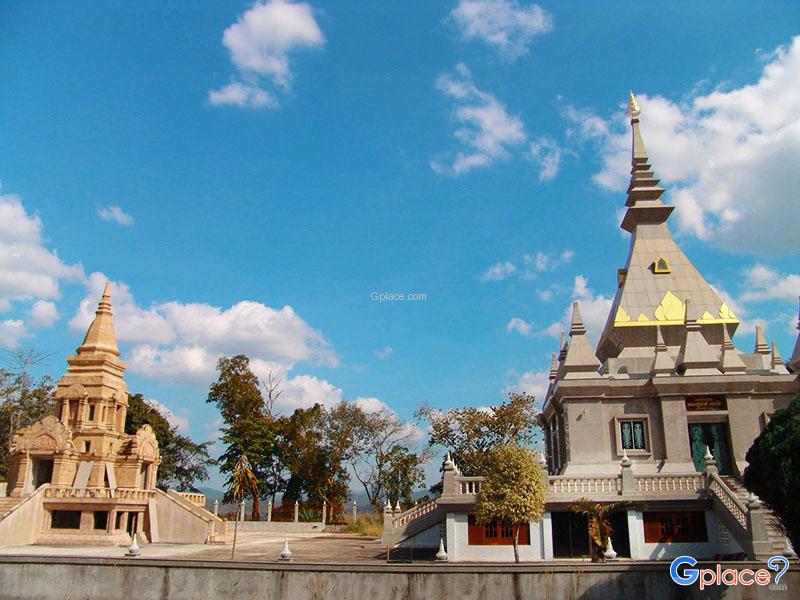
Wat Banphot Khiri, or Phu Jor Kor, is a mountain forest temple with a peaceful atmosphere and open views of the surrounding nature. A significant highlight is the beautiful Phra Phu Jor Kor Chedi, built to enshrine the relics of Luang Pu Lha Khemmapatto.
The journey to this temple feels like ascending to a place of tranquility. Visitors can pay homage at the stupa, admire the scenic views, and spend time in the silence of the mountains and forest. It is perfect for paying respects, practicing Dharma, and finding peace of mind away from worldly distractions.
Important Dharma Concept:
Luang Pu Lha's teachings point to the truth of arising and ceasing. Everything that arises must cease. Seeing this natural law helps the mind gradually let go of attachments.
6. Tham Pha Plong Monastic Residence
Teacher/Master: Luang Pu Sim Buddhacaro
Key Teaching: “Death hangs around our neck at every step.”
Details:
Tham Pha Plong Monastic Residence is a Dharma practice center situated amidst forests, mountains, and rock cliffs. The surrounding atmosphere is peaceful, cool, and deeply connected to nature. This place is associated with Luang Pu Sim Buddhacaro, a meditation master who emphasized serious and heedful practice.
The path up to the cave features alternating stairs and slopes, with Dharma teachings posted along the way. This makes the ascent not just a physical journey but also a spiritual one. Visitors can thus exercise, practice mindfulness, and gradually absorb the Dharma along the path.
Important Dharma Concept:
Luang Pu Sim emphasized Marananussati (recollection of death). Remembering death helps one not to be complacent in life and encourages hastening to cultivate goodness, train the mind, and practice Dharma while still alive.
7. Wat Pa Udom Somphon
Teacher/Master: Luang Pu Fun Acaro
Key Teaching: “Buddho means one who knows, one who is awake, one who is joyful. Make your mind Buddho.”
Details:
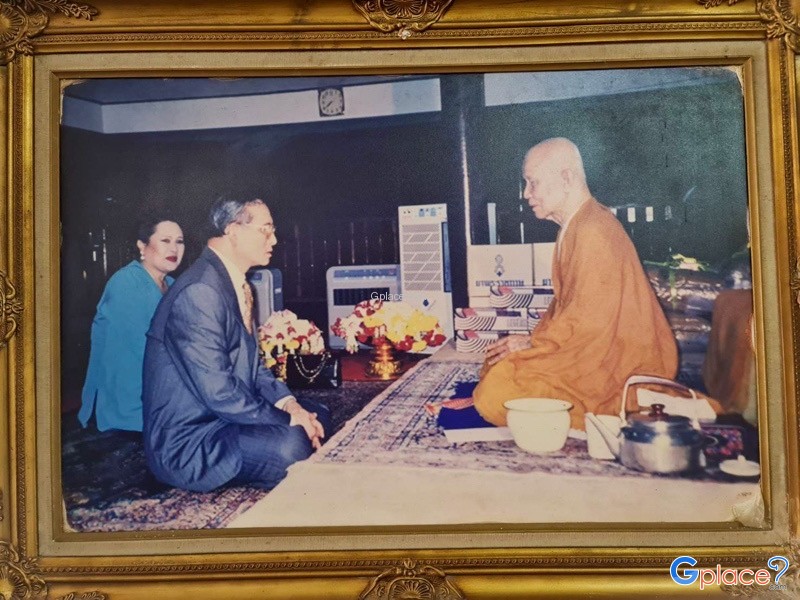
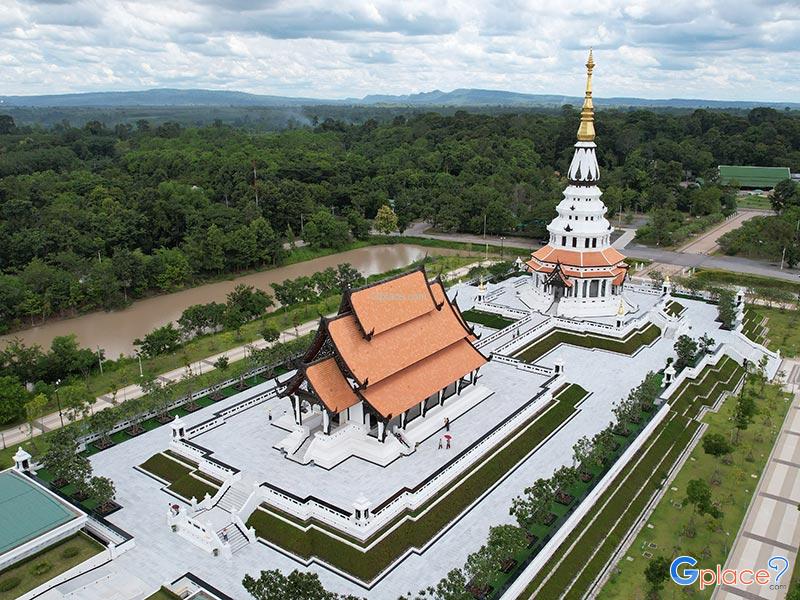
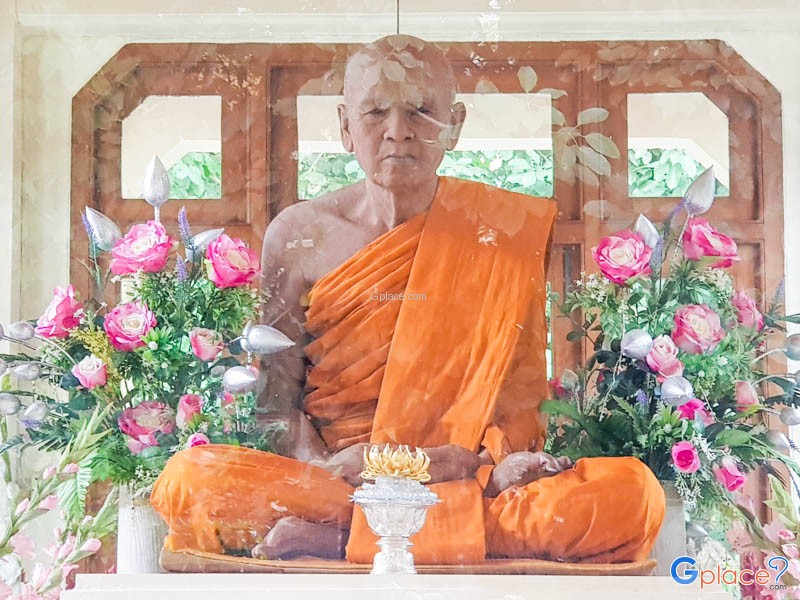
Wat Pa Udom Somphon is an important place associated with Luang Pu Fun Acaro, a revered Forest Tradition master widely respected and worshipped. The temple's atmosphere is peaceful, shady, and suitable for paying homage and learning about the history of the meditation masters of Luang Pu Mun's lineage.
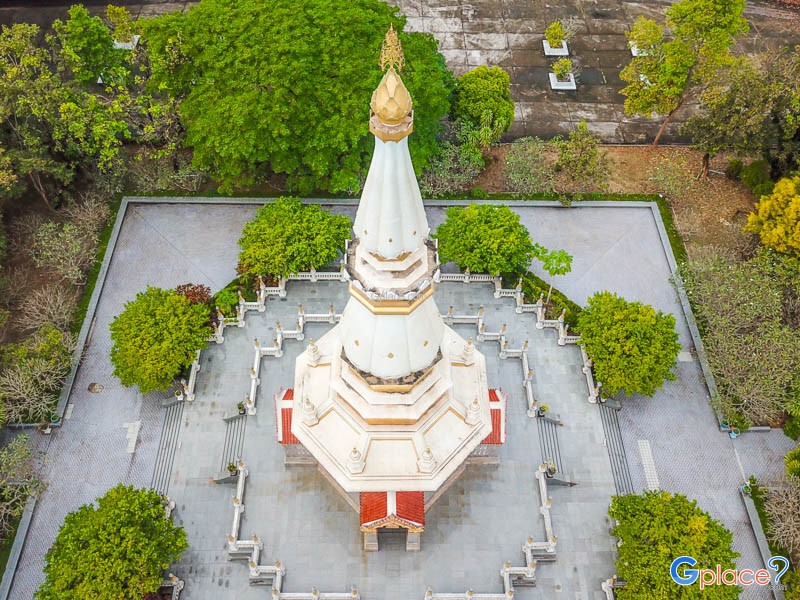
Key highlights of the temple include a wax figure museum and a lotus-shaped stupa located in the middle of a pond. The architecture is delicate, beautiful, and rich with spiritual meaning, making it a place that both devotees and cultural travelers should visit.
Important Dharma Concept:
The word “Buddho” serves as a reminder to return to knowing, awakening, and being joyful. Chanting Buddho helps draw the mind back to awareness and is a fundamental basis for meditation.
8. Wat Nong Pah Pong
Teacher/Master: Luang Pu Chah Subhaddo
Key Teaching: “Don't be like a brick or concrete, and don't be like a leaf blown by the wind.”
Details:
Wat Nong Pah Pong is a renowned model forest temple, famous both in Thailand and internationally. It is the temple of Luang Pu Chah Subhaddo, a revered master who conveyed the Dharma in simple, profound, and practical language for daily life. This temple has branches and spiritual influence extending worldwide.
The atmosphere within the temple is simple, shaded by dense trees, and greatly harmonized with nature. Visitors can experience the tranquility of a forest temple, visit the Phra Bodhiñanathera Stupa-Museum, and reflect on Luang Pu Chah's teachings which emphasize living in the present moment and seeing Dharma in everyday life.
Important Dharma Concept:
This teaching reflects the Middle Way: not rigid, emotionless, or dogmatically attached like brick and concrete, nor overly sensitive and scattered by worldly currents like a leaf blown by the wind.
9. Wat Burapharam
Teacher/Master: Luang Pu Doolya Atulo
Key Teaching: “When the mind sends out, it is the cause of suffering (Samudaya); the result arising from the mind sending out is suffering (Dukkha); the mind clearly seeing the mind is the path (Magga); the result arising from the mind clearly seeing the mind is cessation (Nirodha).”
Details:
Wat Burapharam is an ancient royal monastery of great spiritual and historical importance to the Thai meditation tradition. This place is associated with Luang Pu Doolya Atulo, a Vipassana master from Luang Pu Mun's lineage, whose profound “seeing the mind” teachings directly lead to the core of Dharma.
Within the temple, there is a Luang Pu Doolya museum for devotees to pay homage and learn about his life. Although the temple is located in an urban setting, it remains a significant place for those wishing to reflect on the Dharma and practices that emphasize direct awareness of the mind.
Important Dharma Concept:
Luang Pu Doolya's teachings profoundly summarize the Four Noble Truths through the workings of the mind. When the mind projects outwards, it creates suffering, but when the mind clearly sees the mind, that is the path to freedom from suffering.
10. Wat Khao Sukim
Teacher/Master: Luang Pu Somchai Thitaviriyo
Key Teaching: “Goodness is not for sale; if you want it, you must do it yourself.”
Details:
Wat Khao Sukim is an important temple in the Eastern region, situated on a high hill with a peaceful atmosphere, suitable for pilgrimage and finding peace of mind. This temple is associated with Luang Pu Somchai Thitaviriyo and serves as a center of faith for many Buddhists.
Within the temple, there are exhibitions of the Buddha's relics, wax figures of revered monks, as well as many ancient artifacts and rare items. This makes Wat Khao Sukim a place of faith, a learning center, and a destination for those interested in the history of Buddhism and Thai revered masters.
Important Dharma Concept:
Luang Pu Somchai's teaching is simple yet clear: goodness cannot be bought or borrowed from anyone. If you desire goodness, merit, and spiritual progress, you must undertake it yourself.
11. Wat Asokaram
Teacher/Master: Luang Por Lee Thammadhāro
Key Teaching: “Breath is life; breath is Dharma.”
Details:
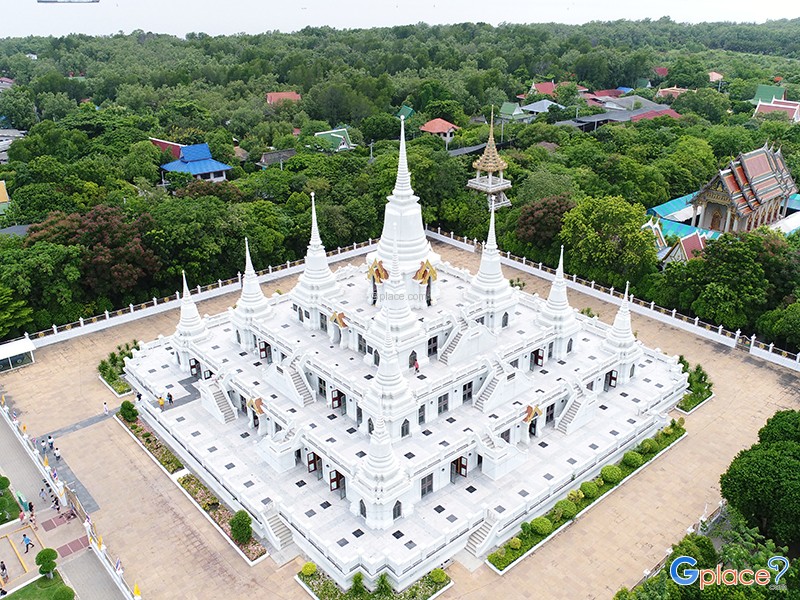
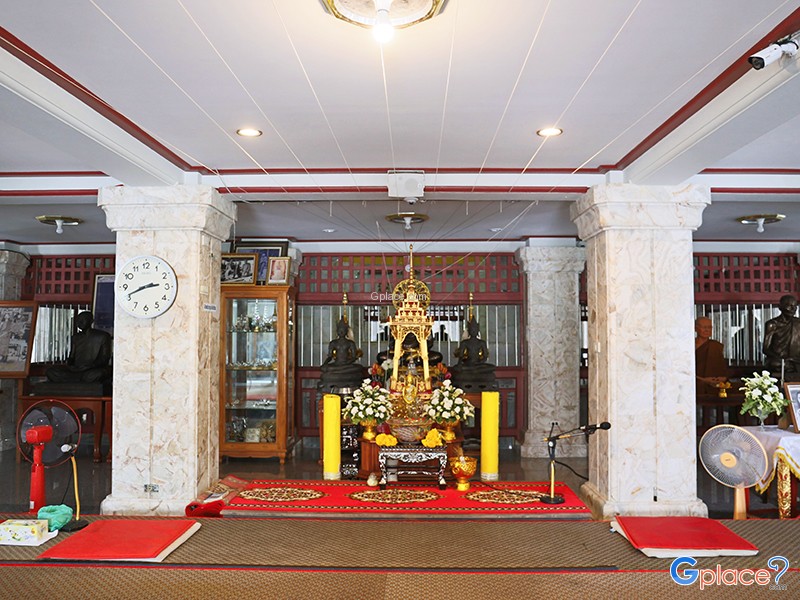
Wat Asokaram is an important temple distinguished by the Phra Thutangkha Chedi, a group of 13 pure white stupas symbolizing the 13 ascetic practices (Dhutanga). The atmosphere within the temple is peaceful, cool, and highly suitable for Dharma practice.
This temple is associated with Luang Por Lee Thammadhāro, a meditation master who played a significant role in spreading Anapanasati (mindfulness of breathing). A visit here is suitable for both paying homage, admiring the stupas, and learning about meditation practices that use the breath as a foundation for mindfulness and concentration.
Important Dharma Concept:
Breath is the closest thing to us and a vital gateway to awareness. Practicing Anapanasati helps the mind become settled, calm, and see the Dharma from the ordinary things present in every moment.
12. Wat Pa Salawan
Teacher/Master: Luang Por Phut Thaniyo and several other Forest Tradition Masters
Key Teaching: “Dharma practice is not something strange; it is about living daily life with mindfulness.”
Details:
Wat Pa Salawan is an important ancient forest temple in Korat and a Dharma practice center associated with many revered Forest Tradition masters. Even though it is within the city limits, the temple maintains a shady, peaceful atmosphere suitable for meditation.
Within the temple, there is a Burapajarn Chedi (Ancestral Masters' Stupa) enshrining the relics of several meditation masters, such as Luang Pu Mun, Luang Pu Singh, and Luang Por Phut Thaniyo. It is therefore an important place for those who wish to pay homage and learn about the legacy of Thai forest monks in an urban context.
Important Dharma Concept:
Luang Por Phut's teachings bring Dharma closer to daily life. Dharma practice does not need to be separate from living; rather, it is about being mindful in all postures – standing, walking, sitting, sleeping, and working.
13. Wat Tham Pha Pu
Teacher/Master: Luang Pu Khamdee Paphaso
Key Teaching: “To guard one's own mind is to guard everything.”
Details:
Wat Tham Pha Pu is a forest temple and monastic residence situated in natural caves, surrounded by limestone mountains. The atmosphere inside the cave is peaceful, cool, and simple, ideal for those wishing to pay homage and experience the forest temple way of life amidst nature.
The temple grounds are highly natural, with wild animals coexisting harmoniously with the temple community. This allows visitors to experience both the tranquility of the cave, the lushness of the forest, and an unadorned atmosphere of meditation.
Important Dharma Concept:
Luang Pu Khamdee's teachings emphasize guarding the mind, as the mind is paramount and the leader of all things. If one can guard the mind from falling into unwholesome states, all actions, words, and life as a whole will gradually settle on the right path.
Travel Tips
Dress Code: Please dress politely, in muted or light colors. White attire would blend even better with the atmosphere of these practice centers, as many still host monks, nuns, and lay practitioners regularly.
Optimal Visiting Hours: It is advisable to arrive at the temples in the morning or late afternoon, avoiding midday when the sun is intense, especially for temples that require climbing hills, stairs, or exploring outdoor areas, such as Phu Jor Kor or Tham Pha Plong.
Code of Conduct: Please maintain silence, refrain from loud noises, respect the temple's rules, and spend your time in a simple manner to ensure this journey is truly for paying homage, learning, and finding inner peace.


Wat Asokaram
กำลังเป็นที่นิยม
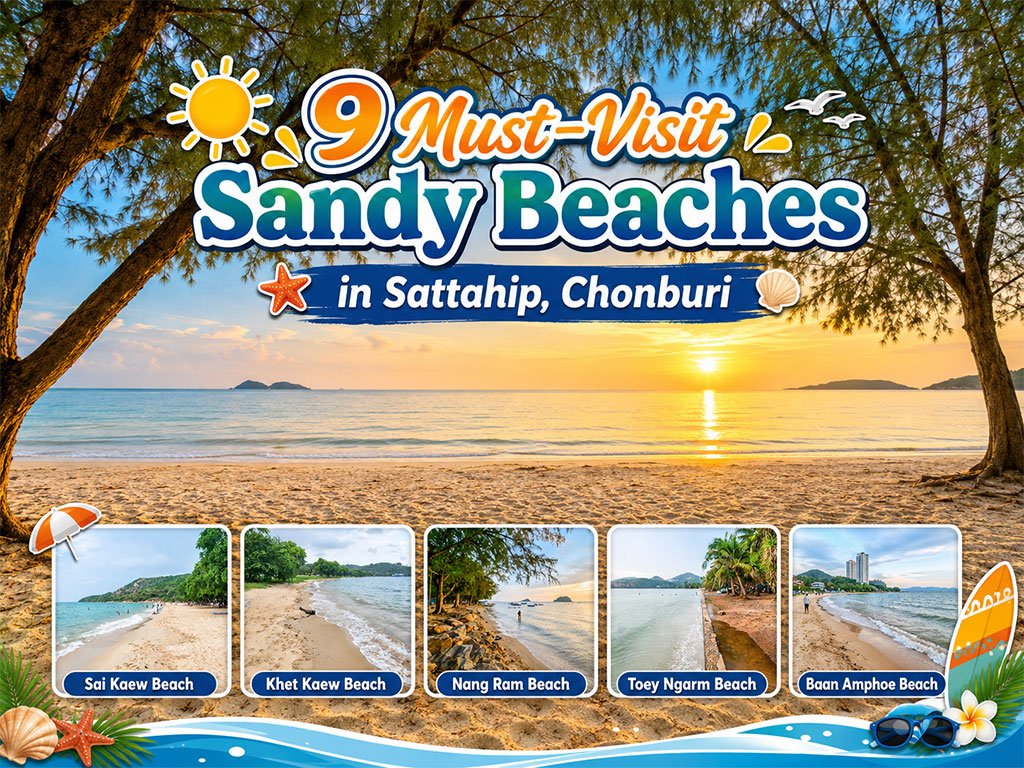
For those looking to escape the hustle and bustle of Pattaya and experience calm..

Tracing Ancient Civilizations and Invaluable Forests Recognized by UNESCO Thaila..
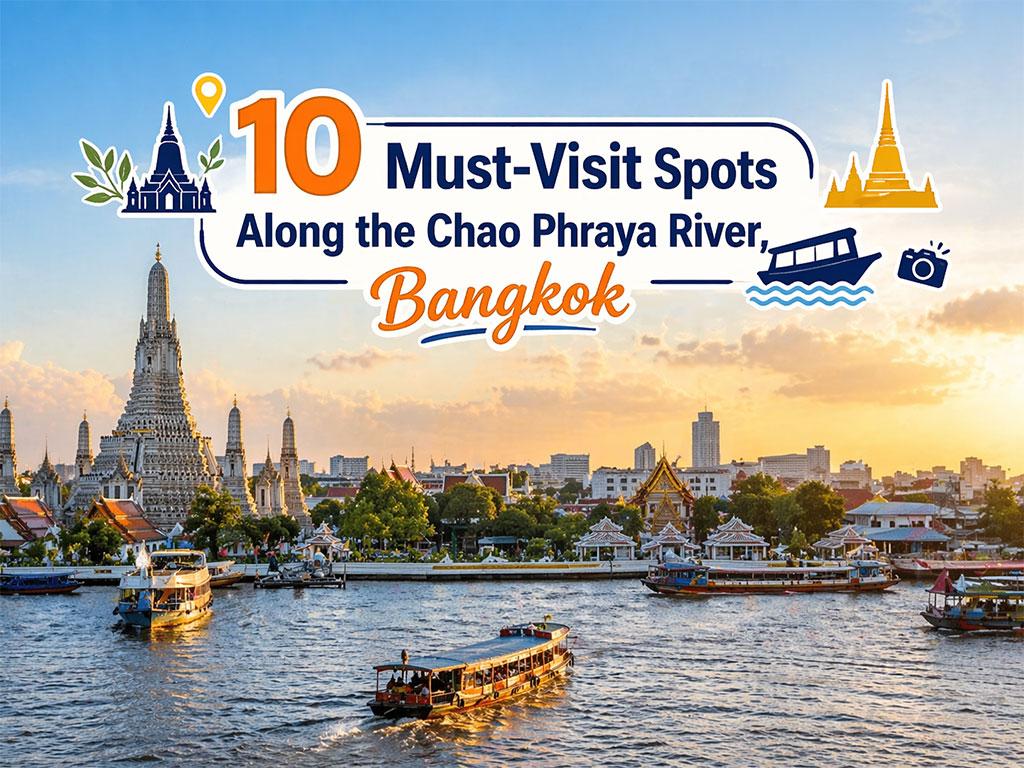
Exploring the Chao Phraya River offers one of the most complete experiences of B..
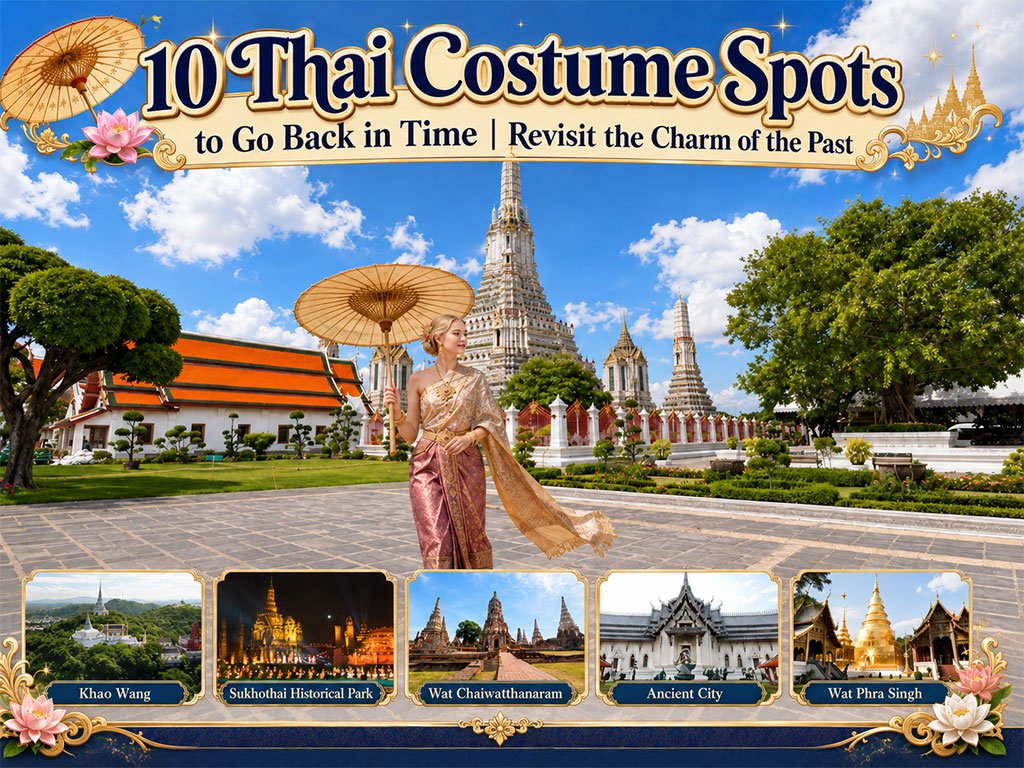
Wearing traditional Thai costume and taking photos at beautiful places is more t..
Recommend trips
- The Four Holy Pilgrimage Sites
- Dream Destinations in Switzerland
- Pilgrimage to the Sacred Sites
- Trip to Bhutan
- 10 Sacred Buddhist Sites Thai Temples in India–Nep
- 10 Thai Costume Spots to Go Back in Time
- Must-Visit Check-in Spots in London
- Attractive Beaches in Sattahip, Chonburi
- Top Paris Check-in Spots
- 10 Must-Visit Spots Along the Chao Phraya River, B
- 8 World Heritage Sites of Thailand
- The Ultimate Ancient Villages in Japan
- Watsons Bay Half-Day Trip
- 10 Best Shopping Destinations in Bangkok
- 10 Must-Visit Places in Waterford
- Thailand Nature Trails
- 1-Day Kirribilli & Sydney Harbour Walking Tour
- Japan Bucket List: 20 Places You Must Visit Once i
- 10 Must-Visit Spots in Koh Yao
- EBC - World-Class Trekking Route