
 Attractions
  Hotel
Hotel  Restaurant
  Shopping
  Abroad





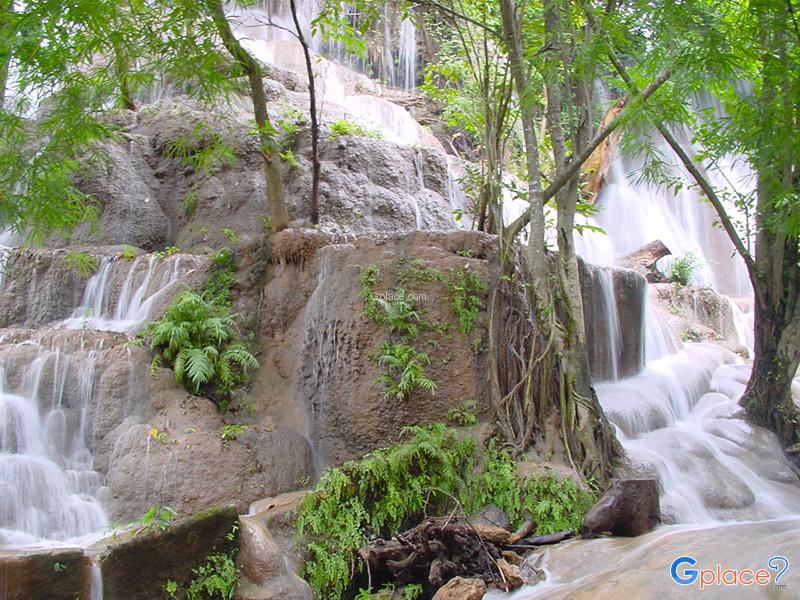

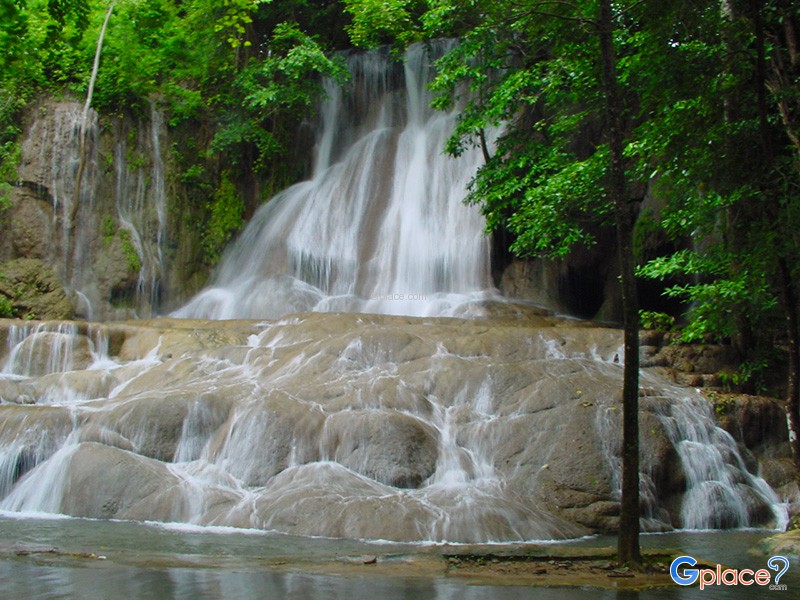
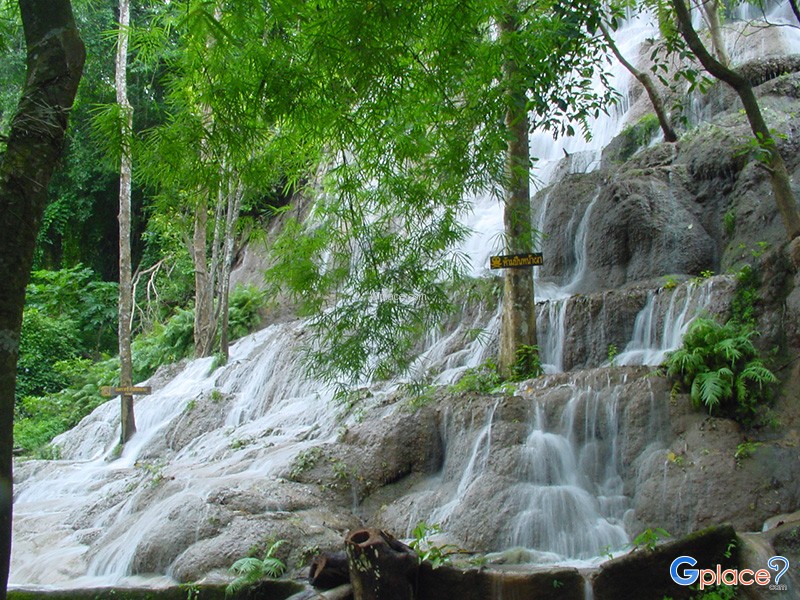
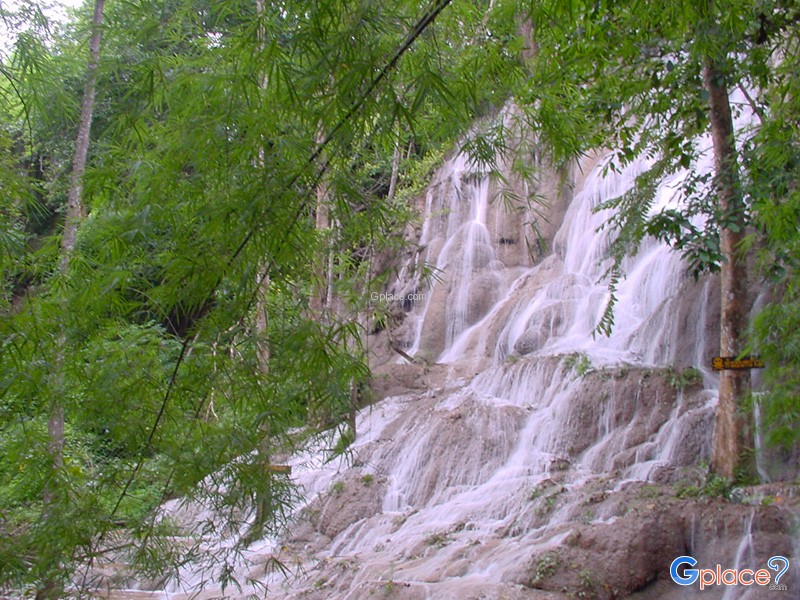
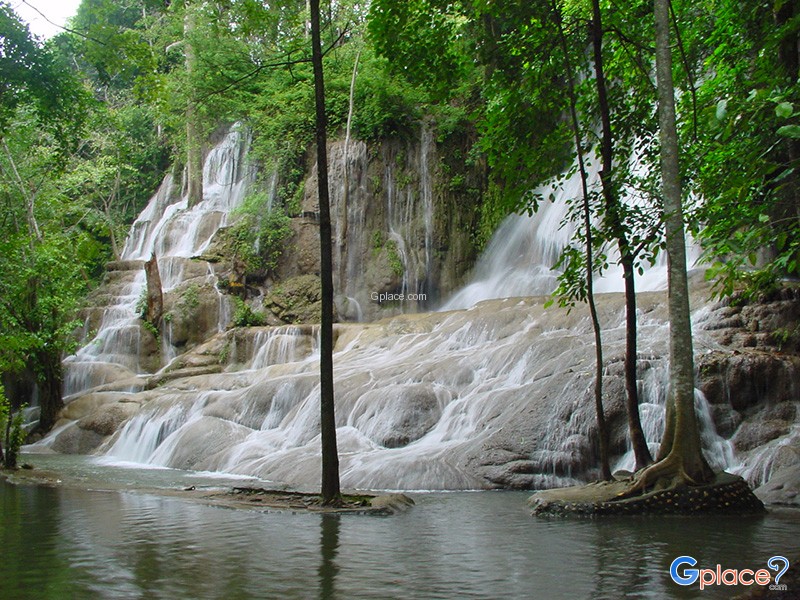
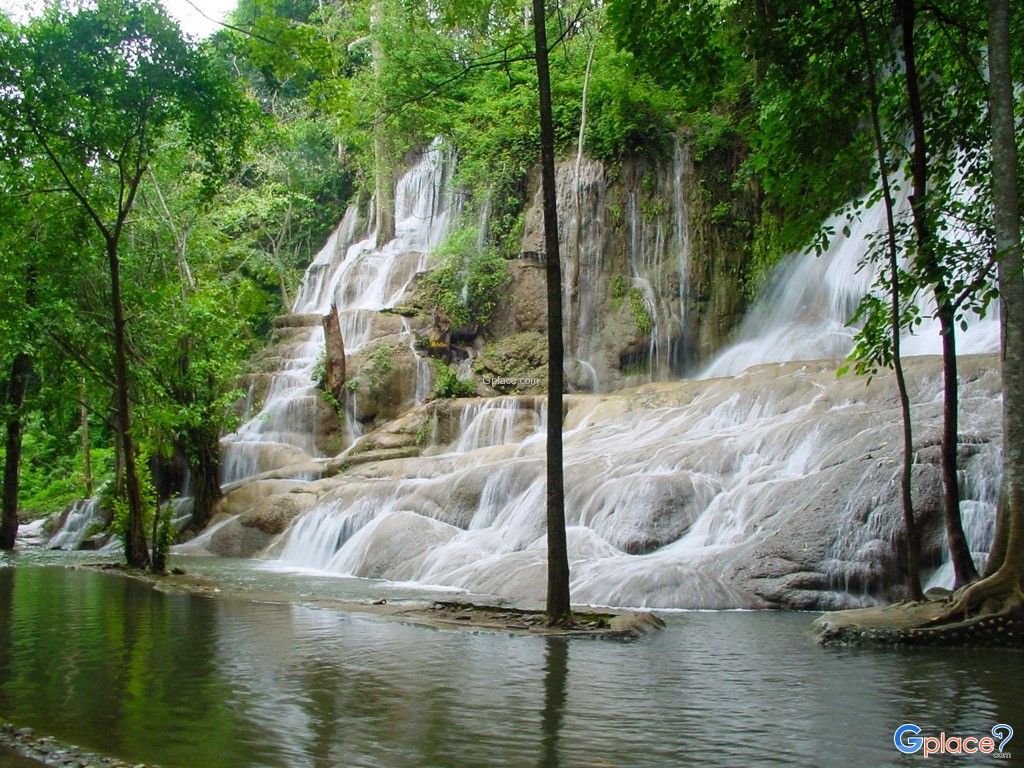
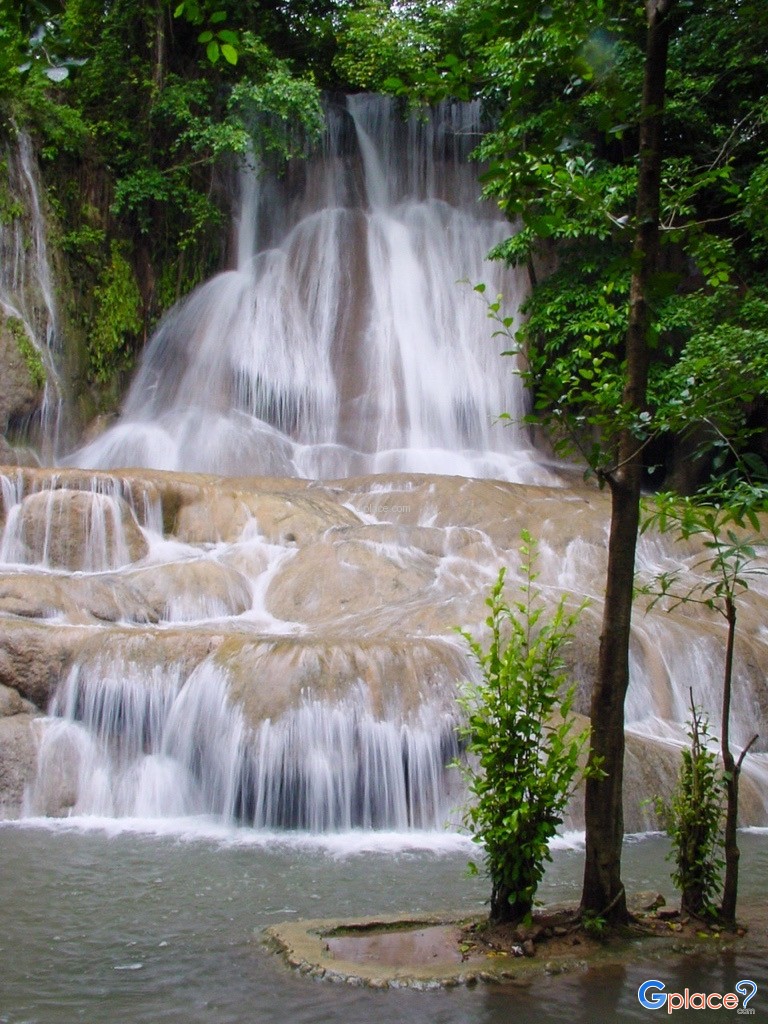
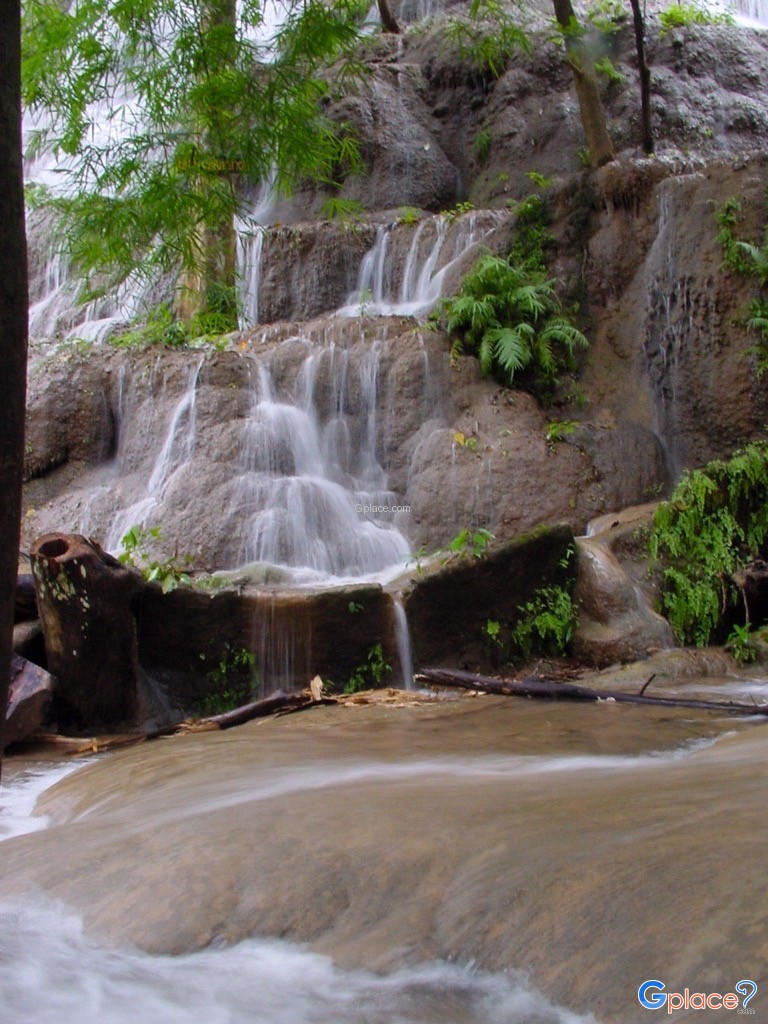
“A stunning limestone waterfall by the main road, featuring emerald pools, lush shady nature, and a historic WWII steam locomotive from the Death Railway era.”
Sai Yok Noi Waterfall, formerly known as "Khao Phang Waterfall," is one of the most famous waterfalls in Kanchanaburi Province and a major tourist attraction on the route to Sai Yok, Thong Pha Phum, and Sangkhla Buri districts. Located within Sai Yok National Park, adjacent to Highway 323, it's one of the most easily accessible waterfalls in western Thailand, unlike many others that require long hikes or extensive travel times. Tourists can park their cars and walk just a few meters to the waterfall, making it popular with both Thai and international tourists, as well as those traveling along the Death Railway, from the past to the present.
The waterfall's original name, "Khao Phang Waterfall," originates from the collapse of a limestone cliff in the past, creating a large, sloping rock formation. Water from the mountain springs flows through small streams before cascading down the limestone layers, creating a beautiful curtain of water. The area's limestone geology gives the waterfall its unique characteristics, including turquoise pools, natural rock formations, and rock layers eroded by mineral-rich water over a long period. During the rainy season, from July to October, the water volume is particularly high. The waterfall is at its widest and most beautiful during the summer months, although water levels may decrease depending on weather and rainfall each year.
The surrounding area is filled with diverse trees and mixed deciduous forest in the Tenasserim Mountains. Although the waterfall isn't very tall, the way the water flows over wide limestone cliffs creates a sense of calm and relaxation, making it ideal for rest, swimming, photography, and picnicking by the stream. Especially in the mornings, the air is cool and there are fewer tourists. The sound of flowing water mixed with the lushness of the surrounding forest creates a unique natural atmosphere. In addition, there are large rocks, limestone formations, and small streams scattered throughout the area, making Sai Yok Noi Waterfall considered one of the most beautiful roadside waterfalls in Thailand.
Beyond its natural beauty, Sai Yok Noi Waterfall also holds significant historical importance, as it is located near the "Death Railway," built during World War II by the Japanese army using a massive number of prisoners of war and laborers to construct the railway connecting Thailand and Burma. Today, the Nam Tok station, not far from the waterfall, remains the terminal station of this railway line. Tourists can take the train from Bangkok, passing the Bridge over the River Kwai, Tham Krasae Cliff, and other historical sites before reaching the waterfall. Within the area, there is also an exhibition of a World War II-era steam locomotive to commemorate the significant history of this region. Nearby are other important sites such as Tham Krasae Cave, Hellfire Pass, and Wang Pho Bridge, all connected to the history of the Death Railway.
Today, Sai Yok Noi Waterfall remains one of the most popular natural tourist attractions in Kanchanaburi province. It seamlessly combines natural beauty, unique geological features, easy accessibility, and rich history. Tourists can enjoy a short visit during their travels or include it as part of a comprehensive tour exploring the River Kwai, the Death Railway, and the natural beauty of western Thailand. It is often a popular destination on weekends, and the scenic train tours from Bangkok remain consistently popular. The shops near the waterfall entrance offer a wide variety of souvenirs and local food, creating a lively atmosphere throughout the year.
How to Get There
-
By Car: Drive along Highway 323 (Kanchanaburi-Thong Pha Phum). The waterfall is located at kilometer marker 46.
-
By Train: Take the "Excursion Train" from Bangkok (Hua Lamphong) on weekends and holidays, which stops directly at the Nam Tok Station nearby.
Travel Tips
- Visit during the rainy season for the fullest waterfall flow.
- Early morning offers cooler weather and fewer tourists.
- The rocks near the waterfall can be slippery after rain.
- Wear sandals or shoes with good grip for walking safely.
Admission Fees:
- Free admission
Opening Hours:
- 08:00 AM – 06:00 PM
Sai Yok Noi Waterfall

 Share
Share
 T.Tha Sao, A.Sai Yok, Kanchanaburi, 71150
Map
T.Tha Sao, A.Sai Yok, Kanchanaburi, 71150
Map
 Closed today
Mon8.00 - 17.00
Tue8.00 - 17.00
Wed8.00 - 17.00
Thu8.00 - 17.00
Fri8.00 - 17.00
Sat8.00 - 17.00
Sun8.00 - 17.00

 https://www.thai-tour.com/thai-tour/central/kan/data/place/pic_saiyoknoi.htm

 7572
7572