 Attractions
  Hotel
Hotel  Restaurant
  Shopping
  Abroad





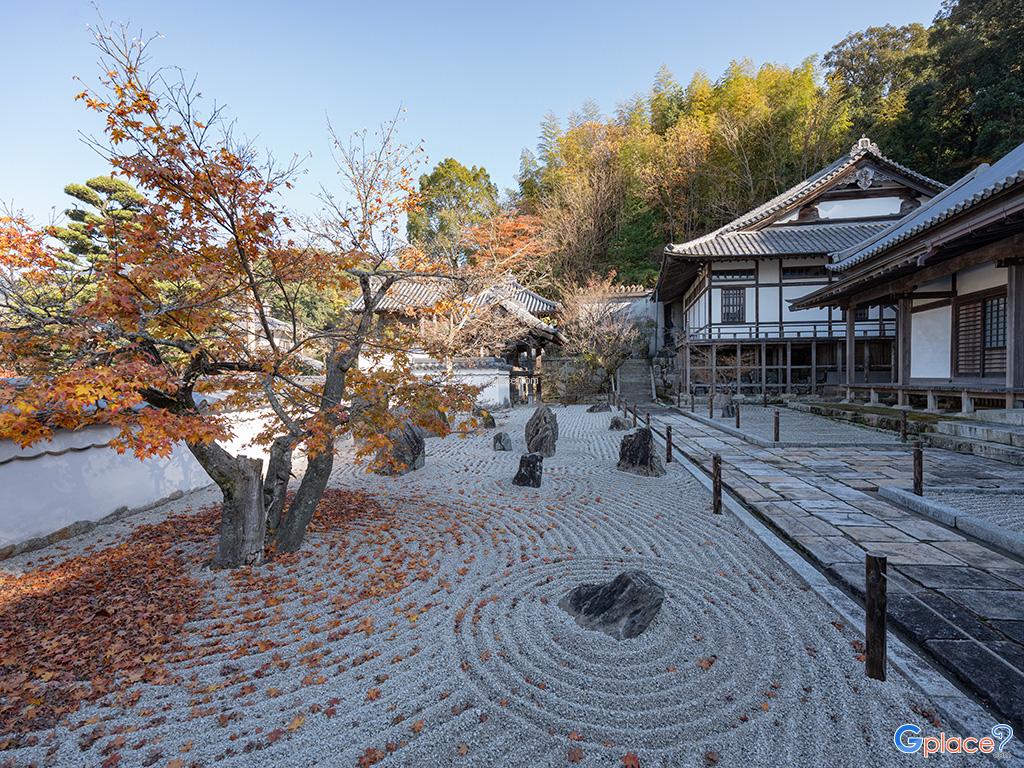

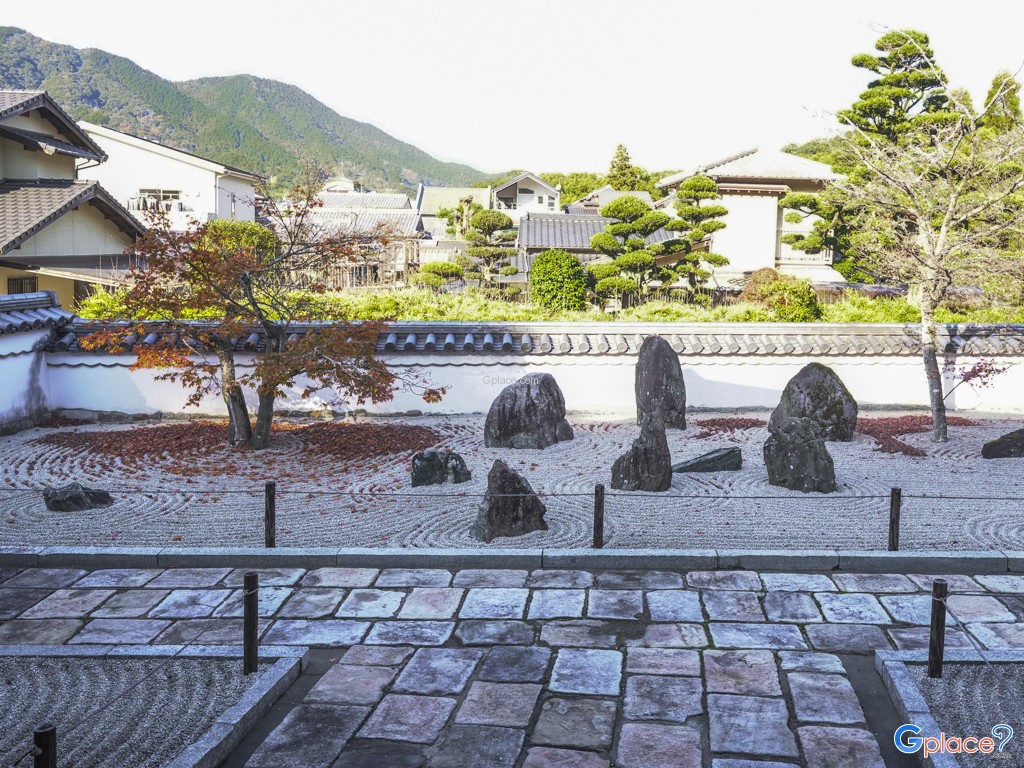
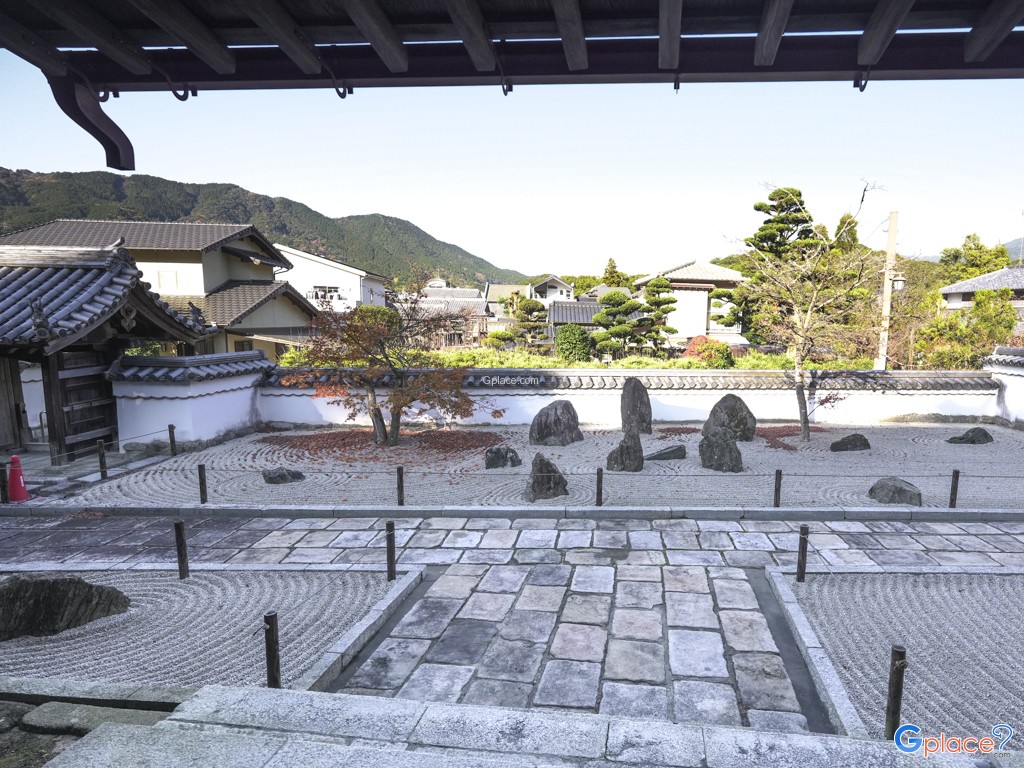
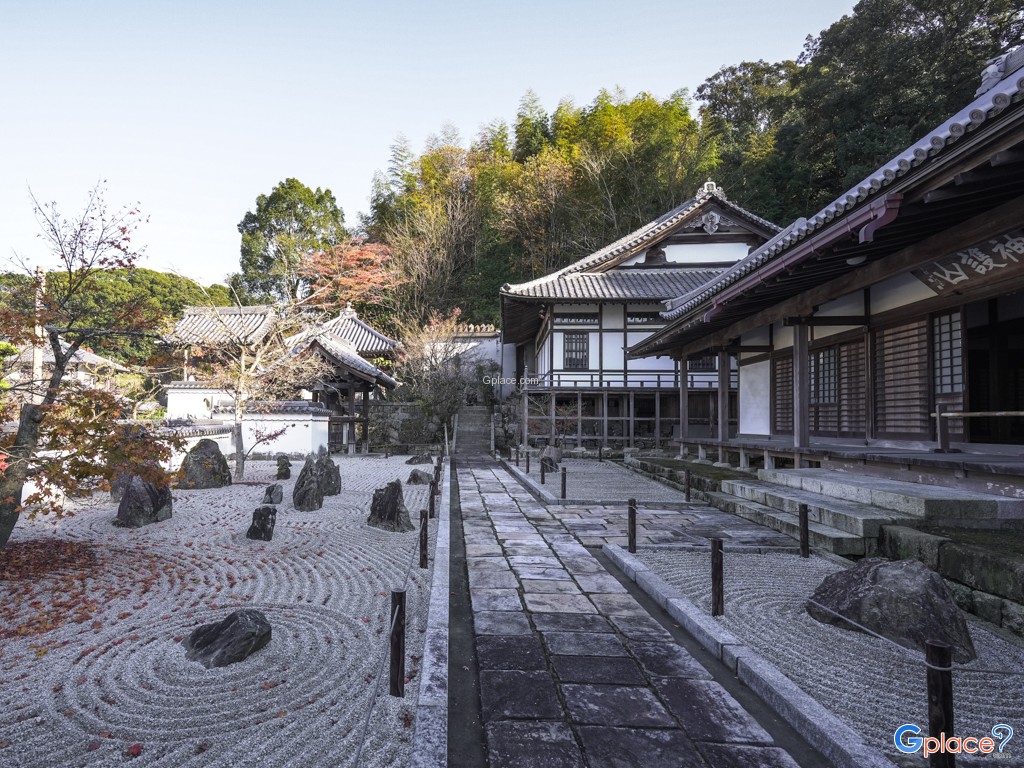
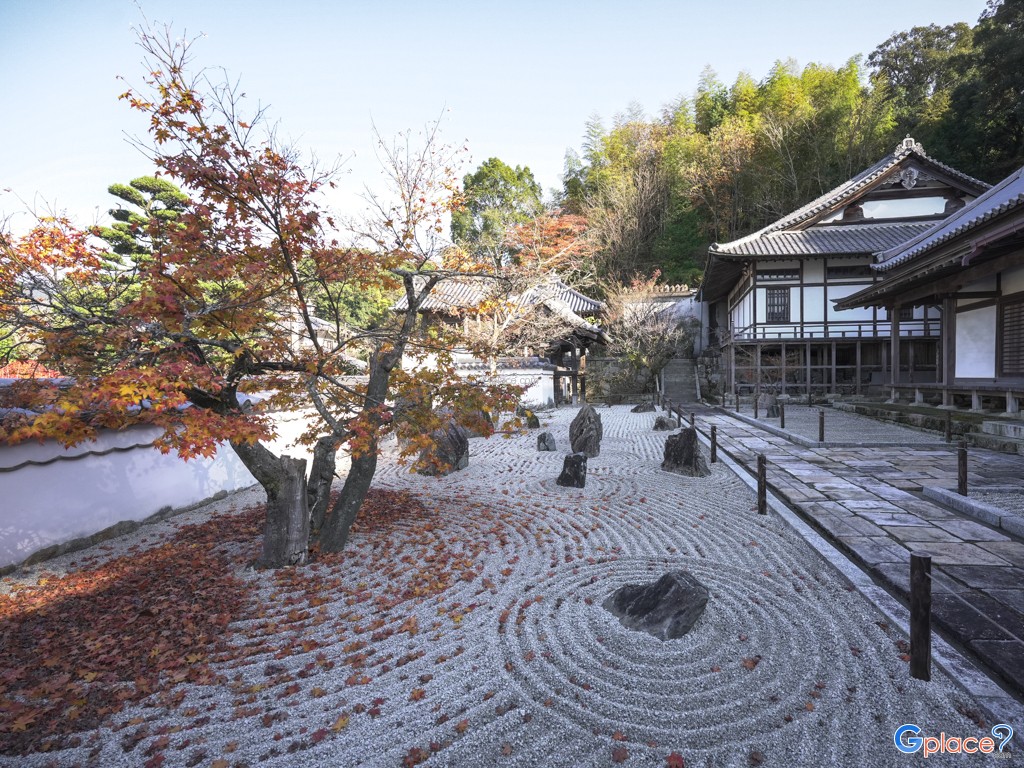
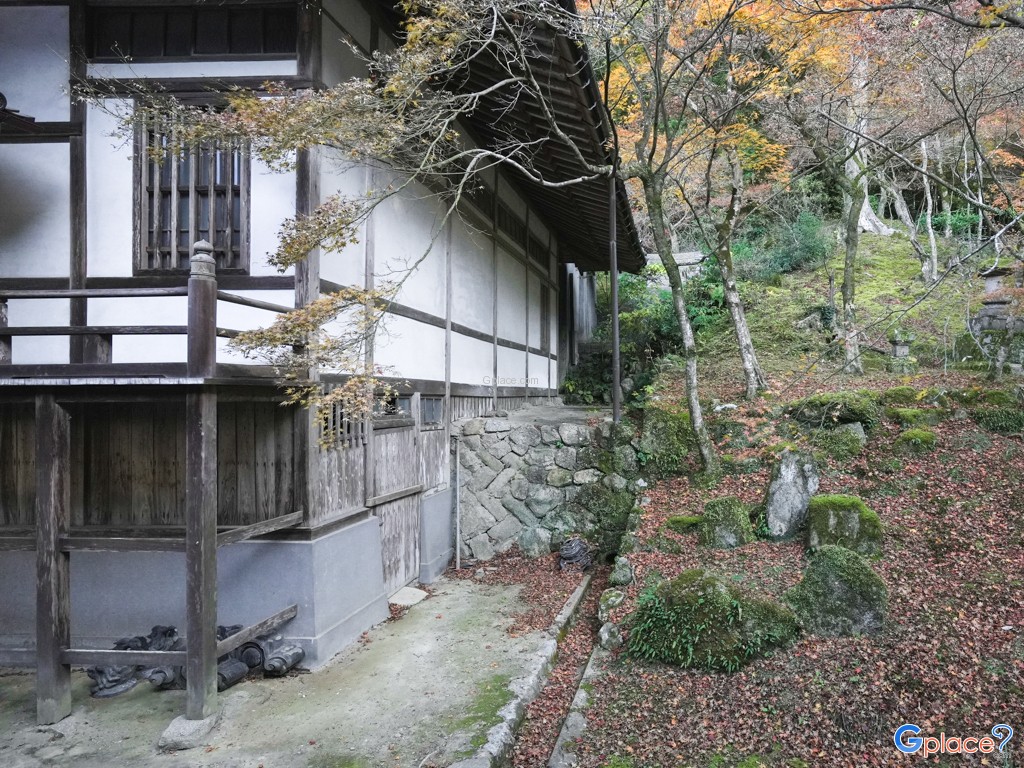
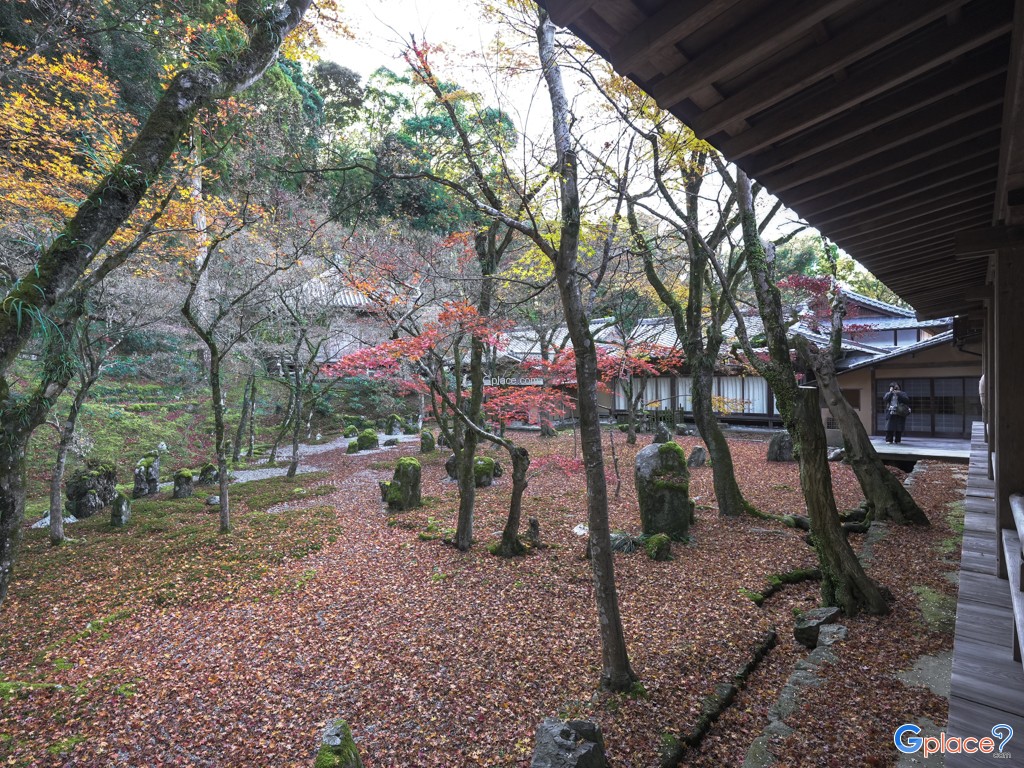
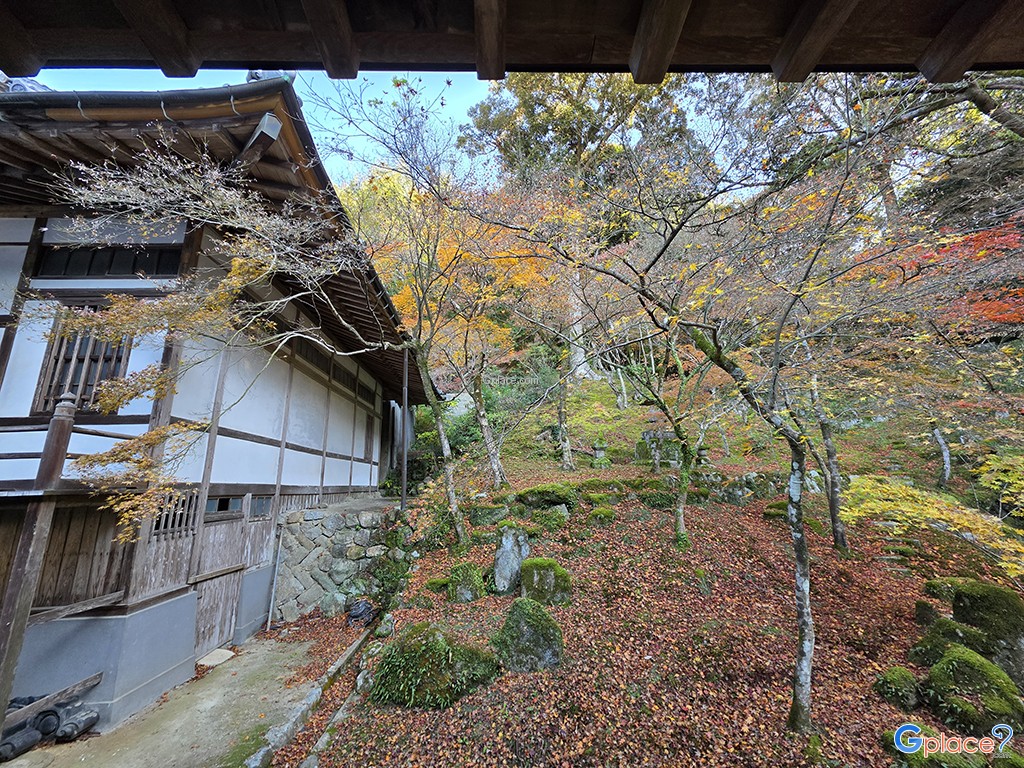
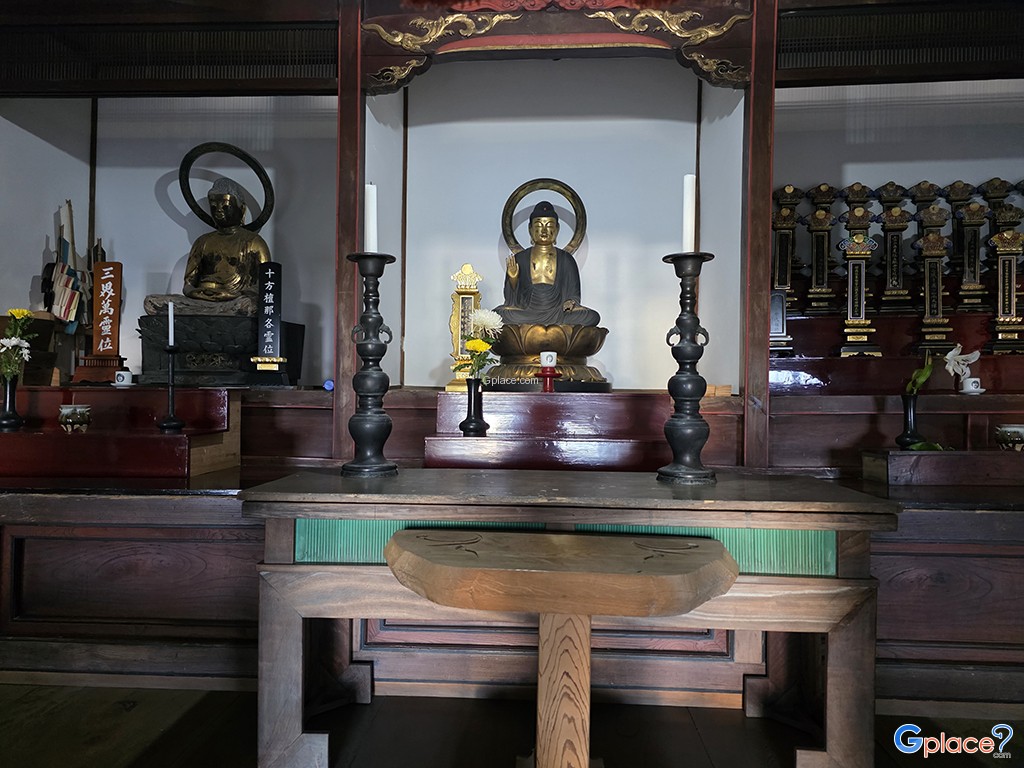
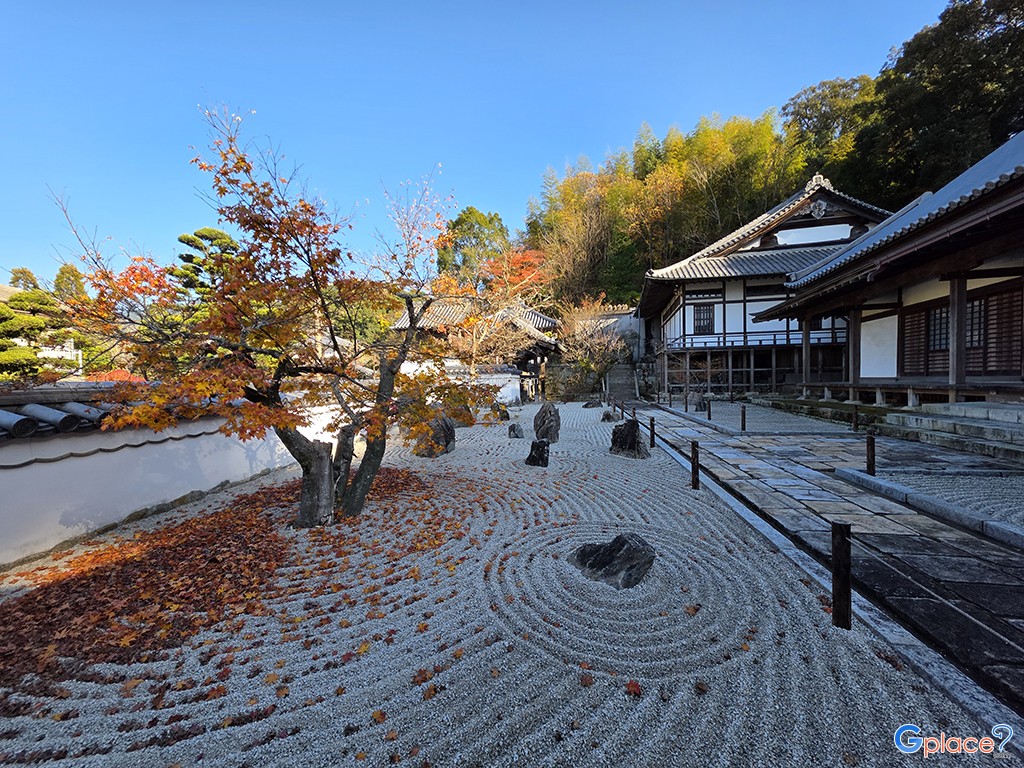
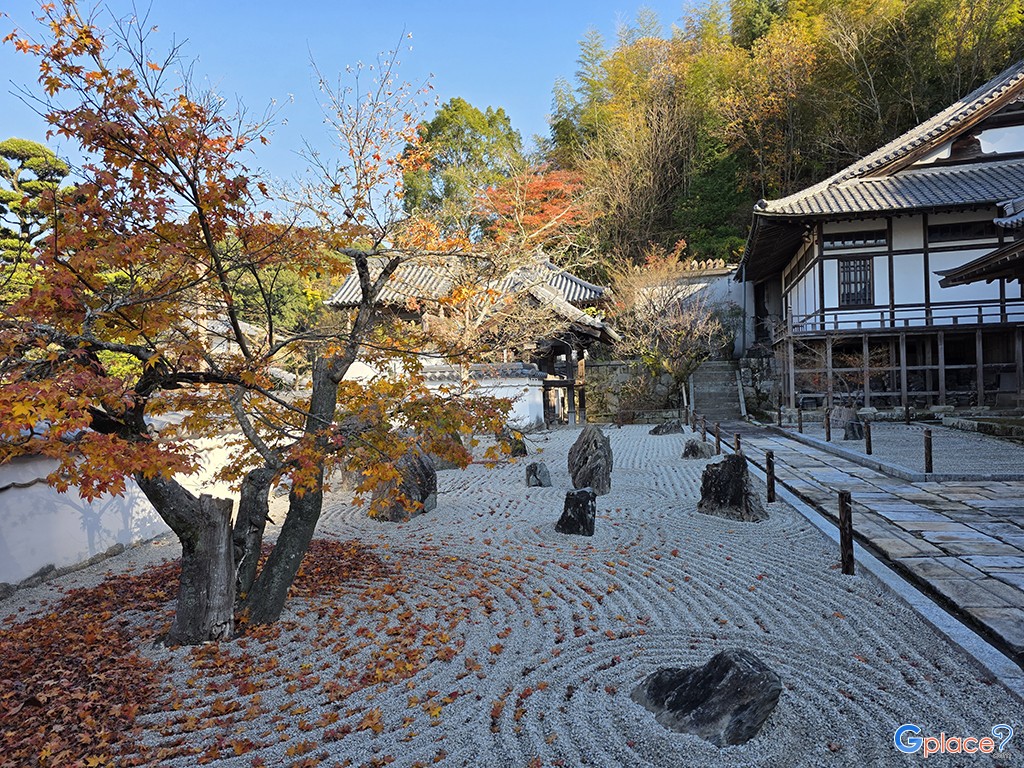
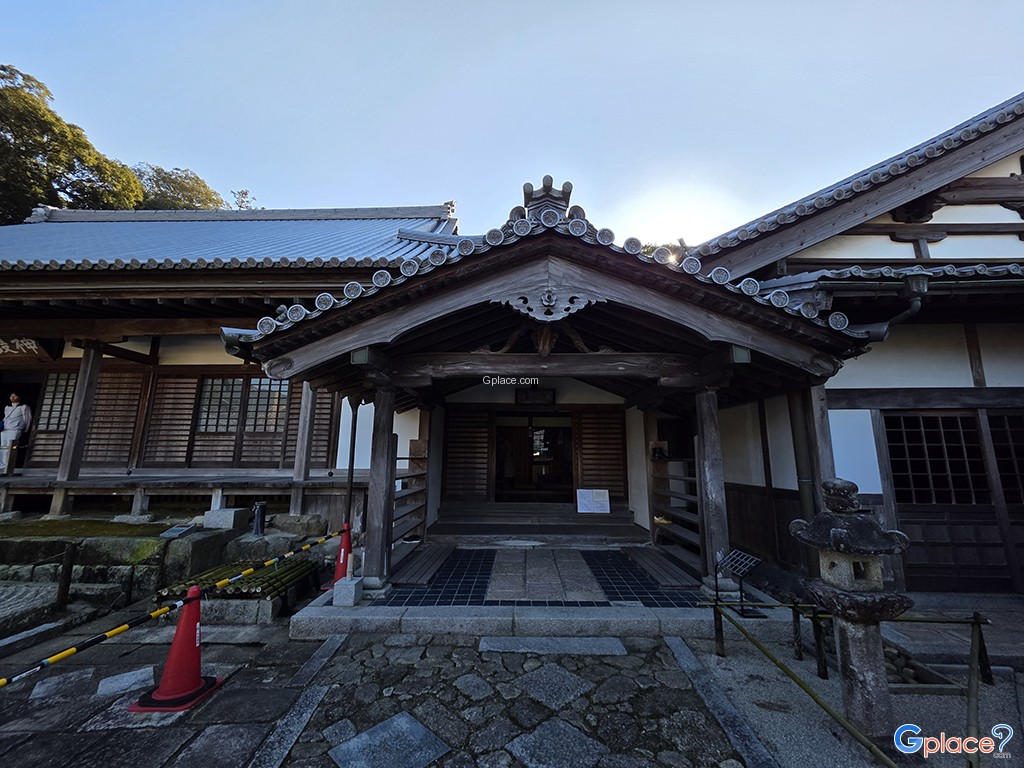
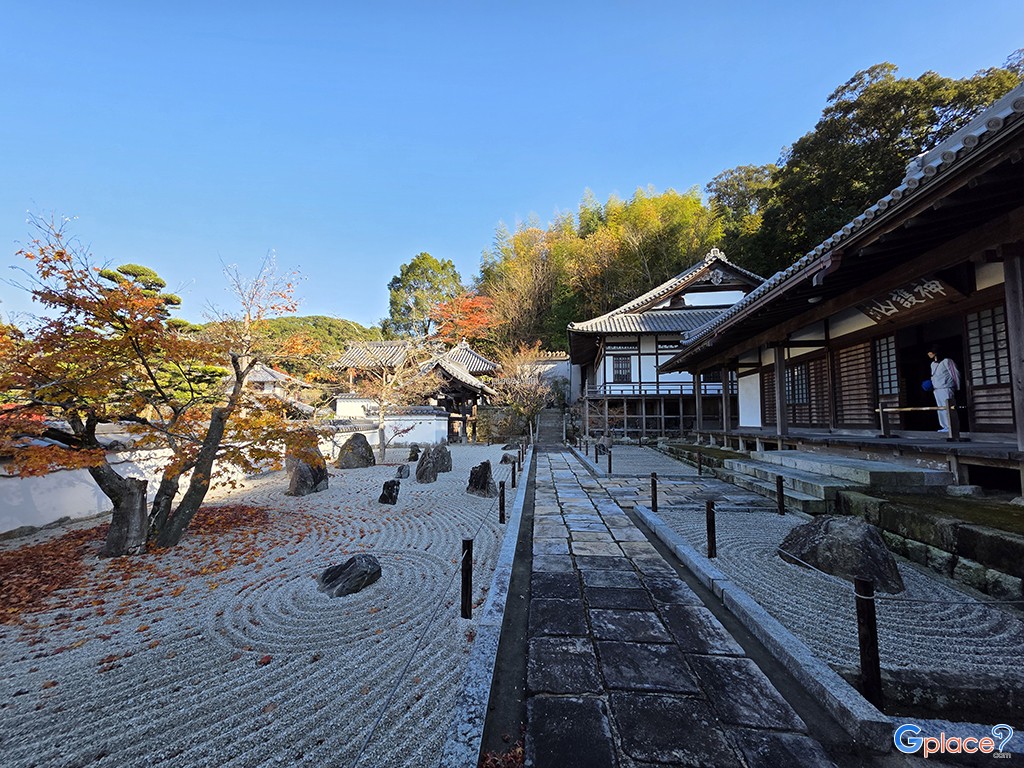
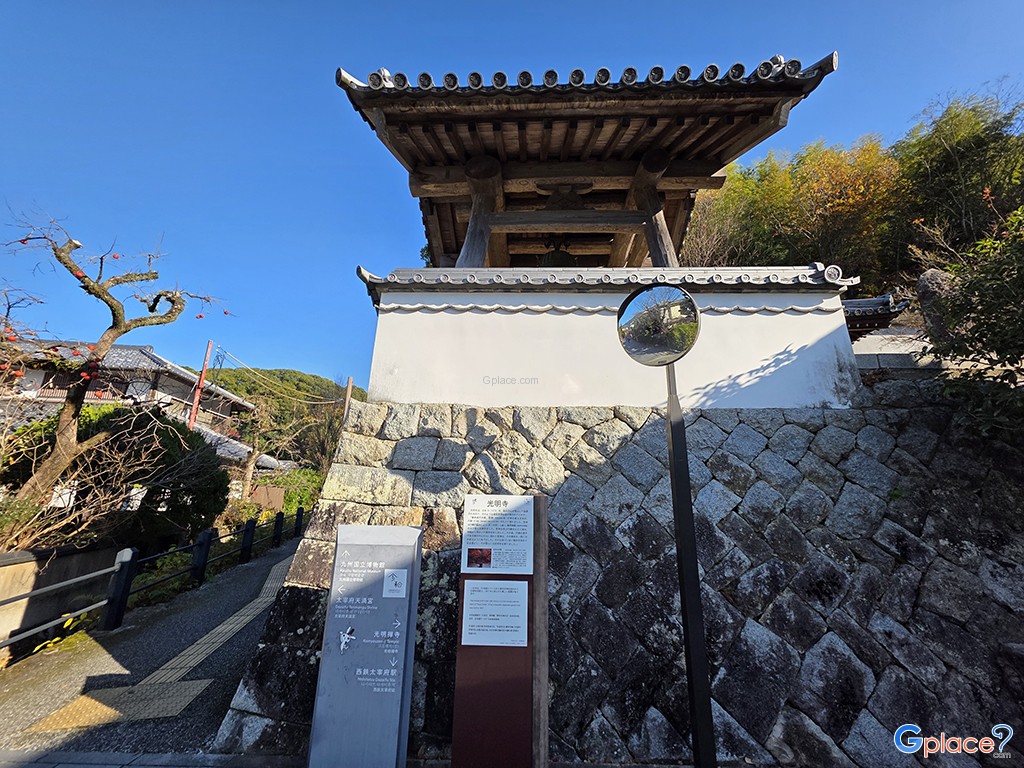
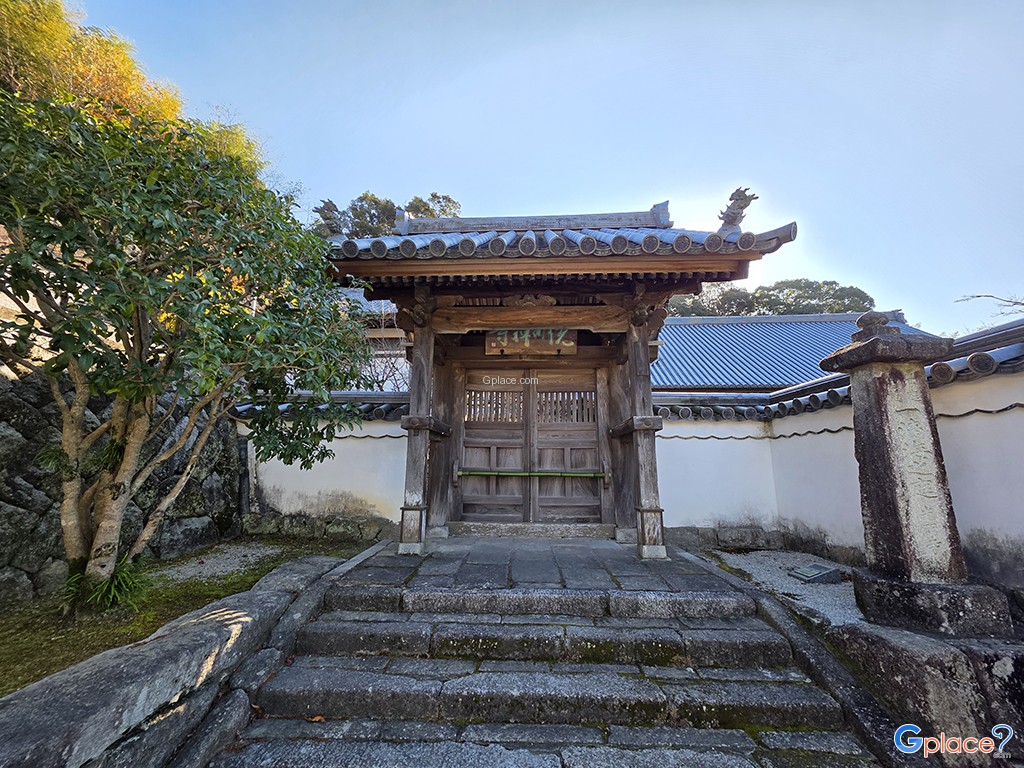
“A tranquil Zen temple celebrated for its two beautifully designed Zen gardens, including a symbolic rock arrangement forming the character for “light.””
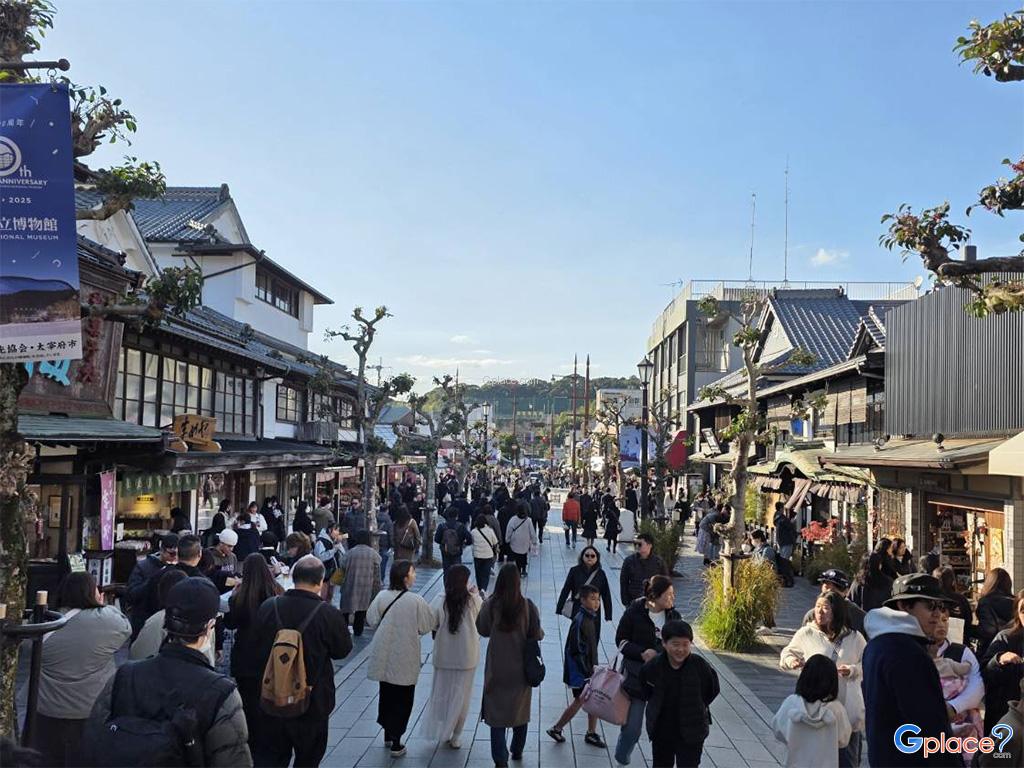
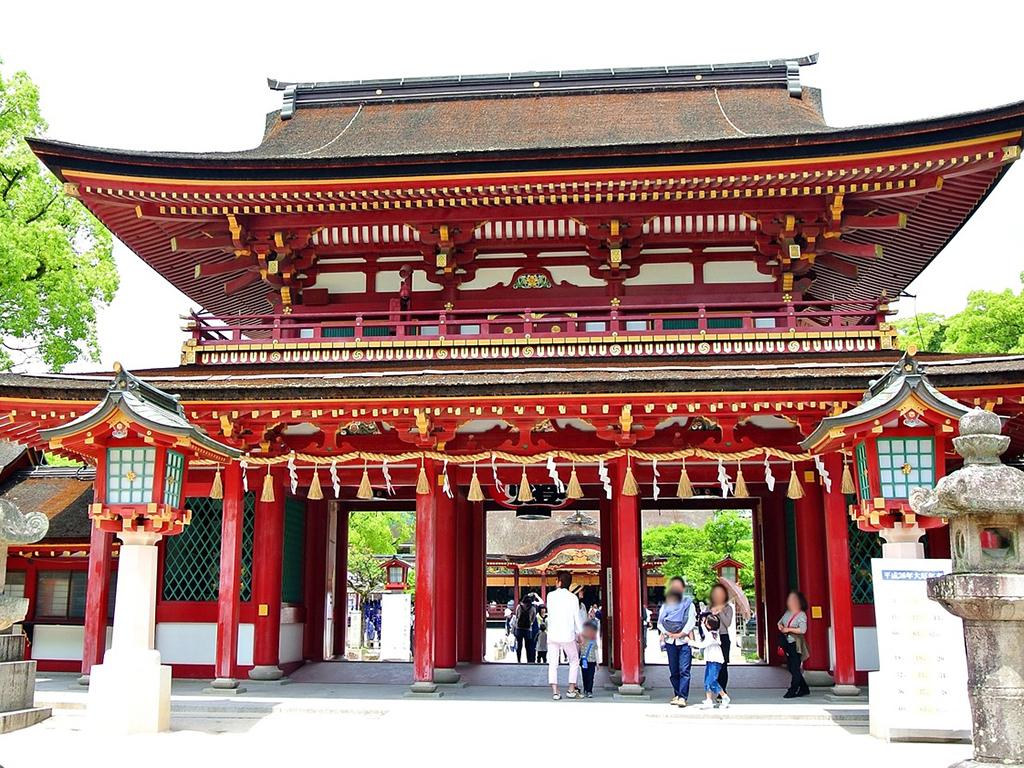
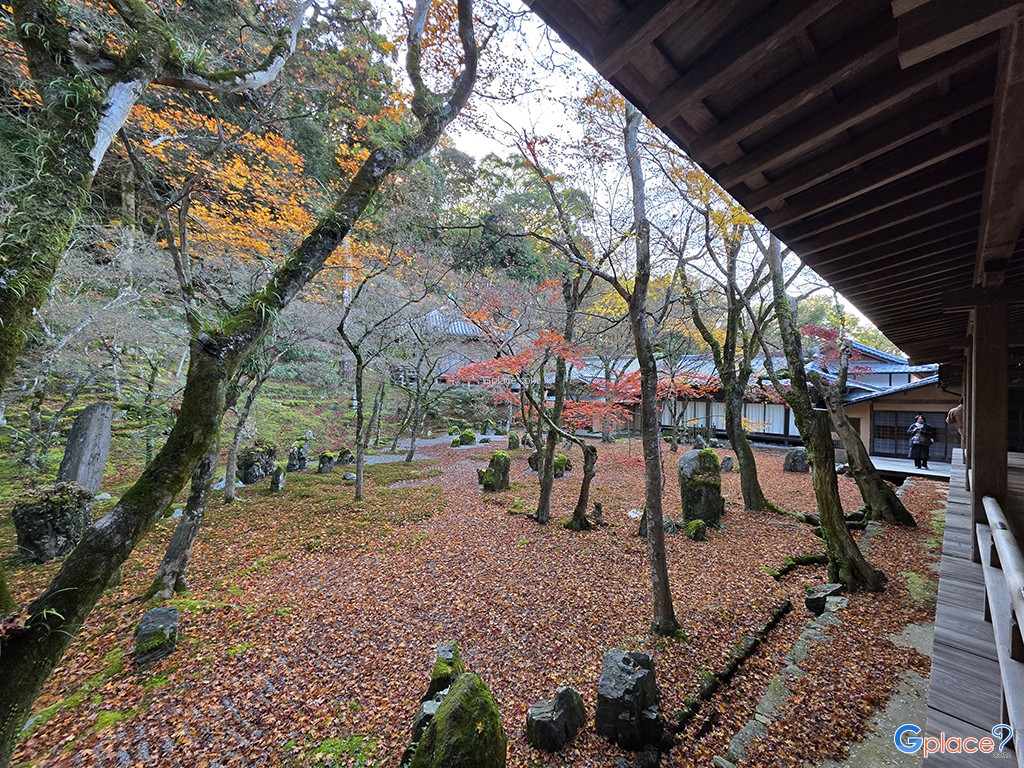
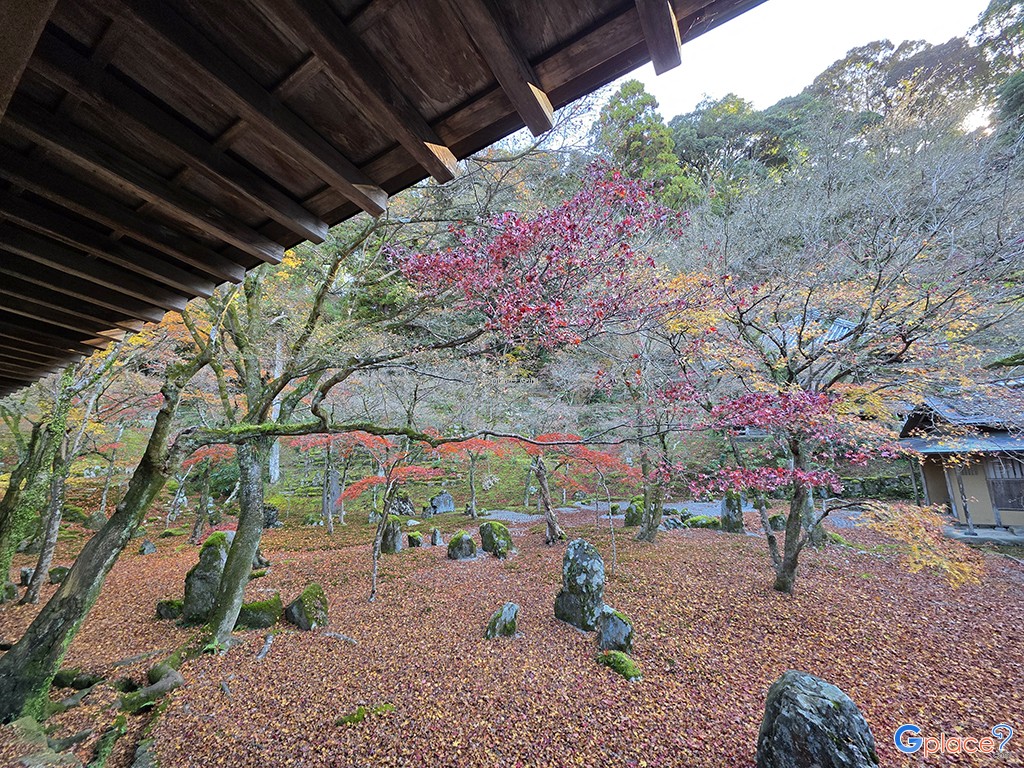
Komyozenji Temple was founded in 1273 during the Kamakura period by the Zen priest Tetsugyu Enshin. This temple belongs to the Rinzai sect of Zen Buddhism and is regarded as one of the most spiritually refined temples in the Kyushu region. Located just south of the lively Dazaifu Tenmangu Shrine, the temple offers a striking contrast with its calm, contemplative atmosphere. It is affectionately known as the “Moss Temple” (Koke-dera) due to the stunning use of moss in its rear garden, a nickname widely recognized among visitors.
The temple is best known for its two meticulously maintained Zen gardens, each designed to support meditation and reflection.
The Front Garden is a classic karesansui (dry landscape) Zen garden composed of carefully raked white gravel and fifteen strategically positioned rocks. The rock arrangement is said to form the shape of the kanji “光” (kōmyō), meaning “light,” which directly reflects the temple’s name and spiritual symbolism.
The Rear Garden is larger and incorporates stones, gravel, and luxuriant green moss to create abstract representations of land and water. Overhanging 300-year-old maple trees enhance the garden’s seasonal beauty, making Komyozenji particularly popular during the autumn foliage season (mid-November), when vibrant red and gold leaves transform the tranquil setting into a living masterpiece.
How to Get There
-
By Train: Take the Nishitetsu Tenjin Omuta Line from Fukuoka (Tenjin) to Nishitetsu Dazaifu Station. From the station, walk approximately 5 minutes south to reach the temple.
-
By Bus: Local buses from central Fukuoka and Dazaifu areas stop near Dazaifu Tenmangu Shrine. From there, Komyozenji Temple is a short walk away.
-
By Car: Drive to Dazaifu City and use nearby paid parking areas around Dazaifu Tenmangu Shrine, then walk to the temple.
Travel Tips
- Visit early in the morning for the most peaceful experience, especially during the autumn foliage season in mid-November. Photography is permitted, but visitors are encouraged to remain quiet and respectful, as the temple is an active place of worship and meditation.
Admission Fee:
- ¥200
Opening Time:
- Generally open daily from 8:00 AM to 5:00 PM
(Hours may vary during Buddhist services or special events.)
Komyozenji Temple

 Share
Share
 2 Chome-16-1 Saifu Dazaifu, Fukuoka, Japan
Map
2 Chome-16-1 Saifu Dazaifu, Fukuoka, Japan
Map
 Closed today
Mon8.00 - 17.00
Tue8.00 - 17.00
Wed8.00 - 17.00
Thu8.00 - 17.00
Fri8.00 - 17.00
Sat8.00 - 17.00
Sun8.00 - 17.00



 179
179