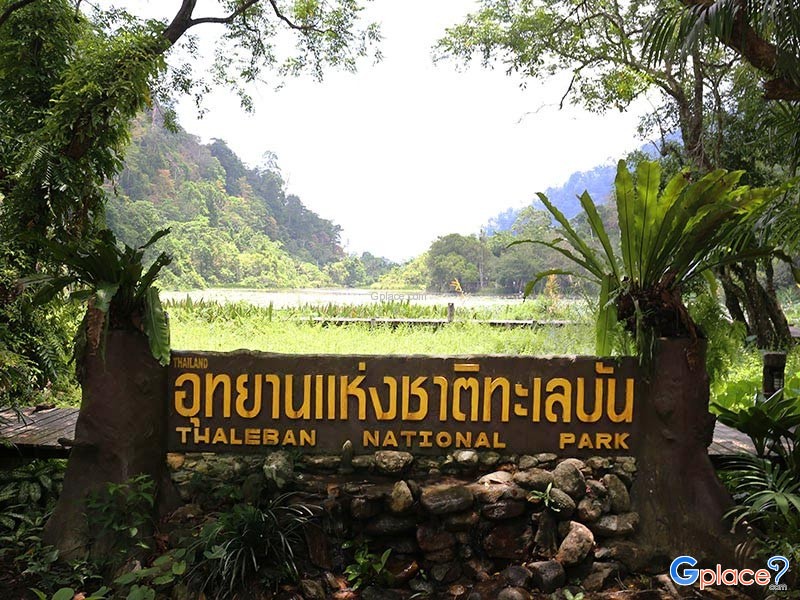
Thale Ban National Park is one of the most distinctive protected natural areas on Thailand’s Andaman coast. It is located along the Thailand–Malaysia border within the Sankalakhiri mountain range, which serves as a natural barrier and an important watershed supporting ecosystems across Satun Province.
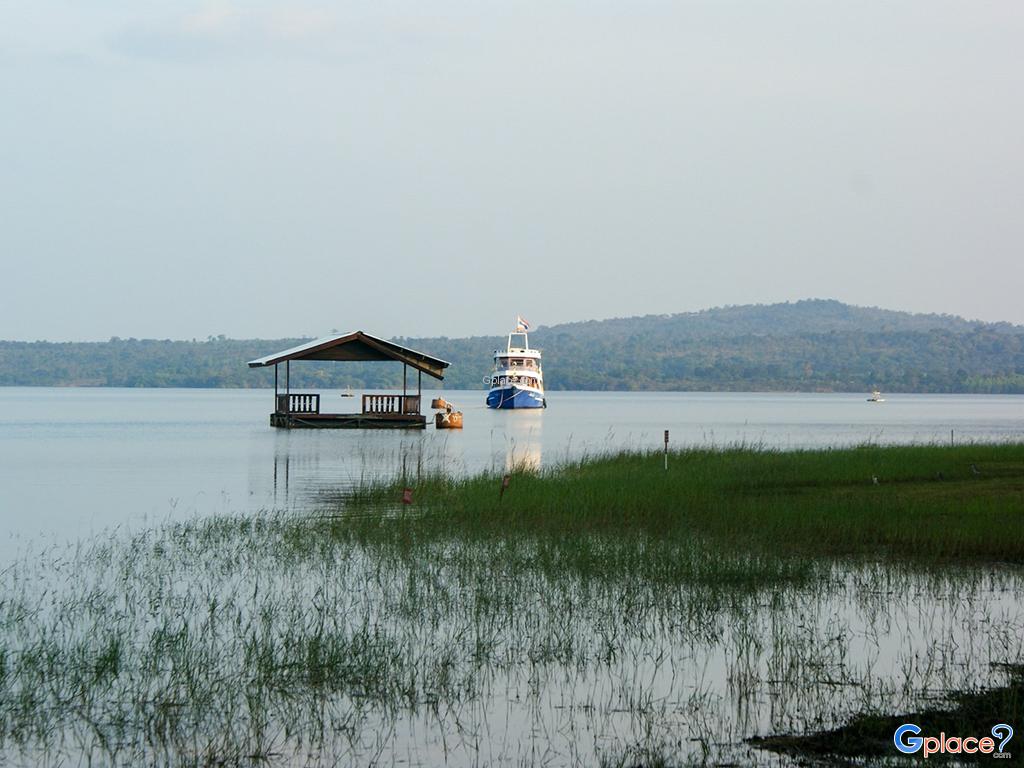
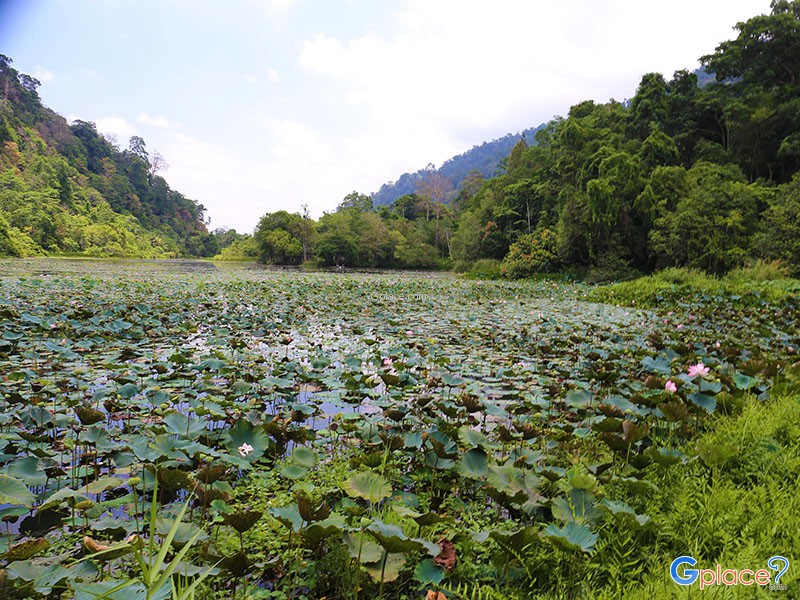
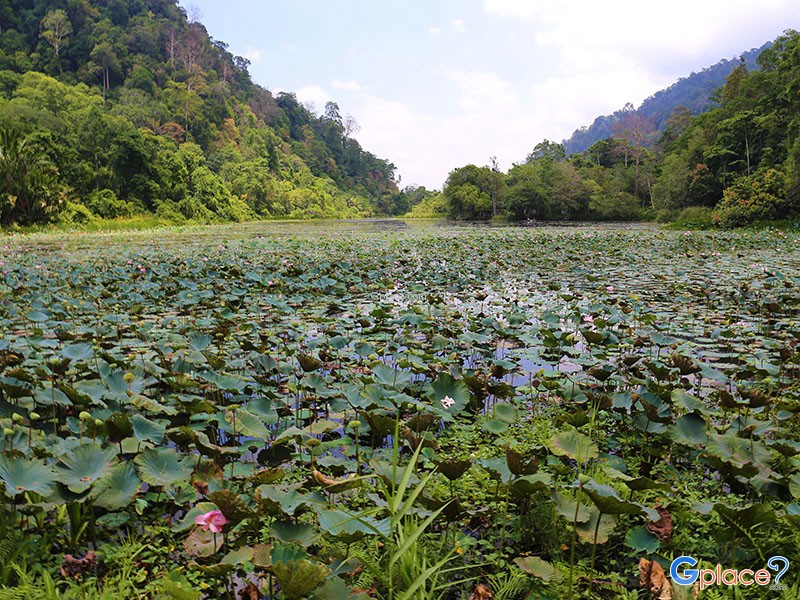
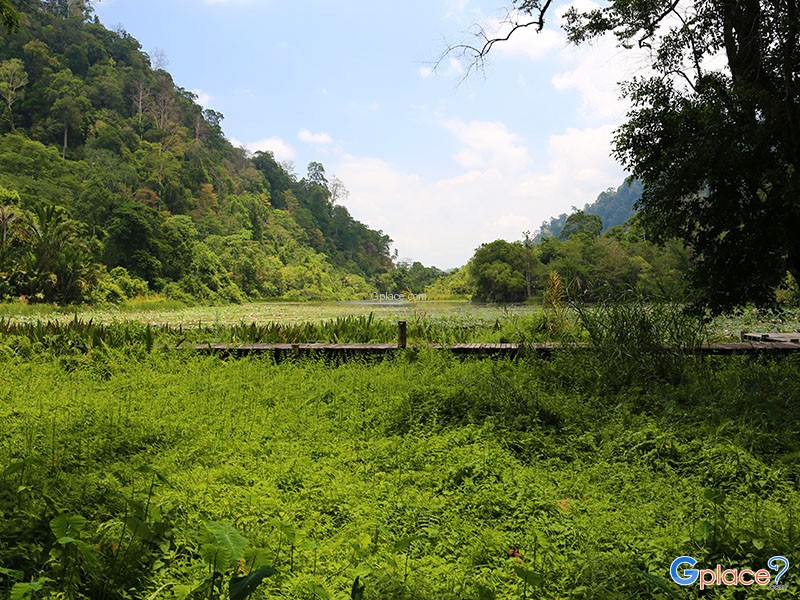
The park’s most prominent feature is “Thale Ban Lake,” a large freshwater lake formed by a past limestone karst collapse. This geological process created a basin capable of holding water year-round. Such formations are rare in Thailand, making the area significant for both scientific study and conservation.
The surrounding landscape consists of complex limestone mountains, tropical rainforest, and peat swamp forest. These peatlands contain dense organic soil that retains water efficiently, creating a unique yet fragile ecosystem of high ecological value.
Thale Ban is considered a regional biodiversity hotspot, especially for birdlife, with over 200 recorded species, including wetland birds, rainforest species, and migratory birds. The park is also home to reptiles, small mammals, and amphibians. The most notable species is the “Barking Frog,” an endemic amphibian known for its dog-like call, commonly heard around the lake during the evening.
Vegetation includes large tropical hardwood trees such as dipterocarps and ironwood, as well as wetland-specific plants and some carnivorous species, reflecting nutrient-poor soil conditions in certain areas.
The surrounding peat swamp plays a crucial environmental role by storing water, reducing flood severity, and acting as a natural carbon sink that helps mitigate climate change. However, this ecosystem is highly sensitive; disturbances such as trampling or changes in water levels can have long-term impacts on its balance.
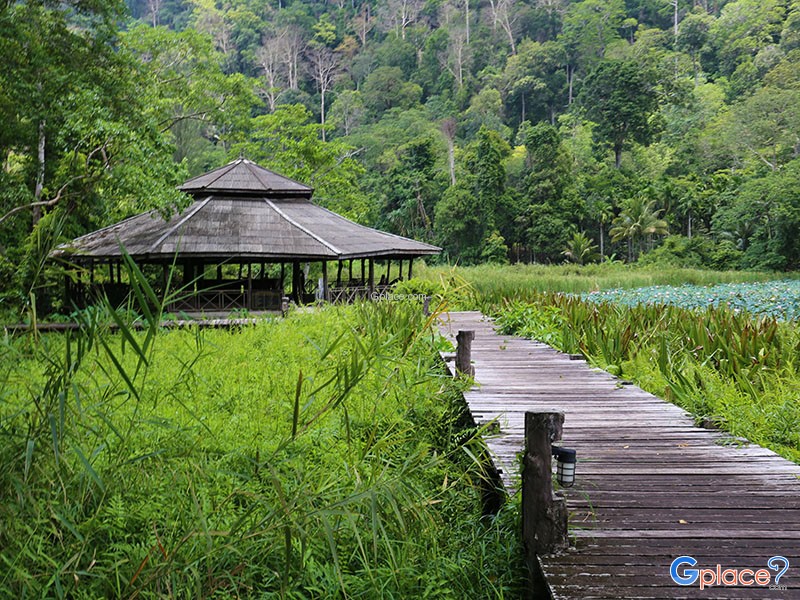
To minimize environmental impact, the park features an elevated wooden nature trail around the lake. This allows visitors to explore the area, observe wildlife, and learn about the ecosystem without damaging the habitat.
Popular activities include
- listening to the barking frog at dusk.
The climate is typically humid tropical, with high humidity and frequent rainfall, especially during the monsoon season, keeping the forest lush year-round. Visitors are advised to prepare appropriate gear such as rain protection and proper footwear.
Nearby attractions connected within the same ecosystem include
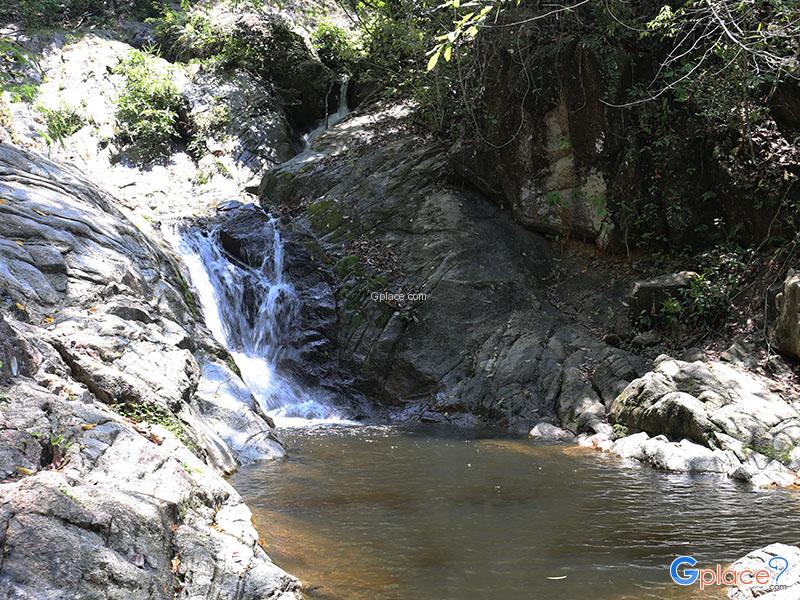
- Yaroi Waterfall: A rainforest waterfall fed by streams from the same mountain range.
- Wang Prachan Grassland: An open field near the border, ideal for scenic views.
- Wang Prachan Border Market: A cultural marketplace reflecting Thai–Malaysian influences.
Beyond tourism, Thale Ban National Park serves as a natural classroom for students, researchers, and environmental enthusiasts, offering insights into geology, peat ecosystems, and biodiversity.
In summary, Thale Ban National Park represents a complete and harmonious relationship between landforms, water systems, forests, and wildlife, making it both a valuable conservation area and an enriching destination for nature-based learning.

 Attractions
  Hotel
Hotel  Restaurant
  Shopping
  Abroad









 Share
Share
 P56C+592 Tambon Wang Prachan, Khuan Don District, Satun 91160
Map
P56C+592 Tambon Wang Prachan, Khuan Don District, Satun 91160
Map
 Open now : 8.30 - 16.30

 https://www.thai-tour.com/thai-tour/south/satun/data/place/npk_talaeban.htm

 7822
7822