 Attractions
  Hotel
Hotel  Restaurant
  Shopping
  Abroad







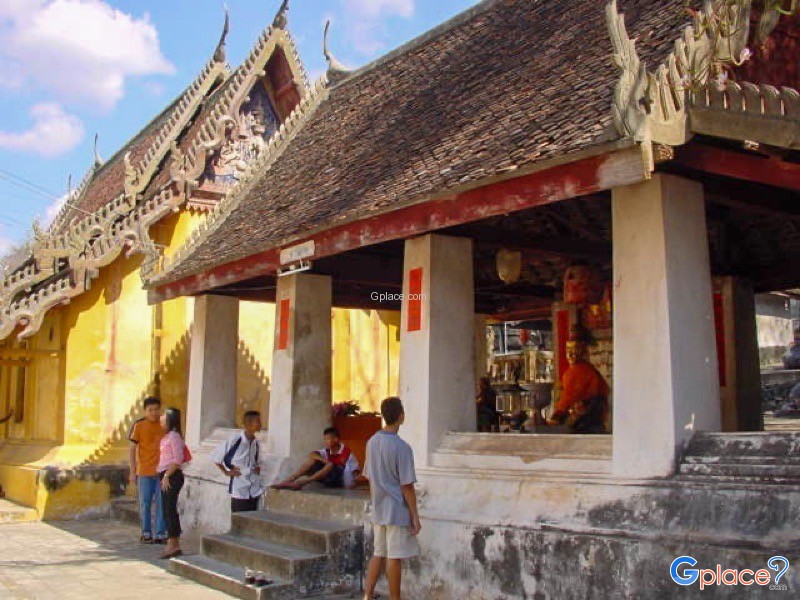

“Pay respect to the "Right Buddha's Footprint" discovered during the Ayutthaya period and witness the unique "Flower Almsgiving Festival."”
Phra Phutthabat Ratchaworamahawihan Temple is located in Khun Khlon Subdistrict, Phra Phutthabat District, Saraburi Province, approximately 28 kilometers from Saraburi town. A left turn is taken before reaching Phra Phutthabat District, followed by a drive of about one kilometer to the temple. This temple is a first-class royal monastery of great importance in both Buddhism and Thai history. It was established in 2167 B.E. (1624 CE) during the reign of King Songtham of the Ayutthaya Kingdom.
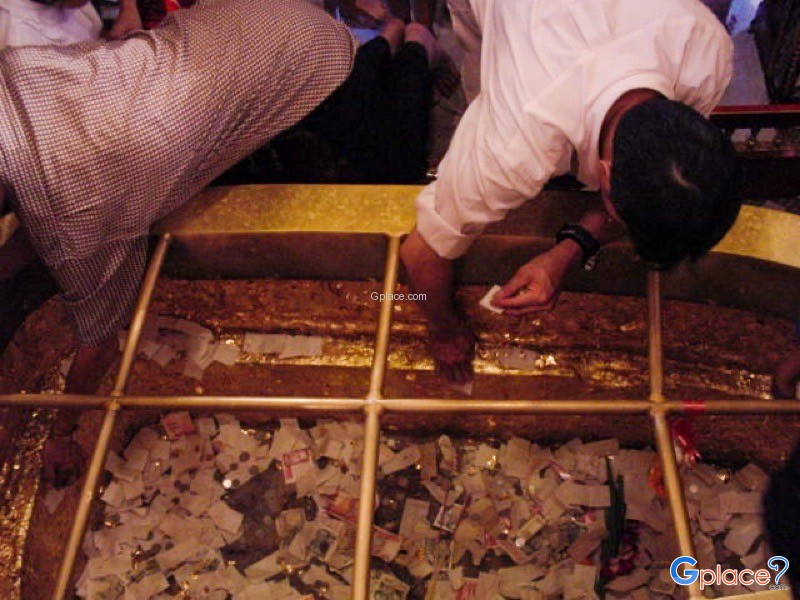
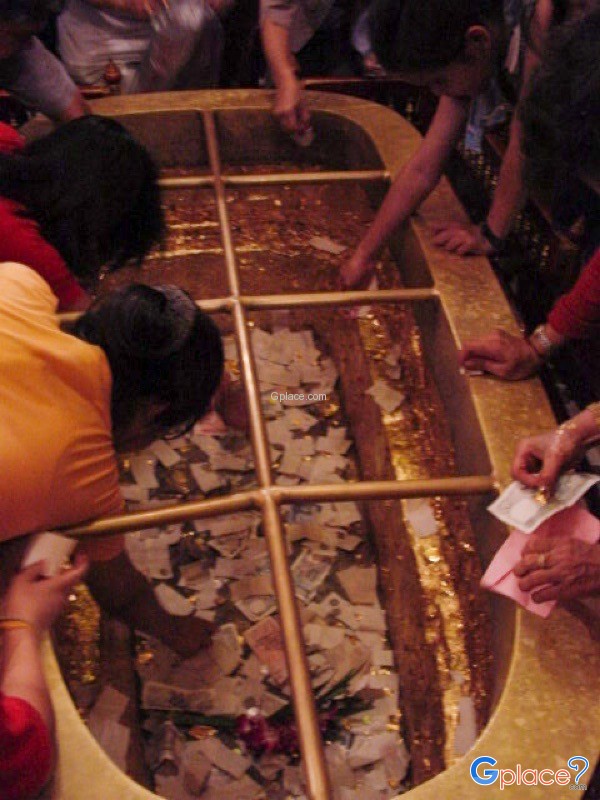
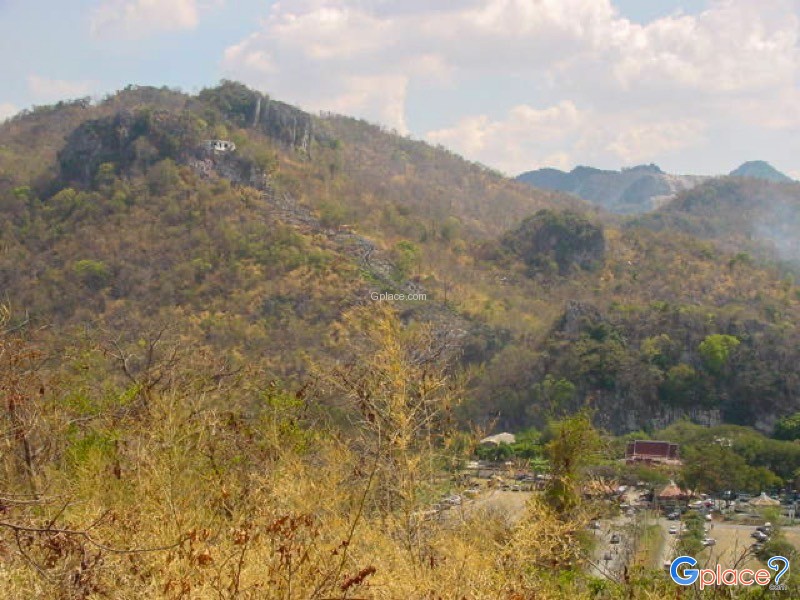
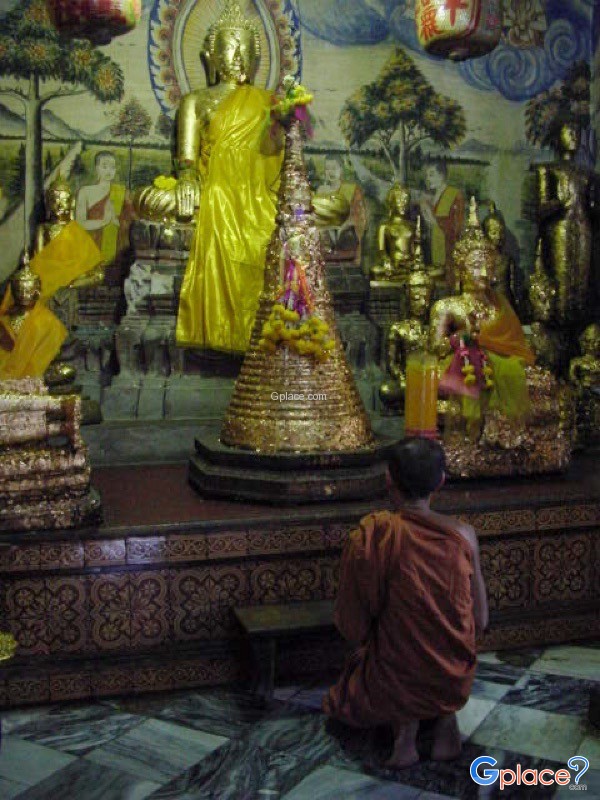
The most important sacred site within the temple is the Buddha’s Footprint, enshrined on a stone slab on the slope of Suwannabanphot Hill, also known as Khao Satchaphan Khiri. The footprint measures approximately 21 inches in width_, 60 inches in length, and 11 inches in depth. It was discovered during the reign of King Songtham, who examined it and recognized that it possessed all 108 auspicious characteristics of the Buddha’s footprint. As a result, he ordered the construction of a temporary pavilion to enshrine it, which was later expanded and renovated in successive periods.
During later royal pilgrimages, an inscription bearing the royal monogram “Jor Por Ror” (Chor Por Ror) of King Chulalongkorn (Rama V) was found on a large stone standing about 160 centimeters above ground level. This inscription reflects the long-standing royal patronage and the temple’s role as a major center of devotion for Thai monarchs and Buddhists since ancient times.
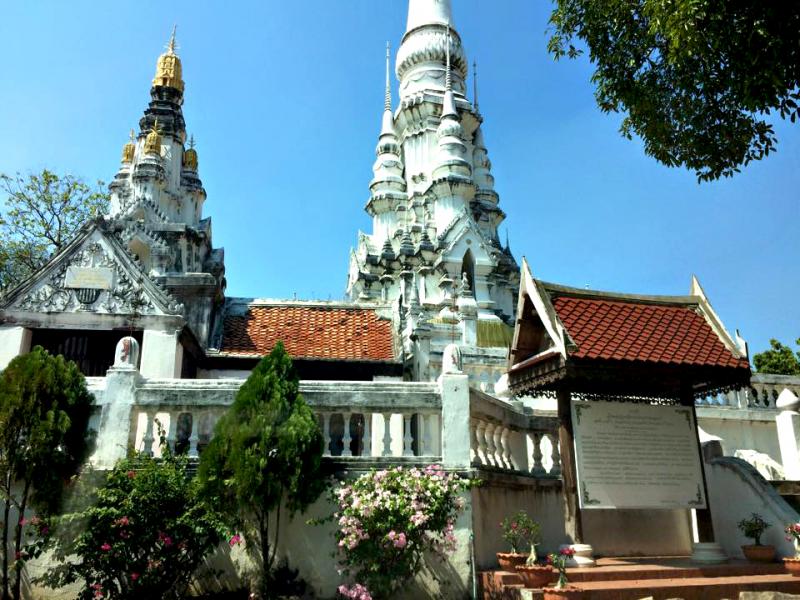
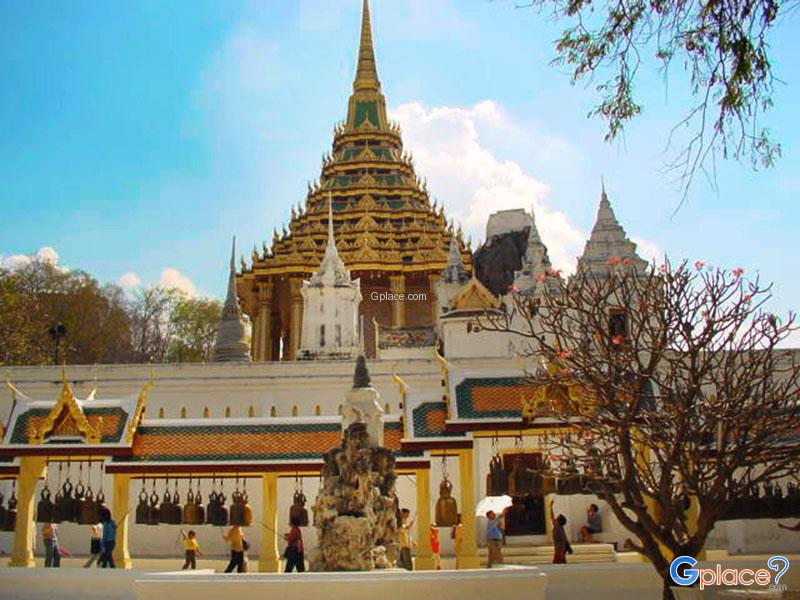
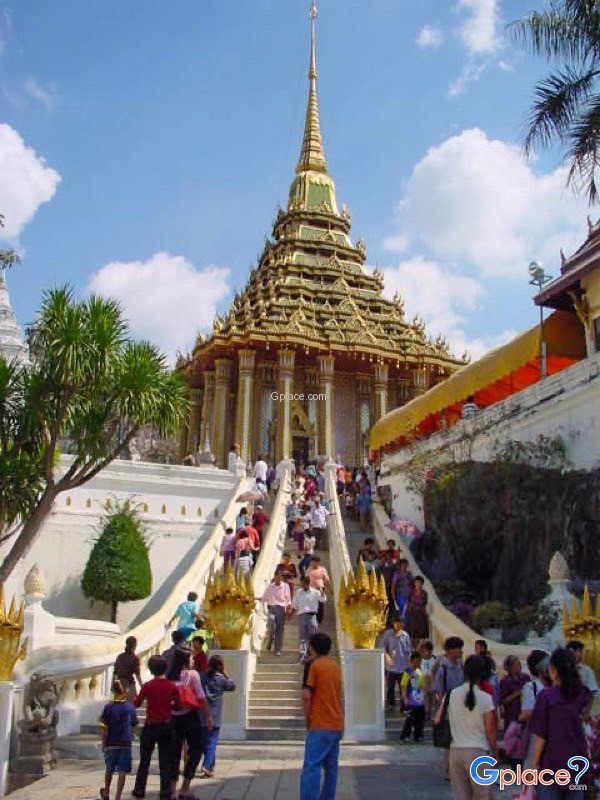
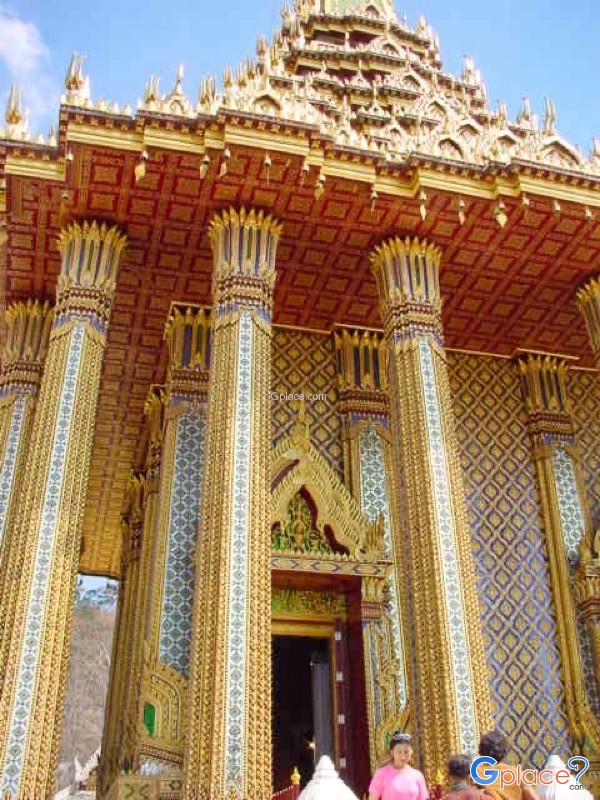
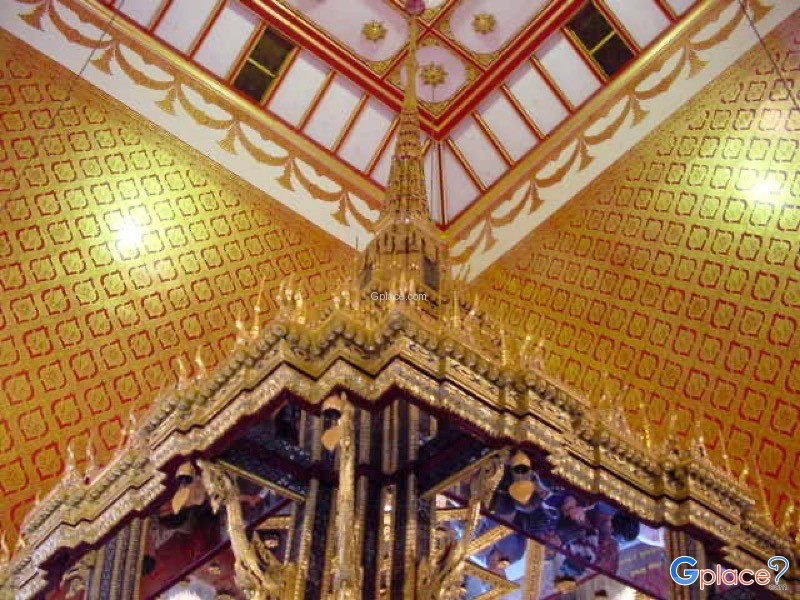
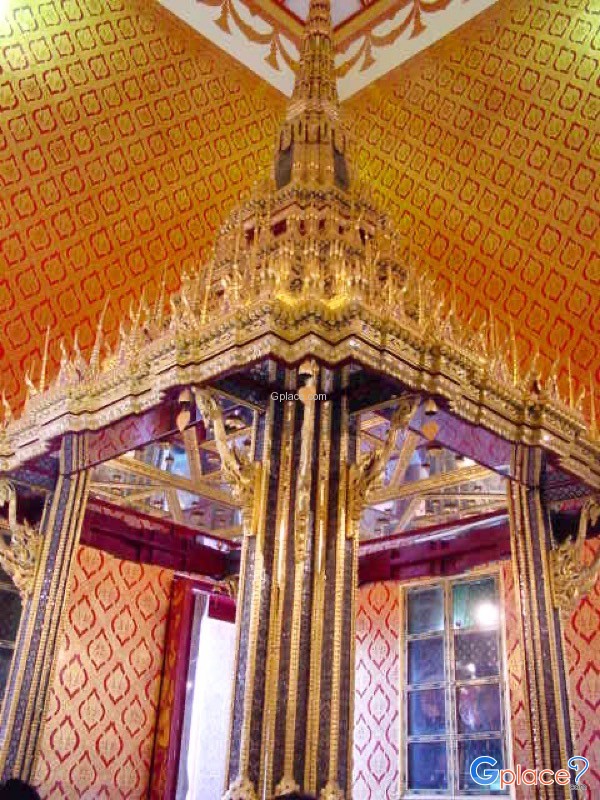
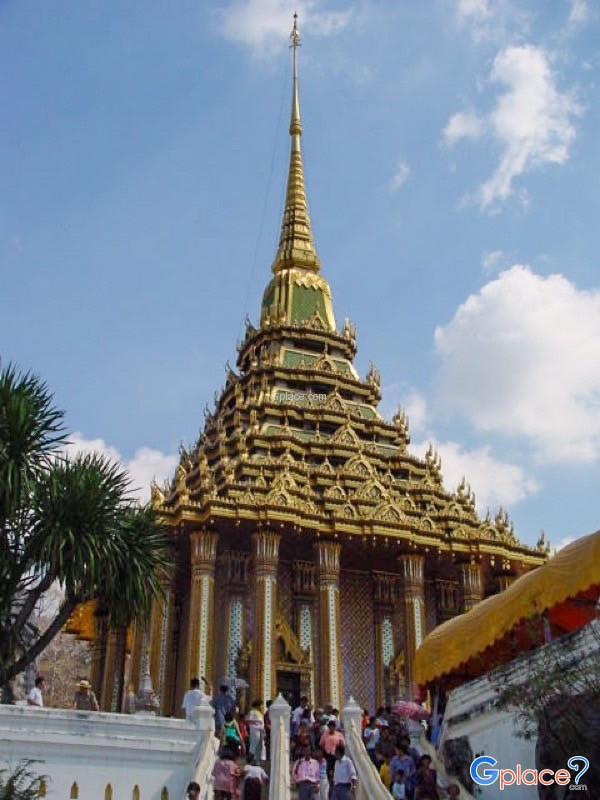
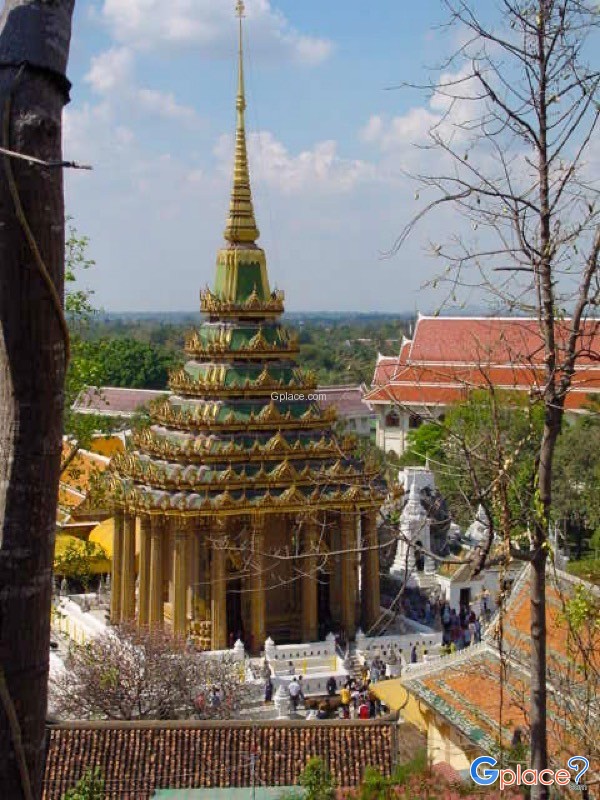
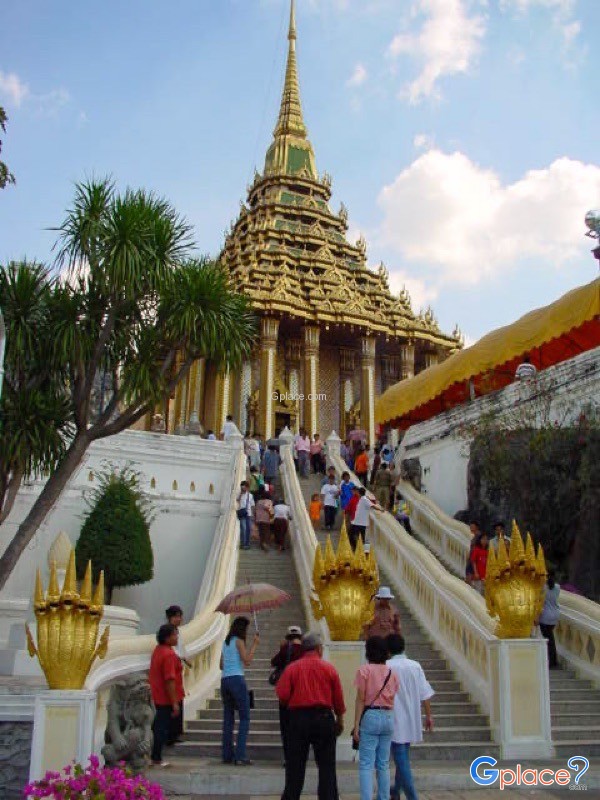
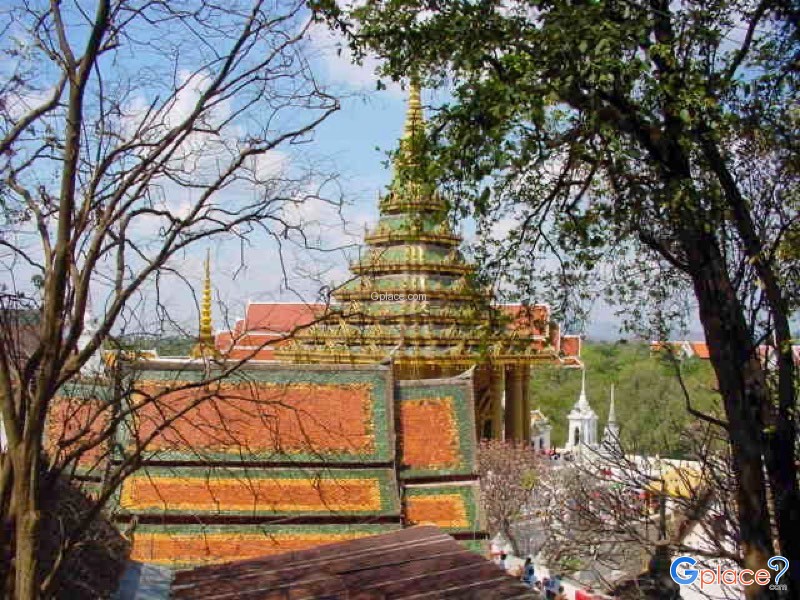
The Mondop is a square-shaped structure crowned with a seven-tiered prang-style spire roofed with green-glazed tiles. Each tier is decorated with projecting porches, and the twelve-cornered pillars are gilded and inlaid with colored glass. The exterior walls are adorned with elaborate designs of kneeling deities and rice-ear motifs. The doors of the Mondop feature exquisite mother-of-pearl inlay craftsmanship, one of Thailand’s finest artistic traditions. Inside, the floor is covered with woven silver mats. Access to the Mondop is provided by three naga stairways, symbolizing the stairways of silver, gold, and crystal descending from heaven. The naga heads at the base of the stairs are cast in bronze and feature five heads.
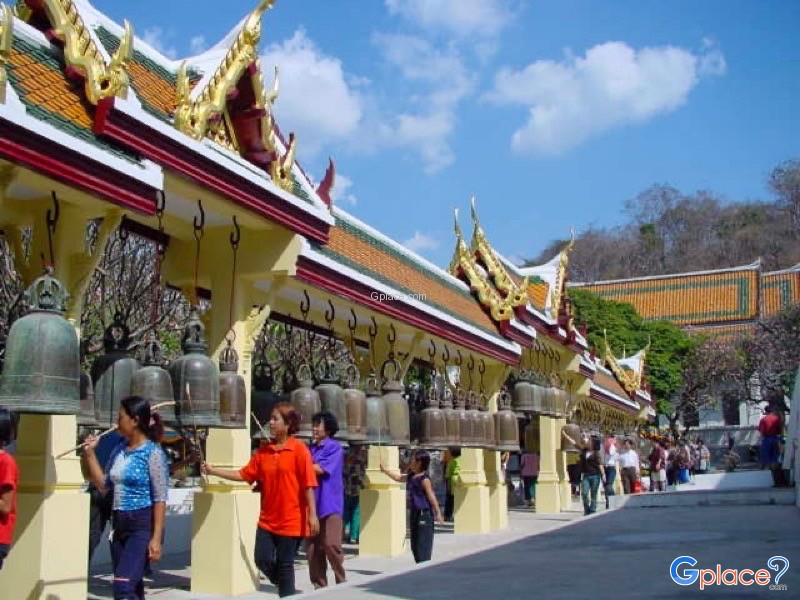
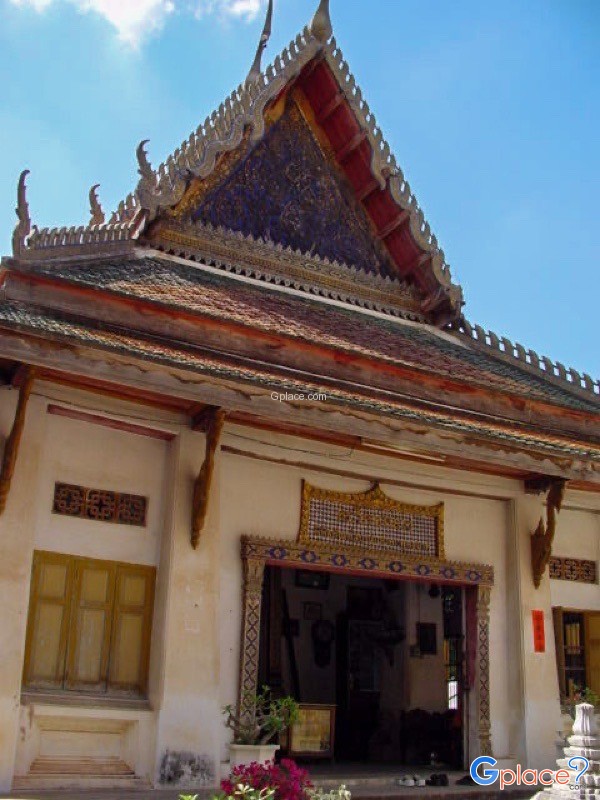
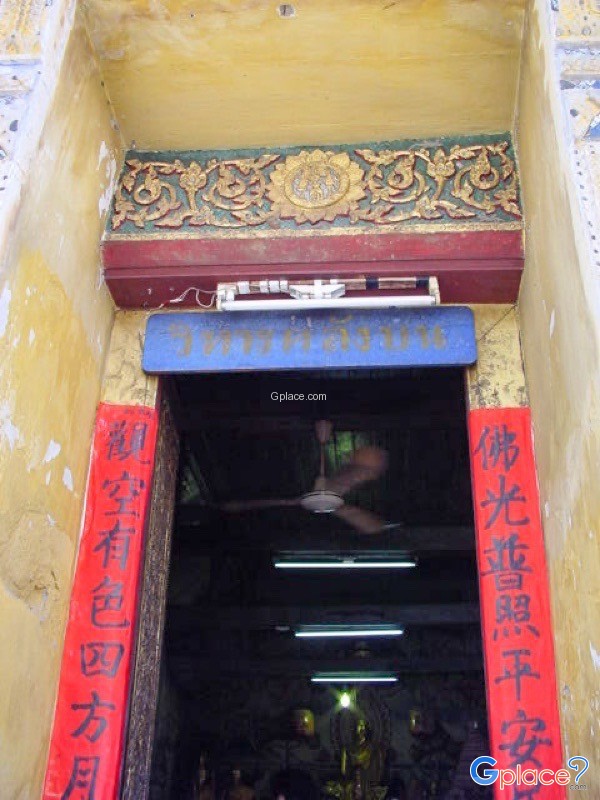
Surrounding the Mondop are rows of hanging bells, which worshippers ring to dedicate merit to all beings. The ordination hall and various viharns around the Mondop were constructed in the artistic styles of the Ayutthaya period and the early Rattanakosin era, reflecting the continuity and refinement of traditional Thai art and architecture.
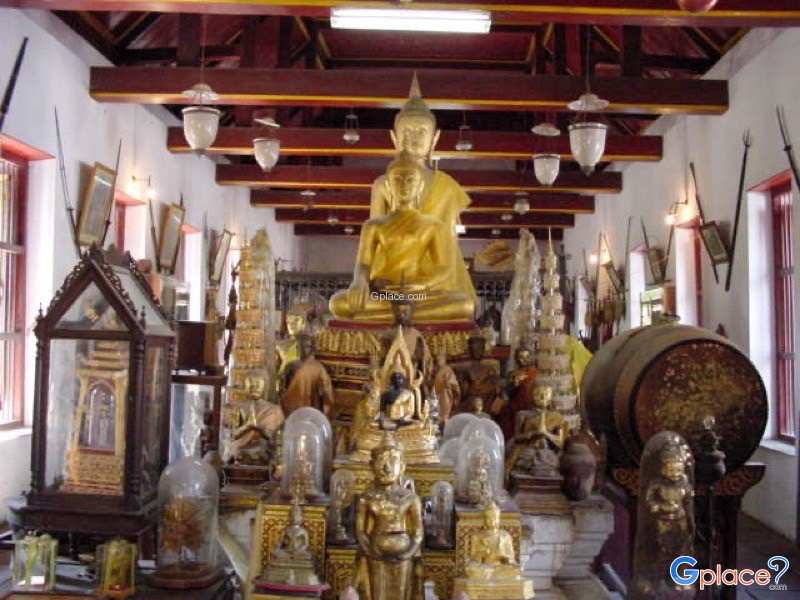
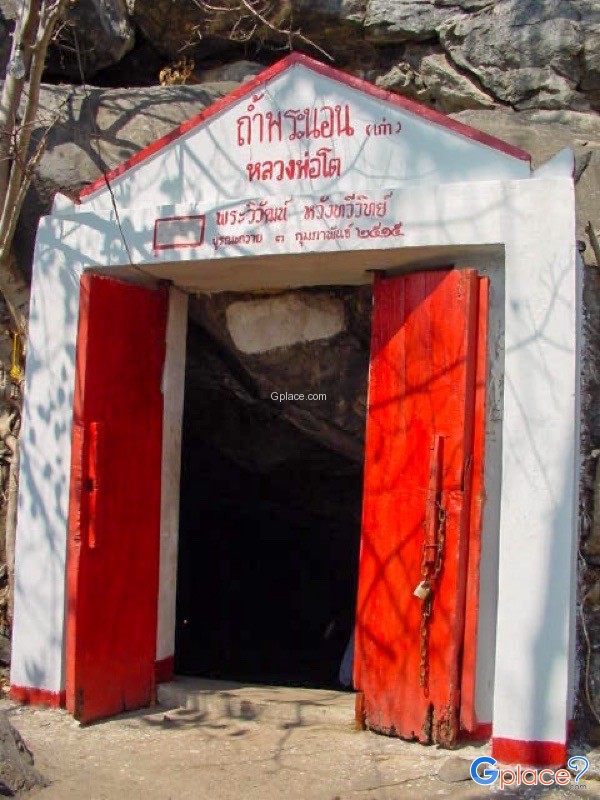
Within the temple grounds is also the Phra Phutthabat National Museum (Royal Viharn), which houses a valuable collection of religious and historical artifacts. These include royal regalia of King Songtham, Sawankhalok ceramics, ancient bronze objects, historical weapons, replica Buddha footprints, the former Mondop spire, ceremonial monk fans from various periods, and an ancient water pipeline dating back to the reign of King Narai the Great. The museum is open to the public only during the annual Phra Phutthabat worship festivals, which are held twice a year—from the waxing 8th day of the 3rd lunar month to the waning 1st day, and from the waxing 8th day of the 4th lunar month to the waning 1st day.
How to Get There
By Private Car:
- From Bangkok, take Phahonyothin Road (Highway 1) towards Saraburi. After passing Phra Phuttha Bat Hospital, turn left into the temple (opposite the Field Marshal P. Phibunsongkhram Monument).
By Public Transport:
- Take a Bangkok-Lopburi van from Mo Chit 2 or Victory Monument. Get off at "Tha Phra Bat" and take a local songthaew or motorcycle taxi to the temple.
Travel Tips
Recommended Time:
- Arrive early morning (07:30 - 09:30 AM) to avoid the heat and large crowds.
Key Festival:
- Visit during the "Flower Almsgiving Festival" (Tak Bat Dok Mai) around July, a unique event found only here.
Dress Code:
- As it is a highly revered royal temple, please dress politely (no shorts or sleeveless shirts).
Nearby Sites:
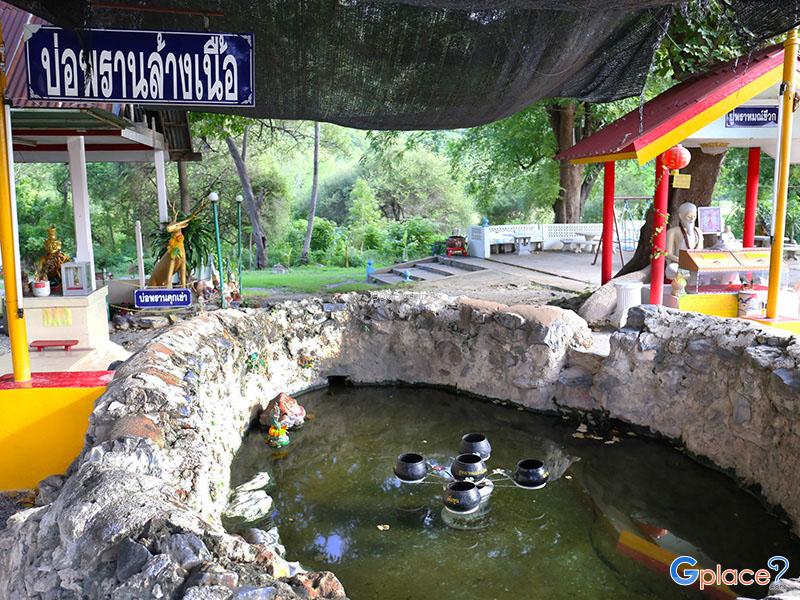
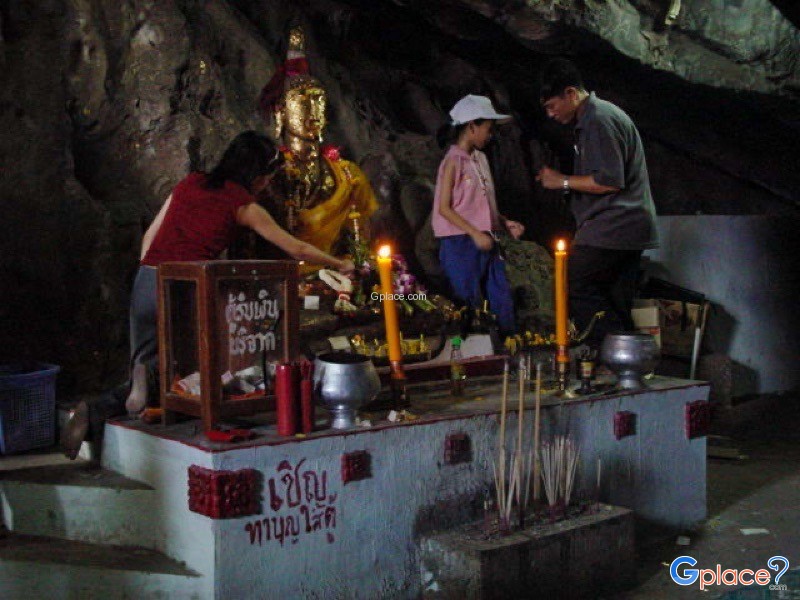
- You can easily visit "Bo Phran Lang Nuea" or "Tham Prathun" nearby to follow the full legend of Phran Bun.
Admission Fee
-
Thai Nationals: Free
-
Foreigners: 30 Baht
Opening Hours
-
Open Daily: 07:30 AM – 05:00 PM (May open later during festivals)
Phra Phutthabat Ratchaworamahawihan Temple

 Share
Share
 Phra Phutthabat Ratchaworamahawihan Temple Ratchaworamahawihan, Moo 8 Khun Khlon, Phra Phuttha Bat District, Saraburi 18120, Thailand
Map
Phra Phutthabat Ratchaworamahawihan Temple Ratchaworamahawihan, Moo 8 Khun Khlon, Phra Phuttha Bat District, Saraburi 18120, Thailand
Map
 Open now : 7.30 - 17.00
Mon7.30 - 17.00
Tue7.30 - 17.00
Wed7.30 - 17.00
Thu7.30 - 17.00
Fri7.30 - 17.00
Sat7.30 - 17.00
Sun7.30 - 17.00



 5606
5606