 Attractions
  Hotel
Hotel  Restaurant
  Shopping
  Abroad






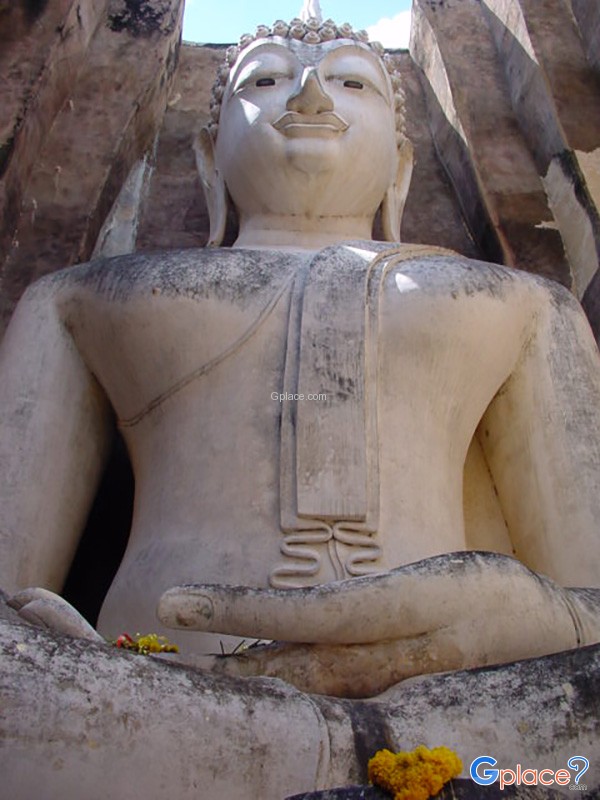
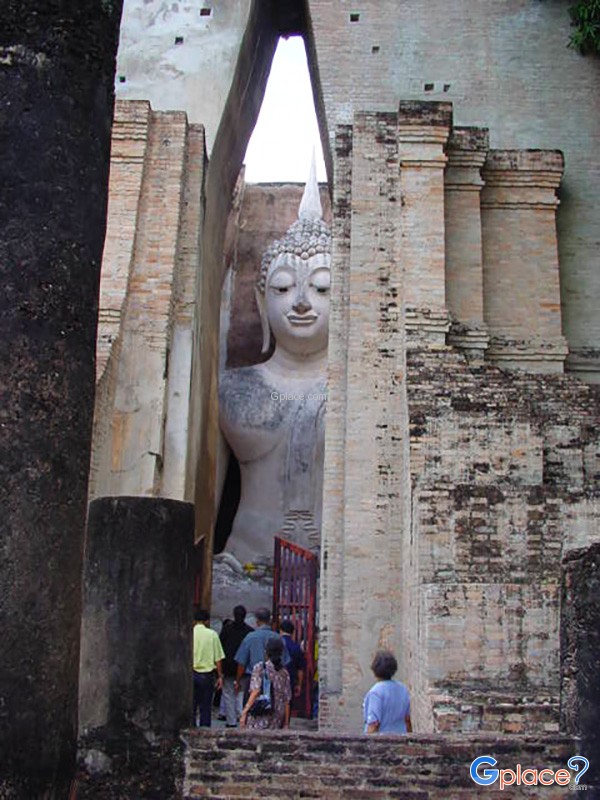


“Witness Phra Ajana, the Buddha image in the 'Subduing Mara' posture inside an ancient Mandapa, and experience the secret tunnel that originated the legend of the Speaking Buddha, used to boost the morale of the Thai army.”
Si Chum Temple is one of the most significant and famous sites in the Sukhothai Kingdom. It is located in the North Zone, outside the old city walls, about 800 meters from the Phra Phai Luang Temple. The main highlight of this temple is Phra Ajana, a massive stucco Buddha image in the "Subduing Mara" posture. The statue is 15 meters high and 11.3 meters wide at the lap. This Buddha image is enshrined inside a large square building called a Mandapa. The outer walls of the building measure 32 meters wide. Although the roof has collapsed over time, the four walls remain very strong, clearly demonstrating the greatness of 13th-century Thai architecture.
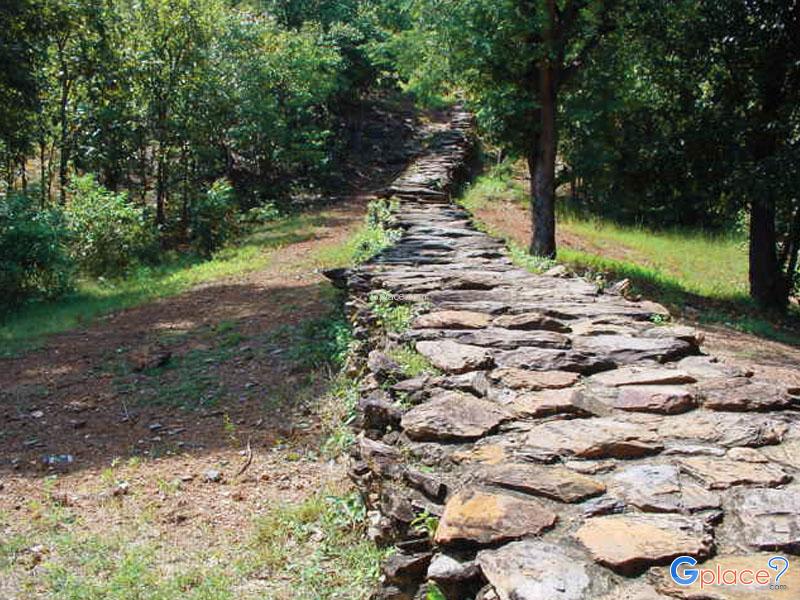
The engineering marvel of the Si Chum Temple lies in the walls of the Mandapa, which are exceptionally thick and designed as Double Walls. Inside the south wall, there is a hidden narrow tunnel and stairs. These stairs lead up to the shoulders of the Buddha image and to the top of the wall, offering a panoramic view of the Sukhothai Old Town. Inside this secret tunnel, researchers also found 50 Slate Engravings. These stone slabs feature line art telling the stories of the Jataka (previous lives of the Buddha) with ancient Thai inscriptions. These engravings are considered one of the oldest and most complete pieces of line art evidence in Thai history.
Regarding the fame of the Speaking Buddha Legend, there is a historical belief dating back to the Ayutthaya period. In 1584, when King Naresuan the Great was preparing his army to suppress a rebellion in Chaliang City (Sawankhalok), the Thai soldiers lacked morale because they had to fight other Thais. The King utilized the secret tunnel inside the Mandapa wall as a psychological strategy. He ordered a soldier with a loud, clear voice to hide behind the Buddha image and give an encouraging speech to the army. The soldiers below could not see the person but believed the Buddha was truly speaking to them, leading to high morale and victory in the battle. This event showcases the brilliance of the Thai King in using architecture combined with psychological tactics for military purposes.
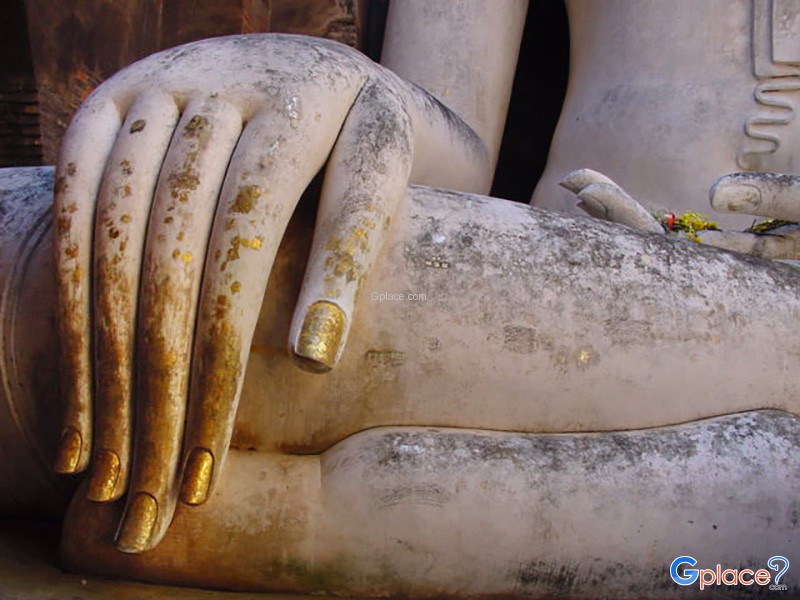
The history of the Si Chum Temple includes a major restoration during the reign of King Li Thai. It was later abandoned for hundreds of years after the kingdom declined. In 1952, during the reign of King Rama IX, the Thai government began a project to restore the Phra Ajana image and the Mandapa. This project was supervised by the world-renowned art expert Professor Silpa Bhirasri. This restoration returned the temple to its grand condition seen today. It is now recognized as a UNESCO World Heritage site. Tourists from all over the world visit here to experience faith through the beautiful, long fingers of Phra Ajana, which symbolize the peace and prosperity of Thailand's past.
How to Get There
-
Location: Situated in the North Zone, outside the Sukhothai city walls. You can travel by private car or bicycle from the Old Town center in just 5-10 minutes.
-
Tram Service: The park provides tram services that deliver tourists to the entrance in front of the Mandapa.
Travel Tips
-
Best Time to Visit: It is recommended to arrive in the morning before 09:00 or in the afternoon after 15:30 to get soft lighting for photographing Phra Ajana.
-
Photography: The view from the Mandapa door looking towards the Buddha image is the best photo spot, showing the contrast between the narrow door and the massive statue.
-
Regulations: Since this is a site where King Naresuan performed important ceremonies, visitors should show respect by not climbing the walls and wearing polite attire.
Admission Fee:
- Thai Citizens: 20 THB
- Foreign Visitors: 100 THB
Opening Hours:
- Daily: 7:30 AM – 5:30 PM
Si Chum Temple

 Share
Share
 Sukhothai Historical Park, Mueang Sukhothai District, Sukhothai
Map
Sukhothai Historical Park, Mueang Sukhothai District, Sukhothai
Map
 Open now : 7.30 - 17.30
Mon7.30 - 17.30
Tue7.30 - 17.30
Wed7.30 - 17.30
Thu7.30 - 17.30
Fri7.30 - 17.30
Sat7.30 - 17.30
Sun7.30 - 17.30

 https://www.thai-tour.com/thai-tour/north/sukhothai/data/place/wat_srichum.html

 5946
5946