 Attractions
  Hotel
Hotel  Restaurant
  Shopping
  Abroad





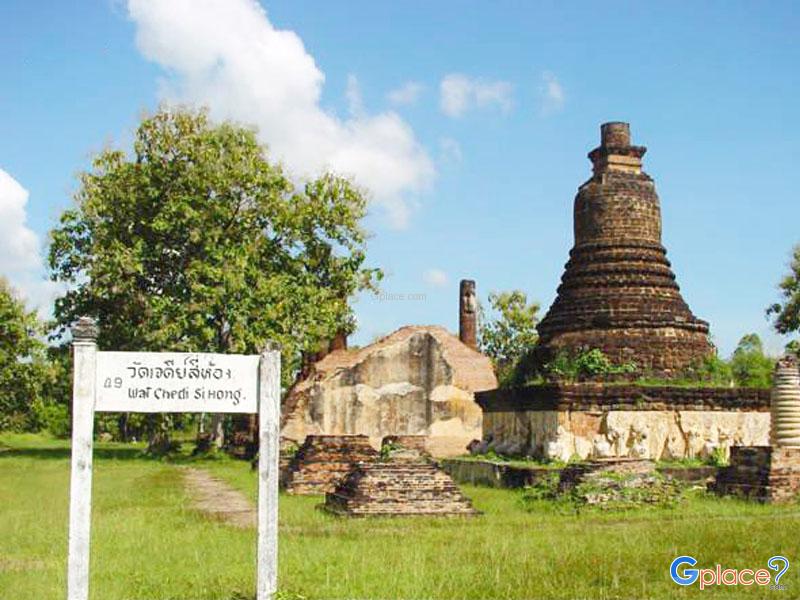

“Admire the main pagoda’s base featuring rare and unusual stucco patterns, depicting individuals or deities holding flower vases with creeping plants growing out, alternating with elephants and lions in various postures. This art remains miraculously well-preserved.”
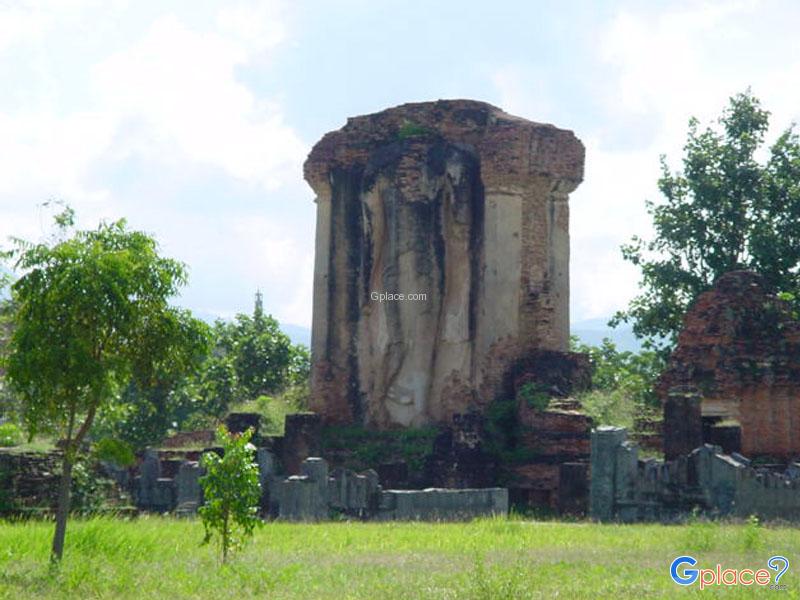
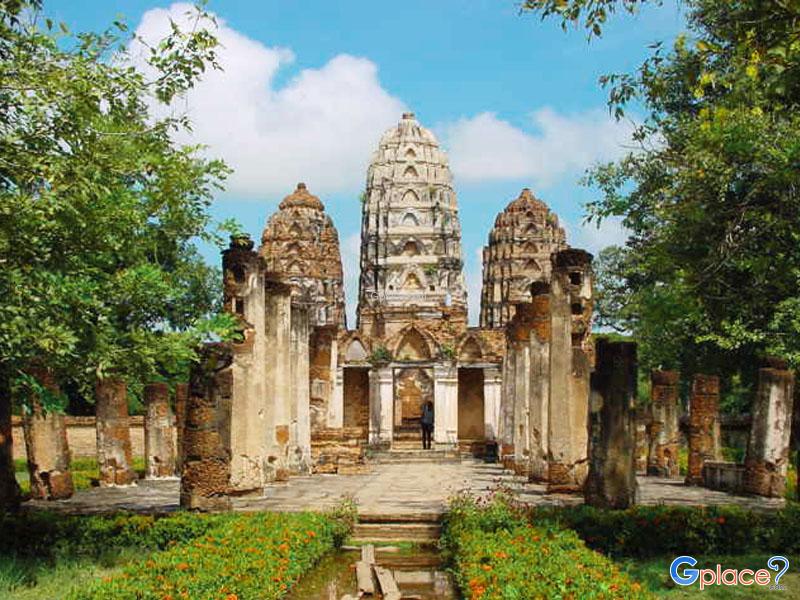
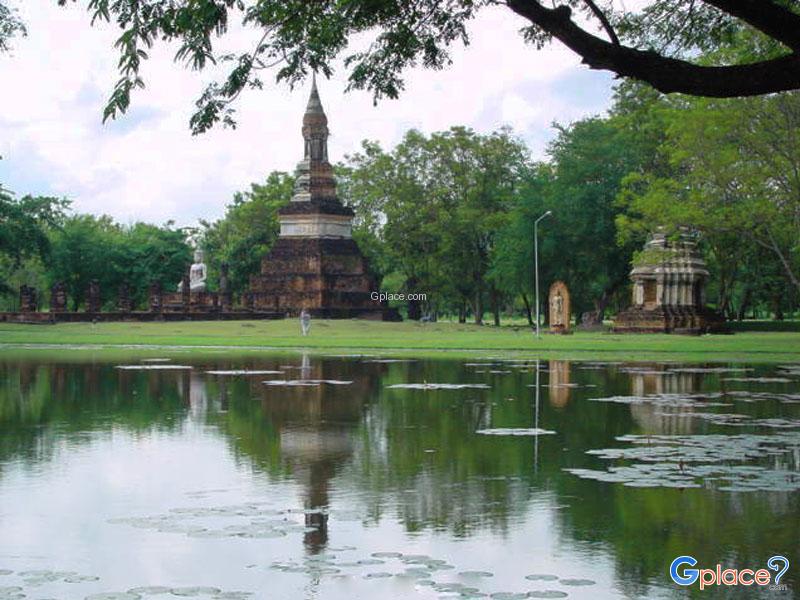
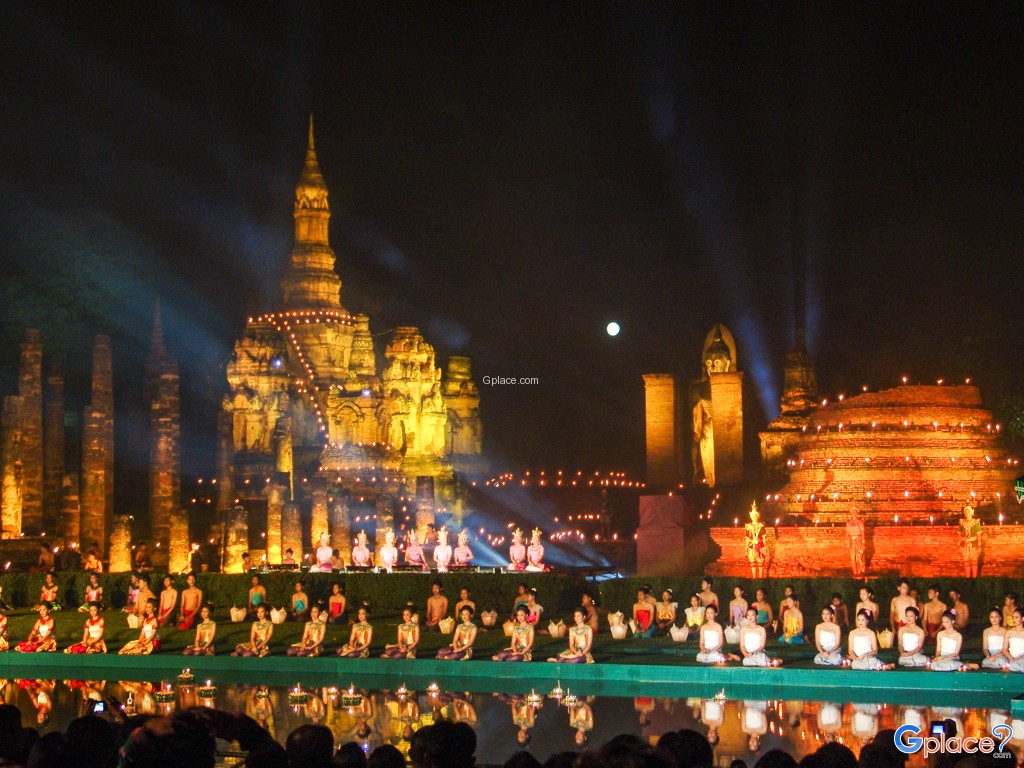
Chedi Si Hong Temple is a large historical site of great importance during the Sukhothai Kingdom. It is assumed to have been built during the 20th Buddhist century, an era when Sukhothai art perfectly integrated religious beliefs with master craftsmanship. The name "Chedi Si Hong" is a name called based on the current appearance of the pagoda; however, in the past, this temple was a center of faith that gathered exquisite Buddhist art in one place.
The most prominent feature of this temple is the bell-shaped main pagoda, which has an unusually large and high base. The highlight lies in the stucco reliefs decorating the base, which differ clearly from other temples. Around the base, there are niches alternating with sculptures of deities in full royal attire. Both hands hold vases with creeping plants growing out. According to ancient beliefs, these vases are called "Kumbha," symbolizing abundance and the flourishing of life and the nation.
In addition to the deities, there are interesting stucco sculptures of auspicious animals lions riding elephants, a design very rarely seen in other periods of Thai art. These lions and elephants were sculpted to appear powerful yet graceful. The patterns on the animals and their ornaments were intricately carved, reflecting the high skills of the Sukhothai royal artisans who intended this pagoda to represent Mount Meru the center of the universe according to the beliefs of that time.
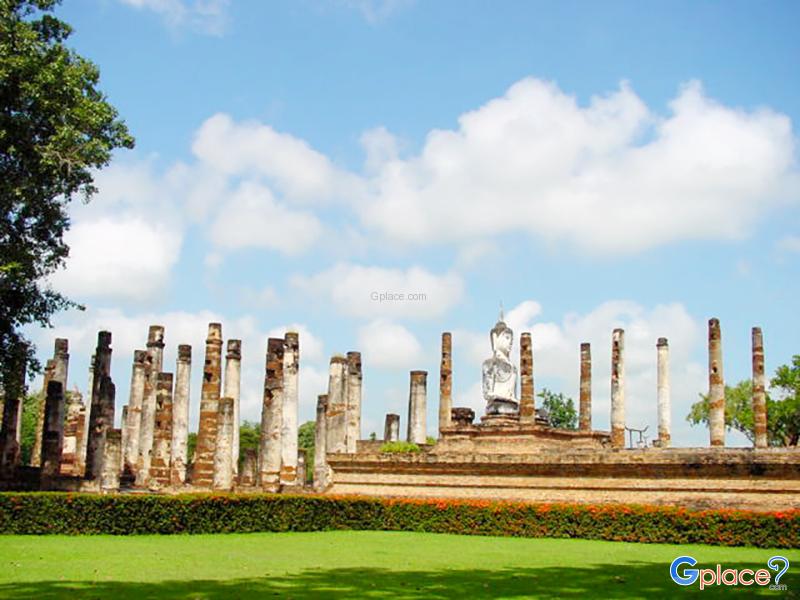
The ancestors intended to build this pagoda so that the mythical creatures and deities in the sculptures would guard the Holy Relics enshrined inside. The temple grounds consist of a large assembly hall (Vihara) located in front of the main pagoda, surrounded by several smaller pagodas. These elements show that in the past, this temple was highly significant and held grand religious ceremonies, with many pilgrims traveling here.
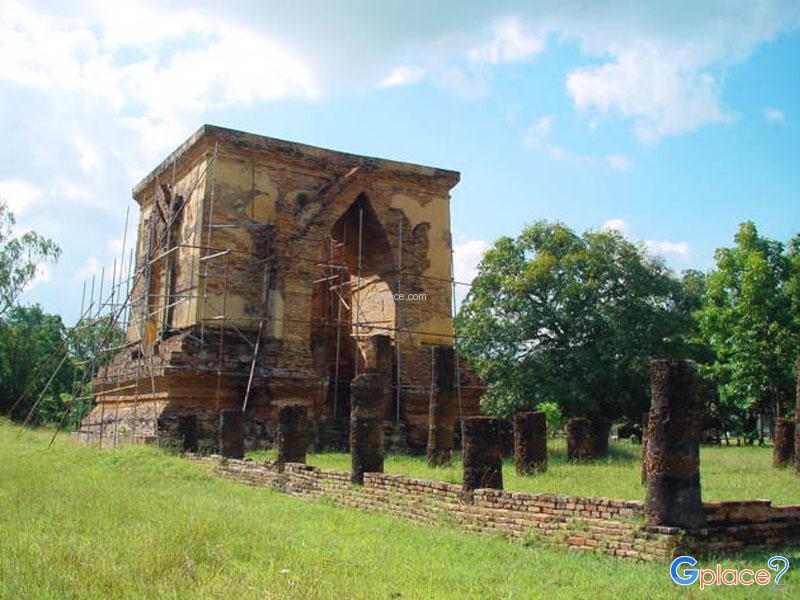
The temple layout is organized and uses space efficiently, allowing devotees who enter to experience peace and develop faith through the beauty of the sculptures around the pagoda base. Today, Temple Chedi Si Hong is excellently preserved within the historical park. Although the top of the pagoda has collapsed over time, the stucco work at the base clearly tells the story of Sukhothai's prosperity, becoming a vital piece of evidence that interests historians worldwide.
Visiting this temple is like walking into a living art gallery, where we can see images of faith and spiritual wisdom through the stucco patterns that the Sukhothai ancestors intentionally created as a legacy for the land. This site is therefore a valuable destination for the study of art history and a point that creates a lasting impression for those who truly appreciate the refinement of ancient Thai craftsmanship.
How to Get There
-
Private Car: From the park entrance, drive south the same way as Chetuphon Temple You will see Temple Chedi Si Hong located near Temple Chetuphon.
-
Public Transport: Rent a bicycle from the front of the park or take the park’s electric tram service on the route that visits the southern and eastern historical sites.
Travel Tips
-
Recommended Time: You should visit in the morning or evening. The sunlight will help you see the stucco details around the pagoda base clearly and beautifully.
-
Apparel: Please dress politely to respect the sacred site and the national historical monument.
-
Cleanliness: Do not touch or write on the ancient stucco to help preserve the integrity of this rare artwork.
Admission Fees:
-
Included in the park entry fee: Thai Citizens 20 THB / Foreigners 100 THB
Opening Hours:
-
Open daily: 06:30 AM – 07:30 PM.
Chedi Si Hong Temple

 Share
Share
 East of the Old City Walls, Sukhothai Historical Park, Mueang Kao Subdistrict, Mueang District, Sukhothai
Map
East of the Old City Walls, Sukhothai Historical Park, Mueang Kao Subdistrict, Mueang District, Sukhothai
Map
 Open now : 6.30 - 19.30
Mon6.30 - 19.30
Tue6.30 - 19.30
Wed6.30 - 19.30
Thu6.30 - 19.30
Fri6.30 - 19.30
Sat6.30 - 19.30
Sun6.30 - 19.30



 93
93