
 Attractions
  Hotel
Hotel  Restaurant
  Shopping
  Abroad





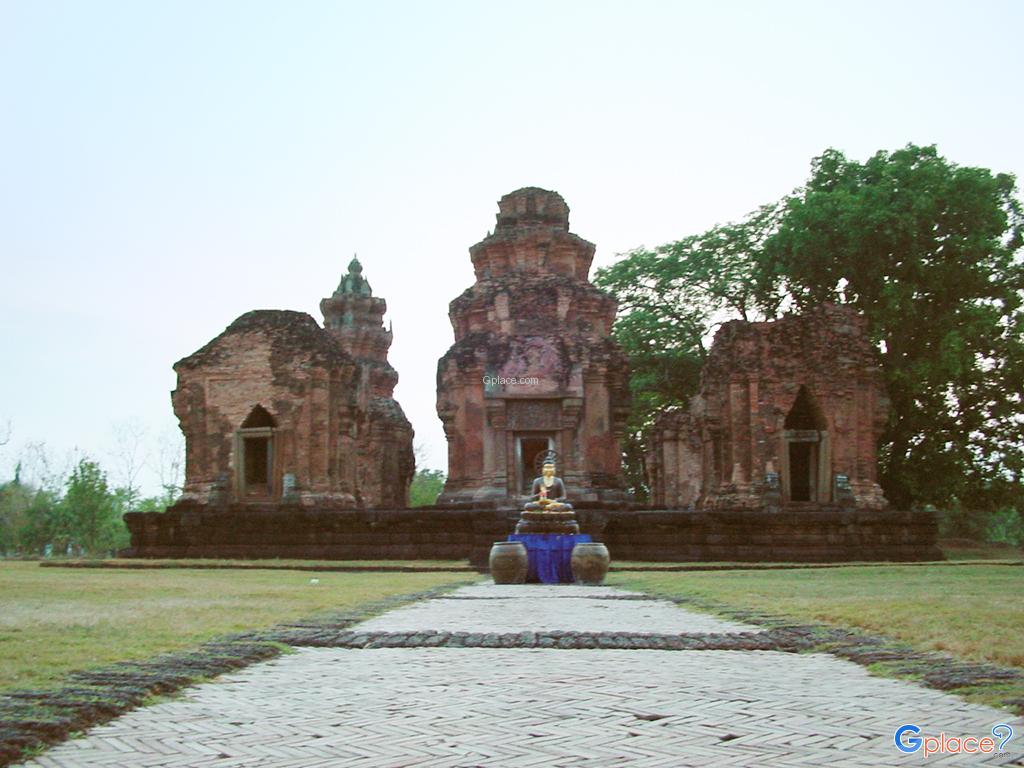

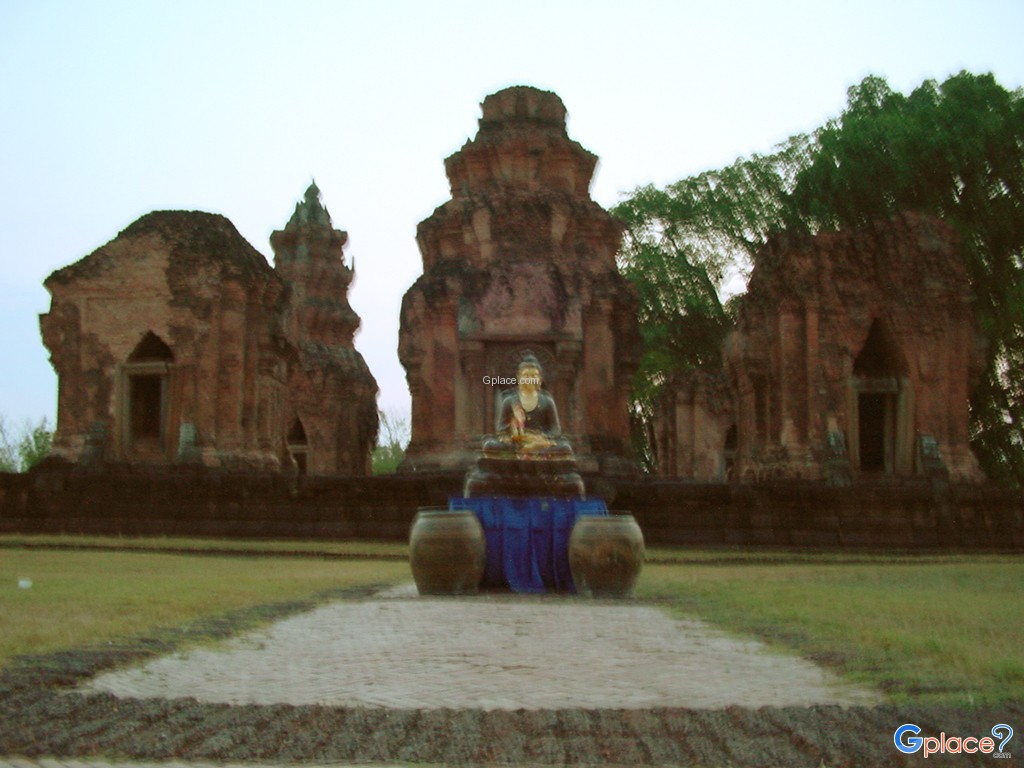
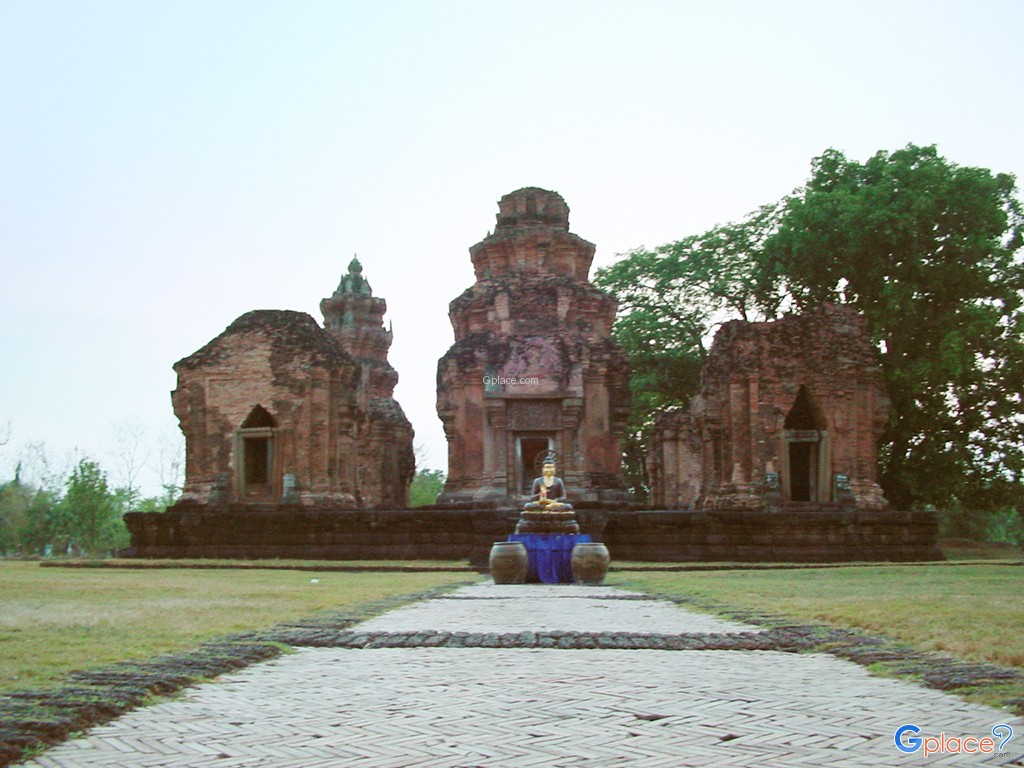
“ The intricately carved lintel depicting Shiva as Nataraja on the principal sanctuary tower, showcasing exquisite and delicate craftsmanship, along with the sculpture of an Apsara holding a lotus, which is found only in Thailand and bears a strong resemblance to the art of Angkor Wat in Cambodia. ”
Prasat Sikhoraphum is a highly significant Khmer archaeological site in northeastern Thailand, located in Sikhoraphum District, Surin Province. It is considered one of the most well-preserved Khmer stone sanctuaries in the region, retaining its original structural layout clearly and remarkably intact. The temple dates back to approximately the 11th–12th century (Buddhist Era 16th–17th century), a period when the Khmer Empire was at its height_ and extended its influence across the Mun and Chi river basins in present-day lower Isan.
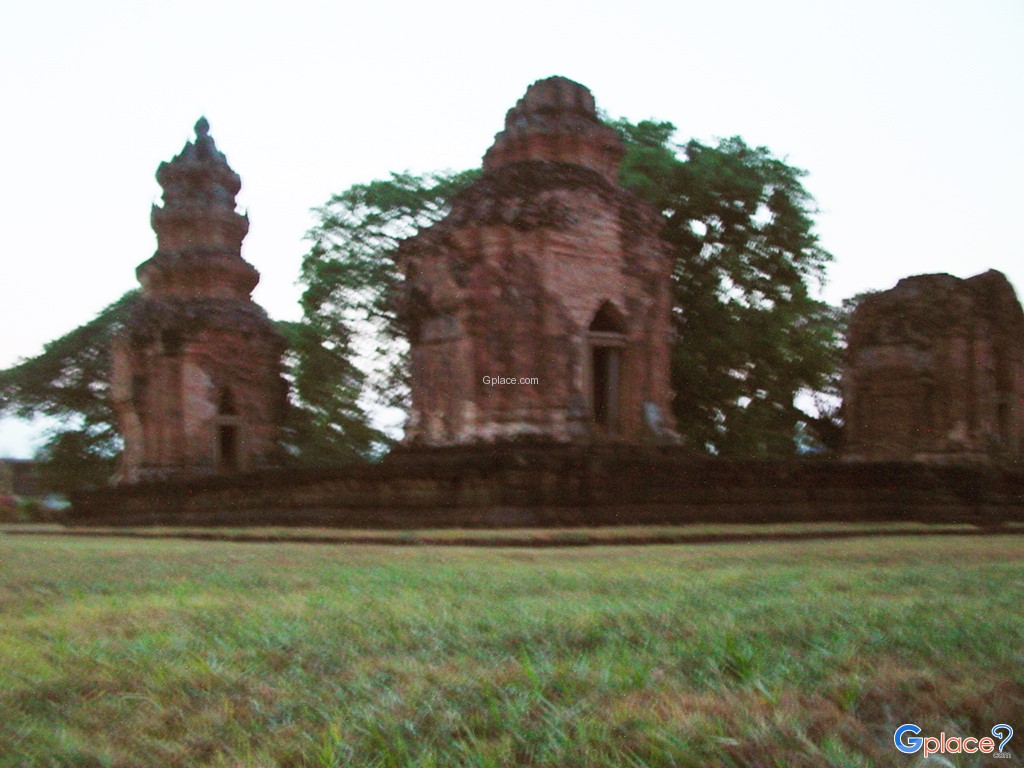
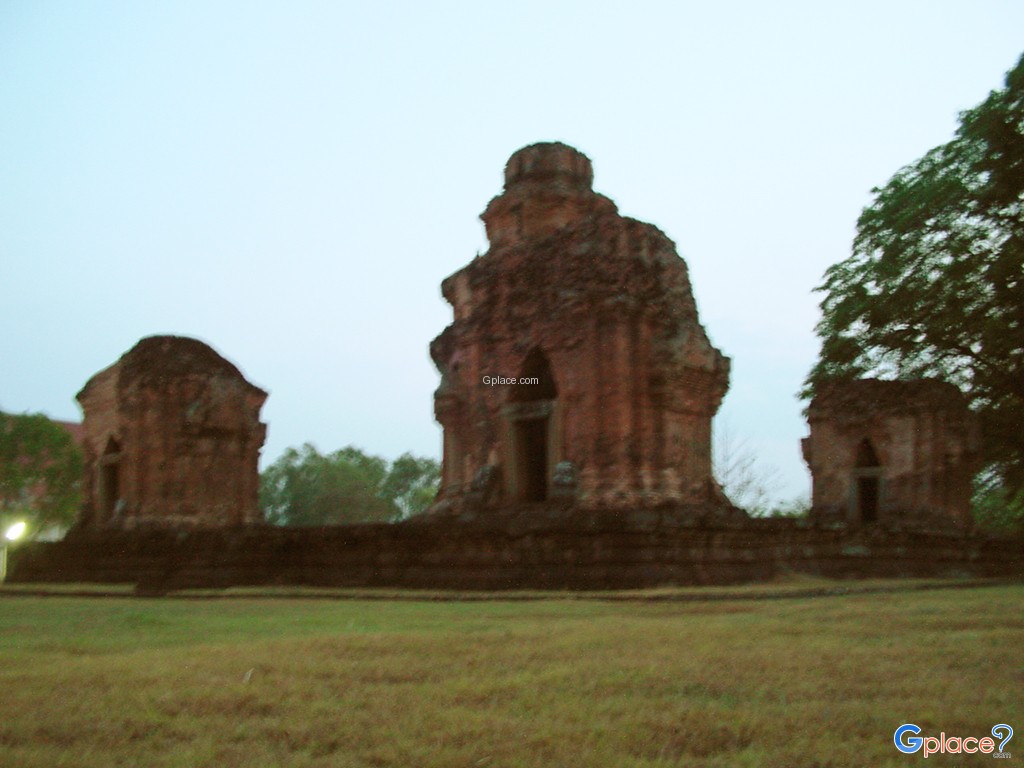
The site reflects strong influence from Hinduism, specifically Shaivism, which worships Shiva as the supreme deity of the universe. This belief system is deeply embedded in the temple’s architectural design and artistic symbolism. The overall layout follows a sacred cosmological concept, with the central sanctuary tower representing Mount Meru—the mythical axis of the universe—surrounded by four subsidiary towers aligned to the cardinal directions, symbolizing the four continents in Hindu cosmology. The entire structure is built on a shared laterite base, a durable local material commonly used in Khmer architecture, allowing the monument to survive for centuries.
Artistically, Prasat Sikhoraphum is renowned for its refined sandstone lintels and decorative carvings. The most outstanding feature is the lintel above the principal tower depicting Shiva as Nataraja, the cosmic dancer, surrounded by celestial beings. This imagery symbolizes the cycle of creation, preservation, and destruction of the universe according to Hindu belief. The carvings demonstrate highly sophisticated craftsmanship, with intricate floral and ornamental patterns reflecting the peak of Khmer artistic development.
Another distinctive highlight is the sculpture of an Apsara holding a lotus, considered one of the most unique artistic representations in Thailand. The figure is graceful and highly detailed, embodying the idealized beauty of celestial female beings in Khmer art, while also symbolizing purity and spiritual enlightenment through the lotus flower. Its style shows strong similarities to the art of Angkor Wat in Cambodia, yet it retains local artistic characteristics unique to the Surin region.
In later historical periods, as the Khmer Empire declined, the site gradually transitioned into a Buddhist religious space under the influence of Lan Xang and Lao cultural traditions. This transformation led to modifications and restorations, particularly in the upper sections of the sanctuary towers, which were rebuilt using Lao-style architectural elements. As a result, the temple presents a rare and harmonious blend of Khmer and Lao artistic traditions.
Today, Prasat Sikhoraphum stands not only as an important Khmer monument but also as a valuable historical record of cultural and religious transition in mainland Southeast Asia. It provides significant insight into the evolution of Khmer art from the Baphuon style to the Angkor Wat style, as well as the integration of local cultural influences over time. As such, it remains an important archaeological site, a cultural learning resource, and a major tourist attraction that continues to draw visitors who come to appreciate its historical depth, artistic beauty, and enduring legacy of ancient civilization.
How to Get There
- By car: From Surin city, take Highway 226 (Surin–Sisaket) toward Sikhoraphum District, approximately 34 km. The temple is located on the right side near the district office.
- By train: Get off at Sikhoraphum Railway Station, then take a local taxi or walk about 1 km to the site.
Travel Tips
Admission Fee:
- Thai visitors: 10 THB
- Foreign visitors: 50 THB
Opening Hours:
- Daily: 07:30 AM – 04:30 PM
Prasat Sikhoraphum

 Share
Share
 Rangaeng, Sikhoraphum, Surin 3211
Map
Rangaeng, Sikhoraphum, Surin 3211
Map
 Open now : 7.30 - 16.30
Mon7.30 - 16.30
Tue7.30 - 16.30
Wed7.30 - 16.30
Thu7.30 - 16.30
Fri7.30 - 16.30
Sat7.30 - 16.30
Sun7.30 - 16.30

 https://www.thai-tour.com/thai-tour/northeast/surin/data/place/pic-prasatsikhoraphum.html

 4374
4374