
 Attractions
  Hotel
Hotel  Restaurant
  Shopping
  Abroad





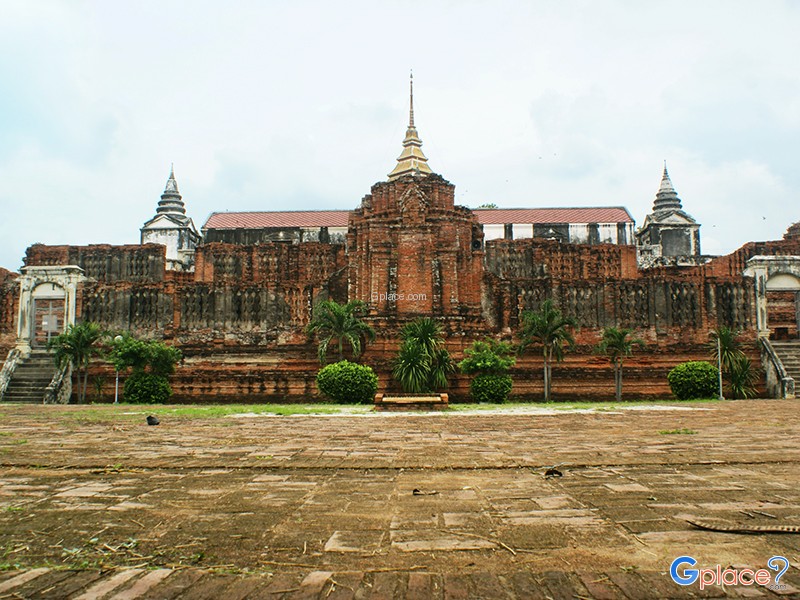

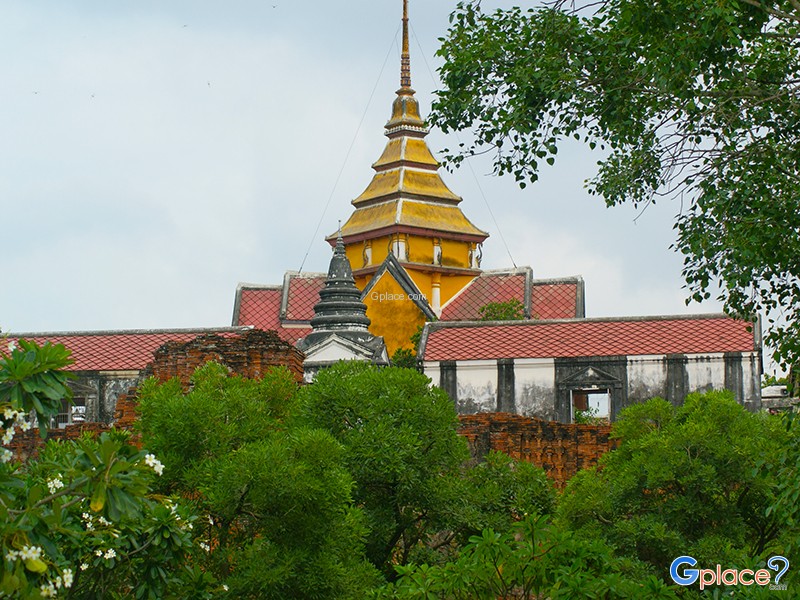
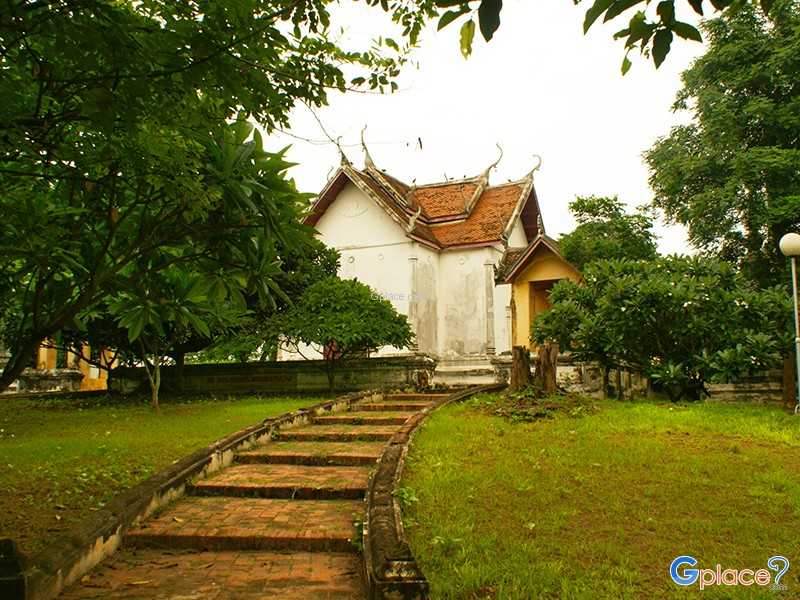
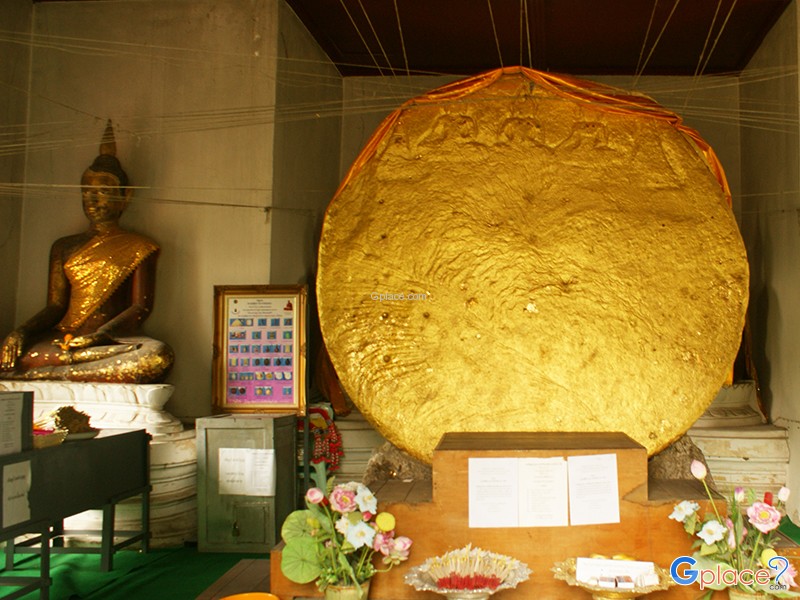
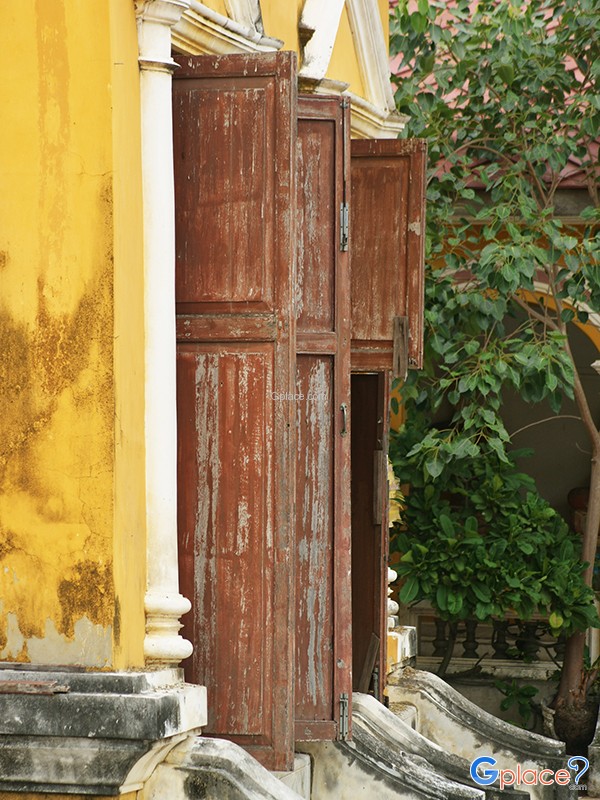
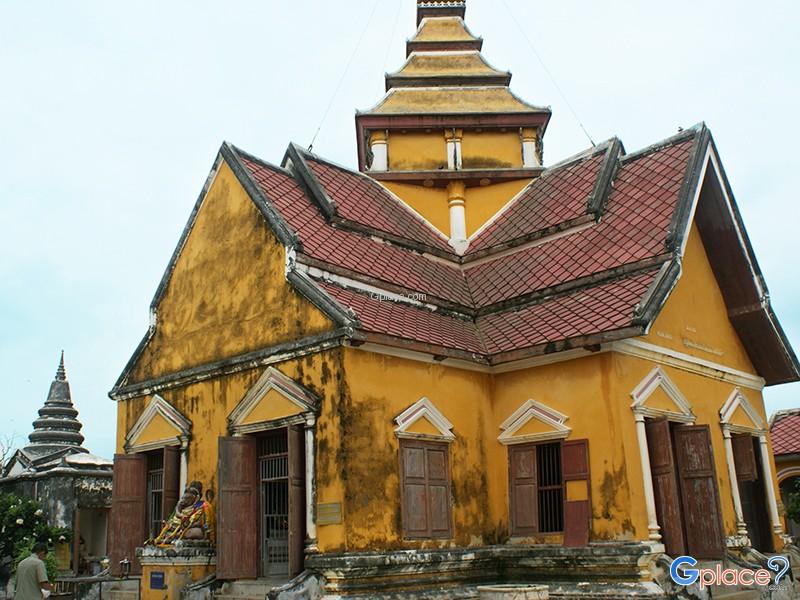
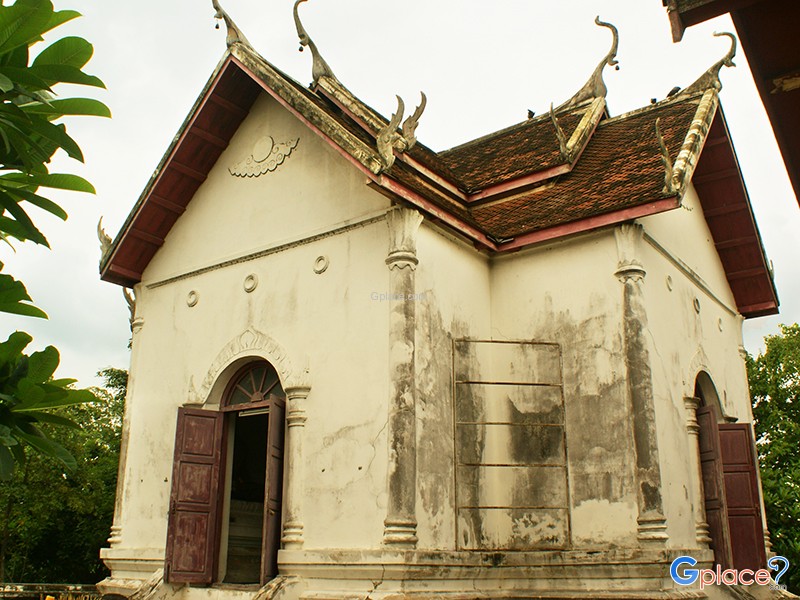
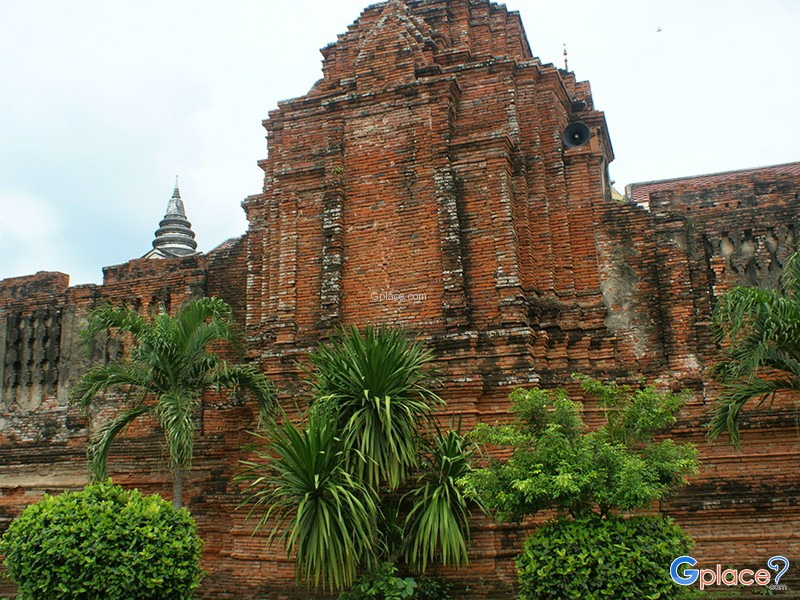

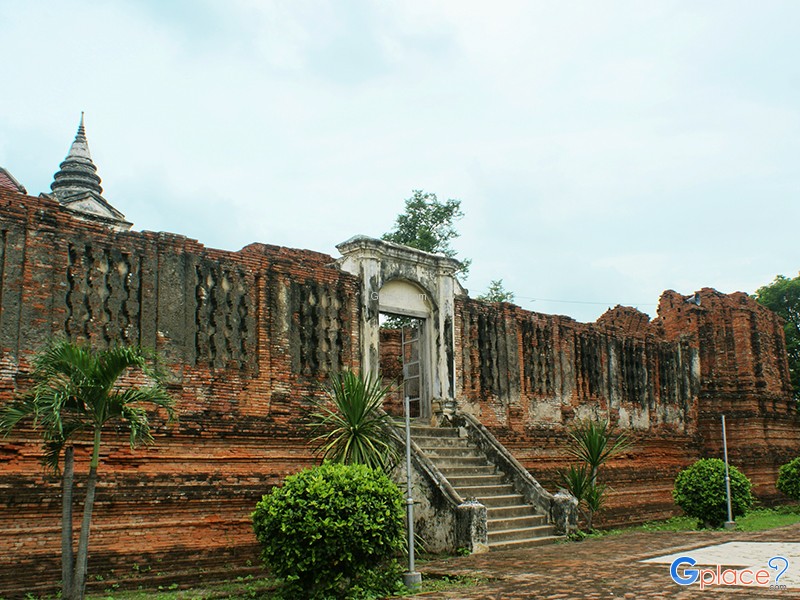
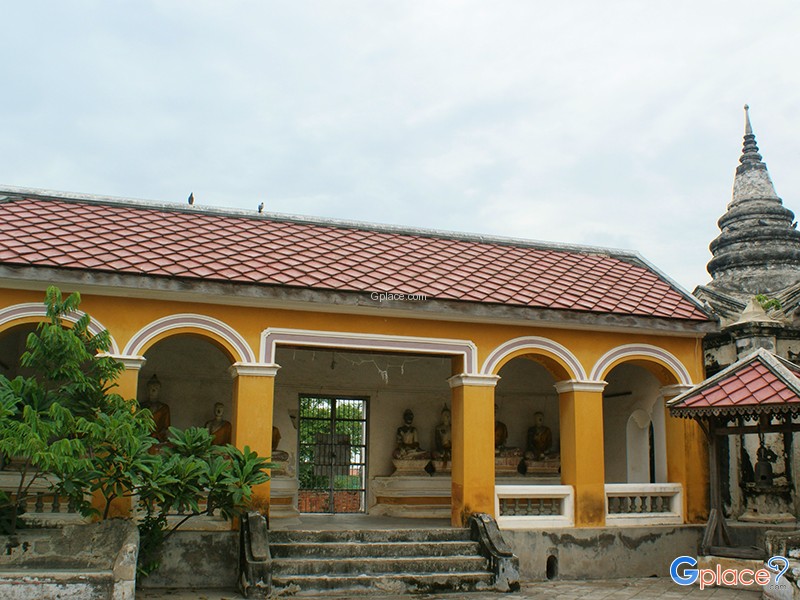

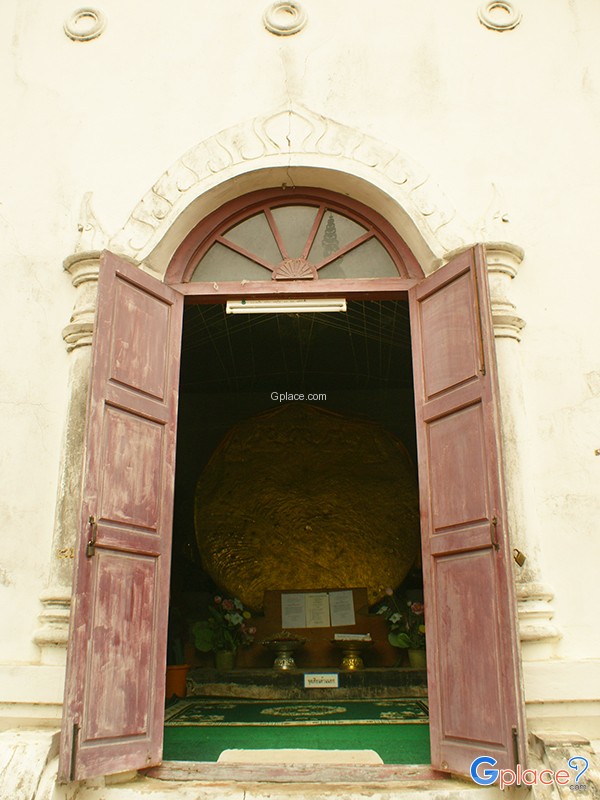
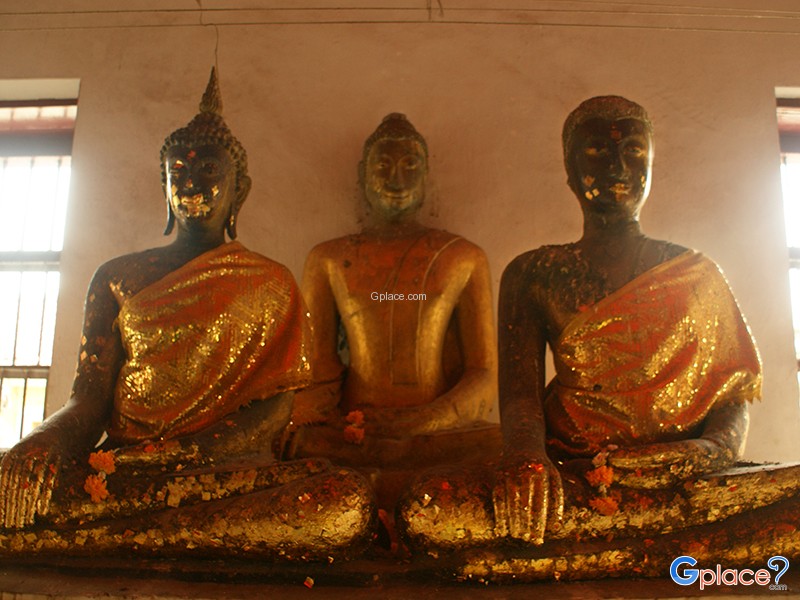
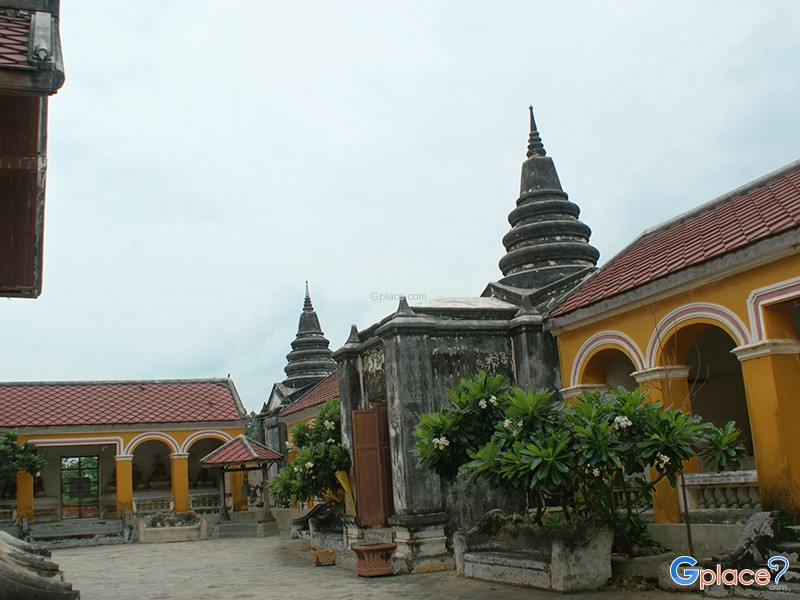
“Admire the grandeur of the three-story brick castle inspired by Angkor Wat, pray to the sacred Ganesha on a Skull Throne, and witness the mystical Floating Moon Stone.”
Prasat Nakhon Luang is a unique and mysterious historical monument in Phra Nakhon Si Ayutthaya Province. It was constructed in 1631 during the reign of King Prasat Thong, serving both as a monument of victory and a royal resting place during the King’s journey to worship the Buddha’s Footprint in Saraburi. The site reflects the prosperity and power of the Ayutthaya Kingdom during the mid-17th century.
What makes Prasat Nakhon Luang exceptional is King Prasat Thong’s decision to send royal craftsmen to study the architectural style of Angkor Wat in the Khmer Empire. The design was then adapted and reconstructed in brick and mortar on an elevated mound arranged into three ascending levels. The overall structure beautifully combines Khmer architectural influence with Ayutthaya beliefs and aesthetics, resulting in a powerful and majestic composition.
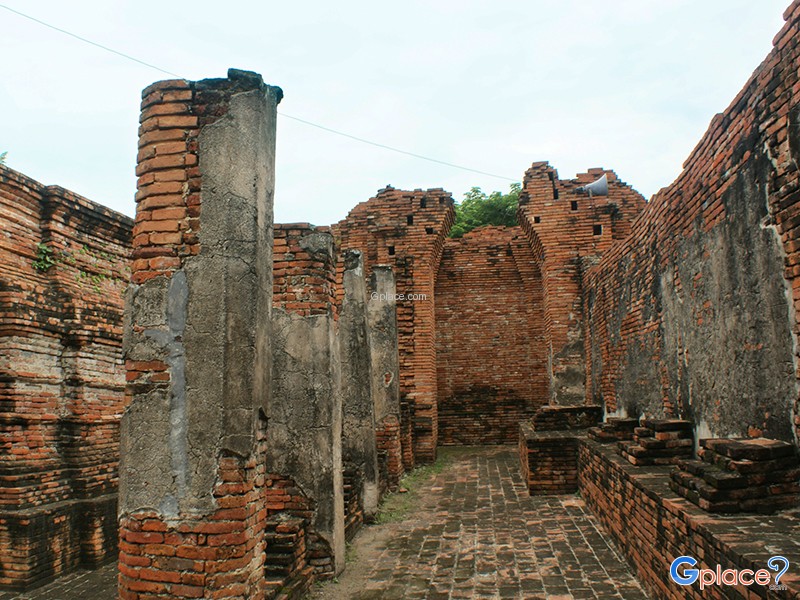
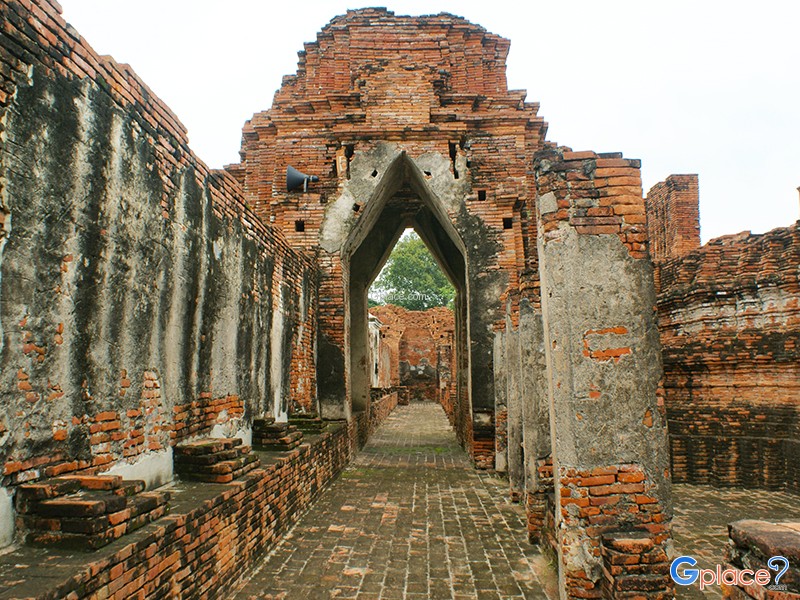
The layout of the palace is a square plan surrounded by covered galleries, with prangs positioned at each of the four cardinal corners on every level. Although the structure has deteriorated over time, its original form remains clearly visible. One of the most striking features is the view through the layered doorways of the galleries, which creates a deep visual perspective and evokes the feeling of walking through an ancient legendary palace. The atmosphere here is notably quieter than temples in the Ayutthaya city area, making it ideal for peaceful exploration and historical reflection.
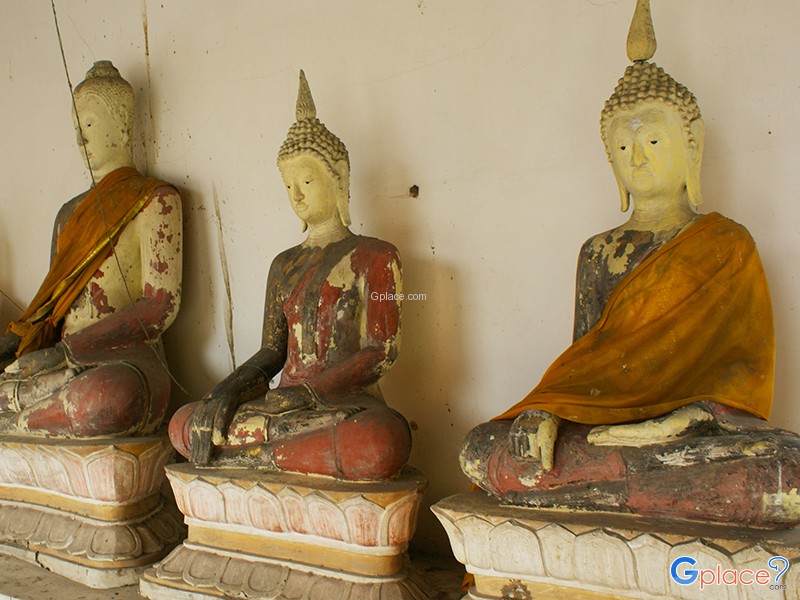
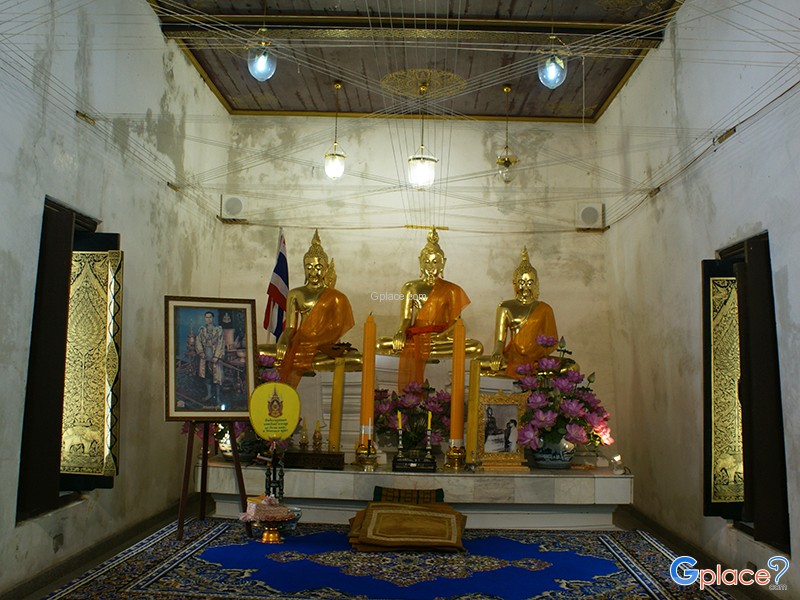
Beyond its archaeological value, Prasat Nakhon Luang is also a major spiritual destination for devotees from across Thailand. Important sacred highlights within the complex include an ancient Ganesha statue seated on a skull pedestal, believed to grant success, career advancement, and obstacle removal; the Floating Moon Stone, a large circular granite stone said to have drifted along the Pa Sak River, popular for prayers related to fortune and benevolence; and the Four Buddha Footprints, enshrined at the highest level of the palace, allowing visitors to pay respect while enjoying panoramic views of Nakhon Luang District.
For tourists and photographers, the best time to visit is during the late afternoon until sunset, when sunlight passes through doorways and illuminates the reddish-orange brick walls, creating dramatic light and shadow with an especially mystical atmosphere. The surrounding area also features riverside cafés and local eateries along the Pa Sak River, making the visit a complete experience that blends historical learning, spiritual devotion, and leisurely relaxation.
Prasat Nakhon Luang is therefore not merely an ancient monument, but a timeless symbol of power, faith, and cultural exchange between civilizations, preserving its mystical charm across the ages.
How to Get There
Private Car:
- From Ayutthaya city, take Highway 3063 toward Nakhon Luang District. After crossing the Pa Sak River bridge, the castle is on your right with ample parking.
Public Transport:
- Take a van from Ayutthaya city toward Nakhon Luang, or hire a Tuk-Tuk from Ayutthaya Railway Station (approx. 15-20 km).
Travel Tips
Best Visiting Season:
- 04:00 PM – 06:00 PM is recommended for cooler temperatures and stunning golden hour photography.
Dress Code:
- As it is a sacred site, please dress respectfully (cover knees and shoulders) and be careful when climbing the steep stairs.
Must-Do Activity:
- Whisper your prayers into the ear of the "Mushika Mouse" statue in front of Ganesha to deliver your wishes to the god.
Nearby Sites:
- Visit Wat Thep Chandra Loy and Wat Mai Pra-Chumpol nearby to further explore late Ayutthaya-style art.
Admission Fee
-
Local visitors: Free
-
Foreign visitors: Free
Opening Hours
-
Open daily: 06:00 AM – 06:00 PM
Prasat Nakhon Luang

 Share
Share
 Moo 1, Nakhon Luang, Nakhon Luang District, Phra Nakhon Si Ayutthaya 13260, Thailand
Map
Moo 1, Nakhon Luang, Nakhon Luang District, Phra Nakhon Si Ayutthaya 13260, Thailand
Map
 Open now : 6.00 - 18.00
Mon6.00 - 18.00
Tue6.00 - 18.00
Wed6.00 - 18.00
Thu6.00 - 18.00
Fri6.00 - 18.00
Sat6.00 - 18.00
Sun6.00 - 18.00



 10845
10845