 Attractions
  Hotel
Hotel  Restaurant
  Shopping
  Abroad






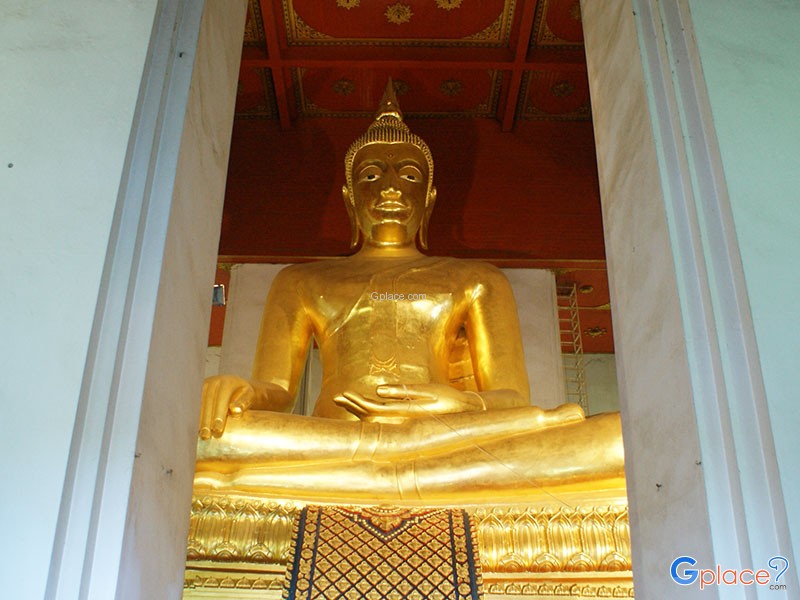
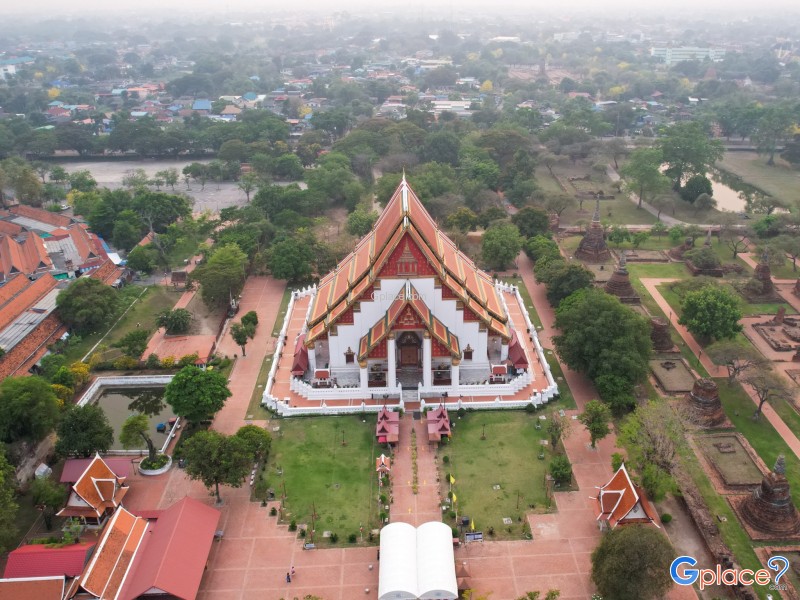

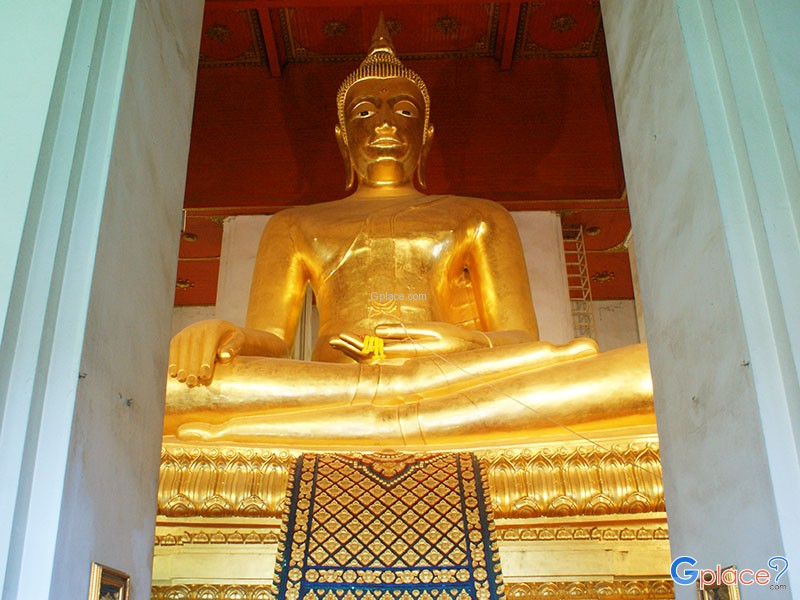
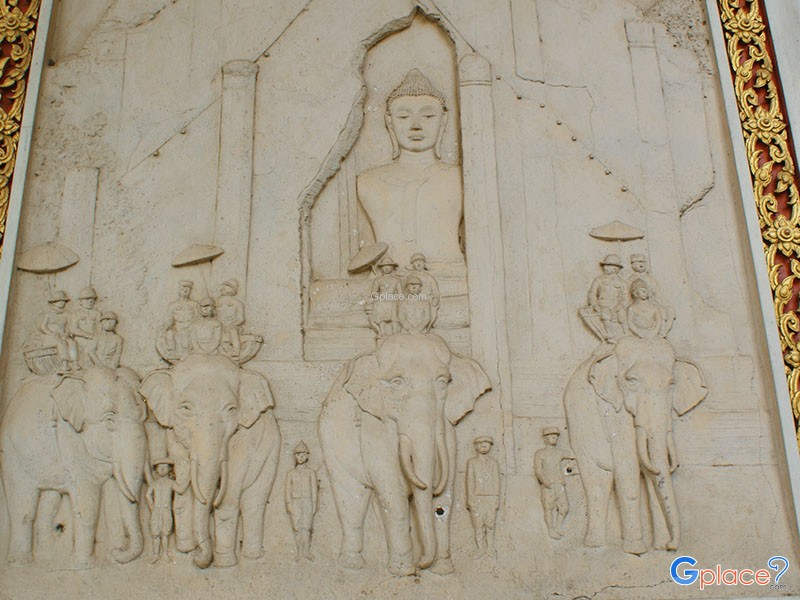
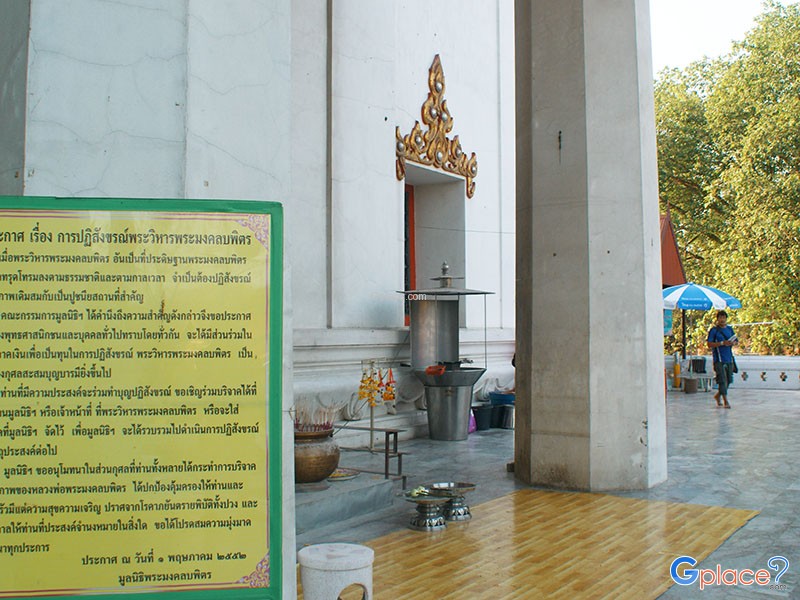
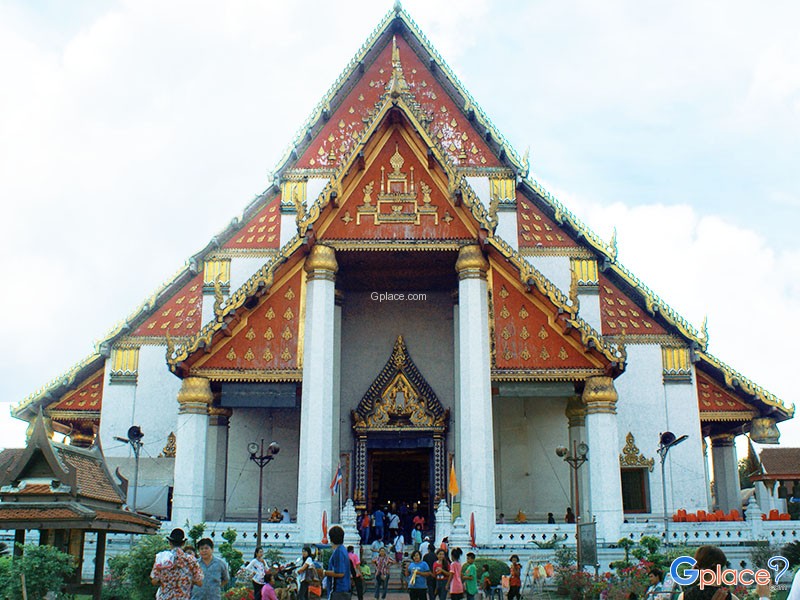
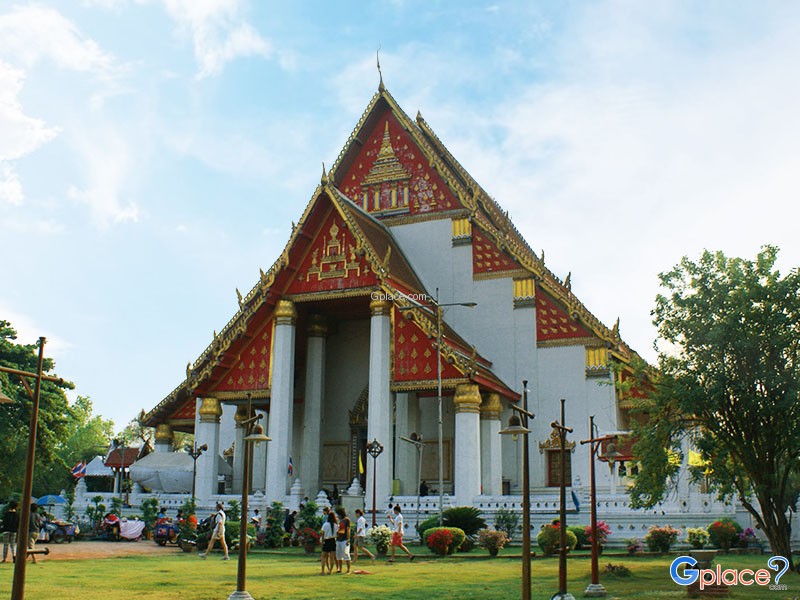
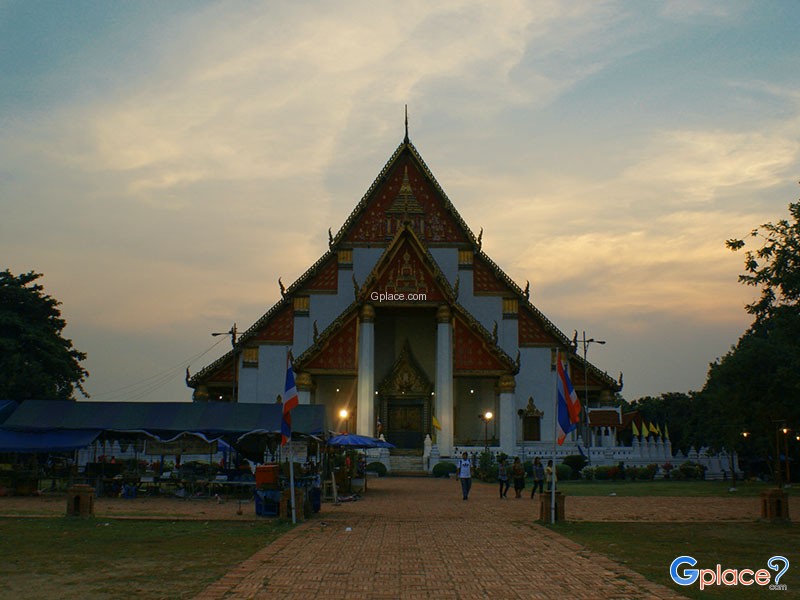

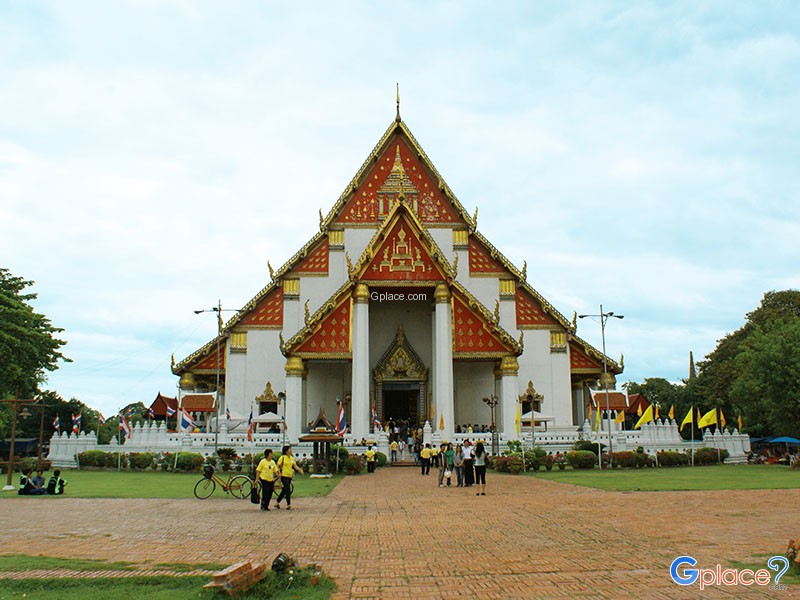
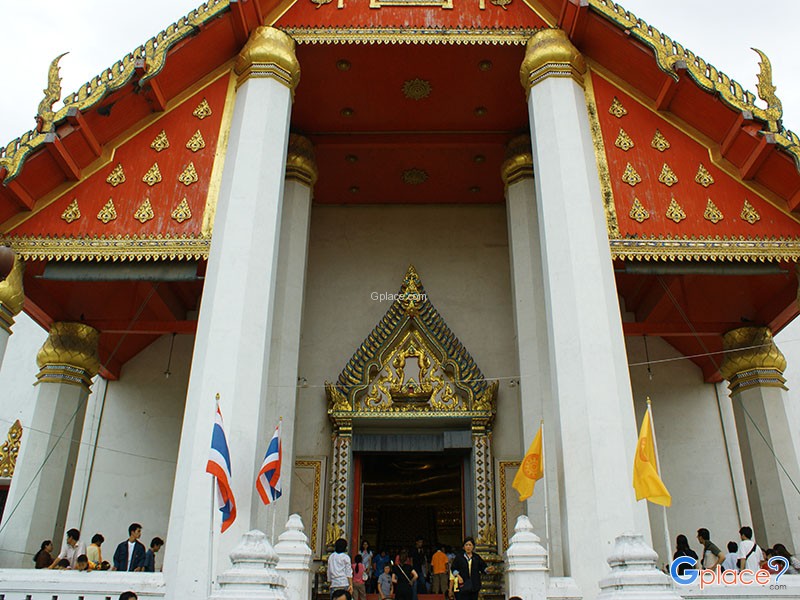
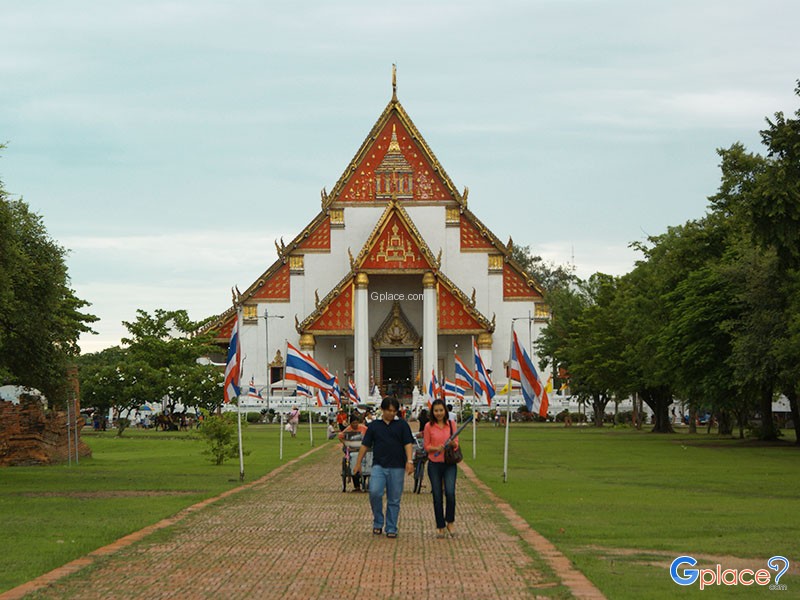
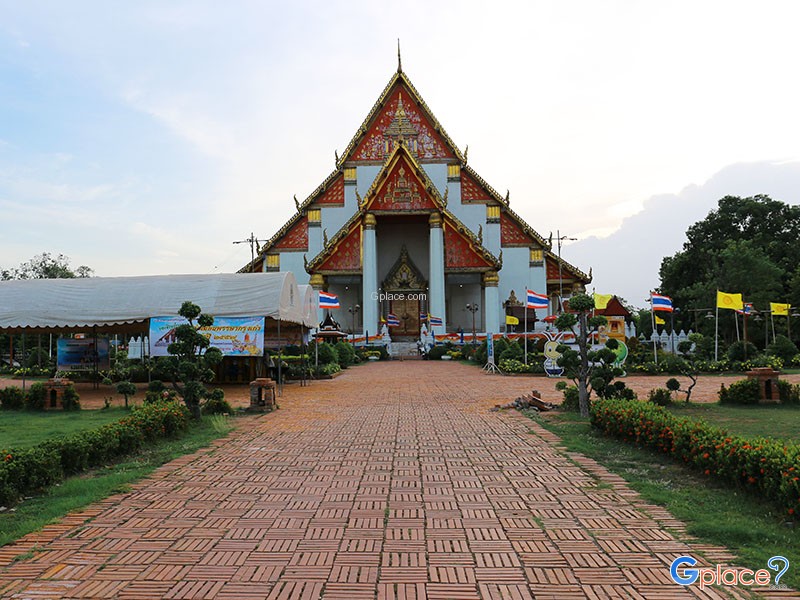
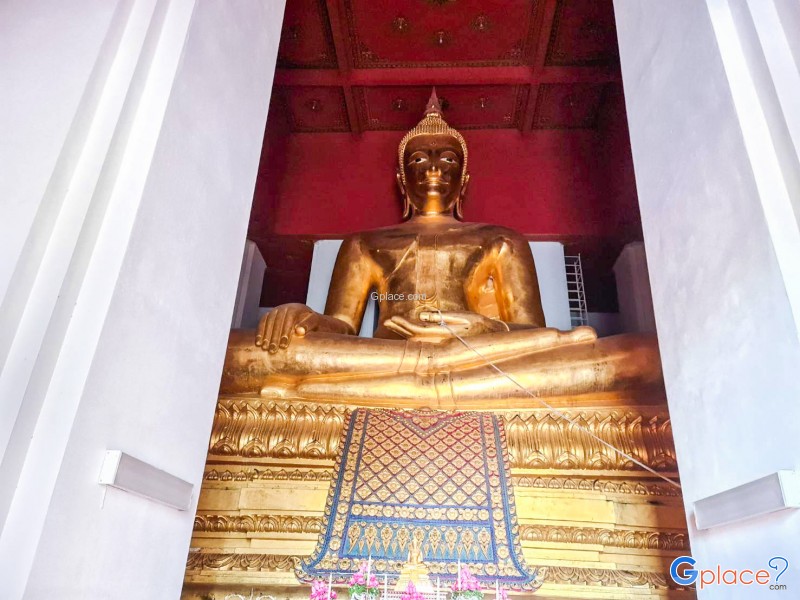
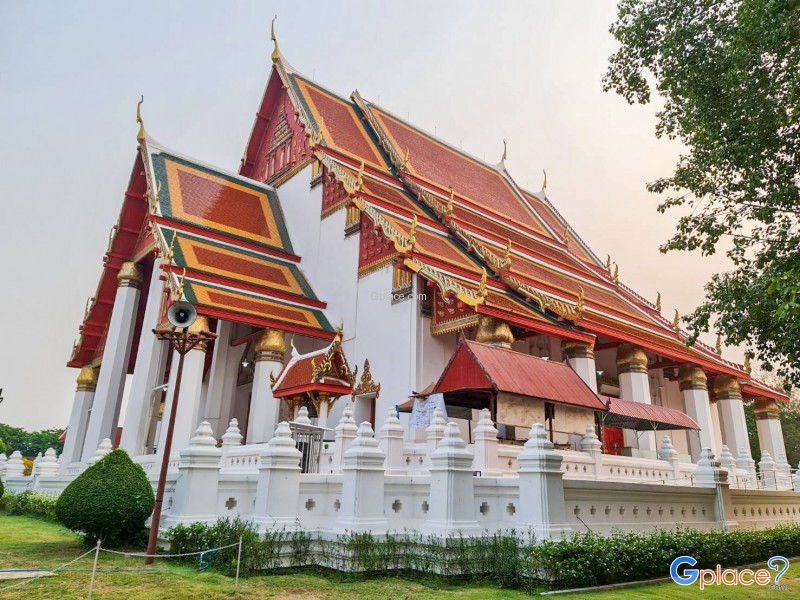
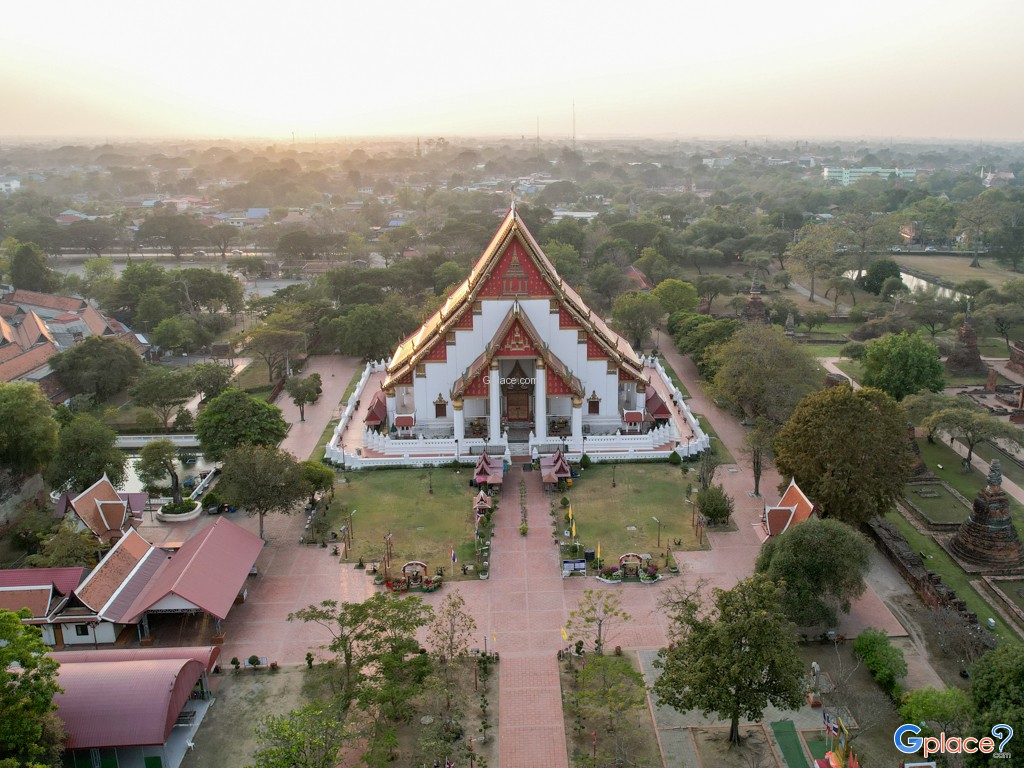
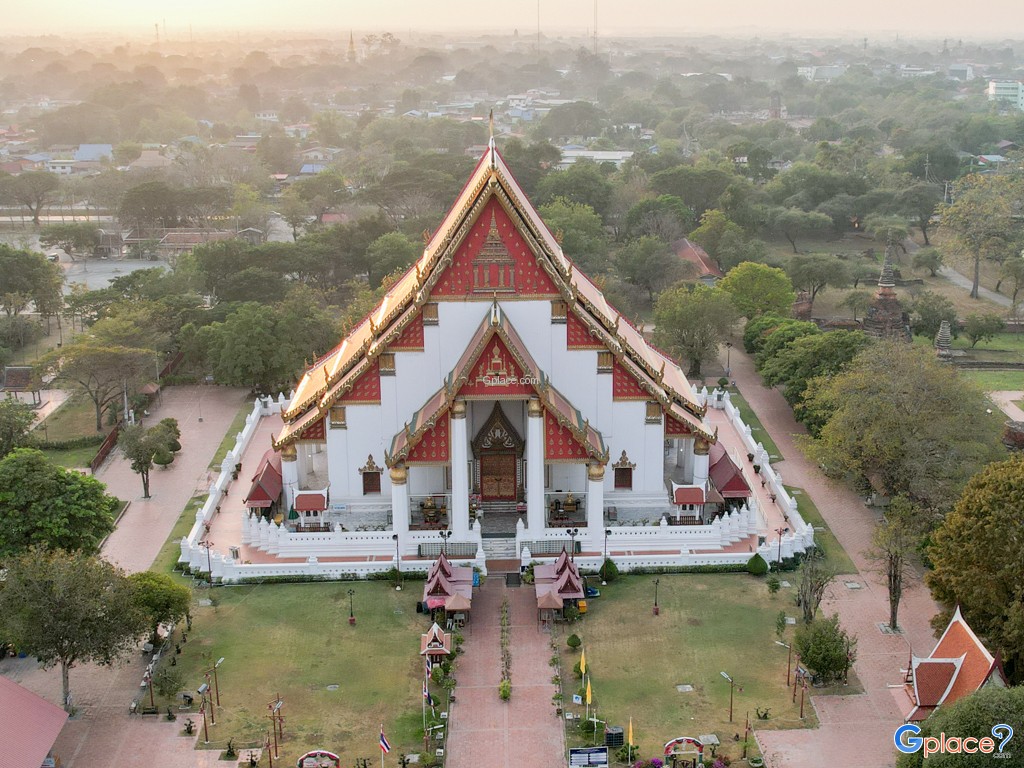
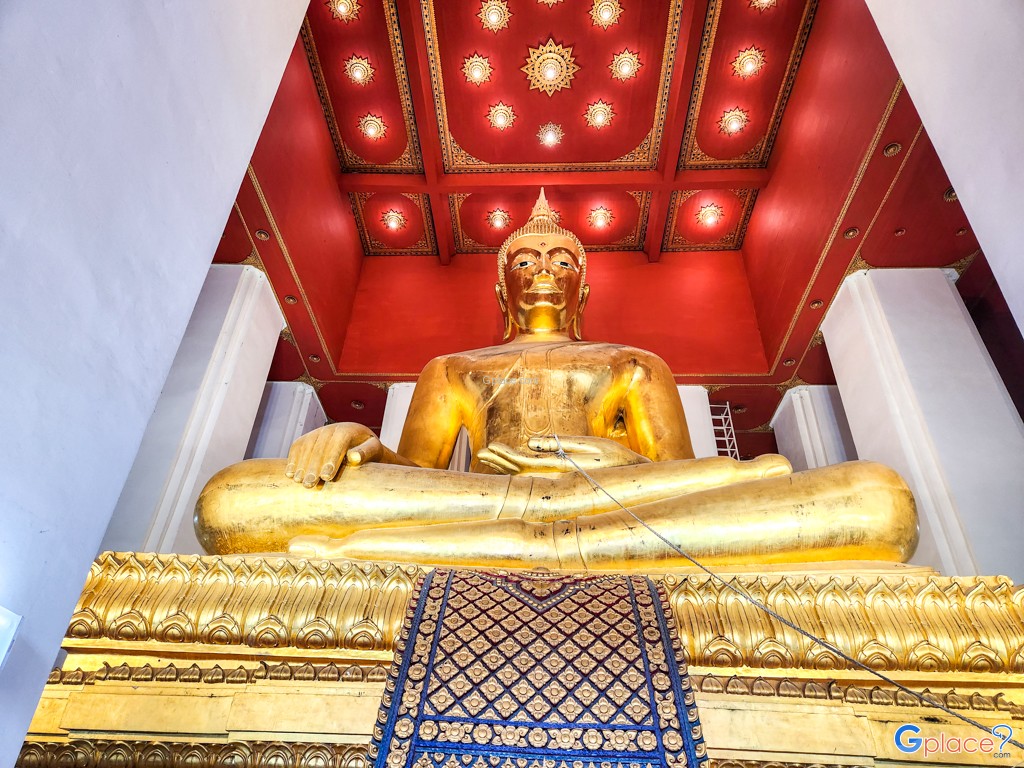
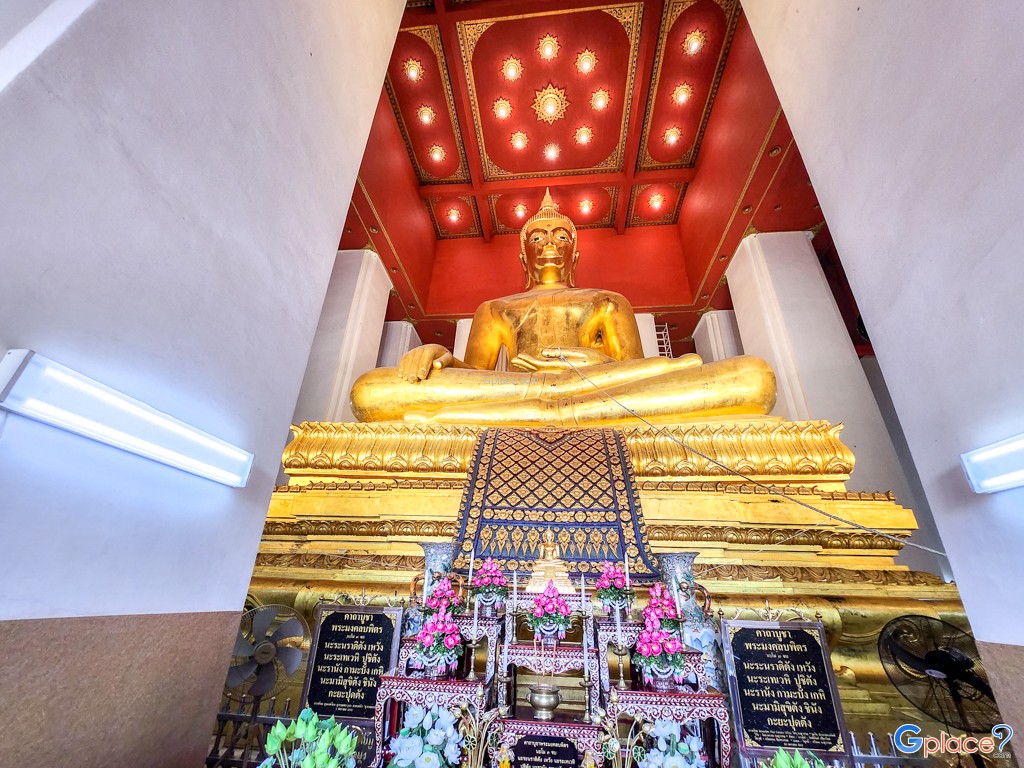

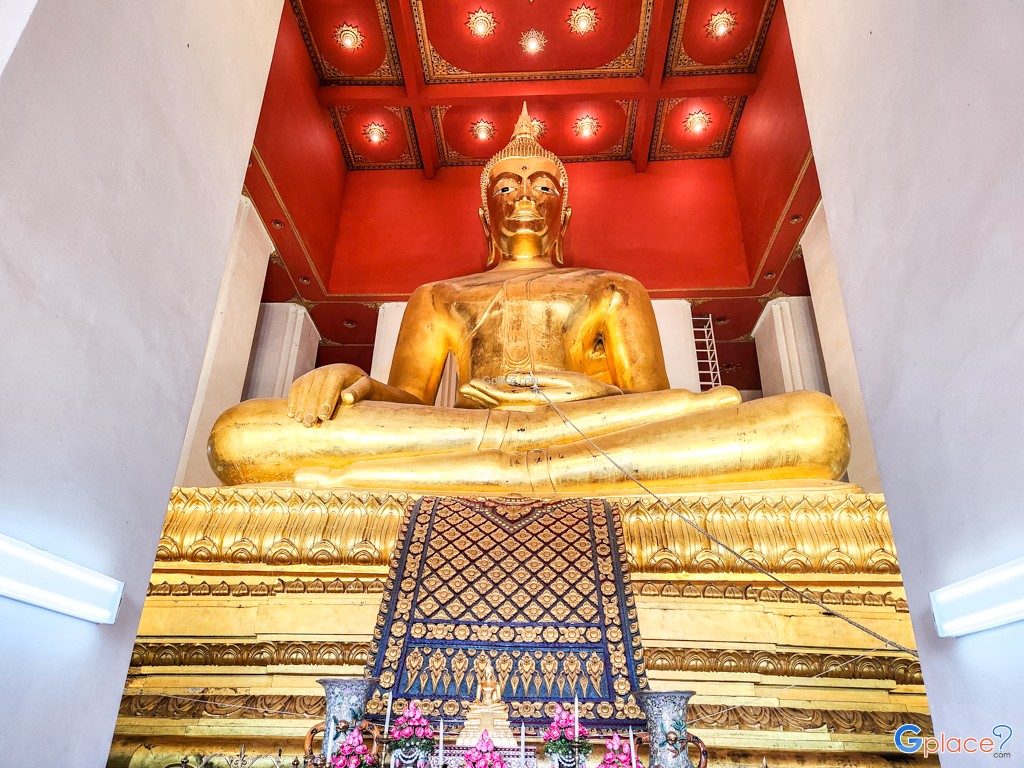

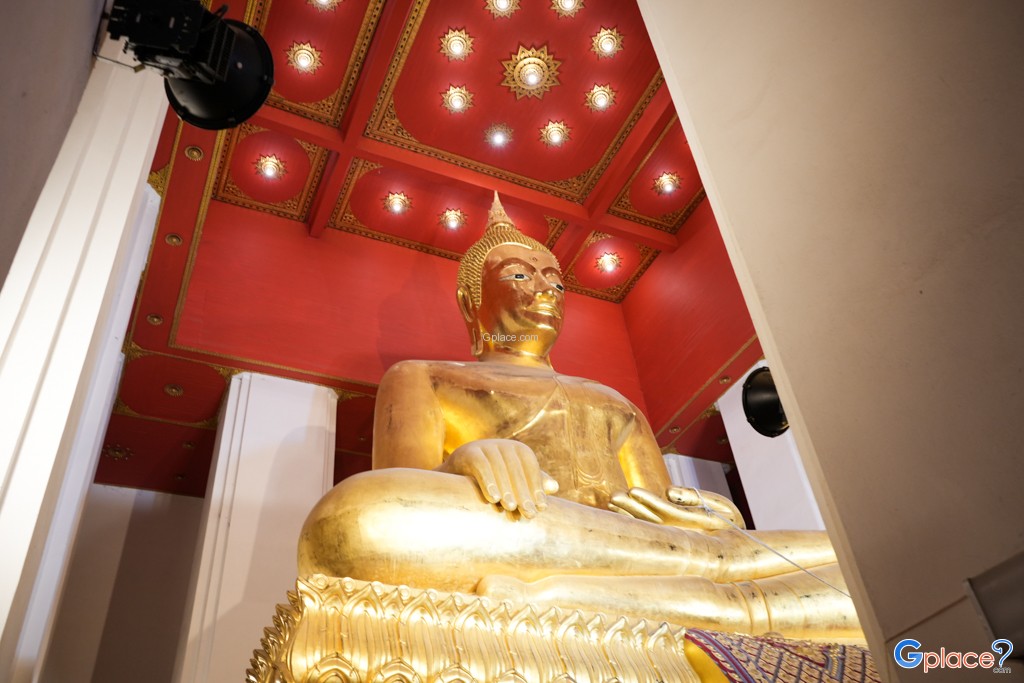
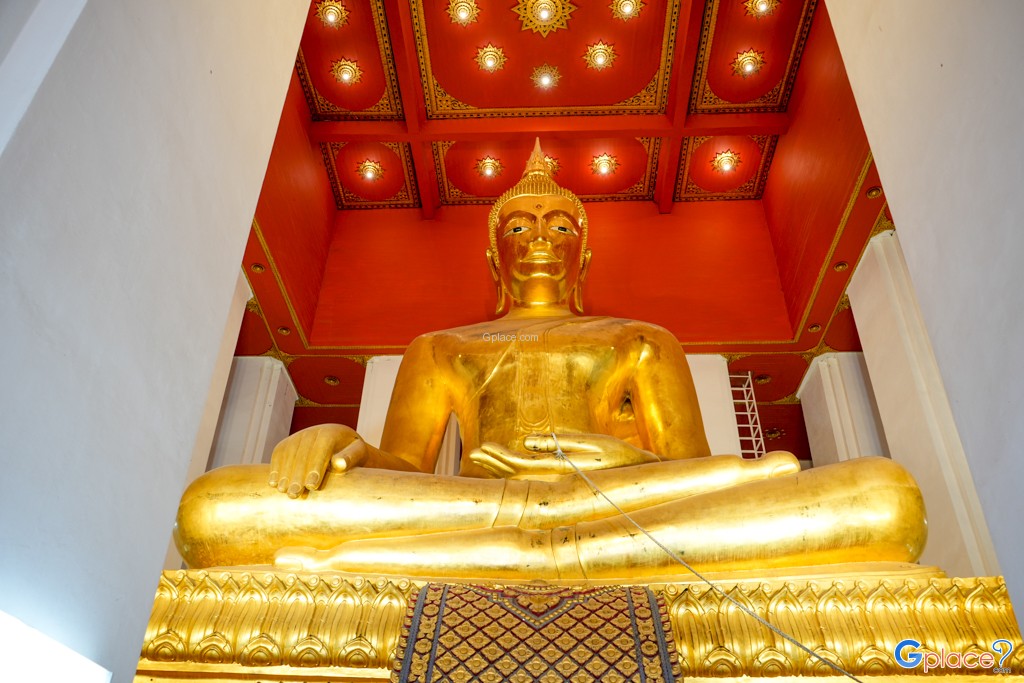
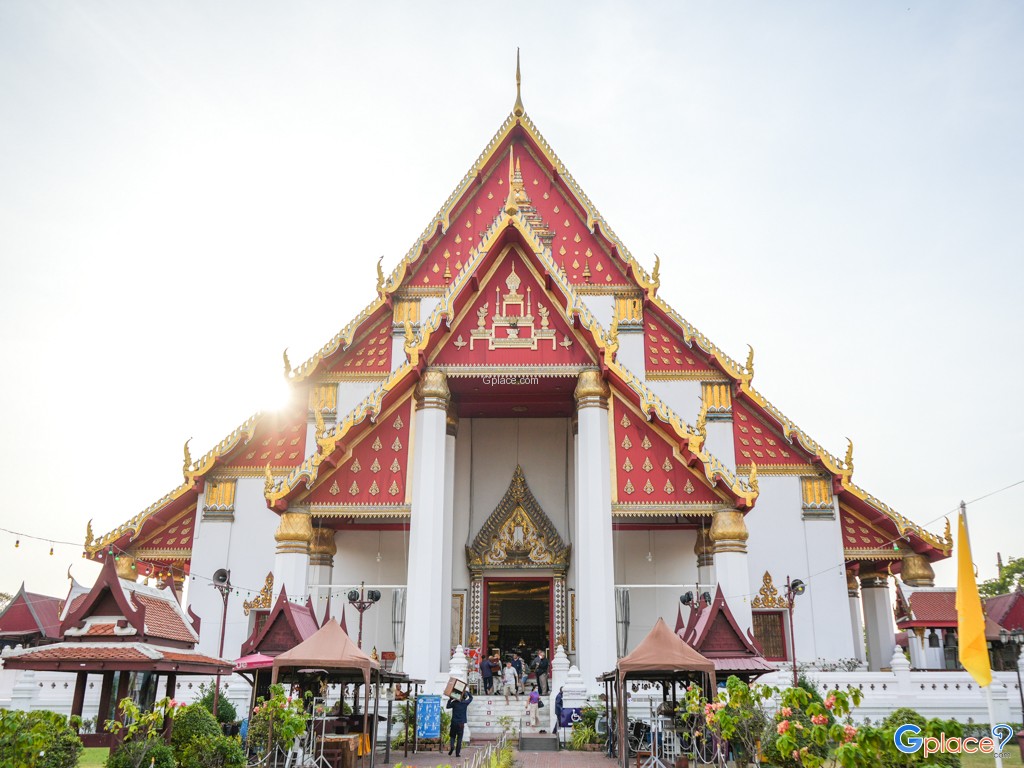
“Marvel at the immense scale of the golden bronze Buddha in the Subduing Mara posture and the Late Ayutthaya-style architectural grandeur that stands as a symbol of enduring faith.”
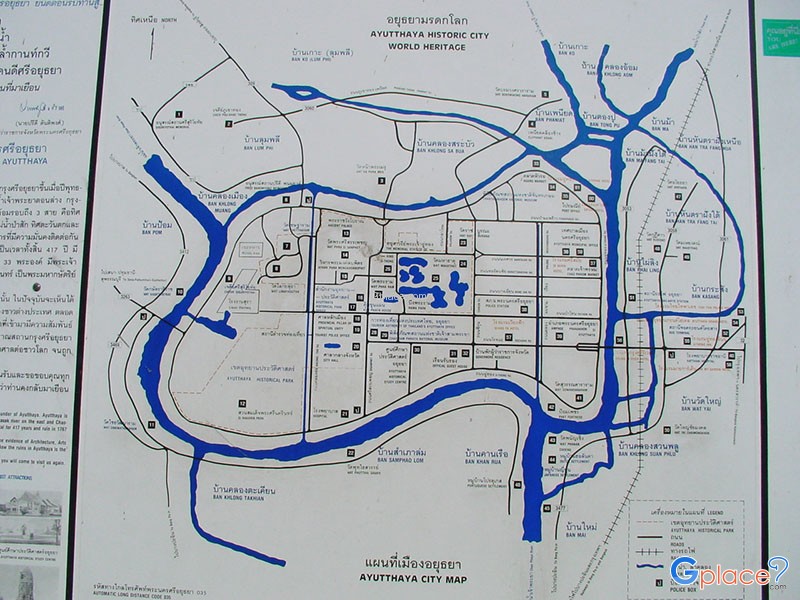
Wihan Phra Mongkhon Bophit is located to the south of Wat Phra Si Sanphet within the Ayutthaya Historical Park. It can be reached by the same route leading to Khun Phaen’s Residence, and the vihara stands not far from Wat Phra Si Sanphet. Its location reflects its importance as a major religious monument situated close to the former Royal Palace and the political center of the ancient Ayutthaya Kingdom.
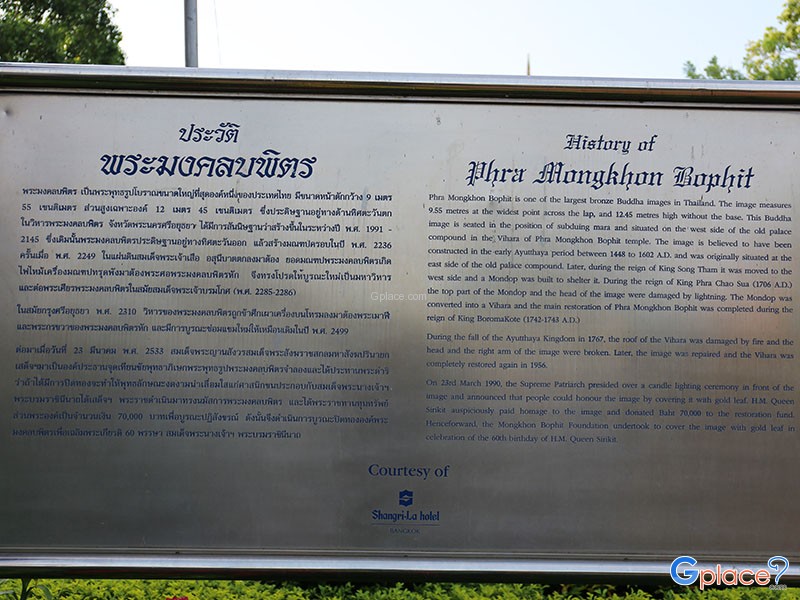
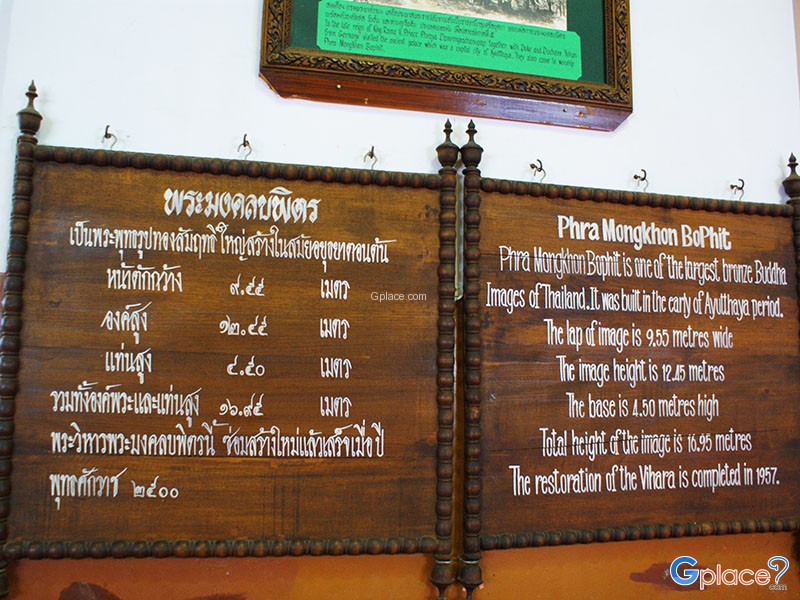
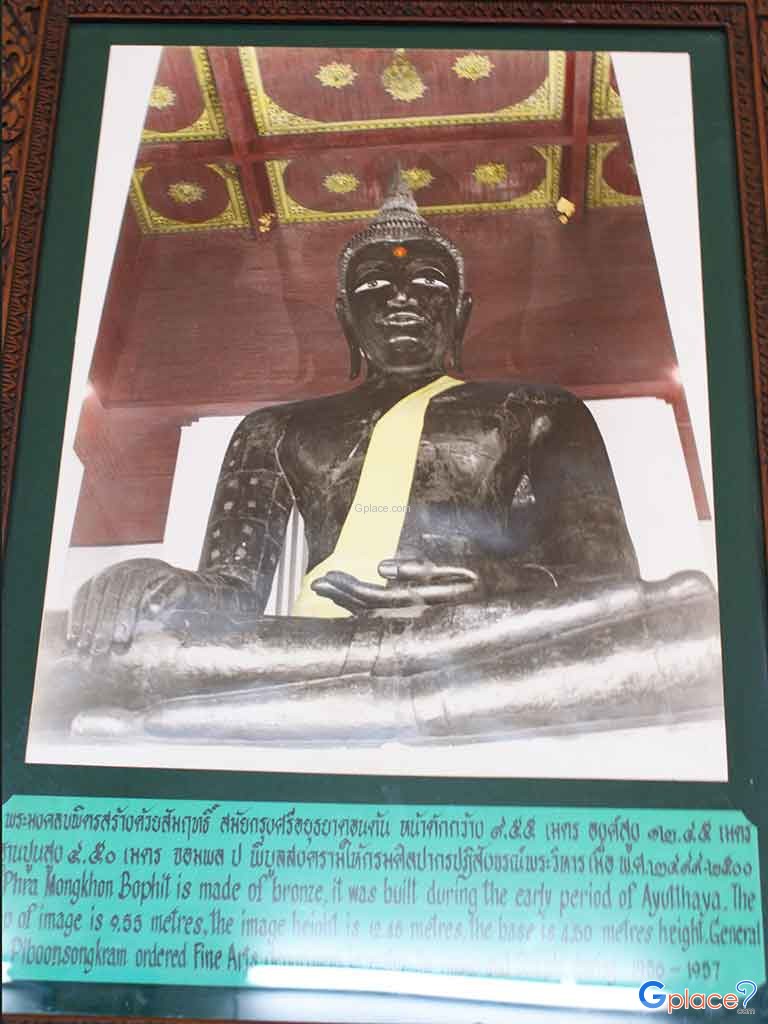
Wihan Phra Mongkhon Bophit is a large bronze Buddha image in the Mara-Vijaya posture. The statue measures approximately 9.55 meters across the lap and 12.45 meters in height_, making it one of the largest Buddha images in Thailand. Although there is no definitive historical record indicating the exact date of its creation, stylistic analysis suggests that it was built during the early Ayutthaya period, between 1991 and 2145 BE, a time when monumental Buddha images were constructed to symbolize royal power and the stability of the kingdom.
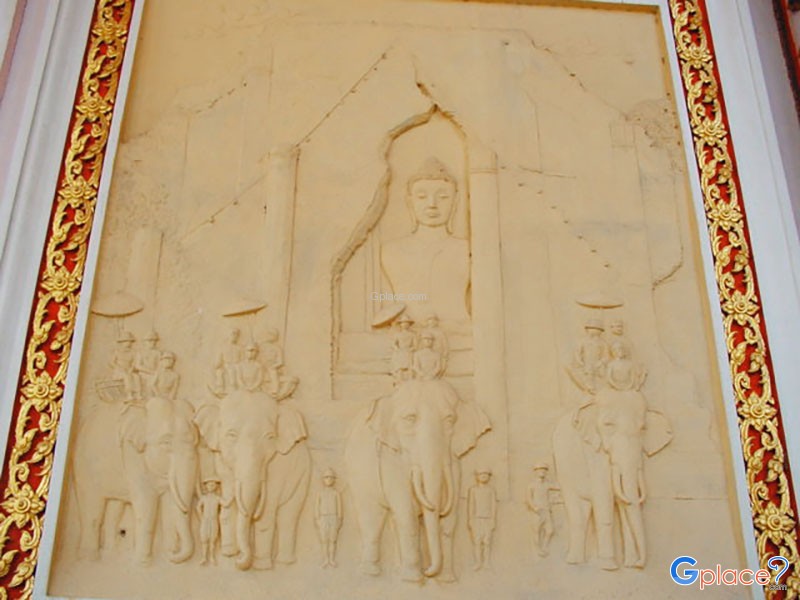
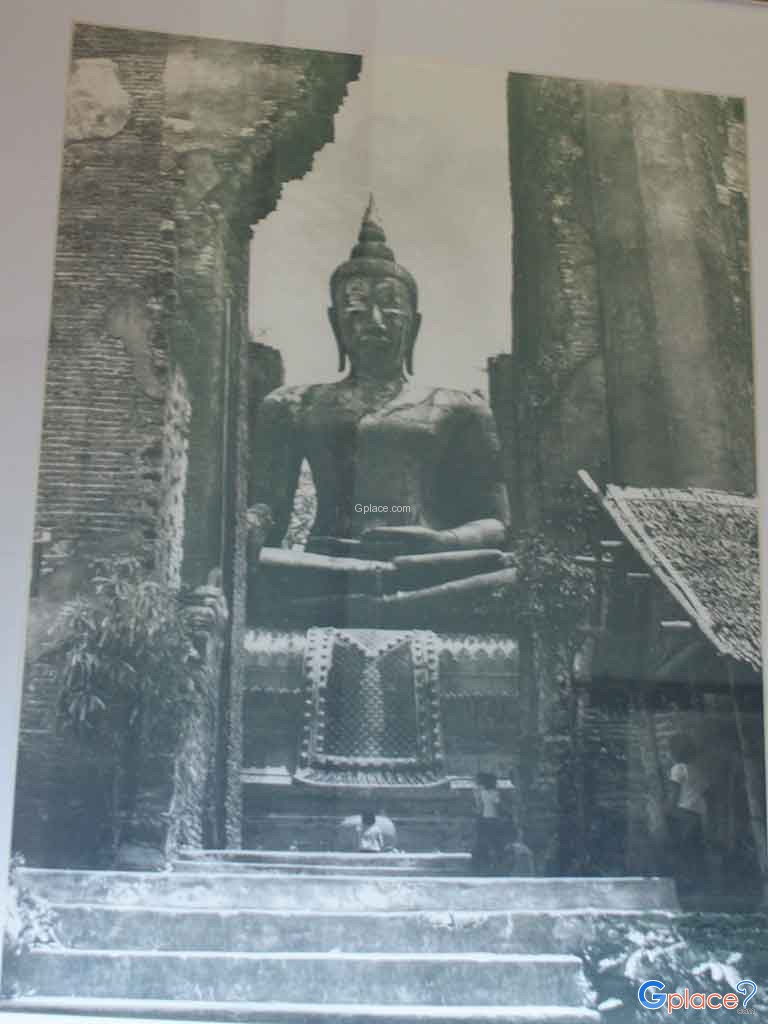
Originally, Wihan Phra Mongkhon Bophit was enshrined to the east outside the Royal Palace. During the reign of King Songtham, the Buddha image was relocated to the western side, where it remains today. Later, in the reign of King Suea in 2249 BE, a mandapa was constructed to enshrine the image, reflecting deep reverence and providing protection for the sacred statue.
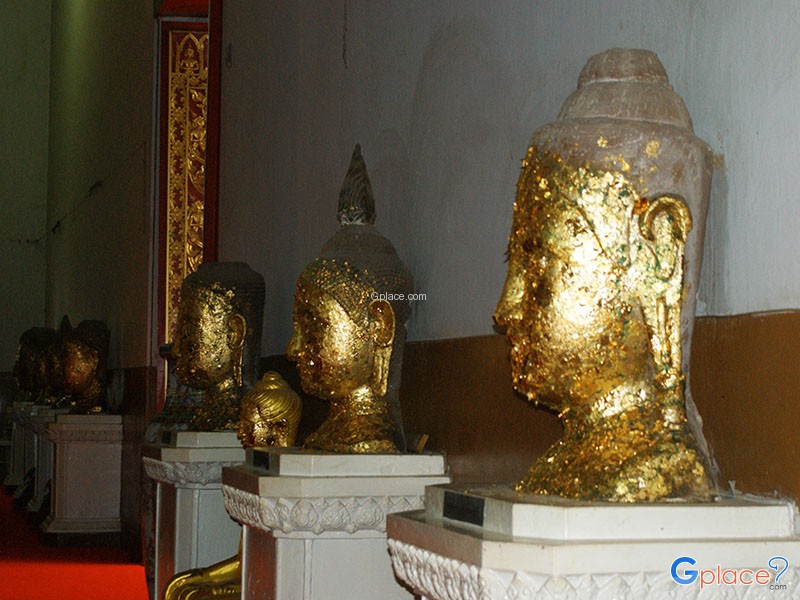
Subsequently, a lightning strike hit the top of the mandapa, causing a fire that severely damaged the upper part of the Buddha image. Major restoration work was undertaken during the reign of King Borommakot between 2285 and 2286 BE. During this restoration, the mandapa roof was replaced with a large vihara structure, and the head of Phra Mongkhon Bophit was reconstructed to restore its original appearance.
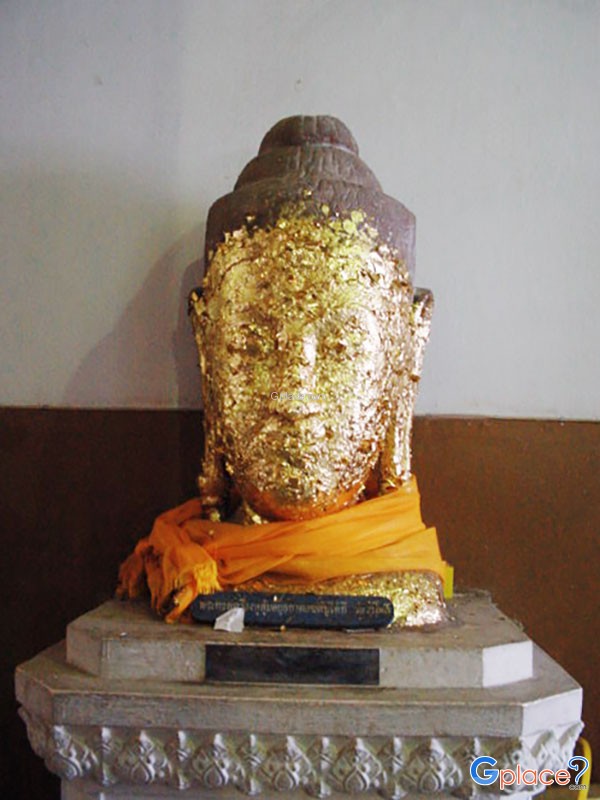
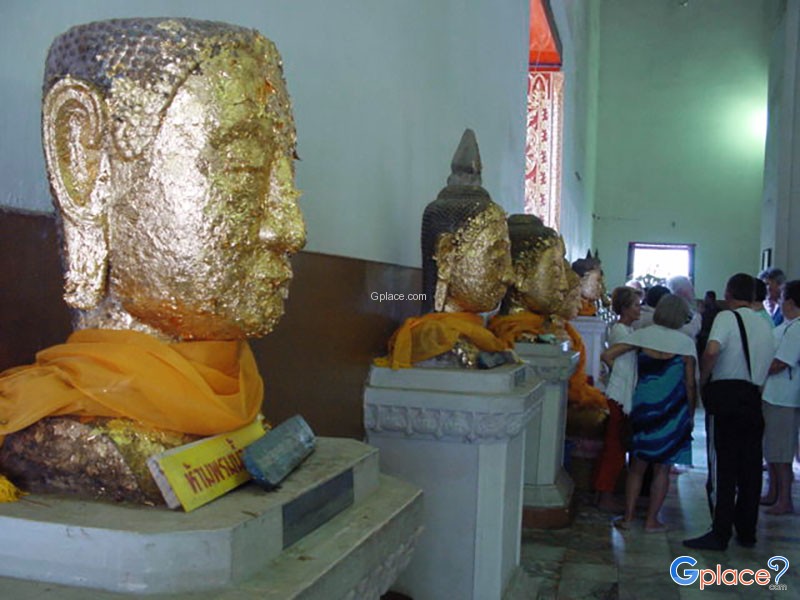
During the second fall of Ayutthaya in 2310 BE, Wihan Phra Mongkhon Bophit was set on fire by invading forces. The upper structure collapsed onto the statue, resulting in damage to the ushnisha and the right arm of the Buddha image. Later, during the reign of King Rama V of the Rattanakosin period, a comprehensive restoration was ordered to preserve this important historical and religious monument for future generations.
The area to the east of Wihan Phra Mongkhon Bophit was originally the Royal Ground of Ayutthaya, used for the construction of royal cremation grounds for kings and members of the royal family. This function was similar to that of Sanam Luang in present-day Bangkok, highlighting the area’s significance in terms of religious ceremonies, royal rituals, and the broader historical heritage of Thailand.
How to Get There
Private Car:
- Cross the Pridi-Thamrong Bridge, continue to the old city hall, then turn left onto Si Sanphet Road. The Vihara is on the right with ample parking.
Tourist Tram:
- Available around the city island, with a designated stop right in front of the Vihara.
Tuk-Tuk:
- Easy to hail from anywhere in town; simply tell the driver "Wihan Mongkhon Bophit."
Travel Tips
Best Time to Visit:
- Morning (08:30 - 10:30) is ideal as it is less crowded, cooler, and the light is perfect for capturing the facade of the Vihara.
Dress Code:
- Please dress politely (shoulders and knees covered) as this is a highly sacred and historic site.
Photography:
- Photography is permitted inside, but please be respectful of those praying and avoid using loud shutters or flashes.
Local Specialties:
- The market behind the Vihara is famous for "Roti Sai Mai" (Cotton Candy Crepe) and woven palm-leaf fish.
Planning:
- Combine this visit with "Wat Phra Si Sanphet," as they share the same grounds and are within easy walking distance.
Admission Fee
-
Thai Visitors: Free
-
Foreign Visitors: Free (for the Vihara entrance)
Opening Hours
-
Monday - Friday: 08:00 – 16:30
-
Saturday - Sunday & Public Holidays: 08:00 – 17:00
Wihan Phra Mongkhon Bophit

 Share
Share
 Wihan Phra Mongkhon Bophit, Si Sanphet Road, Pratu Chai, Phra Nakhon Si Ayutthaya, Phra Nakhon Si Ayutthaya, Thailand
Map
Wihan Phra Mongkhon Bophit, Si Sanphet Road, Pratu Chai, Phra Nakhon Si Ayutthaya, Phra Nakhon Si Ayutthaya, Thailand
Map
 Open now : 8.00 - 16.30
Mon8.00 - 16.30
Tue8.00 - 16.30
Wed8.00 - 16.30
Thu8.00 - 16.30
Fri8.00 - 16.30
Sat8.00 - 17.00
Sun8.00 - 17.00



 6541
6541
Recommend trips
All reviews
(List 2 review)
รีวิวเมื่อ 12 ก.ย. 53

ถูกใจ
แชร์
รีวิวเมื่อ 12 ก.ย. 53

ถูกใจ
แชร์