 Attractions
  Hotel
Hotel  Restaurant
  Shopping
  Abroad





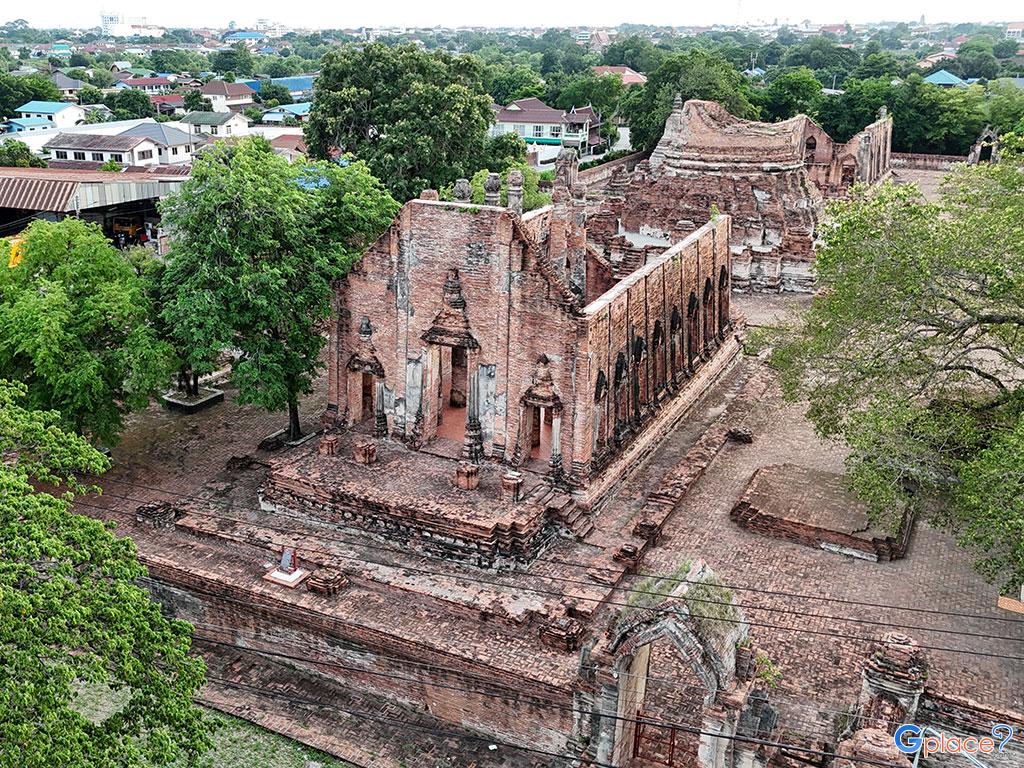

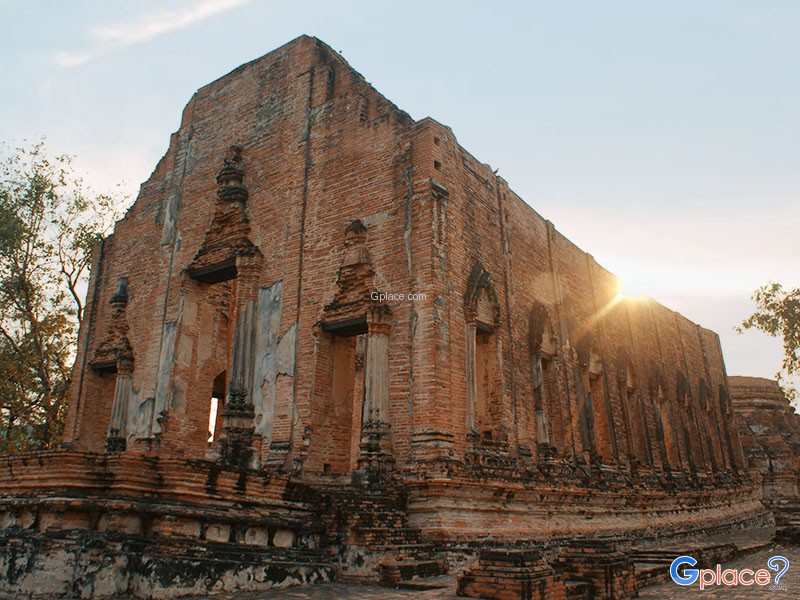
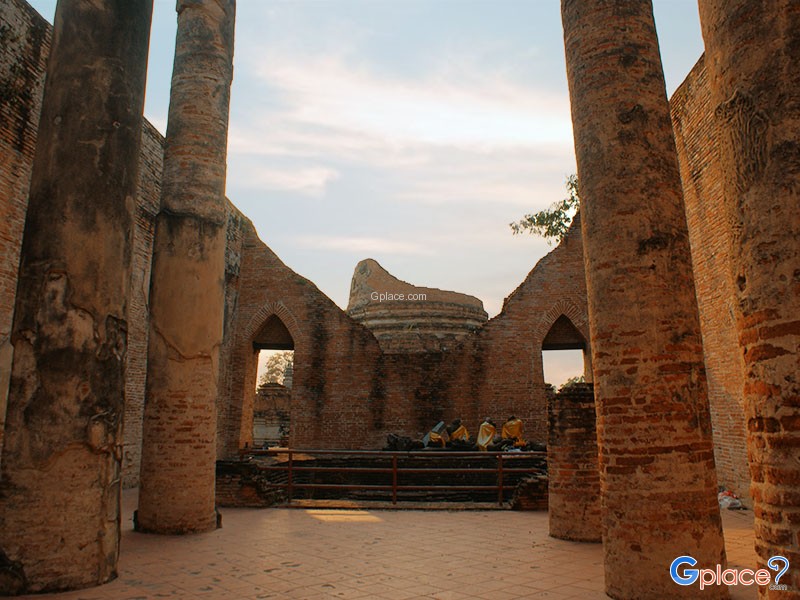
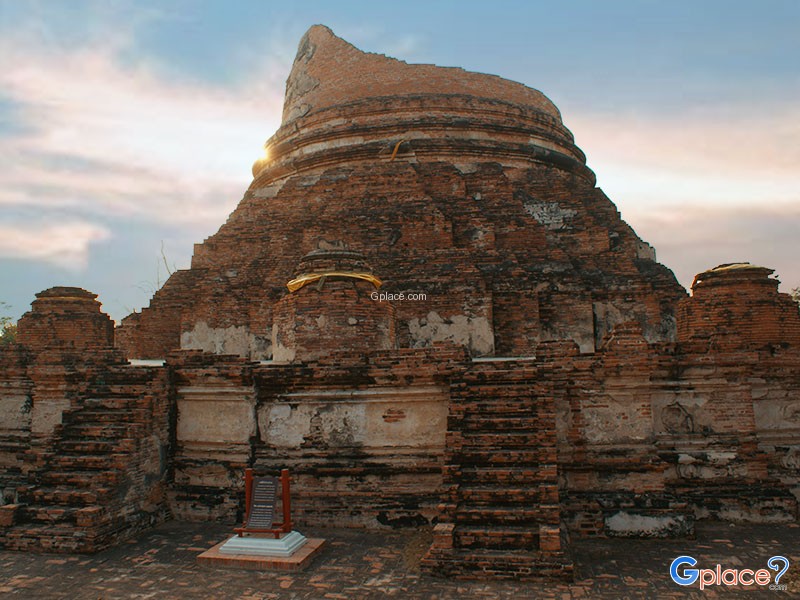
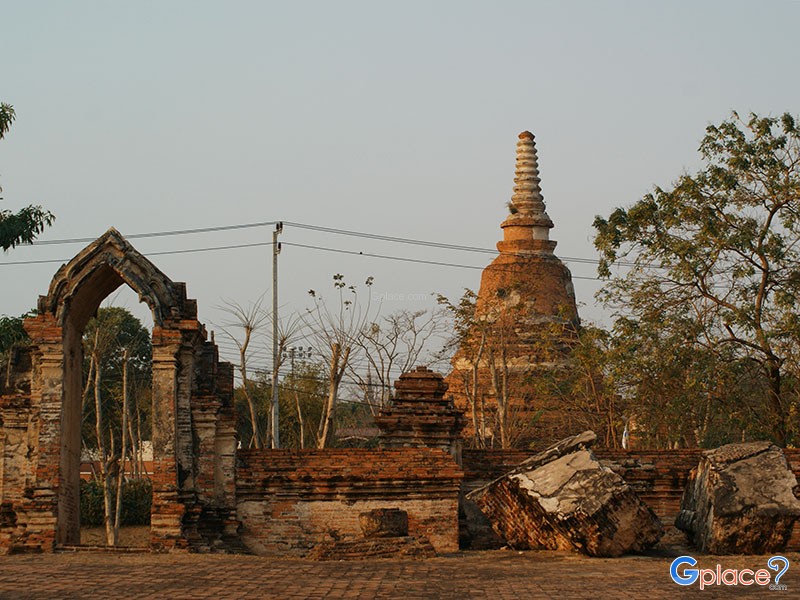
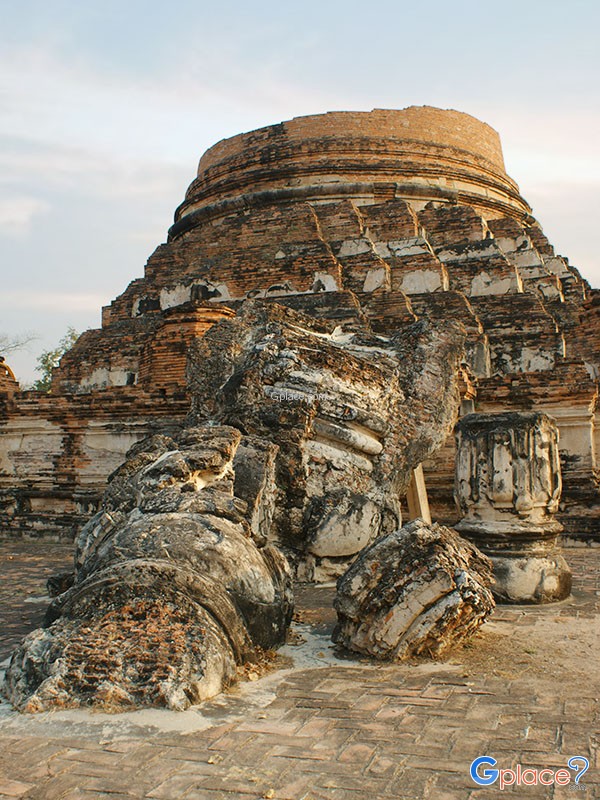
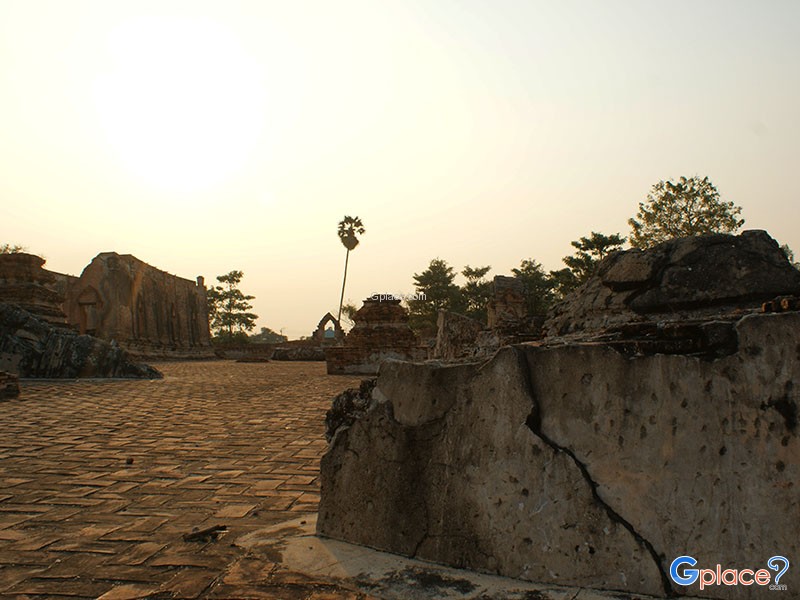
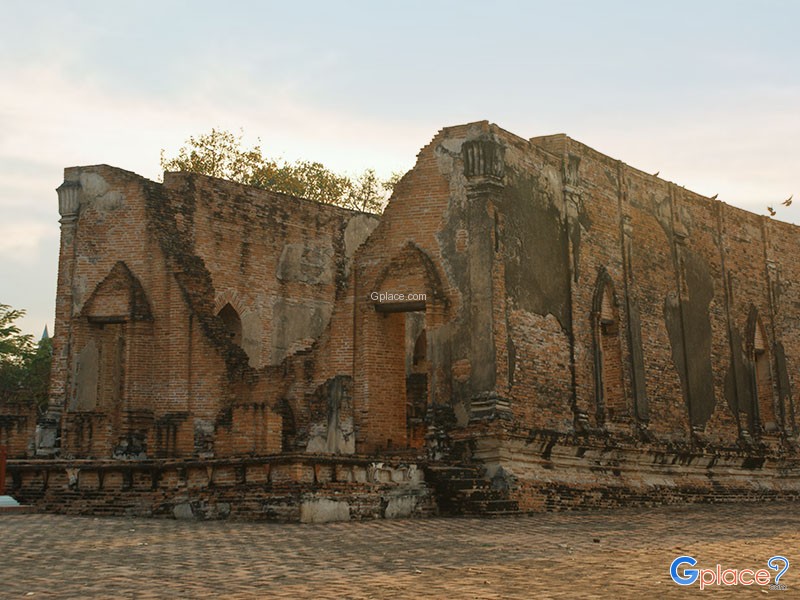
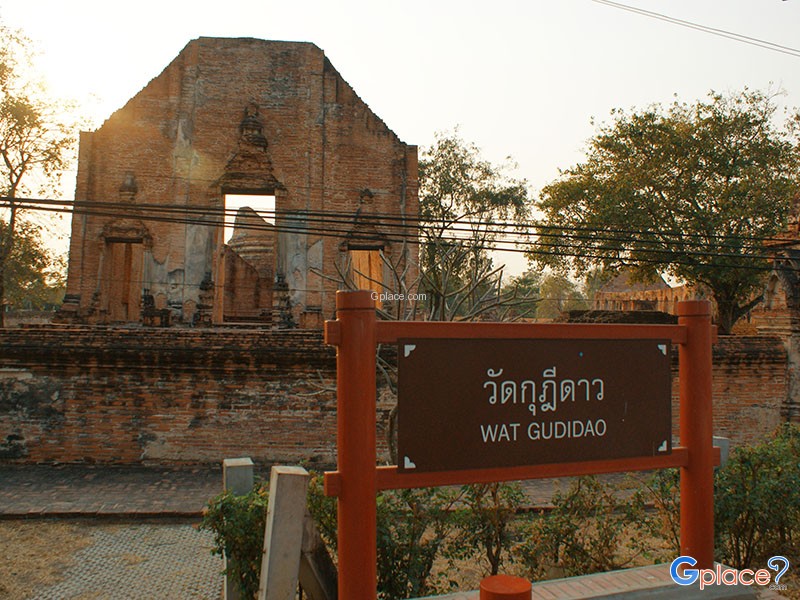
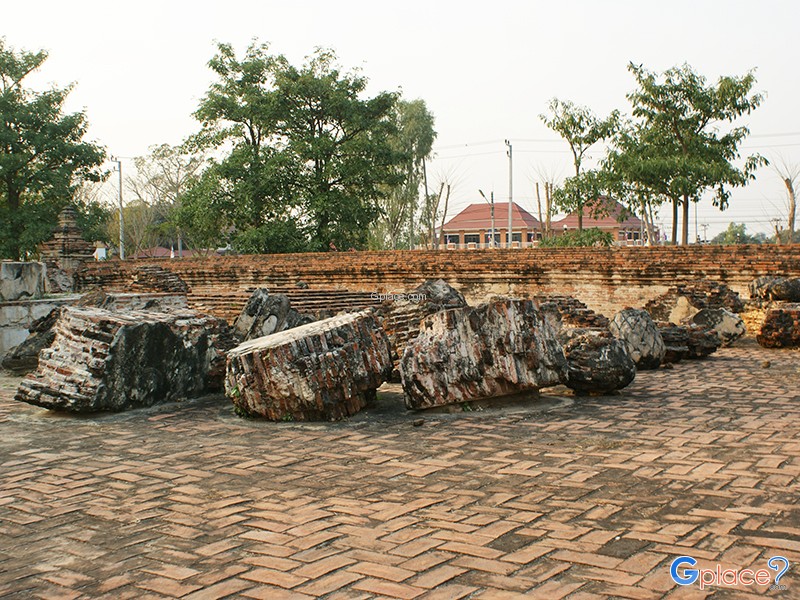
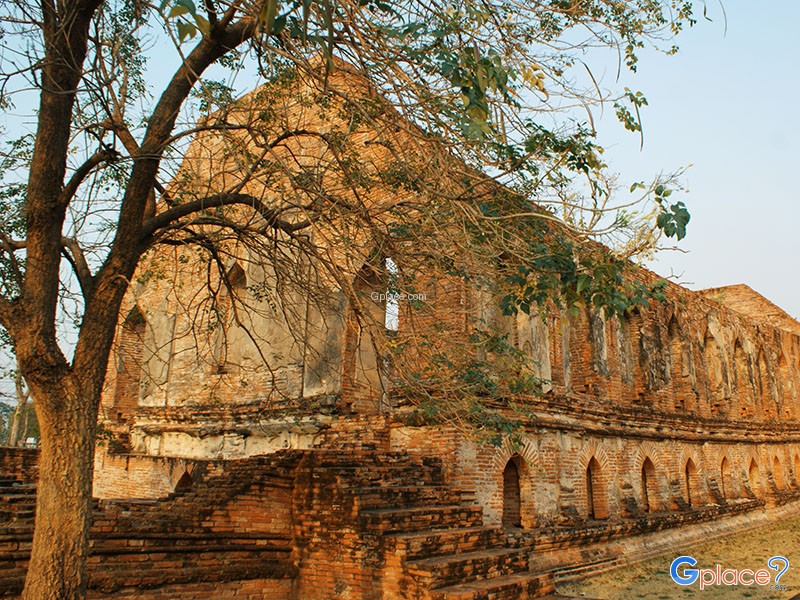
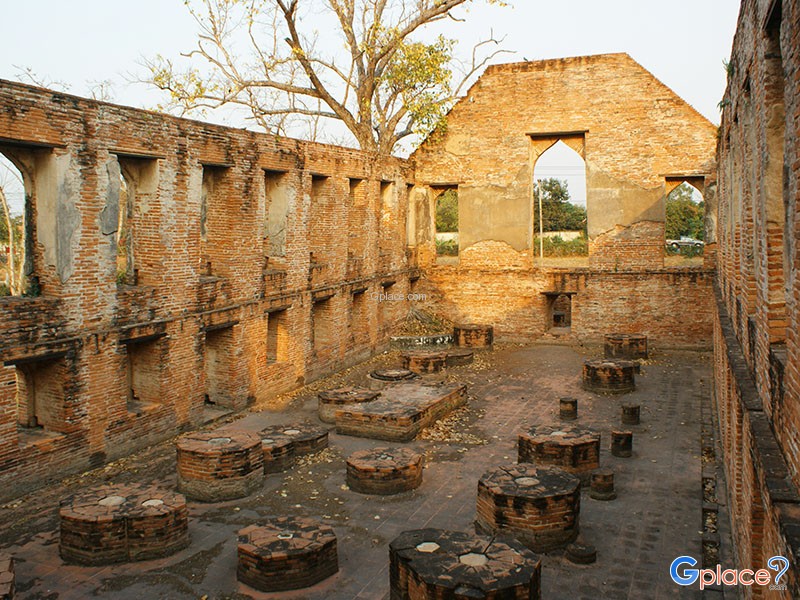
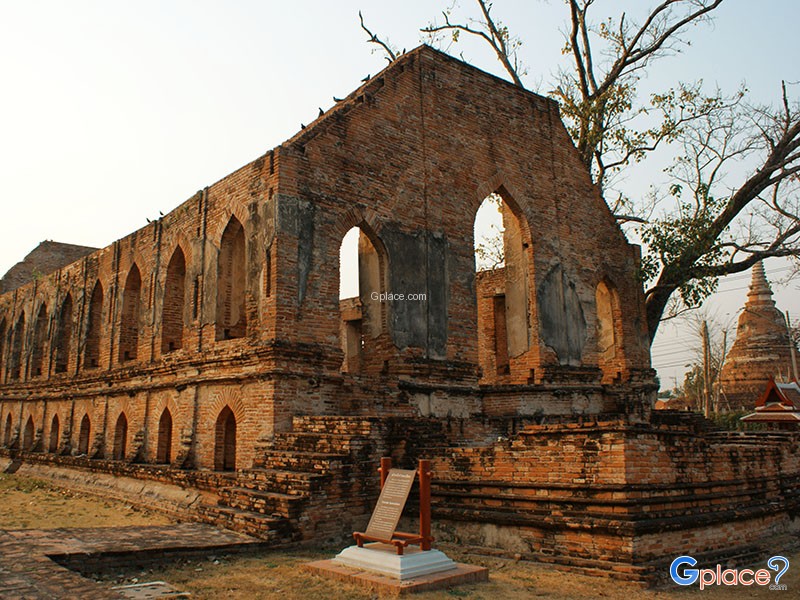
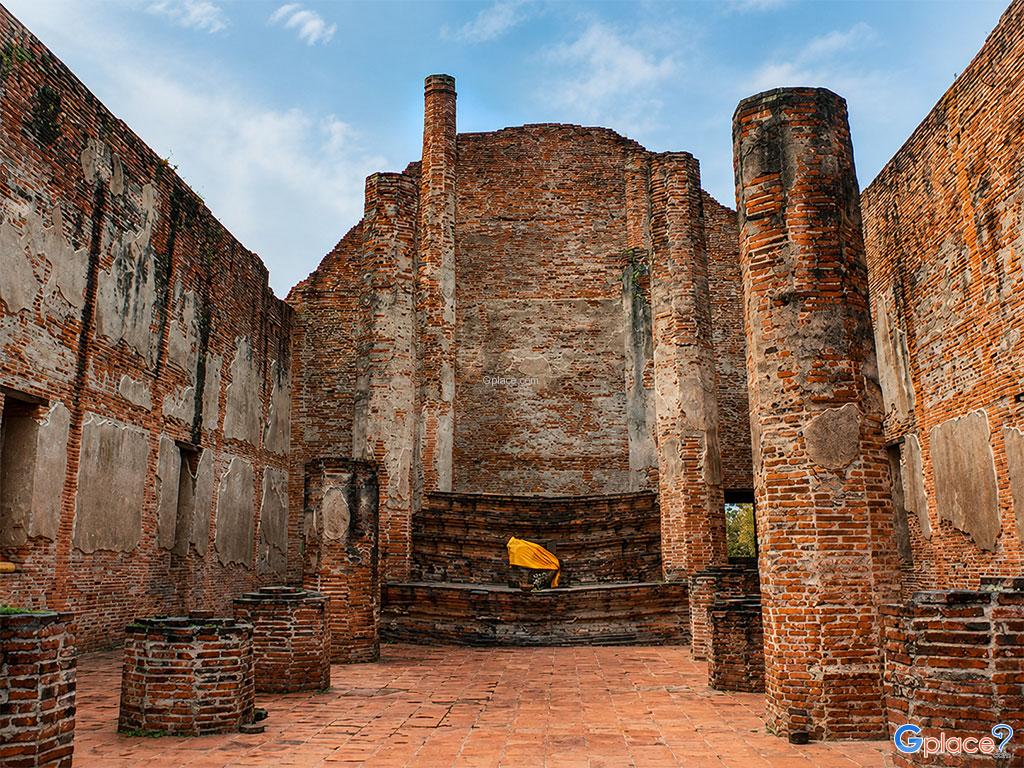
“Admire the grandeur of the massive ordination hall with its high walls and Persian-influenced pointed arches, and witness the mystical fallen pagoda that stands as a unique icon of time’s passage.”
Kudi Dao Temple is a large archaeological site located outside Ayutthaya Island to the east of the historic city. It is believed to have been originally constructed during the early Ayutthaya period and later underwent a major restoration in the late Ayutthaya era under King Borommakot, when he was still the Crown Prince. The site clearly reflects the prosperity of Buddhism and architectural development during the later period of the Ayutthaya Kingdom.
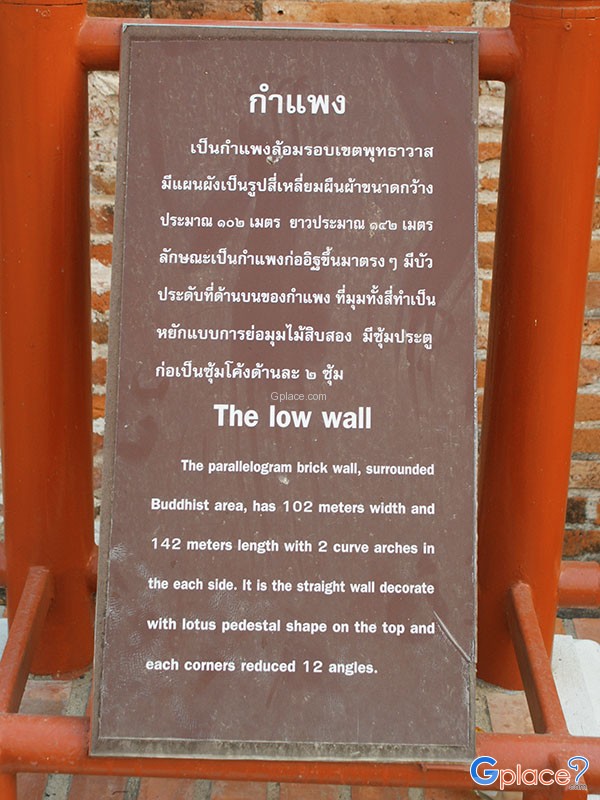
The significance of Kudi Dao Temple lies in its role as a prototype of well-balanced Ayutthaya architecture, both in terms of temple layout and artistic composition. The arrangement of religious structures within the temple follows a clear and orderly plan based on Buddhist cosmological beliefs, with the main vihara and principal chedi forming the sacred center of the complex, demonstrating the advanced architectural knowledge of the period.
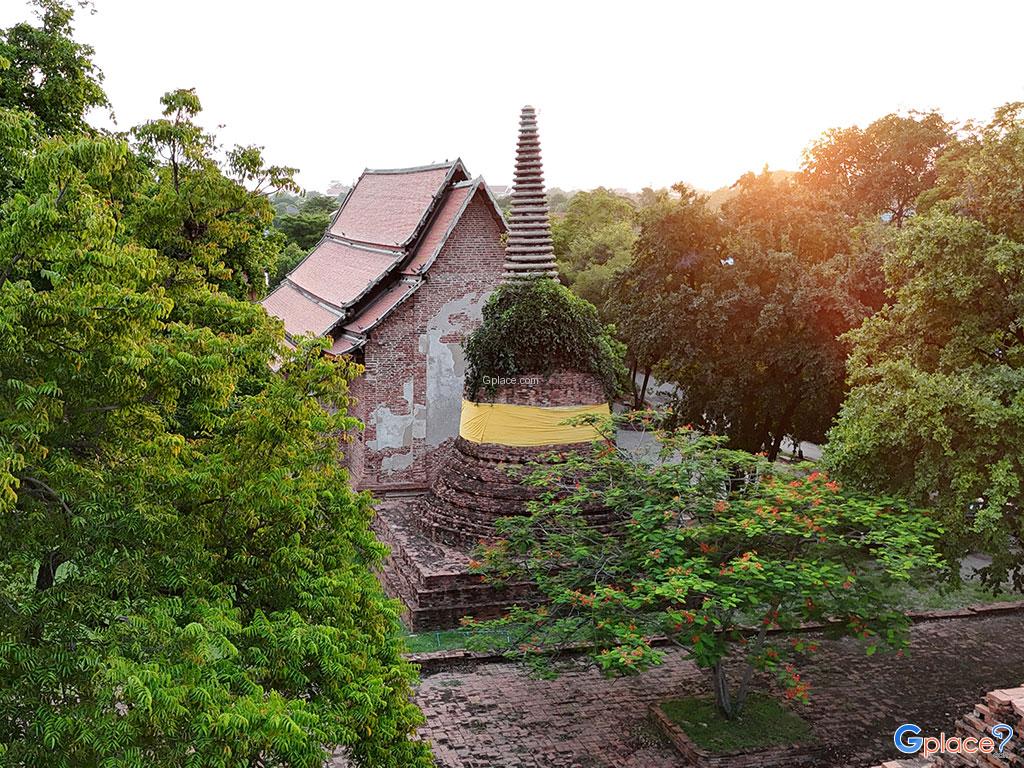
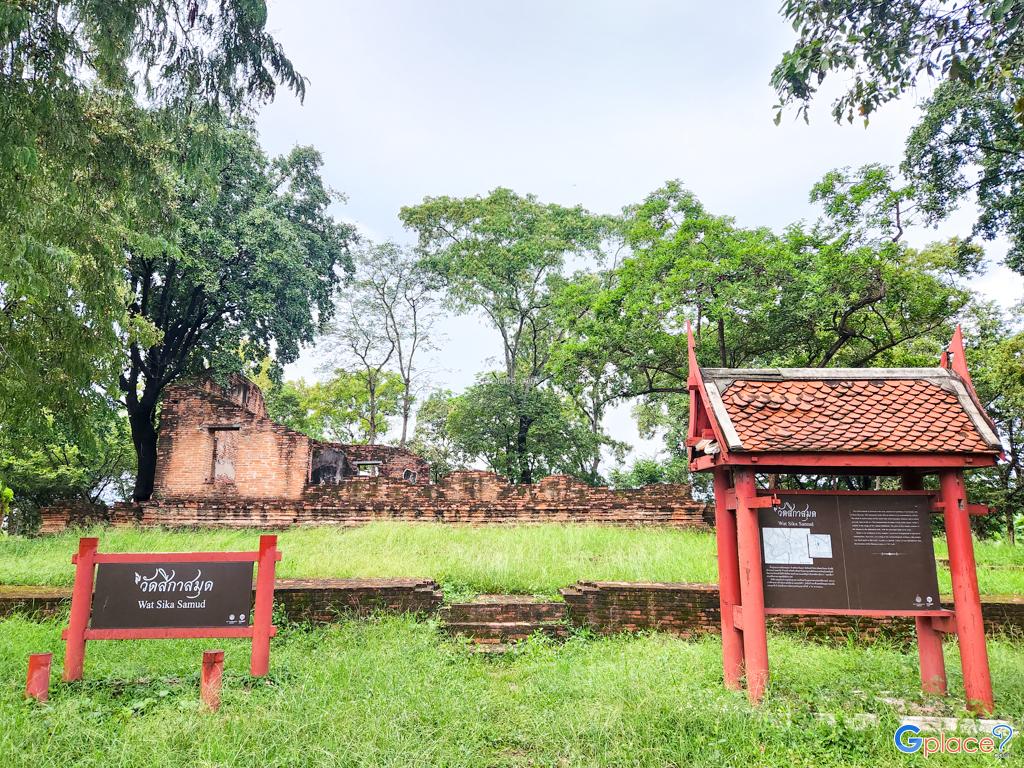
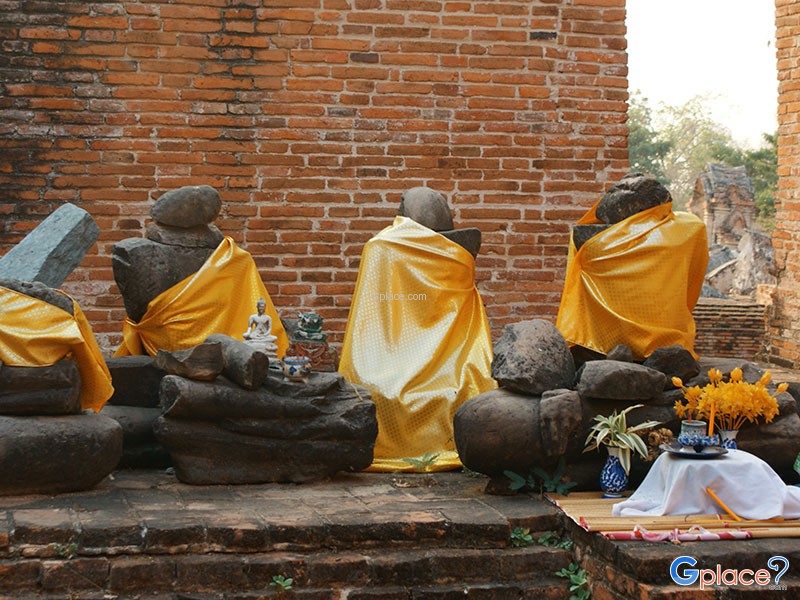
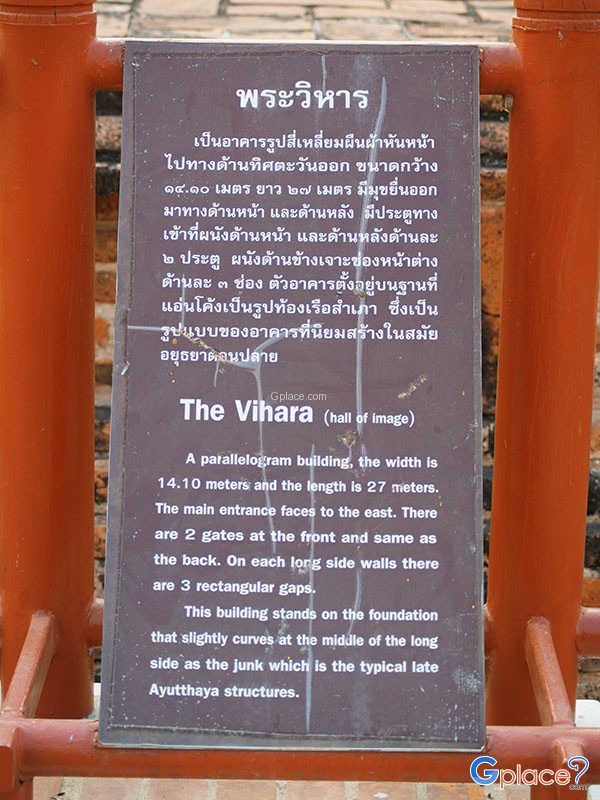
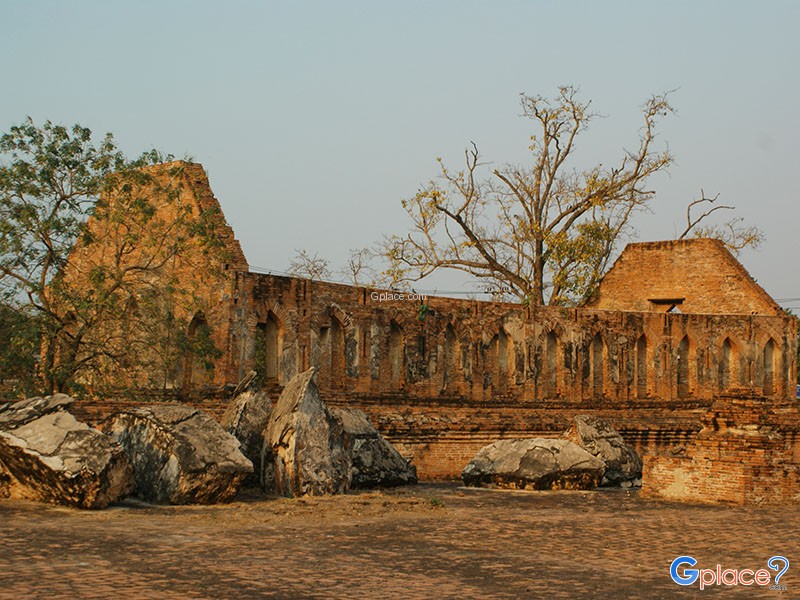
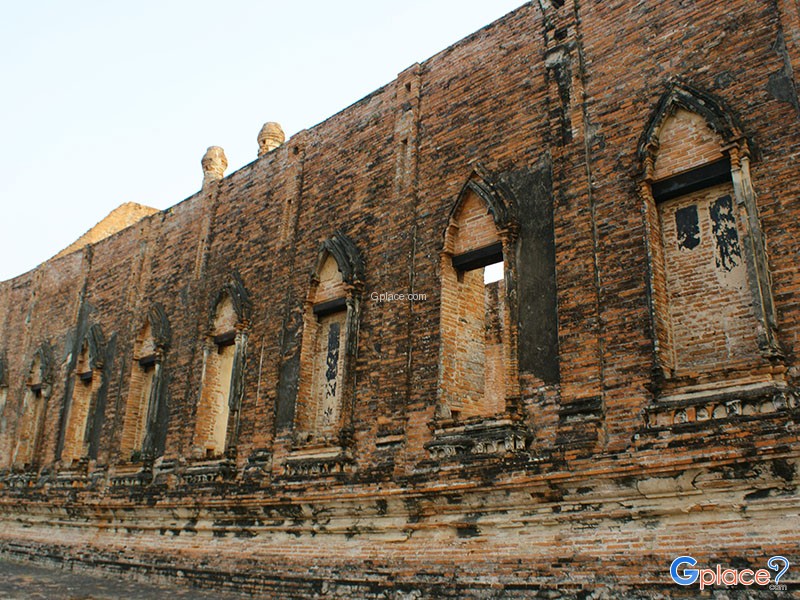
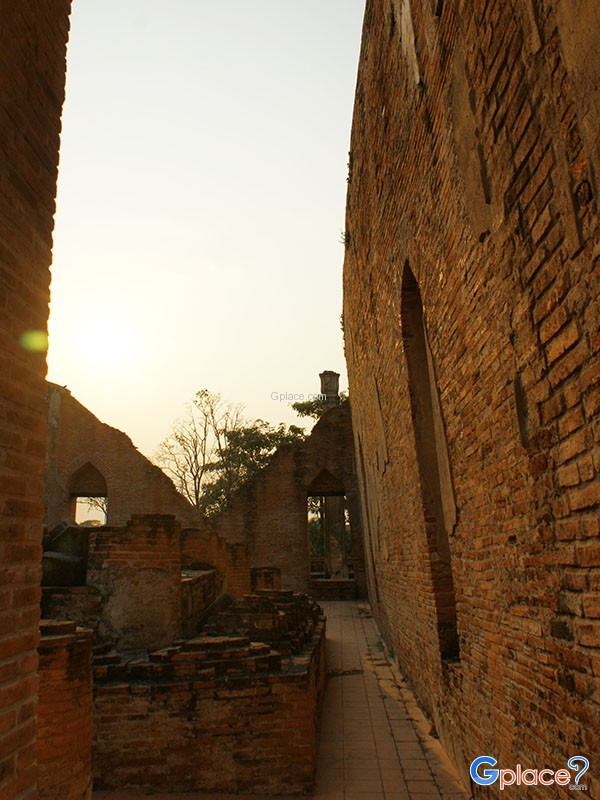
The most remarkable feature is the large vihara, where tall brick walls and massive round pillars still stand, showcasing the refined construction techniques of the past. The doorways and window openings are designed in pointed arch forms, reflecting Persian and Western artistic influences that entered Siam during the late Ayutthaya period. Inside the vihara, traces of the pedestal base remain, indicating the former presence of the principal Buddha image.
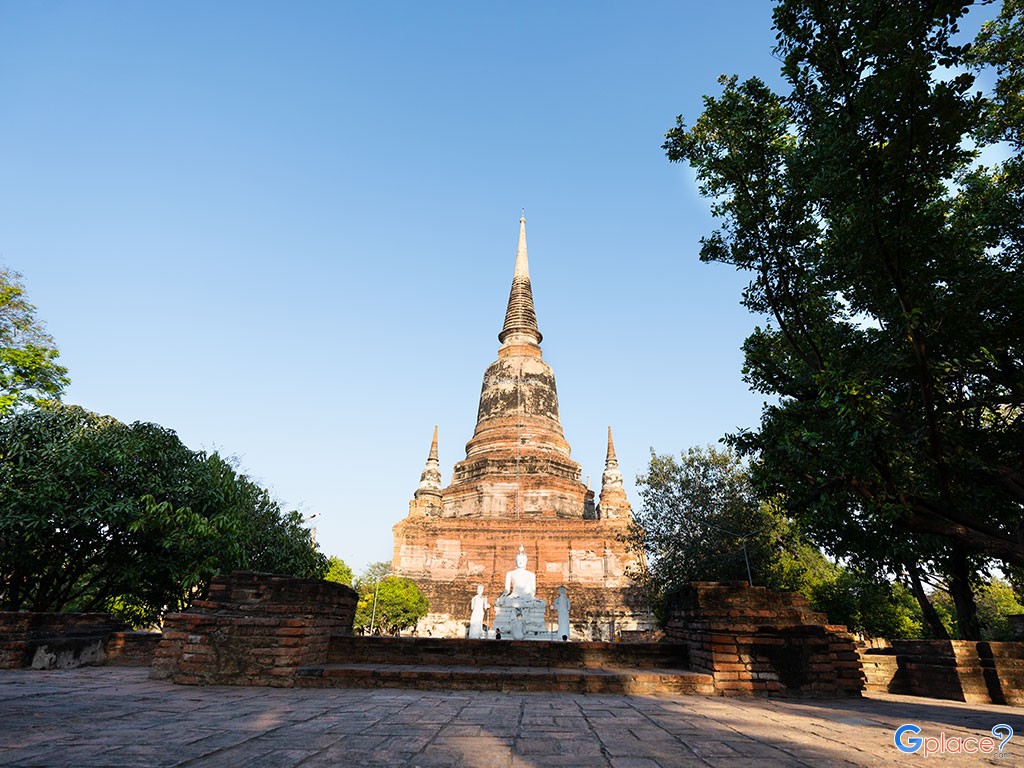
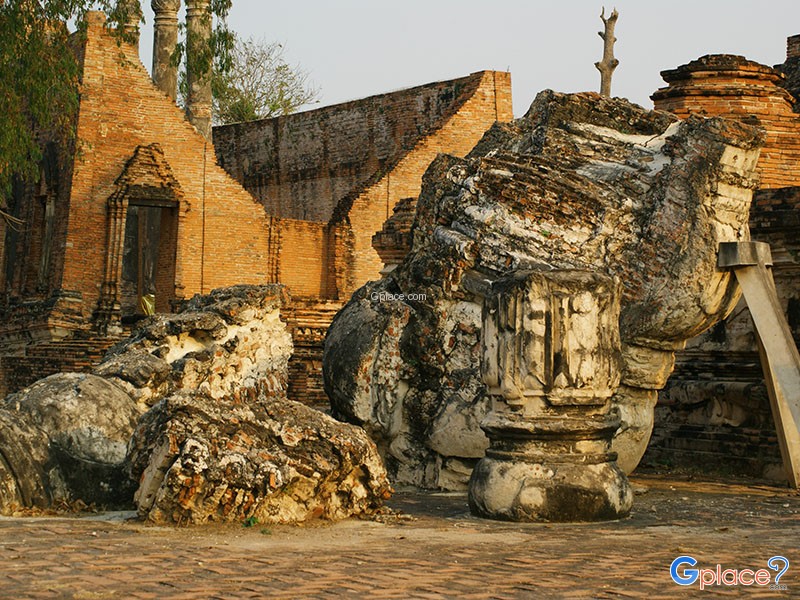
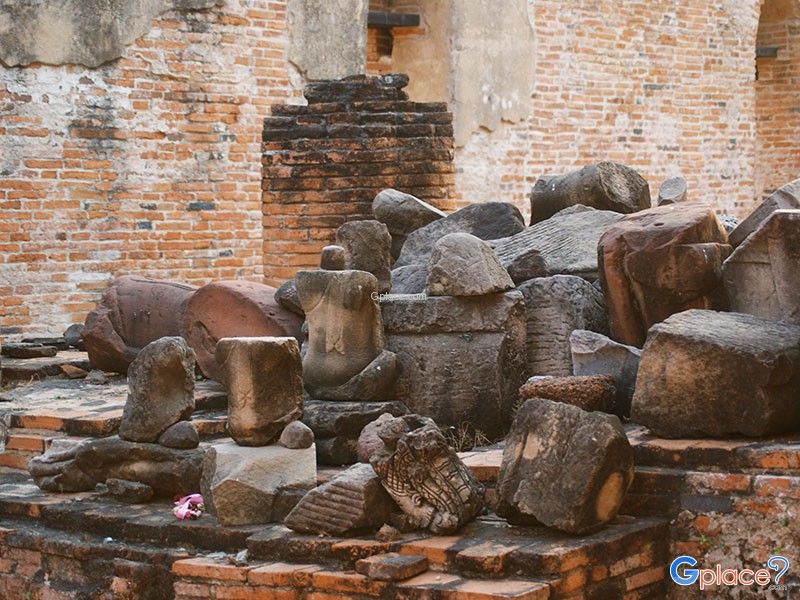
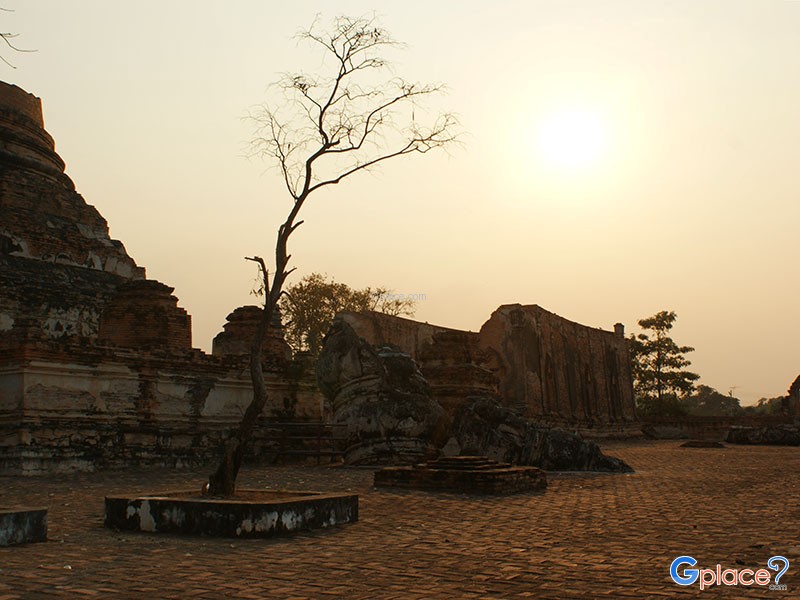
Behind the vihara stands the principal bell-shaped chedi, whose upper portion has collapsed and now rests on the surrounding terrace. The fallen chedi, though ruined, continues to convey a powerful sense of grandeur and serves as a visual reminder of the impermanence of time and the former glory of Ayutthaya.
The atmosphere within Kudi Dao Temple is quiet, serene, and deeply evocative. Much of the area is shaded by large trees and covered with green lawns, creating a feeling of stepping back into the past. The site is also associated with the legendary tale of Phu Som, the guardian spirit of hidden treasures, which has been passed down through generations and adds an aura of mystery and sacredness for those fascinated by historical folklore.
Kudi Dao Temple is considered a haven for artists, photographers, and historians who seek to capture the beauty of ancient brick structures illuminated by natural light and shadow. It also offers an ideal environment for in-depth study of late Ayutthaya art and architecture without the disturbance of large crowds. The spacious grounds allow visitors to explore the site peacefully and at their own pace.
Visitors are invited to experience the timeless beauty of Kudi Dao Temple, where bricks and ruins continue to narrate the enduring story of the greatness of the Ayutthaya Kingdom without end.
How to Get There
Private Car:
- From the Wat Sam Pluem roundabout, head towards the railway station, cross the tracks, and turn left onto the road behind Wat Maheyong. Signs for Wat Kudi Dao will be on the left.
Tuk-Tuk:
- Can be easily hired from Chao Phrom Market or the train station. It is a short and convenient ride to this eastern zone.
Bicycle:
- Ideal for cyclists starting from the city island. The route is relatively flat and passes several other interesting ruins along the way.
Travel Tips
Best Time to Visit:
- Early morning (08:30 – 10:00 AM) or late afternoon (04:00 – 05:00 PM). The sunlight streaming through the arched windows creates dramatic light beams perfect for photography.
Attire and Gear:
- As it is a sacred site with uneven brick paths, wear modest clothing and comfortable walking shoes.
Photography:
- Don't miss the shot looking through the arched doorway into the main hall, and the unique perspective of the collapsed pagoda top.
Local Culture:
- Locals often sell fruits or snacks near the temple entrance; it's a great way to support the community and taste local flavors.
Planning:
- Kudi Dao Temple is directly across from Wat Maheyong. Both can be visited together on foot for a rewarding half-day morning tour.
Admission Fee
-
Thai Visitors: 10 THB
-
Foreign Visitors: 50 THB
Opening Hours
-
Open daily from 08:00 – 16:30
Kudi Dao Temple

 Share
Share
 Kudi Dao Temple, Asian Highway, Hantra, Phra Nakhon Si Ayutthaya, Phra Nakhon Si Ayutthaya, Thailand
Map
Kudi Dao Temple, Asian Highway, Hantra, Phra Nakhon Si Ayutthaya, Phra Nakhon Si Ayutthaya, Thailand
Map
 Closed today
Mon8.00 - 16.30
Tue8.00 - 16.30
Wed8.00 - 16.30
Thu8.00 - 16.30
Fri8.00 - 16.30
Sat8.00 - 16.30
Sun8.00 - 16.30



 6185
6185