 Attractions
  Hotel
Hotel  Restaurant
  Shopping
  Abroad






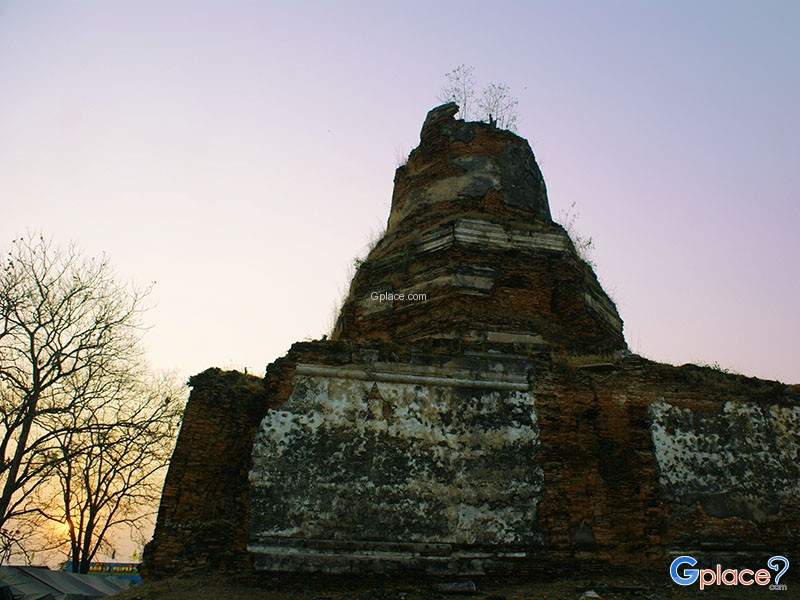

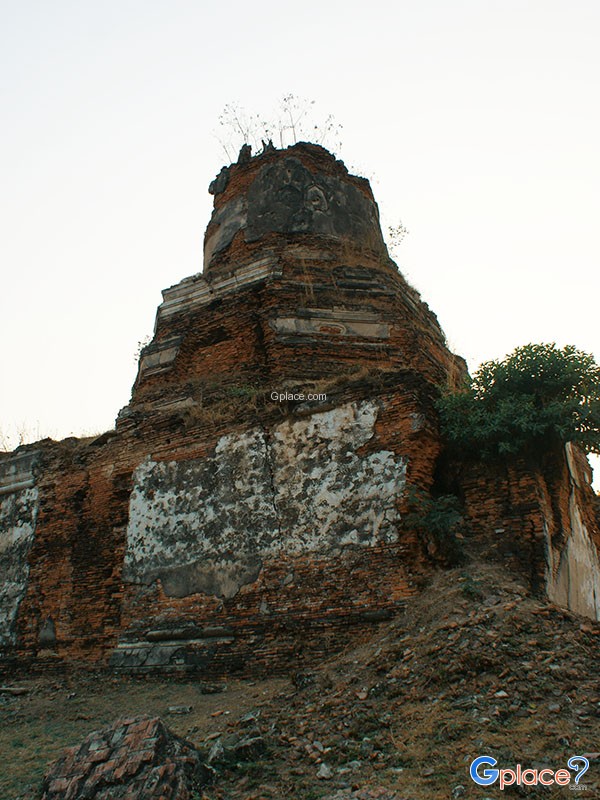
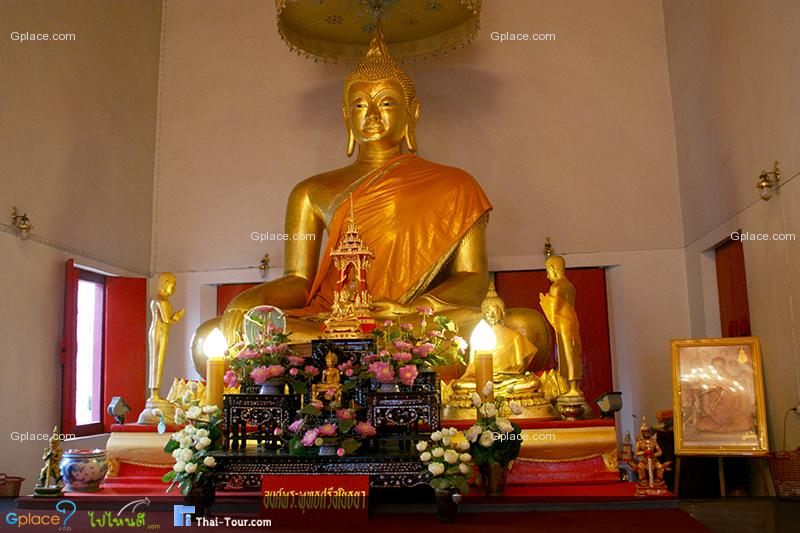
“Witness the beauty of the unique bell-shaped stupa on an octagonal base and pay respects to Luang Phor To inside the sacred ordination hall.”
Ayothaya Temple, locally known as “Wat Derm” or “the Old Temple,” is an ancient royal monastery of great historical significance. It is believed to have been established before the official founding of the Ayutthaya Kingdom. Historical chronicles and archaeological studies suggest that this area was once the location of the ancient city known as “Ayothaya Sri Ram Thep Nakhon,” which later became the foundation for the rise of Ayutthaya. As such, the site represents the very origins of one of the most powerful and prosperous kingdoms in Southeast Asia.
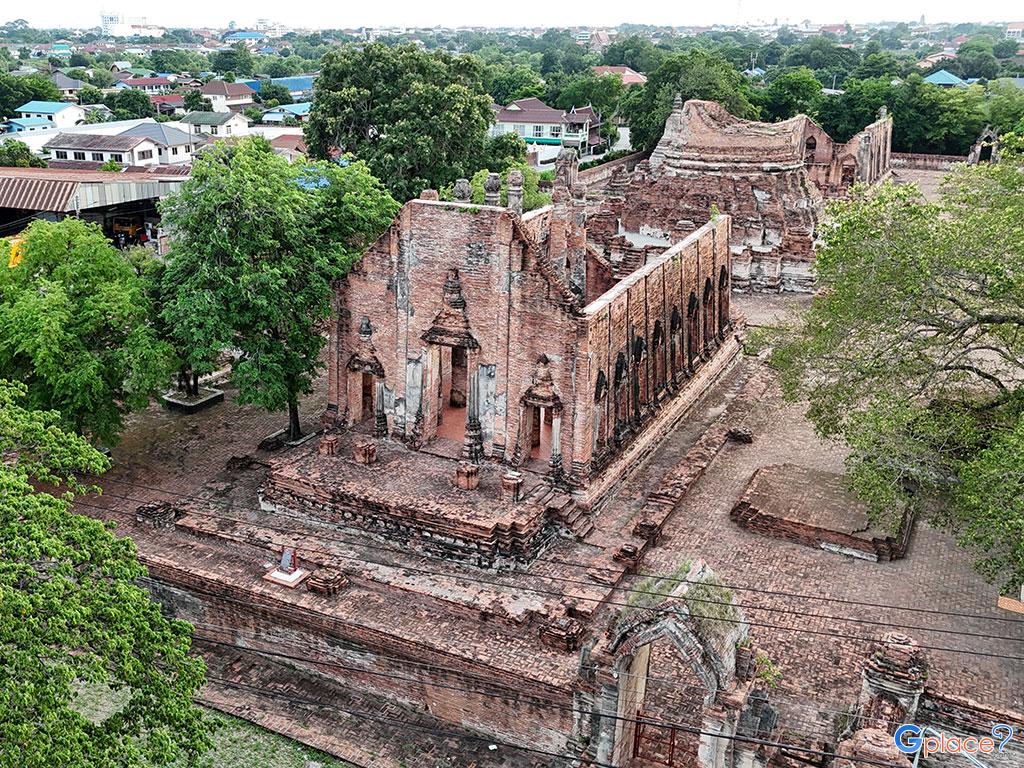
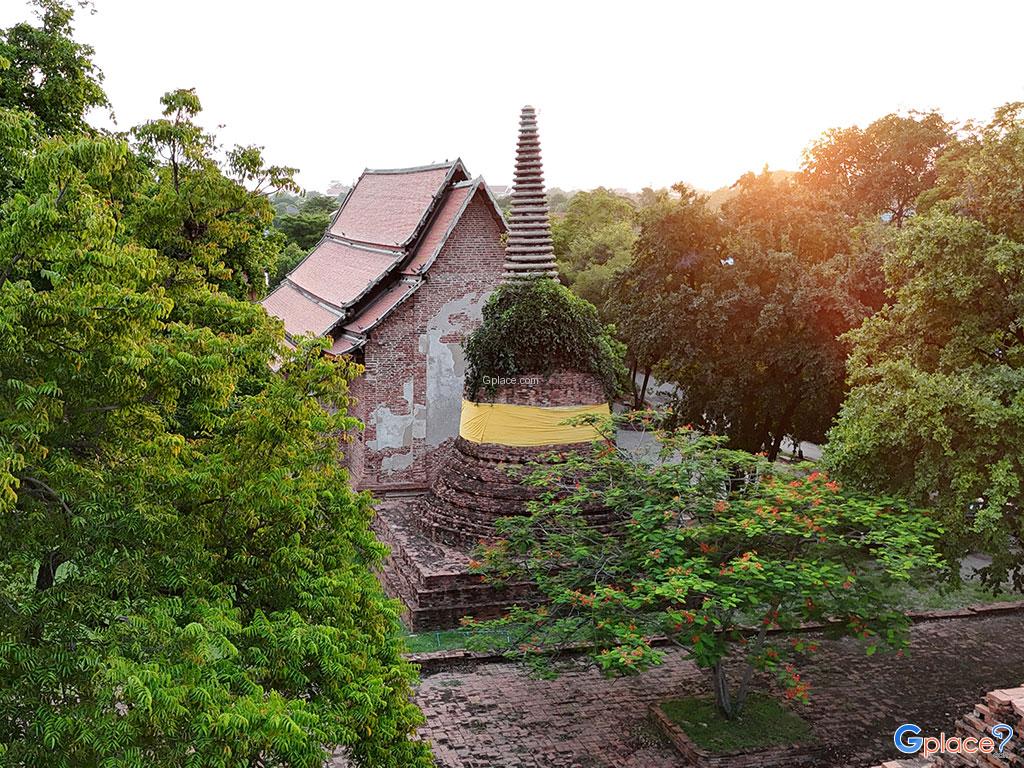
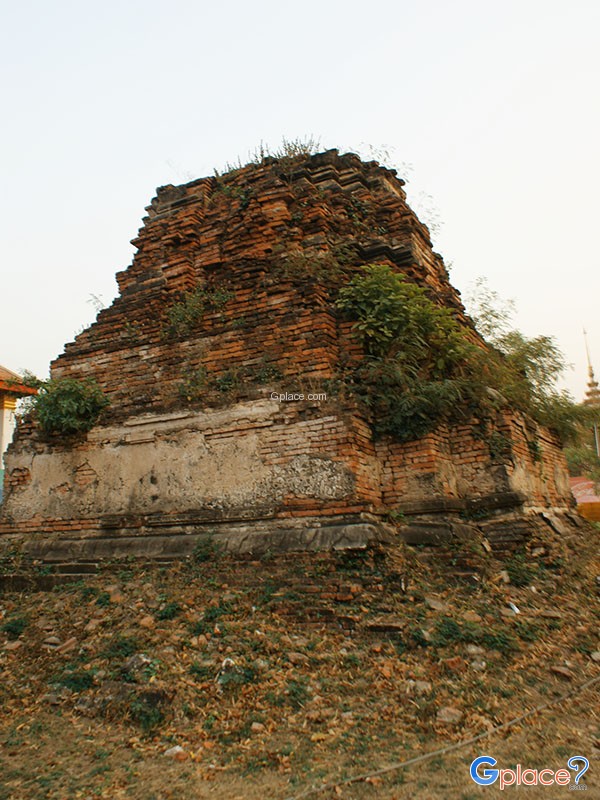
The most prominent feature of Ayothaya Temple is its main bell-shaped stupa, which stands on an octagonal base. This architectural form clearly reflects influences from Sri Lankan and Sukhothai art styles, illustrating the artistic taste and religious beliefs of the early period of the kingdom. The stupa’s elegant yet simple design symbolizes both devotion to Buddhism and the sophisticated construction knowledge of ancient builders.
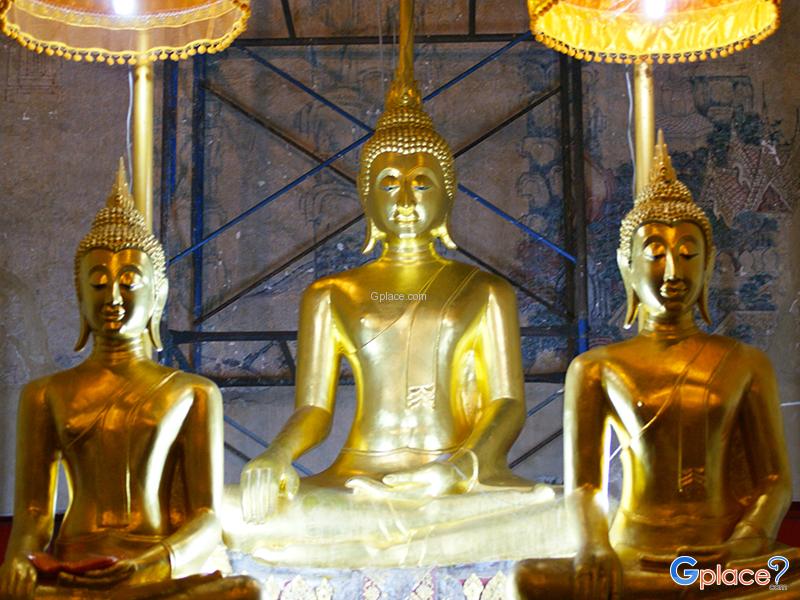
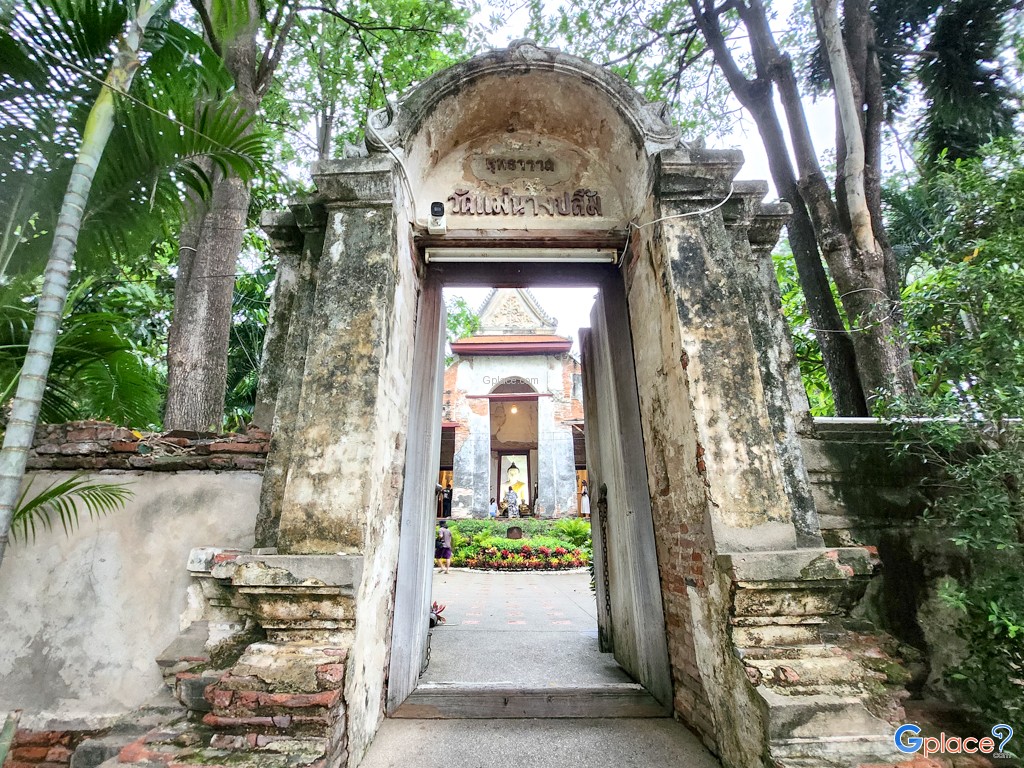
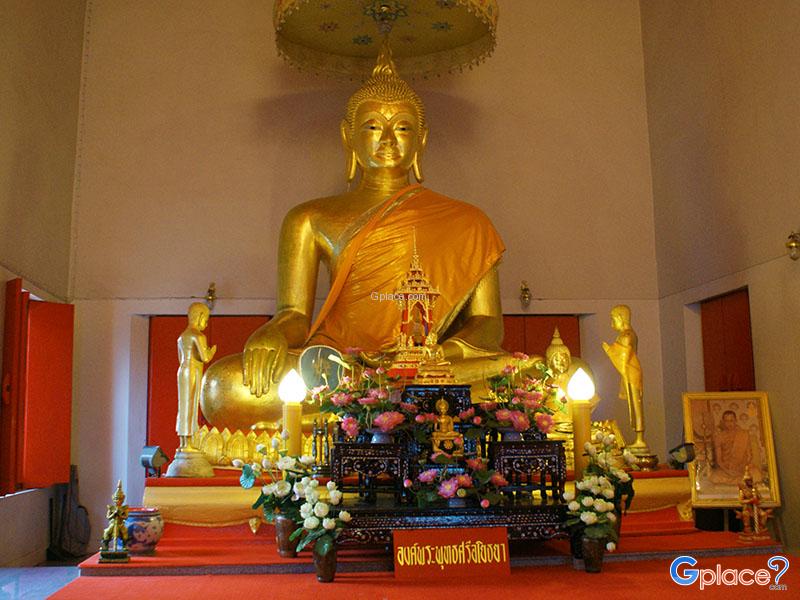
Within the temple grounds, there is also an ordination hall housing a large stucco Buddha image in the Subduing Mara posture, commonly known as “Luang Pho To.” This revered Buddha image has long been a spiritual focal point for the people of Ayutthaya, and many believe that paying respects here brings blessings, stability, and inner peace.
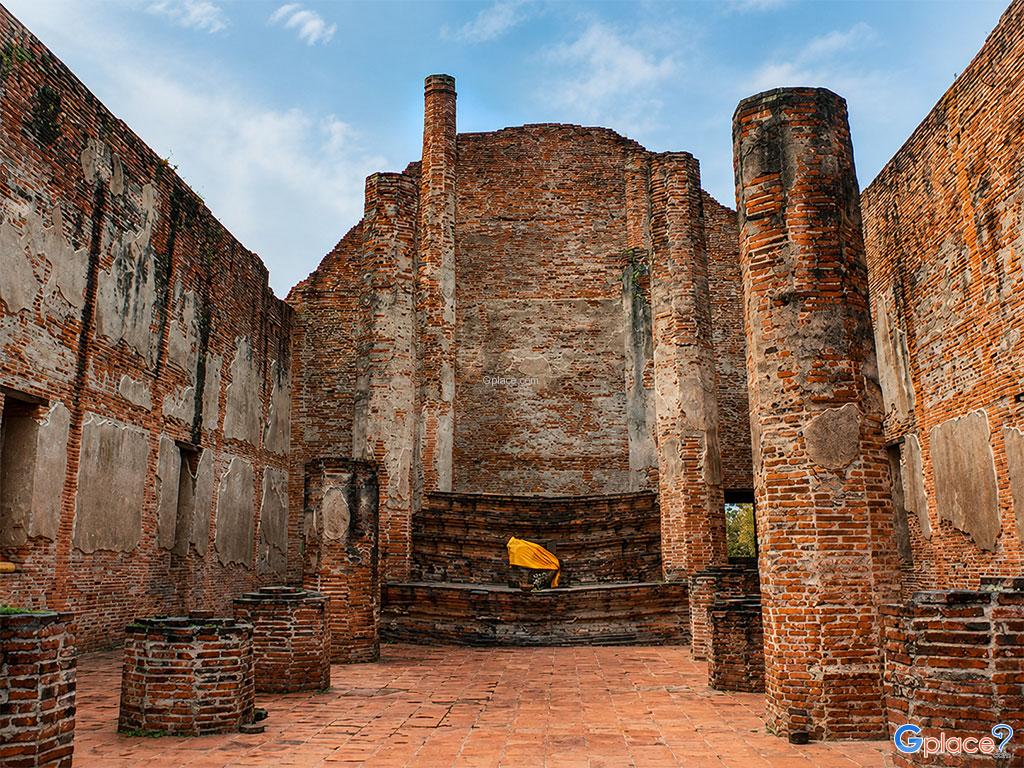
The overall atmosphere of Ayothaya Temple is calm, shaded, and unpretentious, offering a stark contrast to the more crowded historical sites within the main archaeological park. Visitors can explore the ruins in a quiet and contemplative setting, allowing them to fully absorb the spiritual aura of the ancient brick structures that have endured for centuries. The surrounding area still contains traces of old walls, artifacts, and architectural elements that provide insight into religious life and community practices in the past.
Ayothaya Temple can be considered a haven for historians, archaeologists, and photographers who appreciate traditional Thai architecture and serene yet powerful surroundings. For photographers, the soft sunlight gently illuminating the aged brick surfaces of the stupa and ruins creates particularly striking light and shadow effects. At the same time, Buddhist devotees visiting the site can deeply connect with the spiritual significance of a place regarded as the true origin of the Ayutthaya Kingdom.
How to Get There
Private Car:
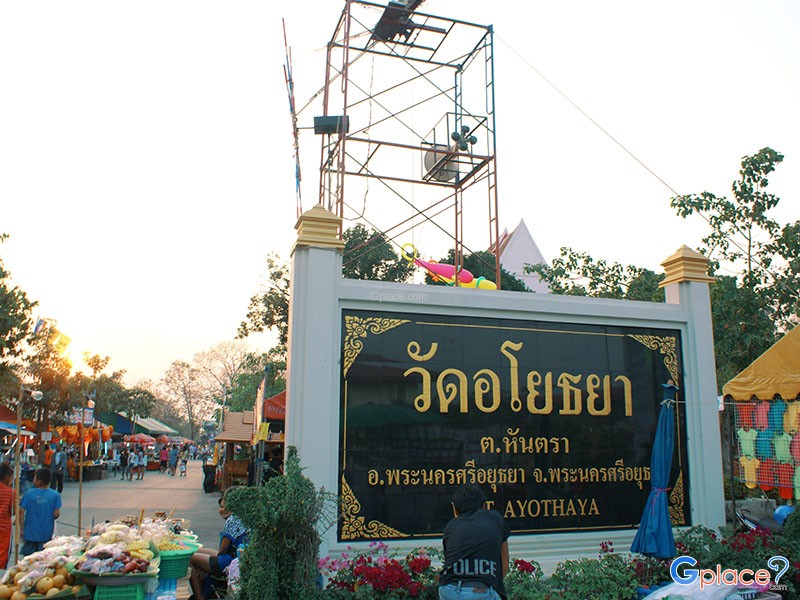
- Cross the Pridi-Thamrong Bridge into Ayutthaya city, head towards the railway station, pass Wat Maheyong, and you will find the entrance sign for Wat Ayothaya nearby.
Tuk-Tuk (Frog-head style):
- You can hire a local Tuk-Tuk from the Ayutthaya Railway Station or Chao Phrom Market; the trip takes about 10-15 minutes.
Travel Tips
Best Time to Visit:
- Accessible year-round, but November to January offers cooler weather, perfect for exploring outdoor historical sites.
Dress Code:
- As it is an active religious site, please dress politely by wearing clothes that cover the shoulders and knees.
Photography:
- The "Golden Hour" starts from 16:00 onwards, when the sunlight hits the pagoda, creating a stunning golden hue.
Planning:
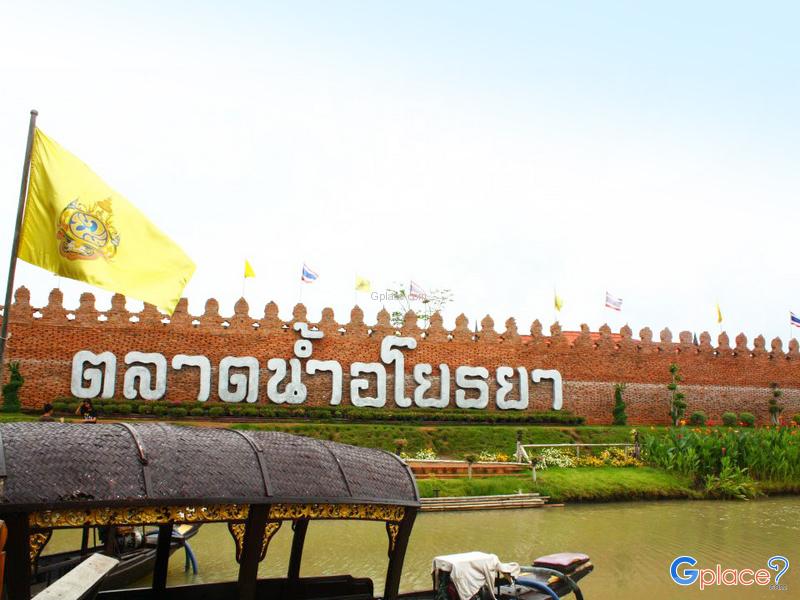
- The temple is located near Ayothaya Floating Market and Wat Maheyong, making it easy to combine these into a single-day itinerary.
Admission Fee
-
Local Visitors: Adult Free, Child Free
-
Foreign Visitors: Adult Free (Donations are welcome)
Opening Hours
-
Open Daily 08:00 – 17:00
Ayothaya Temple

 Share
Share
 Ayothaya Temple, Hantra, Phra Nakhon Si Ayutthaya, Phra Nakhon Si Ayutthaya, Thailand
Map
Ayothaya Temple, Hantra, Phra Nakhon Si Ayutthaya, Phra Nakhon Si Ayutthaya, Thailand
Map
 Closed today
Mon8.00 - 17.00
Tue8.00 - 17.00
Wed8.00 - 17.00
Thu8.00 - 17.00
Fri8.00 - 17.00
Sat8.00 - 17.00
Sun8.00 - 17.00



 4359
4359