 Attractions
  Hotel
Hotel  Restaurant
  Shopping
  Abroad





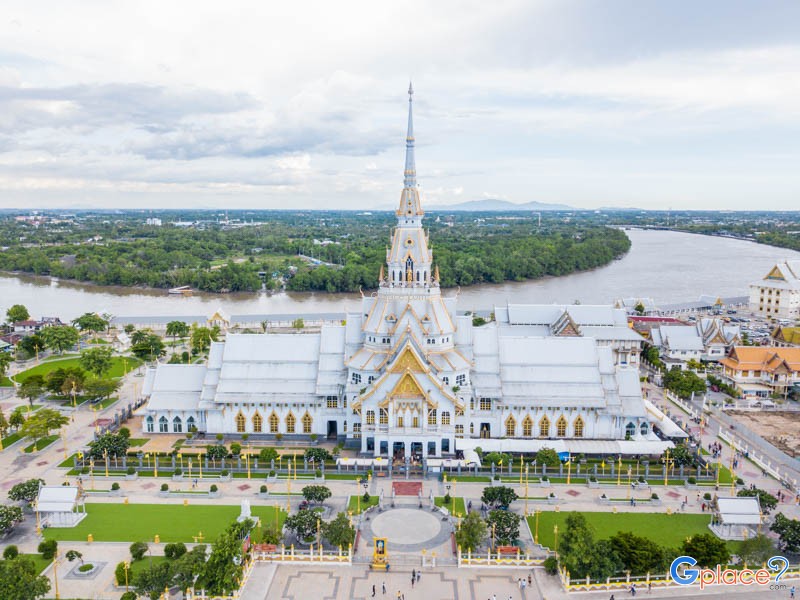

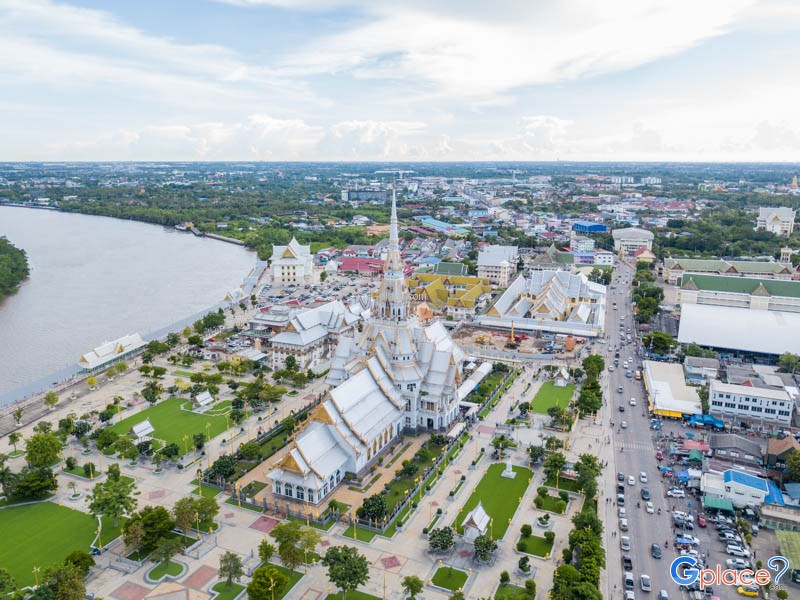
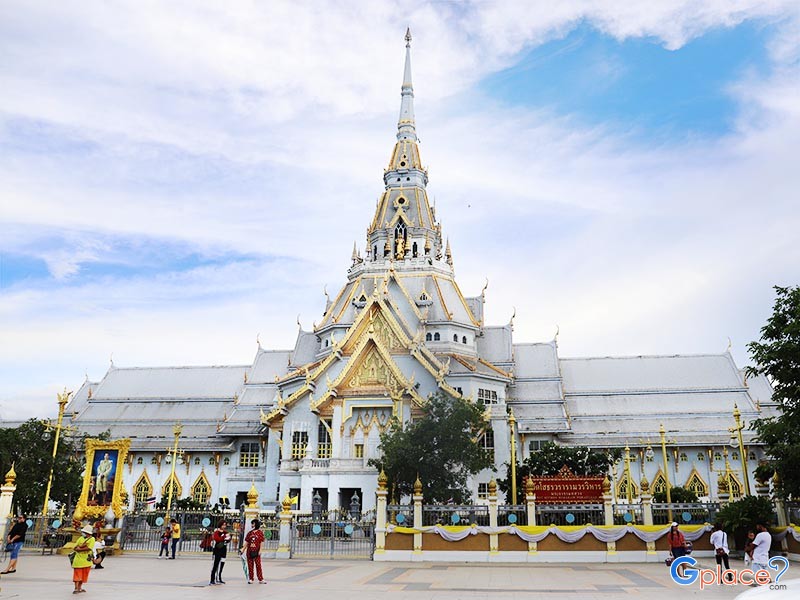
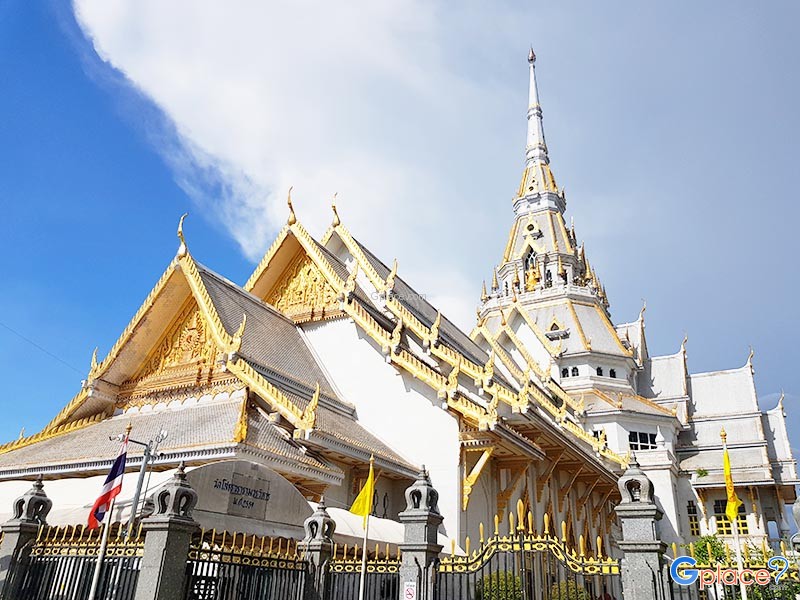

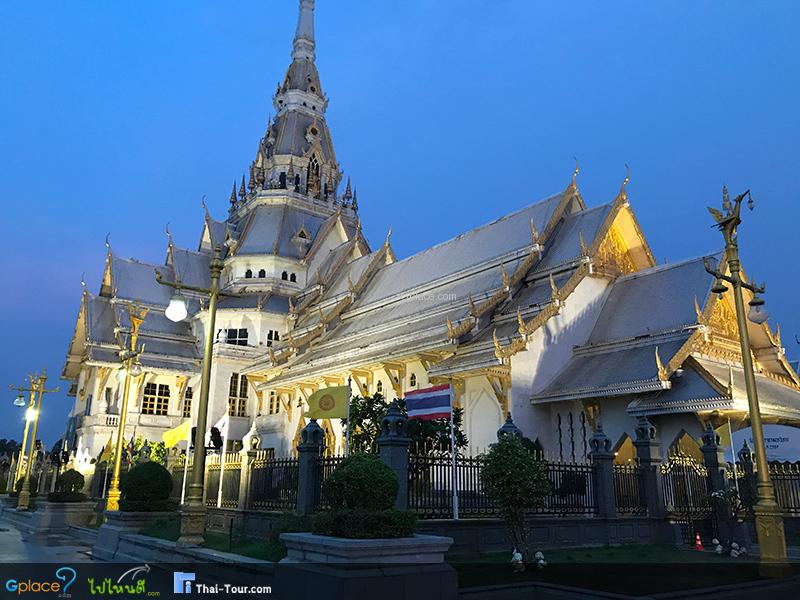
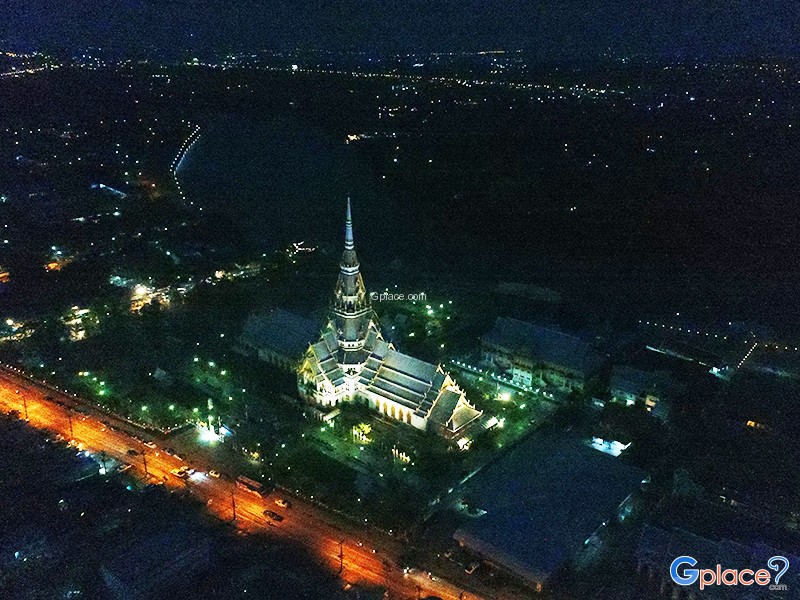

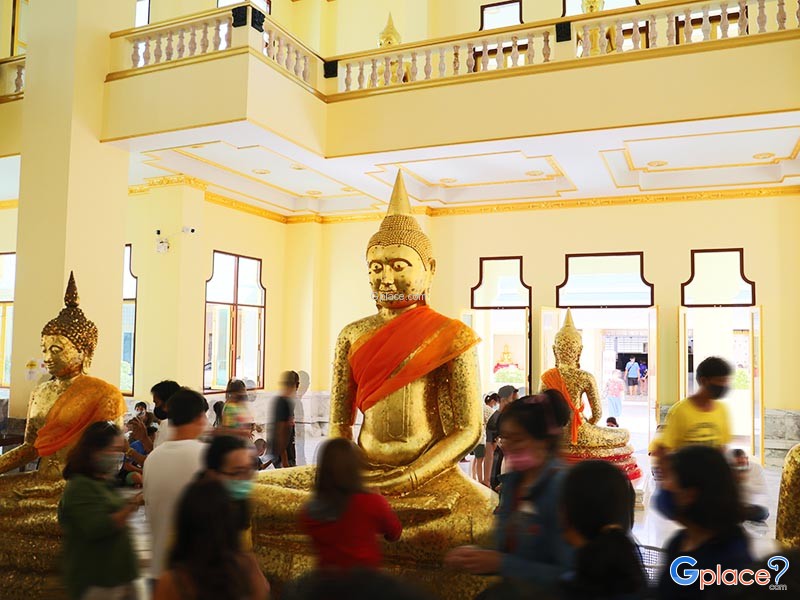
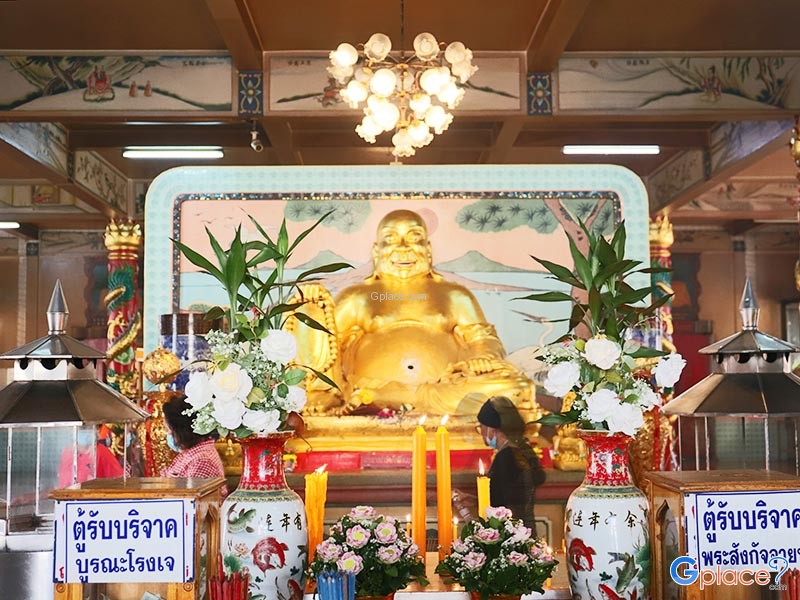
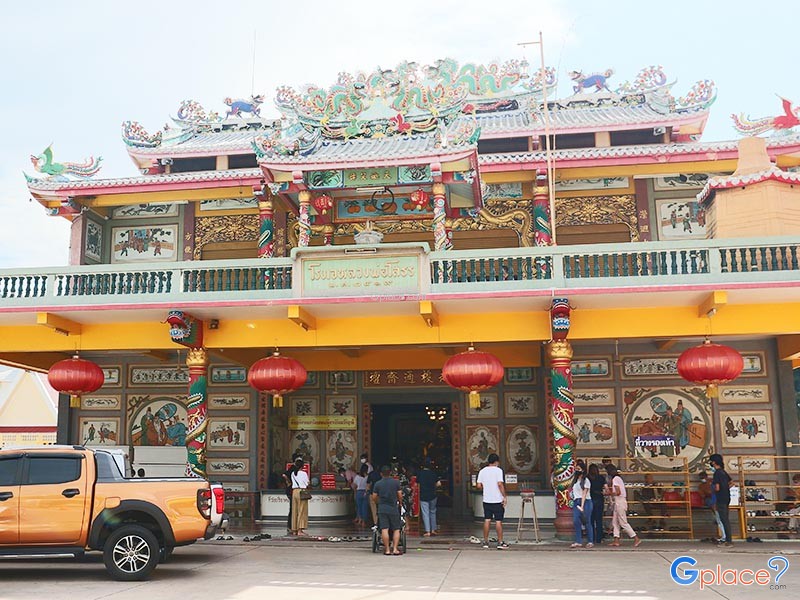
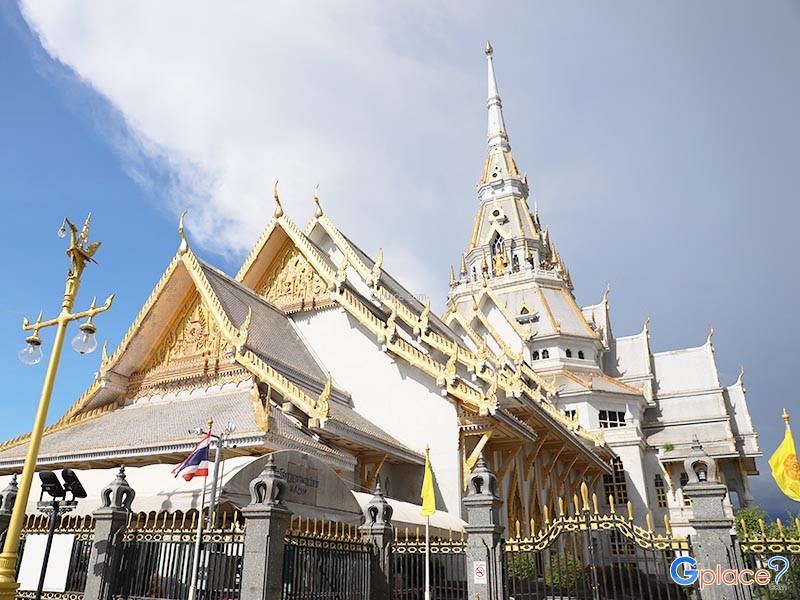
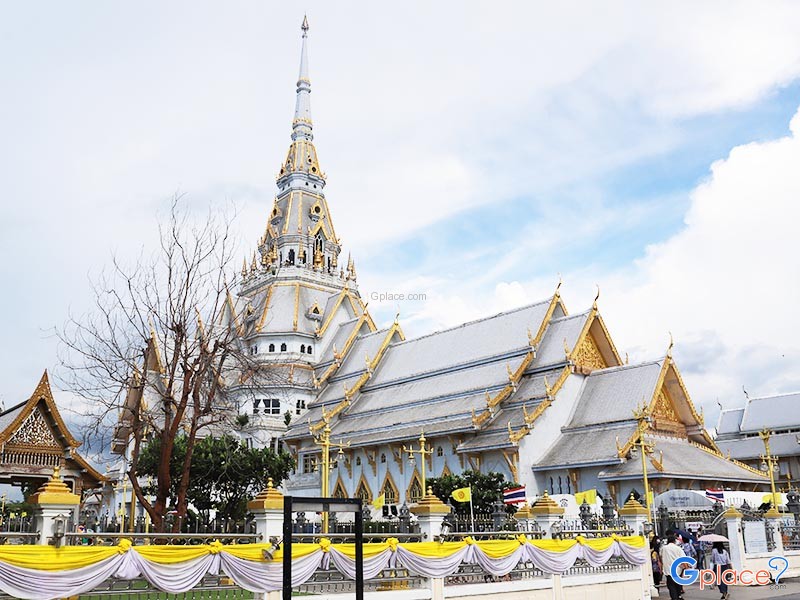
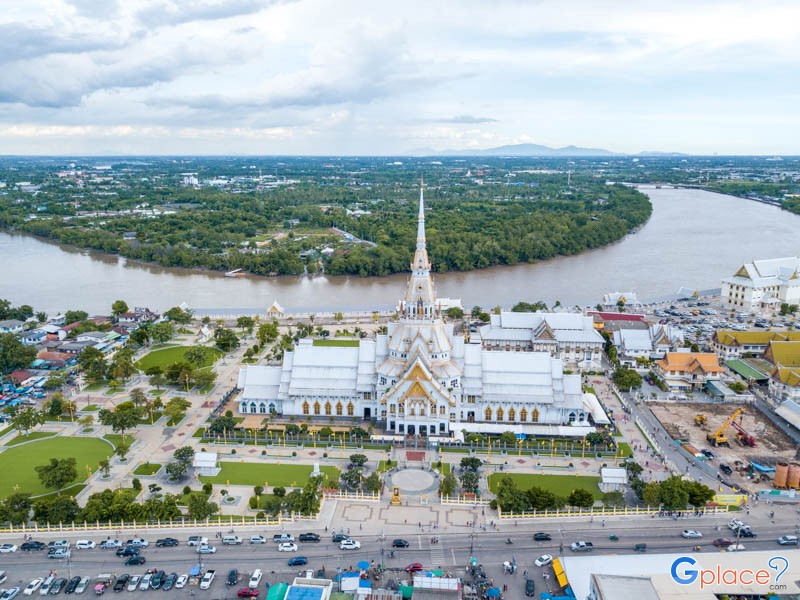
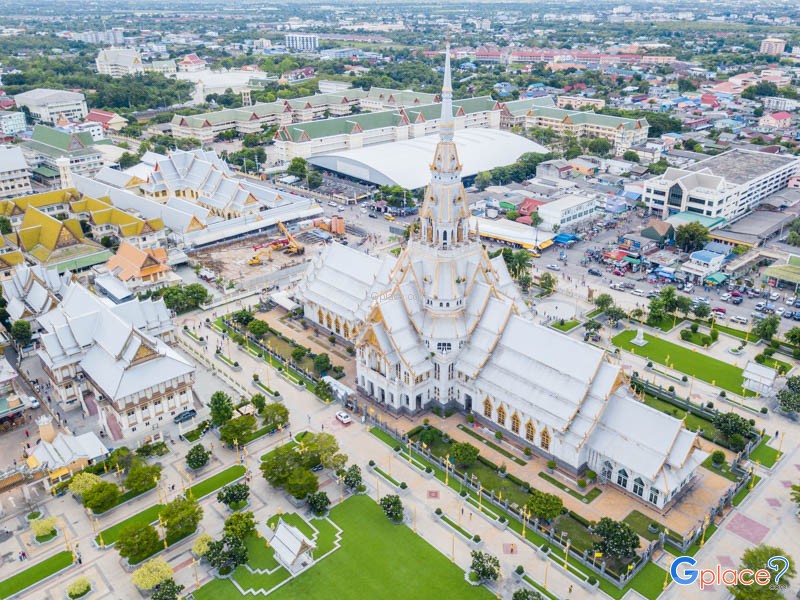
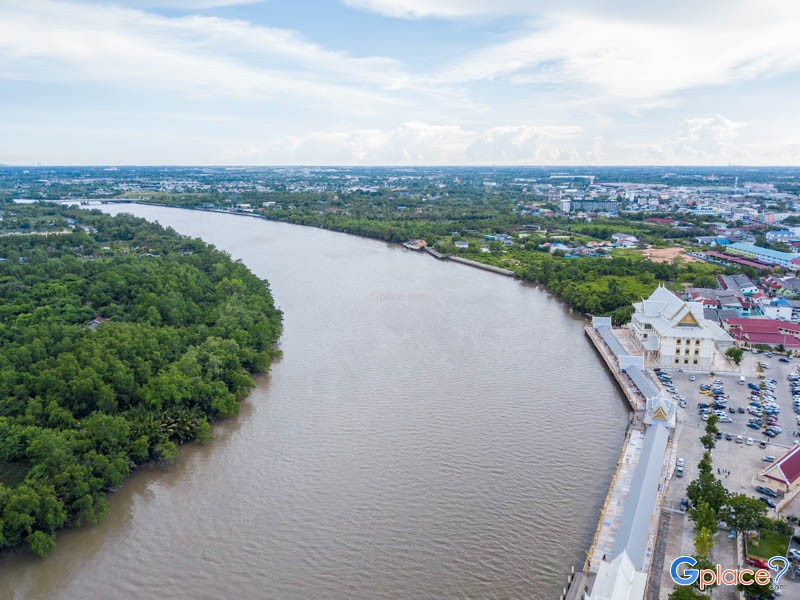
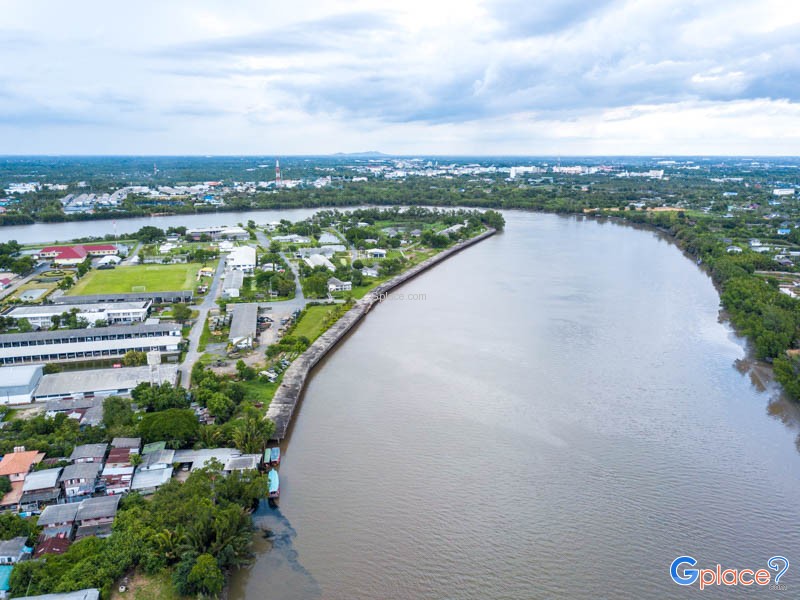
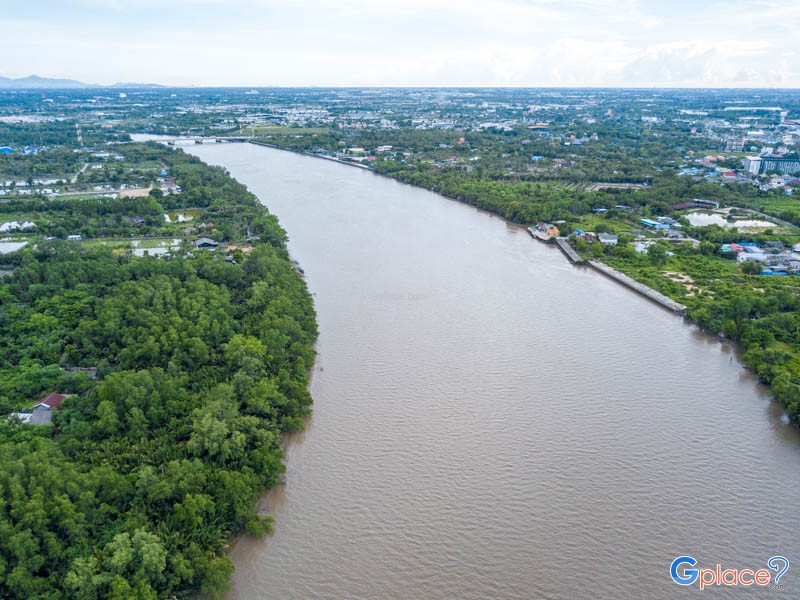
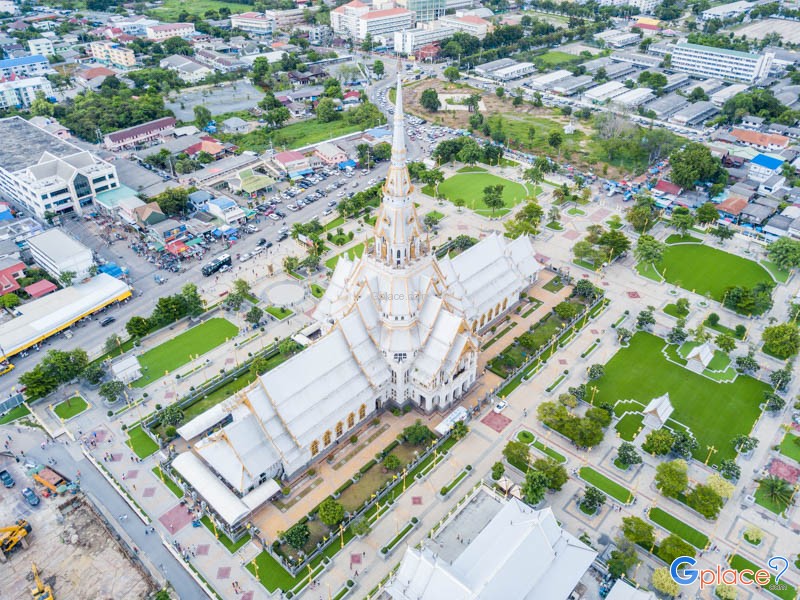
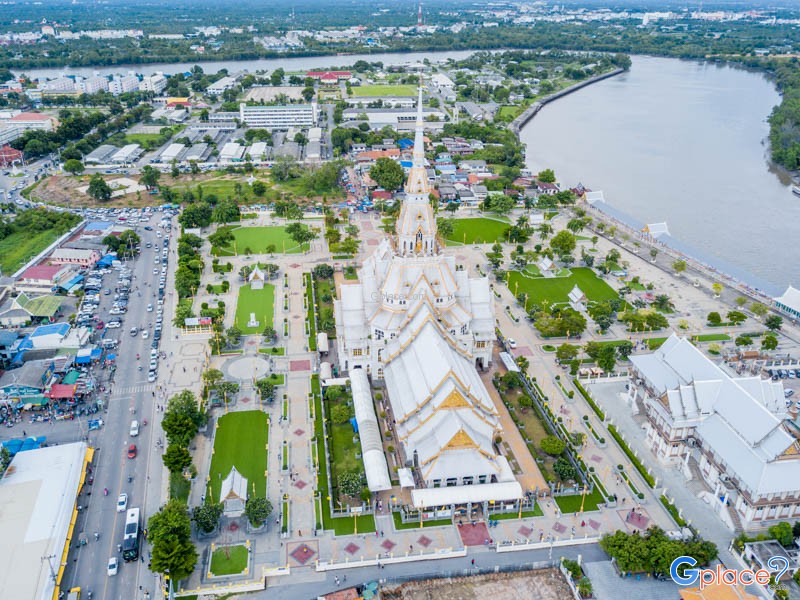
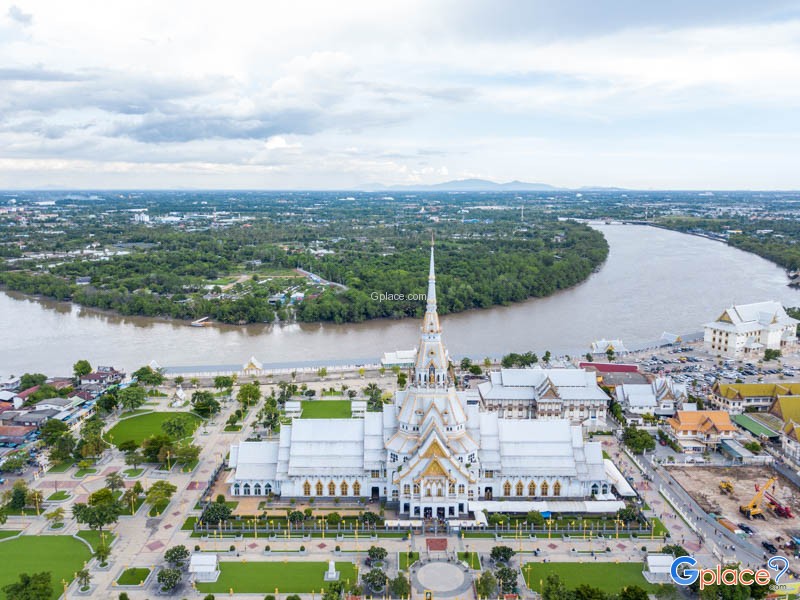
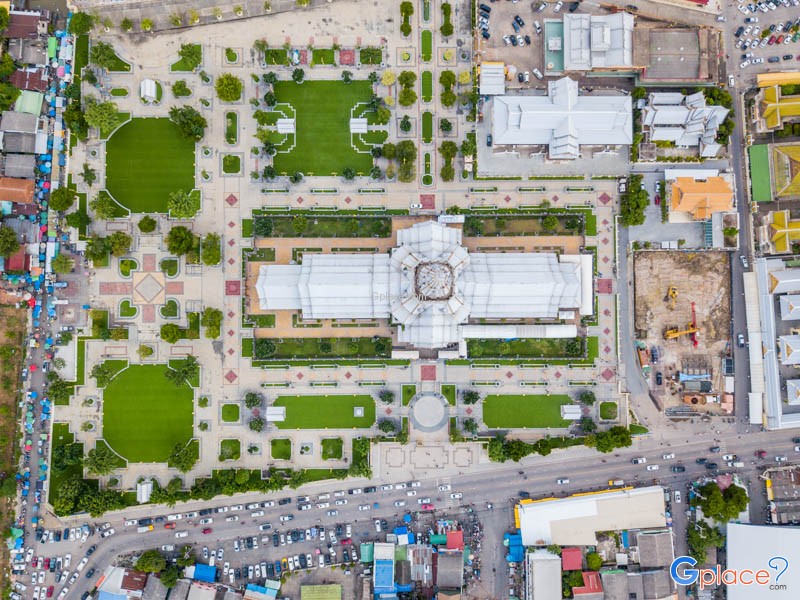
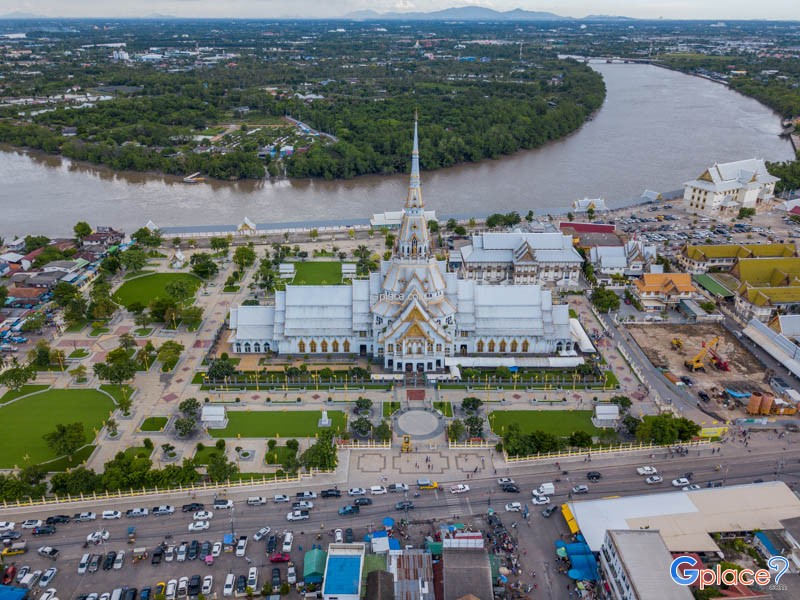
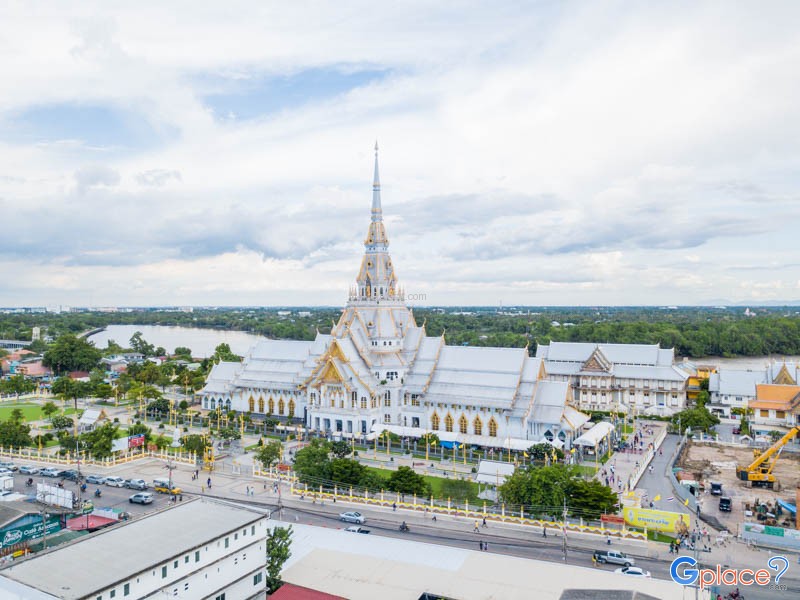
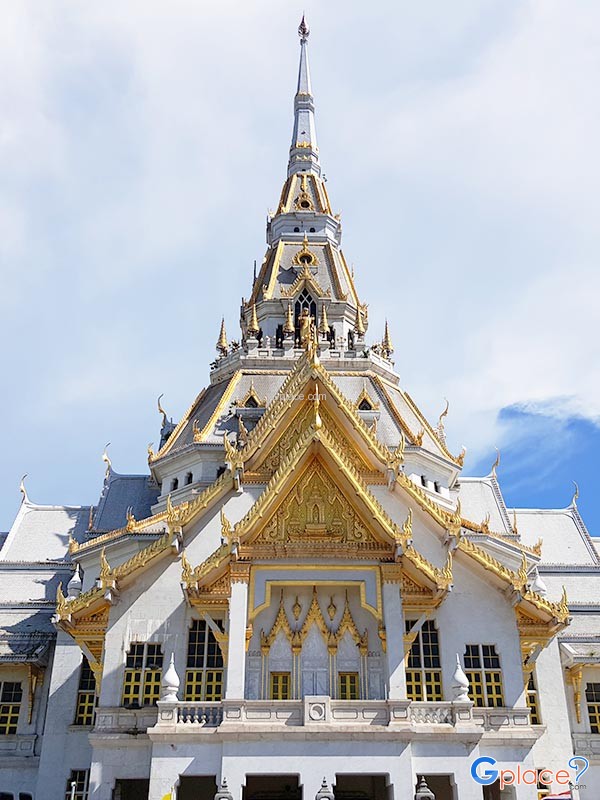
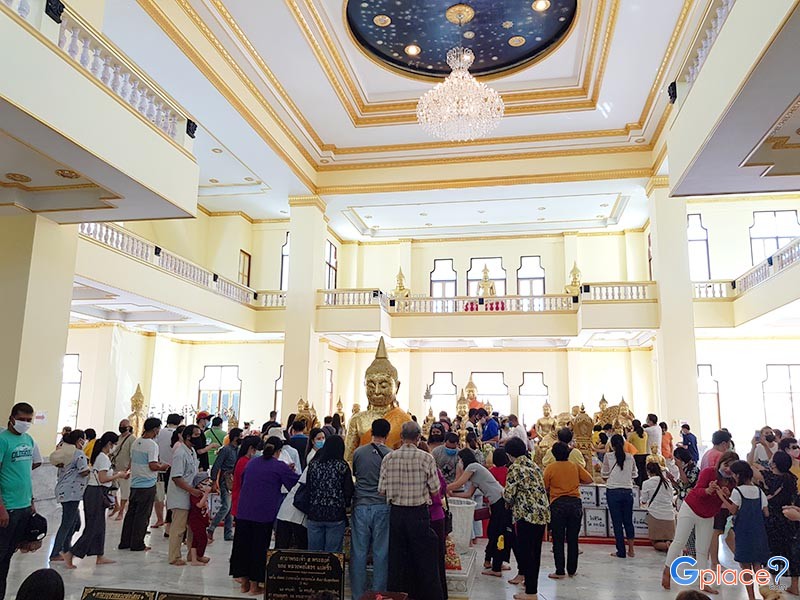
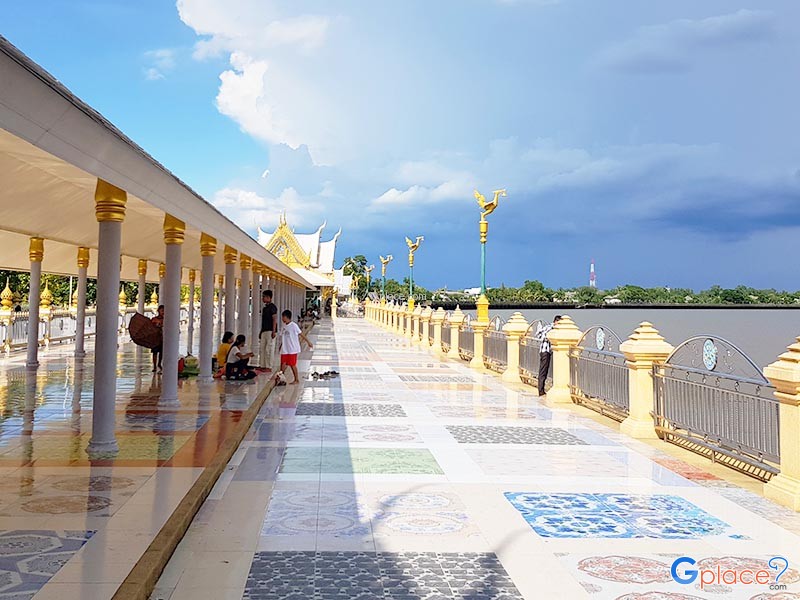
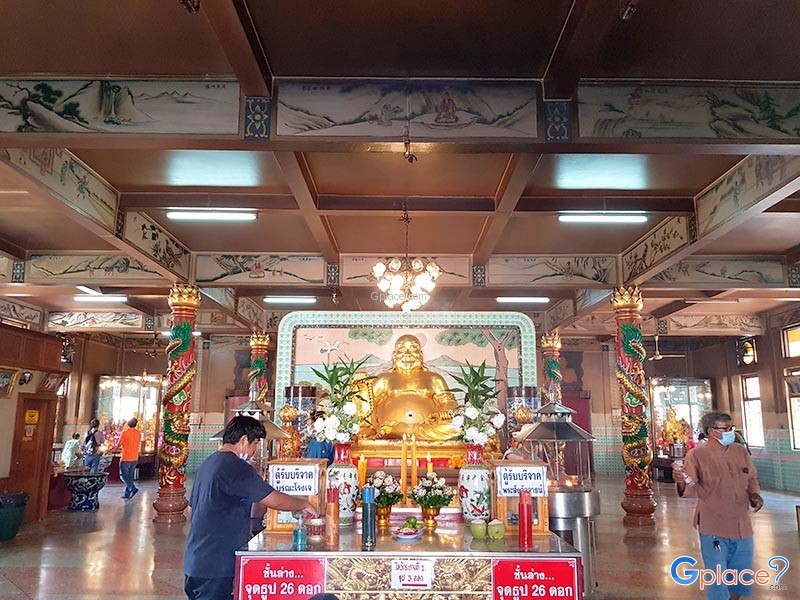
“Experience the magnificence of the Carrara marble chapel adorned with cosmological murals, and retrace the miracle of the three floating Buddha brothers, a legend deeply intertwined with the life of the Paet Riu people for over a century”
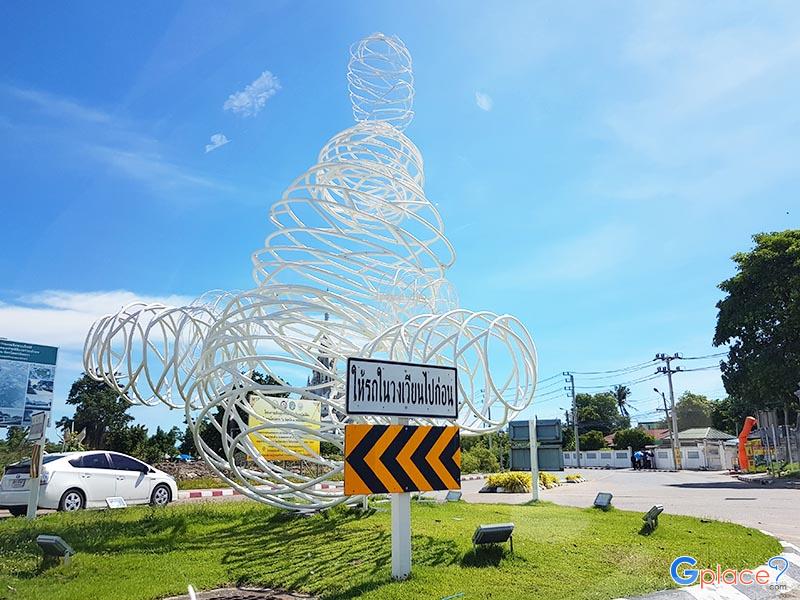
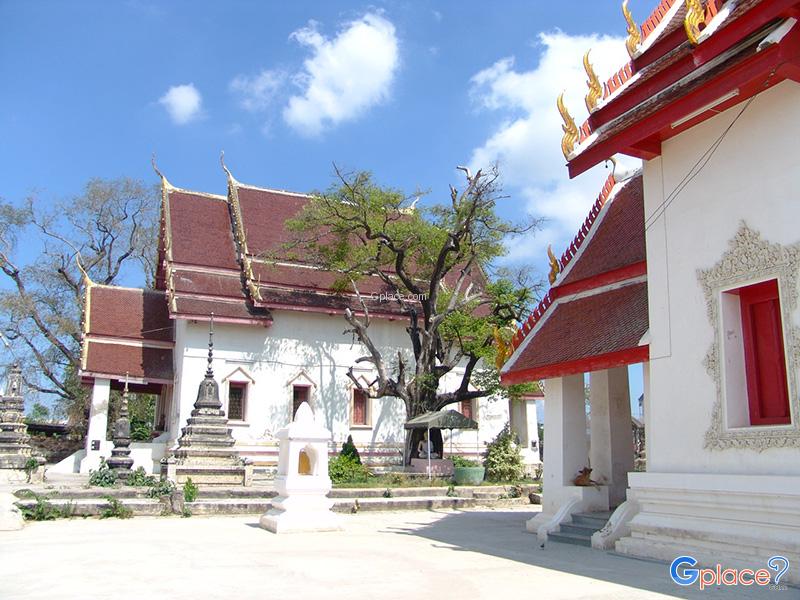
Sothon Wararam Worawihan Temple was originally named Hong Temple built during the late Ayutthaya period on the banks of the Bang Pakong River. According to local records, a carved wooden swan was once perched atop a tall pole within the temple grounds. Over time, the swan fell, leaving only the pole, leading locals to call it Sao Thong Temple (Flagpole Temple). Later, after a storm snapped the pole, it was renamed Sothon Temple, meaning "Clean" or "Pure," reflecting the divine grace of Luang Pho Sothon, the sacred Buddha image enshrined here for centuries.
The Legend of Luang Pho Sothon is one of Thailand’s most famous miraculous tales the legend of the Three Floating Buddha Brothers. It is said that three Buddha statues floated down the river from the North. The eldest (Luang Pho Ban Laem Temple) floated to Samut Songkhram the middle brother (Luang Pho To) floated to Samut Prakan and the youngest, Luang Pho Sothon, floated along the Bang Pakong River until coming to a halt in front of Hong Temple. Despite efforts by hundreds of thousands of people to pull the statue from the water with large ropes, they were unsuccessful. It was only when a master of ancient rituals established a shrine and used a sacred thread (Sain-Sin) to encircle the Buddha’s hand during a ceremony that the image could be successfully invited to be enshrined. This occurred on the 15th day of the 5th lunar month, which has since become the date of the annual bathing festival for the deity.
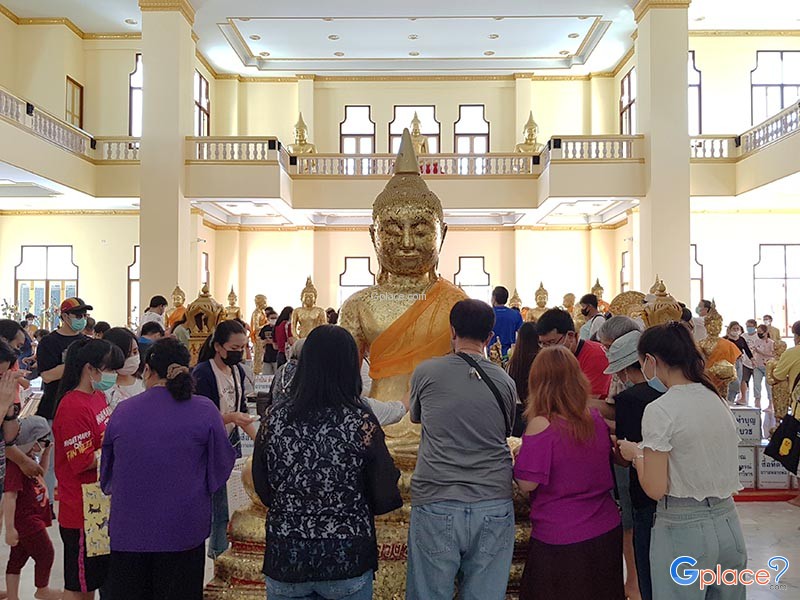
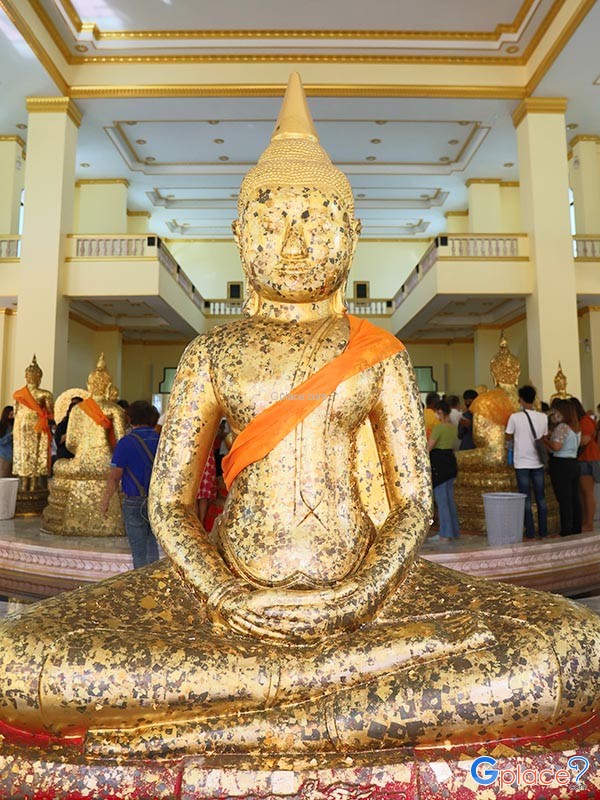
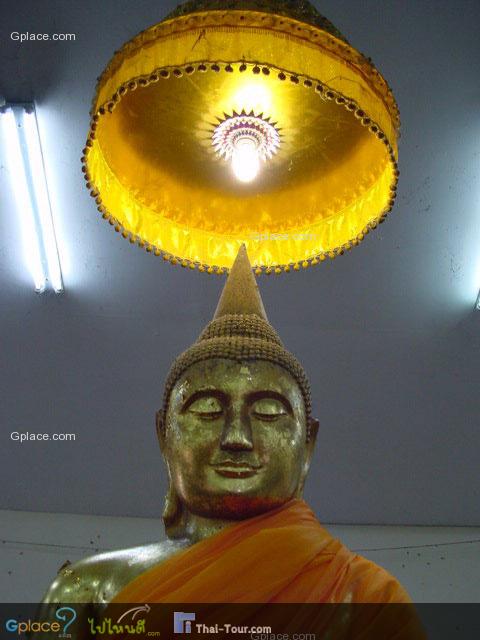
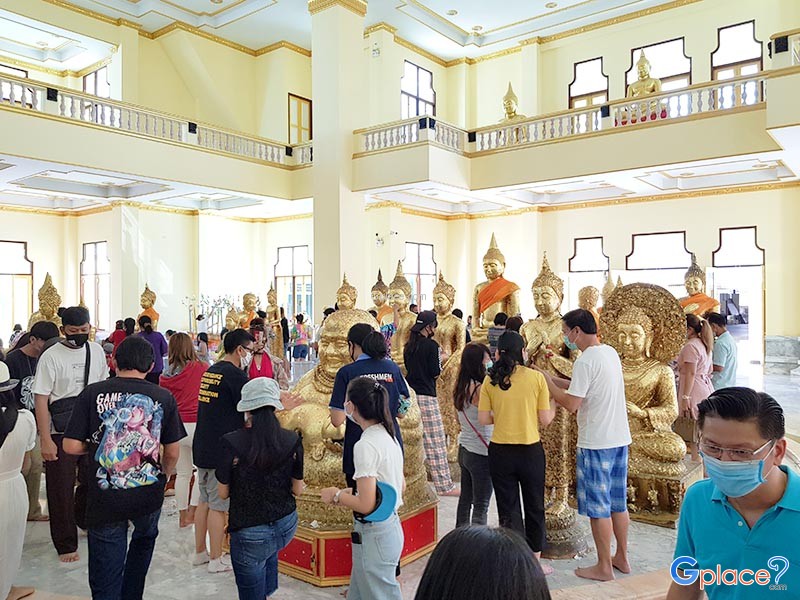
The Physical Characteristics of Luang Pho Sothon in its original form is a Meditation Posture Buddha in the beautiful Lan Xang artistic style. However, because the original was made of separate pieces of sandstone, making it vulnerable to theft or damage, Phra Dhamma Khunaporn (the former abbot) ordered craftsmen to encase the original statue in plaster and cover it with gold leaf. This resulted in the majestic 1.65-meter-wide lap-width_ stucco Buddha seen today. His spiritual power is renowned for blessings regarding trade, career success, and health, leading to the unique tradition of "Boiled Egg Offerings." It is believed that the deity is particularly fond of boiled eggs, leading to scenes of tens of thousands of eggs being offered daily by devotees.
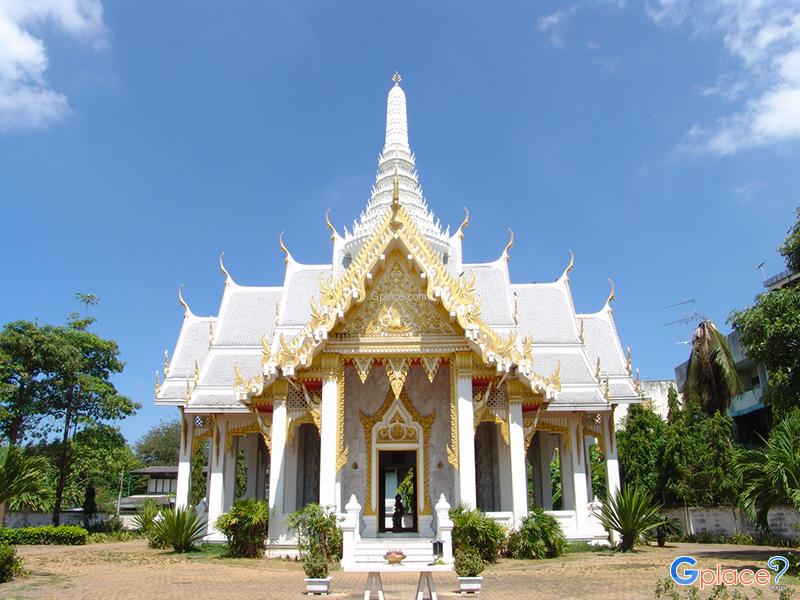
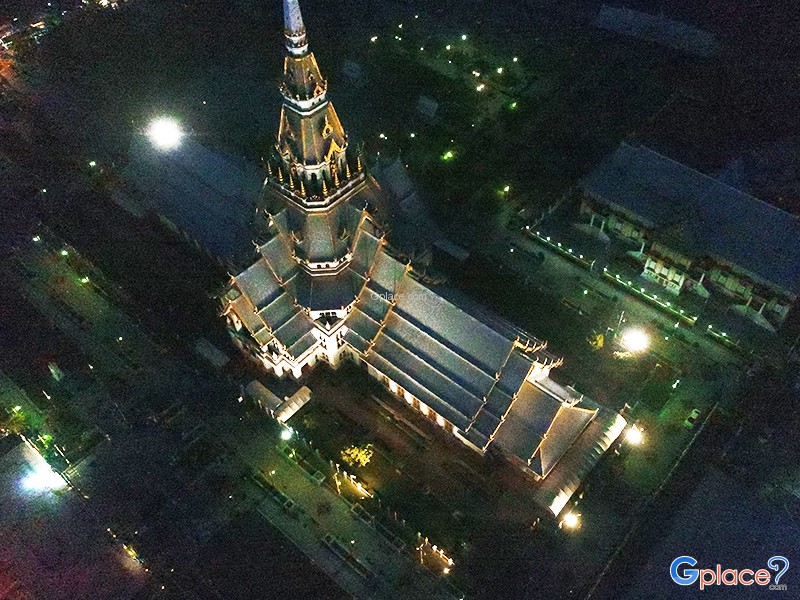
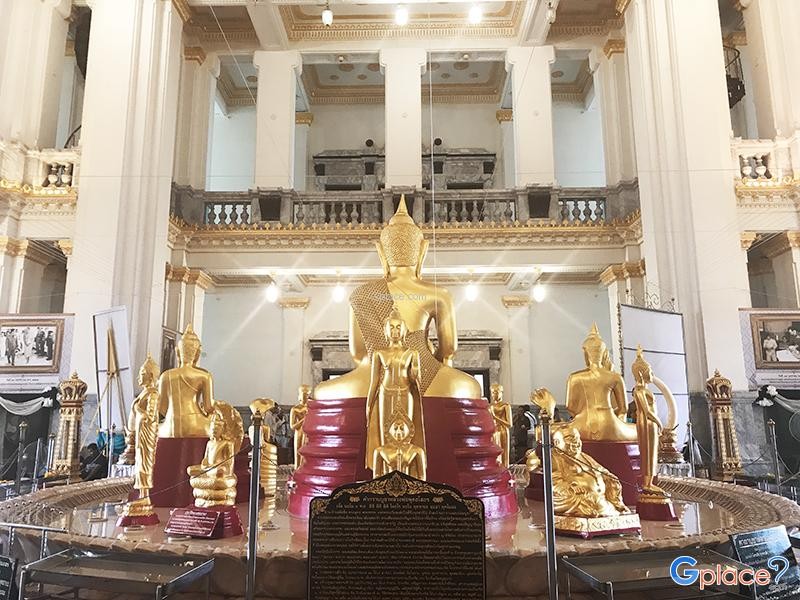
The Architecture of the New Chapel (Ubosot) is considered a high-art masterpiece of the current reign. Built with a massive budget to replace the old, decaying chapel, it was designed by National Artists in a four-porched (Chaturamuk) style with a towering castle spire, blending Rattanakosin art with contemporary architecture. The primary material is Carrara Marble from Italy, specifically selected for its pure white grade. Inside, the walls are decorated with modern-technique murals using muted tones and soft light to tell the story of Cosmology, featuring stars and skies that represent the serene Buddhist realm. It houses the original Luang Pho Sothon statue, standing prominently among 17 smaller Buddha images.
Sothon Wararam Worawihan Temple is not merely a tourist destination; it is the spiritual epicenter of the Thai people a place where exquisite architecture and sacred legends merge into one beside this historic river.
How to Get There
-
By Private Car: From Bangkok, take the Motorway (Route 7) toward Chachoengsao. Enter Siri Sothon Road and turn into Thep Khunakon Road. Large parking lots are available for visitors.
-
By Train: Frequent services run from Hua Lamphong or Krung Thep Aphiwat Central Terminal to Chachoengsao Station. From there, take a yellow songthaew (local truck) directly to the temple.
-
By Public Transport: Vans are available from Mo Chit, Ekkamai, and the Southern Bus Terminal to the Chachoengsao Bus Terminal. Local transport to the temple is readily available.
Travel Tips
-
Recommended Time: To admire the marble chapel and pray without heavy crowds, visit on weekdays between 07:00 AM – 08:30 AM.
-
Dress Code: As it is a high-ranking Royal Temple, visitors must dress modestly (no shorts above the knee, sleeveless shirts, or tight clothing). The temple provides free cloaks at the entrance.
-
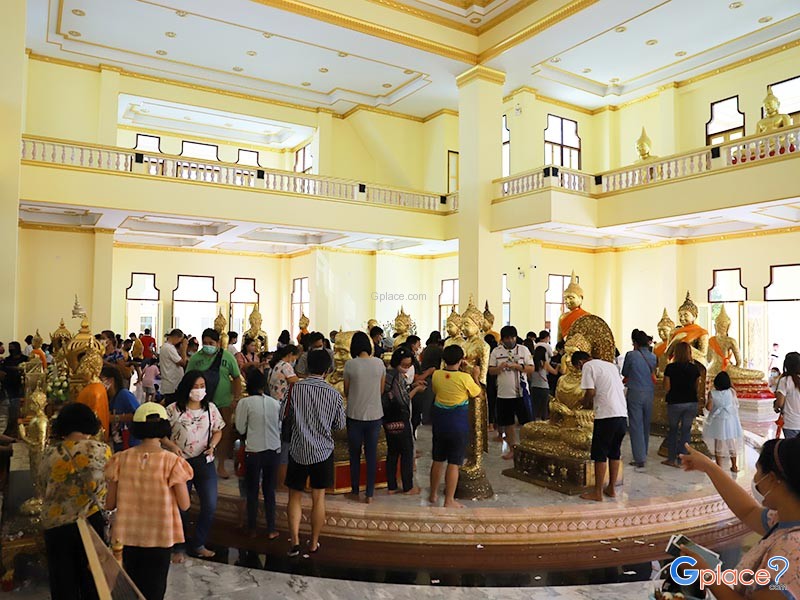
Sacred Spots: The temple is divided into two main parts: The New Marble Chapel (housing the original statue, where incense/candles are prohibited) and The Replica Vihara (where visitors apply gold leaf, light incense, and offer boiled eggs).
-
Photography: Photos are allowed inside the marble chapel, but please remain quiet and refrain from using flash to avoid disturbing those in prayer.
Admission Fee:
- Free Entry
Opening Hours:
-
Monday - Friday: 07:00 AM – 04:30 PM
-
Saturday - Sunday and Public Holidays: 07:00 AM – 05:00 PM
Sothon Wararam Worawihan Temple

 Share
Share
 Thep Khunakon Road, Na Mueang Subdistrict, Mueang District, Chachoengsao
Map
Thep Khunakon Road, Na Mueang Subdistrict, Mueang District, Chachoengsao
Map
 Closed today
Mon7.00 - 16.30
Tue7.00 - 16.30
Wed7.00 - 16.30
Thu7.00 - 16.30
Fri7.00 - 16.30
Sat7.00 - 17.00
Sun7.00 - 17.00

 https://www.thai-tour.com/thai-tour/central/chacheongsao/data/place/wat-sothron.html

 6517
6517