 Attractions
  Hotel
Hotel  Restaurant
  Shopping
  Abroad





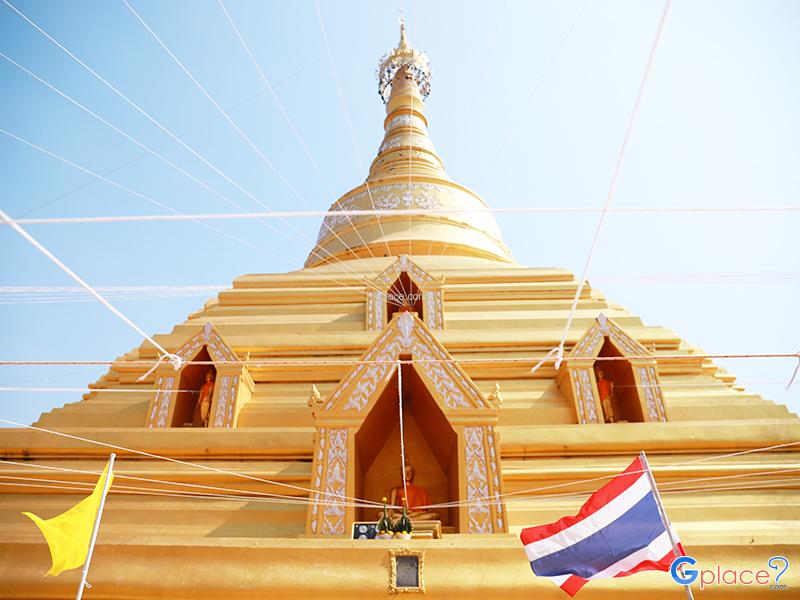

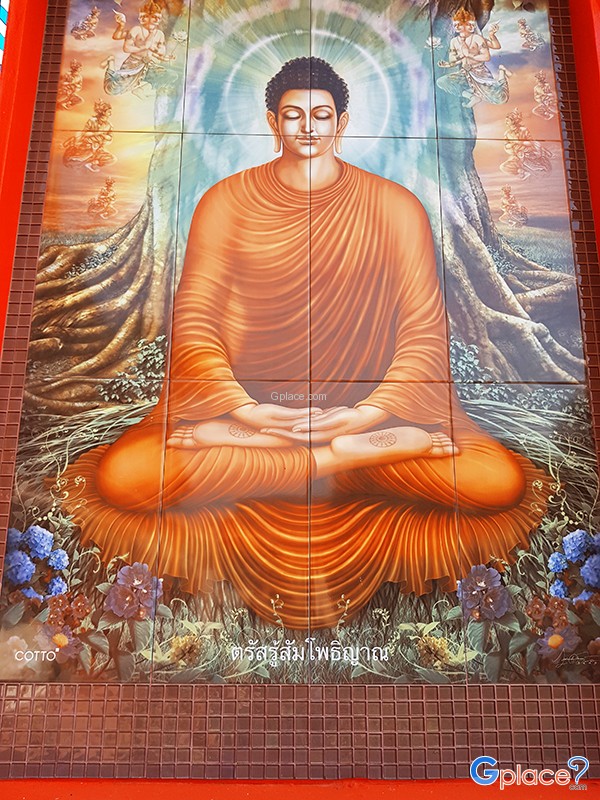
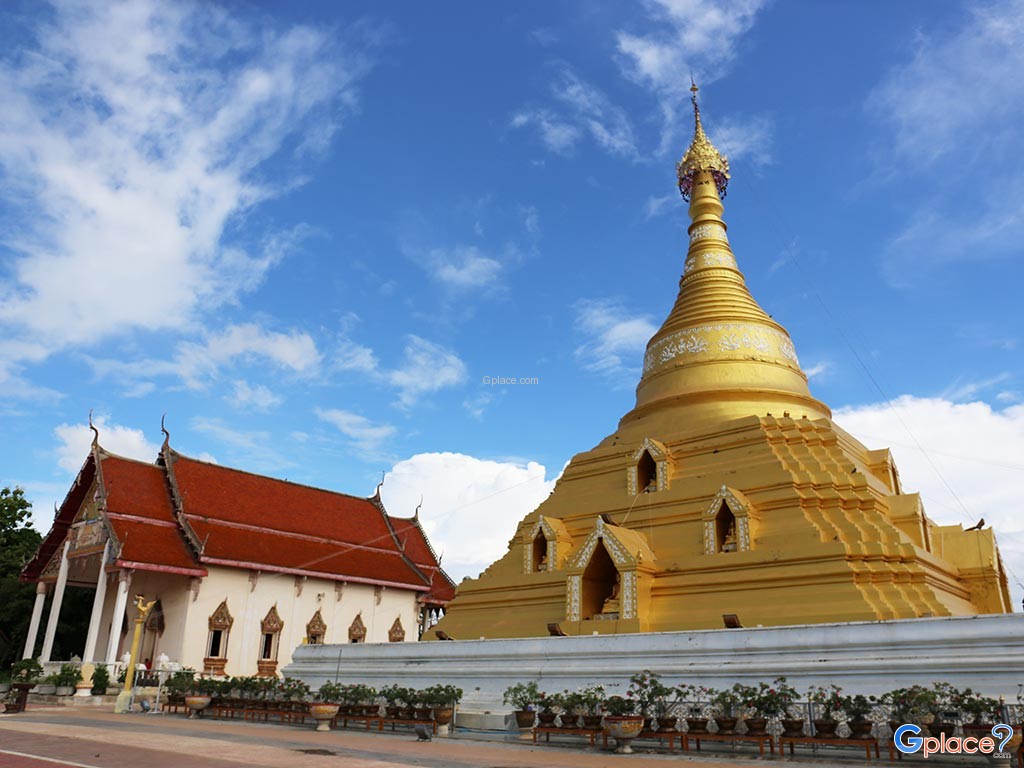
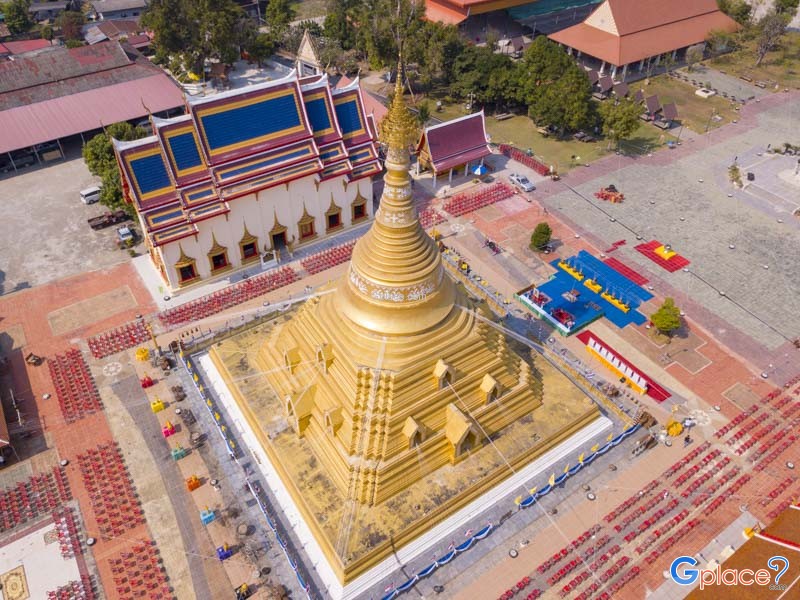
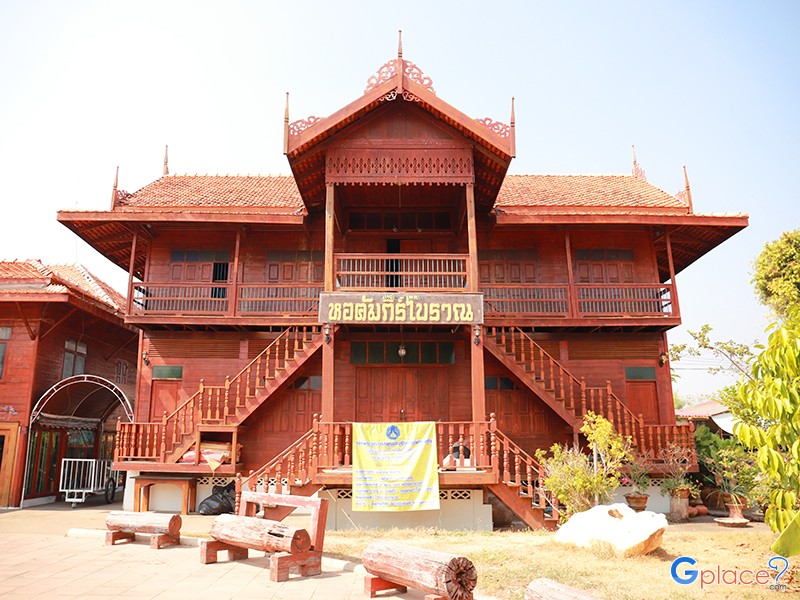
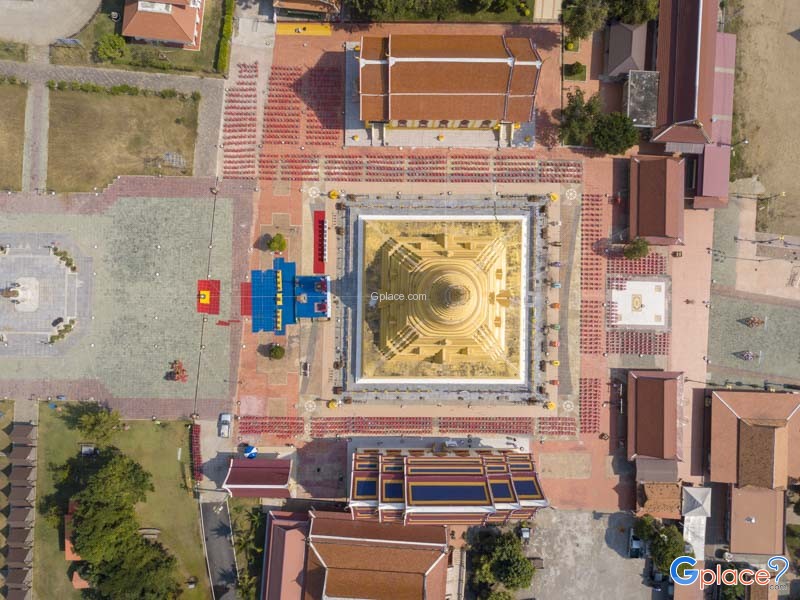
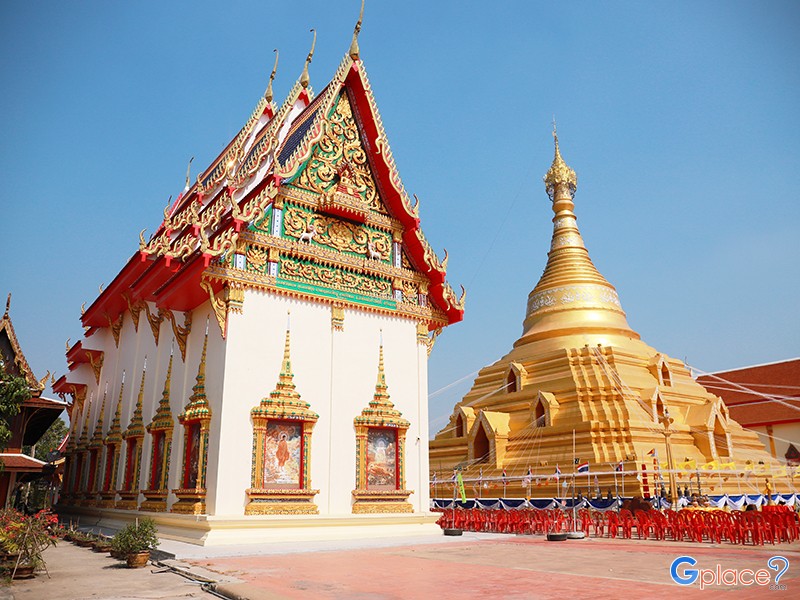
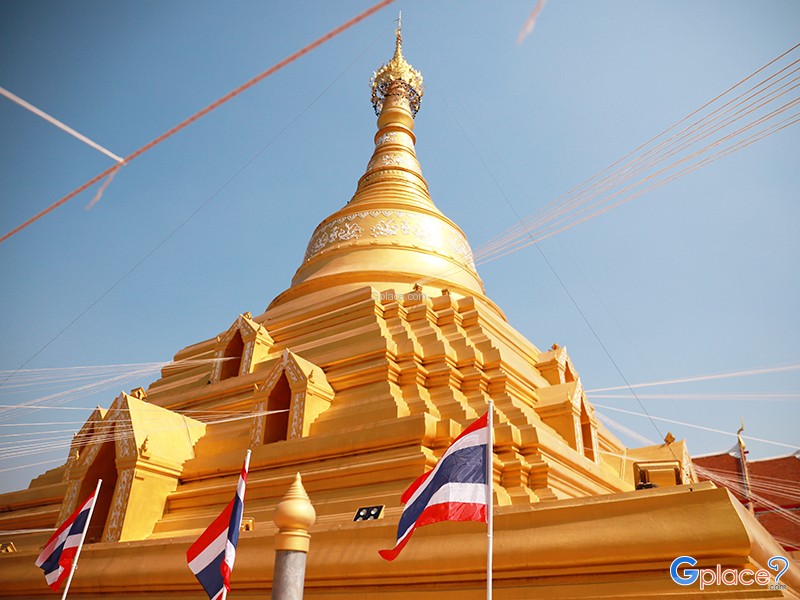
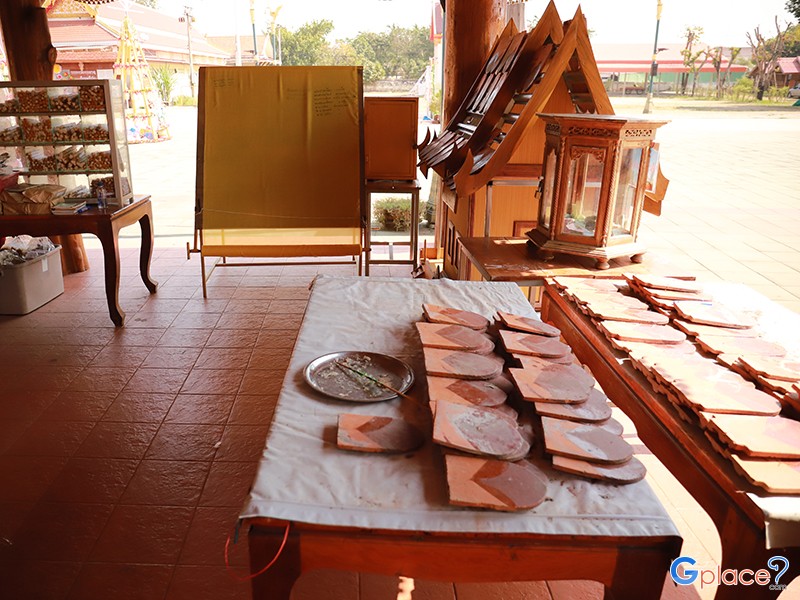
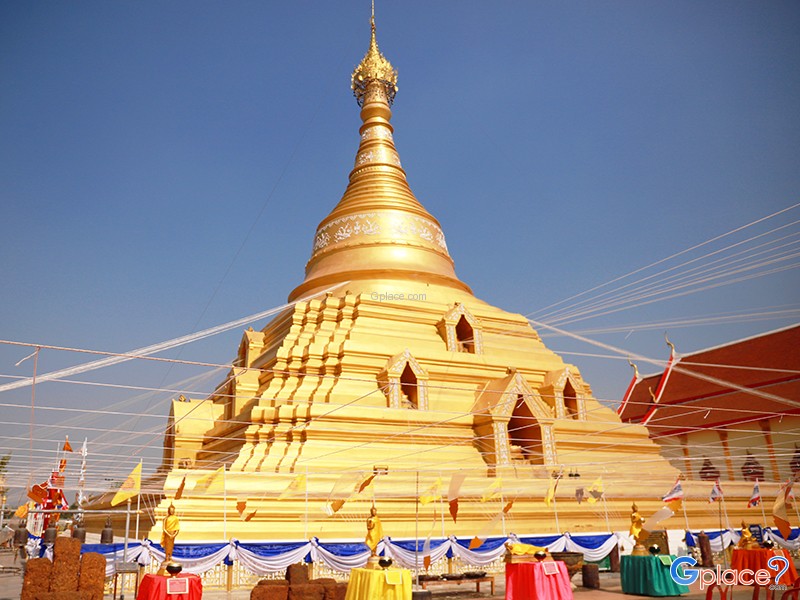
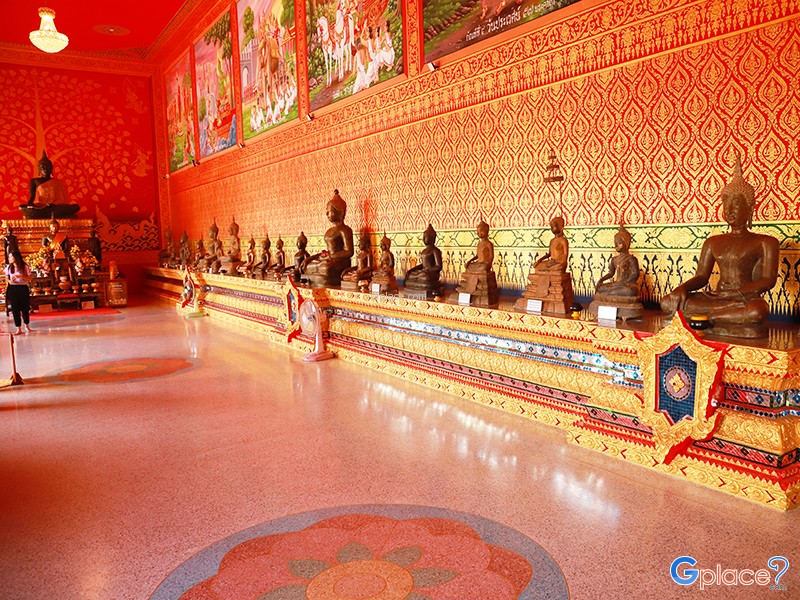
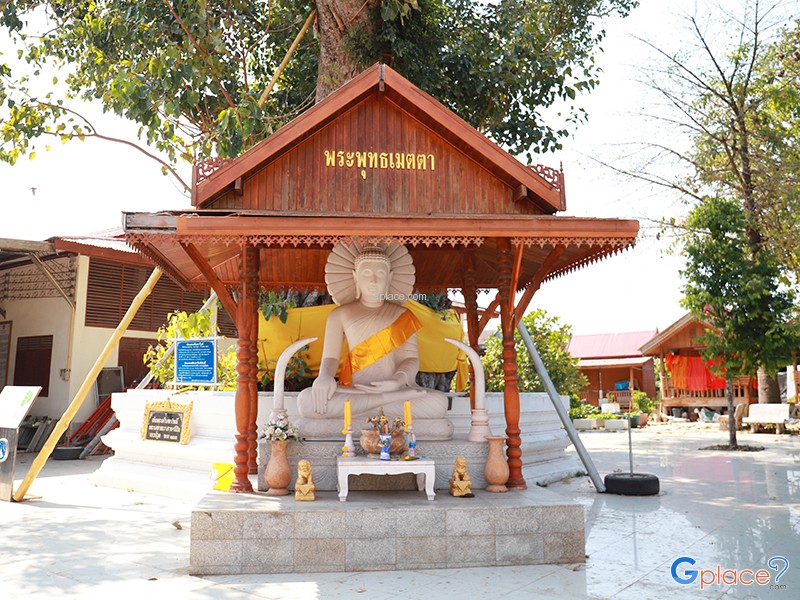
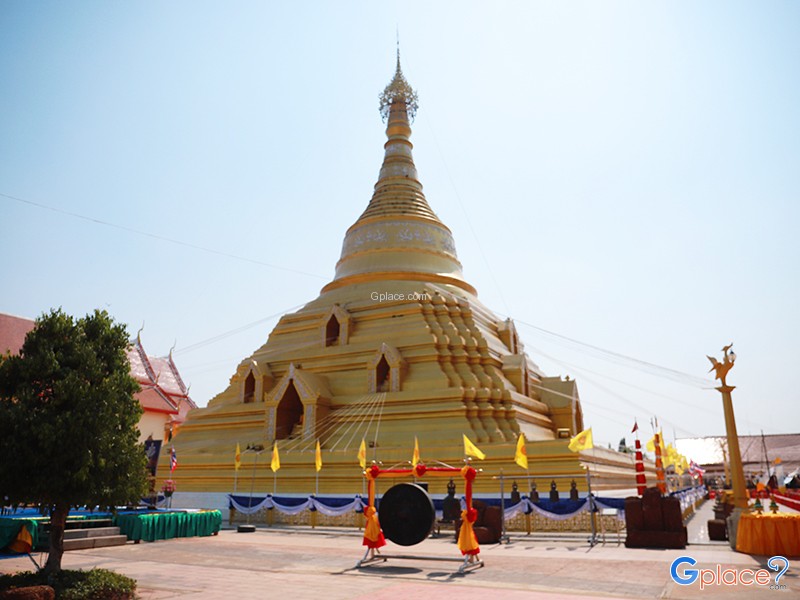
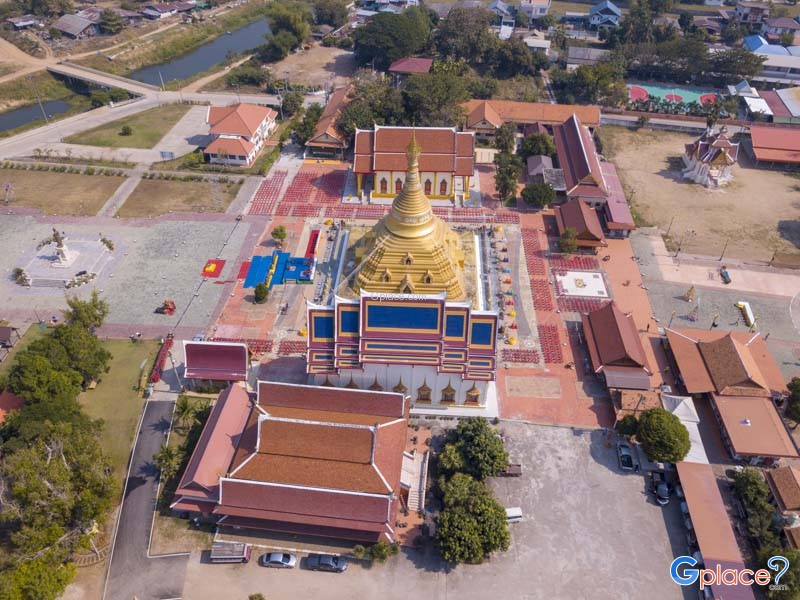
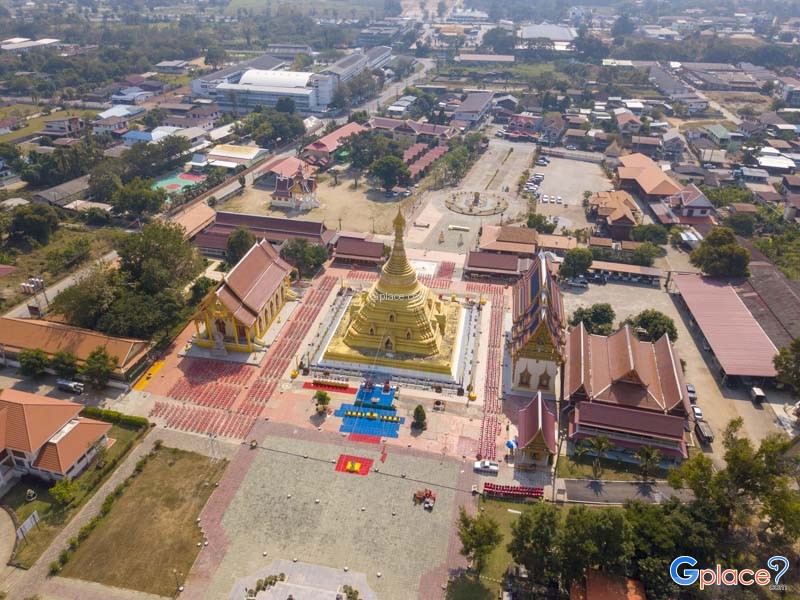
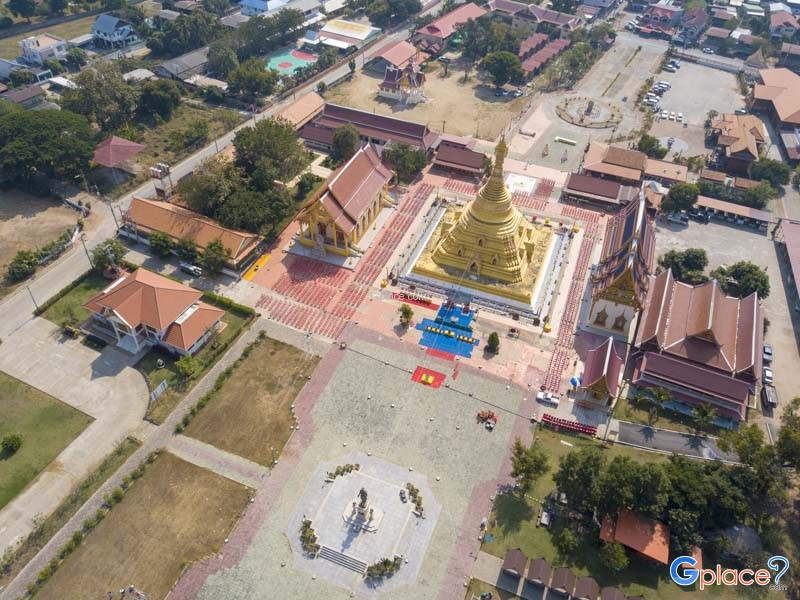
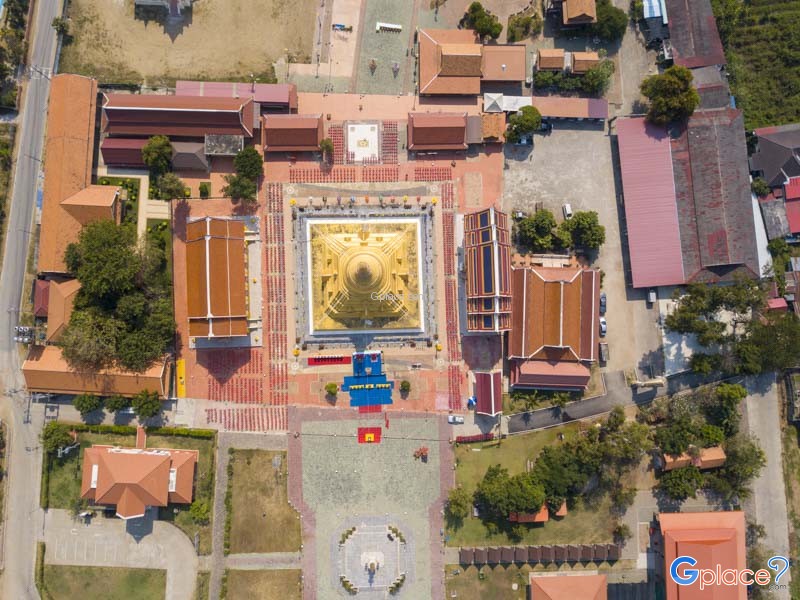
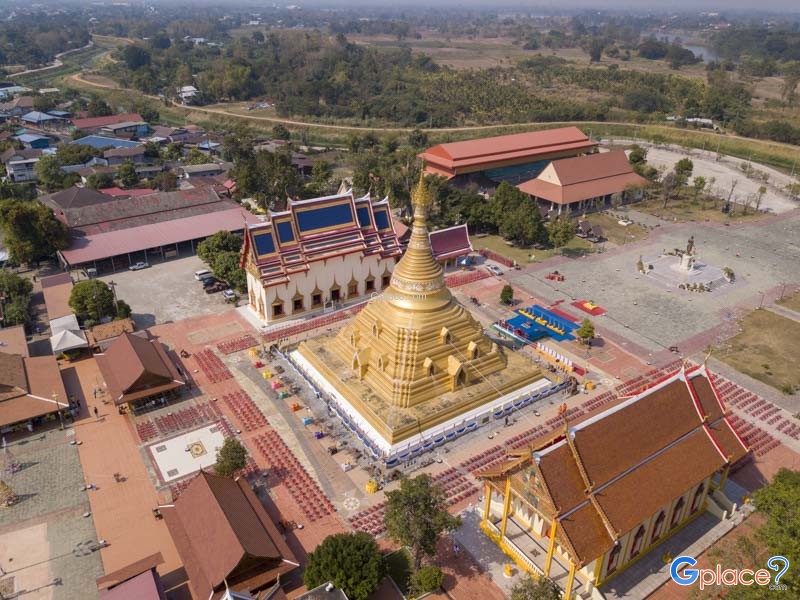
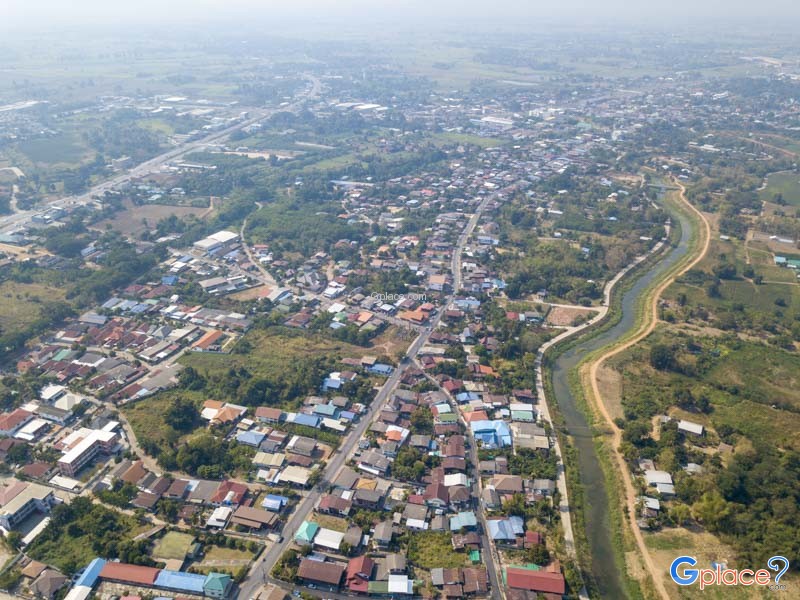
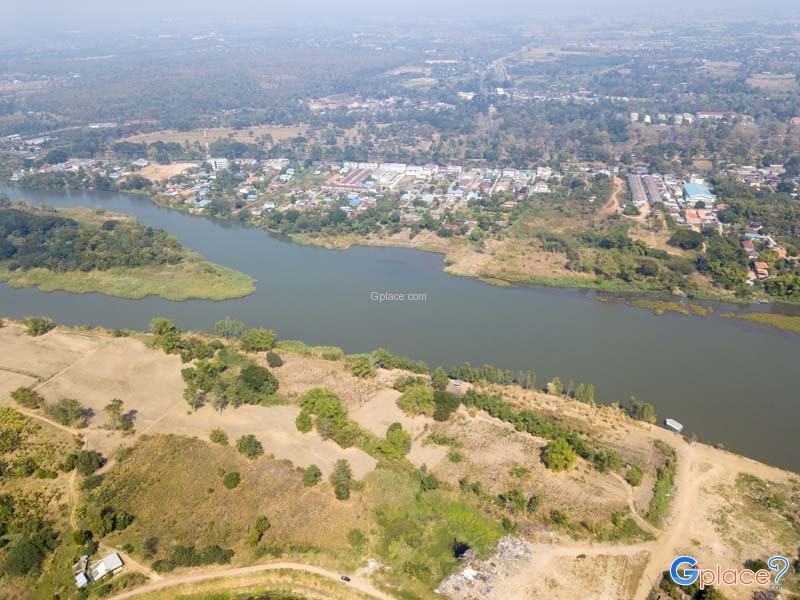
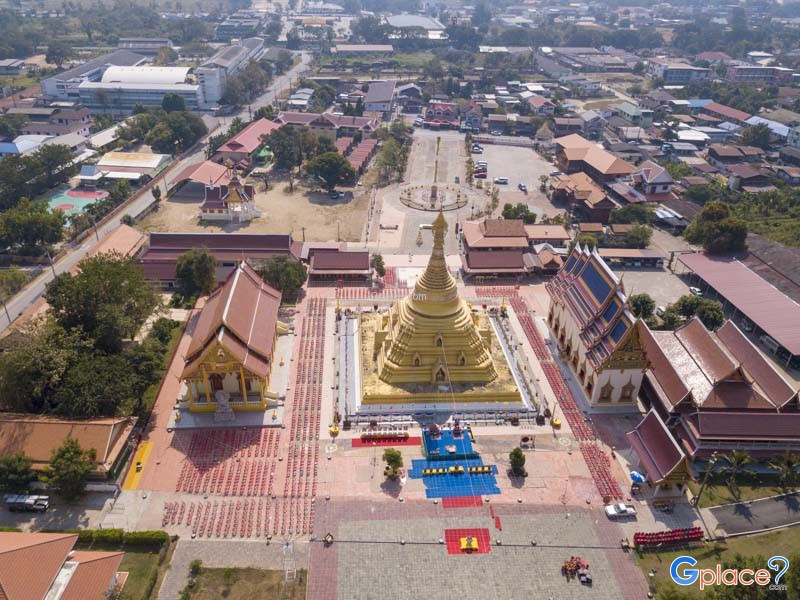
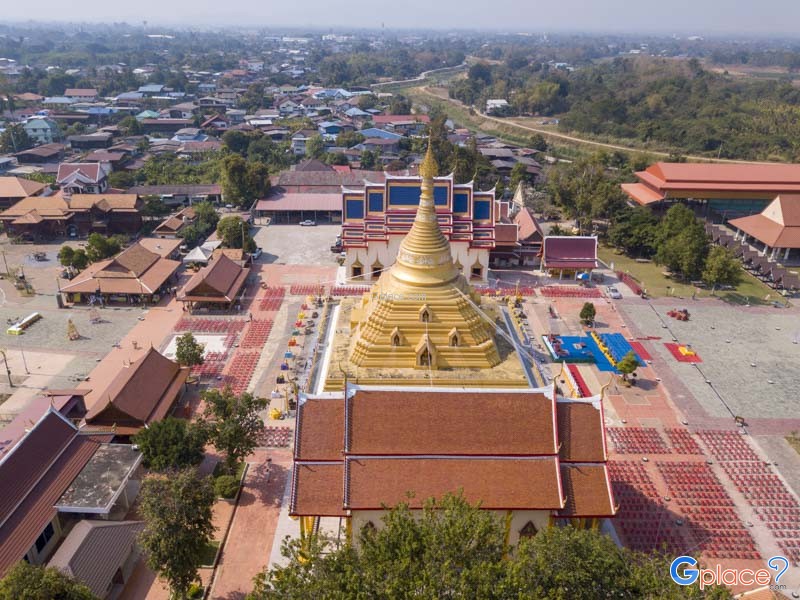
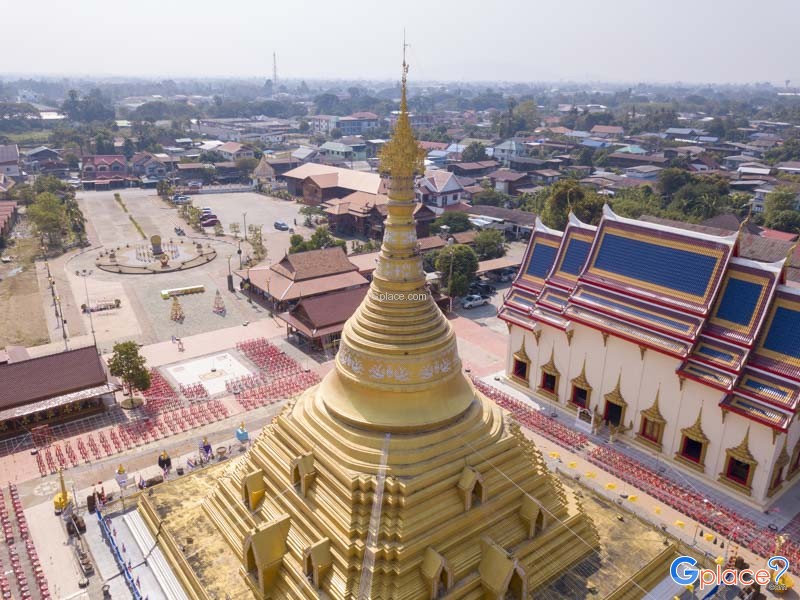
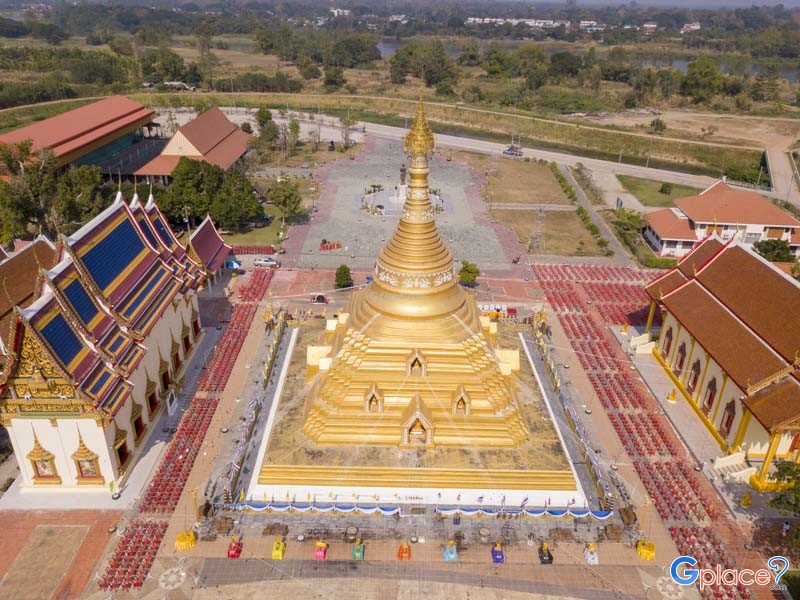
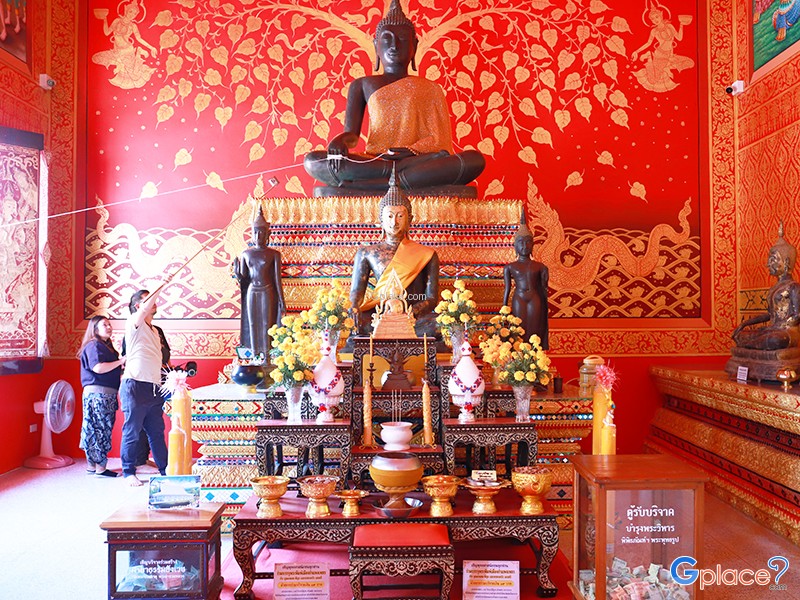
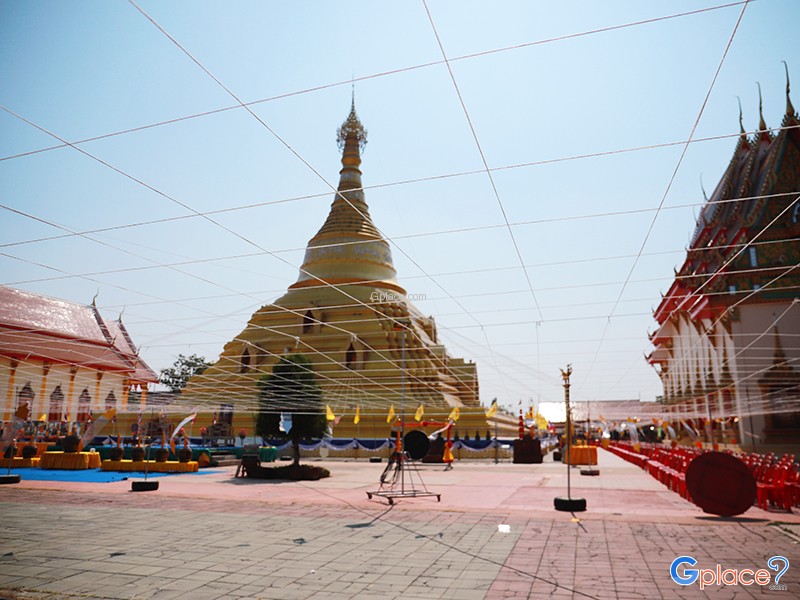
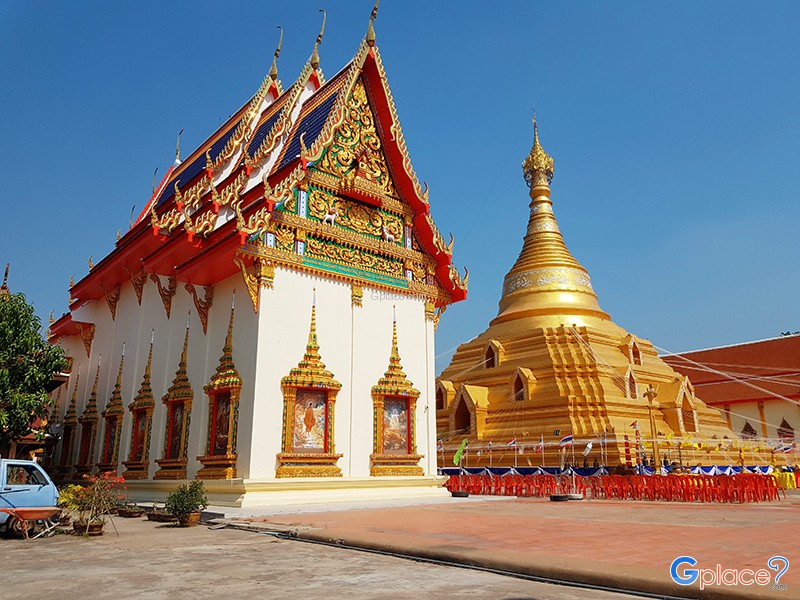

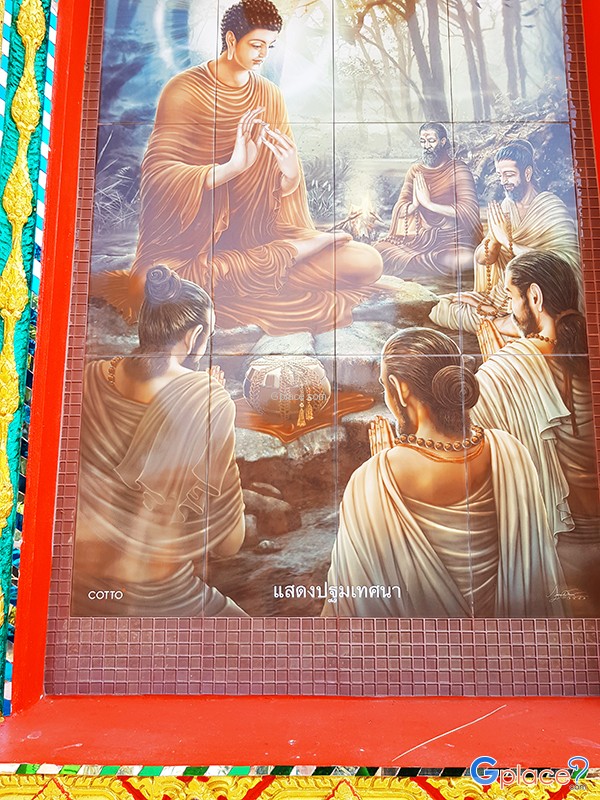
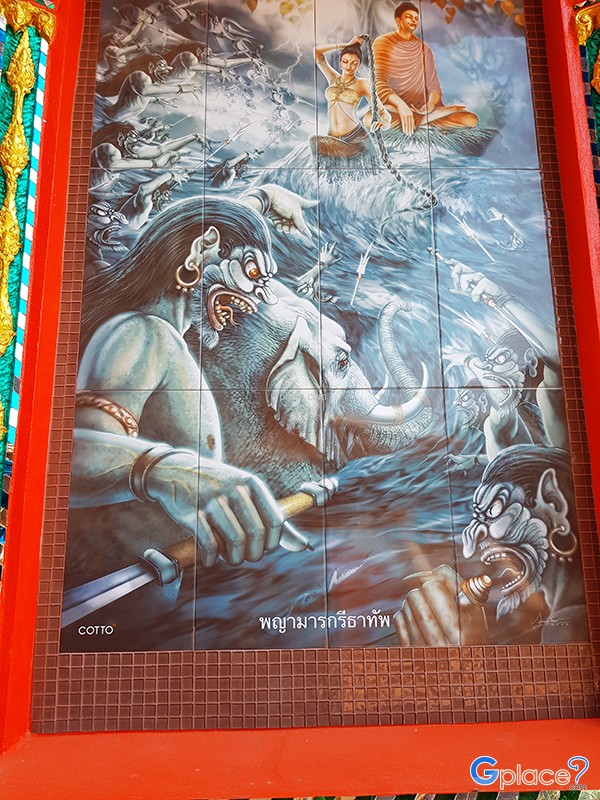
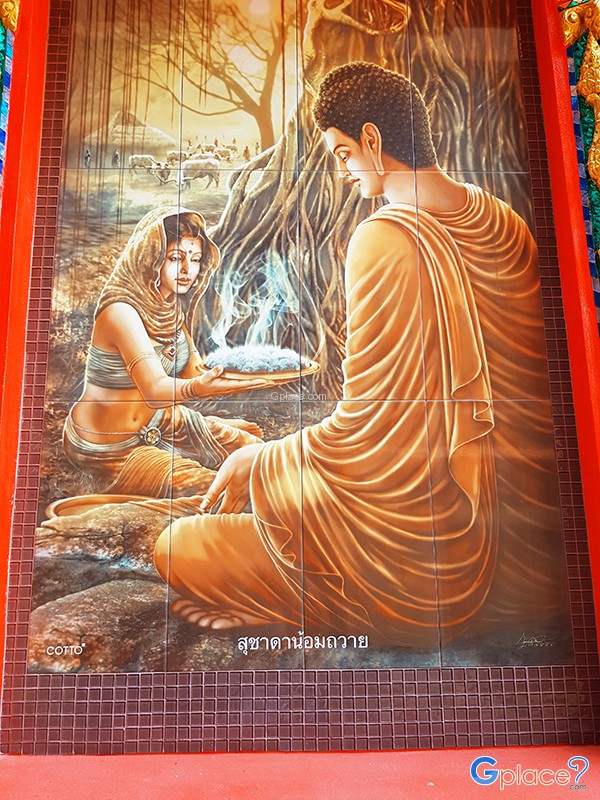
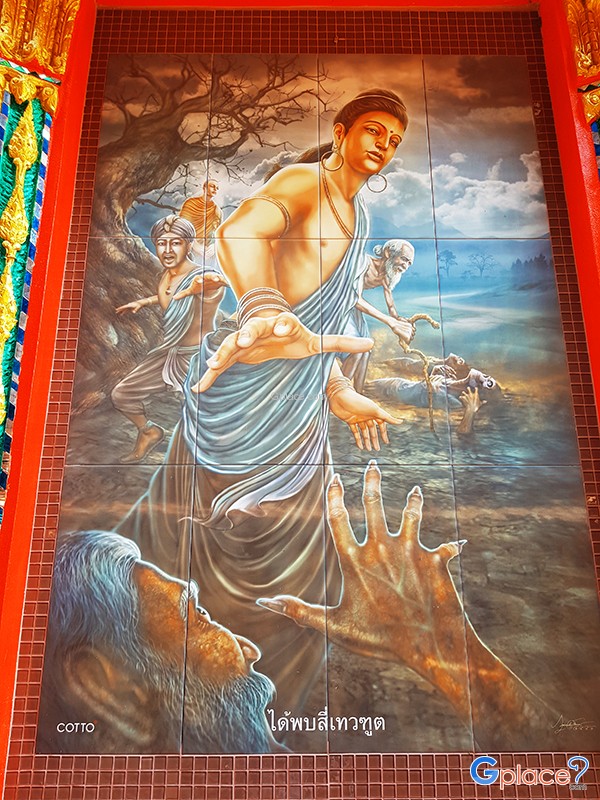
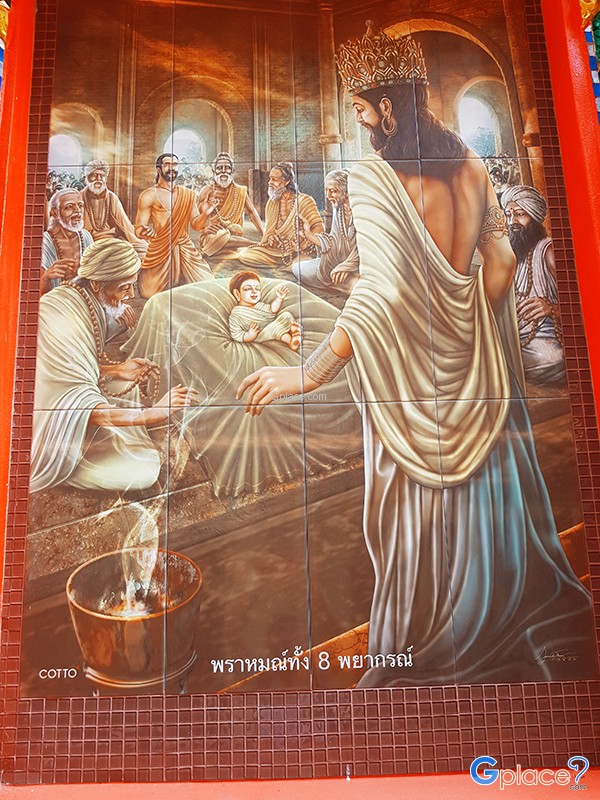
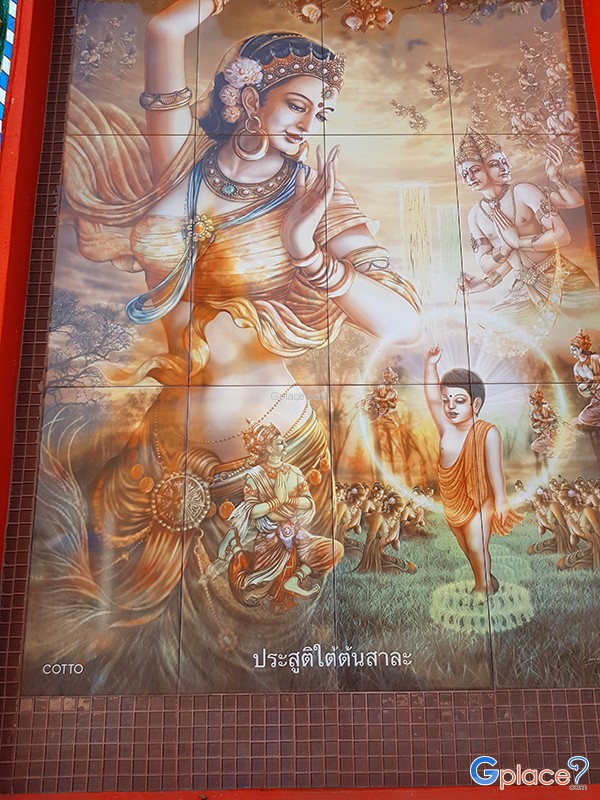
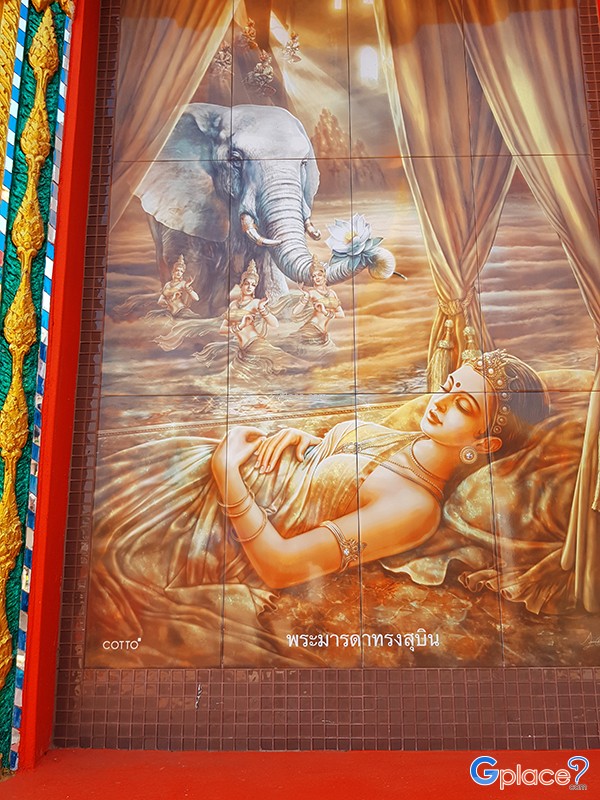
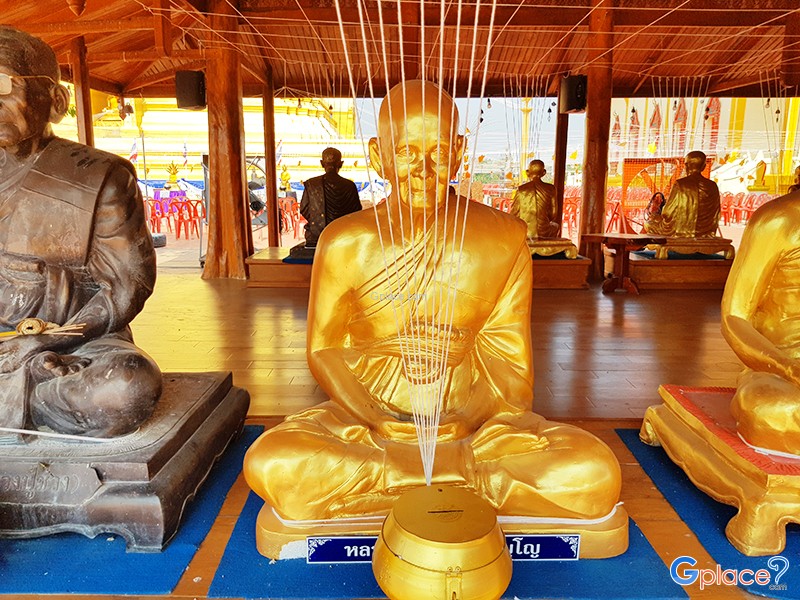
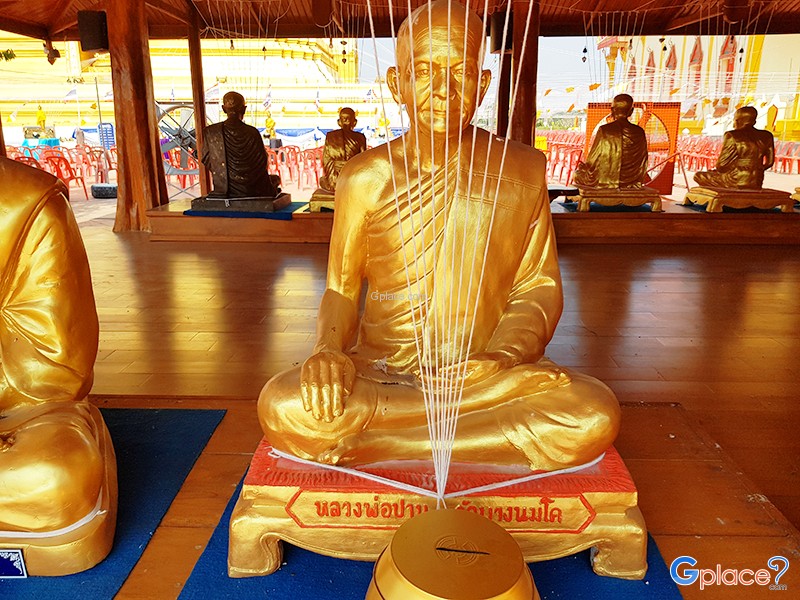
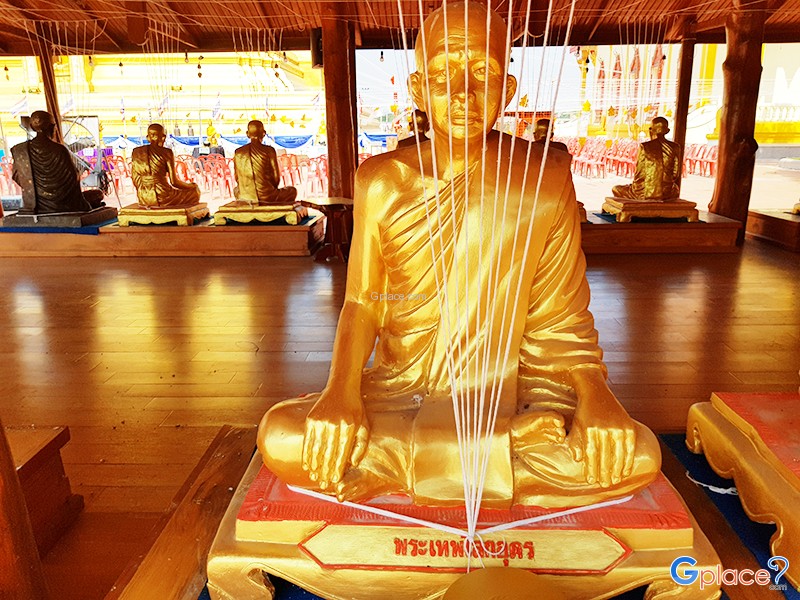
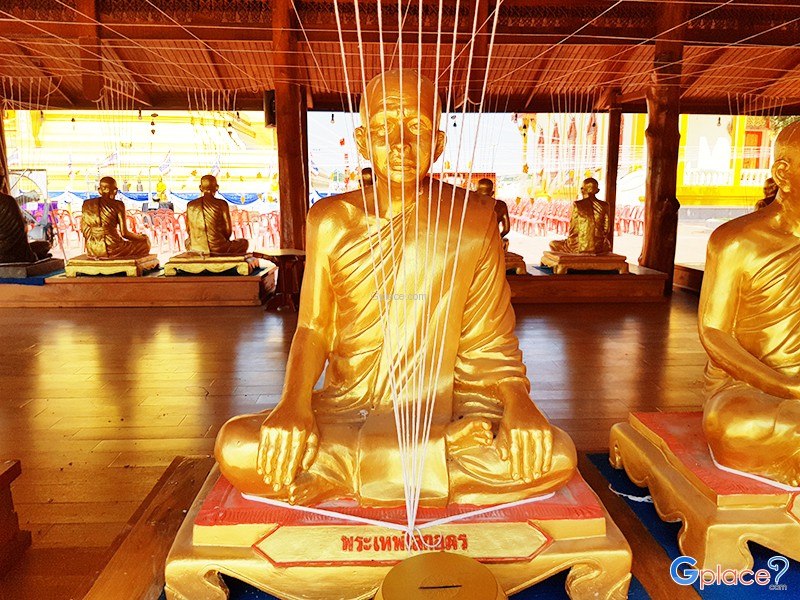
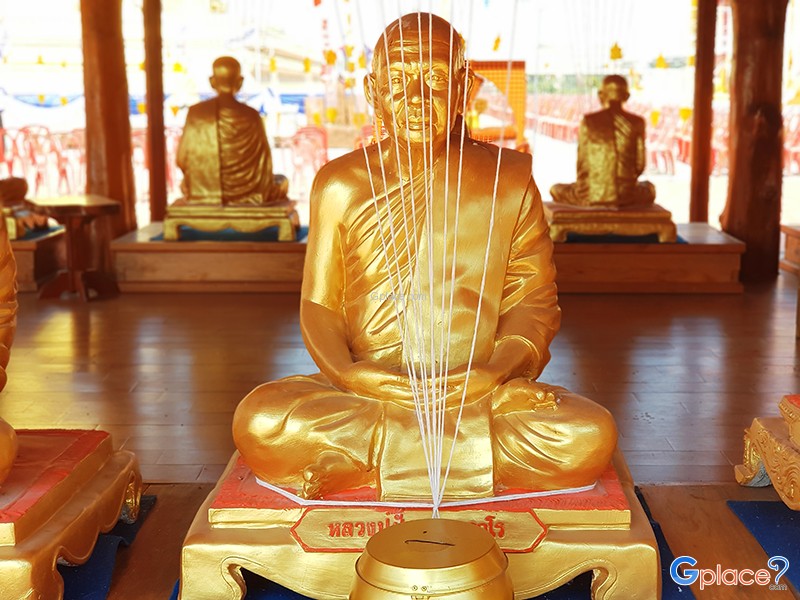
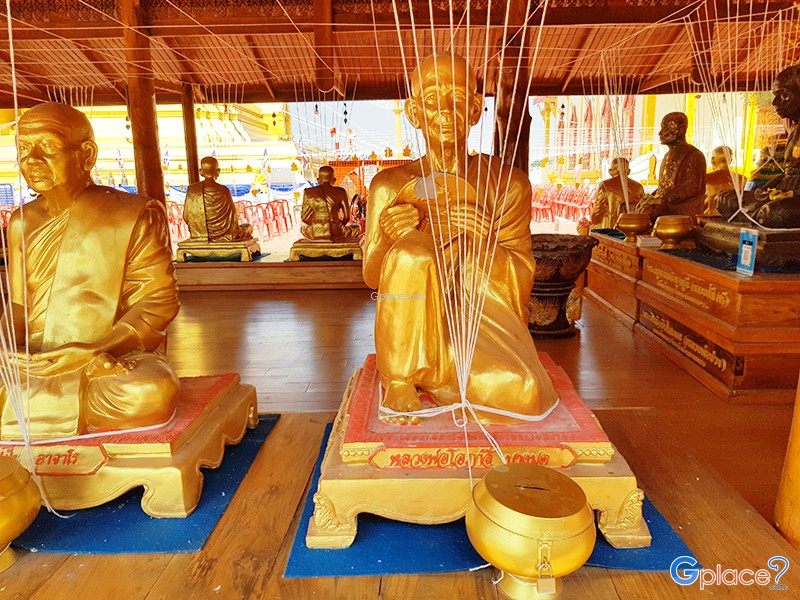
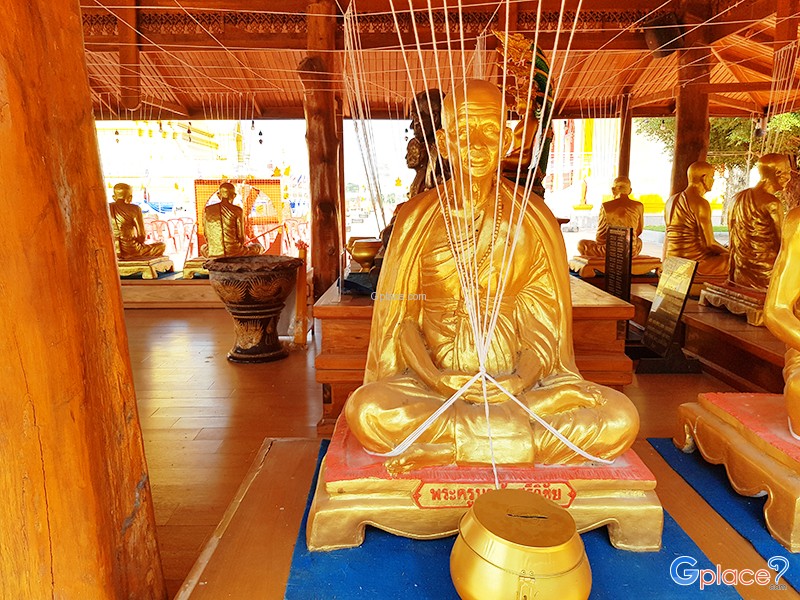
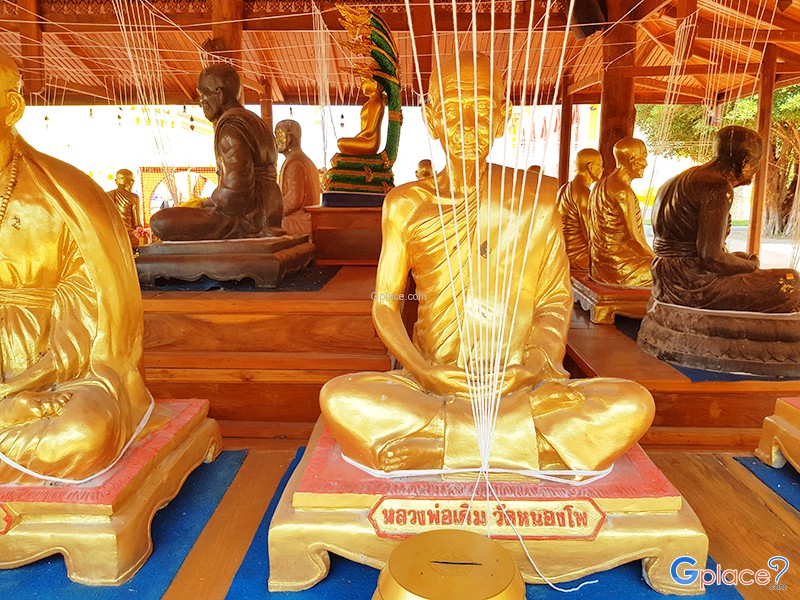
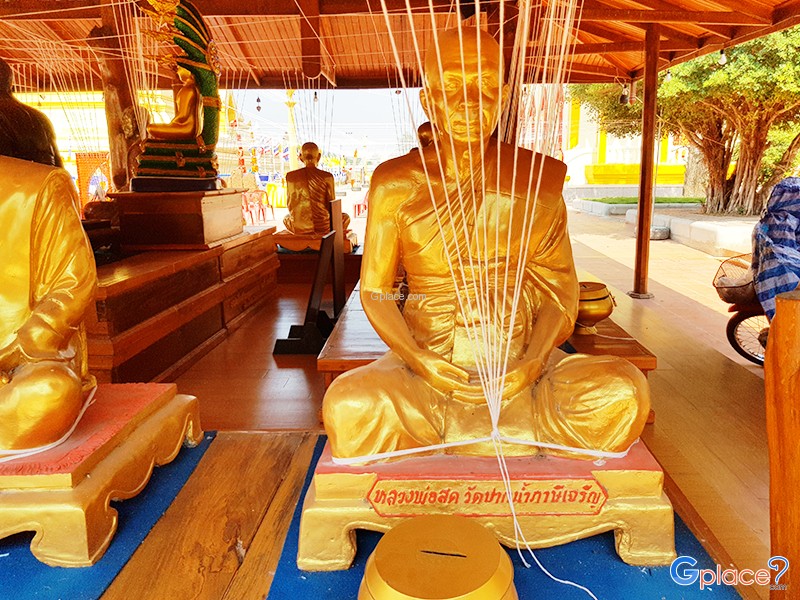
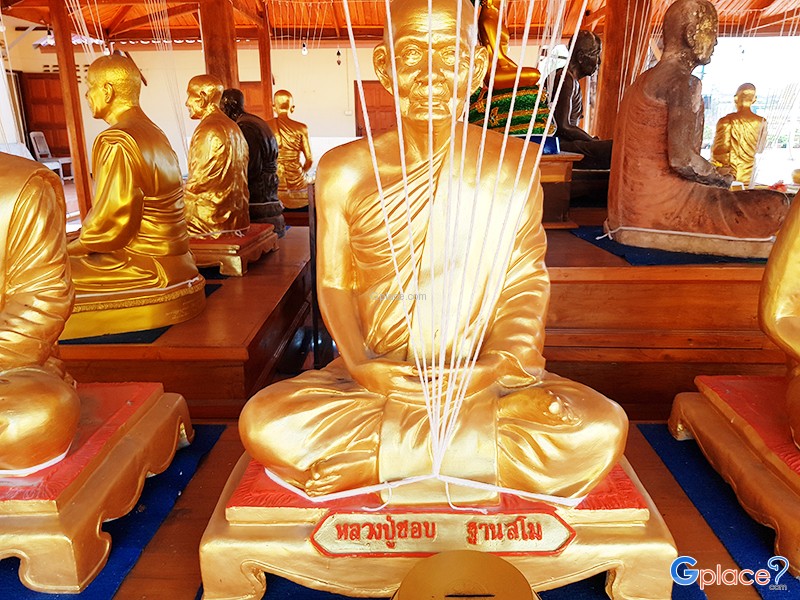
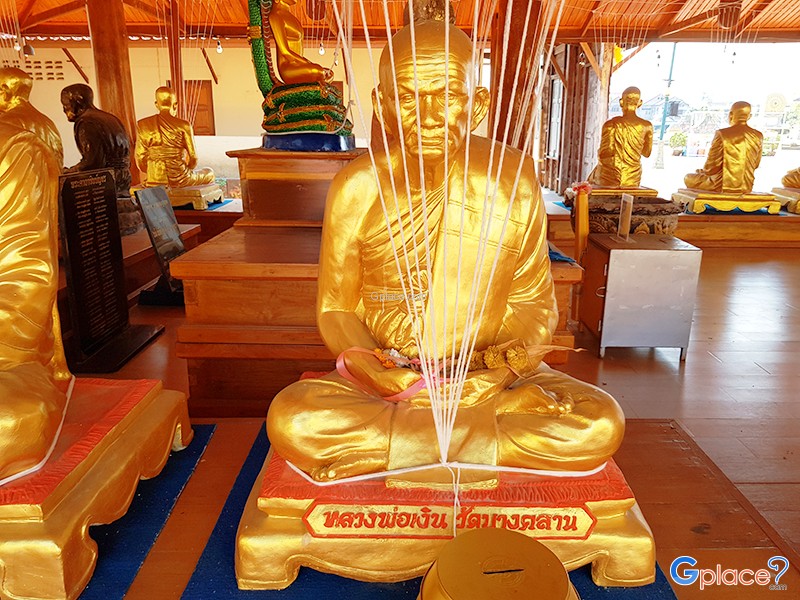
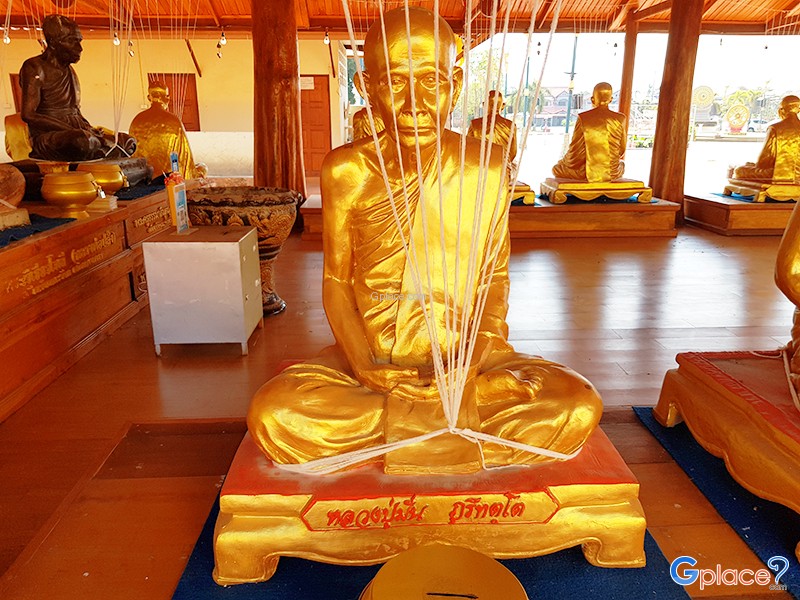
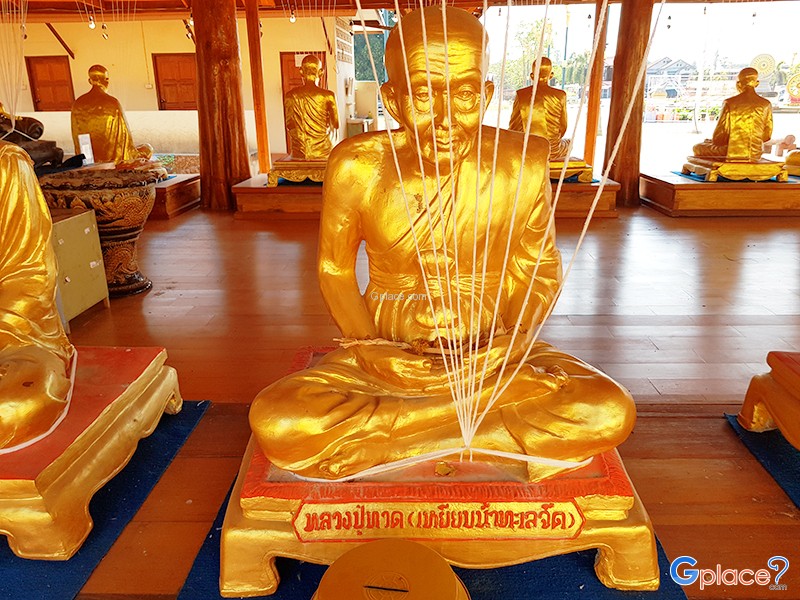
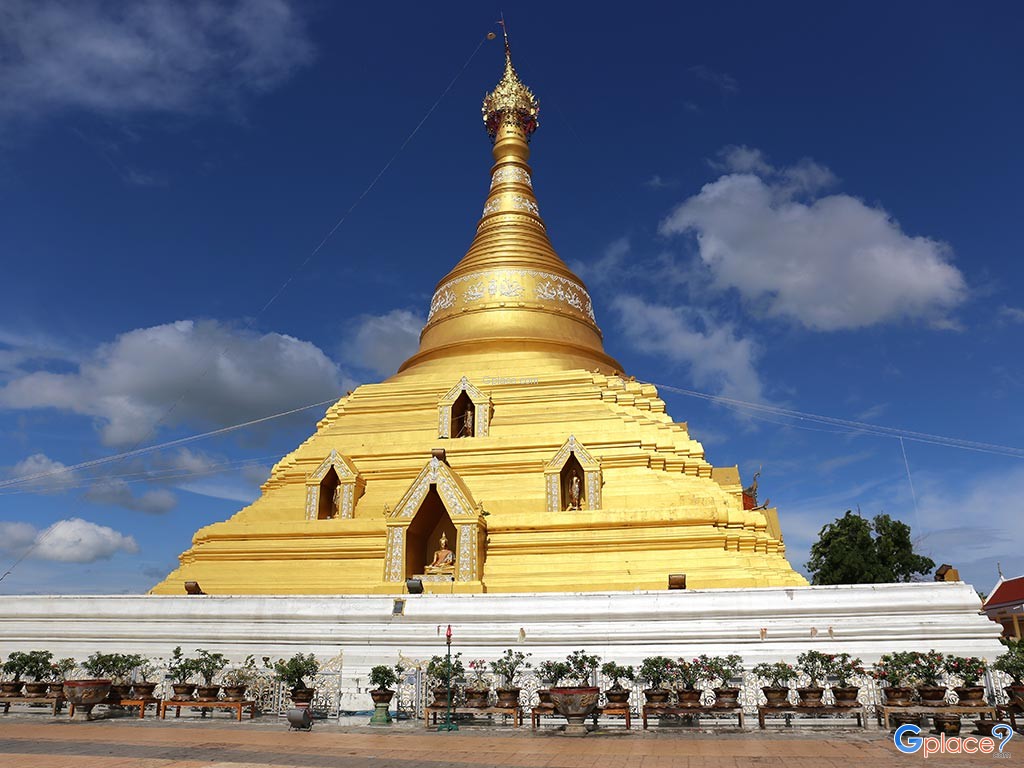
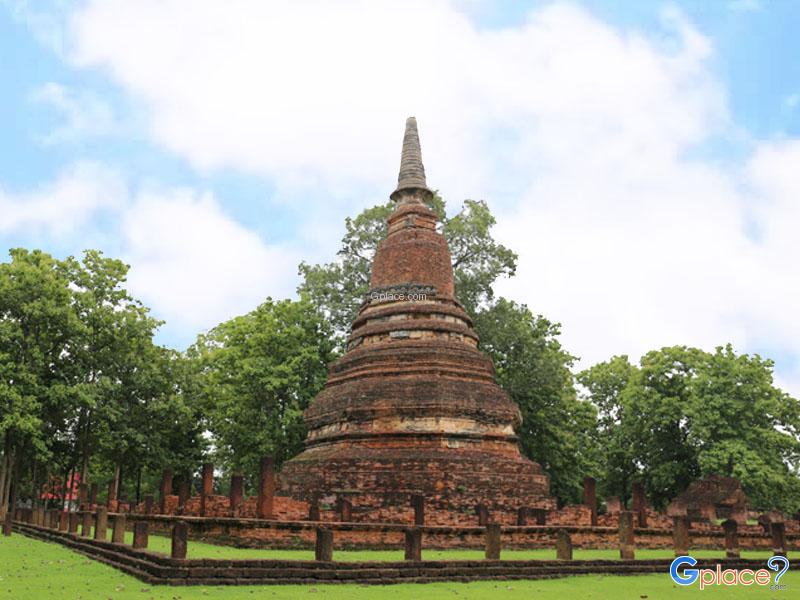
“The golden stupa, restored in the early Rattanakosin period, enshrines 9 Buddha relics and has been an important religious center in Nakhon Chum for over 600 years.”
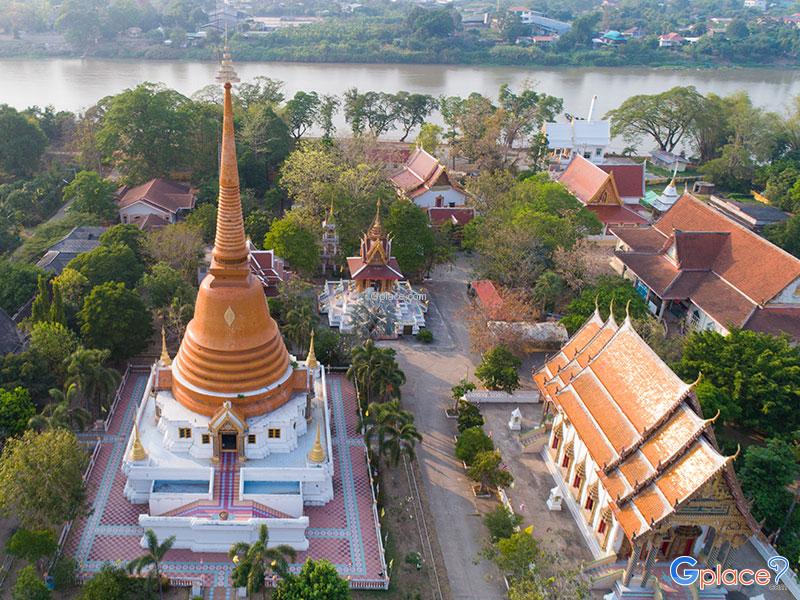
Wat Phra Borommathat Nakhon Chum is a significant temple established alongside the founding of Nakhon Chum city (west bank of the Ping River) during the late Sukhothai period by Phra Yali Thai (Phra Maha Thammarachathirat), who recorded the temple’s construction and the enshrinement of Buddha relics in the Nakhon Chum Inscription.
Historical Significance:
-
The temple has been a center of religion and culture since early Sukhothai.
-
It contains three Phum Binh stupa-style chedis on a single base. The central stupa enshrines 9 Buddha relics brought from Sri Lanka.
-
Phra Yali Thai built the chedis to honor King Si Inthrathit, King Ramkhamhaeng, and himself, symbolizing faith and respect for ancestors.
Architecture and Art:
-
The Phum Binh-style chedis showcase Sukhothai architectural uniqueness and artistic elegance.
-
The golden stupa was restored in the early Rattanakosin period (1786 AD) with additional decorations by Somdet Phra Phutthachan (Toh Phrommarangsi).
-
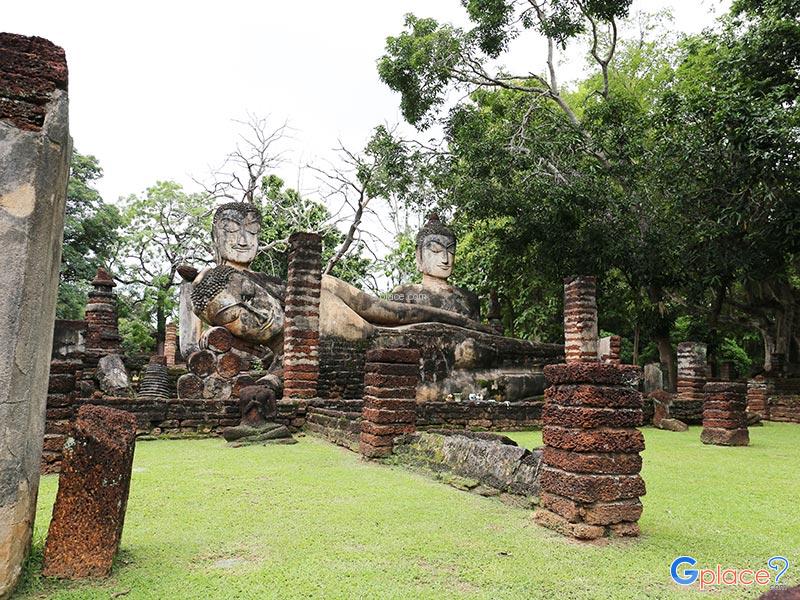
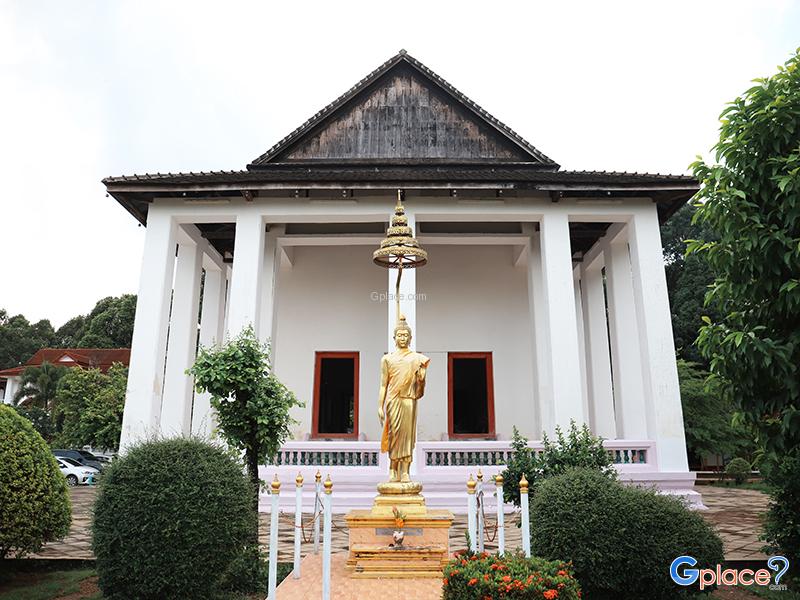
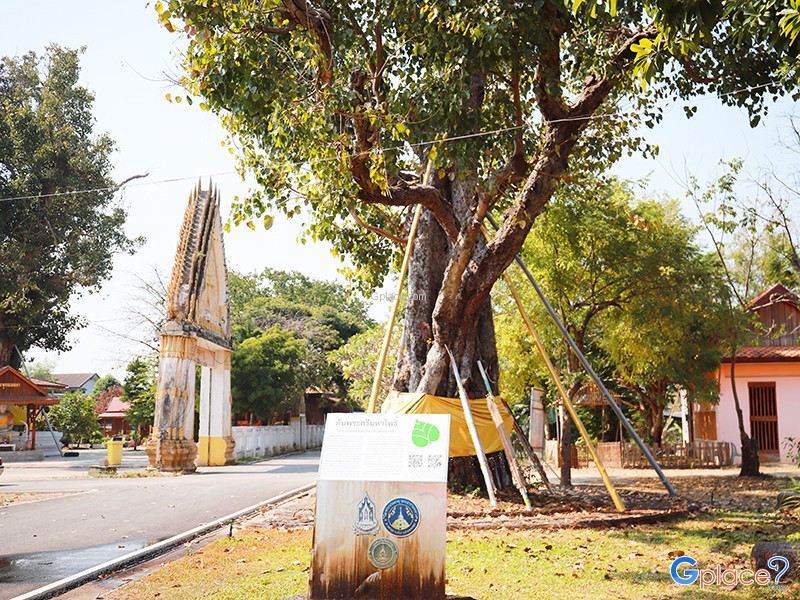
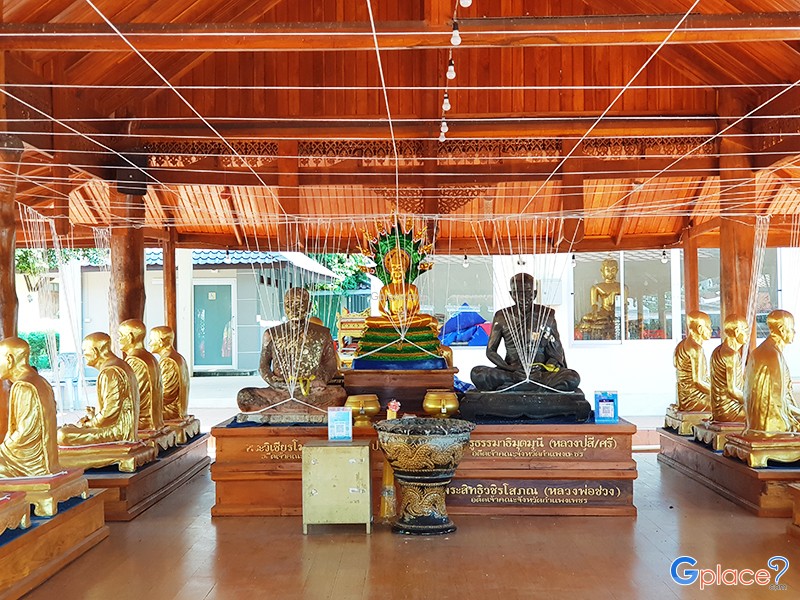
The temple also contains the old ubosot (ordination hall), viharn, reclining Buddha hall, and a large Bodhi tree, believed to be planted by Phra Yali Thai.
Activities and Annual Festivals:
-
Phra Borommathat Celebration: Held annually on the full moon of the 3rd lunar month (around February), featuring candlelight procession around the stupa and merit-making.
-
During Visakha Bucha and Magha Bucha, visitors can participate in chanting and candlelight ceremonies.
-
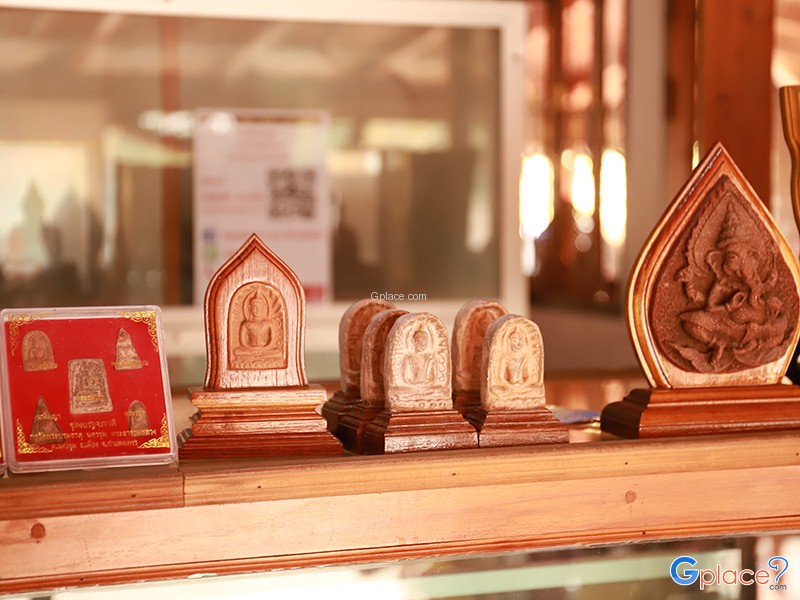
The temple is a key site for studying Sukhothai art and history, especially Phra Khum Ko, one of the five most famous Thai amulets found here.
Visitor Route Recommendation:
-
Start at the golden stupa as the central point.
-
Walk around the large Bodhi tree and learn about its religious significance.
-
Continue to the old ubosot and viharn to appreciate original architecture and art.
-
Finish at the reclining Buddha hall for photography and detailed study of Buddha statues.
-
The full visit typically takes 30–60 minutes, depending on interest.
Historical and Cultural Summary:
-
Wat Phra Borommathat Nakhon Chum has been a religious and cultural center for over 600 years.
-
It is a symbol of faith and Sukhothai art.
-
Ideal for visitors interested in Thai history, ancient art, religious tourism, and traditional Thai festivals.
-
Visiting the temple allows travelers to experience the lifestyle and beliefs of Nakhon Chum residents firsthand.
How to Get There
By Private Car:
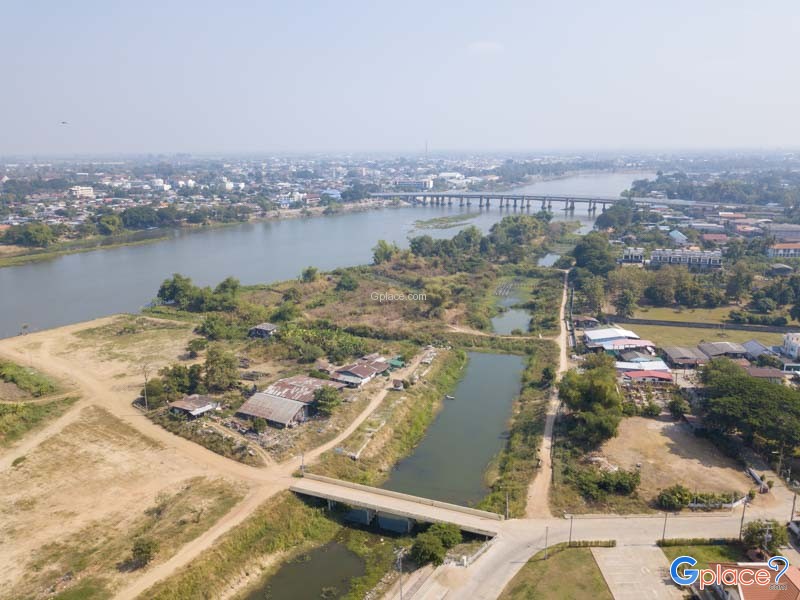
- From Kamphaeng Phet city, take the Phitsanulok–Nakhon Chum Road heading west of the Ping River.
- Drive for 5–10 minutes until reaching the river bridge, then turn onto the main road to Wat Phra Borommathat Nakhon Chum.
- Parking is available at the temple.
By Public Transport:
- From Kamphaeng Phet city, take a local minibus or songthaew on the route Old City–Nakhon Chum and get off near the temple entrance.
- Walk about 200–300 meters to the temple.
By Bicycle or Walking:
- For visitors staying near the Kamphaeng Phet Historical Park, cross the bridge and walk or cycle to the temple in 10–15 minutes.
Travel Tips
-
Pay respect: The golden stupa is a focal point of faith, especially during the Phra Borommathat Celebration.
-
Follow history: The temple is associated with Phra Khum Ko, one of the five most famous Thai amulets.
-
Visiting hours: Open 24 hours, though visiting the main stupa is best during the day.
-
Photography: The stupa and reclining Buddha hall provide excellent photography spots.
-
Best time to visit: Early morning or late afternoon for cooler weather and better light.
Admission Fee:
- Free of charge
Opening Hours:
- Open: 24 hour
Wat Phra Borommathat Nakhon Chum

 Share
Share
 T. Nakhon Chum, A. Mueang Kamphaeng Phet, Kamphaeng Phet 62000
Map
T. Nakhon Chum, A. Mueang Kamphaeng Phet, Kamphaeng Phet 62000
Map
 Open now

 https://www.thai-tour.com/thai-tour/north/kampaengpetch/data/place/praborommatat-temple.html

 6324
6324