 Attractions
  Hotel
Hotel  Restaurant
  Shopping
  Abroad





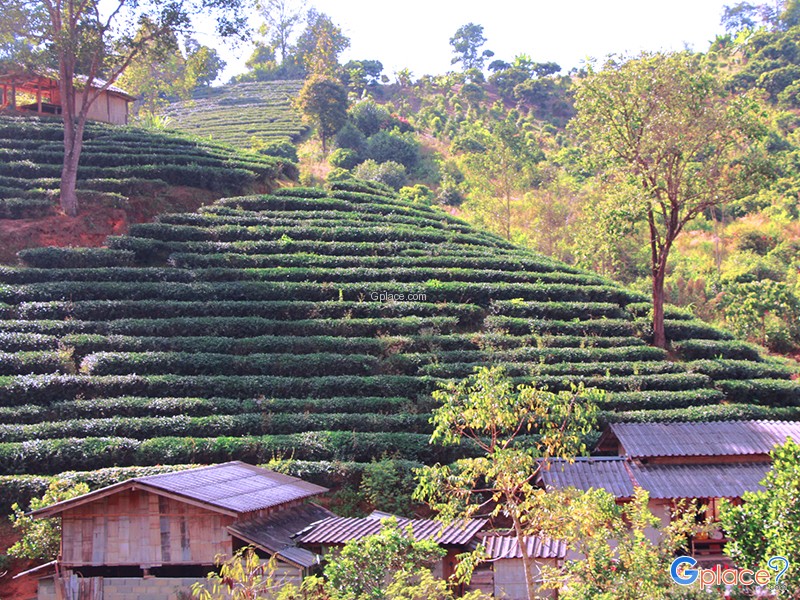

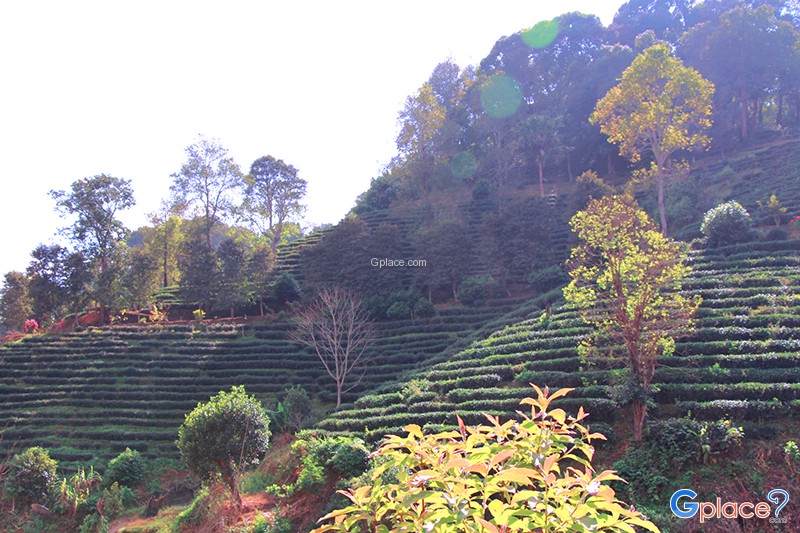
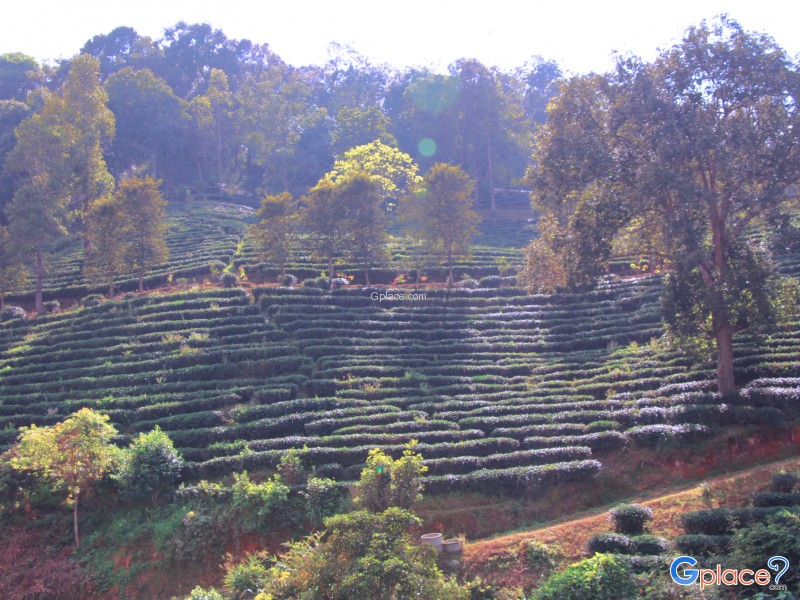

“Admire scenic terraced tea fields and morning mist. Sip premium Oolong tea from Thailand's oldest plantation, while experiencing unique Yunnan Chinese culture and authentic local cuisine.”
Doi Wawee Tea Plantation, located in the high mountains of Mae Suai District, Chiang Rai Province, is considered one of the most important Oolong tea growing areas in Thailand. Situated at an altitude of approximately 800–1,500 meters above sea level, the area enjoys a cool climate year-round, with morning mist and humidity ideal for tea cultivation, particularly Oolong tea and Taiwanese tea varieties. These have been developed into high-quality products that have brought renown to Chiang Rai Province. Doi Wawee is therefore more than just an agricultural area; it has also become a unique cultural and agricultural tourism destination in northern Thailand.
The history of tea cultivation on Doi Wawee is closely linked to the Yunnan Chinese community and former Kuomintang soldiers who migrated to northern Thailand after the Chinese Civil War. These Chinese brought knowledge of tea cultivation, roasting, and tea-drinking culture from Yunnan Province and Taiwan. They began experimenting with tea cultivation in the high-altitude areas of Doi Wawee, where the climate is similar to the best tea-growing regions in China and Taiwan. This results in tea grown in this area of high quality, with a fragrant aroma and smooth taste, gaining recognition in both Thai and international tea markets. Today, Doi Wawee has numerous tea processing plants, tea shops, and tea plantations scattered throughout the area.
The defining characteristic of Doi Wawee Tea Plantation is its landscape of terraced tea fields stretching along the mountainsides, creating a stunning green landscape contrasting with the morning mist. This is especially beautiful during the winter months of November to February, when the weather is cool and fog blankets the area. Many tourists visit to photograph the mountain views, watch the sunrise, and experience the tranquil atmosphere of the mountain village. Visitors can also tour the tea factory to learn about the traditional tea production process, from harvesting and selecting tea leaves to fermentation, drying, and roasting, gaining an understanding of the meticulous craftsmanship involved in producing high-quality Oolong tea.
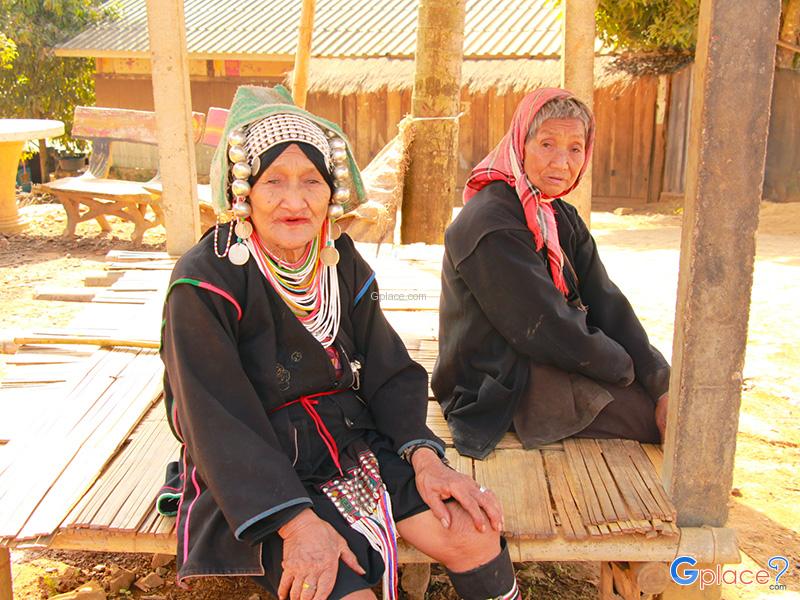
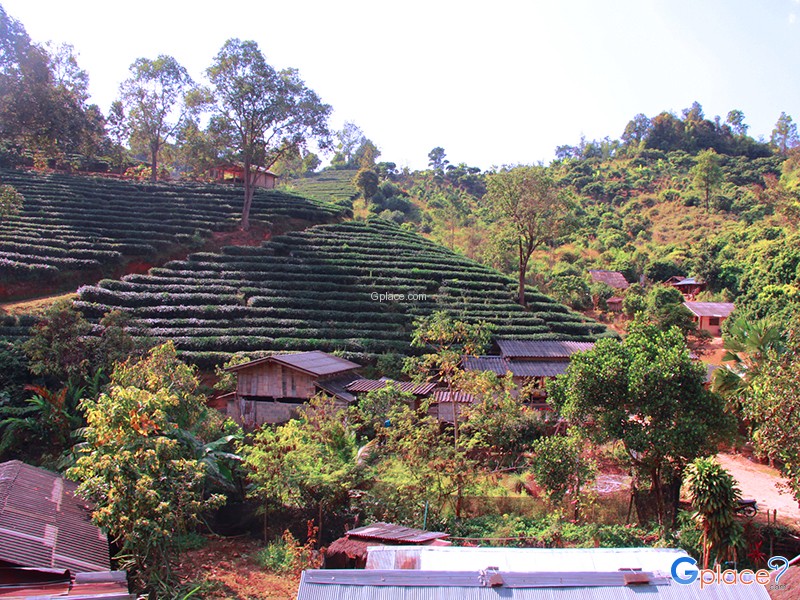
Beyond its tea reputation, Doi Wawee also reflects the enduring Yunnan Chinese culture ingrained in the community's way of life. Tourists will find Yunnan Chinese restaurants, traditional Chinese houses, and unique local dishes such as braised pork knuckle with steamed buns, Yunnan noodles, and warm tea served alongside local cuisine. Many restaurants offer a simple ambiance amidst the mountain views, allowing visitors to experience both the flavors of the food and the traditional culture. Furthermore, during certain times of the year, the community hosts tea and local cultural festivals, boosting tourism and generating income for the local people.
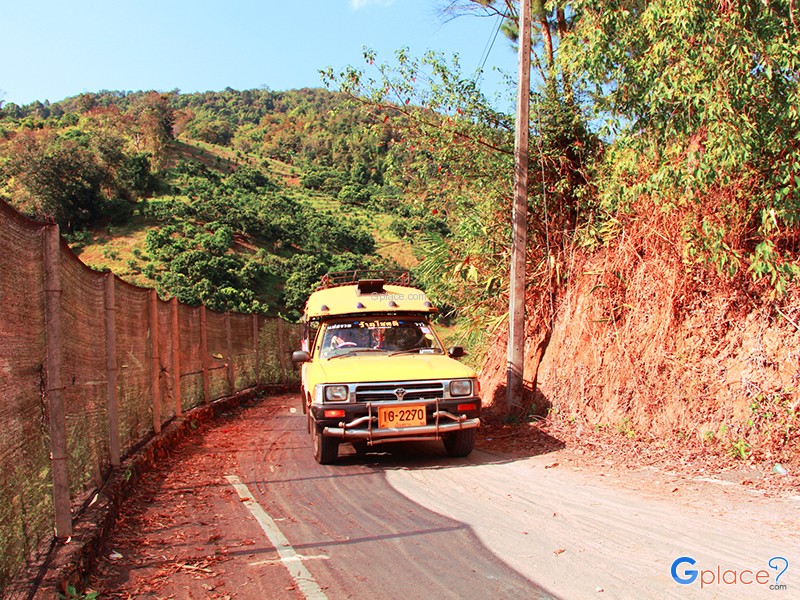
Currently, Doi Wawee is becoming increasingly popular among tourists seeking relaxation amidst nature and escape from the hustle and bustle of big cities. The area offers various accommodation options, including homestays. Doi Wawee boasts mountain resorts, tea cafes, and numerous viewpoints offering stunning views of Chiang Rai's intricate mountain ranges. While the road up the mountain is winding and steep in some sections, the journey is lined with lush nature, forests, and hill tribe villages preserving a simple way of life. This makes a trip to Doi Wawee an experience that offers relaxation, cultural insights, and a lasting impression of the charm of Thailand's high-altitude tea-growing region.
How to Get There
- From Chiang Rai city, take Highway 118 towards Mae Suai. Turn right onto the road leading to Doi Wawee. The route is winding and steep; a well-maintained vehicle or a 4WD is recommended, and driving with caution is essential.
Travel Tips
- Visit early in the morning for the best sea of mist views.
- Bring a jacket as temperatures can be quite cold year-round.
- Drive carefully because the mountain road has many sharp curves.
- Refuel before heading uphill since gas stations are limited.
Admission Fees:
- Free admission.
Opening Hours:
- Open daily from 08:00 – 05:00 PM.
Doi Wawee Tea Plantatio

 Share
Share
 T.Wawee, A.Mae Suai, Chiang Rai, 57130
Map
T.Wawee, A.Mae Suai, Chiang Rai, 57130
Map
 Closed today
Mon8.00 - 17.00
Tue8.00 - 17.00
Wed8.00 - 17.00
Thu8.00 - 17.00
Fri8.00 - 17.00
Sat8.00 - 17.00
Sun8.00 - 17.00

 https://www.thai-tour.com/thai-tour/north/chiangrai/data/place/chadoiwawee.html

 6110
6110