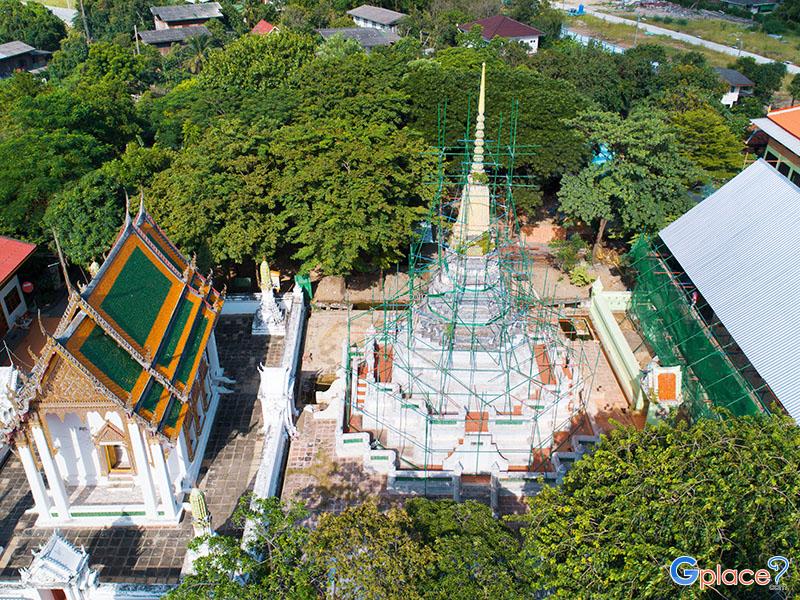
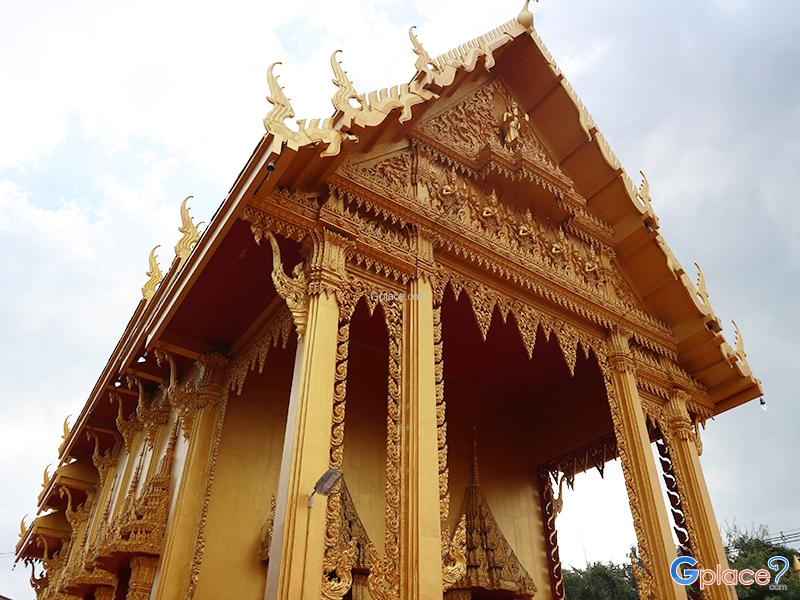
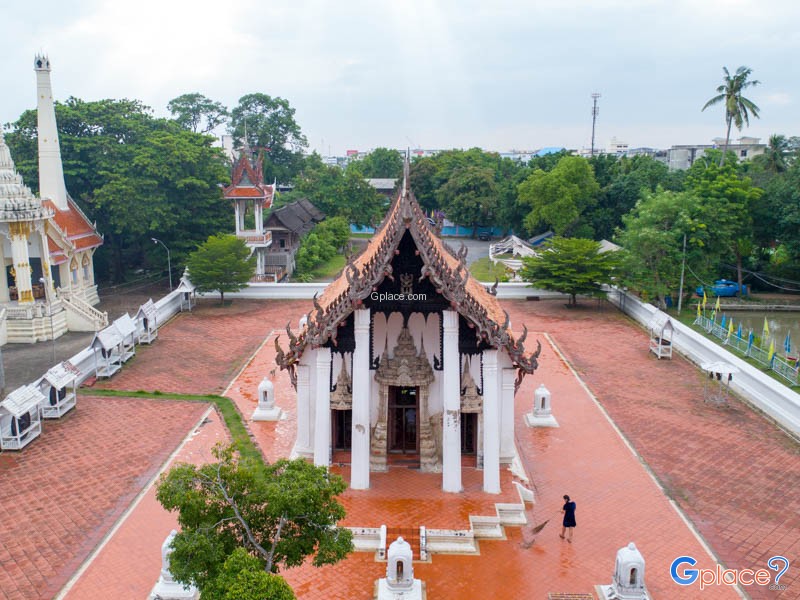
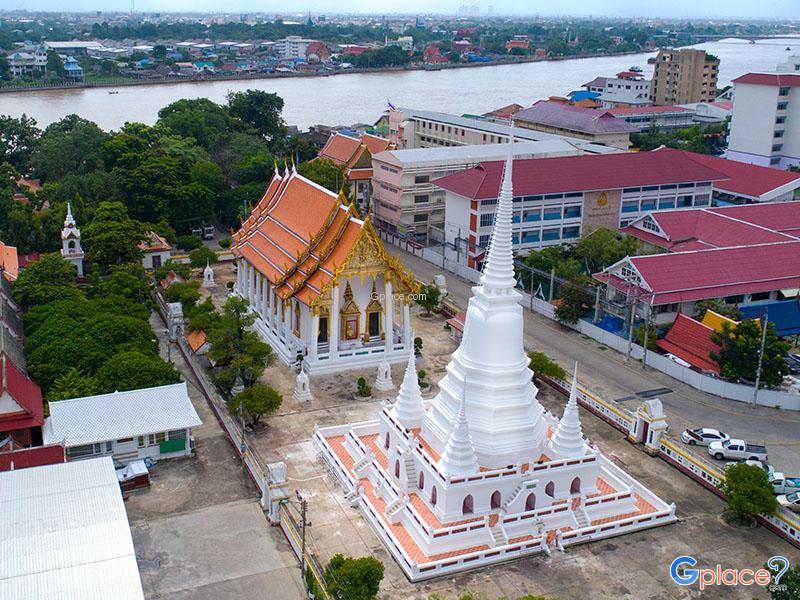
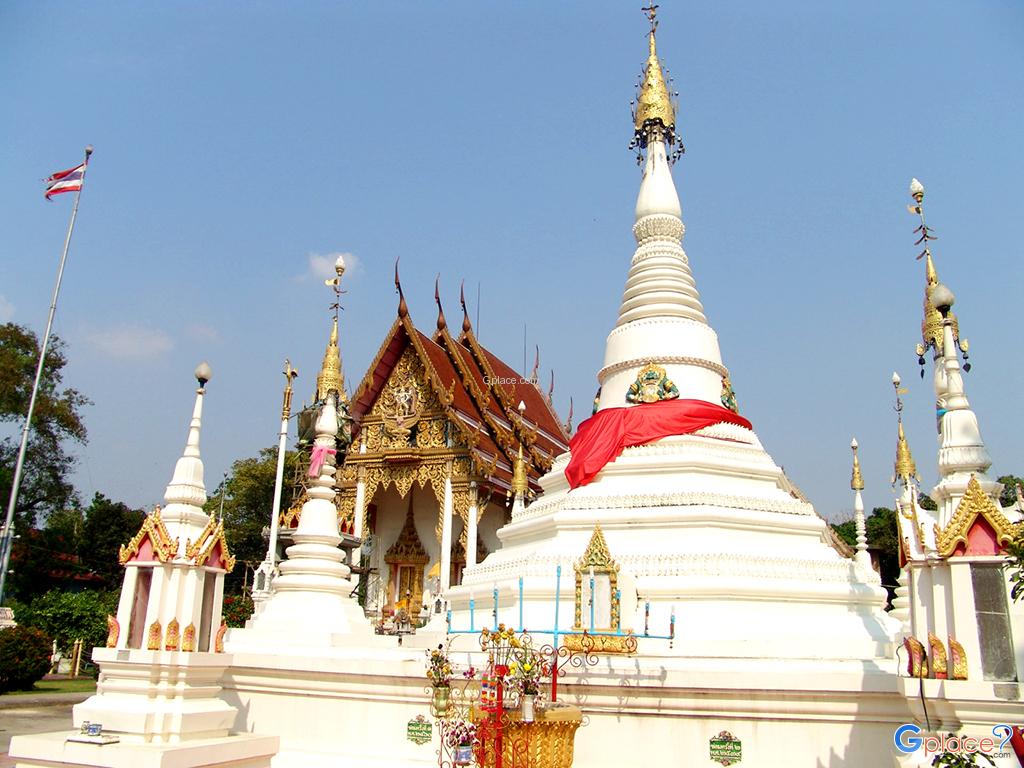
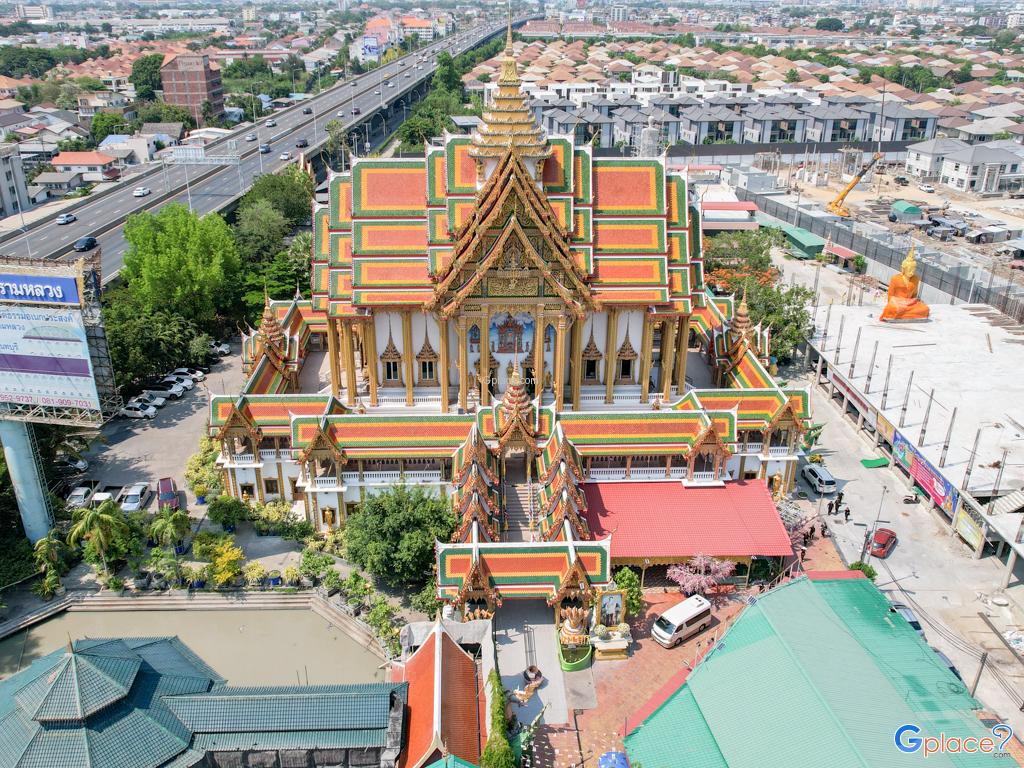
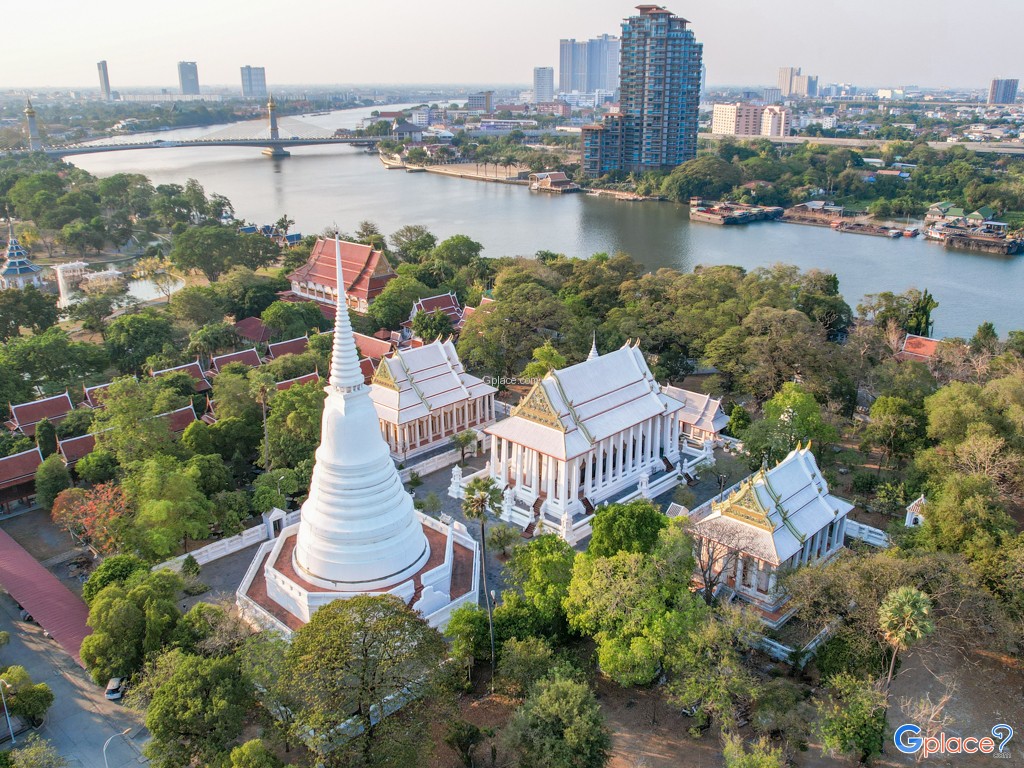
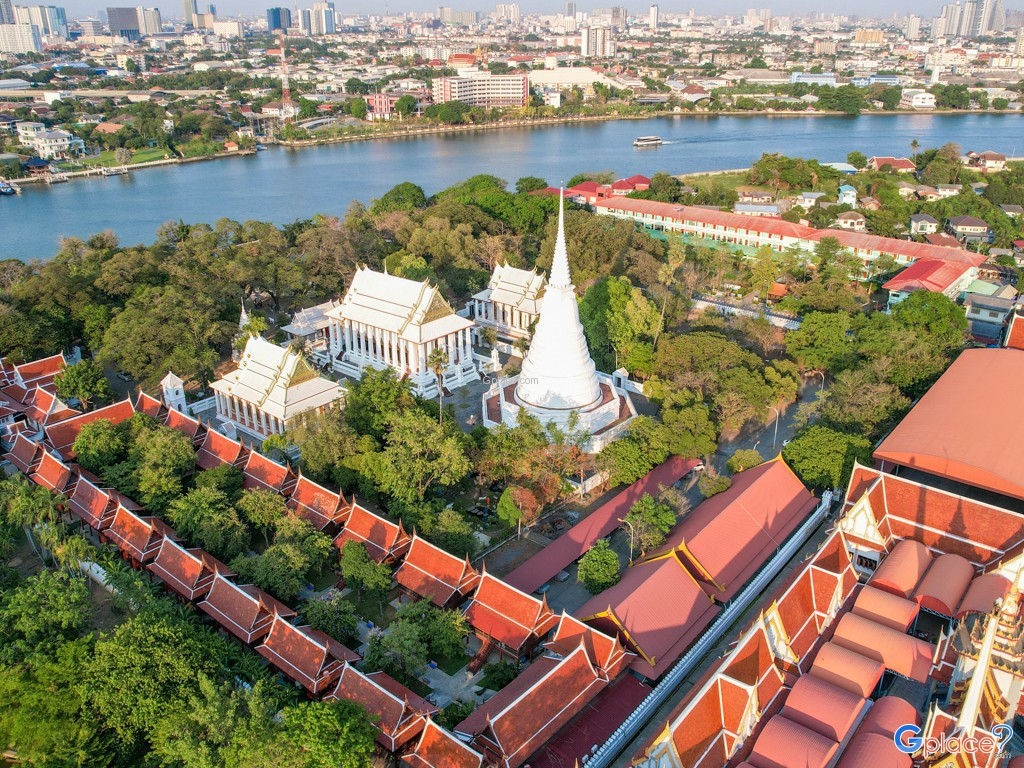
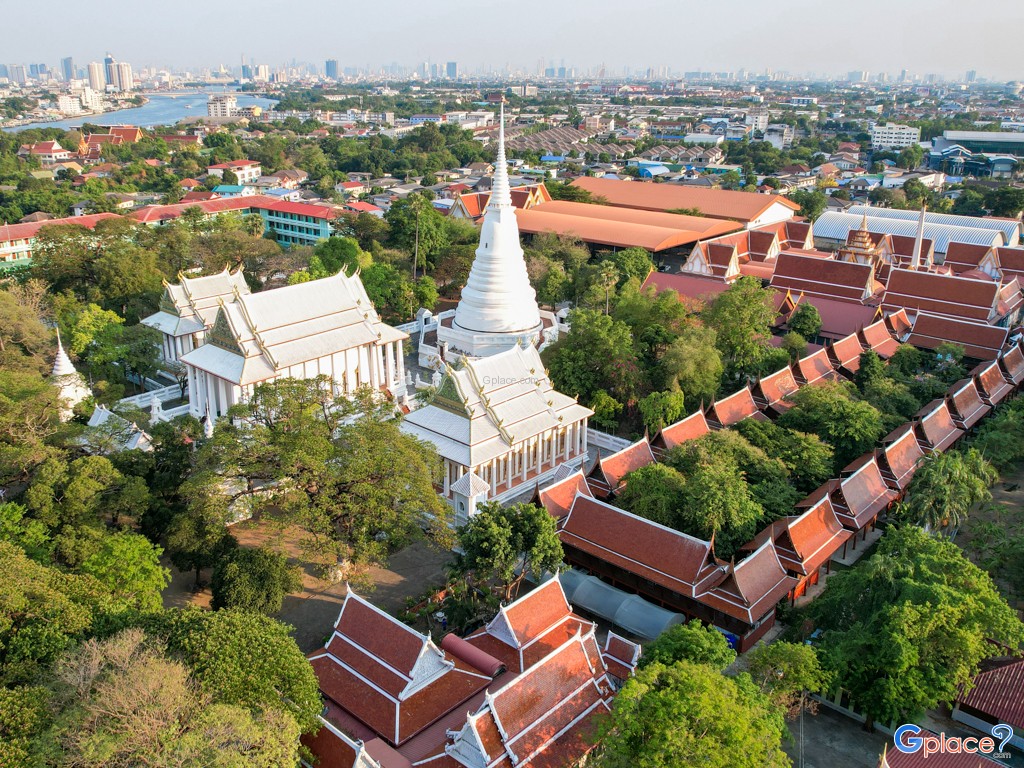
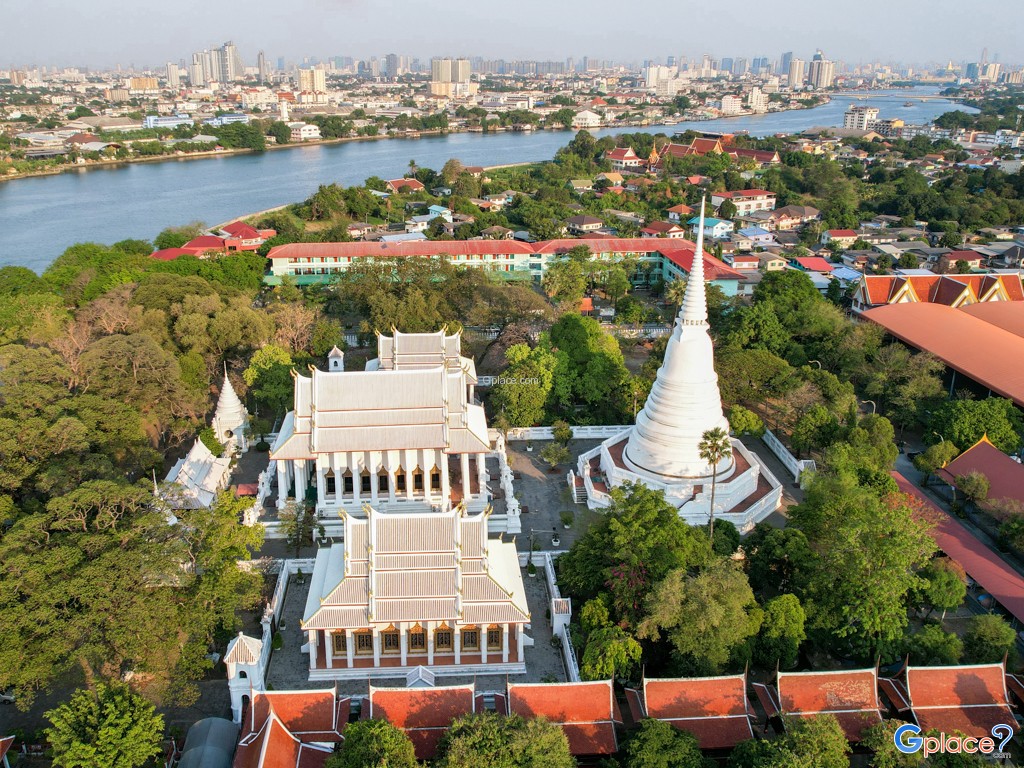
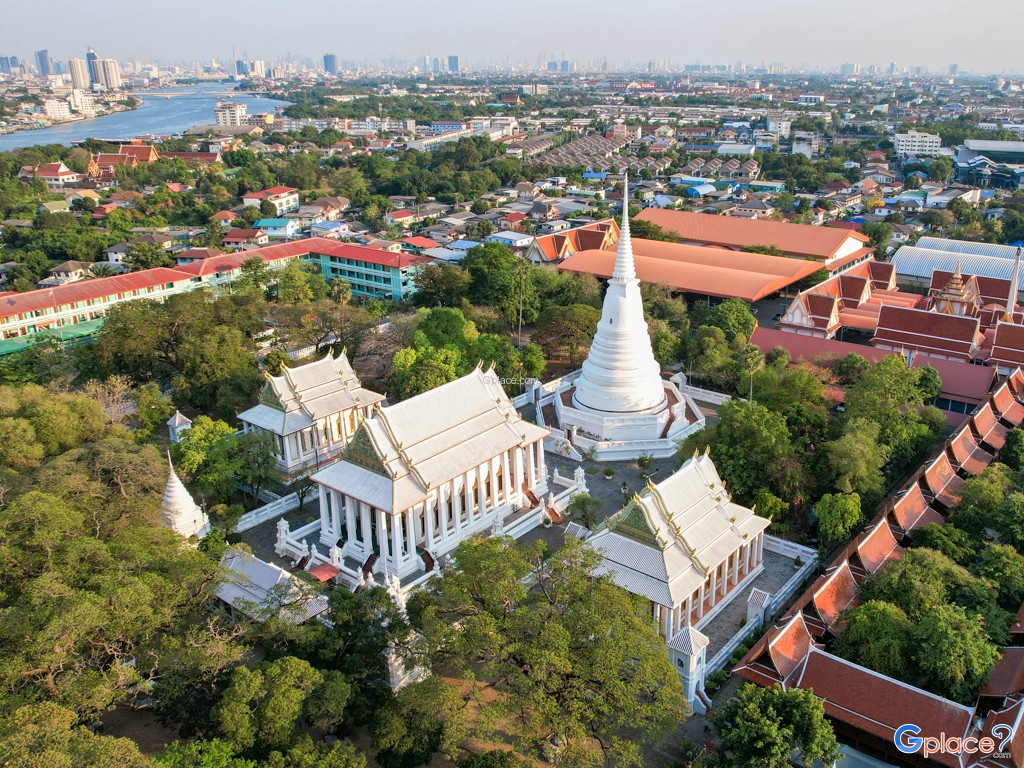
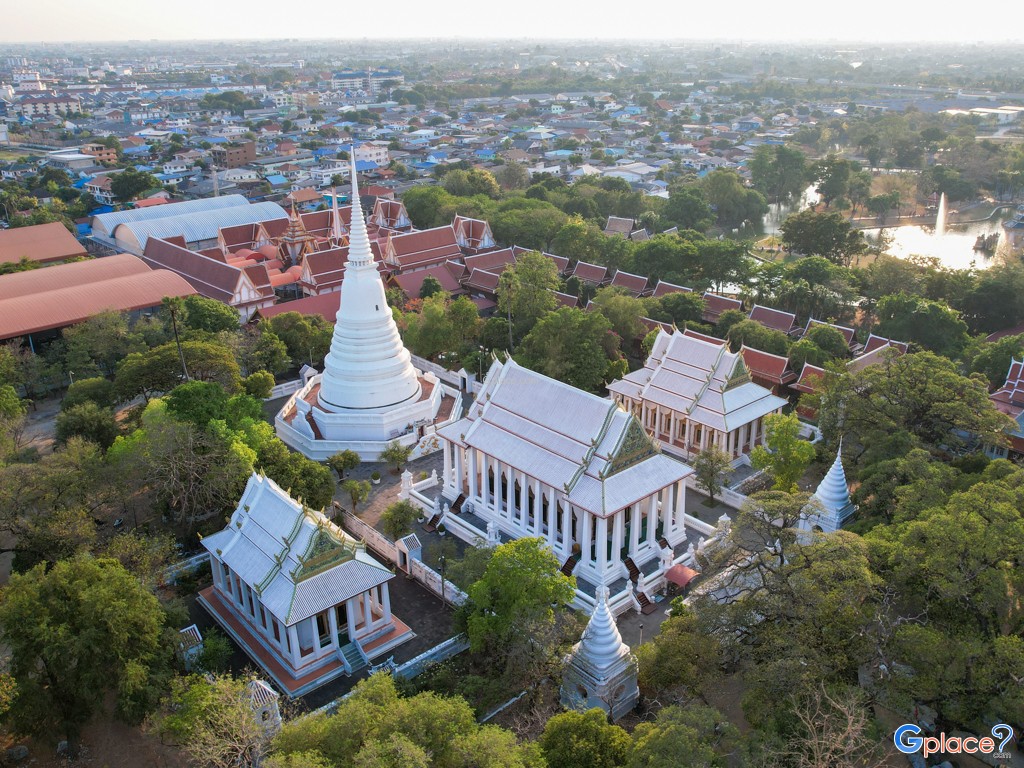
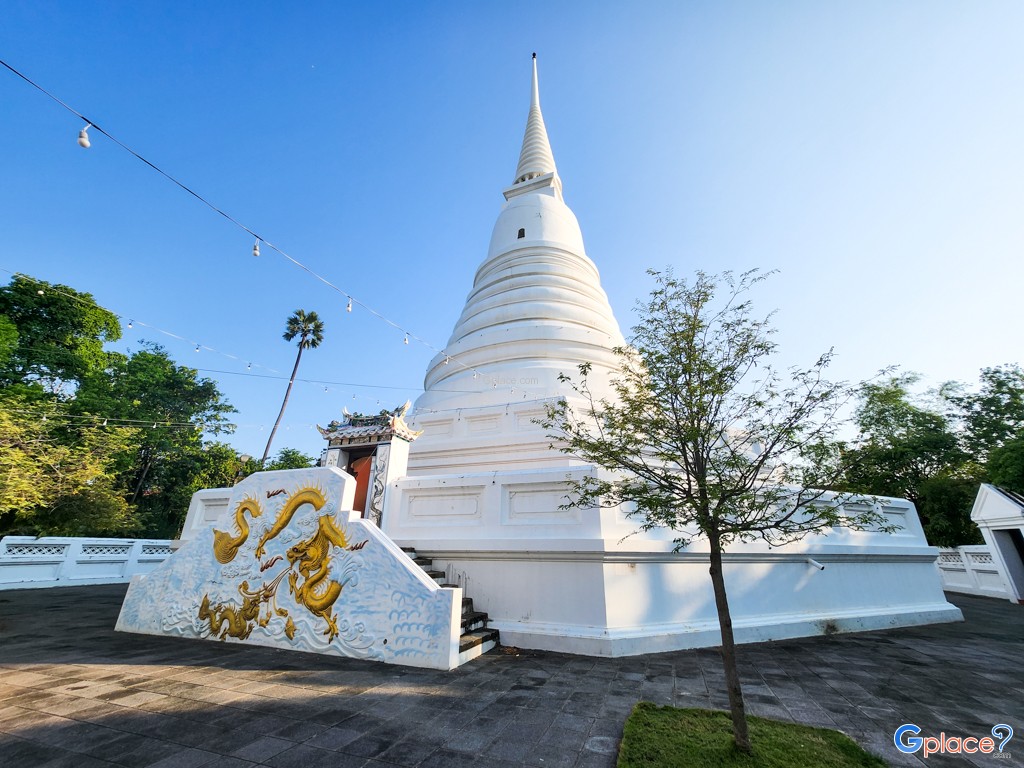
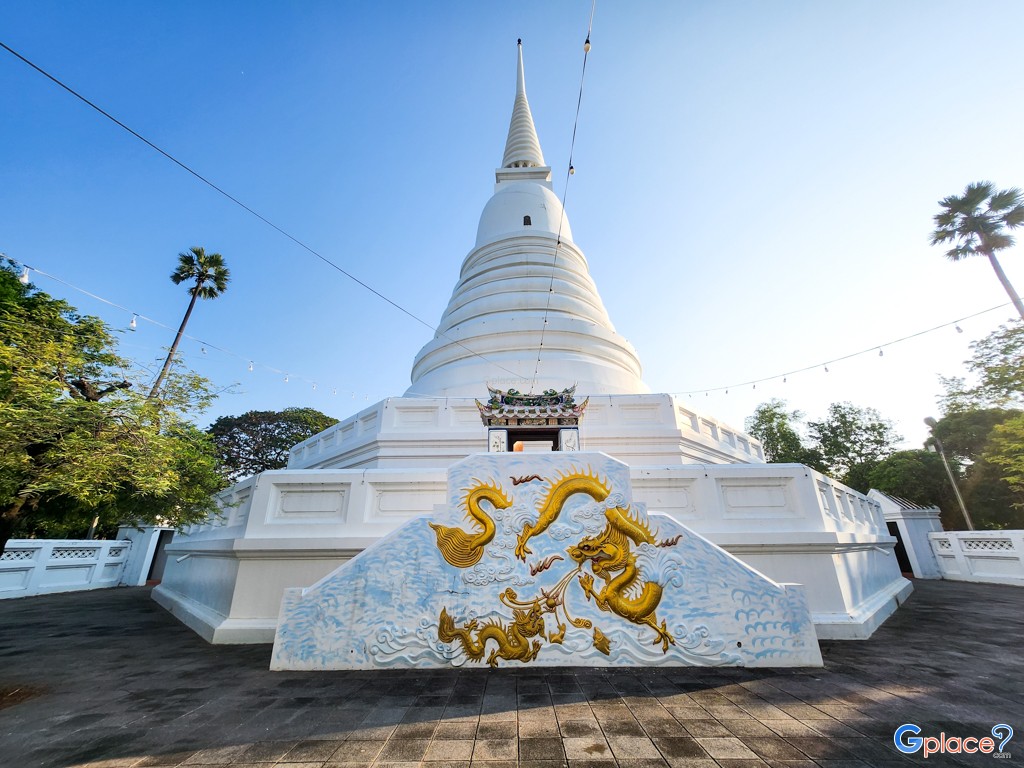
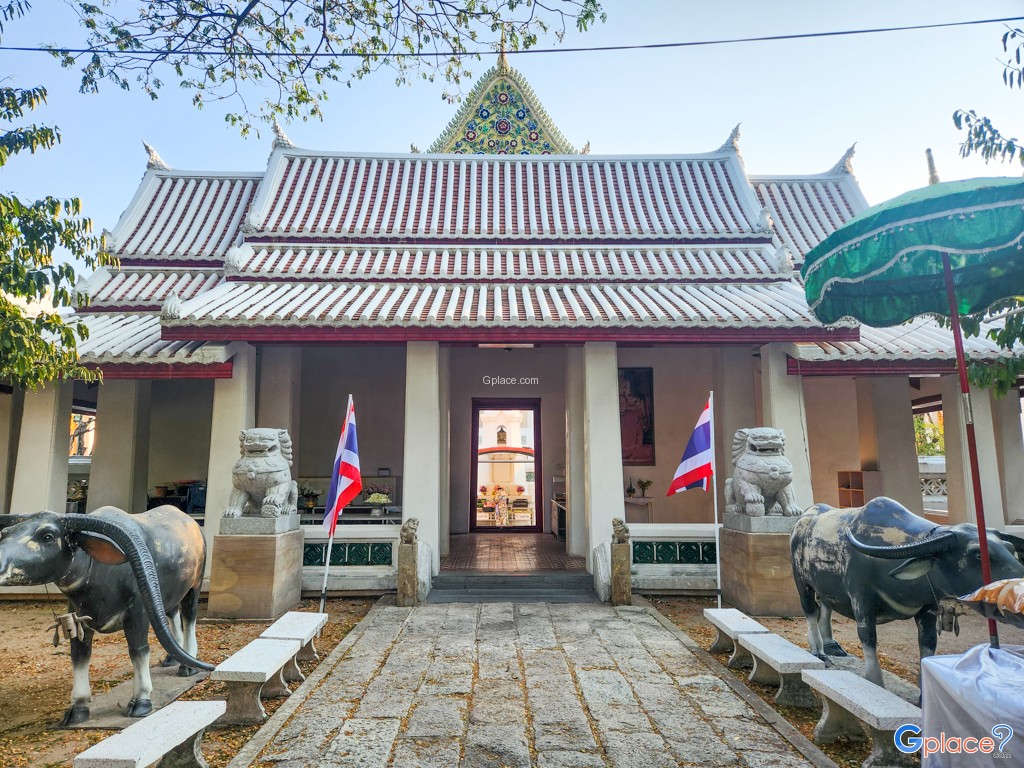
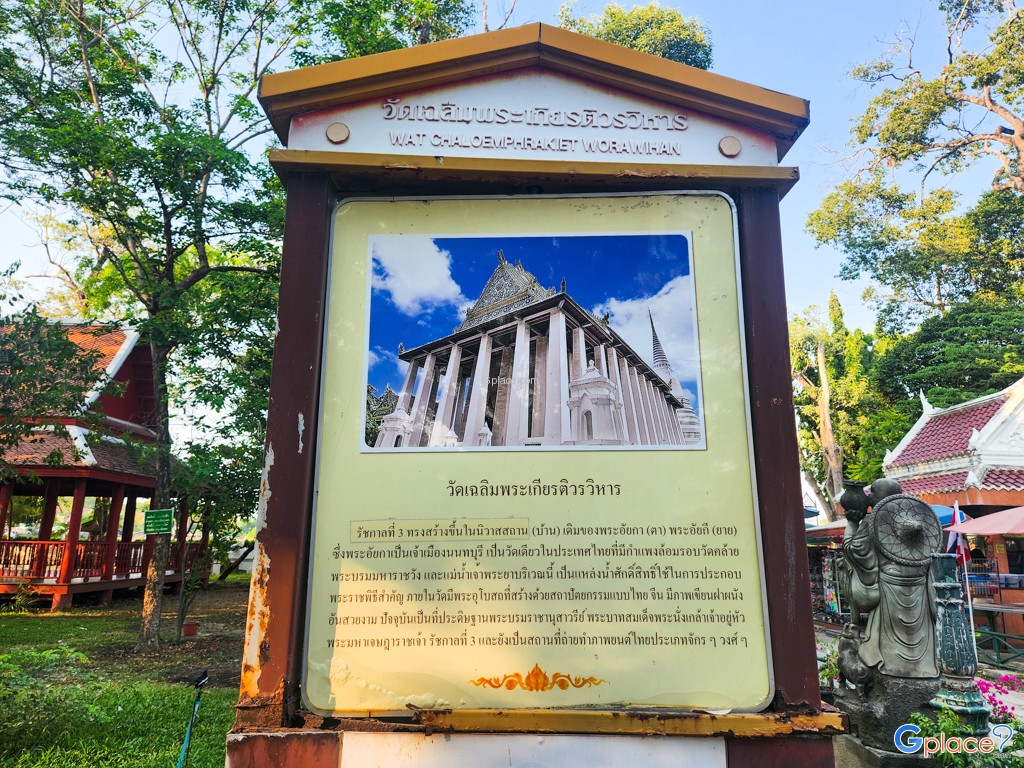
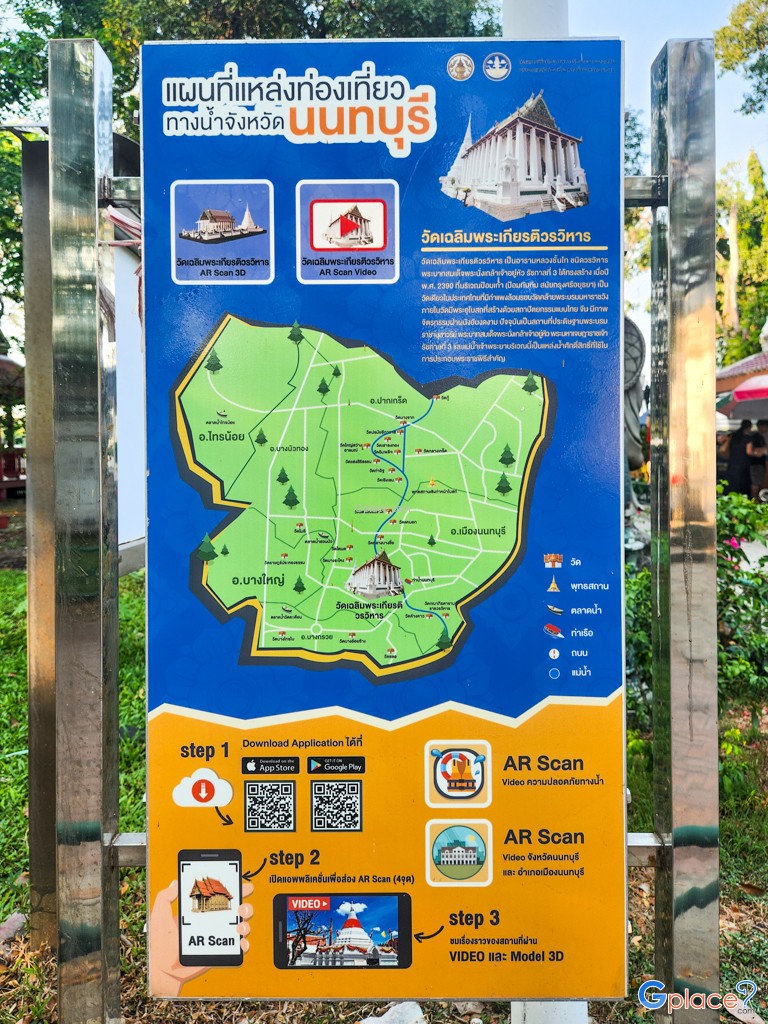
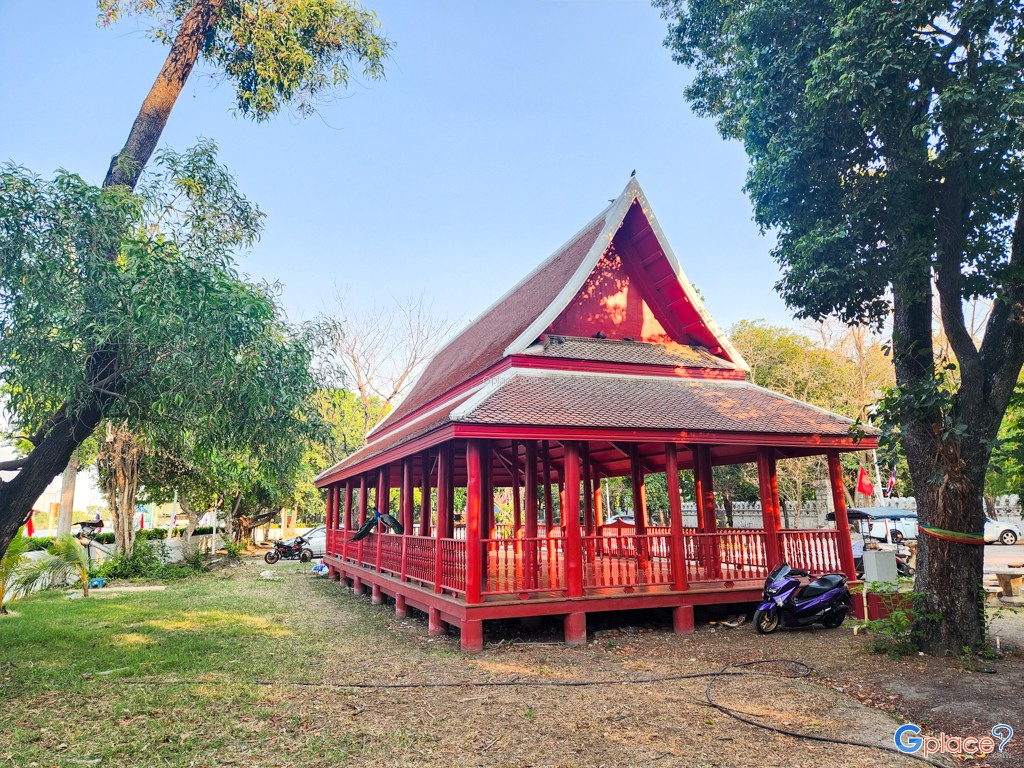
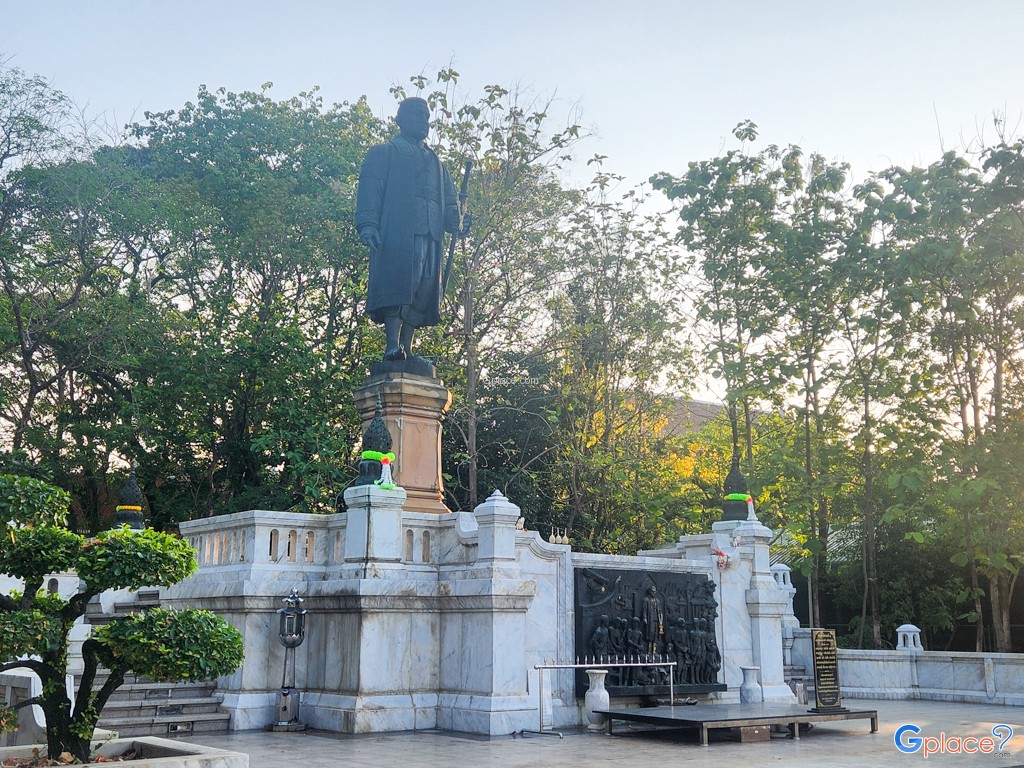
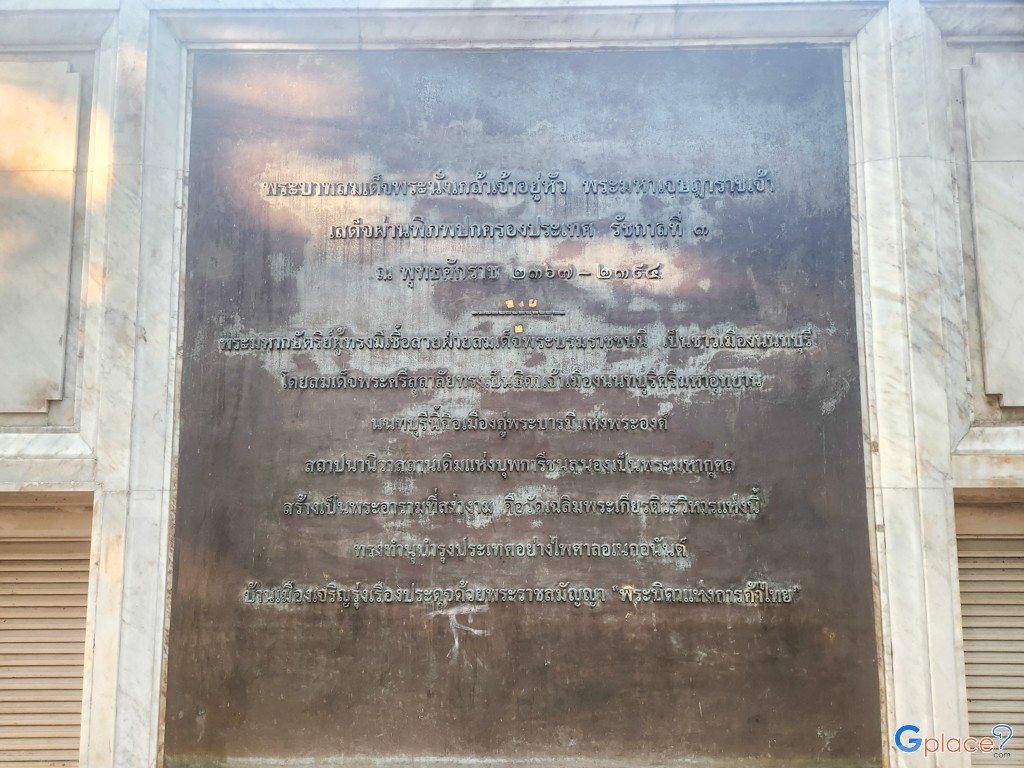
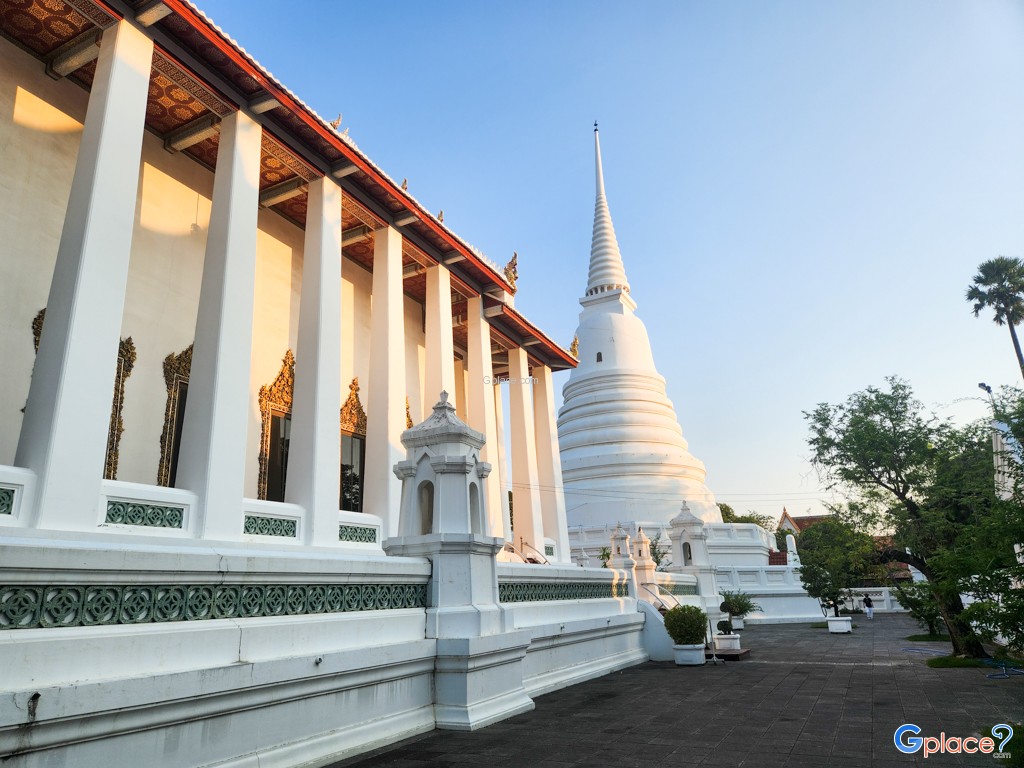
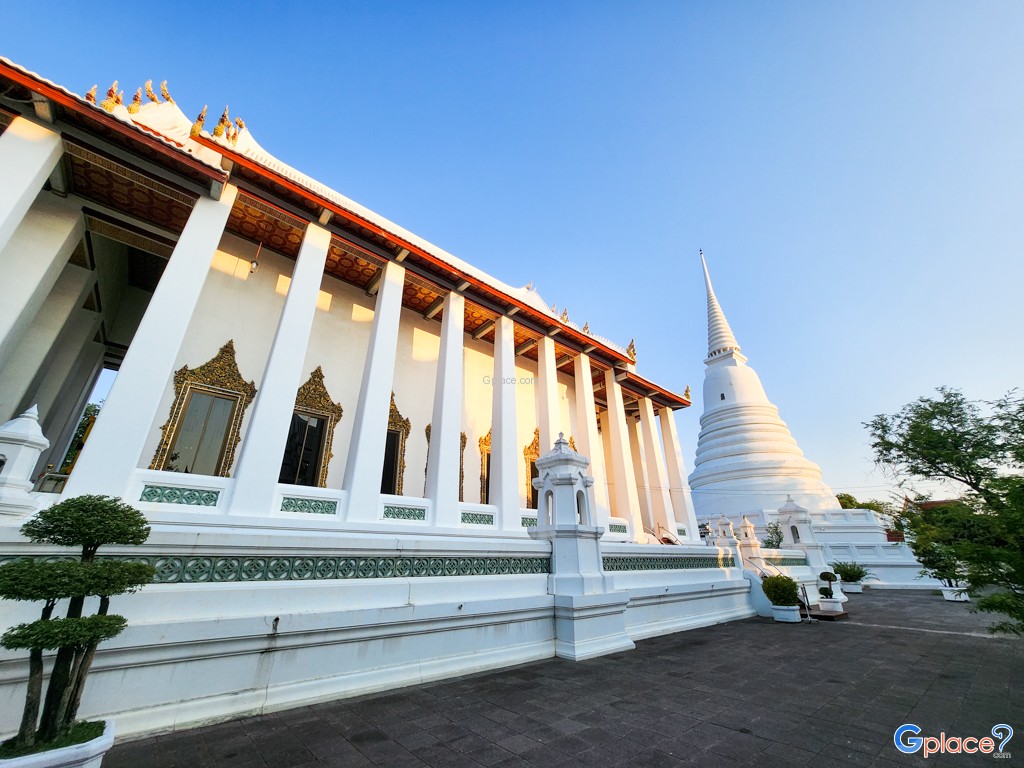
Wat Chaloem Phra Kiat Worawihan is a second-class royal temple constructed in 1847 during the reign of King Rama III, originally built as a royal merit-making project dedicated to his grandparents and his mother (Chao Chom Manda Riam), on land that once served as his family residence, making the temple’s establishment not only a religious act but also a profound expression of filial piety and the symbolic transformation of a private domestic space into a sacred Buddhist site; architecturally, the temple is a prominent example of “hybrid” Thai–Chinese style that emerged from strong cultural and commercial exchange between Siam and China during the early Rattanakosin period, where the traditional Thai temple layout is preserved while exterior decorative elements are adapted into Chinese aesthetics, including the use of brightly colored glazed roof tiles instead of traditional Thai roof ornaments, the simplification of chofah, bai raka, and hang hong elements, and the incorporation of Chinese floral motifs such as peonies, all reflecting the artistic vision and cultural openness of King Rama III who integrated foreign influences into Thai architectural identity in a distinctive way;
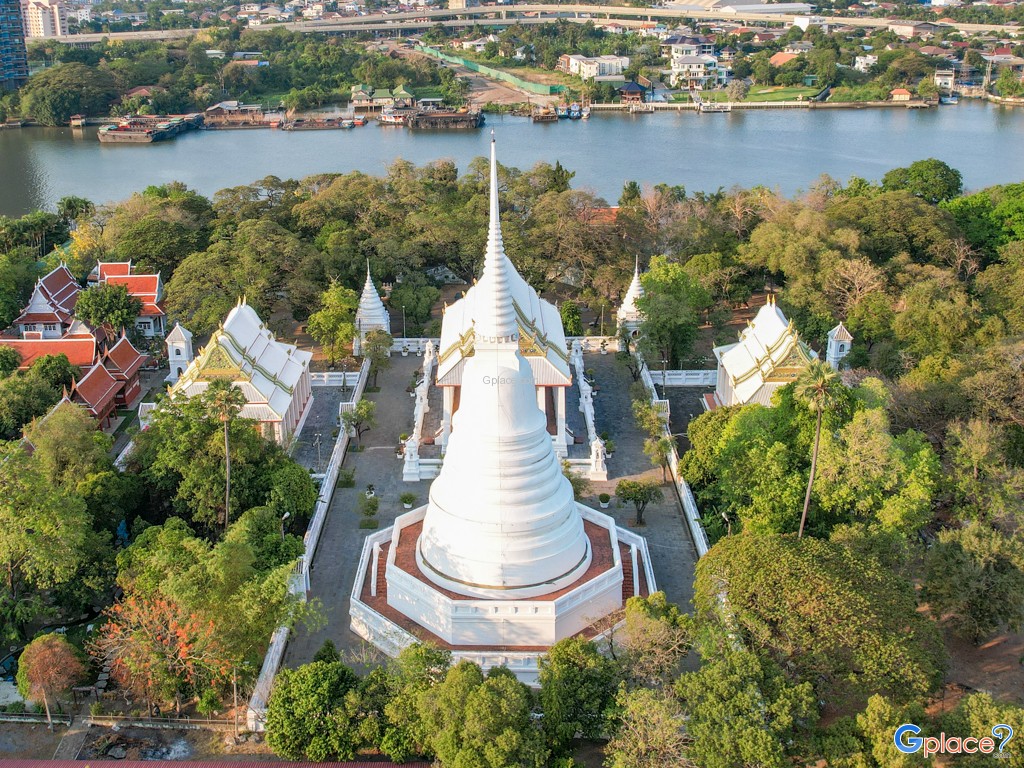
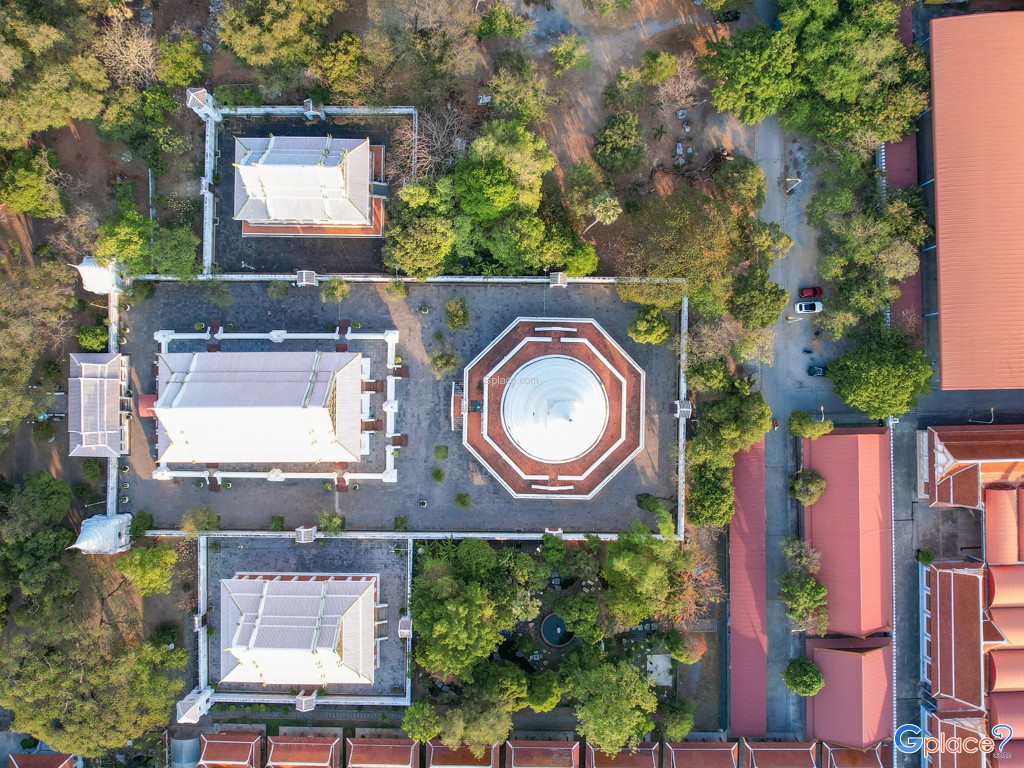
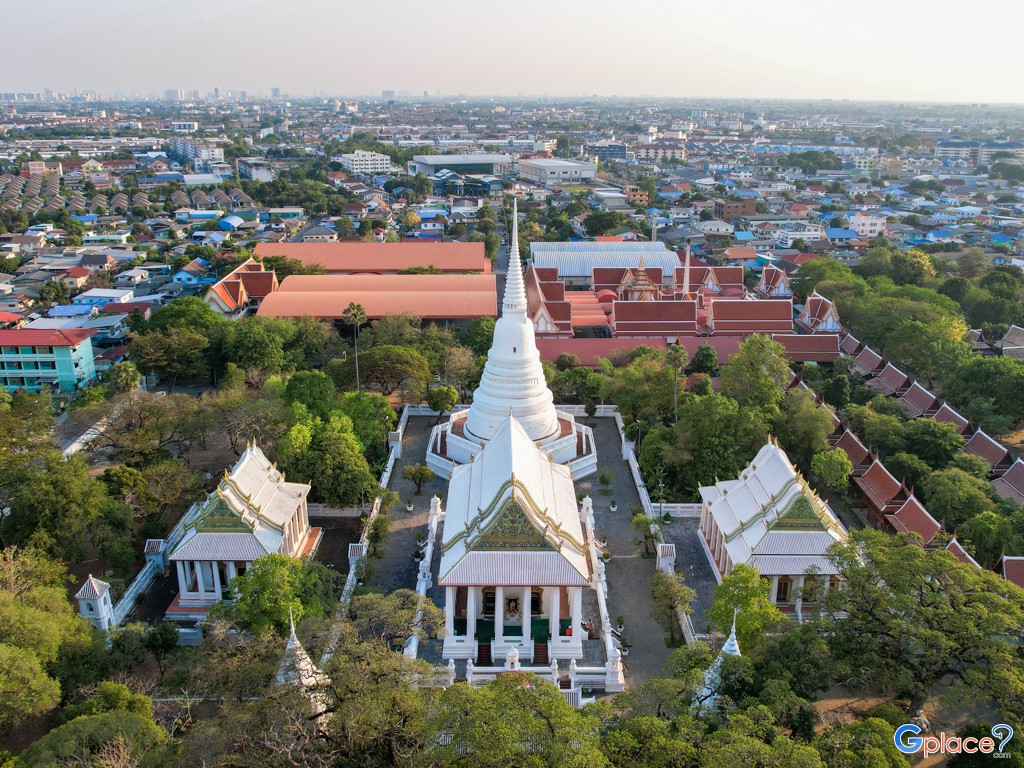
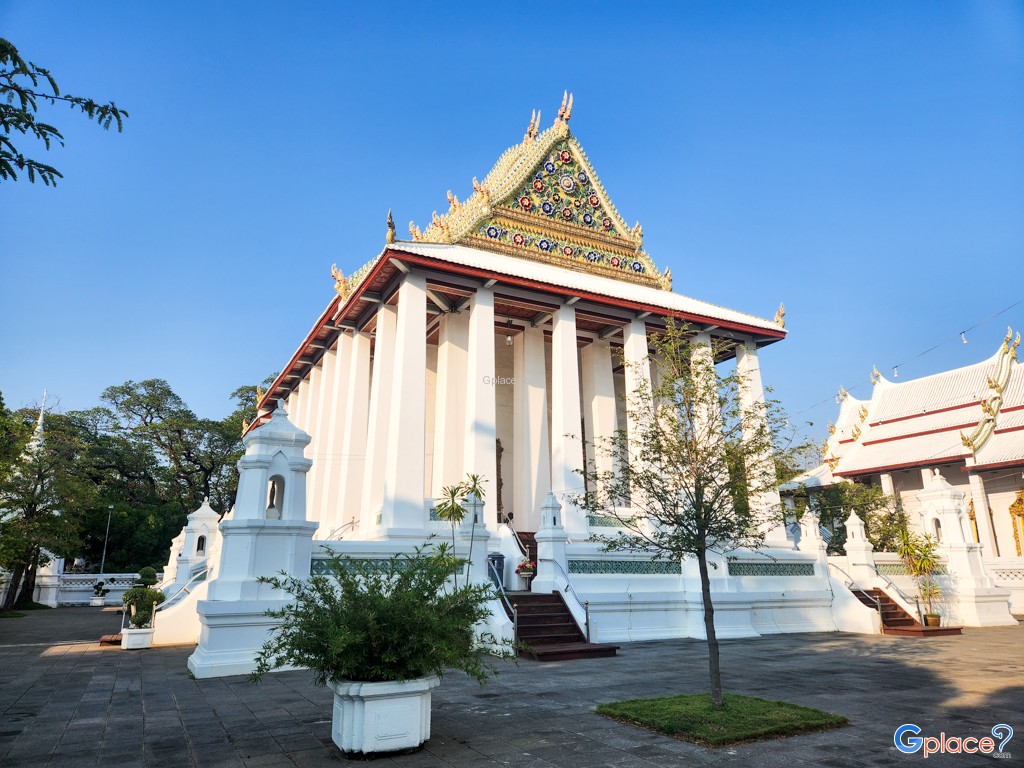
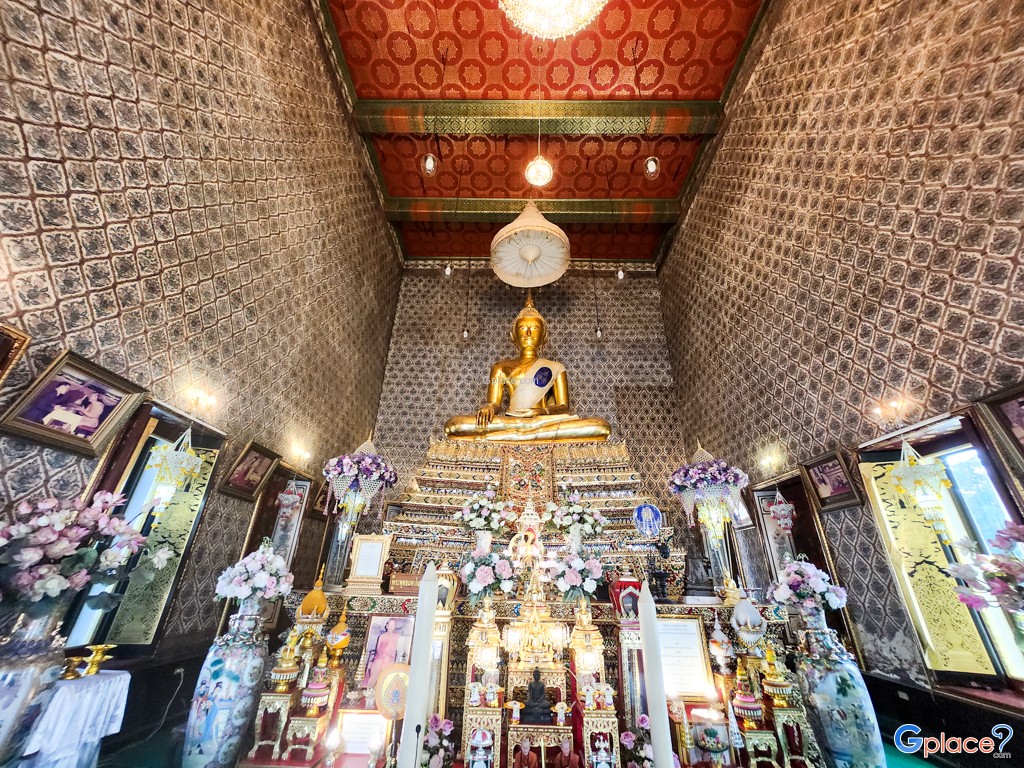
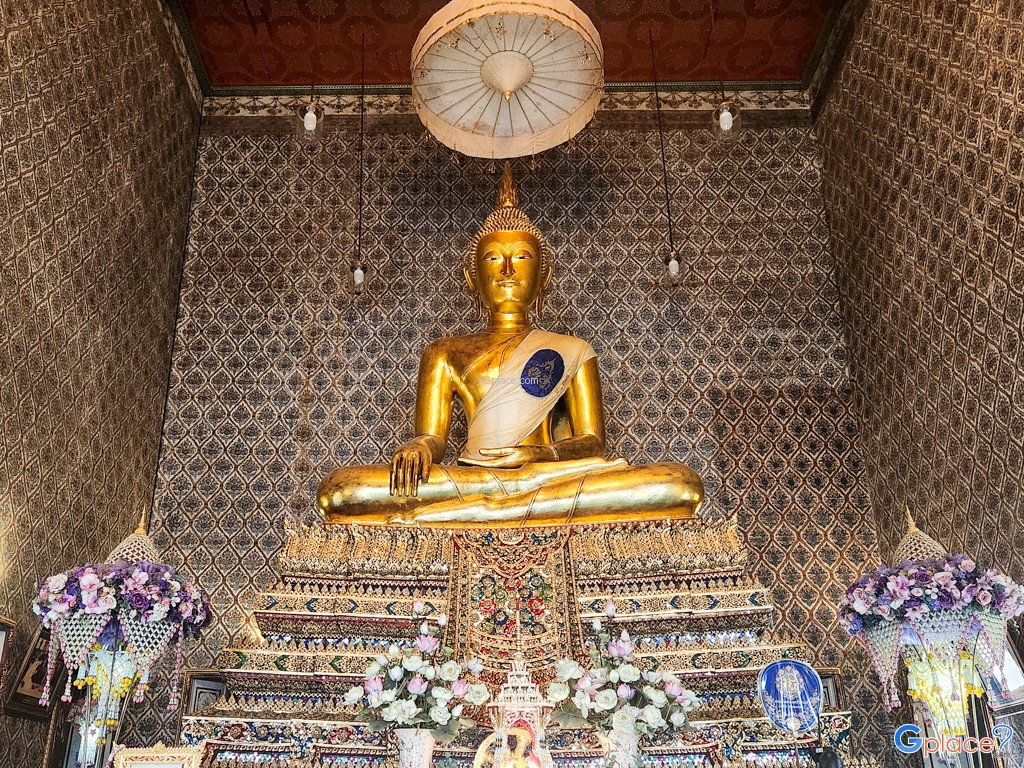
the ubosot is built of brick and plaster with a Chinese-style tiled roof and a pediment decorated with a royal crown surrounded by peony patterns, symbolizing both royal authority and refined craftsmanship, and it enshrines the principal Buddha image known as Phra Phuttha Maha Lokaphinatthanaphiwat, a copper-cast Maravijaya Buddha relocated from the Grand Palace, emphasizing the temple’s strong connection to the royal court and its religious significance; another remarkable feature is the surrounding boundary wall with fortress-like corner pavilions resembling a defensive city structure, symbolizing the protection and stability of Buddhism while reflecting possible influences from both Chinese and Western defensive architectural concepts during a period of increasing foreign interaction; the temple layout continues to follow traditional
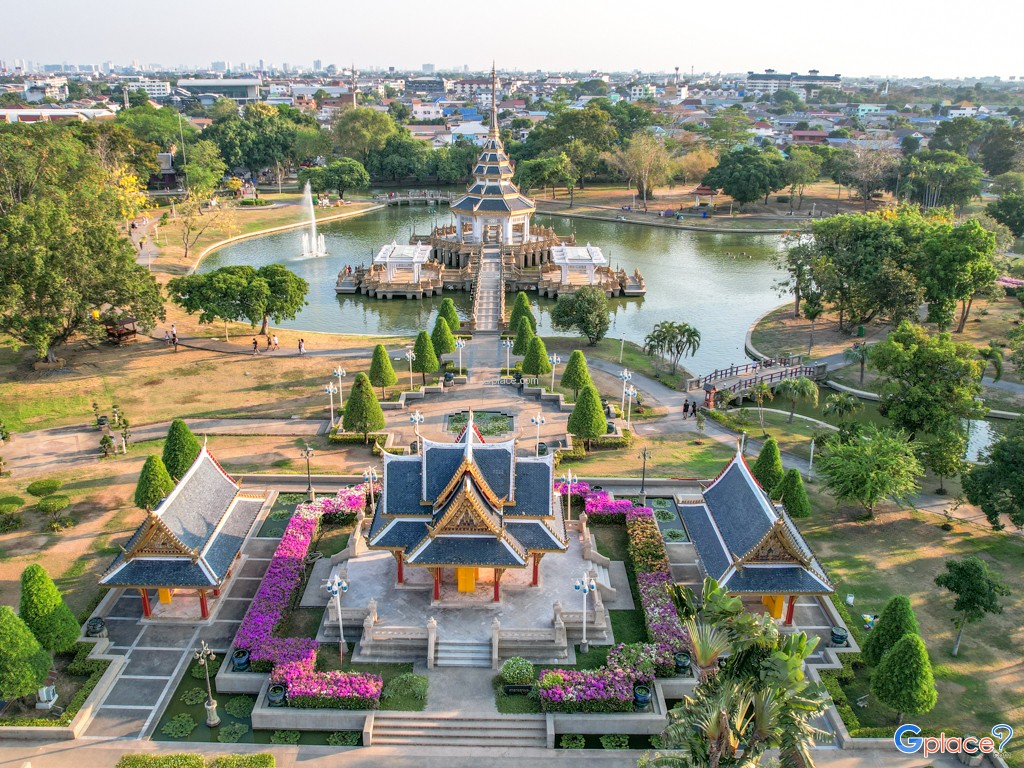
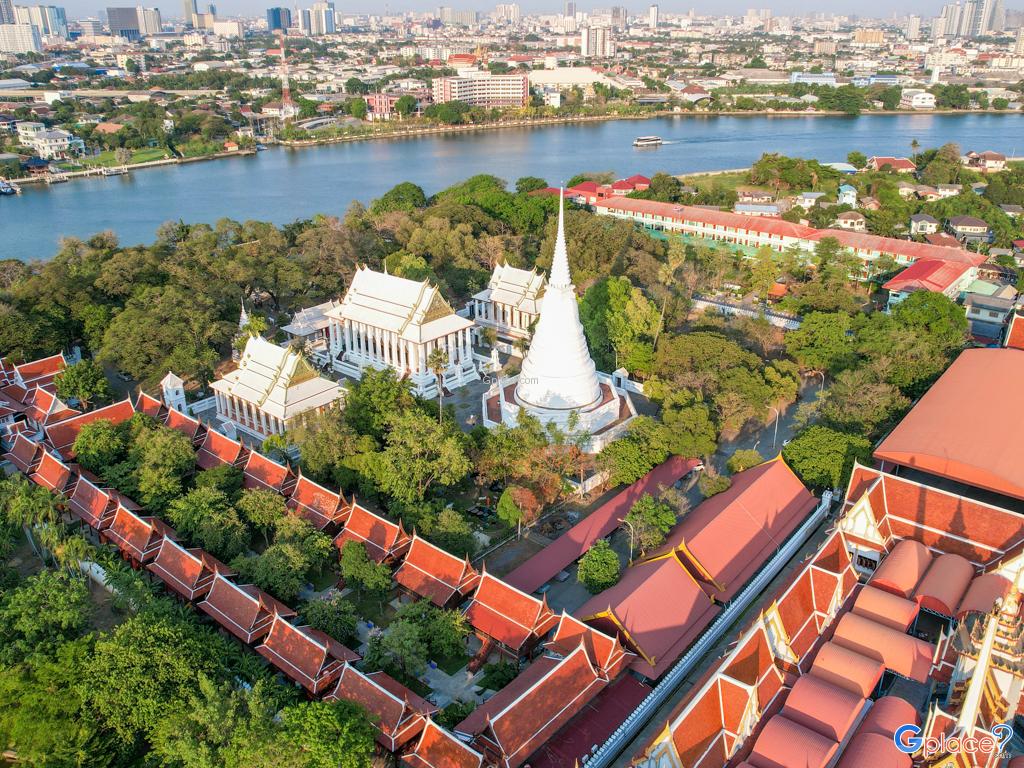
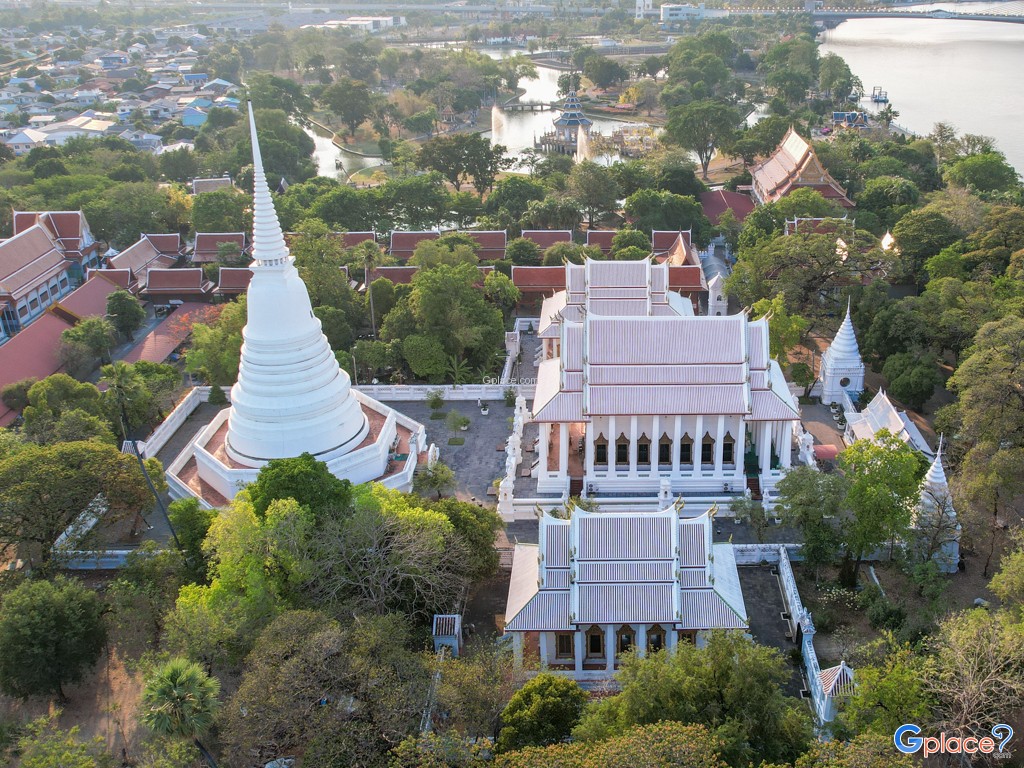
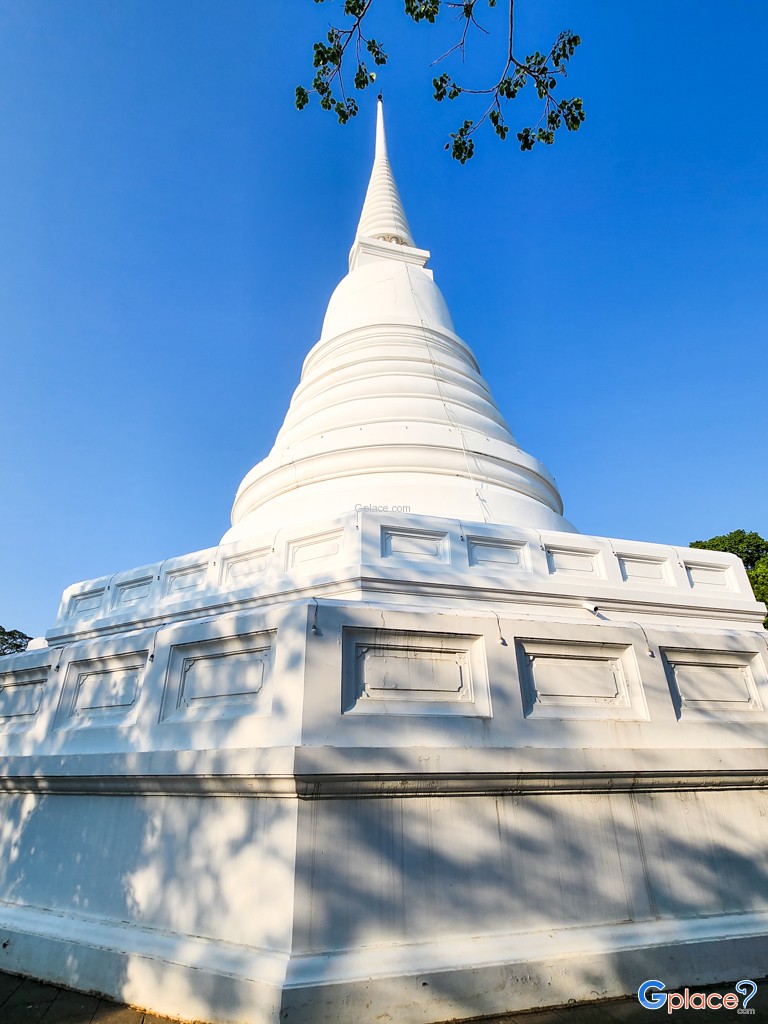
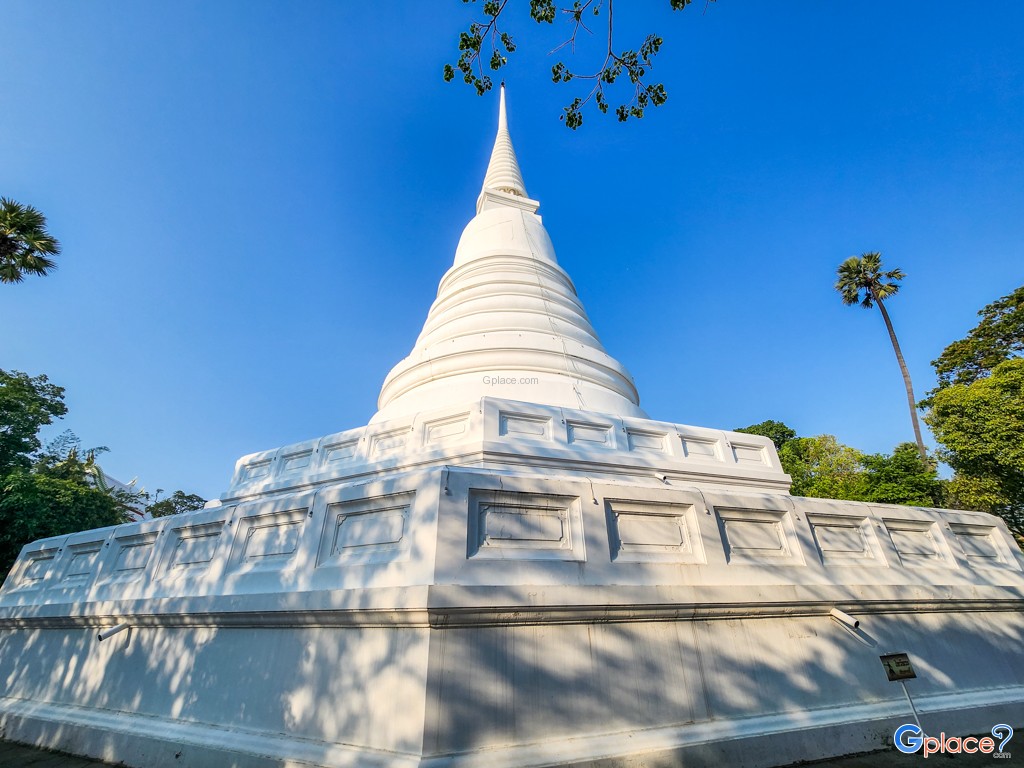
Thai planning principles, aligning the ubosot, viharn, and chedi along a central axis that opens toward the Chao Phraya River, which historically functioned as a major transportation route and economic artery, reinforcing the temple’s role as a spiritual and communal center for riverside settlements; in the present context, the temple is situated next to Chaloem Kanchanaphisek Park, allowing the surrounding area to serve as a recreational urban green space while preserving its historical atmosphere, making Wat Chaloem Phra Kiat Worawihan not only a place of worship and cultural tourism but also an important historical testament to the social transformation, artistic development, and cultural synthesis of early Rattanakosin Thailand

 Attractions
  Hotel
Hotel  Restaurant
  Shopping
  Abroad








 Share
Share
 Muang Nonthaburi District, Nonthaburi, 11000
Map
Muang Nonthaburi District, Nonthaburi, 11000
Map
 Closed today


 jengkiskang@hotmail.com
  1448
1448